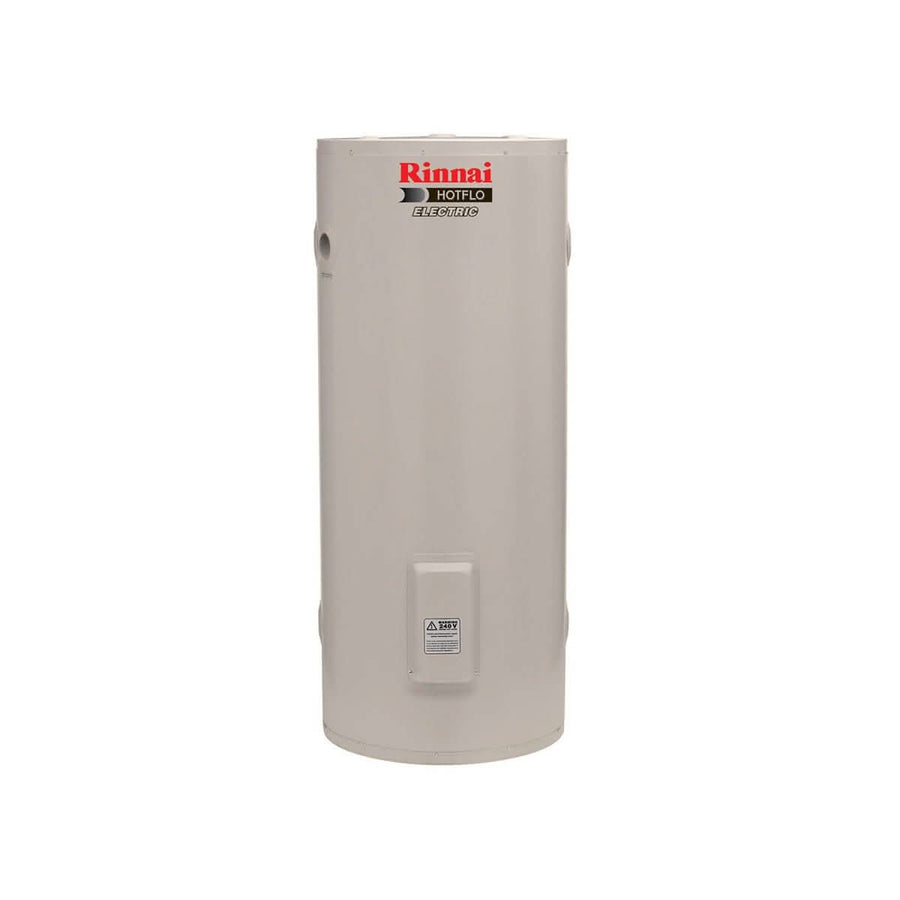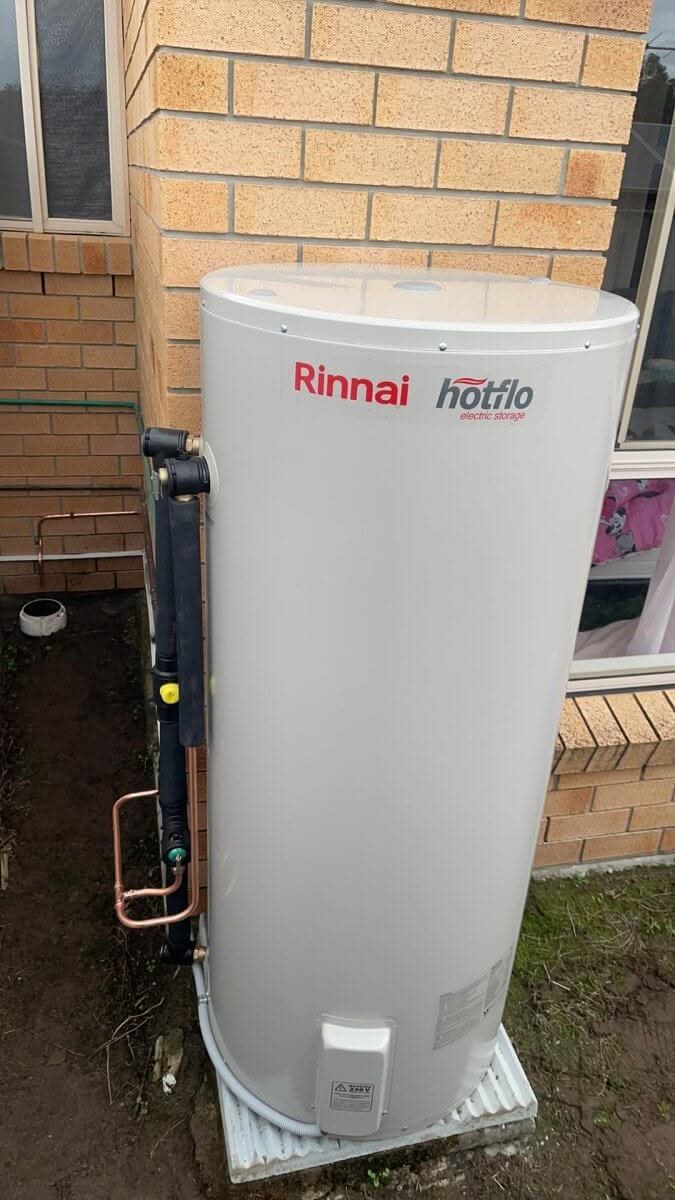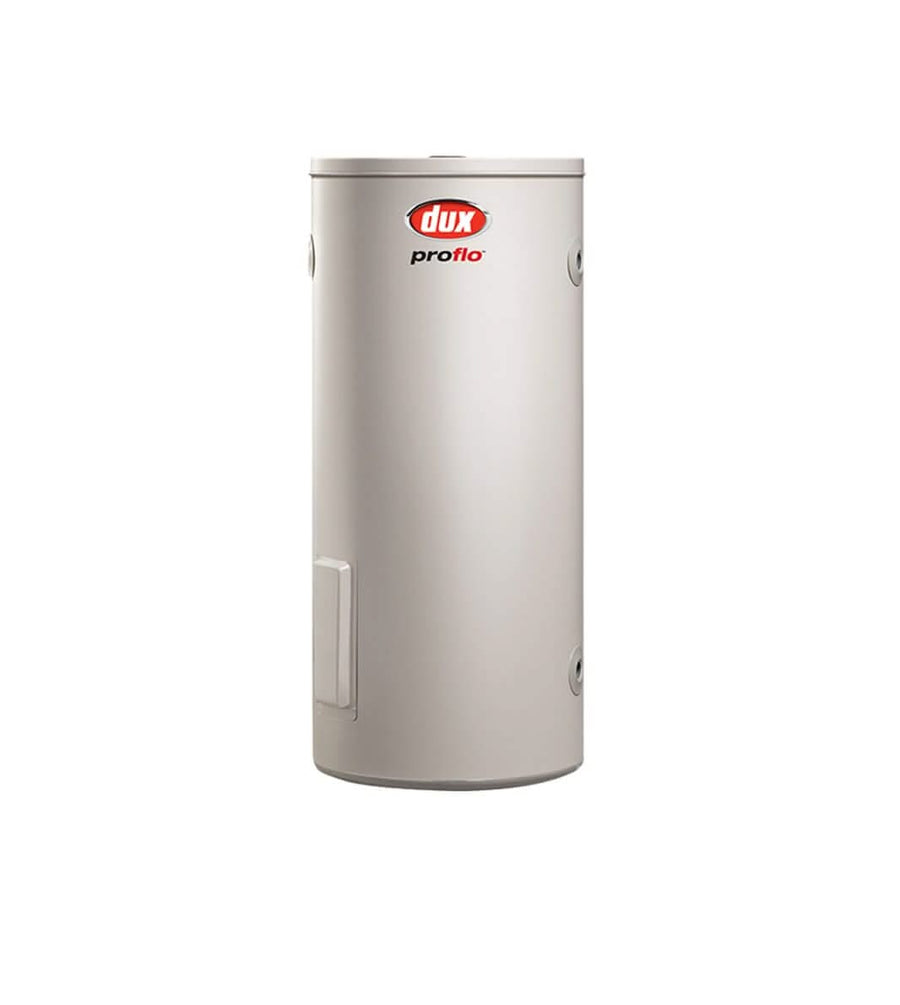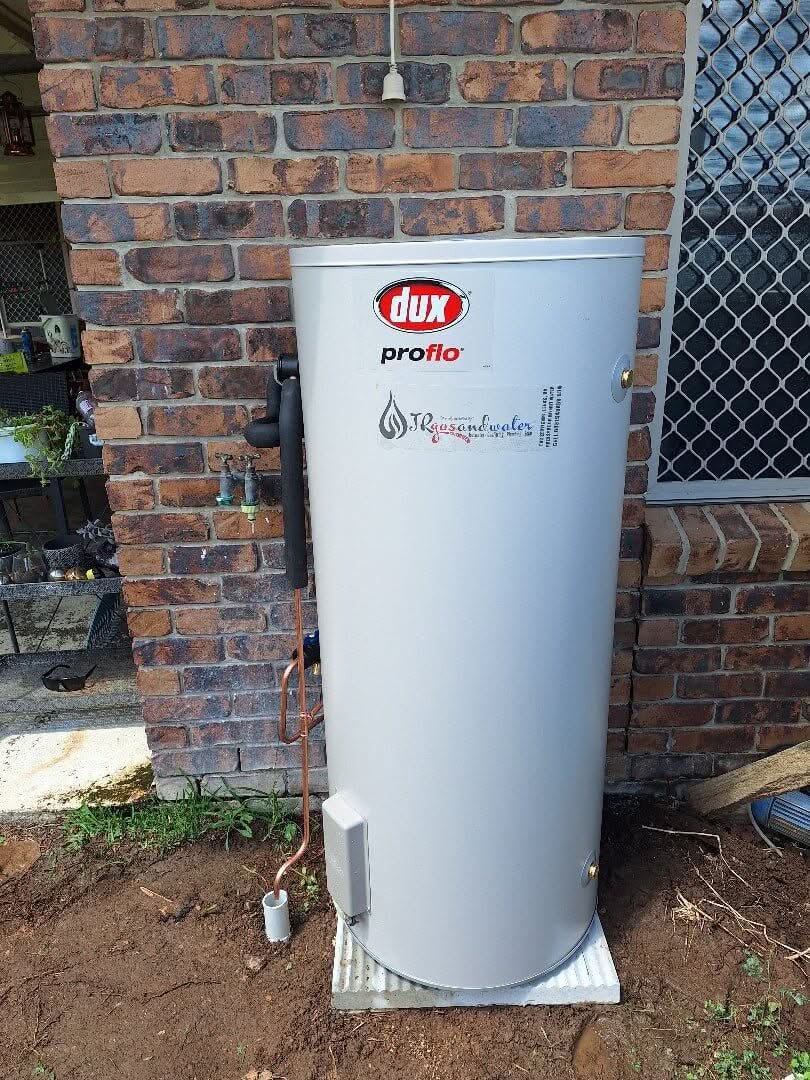

125L vs 160L Electric Hot Water: Which Is Better?
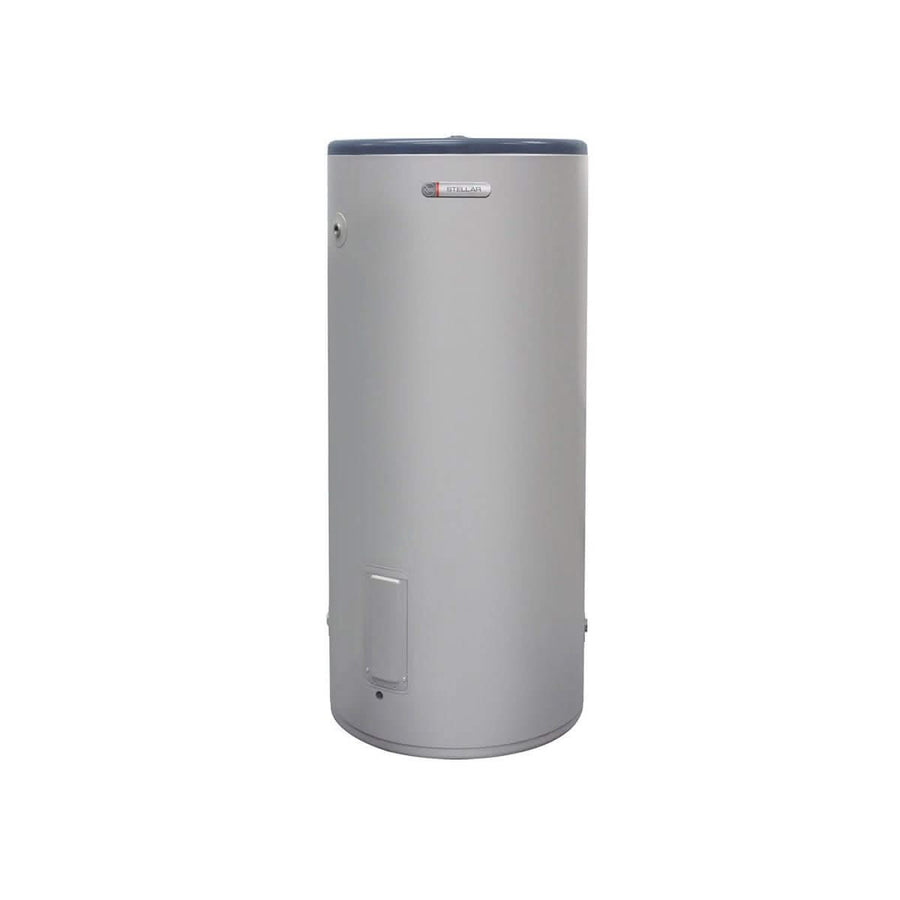
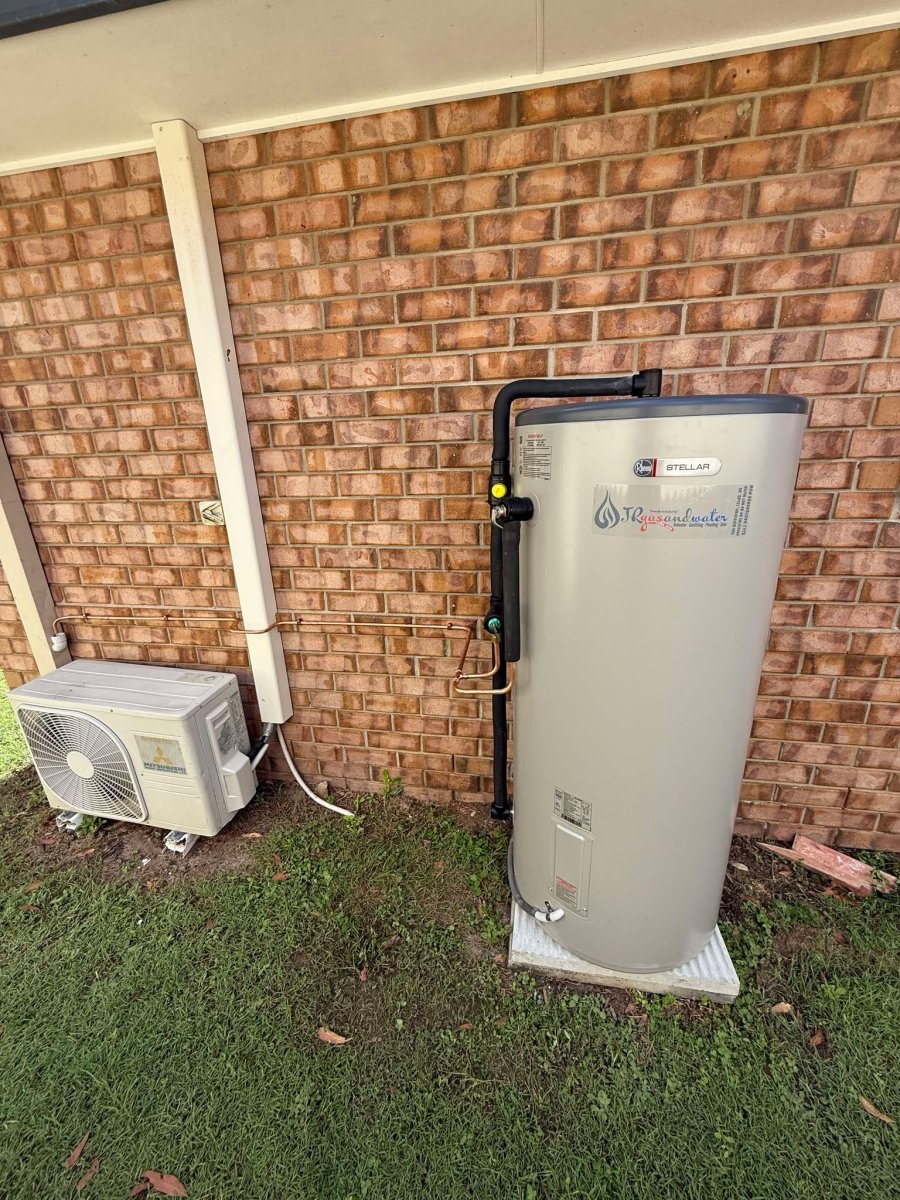
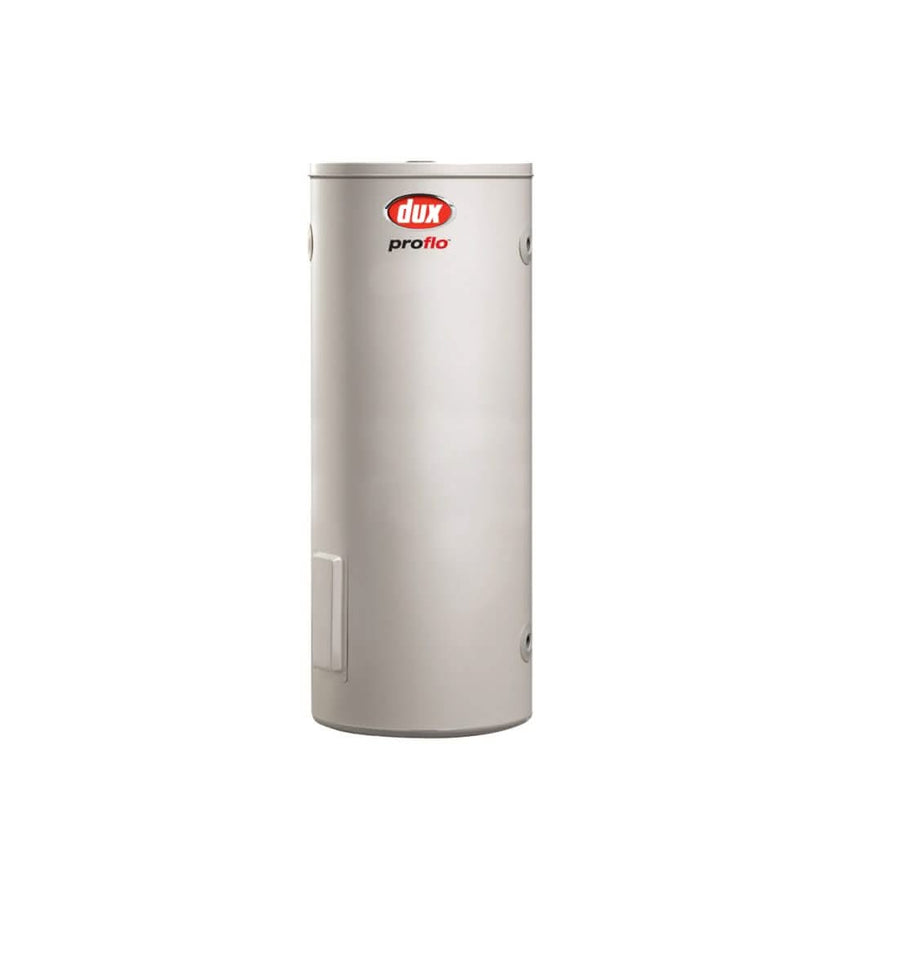
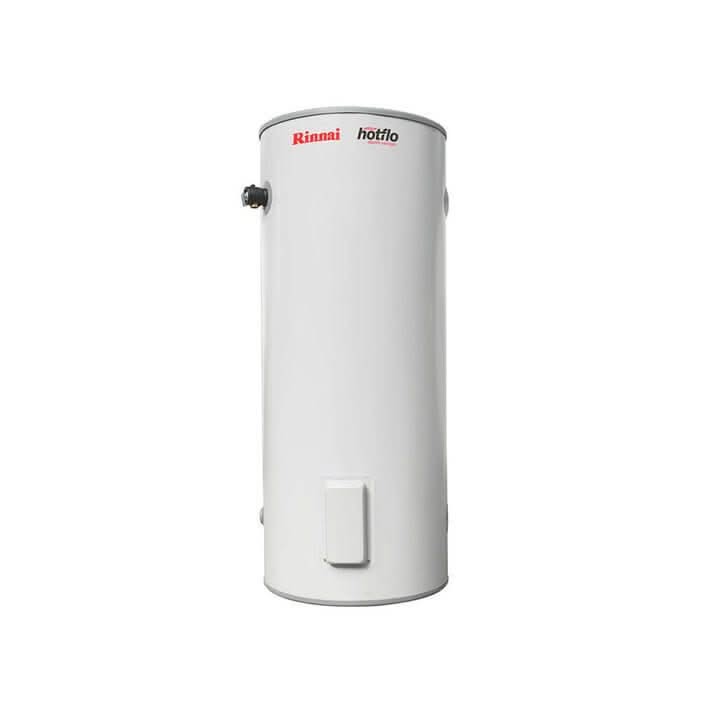
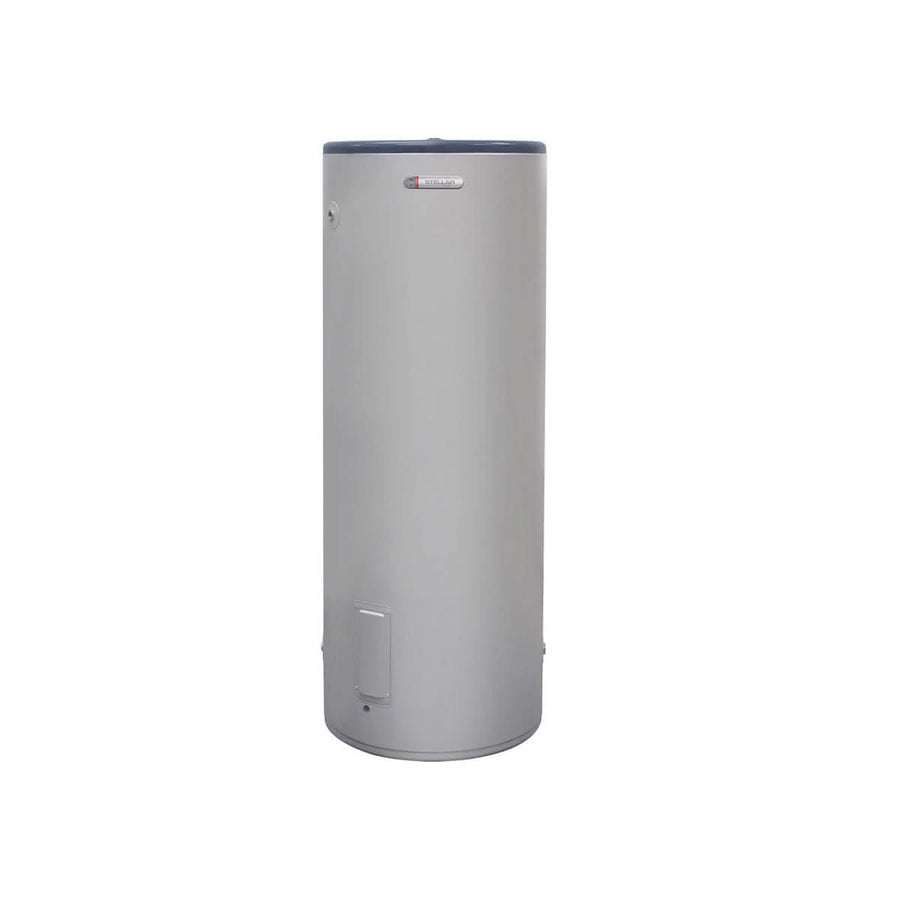
A 125L or 160L electric hot water system is usually chosen for smaller homes, townhouses, units and low-to-moderate hot water use. They are both compact compared with larger electric storage systems, but the difference between them can matter if your household runs out of hot water during peak use.
The right choice depends on how many people live in the home, when you use hot water, whether the system is on continuous power or controlled load, and whether the old system was keeping up before it failed.
This guide compares 125L vs 160L electric hot water systems, explains when each size makes sense, and covers the installation checks to consider before ordering.
Quick answer: 125L vs 160L electric hot water
| System size | Best suited to | Main risk |
|---|---|---|
| 125L electric | 1–2 people, low-to-moderate use, smaller homes | Can run out quickly with long showers or guests |
| 160L electric | 2–3 people, moderate use, better buffer than 125L | May still be too small for families or heavy use |
For most one or two-person homes, a 125L electric hot water system may be enough if shower use is moderate. A 160L electric hot water system gives more stored hot water and is often the safer choice for couples, small households, or homes where 125L feels tight.
For larger families, heavy shower use, baths or multiple bathrooms, it may be better to consider a larger Electric Hot Water System, a Heat Pump Hot Water System, or another suitable option from Hot Water Systems.
What is a 125L electric hot water system?
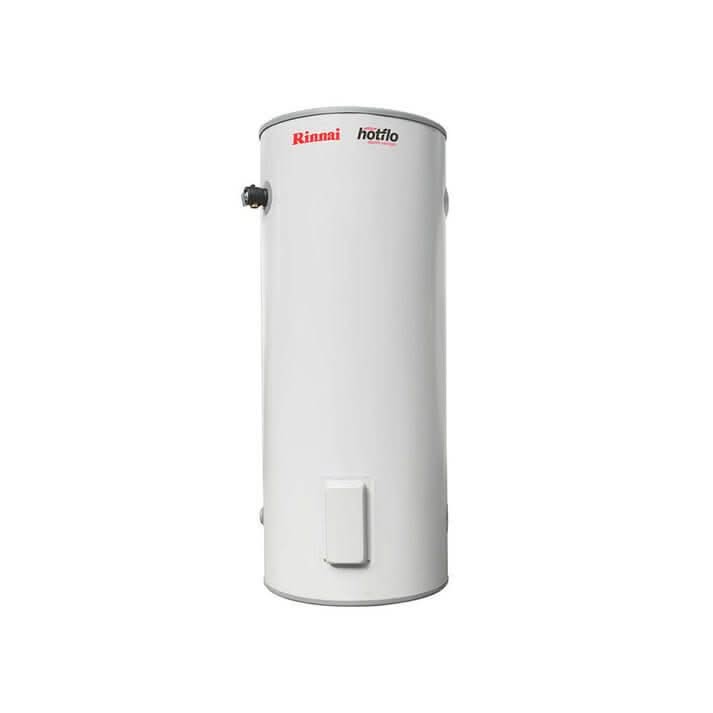
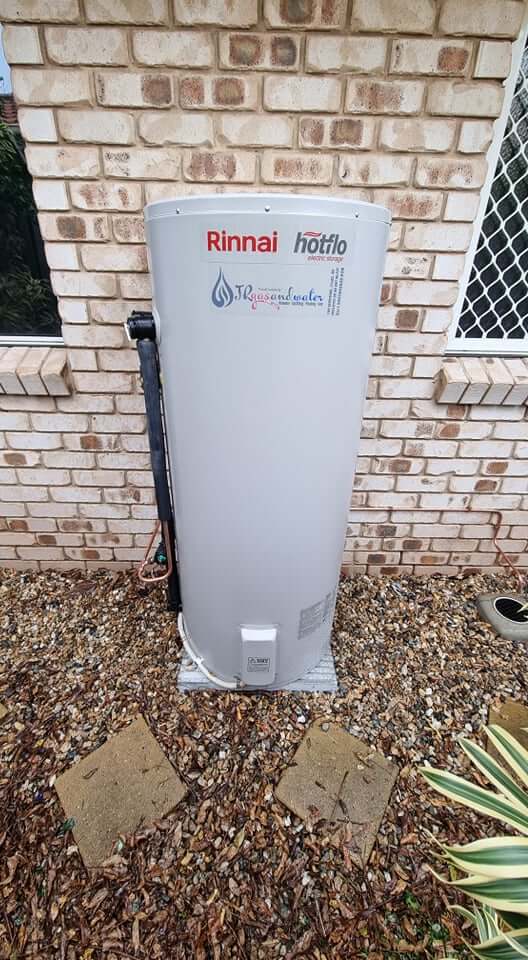
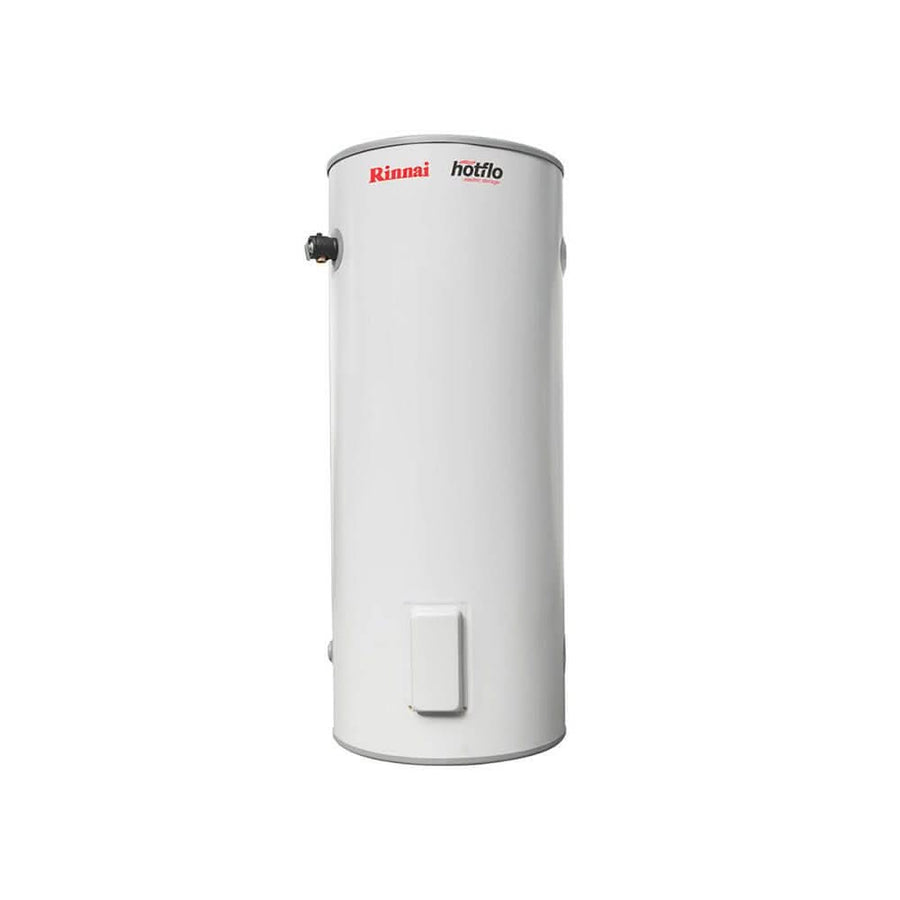
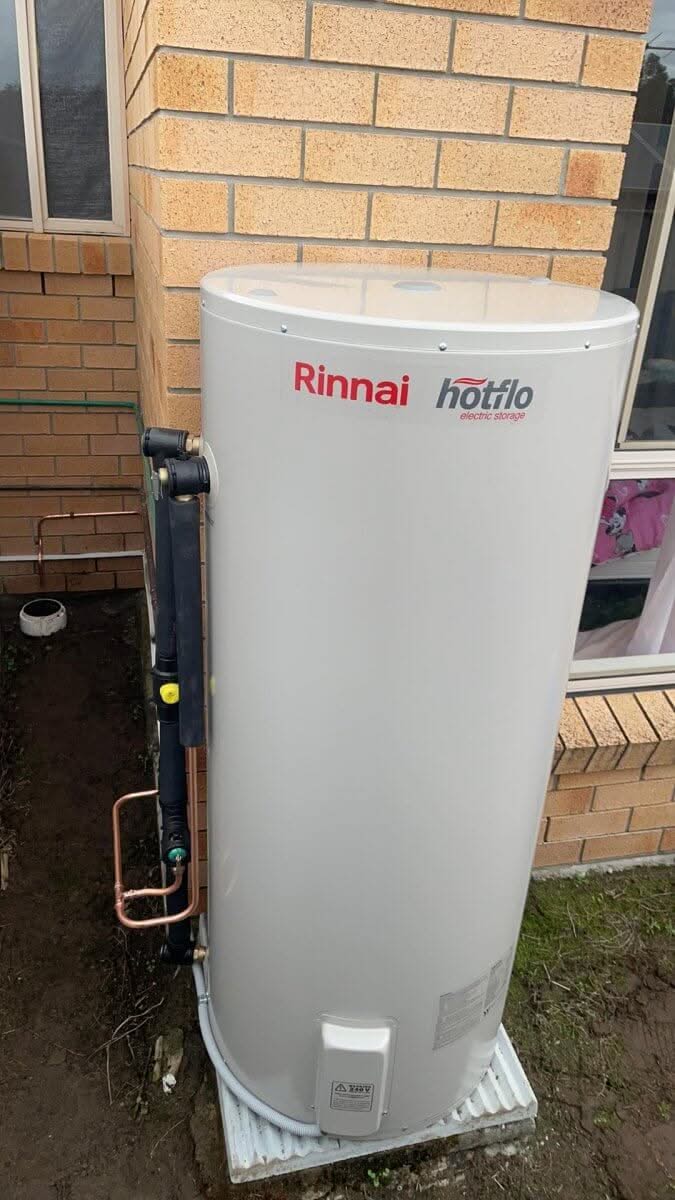
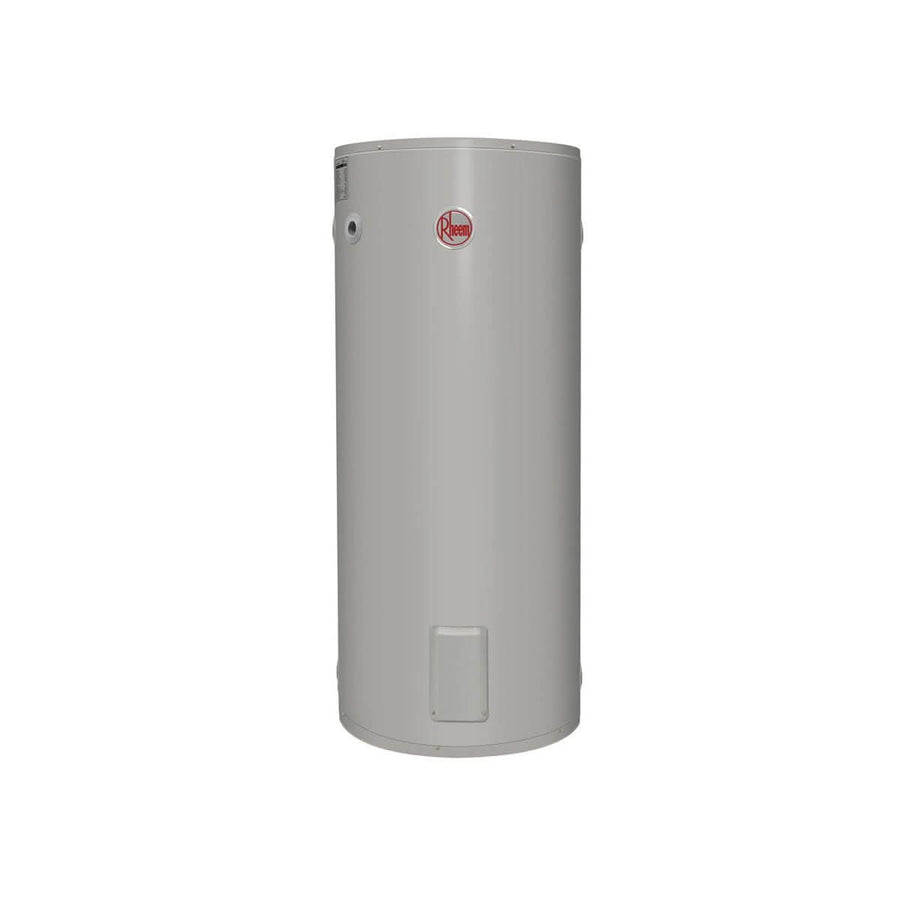
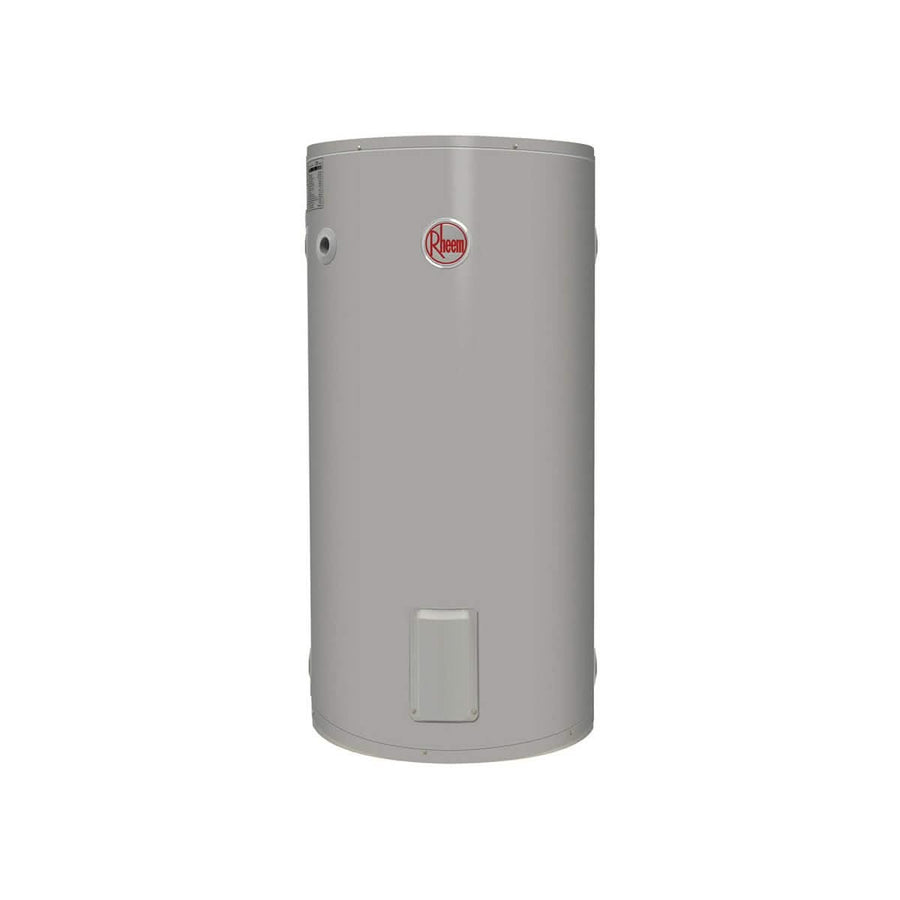
A 125L electric hot water system stores approximately 125 litres of heated water in a tank. It uses an electric element to reheat the water after use.
This size is commonly used in:
-
Units
-
Townhouses
-
Granny flats
-
Small homes
-
One or two-person households
-
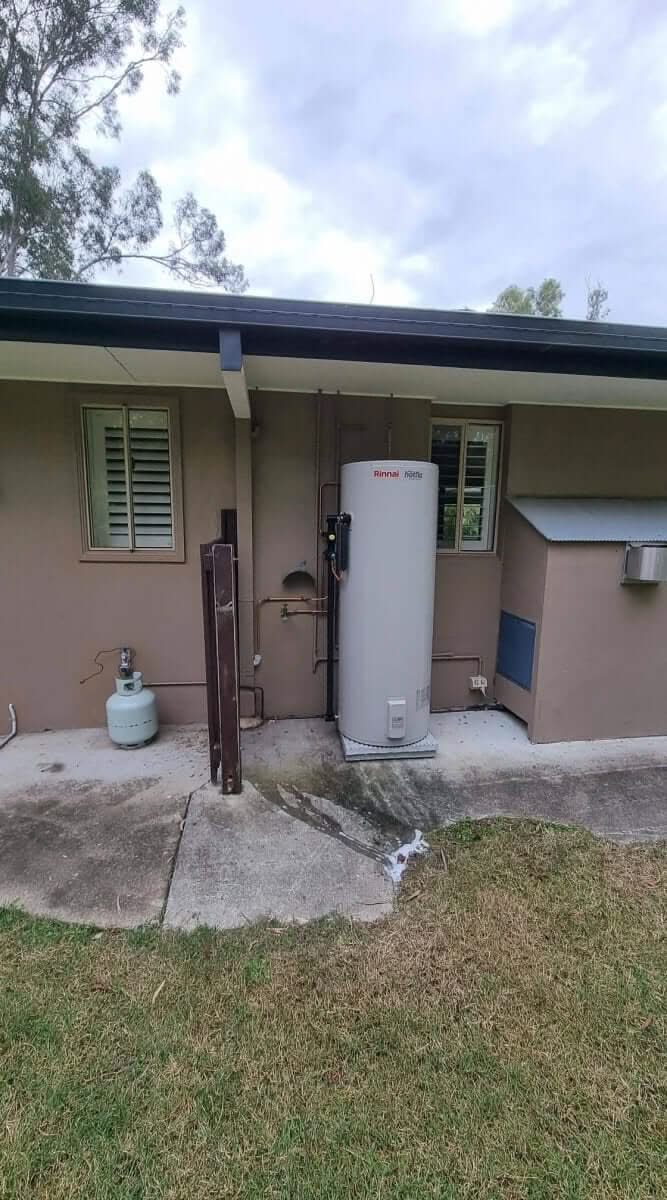
Properties with limited installation space
A 125L system can work well where hot water use is modest and showers are not long. However, it does not leave much spare capacity if multiple people shower back-to-back.
What is a 160L electric hot water system?
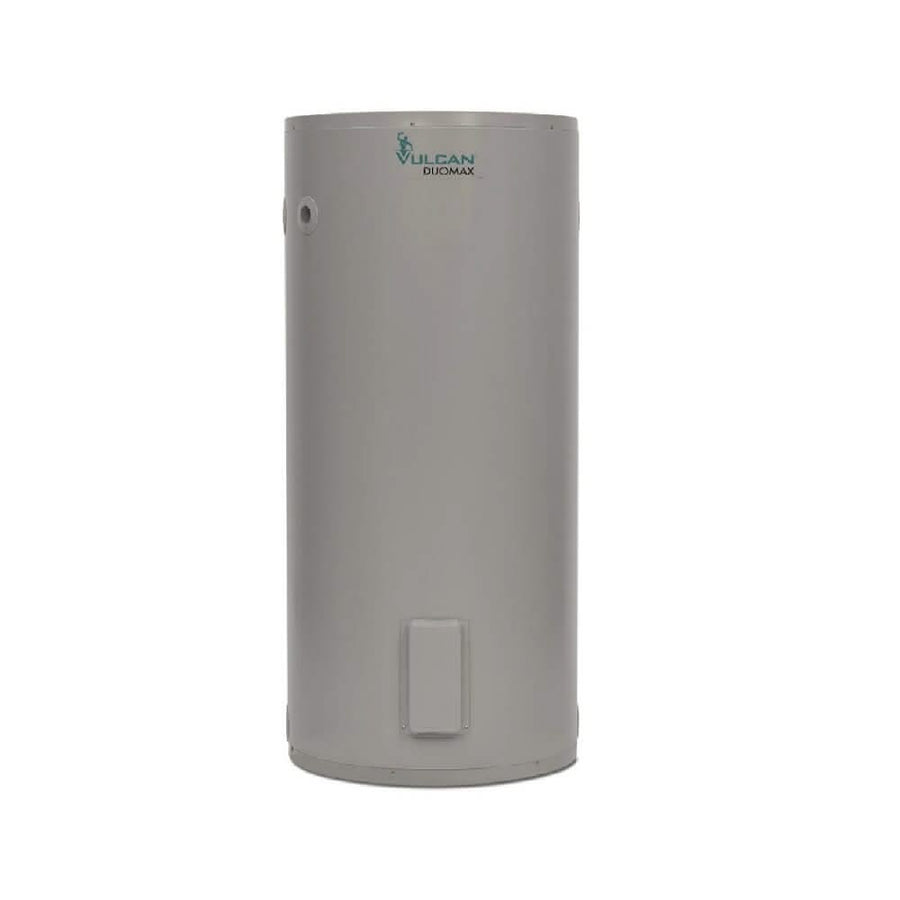
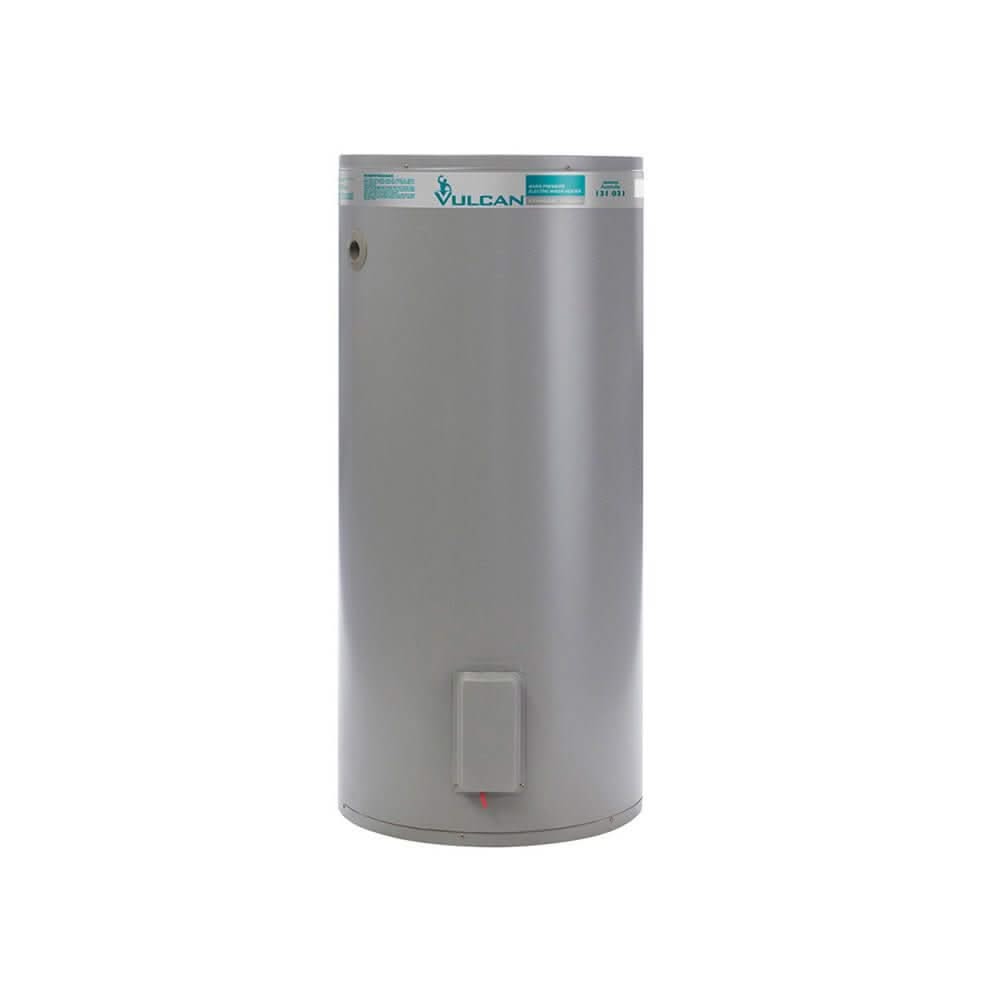
A 160L electric hot water system stores more hot water than a 125L system, giving the household a larger buffer during peak use.
This size is commonly used for:
-
Couples
-
Small families
-
Two or three-person households
-
Homes where 125L is not quite enough
-
Smaller properties that still need better hot water capacity
A 160L system is often the better option when the home has regular back-to-back showers or when a 125L system has previously felt too small.
125L vs 160L electric hot water comparison
| Feature | 125L electric hot water | 160L electric hot water |
|---|---|---|
| Stored hot water | Lower | Higher |
| Best for | 1–2 people | 2–3 people |
| Small unit suitability | Very good | Good if space allows |
| Back-to-back showers | Limited | Better |
| Guest use | Limited | Better |
| Bath use | Usually limited | Still limited, but better |
| Running out risk | Higher | Lower |
| Space required | Usually less | Usually more |
| Good like-for-like option | Yes, if old 125L worked well | Yes, if old 160L worked well |
| Family suitability | Usually limited | Small families only, usage-dependent |
How many people can a 125L electric hot water system support?
A 125L electric hot water system is generally best suited to one or two people with moderate hot water use.
It may suit:
-
One-person homes
-
Couples with shorter showers
-
Small units
-
Homes without baths
-
Properties where hot water use is spread out
-
Like-for-like replacement where the old 125L system performed well
It may not suit:
-
Long showers
-
Multiple back-to-back showers
-
Homes with teenagers
-
Regular guest use
-
Large baths
-
Three or more people with normal-to-heavy use
If the old 125L system regularly ran out, replacing it with another 125L system may repeat the same issue.
How many people can a 160L electric hot water system support?
A 160L electric hot water system is generally better suited to two or three people, depending on usage.
It may suit:
-
Couples wanting more buffer than 125L
-
Small households
-
One bathroom homes
-
Moderate back-to-back shower use
-
Homes where 125L feels too small
-
Smaller properties where larger tanks may not fit
It may not suit:
-
Larger families
-
Heavy morning shower demand
-
Multiple bathrooms being used at once
-
Large bath filling
-
Long showers by several people
-
Homes where the system is limited to off-peak reheating only
A 160L tank gives more usable hot water than 125L, but it is still not a large family-size system.
Why controlled load or off-peak matters
Electric hot water sizing depends heavily on when the system can reheat.
Some electric storage systems are connected to controlled load or off-peak tariffs. This may mean the system only reheats during certain times, often overnight.
If the tank runs out during the day, it may not fully reheat until the next heating window. This makes tank size more important.
| Power setup | What it means for sizing |
|---|---|
| Continuous power | The system can reheat as needed, subject to element and thermostat operation |
| Controlled load / off-peak | The system may only reheat during set periods, so more storage may be needed |
| Solar timer setup | Heating may be timed to solar production, but storage must still match demand |
| Unknown supply | Electrical setup should be checked before choosing a replacement |
A 125L system on continuous power may cope better than a 125L system that only reheats overnight. If your old system ran out during the day, controlled-load timing may be part of the problem.
Element size and circuit requirements
Electric hot water systems need the correct electrical supply.
Important electrical checks include:
-
Element rating
-
Circuit size
-
Switchboard capacity
-
Existing wiring suitability
-
Isolation requirements
-
Controlled-load connection
-
Timer or solar-diverter setup if applicable
-
Whether an electrician is required for the replacement
Do not assume every electric hot water system can connect to the existing wiring. A licensed electrician should complete or assess electrical work where required.
125L electric hot water: pros and cons
Pros
-
Compact compared with larger tanks
-
Often suitable for small homes and units
-
Can be a practical like-for-like replacement
-
Lower stored volume than larger systems
-
May suit one or two people with moderate use
Cons
-
Limited hot water buffer
-
Can run out with long showers
-
Not ideal for larger households
-
May not suit controlled-load setups with daytime demand
-
Not ideal for regular bath use
-
May lead to complaints if undersized
160L electric hot water: pros and cons
Pros
-
More stored hot water than 125L
-
Better for couples and small households
-
More forgiving during peak use
-
Better back-to-back shower capacity
-
Often a sensible upgrade if 125L was marginal
Cons
-
Still not ideal for larger families
-
Takes more space than 125L
-
May still run out with heavy use
-
May require electrical and installation checks
-
May not be enough for large baths or multiple bathrooms
Should I replace a 125L system with another 125L?
Replacing a 125L system with another 125L can make sense if the old system worked well before it failed.
It may be suitable if:
-
Only one or two people live in the home
-
Showers are moderate length
-
There is no regular bath use
-
The system did not run out often
-
The same installation location is being used
-
The electrical supply suits the replacement
It may be better to step up to 160L if:
-
The old 125L system often ran out
-
More people now live in the home
-
Guests stay regularly
-
Shower use has increased
-
The home has a larger shower head
-
The household wants more hot water buffer
Should I replace a 160L system with another 160L?
A 160L like-for-like replacement can make sense if the old unit suited the home.
It may be suitable if:
-
The household is two or three people
-
The system usually kept up
-
There is no heavy bath use
-
The installation location suits another 160L unit
-
The electrical supply is suitable
-
The home does not need a larger family-size tank
You may need to consider a larger system if the old 160L unit regularly ran out, the household has grown, or hot water use has increased.
When should you go larger than 160L?
You may need a larger system if:
-
Four or more people live in the home
-
Several showers happen back-to-back
-
The system is on controlled load
-
The home has a large bath
-
Teenagers or guests use long showers
-
There are multiple bathrooms
-
The old 160L system was not enough
Common larger electric sizes include 250L, 315L and 400L, depending on the property and electrical setup.
You can compare broader options in Electric Hot Water Systems.
125L or 160L for a rental property?
For a rental property, avoid choosing purely by the cheapest upfront option.
A 125L system may suit a small one-bedroom unit or low-occupancy property. A 160L system may be a better fit for a two-bedroom unit, townhouse, or property where two or three people may live.
Undersizing a rental hot water system can lead to repeated complaints, especially if the property is likely to house more than one person.
125L or 160L for a unit or townhouse?
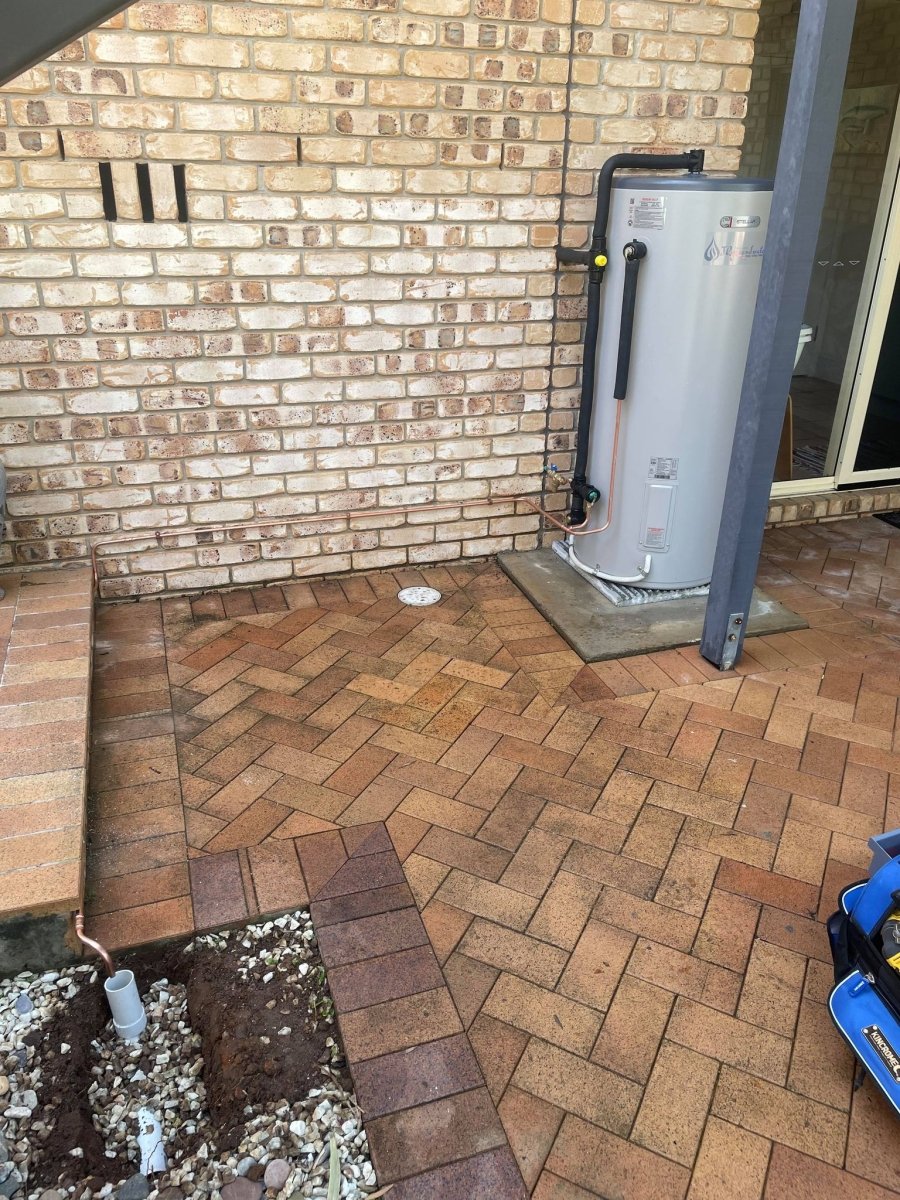
Units and townhouses often have space restrictions, body corporate requirements, drainage limitations, or specific installation locations.
Before choosing between 125L and 160L, check:
-
Available space
-
Existing tank dimensions
-
Access for removal and delivery
-
Drainage or safe tray requirements
-
Electrical supply
-
Whether the unit is internal or external
-
Whether replacement valves are required
-
Body corporate or building rules where applicable
A 160L system may be a better size, but it still needs to physically fit and comply with the site requirements.
125L vs 160L vs heat pump
Some homes comparing 125L and 160L electric storage may also consider a heat pump.
| Option | Best suited to |
|---|---|
| 125L electric | Small homes with low-to-moderate demand |
| 160L electric | Small households wanting extra buffer |
| Heat pump | Homes wanting efficient electric hot water where location, airflow and drainage suit |
A Heat Pump Hot Water System may be worth considering where there is suitable outdoor space, airflow, condensate drainage, electrical suitability and access.
Heat pumps do not suit every property. Noise placement, airflow, timer setup, solar timing and installation location all matter.
125L vs 160L vs instant electric
Instant electric hot water is different to electric storage.
A 125L or 160L storage system stores hot water in a tank. An Instant Electric System heats water as it flows through the unit.
Instant electric systems are often more suitable for point-of-use applications unless the property has been properly assessed for whole-home electrical load, switchboard capacity, flow rate and temperature rise.
Do not assume instant electric is a simple replacement for a storage tank. Whole-home electric instantaneous hot water can require significant electrical capacity.
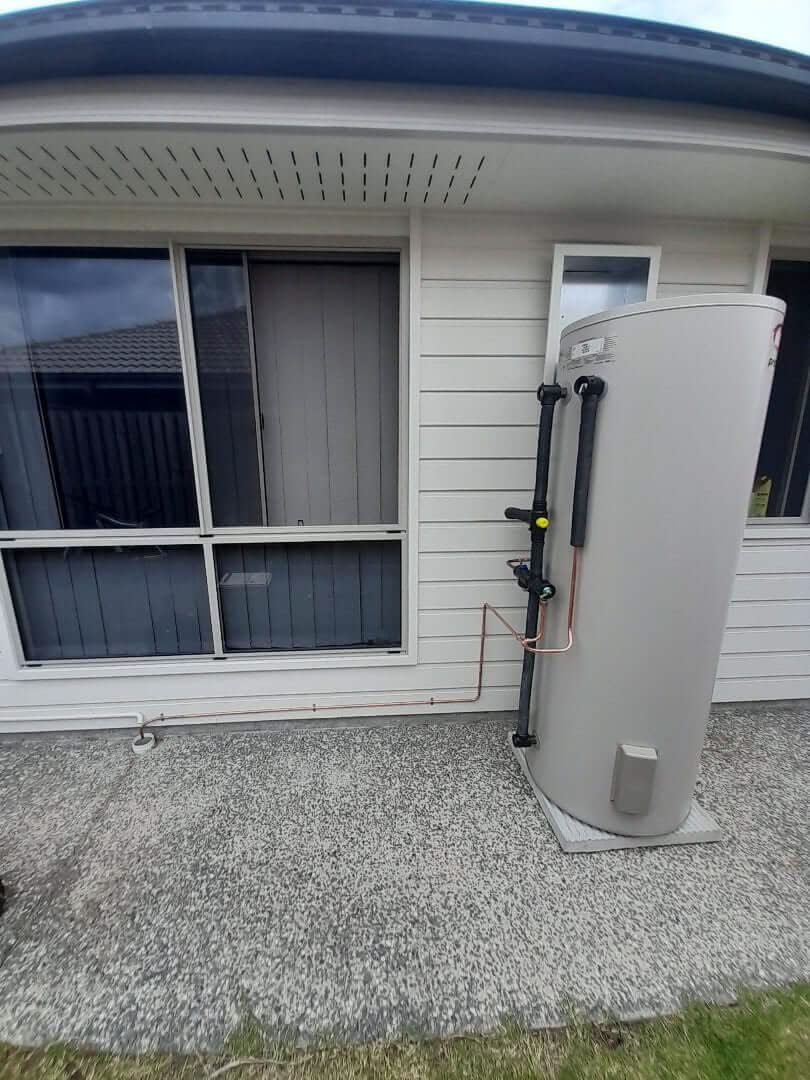
Installation and compliance reminders
Electric hot water installation is not DIY work.
Use a licensed plumber for plumbing work and a licensed electrician for electrical work where required.
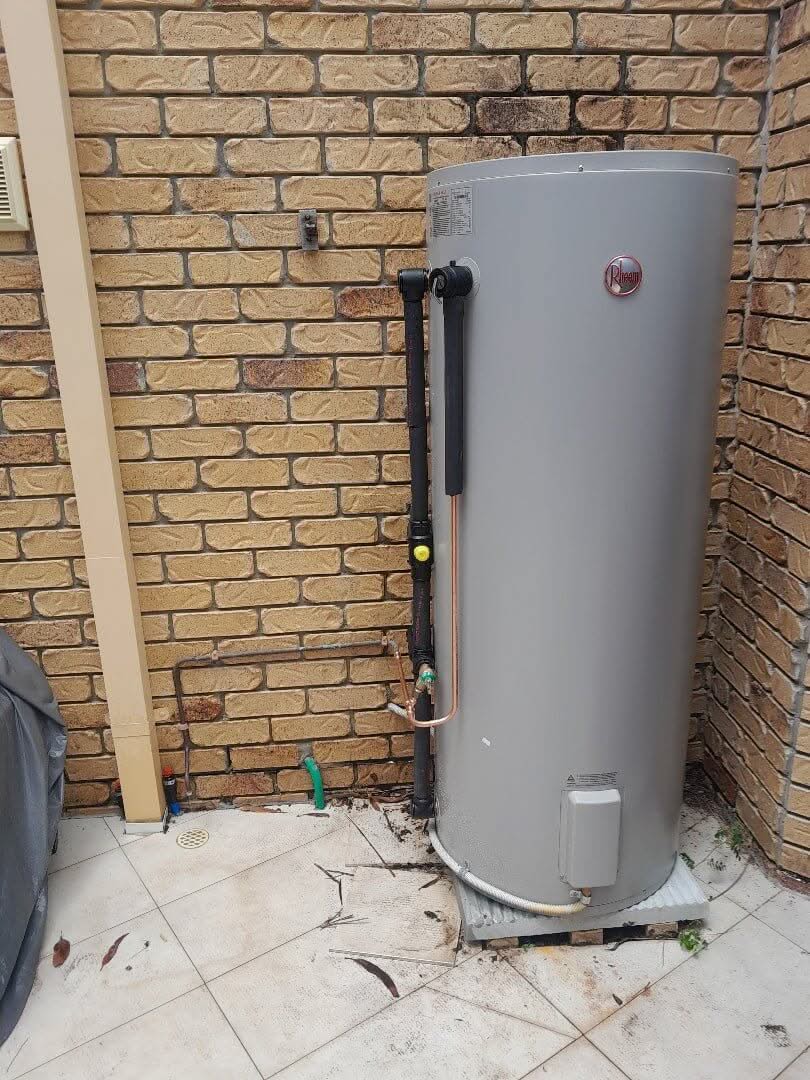
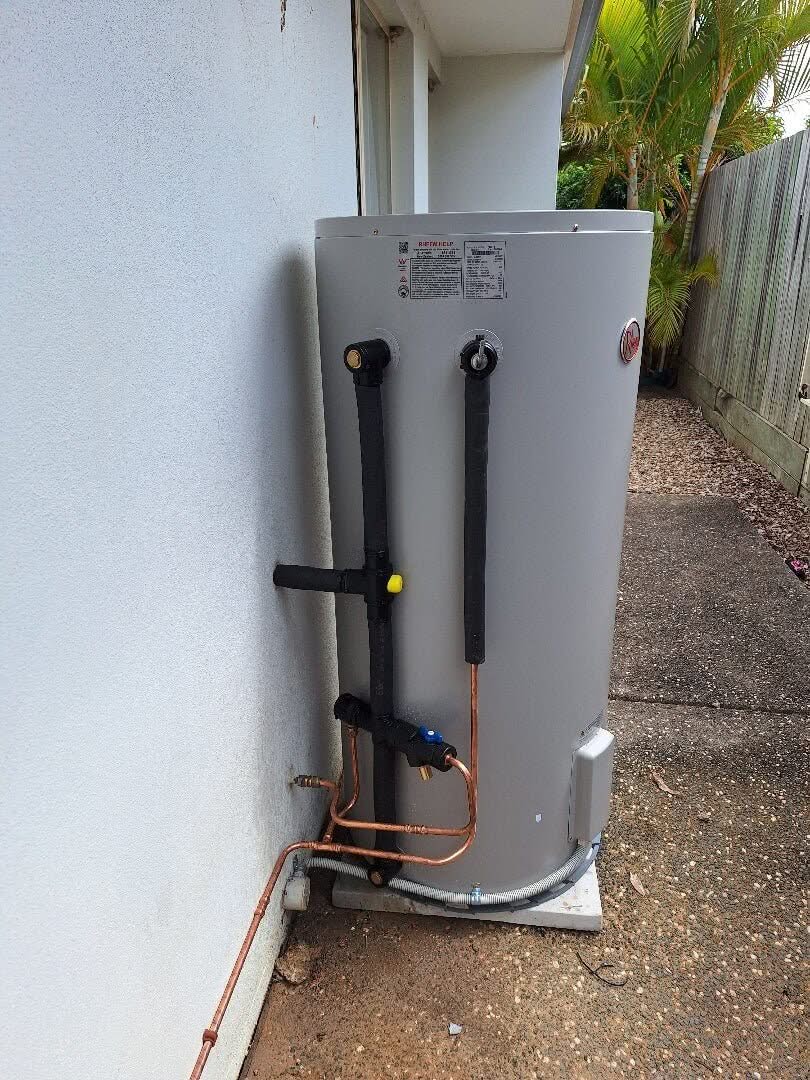
Important installation checks may include:
-
Tank location
-
Access for removal and installation
-
Water pressure
-
Tempering valve requirements
-
Isolation valves
-
Pressure and temperature relief valve discharge
-
Safe tray or drainage where required
-
Electrical circuit suitability
-
Element rating
-
Controlled-load or continuous supply setup
-
Timer or solar configuration if applicable
-
Base or support requirements
-
Compliance with current plumbing and electrical requirements
Depending on the property, extra parts or work may be required. Relevant options may be available under Installation Add-Ons.
Supply-only vs supplied-and-installed
Installed Today offers electric hot water systems online with supply-only options across major metro areas.
For supply-only orders, you need to arrange your own suitable licensed installer. Electric hot water systems involve plumbing and electrical requirements, so the correct licensed trades must be used.
Supplied-and-installed options are only available where shown in eligible Brisbane and Gold Coast service areas. Availability depends on the product, location and installation conditions shown at the time of ordering.
Before ordering, confirm the system size, electrical suitability, installation location and any required add-ons.
Common mistakes when choosing between 125L and 160L
Choosing 125L only because it is cheaper
A cheaper tank may cost more in frustration if it constantly runs out of hot water.
Assuming 160L suits every small family
A 160L system gives more buffer than 125L, but it can still be too small for heavy-use households.
Ignoring controlled-load heating
If the system only reheats overnight, a smaller tank may run out during the day and not recover until later.
Replacing like-for-like when the old system struggled
If the old system was too small, replacing it with the same size may repeat the problem.
Forgetting electrical requirements
Element size, circuit capacity and controlled-load setup need to suit the replacement system.
Not allowing for guests or future use
A system that just suits today may feel undersized if the household changes.
Forgetting installation extras
Valves, drainage, base work, electrical work or access issues may affect the installation.
Final verdict
A 125L electric hot water system is usually best for one or two people with low-to-moderate hot water use.
A 160L electric hot water system is often the better choice for couples, small households, or homes where 125L does not provide enough buffer.
If the home has three or more people, long showers, regular guests, baths, controlled-load heating or multiple bathrooms, it may be worth considering a larger electric storage system or another option from Hot Water Systems.
The right choice depends on household demand, tank location, electrical supply, element/circuit requirements, reheating schedule and installation compliance.
FAQs
Is a 125L electric hot water system enough for two people?
A 125L electric hot water system may be enough for two people with moderate shower use. It may be too small if showers are long, guests stay regularly, or the system only reheats during off-peak periods.
Is a 160L electric hot water system enough for three people?
A 160L system may suit some three-person homes with moderate use, but it can still run out if showers are long or close together.
Should I choose 125L or 160L electric hot water?
Choose 125L for smaller, lower-use homes. Choose 160L if you want more buffer, have two or three people, or found 125L too tight.
Can I replace a 125L hot water system with a 160L system?
Often yes, but the location, space, access, pipework, drainage and electrical supply need to be suitable.
Can I replace a 160L hot water system with a 125L system?
You can in some cases, but downsizing may increase the chance of running out of hot water. Only consider it if household demand is low.
Is 125L enough for a rental property?
It may suit a small unit or one-person rental, but a 160L system may be safer for properties likely to house two or more people.
Is 160L enough for a family of four?
Usually, a 160L electric system is tight for a family of four, especially with back-to-back showers. A larger system may be more suitable.
Does controlled load affect hot water size?
Yes. If the system only reheats at certain times, the tank needs enough stored hot water to last between heating periods.
Do I need an electrician for electric hot water replacement?
Electrical work must be completed by a licensed electrician where required. The existing circuit, element rating and supply setup should be checked.
Where can I compare electric hot water systems?
You can compare options in Electric Hot Water Systems or browse all Hot Water Systems.