
Best Electric Hot Water Systems Australia: Buyer’s Guide
Electric hot water systems are one of the most common choices for Australian homes, units, townhouses, rentals and replacement jobs. They are familiar, widely available, and can be a practical option where gas is not available or where a straightforward storage replacement is preferred.
The best electric hot water system is not always the biggest tank or the cheapest model. It depends on household size, shower habits, electrical supply, controlled-load setup, installation location, tank size, element rating, warranty, access and whether a heat pump may be a better long-term option.
This guide explains how to compare electric hot water systems in Australia, which sizes suit different homes, and what to check before ordering.
Quick answer: what is the best electric hot water system?
As a general guide:
| Household type | Electric hot water size to consider | Notes |
|---|---|---|
| 1 person | 80L–125L | Depends on shower length and recovery setup |
| 1–2 people | 125L | Good for smaller homes with moderate use |
| 2–3 people | 160L | Better buffer than 125L |
| 3–4 people | 250L | Common family-size electric storage option |
| 4–6 people | 315L | Better for higher-use family homes |
| 5+ people / high use | 315L–400L | Check controlled-load timing and peak demand |
For most small homes, a 125L or 160L electric hot water system is the starting point. For many family homes, a 250L electric hot water system is common. For larger families, higher-use homes or controlled-load setups, a 315L or 400L electric hot water system may be more suitable.
You can compare current options in Electric Hot Water Systems or browse all Hot Water Systems.
What is an electric hot water system?
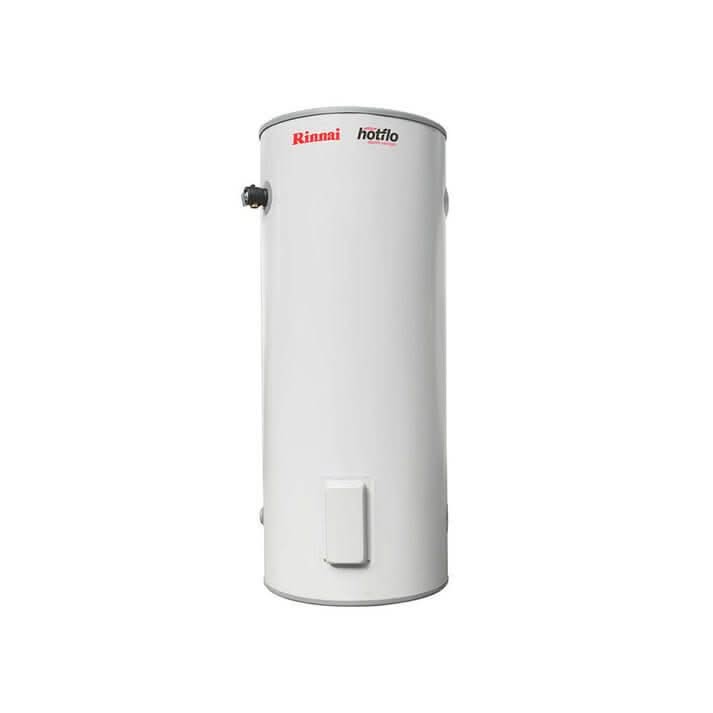
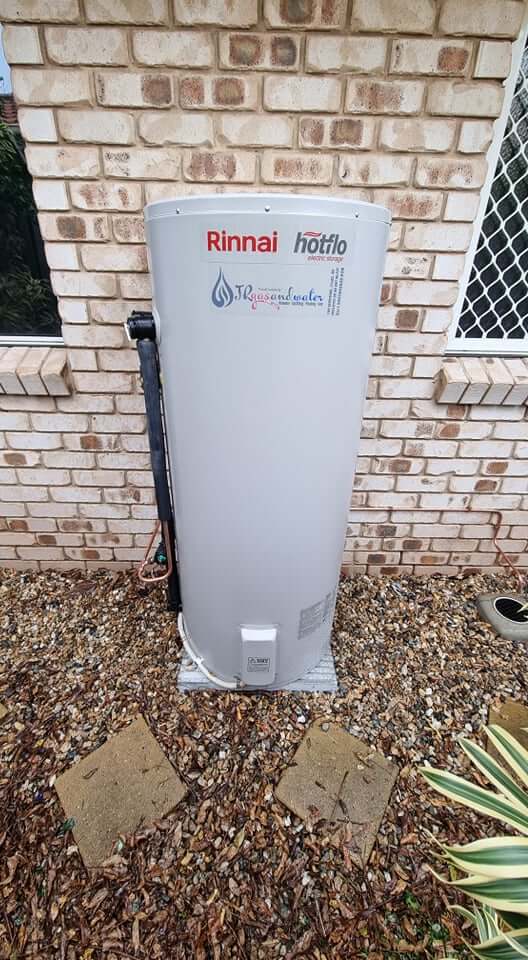
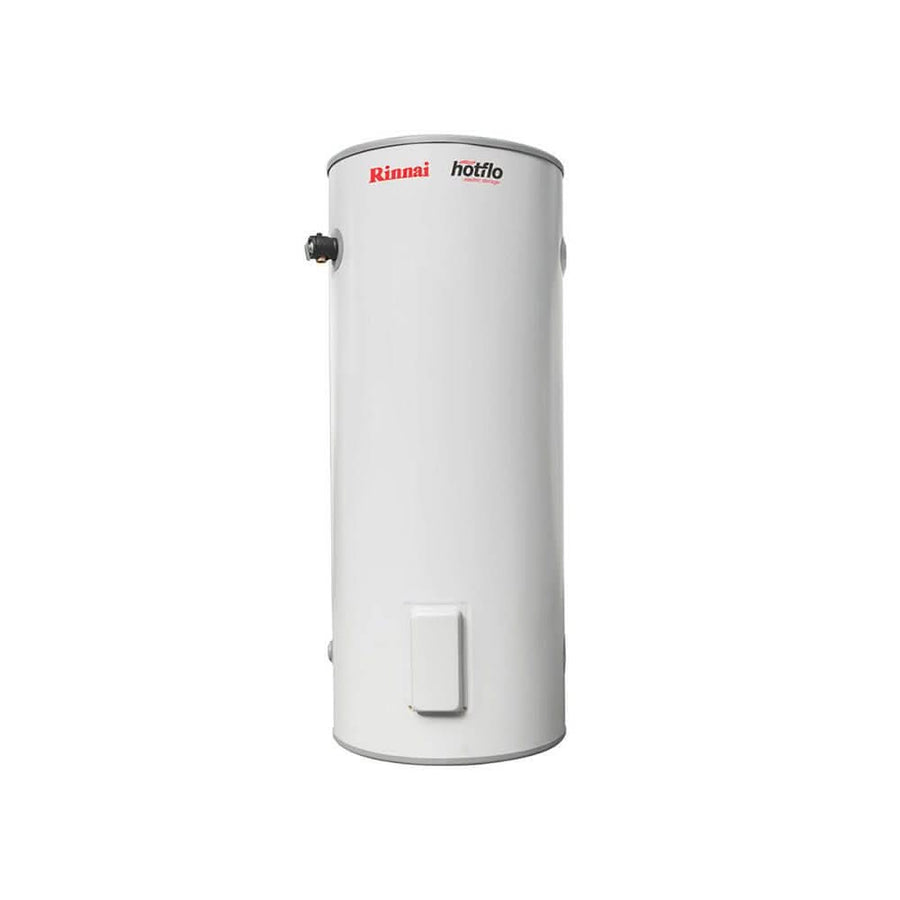
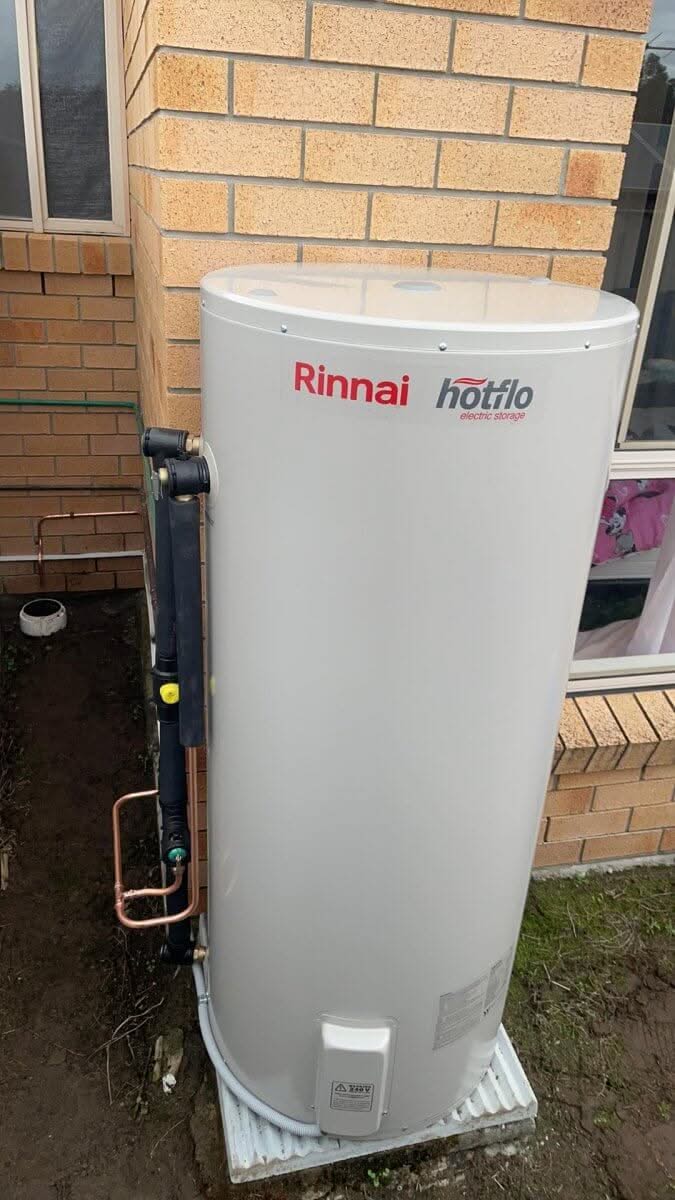
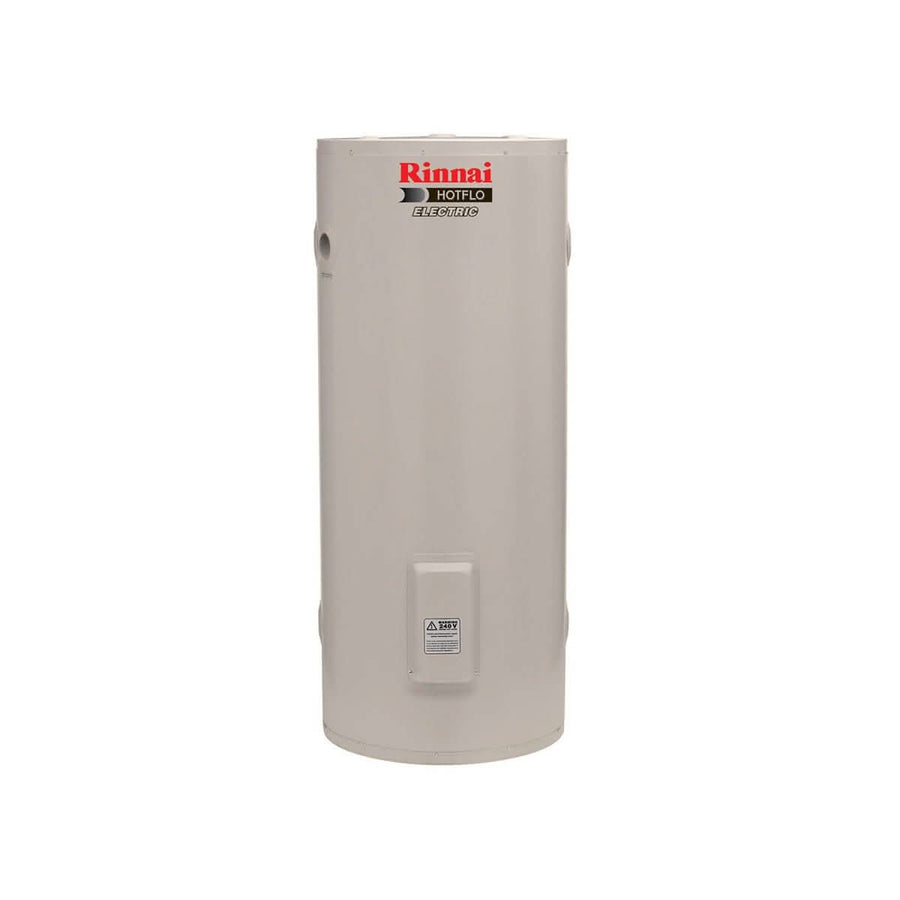
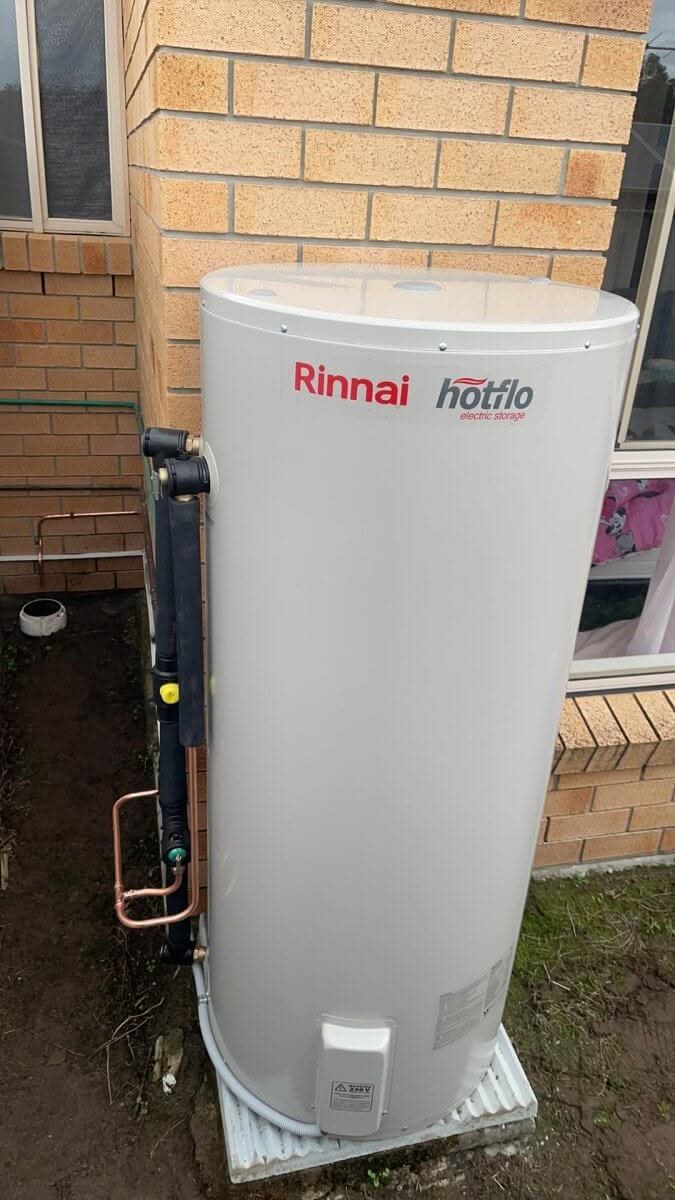
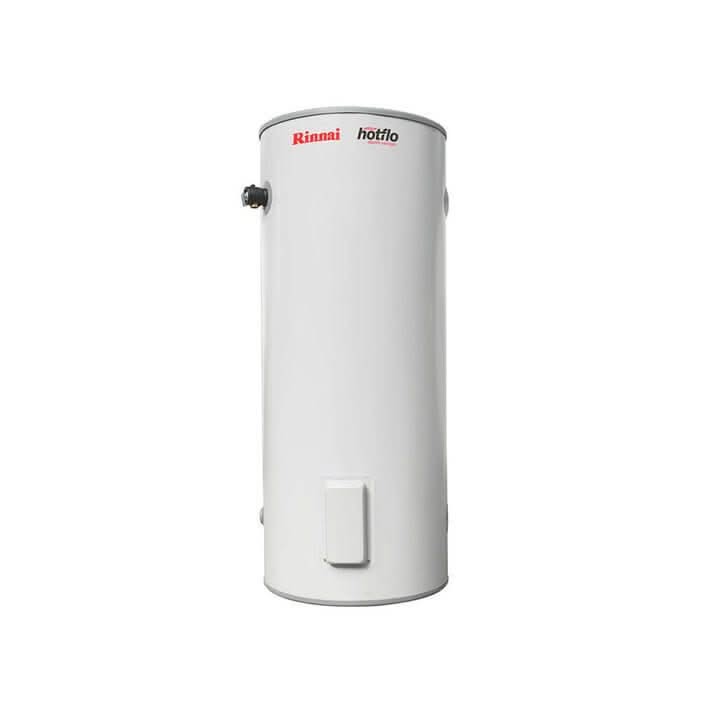
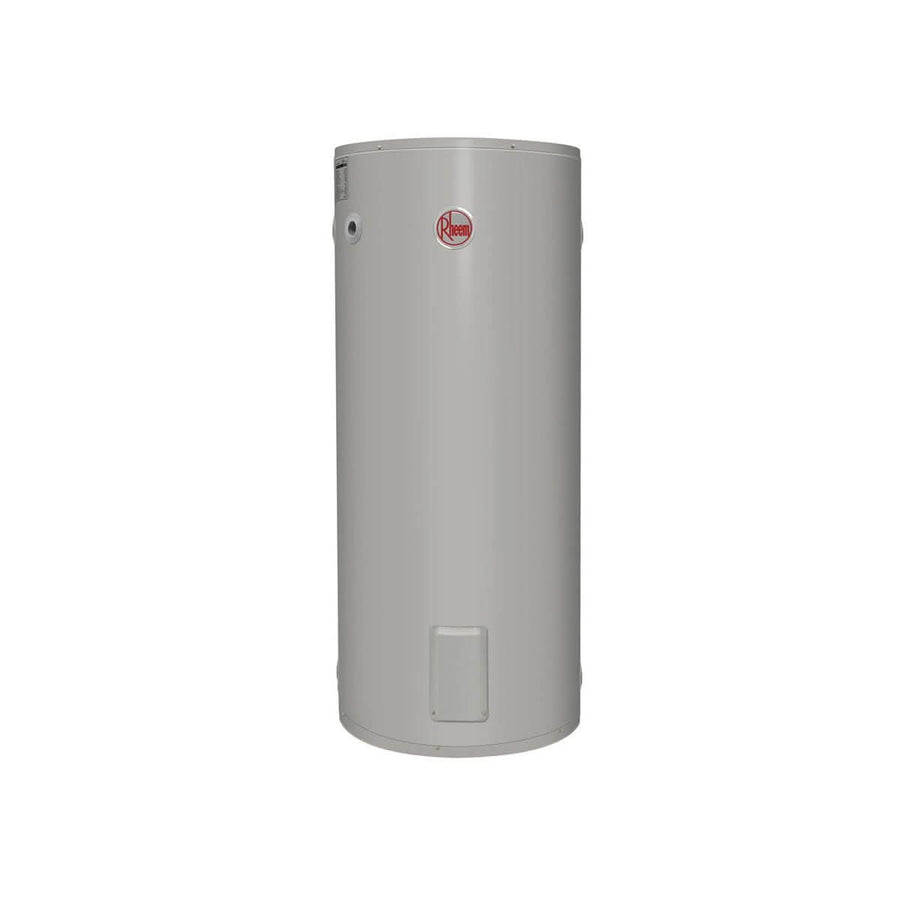
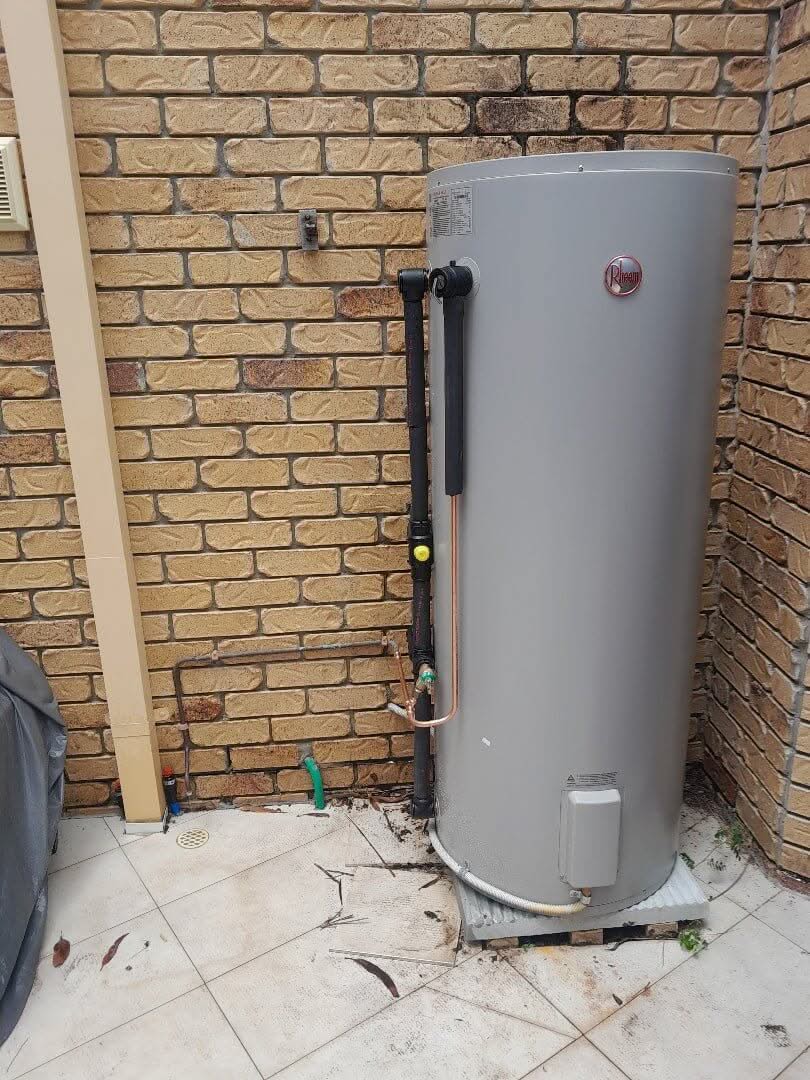
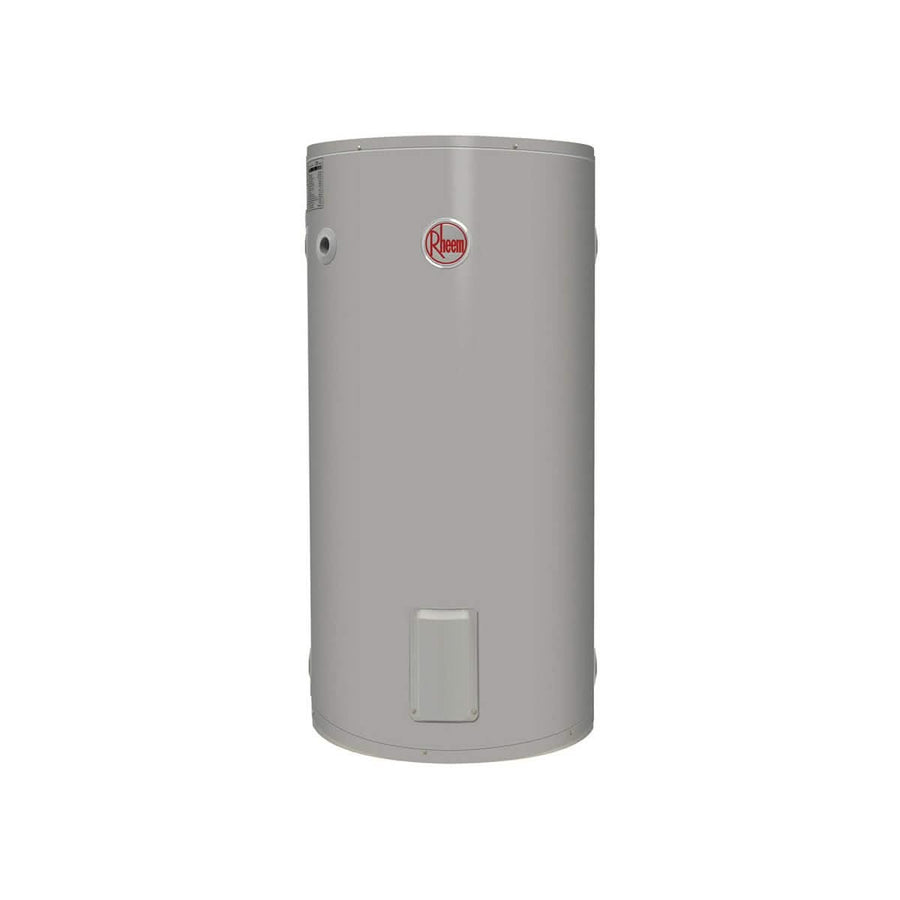
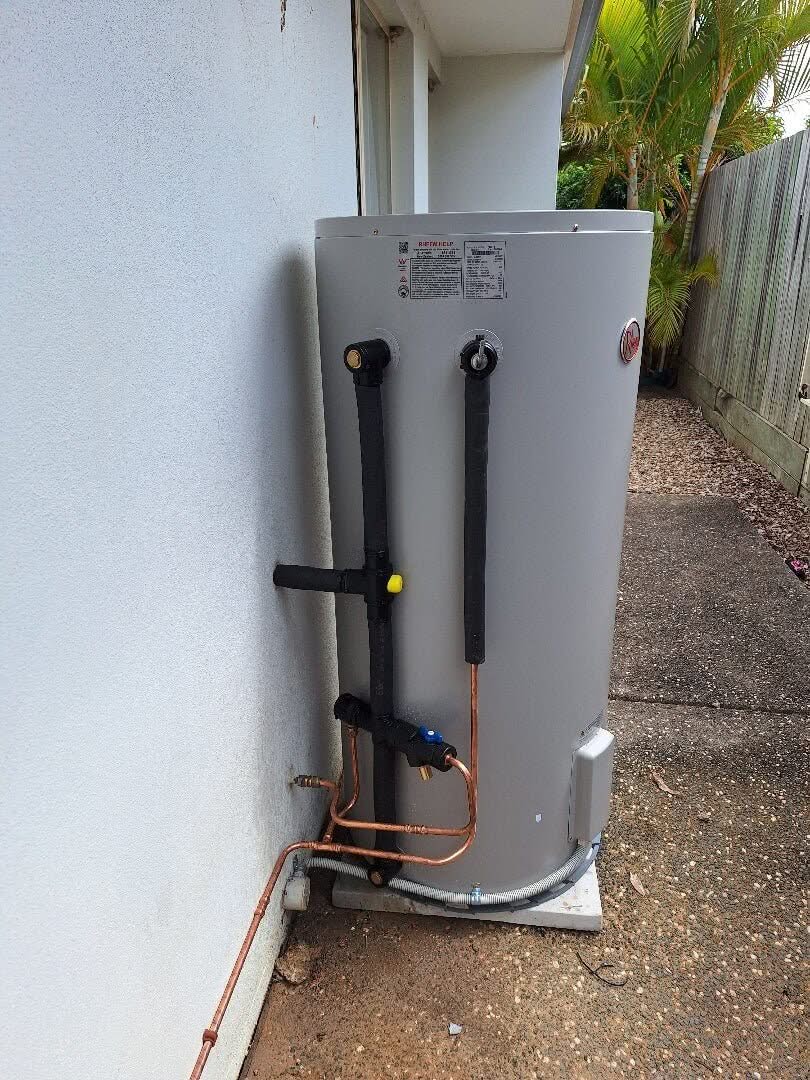
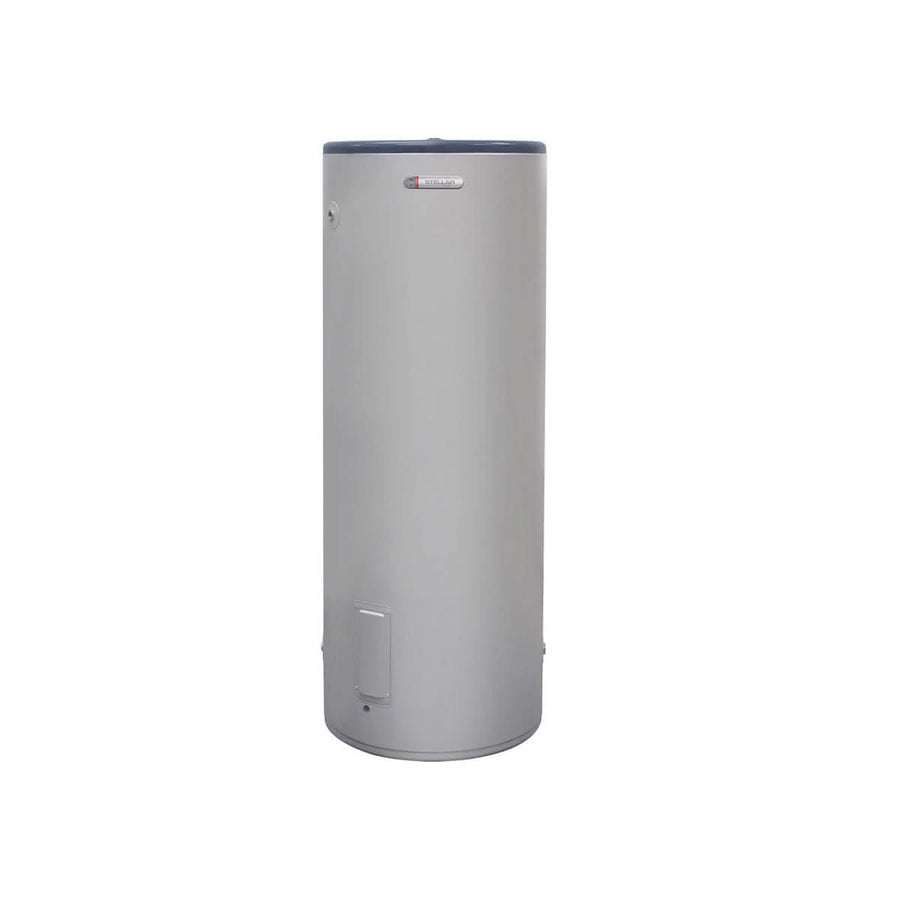
An electric hot water system heats water using electricity. Most residential systems are storage tanks, meaning they store hot water ready for use.
A standard electric storage system includes:
-
A storage tank
-
One or more electric elements
-
Thermostat controls
-
Cold water inlet
-
Hot water outlet
-
Pressure relief valve
-
Tempering valve where required
-
Electrical connection
-
Plumbing connections
Electric storage systems are different to instant electric systems. Storage systems keep hot water in a tank. Instant Electric Systems heat water as it flows through the unit and usually need much more electrical capacity for whole-home use.
Best electric hot water system by household size
Best for one person: 80L–125L electric hot water
A smaller electric hot water system may suit one-person homes, compact units or low-use properties.
A 125L system may be suitable if:
-
The home has one person
-
Shower use is moderate
-
There is no regular bath use
-
Space is limited
-
The old 125L system performed well
-
The system has enough time to recover
For very low use, smaller tanks may be considered, but 125L is often a more practical starting point where normal shower use is expected.
Best for two people: 125L–160L electric hot water
For two-person homes, the choice is usually between 125L and 160L.
A 125L system may suit couples with short-to-moderate showers. A 160L system gives more storage buffer and is often the safer option if showers are longer, guests stay occasionally, or the old 125L system was marginal.
A 160L system may be better if:
-
Two people shower close together
-
Guests stay sometimes
-
The home has stronger shower flow
-
The old 125L tank ran out
-
The system is not reheating continuously
Best for small families: 160L–250L electric hot water
Small families usually need more storage than a 125L system can comfortably provide.
A 160L system may suit some low-use small households, but a 250L system is often a better family starting point.
A 250L system may suit:
-
3–4 person homes
-
Moderate family shower use
-
One or two bathrooms
-
Standard residential replacements
-
Homes where smaller tanks are not enough
-
Rental properties with average occupancy
Best for family homes: 250L electric hot water
A 250L electric hot water system is one of the most common family-size options.
It can be a practical fit for:
-
Families of three
-
Families of four with moderate use
-
Homes without heavy bath use
-
Standard electric storage replacements
-
Properties where the old 250L system performed well
A 250L tank may be too small if the home has long back-to-back showers, teenagers, regular guests, large baths or controlled-load heating with limited recovery time.
Best for larger families: 315L electric hot water
A 315L electric hot water system gives more stored hot water than 250L and is often better for larger households.
It may suit:
-
4–6 person homes
-
Larger families
-
Homes with teenagers
-
Homes with two bathrooms
-
Higher morning or evening demand
-
Controlled-load or off-peak setups
-
Homes where 250L has not been enough
A 315L system needs more space, suitable access, proper support, compliant drainage and the correct electrical supply.
Best for high-demand homes: 400L electric hot water
A 400L electric hot water system is a large storage option.
It may suit:
-
Larger households
-
High-occupancy rentals
-
Homes with multiple bathrooms
-
Regular bath use
-
Short-stay accommodation
-
Heavy peak hot water demand
-
Selected controlled-load setups
A 400L system should not be chosen just because it is bigger. It should be chosen because the household genuinely needs that much stored hot water and the site can support it.
Electric hot water system size comparison
| Size | Best suited to | Watch out for |
|---|---|---|
| 80L | Very small applications | Usually limited for normal household use |
| 125L | 1–2 people | Can run out with long showers |
| 160L | 2–3 people | May be tight for family use |
| 250L | 3–4 people | May struggle with high peak demand |
| 315L | 4–6 people | Needs more space and access |
| 400L | Large or high-use homes | May be oversized for normal households |
The right size depends on actual use, not only the number of people.
Best electric hot water system for units
For units, the best electric hot water system is usually compact, suitable for the existing location, and correctly sized for the occupants.
Common options include:
-
125L for low-to-moderate use
-
160L for more buffer
-
250L where space and access allow
-
Instant electric only where properly assessed
Before ordering for a unit, check:
-
Internal or external location
-
Safe tray requirements
-
Drainage
-
Access
-
Body corporate rules
-
Electrical circuit
-
Tank dimensions
-
Replacement valve requirements
Do not assume a larger tank will fit just because it is a better size.
Best electric hot water system for townhouses
Townhouses often need a balance between capacity and installation space.
A 160L system may suit smaller households. A 250L system may be better for families or rentals.
Check:
-
Side access
-
Tank footprint
-
Garage or external location
-
Drainage
-
Safe tray requirements
-
Electrical supply
-
Whether the old system was keeping up
-
Distance to bathrooms
If the old system regularly ran out, avoid replacing like-for-like without checking whether a larger size is needed.
Best electric hot water system for rentals
For rental properties, the best electric hot water system should suit likely occupancy, not only the current tenant.
A 125L system may suit a small one-bedroom unit. A 160L system may suit a low-use townhouse or two-person rental. A 250L or 315L system is usually safer for family rentals.
For rentals, consider:
-
Number of bedrooms
-
Likely number of occupants
-
Shower and bath setup
-
Existing complaints about running out
-
Controlled-load setup
-
Access for future servicing
-
Simple replacement and reliability
-
Avoiding undersized systems
Undersized rental hot water systems can lead to repeat complaints.
Best electric hot water system for families
For families, the best electric hot water system is usually one that has enough stored water for morning and evening peak use.
A 250L system may suit moderate family use. A 315L system is often better where there are more people, teenagers, longer showers or controlled-load heating.
For family homes, check:
-
Number of people
-
Number of bathrooms
-
Shower length
-
Shower head flow rate
-
Bath use
-
Laundry use
-
Dishwasher use
-
Guest use
-
Whether the old tank ran out
-
Whether the system can reheat during the day
A family-size system should be chosen around peak demand, not just total daily use.
Best electric hot water system for off-peak or controlled load
Controlled-load or off-peak electric hot water can affect sizing because the system may only reheat during set times.
If the tank runs out during the day, it may not fully recover until the next heating window.
For controlled-load setups:
-
Smaller tanks can run out more easily
-
Larger storage may be needed
-
250L may suit moderate family use
-
315L may be safer for larger households
-
400L may suit high-use homes
-
Element size and circuit setup matter
-
The old system’s performance should be reviewed
Do not choose a smaller tank without understanding how and when it reheats.
Best electric hot water system for solar homes
For homes with solar power, electric hot water can sometimes be timed to heat during the day.
Options may include:
-
Standard electric storage with a timer
-
Electric storage with a solar diverter
-
Heat pump hot water
-
Larger storage to carry evening and morning demand
A standard electric system can work with solar timing, but a Heat Pump Hot Water System may be worth comparing where the site suits it.
A heat pump may be better where:
-
There is outdoor space
-
Airflow is suitable
-
Condensate drainage is available
-
Noise placement is acceptable
-
The household wants efficient electric hot water
-
The tank is sized correctly
Standard electric may still be better where heat pump placement is not practical.
Best electric hot water system brands
There are several well-known electric hot water brands available in Australia.
Common brand options may include:
The best brand depends on the model, warranty, tank material, size, availability, installation requirements and whether the system suits the property.
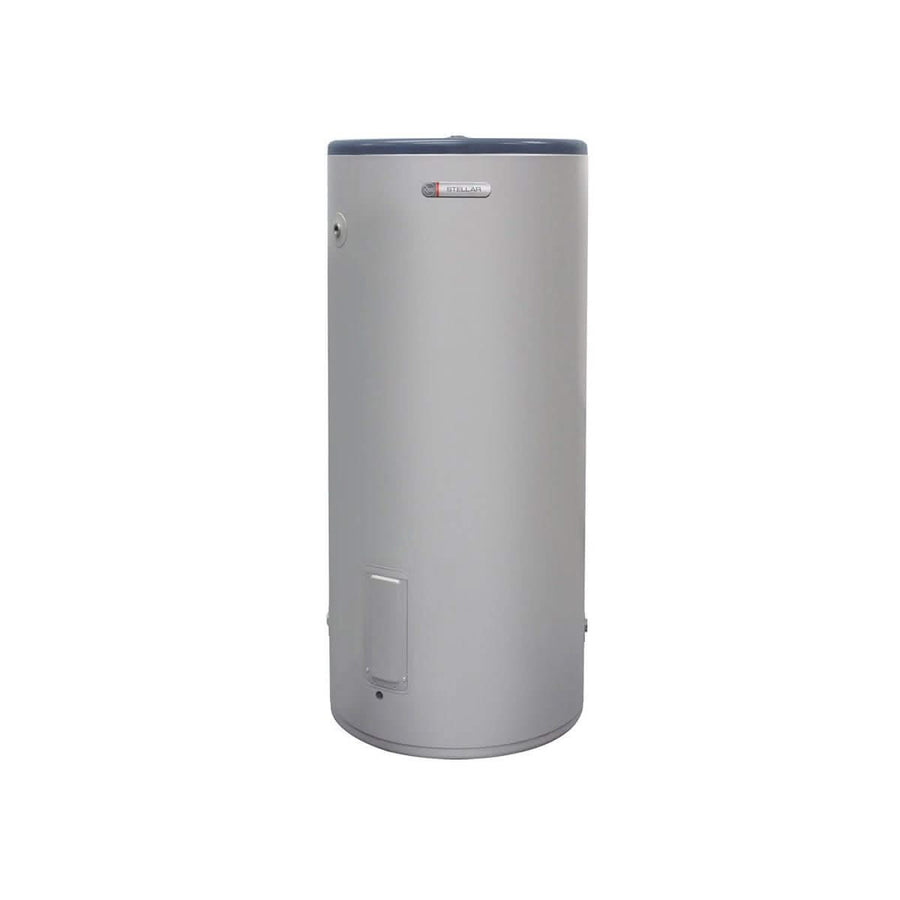
Rheem electric hot water systems
Rheem is one of the most recognised hot water brands in Australia.
Rheem electric systems may suit customers looking for:
-
Common replacement sizes
-
Broad product availability
-
Vitreous enamel and stainless steel options depending on model
-
Known brand support
-
Family-size electric storage options
-
Like-for-like electric replacement
When comparing Rheem models, check tank size, element rating, warranty terms, dimensions, water pressure requirements, internal or external suitability and whether the model suits the home’s electrical supply.
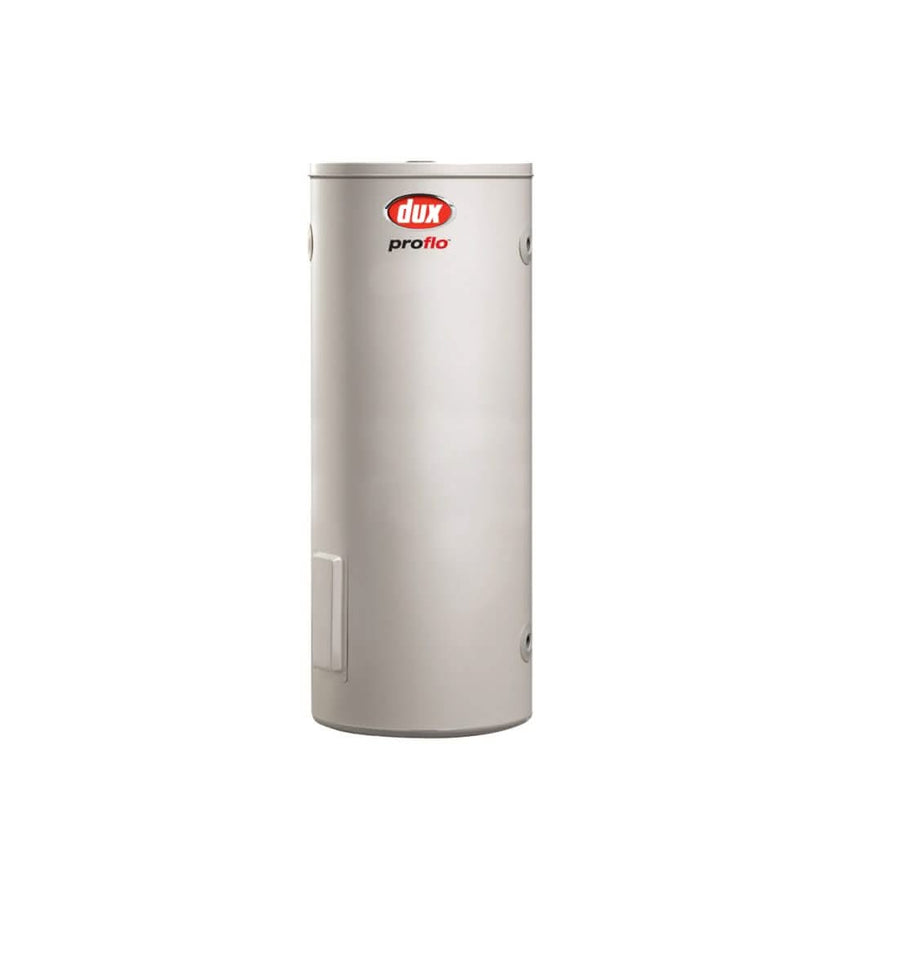
Dux electric hot water systems
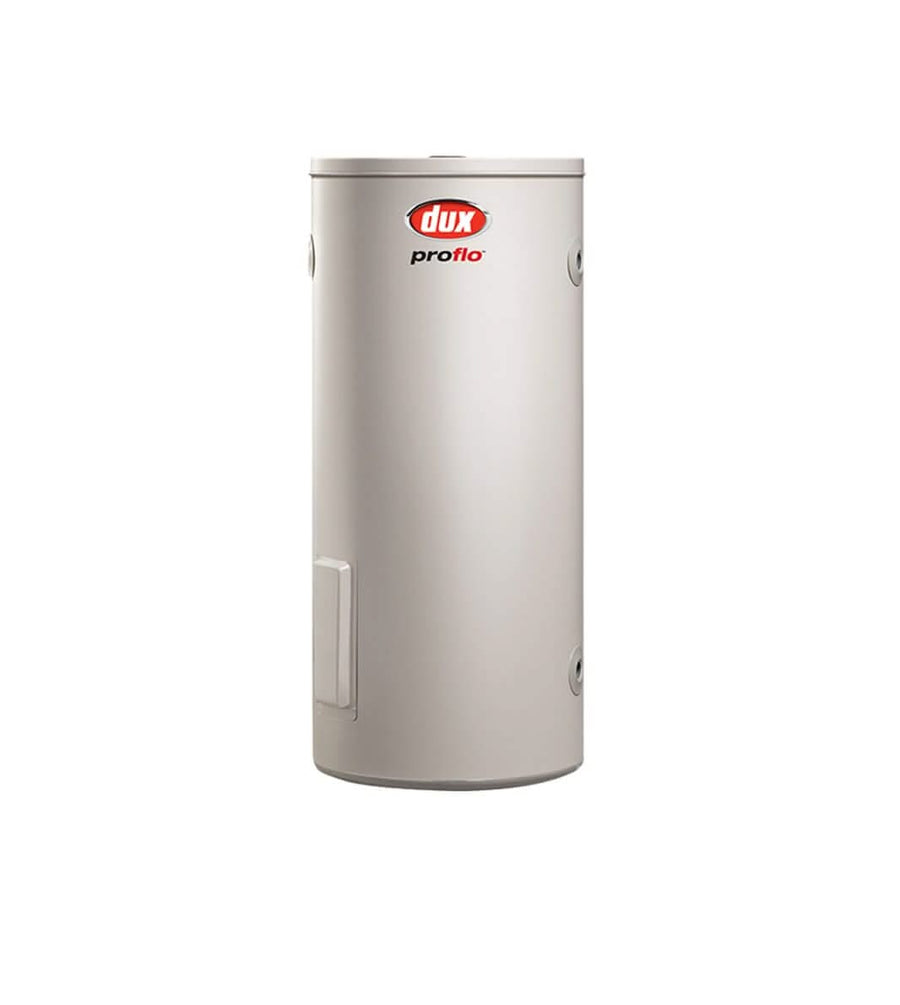
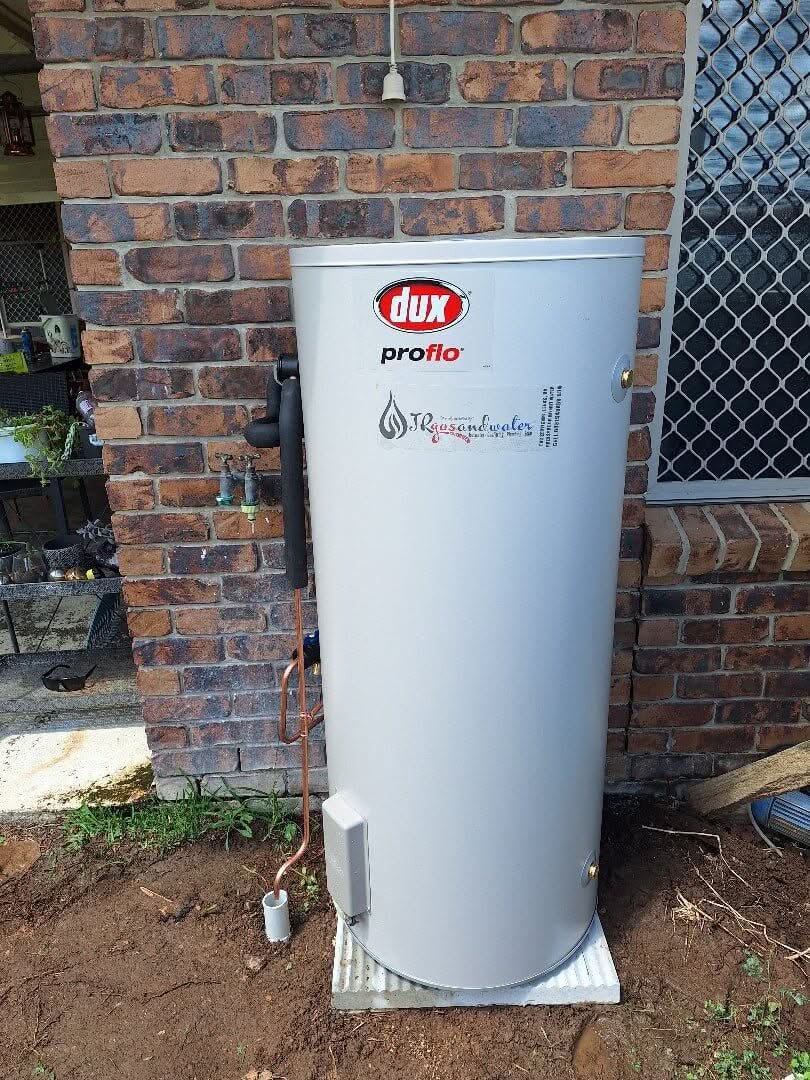
Dux electric hot water systems are commonly considered for residential replacements.
Dux may suit customers looking for:
-
Common family tank sizes
-
Australian hot water brand recognition
-
Electric storage replacement options
-
Practical sizing for homes and rentals
-
Standard storage layouts depending on model
When comparing Dux options, check tank size, warranty terms, element configuration, dimensions, access and whether the system suits controlled-load or continuous power.
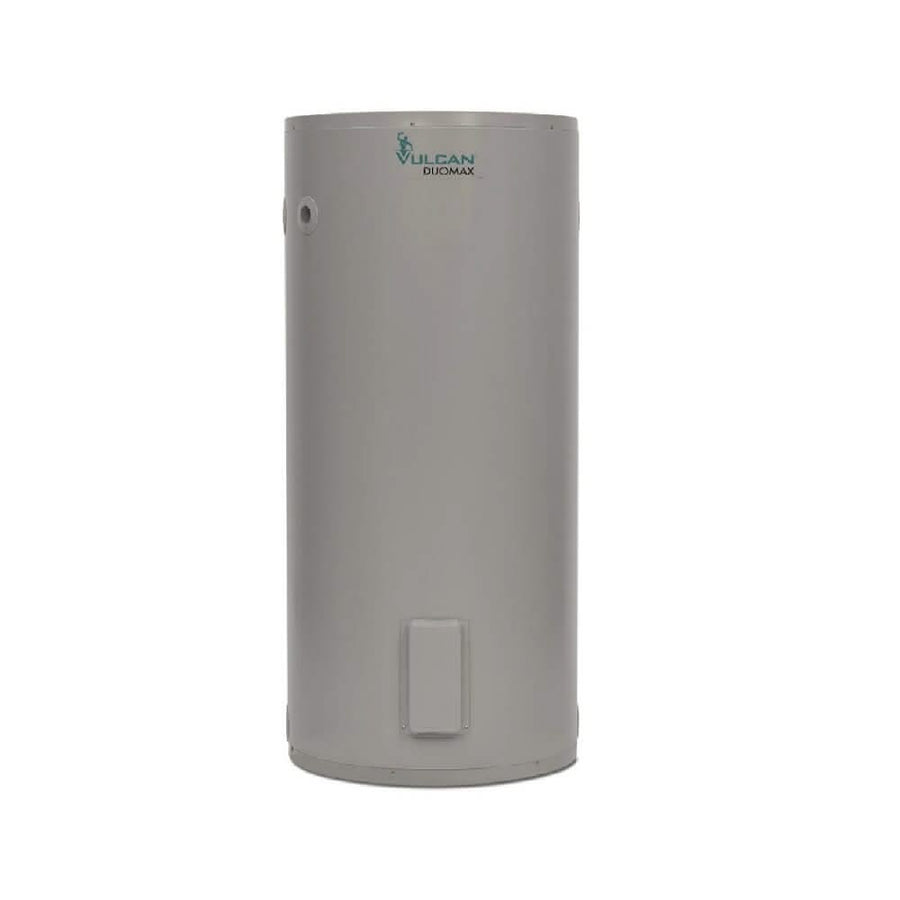
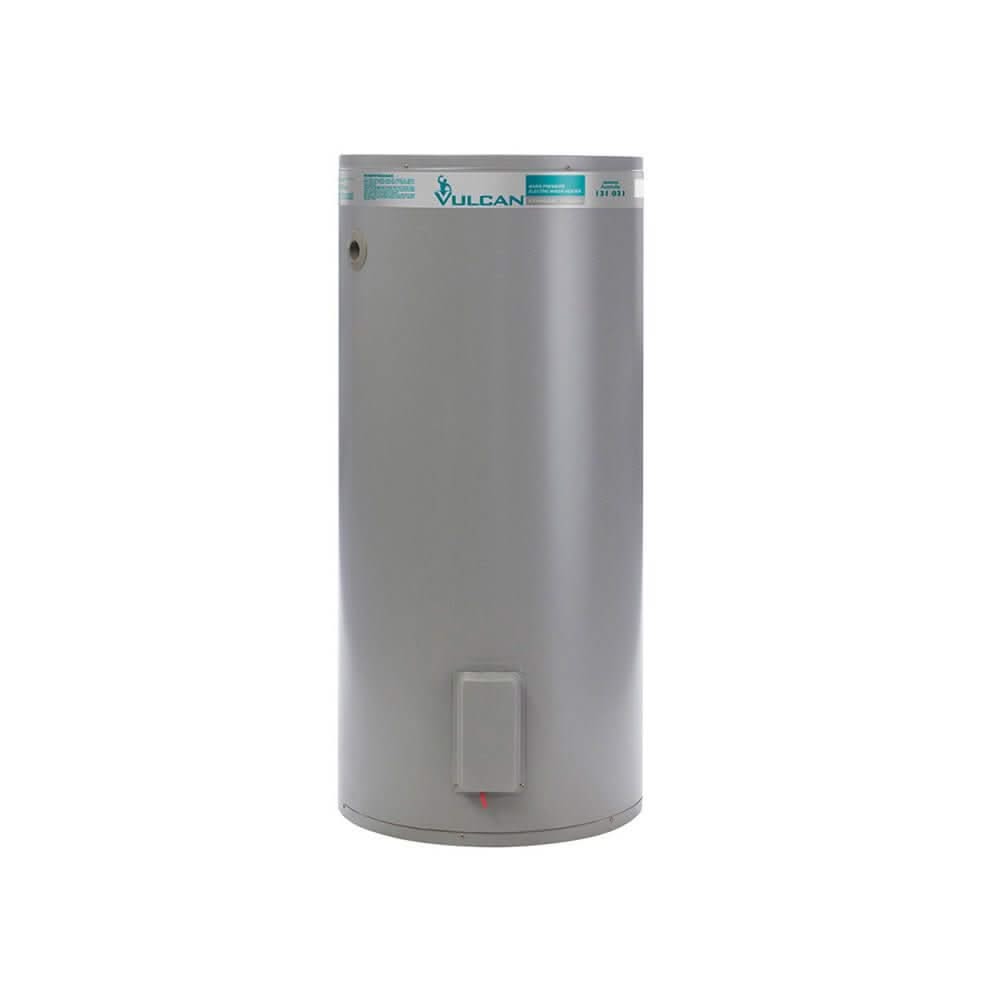
Vulcan electric hot water systems
Vulcan electric hot water systems are often considered value-focused storage options.
Vulcan may suit customers looking for:
-
Practical electric storage replacement
-
Common residential sizes
-
Simple storage hot water design
-
Value-focused brand positioning
-
Options for small, medium and larger households depending on model
When comparing Vulcan systems, check the model size, element rating, cylinder warranty, dimensions, water pressure limits and installation suitability.
Stainless steel vs vitreous enamel electric tanks
Electric storage tanks may use different cylinder materials depending on the model.
| Tank type | General notes |
|---|---|
| Vitreous enamel | Common tank type, usually uses a sacrificial anode |
| Stainless steel | Often positioned as a premium tank option on selected models |
Do not choose only by tank material. Check warranty, water quality suitability, manufacturer requirements, availability, installation conditions and total value.
Single element vs twin element
Electric storage systems may be single element or twin element depending on the model.
| Element type | General use |
|---|---|
| Single element | Common for standard storage systems |
| Twin element | Can improve recovery in some setups where the electrical supply and tariff suit |
Twin element does not automatically mean the system is better for every home. Electrical supply, wiring, tariff, switchboard capacity and household demand need to be checked.
Electrical work must be completed by a licensed electrician where required.
Electric storage vs instant electric
Standard electric storage and instant electric are very different.
| System type | How it works | Best suited to |
|---|---|---|
| Electric storage | Stores hot water in a tank | Most standard household electric hot water replacements |
| Instant electric | Heats water as it flows | Often point-of-use unless properly assessed for whole-home demand |
Instant electric whole-home use can require significant electrical capacity. Flow rate, temperature rise, circuit requirements and switchboard capacity all matter.
Do not assume an instant electric system is a simple replacement for a 250L or 315L storage tank.
Electric storage vs heat pump
A heat pump is still an electric hot water system, but it works differently from standard electric storage.
| System type | Best suited to |
|---|---|
| Standard electric storage | Simple replacement, lower upfront complexity, controlled-load setups |
| Heat pump hot water | Efficient electric hot water where airflow, drainage and location suit |
Heat pumps can reduce electricity use where correctly installed and configured, but they need suitable outdoor placement, airflow, condensate drainage, noise consideration and electrical setup.
If the site does not suit a heat pump, standard electric storage may be the more practical choice.
What size electric hot water system should I choose?
Use this as a starting point:
| Household | Better starting point |
|---|---|
| 1 person | 80L–125L |
| 2 people | 125L–160L |
| 3 people | 160L–250L |
| 4 people | 250L–315L |
| 5 people | 315L |
| 6+ people | 315L–400L |
| High-use rental | 315L–400L |
| Short-stay property | 315L–400L or assessed option |
Then adjust based on real use.
Size up if:
-
Showers are long
-
Multiple showers happen close together
-
A bath is used
-
Guests stay regularly
-
The home is on controlled load
-
The old system ran out
-
The property is a rental with likely higher occupancy
Size down only if:
-
Hot water use is genuinely low
-
The old larger system was clearly oversized
-
The new system still suits peak demand
-
Space, access or electrical limits require it
Should you replace like-for-like?
Like-for-like replacement can make sense if the old electric system worked well before it failed.
It may be suitable if:
-
The old size met household demand
-
The electrical supply suits the replacement
-
The tank location is still compliant
-
Access is suitable
-
Valves and drainage can be brought up to standard where needed
-
No major household changes have occurred
Do not replace like-for-like automatically if:
-
The old system often ran out
-
More people now live in the home
-
The property has changed use
-
A bath has been added
-
The old system was on a different tariff
-
The household now has longer showers
-
The installation location no longer suits current requirements
Installation and compliance reminders
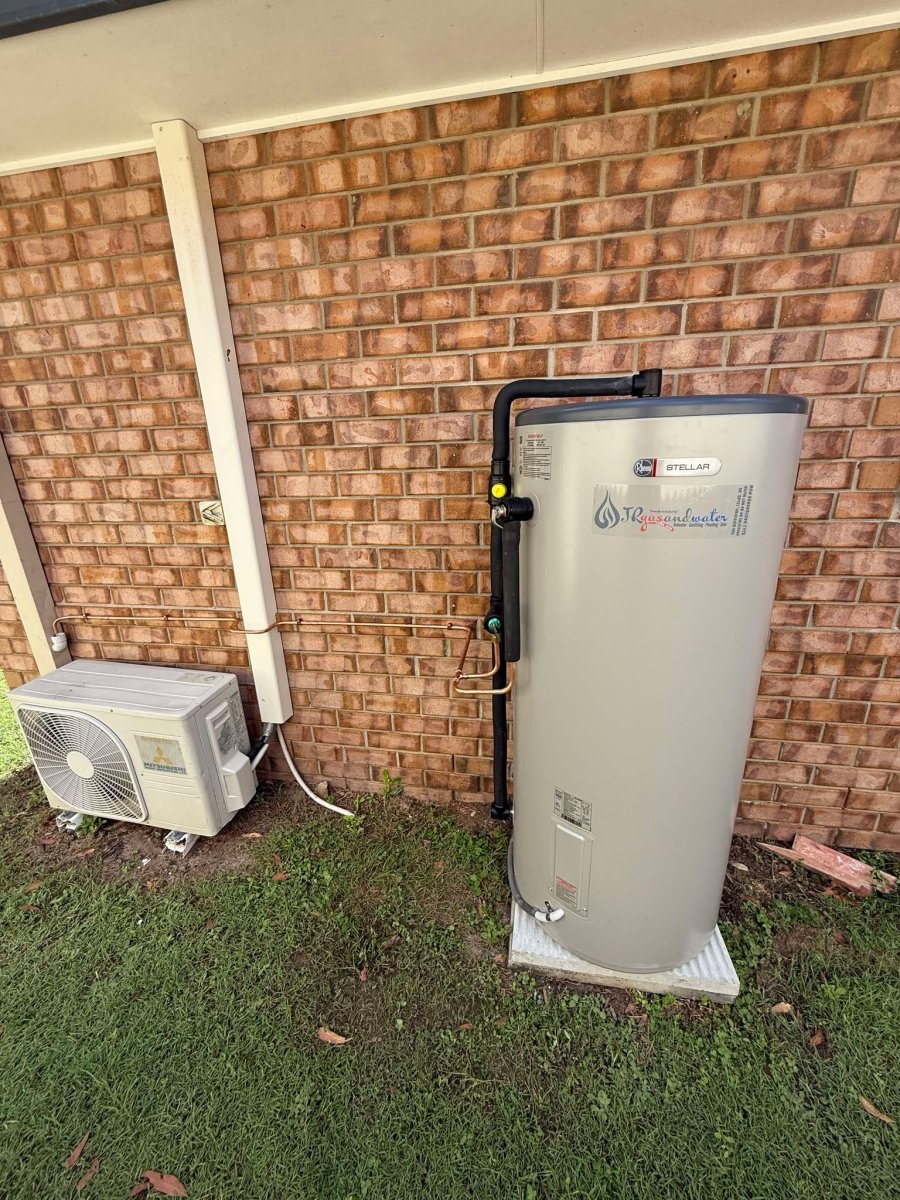
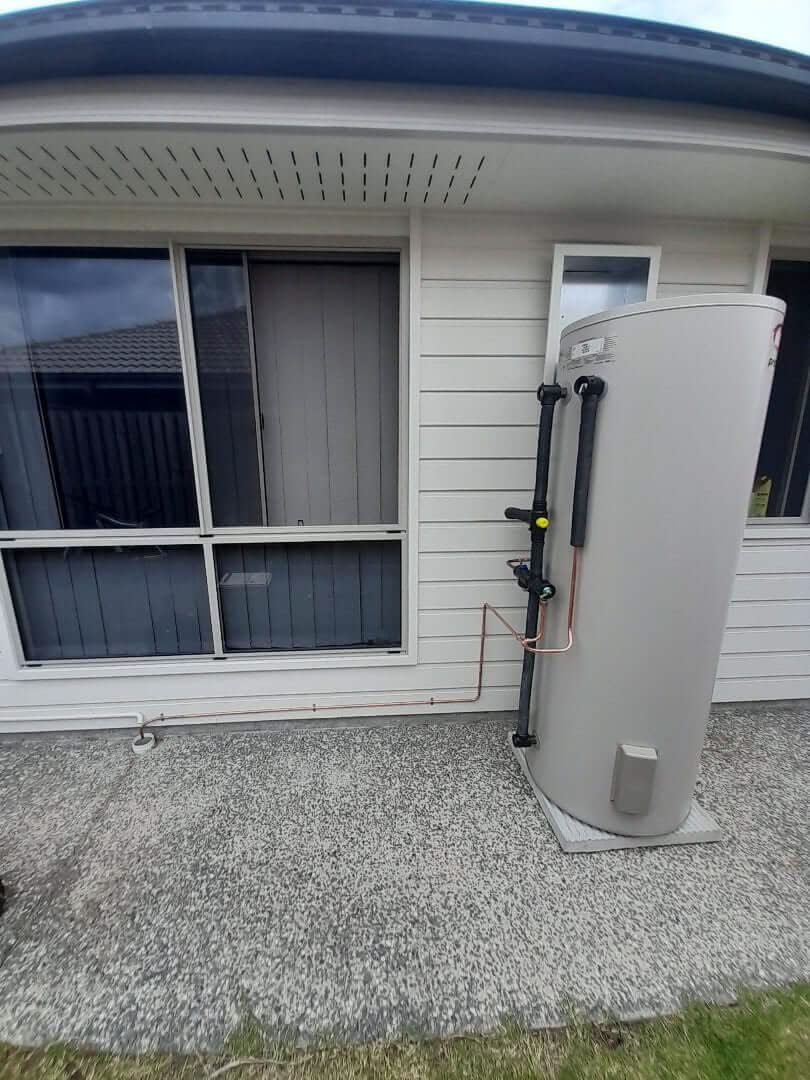
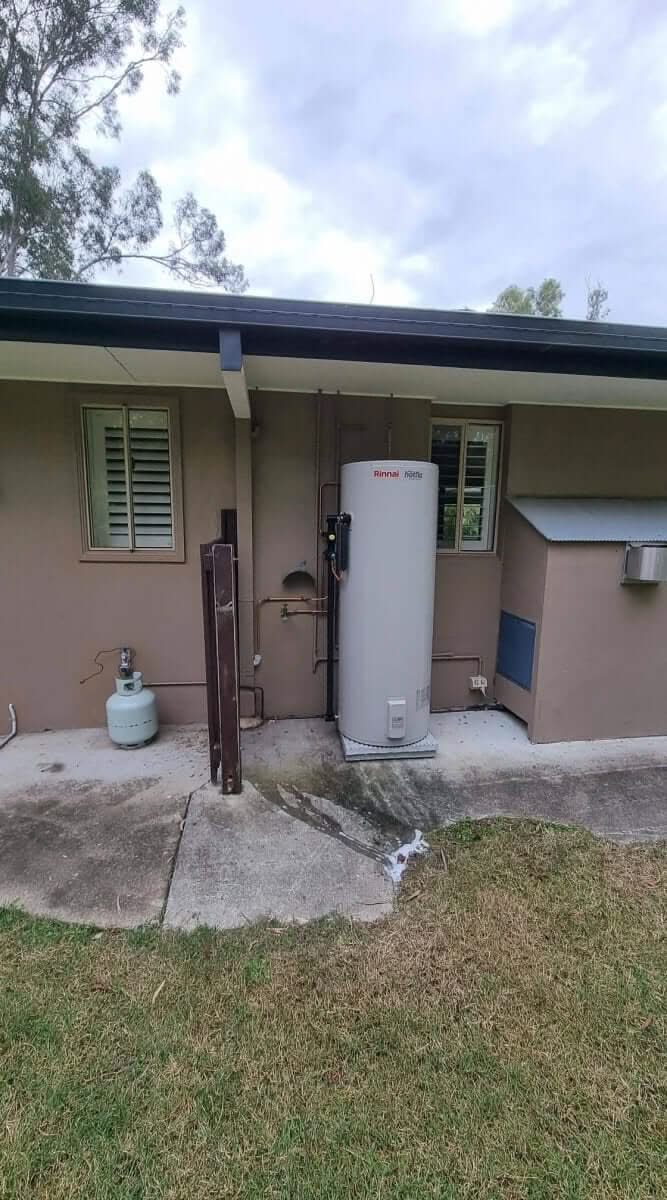
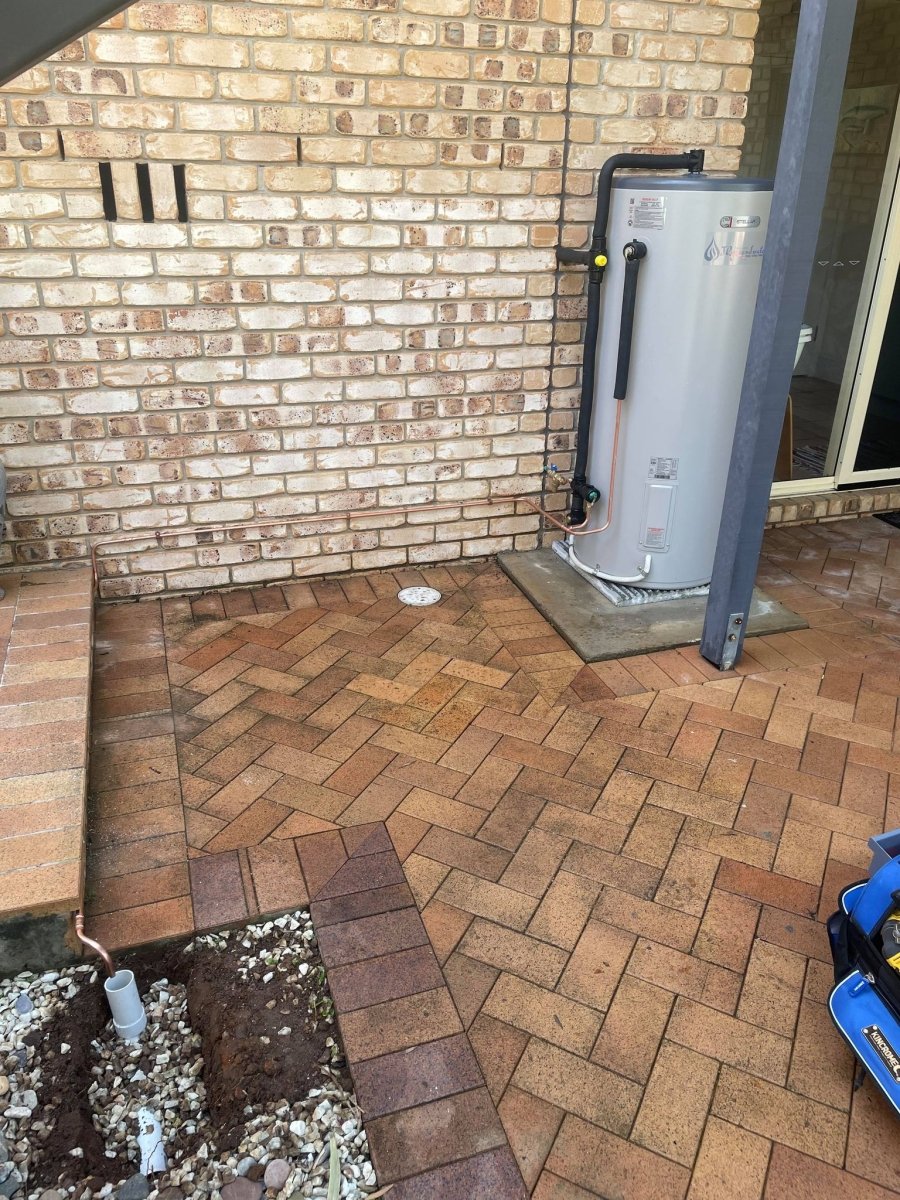
Electric hot water installation is not DIY work.
Use a licensed plumber for plumbing work and a licensed electrician for electrical work where required.
Important installation checks may include:
-
Tank size and dimensions
-
Access for delivery and removal
-
Water pressure
-
Tempering valve requirements
-
Isolation valves
-
Pressure and temperature relief valve discharge
-
Safe tray or drainage where required
-
Base or support requirements
-
Electrical circuit suitability
-
Element rating
-
Controlled-load or continuous supply setup
-
Timer or solar-diverter setup
-
Switchboard capacity
-
Compliance with current plumbing and electrical requirements
Extra parts or site work may be required depending on the property. Relevant options may be available under Installation Add-Ons.
Supply-only vs supplied-and-installed
Installed Today offers electric hot water systems online with supply-only options across major metro areas.
For supply-only orders, you need to arrange your own suitable licensed installer. Electric hot water systems involve plumbing and electrical requirements, so the correct licensed trades must be used.
Supplied-and-installed options are only available where shown in eligible Brisbane and Gold Coast service areas. Availability depends on the product, location and installation conditions shown at the time of ordering.
Before ordering, confirm the system size, electrical suitability, installation location and any required add-ons.
Common mistakes when buying electric hot water systems
Choosing the cheapest tank only
The cheapest system may not be the right size or fit for the property.
Replacing like-for-like when the old tank ran out
If the old system was undersized, copying it may repeat the same problem.
Ignoring controlled-load heating
If the system only reheats during set periods, tank size becomes more important.
Forgetting electrical requirements
Element size, circuit capacity, wiring and switchboard suitability need to be checked.
Choosing too small for a rental
Rental properties should be sized around likely occupancy, not only the current tenant.
Assuming instant electric is an easy upgrade
Whole-home instant electric can require major electrical capacity and should be assessed carefully.
Ignoring access
Large electric tanks need suitable access for delivery, removal and servicing.
Forgetting valves and drainage
Old valves, unsafe discharge, safe trays, bases or drainage issues may need to be corrected during installation.
Final verdict
The best electric hot water system in Australia depends on the household and the property.
For smaller homes, a 125L or 160L electric hot water system may be suitable. For family homes, a 250L electric hot water system is a common starting point. For larger families, controlled-load setups or higher-use properties, a 315L or 400L electric hot water system may be more appropriate.
Choose based on real hot water demand, not just the old tank size. Check household size, shower habits, bath use, controlled-load timing, electrical supply, tank location, access, valves, drainage and whether a heat pump may be a better long-term option.
FAQs
What is the best electric hot water system for a family?
For many families, a 250L or 315L electric hot water system is the best starting point. The right size depends on household size, shower habits, bath use and controlled-load setup.
Is 125L electric hot water enough?
A 125L electric hot water system may suit one or two people with moderate shower use. It may be too small for families, long showers or regular guests.
Is 160L electric hot water enough for three people?
A 160L system may suit some three-person homes with low-to-moderate use, but a 250L system is often safer for normal family demand.
Is 250L electric hot water enough for a family of four?
A 250L system may suit a family of four with moderate shower use. If showers are long, baths are used or the system is on controlled load, 315L may be better.
Is 315L electric hot water enough for five people?
A 315L electric hot water system is often a good starting point for five-person homes, depending on shower habits and recovery setup.
Should I choose electric storage or heat pump?
Choose electric storage if you want a simpler replacement or the site does not suit a heat pump. Choose heat pump where airflow, drainage, noise placement and electrical setup are suitable and efficiency is a priority.
Is instant electric better than storage electric?
Instant electric can suit point-of-use applications, but whole-home use needs careful assessment of flow rate, temperature rise, switchboard capacity and electrical load.
Do electric hot water systems need an electrician?
Electrical work must be completed by a licensed electrician where required. The existing circuit, element rating and switchboard capacity should be checked.
Can I install an electric hot water system myself?
No. Electric hot water installation involves plumbing and electrical safety requirements. Use licensed trades where required.
Where can I compare electric hot water systems?
You can compare options in Electric Hot Water Systems, browse Hot Water Systems, or compare related Installation Add-Ons.