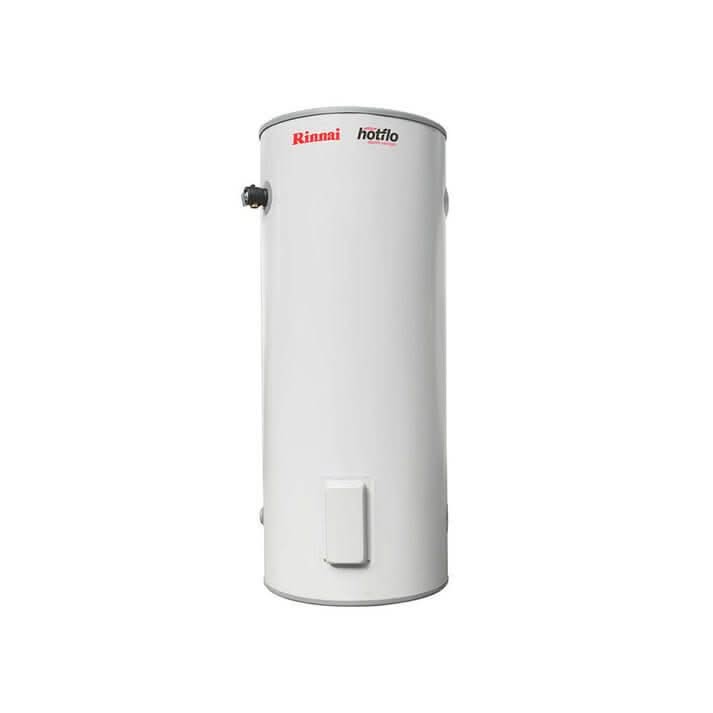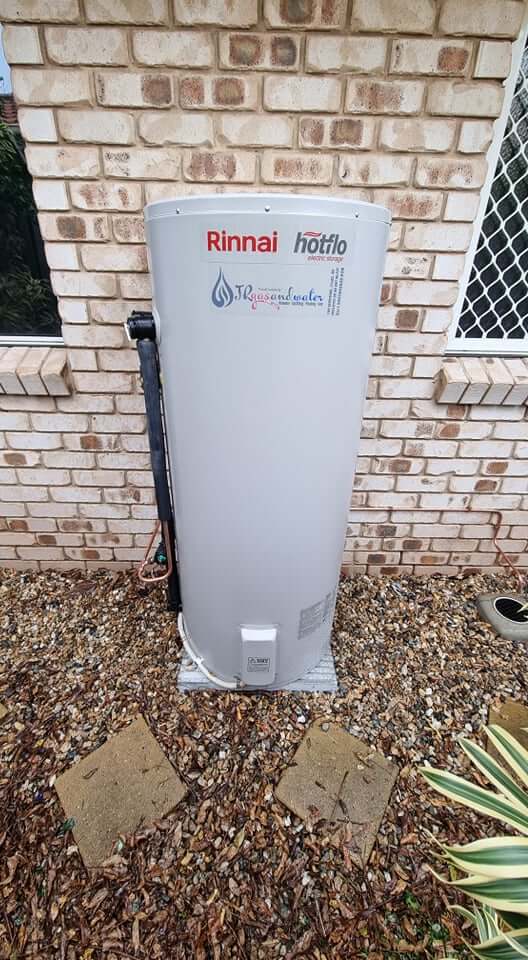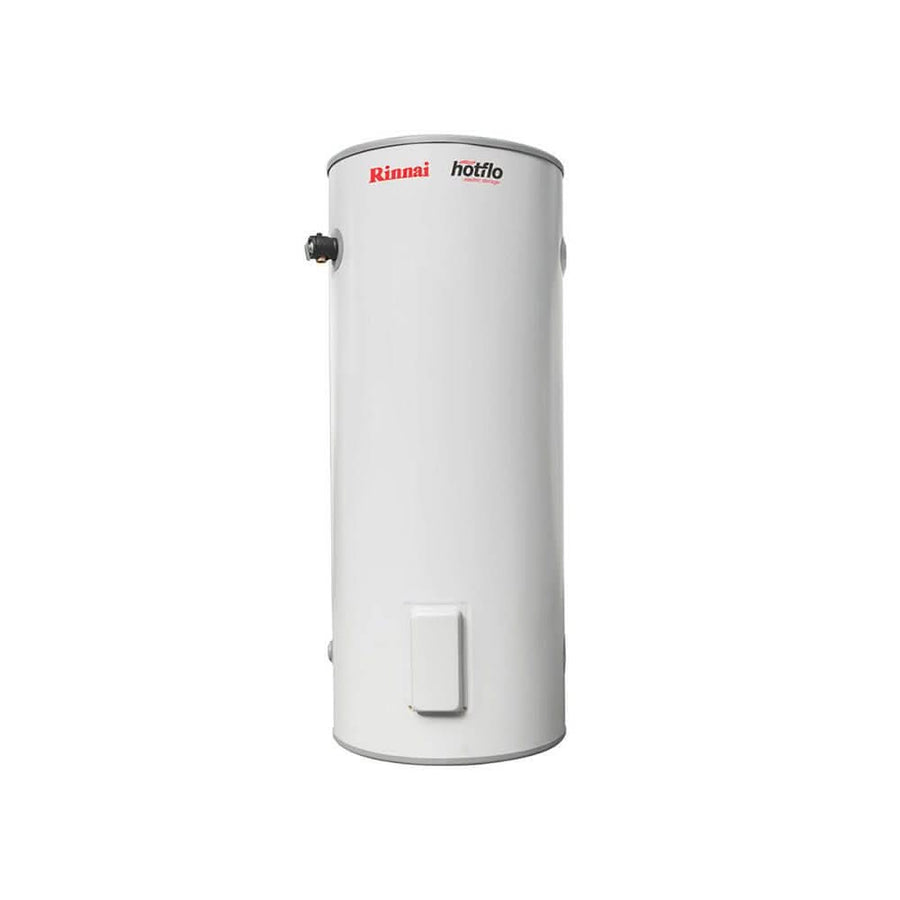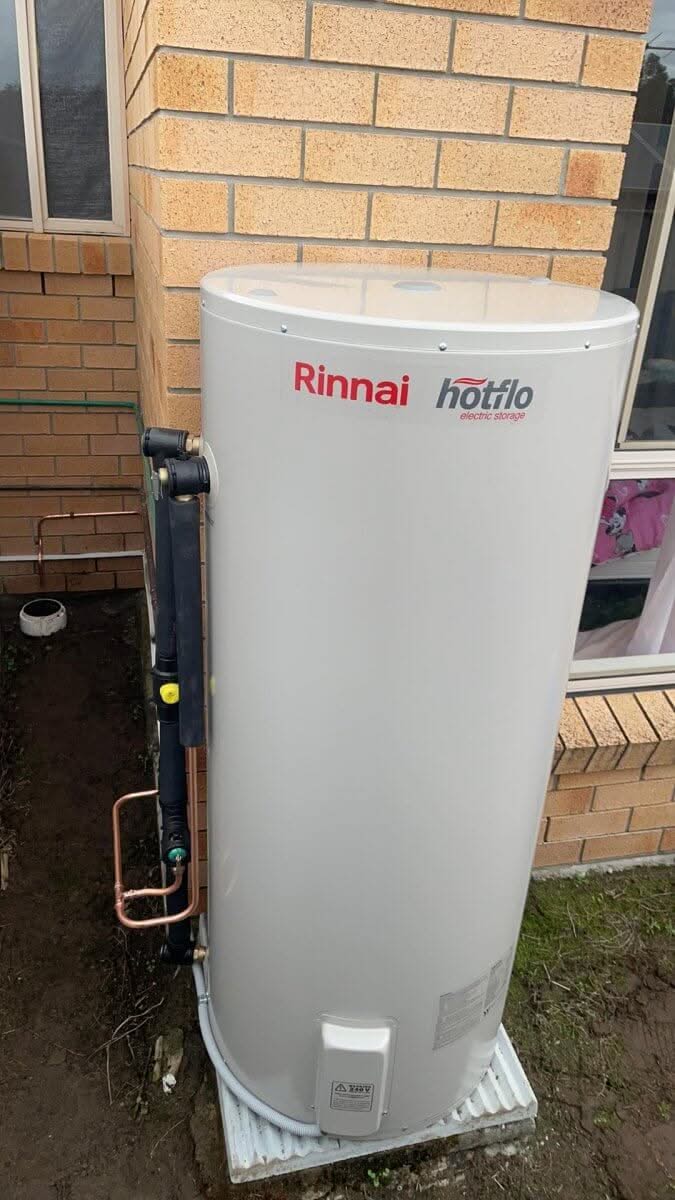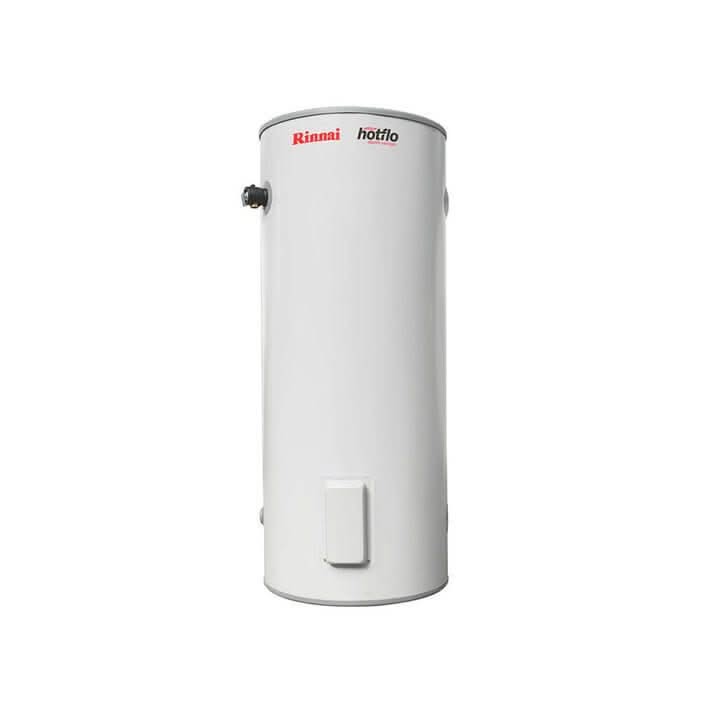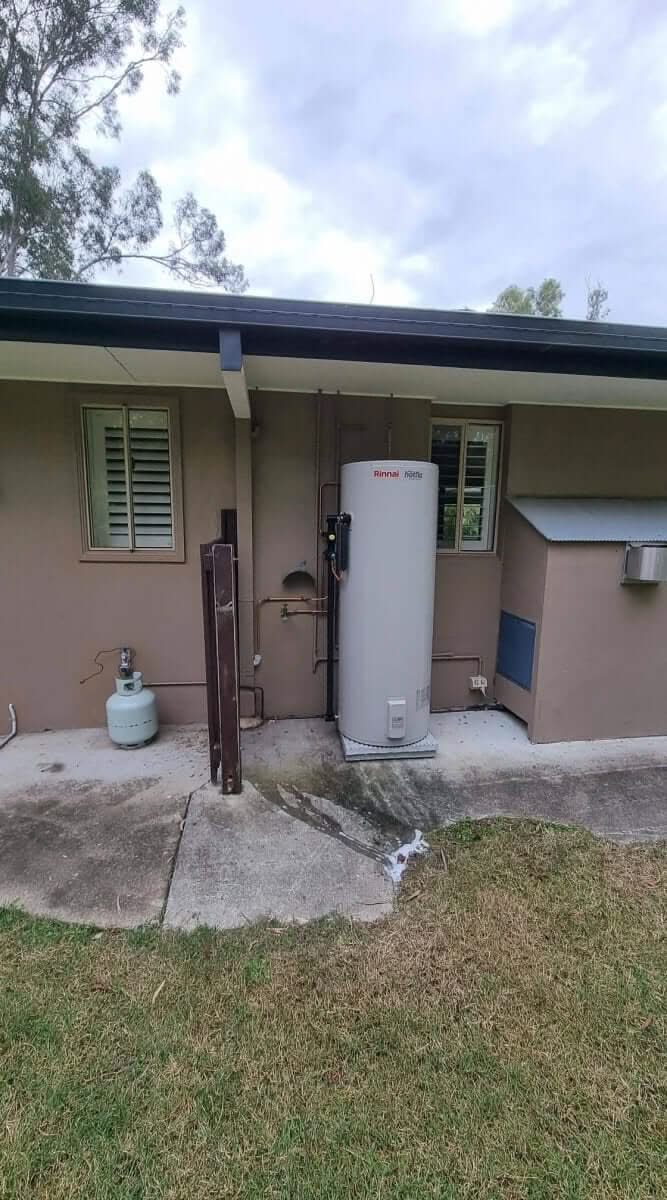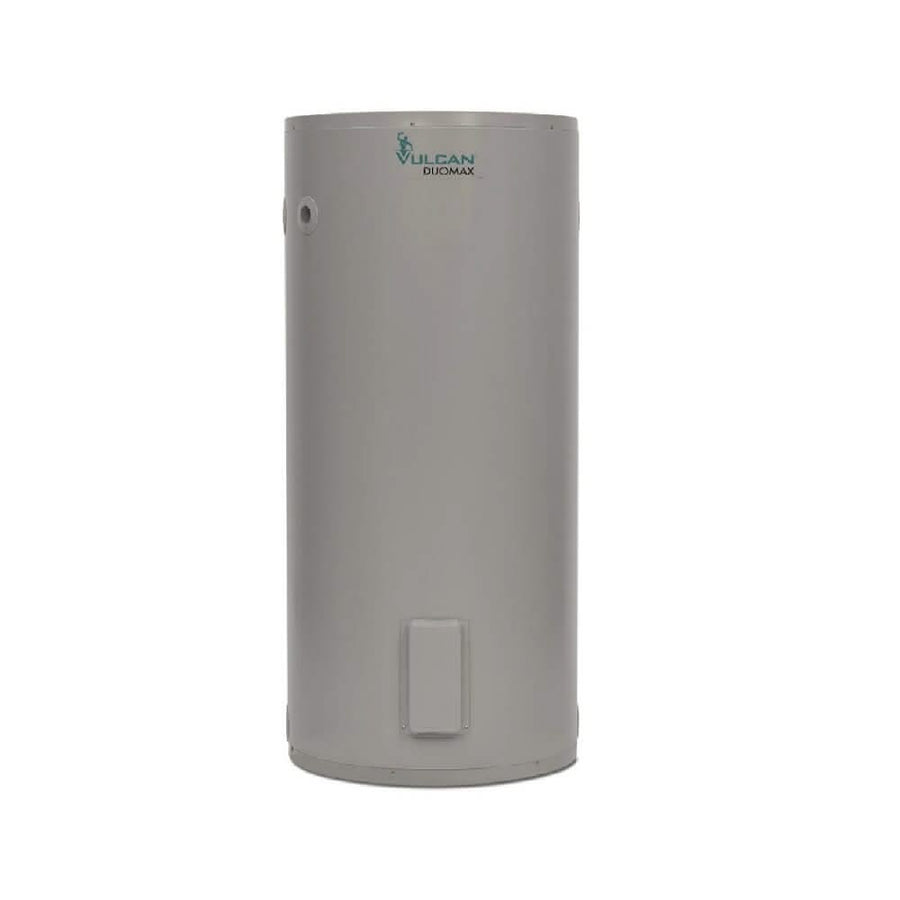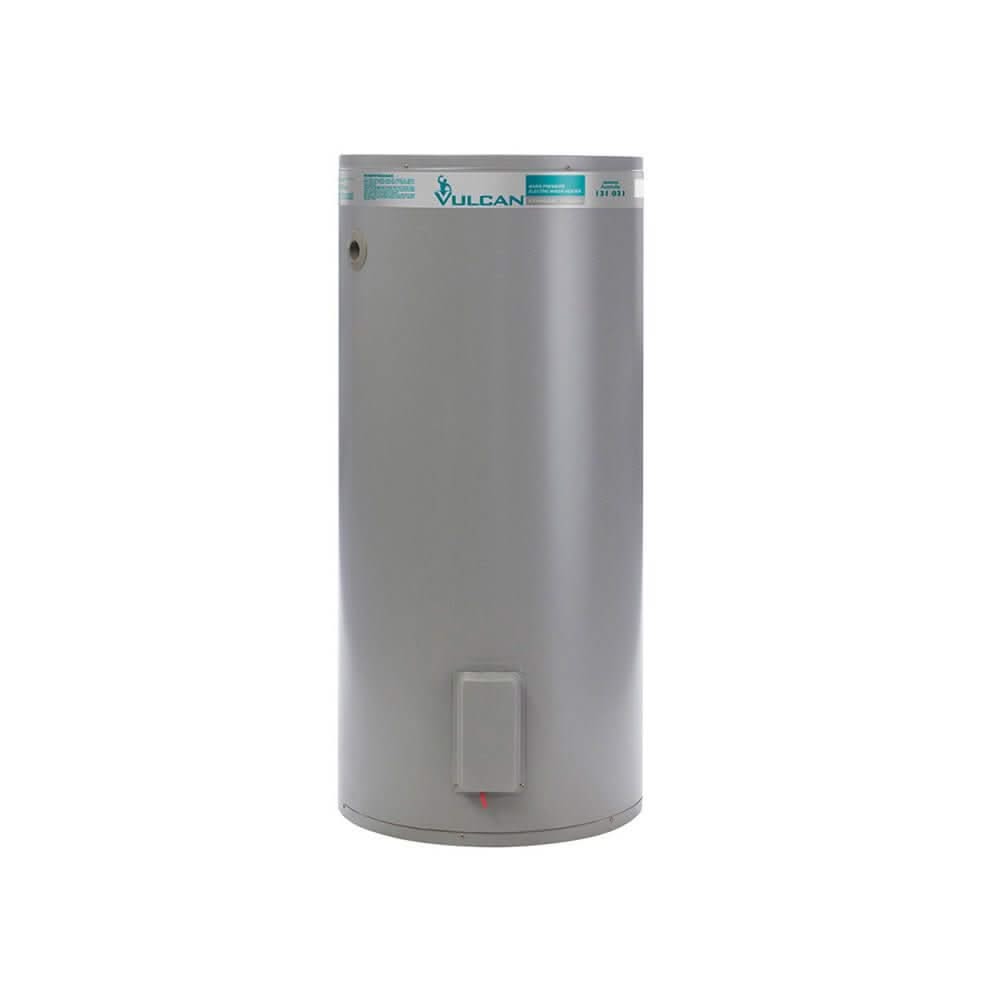

Electric Hot Water System Size Guide: 125L vs 160L vs 250L vs 315L vs 400L
Choosing the right electric hot water system size is one of the most important decisions when replacing an old tank. Too small, and the household may run out of hot water during showers. Too large, and you may pay more upfront, use more space and store more hot water than needed.
Electric storage hot water systems are commonly sized by tank capacity in litres. The right size depends on the number of people in the home, number of bathrooms, shower habits, bath use, laundry use, dishwasher use, heating tariff, recovery time, installation location and whether the old system was keeping up.
This guide compares 125L, 160L, 250L, 315L and 400L electric hot water systems so you can choose a practical replacement before ordering.
You can compare Electric Hot Water Systems, broader Hot Water Systems, Heat Pump Hot Water Systems, Instant Electric Systems, Gas Hot Water Systems, Instant Gas Hot Water Systems and Installation Add-Ons online with Installed Today.
Quick answer: which electric hot water size should you choose?
As a general starting point:
| Electric hot water size | Common household fit |
|---|---|
| 125L | 1 to 2 people with moderate hot water use |
| 160L | 2 people or a small household with moderate use |
| 250L | Many 3 to 4 person homes |
| 315L | Larger families or higher-demand homes |
| 400L | Large households, high demand or selected off-peak setups |
This is only a guide. The right size depends on real usage, not just the number of people.
A two-person home with long showers and frequent guests may need more stored hot water than a three-person home with shorter showers. A four-person home with a bath may need more capacity than a four-person home with one shower and lower use.
Why electric hot water sizing matters
Electric storage systems heat water in a tank and keep it ready for use. Once the stored hot water is used, the system needs time to reheat.
If the tank is too small, you may notice:
-
Hot water running out during showers
-
Poor recovery after back-to-back use
-
Not enough hot water for baths
-
Tenants or guests complaining
-
More reliance on boost heating where available
-
Frustration during morning or evening peak times
If the tank is too large, you may notice:
-
Higher upfront product cost
-
More space required
-
More weight and access difficulty
-
More stored hot water than needed
-
Higher standing heat losses in some situations
-
Unnecessary replacement complexity
The best size is the smallest practical system that can comfortably handle the household’s real peak hot water use.
Electric hot water size is not just about people
Household size is useful, but it is not enough on its own.
Before choosing a tank size, check:
-
Number of people
-
Number of bathrooms
-
Number of showers per day
-
Shower length
-
Shower head flow rate
-
Bath use
-
Laundry use
-
Dishwasher use
-
Morning peak demand
-
Evening peak demand
-
Guest use
-
Rental or Airbnb use
-
Off-peak or controlled-load setup
-
Recovery time
-
Existing system performance
-
Available space
-
Installation access
If the old system ran out regularly, do not automatically replace it with the same size.
125L electric hot water systems
A 125L electric hot water system is usually considered a smaller storage option.
It may suit:
-
1 person
-
2 people with moderate use
-
Small units
-
Townhouses
-
Low-demand homes
-
Some rental properties
-
Properties with limited installation space
-
Homes without a bath
-
Customers replacing an existing 125L system that performed well
A 125L system may not suit:
-
Larger families
-
Long showers
-
Multiple bathrooms
-
Homes with baths
-
Frequent guests
-
Short-stay rentals
-
High laundry hot water use
-
Homes where the old 125L tank ran out
If your old 125L electric hot water system regularly ran out, upgrading to a larger size may be worth comparing.
125L electric hot water: best-fit examples
A 125L system may be a practical fit for:
-
A single-person apartment
-
A two-person unit with short showers
-
A small townhouse with one bathroom
-
A rental where hot water use is modest
-
A compact home where space is limited
However, it should be checked carefully where the home has a bath, high-flow shower head, long showers or frequent guests.
160L electric hot water systems
A 160L electric hot water system is often compared by smaller households that need more capacity than 125L but do not need a large family tank.
It may suit:
-
2 people
-
Small families with moderate use
-
Units and townhouses
-
One-bathroom homes
-
Low-to-moderate shower demand
-
Homes without heavy bath use
-
Customers replacing an existing 160L tank that worked well
A 160L system may not suit:
-
Larger families
-
Homes with multiple bathrooms
-
High shower use
-
Regular bath use
-
Airbnb or short-stay homes
-
Households that use lots of hot water at peak times
A 160L tank can be practical, but usage habits matter. Two people with long showers may use more hot water than expected.
160L electric hot water: best-fit examples
A 160L system may suit:
-
A couple in a one-bathroom home
-
A small townhouse
-
A low-demand rental
-
A unit with moderate shower use
-
A home where the existing 160L system has been reliable
Before choosing 160L, check whether the household ever ran out of hot water, whether guests stay often, and whether the tank will run on off-peak or controlled-load electricity.
250L electric hot water systems
A 250L electric hot water system is one of the most common family-size options.
It may suit:
-
3 to 4 person homes
-
One or two bathroom properties
-
Families with moderate hot water use
-
Standard residential replacements
-
Many rental properties
-
Homes replacing an existing 250L tank that performed well
-
Customers wanting a practical middle-size storage system
A 250L system may not suit:
-
Very large families
-
High bath use
-
Homes with frequent back-to-back showers
-
Short-stay properties with high guest numbers
-
Homes where the old 250L tank ran out often
-
Some off-peak setups with heavy evening use
If a 250L system has been working well, replacing with a similar size may be practical. If it has been running out, reassess before ordering.
250L electric hot water: best-fit examples
A 250L system may be suitable for:
-
A family of three
-
A family of four with moderate shower use
-
A two-bathroom home where showers are not always simultaneous
-
A rental property with average occupancy
-
A home replacing an old 250L electric tank
For families with teenagers, long showers or frequent guests, a 315L system or heat pump option may be worth comparing.
315L electric hot water systems
A 315L electric hot water system is often compared by larger households or homes with higher hot water demand.
It may suit:
-
4 to 5 people
-
Larger families
-
Homes with multiple bathrooms
-
Homes with back-to-back showers
-
Properties with bath use
-
Higher-demand rentals
-
Some off-peak electric setups
-
Customers who found a 250L system too small
A 315L system may not suit:
-
Smaller homes with low usage
-
Tight installation locations
-
Sites with poor access
-
Homes where a smaller heat pump may be a better long-term option
-
Customers focused only on lowest upfront product cost
A 315L system needs more space and may cost more than smaller tanks, but it can be useful where household demand is genuinely higher.
315L electric hot water: best-fit examples
A 315L system may suit:
-
A family of four with long showers
-
A family of five
-
A home with two bathrooms
-
A rental property with several bedrooms
-
A home with bath use
-
A household where 250L has not been enough
Before ordering, check installation space, access, base support, electrical setup and whether heat pump hot water is worth comparing.
400L electric hot water systems
A 400L electric hot water system is a large storage option for high-demand homes.
It may suit:
-
Large households
-
5 or more people with high use
-
Multiple bathrooms
-
Homes with frequent baths
-
Larger rental properties
-
Short-stay properties with high guest numbers
-
Some off-peak electric setups
-
Homes with very high peak demand
A 400L system may not suit:
-
Small households
-
Homes with limited space
-
Difficult access sites
-
Customers wanting lower upfront product cost
-
Properties where a heat pump may be a better efficiency upgrade
-
Homes that do not need that much stored hot water
Bigger is not automatically better. A 400L system should be chosen because the household genuinely needs the capacity.
400L electric hot water: best-fit examples
A 400L system may be considered for:
-
A large family home
-
A high-occupancy rental
-
A property with several bathrooms
-
A home with regular bath use
-
A household using off-peak electric hot water with limited reheating windows
-
A short-stay home where guest peak use is high
Before choosing 400L, confirm access, support, electrical setup, space and long-term running cost expectations.
125L vs 160L electric hot water
Choose 125L where:
-
The home has 1 to 2 people
-
Shower use is moderate
-
Space is limited
-
There is no regular bath use
-
The old 125L system worked well
-
Lower upfront product cost matters
Choose 160L where:
-
Two people need a little more storage
-
The home has slightly higher shower demand
-
Guest use is occasional
-
The old 125L system was borderline
-
There is room for a larger tank
-
A small upgrade makes sense
The difference between 125L and 160L can matter for two-person households, especially if showers are longer or the home has occasional guests.
160L vs 250L electric hot water
Choose 160L where:
-
The home has 1 to 2 people
-
Hot water use is modest
-
The property has one bathroom
-
There is limited space
-
The existing 160L system performed well
Choose 250L where:
-
The home has 3 to 4 people
-
There are more showers per day
-
The household has moderate family use
-
The property is a rental
-
The old smaller system ran out
-
More stored capacity is needed
For a growing household, 250L is often worth comparing before replacing with another 160L tank.
250L vs 315L electric hot water
Choose 250L where:
-
The home has 3 to 4 people
-
Shower use is moderate
-
The old 250L system worked well
-
There is no heavy bath use
-
Lower upfront cost and space matter
Choose 315L where:
-
The home has 4 to 5 people
-
The old 250L tank ran out
-
There are multiple bathrooms
-
Showers are longer or back-to-back
-
Bath use is common
-
The property is a larger rental
A 315L tank may be the better option where 250L is just not keeping up.
315L vs 400L electric hot water
Choose 315L where:
-
The household is large but not extreme
-
There are 4 to 5 people
-
There are multiple showers
-
Space is available but not unlimited
-
The home needs more than 250L but not maximum capacity
Choose 400L where:
-
The home has very high hot water demand
-
There are 5 or more people
-
Bath use is frequent
-
Guest use is high
-
Off-peak reheating windows require more storage
-
A large-capacity tank is justified
A 400L system should be chosen for genuine demand, not just as a “safe” oversized option.
Electric hot water sizing for 1 person
A one-person home may compare:
-
125L electric storage
-
Smaller compact electric options
-
Instant electric for selected point-of-use needs
-
Heat pump hot water where site suitability and demand justify it
For one person, a large electric tank is often unnecessary unless there are unusual usage patterns, a bath, high guest use or off-peak timing requirements.
Electric hot water sizing for 2 people
A two-person home may compare:
-
125L electric storage
-
160L electric storage
-
Smaller or medium heat pump options where suitable
-
Instant electric only for selected point-of-use needs
Choose based on shower length, bath use, guest use, tariff setup and whether the previous system ran out.
Electric hot water sizing for 3 people
A three-person household may compare:
-
160L electric storage for lower use
-
250L electric storage for more comfortable capacity
-
Heat pump hot water where the site suits
-
Gas or instant gas if the property already has suitable gas
For many three-person homes, 250L is often worth comparing if shower use is moderate to high.
Electric hot water sizing for 4 people
A four-person home may compare:
-
250L electric storage
-
315L electric storage for higher demand
-
Family-sized heat pump hot water
-
Gas or instant gas where gas supply suits
A 250L system may suit many four-person homes, but a 315L option may be better where there are long showers, teenagers, multiple bathrooms or bath use.
Electric hot water sizing for 5 people
A five-person household may compare:
-
315L electric storage
-
400L electric storage for very high use
-
Larger heat pump hot water where the site suits
-
Instant gas where gas pipe sizing and water pressure support it
Do not undersize a five-person home just to reduce upfront cost. Running out of hot water can become a daily frustration.
Electric hot water sizing for 6 or more people
Large households should be assessed carefully.
Options may include:
-
315L electric storage for moderate large-household use
-
400L electric storage for higher demand
-
Larger heat pump hot water
-
Correctly sized instant gas where gas supply supports it
Check bathrooms, simultaneous shower use, bath use, laundry use, recovery time and installation space.
Sizing for one bathroom
A one-bathroom home may not need a large tank, but usage still matters.
Check:
-
Number of people
-
Shower length
-
Shower head flow rate
-
Bath use
-
Laundry hot water use
-
Guest use
-
Whether showers happen back-to-back
-
Whether the old system ran out
A one-bathroom home with three people and long showers may need more capacity than expected.
Sizing for two bathrooms
Two-bathroom homes need more careful sizing because showers may overlap.
Check:
-
Whether both showers are used at the same time
-
Shower head flow rates
-
Morning peak use
-
Evening peak use
-
Bath use
-
Number of people
-
Stored capacity
-
Recovery rate
For two-bathroom homes, 250L, 315L or a suitable heat pump or instant gas option may be worth comparing depending on the energy source and household use.
Sizing for homes with baths
Baths can use a large amount of hot water.
If the home has a bath, consider:
-
Bath size
-
How often the bath is used
-
Whether showers happen after the bath
-
Number of people
-
Tank capacity
-
Recovery rate
-
Off-peak or timer setup
-
Whether the old system ran out
A small tank may be frustrating in homes where baths are used regularly.
Sizing for high-flow shower heads
High-flow shower heads can drain a tank faster.
Before upsizing the hot water system, check:
-
Shower head flow rate
-
Shower length
-
Number of showers per day
-
Whether multiple showers run back-to-back
-
Whether a lower-flow shower head would help
-
Whether the existing system is undersized or just being overused
Sometimes the issue is not only tank size. Usage and fixture flow can be part of the problem.
Sizing for off-peak or controlled-load electricity
Off-peak or controlled-load electric hot water can affect sizing because the system may only reheat during certain times.
A home on restricted reheating may need more stored capacity than a similar home with more flexible heating.
Before choosing a size, check:
-
Heating window
-
Tank capacity
-
Household demand
-
Morning and evening peak use
-
Boost heating availability
-
Whether the old system ran out before reheating
-
Tariff setup
-
Installer advice
This is one reason two homes with the same number of people may need different tank sizes.
Sizing for rooftop solar homes
Electric hot water can sometimes be timed to run during solar generation hours where the setup allows.
Before sizing around solar, check:
-
Solar system size
-
Daytime electricity generation
-
Household daytime usage
-
Timer setup
-
Tank capacity
-
Electrical configuration
-
Controlled-load arrangement
-
Installer advice
If rooftop solar is part of the plan, Heat Pump Hot Water Systems may also be worth comparing where the site suits.
Electric storage vs heat pump sizing
Electric storage and heat pump hot water are both tank-based, but they are not identical.
Electric storage sizing focuses on:
-
Tank capacity
-
Element size
-
Recovery time
-
Tariff setup
-
Household demand
Heat pump sizing also considers:
-
Tank capacity
-
Recovery rate
-
Outdoor airflow
-
Condensate drainage
-
Timer settings
-
Boost mode
-
Climate
-
Noise placement
If you are replacing an old electric tank, heat pump hot water may be worth comparing, but only where the installation location is suitable.
Electric storage vs instant electric sizing
Electric storage and instant electric sizing are completely different.
Electric storage uses tank capacity.
Instant electric uses flow rate, temperature rise and electrical capacity.
Instant Electric Systems may suit:
-
Hand basins
-
Small sinks
-
Kitchenettes
-
Point-of-use applications
-
Remote fixtures
-
Low-demand areas
For most whole-home replacements, electric storage is more common than instant electric.
Electric storage vs gas hot water sizing
Electric storage uses tank capacity.
Gas hot water may use tank capacity or flow rate depending on whether it is gas storage or instant gas.
Gas Hot Water Systems may suit homes already using natural gas or LPG.
Instant Gas Hot Water Systems are sized by flow rate in L/min and depend heavily on gas pipe sizing and water pressure.
Natural gas and LPG are not interchangeable. Any gas system must match the property gas type.
Sizing for rentals
Rental properties should be sized for likely occupancy, not just the current tenant.
Check:
-
Number of bedrooms
-
Number of bathrooms
-
Likely tenant count
-
Past hot water complaints
-
Maintenance access
-
Existing system performance
-
Energy source
-
Simplicity for tenants
-
Replacement budget
A rental system that is too small can create repeat complaints.
Sizing for Airbnb and short-stay homes
Short-stay homes should be sized for peak guest use.
Check:
-
Maximum guest count
-
Number of bathrooms
-
Back-to-back showers
-
Bath use
-
Laundry between bookings
-
Recovery time
-
Guest expectations
-
Maintenance access
-
Installation location
A short-stay property may need more capacity than a normal owner-occupied home with the same number of bedrooms.
Sizing for renovations
A renovation is a good time to reassess electric hot water sizing.
Before ordering, confirm:
-
Final number of bathrooms
-
Shower locations
-
Bath use
-
Kitchen and laundry locations
-
System location
-
Pipe runs
-
Electrical setup
-
Future solar plans
-
Access after renovation
-
Whether heat pump hot water is being considered
Do not lock in a hot water system size before the final plumbing and electrical plan is clear.
Sizing for units and townhouses
Units and townhouses may have limited space and access.
Before choosing a size, check:
-
Existing system location
-
Cupboard dimensions
-
Indoor drainage
-
Body corporate or strata rules
-
Electrical supply
-
Access for removal
-
New system dimensions
-
Whether larger tanks can physically fit
-
Whether heat pump airflow is possible
In many units, a practical replacement size is limited by the existing cupboard or plant area.
Brand options for electric hot water sizing
Installed Today lists multiple homepage-linked brands that customers commonly compare for electric hot water, heat pump, gas and broader hot water replacement.
Brands worth comparing include:
Choose by system type, capacity, dimensions, warranty, installation requirements and household demand.
Rheem electric hot water sizing
Rheem Hot Water Systems are commonly compared by customers wanting a major hot water brand.
When sizing Rheem systems, check:
-
Tank capacity
-
Household size
-
Number of bathrooms
-
Existing system size
-
Whether the old system ran out
-
Dimensions
-
Installation location
-
Warranty terms
A Rheem replacement should be chosen around household demand, not just brand familiarity.
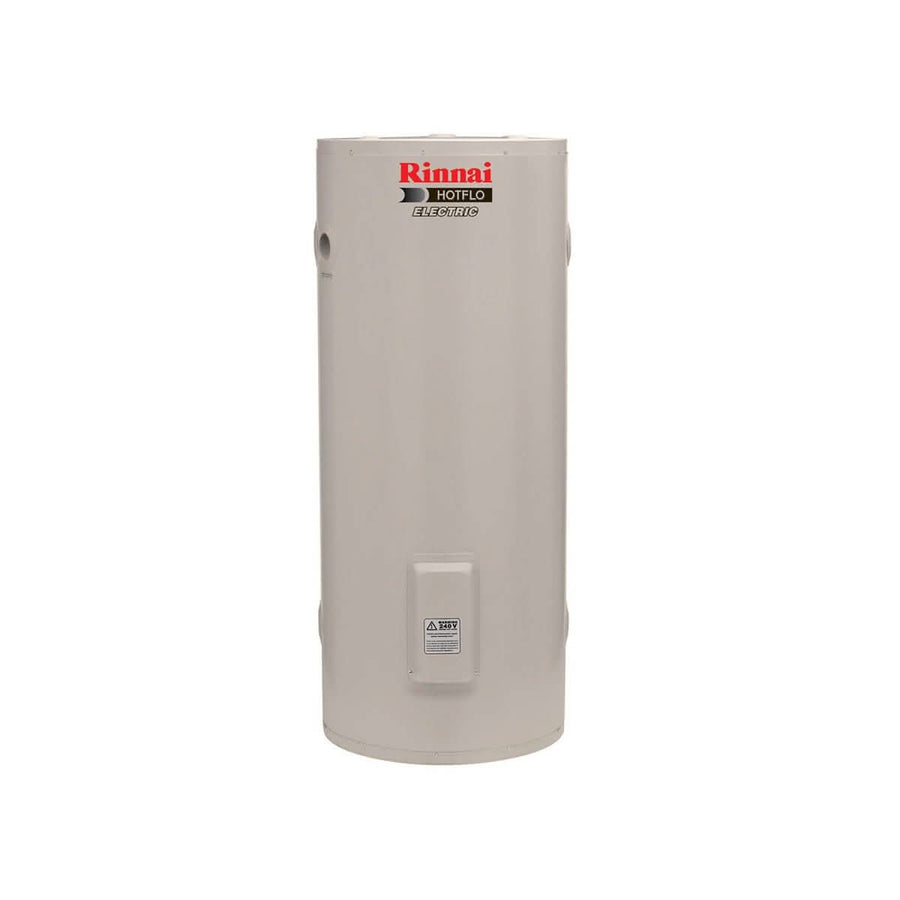
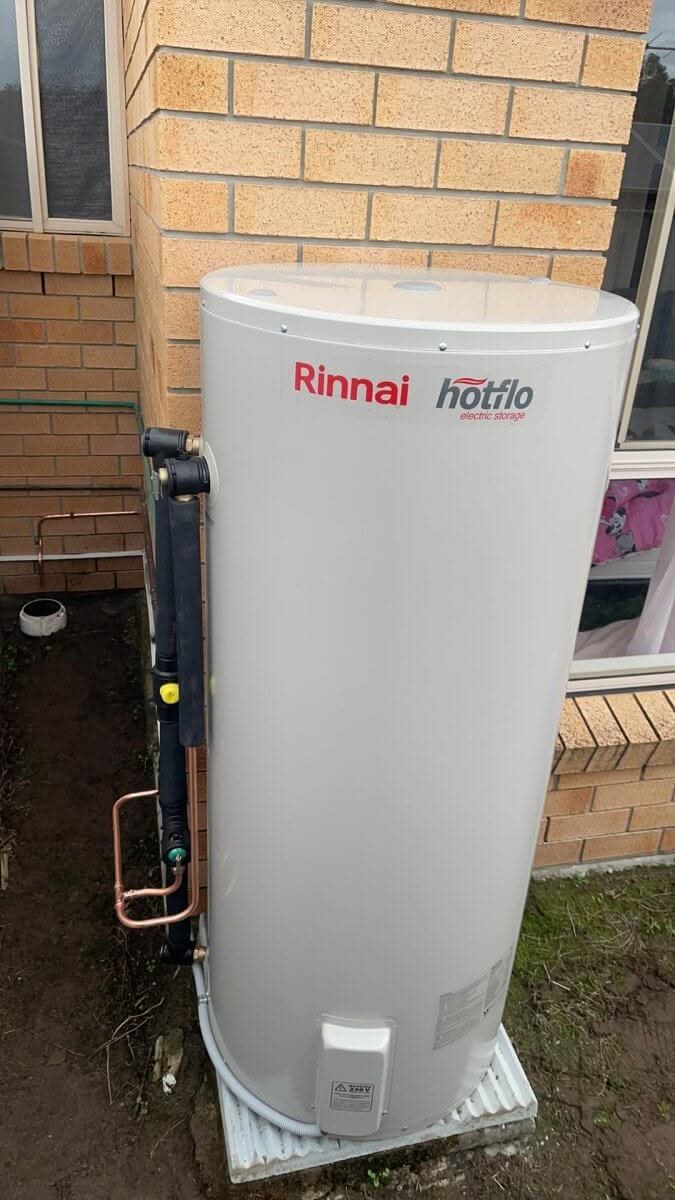
Rinnai electric hot water sizing
Rinnai Hot Water Systems are commonly compared across electric, gas and heat pump categories.
When sizing Rinnai systems, check:
-
Electric storage capacity where relevant
-
Heat pump capacity where relevant
-
Household demand
-
Number of bathrooms
-
Installation space
-
Electrical setup
-
Warranty terms
-
Whether gas or heat pump options may suit better
Rinnai can be compared across multiple hot water pathways, so make sure the system type is clear before ordering.
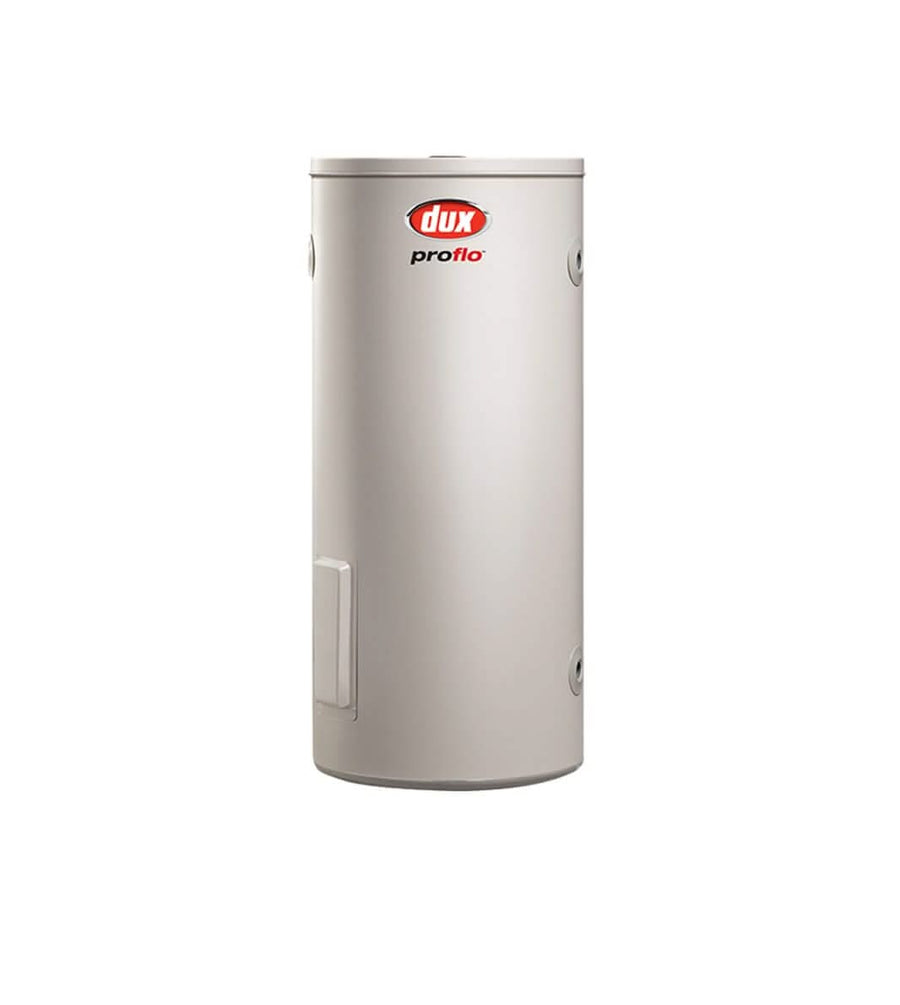
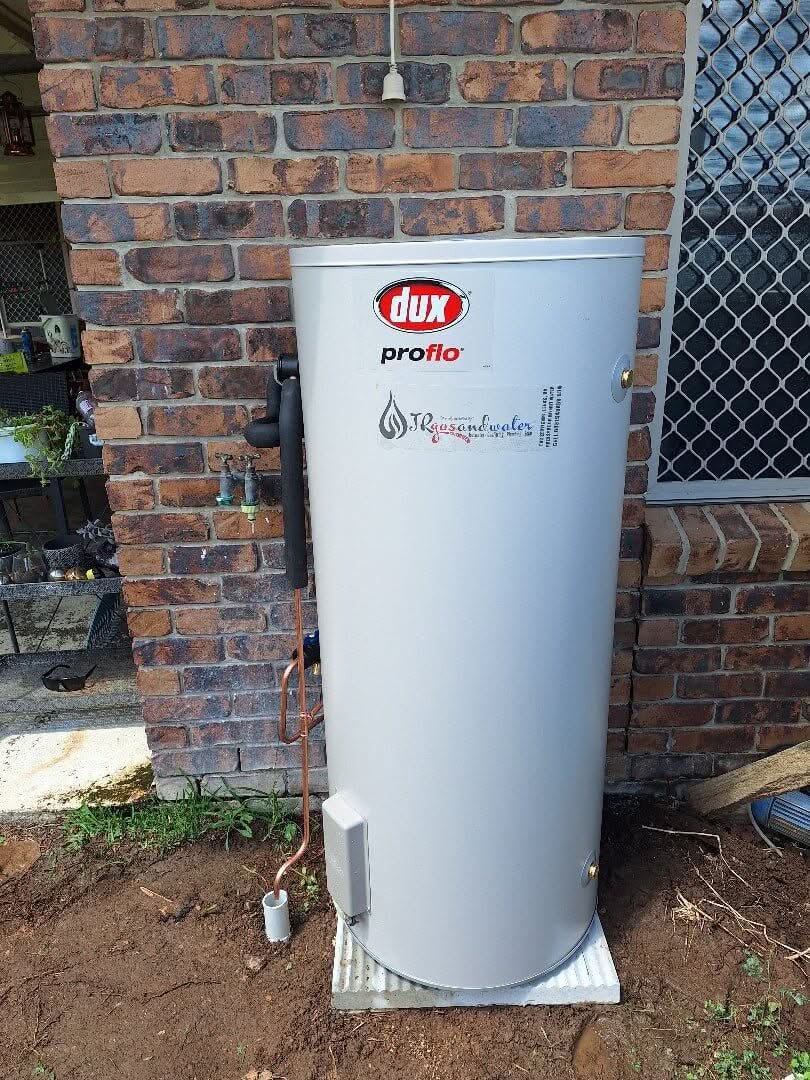
Dux electric hot water sizing
Dux Hot Water Systems are commonly compared for electric storage replacement.
When sizing Dux systems, check:
-
Tank size
-
Existing system performance
-
Shower demand
-
Bath use
-
Household size
-
Installation dimensions
-
Access
-
Warranty terms
A Dux tank may suit simple replacement where the size and site requirements match.
Vulcan electric hot water sizing
Vulcan Hot Water Systems may suit customers comparing value-focused storage hot water options.
When sizing Vulcan systems, check:
-
Tank capacity
-
Number of people
-
Shower habits
-
Existing system size
-
Installation space
-
Access
-
Total replacement pathway
A value-focused system still needs to be correctly sized.
Stiebel Eltron electric hot water sizing
Stiebel Eltron Hot Water Systems are commonly compared for compact electric, instant electric and premium electric options.
When sizing Stiebel Eltron systems, check:
-
Point-of-use or whole-home application
-
Flow rate
-
Temperature rise
-
Electrical capacity
-
Switchboard suitability
-
Fixture type
-
Water pressure
-
Installation location
Instant electric sizing is not the same as storage tank sizing.
Heat pump brands to compare when upsizing or upgrading
If you are replacing electric storage and considering a more efficient electric pathway, compare heat pump brands where the site suits.
Common homepage-linked heat pump brands include:
Heat pump sizing depends on tank size, recovery, airflow, drainage, electrical setup and household use.
Installation Add-Ons and electric hot water sizing
Installation Add-Ons may be relevant if the replacement needs extra selected components or work.
Add-ons may relate to:
-
Valves
-
Disposal
-
Electrical work
-
Pipework changes
-
Drainage requirements
-
Access issues
-
Other installation-related needs where available
The right tank size still needs the right installation pathway.
Supply-only electric hot water sizing checks
Supply-only ordering can suit customers who already have their own licensed installer arranged.
Before ordering supply only, confirm:
-
Correct tank size
-
Correct product dimensions
-
Suitable installation location
-
Suitable electrical supply
-
Suitable valve setup
-
Suitable drainage
-
Access for delivery
-
Access for old unit removal
-
Whether disposal is arranged
-
Whether extra parts or add-ons are needed
-
Whether the old system size was adequate
Supply-only product pricing generally does not include installation, valves, old unit removal, disposal, electrical work, pipework changes, drainage, access upgrades or compliance upgrades unless clearly selected or included.
Supplied-and-installed electric hot water sizing checks
Supplied-and-installed options may be available on selected products in eligible Brisbane and Gold Coast service areas where shown.
Before ordering supplied and installed, check:
-
Service area eligibility
-
Existing system type
-
Current tank size
-
Household demand
-
Product suitability
-
Installation inclusions
-
Electrical work
-
Valve requirements
-
Pipework changes
-
Drainage
-
Old unit removal
-
Disposal
-
Access
-
Compliance upgrades
Do not assume every site requirement is included. Check the selected product and installation options carefully.
Common mistake: choosing by household size only
People count is only a starting point.
A household’s actual hot water use depends on shower length, bath use, laundry, guests, flow rates and peak demand.
Common mistake: replacing the old tank size without checking performance
If the old system worked well, the same size may be suitable.
If the old system regularly ran out, replacing it with the same size may repeat the problem.
Common mistake: choosing the biggest tank available
A bigger tank can help high-demand homes, but it can also increase product cost, space requirements and installation complexity.
Do not oversize without a reason.
Common mistake: ignoring off-peak reheating
Off-peak or controlled-load systems may need more stored capacity because reheating may only occur during certain times.
Check tariff setup before choosing size.
Common mistake: ignoring access
A larger tank may not fit through the available access path or into the existing location.
Check dimensions, stairs, side access, cupboard size and base support.
Common mistake: ignoring heat pump alternatives
If you are replacing a larger electric storage tank and want to reduce electricity use, heat pump hot water may be worth comparing where the site has suitable airflow, drainage and noise placement.
Common mistake: assuming instant electric is a simple whole-home replacement
Instant electric can be useful for point-of-use applications, but whole-home use needs careful electrical and flow-rate checks.
Common mistake: DIY hot water replacement
Electric hot water replacement can involve plumbing, electrical work, pressure control, drainage, scalding safety and compliance.
DIY work can create:
-
Water leaks
-
Electrical risks
-
Scalding risks
-
Poor performance
-
Warranty issues
-
Insurance problems
-
Non-compliant work
-
Property damage
Use licensed professionals for installation and technical checks.
Final verdict: 125L, 160L, 250L, 315L or 400L?
Choose a 125L electric hot water system for low-demand 1 to 2 person homes where the old system performed well and space is limited.
Choose a 160L electric hot water system for 2-person homes or small households that need more capacity than 125L but do not need a full family tank.
Choose a 250L electric hot water system for many 3 to 4 person homes with moderate shower use.
Choose a 315L electric hot water system for larger families, higher-demand homes, multiple bathrooms or households where 250L has not been enough.
Choose a 400L electric hot water system only where high demand, large occupancy, bath use, short-stay use or off-peak storage requirements justify the larger capacity.
Start by comparing Electric Hot Water Systems, broader Hot Water Systems, Heat Pump Hot Water Systems, Instant Electric Systems, Gas Hot Water Systems, Instant Gas Hot Water Systems and Installation Add-Ons.
The right electric hot water size is not the smallest, largest or cheapest option. It is the tank that matches the household’s real hot water use and suits the installation site.
Long-tail FAQs
Is 125L enough for 2 people?
A 125L electric hot water system may suit two people with moderate shower use, no regular bath use and limited guest demand. If showers are long or the old system ran out, 160L or larger may be worth comparing.
Is 160L enough for a family?
A 160L system may suit a small family with moderate use, but it may be too small for larger families, long showers, baths or multiple bathrooms.
Is 250L enough for 4 people?
A 250L electric hot water system can suit many four-person homes with moderate use, but a 315L system may be better where showers are long, bathrooms are used back-to-back, or bath use is common.
Should I choose 250L or 315L electric hot water?
Choose 250L for moderate 3 to 4 person use where the old system worked well. Choose 315L where the household is larger, demand is higher or the old 250L system ran out.
Is 400L electric hot water too big?
A 400L system may be too large for small or moderate-use households. It is generally better suited to large families, high-demand homes, short-stay properties or selected off-peak setups.
What size electric hot water system do I need for 3 people?
A three-person household may compare 160L and 250L electric storage depending on shower habits, bath use, tariff setup and whether the previous system ran out.
What size electric hot water system do I need for 5 people?
A five-person household may compare 315L and 400L electric storage, or a suitable heat pump or gas option depending on the property setup.
Does off-peak electricity change hot water sizing?
Yes. Off-peak or controlled-load electric hot water may need more stored capacity because reheating may only happen during certain times.
Should I upgrade from electric storage to heat pump?
Heat pump hot water may be worth comparing if the home has suitable outdoor airflow, condensate drainage, electrical setup and noise placement.
Can I install an electric hot water system myself?
No. Electric hot water installation should be completed by licensed professionals. Plumbing, electrical work, pressure control and compliance requirements can create safety, warranty and insurance issues if handled incorrectly.