
Electric Water Heater Guide: Storage vs Instant Electric Hot Water Systems
Electric water heaters are one of the most common hot water options for Australian homes, rentals, units, townhouses and renovations. They are usually straightforward to understand, widely available and suitable for homes that do not have natural gas or LPG.
But choosing the right electric water heater is not just about picking a tank size. You need to compare storage vs instant electric, household size, shower habits, electrical supply, installation location, running cost expectations, off-peak or controlled-load availability, and whether a heat pump hot water system may be a better long-term upgrade.
This guide explains how electric water heaters work, the main types available, how to size one for your home, when to consider heat pump hot water, and what to check before ordering.
You can compare Electric Hot Water Systems, Instant Electric Systems, Heat Pump Hot Water Systems, broader Hot Water Systems, Gas Hot Water Systems and Instant Gas Hot Water Systems online with Installed Today.
Quick answer: what electric water heater should you choose?
The best electric water heater depends on your household size, hot water use and electrical setup.
As a practical guide:
| Need | Electric hot water option to compare |
|---|---|
| Simple like-for-like replacement | Electric storage hot water |
| Small unit or townhouse | Compact electric storage or instant electric where suitable |
| Family home | Larger electric storage or heat pump hot water |
| Lower upfront product cost | Standard electric storage |
| More efficient electric upgrade | Heat pump hot water |
| Point-of-use hot water | Instant electric where electrical supply suits |
| Rooftop solar home | Heat pump or electric storage with suitable timer setup |
| No gas at the property | Electric storage, heat pump or instant electric |
| Higher long-term efficiency goal | Heat pump hot water where the site suits |
For many homes, the main comparison is standard electric storage vs heat pump hot water.
What is an electric water heater?
An electric water heater uses electricity to heat water for showers, taps, baths, kitchens and laundries.
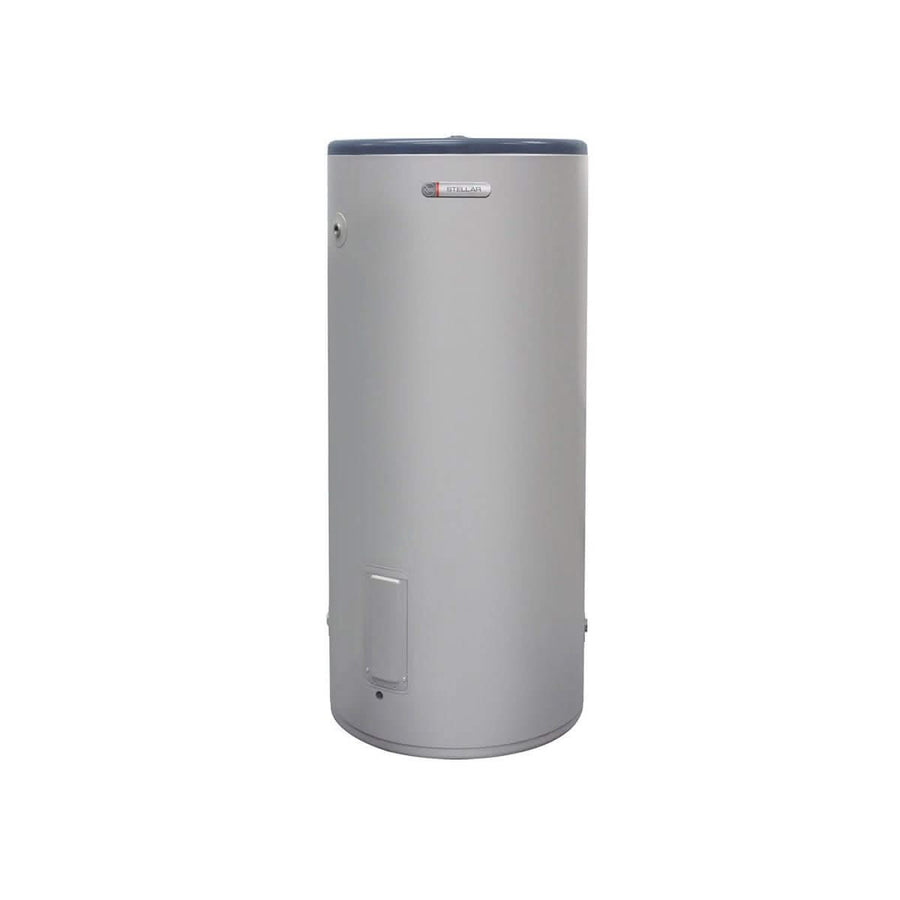
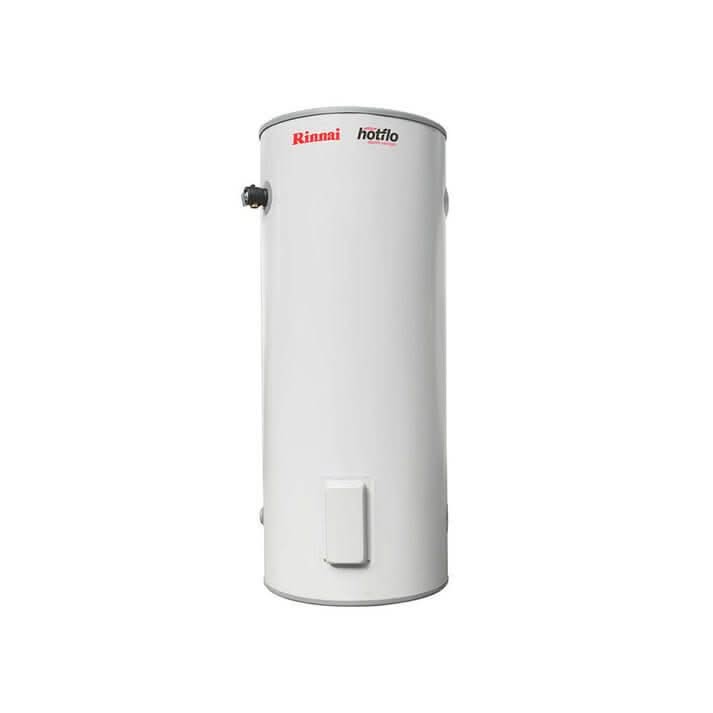
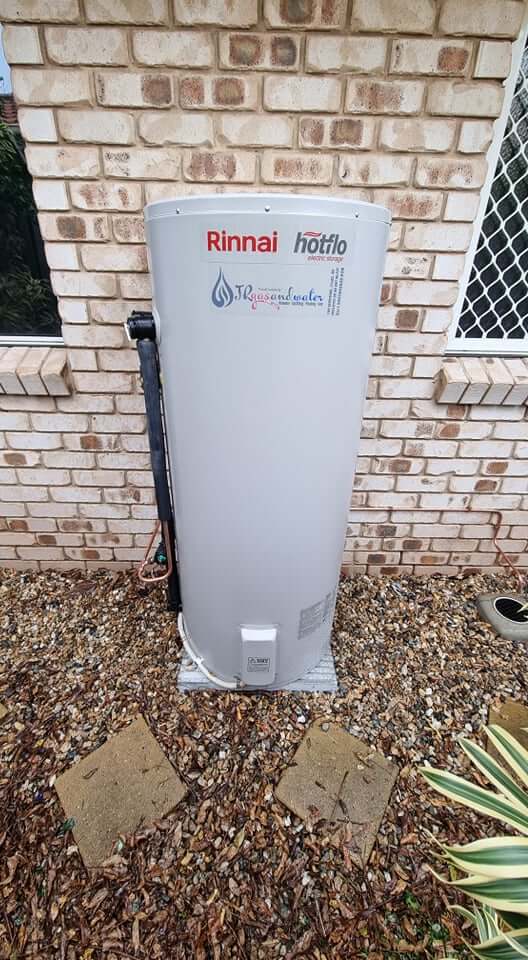
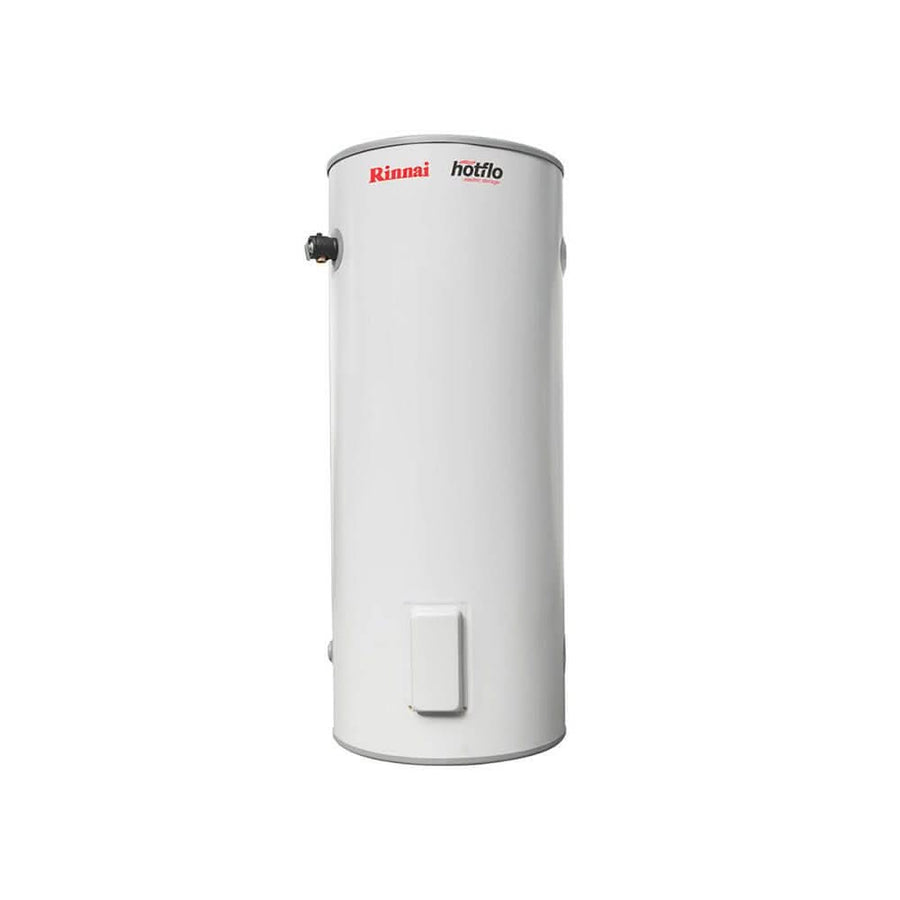
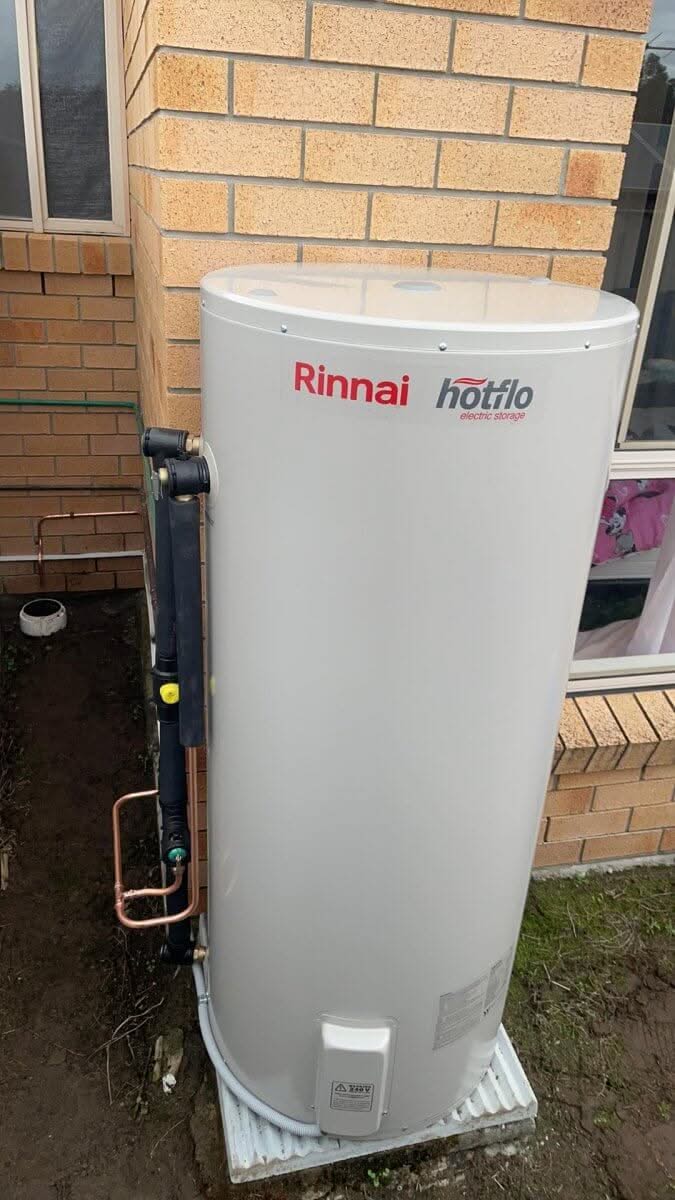
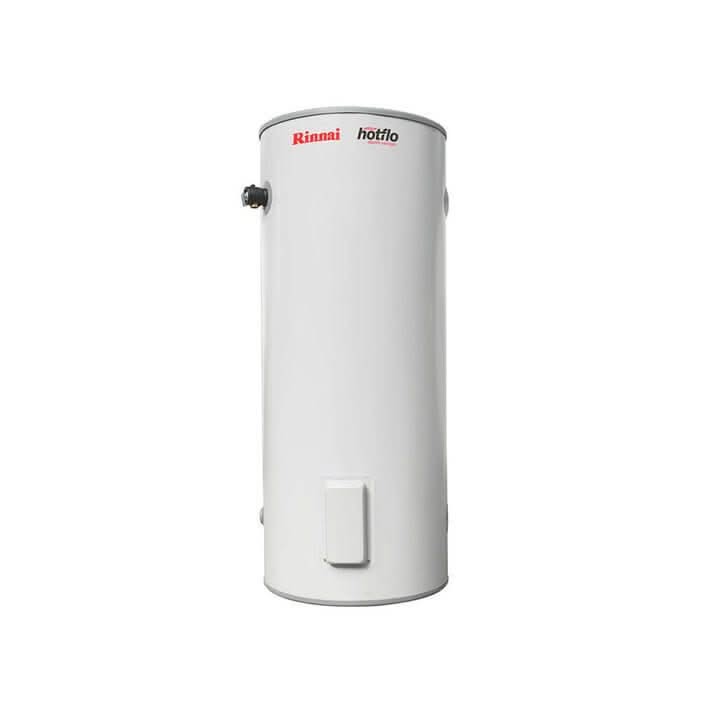
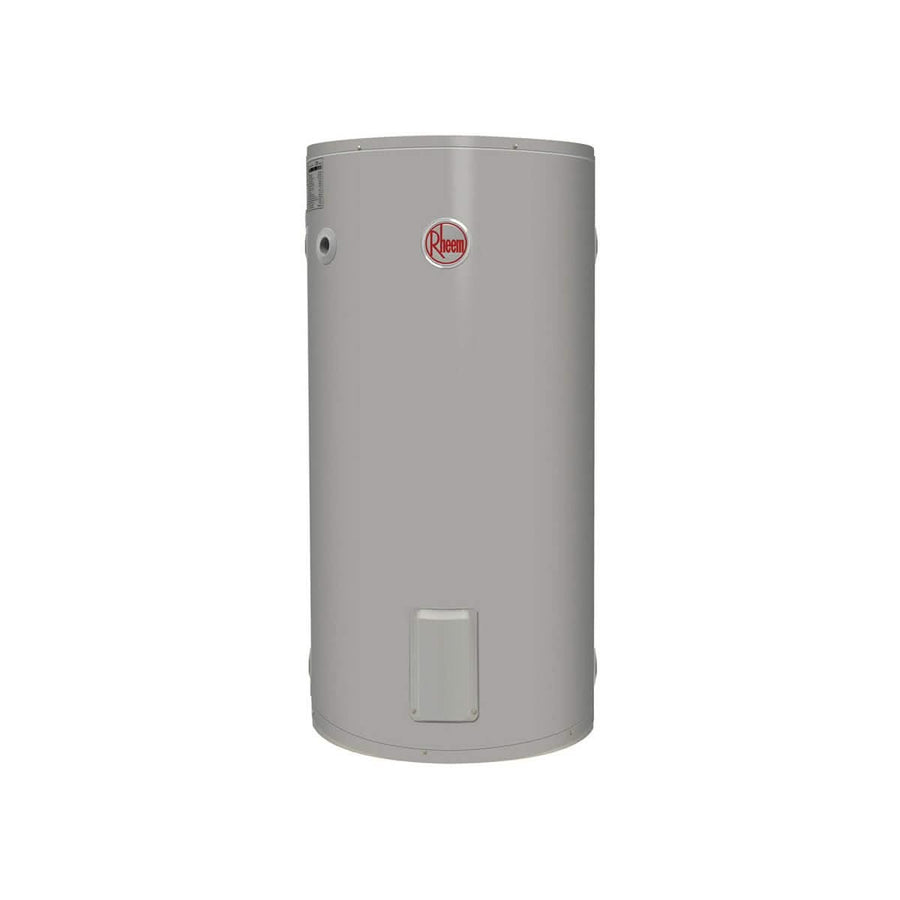
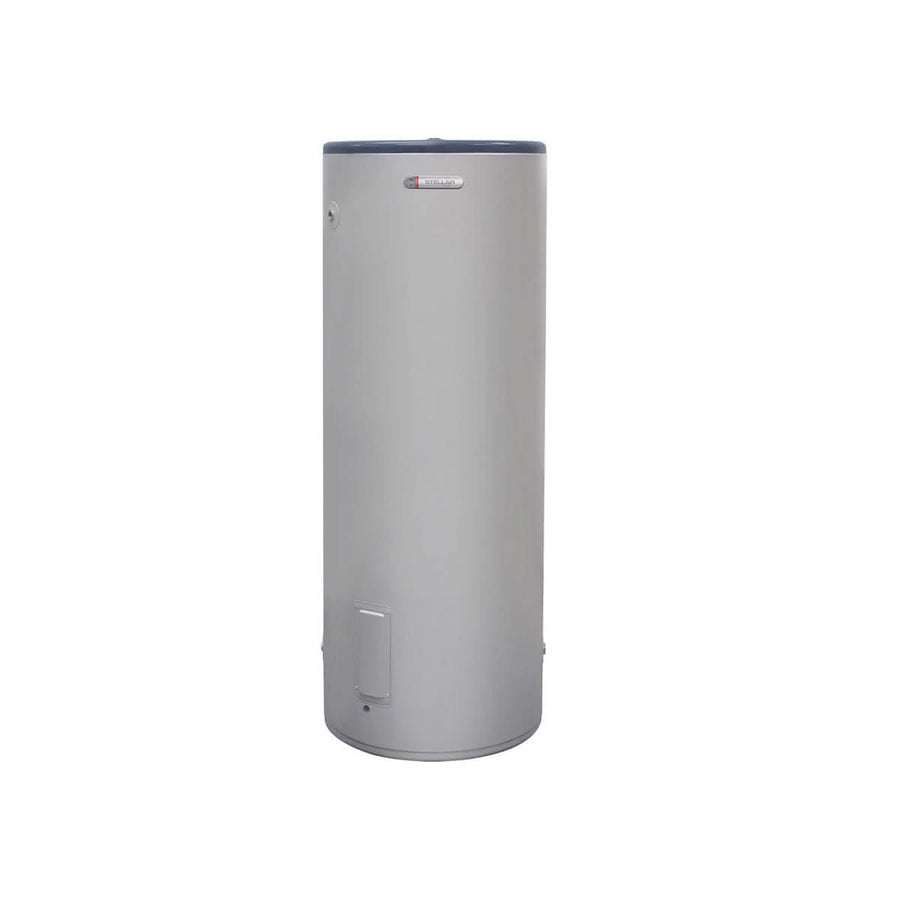
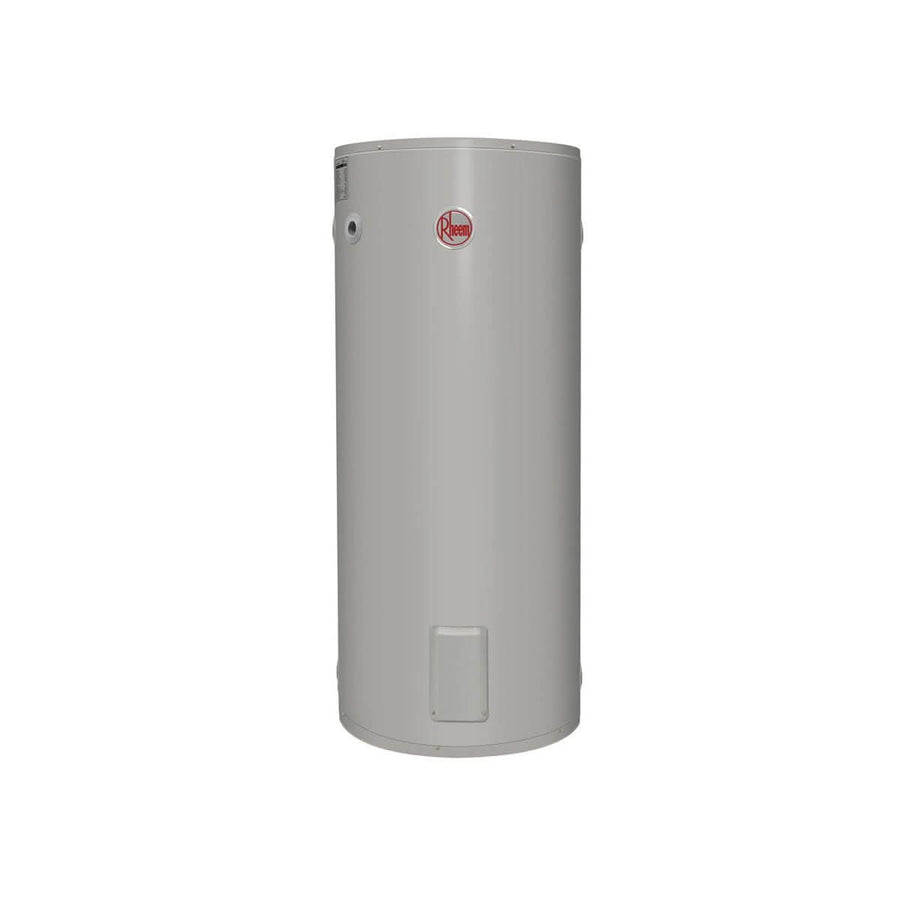
The most common type is an electric storage hot water system. This stores water in an insulated tank and heats it using one or more electric elements.
Electric water heaters can include:
-
Electric storage systems
-
Instant electric systems
-
Compact point-of-use systems
-
Larger family-sized storage tanks
-
Heat pump hot water systems that use electricity differently
A standard electric storage system heats water directly with an element. A heat pump uses electricity to transfer heat from surrounding air into stored water.
How electric storage hot water works
Electric storage hot water systems heat and store water in a tank.
A simple process looks like this:
-
Cold water enters the storage tank
-
An electric element heats the water
-
The tank stores hot water until needed
-
Hot water leaves the tank when a tap or shower is used
-
Cold water enters the tank to replace used hot water
-
The system reheats the tank based on its setup
The benefit is stored hot water ready for use. The downside is that the tank can run out if household demand is higher than the stored capacity and recovery rate.
How instant electric hot water works
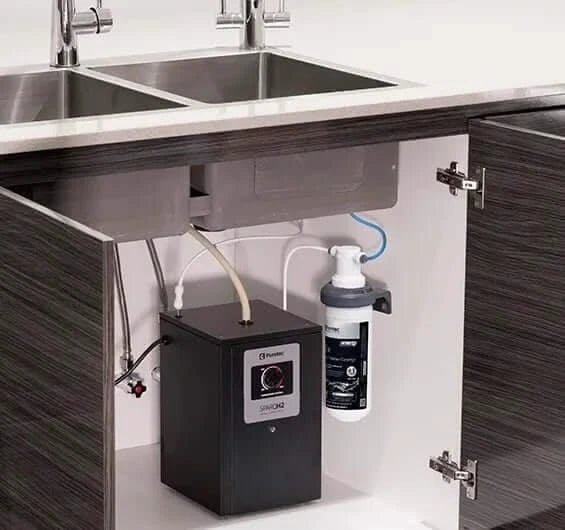
Instant electric hot water systems heat water as it passes through the unit.
They do not store a tank of hot water.
Instant electric may suit:
-
Small sinks
-
Point-of-use applications
-
Low-demand areas
-
Compact spaces
-
Granny flats or small setups where electrical supply supports it
-
Specific installations where storage is not practical
Instant electric does not suit every whole-home hot water replacement. Some models have high electrical requirements and may not provide enough flow for multiple showers or larger homes.
Before choosing instant electric, your licensed electrician and plumber should confirm suitability.
Electric storage vs instant electric
Electric storage and instant electric systems solve different problems.
| Feature | Electric storage | Instant electric |
|---|---|
| Hot water style | Stored in a tank | Heated on demand |
| Best for | Whole-home hot water | Point-of-use or suitable low-demand applications |
| Tank needed | Yes | No |
| Electrical demand | Depends on tank and element | Can be high for whole-home use |
| Running out | Possible if tank is depleted | Depends on flow and power |
| Space | Needs tank space | Compact |
| Installation | Common replacement option | Site and electrical capacity matter |
| Best suited to | Homes, rentals, families, units | Sinks, compact areas, selected applications |
For most full-home replacements, electric storage is more common. Instant electric should be chosen carefully based on flow rate and electrical supply.
Electric storage vs heat pump hot water
Heat pump hot water is also electric, but it works differently from standard electric storage.
A heat pump uses electricity to draw heat from surrounding air and transfer it into stored water. This can use less electricity than standard electric element heating in suitable conditions.
| Feature | Electric storage | Heat pump hot water |
|---|---|---|
| Heating method | Electric element | Transfers heat from air |
| Upfront cost | Often lower | Usually higher |
| Running cost potential | Usually higher | Often lower in suitable conditions |
| Installation complexity | Often simpler | More site-specific |
| Outdoor airflow | Usually less critical | Very important |
| Condensate drainage | Standard discharge drainage | Condensate drainage required |
| Noise | Generally quiet | Fan and compressor noise |
| Best suited to | Simple replacement | Efficient electric upgrade |
Compare Heat Pump Hot Water Systems if you want a more efficient electric option and your property has suitable outdoor airflow, drainage, electrical setup and noise placement.
Electric hot water vs gas hot water
Electric and gas hot water suit different homes.
Electric hot water may suit:
-
Homes without gas
-
Units and townhouses
-
Simple electric replacement jobs
-
Properties with suitable electrical supply
-
Customers wanting supply-only ordering with their own installer
-
Homes considering heat pump upgrades
Gas hot water may suit:
-
Homes already connected to natural gas or LPG
-
Customers replacing existing gas storage
-
Customers replacing existing instant gas
-
Properties with suitable gas pipe sizing
-
Homes wanting continuous flow gas hot water
Natural gas and LPG are not interchangeable. Gas work must be completed by a licensed gas fitter.
Compare Gas Hot Water Systems and Instant Gas Hot Water Systems if your home already has gas and you want to compare alternatives.
Benefits of electric water heaters
Electric water heaters remain popular because they are practical for many homes.
Potential benefits include:
-
Widely available
-
No gas connection required
-
Common like-for-like replacement option
-
Suitable for units and townhouses
-
Simple operation
-
Multiple tank sizes available
-
Can suit supply-only customers with their own installer arranged
-
Can be paired with suitable tariff or timer setups where appropriate
-
Heat pump upgrade options available for efficient electric hot water
-
Instant electric options available for selected point-of-use applications
Electric hot water is often the easiest category to compare when the home already has electric storage installed.
Drawbacks of electric water heaters
Electric water heaters are not perfect for every home.
Potential drawbacks include:
-
Standard electric storage may have higher running costs than heat pump hot water
-
Storage tanks can run out if undersized
-
Larger tanks need more space
-
Recovery time matters after heavy use
-
Some homes may need electrical upgrades
-
Instant electric systems may have high electrical requirements
-
Controlled-load or off-peak setups can affect reheating times
-
Heat pump alternatives need airflow, drainage and suitable placement
-
DIY installation is unsafe and non-compliant
The right electric system should be chosen around household demand and installation suitability.
What size electric water heater do you need?
Electric hot water sizing depends on people, bathrooms, shower habits and heating setup.
As a general guide:
| Household | Electric storage size commonly compared |
|---|---|
| 1 person | 50L to 125L depending on usage |
| 2 people | 125L to 160L often compared |
| 3 to 4 people | 250L often compared |
| 4 to 5 people | 315L often compared |
| 5+ people | 315L to 400L or a larger design may be needed |
| High-demand homes | Larger storage or alternative system design should be assessed |
This is only a guide. The right size depends on actual household use.
Why electric hot water sizing matters
Undersizing can lead to:
-
Running out of hot water
-
Long waits for reheating
-
Poor shower experience
-
Tenant or guest complaints
-
Heavy boost or peak electricity use
-
Frustration after bath or laundry use
Oversizing can lead to:
-
Higher product cost
-
More space required
-
More stored water than needed
-
Potentially higher standing heat losses
-
A system that is larger than the household requires
Do not automatically replace the old tank with the same size if it was regularly running out.
Electric water heater sizing for 1 to 2 people
Smaller households may suit compact electric storage systems, depending on usage.
Check:
-
Number of showers
-
Shower length
-
Bath use
-
Kitchen and laundry hot water use
-
Whether hot water is used mostly morning or evening
-
Whether the property has off-peak or controlled-load electricity
-
Whether cupboard, internal or external space is available
A small tank may be fine for low use but frustrating for long showers or frequent guest stays.
Electric water heater sizing for 3 to 4 people
Many 3 to 4 person households compare 250L electric storage systems.
Before choosing, check:
-
Number of bathrooms
-
Back-to-back showers
-
Shower head flow rates
-
Bath use
-
Laundry habits
-
Dishwasher use
-
Morning peak demand
-
Evening peak demand
-
Whether the system heats off-peak
-
Whether a heat pump would suit better
If the old 250L system ran out often, reassess size before replacing like-for-like.
Electric water heater sizing for 5+ people
Larger households need more careful sizing.
Check:
-
Number of people
-
Number of showers per day
-
Whether showers overlap
-
Number of bathrooms
-
Bath use
-
Laundry demand
-
Guest use
-
Recovery rate
-
Electrical setup
-
Available tank space
For higher-demand homes, a larger electric storage system, heat pump hot water or another hot water design may be worth comparing.
Best electric water heater for units and townhouses
Electric storage is common in units and townhouses because many properties do not have gas.
A unit or townhouse may need:
-
Compact tank size
-
Indoor cupboard-compatible model where approved
-
External tank where space allows
-
Suitable drainage
-
Correct electrical supply
-
Access for replacement
-
Compliance with body corporate or strata rules where relevant
-
Correct valve setup
-
Consideration of noise if comparing heat pumps
Instant electric may suit some point-of-use applications, but electrical capacity must be checked.
Best electric water heater for rental properties
Rental properties need reliable hot water that suits likely occupancy.
Electric storage may suit rentals because it is familiar, simple and widely used.
Before choosing a rental property system, check:
-
Number of bedrooms
-
Number of bathrooms
-
Likely tenant occupancy
-
Existing system size
-
Whether tenants previously ran out of hot water
-
Maintenance access
-
Installation location
-
Compliance requirements
-
Product warranty terms
A rental should be sized for likely use, not just the current tenant’s habits.
Best electric water heater for Airbnb and short-stay homes
Short-stay homes can have higher and less predictable hot water demand.
Before choosing electric hot water for an Airbnb, check:
-
Maximum guest count
-
Number of bathrooms
-
Back-to-back shower use
-
Bath use
-
Laundry between bookings
-
Recovery time
-
Guest simplicity
-
Maintenance access
-
Noise placement if considering a heat pump
Undersizing can lead to poor guest experience and complaints.
Best electric water heater for renovations
A renovation is the right time to reassess electric hot water properly.
Before choosing, confirm:
-
Final bathroom count
-
Fixture layout
-
Shower and bath selection
-
Electrical capacity
-
Switchboard requirements
-
Tank location
-
Drainage
-
Access
-
Whether a heat pump will fit
-
Whether solar PV timing will be used
-
Future household demand
Do not leave hot water selection until after plumbing and electrical locations are locked in.
Electric water heaters and rooftop solar
Homes with rooftop solar may compare electric storage and heat pump hot water differently.
A solar-friendly setup may involve heating water during the day while solar generation is available.
This depends on:
-
Solar system size
-
Electricity tariff
-
Controlled-load arrangement
-
Timer setup
-
Tank size
-
Household hot water demand
-
Electrical configuration
-
Installer advice
A heat pump can often be worth comparing for solar homes because it can suit daytime heating where the electrical setup and household use support it.
Off-peak and controlled-load electric hot water
Some electric storage systems are connected to off-peak or controlled-load electricity.
This can affect:
-
When the system reheats
-
Tank size requirements
-
Running cost
-
Recovery timing
-
Whether hot water is available after heavy daytime use
-
Whether a boost function is needed
If your system only heats at certain times, tank size becomes more important because you may need enough stored hot water to last until the next heating cycle.
Electric hot water running costs
Electric hot water running costs vary by home.
They may be affected by:
-
Electricity tariff
-
Controlled-load or off-peak setup
-
Tank size
-
Number of occupants
-
Shower length
-
Bath use
-
Laundry use
-
Thermostat and control setup
-
Heat loss from pipework
-
System age
-
Maintenance
-
Whether rooftop solar is used
-
Whether heat pump hot water is chosen instead
Avoid relying on one fixed annual running cost for every home. Actual usage and tariff matter.
Energy efficiency considerations
To improve hot water efficiency, consider:
-
Choosing the right tank size
-
Avoiding unnecessary oversizing
-
Comparing heat pump hot water where the site suits
-
Reducing excessive shower time
-
Using efficient fixtures where suitable
-
Considering timer or tariff setup
-
Maintaining valves and system condition
-
Replacing very old inefficient systems
-
Insulating pipework where appropriate and compliant
Do not make unsafe changes to the system yourself. Electrical and plumbing work should be handled by licensed professionals.
Installation requirements for electric water heaters
Electric hot water installation should be completed by the right licensed professionals.
Installation checks may include:
-
Existing system type
-
Electrical supply
-
Circuit suitability
-
Switchboard capacity
-
Tank location
-
Plumbing connections
-
Drainage
-
Relief valve discharge
-
Tempering valve requirements
-
Water pressure
-
Access
-
Base or platform condition
-
Old unit removal
-
Disposal
-
Compliance upgrades
A simple like-for-like replacement in one home may be more complex in another.
Electrical requirements
Electric hot water systems need a suitable electrical supply.
Before ordering, check:
-
Existing circuit
-
Element size
-
Switchboard capacity
-
Isolation switch
-
Controlled-load connection
-
Timer setup
-
Earthing
-
Compliance requirements
-
Whether an electrician is needed
-
Whether upgrades are required
Do not assume every electric hot water system can be swapped without electrical checks.
Drainage and valve requirements
Hot water systems need correct valves and drainage.
Common requirements may include:
-
Temperature pressure relief valve
-
Tempering valve
-
Pressure limiting valve
-
Expansion control valve where required
-
Safe discharge point
-
Drainage route
-
Compliant pipework
-
Access for future servicing
Valves are not optional extras if they are required for a compliant installation.
Indoor vs outdoor electric hot water installation
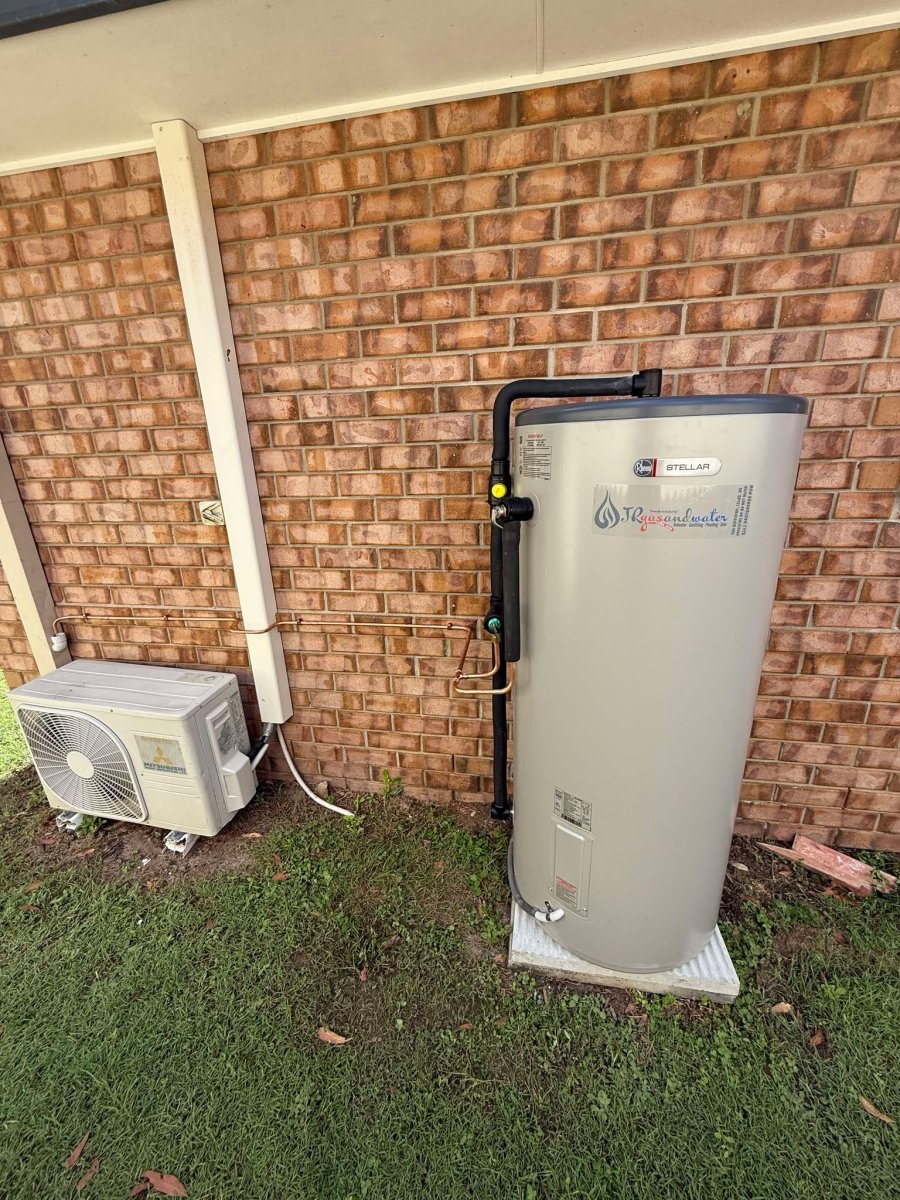
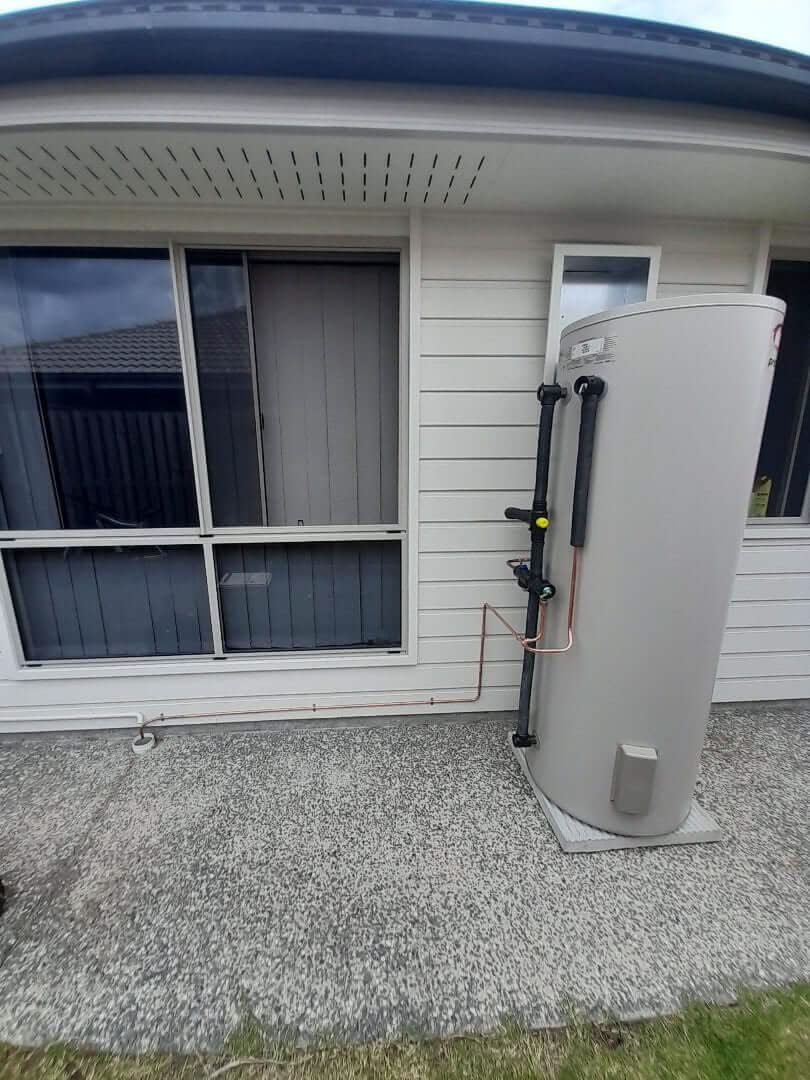
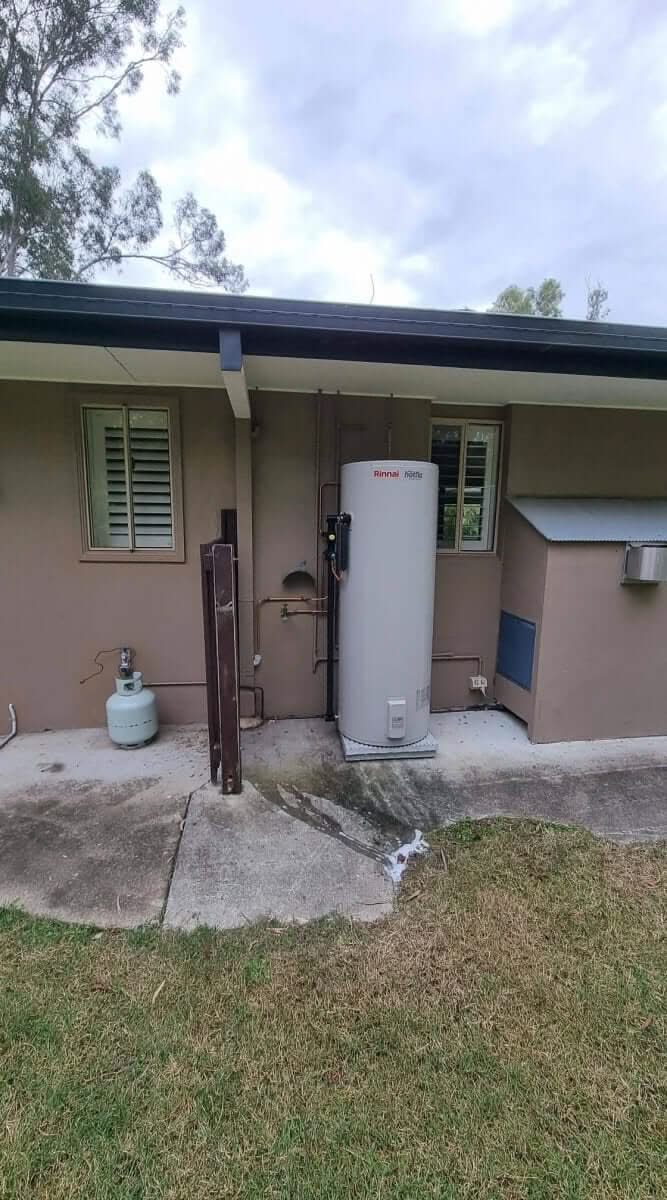
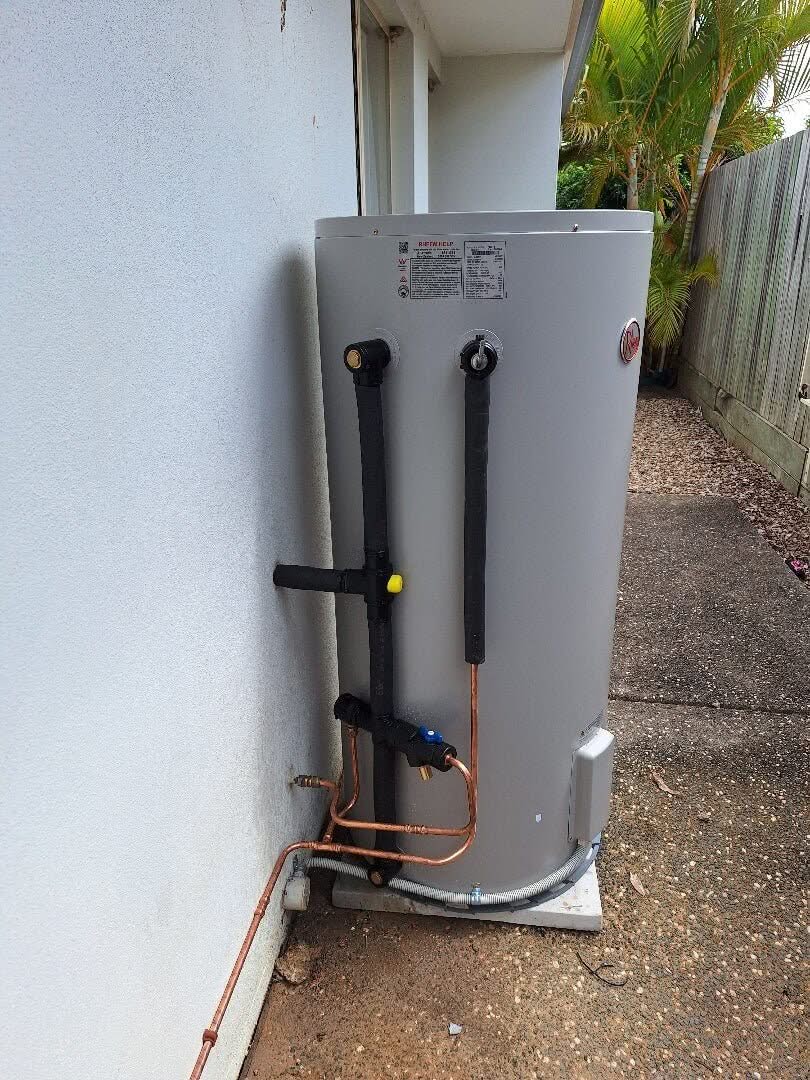
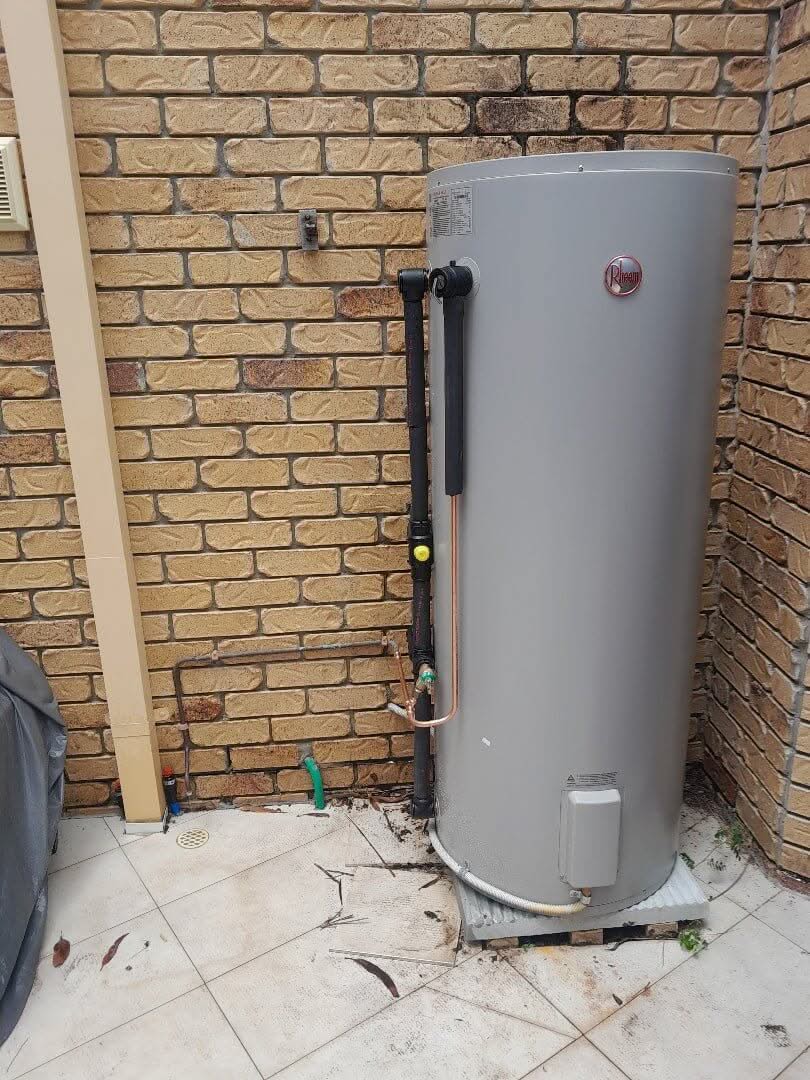
Electric storage systems may be installed indoors or outdoors depending on the model and site.
Indoor installations may need:
-
Safe drainage
-
Drip tray where required
-
Cupboard access
-
Relief valve discharge
-
Space for servicing
-
Electrical safety
-
Protection from leaks
-
Compliance with location requirements
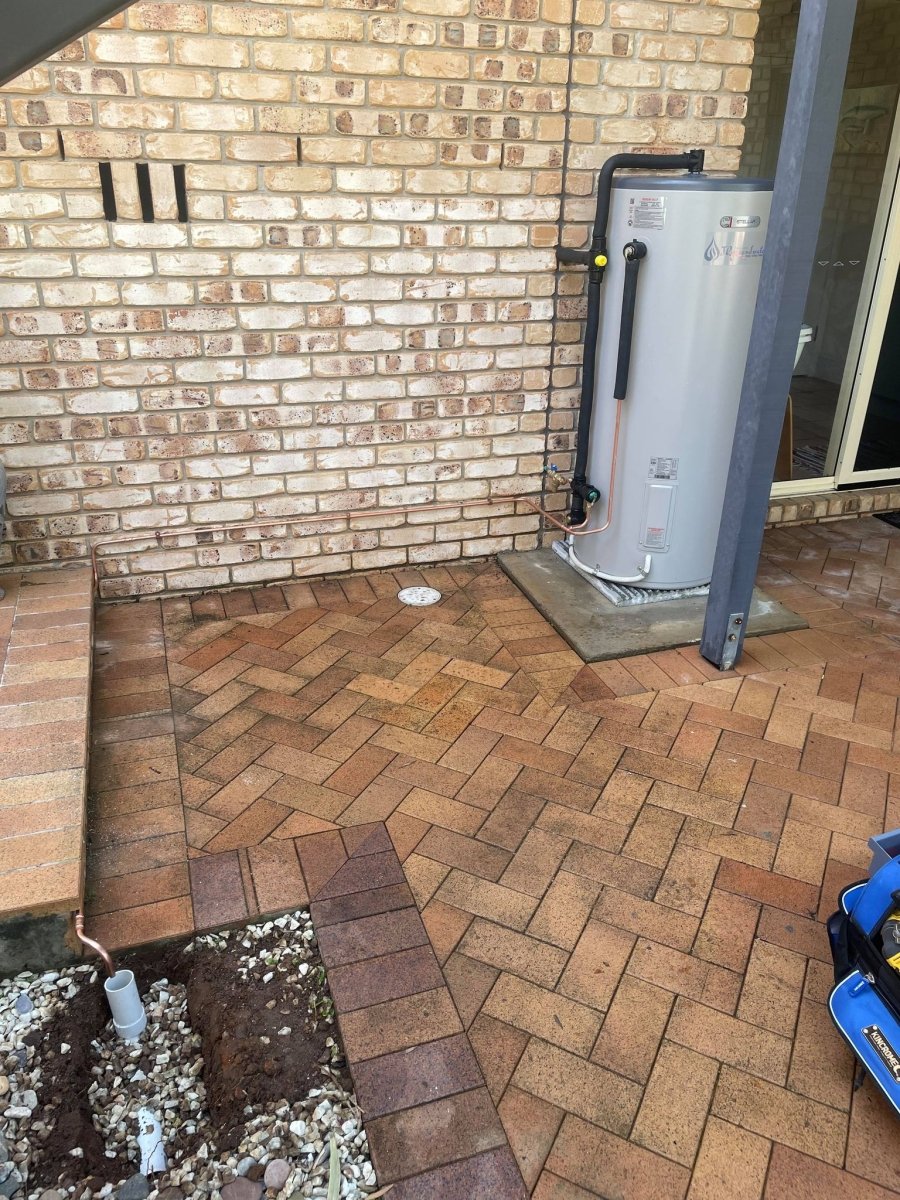
Outdoor installations may need:
-
Stable base
-
Weather suitability
-
Drainage
-
Pipework protection
-
Electrical safety
-
Access
-
Protection from impact
The installation location should be confirmed before ordering.
Electric water heater maintenance
Electric water heaters need periodic checks to support safe and reliable operation.
Maintenance may include:
-
Relief valve checks
-
Tempering valve checks
-
Leak inspection
-
Anode inspection or replacement where applicable
-
Electrical checks where required
-
Pipework inspection
-
Water pressure checks
-
Drainage checks
-
General system inspection
Maintenance requirements depend on the model, age, water quality and manufacturer instructions.
Do not remove covers, touch wiring or replace electrical parts yourself.
Signs your electric water heater may need replacing
Replacement may be worth considering if the system is:
-
Leaking from the tank
-
Rusty or corroded
-
Frequently tripping power
-
Producing inconsistent hot water
-
Running out too often
-
Making unusual noises
-
Very old
-
Requiring repeated repairs
-
No longer sized for the household
-
Expensive to run
-
In a poor or non-compliant location
If the cylinder itself is leaking, replacement is often required.
Repair vs replacement
Repair may make sense if:
-
The system is relatively new
-
The tank is not leaking
-
The fault is minor
-
Parts are available
-
Warranty may apply
-
The system is still correctly sized
-
The installation is otherwise suitable
Replacement may make sense if:
-
The tank is leaking
-
The system is old
-
Repairs are frequent
-
Parts are expensive or hard to get
-
The system is undersized
-
Running costs are high
-
You want to upgrade to heat pump hot water
-
Electrical or compliance upgrades are needed
-
The system no longer suits the household
A licensed professional can help identify whether repair or replacement is the better pathway.
Electric water heater brands to compare
Installed Today’s homepage-linked hot water brands include several electric hot water options.
Brands worth comparing include:
Choose by system type, capacity, installation suitability and warranty terms, not brand name alone.
Rheem electric water heaters
Rheem Hot Water Systems are commonly compared by customers wanting a major hot water brand with electric storage and heat pump options.
Rheem may suit:
-
Like-for-like electric storage replacement
-
Family-sized systems
-
Common Australian replacement sizes
-
Customers comparing electric vs heat pump
-
Supply-only customers with their own installer arranged
-
Eligible supplied-and-installed customers where available
Before choosing Rheem, check tank size, dimensions, warranty terms, connection positions and installation requirements.
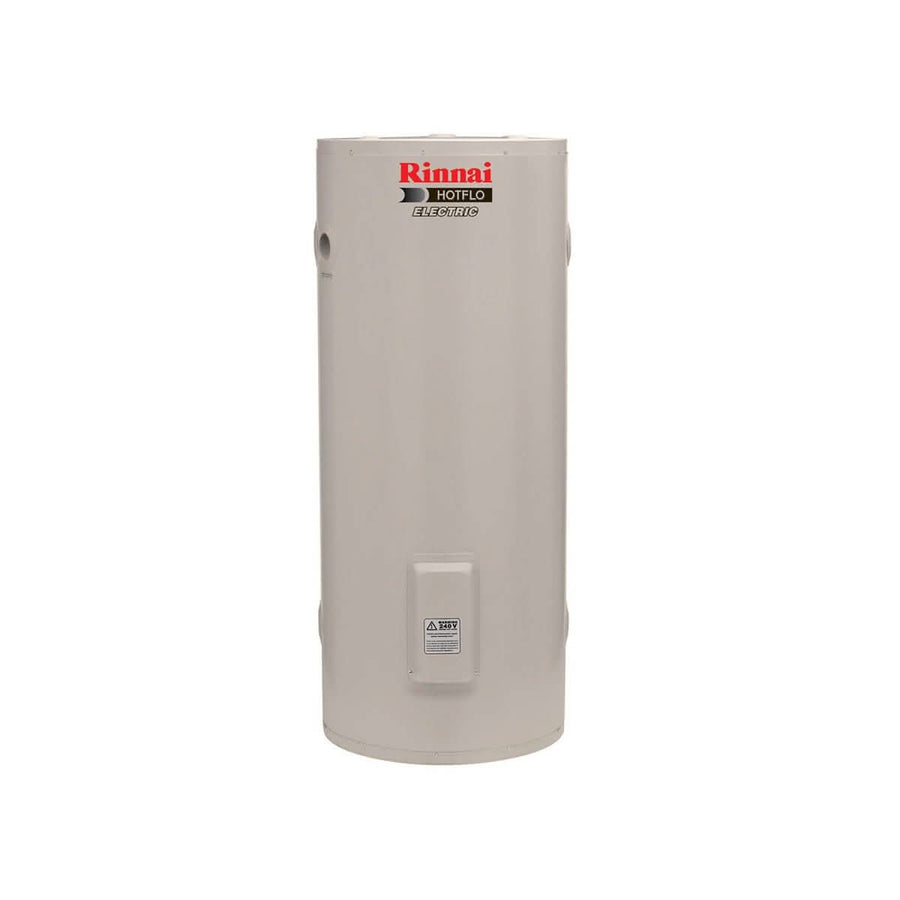
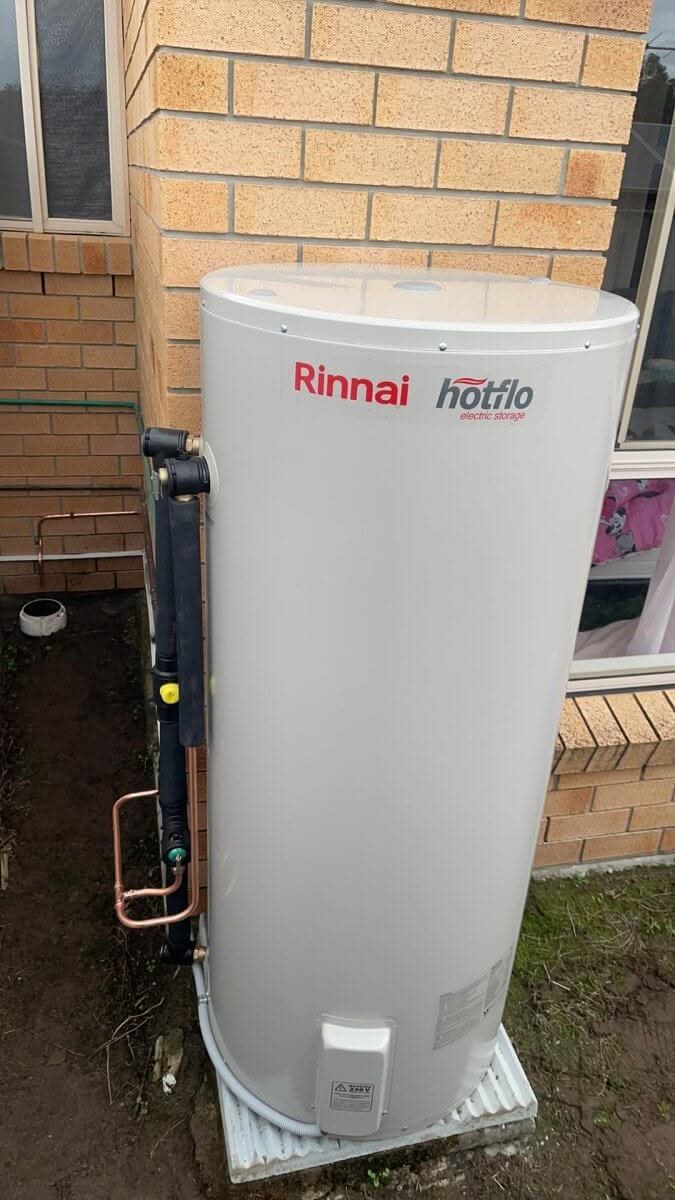
Rinnai electric water heaters
Rinnai Hot Water Systems are often compared by customers looking at electric storage, gas and heat pump hot water.
Rinnai may suit:
-
Electric storage replacement
-
Smaller to larger household sizes depending on model
-
Customers comparing Rinnai against Rheem, Dux or Vulcan
-
Homes wanting a recognised hot water brand
Before choosing Rinnai, compare system type, capacity, installation location and warranty terms.
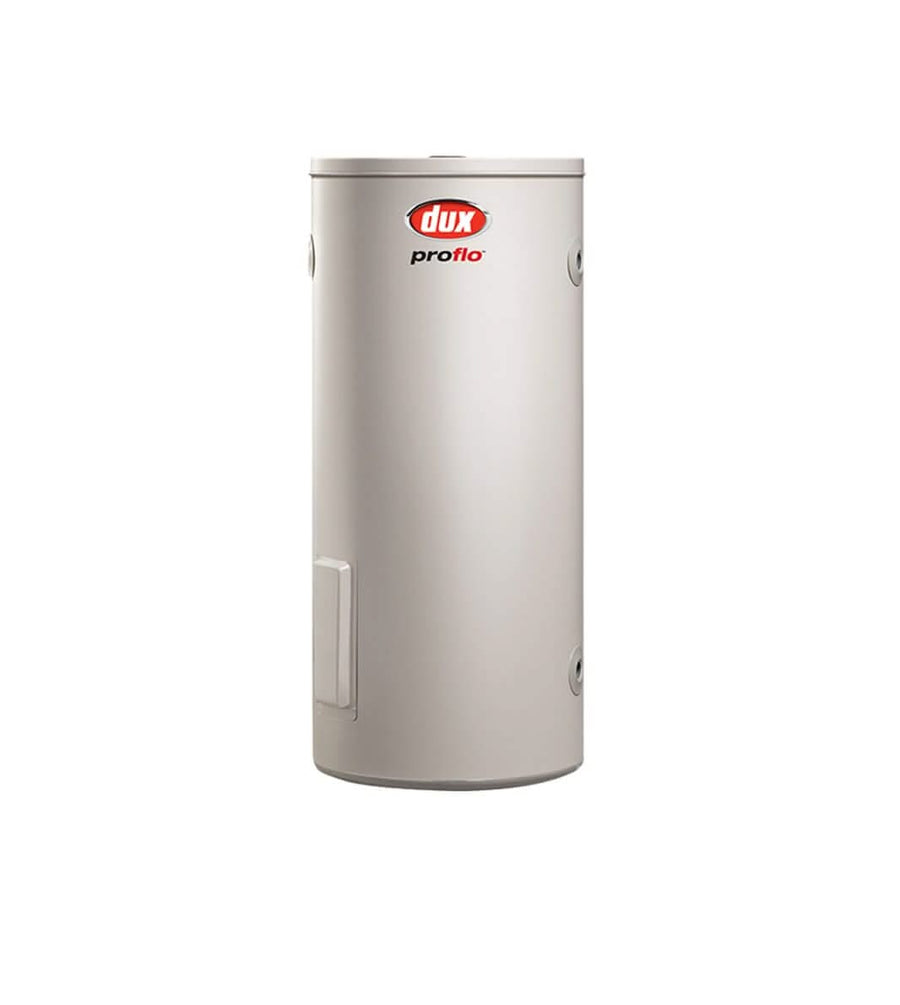
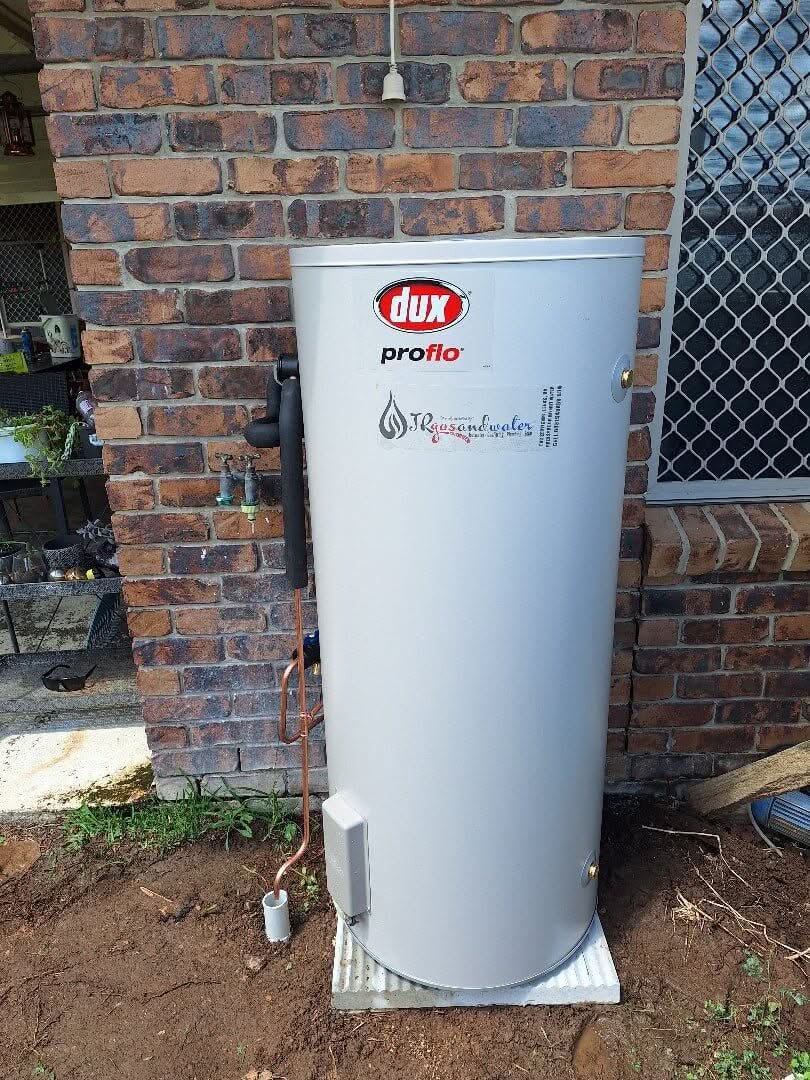
Dux electric water heaters
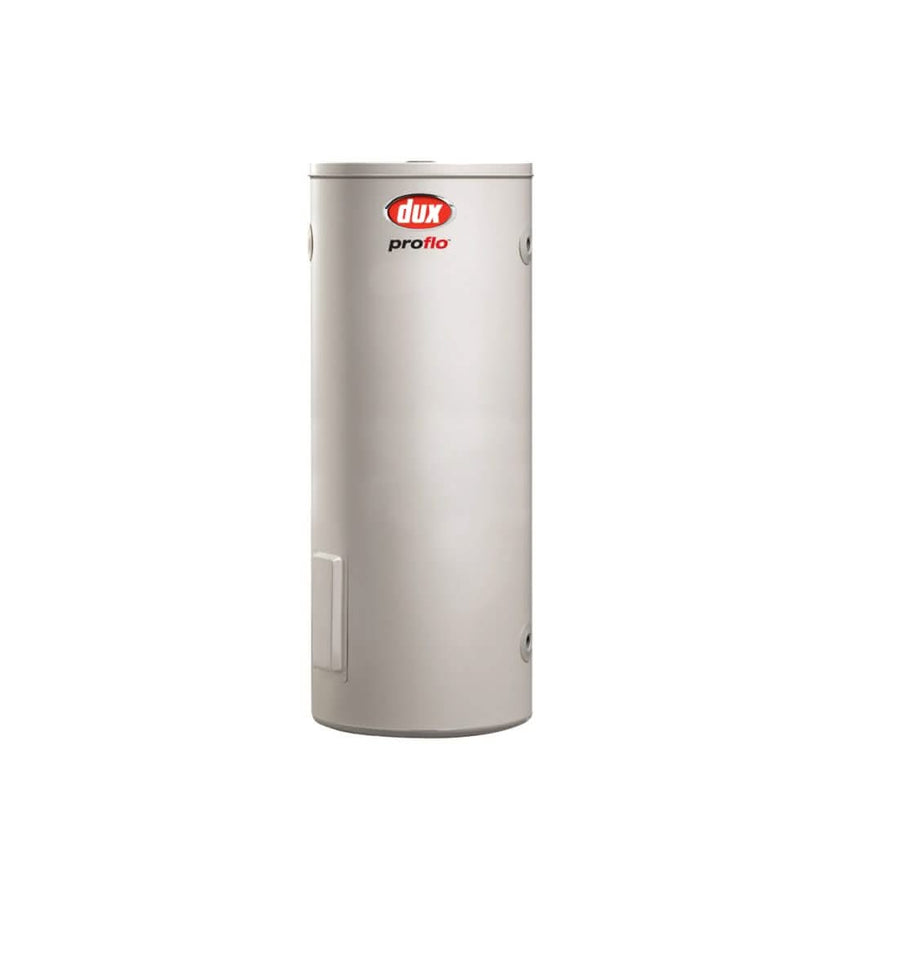
Dux Hot Water Systems are commonly compared for electric storage and broader hot water replacement.
Dux may suit:
-
Electric storage replacement
-
Family hot water systems
-
Homes wanting common tank sizes
-
Customers comparing multiple mainstream brands
Before choosing Dux, check household demand, tank size, connection locations, warranty terms and installation requirements.
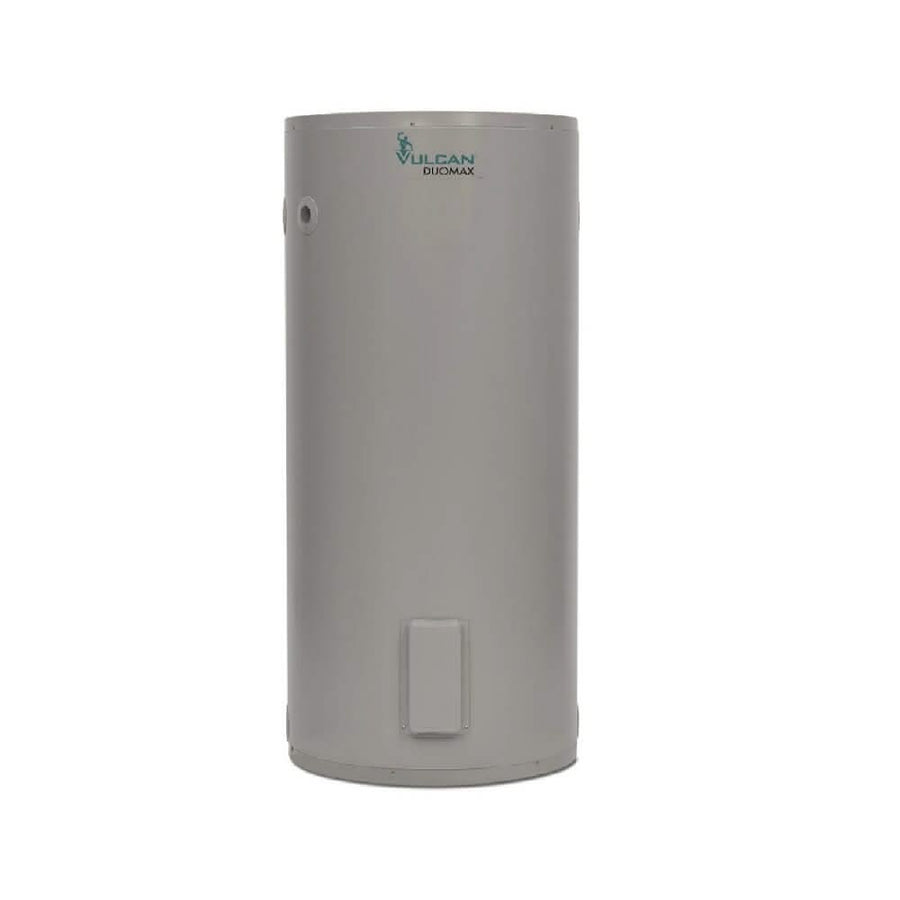
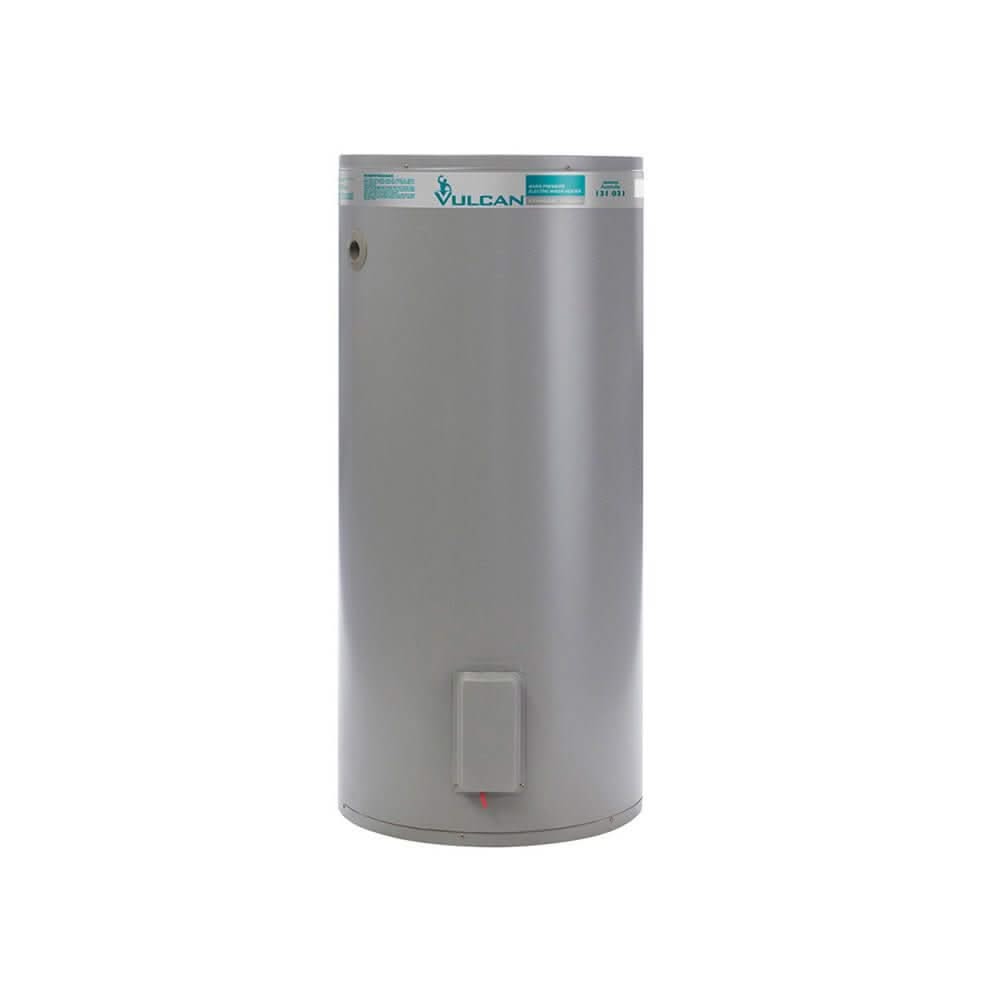
Vulcan electric water heaters
Vulcan Hot Water Systems may suit customers looking for a value-focused electric hot water replacement.
Vulcan may suit:
-
Budget-conscious replacements
-
Rental properties
-
Simple electric storage needs
-
Like-for-like replacement where suitable
Before choosing Vulcan, check capacity, warranty terms, product dimensions and total replacement cost.
Stiebel Eltron electric water heaters
Stiebel Eltron Hot Water Systems are often compared by customers looking at compact electric, instant electric or premium electric hot water options.
Stiebel Eltron may suit:
-
Compact electric applications
-
Instant electric comparisons
-
Premium electric hot water options
-
Homes with specific electrical and space requirements
Before choosing instant or compact electric products, confirm electrical capacity and suitability.
Heat pump water heater benefits
Heat pump water heaters are worth comparing when you want an efficient electric upgrade rather than a standard electric storage replacement.
Potential benefits include:
-
Lower electricity use than standard electric storage in suitable conditions
-
No natural gas or LPG required
-
May pair well with rooftop solar timing
-
Stored hot water for household use
-
Modern controls on many models
-
Larger family-sized options available
-
Suitable replacement pathway for some old electric storage systems
However, heat pumps need suitable outdoor airflow, condensate drainage, electrical setup and noise placement.
Compare Heat Pump Hot Water Systems if long-term efficiency is a priority.
When heat pump hot water may not suit
Heat pump hot water may not suit if:
-
Outdoor airflow is poor
-
Condensate drainage is difficult
-
Noise placement is a problem
-
Access is tight
-
Budget is focused only on lowest upfront cost
-
Electrical supply is unsuitable
-
The household needs a very simple like-for-like replacement
-
The installation location is enclosed
In those cases, standard Electric Hot Water Systems may be more practical.
Rebates and incentives
Some energy-efficient hot water systems, including selected heat pump systems, may be eligible for rebates, certificates or incentives depending on product, location, installer, scheme rules and installation pathway.
However, rebate rules can change.
Before relying on any rebate, check:
-
Current eligibility
-
Product eligibility
-
Installer requirements
-
State or territory rules
-
Documentation requirements
-
Whether the price includes an incentive
-
Whether the incentive is applied upfront or claimed later
-
Whether the old system type affects eligibility
Do not choose a system only because of a rebate. It still needs to suit the home.
Supply-only electric water heaters
Supply-only ordering can suit customers who already have their own licensed installer arranged.
Supply only may suit:
-
Builders
-
Renovators
-
Landlords
-
Property managers
-
Trade customers
-
Homeowners managing their own installation
-
Customers outside supplied-and-installed service areas
Supply-only product pricing generally does not include installation, valves, old unit removal, disposal, electrical work, pipework changes, drainage, access upgrades or compliance upgrades unless clearly selected or included.
Before ordering supply only, your licensed installer should confirm the electric water heater suits the property.
Supplied-and-installed electric water heaters
Supplied-and-installed options may be available on selected products in eligible Brisbane and Gold Coast service areas where shown.
This can suit customers who want the product and installation pathway arranged together.
Before ordering supplied and installed, check:
-
Service area eligibility
-
Existing system type
-
Installation inclusions
-
Electrical work
-
Valve requirements
-
Old unit removal
-
Disposal
-
Pipework changes
-
Drainage
-
Access
-
Base or support requirements
-
Compliance upgrades
-
Product suitability
Do not assume every possible site requirement is included. Check the selected product and installation options carefully.
Common mistake: choosing the same size automatically
If the old electric water heater regularly ran out of hot water, replacing it with the same size may repeat the problem.
Reassess household demand before ordering.
Common mistake: choosing only by product price
The product price is only one part of the replacement cost.
Extra costs may include:
-
Valves
-
Electrical work
-
Pipework changes
-
Old unit removal
-
Disposal
-
Drainage
-
Access issues
-
Base or support work
-
Compliance upgrades
Compare total replacement cost, not just the unit price.
Common mistake: ignoring electrical capacity
Electric water heaters need suitable power supply.
Instant electric systems in particular may need significant electrical capacity.
Have electrical suitability confirmed before ordering.
Common mistake: assuming heat pumps suit every home
Heat pumps can be efficient, but only where the site suits.
They need airflow, drainage, electrical suitability, service access and careful noise placement.
Common mistake: expecting instant electric to run a whole home without checks
Instant electric can be useful for selected applications, but whole-home use must be confirmed carefully.
Flow rate, temperature rise and electrical capacity matter.
Common mistake: DIY electric hot water installation
Electric hot water installation can involve plumbing, electrical work, pressure control, scalding safety and compliance.
DIY installation can create:
-
Water leaks
-
Electrical risks
-
Scalding risks
-
Warranty issues
-
Insurance problems
-
Non-compliant work
-
Poor performance
-
Property damage
Use the right licensed professionals.
Final verdict: what electric water heater should you buy?
Choose electric storage hot water if you want a practical, familiar replacement and your home already uses electric hot water.
Choose instant electric only where the application and electrical supply suit, such as selected point-of-use installations or compact spaces.
Choose heat pump hot water if you want a more efficient electric upgrade and the property has suitable outdoor airflow, condensate drainage, electrical setup and noise placement.
Start by comparing Electric Hot Water Systems, Instant Electric Systems and Heat Pump Hot Water Systems.
If your home already has gas, compare Gas Hot Water Systems and Instant Gas Hot Water Systems before deciding.
The best electric water heater is not always the cheapest or largest system. It is the one that matches your household demand, electrical setup, installation location, budget and long-term running cost expectations.
Long-tail FAQs
What is an electric water heater?
An electric water heater uses electricity to heat water for showers, taps, kitchens and laundries. The most common type is electric storage, which heats and stores water in a tank.
Is electric storage hot water good?
Electric storage hot water can be a good option for homes without gas, units, townhouses, rentals and simple like-for-like replacements. Running costs and tank size should be checked.
What is the difference between electric storage and instant electric?
Electric storage heats and stores water in a tank. Instant electric heats water as it passes through the unit and is usually better suited to specific applications where electrical capacity supports it.
What size electric water heater do I need?
The right size depends on people, bathrooms, shower habits, bath use, laundry use and heating setup. Many 3 to 4 person households compare 250L systems, but real usage matters.
Is a heat pump better than an electric water heater?
A heat pump can use less electricity than standard electric storage in suitable conditions, but it usually costs more upfront and needs outdoor airflow, condensate drainage and suitable placement.
Is electric hot water cheaper than gas?
It depends on electricity tariffs, gas prices, system type, household usage and installation requirements. Homes without gas often compare electric storage and heat pump hot water.
Can electric hot water work with solar panels?
Yes, in some homes. Electric storage or heat pump hot water may be timed to run during solar generation hours where the electrical setup and tariff suit.
How long does an electric water heater last?
Lifespan depends on the model, water quality, installation, maintenance and usage. Replacement may be needed sooner if the tank leaks, corrodes or requires frequent repairs.
Why does my electric hot water keep running out?
The tank may be undersized, the household may be using more hot water than before, or there may be a fault with an element, thermostat, timer or heating cycle.
Can I install an electric water heater myself?
No. Electric hot water installation should be completed by licensed professionals. Plumbing, electrical work, pressure control and compliance requirements can create safety and warranty problems if handled incorrectly.