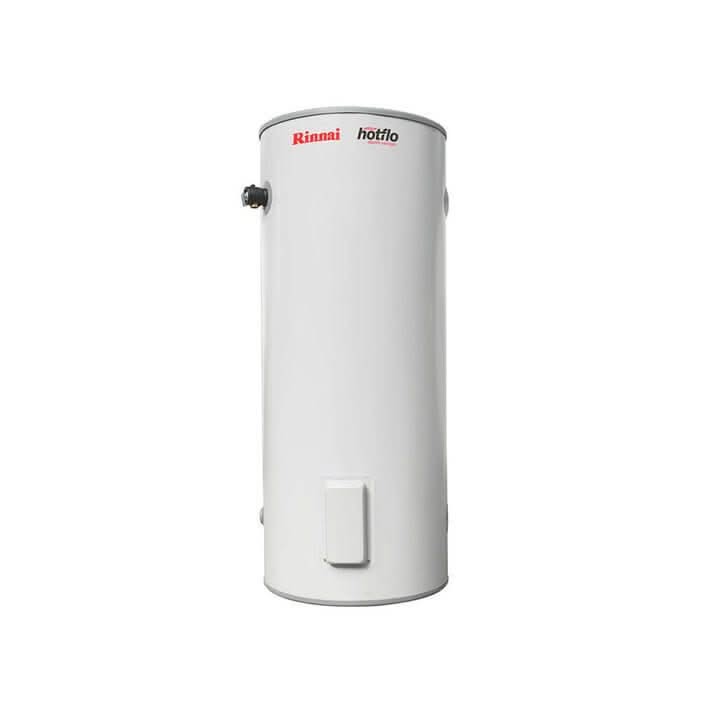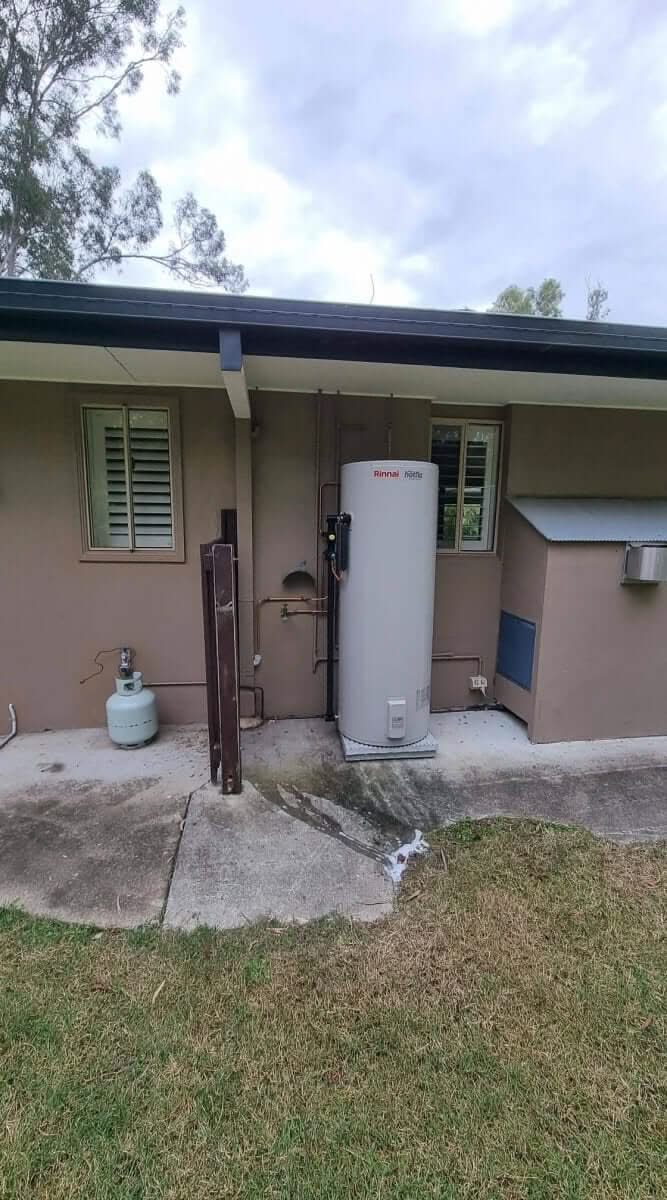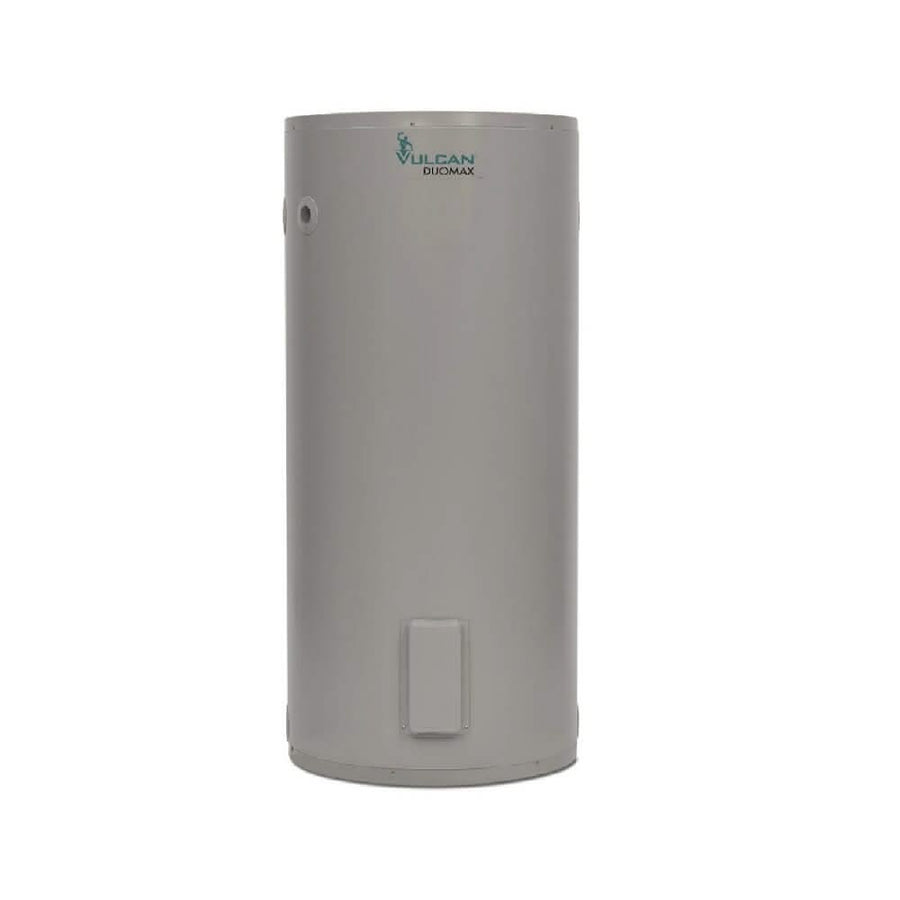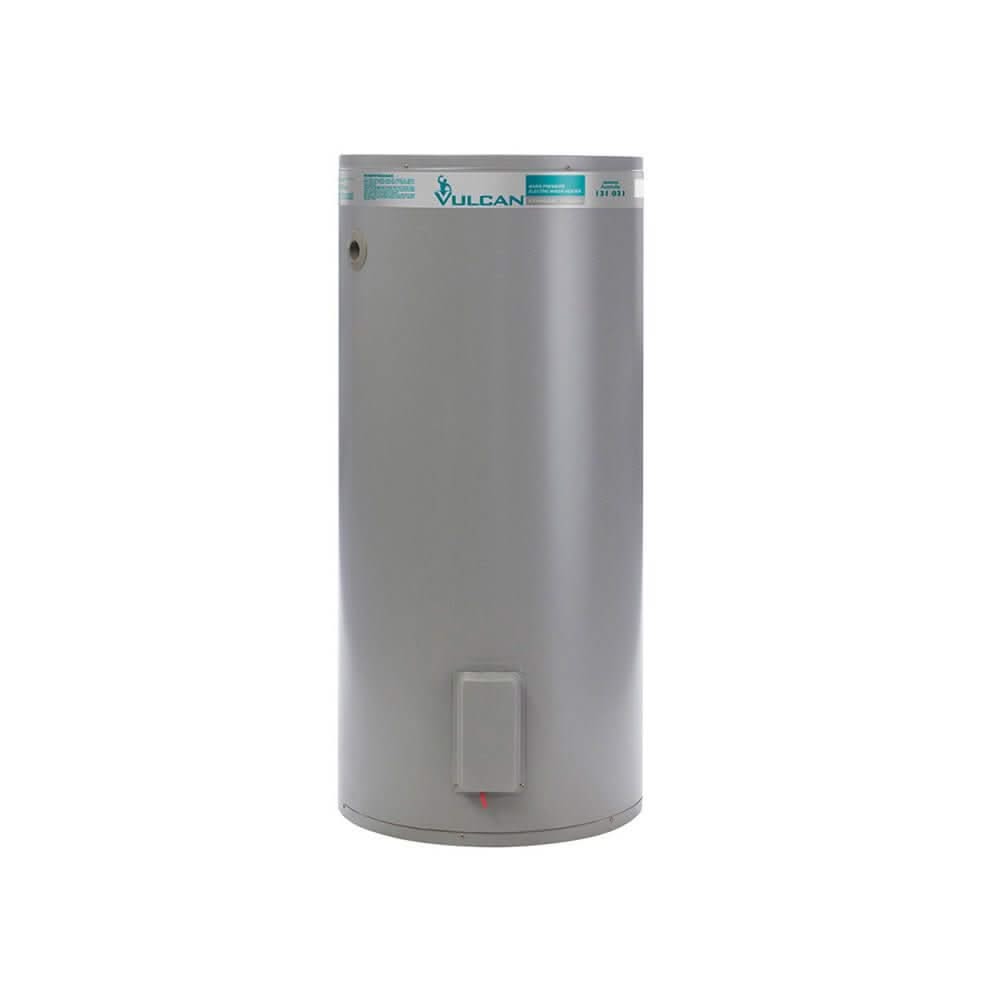

Hot Water System Control Valves: AVG Quickie Kits, PTR Valves, ECV Valves and What They Do
Hot water systems are not just tanks, heat pumps or continuous flow units. Behind every compliant installation is a set of valves and fittings that help manage pressure, temperature, expansion, isolation, non-return protection and safe system operation.
AVG, also known as Australian Valve Group, is a well-known name in Australian hot water control valves. Products such as Quickie Kits, pressure limiting valves, expansion control valves, pressure and temperature relief valves and isolation valves are commonly discussed by plumbers because they can affect installation time, compliance, servicing access and long-term reliability.
For homeowners, the brand of valve is less important than understanding what these parts do and why they matter. If you are replacing or ordering a hot water system, the product itself is only one part of the job. The installer may also need to assess valves, pipework, pressure control, drainage, temperature control and site-specific compliance requirements.
Installed Today offers supply-only ordering across major Australian metro areas for selected hot water products, with selected supplied-and-installed options available on eligible products in Brisbane and Gold Coast service areas where shown.
Quick Answer
Hot water system control valves help manage water pressure, expansion, temperature safety and service isolation.
Common valve components may include:
-
Pressure limiting valve
-
Non-return valve
-
Isolation valve
-
Pressure and temperature relief valve
-
Expansion control valve
-
Tempering valve
-
Combination valve kits
-
Continuous flow valve kits
-
Solar or heat pump control valve assemblies where required
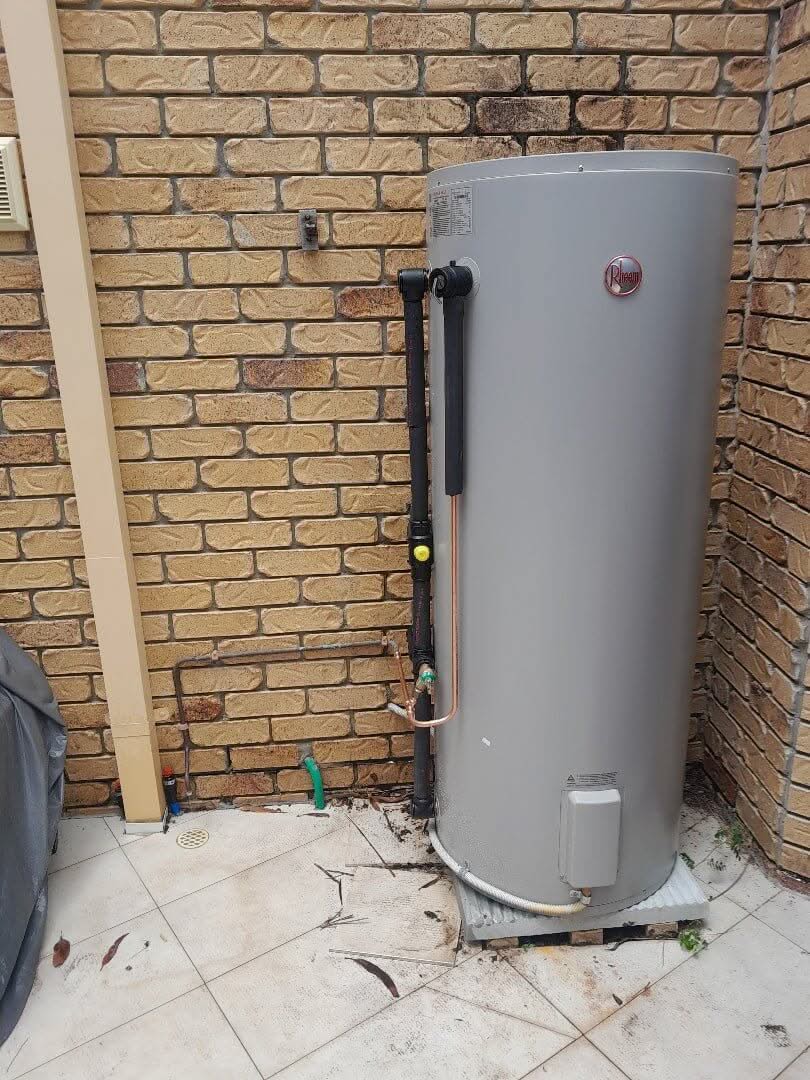
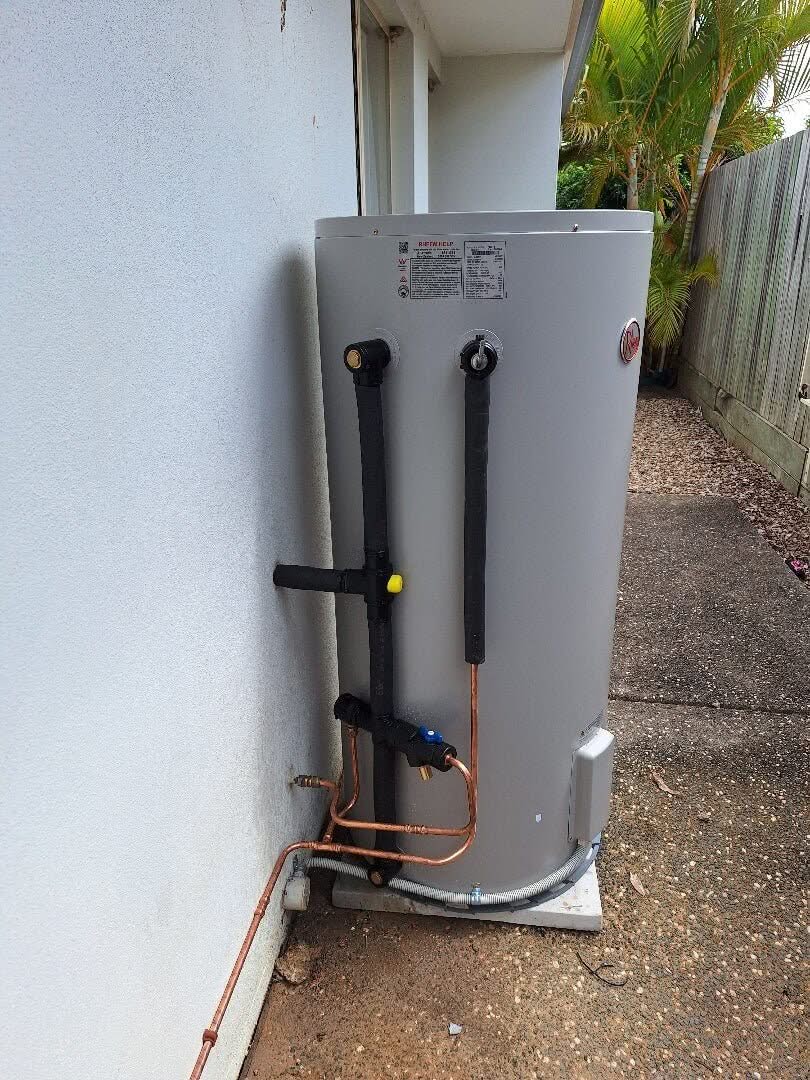
AVG Quickie Kits and similar valve kits are designed to help licensed plumbers install or replace hot water systems with the required control components in a practical format.
For homeowners, the key point is simple: supply-only hot water products generally do not include installation valves, pipework, labour, drainage, electrical work, gas work, removal, disposal or compliance upgrades unless clearly listed or selected.
Before ordering a supply-only hot water system, confirm with a licensed installer what valves and extras are required.
Why Hot Water Control Valves Matter
Hot water systems operate under pressure and temperature. Control valves help keep that operation safe, reliable and compliant.
They may help with:
-
Managing high incoming water pressure
-
Preventing reverse flow
-
Allowing the system to be isolated for servicing
-
Relieving pressure caused by heated water expansion
-
Protecting the hot water cylinder
-
Reducing stress on pipework and fittings
-
Managing discharge to a safe drain point
-
Supporting temperature control requirements
-
Making future maintenance easier
A hot water system can be the right brand and size, but if the valve setup is wrong, ageing, non-compliant or unsuitable for local pressure conditions, the installation may still have problems.
What Is AVG?
AVG, or Australian Valve Group, is a brand associated with plumbing and hot water control valve products used in Australian residential and commercial plumbing applications.
In hot water work, AVG is commonly associated with products such as:
-
Quickie installation kits
-
Pressure limiting valves
-
Expansion control valves
-
Pressure and temperature relief valves
-
Isolation valves
-
Non-return valve components
-
Continuous flow valve kits
-
Control valve assemblies
The reason plumbers often discuss AVG is practical: valve kits can reduce the need to assemble multiple components separately, while still allowing the installer to use products that suit the system and site.
Product suitability still depends on the hot water system, installation type, pressure, pipe sizing, local requirements and licensed trade assessment.
What Is an AVG Quickie Kit?
An AVG Quickie Kit is a hot water installation valve kit designed to group common control valve components together.
Quickie-style kits may be used in certain hot water installations to help licensed plumbers manage:
-
Isolation
-
Pressure limiting
-
Non-return protection
-
Expansion control where required
-
Correct valve layout
-
Faster installation setup
-
More consistent component selection
Kits may be available in different connection sizes and layouts depending on the application.
Hot water system types that may require different valve arrangements include:
-
Solar hot water systems
-
Compact electric hot water systems
-
Commercial or high-demand setups
A kit should only be used where it suits the product, pressure, pipework and compliance requirements.
What Is a Pressure Limiting Valve?
A pressure limiting valve, often shortened to PLV, helps reduce incoming water pressure to a controlled level before it reaches the hot water system.
This can be important because excessive pressure can place stress on:
-
Hot water cylinders
-
Relief valves
-
Pipework
-
Flexible connectors
-
Tapware
-
Appliances
-
Fittings and joints
A licensed plumber may recommend a pressure limiting valve where mains pressure is too high or where the hot water system manufacturer requires pressure control.
What Is a Non-Return Valve?
A non-return valve helps prevent water from flowing backwards through the system.
This can be important for protecting potable water supply and maintaining correct flow direction through the hot water installation.
Depending on the system and valve arrangement, non-return protection may be included as part of a combination valve or kit.
What Is an Isolation Valve?
An isolation valve allows water to be shut off to the hot water system without necessarily turning off water to the entire property.
This is important for:
-
Servicing
-
Replacement
-
Emergency shut-off
-
Future maintenance
-
Reducing disruption during work
A properly positioned isolation valve can make future hot water work cleaner and easier.
What Is a PTR Valve?
A PTR valve is a pressure and temperature relief valve.
It is a safety valve fitted to many storage hot water systems. Its job is to relieve pressure or temperature conditions that exceed safe limits.
A PTR valve may discharge water during normal operation or under specific pressure and temperature conditions. It must discharge to a safe location as required.
PTR valves should not be blocked, capped or ignored. If a PTR valve is continuously running, leaking heavily or discharging unusually, a licensed plumber should inspect the system.
What Is an Expansion Control Valve?
An expansion control valve, often shortened to ECV, helps relieve pressure caused by water expansion during heating.
When water is heated, it expands. In some installations, an ECV is fitted on the cold water line to discharge expansion water before the pressure and temperature relief valve needs to operate.
An ECV may help:
-
Reduce discharge from the PTR valve
-
Manage expansion pressure
-
Support cylinder protection
-
Improve valve operation in suitable installations
-
Assist compliance where required
Not every installation is the same. Whether an ECV is required depends on system type, local requirements, pressure, valve setup and plumbing design.
PTR Valve vs ECV Valve
PTR and ECV valves do different jobs.
PTR Valve
A PTR valve is a safety valve on the hot water system. It responds to excessive pressure or temperature.
ECV Valve
An ECV is usually installed on the cold water side and helps manage pressure from thermal expansion during normal heating.
Both valves can be important, but they are not interchangeable.
A licensed plumber should determine what is required for the specific hot water system and site.
What Is a 501F Continuous Flow Valve Kit?
A 501F-style continuous flow valve kit is designed for continuous flow or instantaneous gas hot water installations.
Continuous flow systems have different installation requirements from storage tanks. They may require valve layouts that suit:
-
Gas continuous flow unit connections
-
Cold water isolation
-
Hot water isolation
-
Service access
-
Full-flow requirements
-
Pipework layout
-
Future maintenance
-
Outdoor wall-mounted installation
Customers comparing continuous flow units can browse instant gas hot water systems, including 26L instant gas hot water systems.
For instant gas systems, gas type, gas pipe sizing, water pressure and outdoor clearances must also be checked.
Why Plumbers Use Valve Kits
Valve kits can be useful because they help group key components together.
For plumbers, this may help with:
-
Faster product selection
-
Fewer missing parts
-
Cleaner installation layout
-
Better service access
-
Consistent valve arrangement
-
Reduced time spent sourcing individual fittings
-
Easier stock management in the vehicle
-
Compatibility with common hot water replacement jobs
For homeowners, the benefit is indirect. A well-planned valve setup can support safe operation, future servicing and fewer avoidable issues.
Hot Water Systems That May Need Valve Assessment
Different hot water systems have different valve requirements.
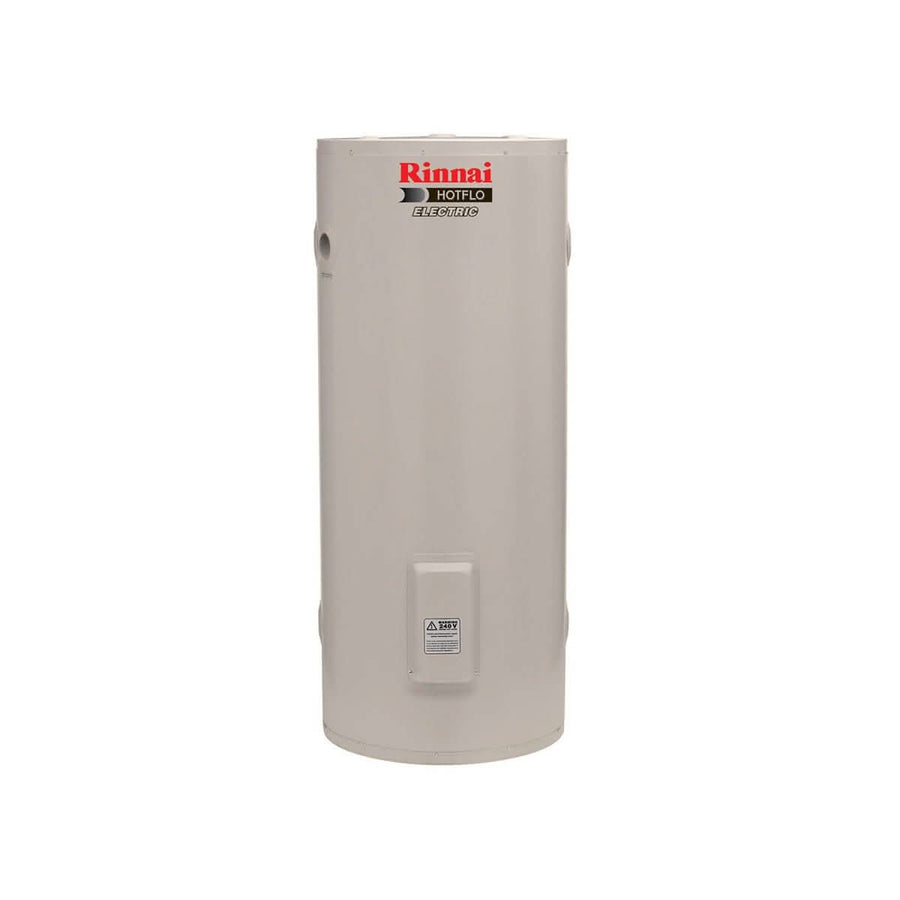
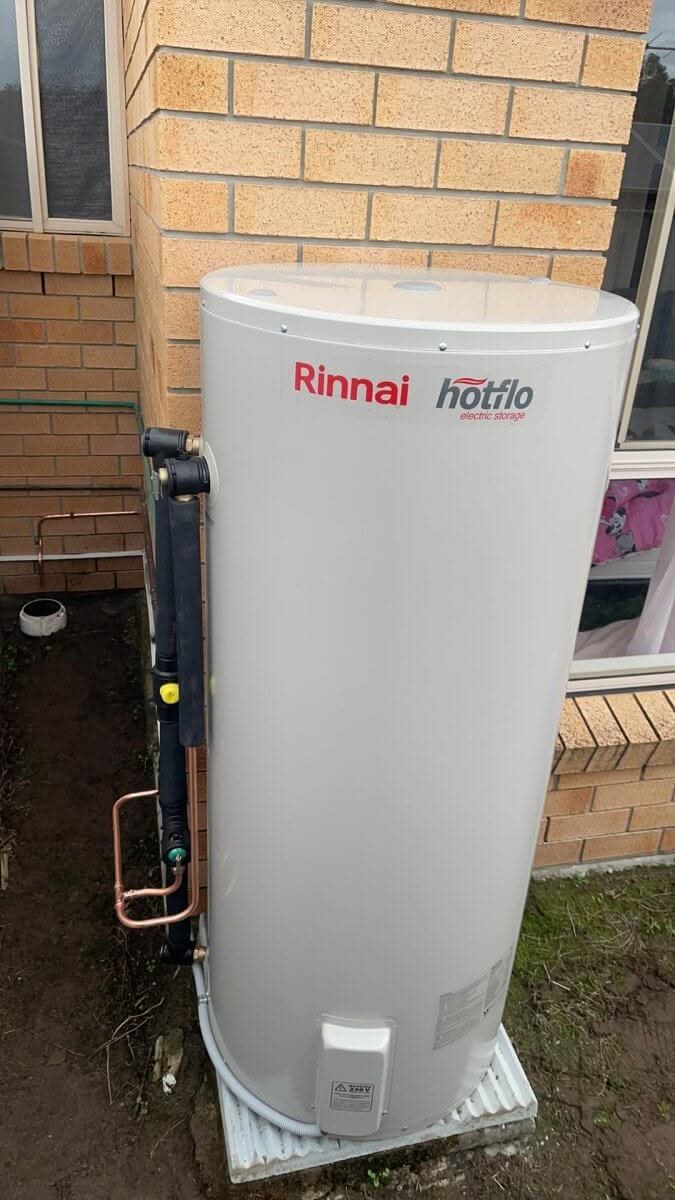
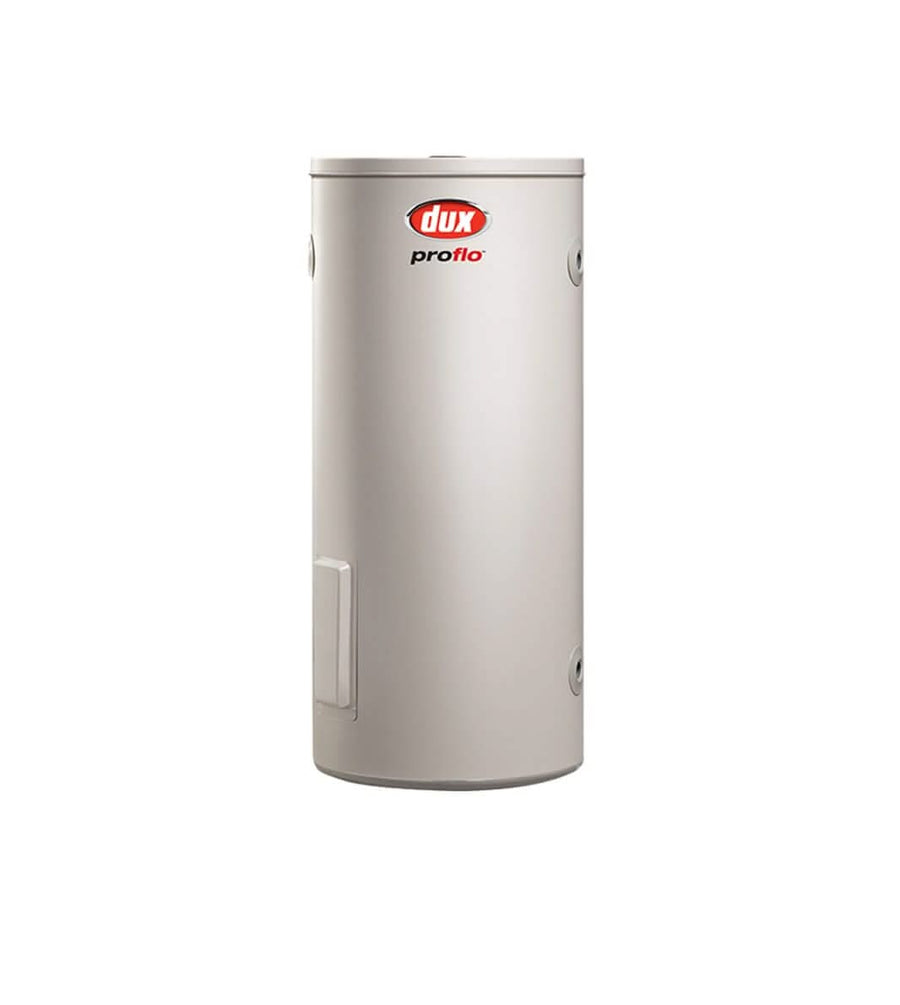
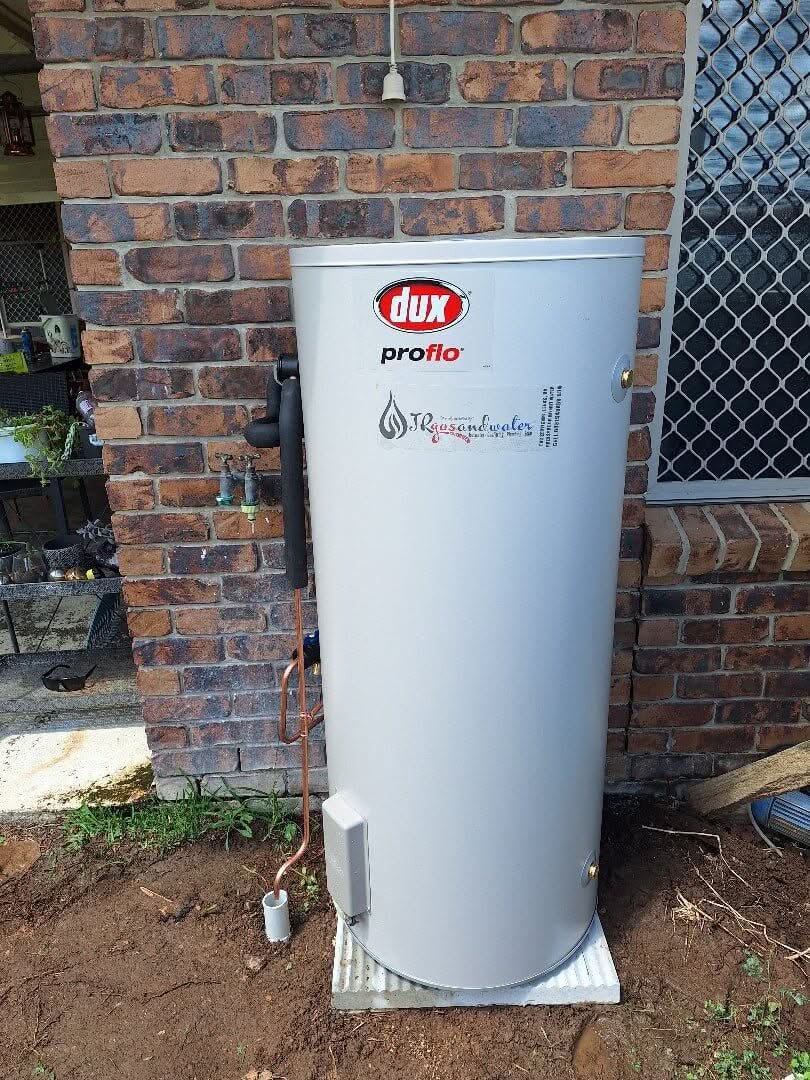
Electric Storage Hot Water Systems
Electric hot water systems commonly require pressure control, relief valve discharge, temperature control and correct isolation.
Customers commonly compare:
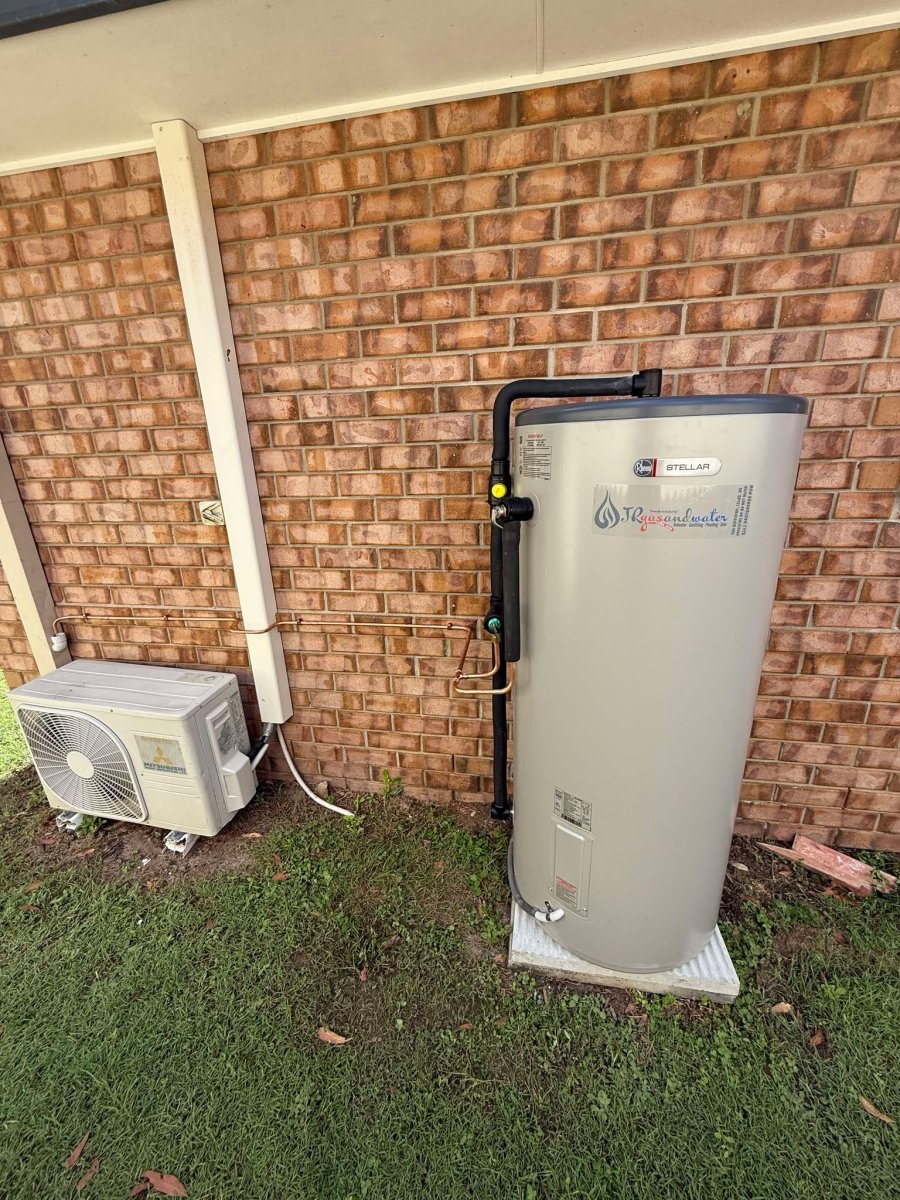
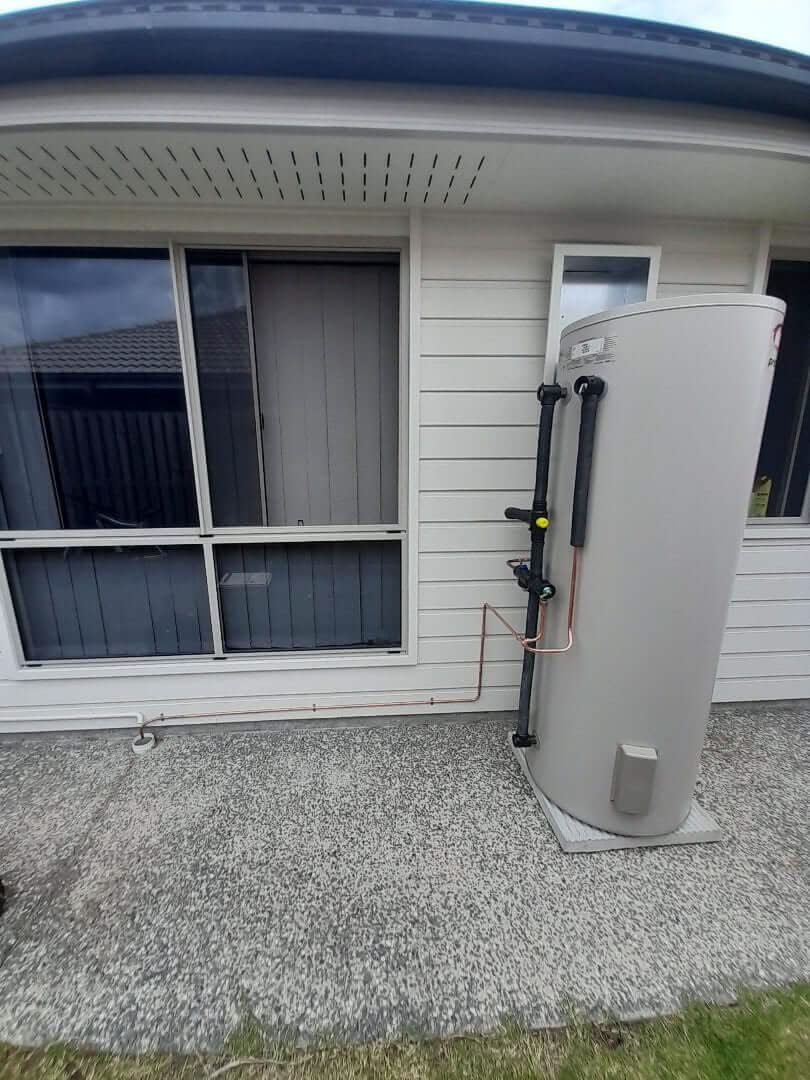
A larger tank may require careful checking of base, valves, drainage and access.
Gas Storage Hot Water Systems
Gas hot water systems may need gas fitting, water pressure control, temperature control, storage tank valve checks and safe discharge arrangements.
Natural gas and LPG are not interchangeable. Gas work must be completed by a licensed gas fitter.
Instant Gas Hot Water Systems
Instant gas hot water systems may require a different valve setup from storage systems.
For 20L and 26L instant gas systems, water pressure and gas pipe sizing are especially important.
Heat Pump Hot Water Systems
Heat pump hot water systems are storage-style systems with additional location requirements, including airflow, condensate drainage, electrical supply and noise placement.
Valve setup is still important because the system stores heated water under pressure.
Solar Hot Water Systems
Solar hot water systems can have more complex valve and control requirements because of collectors, boosting, roof or split system layout and higher temperature considerations.
Solar suitability depends on roof orientation, pitch, shading, access, booster setup and maintenance access.
Why Valves Are Not Optional Extras
Hot water valves are not just accessories. In many installations, they are required for safety, compliance and correct operation.
The installer may need to consider:
-
Incoming water pressure
-
Manufacturer requirements
-
Temperature control requirements
-
Relief valve discharge
-
Local plumbing rules
-
Pipe sizing
-
Drainage
-
Existing valve condition
-
Whether old valves can be reused
-
Whether the replacement is like-for-like
-
Whether system relocation changes requirements
If old valves are corroded, seized, leaking, non-compliant or unsuitable, they may need to be replaced during the hot water job.
Common Valve Issues Found During Hot Water Replacement
During replacement, licensed plumbers may find:
-
Failed pressure limiting valve
-
Weeping or leaking PTR valve
-
No expansion control valve where required
-
Blocked or unsafe discharge line
-
Corroded isolation valves
-
Old non-return valves
-
Non-compliant valve layout
-
Poor pipe support
-
Undersized pipework
-
Incorrect previous installation
-
No safe drainage point
-
Excessive incoming pressure
-
Valves hidden behind walls or cupboards
-
No practical service access
These issues may add cost to a hot water replacement because they are site-specific and not always visible until the job is assessed.
Why Water Pressure Matters
Water pressure plays a major role in hot water system performance and valve selection.
High pressure can contribute to:
-
More valve discharge
-
Stress on the cylinder
-
Noisy pipework
-
Leaks
-
Reduced component lifespan
-
Tapware wear
-
Hot water system warranty issues in some cases
Low pressure can also cause problems, especially with some instant gas systems that need enough flow to activate and operate correctly.
A licensed plumber should check pressure before confirming the final valve setup.
Temperature Control and Tempering Valves
Hot water systems need to deliver water safely to bathrooms and personal hygiene fixtures.
A tempering valve or other temperature control device may be required depending on the system and installation.
A tempering valve blends hot and cold water to help deliver water at a safer temperature to selected fixtures.
Temperature control is especially important for:
-
Bathrooms
-
Showers
-
Baths
-
Basins used for personal hygiene
-
Homes with children
-
Homes with elderly occupants
-
Rental properties
-
Compliance-sensitive installations
A tempering valve is different from a pressure limiting valve, PTR valve or ECV.
Hot Water Valve Replacement Timing
Valve replacement timing depends on valve type, condition, manufacturer guidance, local requirements and site conditions.
Some valves are replaced during hot water replacement because:
-
They are old
-
They are leaking
-
They are seized
-
They no longer comply
-
They are not suitable for the new system
-
They are corroded
-
They cannot be safely reused
-
The new system requires a different setup
Homeowners should not assume existing valves will automatically be reused.
AVG Valves and Product Feedback
One reason AVG-style products are commonly discussed in the trade is that plumbers value practical products that save time, install cleanly and respond to field feedback.
For hot water work, small details matter:
-
Nut access
-
Valve orientation
-
Connection size
-
Full-flow design where needed
-
Serviceability
-
Brass quality
-
Ease of replacement
-
Clear product identification
-
Compatibility with common hot water systems
-
Availability through plumbing suppliers
A valve may look like a small part of the job, but plumbers know these components can affect both installation time and future callbacks.
What Homeowners Should Know About Valve Brands
Homeowners generally do not need to choose every valve brand themselves. The licensed installer should select components that suit the hot water system, site conditions and compliance requirements.
However, it is useful to ask:
-
Are the existing valves being reused or replaced?
-
Is a pressure limiting valve required?
-
Is an expansion control valve required?
-
Is the tempering valve being checked?
-
Where will relief water discharge?
-
Are valve upgrades included in the quote?
-
Does the selected system require specific valve arrangements?
-
Will the installation remain accessible for servicing?
-
Are the valves compliant for the system and location?
Clear answers help avoid confusion between a basic product supply and a complete compliant installation.
Supply-Only Hot Water Systems and Valve Exclusions
Installed Today offers supply-only ordering across major Australian metro areas. This can suit customers who already have a licensed installer organised and want to order a hot water product online.
For supply-only hot water systems, the listed product price generally covers the product only.
It does not usually include:
-
Installation labour
-
Plumbing alterations
-
Electrical work
-
Gas work
-
New valves
-
Pressure limiting valves
-
Expansion control valves
-
Tempering valves
-
Isolation valves
-
Non-return valves
-
Pipework changes
-
Drainage changes
-
Relief valve discharge upgrades
-
Gas pipe upgrades
-
Condensate drainage work
-
Old unit removal
-
Disposal
-
Compliance upgrades
-
Concrete bases or slab work
-
Flue kits unless listed
-
Temperature controllers unless listed
-
Relocation of the system
-
Rebate administration
-
Site assessment
Before ordering supply-only, ask your licensed installer which valves and fittings will be required.
Supplied-and-Installed Hot Water Options
Selected supplied-and-installed options are available on eligible Installed Today products in Brisbane and Gold Coast service areas where shown.
Availability depends on:
-
Product
-
Address
-
Installation type
-
Access
-
Existing system
-
Gas type
-
Electrical requirements
-
Water pressure
-
Valve condition
-
Drainage
-
Compliance requirements
Where installation is available, check exactly what is included and what is treated as an add-on or site-specific extra.
Brisbane and Gold Coast Hot Water Valve Considerations
In Brisbane and Gold Coast homes, valve requirements can be affected by:
-
Water pressure
-
Existing valve age
-
Older pipework
-
Narrow side access
-
Apartment installations
-
Townhouse layouts
-
Body corporate restrictions
-
Coastal exposure on the Gold Coast
-
Existing drainage
-
Old hot water system type
-
Heat pump condensate drainage
-
Gas pipe sizing for instant gas
-
Tempering valve requirements
-
Whether the system is being relocated
-
Whether the old unit was compliant
A straightforward product swap can become more involved if the valve layout needs updating.
Valve Requirements by System Type
Electric Storage
Electric storage systems may require pressure control, isolation, relief valve discharge, tempering and expansion management depending on the site.
Gas Storage
Gas storage systems may require gas fitting checks, pressure control, relief discharge, temperature control and suitable outdoor tank placement.
Instant Gas
Instant gas systems may require cold and hot isolation, correct water pressure, suitable gas pipe sizing, gas isolation, outdoor clearances and service access.
Heat Pump
Heat pump systems may require storage-style water valves plus condensate drainage, airflow, electrical suitability and noise placement checks.
Solar Hot Water
Solar systems may require more specialised valve arrangements, booster checks, roof or split system considerations and safe temperature control.
Common Hot Water Valve Mistakes
Assuming the Old Valves Are Fine
Old valves may be seized, leaking, non-compliant or unsuitable for the new system.
Forgetting Pressure Control
High water pressure can create problems for hot water systems and fittings.
Ignoring Expansion
Heated water expands. Expansion control may be required depending on the system and local requirements.
Blocking Relief Valve Discharge
Relief valves must discharge safely. They should never be capped or blocked.
Confusing Valve Types
PTR valves, ECV valves, pressure limiting valves, non-return valves and tempering valves all perform different jobs.
Assuming Supply-Only Includes Valves
Supply-only product pricing generally covers the hot water unit only unless valves or accessories are clearly listed.
Choosing Parts Without a Licensed Installer
Valve selection should be based on pressure, system type, manufacturer requirements and compliance.
Before Ordering a Hot Water System Checklist
Before ordering a hot water system, check:
-
What type of system is being replaced?
-
Is the replacement like-for-like?
-
Are the old valves being reused or replaced?
-
Is a pressure limiting valve required?
-
Is an expansion control valve required?
-
Is a tempering valve required?
-
Is the PTR valve included with the system or supplied separately?
-
Is relief valve discharge compliant?
-
Is drainage available?
-
Is water pressure suitable?
-
Is the system electric, gas, heat pump, solar or instant gas?
-
Is gas pipe sizing suitable for instant gas?
-
Is natural gas or LPG correct?
-
Is electrical supply suitable?
-
Is old unit removal included or separate?
-
Is the product supply-only or supplied-and-installed?
-
Has a licensed installer confirmed all valve requirements?
Frequently Asked Questions
What are hot water system control valves?
Hot water system control valves are valves that help manage pressure, flow, expansion, relief discharge, isolation and temperature control in a hot water installation.
What is an AVG Quickie Kit?
An AVG Quickie Kit is a hot water valve kit designed to group common installation valve components together for selected hot water system applications.
What does a pressure limiting valve do?
A pressure limiting valve helps reduce incoming water pressure to a controlled level before it reaches the hot water system.
What does an expansion control valve do?
An expansion control valve helps relieve pressure caused by water expansion during the heating cycle.
What does a PTR valve do?
A PTR valve is a pressure and temperature relief valve. It helps relieve excessive pressure or temperature from a storage hot water system.
Do all hot water systems need the same valves?
No. Valve requirements depend on the hot water system type, water pressure, local requirements, manufacturer instructions and installation conditions.
Are valves included with a supply-only hot water system?
Not usually. Supply-only pricing generally covers the hot water product only unless valves, kits or accessories are clearly listed.
Can I replace hot water valves myself?
No. Hot water valve replacement can involve plumbing safety and compliance requirements. Licensed trades should complete the work where required.
Why did my installer add valve costs?
Valve costs may be added if old valves are leaking, seized, non-compliant, unsuitable for the new system or required by the manufacturer or site conditions.
Do instant gas systems need different valve kits?
Often, yes. Instant gas systems can have different connection, isolation and service access requirements compared with storage tanks.
Final Word
AVG hot water control valves and Quickie-style kits are popular in the plumbing industry because valve selection matters. A good valve setup can support pressure control, safety, compliance, serviceability and long-term system performance.
For homeowners, the key takeaway is that a hot water system replacement is not just the unit. Valves, pressure, pipework, drainage, gas, electrical and compliance requirements all need to be checked.
Installed Today makes it easy to compare hot water systems, electric hot water systems, gas hot water systems, instant gas hot water systems and heat pump hot water systems online.
For supply-only orders, confirm all required valves, fittings, pressure control, drainage and installation requirements with a licensed plumber before purchasing.