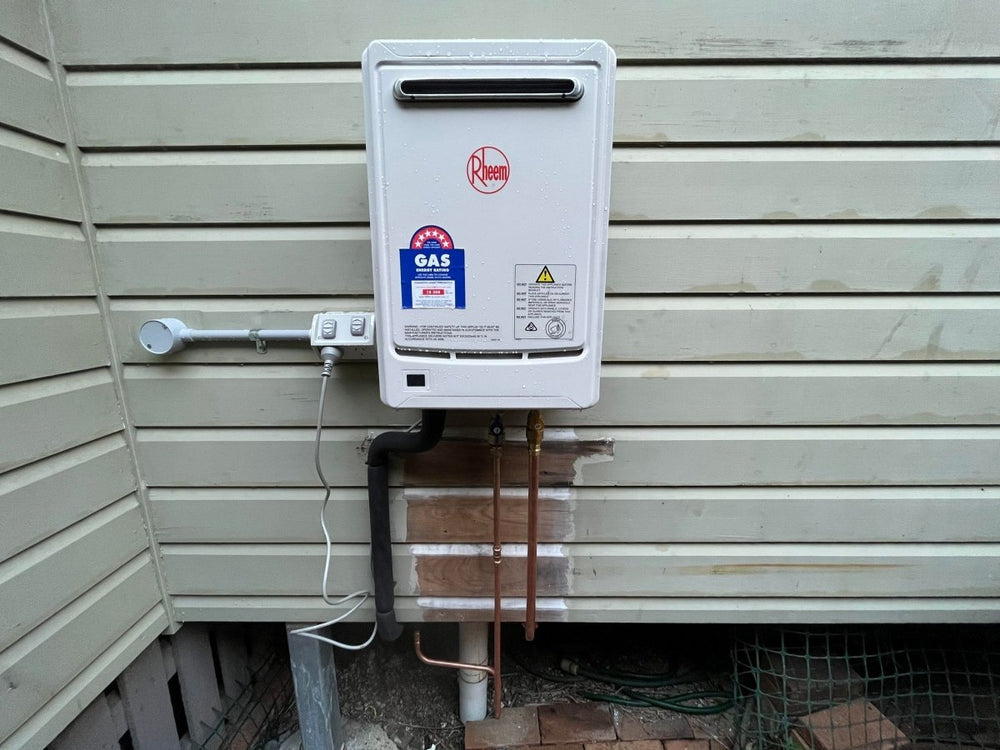

Instant Gas Hot Water Size Guide: 16L vs 20L vs 26L Systems
Choosing the right instant gas hot water size is important because bigger is not always better. A 26L unit may suit some two-bathroom homes, but it will not perform properly if the gas pipe sizing, water pressure or installation setup cannot support it. A 16L unit may be perfectly suitable for some smaller homes, but it may struggle if multiple showers run at the same time.
Instant gas hot water systems are usually sized by flow rate in litres per minute. Common sizes include 16L, 20L and 26L classes. The right size depends on household demand, number of bathrooms, shower flow rates, gas type, gas pipe sizing, water pressure, distance to outlets, controller requirements and whether the system is replacing another instant gas unit, gas storage, electric storage or heat pump hot water.
This guide explains how to compare 16L, 20L and 26L instant gas hot water systems before ordering.
You can compare Instant Gas Hot Water Systems, Gas Hot Water Systems, broader Hot Water Systems, Electric Hot Water Systems, Heat Pump Hot Water Systems, Instant Electric Systems and Installation Add-Ons online with Installed Today.
Quick answer: what size instant gas hot water system do I need?
As a general starting point:
| Instant gas size | Common household fit |
|---|---|
| 16L instant gas | Smaller homes, one-bathroom homes, one shower at a time |
| 20L instant gas | Small to medium homes, moderate use, one to two bathroom homes depending on demand |
| 26L instant gas | Larger homes, two-bathroom homes and higher demand where gas and water supply support it |
This is only a guide. The right instant gas size depends on real hot water use and whether the property can support the selected unit.
A larger L/min rating does not automatically mean better hot water. Instant gas systems need suitable gas pipe sizing, water pressure and flow to perform properly.
What does 16L, 20L or 26L mean?
The litre rating on an instant gas hot water system usually refers to the amount of hot water the unit can deliver per minute under specific test conditions.
Common examples include:
-
16L per minute
-
20L per minute
-
26L per minute
This does not mean every home will get the full rated flow at every tap. Real-world performance depends on:
-
Incoming water temperature
-
Desired outlet temperature
-
Shower head flow rate
-
Water pressure
-
Gas pipe sizing
-
Gas type
-
Distance from unit to outlets
-
Whether multiple outlets run at once
-
Unit settings
-
Installation quality
A 26L unit on poor gas supply may perform worse than expected.
Why instant gas sizing matters
Instant gas hot water systems heat water on demand. They do not store hot water in a tank.
Sizing matters because the system needs to keep up with the water flowing through it when hot water is being used.
If the unit is too small, you may notice:
-
Temperature fluctuations
-
Poor performance with multiple outlets
-
Difficulty running two showers
-
Hot water dropping when another tap turns on
-
Lower comfort during peak use
-
More customer complaints in rentals or short-stay homes
If the unit is too large for the property, you may pay more upfront without gaining better performance if the gas and water supply cannot support it.
Instant gas sizing is not the same as storage sizing
Storage hot water systems are usually sized by tank capacity.
Instant gas systems are sized by flow rate.
This means a 250L gas storage tank and a 26L instant gas unit are not directly comparable.
A storage tank holds heated water ready for use.
An instant gas unit heats water as it flows through the unit.
This is why sizing must consider simultaneous use, shower flow rates, gas supply and water pressure.
16L instant gas hot water systems
A 16L instant gas hot water system may suit smaller homes with lower hot water demand.
It may suit:
-
One-bathroom homes
-
Smaller households
-
One to two people
-
Homes where one shower runs at a time
-
Low-to-moderate hot water use
-
Some units or townhouses where gas setup suits
-
Customers replacing an existing 16L unit that performed well
-
Properties with suitable gas pipe sizing and water pressure
A 16L unit may not suit:
-
Larger families
-
Two showers running at once
-
High-flow shower heads
-
Homes with multiple bathrooms
-
Heavy bath use
-
Short-stay accommodation
-
High guest demand
-
Homes where the old 16L system struggled
A 16L instant gas unit can be practical, but it should not be chosen for a high-demand household just to reduce upfront cost.
16L instant gas: best-fit examples
A 16L instant gas system may be a good fit for:
-
A single-person home
-
A couple with one bathroom
-
A small townhouse
-
A small rental with moderate use
-
A one-shower home with sensible flow rates
-
A like-for-like replacement where the old 16L unit worked well
Before choosing 16L, check whether the household expects more than one hot outlet to run at the same time.
20L instant gas hot water systems
A 20L instant gas hot water system is often compared by small to medium households.
It may suit:
-
Two to three person homes
-
One to two bathroom homes with moderate use
-
Homes where one shower is usually used at a time
-
Some homes with occasional overlapping demand
-
Properties replacing an existing 20L unit
-
Homes with suitable gas pipe sizing
-
Homes with suitable water pressure
-
Customers wanting more capacity than a 16L unit
A 20L unit may not suit:
-
Larger families with heavy demand
-
Homes regularly running two showers at once
-
High-flow shower setups
-
Larger rentals
-
Short-stay homes with high guest occupancy
-
Properties where gas pipe sizing is unsuitable
A 20L instant gas unit can be a practical middle ground, but site suitability still matters.
20L instant gas: best-fit examples
A 20L instant gas system may suit:
-
A small family
-
A two-person home with higher shower demand
-
A three-person household with moderate use
-
A one-bathroom home wanting extra capacity
-
A two-bathroom home where showers are not usually simultaneous
-
A like-for-like replacement of an existing 20L system
Before choosing 20L, check shower habits, water pressure and gas pipe sizing.
26L instant gas hot water systems
A 26L instant gas hot water system is often compared by larger households and two-bathroom homes.
It may suit:
-
Larger families
-
Two-bathroom homes
-
Homes with higher hot water demand
-
Homes where two showers may run close together
-
Properties replacing an existing 26L unit
-
Customers wanting stronger continuous flow capacity
-
Homes with suitable gas pipe sizing
-
Homes with suitable water pressure
A 26L unit may not suit:
-
Homes with undersized gas pipework
-
Homes with poor water pressure
-
Low-demand households that do not need the extra capacity
-
Properties where the larger unit adds cost without benefit
-
Installations where electrical power or mounting requirements are not suitable
A 26L instant gas system can be a strong option, but only where the property can support it.
26L instant gas: best-fit examples
A 26L instant gas system may suit:
-
A family of four
-
A two-bathroom home
-
A larger rental property
-
A home replacing an old 26L unit
-
A household with higher peak shower demand
-
A property with suitable natural gas or LPG supply
-
A property with suitable water pressure
Before choosing 26L, confirm gas pipe sizing, gas type, water pressure, power requirements and installation clearances.
16L vs 20L instant gas
Choose 16L where:
-
The home has one bathroom
-
One shower is usually used at a time
-
Household demand is modest
-
The existing 16L system performed well
-
Lower upfront product cost matters
-
Gas and water setup supports the selected unit
Choose 20L where:
-
The household wants more capacity than 16L
-
There are two to three people
-
Shower demand is moderate
-
Guest use is occasional
-
There is one bathroom or light two-bathroom use
-
The old 16L unit was borderline
The difference between 16L and 20L can matter where the household has higher shower demand but does not need a full 26L unit.
20L vs 26L instant gas
Choose 20L where:
-
The home has moderate demand
-
One shower is usually used at a time
-
There are one to two bathrooms but limited simultaneous use
-
Gas pipe sizing is suitable for the model
-
The old 20L system performed well
-
Lower upfront product cost matters
Choose 26L where:
-
The home has higher demand
-
There are two bathrooms
-
Two showers may run close together
-
The household has more people
-
The old 20L system struggled
-
Gas pipe sizing and water pressure support the larger unit
A 26L system is not automatically the best choice. It should be selected because the household needs it and the property can support it.
16L vs 26L instant gas
The gap between 16L and 26L is significant.
A 16L system may suit smaller one-bathroom homes.
A 26L system may suit larger two-bathroom homes where gas and water supply are suitable.
Do not jump from 16L to 26L without checking:
-
Household demand
-
Gas pipe sizing
-
Water pressure
-
Existing system performance
-
Shower flow rates
-
Installation requirements
-
Whether 20L is the better middle option
The right size is the unit that matches actual demand, not the largest model available.
Instant gas sizing for 1 person
A one-person home may suit:
-
16L instant gas where gas supply suits
-
20L instant gas if higher demand or future use is expected
-
Electric storage where gas is not suitable
-
Heat pump hot water where the site suits and stored hot water is preferred
For one person, avoid oversizing unless there is a clear reason such as guest use, high-flow fixtures or future household changes.
Instant gas sizing for 2 people
A two-person household may compare:
-
16L instant gas for modest one-bathroom use
-
20L instant gas for higher shower demand
-
26L only where there is a genuine need and the property supports it
Check shower length, guest use, number of bathrooms and whether the existing system struggled.
Instant gas sizing for 3 people
A three-person home may compare:
-
20L instant gas for moderate use
-
26L instant gas for higher demand or two-bathroom homes
-
Gas storage where stored hot water is preferred
-
Heat pump hot water if moving away from gas
Sizing depends on whether showers overlap and whether the gas pipework can support the selected unit.
Instant gas sizing for 4 people
A four-person household may compare:
-
20L instant gas for moderate one-shower-at-a-time use
-
26L instant gas for higher demand
-
Gas storage where stored hot water suits better
-
Heat pump hot water where the site suits and electric upgrade is preferred
A 26L system is often worth comparing for four-person homes, but gas pipe sizing and water pressure must be confirmed.
Instant gas sizing for 5 or more people
Larger households should be assessed carefully.
Options may include:
-
26L instant gas where gas and water supply support it
-
Larger or custom hot water design where demand is very high
-
Gas storage where stored hot water suits
-
Heat pump hot water where the site suits
-
Alternative designs for multiple bathrooms and high peak demand
Check:
-
Number of showers per day
-
Whether showers overlap
-
Bath use
-
High-flow shower heads
-
Gas pipe sizing
-
Water pressure
-
Existing system performance
-
Household expectations
Large households should not be sized from litres per minute alone.
Instant gas sizing for one bathroom
One-bathroom homes may suit 16L or 20L systems depending on demand.
Check:
-
Number of people
-
Shower length
-
Shower head flow rate
-
Bath use
-
Kitchen and laundry hot water use
-
Whether guests stay often
-
Existing unit size
-
Whether the old system struggled
A one-bathroom home with two people may suit 16L or 20L. A one-bathroom home with four people may need more careful checking.
Instant gas sizing for two bathrooms
Two-bathroom homes usually need more careful sizing.
Check:
-
Whether two showers run at once
-
Shower head flow rates
-
Water pressure
-
Gas pipe sizing
-
Number of people
-
Bath use
-
Morning peak demand
-
Evening peak demand
-
Distance from unit to bathrooms
A 26L instant gas unit may suit some two-bathroom homes, but only where the property can support it.
Instant gas sizing for homes with baths
Baths can create heavy hot water demand.
Before choosing instant gas for a home with a bath, check:
-
Bath size
-
How often the bath is used
-
Whether showers run at the same time
-
Whether the unit can fill the bath at a practical rate
-
Gas pipe sizing
-
Water pressure
-
Flow rate expectations
-
Household demand
Some homes with baths may still prefer stored hot water depending on usage.
Instant gas sizing for high-flow shower heads
High-flow shower heads can affect instant gas performance.
They can increase demand by requiring more hot water per minute.
Before choosing a larger instant gas unit, check:
-
Shower head flow rate
-
Number of showers
-
Whether showers overlap
-
Gas pipe sizing
-
Water pressure
-
Whether lower-flow fixtures would improve performance
-
Whether the existing system was undersized or the fixture demand is too high
A bigger unit may not solve performance issues if water pressure or gas supply is the limitation.
Instant gas sizing and gas pipe sizing
Gas pipe sizing is one of the most important instant gas sizing factors.
A larger unit usually needs more gas supply.
Gas pipe sizing depends on:
-
Pipe diameter
-
Pipe length
-
Gas type
-
Gas meter or LPG setup
-
Other gas appliances
-
Appliance gas load
-
Installation location
-
Compliance requirements
A licensed gas fitter should confirm whether the existing gas pipework supports the selected unit.
Instant gas sizing and water pressure
Water pressure affects instant gas performance.
Poor water pressure can cause:
-
Reduced flow
-
Poor shower performance
-
Temperature fluctuation
-
Difficulty running multiple outlets
-
Poor user experience
-
Incorrect assumptions about unit size
If hot water pressure has been poor, diagnose water pressure and pipework before choosing a replacement.
Instant gas sizing and natural gas
Natural gas may suit homes already connected to a suitable natural gas supply.
Before choosing a natural gas instant system, check:
-
Existing gas connection
-
Gas pipe sizing
-
Gas meter setup
-
Other gas appliances
-
Flow rate required
-
Water pressure
-
Correct natural gas model
-
Licensed gas fitting requirements
Natural gas models are not interchangeable with LPG models.
Instant gas sizing and LPG
LPG may suit homes without natural gas where LPG supply is already set up or planned.
Before choosing an LPG instant system, check:
-
Correct LPG model
-
LPG bottle location
-
Regulator setup
-
Gas pipe sizing
-
Bottle changeover arrangements
-
LPG delivery access
-
Household demand
-
Water pressure
-
Licensed gas fitting requirements
LPG and natural gas are different. Always order the correct gas type.
Instant gas sizing and controllers
Some instant gas systems can use temperature controllers.
Controllers may affect the user experience by allowing selected temperature control depending on model and setup.
Before choosing controllers, check:
-
Unit compatibility
-
Number of controllers needed
-
Wiring requirements
-
Installation location
-
Household use
-
Whether controller installation is included
-
Whether extra electrical or wiring work is required
Controllers can be useful, but they can add cost and should be selected intentionally.
Instant gas sizing and electrical power
Many instant gas systems require electrical power for ignition, fan operation, controls or safety functions depending on model.
Before choosing a system, check:
-
Whether a power point is nearby
-
Whether the power point is suitable
-
Whether a new weatherproof power point is needed
-
Whether electrical work is included
-
Whether controller wiring is required
-
Whether the unit is being relocated
A licensed electrician may be needed depending on the job.
Instant gas sizing and unit location
Location affects instant gas suitability.
Before choosing a size, check:
-
Outdoor clearances
-
Distance to bathrooms
-
Distance to kitchen and laundry
-
Gas pipe route
-
Water pipe route
-
Power availability
-
Wall mounting
-
Access for servicing
-
Nearby windows or doors
-
Boundary clearances
-
Weather exposure
-
Compliance requirements
Do not assume the old location automatically suits a larger replacement unit.
Replacing an existing instant gas unit with the same size
Replacing with the same size may make sense when:
-
The old system performed well
-
Household demand has not changed
-
The flow rate was suitable
-
Gas pipe sizing supports the unit
-
Water pressure is suitable
-
The gas type remains the same
-
The location is still compliant
-
The new unit has similar requirements
If the old system struggled, do not automatically choose the same size.
Upgrading from 16L to 20L instant gas
Upgrading from 16L to 20L may make sense where:
-
The old 16L unit was borderline
-
The household has grown
-
Shower use has increased
-
The home wants better capacity
-
Gas pipe sizing supports the upgrade
-
Water pressure supports the upgrade
-
The installation location suits the new unit
Before upgrading, confirm whether the issue is unit size, gas supply, water pressure or fixture flow.
Upgrading from 20L to 26L instant gas
Upgrading from 20L to 26L may make sense where:
-
The home has higher demand
-
Two showers may run close together
-
The household has grown
-
The old 20L unit struggled
-
Gas pipe sizing supports 26L
-
Water pressure supports 26L
-
The location suits the larger unit
A 26L upgrade should be checked carefully because gas pipework upgrades may be needed.
Replacing gas storage with instant gas
Changing from gas storage to instant gas is not always a simple swap.
Before changing, check:
-
Gas pipe sizing
-
Water pressure
-
Power point availability
-
Outdoor mounting location
-
Pipework changes
-
Old tank removal
-
Disposal
-
Controller requirements
-
Household demand
-
Compliance requirements
Gas storage and instant gas use gas differently. A home that supported gas storage may still need checks before installing instant gas.
Replacing electric storage with instant gas
Changing from electric storage to instant gas can be more complex.
You may need:
-
Natural gas or LPG supply
-
New gas pipework
-
Licensed gas fitting
-
Outdoor location
-
Water pipework changes
-
Electrical disconnection or changes
-
Power point for the gas unit
-
Old electric tank removal
-
Disposal
-
Compliance upgrades
If the property does not already have suitable gas, compare Heat Pump Hot Water Systems before committing to a gas conversion.
Instant gas vs heat pump sizing
Instant gas and heat pump hot water are sized differently.
Instant gas sizing depends on:
-
Flow rate
-
Gas pipe sizing
-
Water pressure
-
Gas type
-
Simultaneous use
Heat pump sizing depends on:
-
Tank capacity
-
Recovery rate
-
Timer settings
-
Outdoor airflow
-
Condensate drainage
-
Boost mode
-
Household demand
Choose instant gas if the home has suitable gas and continuous flow is preferred.
Choose heat pump if the home suits efficient electric stored hot water.
Instant gas vs gas storage sizing
Instant gas and gas storage both use gas, but they deliver hot water differently.
Instant gas may suit:
-
Compact wall-mounted installation
-
Continuous flow hot water
-
Homes with suitable gas pipe sizing
-
Homes with suitable water pressure
-
Customers wanting no storage tank
Gas storage may suit:
-
Homes already using gas storage
-
Stored hot water preference
-
Properties where storage tanks suit the location
-
Households wanting familiar tank-style hot water
-
Sites where instant gas pipe sizing is difficult
Compare Gas Hot Water Systems if stored gas hot water may be the better fit.
Instant gas vs instant electric sizing
Instant gas and instant electric both heat water on demand, but they use different energy sources.
Instant gas may suit:
-
Homes already using natural gas or LPG
-
Whole-home continuous flow where gas supply supports it
-
Higher hot water demand
-
Properties with suitable water pressure
Instant electric may suit:
-
Point-of-use applications
-
Small fixtures
-
Low-demand areas
-
Compact spaces
-
Homes or rooms without gas
-
Properties with suitable electrical capacity
For whole-home use, instant gas is often more commonly compared than instant electric, but only where gas supply is suitable.
Instant gas sizing for rentals
Rental properties should be sized for likely occupancy, not just the current tenant.
Check:
-
Number of bedrooms
-
Number of bathrooms
-
Likely tenant count
-
Past hot water complaints
-
Existing system size
-
Gas type
-
Gas pipe sizing
-
Water pressure
-
Maintenance access
-
Simplicity for tenants
A rental system that is too small can create repeat complaints.
Instant gas sizing for Airbnb and short-stay homes
Short-stay homes can have high peak demand.
Before choosing instant gas, check:
-
Maximum guest count
-
Number of bathrooms
-
Whether showers overlap
-
Bath use
-
Laundry between bookings
-
Guest expectations
-
Gas pipe sizing
-
Water pressure
-
Controller settings
-
Maintenance access
A short-stay property may need a larger system than an owner-occupied home with the same number of bedrooms.
Instant gas sizing for renovations
A renovation is a good time to size instant gas properly.
Before choosing, confirm:
-
Final bathroom count
-
Shower locations
-
Bath use
-
Kitchen and laundry locations
-
Gas pipe route
-
Water pipe route
-
Power point location
-
Outdoor unit location
-
Controller locations
-
Access after renovation
-
Compliance requirements
Do not leave instant gas sizing until after pipework and electrical locations are locked in.
Instant gas sizing for units and townhouses
Units and townhouses may have extra constraints.
Before choosing instant gas, check:
-
Body corporate or strata rules
-
Gas availability
-
Natural gas or LPG setup
-
Outdoor unit location
-
Clearances
-
Flue or ventilation issues where relevant
-
Power availability
-
Water pressure
-
Access
-
Noise and neighbour considerations
-
Compliance requirements
Do not assume a house-style instant gas installation applies to a unit or townhouse.
Brand options for instant gas hot water
Installed Today lists several homepage-linked hot water brands that customers commonly compare for gas, instant gas and broader hot water replacement.
Brands worth comparing include:
Compare brands by gas type, flow rate, dimensions, warranty, controller options and installation requirements.
Rinnai instant gas sizing
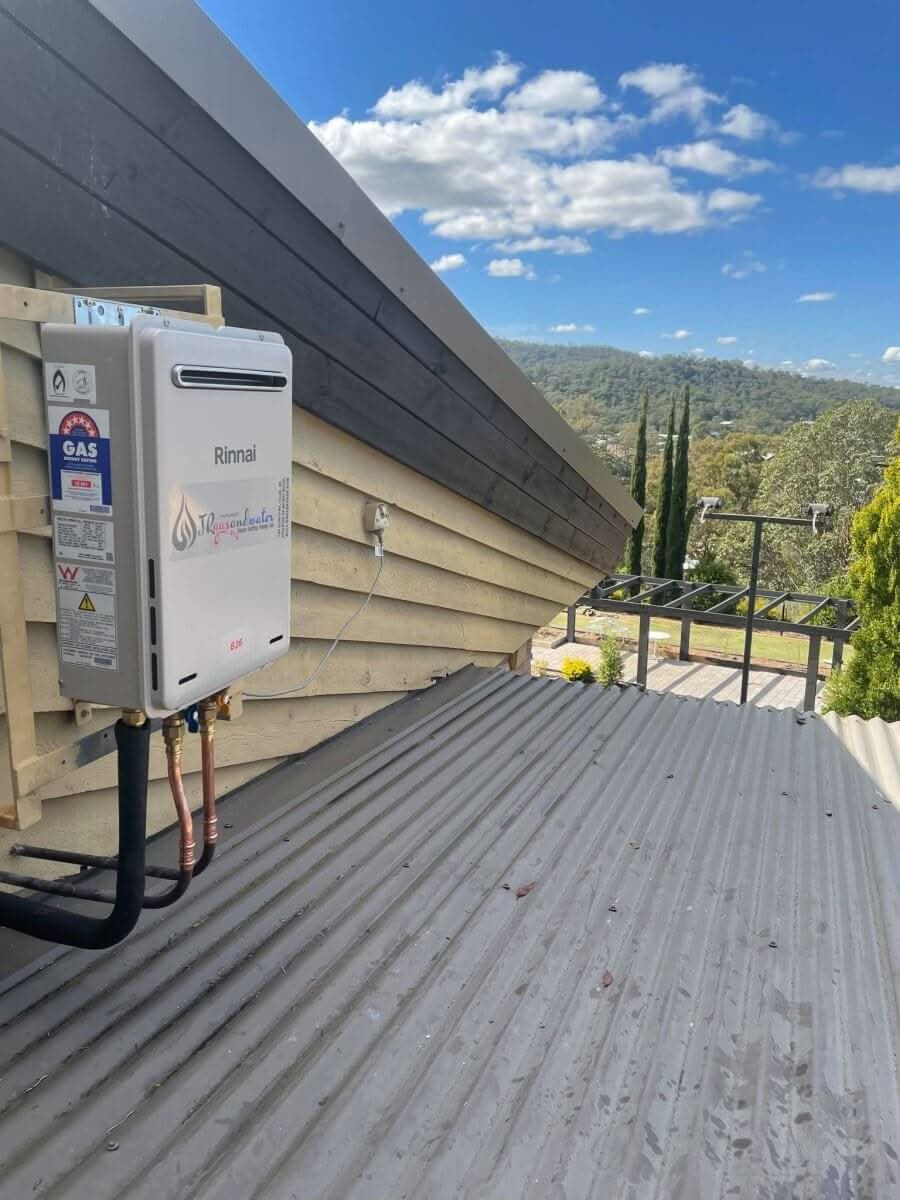
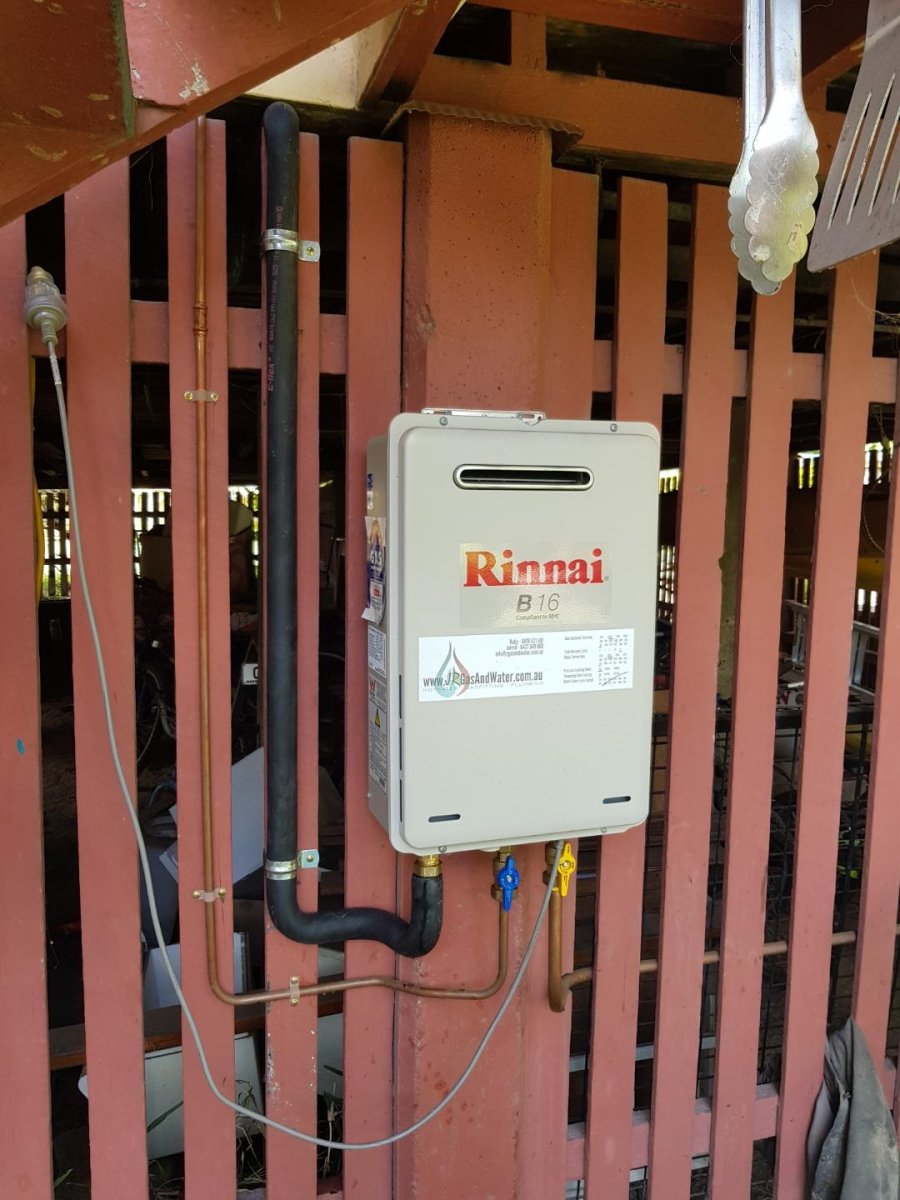
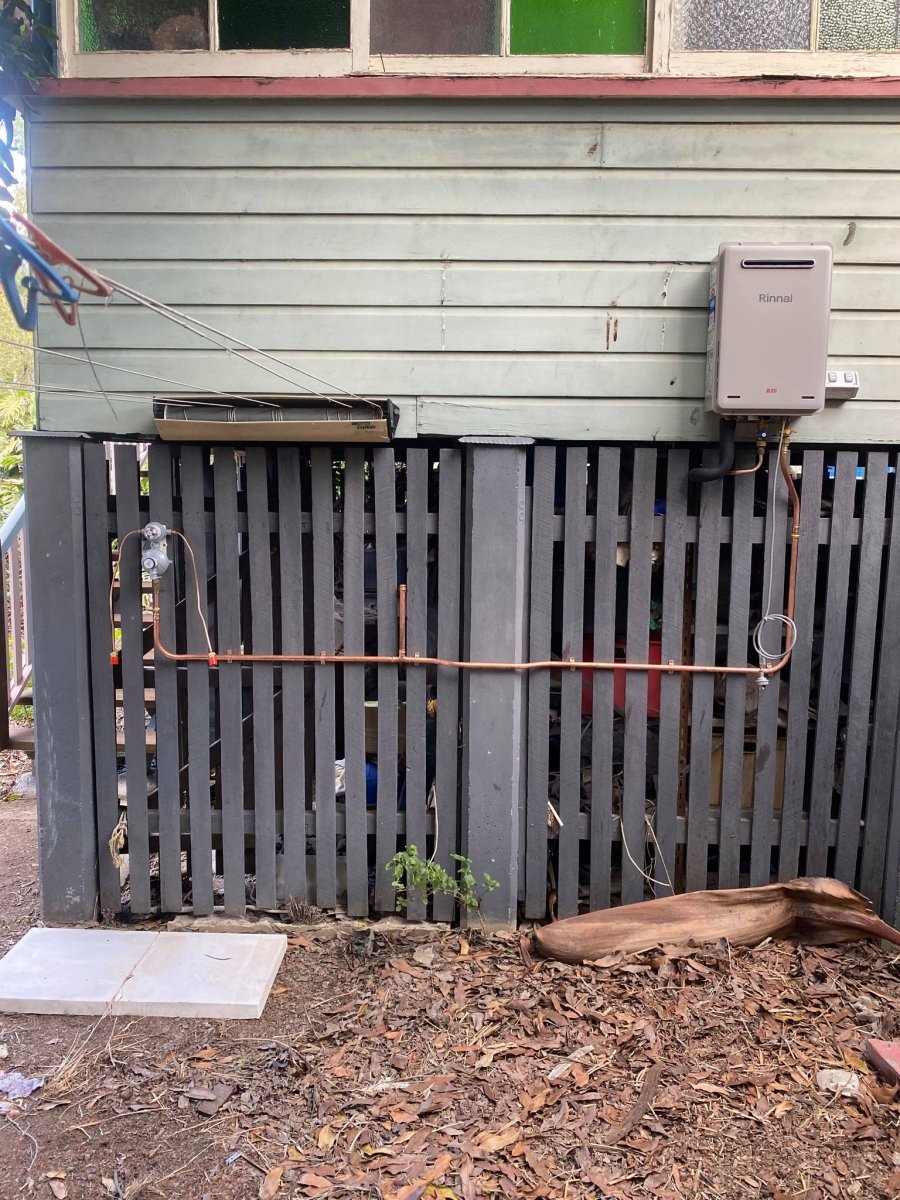
Rinnai Hot Water Systems are commonly compared for instant gas and continuous flow hot water.
When sizing Rinnai instant gas systems, check:
-
Flow rate class
-
Natural gas or LPG
-
Gas pipe sizing
-
Water pressure
-
Number of bathrooms
-
Shower habits
-
Power requirements
-
Controller options
-
Installation location
A Rinnai 26L-style option may suit some two-bathroom homes, but only where gas and water supply support it.
Rheem instant gas sizing
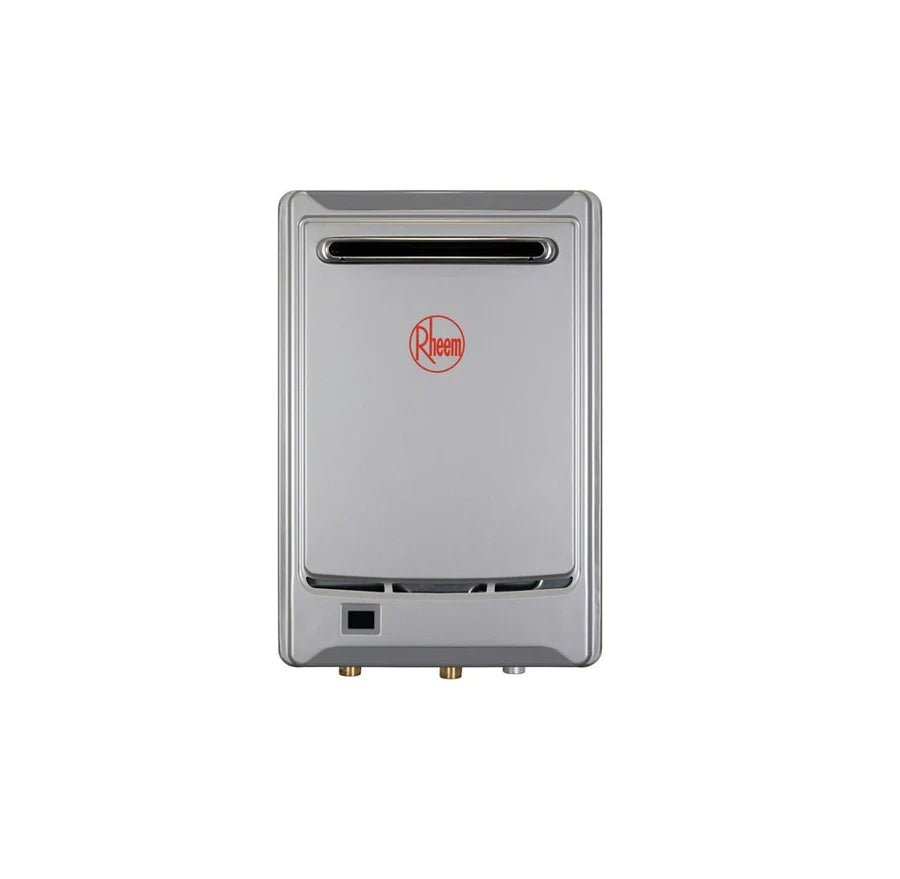
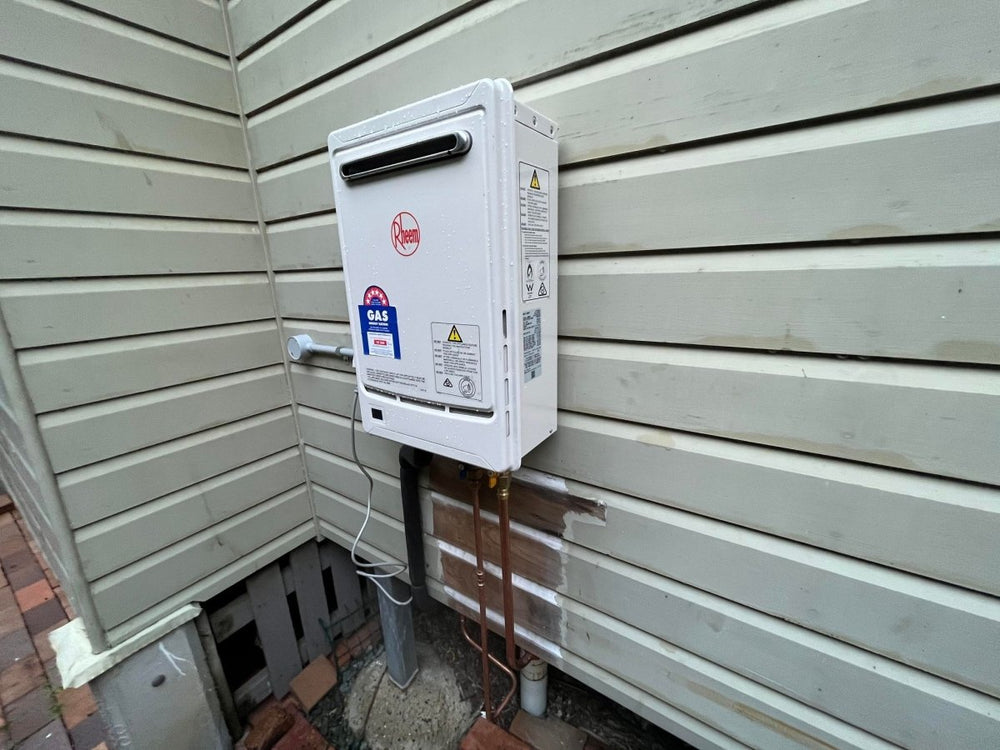
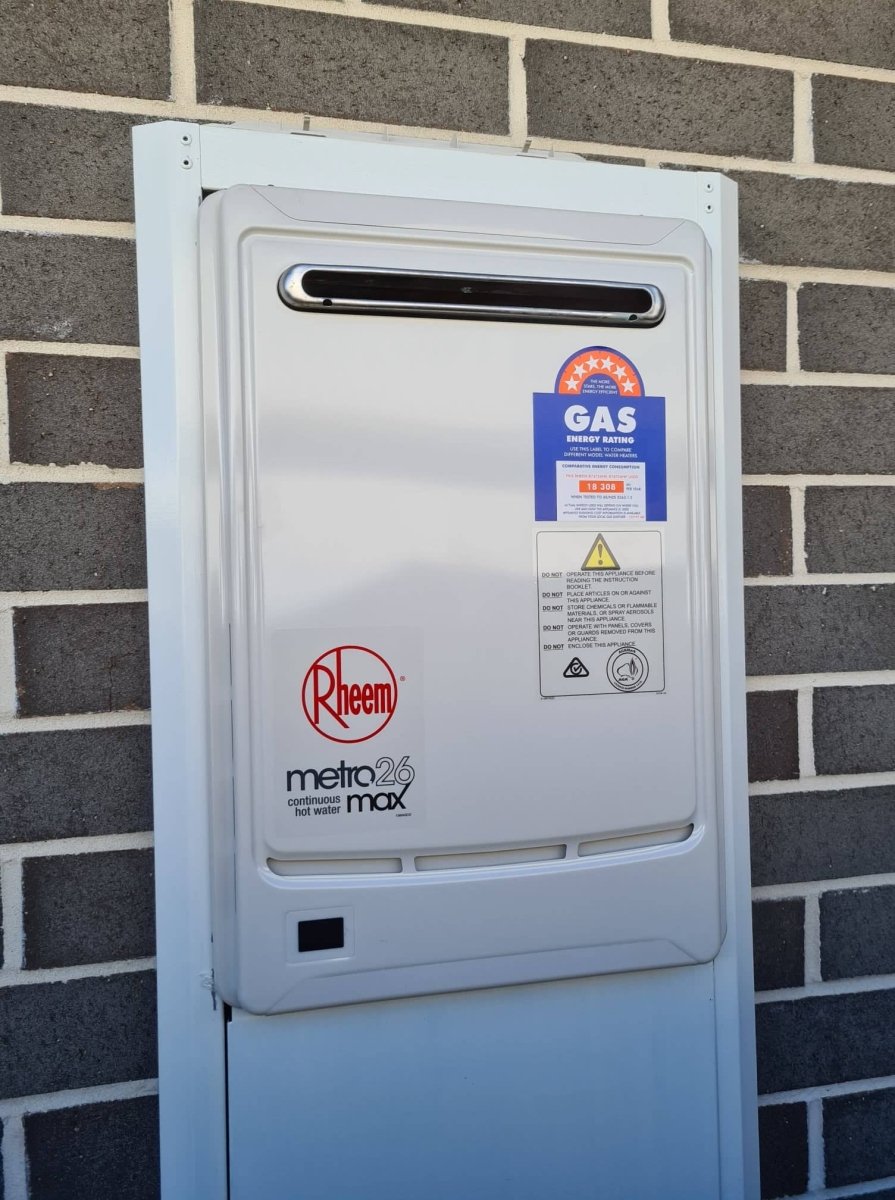
Rheem Hot Water Systems are commonly compared across gas storage, instant gas, electric and heat pump options.
When sizing Rheem gas options, check:
-
Instant gas or gas storage
-
Flow rate or tank capacity
-
Natural gas or LPG
-
Household demand
-
Gas pipe sizing
-
Water pressure
-
Location
-
Warranty terms
Choose by system type and suitability, not brand name alone.
Bosch instant gas sizing
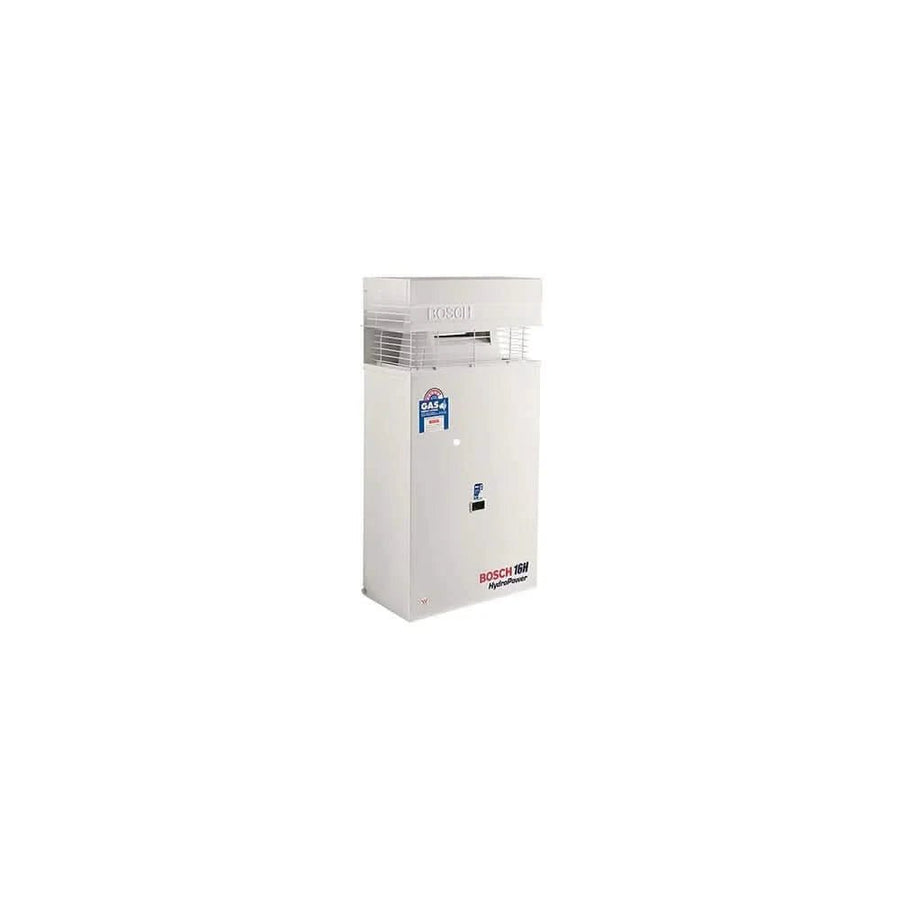
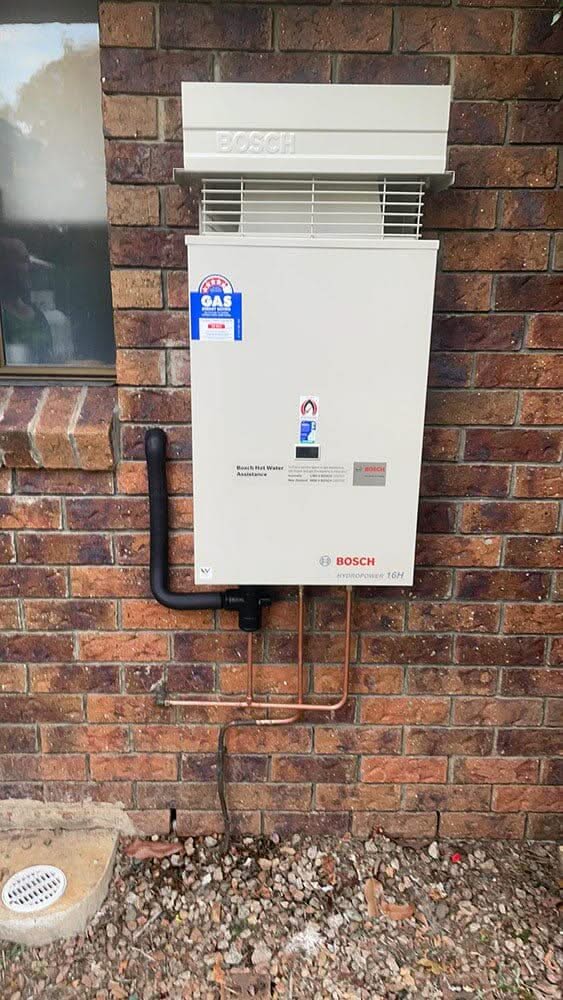
Bosch Hot Water Systems are often compared for gas hot water and continuous flow options.
When sizing Bosch gas systems, check:
-
Flow rate
-
Gas type
-
Ignition requirements
-
Water pressure
-
Gas pipe sizing
-
Household demand
-
Installation location
-
Model compatibility
Bosch gas options should be matched carefully to the property’s natural gas or LPG setup.
Dux gas hot water sizing
Dux Hot Water Systems are commonly compared for electric, gas and broader hot water replacement.
When sizing Dux gas options, check:
-
Gas storage or instant gas pathway
-
Tank size or flow rate
-
Gas type
-
Household demand
-
Installation location
-
Water pressure
-
Warranty terms
Dux may suit customers comparing mainstream hot water brands across multiple system types.
Aquamax gas hot water sizing
Aquamax Hot Water Systems are often compared for gas storage and hot water replacement.
When sizing Aquamax gas systems, check:
-
Storage capacity
-
Natural gas or LPG
-
Household size
-
Number of bathrooms
-
Existing system performance
-
Installation location
-
Recovery expectations
If stored gas hot water is preferred, Aquamax may be worth comparing against instant gas options.
Vulcan gas hot water sizing
Vulcan Hot Water Systems may suit customers comparing value-focused hot water replacement.
When sizing Vulcan systems, check:
-
System type
-
Tank capacity where relevant
-
Household demand
-
Gas type where relevant
-
Installation requirements
-
Warranty terms
-
Total replacement pathway
A lower upfront product cost should still be balanced against correct sizing.
Installation Add-Ons and instant gas sizing
Installation Add-Ons may be relevant where an instant gas replacement needs extra selected work or components.
Add-ons may relate to:
-
Valves
-
Disposal
-
Electrical work
-
Gas work
-
Pipework changes
-
Controller wiring
-
Access issues
-
Other installation-related needs where available
The right instant gas size still needs the right installation pathway.
Supply-only instant gas sizing checks
Supply-only ordering can suit customers who already have their own licensed gas fitter or plumber arranged.
Before ordering supply only, confirm:
-
Correct flow rate
-
Correct gas type
-
Correct product dimensions
-
Suitable gas pipe sizing
-
Suitable water pressure
-
Suitable power supply
-
Suitable installation location
-
Suitable clearances
-
Whether controllers are required
-
Whether old unit removal is arranged
-
Whether disposal is arranged
-
Whether valves or add-ons are needed
Supply-only product pricing generally does not include installation, valves, old unit removal, disposal, gas work, pipework changes, electrical work, controller wiring, drainage, access upgrades or compliance upgrades unless clearly selected or included.
Supplied-and-installed instant gas sizing checks
Supplied-and-installed options may be available on selected products in eligible Brisbane and Gold Coast service areas where shown.
Before ordering supplied and installed, check:
-
Service area eligibility
-
Existing system type
-
Current unit size
-
Household demand
-
Product suitability
-
Installation inclusions
-
Natural gas or LPG
-
Gas pipe sizing
-
Water pressure
-
Electrical work
-
Controller requirements
-
Valve requirements
-
Old unit removal
-
Disposal
-
Pipework changes
-
Access
-
Compliance upgrades
Do not assume every site requirement is included. Check the selected product and installation options carefully.
Common mistake: choosing the biggest L/min rating
A larger flow rate is not automatically better.
A 26L unit may not perform properly if gas pipe sizing or water pressure is unsuitable.
Common mistake: choosing the same size after poor performance
If the old system struggled, replacing it with the same size may repeat the issue.
Check whether the problem was unit size, gas supply, water pressure, pipework or fixture flow.
Common mistake: ignoring gas pipe sizing
Instant gas systems depend heavily on gas supply.
A larger unit may need gas pipework upgrades.
Common mistake: ignoring water pressure
Water pressure affects flow and user experience.
Poor water pressure should be diagnosed before choosing a replacement.
Common mistake: choosing the wrong gas type
Natural gas and LPG are different.
Always confirm the property gas type and order the correct model.
Common mistake: assuming instant gas means instant hot water at the tap
Instant gas means the unit heats water on demand.
It does not mean hot water reaches every tap instantly. Pipe length still affects wait time.
Common mistake: switching from gas storage to instant without checks
Gas storage to instant gas can be a good upgrade, but it may require gas pipework, power, mounting, pipework changes and compliance checks.
Common mistake: DIY instant gas installation
Instant gas hot water installation must be completed by a licensed gas fitter or suitable licensed professional.
DIY gas work can create:
-
Gas leaks
-
Carbon monoxide risk
-
Fire risk
-
Water leaks
-
Scalding risks
-
Warranty problems
-
Insurance issues
-
Non-compliant work
-
Poor performance
-
Serious safety hazards
Use the right licensed professional.
Final verdict: should you choose 16L, 20L or 26L instant gas?
Choose a 16L instant gas system for smaller one-bathroom homes, modest hot water use and one shower at a time where gas and water supply support the unit.
Choose a 20L instant gas system for small to medium homes, moderate demand, and households wanting more capacity than 16L without necessarily needing a 26L unit.
Choose a 26L instant gas system for larger homes, two-bathroom properties and higher hot water demand where gas pipe sizing, water pressure and installation requirements support the larger flow rate.
Start by comparing Instant Gas Hot Water Systems, Gas Hot Water Systems, broader Hot Water Systems, Electric Hot Water Systems, Heat Pump Hot Water Systems, Instant Electric Systems and Installation Add-Ons.
The best instant gas size is not always the largest unit. It is the system that matches your household demand, gas type, gas pipe sizing, water pressure, installation location and long-term hot water expectations.
Long-tail FAQs
What size instant gas hot water system do I need?
The right instant gas size depends on household size, bathrooms, shower habits, gas type, gas pipe sizing, water pressure and whether multiple outlets run at once.
Is 16L instant gas enough?
A 16L instant gas system may suit smaller one-bathroom homes where one shower runs at a time and demand is modest.
Is 20L instant gas enough for a family?
A 20L instant gas system may suit some small to medium families with moderate use, but higher-demand homes or two-bathroom homes may need 26L where the site supports it.
Is 26L instant gas enough for two bathrooms?
A 26L instant gas system may suit some two-bathroom homes, but only where gas pipe sizing and water pressure support the selected unit.
Should I choose 20L or 26L instant gas?
Choose 20L for moderate use and 26L for higher demand or two-bathroom homes, provided gas supply and water pressure support the larger unit.
Can I replace a 16L instant gas with a 26L unit?
Sometimes, but gas pipe sizing, water pressure, power supply, clearances and installation requirements must be checked before upgrading.
Does a bigger instant gas system use more gas?
A larger unit can use more gas when delivering higher flow. Actual running cost depends on usage, gas price, temperature settings and household demand.
Does instant gas need electricity?
Many instant gas systems need electrical power for ignition, fan operation, controls or safety functions depending on model.
Is natural gas the same as LPG?
No. Natural gas and LPG are not interchangeable. The instant gas system must match the property’s gas type.
Can I install an instant gas hot water system myself?
No. Instant gas installation must be completed by a licensed gas fitter or suitable licensed professional.