
Instant Gas vs Gas Storage Hot Water: Which Should You Choose?
Instant gas and gas storage hot water systems both use gas to heat water, but they work in very different ways. An instant gas system heats water as it flows through the unit. A gas storage system keeps a tank of hot water ready and reheats it with a gas burner.
The right choice depends on your household size, shower habits, bathroom count, gas supply, water pressure, installation location and whether your property uses natural gas or LPG.
This guide compares instant gas vs gas storage hot water, including sizing, running-cost considerations, recovery, installation checks and common mistakes to avoid before ordering.
Quick answer: instant gas vs gas storage hot water
| System type | Best suited to | Main risk |
|---|---|---|
| Instant gas hot water | Homes wanting continuous hot water where gas pipe sizing and water flow suit | Poor performance if gas supply, water pressure or flow is not suitable |
| Gas storage hot water | Homes wanting stored hot water and simple replacement where an existing gas storage unit worked well | Tank can run out during high peak demand |
An instant gas hot water system may be better where you want continuous hot water and the property has suitable gas pipework, water pressure and installation conditions.
A gas storage hot water system may be better where the existing gas storage setup works well, you want a stored hot water buffer, or a simple like-for-like replacement is preferred.
You can compare options in Gas Hot Water Systems, Instant Gas Hot Water Systems, or browse all Hot Water Systems.
What is instant gas hot water?
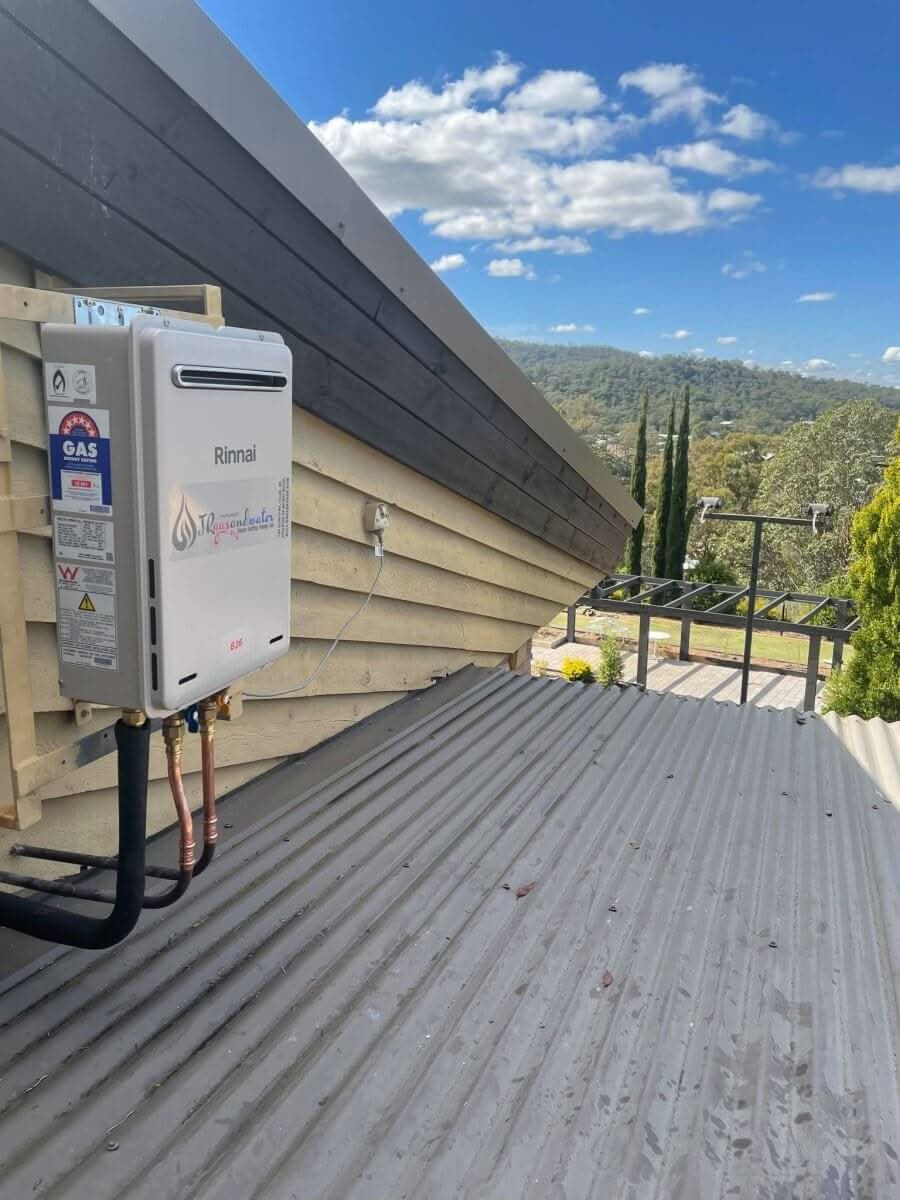
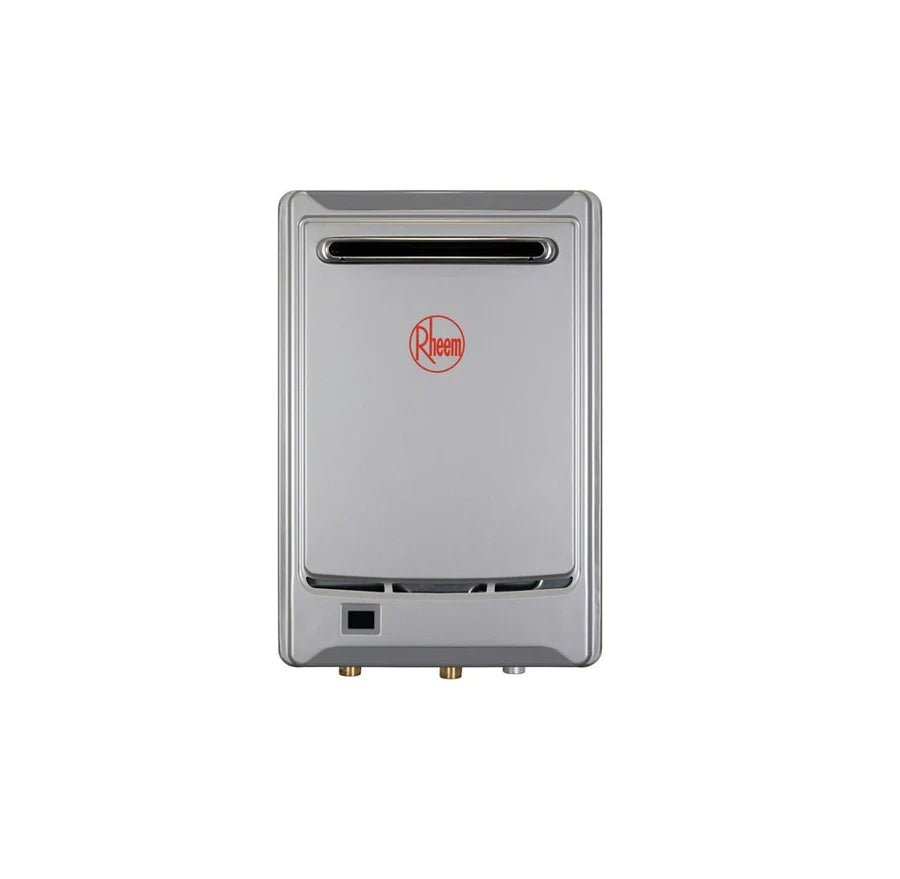
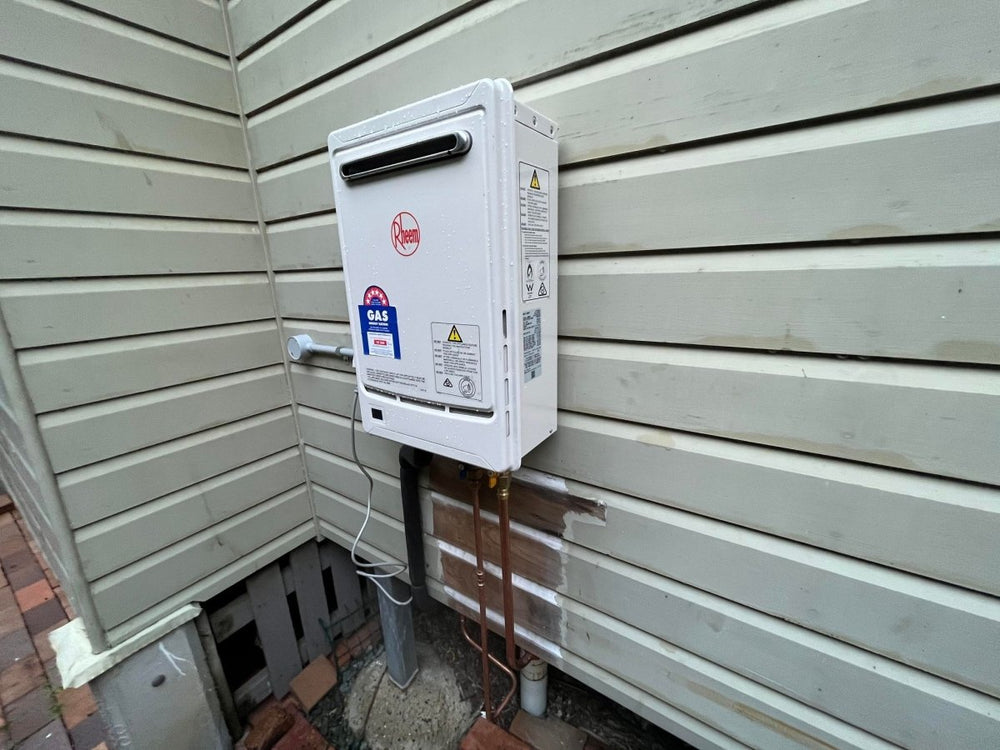
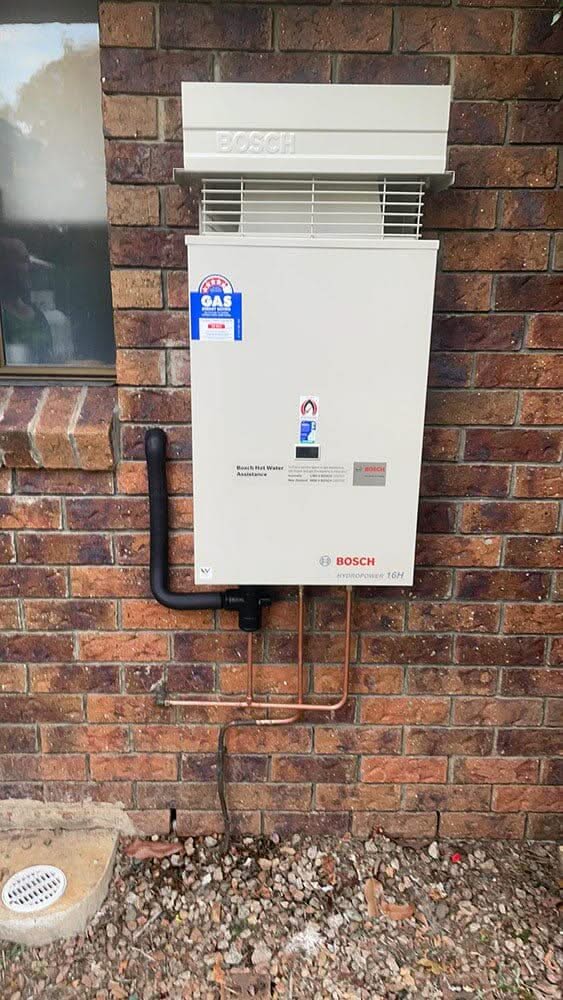
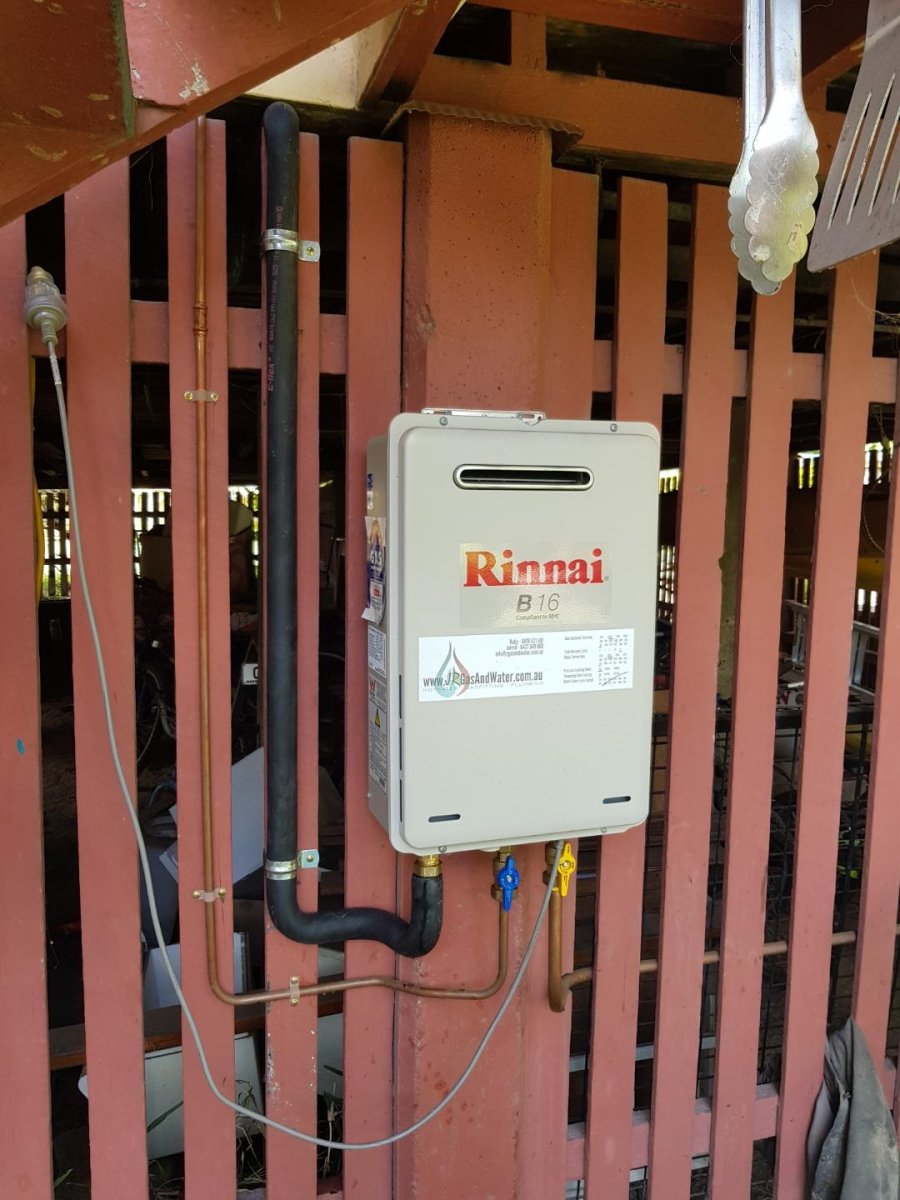
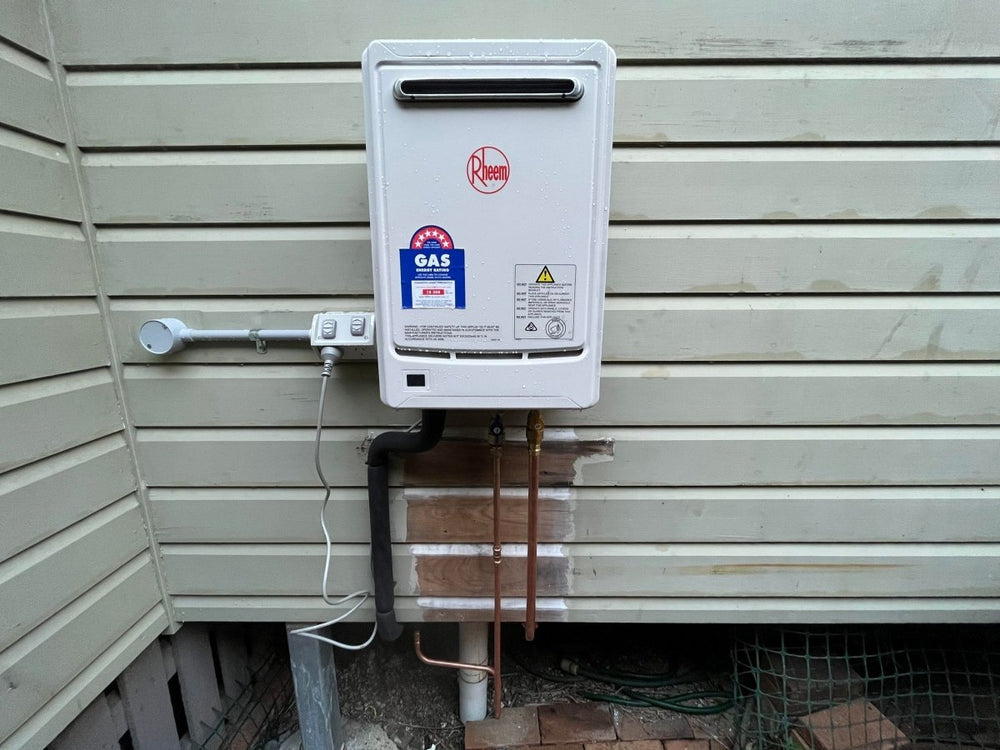
An instant gas hot water system heats water as it passes through the unit. It does not store hot water in a tank.
When a hot tap is opened, water flows through the heat exchanger and the gas burner heats the water on demand.
Instant gas systems are commonly sized by litres per minute, such as:
| Instant gas size | Typical use |
|---|---|
| 16L | Smaller homes, one bathroom, lower demand |
| 20L | Small-to-medium homes, moderate demand |
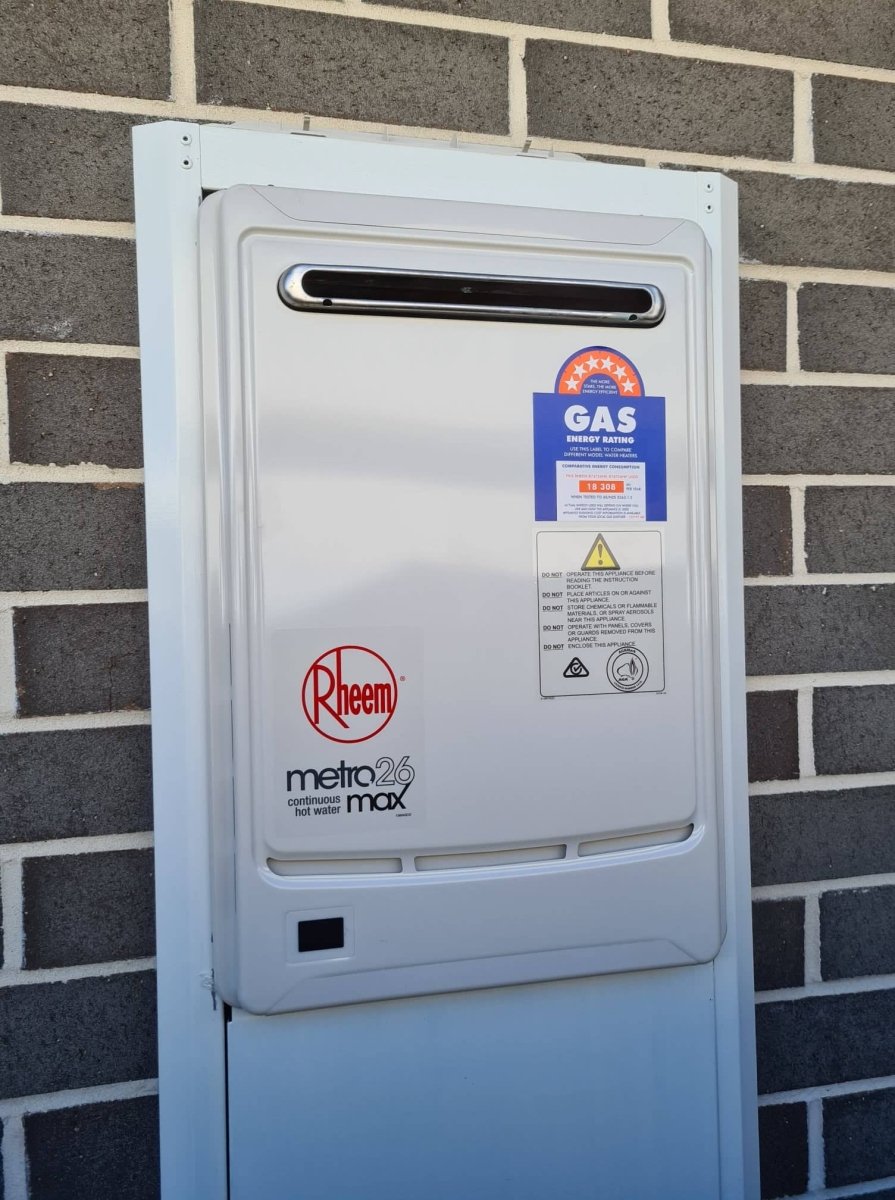
| 26L | Family homes, higher demand, two-bathroom homes where site conditions suit |
The litre rating does not mean the system stores that amount of hot water. It is a flow-rate guide under test conditions. Real performance depends on gas supply, water pressure, flow rate, incoming water temperature and how many outlets are being used.
What is gas storage hot water?
A gas storage hot water system stores heated water in a tank and reheats it with a gas burner.
Common residential gas storage sizes include:
| Gas storage size | Typical use |
|---|---|
| 135L | Smaller homes, couples, moderate use |
| 170L | Family homes, higher shower demand |
| Larger storage | Larger households or heavier demand |
Gas storage systems keep hot water ready to use. Once the stored hot water is used, the burner reheats the tank. Gas storage usually recovers faster than many electric storage systems, but it can still run out if demand is high.
Instant gas vs gas storage comparison
| Feature | Instant gas hot water | Gas storage hot water |
|---|---|---|
| How it works | Heats water as it flows through the unit | Stores hot water in a tank |
| Sizing method | Litres per minute, such as 16L, 20L or 26L | Tank size, such as 135L or 170L |
| Hot water supply | Continuous, subject to gas and water flow | Limited by stored volume and recovery |
| Space required | Usually wall-mounted and compact | Requires tank space |
| Best for | Continuous hot water where site conditions suit | Stored hot water and simpler like-for-like replacement |
| Main limitation | Needs suitable gas pipe sizing and water flow | Can run out during peak demand |
| Gas type | Natural gas or LPG model required | Natural gas or LPG model required |
| Installation complexity | Can be higher when changing from storage | Often simpler if replacing like-for-like |
| Power requirements | Some models need electrical connection | Model-dependent |
| Good for families | Yes, if correctly sized and supplied | Yes, if tank size and recovery suit |
Which system gives more hot water?
Instant gas and gas storage provide hot water in different ways.
An instant gas system can keep heating water as long as the unit is operating correctly and the gas and water supply are suitable. It does not run out of stored water because there is no storage tank.
A gas storage system can deliver hot water from the tank quickly, but once the stored hot water is used, the household needs to wait for the burner to recover the tank.
For long back-to-back showers, instant gas may be more suitable. For homes that want a stored hot water buffer and where the old gas storage unit worked well, gas storage may be perfectly suitable.
Which system is better for families?
For family homes, both systems can work.
Instant gas may suit families where:
-
A 20L or 26L system is suitable
-
Gas pipe sizing is correct
-
Water pressure and flow are suitable
-
Multiple people shower close together
-
Continuous hot water is preferred
-
Tank space is limited
Gas storage may suit families where:
-
A 170L or larger tank is suitable
-
The old gas storage system performed well
-
The household wants stored hot water
-
The existing location suits another tank
-
A like-for-like replacement is preferred
-
Peak demand is not excessive
For larger families, system sizing matters more than system type alone.
Sizing instant gas hot water
Instant gas systems are usually sized by litres per minute.
16L instant gas
A 16L instant gas system may suit:
-
Small homes
-
One-bathroom properties
-
1–2 person households
-
Lower hot water demand
-
Like-for-like replacement where the old 16L unit worked well
It may be too small for families, long showers or homes where more than one hot water outlet is used at the same time.
20L instant gas
A 20L instant gas system may suit:
-
2–3 person homes
-
Moderate shower use
-
Small families
-
One main bathroom
-
Homes where 16L is too limited
It may still be tight for larger families, two bathrooms or heavy peak demand.
26L instant gas
A 26L instant gas system may suit:
-
Family homes
-
3–5 person households
-
Higher shower demand
-
Two-bathroom homes, subject to site conditions
-
Homes where a smaller instant gas unit struggled
A 26L system still needs suitable gas pipe sizing, water pressure, flow rate and installation location. Choosing 26L does not fix poor gas supply or poor water flow.
Sizing gas storage hot water
Gas storage systems are sized by tank capacity.
135L gas storage
A 135L gas storage system may suit:
-
1–2 person households
-
Smaller homes
-
Moderate shower use
-
Homes without large baths
-
Like-for-like replacement where the old 135L system worked well
It may be too small if multiple people shower back-to-back or the old system regularly ran out.
170L gas storage
A 170L gas storage system may suit:
-
3–5 person households
-
Family homes
-
Higher morning or evening demand
-
Back-to-back showers
-
Homes where 135L was marginal
A 170L gas storage unit gives more buffer than 135L and is often the safer storage choice for families.
Larger gas storage
Larger gas storage may suit:
-
Larger families
-
Homes with multiple bathrooms
-
Regular bath use
-
Shared homes
-
High-use households
-
Short-stay accommodation
Before choosing a larger gas storage system, check space, access, gas supply, water pressure, drainage and installation requirements.
Can instant gas run two showers?
A 26L instant gas system may be suitable for two-bathroom homes, but two-shower performance is not guaranteed in every property.
It depends on:
-
Shower flow rates
-
Incoming water temperature
-
Desired outlet temperature
-
Gas pipe sizing
-
Natural gas or LPG supply
-
Water pressure
-
Pipework condition
-
Distance to bathrooms
-
Whether other hot outlets are running
If the gas supply or water flow is poor, even a larger instant gas unit may not perform as expected.
Can gas storage run out?
Yes. Gas storage systems can run out if hot water is used faster than the tank can recover.
This may happen when:
-
Several showers happen back-to-back
-
Showers are long
-
The home has teenagers
-
A bath is filled
-
Guests are staying
-
Multiple bathrooms are used close together
-
The tank is undersized
Gas storage usually reheats faster than electric storage, but it still has a stored volume limit.
Natural gas vs LPG
Natural gas and LPG must be treated separately.
A gas hot water system must match the gas type available at the property. Natural gas models and LPG models are not interchangeable unless the manufacturer specifically allows conversion and the work is completed correctly by a licensed gas fitter.
Before ordering gas hot water, confirm:
-
Whether the property has natural gas or LPG
-
Whether the appliance matches the gas type
-
Whether the gas pipework is suitable
-
Whether the LPG bottle and regulator setup is suitable
-
Whether other gas appliances are connected
-
Whether installation clearances can be met
-
Whether a licensed gas fitter is completing the work
This is important for both instant gas and gas storage systems.
Gas pipe sizing is critical
Gas pipe sizing matters for all gas hot water systems, but it is especially important for instant gas.
A larger instant gas system may need more gas flow than an older storage unit or smaller instant gas unit. If the pipework is undersized, the system may struggle.
Possible signs of poor gas supply include:
-
Temperature fluctuations
-
Poor hot water performance
-
Burner issues
-
Fault codes
-
System cutting in and out
-
Other gas appliances being affected
-
Hot water not reaching the expected temperature
A licensed gas fitter should assess gas pipe sizing, especially when upgrading system size or changing from gas storage to instant gas.
Water pressure and flow matter
Instant gas systems need enough water flow to activate and maintain stable heating. Gas storage systems also need suitable water pressure and pipework to deliver hot water properly.
Important checks include:
-
Incoming water pressure
-
Shower flow rate
-
Pipework condition
-
Tempering valve condition
-
Mixer tap condition
-
Strainers or filters
-
Distance between the system and outlets
-
Whether multiple outlets are used at the same time
If only one tap or shower has poor hot water, the issue may be with that outlet, not the hot water system.
Temperature stability
Instant gas systems can provide stable hot water when correctly installed and supplied, but temperature issues can occur if the unit is undersized, the gas supply is poor, the water flow is inconsistent, or the system is not suited to the household’s usage.
Gas storage systems generally deliver from a stored tank, but outlet temperature can still be affected by tempering valves, pressure issues, pipework and mixer taps.
Temperature stability depends on the full installation, not just the appliance.
Space and location
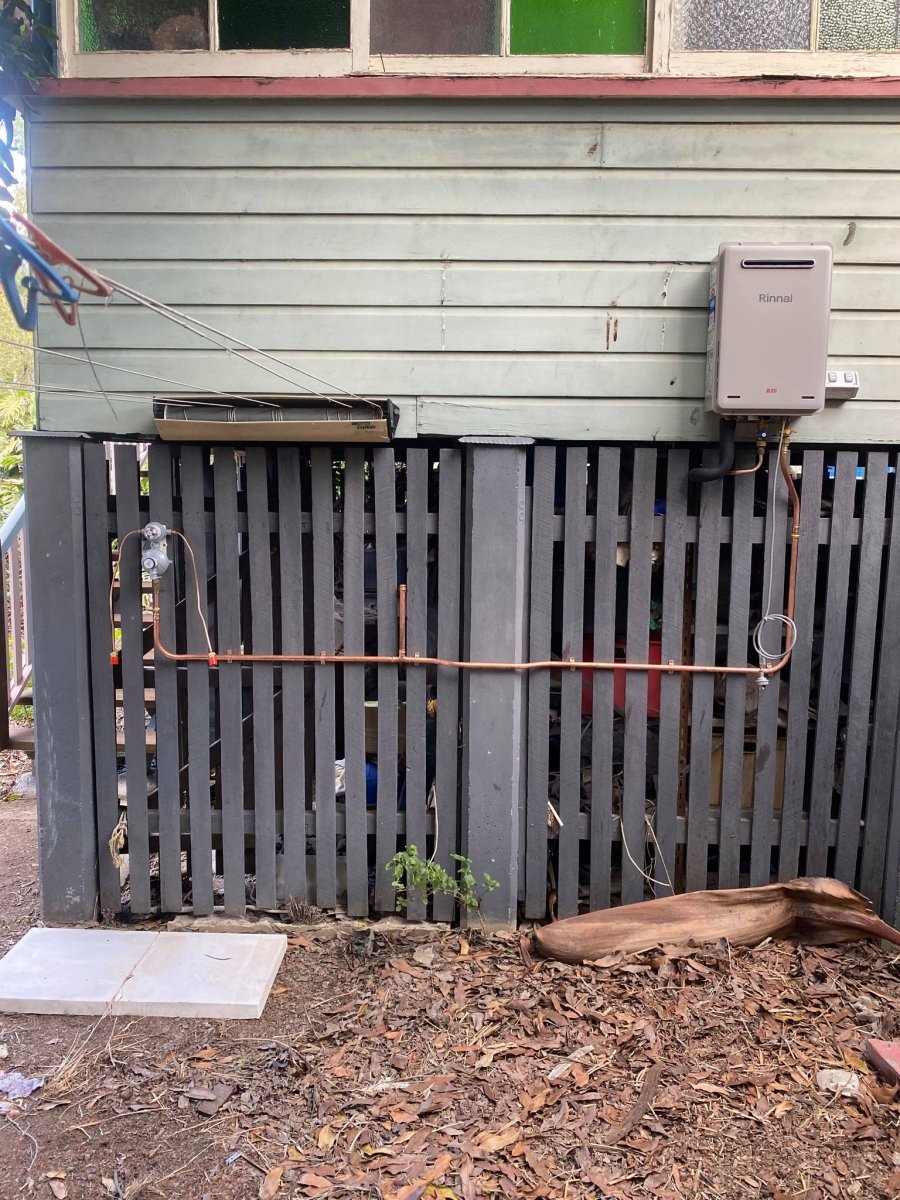
Instant gas systems are usually wall-mounted and can save space compared with a storage tank. This can be useful where ground space is limited.
Gas storage systems require room for the tank, plus compliant access, drainage and clearances.
Before choosing either system, check:
-
Available wall or ground space
-
Access for installation and servicing
-
Clearances from openings and boundaries
-
Flueing or ventilation requirements where applicable
-
Water and gas connection locations
-
Electrical connection requirements
-
Drainage or relief valve discharge
-
LPG bottle location where relevant
A system that looks right on paper still needs to suit the actual installation location.
Recovery and peak demand
Instant gas does not recover in the same way as storage because it heats water as it flows. The key limit is whether the unit can produce enough hot water flow for the outlets being used.
Gas storage has stored water plus burner recovery. The key limit is whether the tank and burner can keep up with peak demand.
| Usage pattern | Often better suited to |
|---|---|
| Long back-to-back showers | Instant gas, if gas and water supply suit |
| Smaller household with simple replacement | Gas storage |
| Limited tank space | Instant gas |
| Existing gas storage worked well | Gas storage |
| High simultaneous outlet demand | Larger instant gas or assessed option |
| Regular bath use | Larger storage or assessed option |
Running-cost considerations
Running costs depend on more than system type.
Factors include:
-
Natural gas or LPG pricing
-
Supply charges
-
Household hot water use
-
Shower flow rates
-
System efficiency
-
Temperature settings
-
Storage heat loss
-
Instant gas activation and usage pattern
-
Pipe run length
-
Maintenance and age of system
Instant gas may reduce standing heat loss because it does not store hot water in a tank. Gas storage keeps water hot and may have storage losses. However, actual running costs depend heavily on usage and energy pricing.
LPG may cost more to run than natural gas depending on bottle pricing and household usage.
Instant gas pros and cons
Pros
-
Continuous hot water where correctly sized and supplied
-
No storage tank to run out
-
Usually compact and wall-mounted
-
Can suit homes with limited space
-
Often good for back-to-back showers
-
No stored tank heat loss
Cons
-
Needs suitable gas pipe sizing
-
Needs suitable water pressure and flow
-
May require electrical connection
-
Can struggle if multiple outlets exceed capacity
-
Temperature stability depends on site conditions
-
Changing from storage to instant may require extra work
-
Natural gas and LPG models must be selected correctly
Gas storage pros and cons
Pros
-
Stored hot water ready to use
-
Can be a simple like-for-like replacement
-
Fast recovery compared with many electric storage systems
-
Familiar system type
-
Can suit homes where existing gas storage worked well
-
Less sensitive to minimum flow than instant gas systems
Cons
-
Tank can run out during heavy use
-
Requires space for the storage tank
-
Has stored heat losses
-
May not suit homes with heavy back-to-back showers
-
Larger tanks need more space and access
-
Gas type and pipe sizing still need to be correct
Should I replace gas storage with instant gas?
Changing from gas storage to instant gas may make sense if:
-
You want continuous hot water
-
The old storage tank regularly ran out
-
Tank space is limited
-
The gas pipework can support the new unit
-
Water pressure and flow are suitable
-
The installation location is compliant
-
You are prepared for possible extra installation work
It may not make sense if:
-
Gas pipework is undersized
-
Water pressure or flow is poor
-
The existing gas storage system worked well
-
A simple replacement is preferred
-
The installation location does not suit an instant gas unit
-
Extra upgrade costs outweigh the benefit
A licensed installer should assess the site before changing system type.
Should I replace instant gas with gas storage?
Changing from instant gas to gas storage may make sense if:
-
The instant gas system has never performed well
-
Gas pipe sizing or water flow limits instant performance
-
The home has a suitable tank location
-
Stored hot water is preferred
-
A storage system better suits the household pattern
-
The installation can be completed compliantly
It may not make sense if:
-
There is no suitable tank space
-
Continuous hot water is important
-
The household has high back-to-back shower demand
-
The existing instant gas setup works well
-
Drainage or access for a storage tank is difficult
Instant gas vs gas storage for small households
For one or two-person homes, both options can work.
Instant gas may suit if:
-
Space is limited
-
Continuous hot water is preferred
-
Gas and water supply are suitable
-
The existing system is instant gas
Gas storage may suit if:
-
The existing gas storage system worked well
-
Hot water use is moderate
-
A 135L tank is suitable
-
A simple replacement is preferred
Small households should avoid oversizing unnecessarily, but the system still needs to suit the site and usage.
Instant gas vs gas storage for family homes
For families, the choice depends on peak demand.
Instant gas may suit if:
-
A 20L or 26L unit is suitable
-
Gas pipe sizing is adequate
-
Water pressure and flow are suitable
-
Multiple people shower close together
-
Continuous hot water is important
Gas storage may suit if:
-
A 170L or larger tank is suitable
-
The old storage system kept up
-
The household does not use excessive hot water at once
-
A like-for-like replacement is preferred
If the home has teenagers, multiple bathrooms or long showers, choose carefully.
Instant gas vs gas storage for rental properties
For rental properties, choose based on likely use, not just the lowest upfront cost.
Instant gas may suit rentals where:
-
Continuous hot water is a priority
-
The gas supply and water flow are suitable
-
The unit can be installed compliantly
-
Tank space is limited
Gas storage may suit rentals where:
-
The existing gas storage system is being replaced like-for-like
-
The tank size suits likely occupancy
-
The installation is straightforward
-
The property has suitable access and drainage
Undersized systems can cause repeated tenant complaints, regardless of type.
Brand options for gas hot water
Common gas hot water brands may include:
When comparing brands, check the system type, gas type, sizing, warranty terms, installation requirements, clearances, dimensions, controller options and whether the model suits your household.
Installation and compliance reminders
Gas hot water installation is not DIY work.
Use a licensed plumber and licensed gas fitter for gas hot water work. Electrical work, where required, must be completed by a licensed electrician.
Important installation checks may include:
-
Correct natural gas or LPG appliance
-
Gas pipe sizing
-
Water pressure and flow
-
Storage tank size or instant gas L/min rating
-
Tempering valve requirements
-
Isolation valves
-
Pressure relief valve discharge
-
Flueing or ventilation requirements where applicable
-
Appliance location and clearances
-
LPG bottle and regulator setup
-
Electrical connection where required
-
Safe access for installation and servicing
-
Compliance with current plumbing and gas requirements
Extra parts or site work may be required depending on the property. Relevant options may be available under Installation Add-Ons.
Supply-only vs supplied-and-installed
Installed Today offers gas hot water systems online with supply-only options across major metro areas.
For supply-only orders, you need to arrange your own suitable licensed installer. Gas hot water systems involve plumbing and licensed gas fitting, and some models may also involve electrical requirements.
Supplied-and-installed options are only available where shown in eligible Brisbane and Gold Coast service areas. Availability depends on the product, location and installation conditions shown at the time of ordering.
Before ordering, confirm the system type, gas type, size, installation location and any required add-ons.
Common mistakes when choosing instant gas vs gas storage
Comparing litres incorrectly
Instant gas litres per minute and gas storage tank litres are not the same thing. A 26L instant gas system is not the same as a 170L gas storage tank.
Choosing instant gas without checking gas pipe sizing
Instant gas needs suitable gas supply. Undersized pipework can cause poor performance.
Assuming gas storage cannot keep up
Gas storage can work well where the tank size and recovery suit the household.
Assuming instant gas always fixes running out
Instant gas avoids stored tank depletion, but it still has flow and gas supply limits.
Ordering the wrong gas type
Natural gas and LPG are not interchangeable. The appliance must match the property’s gas type.
Ignoring water pressure and flow
Poor water pressure or flow can affect both system types, especially instant gas.
Replacing like-for-like when the old system struggled
If the old system regularly ran out or performed poorly, choose the replacement around current demand and site suitability.
Forgetting installation extras
Gas upgrades, valves, drainage, electrical work, base work, controllers or access issues may affect the installation.
Final verdict
An instant gas hot water system is often the better option where the household wants continuous hot water and the property has suitable gas pipe sizing, water pressure, flow rate and installation conditions.
A gas storage hot water system is often the better option where the existing storage system worked well, a stored hot water buffer is preferred, or a simple like-for-like replacement is the most practical choice.
For small homes, a 135L gas storage system or 16L–20L instant gas system may be suitable. For family homes, a 170L gas storage system or 20L–26L instant gas system is usually the better starting point.
The right choice depends on household demand, bathroom count, natural gas or LPG supply, gas pipe sizing, water pressure, installation location and compliance requirements.
FAQs
Is instant gas better than gas storage?
Instant gas can be better where continuous hot water is wanted and the gas and water supply are suitable. Gas storage can be better where a stored hot water buffer and simple replacement are preferred.
Does instant gas run out of hot water?
Instant gas does not run out of stored hot water because it heats water on demand. However, it can still be limited by flow rate, gas supply, water pressure and simultaneous outlet use.
Does gas storage hot water run out?
Yes. Gas storage systems can run out if stored hot water is used faster than the burner can recover the tank.
What size instant gas hot water system do I need?
A 16L system may suit small homes, 20L may suit moderate-use homes, and 26L is commonly considered for family homes. The right size depends on flow rate, gas supply, water pressure and bathroom use.
What size gas storage hot water system do I need?
A 135L gas storage system may suit smaller households, while 170L is often better for family homes. Larger storage may be needed for high-use households.
Can I change from gas storage to instant gas?
Often yes, but gas pipe sizing, water pressure, flow rate, installation location, electrical requirements and compliance clearances must be checked.
Can I change from instant gas to gas storage?
Yes, if there is suitable space, drainage, gas supply, access and a compliant location for the storage tank.
Is LPG instant gas the same as natural gas instant gas?
No. Natural gas and LPG units are not interchangeable. The appliance must match the gas type and be installed by a licensed gas fitter.
Do instant gas systems need electricity?
Some instant gas systems require electricity for ignition, controls or fans. Requirements depend on the model.
Where can I compare gas hot water systems?
You can compare Gas Hot Water Systems, Instant Gas Hot Water Systems, or browse all Hot Water Systems.