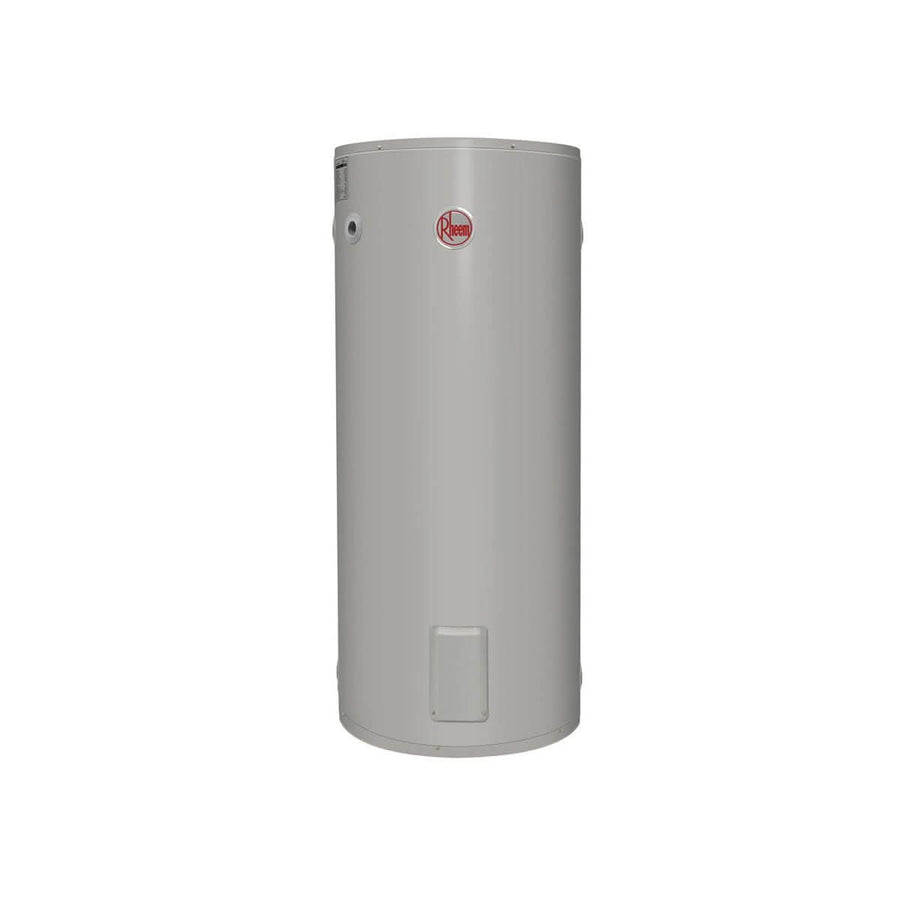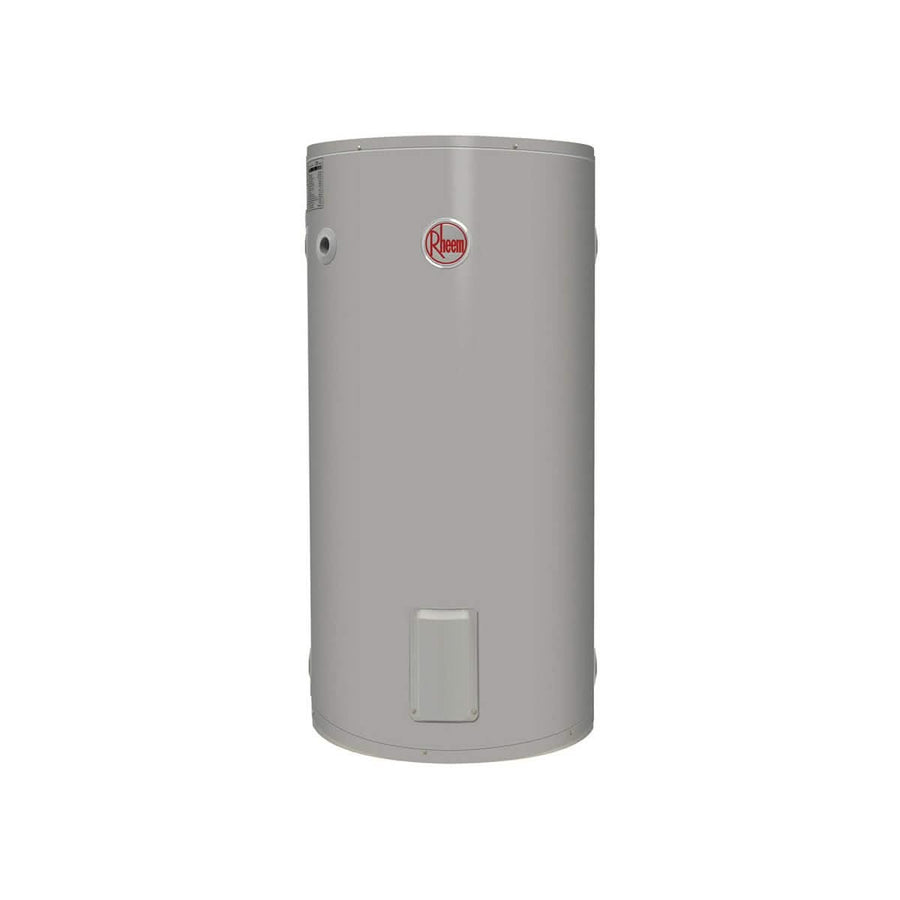

Rinnai Hotflo Electric Hot Water System Review: Is It a Reliable Long-Term Investment?
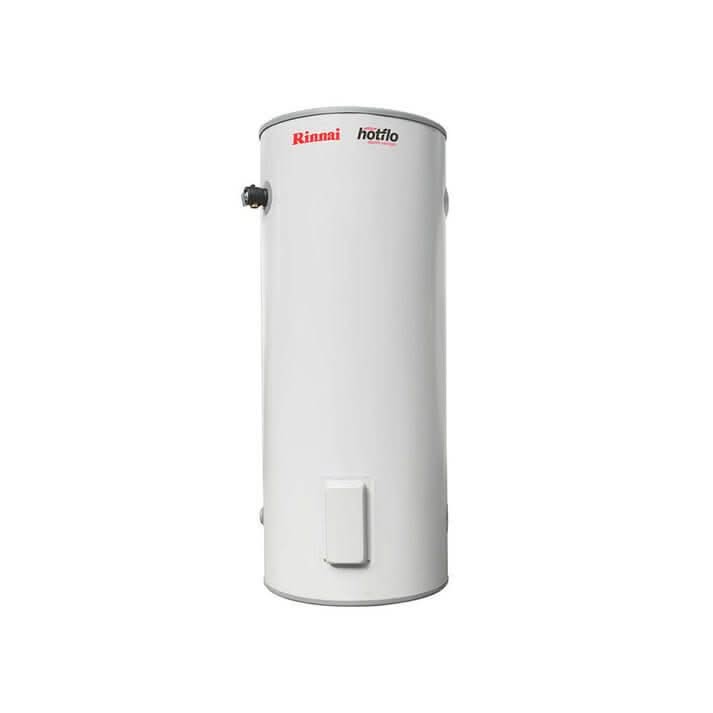
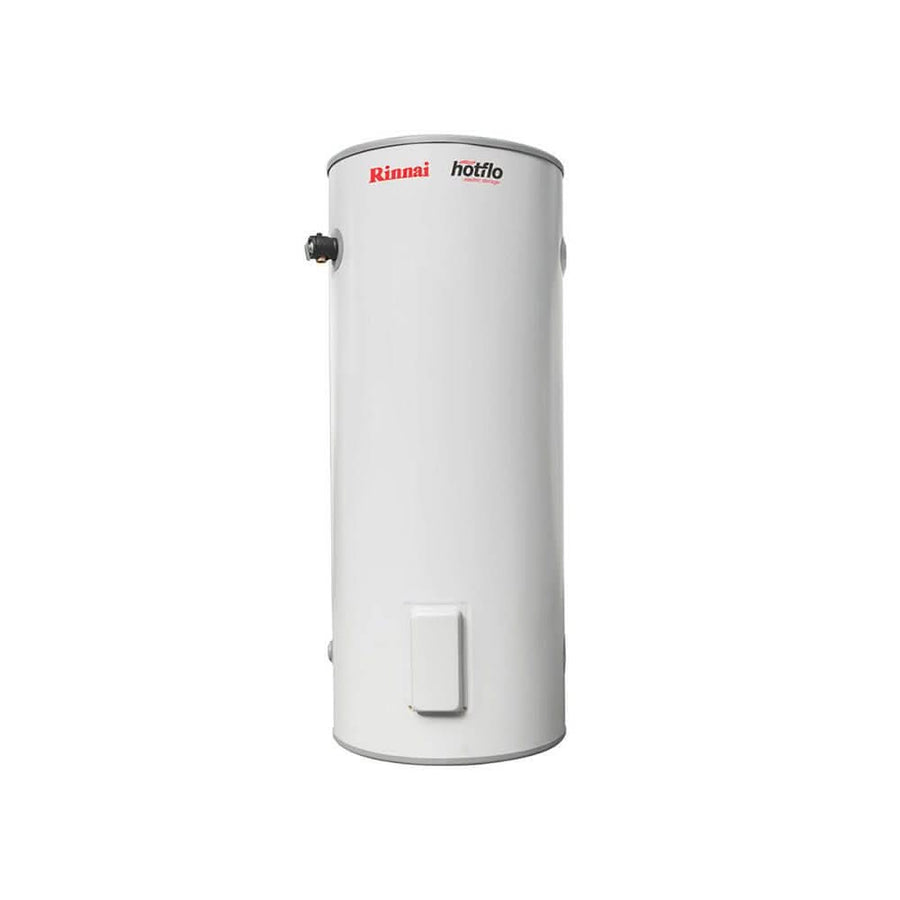
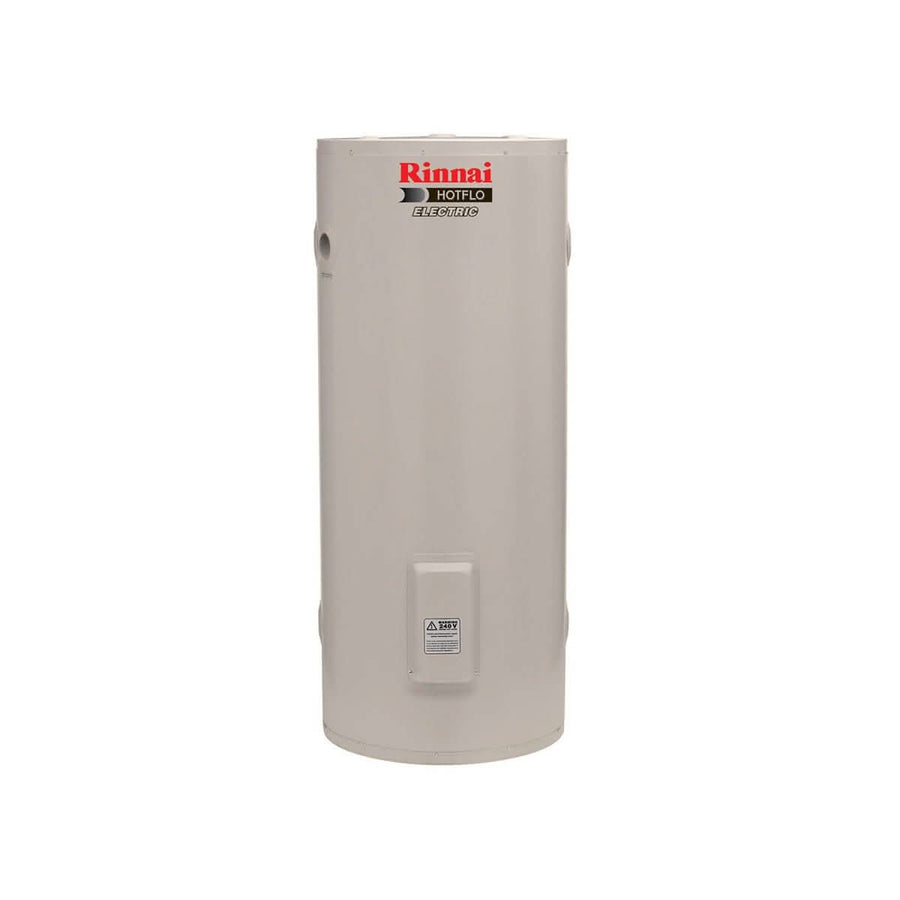
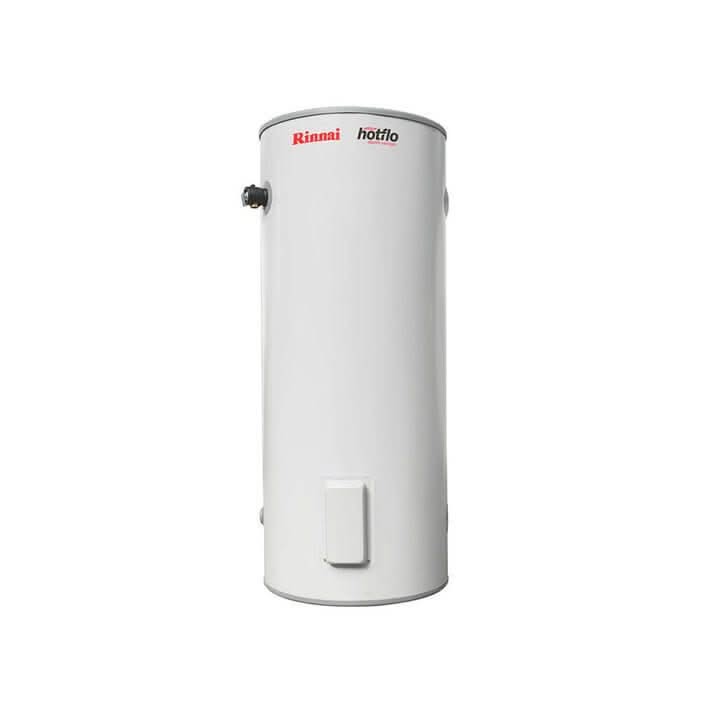
The Rinnai Hotflo electric hot water system is a popular choice for Australian homes looking for a straightforward electric storage replacement. It suits households that want stored hot water, familiar brand backing, simple operation and a wide range of tank sizes.
But the best hot water system is not just the one with the lowest product price or the biggest brand name. Long-term reliability depends on the right tank size, water quality, installation location, electrical setup, valves, maintenance, pressure conditions and whether the system is installed correctly by a licensed professional.
This Rinnai Hotflo review explains where Rinnai electric hot water systems can make sense, what to check before ordering, and when it may be worth comparing alternatives such as heat pump hot water or other electric storage brands.
You can compare Rinnai Hot Water Systems, Electric Hot Water Systems, Heat Pump Hot Water Systems and all Hot Water Systems online with Installed Today.
Quick answer: is the Rinnai Hotflo electric hot water system worth considering?
A Rinnai Hotflo electric hot water system can be worth considering if you want a practical electric storage unit for a like-for-like replacement, especially where the home already has an electric storage hot water system.
It may suit:
-
Homes replacing an old electric storage tank
-
Units and townhouses
-
Small to medium households
-
Larger family homes with the right tank size
-
Rental properties
-
Homes without natural gas or LPG
-
Customers wanting a simple stored hot water system
-
Customers with their own licensed installer arranged
-
Eligible Brisbane and Gold Coast customers where supplied-and-installed options are available
It may not be the best option if you want the lowest possible running costs, if your home is suitable for heat pump hot water, or if the existing electric system was undersized and regularly ran out of hot water.
What is a Rinnai Hotflo electric hot water system?
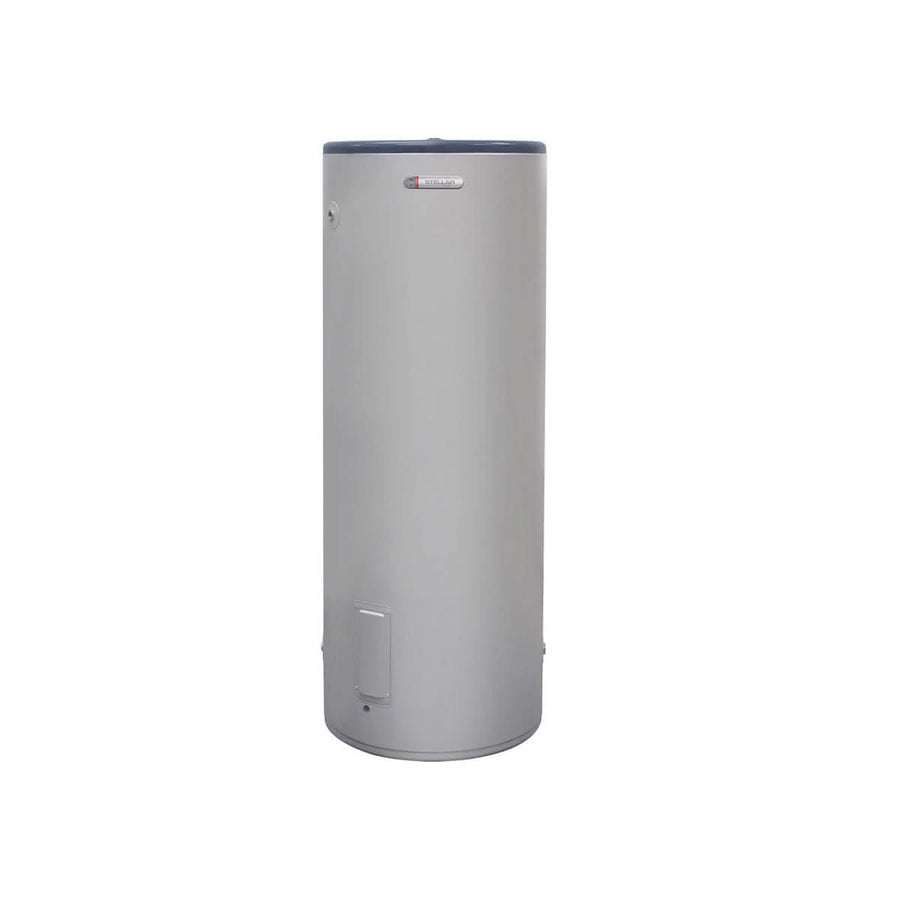
The Rinnai Hotflo range is an electric storage hot water system range. It heats water in a storage tank and keeps it ready for use throughout the day.
Unlike instant gas hot water, an electric storage system does not heat water only as it passes through the unit. It stores a fixed amount of hot water, which means tank size matters.
A Rinnai electric storage system may be chosen for:
-
Simple like-for-like electric replacement
-
Stored hot water
-
Homes without gas
-
Apartments and units
-
Townhouses
-
Rental properties
-
Family homes
-
Supply-only ordering
-
Selected installed options where available
For many households, the appeal is simplicity. Electric storage hot water is familiar, widely used and often easier to replace than changing to a completely different hot water type.
Rinnai Hotflo pros
Rinnai electric storage hot water systems have several practical advantages when correctly selected.
Potential benefits include:
-
Familiar Rinnai brand
-
Simple electric storage operation
-
Multiple tank sizes
-
Practical for like-for-like replacement
-
Suitable for many homes without gas
-
Can suit off-peak or controlled-load setups where applicable
-
Stored hot water ready for household use
-
Indoor or outdoor suitability depending on the model
-
Supply-only ordering available where you have your own licensed installer
-
Supplied-and-installed options may be available on selected products in eligible Brisbane and Gold Coast areas
The strongest use case is usually replacing an existing electric storage system with the right size in a suitable location.
Rinnai Hotflo cons
Rinnai electric storage systems are not perfect for every home.
Potential drawbacks include:
-
Higher running costs than many heat pump systems
-
Can run out of hot water if undersized
-
Recovery time matters after heavy use
-
Storage tanks need correct pressure and valve setup
-
Long-term life depends on water quality and maintenance
-
Element, thermostat, valve or tank issues can occur over time
-
Installation extras can change the final cost
-
Not as compact as some instant gas systems
-
Not the same efficiency category as heat pump hot water
-
Warranty outcomes can depend on correct installation and documentation
A Rinnai electric system can be reliable, but only when the selected model suits the property and demand.
Rinnai Hotflo tank sizes
Rinnai electric hot water systems are available in different storage sizes. The right tank size depends on household use.
Common electric storage sizes include smaller compact units through to larger family-sized tanks.
Installed Today homepage-linked Rinnai electric products include:
Choosing the correct size is one of the most important parts of getting long-term satisfaction from an electric storage system.
Rinnai 125L electric hot water system review
A Rinnai 125L electric hot water system may suit smaller homes and lower-use households.
It may suit:
-
One to two people
-
Small units
-
Granny flats
-
Compact townhouses
-
Low hot water demand
-
Simple like-for-like replacement
-
Homes where space is limited
It may not suit:
-
Larger families
-
Long showers
-
Multiple bathrooms
-
High evening demand
-
Rental homes with changing occupancy
-
Airbnb properties with guest peaks
If the old 125L system regularly ran out of hot water, replacing it with another 125L tank may repeat the problem.
Rinnai 250L electric hot water system review
A Rinnai 250L electric hot water system is often compared for family homes and medium-demand households.
It may suit:
-
Small to medium families
-
One to two bathroom homes
-
Rental properties
-
Like-for-like electric storage replacement
-
Homes needing more capacity than 125L or 160L
-
Moderate daily hot water use
A 250L tank is often a practical middle-ground size, but it still needs to match the household’s shower habits and peak demand.
If the home has teenagers, multiple bathrooms, bath use or high back-to-back shower demand, compare whether 250L is enough before ordering.
Rinnai 315L electric hot water system review
A Rinnai 315L electric hot water system may suit larger households or homes where 250L may not provide enough stored hot water.
It may suit:
-
Larger families
-
Higher hot water demand
-
Multiple occupants
-
Some two-bathroom homes
-
Rental properties with higher likely usage
-
Homes where the old smaller tank struggled
Before choosing a 315L system, check:
-
Available space
-
Access for delivery
-
Base or stand condition
-
Electrical suitability
-
Pipework
-
Valve requirements
-
Whether the larger tank fits the existing location
Larger tanks can improve capacity, but they may also cost more to buy, heat and install.
Rinnai Hotflo for small homes
A smaller Rinnai electric storage system can suit a small home when hot water use is modest.
Good-fit situations include:
-
One or two occupants
-
One bathroom
-
Shorter showers
-
Low laundry hot water use
-
Limited space
-
Like-for-like replacement
-
No plans to increase household occupancy
For small homes, the key is not overspending on capacity you do not need while still avoiding an undersized tank.
Rinnai Hotflo for family homes
Family homes need more careful sizing.
Check:
-
Number of people
-
Number of bathrooms
-
Shower length
-
Back-to-back shower use
-
Bath use
-
Dishwasher use
-
Laundry use
-
Morning peak demand
-
Evening peak demand
-
Whether the old tank ran out
-
Whether off-peak heating applies
A family home should not choose a tank purely because it matches the old one. If the old system was not keeping up, compare a larger tank or a different hot water type.
Rinnai Hotflo for rental properties
Rinnai electric storage can suit rental properties where simplicity and reliability are important.
For rentals, consider:
-
Number of bedrooms
-
Number of bathrooms
-
Likely tenant occupancy
-
Ease of operation
-
Maintenance access
-
Warranty terms
-
Product availability
-
Replacement cost
-
Installation simplicity
-
Whether the system is large enough for future tenants
A very small tank may save upfront but can create tenant complaints if the property is later occupied by more people.
Rinnai Hotflo for Airbnb and short-stay properties
Short-stay homes need reliable hot water for maximum guest occupancy.
A Rinnai electric storage system may suit some Airbnb properties, but sizing is critical.
Check:
-
Guest capacity
-
Number of showers
-
Back-to-back shower demand
-
Bath use
-
Laundry turnover between stays
-
Recovery time
-
Peak morning usage
-
Peak evening usage
-
Ease of operation
-
Maintenance access
For short-stay properties, guest comfort should come before the lowest upfront price.
Rinnai Hotflo energy efficiency
Electric storage hot water systems are simple and reliable, but they are usually not the lowest running cost option.
Running costs depend on:
-
Tank size
-
Household usage
-
Electricity tariff
-
Off-peak or controlled-load setup
-
Timer settings
-
Water temperature settings
-
Insulation
-
Water quality
-
Hot water habits
-
Whether rooftop solar is used effectively
A Rinnai electric system can be practical where the home already has electric storage and wants a straightforward replacement. But if lowering long-term running costs is the main priority, compare Heat Pump Hot Water Systems.
Rinnai Hotflo and off-peak electricity
Some electric storage hot water systems are connected to off-peak or controlled-load tariffs. This can reduce running costs where the tariff setup suits the household.
Before relying on off-peak operation, check:
-
Existing meter setup
-
Controlled-load availability
-
Tank size
-
Whether the tank stores enough water for the day
-
Household shower timing
-
Whether boost heating is available
-
Electrical requirements
-
Installer advice
Off-peak can work well when the tank is correctly sized. If the tank is too small, the home may run out of hot water before the next heating cycle.
Rinnai Hotflo and solar power
Electric storage hot water can sometimes work with rooftop solar when the electrical setup and timer strategy suit.
A solar-friendly setup may involve heating water during the day while solar power is available.
However, this depends on:
-
Solar system size
-
Timer setup
-
Electricity tariff
-
Existing hot water circuit
-
Tank size
-
Household usage
-
Installer advice
-
Whether the system needs off-peak or daytime heating
Do not assume every electric hot water system automatically uses solar power well. It needs the right electrical setup.
Rinnai Hotflo vs Rinnai heat pump
Rinnai electric storage and Rinnai heat pump hot water systems suit different buyers.
| Feature | Rinnai electric storage | Rinnai heat pump |
|---|---|---|
| Upfront cost | Often lower | Usually higher |
| Running cost | Usually higher than heat pump | Often lower in suitable conditions |
| Installation | Often simpler like-for-like | More site-specific |
| Outdoor airflow | Not usually the same issue | Very important |
| Noise | Generally quiet | Fan and compressor noise |
| Drainage | Standard hot water discharge | Condensate drainage needed |
| Best suited to | Simple electric replacement | Efficiency-focused electric upgrade |
A heat pump may be a better long-term option where the site suits. Electric storage may be better where the customer wants a simpler replacement and lower upfront cost.
Rinnai Hotflo vs gas hot water
Electric storage and gas hot water are very different.
Electric storage may suit:
-
Homes without gas
-
Existing electric storage replacements
-
Apartments and units
-
Customers wanting stored hot water
-
Homes with off-peak electricity
Gas hot water may suit:
-
Homes already set up for natural gas or LPG
-
Customers wanting continuous flow gas hot water
-
Properties with suitable gas pipe sizing
-
Homes with the right outdoor installation location
Natural gas and LPG are not interchangeable. Any gas system must match the property’s gas type and be installed by a licensed gas fitter.
Rinnai Hotflo vs Rheem electric hot water
Rinnai and Rheem are both familiar hot water brands. The better choice depends on the exact model, tank size, warranty terms, dimensions and installation requirements.
When comparing Rinnai with Rheem Hot Water Systems, check:
-
Tank size
-
Cylinder material
-
Warranty terms
-
Element rating
-
Connection positions
-
Dimensions
-
Product price
-
Installation requirements
-
Availability
-
Household suitability
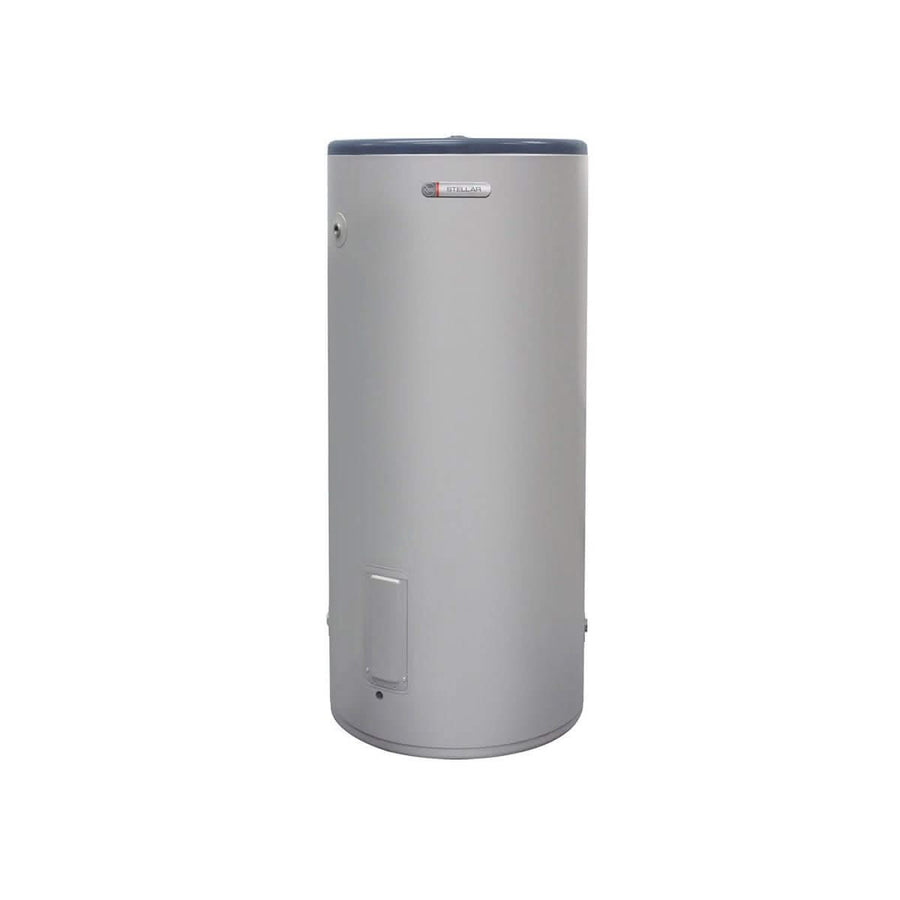
For example, the homepage-linked Rheem STELLAR 250L Electric Hot Water System may be worth comparing against a 250L Rinnai electric system if the home suits that capacity.
Rinnai Hotflo vs Dux electric hot water
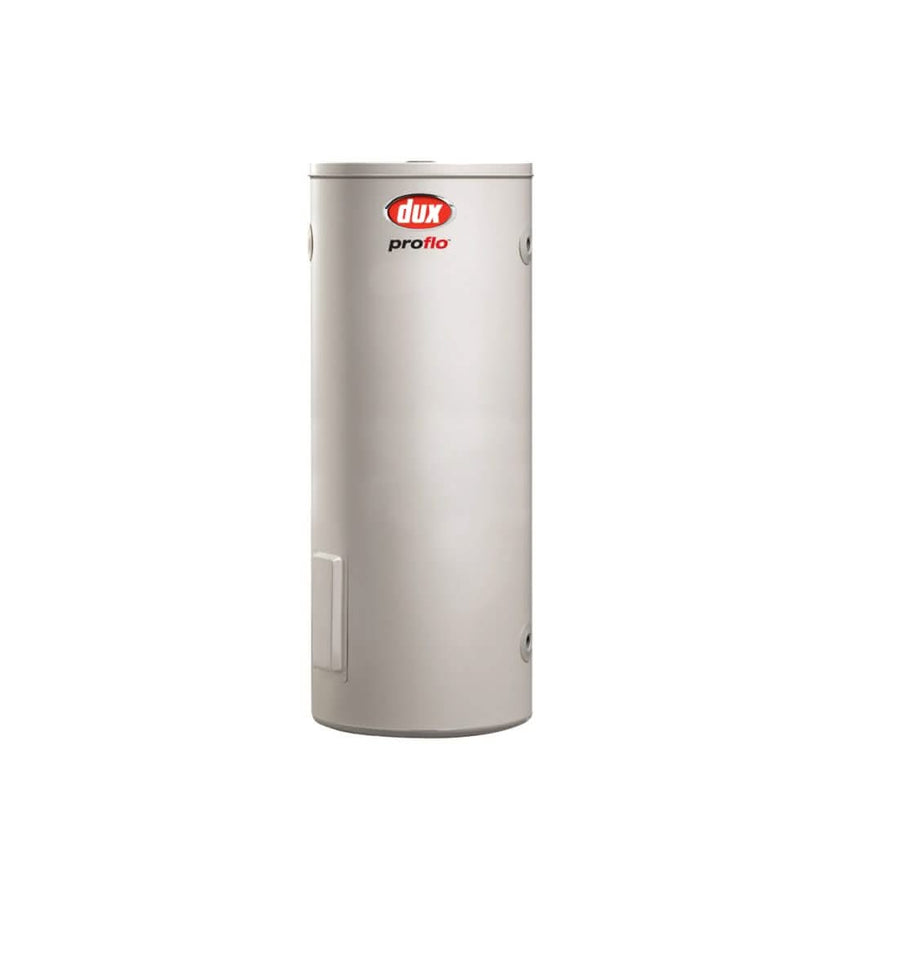
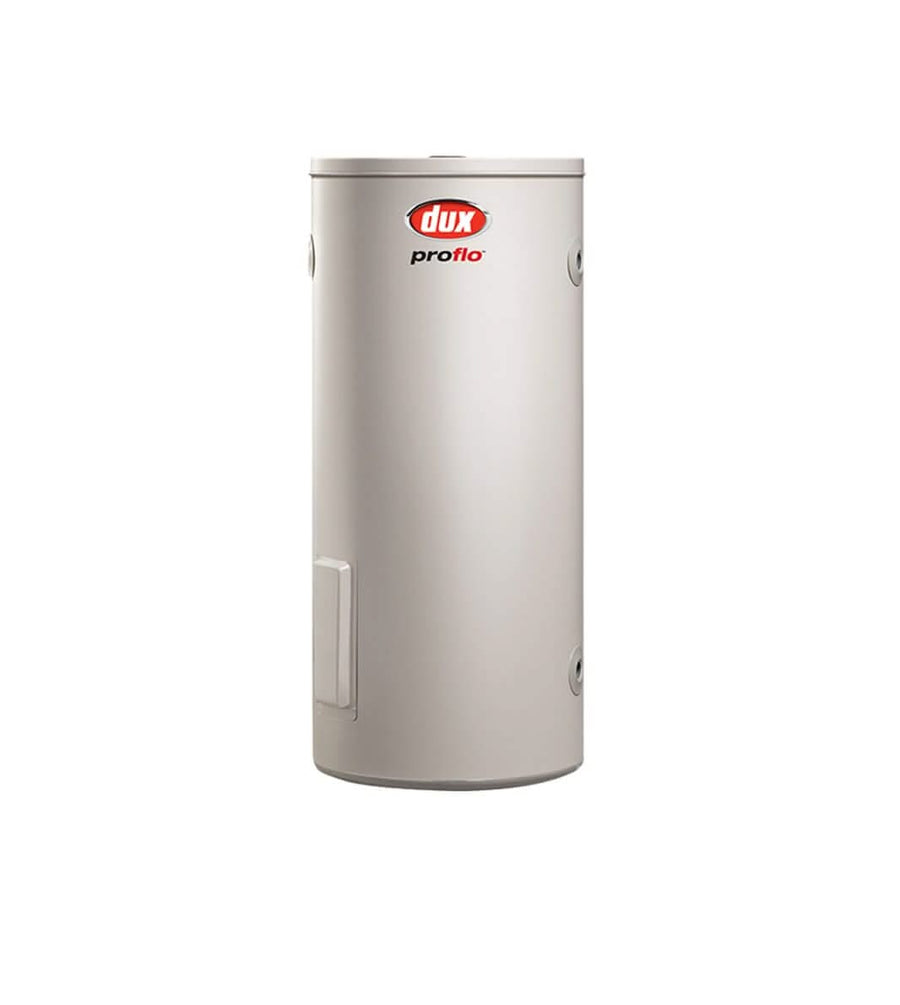
Rinnai and Dux are commonly compared for electric storage replacement.
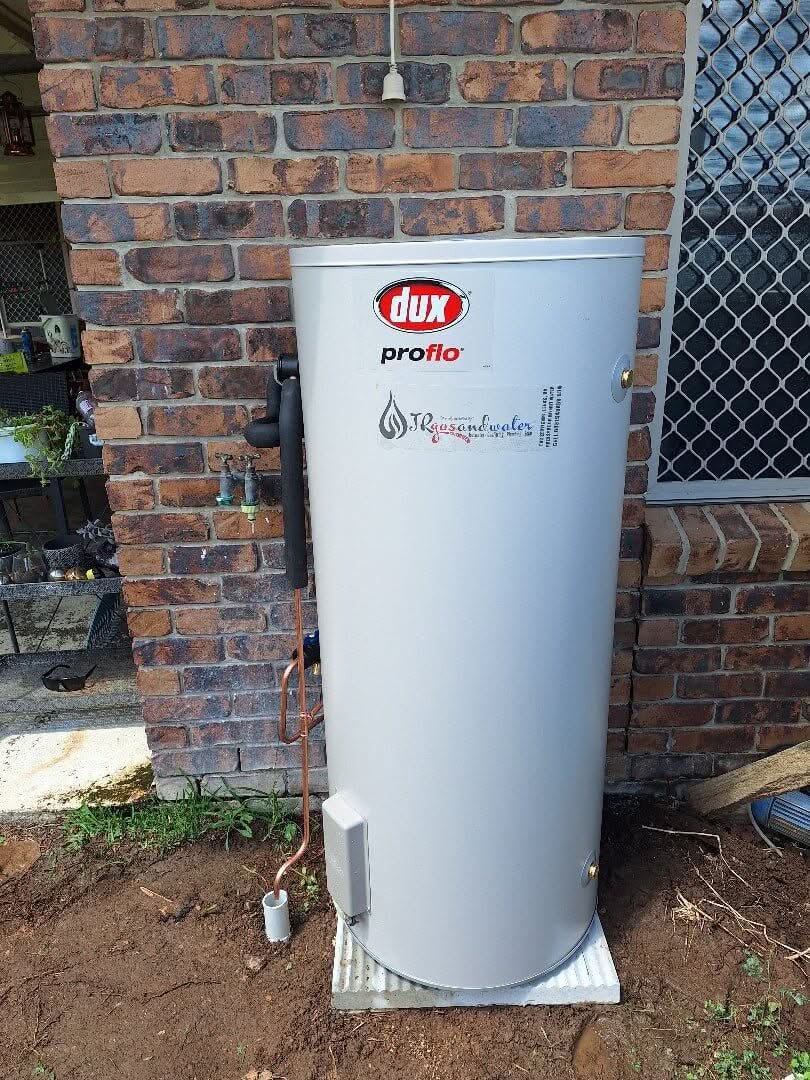
When comparing Rinnai with Dux Hot Water Systems, check:
-
Tank size
-
Price
-
Warranty terms
-
Dimensions
-
Connection positions
-
Existing system type
-
Installation extras
-
Product availability
-
Household demand
Do not choose by brand alone. Compare the exact model against the home’s hot water demand and installation setup.
Is Rinnai Hotflo reliable long term?
A Rinnai Hotflo electric hot water system can be a reliable long-term choice when correctly sized, installed and maintained.
Reliability depends on:
-
Correct tank size
-
Correct installation
-
Licensed plumbing and electrical work
-
Water pressure
-
Valve setup
-
Water quality
-
Anode condition where applicable
-
Electrical supply
-
Maintenance
-
Usage pattern
-
Site conditions
-
Warranty documentation
No storage tank is immune to age, corrosion, valve wear, thermostat faults, element issues or leaks over time. Long-term reliability is as much about correct selection and installation as it is about brand.
Common Rinnai electric hot water problems to watch for
Potential issues with electric storage hot water systems can include:
-
No hot water
-
Lukewarm water
-
Running out of hot water
-
Thermostat faults
-
Element failure
-
Relief valve discharge
-
Leaking valves
-
Tank leaks
-
Rust-coloured water
-
High electricity use
-
Slow recovery
-
Tripped circuit breaker
These issues are not unique to Rinnai. They can occur across electric storage systems when components age, the system is undersized, water quality is poor, or maintenance has been ignored.
What causes an electric hot water tank to leak?
Leaks can come from different places.
Possible leak sources include:
-
Relief valve
-
Tempering valve
-
Pipe connection
-
Drain line
-
Tank fittings
-
Element seal
-
Cylinder corrosion
-
Condensation mistaken for a leak
-
Overflow discharge
-
Pipework above or near the system
A leaking valve is different from a leaking cylinder. If the cylinder itself is leaking, replacement is usually required.
Do not ignore a leak. Have a licensed professional inspect the system.
What causes no hot water in a Rinnai electric system?
No hot water may be caused by:
-
Tripped circuit breaker
-
Off-peak supply timing
-
Faulty thermostat
-
Failed heating element
-
Electrical fault
-
Safety cut-out
-
Incorrect settings
-
Undersized tank after heavy usage
-
Wiring or supply issue
Electrical testing should be handled by a licensed electrician or qualified professional.
What causes running out of hot water?
Running out of hot water is often a sizing or usage issue.
Possible causes include:
-
Tank too small
-
More people in the home
-
Longer showers
-
Back-to-back showering
-
Bath use
-
Off-peak tank not reheating during the day
-
Faulty element
-
Thermostat issue
-
Tempering valve issue
-
Increased household demand
-
Sediment or scale issues
If the system has always run out, it may be undersized. If it suddenly started running out, it may need inspection.
Maintenance and lifespan
Electric storage hot water systems need periodic checks.
Maintenance may include:
-
Relief valve testing
-
Tempering valve checks
-
Anode inspection or replacement where applicable
-
Leak inspection
-
Electrical component checks
-
Pipework inspection
-
Drain line checks
-
Water pressure checks
-
General system condition checks
Maintenance requirements depend on the product, water quality and manufacturer instructions.
Hard water, high pressure, poor installation, lack of maintenance and age can all reduce system life.
Warranty considerations
Before ordering a Rinnai Hotflo system, check warranty terms carefully.
Review:
-
Cylinder warranty
-
Parts warranty
-
Labour coverage
-
Installation requirements
-
Licensed installer requirements
-
Maintenance requirements
-
Water quality exclusions
-
Pressure requirements
-
Proof of purchase
-
Service process
-
What is and is not covered
Warranty coverage does not usually mean every issue is covered automatically. Incorrect installation, water quality, pressure problems or missing documentation can affect claims.
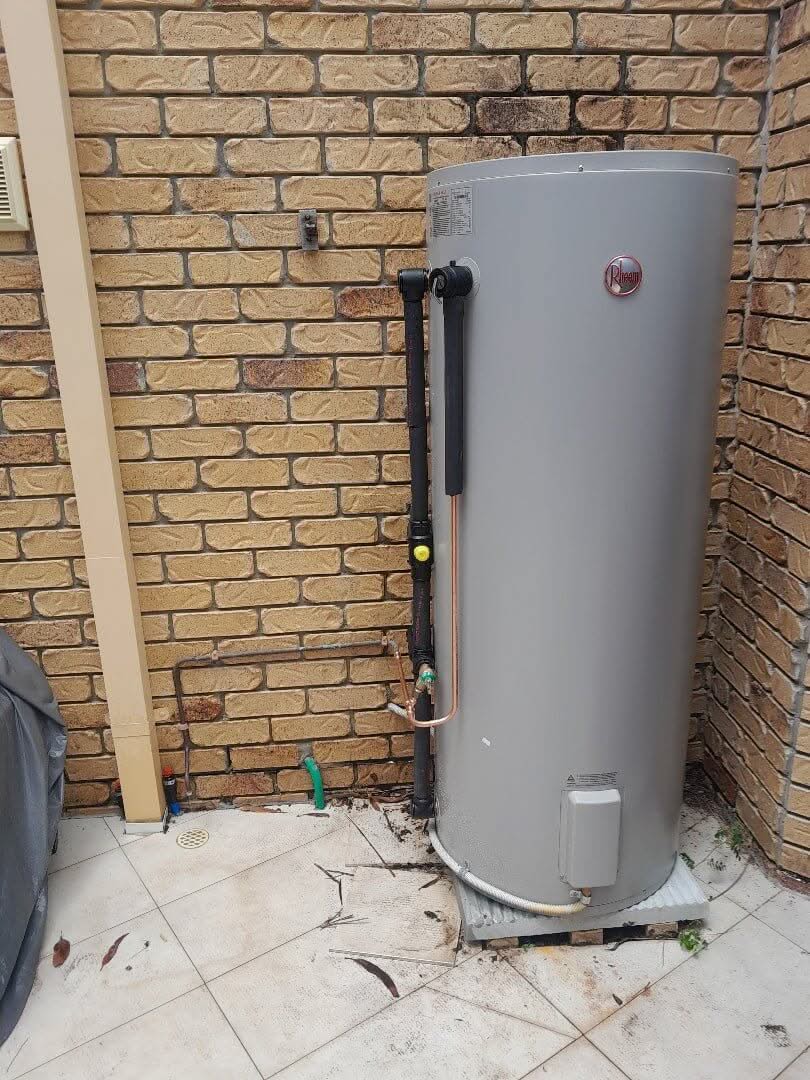
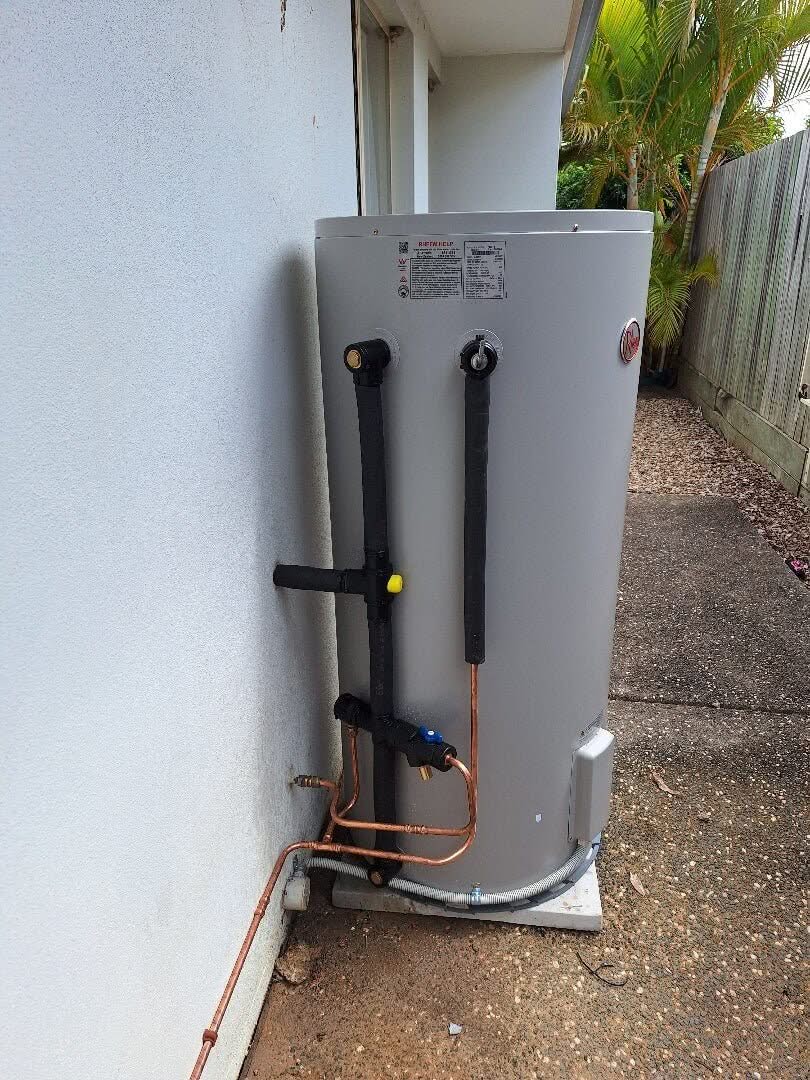
Installation considerations
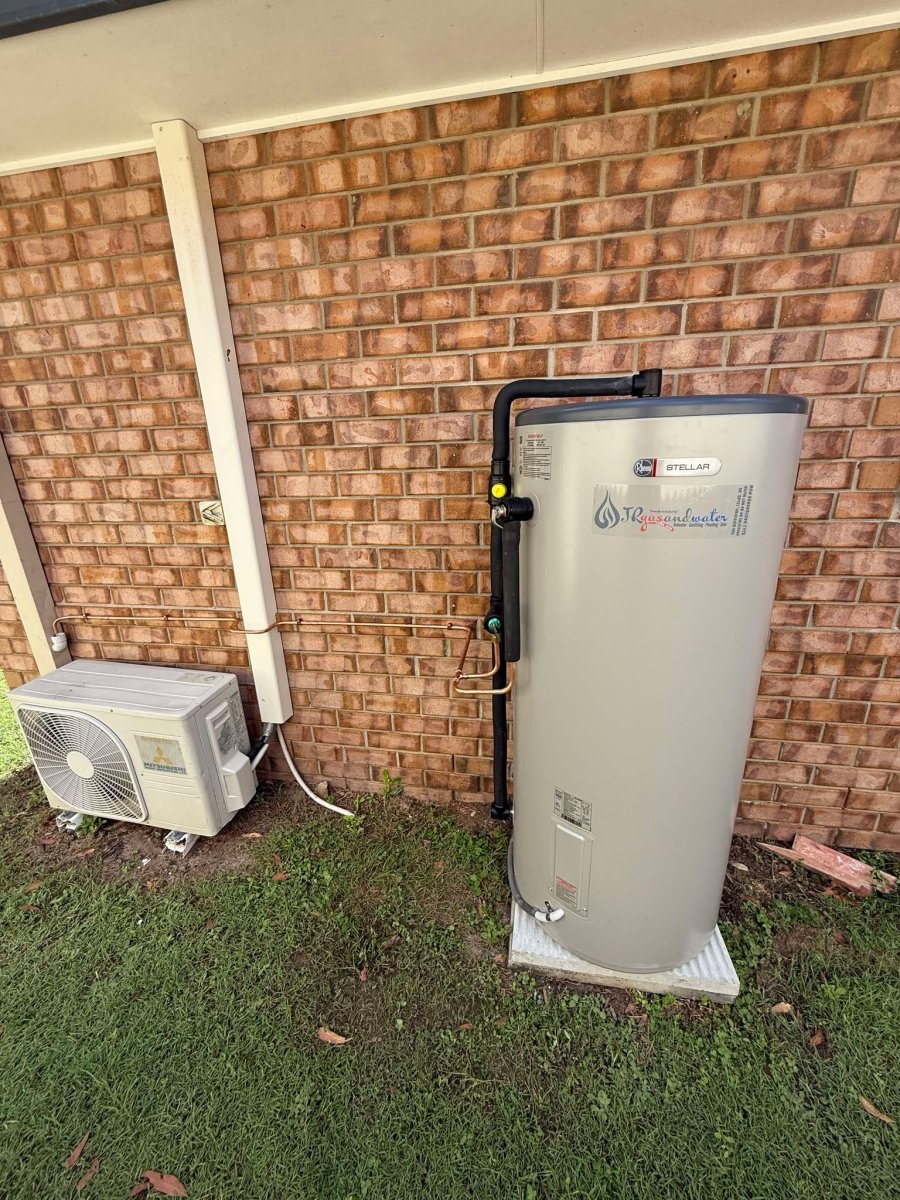
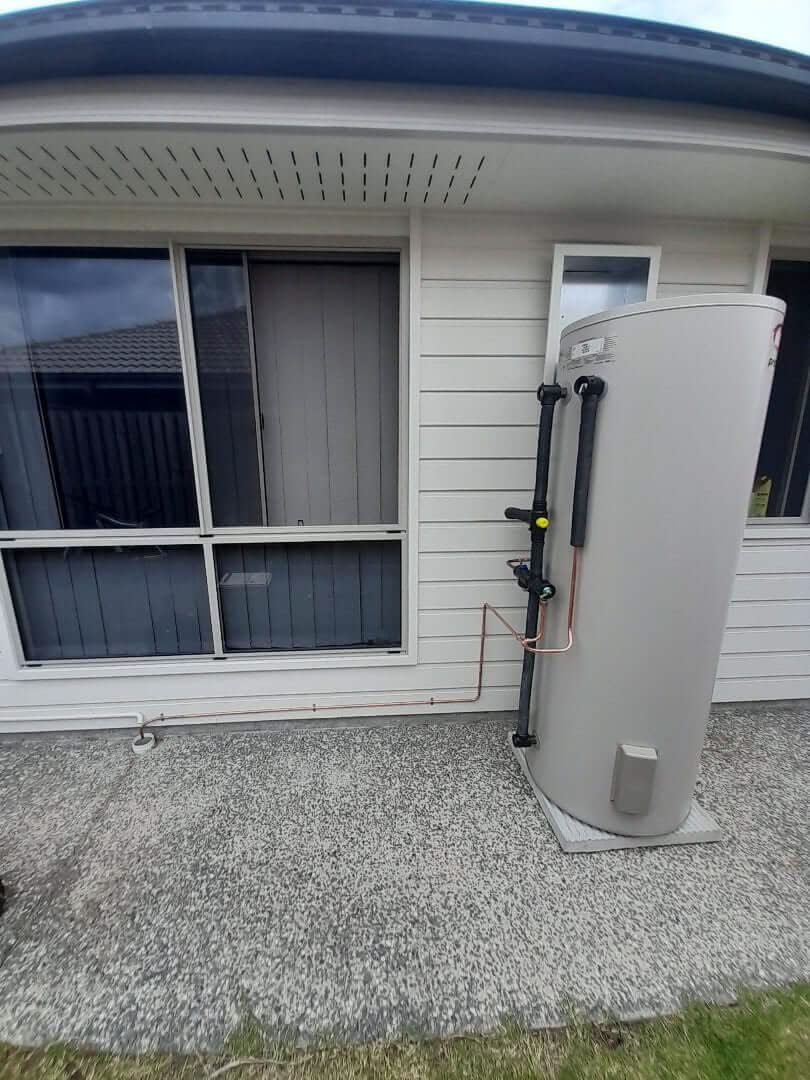
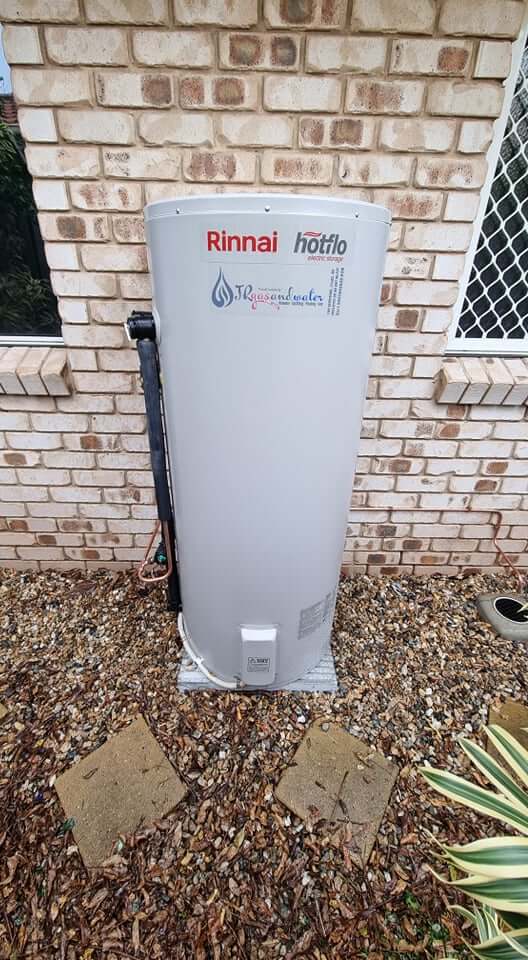
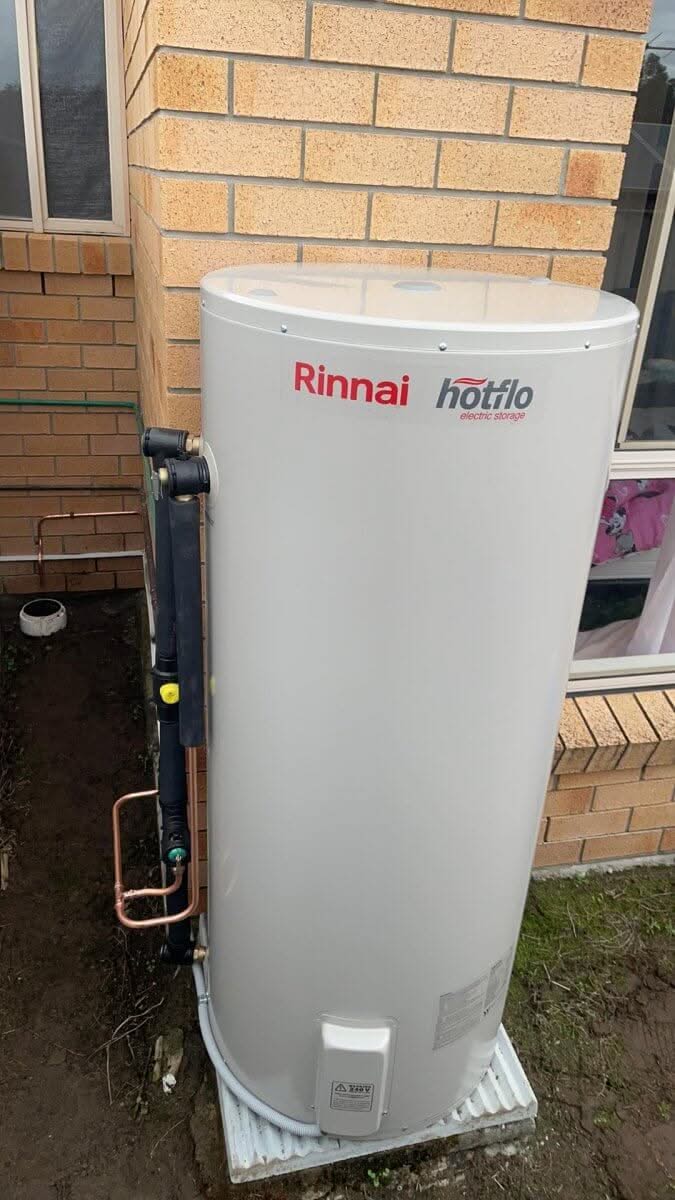
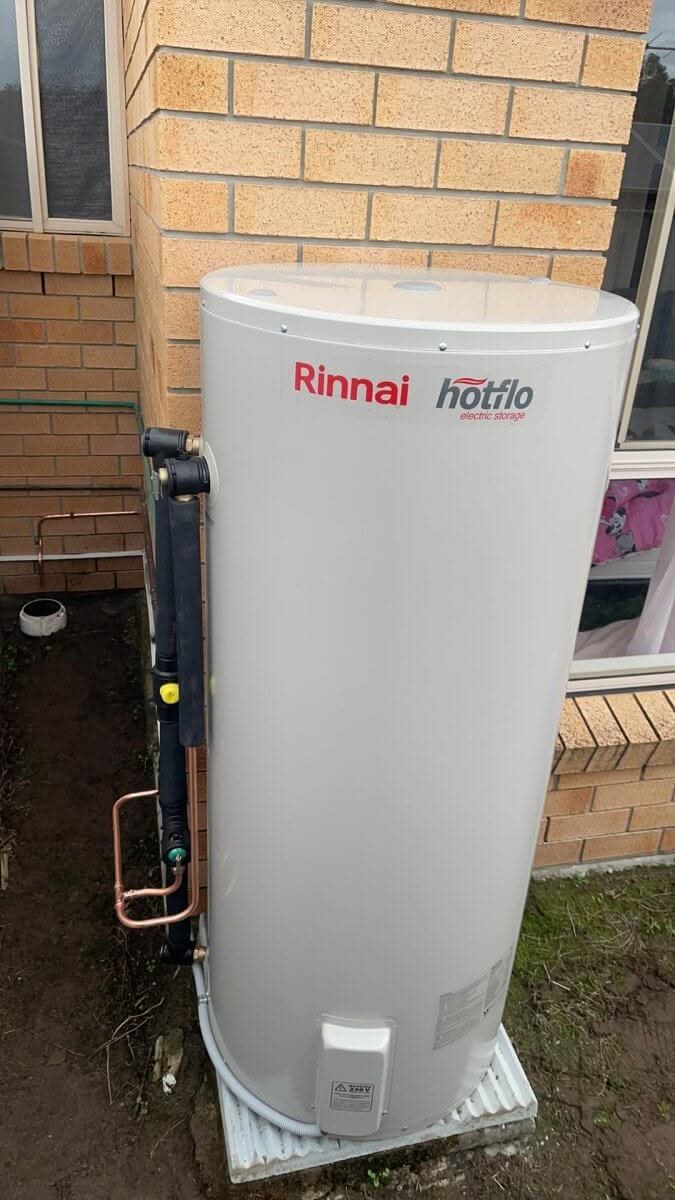
A Rinnai electric hot water system should be installed by the right licensed professional.
Important checks include:
-
Existing system size
-
Existing energy source
-
Indoor or outdoor location
-
Access
-
Dimensions
-
Connection positions
-
Base or stand condition
-
Drainage
-
Relief valve discharge
-
Tempering valve requirements
-
Pressure limiting valve requirements
-
Electrical supply
-
Circuit suitability
-
Old unit removal
-
Disposal
-
Compliance upgrades
The same tank can be a simple replacement in one home and a more complex installation in another.
Supply-only Rinnai Hotflo systems
Supply-only ordering can suit customers who already have their own licensed installer arranged.
Supply only may suit:
-
Builders
-
Renovators
-
Property managers
-
Landlords
-
Trade customers
-
Customers managing their own installation
-
Customers outside supplied-and-installed service areas
Supply-only product pricing generally does not include installation, valves, old unit removal, disposal, electrical work, plumbing changes, drainage work, access upgrades or compliance upgrades unless clearly selected or included.
Before ordering supply only, your installer should confirm the Rinnai system suits the property.
Supplied-and-installed Rinnai electric hot water systems
Supplied-and-installed options may be available on selected products in eligible Brisbane and Gold Coast service areas where shown.
This can suit customers who want the product and installation pathway arranged together.
Before ordering supplied and installed, check:
-
Service area eligibility
-
Existing system type
-
Installation inclusions
-
Valve requirements
-
Electrical work
-
Drainage
-
Old unit removal
-
Disposal
-
Pipework changes
-
Access
-
Base or slab condition
-
Compliance upgrades
-
Product suitability
Do not assume every possible site requirement is included. Check the product page and selected options carefully.
Rinnai Hotflo for indoor installation
Some electric storage systems may be suitable for indoor installation depending on the model.
Indoor installations need careful attention to:
-
Safe tray requirements
-
Drainage
-
Overflow discharge
-
Access
-
Cupboard space
-
Ventilation where relevant
-
Leak risk
-
Electrical safety
-
Compliance requirements
-
Future service access
A tank installed inside a cupboard or apartment needs proper drainage and leak protection planning.
Rinnai Hotflo for outdoor installation
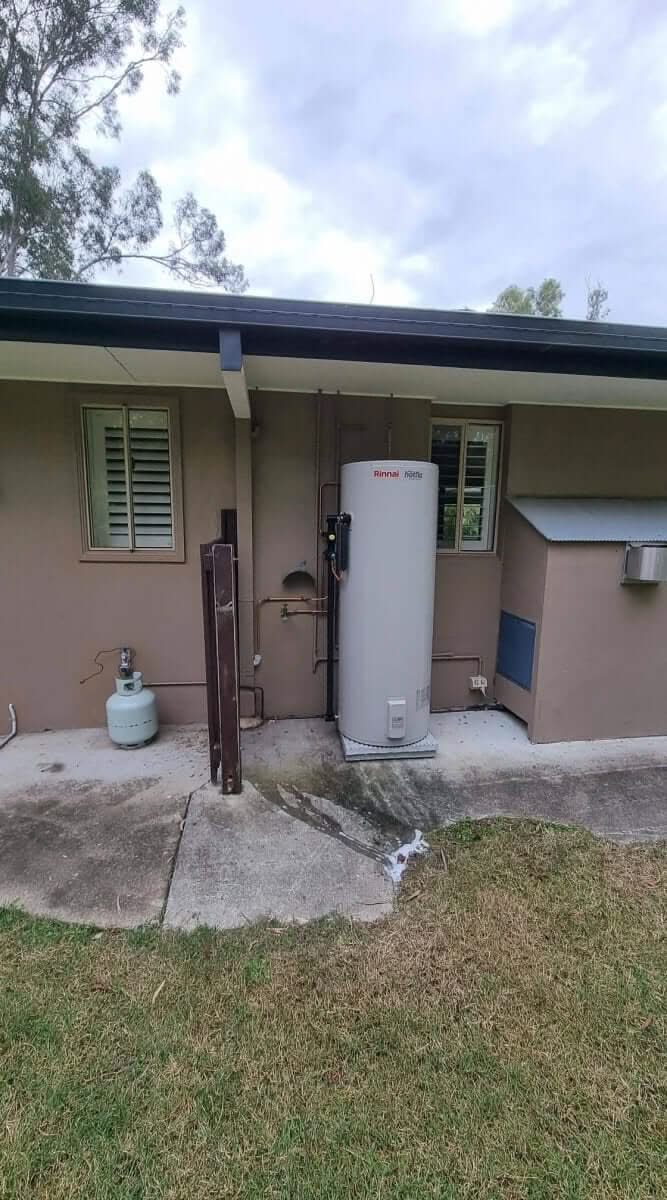
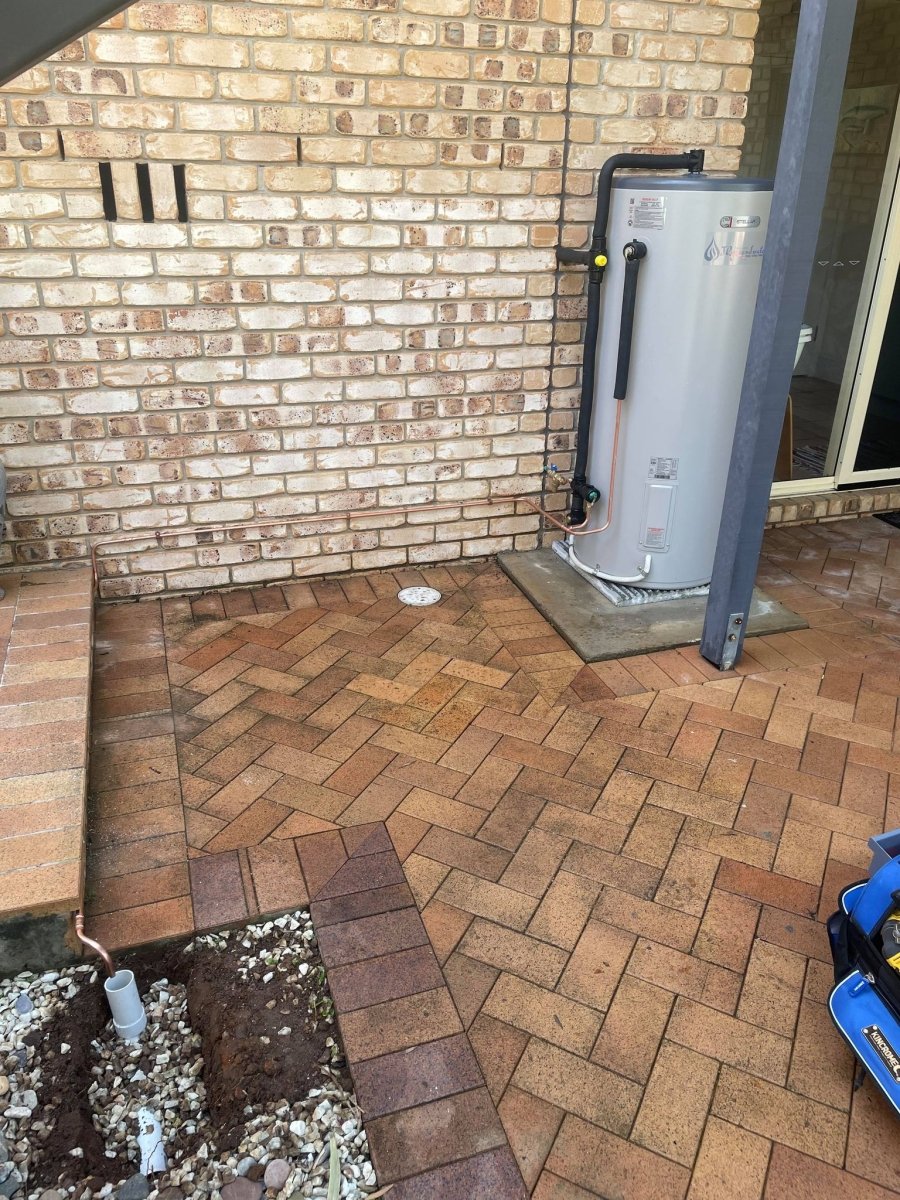
Outdoor installations are common for electric storage systems, but the location still matters.
Check:
-
Weather exposure
-
Stable base
-
Access
-
Clearance
-
Pipework
-
Electrical connection
-
Drainage
-
Relief valve discharge
-
Protection from impact
-
Future replacement access
Outdoor installation may be simpler than indoor installation in some homes, but it still needs to be compliant.
Common mistake: choosing the same size without checking demand
If the old system regularly ran out of hot water, choosing the same size may repeat the problem.
Hot water demand can increase when:
-
More people move in
-
Children become teenagers
-
A second bathroom is added
-
The home becomes a rental
-
The home becomes an Airbnb
-
Shower habits change
-
Laundry use increases
Replacement time is the right time to reassess tank size.
Common mistake: comparing only product price
The product price is not the total cost.
Extra costs may include:
-
Valves
-
Old unit removal
-
Disposal
-
Electrical work
-
Pipework changes
-
Drainage changes
-
Access issues
-
Base work
-
Compliance upgrades
Always compare the full replacement pathway, not only the unit price.
Common mistake: assuming electric storage is the cheapest long term
Electric storage can be affordable upfront, but it may not be the cheapest system to run.
If long-term running cost is a priority, compare heat pump hot water before ordering.
A heat pump may cost more upfront but can use less electricity in suitable conditions.
Common mistake: ignoring water quality
Water quality can affect storage tank life.
Hard water, aggressive water, high sediment or unusual chemistry can affect valves, tanks and components.
If your property has hard water, bore water, tank water or visible sediment, ask your installer whether water quality needs to be considered before ordering.
Common mistake: ignoring pressure and valves
High pressure and incorrect valve setup can affect system performance and lifespan.
A proper installation may require:
-
Pressure limiting valve
-
Tempering valve
-
Expansion control where required
-
Relief valve discharge
-
Correct pipe sizing
-
Safe drainage
Valve work should be assessed by a licensed professional.
Common mistake: DIY hot water installation
Hot water installation involves plumbing, electrical safety, pressure control and compliance.
DIY installation can create:
-
Leaks
-
Electric shock risk
-
Scalding risk
-
Warranty issues
-
Insurance problems
-
Non-compliant plumbing
-
System failure
-
Property damage
Use the right licensed professional.
Final verdict: should you buy the Rinnai Hotflo electric hot water system?
A Rinnai Hotflo electric hot water system can be a reliable long-term investment when it is correctly sized, professionally installed and matched to the home’s usage.
It is best suited to customers wanting a practical electric storage replacement, especially where the home already has electric storage hot water and the existing installation location suits the new tank.
It may not be the best choice if your main priority is the lowest running cost, if the home is suitable for heat pump hot water, or if your current electric system was undersized and struggled with household demand.
Before ordering, compare the exact Rinnai size against your household needs. Start with the Rinnai 125L Electric Hot Water System, Rinnai 250L Electric Hot Water System or Rinnai 315L Electric Hot Water System, or browse all Rinnai Hot Water Systems.
For customers comparing alternatives, review Electric Hot Water Systems, Heat Pump Hot Water Systems, Rheem Hot Water Systems and Dux Hot Water Systems.
Long-tail FAQs
Is the Rinnai Hotflo electric hot water system reliable?
It can be reliable when correctly sized, professionally installed and maintained. Long-term reliability depends on water quality, pressure, valves, electrical setup, usage and installation quality.
What size Rinnai Hotflo do I need?
The right size depends on the number of people, bathrooms, shower habits, bath use, laundry use and whether the old system ran out. Smaller homes may suit smaller tanks, while family homes often need 250L or larger.
Is the Rinnai Hotflo good for family homes?
Yes, it can suit family homes if the tank is correctly sized. A 250L or 315L electric storage system may suit many families, but demand should be checked before ordering.
Is Rinnai electric hot water cheaper to run than heat pump?
Usually, a heat pump can use less electricity in suitable conditions. Electric storage may be simpler and cheaper upfront, while heat pump hot water may offer lower running costs over time.
Can Rinnai Hotflo work with solar power?
Electric storage hot water can sometimes be timed to use rooftop solar, depending on the electrical setup, timer, tariff and household usage. Your installer should confirm the best setup.
Why does a Rinnai electric hot water system run out of hot water?
Common reasons include undersizing, increased household demand, long showers, off-peak heating limitations, faulty elements, thermostat issues or tempering valve problems.
What causes a Rinnai electric hot water system to leak?
Leaks may come from valves, pipe connections, discharge lines, fittings or the cylinder itself. A licensed professional should inspect the system to identify the source.
Is Rinnai better than Rheem electric hot water?
Rinnai and Rheem both offer electric hot water systems. The better choice depends on the exact model, tank size, warranty, installation location, dimensions, price and household demand.
Is Rinnai better than Dux electric hot water?
Rinnai and Dux should be compared by model, tank size, warranty, dimensions, connection positions, installation requirements and total cost. Brand alone should not decide the purchase.
Should I choose Rinnai Hotflo or a heat pump?
Choose Rinnai electric storage if you want a simple electric replacement and the running costs suit your home. Compare heat pump hot water if long-term energy use is a bigger priority and the site has suitable outdoor space, airflow and drainage.