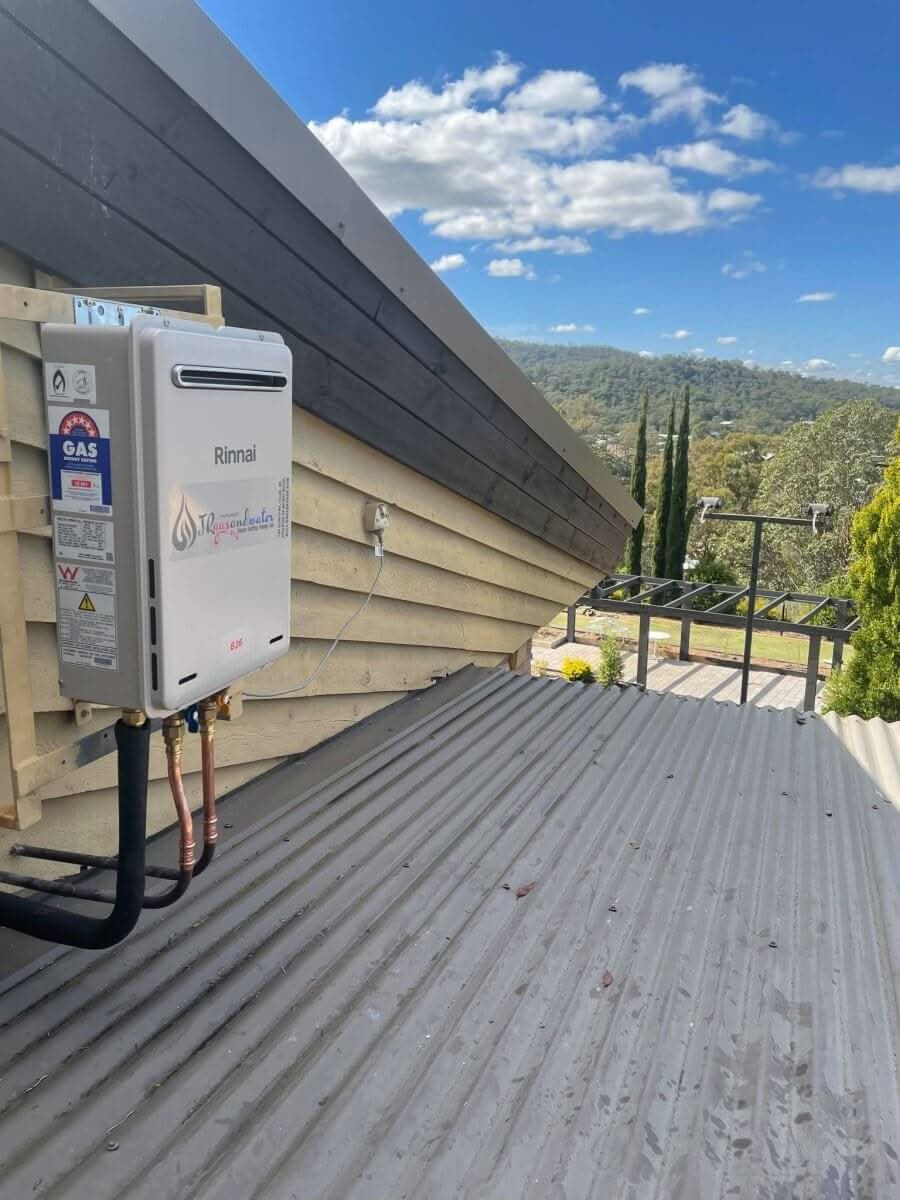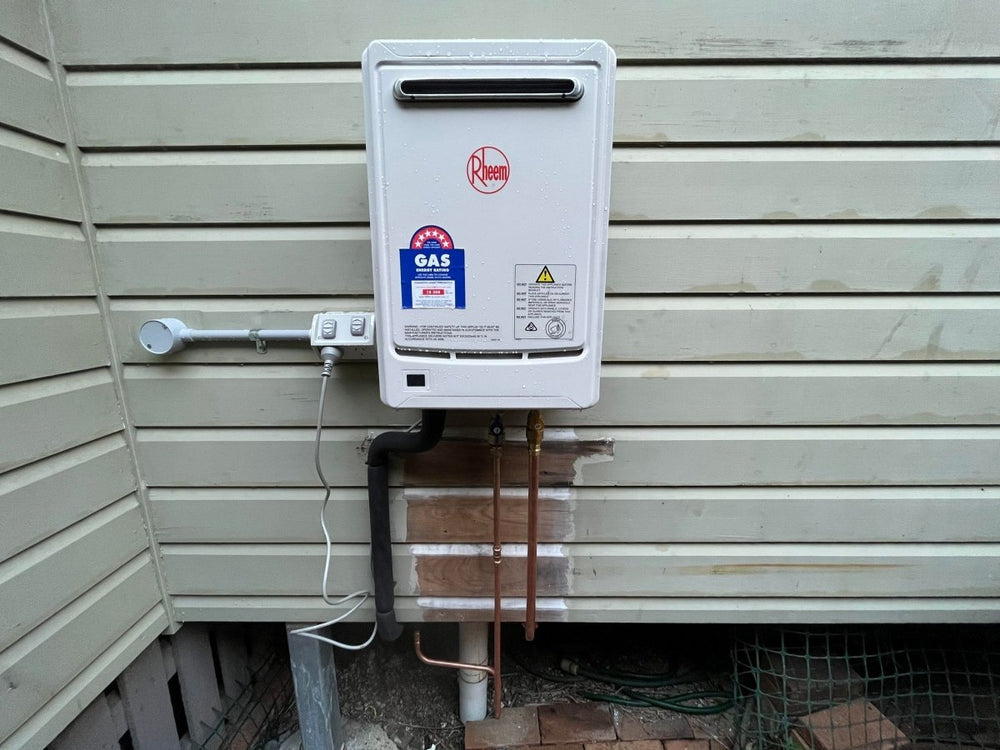

Rinnai Infinity 26 Review: Is This 26L Instant Gas Hot Water System Worth It?
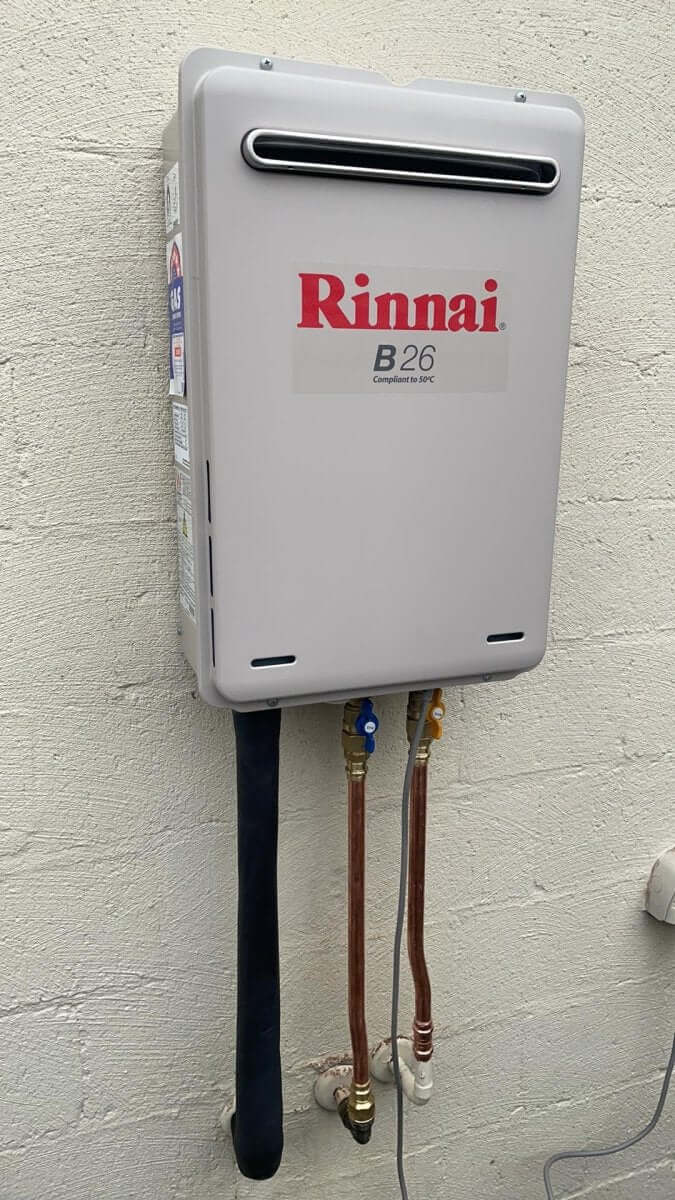
The Rinnai Infinity 26 is one of Australia’s most recognised instant gas hot water systems. It is commonly compared by homeowners who want continuous flow hot water, a compact outdoor unit and a practical replacement for an older gas hot water system.
Unlike a storage tank, the Rinnai Infinity 26 heats water as it passes through the unit. This means it does not store a large tank of hot water. Instead, it provides hot water on demand when a hot tap or shower is opened.
That can make it a strong option for many small to medium homes, but it is not the right system for every property. Before choosing a Rinnai Infinity 26, you need to check gas type, gas pipe sizing, water pressure, number of bathrooms, shower habits, installation location, outdoor clearances, electrical requirements and whether a 26L flow rate is suitable for your household.
You can compare Rinnai Hot Water Systems, Instant Gas Hot Water Systems, Gas Hot Water Systems and all Hot Water Systems online with Installed Today.
Quick answer: is the Rinnai Infinity 26 worth considering?
The Rinnai Infinity 26 can be worth considering if your home already has natural gas or LPG, the gas supply is suitable, and you want a compact continuous flow gas hot water system.
It may suit:
-
Small to medium households
-
One to two bathroom homes
-
Homes replacing an existing 26L instant gas unit
-
Properties already set up for natural gas or LPG
-
Customers wanting a compact outdoor wall-mounted hot water system
-
Homes where storage tank space is limited
-
Households wanting hot water on demand
-
Supply-only customers with their own licensed gas fitter arranged
-
Eligible Brisbane and Gold Coast customers where supplied-and-installed options are available
It may not suit homes without gas, homes with undersized gas pipework, properties with weak water pressure, or households that regularly run multiple high-flow showers at the same time.
What is the Rinnai Infinity 26?
The Rinnai Infinity 26 is a continuous flow gas hot water system. The “26” refers to a 26 litre-per-minute flow-rate class under suitable conditions.
It heats water only when a hot tap is opened. Water passes through the unit, the gas burner ignites, and the heat exchanger transfers heat into the water before it travels to the tap or shower.
This makes it different from gas storage or electric storage hot water systems, which keep a tank of hot water ready for use.
A Rinnai Infinity 26 may suit customers wanting:
-
Instant gas hot water
-
A compact wall-mounted unit
-
No large storage tank
-
Gas hot water on demand
-
A common replacement size
-
A recognised hot water brand
-
Natural gas or LPG options depending on model
-
A practical option for one to two bathroom homes
The key is confirming the home can support the unit properly.
Rinnai Infinity 26 pros
The Rinnai Infinity 26 can offer several advantages when correctly selected and installed.
Potential benefits include:
-
Compact outdoor wall-mounted design
-
No large storage tank
-
Continuous flow hot water
-
Common 26L size for small to medium homes
-
Natural gas and LPG options depending on model
-
Suitable for many one to two bathroom homes
-
Strong brand recognition
-
Good option for replacing an older instant gas system
-
Can free up space compared with a storage tank
-
Supply-only ordering available where you have your own licensed installer
-
Supplied-and-installed options may be available on selected products in eligible Brisbane and Gold Coast areas
For many homes already using gas continuous flow, replacing like-for-like with a suitable Rinnai model can be a practical pathway.
Rinnai Infinity 26 cons
The Rinnai Infinity 26 is not automatically the best option for every property.
Potential drawbacks include:
-
Requires suitable natural gas or LPG supply
-
Gas pipe sizing must be checked
-
Water pressure must be suitable
-
Many units require electrical power
-
Outdoor clearances must be compliant
-
Long pipe runs can still delay hot water at the tap
-
Simultaneous shower performance depends on flow and pressure
-
A 26L unit may not suit very high-demand homes
-
Installation must be completed by a licensed gas fitter
-
Changing from electric storage to gas can add cost and complexity
-
It may not be the best choice for customers moving away from gas
The biggest risk is assuming a 26L unit will solve every hot water issue without checking the property’s gas and water supply.
How the Rinnai Infinity 26 works
The Rinnai Infinity 26 heats water on demand.
A simple version of the process is:
-
A hot tap or shower is turned on
-
Water flows through the unit
-
The system detects water flow
-
Gas ignition starts
-
Water passes through the heat exchanger
-
The unit adjusts heating to maintain the set temperature
-
Hot water travels through the pipework to the outlet
Because the unit only heats water when there is demand, it does not need to keep a storage tank hot all day.
Is the Rinnai Infinity 26 energy efficient?
The Rinnai Infinity 26 is commonly chosen because continuous flow gas systems only heat water when needed. This can reduce standby heat loss compared with storage hot water systems.
However, real-world running costs depend on:
-
Natural gas or LPG pricing
-
Number of people in the home
-
Number of bathrooms
-
Shower length
-
Shower flow rates
-
Temperature settings
-
Incoming water temperature
-
Pipe run length
-
Maintenance
-
Gas supply
-
Existing hot water system type
-
Whether the unit is correctly sized
Do not choose based only on a star rating or broad savings claim. Compare how the system will actually be used in your home.
Rinnai Infinity 26 flow rate: who does 26L suit?
A 26L instant gas unit is commonly compared for homes with moderate hot water demand.
It may suit:
-
One to two bathroom homes
-
Small to medium families
-
Townhouses
-
Homes replacing an existing 26L unit
-
Households with regular shower use
-
Homes where two showers may occasionally run close together
-
Properties with suitable gas pipe sizing
-
Homes with suitable water pressure
It may not suit:
-
Large homes with three or more bathrooms
-
Homes with multiple high-flow showers running at once
-
Properties with weak water pressure
-
Homes with undersized gas pipework
-
Customers expecting instant hot water at every outlet regardless of pipe length
A 26L system can be a strong choice, but it still needs the right installation setup.
Rinnai Infinity 26 for one-bathroom homes
For a one-bathroom home, the Rinnai Infinity 26 may offer more capacity than some households need, but it can still be suitable where the existing gas system and demand justify it.
It may suit:
-
Homes replacing an older 26L system
-
One-bathroom homes with higher shower demand
-
Small families
-
Homes with regular back-to-back showers
-
Properties already set up for gas continuous flow
If the household is small and hot water demand is modest, a smaller instant gas option may also be worth comparing.
Rinnai Infinity 26 for two-bathroom homes
The Rinnai Infinity 26 is often compared for two-bathroom homes.
Before choosing it, check:
-
Whether both showers may run at the same time
-
Shower rose flow rates
-
Gas pipe sizing
-
Water pressure
-
Distance from unit to bathrooms
-
Temperature controller requirements
-
Existing hot water system type
-
Natural gas or LPG
-
Outdoor clearances
-
Electrical power availability
If two showers are likely to run together often, a licensed gas fitter should confirm whether the Infinity 26 is enough or whether another setup is more suitable.
Rinnai Infinity 26 for family homes
A Rinnai Infinity 26 may suit many family homes when the gas and water setup is right.
For family homes, check:
-
Number of people
-
Number of bathrooms
-
Shower habits
-
Back-to-back showers
-
Bath use
-
Laundry use
-
Morning and evening peaks
-
Gas pipe sizing
-
Water pressure
-
Existing system performance
A family home should not choose a system based only on the number of litres per minute. Usage pattern matters.
Rinnai Infinity 26 for rental properties
The Rinnai Infinity 26 can suit rental properties where the home already has gas and the unit is correctly selected.
For rentals, consider:
-
Number of bedrooms
-
Number of bathrooms
-
Likely tenant occupancy
-
Ease of use
-
Temperature controller setup
-
Maintenance access
-
Warranty documentation
-
Outdoor unit location
-
Gas type
-
Installation cost
A rental property should be sized for likely tenant demand, not only the current occupant.
Rinnai Infinity 26 for Airbnb and short-stay homes
Short-stay homes can have unpredictable hot water use. Guests may take long showers, run back-to-back showers and use laundry between bookings.
Before choosing a Rinnai Infinity 26 for Airbnb or short-stay accommodation, check:
-
Maximum guest count
-
Number of showers
-
Bath use
-
Laundry demand
-
Back-to-back shower use
-
Gas supply
-
Water pressure
-
Maintenance access
-
Guest simplicity
-
Temperature controller settings
For short-stay homes, guest comfort should come before the lowest upfront cost.
Rinnai Infinity 26 for renovations
A renovation is a good time to plan hot water properly.
Before choosing the Rinnai Infinity 26 for a renovation, confirm:
-
Final bathroom count
-
Final fixture locations
-
Gas meter location
-
Gas pipe sizing
-
Unit location
-
Pipe run lengths
-
Outdoor clearances
-
Power point location
-
Temperature controller wiring
-
Water pressure
-
Whether gas, electric or heat pump suits the long-term plan
Do not leave hot water selection until after the bathroom and kitchen layout is finalised. Pipe runs and gas supply can affect performance.
Natural gas vs LPG Rinnai Infinity 26
Natural gas and LPG are not interchangeable.
Before ordering any Rinnai gas hot water system, confirm:
-
Whether your property uses natural gas or LPG
-
Whether there is a natural gas meter
-
Whether the property uses LPG bottles
-
Whether the existing unit label confirms gas type
-
Whether the new model matches the gas type
-
Whether your licensed gas fitter has confirmed suitability
Choosing the wrong gas type can delay installation and create extra cost.
Does the Rinnai Infinity 26 need electricity?
Many continuous flow gas hot water systems require electricity for ignition, controls and safety features.
Before ordering, check:
-
Whether a power point is needed
-
Whether the existing unit already has power
-
Whether electrical work is required
-
Whether the power point location is weather-protected and compliant
-
Whether the system will operate during a power outage
-
Whether controller wiring is required
If you specifically want a no-power gas hot water option, compare models carefully and confirm with your licensed installer.
Outdoor installation requirements
The Rinnai Infinity 26 is commonly used as an external gas continuous flow unit. Internal installation should only be considered where the exact model is manufacturer-approved for internal or flued use.
Outdoor installation needs compliant clearances around:
-
Windows
-
Doors
-
Eaves
-
Vents
-
Air intakes
-
Gas meters
-
Electrical equipment
-
Boundaries
-
Walkways
-
Outdoor living areas
A licensed gas fitter should confirm the selected location before installation.
Will hot water be instant at the tap?
“Instant gas” means the unit heats water on demand. It does not mean hot water appears instantly at every tap.
Hot water delay can still be caused by:
-
Distance from unit to outlet
-
Pipe length
-
Pipe size
-
Existing plumbing layout
-
Water sitting cold in the pipe
-
Fixture flow rate
-
Temperature settings
A new continuous flow unit will not remove pipework delay by itself.
Temperature stability: what affects it?
A Rinnai Infinity 26 can provide stable hot water when installed correctly, but temperature issues can still occur.
Possible causes include:
-
Low water pressure
-
Low fixture flow
-
Multiple outlets running
-
Undersized gas pipework
-
Incorrect gas type
-
Gas pressure issues
-
Blocked filters
-
Scale build-up
-
Temperature controller settings
-
Tempering valve problems
-
Plumbing cross-connections
-
Poor installation
If the hot water temperature fluctuates, the cause should be diagnosed before assuming the unit is faulty.
Rinnai Infinity 26 vs smaller instant gas systems
A smaller instant gas system may suit lower-demand homes.
The Rinnai Infinity 26 may be better where:
-
The home has higher hot water use
-
There are one to two bathrooms
-
The property is replacing an existing 26L unit
-
Multiple occupants use hot water daily
-
The gas and water supply can support it
A smaller unit may be more practical where:
-
The home has one bathroom
-
Demand is modest
-
Budget is tighter
-
Gas supply is limited
-
Simultaneous outlet use is rare
Bigger is not always better. The right flow rate depends on the home.
Rinnai Infinity 26 vs Rinnai 32 Enviro
The Rinnai Infinity 26 and Rinnai 32 Enviro suit different buyers.
A Rinnai Infinity 26 may suit:
-
Small to medium homes
-
One to two bathroom properties
-
Customers wanting a common 26L instant gas replacement
-
Homes where 32L capacity is not needed
-
Lower upfront cost compared with premium high-flow options
A Rinnai 32 Enviro may suit:
-
Larger homes
-
Higher hot water demand
-
Customers wanting premium condensing gas technology
-
Homes with suitable gas pipe sizing
-
Properties with condensate drainage available
-
Customers comparing high-efficiency gas options
A 32L condensing unit may be overkill for some homes. A 26L unit may be more practical where demand is moderate.
Rinnai Infinity 26 vs gas storage
Rinnai Infinity 26 and gas storage systems both use gas, but they work differently.
| System type | How it works | Best suited to |
|---|---|---|
| Rinnai Infinity 26 | Heats water continuously as it flows | Compact homes wanting continuous flow gas |
| Gas storage | Stores heated water in a tank | Homes wanting stored volume and fast recovery |
| Electric storage | Stores water heated by electric element | Homes without gas or simple electric replacement |
| Heat pump | Stores water heated using heat pump technology | Efficient electric upgrades with suitable outdoor space |
Gas storage may suit homes where stored volume and recovery are priorities. Instant gas may suit homes wanting compact wall-mounted hot water.
Rinnai Infinity 26 vs heat pump hot water
The Rinnai Infinity 26 uses gas. A heat pump uses electricity to draw heat from air and heat stored water.
The Rinnai Infinity 26 may suit:
-
Homes already using natural gas or LPG
-
Customers wanting compact continuous flow gas
-
Properties replacing existing instant gas
-
Homes with suitable gas pipework
-
Customers wanting no large storage tank
A heat pump may suit:
-
Homes replacing electric storage
-
Homes with rooftop solar
-
Customers wanting an efficient electric option
-
Properties with suitable outdoor airflow
-
Homes with suitable condensate drainage and electrical setup
-
Customers moving away from gas
If long-term energy direction matters, compare Heat Pump Hot Water Systems before deciding.
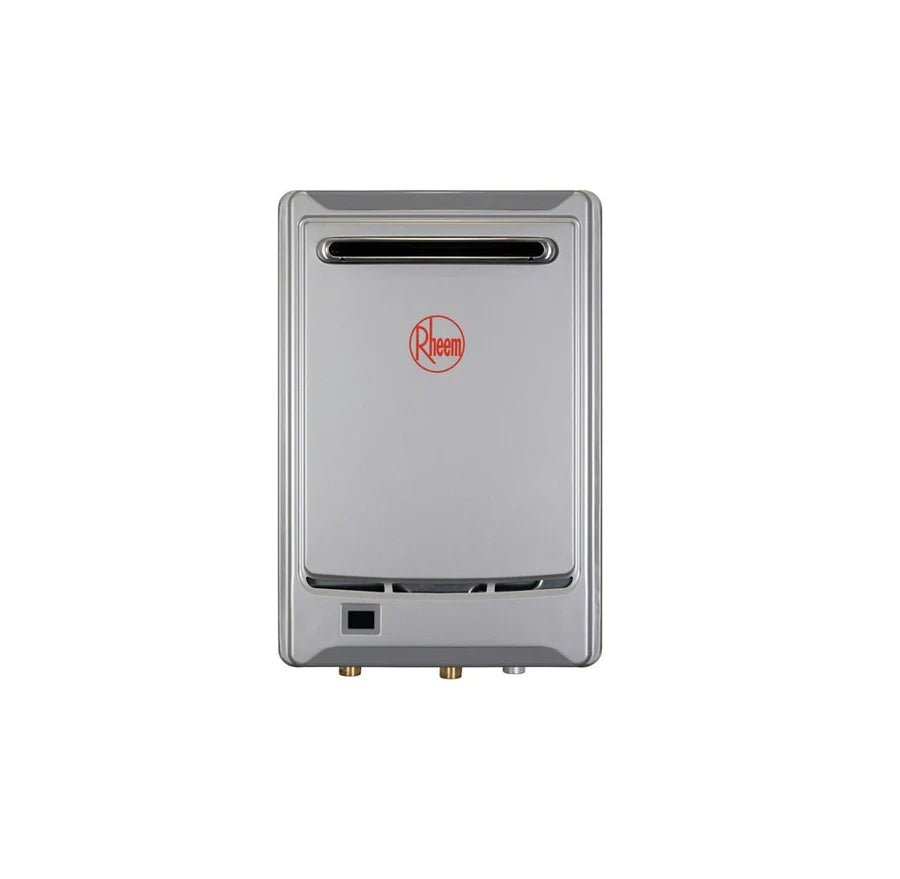
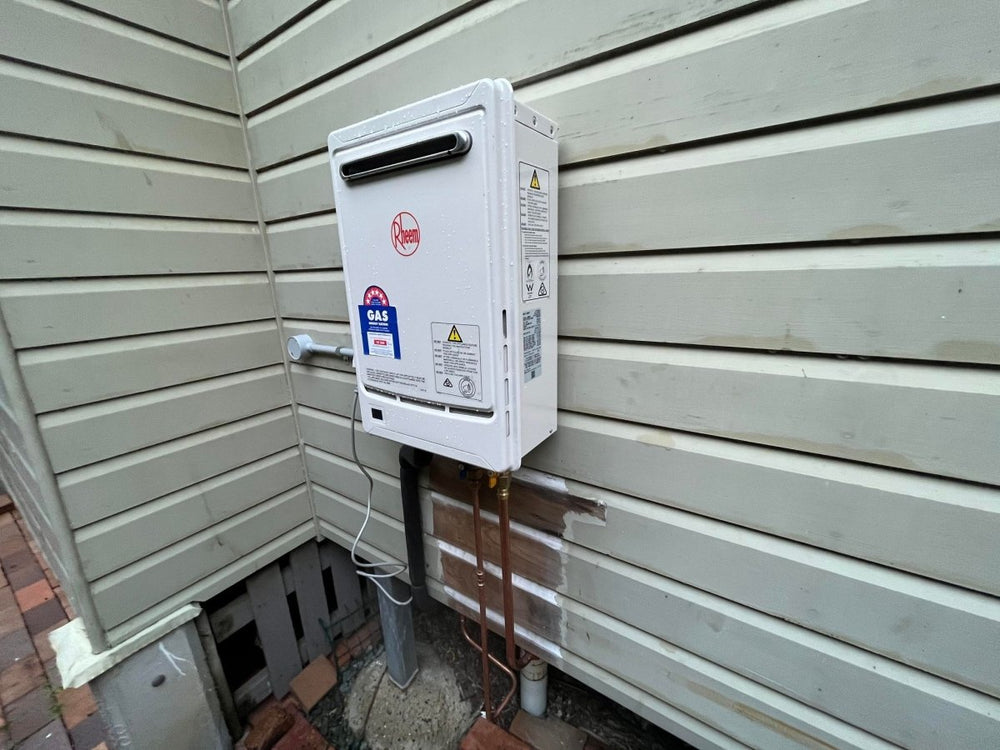
Rinnai Infinity 26 vs Rheem instant gas
Rinnai and Rheem are both commonly compared for instant gas hot water.
When comparing Rinnai Hot Water Systems with Rheem Hot Water Systems, check:
-
Flow rate
-
Natural gas or LPG model
-
Gas pipe sizing
-
Water pressure requirements
-
Minimum operating flow
-
Temperature controller options
-
Warranty terms
-
Product dimensions
-
Outdoor clearances
-
Installation cost
-
Total replacement cost
The better choice depends on the exact model and the home’s conditions.
Rinnai Infinity 26 vs Bosch instant gas
Bosch and Rinnai are both considered by customers comparing gas hot water systems.
When comparing Rinnai with Bosch Hot Water Systems, check:
-
Flow rate
-
Natural gas or LPG compatibility
-
Ignition method
-
Power requirements
-
Minimum water flow
-
Water pressure
-
Warranty terms
-
Outdoor clearances
-
Service requirements
-
Installation cost
The best choice depends on the existing services, water pressure and hot water demand.
Rinnai Infinity 26 vs Dux gas hot water
Rinnai and Dux may both be compared by customers looking at gas hot water or broader replacement options.
When comparing Rinnai with Dux Hot Water Systems, check:
-
Instant gas vs storage preference
-
Flow rate or storage capacity
-
Gas type
-
Product warranty
-
Installation location
-
Water pressure
-
Gas pipe sizing
-
Product price
-
Total replacement cost
Do not choose by brand alone. Choose the system that suits the property.
Installation requirements
The Rinnai Infinity 26 should be installed by a licensed gas fitter.
Installation checks may include:
-
Existing system type
-
Natural gas or LPG
-
Gas pipe sizing
-
Gas pressure
-
Water pressure
-
Outdoor location
-
Clearances
-
Power point
-
Temperature controller wiring
-
Pipework changes
-
Valves
-
Drainage and discharge
-
Compliance requirements
-
Old unit removal
-
Disposal
A like-for-like replacement may be straightforward in one home and more complex in another.
Supply-only Rinnai Infinity 26
Supply-only ordering can suit customers who already have their own licensed gas fitter arranged.
Supply only may suit:
-
Builders
-
Renovators
-
Landlords
-
Property managers
-
Trade customers
-
Customers managing their own installation
-
Customers outside installed service areas
Supply-only product pricing generally does not include installation, gas work, electrical work, valves, pipework changes, old unit removal, disposal, drainage, access upgrades, temperature controllers or compliance upgrades unless clearly selected or included.
Before ordering supply only, your licensed gas fitter should confirm that the Rinnai Infinity 26 suits the property.
Supplied-and-installed Rinnai instant gas systems
Supplied-and-installed options may be available on selected products in eligible Brisbane and Gold Coast service areas where shown.
This can suit customers who want the product and installation pathway arranged together.
Before ordering supplied and installed, check:
-
Service area eligibility
-
Existing system type
-
Natural gas or LPG
-
Installation inclusions
-
Gas pipe sizing
-
Water pressure
-
Electrical requirements
-
Old unit removal
-
Disposal
-
Pipework changes
-
Access
-
Temperature controller options
-
Compliance upgrades
Do not assume every possible site requirement is included. Check the product page and selected options carefully.
Maintenance and servicing
Instant gas hot water systems need periodic servicing to support performance, safety and reliability.
Maintenance may include:
-
Burner checks
-
Heat exchanger inspection
-
Water filter cleaning
-
Gas pressure checks
-
Flue and ventilation checks
-
Error code diagnosis
-
Scale checks
-
Water pressure checks
-
Temperature controller checks
-
General safety inspection
Homes with hard water, high use or water quality issues may need closer attention.
Warranty considerations
Before choosing the Rinnai Infinity 26, check the current warranty terms on the product page and manufacturer documentation.
Review:
-
Heat exchanger warranty
-
Parts warranty
-
Labour coverage
-
Installation requirements
-
Maintenance requirements
-
Licensed gas fitter requirements
-
Water quality exclusions
-
Gas type requirements
-
Proof of purchase
-
What is and is not covered
Warranty coverage does not mean every issue is automatically covered. Incorrect installation, gas supply problems, water quality issues or missing documentation can affect claims.
Common mistake: choosing the wrong gas type
Natural gas and LPG are different.
Always confirm the property’s gas type before ordering a Rinnai gas hot water system.
Common mistake: ignoring gas pipe sizing
A 26L instant gas system needs enough gas supply to perform properly.
If gas pipework is undersized, the unit may underperform or fail to deliver expected flow and temperature.
Common mistake: ignoring water pressure
Water pressure and flow matter for continuous flow gas systems.
Poor water pressure can affect ignition, performance and temperature stability.
Common mistake: expecting instant hot water at every tap
Instant gas heats water on demand, but hot water still needs to travel through pipework.
Long pipe runs can still create a wait at showers and taps.
Common mistake: choosing 26L when demand is higher
A 26L unit may suit many homes, but very high-demand households may need a different setup.
If multiple showers run at once, ask your licensed gas fitter to confirm suitability.
Common mistake: choosing by brand alone
Rinnai is a well-known brand, but the model still needs to suit the home.
Compare:
-
Flow rate
-
Gas type
-
Water pressure
-
Gas pipe sizing
-
Warranty
-
Installation cost
-
Running cost expectations
-
Outdoor location
-
Household demand
The right system is the one that fits the property.
Common mistake: DIY gas hot water installation
Gas hot water installation must be completed by a licensed gas fitter.
DIY gas work can create:
-
Gas leaks
-
Carbon monoxide risk
-
Fire risk
-
Water leaks
-
Warranty problems
-
Insurance issues
-
Non-compliant work
-
Poor performance
-
Safety hazards
Use the right licensed professional.
Final verdict: should you buy the Rinnai Infinity 26?
The Rinnai Infinity 26 can be a strong instant gas hot water option for small to medium Australian homes, especially where the property already has natural gas or LPG, suitable gas pipe sizing, adequate water pressure and a compliant outdoor installation location.
It is best suited to customers wanting a compact continuous flow gas unit and a practical replacement for an existing instant gas system.
It may be less suitable for very high-demand homes, properties without gas, homes with weak water pressure, customers expecting instant hot water at every outlet, or households wanting to move away from gas long term.
Before ordering, compare the Rinnai Infinity 26 with broader Instant Gas Hot Water Systems, Gas Hot Water Systems, Rheem Hot Water Systems, Bosch Hot Water Systems, Dux Hot Water Systems and Heat Pump Hot Water Systems.
The right choice is not just the most popular model. It is the system that matches your gas type, water pressure, household demand, installation location and long-term cost expectations.
Long-tail FAQs
Is the Rinnai Infinity 26 good?
The Rinnai Infinity 26 can be a good instant gas hot water system for small to medium homes with suitable gas supply, water pressure and professional installation.
What size home is the Rinnai Infinity 26 suited to?
It is commonly compared for one to two bathroom homes and small to medium households. Suitability depends on shower flow rates, water pressure, gas pipe sizing and simultaneous use.
Can the Rinnai Infinity 26 run two showers?
It may support two showers in suitable conditions, but this depends on shower flow rates, gas supply, water pressure and installation setup. A licensed gas fitter should confirm suitability.
Does the Rinnai Infinity 26 use natural gas or LPG?
Models may be available for natural gas or LPG, but the correct gas type must be selected. Natural gas and LPG are not interchangeable.
Does the Rinnai Infinity 26 need electricity?
Many continuous flow gas systems need electricity for ignition, controls and safety features. Check the selected model requirements before ordering.
Can the Rinnai Infinity 26 be installed indoors?
External instant gas units are generally for outdoor installation. Indoor installation should only be considered where the exact model is manufacturer-approved for internal or flued use.
Why does my instant gas hot water take time to reach the tap?
The unit heats water on demand, but hot water still has to travel through the pipework. Longer pipe runs can create a delay.
Is the Rinnai Infinity 26 better than gas storage?
It depends on the home. Rinnai Infinity 26 may suit customers wanting compact continuous flow hot water. Gas storage may suit homes wanting stored volume and fast recovery.
Is the Rinnai Infinity 26 better than heat pump hot water?
They suit different homes. Rinnai Infinity 26 suits gas-connected homes wanting continuous flow. Heat pump hot water may suit homes wanting an efficient electric option with suitable outdoor space, airflow and drainage.
Should I compare Rinnai Infinity 26 with Rheem or Bosch?
Yes. Compare Rinnai, Rheem and Bosch by flow rate, gas type, warranty, water pressure requirements, power requirements, installation conditions and total replacement cost.