

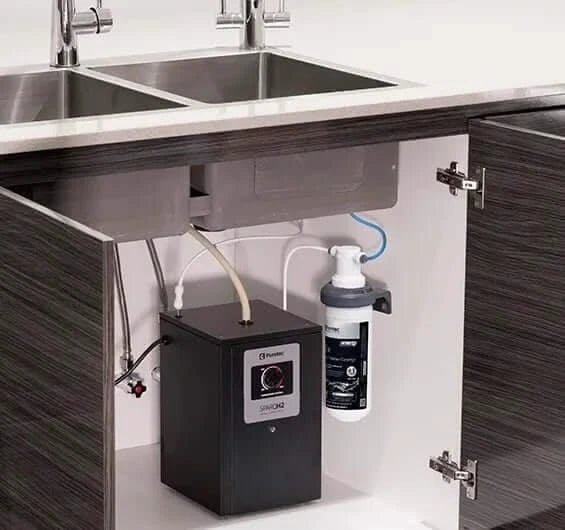
No Hot Water / Hot Water Not Working.
No Hot Water? Hot Water System Not Working?
Work out whether you're looking at a supply problem, heating fault, capacity issue or a system that may need replacing.
Select your system and symptoms. The checker covers electric storage, heat pumps, gas storage, continuous flow and solar hot water without asking you to open electrical covers or interfere with gas equipment.
What's Your Hot Water Doing?
We'll narrow the problem to a likely category and show the safest next checks. This does not replace diagnosis by a licensed trade.
Do not remove electrical covers, work on gas components, bypass valves or reset equipment repeatedly. If there is a gas smell, electrical burning, arcing, flooding or another immediate safety concern, stop using the system and arrange appropriate licensed assistance.
No Hot Water: What Should You Check First?
Start with the simple distinction between a house-wide supply problem and a fault at the hot water system. Then identify whether the system has no heat at all, heats slowly, runs out early or repeatedly stops.
Stop Troubleshooting if You Notice These Signs
Gas Smell
Do not keep attempting to ignite or restart the appliance. Avoid flames or electrical switching nearby, move away from the source and follow the appropriate gas emergency procedure for your supply area.
Burning or Electrical Smell
Stop using the water heater. If safe and accessible, isolate the relevant circuit without opening the appliance and arrange electrical assessment.
Major Water Leak
A significant tank, pipe or valve leak can cause property damage. Isolate the water supply where this can be done safely and arrange plumbing assistance.
Common Reasons Different Hot Water Systems Stop Working
The symptom may look identical at the tap, but the likely causes change significantly between electric, heat pump, gas and solar systems.
| System | No Hot Water | Runs Out | Slow Recovery | Intermittent |
|---|---|---|---|---|
| Electric Storage | Supply, circuit, controlled load, element or thermostat | Tank too small, heavy use, restricted recovery | Element problem or limited heating window | Supply or control issue |
| Heat Pump | Electrical supply, controller, compressor fault or lockout | Demand exceeding storage or recovery | Cold conditions, restricted timer or fault | Control, sensor or intermittent fault |
| Gas Storage | Gas supply, ignition, pilot or burner fault | Storage capacity or burner recovery | Burner / gas supply problem | Ignition or control issue |
| Continuous Flow Gas | Gas, power, water flow, ignition or fault code | Usually not a storage problem | Flow / gas / temperature-rise limitation | Minimum flow, ignition, supply or controller issue |
| Solar Hot Water | Boost supply, control or solar-system issue | Low solar contribution plus inadequate boosting | Poor solar conditions or boost fault | Boost control or circulation issue |
Electric Hot Water Not Working
A completely cold electric storage tank usually points first toward electricity supply or the heating components. A tank that starts hot and then runs out is more likely to involve capacity, recovery or usage.
Circuit or Supply
Check whether there has been a property outage, switchboard trip or controlled-load interruption. Do not repeatedly reset a breaker that continues to trip.
Heating Element
A failed resistance element can leave the tank cold or dramatically reduce recovery where multiple elements are fitted.
Thermostat / Control
A control fault can prevent the element from being energised correctly even though the electrical supply itself is available.
Controlled Load
The thermostat may be calling for heat while the dedicated electricity supply is unavailable until the next controlled period.
Undersized Tank
If hot water is available initially and then disappears after several showers, the problem may simply be demand exceeding usable stored capacity.
Recent Electrical Work
If the problem began immediately after switchboard, meter or circuit work, the supply arrangement should be checked before assuming the cylinder itself failed.
Heat Pump Hot Water Not Working
Heat pumps add a compressor, fan, sensors and electronic controls to the storage tank, so faults can look different from a standard electric cylinder.
No Power / Controller Off
Confirm the system appears powered and check whether the property has had an outage or circuit interruption.
Timer or Operating Window
A restricted timer can leave the tank short if household demand has increased or the compressor did not have enough time to complete its heating cycle.
Fault Code
A displayed code can narrow the fault to a sensor, compressor, fan, water or control issue. Record the exact code before cycling power.
Cold Weather Recovery
Recovery can take longer in colder conditions on some models. This is different from a system that never completes a heating cycle.
Compressor / Fan Fault
If the unit is powered but the refrigeration system does not operate correctly, licensed service may be required.
Backup Element
Some heat pumps have electric boost or backup heating. Its operation and control vary by model and should not be assumed to work the same way across brands.
Gas Hot Water Not Working
Gas systems need a fuel supply, safe ignition and adequate water flow. Many modern continuous-flow units also require electrical power for controls and ignition.
Gas Supply
Check whether other gas appliances are operating normally where applicable. A broader gas interruption can mimic an appliance fault.
Electrical Supply
Many continuous-flow gas heaters require electricity even though gas provides the heat.
Ignition Fault
Repeated failed ignition, fault codes or abnormal operation require assessment rather than repeated restart attempts.
Minimum Flow
Continuous-flow systems need sufficient water movement to trigger operation. Very low outlet flow can sometimes prevent normal firing.
Controller Settings
Check whether a wall controller is powered and displaying normally before assuming the appliance itself has failed.
Fault Code
Record the exact code shown. Different manufacturers use different codes, so the number must be interpreted against the specific model.
Solar Hot Water Not Heating Properly
Solar hot-water performance depends on both solar collection and the backup heating system. Poor weather alone should not normally mean days of completely cold water if the boost system is operating correctly.
Boost Not Working
Electric or gas boosting should provide backup when solar contribution is insufficient. A boost fault can become obvious after cloudy weather.
Low Solar Contribution
Prolonged cloud, shading or poor collector performance can reduce the amount of free heat entering the storage tank.
Circulation Problem
Pumped solar systems rely on circulation and controls to move heat correctly between collectors and storage.
Hot Water Starts Hot Then Runs Out Quickly
This symptom is different from having no hot water at all. If the tank initially contains properly heated water, the problem is often capacity or recovery rather than a total heating failure.
Household Demand Increased
More occupants, longer showers, teenagers or regular bath use can turn a previously adequate tank into an undersized one.
Heating Window Too Short
Controlled load or timers may not give the system enough recovery time between high-demand periods.
Partial Heating Fault
Some systems can still produce some hot water despite a failed component, making the issue look like insufficient capacity.
No Hot Water After a Power Outage, Plumbing Work or Installation
Timing matters. If the problem began immediately after another event, start by checking what changed rather than assuming two unrelated failures happened at once.
After a Power Outage
Check whether the hot-water circuit, controller or controlled-load supply has returned to normal. Heat may also take time to rebuild after a prolonged outage.
After Plumbing Work
Confirm water supply has been fully restored and that the problem affects the hot-water system rather than one individual outlet.
After New Installation
Consider commissioning, circuit supply, controller settings, gas supply and whether enough time has elapsed for the new system to complete its first heating cycle.
When Does a Hot Water Fault Point Toward Replacement?
A fault alone does not make replacement necessary. Age, tank condition, repair cost, efficiency and whether the system still suits the household all matter.
Repair May Make Sense
- System is relatively young.
- Tank itself is sound.
- Fault is isolated and economical to repair.
- System still suits household demand.
Replacement Deserves Comparison
- Tank is leaking or badly corroded.
- System is approaching the end of normal service life.
- Major components have failed.
- Repair cost is high relative to replacement.
Upgrade May Make Sense
- Current system regularly runs out.
- Running costs are high.
- Household now has solar PV.
- Available rebates materially change replacement economics.
A Safe Way to Troubleshoot No Hot Water
Identify the System
Electric, heat pump, gas and solar systems fail in different ways.
Identify the Symptom
Completely cold, lukewarm, intermittent and running-out symptoms point toward different fault groups.
Check External Supply
Look for property-wide power, gas or water issues without dismantling the appliance.
Escalate Safely
If the basic external checks do not explain the problem, arrange diagnosis instead of opening electrical or gas components.
No Hot Water & Hot Water Not Working FAQs
Why do I suddenly have no hot water?
Sudden loss of hot water can be caused by an electricity or gas supply interruption, failed heating component, controller fault, ignition problem, fault lockout or another system-specific issue. Check whether the problem began after a power outage, plumbing work or other recent change.
Why is my electric hot water system not heating?
Possible causes include loss of electrical supply, controlled-load availability, a circuit problem, failed heating element or thermostat/control fault. Do not remove electrical covers to investigate these components yourself.
Why is my heat pump running but the water is cold?
Possible causes include insufficient recovery time, a control or sensor issue, refrigeration-system fault, incorrect operating mode or household demand exceeding available stored water. Any displayed fault code should be recorded.
Why does my hot water run out so quickly?
The tank may be undersized for current household demand, recovery may be restricted by the electricity tariff or timer, usage may have increased, or the system may only be partially heating.
Why is my gas hot water not working?
Gas hot water can stop working because of gas supply loss, electrical supply on electronically controlled models, ignition problems, inadequate water flow or an appliance fault. If you smell gas, stop troubleshooting and follow the appropriate gas emergency procedure.
Why does my continuous flow hot water go hot and cold?
Intermittent continuous-flow performance can involve changing water flow, minimum activation flow, gas supply, ignition, temperature controls or a fault condition. The exact cause depends on the model and installation.
Why is my solar hot water cold after cloudy weather?
Solar contribution falls during poor weather, but the boost system should normally provide backup heat. Persistent cold water can therefore indicate a boost, control or other system issue rather than low sunlight alone.
Why do I have no hot water after a power outage?
The water heater may need time to recover after power returns, and a dedicated controlled-load circuit may return on a different schedule from normal household electricity. Also check whether the applicable hot-water circuit has remained tripped.
Should I reset my hot water circuit breaker?
If an accessible breaker has tripped, the reason matters. A breaker that immediately or repeatedly trips should not be repeatedly reset because an electrical fault may be present. Arrange licensed electrical assessment.
Does no hot water mean I need a new system?
No. Many no-hot-water faults are repairable. Replacement becomes more relevant when the tank itself is leaking or badly corroded, the system is old, major components have failed or repair cost is high compared with replacement.
How long should it take hot water to come back after running out?
Recovery time varies significantly by system type, tank size, heating output and available electricity or gas supply. Heat pumps, resistance electric storage and gas storage can all have very different recovery times.
Why is my hot water only lukewarm?
Lukewarm water can involve incomplete heating, control problems, a failed heating component, tempering or mixing equipment, unusually high demand or other plumbing conditions. Persistent temperature problems should be diagnosed rather than compensated for by altering safety settings.
If the Old System Is Finished, Compare the Replacement Before Buying.
Compare electric storage, heat pump, gas and other hot water options by household size, running cost, installation requirements and available incentives rather than automatically replacing the failed system like-for-like.
