
Chromagen Midea Heat Pump Review: Is It Worth It?
Chromagen Midea heat pumps are often discussed as value-focused heat pump hot water systems. They are usually compared by homeowners looking for lower running costs than standard electric storage, without paying premium heat pump prices.
The main appeal is simple: heat pump technology can reduce electricity use compared with a conventional electric hot water tank, and Midea-style systems have often been positioned as a lower-cost entry point into heat pump hot water. The trade-off is that long-term reliability, service support, noise, parts availability and warranty experience matter just as much as the upfront price.
For customers comparing current options online, the best starting point is Installed Today’s Heat Pump Hot Water Systems range. If you are comparing Chromagen Midea against stocked alternatives, it is also worth reviewing Medium Heat Pump Hot Water Systems 200L–280L, Large Heat Pump Hot Water Systems and the full Hot Water Systems collection before deciding.
Quick Answer
Best for: customers comparing value-focused heat pump hot water systems
Main advantage: lower running cost potential than standard electric storage
Main concern: long-term reliability and service support can matter more than the purchase price
Best household fit: depends on the tank size, daily hot water use and installation location
Noise level: like most heat pumps, fan and compressor noise must be considered
Best alternatives to compare: iStore, Enviroheat, Rinnai, Rheem, Emerald Energy, Aquatech, Hydrotherm and Envirosun heat pump systems
Good categories to compare: Heat Pump Hot Water Systems, Medium Heat Pump Hot Water Systems 200L–280L and Wi-Fi Enabled Heat Pump Hot Water Systems
What Is a Chromagen Midea Heat Pump?
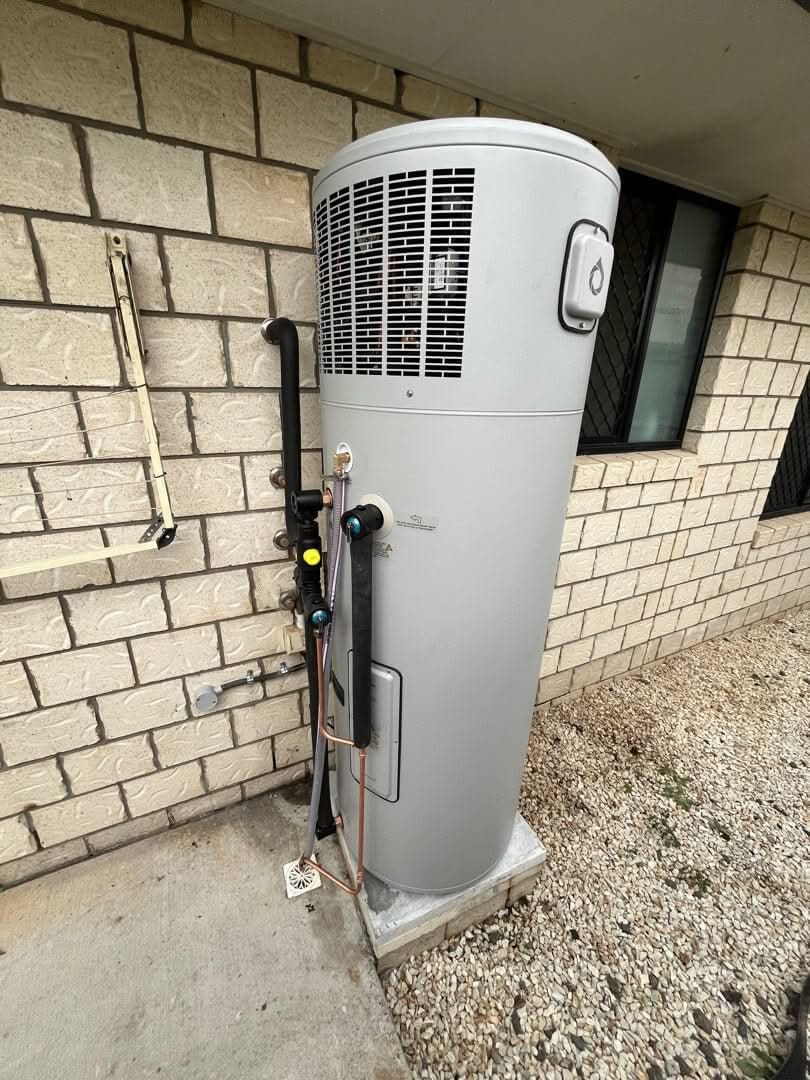
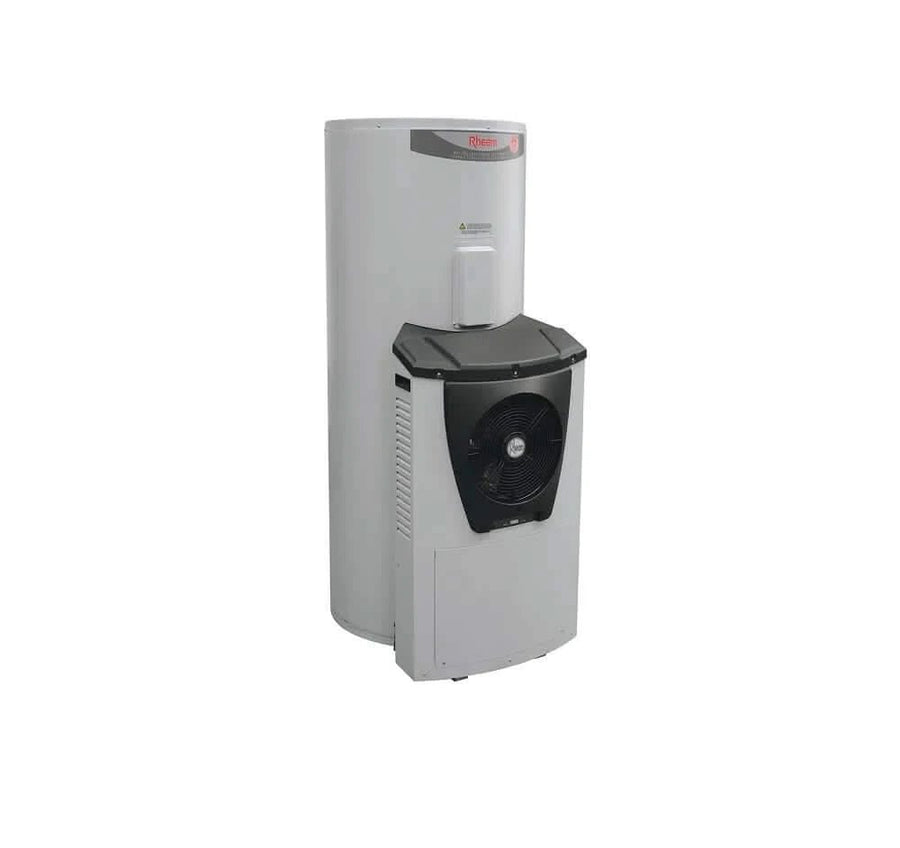
A Chromagen Midea heat pump is a heat pump hot water system that uses electricity to draw heat from the surrounding air and transfer that heat into a storage tank.
Instead of relying mainly on a standard electric element, the heat pump uses a compressor and refrigeration cycle to move heat. This can make it much more efficient than traditional electric storage hot water in suitable conditions.
The Midea name is often associated with value-focused heat pump technology, while Chromagen has been connected with hot water products in the Australian market. In practical terms, homeowners usually compare these systems against other heat pump brands based on:
tank size
price
noise rating
warranty terms
installation requirements
parts support
running cost potential
service network
household suitability
The key point is that the cheapest heat pump is not automatically the best long-term buy. A heat pump should be judged on whole-of-life value, not just purchase price.
Who Is a Chromagen Midea Heat Pump Best Suited To?
A Chromagen Midea heat pump may suit homes that:
are replacing an old electric storage hot water system
want lower running cost potential than standard electric hot water
have suitable outdoor space
have clear airflow around the unit
can manage condensate and relief valve drainage
have moderate daily hot water use
want a budget-friendly heat pump option
have rooftop solar or may add solar later
are comfortable with fan and compressor noise
It may not be the best choice for homes where long-term service support is the top priority, where the only installation location is close to bedrooms, or where the household wants a premium heat pump with stronger smart controls and brand support.
If you want to compare current stocked alternatives, Installed Today’s Medium Heat Pump Hot Water Systems 200L–280L category is a strong starting point.
Chromagen Midea Heat Pump Key Features
Common features associated with Chromagen Midea heat pump systems include:
integrated heat pump and storage tank design
fan and compressor operation
electric backup heating support on some models
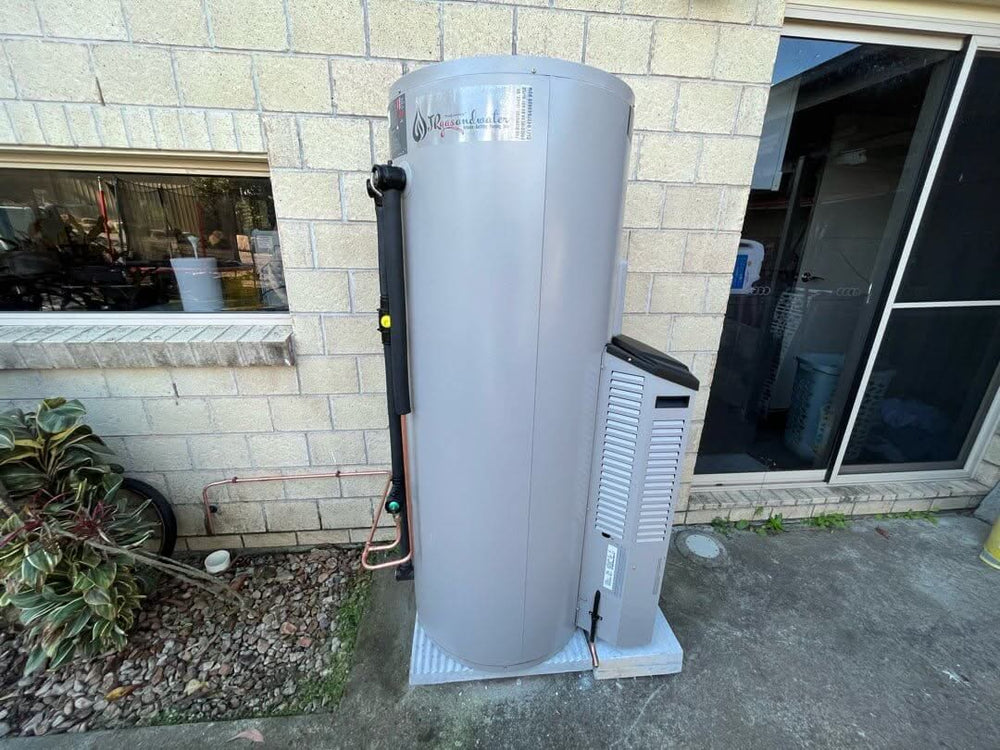
outdoor installation design
renewable-style water heating technology
energy savings compared with standard electric storage
automatic control modes
frost protection on some models
tank size options for different household needs
lower upfront pricing than some premium heat pump brands
The features may look strong on paper, but the most important question is how the system performs after several years. That is where installation quality, support, parts availability and maintenance become important.
Long-Term Use: What Homeowners Usually Notice
In long-term use, the biggest benefit of a Chromagen Midea-style heat pump is the potential reduction in electricity use compared with a standard electric storage tank.
Homeowners may notice:
lower hot water energy use than an old electric tank
better value when timed with rooftop solar
acceptable hot water supply when correctly sized
audible fan and compressor operation
slower recovery than some gas systems
strong dependence on installation location
the importance of maintenance and servicing
the need to consider warranty and parts support
The main concern is not whether the technology can work. Heat pump technology is proven. The bigger question is whether the specific unit, warranty support, installer quality and after-sales service are strong enough for long-term ownership.
Energy Savings and Running Costs
A Chromagen Midea heat pump can reduce hot water running costs compared with a standard electric storage system, but the actual saving depends on the household.
Savings are affected by:
daily hot water use
electricity tariff rates
household size
tank size
ambient air temperature
timer settings
solar power availability
backup element use
installation location
maintenance condition
shower habits
A heat pump will usually perform best when it has warm surrounding air, clear airflow and a sensible operating schedule. Brisbane, Gold Coast and many other warmer Australian locations can be favourable for heat pump operation, but only if the system is installed correctly.
The biggest mistake is buying a heat pump purely because of a claimed saving figure. Real-world savings depend on how the system is used.
Chromagen Midea Heat Pumps and Solar Power
Heat pump hot water can pair well with rooftop solar when the system is set to run during the day.
This allows the household to use more of its own solar-generated electricity to heat water instead of sending excess power back to the grid. The tank then stores that hot water for later use.
A solar-friendly setup usually involves:
running the heat pump during daylight hours
matching timer settings to solar production
avoiding unnecessary overnight heating
making sure the tank is large enough for evening and morning demand
limiting backup element use where possible
checking that the household still has enough hot water after cloudy days
This does not mean hot water becomes free. Weather, tariff rates, feed-in tariffs, solar output, household demand and system settings all affect the result.
If solar compatibility is a major priority, also compare current Wi-Fi Enabled Heat Pump Hot Water Systems, especially if remote control or app-based scheduling matters.
Noise: Are Chromagen Midea Heat Pumps Loud?
Chromagen Midea heat pumps, like most heat pump hot water systems, are not silent. They use a fan and compressor, so noise should be considered before installation.
Noise may be fine in one location but annoying in another. A unit placed beside a garage or open service area may be acceptable, while the same unit beside a bedroom window or narrow side passage may cause complaints.
Avoid installing heat pumps too close to:
bedroom windows
neighbouring bedrooms
home offices
outdoor entertaining areas
narrow side access
hard walls that reflect sound
boundary fences with poor sound separation
Noise ratings are useful, but real-world noise depends on placement, surfaces, airflow and how often the unit runs.
Reliability: The Main Concern With Budget Heat Pumps
The biggest concern with Chromagen Midea heat pumps is not usually the theory of the technology. It is long-term reliability and after-sales support.
Budget heat pumps can look attractive because the upfront price is lower. However, if the system needs early repairs, has slow parts availability, or requires repeated service calls, the upfront saving can disappear quickly.
Before choosing any budget heat pump, check:
warranty length and conditions
who handles warranty support
parts availability
service response expectations
installer experience with the brand
common fault history
customer feedback
whether the model is current or discontinued
whether a better-supported alternative is available
For many households, paying more upfront for a better-supported current model may be the better long-term decision.
Chromagen Midea vs Standard Electric Hot Water
A Chromagen Midea heat pump is usually more efficient than a standard electric storage hot water system, but it is also more complex.
A standard electric storage tank is simple, quiet and usually cheaper to buy. It may suit customers who want a low upfront cost and straightforward replacement.
A heat pump usually costs more upfront but can reduce electricity use over time.
| Feature | Chromagen Midea Heat Pump | Standard Electric Storage |
|---|---|---|
| Upfront cost | Higher than basic electric | Lower |
| Running cost potential | Lower | Higher |
| Noise | Fan and compressor noise | Silent operation |
| Installation needs | Airflow, drainage and electrical checks | Usually simpler |
| Solar compatibility | Good with timer setup | Possible, but less efficient |
| Best suited to | Efficiency upgrade | Budget/simple replacement |
If the customer wants the lowest upfront cost, electric storage may still be worth comparing. If the goal is reducing running costs, a heat pump may be the better pathway.
Chromagen Midea vs Current Heat Pump Brands
Chromagen Midea systems should be compared against current heat pump models, not just electric storage tanks.
Current alternatives may include:
iStore Heat Pump Hot Water Systems
Rinnai Hot Water Systems
Rheem Hot Water Systems
Enviroheat and Envirosun options
Emerald Energy heat pumps
Aquatech and Hydrotherm heat pumps
Stiebel Eltron heat pumps
When comparing brands, check:
tank capacity
noise rating
COP rating
warranty terms
service support
availability
electrical requirements
timer options
Wi-Fi or smart control
refrigerant type
backup element size
installation clearances
household suitability
A cheap heat pump can be a good buy if the support is there. A cheap heat pump can be a bad buy if it becomes hard to repair.
Chromagen Midea vs iStore Heat Pumps
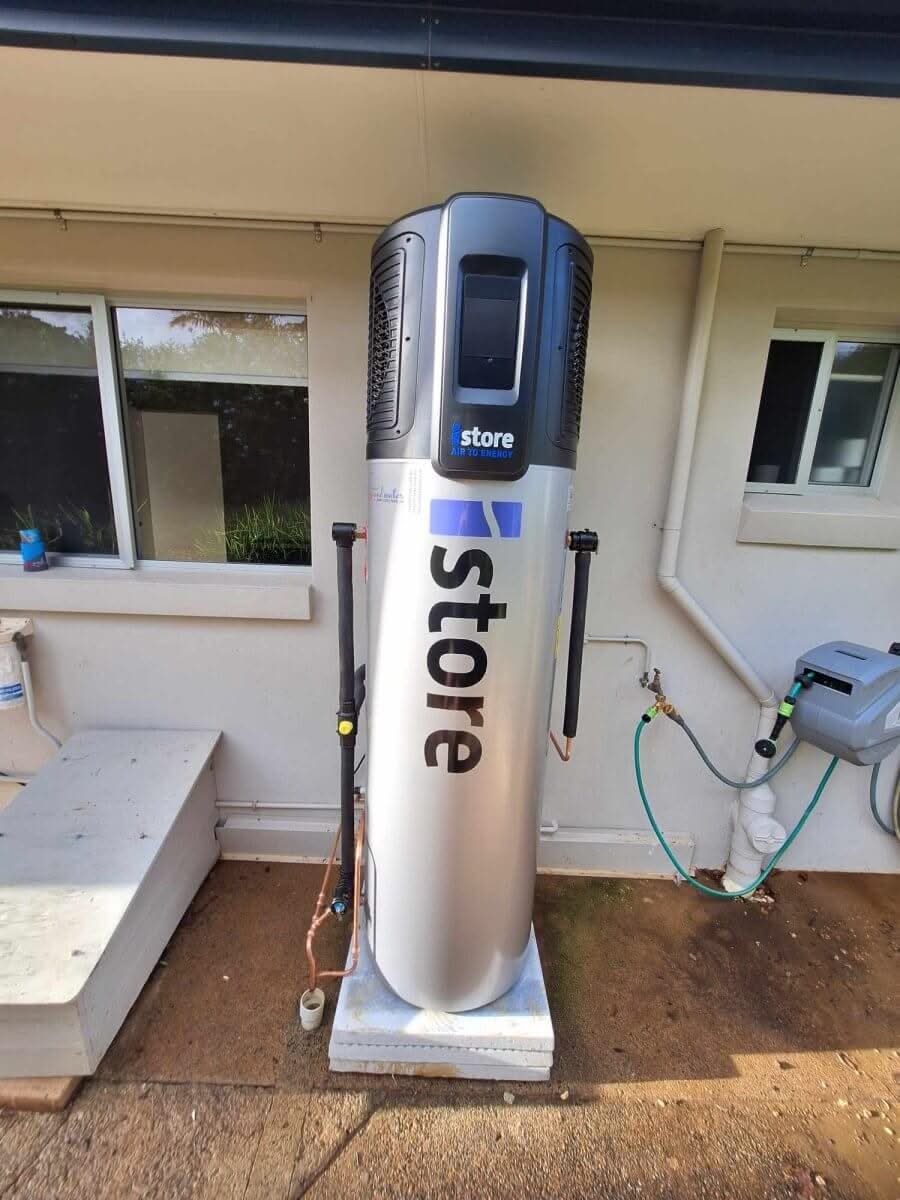
iStore heat pumps are often compared against budget heat pumps because they are a popular mid-size heat pump option for homes wanting solar-friendly hot water.
A Chromagen Midea unit may appeal on upfront price, while an iStore may appeal to customers wanting a more commonly compared current product with strong household-size options.
If you are comparing family-sized heat pumps, Installed Today’s iStore Heat Pump Hot Water Systems collection is worth reviewing.
Chromagen Midea vs Rinnai Heat Pumps
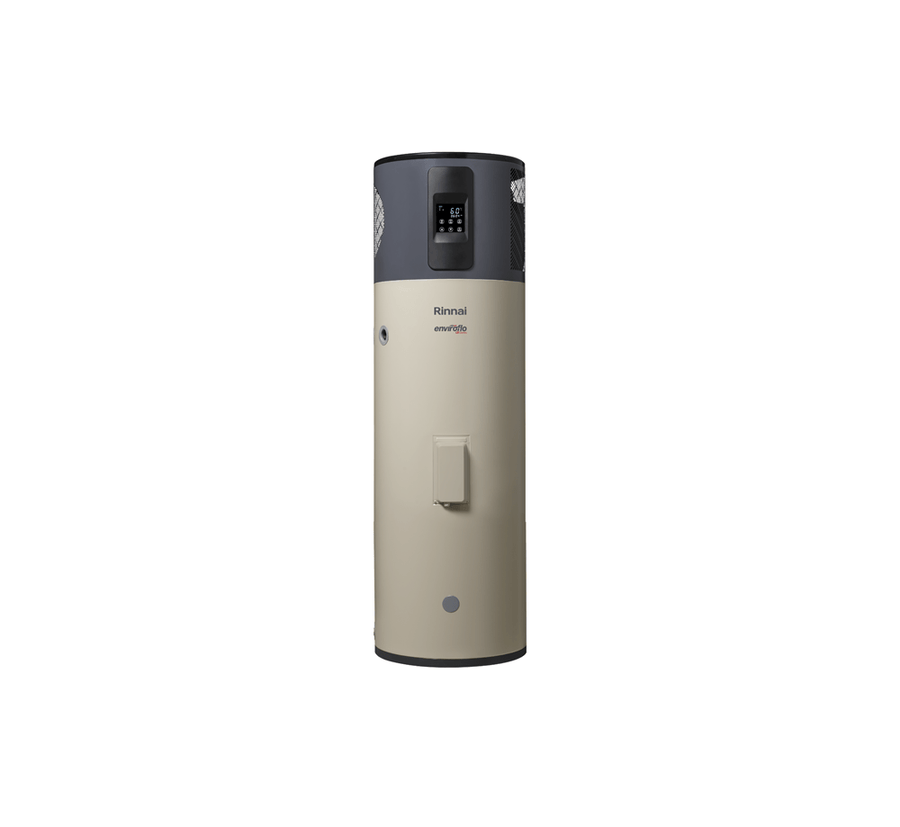
Rinnai heat pumps may appeal to customers who prefer a widely recognised hot water brand with current electric, gas, instant and heat pump options.
A Chromagen Midea heat pump may be considered more value-focused, while Rinnai may be considered by customers wanting broader brand recognition and a stronger comparison range.
For Rinnai options, browse Rinnai Hot Water Systems or compare the broader Heat Pump Hot Water Systems category.
Chromagen Midea vs Rheem Heat Pumps
Rheem is one of the best-known hot water brands in Australia, so Rheem heat pumps are a natural comparison for customers deciding between budget and established-brand options.
A Chromagen Midea system may look attractive on price, but a Rheem option may appeal to customers who want a more familiar brand name, broader product range and established hot water presence.
For brand comparisons, start with Rheem Hot Water Systems and compare against current medium and large heat pump categories.
Supply Only vs Supplied and Installed
Installed Today offers supply-only ordering for customers who already have their own licensed installer arranged. Supply-only pricing is for the product only and does not include installation, valves, electrical work, pipework changes, drainage work, old unit removal, disposal or compliance upgrades unless those options are clearly selected or shown on the product page.
Supplied-and-installed options may be available on selected products in eligible Brisbane and Gold Coast service areas. Availability depends on the product, location, access, existing setup, electrical suitability, drainage, clearances, required extras and site requirements.
Before ordering any heat pump supply only, make sure your installer confirms the system suits the home, household demand, electrical supply, drainage, access path, airflow and final location.
Brisbane and Gold Coast Buying Context
For Brisbane and Gold Coast homes, heat pump hot water can be a practical option because the warmer climate generally suits air-source heat pump operation.
Local homes should still check:
whether the unit can be installed outdoors with clear airflow
whether noise may affect bedrooms or neighbours
whether condensate can drain safely
whether relief valve discharge is suitable
whether electrical work is required
whether access allows safe delivery and positioning
whether the tank size suits the household
whether rooftop solar can be used during the day
whether supply only or supplied and installed is preferred
A heat pump may work well in South East Queensland conditions, but a poor installation location can still create noise, drainage or performance problems.
Common Chromagen Midea Heat Pump Issues to Watch For
Common heat pump issues may include:
not enough hot water after heavy use
slow recovery during high demand
fan or compressor noise complaints
restricted airflow
fault codes
condensate drainage problems
relief valve discharge
backup element use increasing running costs
timer settings not matching household demand
delays with parts or warranty support
early component faults
older models becoming harder to support
Some of these problems are product-related, while others come from sizing, installation and settings. The installer should confirm suitability before purchase.
Maintenance and Reliability
Chromagen Midea heat pumps, like all heat pump hot water systems, require maintenance over time.
Maintenance considerations include:
keeping airflow around the unit clear
checking for unusual noises
watching for changes in recovery time
checking condensate drainage
monitoring relief valve discharge
following manufacturer service requirements
having electrical faults checked by a licensed electrician
having plumbing and valve issues checked by a licensed plumber
checking whether parts and support are available for older models
Heat pumps include more components than standard electric tanks, so service access and brand support matter.
Before Ordering Checklist
Before ordering or replacing a heat pump hot water system, check:
how many people live in the home
how many bathrooms are used daily
whether showers are short or long
when hot water demand is highest
whether the old system supplied enough hot water
whether the home has rooftop solar
where the heat pump will be installed
whether noise could affect bedrooms or neighbours
whether airflow is clear
whether condensate can drain safely
whether electrical supply is suitable
whether the model is current and supported
whether supply only or supplied and installed is needed
whether your installer has confirmed suitability
This helps avoid choosing a system that is too small, too noisy, hard to service or unsuitable for the location.
Is a Chromagen Midea Heat Pump Worth It?
A Chromagen Midea heat pump can be worth considering if you want an affordable entry into heat pump hot water and the home has a suitable installation location.
It may be a good option when:
you are replacing an old electric storage system
you want lower running cost potential
you have suitable outdoor space
airflow and drainage are available
noise can be managed
the household has moderate hot water use
the system is correctly sized
warranty and support are clearly understood
It may not be the right option if:
you want the strongest long-term brand support
you need the quietest possible heat pump
the only location is near bedrooms
your household has very high hot water demand
you want premium smart controls
the model is older or difficult to support
current alternatives offer better value
For most customers, the safest approach is to compare Chromagen Midea against current stocked heat pump models before deciding.
Long-Tail FAQs
Are Chromagen Midea heat pumps reliable?
Chromagen Midea heat pumps can work well in the right conditions, but reliability depends on the model, installation quality, maintenance, parts support and warranty handling. Budget heat pumps should always be compared on long-term support, not just upfront price.
Is a Chromagen Midea heat pump cheaper to run than electric storage?
A heat pump is usually cheaper to run than standard electric storage because it draws heat from the surrounding air instead of relying mainly on a direct electric element. Actual savings depend on usage, tariffs, solar, timer settings, climate and installation quality.
Is a Midea heat pump noisy?
Like most heat pump hot water systems, a Midea-style heat pump uses a fan and compressor, so it will make noise while running. Whether that noise is acceptable depends heavily on where the unit is installed.
Can a Chromagen Midea heat pump work with rooftop solar?
Yes, a heat pump can work well with rooftop solar when it is timed to run during the day. This helps the household use solar-generated electricity for hot water instead of relying mainly on grid power.
Should I buy a cheaper heat pump or pay more for a better-known brand?
The cheaper option may be fine if the warranty, parts, support and installer confidence are strong. However, paying more for a better-supported current model can be worthwhile if it reduces the risk of repair delays, warranty issues or early replacement.
Is a heat pump better than instant gas hot water?
A heat pump may be better if the home wants to reduce gas use and has suitable outdoor space, drainage and solar power. Instant gas may be better for homes already set up for gas and wanting compact continuous flow hot water. The right choice depends on the property.
What is the main downside of Chromagen Midea heat pumps?
The main downside is uncertainty around long-term reliability and support compared with some better-known current heat pump brands. Noise, placement, drainage and installation quality also matter.
Final Word
Chromagen Midea heat pumps can offer a lower-cost way into heat pump hot water, especially for households replacing old electric storage systems. The technology can reduce running cost potential, work well with solar and suit homes with the right outdoor installation location.
However, the decision should not be based on price alone. Long-term reliability, parts support, warranty handling, noise, installation quality and household suitability are just as important.
Before choosing a Chromagen Midea heat pump, compare current options in Installed Today’s Heat Pump Hot Water Systems, review Medium Heat Pump Hot Water Systems 200L–280L, compare Wi-Fi Enabled Heat Pump Hot Water Systems, or browse the full Hot Water Systems range before ordering.