
Best Heat Pump Hot Water System 2024: Installed Today Buyer’s Guide
Choosing the best heat pump hot water system in 2024 comes down to more than picking the biggest tank or the most popular brand. The right system depends on household size, number of bathrooms, shower habits, outdoor airflow, condensate drainage, electrical setup, noise placement, recovery time, warranty terms and whether the property is suitable for heat pump installation.
Heat pump hot water systems have become a popular upgrade for Australian homes replacing older electric storage systems. They use electricity to draw heat from the surrounding air and transfer it into stored water, which can make them more efficient than standard electric element storage in suitable conditions.
But not every heat pump suits every home. Some households need a larger tank. Some need faster recovery. Some need a quieter unit. Some properties do not have the outdoor space, drainage or airflow needed for heat pump hot water to work properly.
This 2024 guide compares the best heat pump hot water system options by brand, household type and installation suitability, so you can choose a system that fits the home before ordering.
You can compare Heat Pump Hot Water Systems, broader Hot Water Systems, Electric Hot Water Systems, Gas Hot Water Systems and Instant Gas Hot Water Systems online with Installed Today.
Quick answer: what is the best heat pump hot water system in 2024?
There is no single best heat pump hot water system for every home. The best choice depends on the property and how the household uses hot water.
As a practical 2024 shortlist:
| Best for | Heat pump brand or option to compare |
|---|---|
| Best overall family comparison | iStore heat pump hot water |
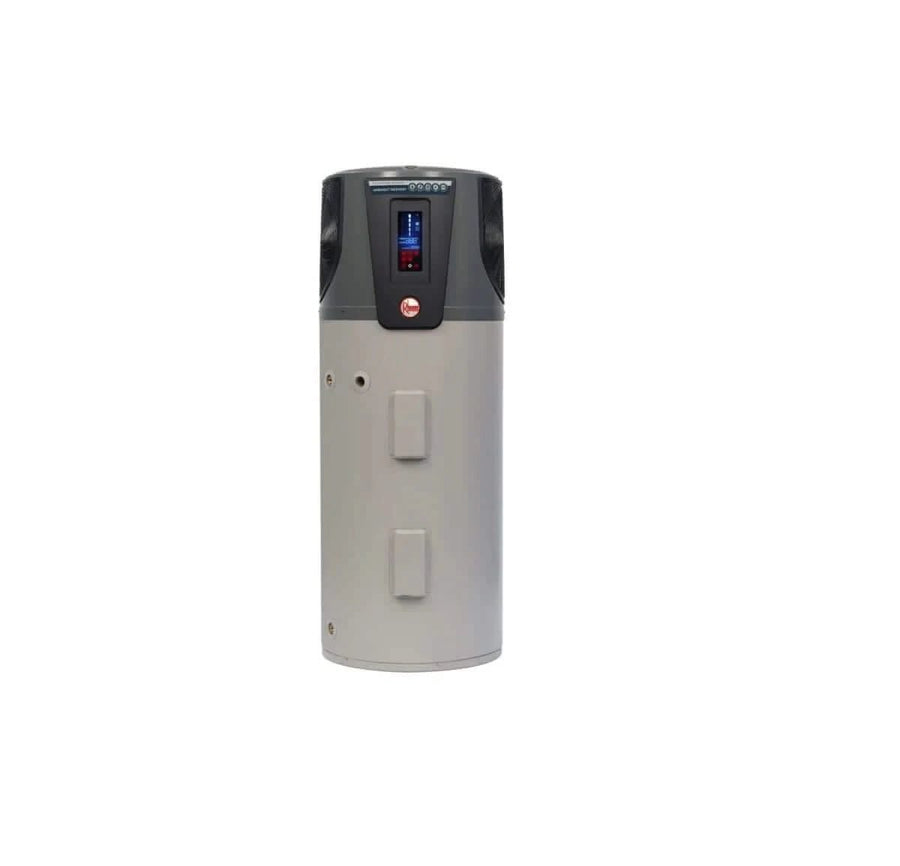
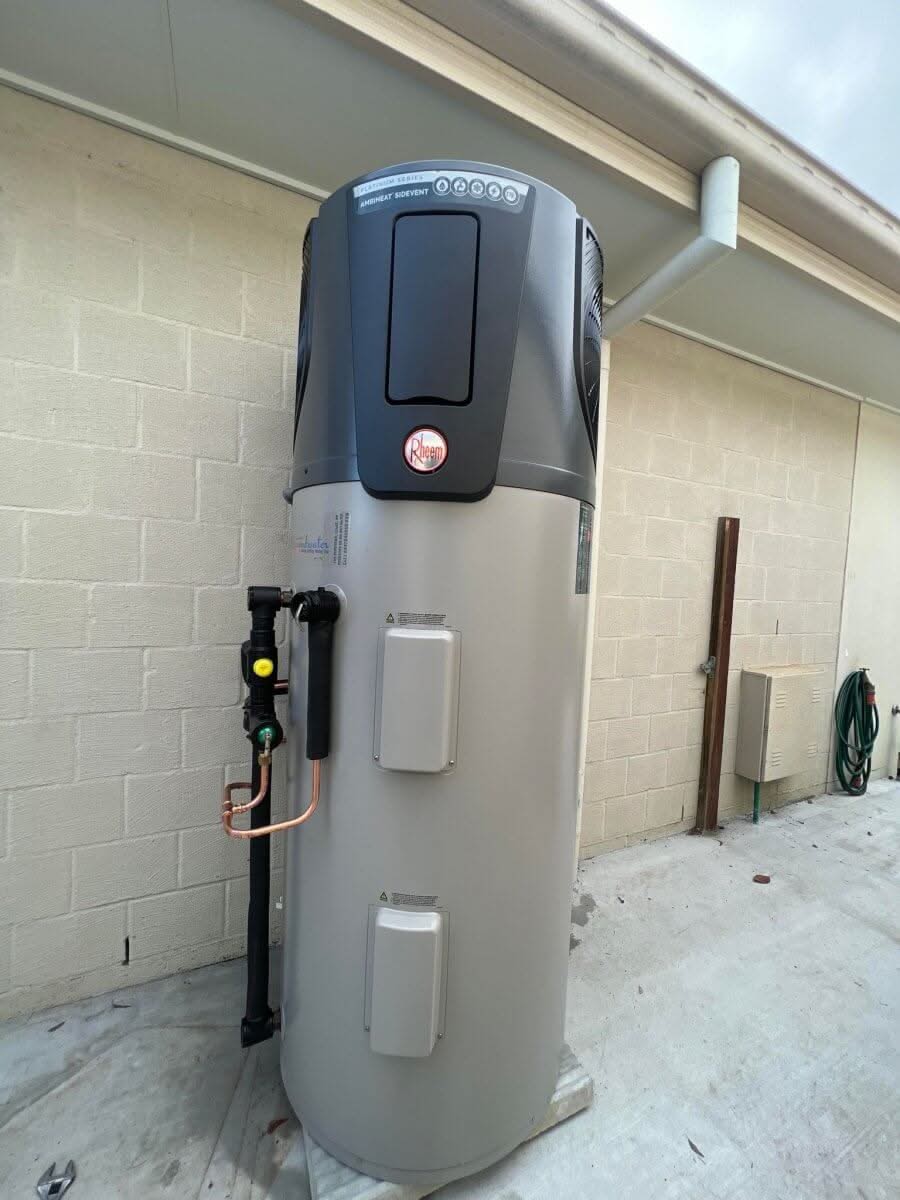
| Best major-brand comparison | Rheem heat pump hot water |
| Best Rinnai comparison | Rinnai Enviroflo heat pump range |
| Best premium electric brand comparison | Stiebel Eltron heat pump hot water |
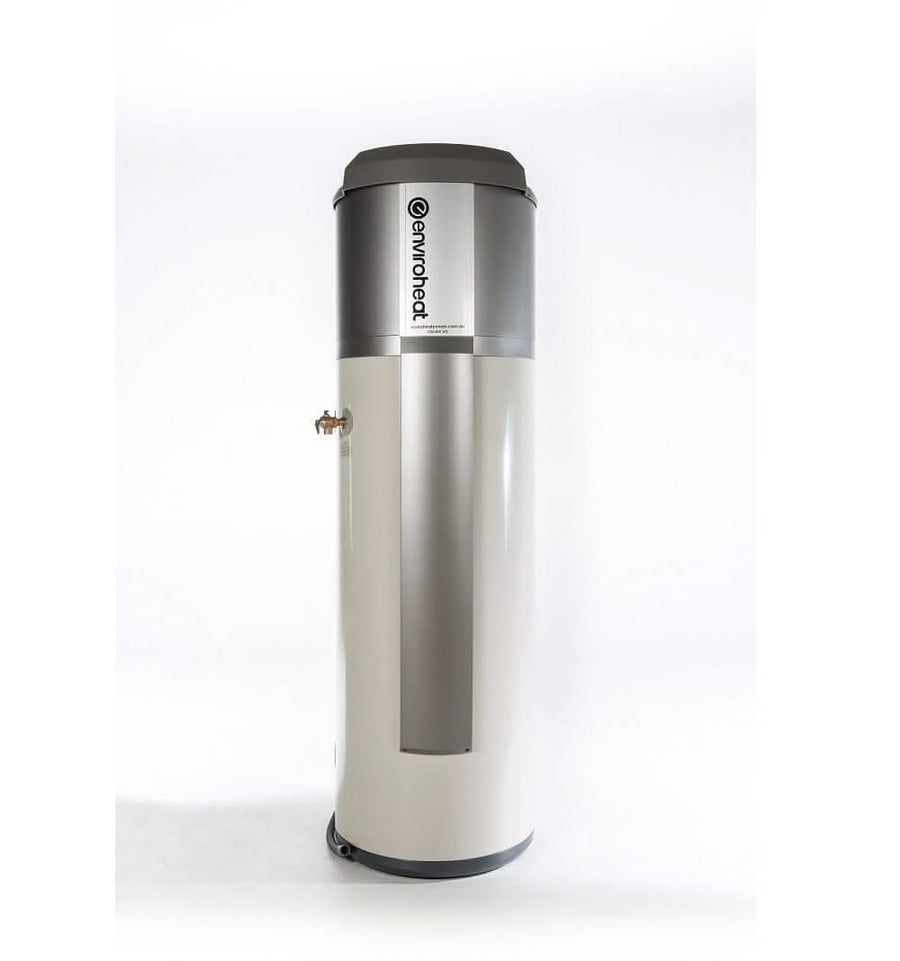
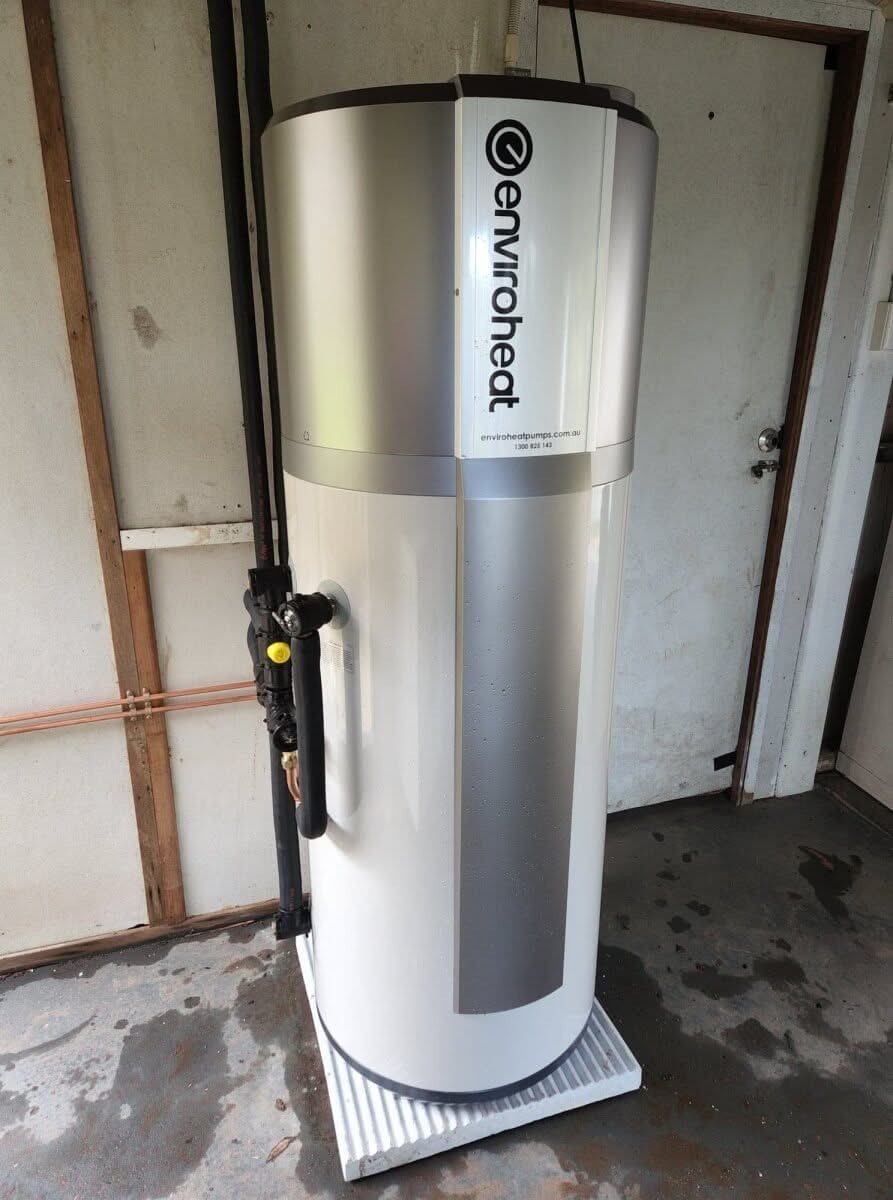
| Best value-focused comparison | Enviroheat heat pump hot water |
| Best alternative heat pump comparison | Aquatech / Hydrotherm heat pump hot water |
| Best for replacing electric storage | Medium to large heat pump hot water system |
| Best for rooftop solar homes | Heat pump with suitable daytime timer setup |
| Best for smaller homes | Smaller capacity heat pump where demand suits |
| Best if heat pump does not suit | Electric storage or gas hot water alternative |
For most homes, the best starting point is not one exact model. It is comparing the right heat pump category and then matching capacity, dimensions, noise, airflow and recovery to the home.
What is a heat pump hot water system?
A heat pump hot water system is an electric hot water system that uses heat pump technology to heat stored water.
Instead of relying only on a standard electric element, a heat pump transfers heat from the surrounding air into the water tank.
A simple version of the process is:
-
The fan draws in surrounding air
-
Refrigerant absorbs heat from the air
-
The compressor increases the temperature
-
Heat is transferred into the stored water
-
The tank stores hot water for household use
-
The system reheats based on settings, demand and temperature
-
Boost heating may operate where the model allows
This makes heat pump hot water different from standard electric storage, gas storage and instant gas hot water.
Why heat pump hot water is popular in 2024
Heat pump hot water has become popular because many households want a more efficient electric replacement for older hot water systems.
Common reasons include:
-
Replacing old electric storage
-
Reducing reliance on standard electric element heating
-
Pairing hot water heating with rooftop solar timing
-
Moving away from gas
-
Comparing rebate-eligible hot water options
-
Upgrading from an inefficient older system
-
Choosing a larger family-sized electric system
-
Looking for a modern hot water replacement
-
Wanting supply-only ordering with an installer already arranged
-
Choosing supplied-and-installed options where available in eligible areas
However, heat pump hot water should only be chosen where the property suits the installation requirements.
Integrated vs split heat pump hot water systems
Heat pump hot water systems are usually grouped into integrated and split-style designs.
Integrated heat pump systems
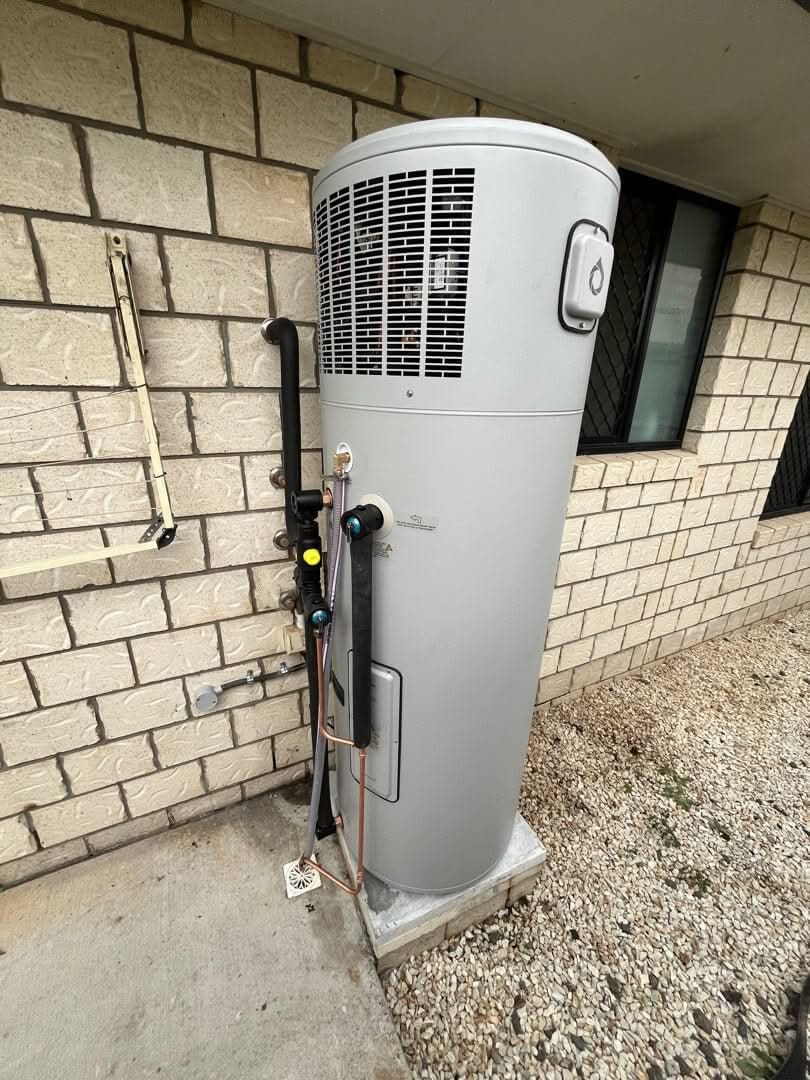
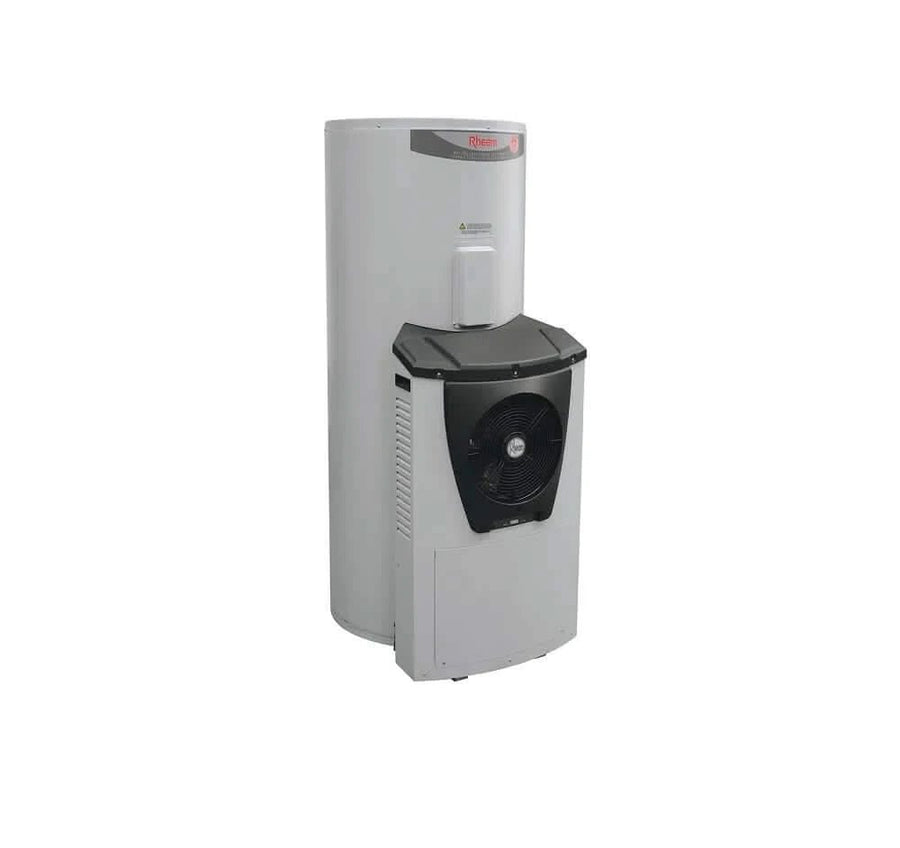
An integrated heat pump has the heat pump unit and tank combined into one main unit.
Integrated heat pumps may suit:
-
Standard residential replacements
-
Homes with enough outdoor space
-
Customers wanting a simpler single-unit layout
-
Properties replacing electric storage in a similar location
-
Family homes where the tank size suits
Before choosing an integrated system, check height, width, airflow clearance, condensate drainage and access.
Split heat pump systems
A split heat pump separates the heat pump unit from the storage tank.
Split systems may suit:
-
Homes with more complex installation requirements
-
Properties needing flexible equipment placement
-
Sites where the tank and outdoor unit need different locations
-
Customers comparing premium or specialist heat pump layouts
Split systems can be more flexible, but they may also involve more installation complexity.
How we compare heat pump hot water systems
A strong heat pump comparison should look beyond the headline energy claim.
Important comparison points include:
-
Tank capacity
-
Household size
-
Number of bathrooms
-
Shower habits
-
Recovery time
-
Boost mode
-
Noise level
-
Outdoor airflow
-
Condensate drainage
-
Electrical requirements
-
Timer settings
-
Solar timing options
-
Product dimensions
-
Warranty terms
-
Service access
-
Installed availability
-
Supply-only suitability
-
Total replacement cost
The best heat pump is the one that fits the household and the site.
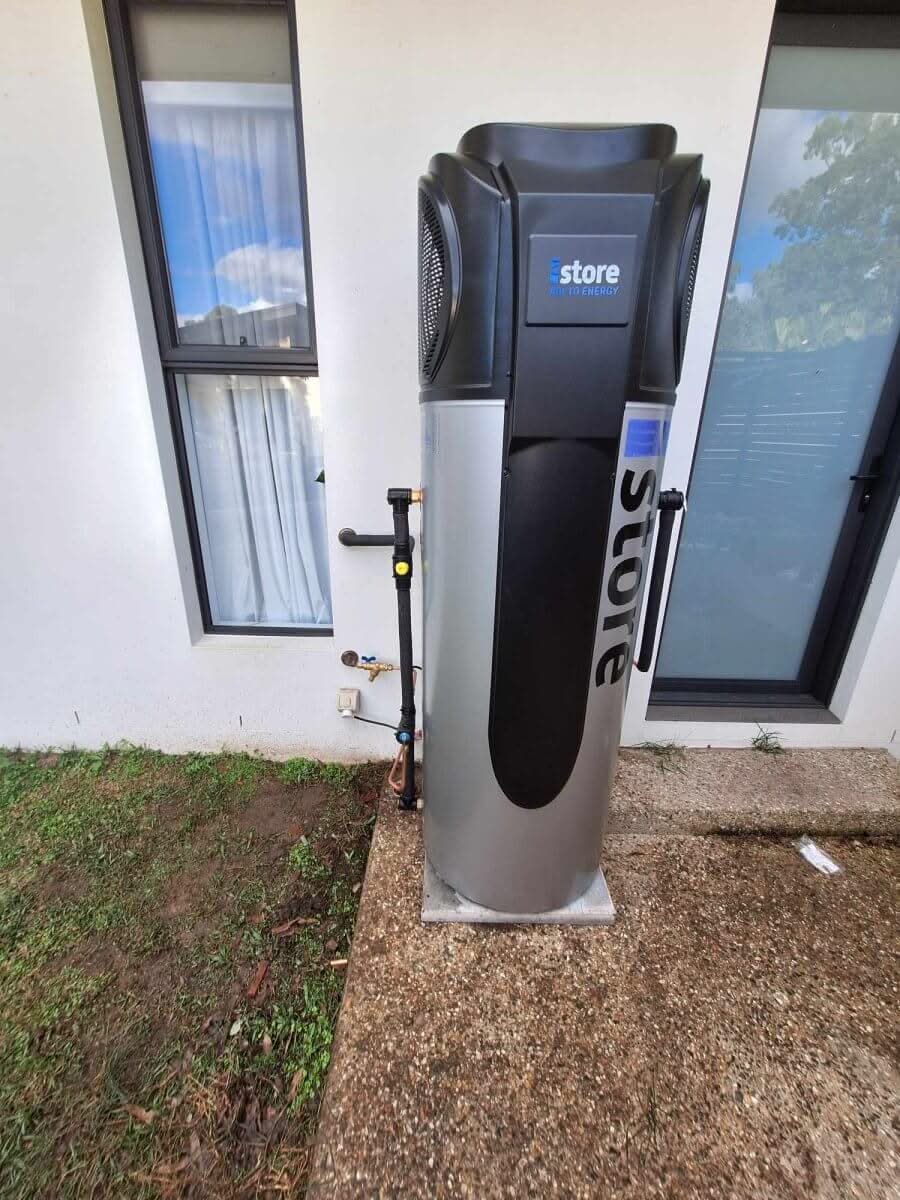
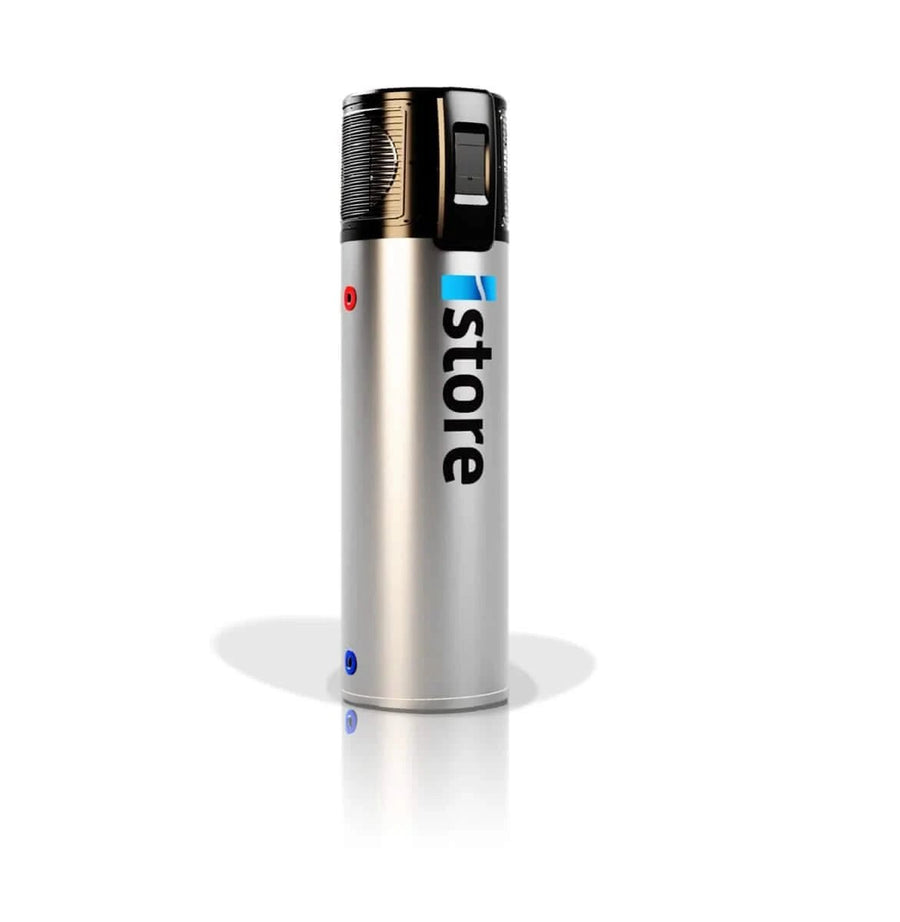
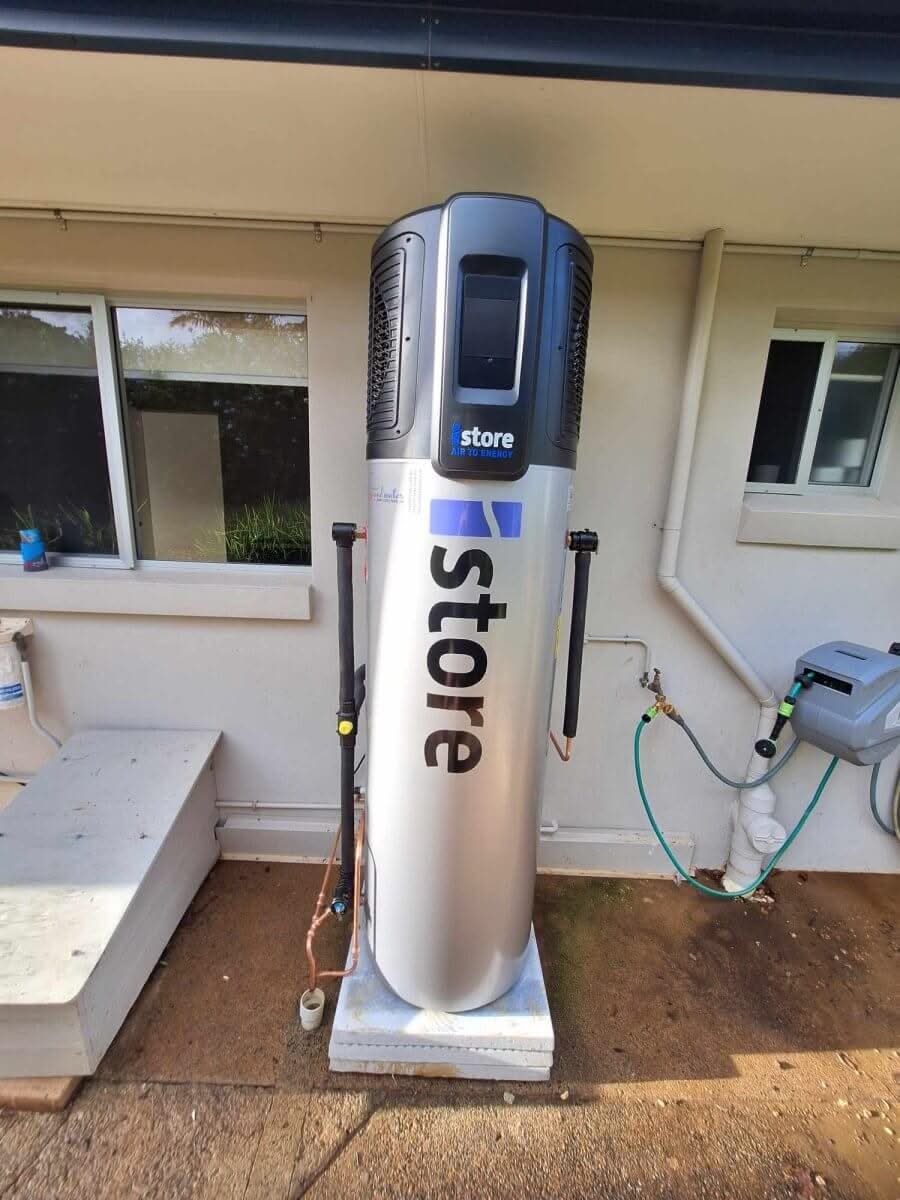
1. iStore heat pump hot water systems
iStore Hot Water Systems are commonly compared by homeowners wanting a strong all-round heat pump hot water option.
iStore may suit:
-
Family homes
-
Electric storage replacements
-
Homes with rooftop solar
-
Medium to larger households
-
Customers wanting a popular heat pump comparison point
-
Homes with suitable outdoor airflow
-
Properties with suitable condensate drainage
-
Customers ordering supply only with their own installer arranged
-
Eligible supplied-and-installed customers where available
iStore is often a strong starting point for customers comparing heat pump hot water because it sits in the popular family-size heat pump category.
Before choosing iStore, check:
-
Tank size
-
Household demand
-
Outdoor location
-
Airflow clearance
-
Noise placement
-
Drainage
-
Electrical setup
-
Timer settings
-
Warranty terms
-
Product availability
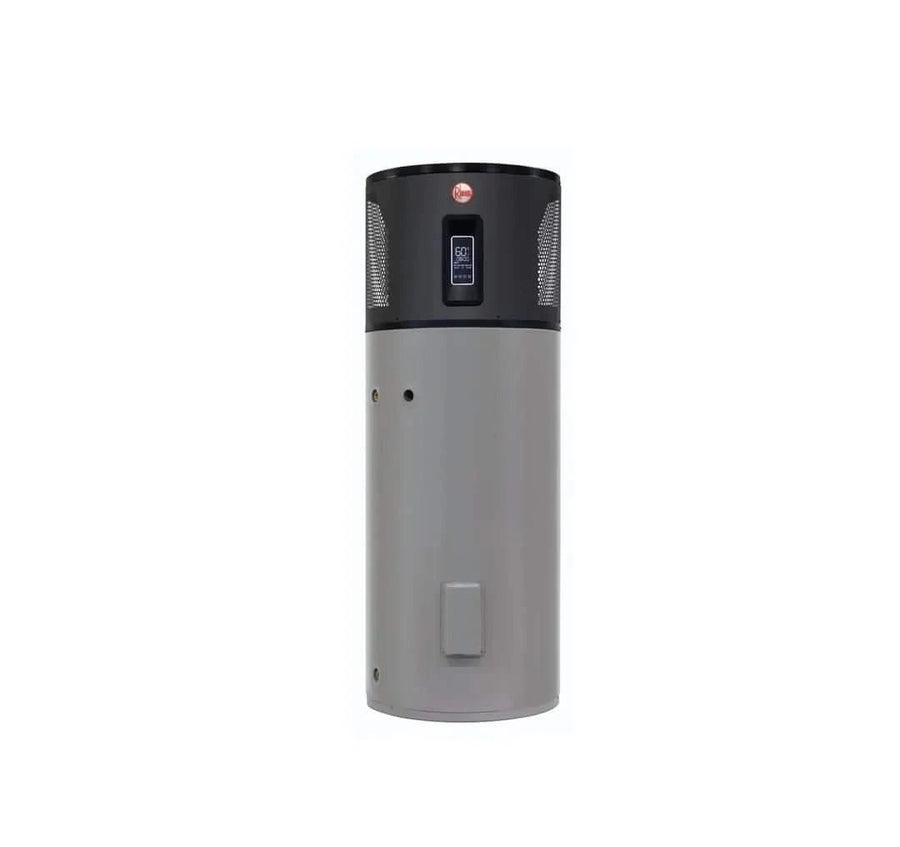
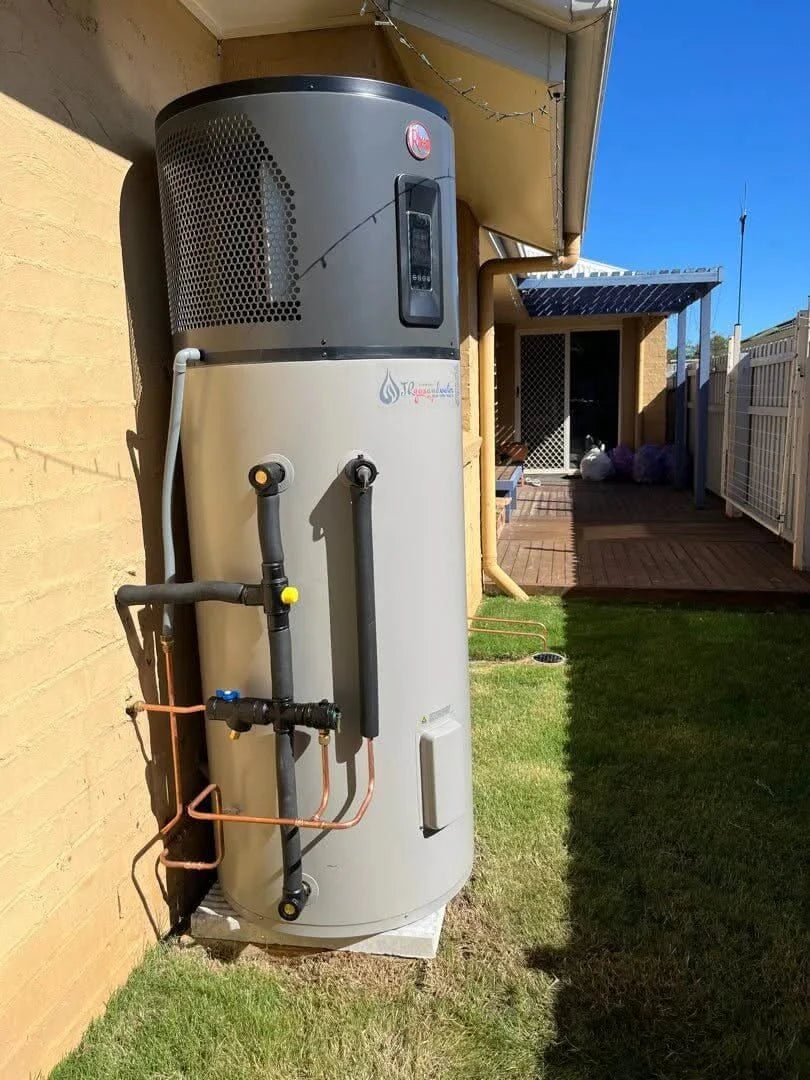
2. Rheem heat pump hot water systems
Rheem Hot Water Systems are often compared by customers who want a major hot water brand with heat pump options.
Rheem heat pump systems may suit:
-
Homes replacing electric storage
-
Customers wanting a recognised brand
-
Family homes needing stored hot water
-
Properties with suitable outdoor airflow
-
Customers comparing Rheem against iStore or Rinnai
-
Homes where heat pump installation conditions are suitable
Rheem may be a good brand to compare if you want a known hot water name and a heat pump option instead of standard electric storage.
Before choosing Rheem, check:
-
Tank capacity
-
Recovery expectations
-
Outdoor airflow
-
Condensate drainage
-
Noise placement
-
Electrical setup
-
Warranty terms
-
Total replacement cost
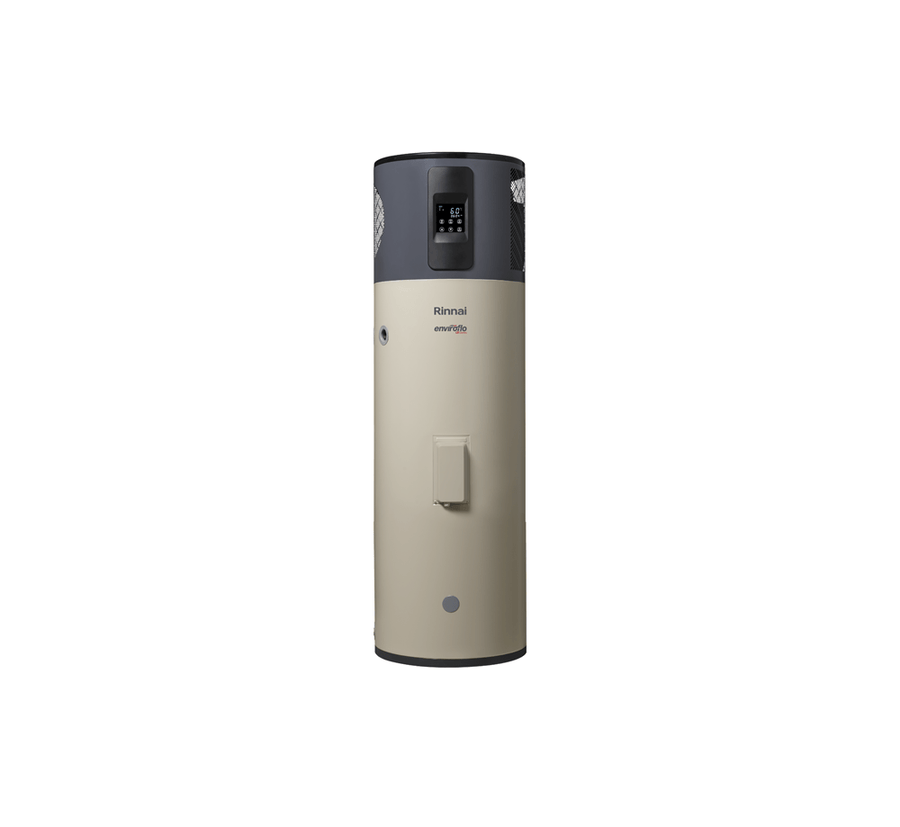
3. Rinnai heat pump hot water systems
Rinnai Hot Water Systems are commonly compared by customers who already know the brand through instant gas, gas hot water or electric hot water.
Rinnai heat pump options may suit:
-
Customers wanting a recognised hot water brand
-
Homes replacing electric storage
-
Larger households comparing higher-capacity options
-
Properties with suitable outdoor location
-
Customers comparing heat pump vs instant gas
-
Homes with rooftop solar where timer settings suit
Before choosing a Rinnai heat pump, check:
-
Exact model and capacity
-
Outdoor airflow requirements
-
Noise placement
-
Condensate drainage
-
Electrical requirements
-
Recovery time
-
Warranty terms
-
Availability
Do not assume every Rinnai Enviroflo review refers to the same model. Rinnai heat pump ranges can change by size and series.
4. Stiebel Eltron heat pump hot water systems
Stiebel Eltron Hot Water Systems are often compared by customers looking for premium electric and heat pump hot water options.
Stiebel Eltron may suit:
-
Customers wanting a premium electric brand comparison
-
Homes comparing heat pump performance carefully
-
Properties with suitable installation space
-
Customers prioritising product design and specification
-
Smaller or medium households depending on model
-
Customers comparing heat pump against instant electric or standard electric storage
Before choosing Stiebel Eltron, check:
-
Tank capacity
-
Product dimensions
-
Electrical requirements
-
Outdoor location
-
Noise rating
-
Warranty terms
-
Recovery expectations
-
Household suitability
A premium heat pump still needs to suit the home and usage pattern.
5. Enviroheat heat pump hot water systems
Enviroheat Hot Water Systems are commonly compared by customers looking at value-focused heat pump hot water options.
Enviroheat may suit:
-
Budget-conscious heat pump buyers
-
Homes replacing electric storage
-
Moderate-demand households
-
Rental properties where heat pump suitability is confirmed
-
Customers comparing value against iStore, Rheem or Rinnai
-
Properties with suitable airflow and drainage
Before choosing Enviroheat, check:
-
Tank size
-
Recovery expectations
-
Noise placement
-
Outdoor clearance
-
Condensate drainage
-
Electrical requirements
-
Warranty terms
-
Total replacement cost
A value-focused heat pump can still be a strong choice if the system suits the property.
6. Aquatech / Hydrotherm heat pump hot water systems
Aquatech / Hydrotherm Hot Water Systems are commonly compared by homeowners looking at alternative heat pump hot water options.
They may suit:
-
Customers comparing heat pump brands beyond the biggest names
-
Homes replacing electric storage
-
Households wanting stored electric hot water
-
Properties with suitable outdoor airflow
-
Customers wanting supply-only ordering with their own installer arranged
-
Homes where tank size and installation conditions suit
Before choosing Aquatech or Hydrotherm, check:
-
Tank size
-
Warranty terms
-
Noise placement
-
Recovery time
-
Outdoor airflow
-
Condensate drainage
-
Electrical setup
-
Service access
Best heat pump hot water system for small homes
Small homes do not always need the largest heat pump tank.
A smaller home may suit a smaller heat pump if:
-
One or two people live in the home
-
There is one bathroom
-
Shower use is moderate
-
Bath use is limited
-
There is enough outdoor airflow
-
Condensate drainage is available
-
The household does not need large stored capacity
Small homes should still avoid undersizing. A cheaper small heat pump may struggle if the home has long showers, guests or high evening demand.
Best heat pump hot water system for families
Family homes need careful heat pump sizing.
For families, compare:
-
Number of people
-
Number of bathrooms
-
Shower length
-
Back-to-back showers
-
Bath use
-
Laundry use
-
Dishwasher use
-
Morning hot water demand
-
Evening hot water demand
-
Timer settings
-
Recovery time
-
Boost mode
-
Solar timing
A family heat pump should be chosen around real peak demand, not just advertised tank capacity.
Best heat pump hot water system for larger households
Larger homes may need a larger tank, stronger recovery or a carefully planned hot water strategy.
Before choosing a heat pump for a larger home, check:
-
Number of showers
-
Number of bathrooms
-
Bath use
-
Guest use
-
High-flow shower heads
-
Morning peaks
-
Evening peaks
-
Recovery time
-
Boost settings
-
Whether one system is enough
-
Installation location
-
Electrical capacity
For high-demand households, installer confirmation is important before ordering supply only.
Best heat pump hot water system for rooftop solar homes
Heat pump hot water can work well with rooftop solar where the system is timed to heat during the day.
A solar-friendly heat pump setup may suit:
-
Homes with solar PV
-
Households home during the day
-
Customers wanting daytime heating
-
Properties with suitable tank size
-
Homes where timer settings can match solar generation
-
Customers wanting to reduce standard element heating
Before choosing, check:
-
Solar system size
-
Electricity tariff
-
Controlled-load setup
-
Timer settings
-
Household demand
-
Tank size
-
Recovery time
-
Electrical work needed
Do not assume every heat pump automatically uses solar power in the best way. The timer and electrical setup matter.
Best heat pump hot water system for replacing electric storage
Heat pump hot water is often considered when replacing an old electric storage tank.
This can make sense where:
-
The home already uses electric hot water
-
The outdoor location has airflow
-
Condensate drainage is practical
-
Noise placement is acceptable
-
Electrical supply is suitable
-
The household wants an efficient electric upgrade
-
The tank size suits daily demand
However, standard electric storage may still be more practical where:
-
Budget is tight
-
The site has poor airflow
-
Drainage is difficult
-
The location is noise-sensitive
-
Access is limited
-
A simple like-for-like replacement is preferred
Compare Electric Hot Water Systems if heat pump installation is not suitable.
Heat pump vs electric storage
Heat pump hot water and electric storage both use electricity, but they work differently.
| Feature | Heat pump hot water | Electric storage hot water |
|---|---|---|
| Main heating method | Transfers heat from air | Electric element |
| Upfront cost | Usually higher | Often lower |
| Running cost potential | Often lower in suitable conditions | Usually higher |
| Installation complexity | More site-specific | Often simpler |
| Outdoor airflow | Very important | Usually less critical |
| Noise | Fan and compressor noise | Generally quieter |
| Drainage | Condensate drainage needed | Standard discharge drainage |
| Best suited to | Efficient electric upgrades | Simple electric replacements |
Heat pump hot water can be the better long-term choice where the site suits. Electric storage can be the more practical choice where heat pump requirements are not met.
Heat pump vs gas hot water
Heat pump and gas hot water suit different homes.
A heat pump may suit:
-
Homes replacing electric storage
-
Customers wanting efficient electric hot water
-
Homes with rooftop solar
-
Properties with suitable outdoor airflow
-
Homes with suitable condensate drainage
-
Customers wanting to move away from gas
Gas hot water may suit:
-
Homes already connected to natural gas or LPG
-
Customers replacing existing gas hot water
-
Properties with suitable gas pipe sizing
-
Homes wanting gas storage or instant gas
-
Customers where heat pump location is not suitable
Natural gas and LPG are not interchangeable. Gas work should be completed by a licensed gas fitter.
Compare Gas Hot Water Systems and Instant Gas Hot Water Systems if gas remains a better fit for the home.
Heat pump vs instant gas hot water
Heat pump hot water stores heated water in a tank. Instant gas heats water only as it flows through the unit.
A heat pump may suit:
-
Electric homes
-
Solar PV households
-
Homes replacing electric storage
-
Customers wanting stored hot water
-
Properties with outdoor space for a tank
Instant gas may suit:
-
Homes already connected to natural gas or LPG
-
Customers wanting compact wall-mounted hot water
-
Properties replacing an old continuous flow gas unit
-
Homes with suitable gas pipe sizing
-
Homes with suitable water pressure
The better choice depends on energy source, household demand and installation location.
Heat pump vs solar hot water
Solar hot water and heat pump hot water are often confused, but they are different.
Solar hot water uses roof collectors to capture heat from the sun.
Heat pump hot water uses electricity to transfer heat from surrounding air into stored water.
Heat pump hot water may be easier to compare where:
-
Roof space is limited
-
The home already has solar PV
-
The roof is shaded
-
Collector installation is difficult
-
Outdoor airflow and drainage are suitable
-
The customer wants an efficient electric hot water system without roof collectors
Solar hot water may suit homes with suitable roof space, strong sun exposure and proper collector placement.
Heat pump installation requirements
A heat pump hot water system needs the right installation location.
Before ordering, check:
-
Outdoor airflow
-
Condensate drainage
-
Noise placement
-
Electrical supply
-
Base or slab condition
-
Pipework route
-
Access
-
Service space
-
Clearance from walls and fences
-
Old unit removal
-
Disposal
-
Compliance requirements
A location that worked for an old electric storage tank may not automatically suit a heat pump.
Airflow requirements
Airflow is one of the biggest heat pump suitability factors.
Poor airflow can affect:
-
Efficiency
-
Recovery time
-
Noise
-
System performance
-
Long-term reliability
Avoid tight or enclosed locations such as:
-
Cupboards
-
Poorly ventilated garages
-
Tight side paths
-
Under low decks
-
Small enclosed courtyards
-
Service cavities with limited airflow
Your installer should confirm whether the location suits the selected model.
Condensate drainage requirements
Heat pumps create condensate during normal operation. This water needs to drain safely.
Before choosing a heat pump, check:
-
Where condensate will drain
-
Whether a drain is nearby
-
Whether extra drainage work is needed
-
Whether water could run across paths
-
Whether drainage is compliant
-
Whether it may affect neighbours or outdoor areas
Poor drainage can create nuisance water and slippery surfaces.
Noise placement requirements
Heat pumps have fans and compressors.
Before choosing the location, consider:
-
Bedroom windows
-
Neighbouring homes
-
Boundary fences
-
Courtyards
-
Outdoor living areas
-
Unit complexes
-
Side access paths
-
Noise-sensitive rooms
A heat pump can be acceptable in one location and annoying in another.
Heat pump hot water sizing guide
As a general guide:
| Household | Heat pump sizing consideration |
|---|---|
| 1 to 2 people | Smaller or medium system may suit if demand is low |
| 3 to 4 people | Medium to larger heat pump often compared |
| 5+ people | Larger tank and recovery performance need careful checking |
| High shower demand | Recovery time and boost mode matter |
| Homes with baths | Tank size should be assessed carefully |
| Airbnb or rental | Size for likely peak use, not average owner use |
This is only a guide. The right size depends on actual hot water usage.
Rebates and incentives in 2024
Heat pump hot water systems may be eligible for rebates, certificates or incentives depending on product, location, installer, scheme rules and installation pathway.
However, rebate rules can change.
Before relying on a rebate, check:
-
Current eligibility
-
Product eligibility
-
Installer requirements
-
State or territory rules
-
Documentation requirements
-
Whether the price includes the incentive
-
Whether the incentive is applied upfront or claimed later
-
Whether the old system type affects eligibility
Do not choose a heat pump only because of a rebate. It still needs to suit the home.
Supply-only heat pump hot water systems
Supply-only ordering can suit customers who already have their own licensed installer arranged.
Supply only may suit:
-
Builders
-
Renovators
-
Landlords
-
Property managers
-
Trade customers
-
Homeowners managing their own installation
-
Customers outside supplied-and-installed service areas
Supply-only product pricing generally does not include installation, valves, old unit removal, disposal, electrical work, plumbing changes, condensate drainage, base work, access upgrades or compliance upgrades unless clearly selected or included.
Before ordering supply only, your licensed installer should confirm the heat pump suits the property.
Supplied-and-installed heat pump hot water systems
Supplied-and-installed options may be available on selected products in eligible Brisbane and Gold Coast service areas where shown.
This can suit customers who want the product and installation pathway arranged together.
Before ordering supplied and installed, check:
-
Service area eligibility
-
Existing system type
-
Installation inclusions
-
Valve requirements
-
Condensate drainage
-
Electrical work
-
Old unit removal
-
Disposal
-
Pipework changes
-
Access
-
Base or slab condition
-
Compliance upgrades
-
Product suitability
Do not assume every possible site requirement is included. Check the product page and selected options carefully.
Maintenance considerations
Heat pump hot water systems need maintenance to support long-term performance.
Maintenance may include:
-
Relief valve checks
-
Tempering valve checks
-
Airflow clearance checks
-
Cleaning around the unit
-
Condensate drain checks
-
Electrical checks where required
-
Anode checks where applicable
-
Error code checks
-
General system inspection
-
Manufacturer-recommended servicing
Maintenance needs depend on the model, water quality, installation location and manufacturer instructions.
Warranty considerations
Before choosing a heat pump hot water system, check warranty terms carefully.
Review:
-
Tank warranty
-
Compressor warranty
-
Parts warranty
-
Labour coverage
-
Installation requirements
-
Maintenance requirements
-
Water quality exclusions
-
Electrical requirements
-
Airflow requirements
-
Proof of purchase
-
Service process
-
What is and is not covered
Warranty coverage does not mean every issue is automatically covered. Incorrect installation, poor airflow, poor drainage, water quality issues or missing documentation can affect claims.
Common mistake: choosing by advertised savings only
Heat pump savings depend on the home.
Running costs may be affected by:
-
Household size
-
Shower habits
-
Timer settings
-
Solar usage
-
Electricity tariff
-
Climate
-
Airflow
-
Backup element use
-
Recovery demand
-
Maintenance
Avoid assuming one savings claim applies to every household.
Common mistake: ignoring installation location
A heat pump can be excellent in the right location and frustrating in the wrong one.
Check airflow, drainage, noise and access before ordering.
Common mistake: undersizing the system
A smaller heat pump may be cheaper upfront but may struggle with high hot water demand.
Check:
-
Number of people
-
Number of bathrooms
-
Shower length
-
Bath use
-
Laundry use
-
Peak demand
-
Recovery time
-
Boost function
Common mistake: oversizing without reason
A larger tank may help some homes, but it can also cost more and take up more space.
Choose based on household demand, not just the biggest capacity available.
Common mistake: assuming heat pumps are silent
Heat pumps are not silent. They use fans and compressors.
Noise may be fine in one location and a problem in another, especially near bedrooms or neighbouring windows.
Common mistake: ignoring condensate drainage
Condensate drainage is a normal part of heat pump operation.
If drainage is not planned, water can create nuisance runoff or slippery areas.
Common mistake: expecting instant hot water
Heat pump hot water systems store heated water. They do not work like instant gas.
If the tank is depleted after heavy use, recovery time matters.
Common mistake: DIY heat pump installation
Heat pump hot water installation can involve plumbing, electrical work, pressure control, drainage and compliance.
DIY installation can create:
-
Water leaks
-
Electrical risks
-
Scalding risks
-
Poor airflow
-
Drainage issues
-
Warranty problems
-
Insurance issues
-
Non-compliant work
-
Poor performance
-
Property damage
Use the right licensed professionals.
Final verdict: what is the best heat pump hot water system in 2024?
The best heat pump hot water system in 2024 is the one that suits your household and your installation site.
For many family homes, iStore Hot Water Systems are a strong all-round comparison point.
For customers wanting a major hot water brand, Rheem Hot Water Systems and Rinnai Hot Water Systems are worth comparing.
For premium electric hot water comparisons, Stiebel Eltron Hot Water Systems may be worth reviewing.
For value-focused heat pump comparisons, Enviroheat Hot Water Systems may suit some homes.
For alternative heat pump comparisons, Aquatech / Hydrotherm Hot Water Systems are also worth considering.
Start with Heat Pump Hot Water Systems if your home has suitable outdoor airflow, condensate drainage, electrical setup and noise placement.
Compare Electric Hot Water Systems, Gas Hot Water Systems or Instant Gas Hot Water Systems if a heat pump does not suit the property.
The right decision is not about chasing the most hyped model. It is about choosing a heat pump that matches your hot water demand, installation location, household size, budget and long-term energy goals.
Long-tail FAQs
What is the best heat pump hot water system in 2024?
The best heat pump hot water system depends on the home. iStore, Rheem, Rinnai, Stiebel Eltron, Enviroheat and Aquatech / Hydrotherm are all worth comparing based on capacity, recovery, airflow, drainage, noise and warranty.
Are heat pump hot water systems worth it?
Heat pump hot water systems can be worth it where the property has suitable outdoor airflow, condensate drainage, electrical setup and household demand. They may use less electricity than standard electric storage in suitable conditions.
What size heat pump hot water system do I need?
The right size depends on the number of people, bathrooms, shower habits, bath use, laundry use, peak demand, timer settings and recovery rate.
Is iStore a good heat pump hot water system?
iStore is commonly compared as a strong all-round heat pump option for family homes, electric storage replacements and rooftop solar households where the installation site suits.
Is Rheem AmbiHeat worth comparing?
Rheem heat pump systems are worth comparing if you want a major hot water brand and your property has suitable outdoor airflow, condensate drainage, electrical setup and noise placement.
Is Rinnai Enviroflo a good heat pump option?
Rinnai Enviroflo models are worth comparing for customers who prefer Rinnai or need a larger heat pump option. Check the exact model, capacity and availability before ordering.
Is Stiebel Eltron a good heat pump brand?
Stiebel Eltron is commonly compared by customers wanting premium electric and heat pump hot water options. Check tank size, installation requirements and warranty terms before choosing.
Can a heat pump hot water system work with solar panels?
Yes, heat pump hot water can work well with rooftop solar where timer settings and household usage suit daytime heating. The electrical setup and installer advice matter.
Is heat pump hot water better than gas?
Heat pump hot water may suit electric homes, rooftop solar households and customers moving away from gas. Gas hot water may suit homes already connected to natural gas or LPG. The better choice depends on the home.
Can I install a heat pump hot water system myself?
No. Heat pump hot water installation should be completed by licensed professionals. Plumbing, electrical work, pressure control and drainage can create safety, warranty and compliance issues if handled incorrectly.