
Best Hot Water System for Rental Properties
Choosing the best hot water system for a rental property is different from choosing one for your own home. A landlord needs a system that is reliable, correctly sized, practical to replace, easy for tenants to use and suitable for different household types over time.
For most rental properties in Australia, the best hot water system is usually a like-for-like replacement in a sensible size. That may be a 160L, 250L or 315L electric storage hot water system, a 16L to 26L continuous flow gas hot water system, or a heat pump hot water system where the property, budget and location suit.
The cheapest replacement is not always the best rental choice. If the system is too small, tenants may complain about running out of hot water. If the system is too large, the owner may spend more upfront than needed. The best option is the system that suits the property size, number of bathrooms, likely occupancy and existing services.
Quick answer: what hot water system suits a rental property?
For most rental properties, these are the common options to compare:
| Rental property type | Common hot water option | Best suited to |
|---|---|---|
| Studio or small unit | 80L to 125L electric storage | Low-use rentals and compact spaces |
| 1 bathroom rental | 125L to 160L electric storage | 1–2 tenants or small homes |
| 2 bathroom rental | 250L to 315L electric storage | Families and higher-use tenants |
| Gas-connected rental | 16L to 26L instant gas hot water | Properties already set up for gas |
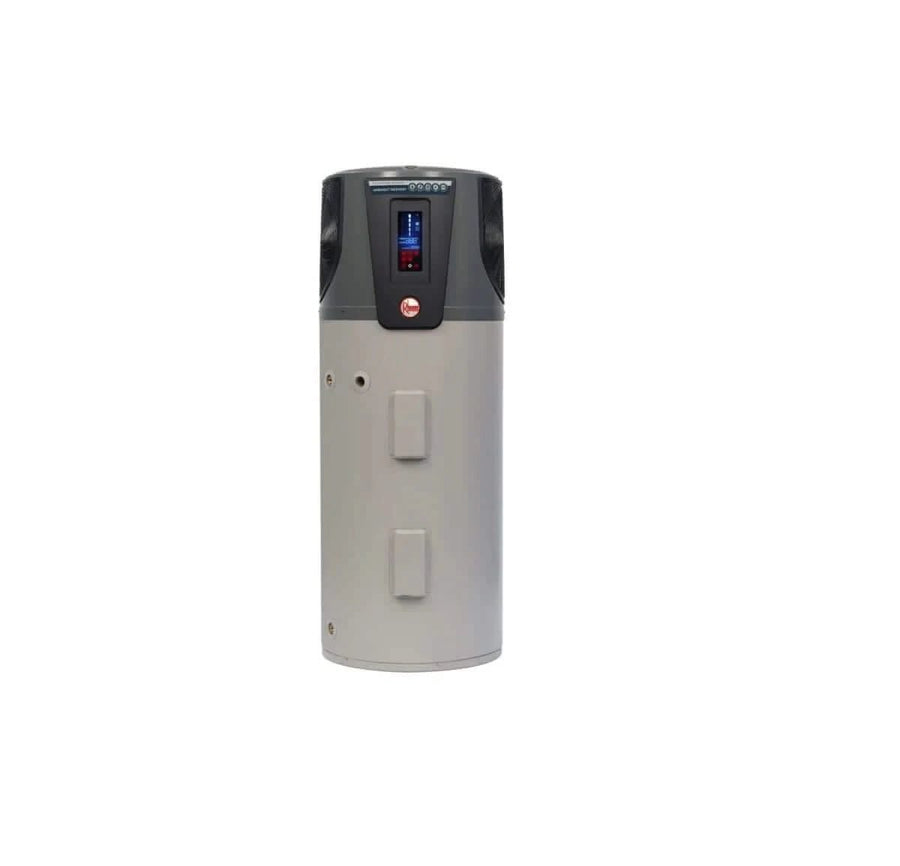
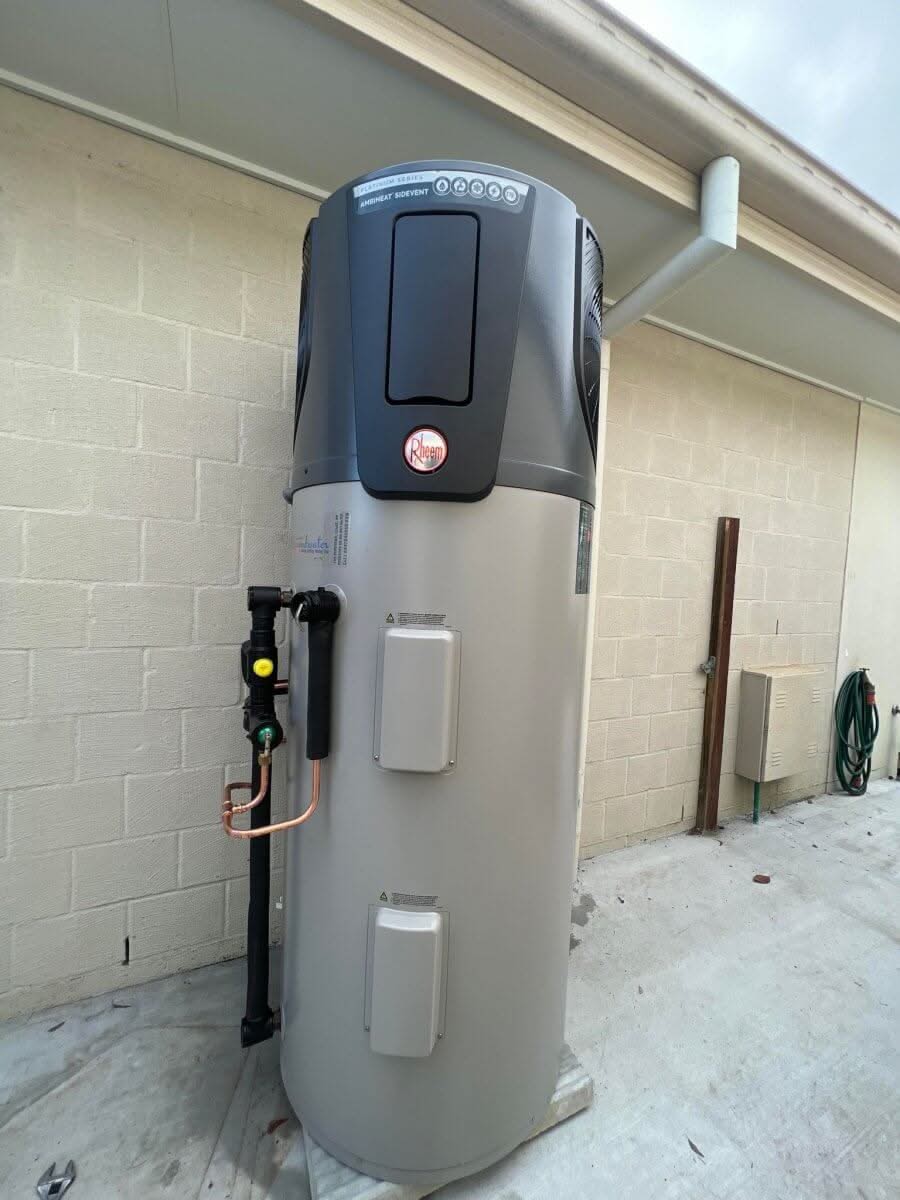
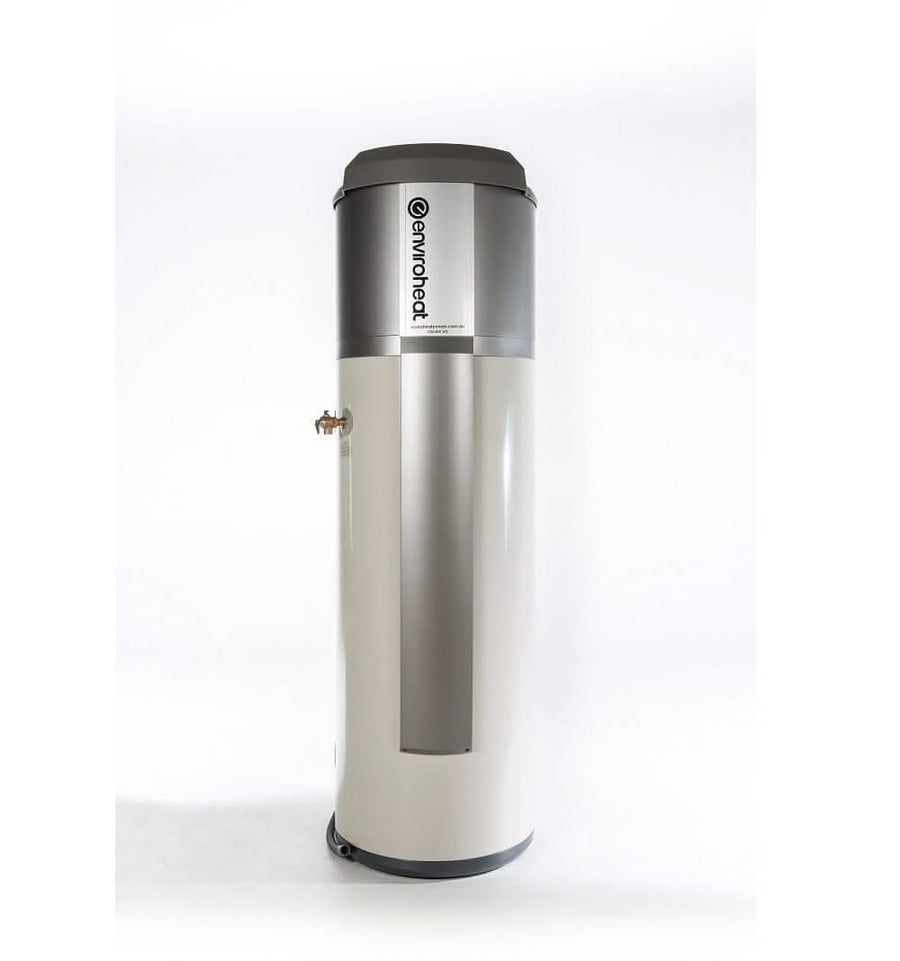
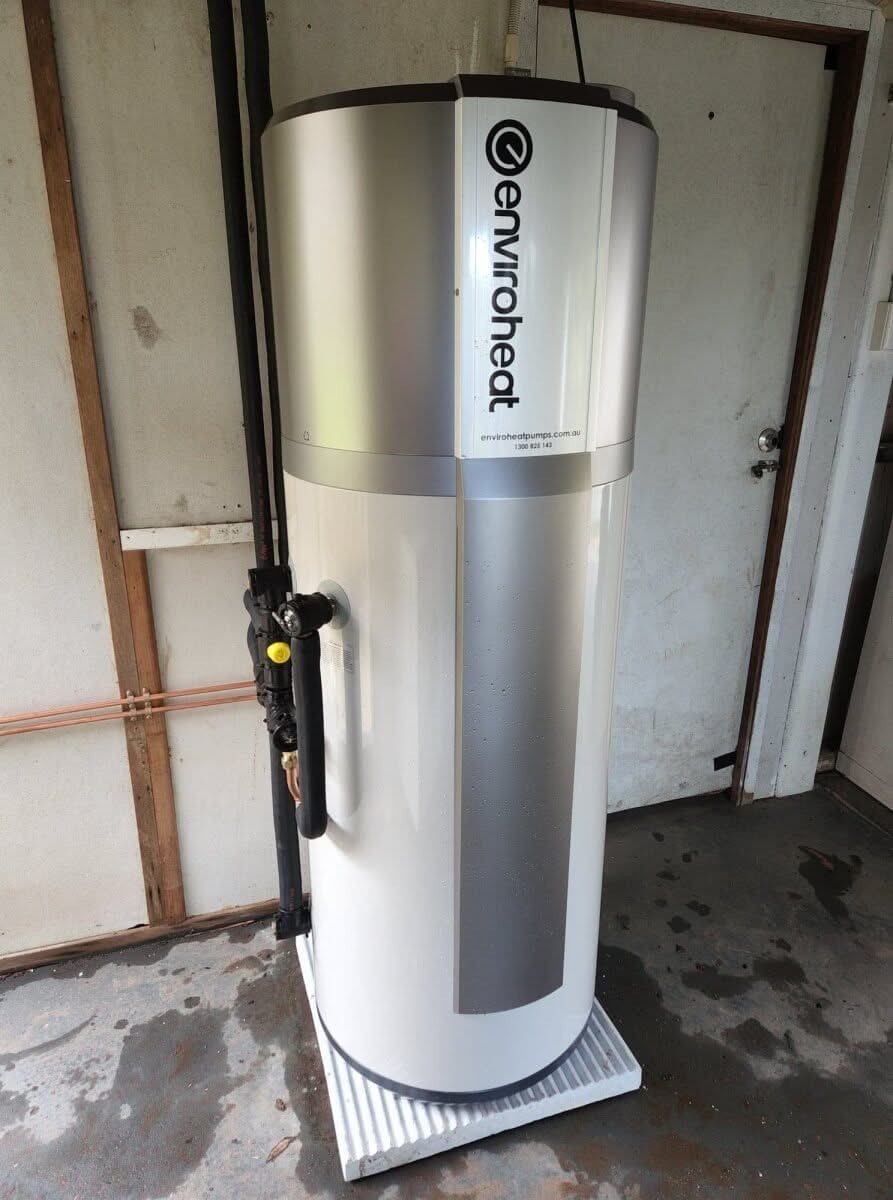
| Efficiency-focused rental | Heat pump hot water | Long-term ownership where location suits |
| Larger family rental | 315L to 400L electric or suitable heat pump | Higher occupancy and multiple bathrooms |
For most landlords, the safest starting point is to check what system is already installed. If it has worked well and is appropriately sized, replacing it with a similar type and capacity can keep the job simpler. If tenants have complained about hot water running out, the replacement is a good chance to increase capacity or compare a different system type.
You can compare current options in the Installed Today hot water systems range, including electric hot water systems, instant gas hot water systems and heat pump hot water systems.
What is the best hot water system for a rental property?
The best hot water system for a rental property is usually one of these options:
-
Electric storage hot water system
Best for simple, practical replacements in most units, townhouses and houses. -
Continuous flow gas hot water system
Best for properties already using natural gas or LPG and suited to external gas hot water. -
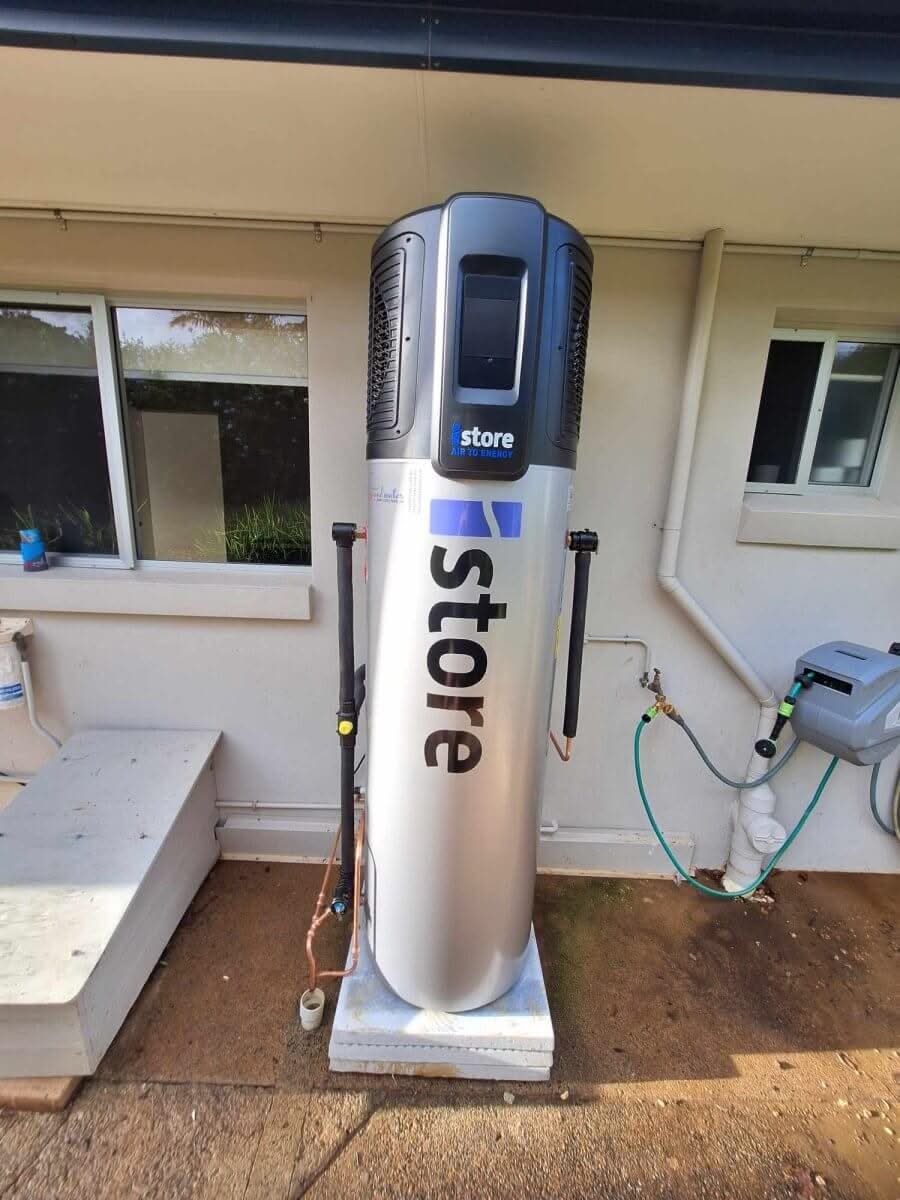
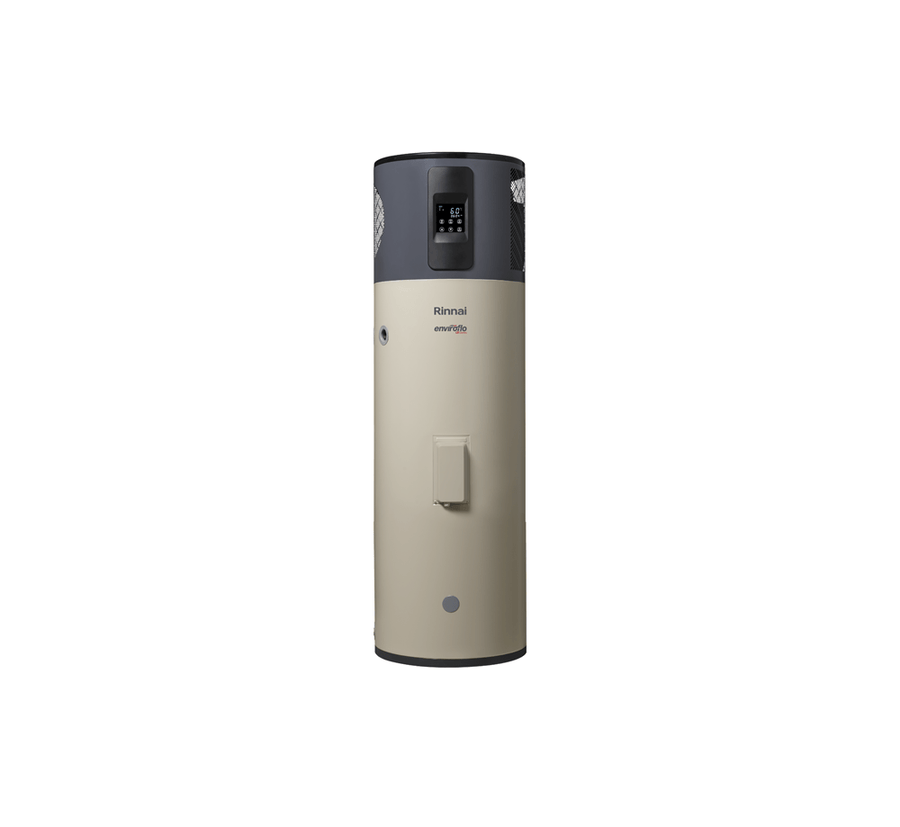
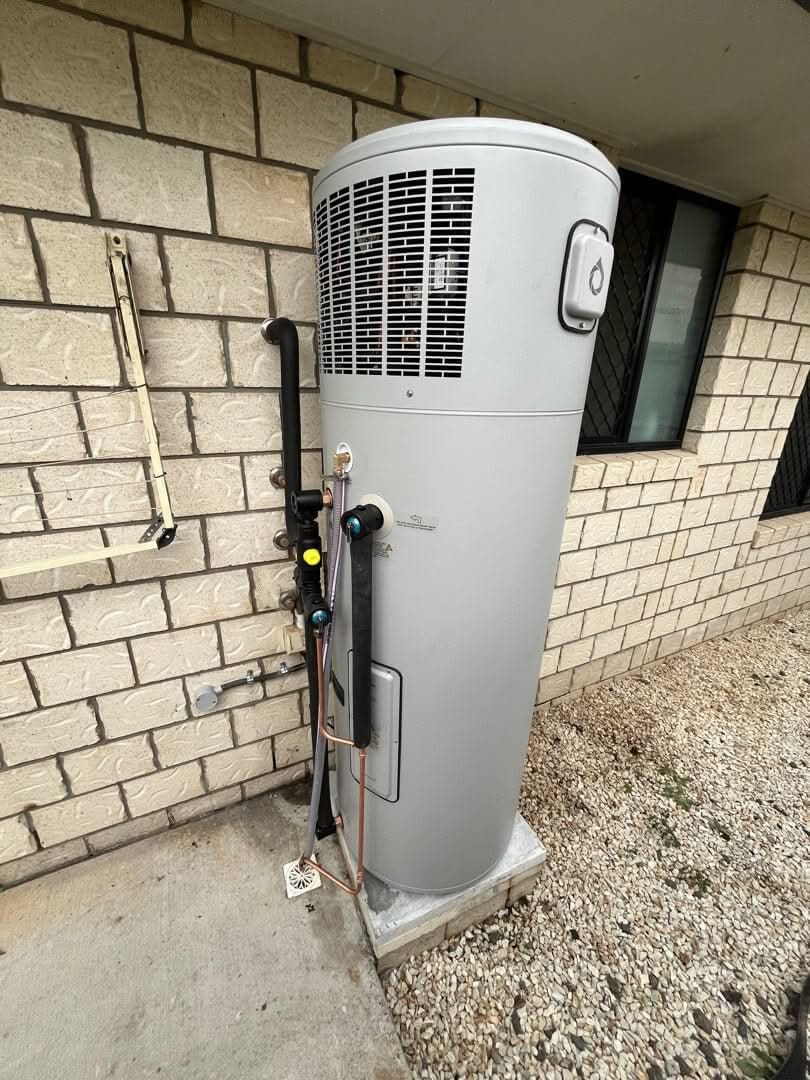
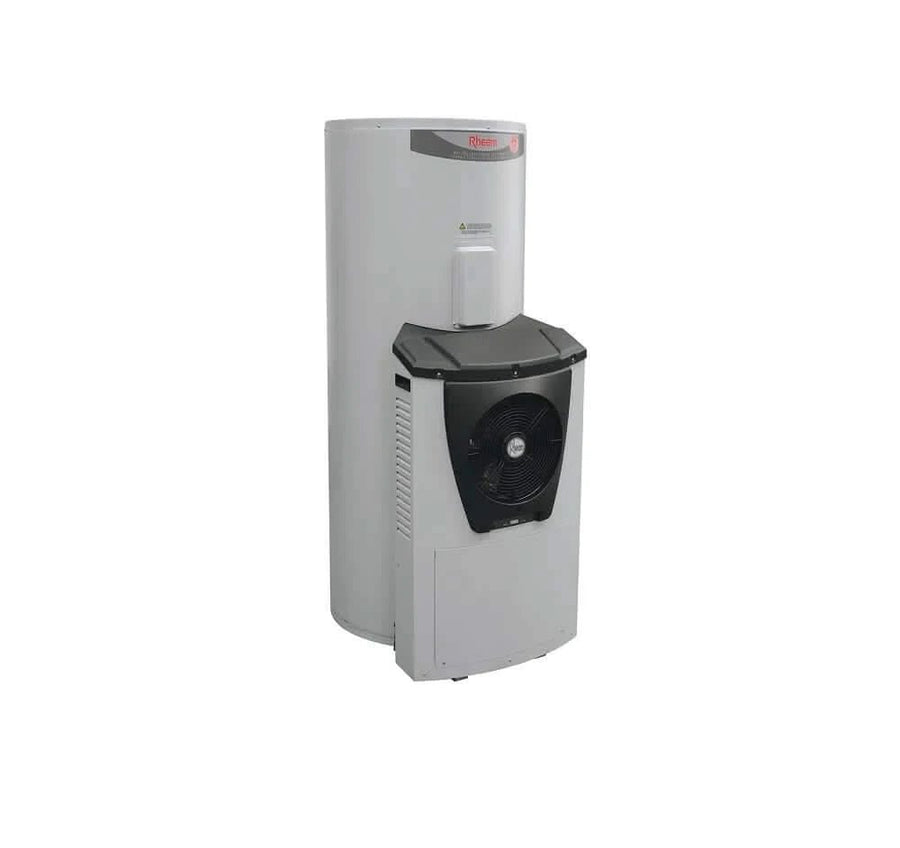
Heat pump hot water system
Best for landlords looking at a more efficient long-term option where the property has suitable outdoor space. -
Like-for-like replacement
Often the best choice when the existing system type and size already suit the property.
For rentals, the goal is not just to choose a system that works today. It should also suit future tenants. A one-bedroom rental may only have one person now, but it may have a couple later. A three-bedroom home may be rented by a family with teenagers. A townhouse may have two bathrooms but different usage depending on the tenants.
Best overall option: electric storage hot water
For many rental properties, electric storage hot water is the most practical option.
Electric storage systems are common, available in a wide range of sizes and easy to understand. They are often a simple like-for-like replacement where the property already has an electric storage system installed.
Common rental property sizes include:
-
80L electric storage for studios or very small units
-
125L electric storage for small 1 bathroom rentals
-
160L electric storage for 1–2 bedroom rentals and lower-use homes
-
250L electric storage for small families and 2 bathroom properties
-
315L electric storage for larger family rentals
-
400L electric storage for high-use homes, large families or higher occupancy
You can browse available options in the electric hot water systems collection.
Why electric storage is often practical for landlords
Electric storage hot water is often a practical rental choice because it is familiar, widely used and available in both compact and family-sized capacities.
It may suit landlords who want:
-
A straightforward replacement
-
A system that matches the existing setup
-
Clear sizing options
-
A practical choice for tenants
-
A solution for units, townhouses and houses
-
A system type most plumbers and electricians are familiar with
-
A replacement that avoids changing fuel type
If the existing rental already has electric storage hot water and the unit has performed well, replacing it with a similar size is often the cleanest path.
Best size for a small rental property
For a studio, granny flat, small unit or one-bedroom rental, common electric storage sizes include 80L, 125L and 160L.
An 80L system may suit very low-use rentals or one-person occupancy, but it can feel limited if hot water use is higher.
A 125L system is often a better everyday option for small rentals with one bathroom and 1–2 people.
A 160L system may suit small houses, larger units, couples, rental properties where demand may vary, or properties where the owner wants more hot water buffer.
For rentals, it is worth thinking beyond the current tenant. If the property could reasonably be occupied by two people, a 125L or 160L system may be more tenant-friendly than a very small unit.
Best size for a 1 bathroom rental property
A 1 bathroom rental property often suits a 125L or 160L electric storage hot water system.
A 125L system may suit:
-
1–2 tenants
-
Small units
-
Granny flats
-
Low-use properties
-
Homes replacing an existing 125L system
A 160L system may suit:
-
Couples
-
Small houses
-
Rental properties with more flexible occupancy
-
Homes where 125L has not been enough
-
Longer shower use
-
Properties with a laundry connected to hot water
If the rental is a long-term investment, the slightly larger size may reduce the chance of tenant complaints compared with the smallest possible tank.
Best size for a 2 bathroom rental property
A 2 bathroom rental property often needs more capacity because tenants may use both bathrooms regularly.
Common options include:
-
250L electric storage for 3–4 people or moderate family use
-
315L electric storage for larger families, teenagers or higher demand
-
26L instant gas hot water where gas supply and installation suit
-
Family-sized heat pump hot water where space and budget suit
A 160L system may be too small for many 2 bathroom rental properties unless the home has low occupancy and moderate use. For family rentals, 250L or 315L is usually the better starting point.
Best size for a family rental home
A family rental home usually needs a system that can handle morning showers, evening routines, laundry, kitchen use and changing tenant habits.
Common family rental options include:
-
250L electric storage for moderate family use
-
315L electric storage for larger or higher-use families
-
400L electric storage for larger homes or high occupancy
-
26L instant gas hot water where gas supply suits
-
Larger heat pump hot water systems where location suits
If the property has three or more bedrooms, two bathrooms, a bath or a history of tenants running out of hot water, avoid sizing too small.
Best gas option: continuous flow gas hot water
For rental properties with natural gas or LPG, a continuous flow gas hot water system can be a strong option.
These systems heat water as it passes through the unit, rather than storing hot water in a tank. They are compact, wall-mounted and can be useful where outdoor wall space is available but ground space is limited.
A gas continuous flow system may suit:
-
Rentals already using instant gas hot water
-
Properties with natural gas or LPG
-
Homes where space for a tank is limited
-
Townhouses and duplexes with external wall space
-
Family rentals needing continuous flow hot water
-
Like-for-like gas replacements
Common sizes include 16L for smaller homes, 20L for moderate demand and 26L for larger or two bathroom homes, depending on the property.
You can compare options in the instant gas hot water systems collection.
Natural gas vs LPG in rental properties
Gas hot water systems must match the property’s fuel type. Natural gas and LPG models are not interchangeable.
For landlords, this is important because ordering the wrong model can create delays and extra work.
Before ordering a gas hot water system, check:
-
Whether the property uses natural gas or LPG
-
Whether the existing unit label confirms the gas type
-
Whether the replacement model matches the fuel type
-
Whether the gas supply is suitable for the selected unit
-
Whether the installation location is compliant
-
Whether a licensed gas fitter is completing the work
If the property is a rental, also consider how practical LPG bottle management is for tenants. In some areas, LPG is normal and practical. In others, electric or natural gas may be simpler.
Is heat pump hot water good for rental properties?
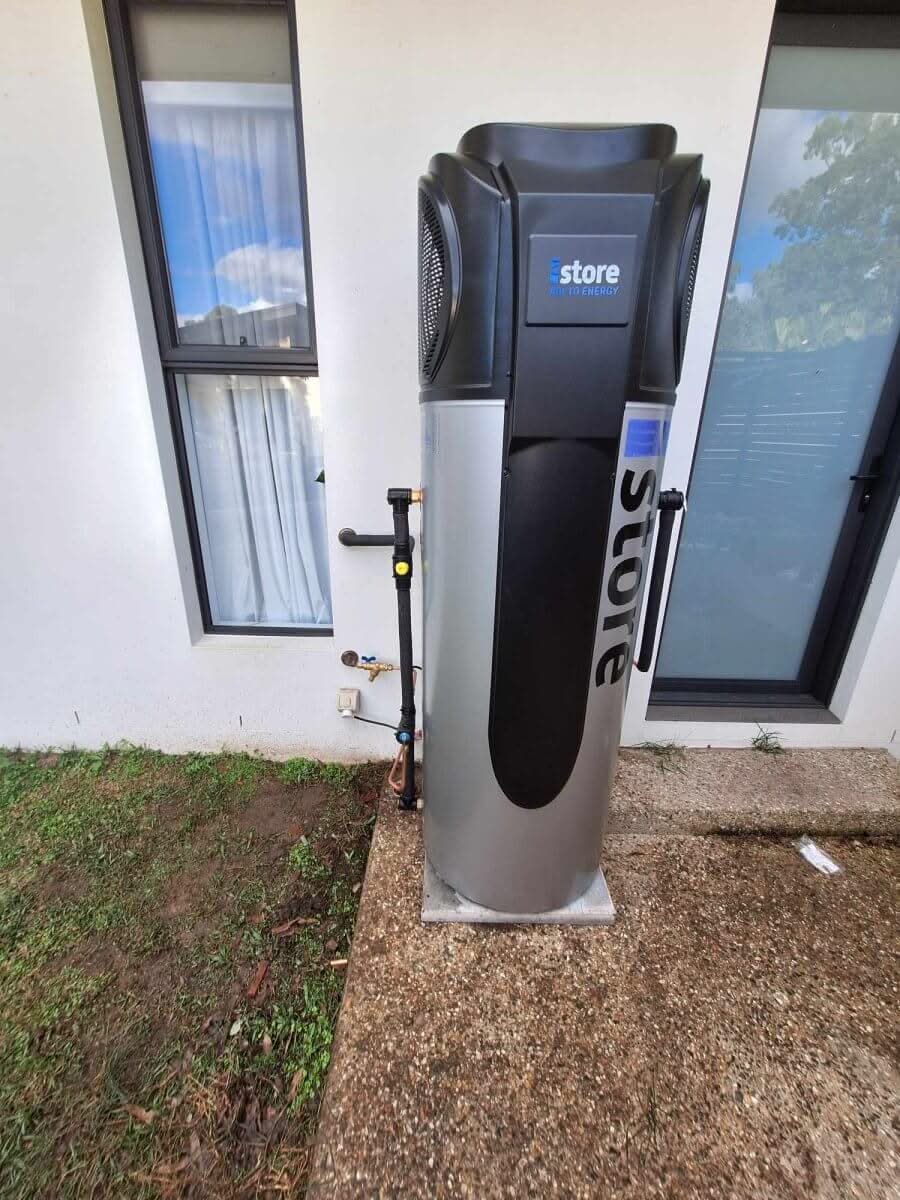
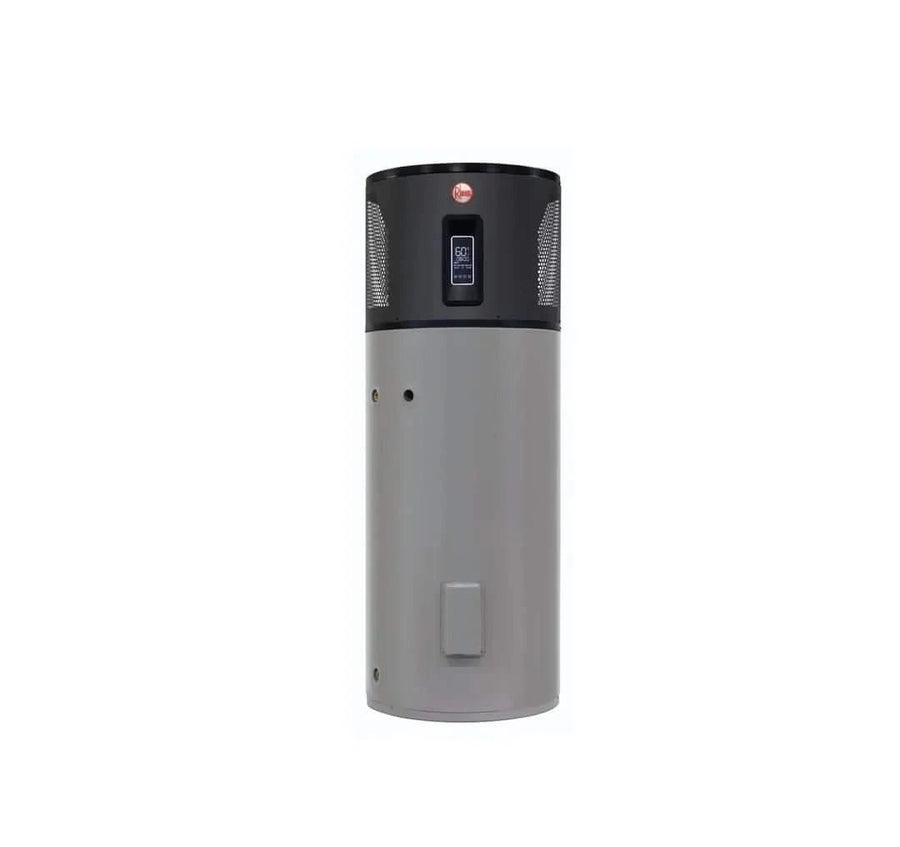
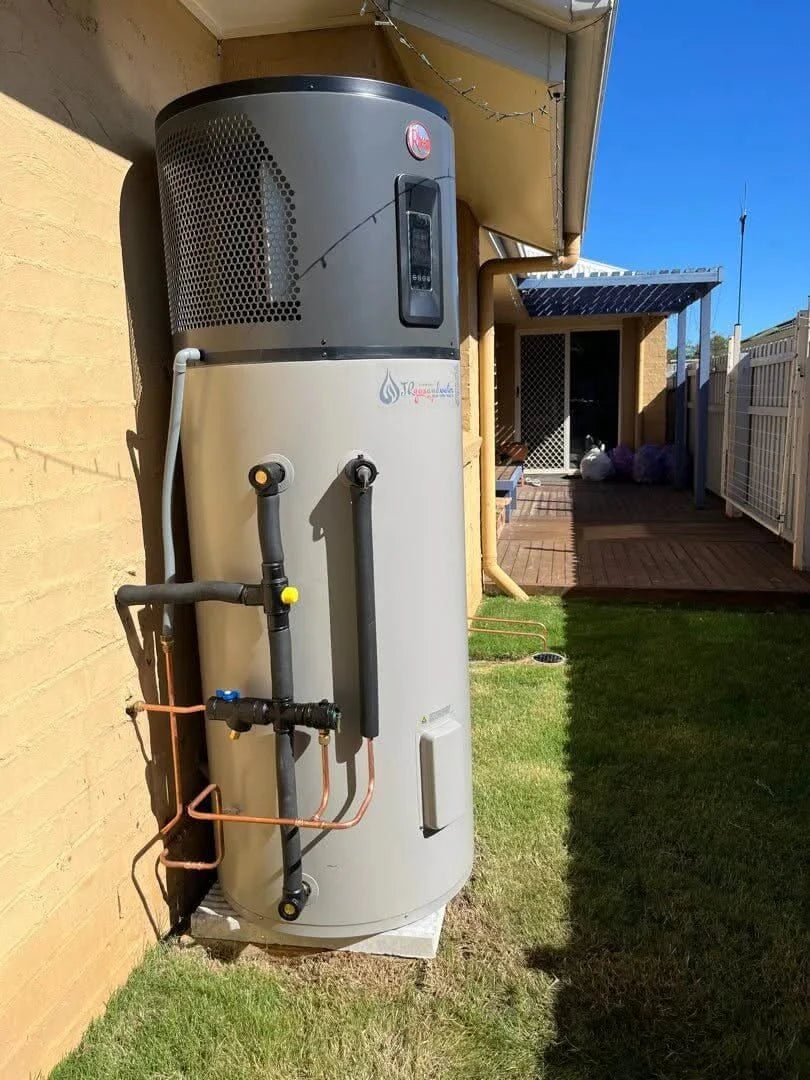
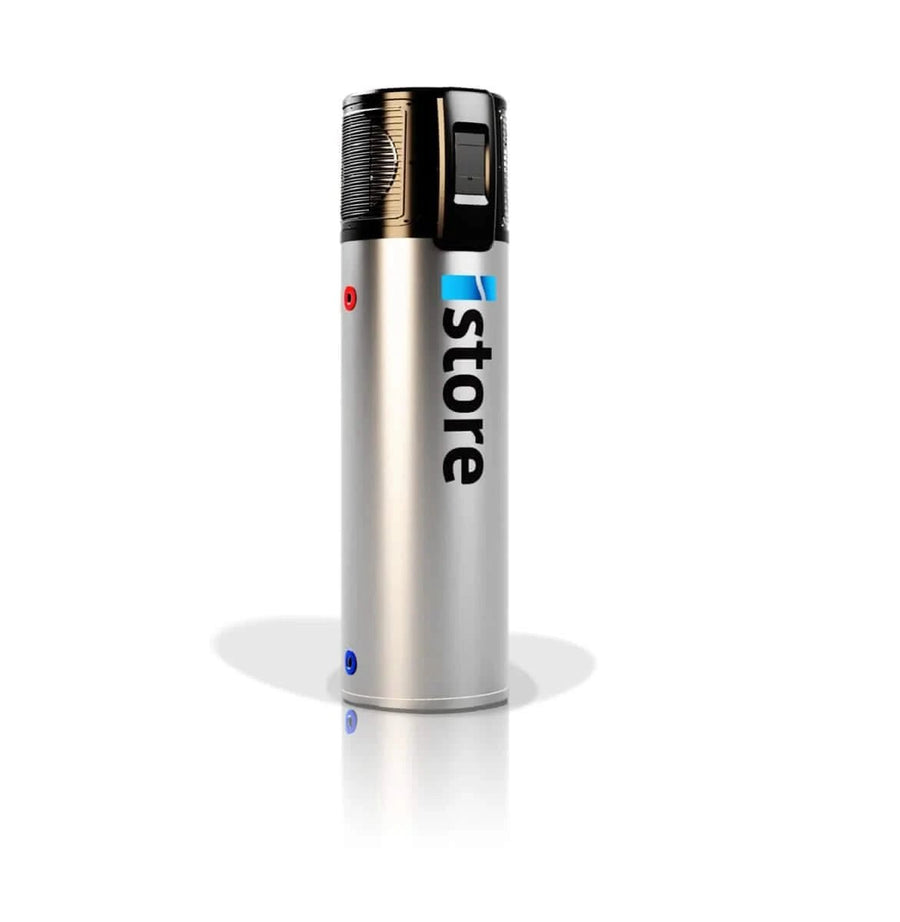
A heat pump hot water system can be a good choice for some rental properties, especially where the owner plans to hold the property long term and wants a more efficient electric option.
Heat pumps use electricity to draw heat from the surrounding air and transfer it into the water. In suitable conditions, they can use less electricity than standard electric storage systems.
A heat pump may suit rental properties where:
-
The owner wants a long-term efficiency-focused option
-
The property has suitable outdoor space
-
There is enough airflow around the unit
-
Condensate drainage is practical
-
Noise placement is acceptable
-
The system is correctly sized for tenant demand
-
The higher upfront cost fits the investment plan
You can browse options in the heat pump hot water systems collection.
When heat pump may not suit a rental
A heat pump may not be the best choice for every rental property.
It may not suit:
-
Very tight courtyards
-
Enclosed service areas
-
Locations close to bedrooms
-
Body corporate sites with noise or appearance restrictions
-
Properties with poor access
-
Rentals where the owner wants the lowest upfront replacement cost
-
Sites with no suitable drainage
-
Homes where the system would be undersized for tenants
Heat pumps can be a strong option, but they need the right site. They should not be selected only because they sound efficient.
Electric storage vs instant gas vs heat pump for rentals
Here is a simple comparison for rental properties:
| System type | Best for | Main advantage | Main consideration |
|---|---|---|---|
| Electric storage | Most simple replacements | Familiar, practical and available in many sizes | Must be sized for likely tenant demand |
| Instant gas | Gas-connected properties | Compact and heats water on demand | Needs correct gas type and licensed gas installation |
| Heat pump | Long-term efficiency-focused rentals | More efficient than standard electric storage in suitable conditions | Higher upfront cost and location requirements |
| Gas storage | Like-for-like gas storage replacements | Familiar where already installed | May be less common than other replacement options |
For most rentals, the existing system type and property size should guide the choice.
Should landlords replace like-for-like?
In many rental properties, like-for-like replacement is the simplest option.
This may mean replacing:
-
Electric storage with electric storage
-
160L with 160L
-
250L with 250L
-
315L with 315L
-
Instant gas with instant gas
-
Natural gas with natural gas
-
LPG with LPG
-
Heat pump with heat pump
-
Same location where practical
Like-for-like replacement can reduce complexity because the property may already have suitable power, water connections, gas supply, drainage and space for that system type.
However, landlords should not blindly replace the same size if the current system has been a problem. If tenants regularly run out of hot water, compare a larger system.
When should a landlord upgrade the hot water system size?
A landlord should consider upgrading the size if:
-
Tenants have complained about running out of hot water
-
The household size has increased
-
The property has been renovated
-
A second bathroom has been added
-
The home has become a family rental
-
The current system is smaller than expected for the property
-
The property is being repositioned for higher occupancy
-
The existing system was only suitable for one occupant
-
The home has a bath or high shower demand
Replacing an undersized unit with the same size may keep the same problem going. A hot water replacement is a good time to correct the sizing.
Should landlords choose the cheapest hot water system?
The cheapest hot water system is not always the best rental property choice.
A very cheap or undersized replacement can create issues such as:
-
Tenants running out of hot water
-
More complaints to the property manager
-
Higher chance of needing another upgrade later
-
Poor fit for future occupants
-
Less appeal for family rentals
-
More pressure on the owner if the system does not meet demand
That does not mean landlords need the most expensive system. It means the system should be properly matched to the property and likely tenants.
What matters most for rental hot water?
For rental properties, the most important factors are:
-
Correct size
-
Reliable system type
-
Suitable existing services
-
Simple tenant use
-
Practical replacement location
-
Reasonable running costs
-
Compliance
-
Easy access for future service or replacement
-
Clear inclusions before ordering
-
A system that suits future tenant demand
A rental hot water system should be practical, not experimental. If changing system type creates too many uncertainties, a correctly sized like-for-like replacement may be the better investment.
Hot water systems for investment properties
Investment property owners should think about the hot water system as part of the property’s long-term liveability.
A good replacement can help:
-
Reduce tenant complaints
-
Improve day-to-day comfort
-
Support family occupancy
-
Avoid undersized systems
-
Modernise an older property
-
Reduce risk of rushed decisions later
-
Match the property’s expected rent and tenant profile
For example, a compact electric system may suit a small unit, while a larger family home should usually have a system that matches family demand. A premium rental may also justify a stronger hot water setup than a very basic low-use property.
Hot water systems for rental apartments
Rental apartments often have space and access restrictions.
Common choices include:
-
80L electric storage for studios
-
125L electric storage for one-bedroom apartments
-
160L electric storage for two-bedroom units
-
Like-for-like gas replacement where already installed
-
Heat pump only where outdoor space and approval suit
Before ordering, check cupboard dimensions, lift access, body corporate rules, drainage and whether a larger unit can physically fit.
Hot water systems for rental townhouses
Rental townhouses can have higher demand than apartments, especially if they have two bathrooms and multiple bedrooms.
Common choices include:
-
160L electric storage for low-use townhouses
-
250L electric storage for small families
-
315L electric storage for larger families
-
20L to 26L instant gas where suitable
-
Heat pump where outdoor space, airflow and noise placement suit
Townhouses may also have body corporate requirements, narrow side access and limited service areas, so location and access should be checked before ordering.
Hot water systems for rental houses
Rental houses generally need more flexible sizing because occupant numbers can vary.
Common choices include:
-
160L electric storage for small 1 bathroom homes
-
250L electric storage for 2 bathroom or small family homes
-
315L electric storage for larger family homes
-
400L electric storage for high-use properties
-
26L instant gas where gas supply suits
-
Heat pump hot water where location and budget suit
For family rental houses, avoid sizing only for the current tenants. Consider how the property is likely to be used over the next several years.
Hot water systems for Airbnb and short-stay rentals
Short-stay rentals can place unusual demand on hot water systems. Guests may take longer showers, use hot water at different times, and expect the system to work without needing instructions.
For Airbnb and short-stay properties, important factors include:
-
Enough capacity for guest numbers
-
Simple operation
-
Reliable recovery
-
Clear system location
-
Low chance of running out during peak use
-
Practical maintenance access
-
Suitability for cleaning and laundry routines
-
Avoiding complex setups guests can misuse
A small undersized system may create poor guest experiences. For short-stay rentals, sizing for maximum expected occupancy is often more important than sizing for average use.
Compliance and licensed trade work
Hot water systems must be installed safely and in line with applicable requirements. Depending on the system type, licensed plumbing, gas fitting or electrical work may be required.
For rental properties, this matters because the owner has obligations to provide a safe and functional property. A hot water replacement may involve:
-
Plumbing connections
-
Tempering valve requirements
-
Pressure limiting valve
-
Isolation valve
-
PTR valve discharge
-
Drainage
-
Electrical connection
-
Gas connection
-
Gas compliance
-
Outdoor clearances
-
Indoor overflow tray requirements
-
Existing non-compliant items that need correction
Do not assume a replacement is only the cost of the unit. Some properties need valves, pipework, drainage or compliance upgrades depending on the existing setup.
Supply only vs supplied and installed
Installed Today offers supply-only ordering across major Australian metro areas for customers who already have their own licensed installer arranged. Supplied-and-installed options are available on selected products in eligible Brisbane and Gold Coast service areas where shown.
For rental properties, always check what is included before ordering. Supply-only product pricing generally does not include installation, valves, pipework changes, gas work, electrical work, drainage changes, old unit removal, disposal or compliance upgrades unless those items are clearly selected or included.
If a property manager or landlord is arranging installation separately, confirm the installer has checked the site, system size and installation requirements before ordering supply only.
Hot water systems for rental properties in Brisbane and Gold Coast
For eligible Brisbane and Gold Coast service areas, Installed Today offers supplied-and-installed options on selected hot water products where available.
Common rental property options include:
-
125L electric storage systems for small rentals
-
160L electric storage systems for 1 bathroom rentals
-
250L electric storage systems for 2 bathroom homes
-
315L electric storage systems for family rentals
-
400L electric storage systems for larger properties
-
16L to 26L instant gas systems where suitable
-
Heat pump hot water systems where location and investment goals suit
Before ordering, check the product page, delivery options, installation availability and any add-ons required for the property.
What should landlords check before ordering?
Before ordering a rental property hot water system, check:
-
Current system type
-
Current tank size or L/min rating
-
Number of bedrooms
-
Number of bathrooms
-
Likely tenant occupancy
-
Whether tenants have complained about hot water
-
Current system location
-
Indoor or outdoor installation
-
Natural gas or LPG if applicable
-
Electrical requirements
-
Access for delivery and replacement
-
Body corporate or strata rules
-
Valve requirements
-
Drainage
-
Old unit removal and disposal requirements
-
Whether the property needs supply only or supplied and installed
Getting these details right helps avoid buying the wrong system or creating delays.
Common mistake: replacing an undersized system with the same size
If tenants have complained about running out of hot water, replacing the system with the exact same size may not solve the problem.
This often happens when:
-
A small unit becomes a couple’s rental
-
A family moves into a property with a small tank
-
A second bathroom is added
-
The existing system was chosen years ago for a different household
-
The property is now used as a short-stay rental
-
The system was never properly sized for the home
If the old system was too small, compare a larger size before ordering.
Common mistake: buying for the current tenant only
Rental properties change tenants. A system that works for one person may not work for the next household.
When sizing, consider:
-
Number of bedrooms
-
Number of bathrooms
-
Property type
-
Likely future tenants
-
Whether the home suits families
-
Whether the property has a bath
-
Whether the property may become short-stay accommodation
The best rental system should suit the property, not only the current tenant’s habits.
Common mistake: choosing gas without checking fuel type
Gas hot water systems must match natural gas or LPG. Ordering the wrong model can delay the replacement and create extra work.
Before ordering, confirm the gas type from the existing system, property records or installer. If the property does not already have gas hot water, check whether the cost of changing to gas is justified.
Common mistake: installing heat pump where the site does not suit
Heat pumps need outdoor airflow, drainage and suitable noise placement. Rental properties with tight courtyards, small apartment balconies or neighbours close by may not be suitable.
Before choosing a heat pump, check:
-
Outdoor space
-
Airflow clearances
-
Condensate drainage
-
Distance from bedrooms
-
Distance from neighbouring properties
-
Electrical requirements
-
Body corporate rules if applicable
-
Access for service and maintenance
A heat pump can be excellent in the right property, but it should not be chosen without checking the site.
Final recommendation
For most rental properties, start with a correctly sized like-for-like replacement. If the property already has electric storage, compare 125L, 160L, 250L, 315L or 400L electric storage systems based on the property size and likely tenant demand. If the property already has gas, compare a suitable 16L to 26L continuous flow gas hot water system matched to natural gas or LPG. If the property is a long-term investment and has the right outdoor location, compare a heat pump hot water system.
The best hot water system for a rental property is reliable, practical, correctly sized and suitable for future tenants. It should not be chosen only on the lowest upfront product price.
To compare suitable options, browse the Installed Today hot water systems range, including electric hot water systems, instant gas hot water systems and heat pump hot water systems.
Long-tail FAQs
What size hot water system is best for a rental property?
A small rental may suit 125L or 160L electric storage, a 2 bathroom rental may suit 250L or 315L, and a larger family rental may need 315L or 400L. The right size depends on bedrooms, bathrooms, likely tenants and daily hot water demand.
Is electric or gas hot water better for a rental property?
Electric storage is often practical where the property already has electric hot water. Gas hot water may be suitable where the property already has natural gas or LPG and a compliant installation location. The best choice depends on the existing setup and tenant demand.
Is heat pump hot water worth it for a rental property?
Heat pump hot water can be worth considering for long-term rental properties where the owner wants a more efficient electric option and the site has suitable outdoor space, airflow and drainage. It may not suit every rental or every budget.
Should landlords replace hot water like-for-like?
Like-for-like replacement is often the simplest option if the existing system type and size suit the property. If tenants have complained about running out of hot water, compare a larger system before replacing the same size.
What hot water system suits a rental apartment?
A studio apartment may suit 80L electric storage, a one-bedroom apartment may suit 125L, and a two-bedroom unit may suit 160L. Larger units may need more capacity if space and access allow.
What hot water system suits a family rental home?
A family rental home often suits a 250L, 315L or 400L electric storage system, depending on household size and bathrooms. Gas continuous flow or heat pump hot water may also suit where the property supports them.
Should I choose the cheapest hot water system for my rental?
The cheapest system may not be the best choice if it is undersized or unsuitable. A rental hot water system should be chosen for reliability, tenant comfort, property size and long-term practicality.
What should a landlord check before ordering a hot water system?
Landlords should check the current system type, size, location, gas type if applicable, number of bedrooms, number of bathrooms, likely occupancy, access, compliance needs, and whether supply only or supplied and installed is required.