
Hard Water in Australia: What It Is, Signs to Look For and What Filter System Helps
Hard water is water that contains higher levels of dissolved minerals, mainly calcium and magnesium. These minerals are picked up naturally as water moves through soil, rock, pipework and local water sources.
Hard water is not always unsafe to drink, but it can be frustrating around the home. It may leave white scale on taps and shower screens, reduce soap lather, affect appliance efficiency, contribute to mineral build-up in hot water systems, and make cleaning harder than it should be.
The right solution depends on your water source, hardness level and what you are trying to fix. A kitchen drinking water filter, whole home water filter, reverse osmosis system, shower filter, softener or scale-control option all solve different problems. One filter does not fix everything.
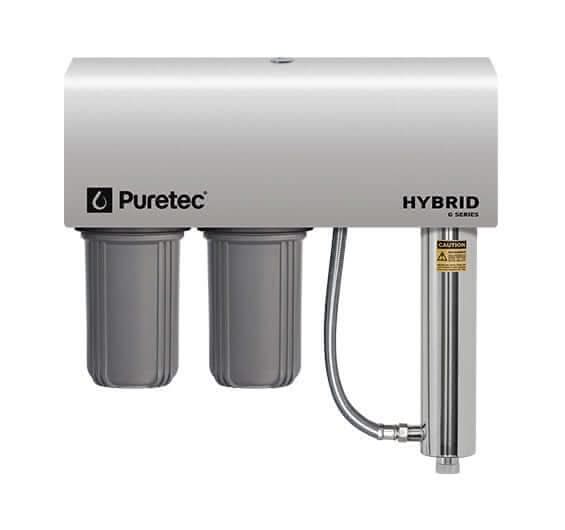
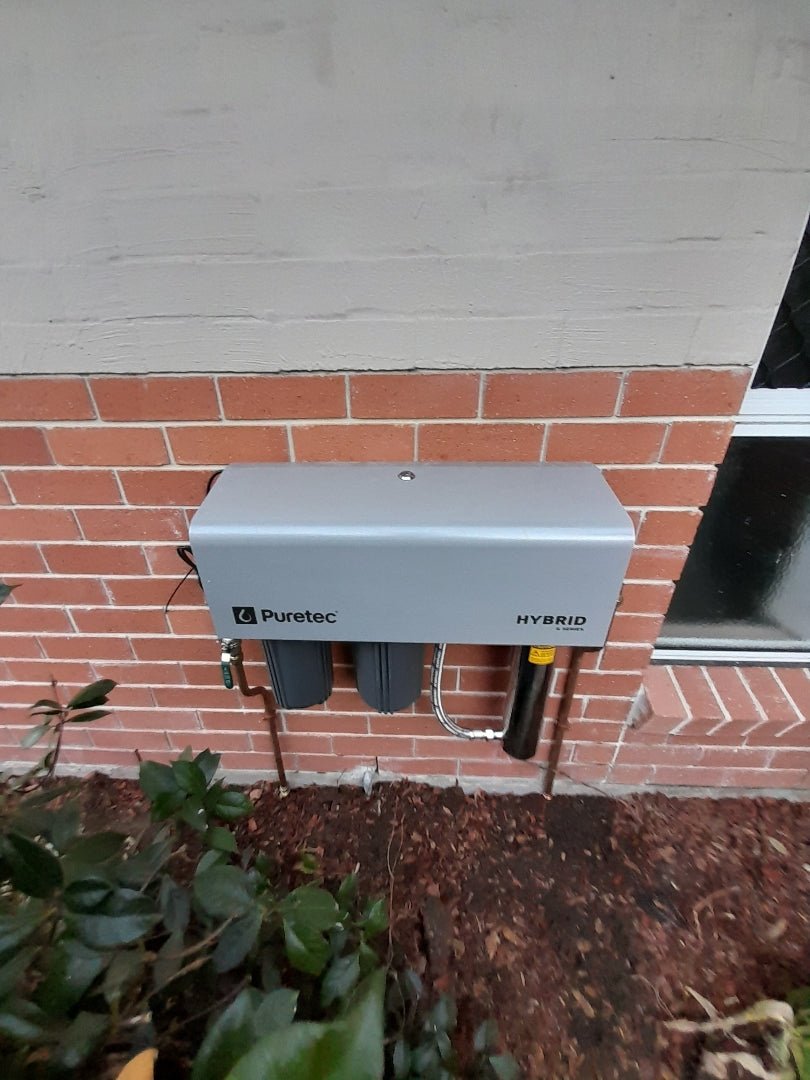
Installed Today supplies a range of water filter systems for customers comparing drinking water, kitchen, whole home and cartridge replacement options online.
Quick answer: what is hard water?
Hard water is water with higher levels of dissolved minerals, especially calcium and magnesium.
These minerals can cause:
-
White scale on taps, shower screens and kettles
-
Soap scum in bathrooms
-
Reduced lather from soap and shampoo
-
Dry-feeling skin and hair
-
Mineral build-up inside appliances
-
Scale inside hot water systems
-
Reduced efficiency in some appliances
-
Staining around fixtures
-
More frequent cleaning
-
Poor performance from some filters if not selected correctly
Hard water is different from dirty water. Clear water can still be hard if it contains dissolved minerals.
Is hard water common in Australia?
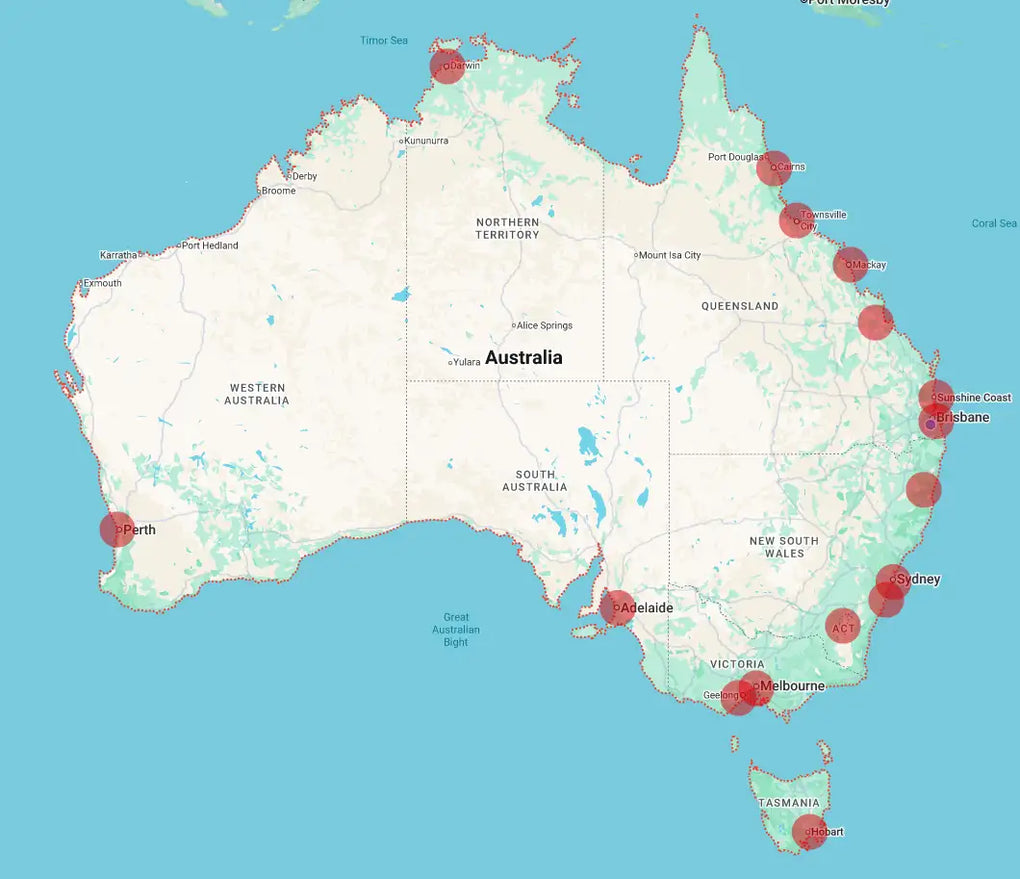
Yes, hard water can occur in many Australian homes, but hardness levels vary by location and water source.
Water hardness can depend on:
-
Local geology
-
Town water supply
-
Bore water
-
Tank water source
-
Pipework condition
-
Mineral content
-
Treatment plant source water
-
Seasonal changes
-
Regional water blending
Some homes experience only mild hardness. Others see heavy scale build-up on fixtures, shower screens and appliances.
The first step is to confirm whether you are dealing with hardness, sediment, chlorine taste, iron staining, tank water contamination or another water quality issue.
What causes hard water?
Hard water is usually caused by dissolved calcium and magnesium.
These minerals can enter water as it passes through:
-
Limestone
-
Chalk
-
Rock layers
-
Soil
-
Underground water sources
-
Bores
-
Mineral-rich catchments
-
Older pipework in some cases
The higher the concentration of these dissolved minerals, the harder the water.
Hardness is often measured as milligrams per litre or parts per million of calcium carbonate equivalent. A water test can help confirm the actual level.
Signs of hard water in your home
Hard water often leaves visible clues.
Common signs include:
-
White crusty build-up on taps
-
Cloudy marks on shower screens
-
Scale inside kettles
-
Chalky residue around basins
-
Soap scum in showers and baths
-
Reduced soap lather
-
Dry-feeling skin after showering
-
Hair feeling dull or heavy
-
Spots on glassware
-
Stiff laundry
-
White marks around the dishwasher
-
Reduced flow from shower heads
-
Appliance scaling
-
Hot water system noise or reduced efficiency
These signs can overlap with other water issues, so testing is useful before choosing a treatment system.
Hard water vs soft water
Soft water has lower mineral content. Hard water has higher mineral content.
| Water type | Typical household effect |
|---|---|
| Soft water | Better soap lather, less scale, easier cleaning |
| Moderately hard water | Some mineral deposits, usually manageable |
| Hard water | Noticeable scale, soap scum and appliance build-up |
| Very hard water | Heavy scale, frequent cleaning and appliance stress |
Soft water is usually easier on fixtures, appliances and cleaning routines. However, the right treatment depends on whether the problem is hardness, taste, sediment, chlorine, bacteria, iron, PFAS or another contaminant.
Is hard water safe to drink?
Hard water is not automatically unsafe. Calcium and magnesium are naturally occurring minerals.
However, drinking water quality is not only about hardness. Water can be hard and still microbiologically safe, or soft and still have other contaminants.
Drinking water safety depends on:
-
Source water
-
Microbiological quality
-
Chemical contaminants
-
Pipework condition
-
Sediment
-
Chlorine
-
Metals
-
PFAS or other local concerns
-
Tank water maintenance
-
Bore water testing
-
Filtration and treatment setup
If you are concerned about drinking water safety, arrange proper testing before choosing a filter. The right filter depends on what is actually in the water.
Does hard water affect skin and hair?
Some people notice that hard water leaves their skin feeling dry or their hair feeling less clean.
Hard water can make soap and shampoo harder to rinse away because minerals react with cleaning products. This can leave residue on skin, hair, tiles and glass.
Common complaints include:
-
Dry-feeling skin
-
Itchy skin after showering
-
Dull hair
-
Hair feeling heavy
-
Soap not lathering well
-
Shampoo feeling less effective
-
More residue on shower screens
A shower filter may help with some chlorine or sediment concerns, but it is not the same as a whole home softening or scale-control system. If hardness is the main issue, choose a system designed for hardness or scale management.
Does hard water affect hot water systems?
Yes, hard water can affect hot water systems over time.
When hard water is heated, minerals can form scale. This can build up inside tanks, heat exchangers, valves and pipework depending on the water quality and system type.
Hard water may contribute to:
-
Scale inside electric storage tanks
-
Reduced heat transfer
-
Noisy storage tanks
-
Sediment-like build-up
-
Stress on valves
-
Reduced appliance efficiency
-
Scale in continuous flow gas heat exchangers
-
Shorter service intervals in some areas
-
More maintenance requirements
If your hot water system is already old, leaking or unreliable, filtration alone may not fix the issue. You may need to compare replacement hot water systems, such as electric hot water systems, instant gas hot water systems or heat pump hot water systems.
Hard water and electric hot water systems
Electric storage hot water systems can be affected by mineral build-up, especially in harder water areas.
Potential issues include:
-
Scale around heating elements
-
Reduced heating efficiency
-
Noisy operation
-
More sediment inside the tank
-
Shorter component life
-
Greater maintenance needs
If you are replacing an old electric storage system and your home has hard water, it may be worth discussing filtration or scale management with your licensed installer.
Hard water and instant gas hot water systems
Instant gas hot water systems heat water as it passes through a heat exchanger. Hard water can contribute to scale inside the unit over time, especially where water quality is poor or the system is heavily used.
Possible signs include:
-
Temperature fluctuation
-
Reduced hot water flow
-
Error codes
-
Noisy operation
-
More frequent servicing
-
Reduced performance
For hard water areas, check manufacturer recommendations and ask your licensed gas fitter whether a pre-filter, scale control or maintenance schedule is recommended.
Hard water and heat pump hot water systems
Heat pump hot water systems still store heated water, so water quality matters.
Hard water may contribute to:
-
Scale inside the tank
-
Valve wear
-
Reduced efficiency
-
Sediment build-up
-
Maintenance issues
A heat pump also needs suitable airflow, drainage and location, so hard water is only one part of the selection process. If you are upgrading from electric storage to heat pump, consider both water quality and site suitability.
Hard water and household appliances
Hard water can affect many appliances that use heated water.
Appliances that may be affected include:
-
Kettles
-
Dishwashers
-
Washing machines
-
Coffee machines
-
Hot water systems
-
Boiling water taps
-
Steam ovens
-
Ice machines
-
Washing machine valves
-
Shower heads and mixers
Scale build-up can reduce efficiency, increase cleaning effort and shorten appliance life in some homes.
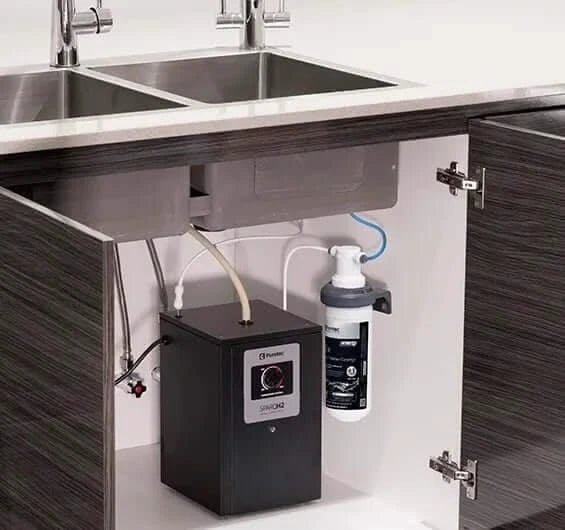
For drinking water and appliance protection, different filter types may be required. A kitchen drinking water filter is not the same as a whole home filtration or softening system.
Hard water and plumbing fixtures
Hard water can leave mineral deposits around fixtures and fittings.
You may notice:
-
White scale on tapware
-
Blocked shower head nozzles
-
Cloudy glass
-
Marks on black tapware
-
Stiff mixer handles
-
Build-up around aerators
-
Reduced flow from outlets
-
More frequent cleaning
Scale on fixtures is usually a sign that hardness is affecting the home externally. Internal scale may also be occurring inside appliances and pipework.
How to test for hard water
Testing helps you avoid buying the wrong filter system.
Basic ways to check include:
-
Home hardness test strips
-
Water hardness test kits
-
Laboratory water testing
-
Local water quality reports
-
Plumber or water treatment assessment
-
Checking visible scale patterns
-
Testing both hot and cold water where relevant
For town water, your local supplier may provide general water quality information, but individual homes can still have different experiences depending on pipework, fixtures and internal plumbing.
For bore water, tank water or unknown water sources, more detailed testing is recommended before choosing filtration.
What does a water hardness test show?
A water hardness test usually measures calcium carbonate equivalent.
This can help identify whether your water is:
-
Soft
-
Moderately hard
-
Hard
-
Very hard
The result helps guide treatment. Mild hardness may only need point-of-use filtration or better maintenance. Very hard water may require a dedicated softening or scale-management approach.
Water filter vs water softener: what is the difference?
A water filter and a water softener are not the same thing.
| System type | Main purpose |
|---|---|
| Water filter | Removes or reduces selected contaminants such as sediment, chlorine, taste, odour or specific particles |
| Water softener | Reduces hardness minerals such as calcium and magnesium |
| Scale-control system | Helps reduce scale formation without necessarily softening water in the same way |
| Reverse osmosis | Filters drinking water through a fine membrane for selected contaminants |
| UV system | Treats microbiological risk in suitable water setups |
| Shower filter | Targets selected shower water concerns, often chlorine or sediment |
If your main problem is hardness and scale, a standard sediment or carbon filter may not solve it by itself.
Do whole home water filters remove hard water?
Some whole home systems can help with sediment, chlorine, taste, odour and general water quality, but not every whole home filter removes hardness minerals.
A whole home water filter may help with:
-
Sediment
-
Rust particles
-
Chlorine taste and odour
-
Dirt
-
Selected chemicals depending on media
-
General incoming water quality
A whole home filter may not fully solve:
-
Calcium hardness
-
Magnesium hardness
-
Heavy scale
-
Mineral deposits
-
True water softening needs
If hardness is the main issue, check whether the selected system is a softener, conditioner or a filtration system designed to address scale.
When a whole home filter makes sense
A whole home filter may suit homes that want all incoming water treated before it reaches taps, showers, appliances and hot water systems.
It may suit:
-
Homes with sediment in town water
-
Homes with chlorine taste or smell
-
Homes with rusty particles
-
Families wanting filtered water throughout the home
-
Properties wanting cleaner water for showers and appliances
-
Homes using multiple point-of-use filters
-
Homes where water quality affects fixtures and appliances
A whole home system is more comprehensive than a single under-sink filter, but it must be matched to the water source and contaminants.
Compare available options in the Installed Today water filter systems range.
When reverse osmosis makes sense
Reverse osmosis is usually used for drinking water at a specific tap, often in the kitchen.
It may help reduce selected dissolved contaminants more effectively than a standard carbon filter. However, reverse osmosis is not usually a whole home hardness solution by itself.
RO may suit:
-
Drinking water improvement
-
Kitchen tap filtration
-
Taste-sensitive households
-
Customers wanting fine filtration
-
Homes with specific tested contaminants
-
Customers prepared for cartridge and membrane maintenance
Reverse osmosis systems need maintenance, cartridge replacement and appropriate pre-filtration. Hard water can affect RO membrane performance, so pre-treatment may be needed in some areas.
When a shower filter makes sense
A shower filter may help with selected shower water concerns, especially chlorine taste, smell or sediment, depending on the filter type.
It may suit people who notice:
-
Chlorine smell in the shower
-
Dry-feeling skin
-
Hair feeling dull
-
Sediment in shower water
-
Desire for a simple shower-only option
However, a shower filter is not usually a full hard water solution. If the home has heavy scale on all fixtures, a whole home or hardness-specific approach may be more suitable.
When a water softener makes sense
A water softener may be worth considering when hardness minerals are the main issue.
It may suit homes with:
-
Heavy white scale
-
Hard water test results
-
Frequent appliance scaling
-
Shower screen build-up
-
Poor soap lather
-
Repeated kettle scale
-
Hot water system scale concerns
-
Very hard bore or town water
Water softeners require correct sizing, maintenance, salt or media management depending on system type, and installation by an appropriate professional.
Hard water in town water homes
Town water can still be hard, depending on the region and water source.
For town water homes, common concerns include:
-
Chlorine taste and smell
-
Scale
-
Sediment after mains work
-
Staining
-
Appliance build-up
-
Shower screen marks
-
Drinking water taste
A water test can help determine whether you need carbon filtration, sediment filtration, hardness treatment, reverse osmosis or a combination.
Hard water in bore water homes
Bore water can vary greatly and should be tested before choosing any treatment system.
Bore water may contain:
-
Hardness minerals
-
Iron
-
Manganese
-
Salts
-
Sediment
-
Metals
-
Odour
-
Microbiological risks
-
pH issues
Do not choose a filter for bore water based only on symptoms. Proper testing is important because the wrong system may fail quickly or not treat the actual issue.
Hard water in rainwater tank homes
Rainwater itself is often naturally soft, but tank water can still have water quality issues.
Tank water concerns may include:
-
Sediment
-
Organic matter
-
Roof debris
-
Colour
-
Odour
-
Microbiological risk
-
Low pH
-
Metals from roof or pipework
-
Pump and cartridge maintenance
If a tank water home has hard water symptoms, check whether the source is actually tank water, bore water, mains backup, pipework or mineral contamination.
For tank water drinking applications, UV, sediment filtration and suitable cartridges may be more relevant than softening.
Choosing the right hard water solution
The best solution depends on the problem you are trying to fix.
| Problem | Possible solution to compare |
|---|---|
| White scale on taps and glass | Hardness treatment or scale-control option |
| Chlorine taste or smell | Carbon filtration |
| Sediment or dirt | Sediment filter |
| Drinking water taste | Under-sink or reverse osmosis system |
| Whole home water quality | Whole home filtration |
| Tank water microbiological risk | Sediment filtration plus UV where suitable |
| Shower chlorine smell | Shower filter or whole home carbon filtration |
| Appliance scaling | Hardness treatment, scale control or suitable pre-filtration |
The right choice starts with testing and matching the filter to the water source.
Do filters protect hot water systems from hard water?
Some filtration setups can help protect hot water systems, but the system must be selected for the actual water issue.
A sediment filter may protect against dirt and particles, but it will not necessarily remove dissolved hardness minerals. A carbon filter may reduce chlorine taste and odour, but it is not the same as a softener.
For scale protection, look at hardness-specific treatment or scale-control systems and confirm suitability with the product supplier and installer.
If your hot water system is already heavily scaled, old, leaking or unreliable, filtration may not reverse the damage. Replacement may still be needed.
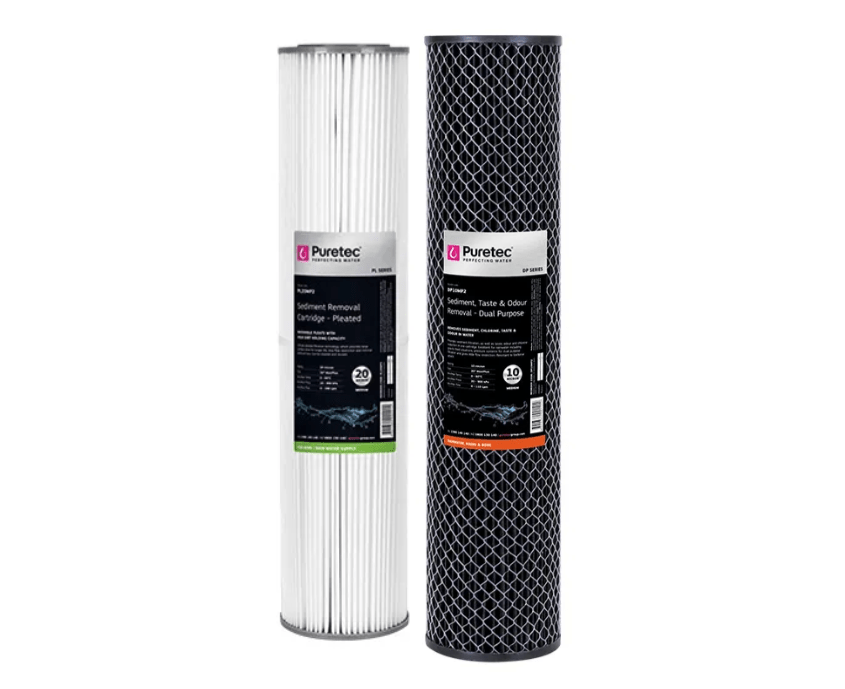
Do hard water filters need cartridge replacement?
Yes, most filter systems need ongoing cartridge or media maintenance.
Maintenance may include:
-
Sediment cartridge replacement
-
Carbon cartridge replacement
-
RO membrane replacement
-
UV lamp replacement
-
Softener salt or media maintenance
-
Filter housing checks
-
Pressure checks
-
Leak checks
-
Scheduled servicing
A filter system that is not maintained can lose performance and may restrict flow or allow water quality problems to return.
Common mistake: assuming one filter fixes everything
No single filter solves every water issue.
For example:
-
A sediment filter does not remove dissolved hardness
-
A carbon filter does not soften water
-
A shower filter does not treat the whole home
-
Reverse osmosis is usually for drinking water, not whole home use
-
UV treats microbiological risk but does not remove hardness
-
A softener targets hardness but may not remove chlorine taste
Choose the system based on test results and the actual problem.
Common mistake: buying a filter before testing water
Symptoms can be misleading.
White marks may be hardness. Brown staining may be iron. Cloudiness may be air, sediment or minerals. Bad taste may be chlorine, pipework, tank contamination or something else.
Testing first helps avoid wasting money on the wrong system.
Common mistake: ignoring water source
Town water, bore water and tank water need different approaches.
Do not assume a filter designed for town water will suit bore water or tank water. Water source matters because contaminants and treatment needs can be completely different.
Common mistake: expecting a drinking water filter to protect the whole home
An under-sink drinking water filter only treats water at that tap. It will not protect showers, washing machines, dishwashers or hot water systems.
If your issue affects the whole home, compare whole home filtration or hardness treatment.
Common mistake: forgetting cartridge maintenance
Filters need maintenance. If cartridges are not replaced, performance can drop and flow may reduce.
Before buying, check:
-
Cartridge type
-
Replacement frequency
-
Cartridge cost
-
Flow rate
-
Filter size
-
Water pressure
-
Installation location
-
Ongoing maintenance requirements
The best filter is one you can maintain properly.
Supply only vs supplied and installed
Installed Today offers supply-only water filter and hot water system ordering across major Australian metro areas for customers who already have their own licensed installer arranged. Supplied-and-installed options are available on selected products in eligible Brisbane and Gold Coast service areas where shown.
Supply-only product pricing generally does not include installation, plumbing work, electrical work, drainage, cartridge setup, old system removal, disposal or compliance upgrades unless those items are clearly selected or included.
For water filters, confirm the system type, cartridge requirements, flow rate, pressure suitability and installation location with your licensed installer before ordering.
Hard water and Brisbane or Gold Coast homes
Water conditions can vary across Brisbane, Gold Coast and surrounding areas depending on the water source, local network and individual property.
Homes may experience:
-
Chlorine taste or smell
-
Sediment after mains works
-
Scale on fixtures
-
Shower screen marks
-
Appliance build-up
-
Tank water issues in acreage areas
-
Bore water issues in selected properties
-
Rainwater pump and filtration needs
For eligible Brisbane and Gold Coast service areas, Installed Today offers supplied-and-installed options on selected products where shown. Check the product page for availability and inclusions.
What to check before ordering a water filter system
Before ordering a water filter for hard water concerns, check:
-
Town water, tank water or bore water source
-
Whether the issue affects one tap or the whole home
-
Visible scale level
-
Water hardness test result
-
Sediment levels
-
Chlorine taste or smell
-
Iron or staining
-
Drinking water concerns
-
Flow rate requirements
-
Water pressure
-
Filter location
-
Cartridge replacement needs
-
Whether installation is supply-only or supplied-and-installed where available
-
Whether your installer confirms suitability
This makes it easier to choose the right system and avoid underperforming filters.
Final recommendation
Hard water is caused mainly by calcium and magnesium minerals in the water. It can leave scale on fixtures, reduce soap lather, affect appliances and contribute to mineral build-up inside hot water systems.
The best solution depends on what you are trying to fix. For drinking water taste, an under-sink or reverse osmosis system may suit. For chlorine, sediment or general incoming water quality, a whole home filter may be worth comparing. For true hardness and scale, you may need a softener, conditioner or hardness-specific scale-control system.
Do not assume one filter fixes every water problem. Test the water first, identify the source, then choose the system that matches the issue.
To compare options, browse the Installed Today water filter systems range. If hard water has already affected your old hot water unit, compare replacement hot water systems as well.
Long-tail FAQs
What is hard water?
Hard water is water with higher levels of dissolved minerals, mainly calcium and magnesium. These minerals can cause scale, soap scum and appliance build-up.
How do I know if I have hard water?
Common signs include white scale on taps, cloudy shower screens, poor soap lather, spots on glassware, kettle scale, stiff laundry and mineral build-up around fixtures.
Is hard water safe to drink?
Hard water is not automatically unsafe, but drinking water safety depends on more than hardness. If you are concerned about contaminants, arrange proper water testing before choosing a filter.
Does a water filter remove hard water?
Some filters reduce sediment, chlorine, taste or odour, but not all filters remove hardness minerals. For true hard water, compare a softener, conditioner or hardness-specific treatment system.
Does reverse osmosis remove hard water minerals?
Reverse osmosis can reduce many dissolved minerals at a drinking water tap, but it is usually a point-of-use drinking water system, not a whole home hardness solution.
Does a whole home filter fix hard water?
A whole home filter can improve incoming water quality, but standard sediment or carbon filters may not remove dissolved calcium and magnesium. Check whether the system is designed for hardness or scale control.
Can hard water damage hot water systems?
Hard water can contribute to scale build-up inside hot water systems, valves and heat exchangers over time. The effect depends on hardness level, system type, usage and maintenance.
Is hard water bad for skin and hair?
Some people find hard water leaves their skin dry or their hair dull because minerals can reduce soap and shampoo performance. A shower filter may help some concerns, but heavy hardness may need broader treatment.
What is the best filter for hard water?
The best solution depends on your water test result and source. Heavy hardness may need a softener or scale-control option, while taste or sediment issues may need carbon or sediment filtration.
Should I test my water before buying a filter?
Yes. Testing helps confirm whether the issue is hardness, chlorine, sediment, iron, tank water contamination, bore water minerals or another water quality problem.