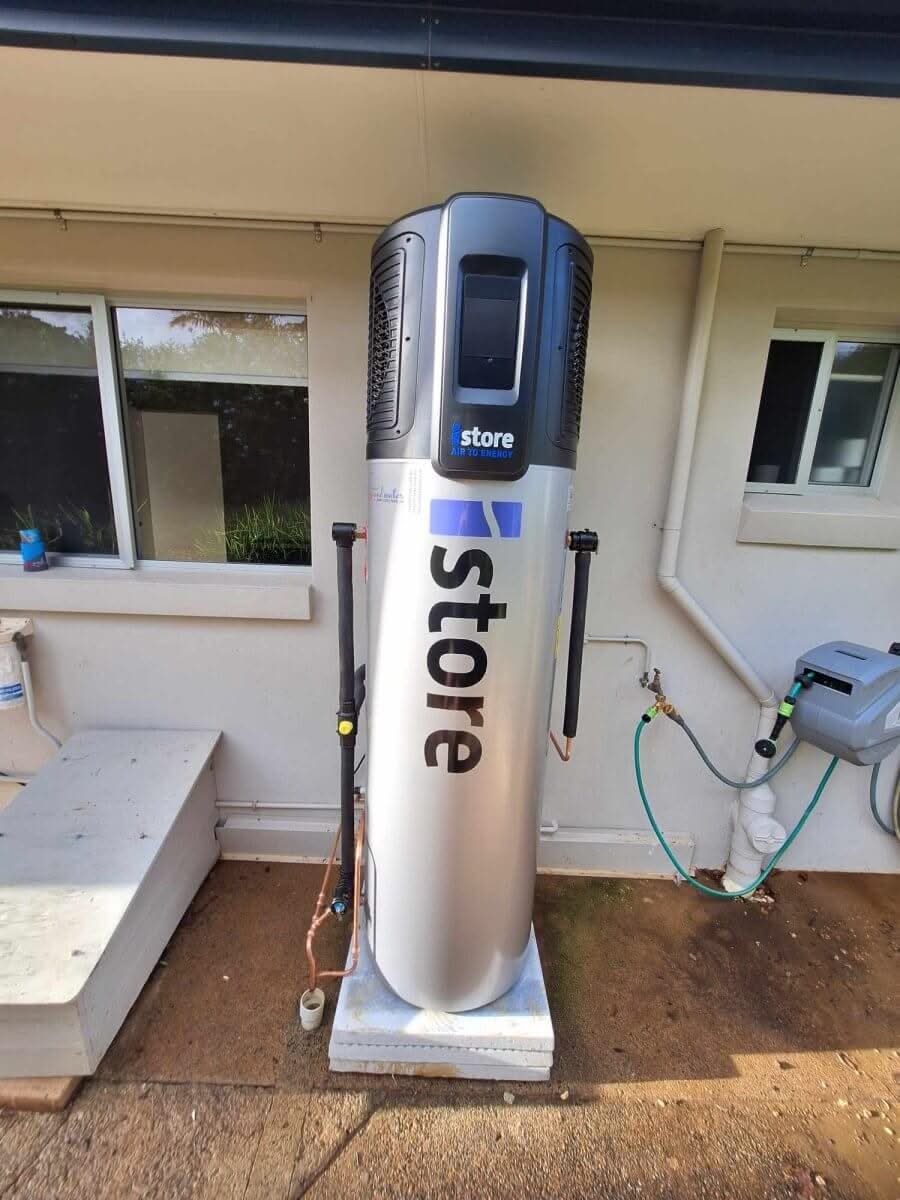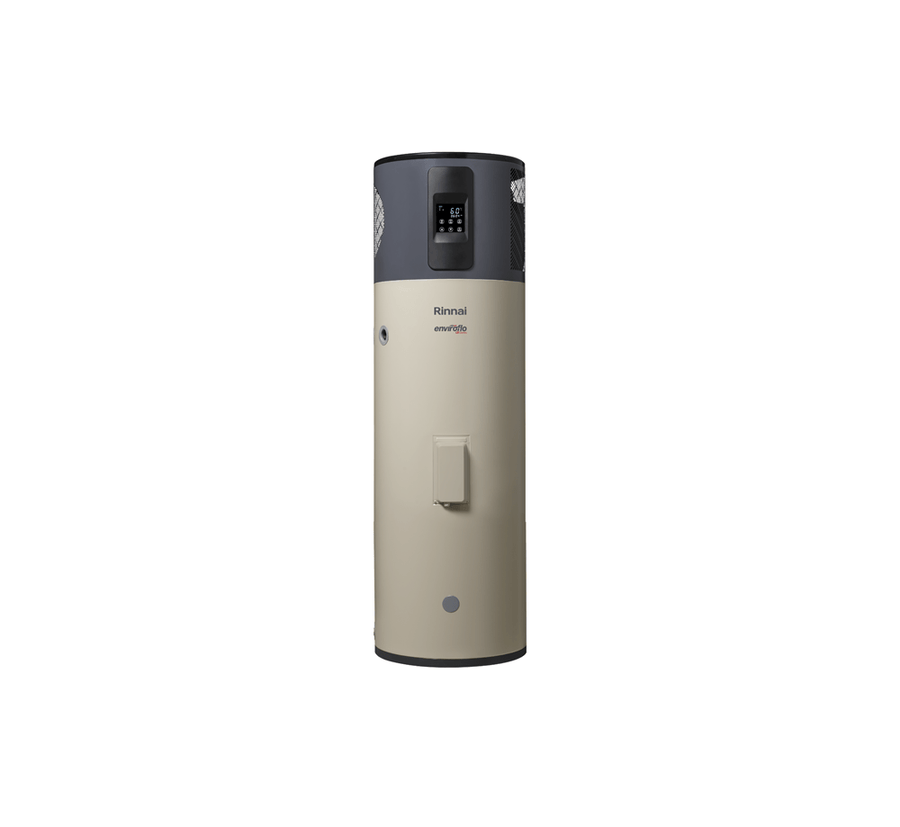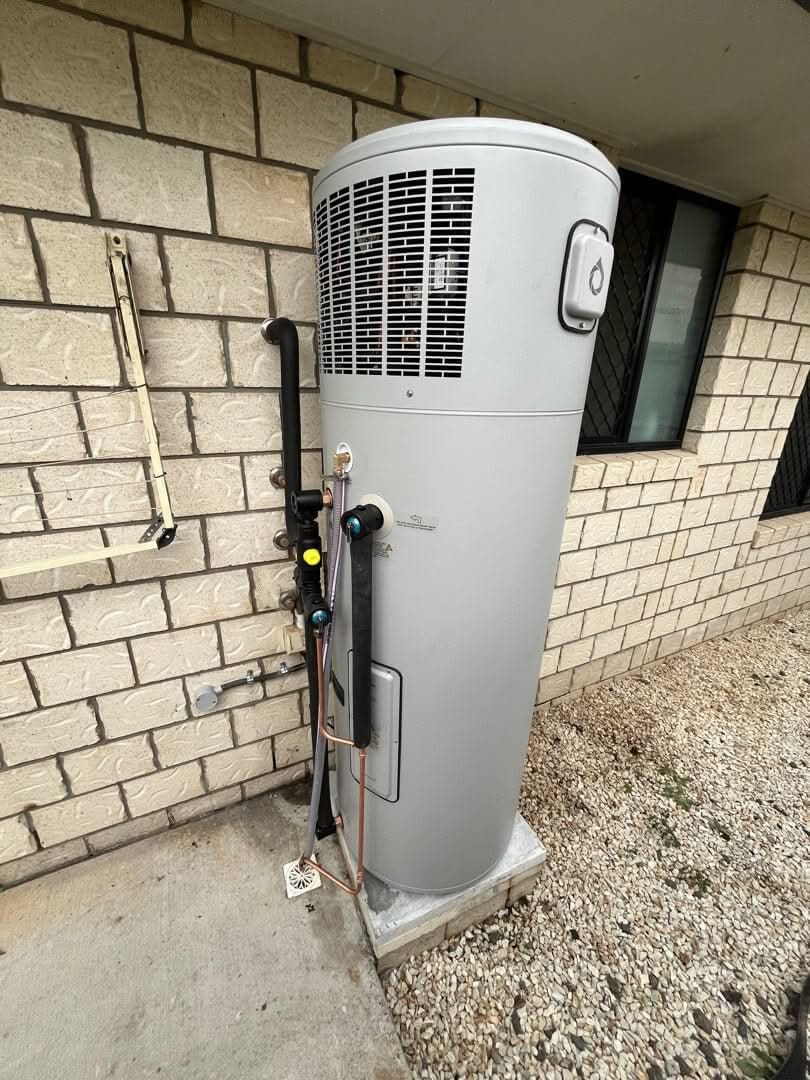

Heat Pump Hot Water System Price: Australian Buyer’s Guide for Supply, Installation and Long-Term Value
Heat pump hot water system prices can vary widely depending on the brand, tank size, efficiency, installation location, electrical requirements, available rebates and whether you are buying supply-only or choosing a supplied-and-installed option where available.
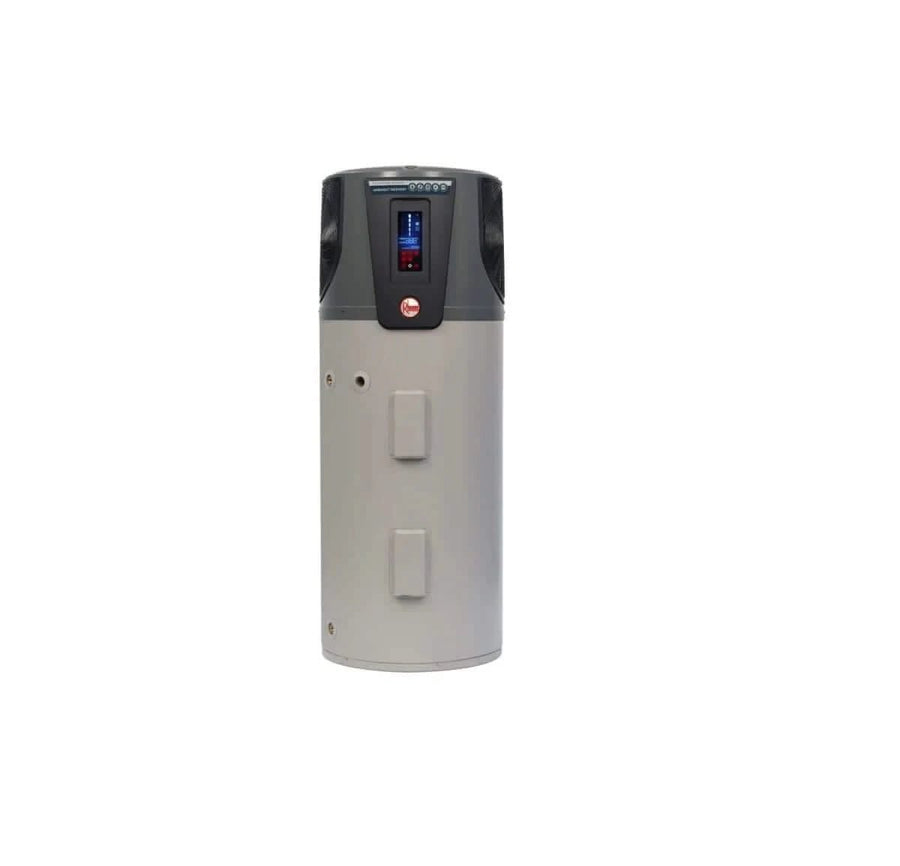
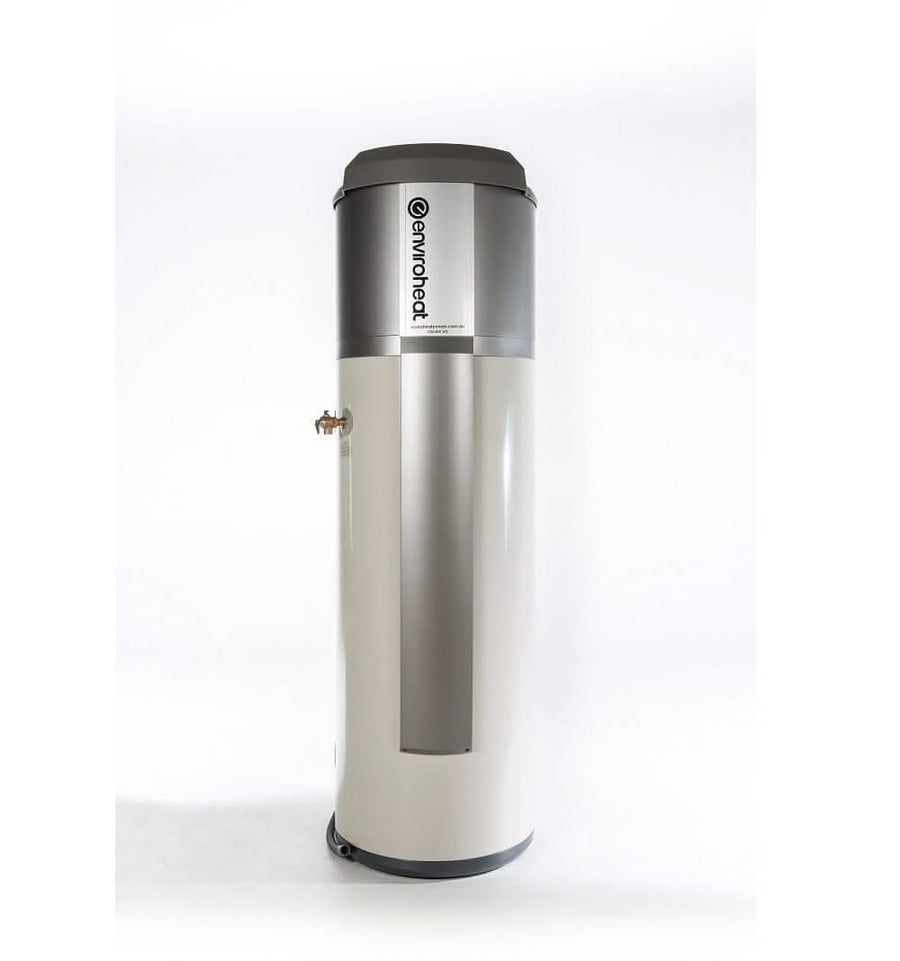
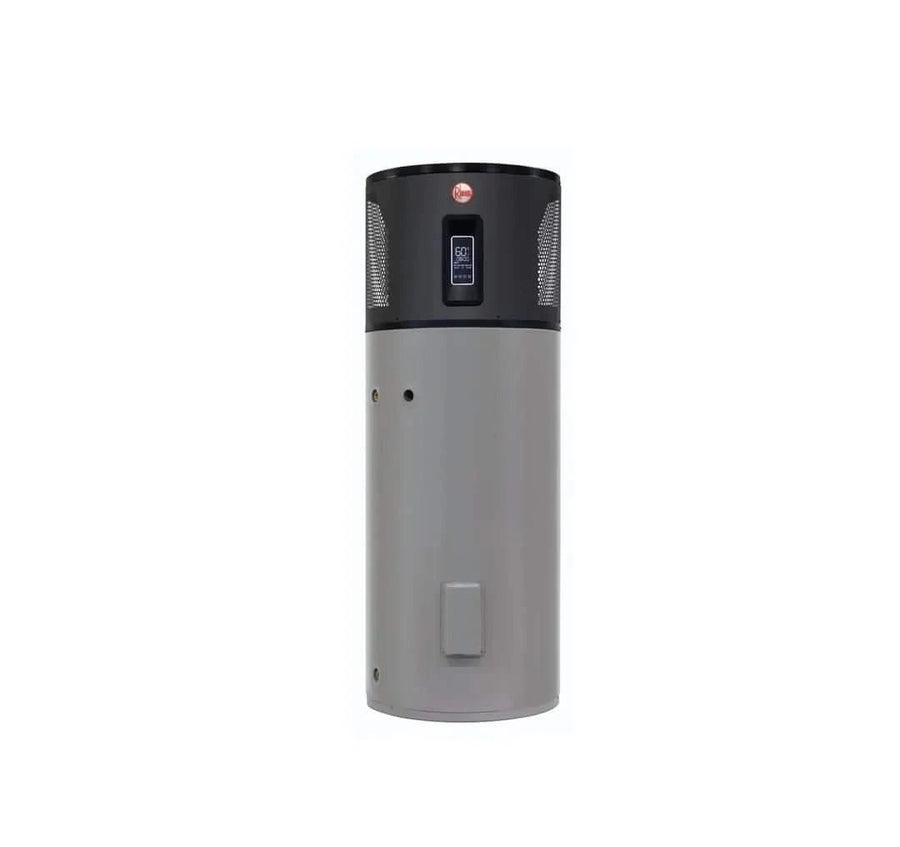
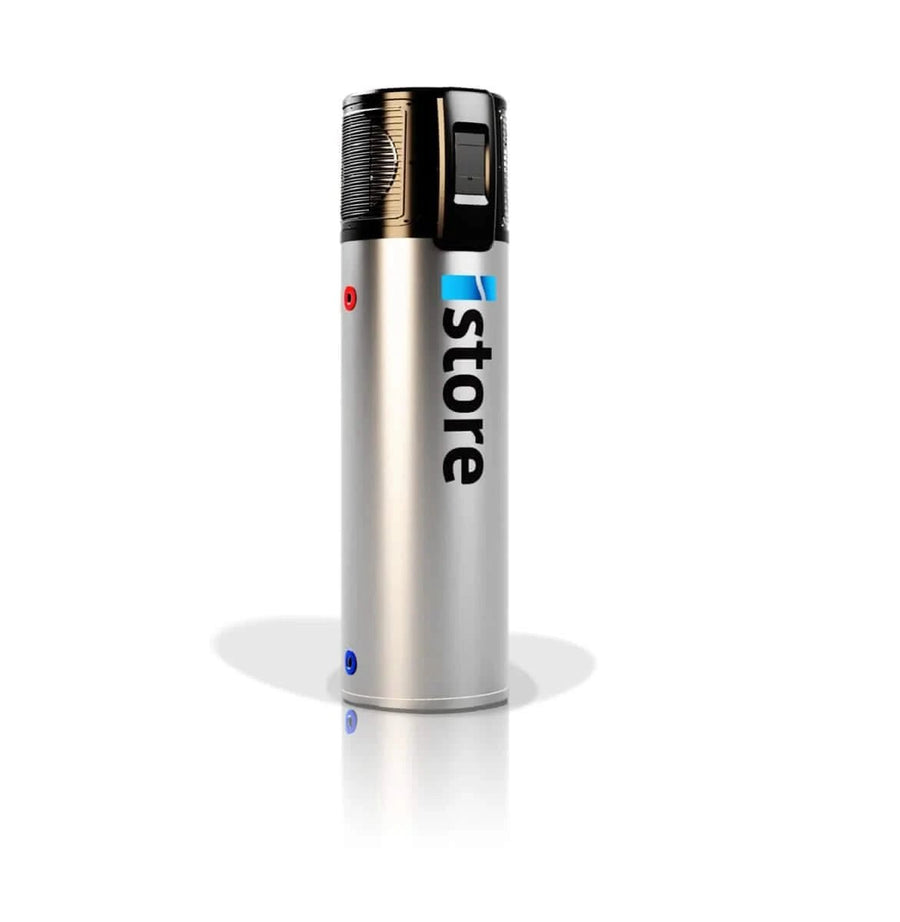
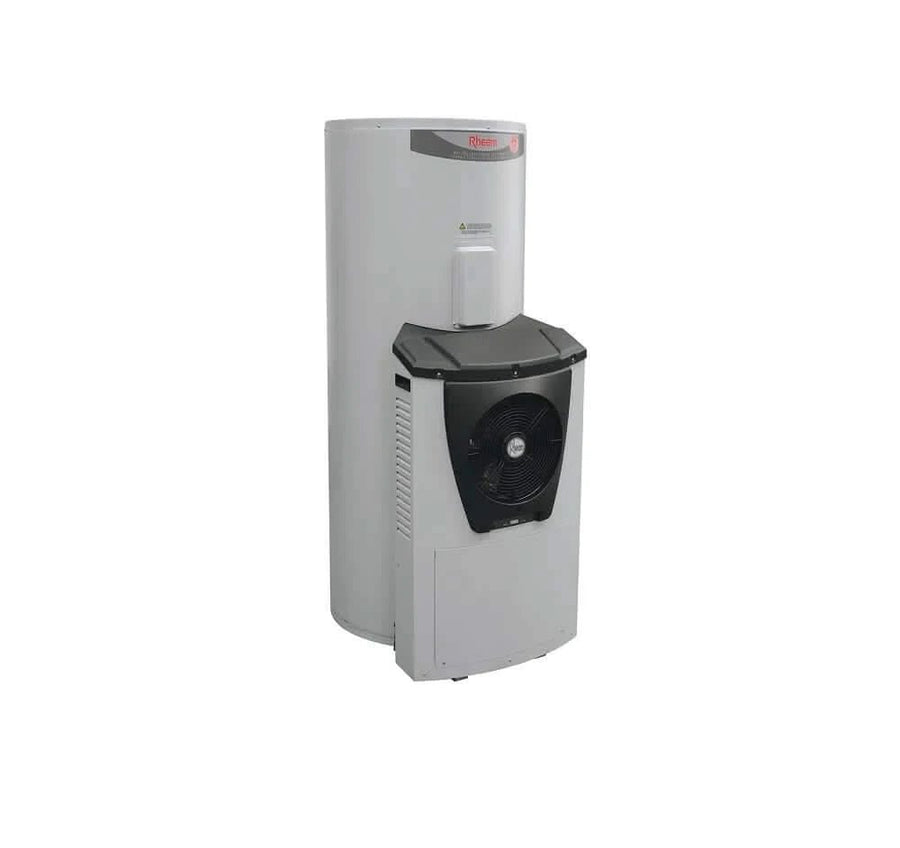
For many Australian homes, heat pump hot water is worth comparing when replacing an old electric storage hot water system. A heat pump still stores hot water in a tank, but instead of using only a standard electric element, it uses heat from the surrounding air to help heat the water. In suitable conditions, this can make it more efficient than a standard electric storage system.
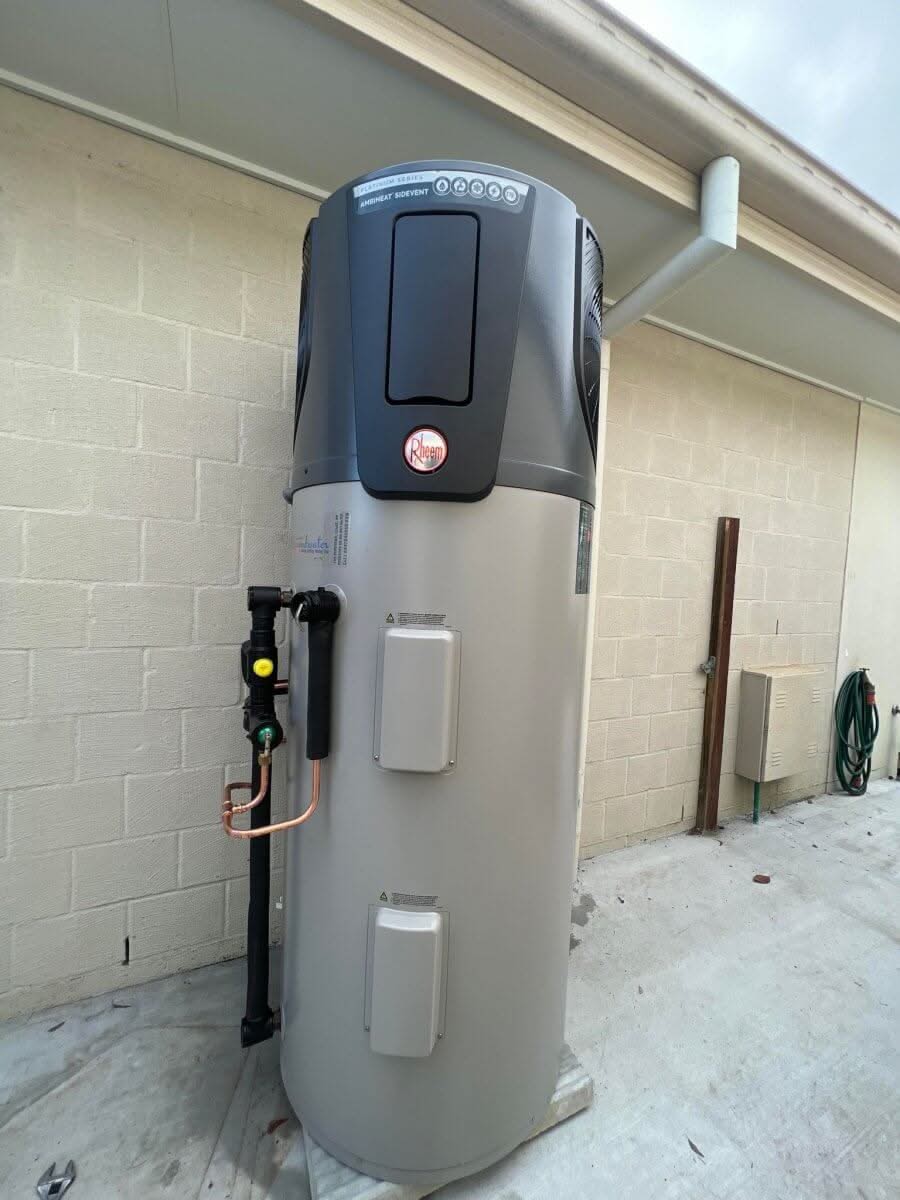
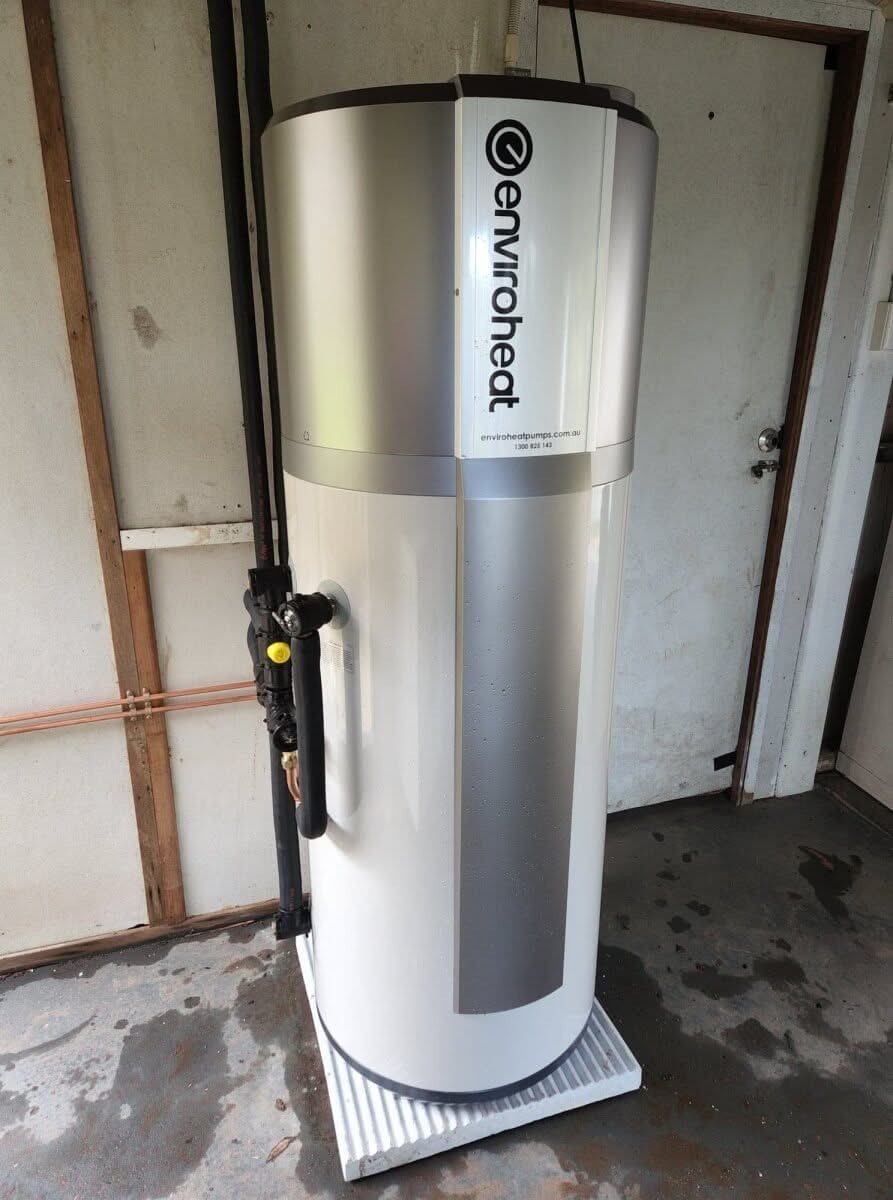
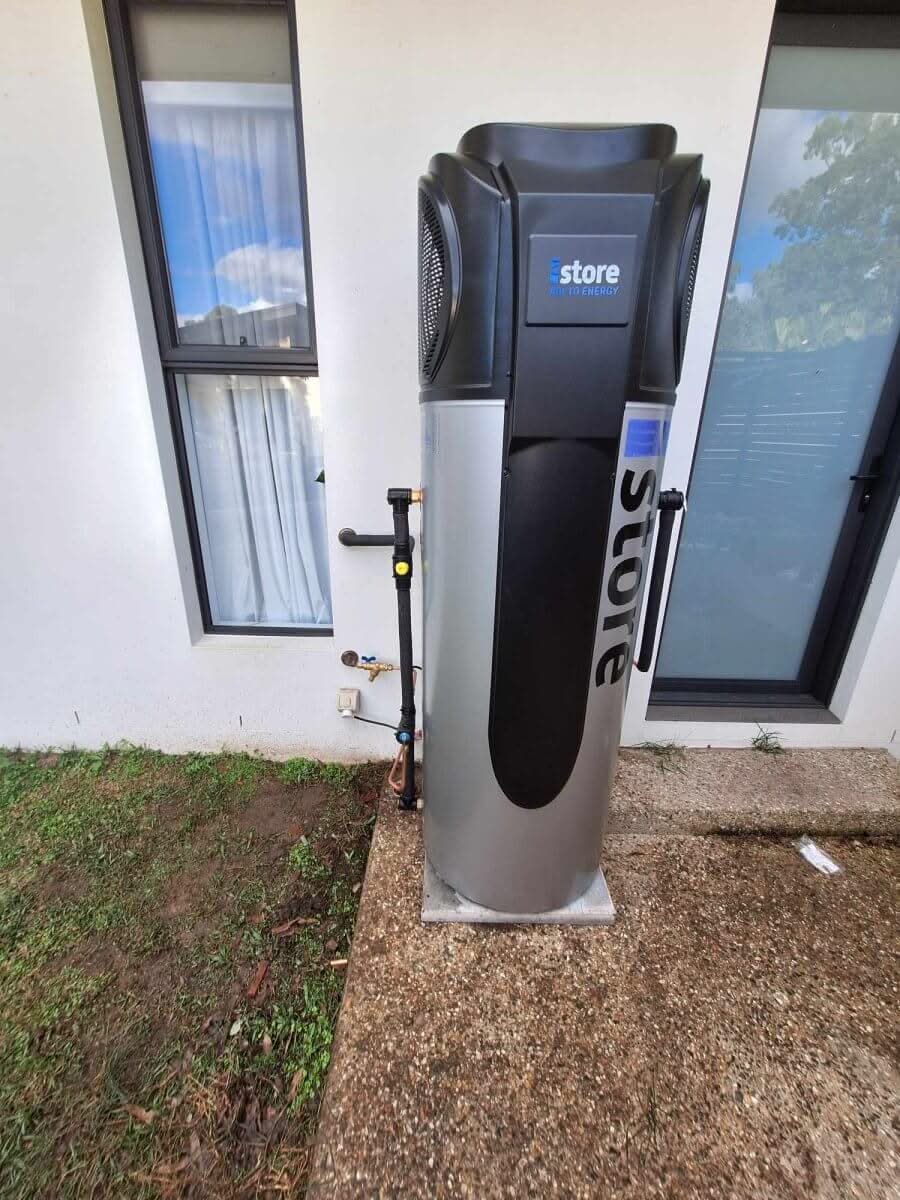
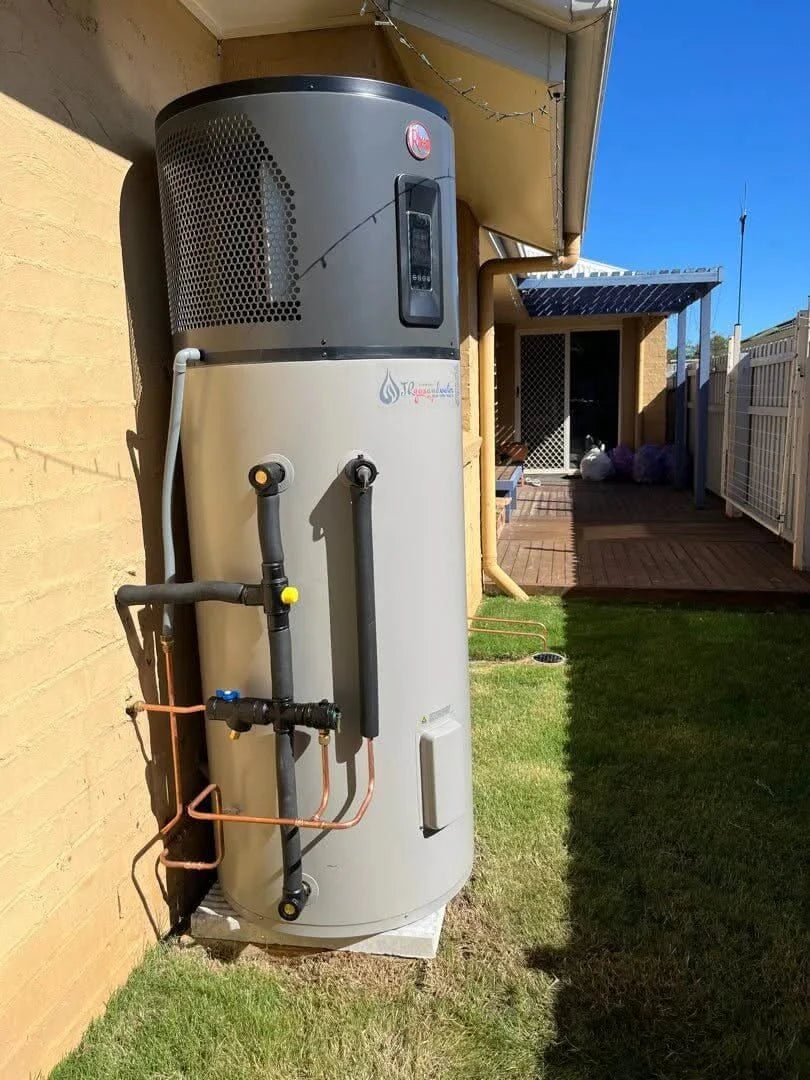
The important thing is to compare the full replacement picture, not just the unit price. A heat pump hot water replacement may also involve delivery access, outdoor placement, airflow clearances, condensate drainage, electrical work, valves, old unit removal, disposal and compliance upgrades depending on the property.
Installed Today supplies a range of heat pump hot water systems, along with broader hot water systems, electric hot water systems and instant gas hot water systems for customers comparing replacement options.
Quick answer: how much does a heat pump hot water system cost?
The price of a heat pump hot water system depends on the product, tank capacity, brand, installation requirements and any current rebates or incentives that may apply.
The main cost parts are:
| Cost item | What it means |
|---|---|
| Unit price | The supply price of the heat pump hot water system itself |
| Tank size | Larger tanks usually cost more than smaller models |
| Brand and model | Entry-level, mid-range and premium models vary in price |
| Installation | Plumbing and electrical work where required |
| Valves and fittings | Tempering valve, isolation valves, pressure limiting valve and other required parts |
| Electrical requirements | Existing circuit suitability, timer setup or electrical upgrades where needed |
| Condensate drainage | Heat pumps produce condensate that needs safe drainage |
| Base and location | Suitable outdoor base, airflow and access may affect total cost |
| Old unit removal | Removal and disposal may be included, optional or separate depending on the order |
| Rebates or incentives | These can change and should be checked before ordering |
For supply-only buyers, the product price is not the full installed cost. For supplied-and-installed options in eligible Brisbane and Gold Coast service areas, check the product page carefully to see what is included and what may be an add-on.
What affects heat pump hot water system price?
Heat pump hot water system pricing is affected by more than the tank size.
The main price factors include:
-
Brand
-
Tank capacity
-
Single-piece or split-system design
-
Efficiency and performance features
-
Noise rating
-
Warranty terms
-
Current product availability
-
Delivery location
-
Whether the system is replacing electric storage
-
Whether electrical work is needed
-
Whether the unit location has enough airflow
-
Whether condensate drainage is available
-
Whether the base or slab is suitable
-
Whether old unit removal is required
-
Whether rebates or incentives apply
-
Whether you choose supply-only or supplied-and-installed where available
A cheaper heat pump may not always be the best-value choice if it does not suit the location, is too small for the household, or needs extra work to install correctly.
Heat pump unit price vs installed price
When comparing heat pump hot water systems, separate the unit price from the installed price.
Unit price
The unit price is the cost of the heat pump hot water system itself. This is the main price supply-only customers compare when they already have their own licensed installer arranged.
Installed price
The installed price includes the product plus the work needed to install it safely. Depending on the property, this may involve plumbing, valves, electrical work, drainage, old unit removal, disposal and compliance items.
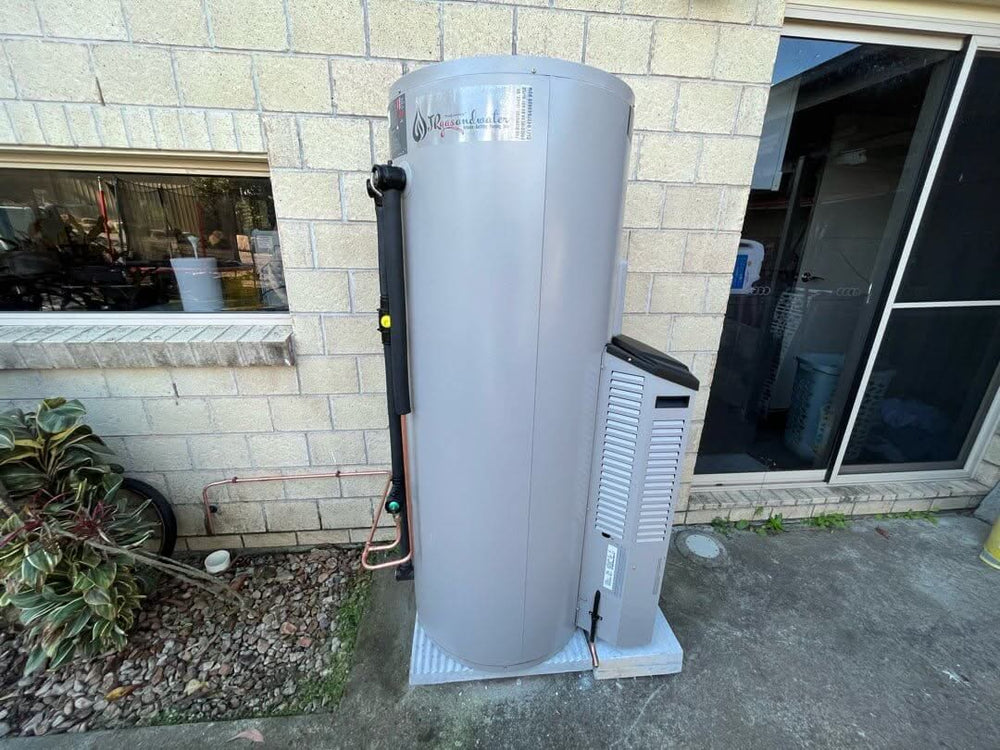
Installed pricing can vary because heat pumps have location requirements. A straightforward replacement in a suitable outdoor position is usually simpler than installing a heat pump in a tight courtyard, enclosed area, difficult drainage location or site needing electrical changes.
Supply-only heat pump hot water systems
Supply-only means you buy the product and arrange your own licensed installer.
This can suit:
-
Customers who already have a plumber arranged
-
Builders and renovators
-
Landlords working through a property manager
-
Customers outside supplied-and-installed service areas
-
Customers replacing an old electric storage system
-
Customers who want to compare heat pump models online
-
Customers who have already confirmed site suitability
Supply-only product pricing generally does not include:
-
Installation labour
-
Electrical work
-
Plumbing changes
-
Valves
-
Condensate drainage
-
Base or slab work
-
Old unit removal
-
Disposal
-
Compliance upgrades
-
Difficult access
-
Timer setup
-
Switchboard work
-
Additional materials
Before ordering supply-only, confirm the selected heat pump, tank size, electrical requirements, location, airflow, drainage and access with your licensed installer.
Supplied and installed heat pump hot water systems
Installed Today offers supplied-and-installed options on selected products in eligible Brisbane and Gold Coast service areas where shown.
This may suit customers who want a more complete replacement pathway instead of ordering the product only.
Before ordering, check:
-
Whether installation is available for your address
-
What the listed installation includes
-
Whether old unit removal is included or an add-on
-
Whether disposal is included or an add-on
-
Whether valves are included or extra
-
Whether electrical work is included or extra
-
Whether condensate drainage is included or extra
-
Whether the existing base is suitable
-
Whether the replacement is like-for-like
-
Whether any rebate or incentive is included or handled separately
Do not assume every heat pump replacement includes every possible site requirement. Product pages and selected add-ons should be checked carefully.
Why heat pump prices vary so much
Heat pump hot water systems vary in price because not all models are built the same way.
Price can be affected by:
-
Tank capacity
-
Compressor quality
-
Refrigerant type
-
Noise rating
-
Recovery rate
-
Efficiency
-
Brand reputation
-
Controller features
-
Warranty terms
-
Build quality
-
Suitability for different climates
-
One-piece or split-system design
A low-cost model may suit a basic replacement where the household demand is moderate and the location is suitable. A premium model may be better for homeowners focused on long-term performance, lower noise, better recovery or stronger warranty terms.
Common heat pump hot water sizes
Heat pump hot water systems are usually selected by tank capacity, household size and usage pattern.
Common sizes include:
-
Around 170L to 200L for smaller households
-
Around 250L to 280L for many family homes
-
Around 300L or larger for higher-demand households
The right size depends on the number of people, number of bathrooms, shower habits, recovery time, climate, timer setup and whether the household uses hot water heavily in the morning or evening.
What size heat pump hot water system do you need?
As a general guide:
| Household type | Common heat pump size to compare | Notes |
|---|---|---|
| 1–2 people | Around 170L to 200L | Suitable for lower demand where recovery matches usage |
| 2–4 people | Around 250L to 280L | Common family comparison range |
| 4–5 people | Around 270L to 315L | Better for higher use and more hot water buffer |
| Larger or high-use home | Site-specific sizing | Usage pattern, recovery and location need checking |
Sizing should not be based only on the old electric tank size. Heat pump recovery, timer settings and household usage patterns also matter.
Is a heat pump cheaper to run than electric storage?
A heat pump hot water system can be cheaper to run than a standard electric storage system in suitable conditions because it uses heat from the surrounding air to help heat the water.
However, running costs depend on:
-
Electricity tariff
-
Household hot water use
-
Climate
-
System efficiency
-
Timer setup
-
Solar power use
-
Tank size
-
Recovery pattern
-
Location and airflow
-
Maintenance
-
Existing system comparison
It is best to avoid assuming a fixed saving. A heat pump may deliver strong long-term value in one home and be less suitable in another if the location, sizing or usage pattern is wrong.
Heat pump hot water and solar power
Heat pump hot water can pair well with rooftop solar when the system is set up to run during solar generation hours.
This may suit homes that:
-
Have daytime solar generation
-
Want to use more solar power on site
-
Can schedule heating during the day
-
Have enough hot water storage for evening use
-
Have a suitable electrical setup
-
Have a heat pump model that supports the desired timer arrangement
Solar pairing is not automatic. The timer, tariff, household habits and system recovery need to suit the property. A licensed electrician or installer should confirm the best setup.
Rebates and incentives for heat pump hot water
Heat pump hot water rebates, incentives and energy schemes can change by state, product type, installation date, installer accreditation and eligibility rules.
Before choosing a heat pump based on a rebate, check:
-
Whether the product is eligible
-
Whether your property is eligible
-
Whether the installer must be accredited
-
Whether the scheme applies in your state
-
Whether the rebate is applied upfront or claimed later
-
Whether paperwork is required
-
Whether the rebate is still available
-
Whether the quoted price already includes any incentive
Do not rely on old rebate information when ordering. Confirm current eligibility before purchase.
Heat pump hot water installation cost factors
Heat pump installation costs can vary because the system needs the right location and supporting services.
Important installation factors include:
-
Existing system type
-
Same location or new location
-
Outdoor airflow
-
Condensate drainage
-
Base or slab condition
-
Access for delivery
-
Distance from electrical supply
-
Switchboard suitability
-
Timer or control setup
-
Valve requirements
-
Pipework changes
-
Old unit removal
-
Disposal
-
Compliance upgrades
-
Noise placement
-
Distance from bedrooms or neighbouring homes
A heat pump may be straightforward where replacing an outdoor electric storage system in a suitable location. It may be more involved where the existing system is indoors, access is tight, drainage is poor or electrical changes are needed.
Electrical requirements for heat pump hot water
Heat pump hot water systems run on electricity, but they are not always a simple plug-in replacement.
Electrical considerations may include:
-
Existing hot water circuit suitability
-
Timer or controlled load setup
-
Switchboard capacity
-
Isolator requirements
-
Outdoor electrical safety
-
Manufacturer requirements
-
Whether a licensed electrician is needed
If replacing an electric storage system, some existing electrical infrastructure may be reusable, but this should not be assumed. A licensed electrician can confirm what is required.
Condensate drainage costs
Heat pumps produce condensate as part of normal operation. That water needs to drain safely.
Condensate drainage may affect cost if:
-
There is no nearby drain
-
The area slopes the wrong way
-
The unit is installed near a path or doorway
-
Water could pool around the base
-
Drainage needs to be extended
-
The existing location was not designed for heat pump condensate
Poor drainage can create nuisance water, slippery surfaces, soil movement or damage around the unit. Confirm drainage before ordering.
Location and airflow requirements
Heat pump hot water systems need enough surrounding air to operate properly.
A suitable location should provide:
-
Open airflow
-
Enough clearances around the unit
-
Service access
-
Drainage
-
Stable base
-
Acceptable noise placement
-
Weather-suitable outdoor position
-
Distance from bedroom windows where practical
-
Enough room for delivery and replacement
A heat pump may not suit enclosed cupboards, tight indoor spaces, narrow unventilated areas or locations where airflow is blocked.
Noise placement and neighbours
Heat pumps have a fan and compressor, so placement matters.
Before ordering, consider:
-
Distance from bedrooms
-
Distance from neighbouring bedrooms
-
Courtyard echo
-
Fence lines
-
Unit noise rating
-
Operating times
-
Body corporate rules
-
Local expectations
-
Manufacturer clearance requirements
A quiet, well-positioned heat pump can be practical. A poorly positioned unit may create complaints or inconvenience.
Heat pump vs electric storage price
Electric storage hot water systems often have a lower upfront product price and can be simpler to replace like-for-like. Heat pump hot water systems usually cost more upfront but may offer lower running costs in suitable conditions.
| Option | Price advantage | Main consideration |
|---|---|---|
| Electric storage | Often lower upfront product cost | Higher running costs in many homes |
| Heat pump | Better long-term efficiency potential | Higher upfront price and location requirements |
| Instant gas | Compact where gas is available | Needs suitable gas supply and correct gas type |
If your existing electric system has failed and you need the lowest upfront replacement, electric storage may be simpler. If you are planning long term and the site suits, heat pump hot water may be worth the higher initial cost.
Heat pump vs gas hot water price
Heat pump and gas hot water suit different homes.
A heat pump may suit homes without gas, homes with solar power, or homeowners wanting an efficient electric option.
Gas continuous flow may suit homes already connected to natural gas or LPG, especially where a compact wall-mounted system is preferred.
| Option | Best suited to | Price consideration |
|---|---|---|
| Heat pump | Homes with outdoor space and electrical suitability | Higher upfront cost but efficient operation in suitable conditions |
| Instant gas | Homes with natural gas or LPG | Gas type, pipe sizing and flow rate affect final cost |
| Electric storage | Simple electric replacements | Lower complexity but may cost more to run |
The best choice depends on existing services, not just the headline price.
Is heat pump hot water worth the price?
Heat pump hot water may be worth the price when:
-
You are replacing an old electric storage system
-
You plan to stay in the property long term
-
The location has good outdoor airflow
-
Condensate drainage is practical
-
Electrical requirements are manageable
-
The system is correctly sized
-
Noise placement is suitable
-
Current incentives improve the value
-
You want a more efficient electric option
-
Rooftop solar may support daytime operation
It may not be worth it when:
-
The location is unsuitable
-
You need the cheapest upfront replacement
-
Drainage is difficult
-
Access is poor
-
The system would sit too close to bedrooms
-
The property has body corporate restrictions
-
The household demand exceeds the model’s recovery capability
-
Electrical upgrades make the project too expensive
Best heat pump hot water system for a small home
A smaller home or unit may not need a large tank.
A smaller heat pump may suit:
-
1–2 people
-
One bathroom
-
Moderate shower use
-
Compact outdoor space
-
Owner-occupied homes
-
Properties replacing a smaller electric system
However, apartments and units may be limited by body corporate rules, outdoor space, drainage and noise placement. In many apartments, electric storage may still be more practical.
Best heat pump hot water system for a family home
Family homes usually need more hot water storage and stronger recovery.
A family heat pump may suit:
-
3–5 people
-
Two bathrooms
-
Daily shower use
-
Homes replacing 250L or 315L electric storage
-
Properties with outdoor space
-
Homes with solar power
-
Long-term owners wanting efficiency
For families with teenagers, long showers or heavy evening use, sizing and recovery are especially important.
Best heat pump hot water system for rental properties
Heat pump hot water can suit some rental properties, but it should be chosen carefully.
For rentals, consider:
-
Tenant demand
-
Reliability
-
Simple operation
-
Noise placement
-
Outdoor access
-
Maintenance requirements
-
Body corporate rules
-
Long-term ownership plans
-
Repair and service access
-
Whether the system is easy to understand
A rental heat pump should be sized for likely future tenants, not only the current occupant.
Best heat pump hot water system for Airbnb and short-stay properties
Short-stay properties should be sized for maximum guest occupancy, not average use.
A heat pump may suit an Airbnb or short-stay property where:
-
The system is correctly sized
-
Recovery suits guest demand
-
The property has outdoor space
-
Noise placement is acceptable
-
Condensate drainage is practical
-
Guests do not need to understand complex settings
-
Laundry and cleaning routines are considered
-
The owner wants long-term efficiency
For high-occupancy short-stay homes, recovery time and tank size are critical.
Heat pump hot water brands
Installed Today stocks selected hot water brands across different categories. Depending on availability, customers may compare heat pump options from recognised hot water manufacturers and suppliers.
When comparing brands, look at:
-
Tank size
-
Efficiency
-
Noise rating
-
Warranty terms
-
Compressor design
-
Recovery time
-
Product reviews
-
Installation requirements
-
Service support
-
Current availability
-
Rebate eligibility where relevant
The best heat pump brand is the one that suits the property, household demand and installation location.
What to check before ordering a heat pump online
Before ordering a heat pump hot water system, check:
-
Current hot water system type
-
Current tank size
-
Number of people in the home
-
Number of bathrooms
-
Whether the old system ran out often
-
Available outdoor space
-
Airflow clearances
-
Condensate drainage
-
Electrical supply
-
Switchboard suitability
-
Noise placement
-
Access for delivery
-
Base or slab condition
-
Product dimensions
-
Rebate eligibility
-
Whether you need supply only or supplied and installed
These checks reduce the risk of buying a system that does not fit, cannot drain properly or does not suit the household.
Common mistake: choosing by price only
The cheapest heat pump is not always the best choice.
A lower-priced model may be unsuitable if:
-
It is too small
-
Recovery is too slow
-
Noise placement is poor
-
It does not suit the climate
-
Warranty terms are weaker
-
It does not meet rebate requirements
-
Installation costs are higher than expected
-
The location needs extra work
Compare product price, installation requirements and long-term suitability together.
Common mistake: ignoring installation location
Heat pumps need airflow. A tight or enclosed location can reduce performance and create problems.
Before ordering, check:
-
Clearances
-
Air movement
-
Nearby walls
-
Fences
-
Doors and windows
-
Access
-
Drainage
-
Noise-sensitive areas
-
Manufacturer requirements
Location can affect both performance and cost.
Common mistake: assuming rebates are guaranteed
Rebates and incentives are not guaranteed for every product, property or installer.
Before buying, confirm current rules. Check whether the product, installer and property are eligible, and whether the advertised price already includes any incentive.
Common mistake: replacing same size without checking usage
If your old electric storage system ran out of hot water, replacing it with a similar-sized heat pump may not solve the problem.
Consider:
-
Household size
-
Shower habits
-
Peak usage time
-
Recovery rate
-
Solar timer settings
-
Tank size
-
Climate
-
Guest or tenant demand
The system should match current usage, not just the old cylinder label.
Common mistake: forgetting condensate drainage
Heat pumps produce condensate. If drainage is not planned, water may pool around the unit or create nuisance runoff.
Always confirm drainage before ordering.
Heat pump prices in Brisbane and Gold Coast
For eligible Brisbane and Gold Coast service areas, Installed Today offers supplied-and-installed options on selected heat pump hot water systems where shown.
Common replacement considerations include:
-
Replacing old electric storage
-
Outdoor airflow
-
Condensate drainage
-
Electrical suitability
-
Timer setup
-
Old unit removal
-
Delivery access
-
Current product and installation availability
Check the product page carefully for current pricing, inclusions and add-ons.
Heat pump supply-only for other Australian metro areas
Installed Today also supports supply-only ordering across major Australian metro areas for customers who already have their own licensed installer arranged.
This can suit customers outside eligible supplied-and-installed areas who want to order a suitable heat pump product online and arrange local installation separately.
Before ordering, confirm:
-
Delivery availability
-
Installer approval
-
Outdoor location
-
Electrical requirements
-
Drainage
-
Access
-
Rebate eligibility
-
Old unit removal arrangements
Final recommendation
Heat pump hot water system price depends on more than the unit itself. The total cost can be affected by tank size, brand, electrical work, drainage, location, access, old unit removal, rebates and whether the order is supply-only or supplied-and-installed where available.
A heat pump can be a strong long-term option for homes replacing old electric storage hot water, especially where there is suitable outdoor space, airflow, drainage and electrical setup. It may be less suitable where the location is tight, drainage is difficult, noise placement is poor or the homeowner needs the lowest upfront replacement cost.
Before ordering, compare the product price, installation requirements, current incentives and the household’s actual hot water demand.
To compare options, browse heat pump hot water systems or view the full Installed Today hot water systems range.
Long-tail FAQs
How much does a heat pump hot water system cost?
The cost depends on the brand, tank size, model, supply-only price, installation requirements, electrical work, drainage, access and any current rebates or incentives. Always compare the full replacement cost, not just the unit price.
Is heat pump hot water cheaper to run?
Heat pump hot water can be cheaper to run than standard electric storage in suitable conditions because it uses heat from the air to help heat the water. Actual running costs depend on usage, tariff, climate, sizing, location and timer setup.
Is heat pump hot water worth it?
Heat pump hot water may be worth it for homes replacing old electric storage where the property has outdoor space, airflow, drainage and suitable electrical setup. It may not suit every home or every budget.
What size heat pump hot water system do I need?
A smaller household may compare around 170L to 200L, while many family homes compare around 250L to 280L or larger. The right size depends on people, bathrooms, usage, recovery time and climate.
Can I replace electric hot water with heat pump hot water?
Yes, many heat pump replacements are upgrades from electric storage hot water. However, the outdoor location, airflow, drainage, electrical requirements and installation access must be checked first.
Does a heat pump need a plumber and electrician?
A heat pump hot water replacement may require licensed plumbing and electrical work depending on the property, existing setup and model. Electrical work must be completed by a licensed electrician where required.
Do heat pump hot water systems need drainage?
Yes. Heat pumps produce condensate, which needs to drain safely. Poor drainage can create pooling water, slippery surfaces or nuisance runoff.
Are heat pump hot water rebates available?
Rebates and incentives may be available in some areas, but they change over time and depend on product, property, installer and eligibility rules. Check current requirements before ordering.
Can a heat pump work with solar power?
A heat pump can often work well with rooftop solar when timer settings and household usage suit daytime operation. Solar pairing should be confirmed by a licensed electrician or installer.
Does supply-only heat pump pricing include installation?
No. Supply-only generally means the product is supplied only. Installation, valves, electrical work, plumbing changes, drainage, old unit removal, disposal and compliance upgrades are separate unless clearly shown as included.