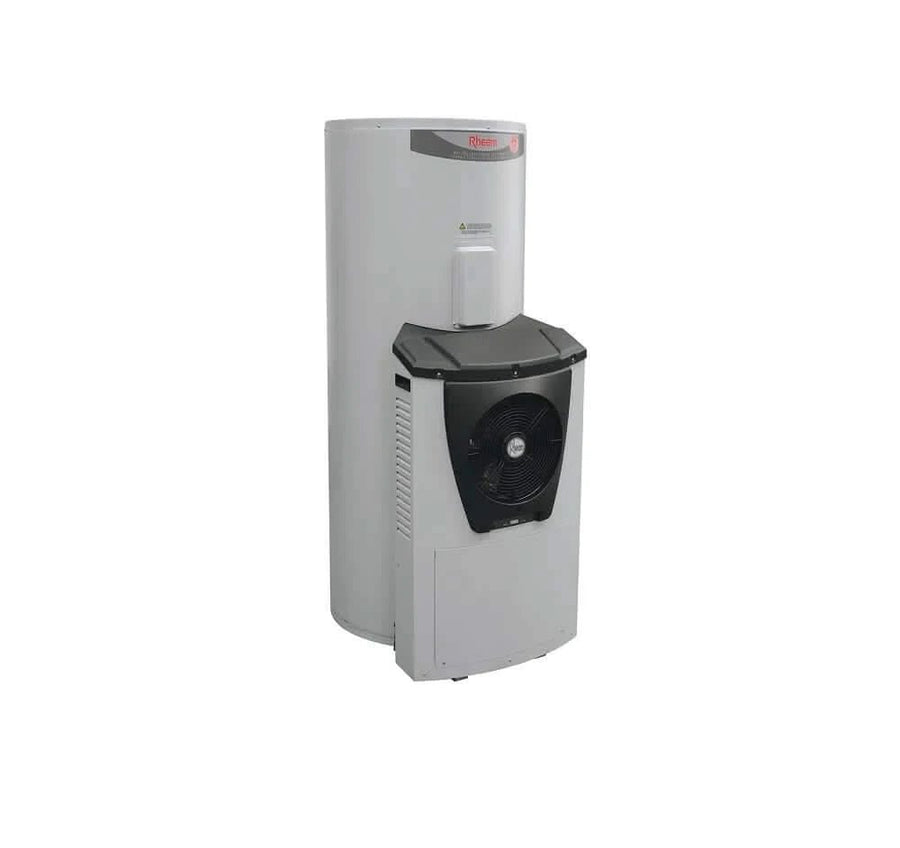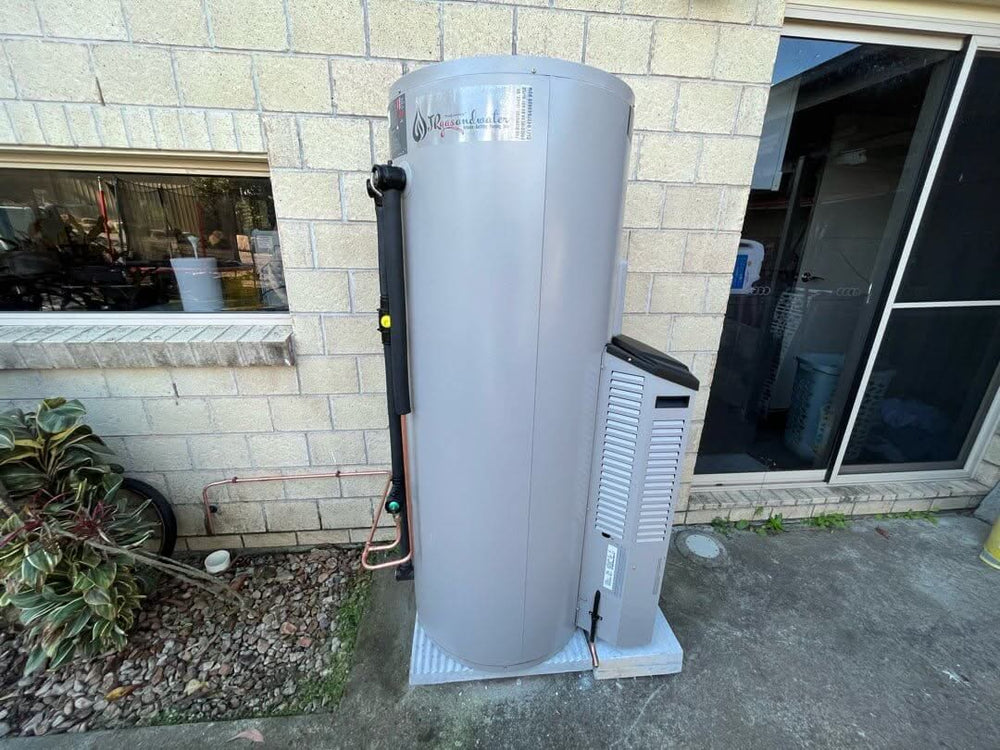

Heat Pump Hot Water System Replacement Cost: Australian Buyer’s Guide
Replacing a heat pump hot water system can be a smart upgrade when the property suits the technology, but the final cost can vary significantly from one home to another. A straightforward replacement of an existing heat pump is very different from changing an old electric storage tank to a heat pump, relocating the system, adding condensate drainage, upgrading electrical supply or correcting old plumbing issues.
The product price is only one part of the total cost. Heat pump replacement can also involve valves, electrical work, pipework changes, drainage, old unit removal, disposal, access, base work, compliance upgrades and installation suitability checks.
This guide explains what affects heat pump hot water system replacement cost, how heat pumps compare with standard electric, gas and instant systems, and what to check before ordering.
You can compare Heat Pump Hot Water Systems, broader Hot Water Systems, Electric Hot Water Systems, Instant Electric Systems, Gas Hot Water Systems and Instant Gas Hot Water Systems online with Installed Today.
Quick answer: what affects heat pump hot water replacement cost?
Heat pump hot water replacement cost depends on the system, site and installation pathway.
The main cost factors include:
-
Heat pump brand and model
-
Tank size
-
Existing hot water system type
-
Whether replacing electric storage, gas, instant or another heat pump
-
Outdoor airflow
-
Condensate drainage
-
Electrical supply
-
Timer or solar setup
-
Noise placement
-
Base or slab condition
-
Plumbing changes
-
Valve requirements
-
Old unit removal
-
Disposal
-
Access
-
Compliance upgrades
-
Whether ordering supply only or selecting an installed option where available
A heat pump can be a strong long-term option, but only where the installation location suits the unit.
What is a heat pump hot water system?
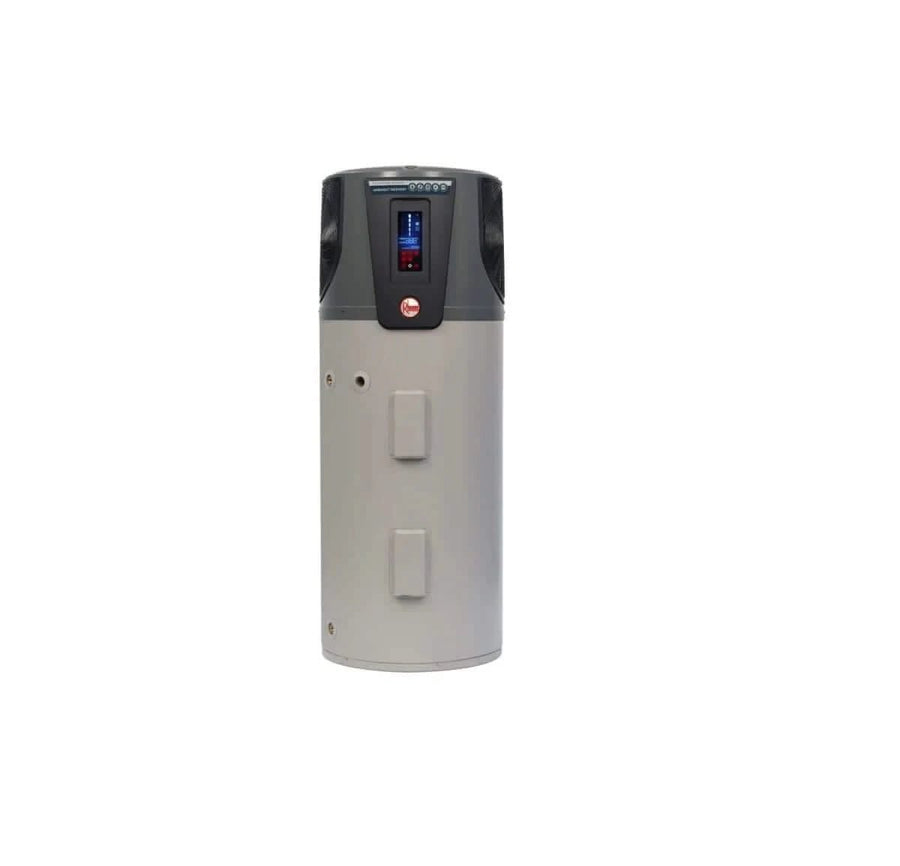
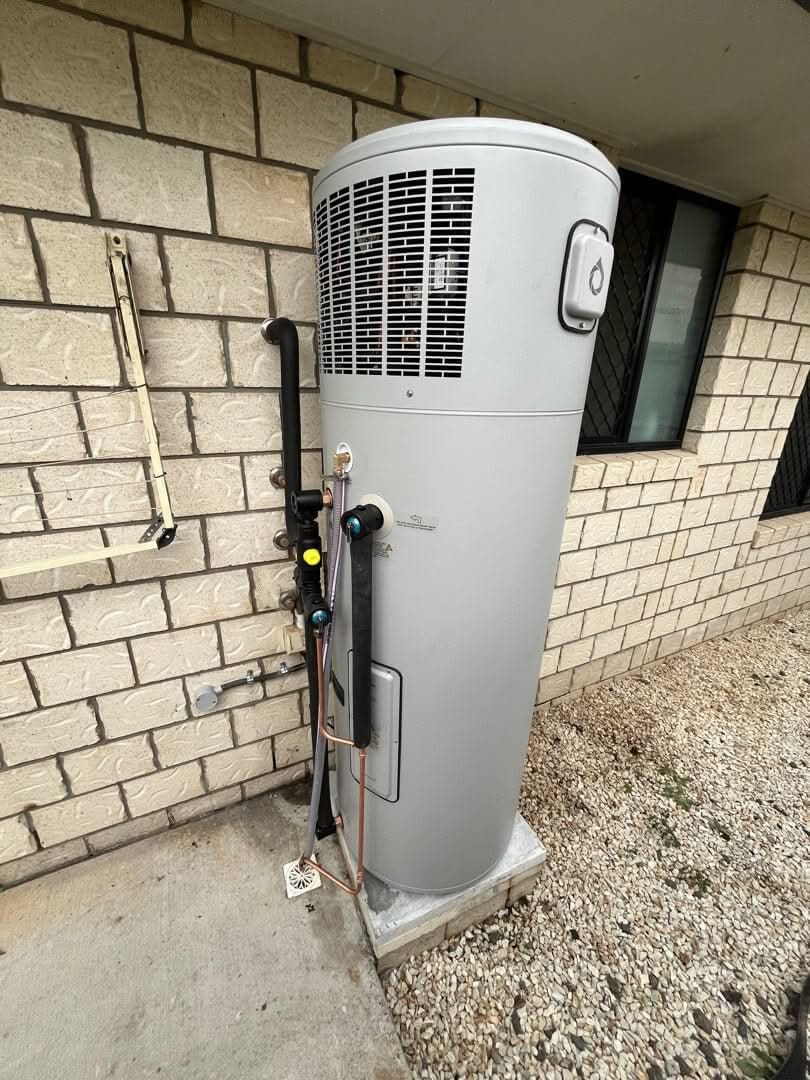
A heat pump hot water system is an electric hot water system that transfers heat from the surrounding air into stored water.
It does not rely only on a standard electric element. Instead, it uses a fan, refrigerant cycle, compressor and heat exchanger to move heat into the water tank.
This makes heat pump hot water different from:
-
Standard electric storage
-
Instant electric
-
Gas storage
-
Instant gas
-
Solar hot water
A heat pump still uses electricity, but the electricity powers the heat transfer process rather than only heating water directly with an element.
Why heat pump replacement cost varies
Heat pump replacement cost varies because heat pumps are more site-sensitive than standard electric storage systems.
A basic electric tank can often be replaced in the same position if the pipework, valves, drainage and electrical supply suit.
A heat pump needs more checks, including:
-
Is there enough outdoor airflow?
-
Is there a safe condensate drainage path?
-
Will the fan and compressor noise be acceptable?
-
Is the electrical supply suitable?
-
Is the base or slab suitable?
-
Can the unit be delivered and accessed?
-
Does the tank size suit the household?
-
Will rooftop solar or timer settings be used?
-
Are there any extra compliance requirements?
The more changes needed, the more the final replacement cost can vary.
Heat pump replacement cost: product vs total installed cost
When comparing heat pump prices, separate the product cost from the total replacement cost.
The product cost may only cover the heat pump unit itself.
The total replacement cost may include:
-
Product
-
Delivery
-
Installation labour
-
Valves
-
Plumbing materials
-
Electrical work
-
Condensate drainage
-
Old unit removal
-
Disposal
-
Base or slab work
-
Compliance upgrades
-
Access allowances
-
Additional site requirements
A low product price can still lead to a higher final cost if the installation is complex.
Replacing an existing heat pump with a new heat pump
Replacing an old heat pump with a new heat pump can be simpler than changing system type, but it still needs checking.
Cost may depend on:
-
Existing heat pump location
-
Whether airflow is still suitable
-
Whether condensate drainage is compliant
-
Whether electrical supply suits the new model
-
Whether pipework lines up
-
Whether valves need replacement
-
Whether the old base or slab is suitable
-
Whether the new tank is larger or smaller
-
Whether the old unit can be removed easily
-
Whether the new model has different clearance requirements
Do not assume a new heat pump can always use the exact same setup as the old one.
Replacing electric storage with heat pump hot water
Changing from electric storage to heat pump hot water is one of the most common upgrade paths.
It may suit homes where:
-
The old electric storage tank is due for replacement
-
The property has suitable outdoor space
-
Airflow is good
-
Condensate drainage can be managed
-
Electrical supply is suitable
-
Noise placement is acceptable
-
The household wants a more efficient electric option
-
Rooftop solar timing may be useful
Cost can increase if the old electric tank was in a tight cupboard, garage, laundry or enclosed space that does not suit heat pump airflow.
Compare Electric Hot Water Systems if a simple electric replacement is more practical.
Replacing gas hot water with heat pump hot water
Changing from gas hot water to heat pump hot water can be more involved than replacing like-for-like.
Extra considerations may include:
-
Gas disconnection requirements
-
Electrical supply for the heat pump
-
New outdoor location
-
Condensate drainage
-
Pipework changes
-
Valve requirements
-
Old gas unit removal
-
Access
-
Compliance work
-
Whether the household still wants gas appliances
-
Whether rooftop solar is available
-
Whether the home has enough space for a tank
A heat pump may suit customers moving away from gas, but the installation pathway should be confirmed before ordering.
Compare Gas Hot Water Systems and Instant Gas Hot Water Systems if the home already has suitable natural gas or LPG and gas remains the better option.
Replacing instant gas with heat pump hot water
Instant gas systems are compact and wall-mounted, while heat pump systems store water in a tank.
Switching from instant gas to heat pump may require:
-
Space for a storage tank
-
New pipework route
-
Electrical supply
-
Condensate drainage
-
Gas disconnection
-
Different installation location
-
Base or slab
-
Access planning
-
Noise placement
-
Household demand reassessment
This change can make sense for some homes, but it is not a simple one-for-one swap.
Replacing instant electric with heat pump hot water
Instant electric systems and heat pumps suit different applications.
Instant electric is usually used for selected compact or point-of-use applications where the electrical supply supports it.
A heat pump may be better for stored household hot water where:
-
A tank is needed
-
Household demand is higher
-
Outdoor airflow is available
-
Condensate drainage is possible
-
Noise placement is suitable
-
Electrical setup supports the unit
Compare Instant Electric Systems if you only need a compact electric option for a suitable low-demand application.
Heat pump vs standard electric replacement cost
Heat pump hot water usually has a higher upfront product cost than standard electric storage, but it may use less electricity in suitable conditions.
| Feature | Heat pump hot water | Standard electric storage |
|---|---|---|
| Heating method | Transfers heat from air | Electric element |
| Upfront product cost | Usually higher | Often lower |
| Installation complexity | More site-specific | Often simpler |
| Outdoor airflow | Very important | Usually less critical |
| Condensate drainage | Required | Standard discharge drainage |
| Noise | Fan and compressor noise | Generally quiet |
| Running cost potential | Often lower in suitable conditions | Usually higher |
| Best suited to | Efficient electric upgrades | Simple like-for-like replacement |
Choose heat pump hot water if the site suits and long-term efficiency matters.
Choose standard electric storage if budget, space, drainage, access or noise placement makes heat pump unsuitable.
Heat pump vs gas replacement cost
Heat pump and gas hot water replacement costs depend heavily on the existing setup.
A heat pump may suit:
-
Homes replacing electric storage
-
Homes with rooftop solar
-
Homes without gas
-
Customers moving away from gas
-
Properties with suitable outdoor airflow
-
Properties with suitable condensate drainage
Gas hot water may suit:
-
Homes already connected to natural gas or LPG
-
Customers replacing existing gas storage
-
Customers replacing instant gas
-
Homes with suitable gas pipe sizing
-
Customers wanting compact continuous flow hot water
Natural gas and LPG are not interchangeable. Any gas work should be completed by a licensed gas fitter.
Heat pump vs solar hot water replacement cost
Solar hot water and heat pump hot water are often compared by customers wanting lower-energy hot water options.
Heat pump hot water may suit:
-
Homes without ideal roof space
-
Homes with rooftop solar PV instead of solar thermal collectors
-
Properties with suitable outdoor airflow
-
Homes where roof collectors are not practical
-
Customers wanting an efficient electric system without roof-mounted collectors
Solar hot water may suit:
-
Homes with suitable roof space
-
Strong sun exposure
-
Minimal shading
-
Customers wanting solar thermal water heating
-
Properties where roof installation is practical
Solar hot water can involve roof collectors and more complex installation. Heat pump hot water is usually ground-mounted or outdoor tank-based, but still needs airflow and drainage.
Heat pump tank size and cost
Tank size affects heat pump product cost, space requirements and suitability.
As a general guide:
| Household | Heat pump sizing consideration |
|---|---|
| 1 to 2 people | Smaller or medium heat pump may suit if use is low |
| 3 to 4 people | Medium to larger heat pump often compared |
| 5+ people | Larger tank and recovery performance need careful checking |
| Homes with baths | Tank size should be assessed carefully |
| High shower demand | Recovery time and boost mode matter |
| Rentals or short-stay homes | Size for likely peak demand, not just average use |
The right size depends on real hot water use, not just the number of bedrooms.
What size heat pump should you choose?
Before choosing a heat pump size, check:
-
Number of people in the home
-
Number of bathrooms
-
Shower length
-
Bath use
-
Laundry use
-
Dishwasher use
-
Morning hot water demand
-
Evening hot water demand
-
Guest use
-
Rental or Airbnb occupancy
-
Timer settings
-
Solar timing
-
Recovery rate
-
Boost mode
-
Future household changes
If the old system regularly ran out, do not automatically choose the same capacity.
180L heat pump replacement
A 180L heat pump may suit smaller households with moderate hot water use.
It may be considered for:
-
1 to 2 person homes
-
Units and townhouses where suitable
-
Low-demand households
-
Properties with limited space
-
Some smaller rentals
-
Homes replacing smaller electric storage tanks
Before choosing a 180L heat pump, check shower habits, bath use, guest use and recovery time.
250L heat pump replacement
A 250L heat pump is commonly compared by households wanting a medium-sized electric upgrade.
It may suit:
-
2 to 4 person homes
-
Small families
-
Moderate hot water demand
-
Homes replacing 250L electric storage
-
Properties with rooftop solar timing
-
Rentals with moderate occupancy
Before choosing 250L, check whether the old system ran out and whether the household demand has changed.
270L heat pump replacement
A 270L heat pump is a popular family-size comparison point.
It may suit:
-
3 to 4 person households
-
Homes with moderate to higher hot water use
-
Families replacing electric storage
-
Rooftop solar homes where timer setup suits
-
Homes needing more stored capacity than smaller units
Check product dimensions, access, drainage and noise placement carefully before ordering.
315L heat pump replacement
A 315L heat pump may suit larger households or higher-demand properties.
It may be considered for:
-
Larger families
-
Homes with multiple bathrooms
-
Longer shower demand
-
Bath use
-
Rentals with higher likely occupancy
-
Short-stay homes where guest demand is higher
A larger system may cost more upfront and take up more space, so choose based on demand rather than size alone.
Heat pump brand and model cost differences
Brand and model can affect product price, tank size, dimensions, warranty terms, noise rating, controls, recovery and availability.
Installed Today’s homepage-linked hot water brands worth comparing for heat pump and electric hot water include:
Compare by suitability, not brand name alone.
iStore heat pump replacement cost factors
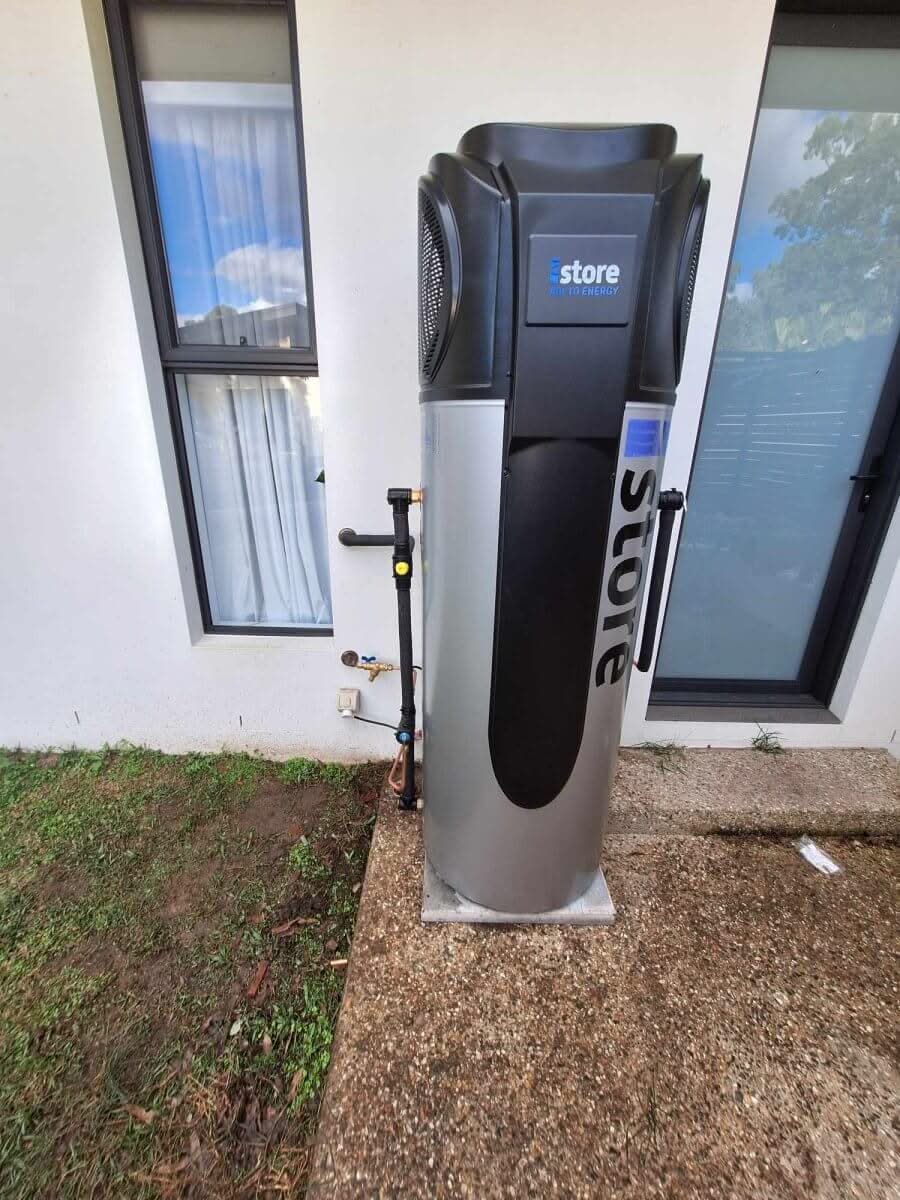
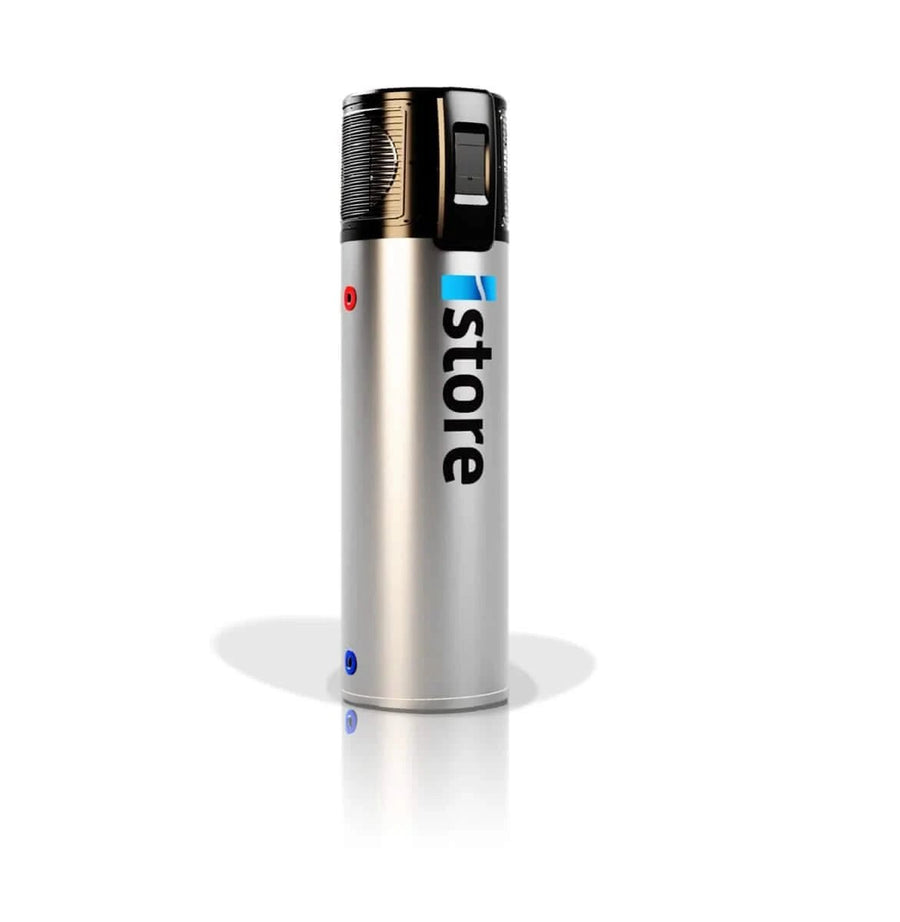
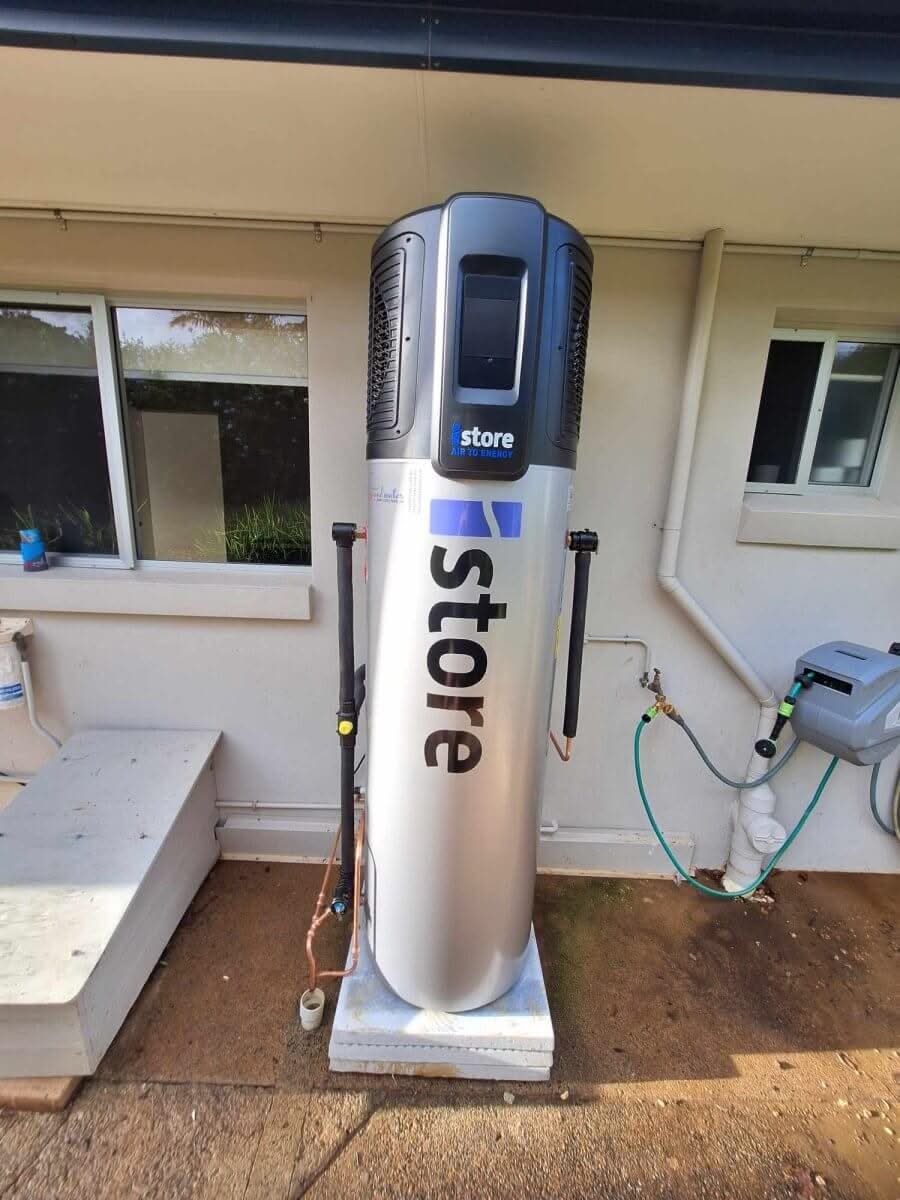
iStore Hot Water Systems are commonly compared by customers wanting a strong all-round heat pump option.
iStore may suit:
-
Electric storage replacements
-
Rooftop solar homes
-
Family households
-
Customers wanting efficient electric hot water
-
Homes with suitable outdoor airflow
-
Supply-only customers with their own installer arranged
Replacement cost may depend on tank size, timer setup, drainage, airflow, access, electrical work and old unit removal.
Rheem heat pump replacement cost factors
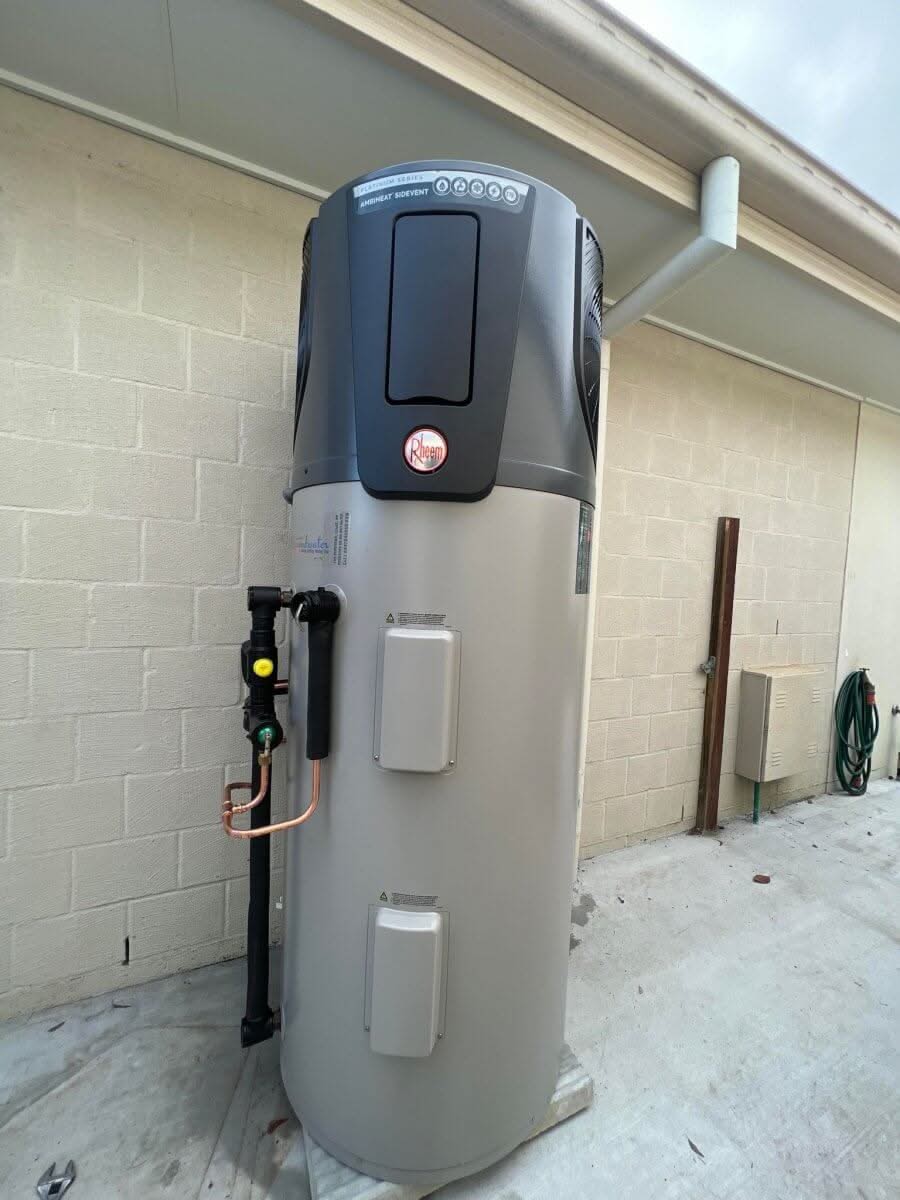
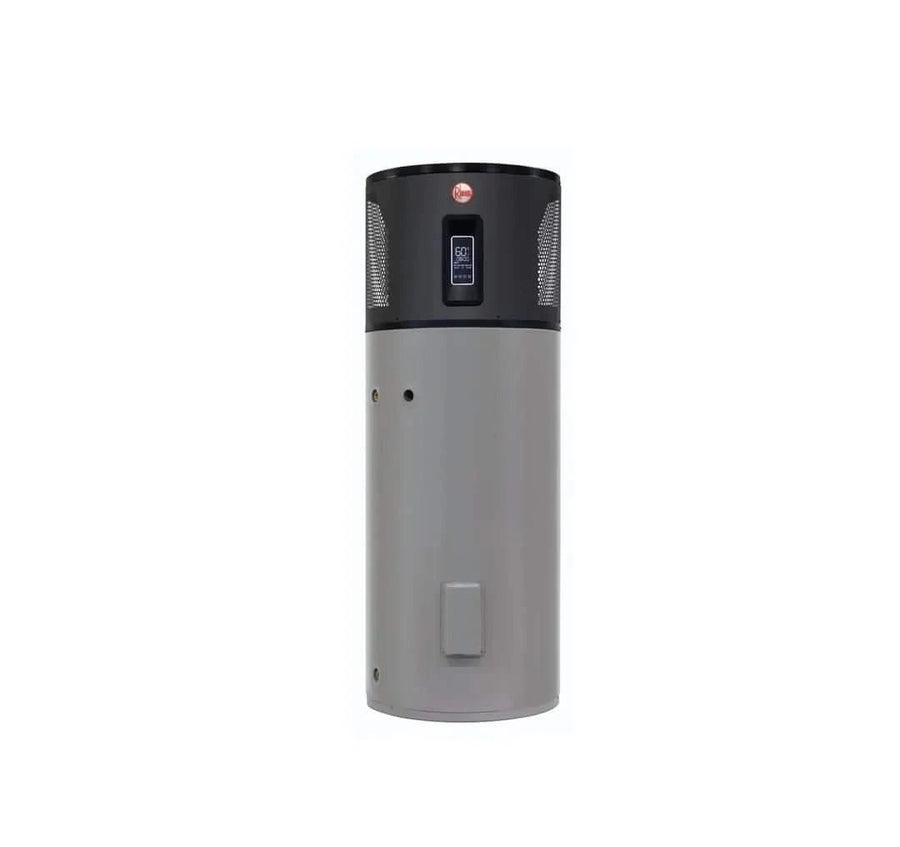
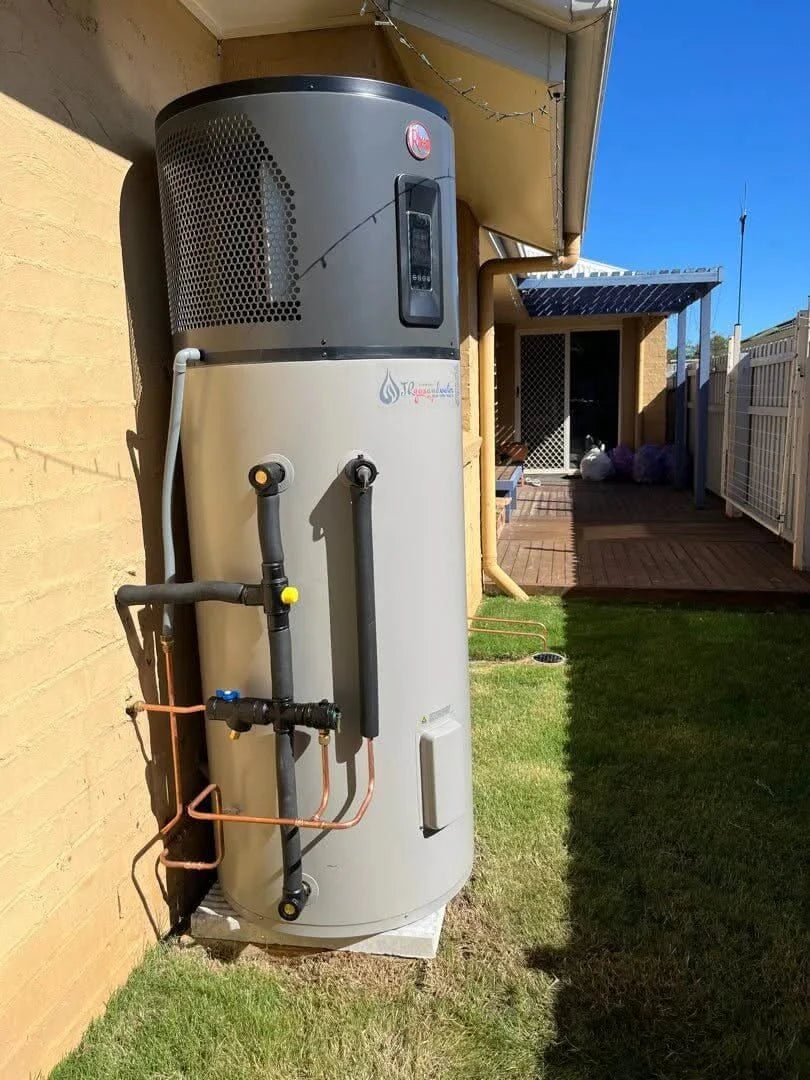
Rheem Hot Water Systems are often compared by customers wanting a recognised hot water brand.
Rheem may suit:
-
Homes replacing old electric storage
-
Family hot water upgrades
-
Customers comparing major brands
-
Properties with suitable heat pump locations
-
Customers considering electric vs heat pump replacement
Cost may depend on capacity, model, installation location, access, drainage, electrical requirements and whether additional valves or pipework are needed.
Rinnai heat pump replacement cost factors
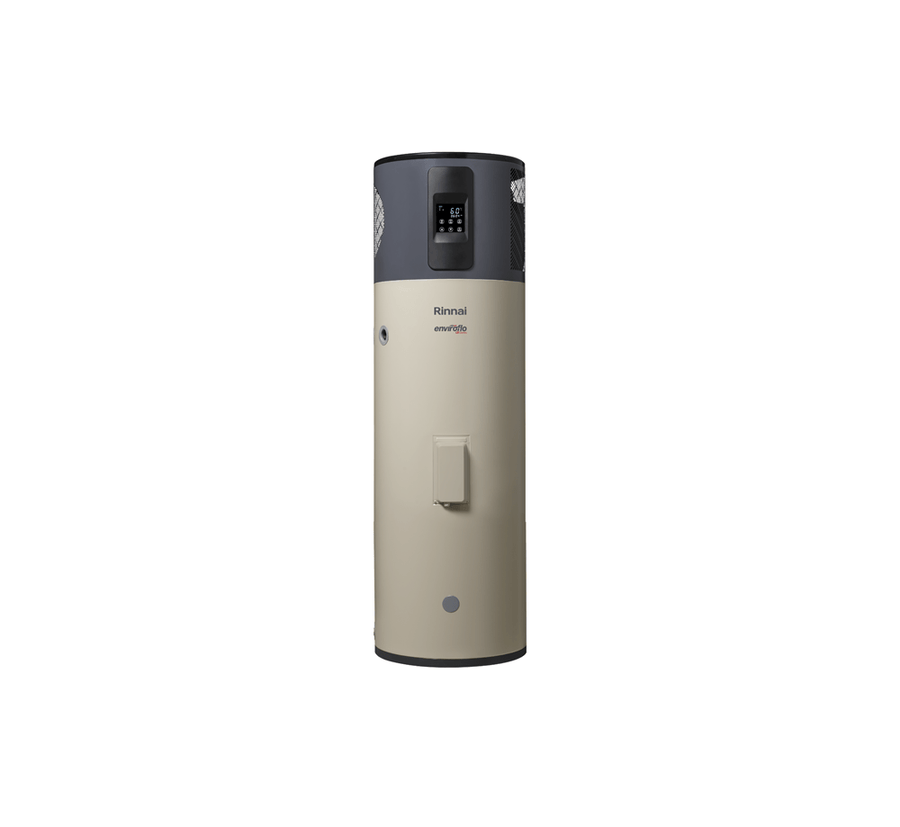
Rinnai Hot Water Systems are commonly compared across gas, electric and heat pump hot water.
Rinnai may suit:
-
Customers familiar with the brand
-
Heat pump replacements
-
Larger household comparisons depending on model
-
Homes comparing heat pump vs gas hot water
-
Properties with suitable outdoor airflow
Check exact model, tank size, dimensions, drainage, electrical supply and installation requirements before ordering.
Stiebel Eltron heat pump replacement cost factors
Stiebel Eltron Hot Water Systems are commonly compared by customers looking at premium electric and heat pump options.
Stiebel Eltron may suit:
-
Customers comparing premium heat pump models
-
Smaller to medium households depending on model
-
Properties with suitable outdoor space
-
Homes comparing heat pump and instant electric options
Cost may be affected by product model, capacity, electrical requirements, dimensions, noise placement and installation complexity.
Enviroheat heat pump replacement cost factors
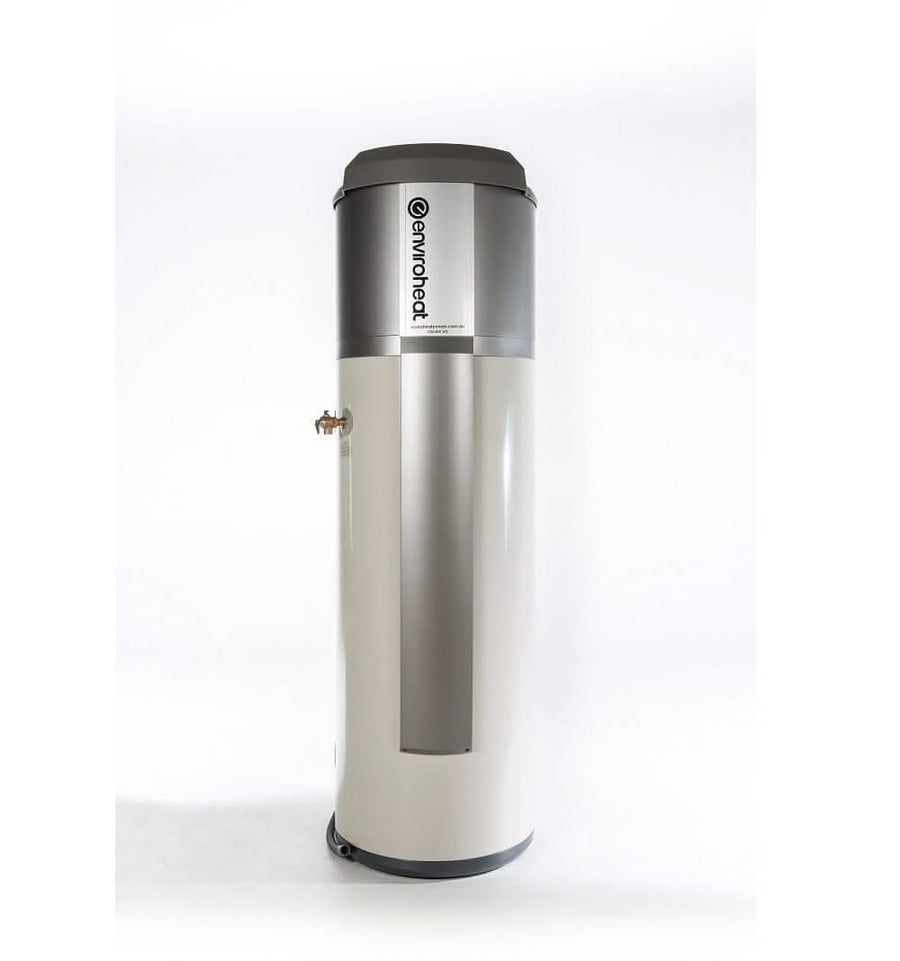
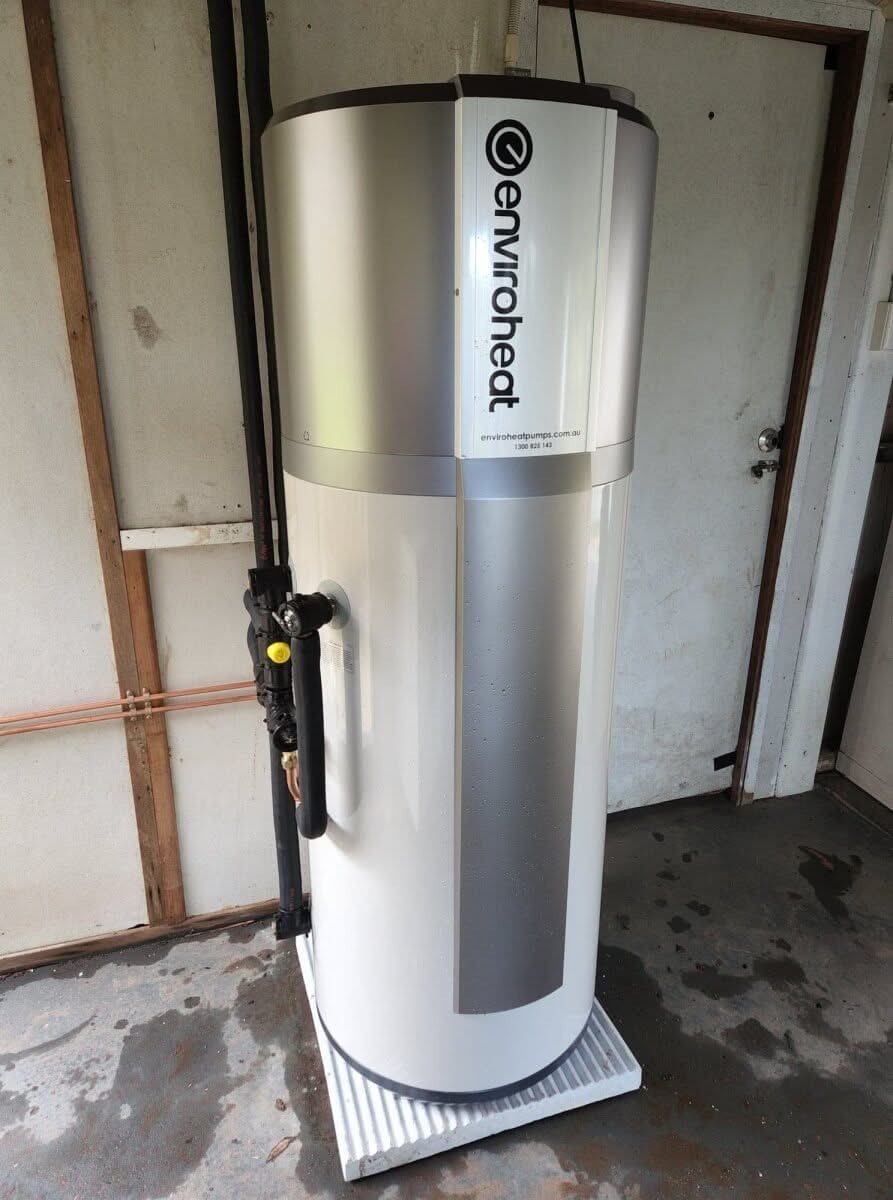
Enviroheat Hot Water Systems may suit customers comparing value-focused heat pump hot water options.
Enviroheat may suit:
-
Budget-conscious heat pump buyers
-
Electric storage replacements
-
Moderate-demand homes
-
Rentals where heat pump suitability is confirmed
-
Customers comparing multiple heat pump brands
Check tank size, warranty terms, airflow, drainage, installation location and access before ordering.
Aquatech / Hydrotherm heat pump replacement cost factors
Aquatech / Hydrotherm Hot Water Systems are worth comparing as alternative heat pump hot water options.
They may suit:
-
Customers comparing heat pump brands
-
Homes replacing electric storage
-
Supply-only customers with their own installer arranged
-
Properties with suitable outdoor airflow and drainage
Before ordering, confirm product dimensions, capacity, recovery, warranty, electrical setup and installation requirements.
Outdoor airflow cost factors
Airflow is one of the most important heat pump installation factors.
Poor airflow can affect performance and recovery.
Extra cost may occur if:
-
The old system location is enclosed
-
The unit needs to be relocated
-
Fences or walls restrict clearance
-
Plants, stored items or structures block airflow
-
The selected model needs more clearance than the old unit
-
The installer needs to create a better location
Heat pumps should not be squeezed into spaces that do not meet the selected model’s airflow requirements.
Condensate drainage cost factors
Heat pumps create condensate during normal operation.
Cost may increase if:
-
No drain is nearby
-
Condensate needs to be piped away
-
Water would otherwise run across a path
-
Drainage needs to be made compliant
-
The unit is being moved
-
The old electric tank did not need similar drainage planning
Condensate drainage should be planned before installation, not treated as an afterthought.
Noise placement cost factors
Heat pumps have fans and compressors.
Cost may increase if the best location for noise control is not the same as the old system location.
Before choosing a location, consider:
-
Bedroom windows
-
Neighbouring homes
-
Courtyards
-
Boundary fences
-
Unit complexes
-
Outdoor living areas
-
Side access paths
-
Enclosed spaces that amplify sound
A heat pump that is cheap to place in one spot may become frustrating if the location is noise-sensitive.
Electrical cost factors
Heat pumps are electric appliances, so electrical suitability matters.
Cost may increase if the job needs:
-
New circuit
-
Switchboard work
-
Timer setup
-
Isolation switch changes
-
Electrical upgrades
-
Controlled-load changes
-
Solar timer integration
-
Electrical compliance work
A licensed electrician may be required depending on the setup and selected model.
Solar timing cost factors
Many customers compare heat pump hot water because they have rooftop solar.
A solar-friendly setup may require:
-
Timer settings
-
Electrical review
-
Circuit changes
-
Controlled-load review
-
Household usage planning
-
Tank size confirmation
-
Installer advice
Do not assume a heat pump automatically uses solar in the best way. Setup matters.
Valve and plumbing cost factors
Heat pump replacement may involve valve and plumbing changes.
Extra cost may include:
-
Tempering valve
-
Pressure limiting valve
-
Expansion control valve where required
-
Relief valve discharge pipework
-
Pipework relocation
-
New connections
-
Water pressure checks
-
Drainage changes
-
Compliance upgrades
Valves are not optional if required for safe and compliant installation.
Access and removal cost factors
Heat pump systems are large and heavy, so access can affect replacement cost.
Cost may increase if:
-
Access is narrow
-
Stairs are involved
-
The old unit is difficult to remove
-
The new unit is larger
-
The tank must be moved through tight areas
-
Extra labour is required
-
Disposal is not included
-
The system is in a cupboard, garage or awkward side path
Before ordering, check delivery and removal access.
Base or slab cost factors
A heat pump needs a suitable base.
Cost may increase if:
-
The old base is damaged
-
The unit needs a new slab
-
The ground is uneven
-
Drainage affects the base area
-
The new heat pump footprint is different
-
The system needs better support
-
The location is being moved
The base should be stable, level and suitable for the selected system.
What may be included in heat pump replacement?
Inclusions vary by product, selected option and installation pathway.
Possible inclusions may include:
-
Heat pump hot water unit
-
Standard connection to existing plumbing
-
Basic commissioning
-
Standard labour where installed option is selected
-
Standard valves where included
-
Old unit removal where included
-
Disposal where included
Do not assume every job includes all valves, electrical work, drainage, relocation, removal, disposal, base work or compliance upgrades.
Check the selected product and service details carefully.
What may not be included?
Extra costs may include:
-
Electrical upgrades
-
New circuit
-
Timer setup
-
Condensate drainage
-
Tempering valve
-
Pressure limiting valve
-
Expansion control valve
-
Pipework changes
-
Base or slab work
-
Old unit removal
-
Disposal
-
Difficult access
-
Relocation
-
Compliance upgrades
-
Switchboard work
-
Additional materials
-
Non-standard installation requirements
This is why two homes buying the same heat pump can have different total replacement costs.
Heat pump rebates and incentives
Some heat pump hot water systems may be eligible for rebates, certificates or incentives depending on product, location, installer, scheme rules and installation pathway.
However, rebate rules can change.
Before relying on any incentive, check:
-
Current eligibility
-
Product eligibility
-
Installer requirements
-
State or territory rules
-
STC eligibility where relevant
-
Documentation requirements
-
Whether the price includes the incentive
-
Whether the incentive is applied upfront or claimed later
-
Whether your old system type affects eligibility
Do not choose a heat pump only because of a rebate. It still needs to suit the home.
Supply-only heat pump hot water systems
Supply-only ordering can suit customers who already have their own licensed installer arranged.
Supply only may suit:
-
Builders
-
Renovators
-
Landlords
-
Property managers
-
Trade customers
-
Homeowners managing their own installation
-
Customers outside supplied-and-installed service areas
Supply-only product pricing generally does not include installation, valves, old unit removal, disposal, electrical work, pipework changes, condensate drainage, base work, access upgrades or compliance upgrades unless clearly selected or included.
Before ordering supply only, your licensed installer should confirm the selected heat pump suits the property.
Supplied-and-installed heat pump hot water systems
Supplied-and-installed options may be available on selected products in eligible Brisbane and Gold Coast service areas where shown.
This can suit customers who want the product and installation pathway arranged together.
Before ordering supplied and installed, check:
-
Service area eligibility
-
Existing system type
-
Installation inclusions
-
Valve requirements
-
Condensate drainage
-
Electrical work
-
Old unit removal
-
Disposal
-
Pipework changes
-
Access
-
Base or slab condition
-
Compliance upgrades
-
Product suitability
Do not assume every possible site requirement is included. Check the selected product and installation options carefully.
How to reduce heat pump replacement cost surprises
Before ordering, collect:
-
Photos of the existing hot water system
-
Existing model number
-
Existing tank size
-
Existing location photos
-
Photos showing surrounding clearance
-
Photos of pipework and valves
-
Photos of electrical supply or isolator
-
Drainage photos
-
Access photos
-
Number of people in the home
-
Number of bathrooms
-
Whether the old system ran out
-
Whether rooftop solar is installed
-
Whether you want supply only or installed where available
The more accurate the information, the easier it is to choose the right system and avoid surprises.
Common mistake: comparing only the product price
The product price is not the total replacement cost.
A cheaper heat pump may cost more overall if it needs extra drainage, electrical work, base work, valves or relocation.
Common mistake: choosing heat pump hot water by rebate only
Rebates can help where eligible, but the system still needs to suit the property.
Poor airflow, bad drainage or poor noise placement can make the wrong heat pump a bad choice even if it was discounted.
Common mistake: ignoring airflow
Heat pumps need air movement.
A tight or enclosed space can reduce performance and create recovery issues.
Always check clearance requirements.
Common mistake: ignoring condensate drainage
Condensate is normal, but it must drain safely.
Poor drainage can create slippery areas, nuisance water and compliance problems.
Common mistake: placing the unit too close to bedrooms
Heat pumps have fans and compressors.
Noise placement matters near bedrooms, neighbouring homes, courtyards and unit complexes.
Common mistake: undersizing the system
A heat pump that is too small may struggle with back-to-back showers, baths or larger families.
Choose based on real peak demand.
Common mistake: oversizing without reason
A larger tank can help some homes, but it can also cost more and take up more space.
Choose based on demand, recovery and household needs.
Common mistake: expecting instant hot water
Heat pump systems store hot water. They do not work like instant gas.
Pipe length can still affect how long hot water takes to reach the tap.
Common mistake: assuming solar pairing happens automatically
A heat pump can work well with rooftop solar, but timer settings, electrical setup and household usage matter.
Check setup before relying on solar timing.
Common mistake: DIY heat pump installation
Heat pump hot water installation can involve plumbing, electrical work, pressure control, drainage and compliance.
DIY installation can create:
-
Water leaks
-
Electrical risks
-
Scalding risks
-
Poor airflow
-
Drainage problems
-
Warranty issues
-
Insurance issues
-
Non-compliant work
-
Poor performance
-
Property damage
Use the right licensed professionals.
Final verdict: how much should you budget for heat pump hot water replacement?
Heat pump hot water replacement cost depends on the brand, tank size, existing system, installation location, airflow, condensate drainage, electrical setup, valves, access, old unit removal, disposal and compliance requirements.
Replacing an existing heat pump may be more straightforward if the location, drainage and electrical setup still suit.
Changing from electric storage to heat pump can be a strong upgrade where the property has suitable outdoor airflow, drainage, electrical supply and noise placement.
Changing from gas or instant systems to heat pump may involve more planning because the system type, space requirement and energy source are different.
Start by comparing Heat Pump Hot Water Systems, Electric Hot Water Systems, Instant Electric Systems, Gas Hot Water Systems, Instant Gas Hot Water Systems and all Hot Water Systems.
The best heat pump replacement is not always the cheapest model. It is the system that matches your household demand, installation location, electrical setup, airflow, drainage, budget and long-term hot water goals.
Long-tail FAQs
How much does it cost to replace a heat pump hot water system?
Heat pump replacement cost depends on brand, tank size, existing system type, airflow, condensate drainage, electrical setup, valves, access, old unit removal, disposal and compliance requirements.
Is heat pump hot water more expensive to install than electric storage?
Heat pump hot water usually has a higher upfront product cost and more site-specific installation requirements than standard electric storage. It may use less electricity in suitable conditions.
Can I replace an electric hot water system with a heat pump?
Yes, where the property has suitable outdoor airflow, condensate drainage, electrical setup, access and noise placement. A licensed installer should confirm suitability before ordering.
Can I replace gas hot water with a heat pump?
Yes, but it can involve extra planning because gas and heat pump systems have different energy sources, locations and installation requirements.
What size heat pump hot water system do I need?
The right size depends on the number of people, bathrooms, shower habits, bath use, laundry use, timer settings, recovery rate and whether the home has rooftop solar.
Does a heat pump need a drain?
Yes, heat pumps create condensate during normal operation. This water must drain safely and compliantly.
Does a heat pump need a special electrical setup?
It depends on the model and existing property setup. Electrical supply, timer settings, circuit capacity and switchboard suitability should be checked before ordering.
Are heat pump hot water rebates available?
Some heat pump systems may be eligible for rebates, certificates or incentives depending on product, location, installer and scheme rules. Check current eligibility before relying on any rebate.
Is heat pump hot water worth the extra upfront cost?
Heat pump hot water can be worth comparing where the home has suitable airflow, drainage, electrical setup and noise placement. It may use less electricity than standard electric storage in suitable conditions.
Can I install a heat pump hot water system myself?
No. Heat pump hot water installation should be completed by licensed professionals. Plumbing, electrical work, pressure control and drainage can create safety, warranty and compliance issues if handled incorrectly.