
Heat Pump Hot Water Systems: How They Work, Costs, Pros and What to Choose
Heat pump hot water systems are one of the most popular upgrades for Australian homes looking to reduce hot water running costs without switching to gas or installing roof-mounted solar hot water collectors. They use electricity, but instead of heating water mainly with a traditional electric element, they draw heat from the surrounding air and transfer that heat into the water stored in the tank.
For many households, a heat pump can be a smart replacement for an older electric storage hot water system. But it is not the right answer for every home. Heat pumps need suitable outdoor space, clear airflow, drainage, access, electrical suitability and sensible noise placement.
For customers comparing products online, Installed Today’s Heat Pump Hot Water Systems range is the best place to start. You can also compare Medium Heat Pump Hot Water Systems 200L–280L, Large Heat Pump Hot Water Systems, Electric Hot Water Systems and the full Hot Water Systems range before ordering.
Quick Answer
Best for: homes replacing old electric storage hot water systems
Main advantage: lower running cost potential than standard electric storage
Best household fit: homes with suitable outdoor space, airflow, drainage and moderate to high daily hot water use
Best solar pairing: homes with rooftop solar that can run the heat pump during the day
Main limitation: higher upfront cost than basic electric storage and more site requirements
Noise consideration: heat pumps use a fan and compressor, so placement matters
Best category to compare: Heat Pump Hot Water Systems
Best alternative for simple replacement: Electric Hot Water Systems
What Is a Heat Pump Hot Water System?
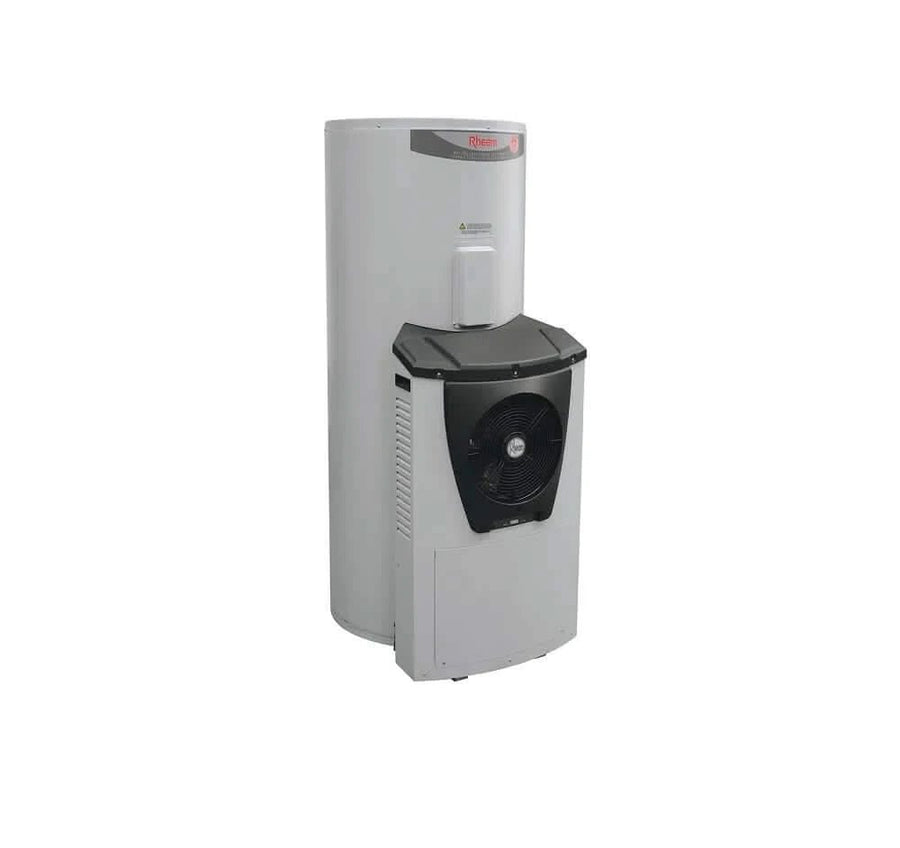
A heat pump hot water system is a storage hot water system that uses heat pump technology to heat water.
Instead of relying mainly on a standard electric element, a heat pump uses a refrigeration cycle to collect heat from the surrounding air and transfer it into the water stored inside the tank.
It still uses electricity, but it uses that electricity to move heat rather than create all the heat directly. This is why heat pumps can be more efficient than standard electric storage hot water systems when installed and set up correctly.
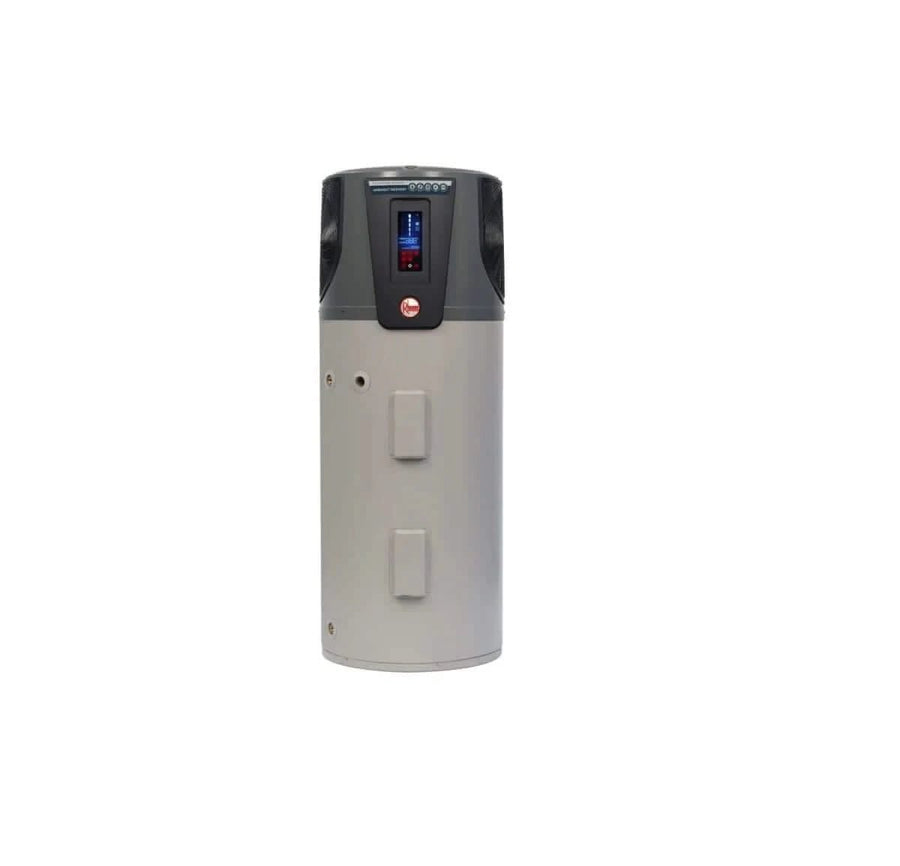
A heat pump hot water system usually includes:
a storage tank
a compressor
a fan
an evaporator
a condenser or heat exchanger
a controller
a backup element on many models
valves and plumbing connections
condensate drainage
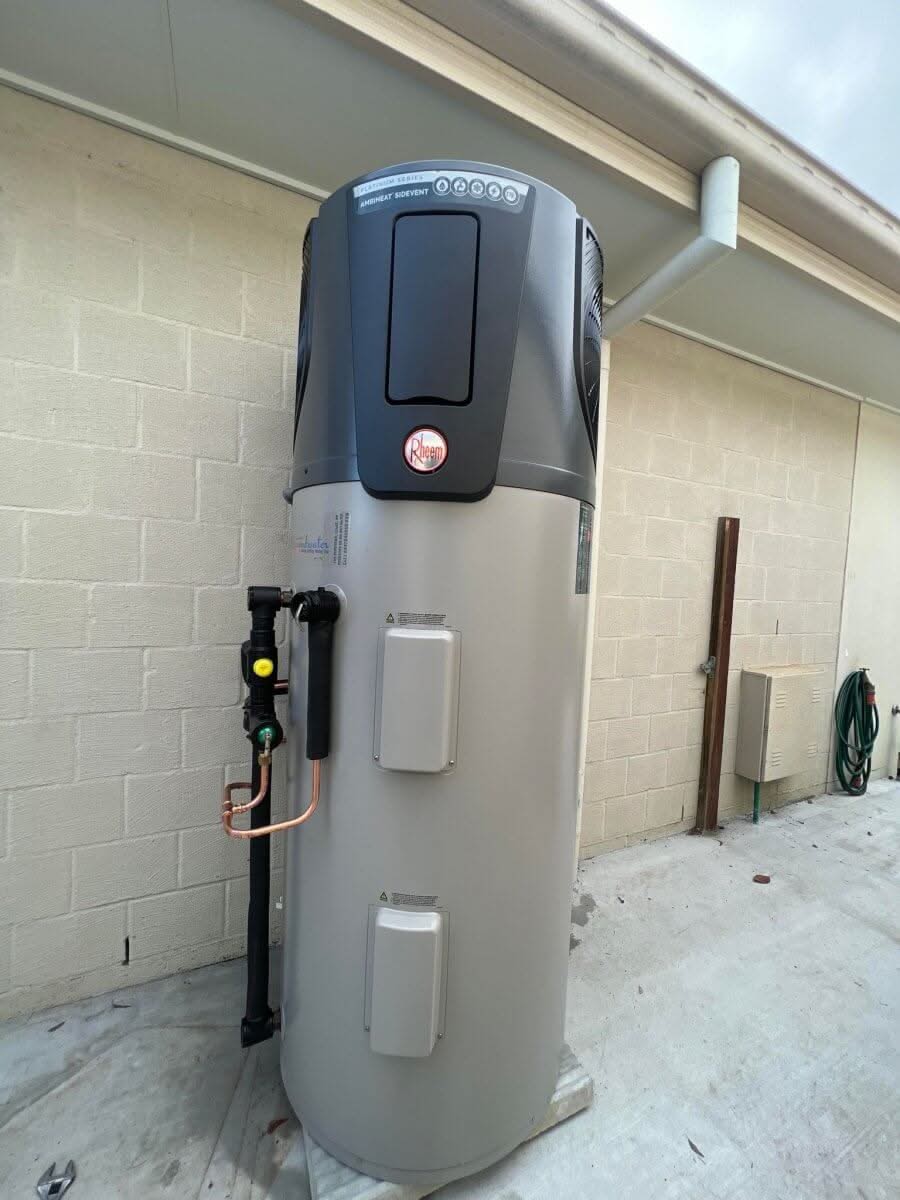
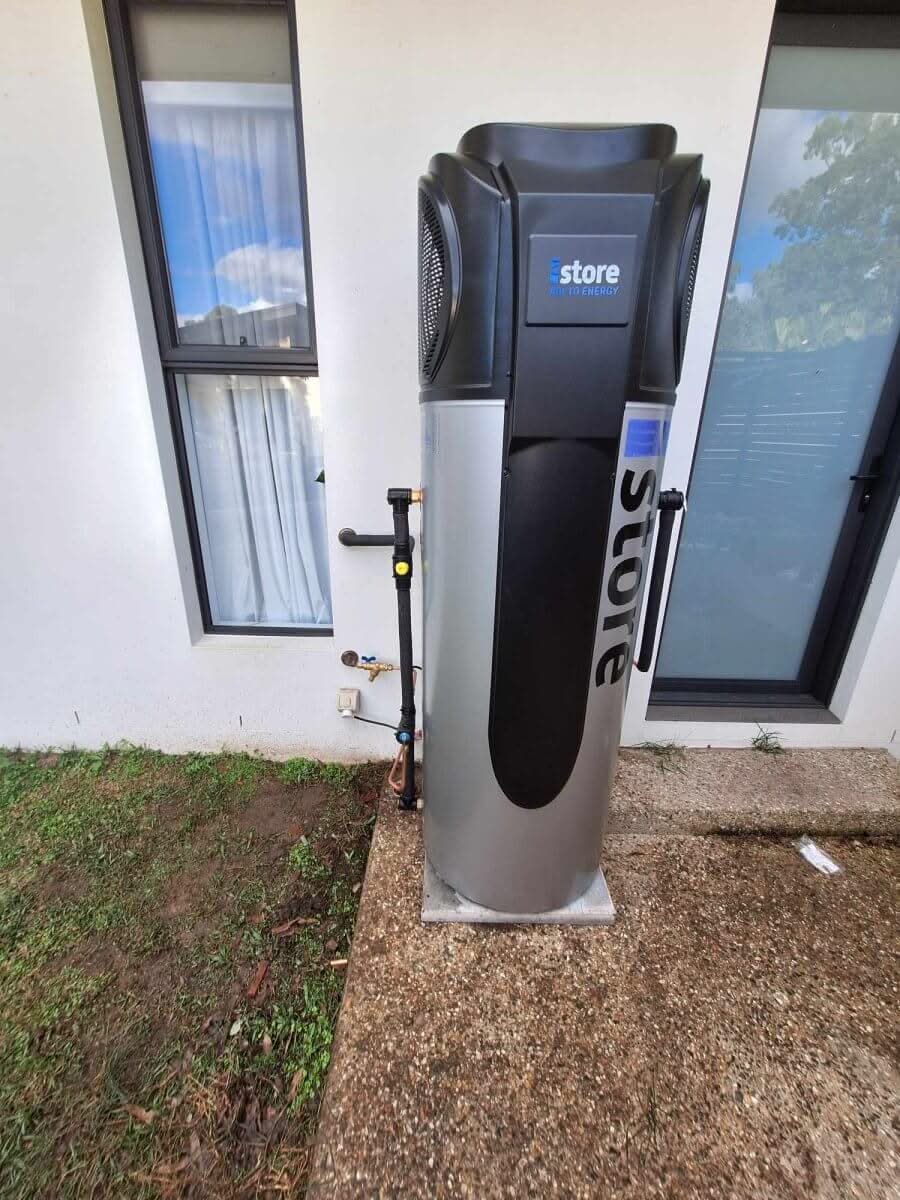
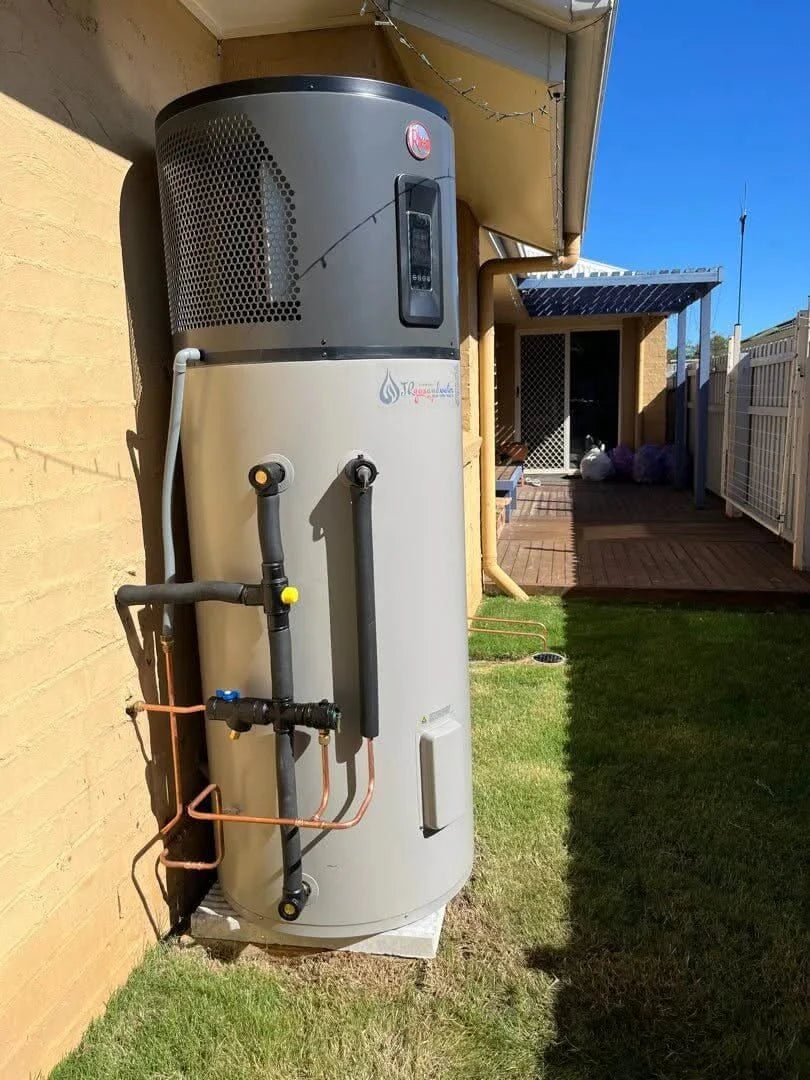
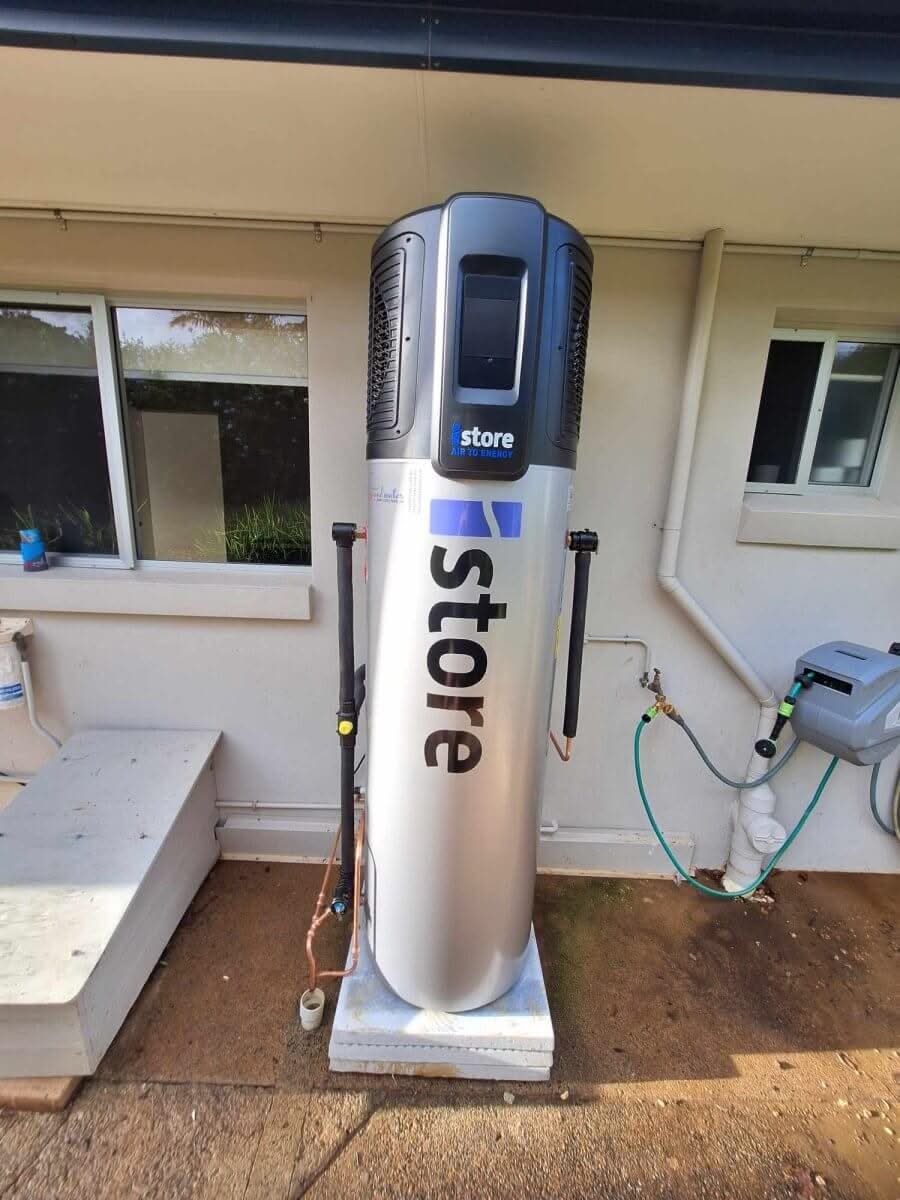
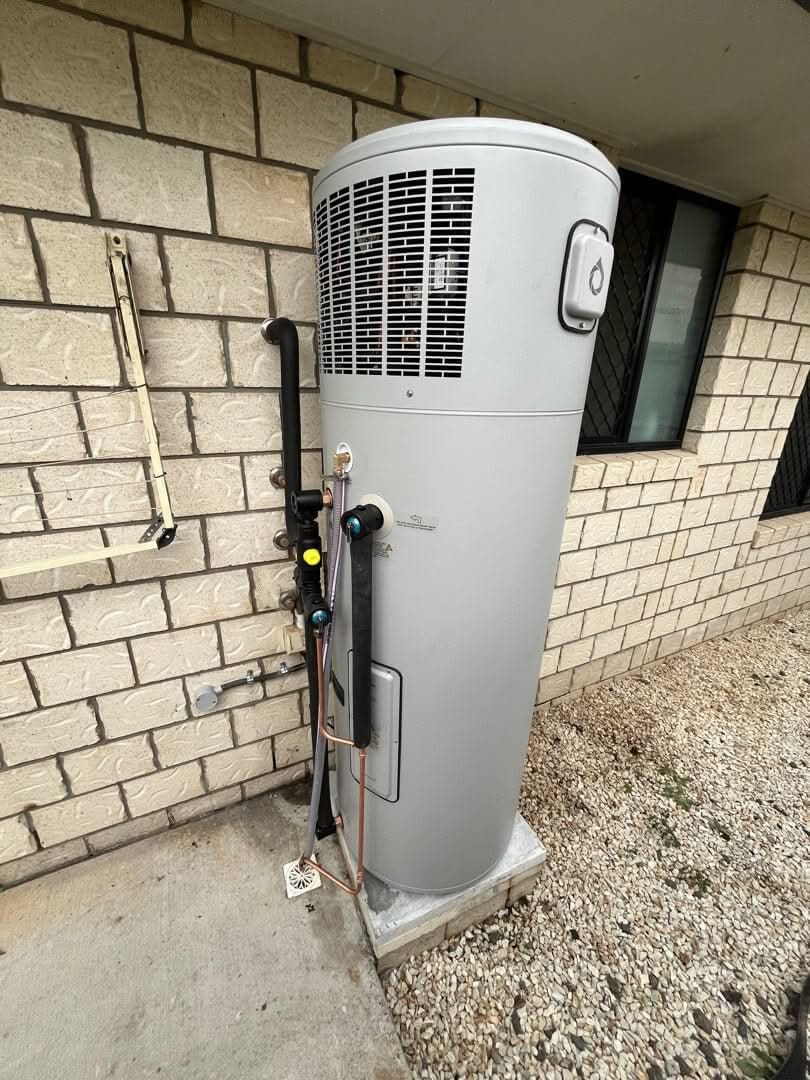
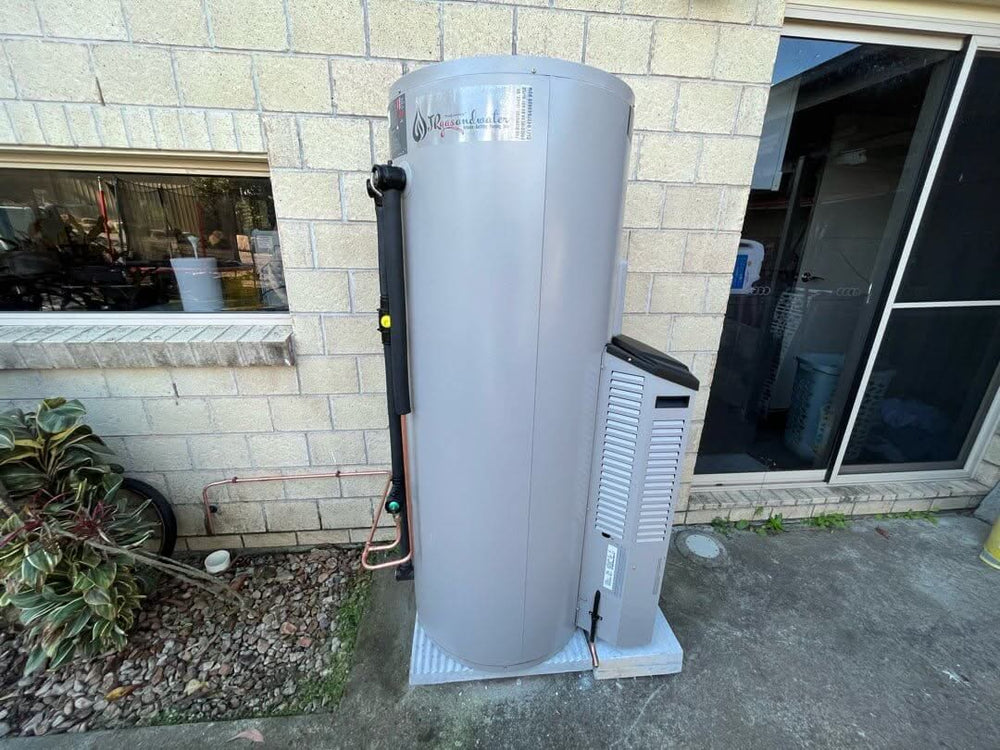
Most residential heat pump hot water systems are installed outdoors because they need airflow and create condensate while operating.
How Does a Heat Pump Hot Water System Work?
A heat pump hot water system works by collecting heat from the air and transferring that heat into stored water.
The basic process is:
the fan draws air through the heat pump
the evaporator absorbs heat from the air
the refrigerant carries that heat through the system
the compressor increases the temperature of the refrigerant
the heat is transferred into the water tank
the hot water is stored until the household needs it
This is similar to how an air conditioner or fridge moves heat, but the purpose is different. Instead of cooling a room or fridge cabinet, the system uses the heat transfer process to warm water.
Because the system depends on surrounding air, heat pumps usually perform best when they have good airflow and suitable ambient temperatures.
Are Heat Pump Hot Water Systems Worth It?
Heat pump hot water systems can be worth it when the home suits the technology.
They are usually worth considering if:
you are replacing an older electric storage system
you want lower running cost potential
your home has suitable outdoor space
the unit can be installed with clear airflow
condensate drainage can be managed
noise placement can be handled properly
your household has moderate to high hot water demand
you have rooftop solar or may add it later
you want to reduce reliance on gas
They may not be the best choice if:
you need the lowest upfront price
you want a silent hot water system
the only available location is near bedrooms
the site has poor airflow
drainage is difficult
access is tight
the household has very low hot water use
a simple electric replacement is the priority
For many homes, a heat pump is a good long-term upgrade. For some homes, a standard electric storage system may still be more practical.
Heat Pump Hot Water vs Electric Storage
This is the main comparison for most customers.
A standard electric storage hot water system heats water with an electric element. It is simple, quiet and usually cheaper upfront.
A heat pump uses electricity more efficiently by moving heat from the air into the water. It usually costs more upfront but can reduce running cost potential over time.
| Feature | Heat Pump Hot Water | Electric Storage Hot Water |
|---|---|---|
| Upfront cost | Higher | Lower |
| Running cost potential | Lower | Higher |
| Noise | Fan and compressor noise | Silent operation |
| Installation needs | Airflow, drainage and outdoor space | Usually simpler |
| Solar compatibility | Strong with daytime timer use | Possible, but less efficient |
| Best suited to | Efficient electric upgrade | Simple like-for-like replacement |
If your old electric tank worked well and you need a quick, simple replacement, electric storage may still suit. If you want better long-term efficiency and the site is suitable, a heat pump is worth comparing.
Start with Heat Pump Hot Water Systems if efficiency matters, or Electric Hot Water Systems if simple replacement matters most.
Heat Pump Hot Water vs Gas Hot Water
Heat pumps and gas hot water systems suit different homes.
Gas hot water may suit homes that already have natural gas or LPG, especially where the existing gas system worked well and the household wants a like-for-like replacement.
Heat pump hot water may suit homes that want to reduce gas use, use rooftop solar power or move to a more efficient electric hot water option.
| Feature | Heat Pump Hot Water | Gas Hot Water |
|---|---|---|
| Energy source | Electricity | Natural gas or LPG |
| Best fit | Electric upgrade, solar-friendly homes | Homes already set up for gas |
| Storage | Usually storage tank | Storage or instant gas |
| Running cost factors | Electricity tariff, solar, settings | Gas tariff, LPG cost, usage |
| Installation checks | Airflow, drainage, noise, electrical | Gas type, pipe sizing, clearances |
If your home already has gas, compare Gas Hot Water Systems and Instant Gas Hot Water Systems. If you want to move away from gas, compare heat pump options first.
Heat Pump Hot Water vs Solar Hot Water
Traditional solar hot water uses roof-mounted collectors to heat water. A heat pump uses air-source heat and electricity to heat stored water.
Solar hot water may suit homes with excellent roof exposure, minimal shade and suitable roof access.
Heat pump hot water may be better where:
the roof is shaded
roof access is difficult
the home already has rooftop solar PV
ground-level outdoor space is available
the household wants an efficient electric upgrade
roof-mounted collectors are not practical
For many Australian homes with rooftop solar panels, a heat pump can be a practical alternative to solar hot water because it can often be timed to run during daylight hours.
This allows the household to use more self-generated solar power for water heating, depending on the system setup, tariff and daily usage.
Heat Pump Hot Water and Rooftop Solar
Heat pump hot water can work well with rooftop solar when it is set to run during the day.
The idea is simple: the heat pump heats the tank while the solar panels are producing power, then the household uses the stored hot water later.
A solar-friendly heat pump setup usually involves:
running the heat pump during daylight hours
matching timer settings to solar production
avoiding unnecessary overnight heating
choosing a tank size that suits evening and morning use
checking backup element use
confirming electrical setup with a licensed professional
This does not mean the hot water is free. Weather, solar output, feed-in tariffs, electricity prices, household demand and system settings all affect the result.
But for many homes with rooftop solar, heat pump hot water is one of the strongest upgrade options to compare.
What Size Heat Pump Hot Water System Do You Need?
Heat pump sizing depends on household demand, not just the number of people in the home.
A smaller heat pump may suit a couple or small household with moderate hot water use. A medium 200L–280L heat pump can suit many small to medium families. A larger 280L-plus heat pump may suit higher-demand homes.
Consider:
number of people in the home
number of bathrooms
shower length
bath use
laundry habits
morning and evening hot water demand
whether the old system supplied enough hot water
whether rooftop solar will run the system during the day
how quickly the system needs to recover
whether a backup element is used
Useful Installed Today categories include:
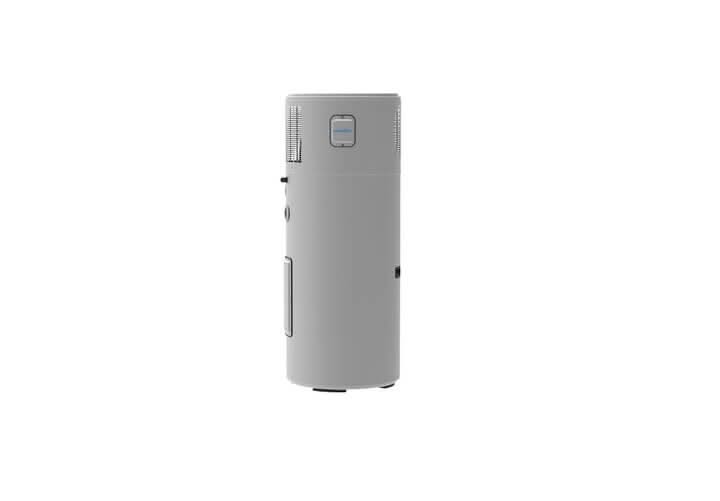
Medium Heat Pump Hot Water Systems 200L–280L
Large Heat Pump Hot Water Systems
If the old system regularly ran out of hot water, do not automatically choose the same capacity again. Compare a larger tank or a different system type before ordering.
Medium Heat Pump Hot Water Systems
Medium heat pump hot water systems generally sit in the 200L–280L range. They are often compared by households replacing 160L, 250L or similar electric storage systems.
A medium heat pump may suit:
couples with higher use
small families
medium households
townhouses
homes with one or two bathrooms
homes with rooftop solar
customers wanting a balance of size and efficiency
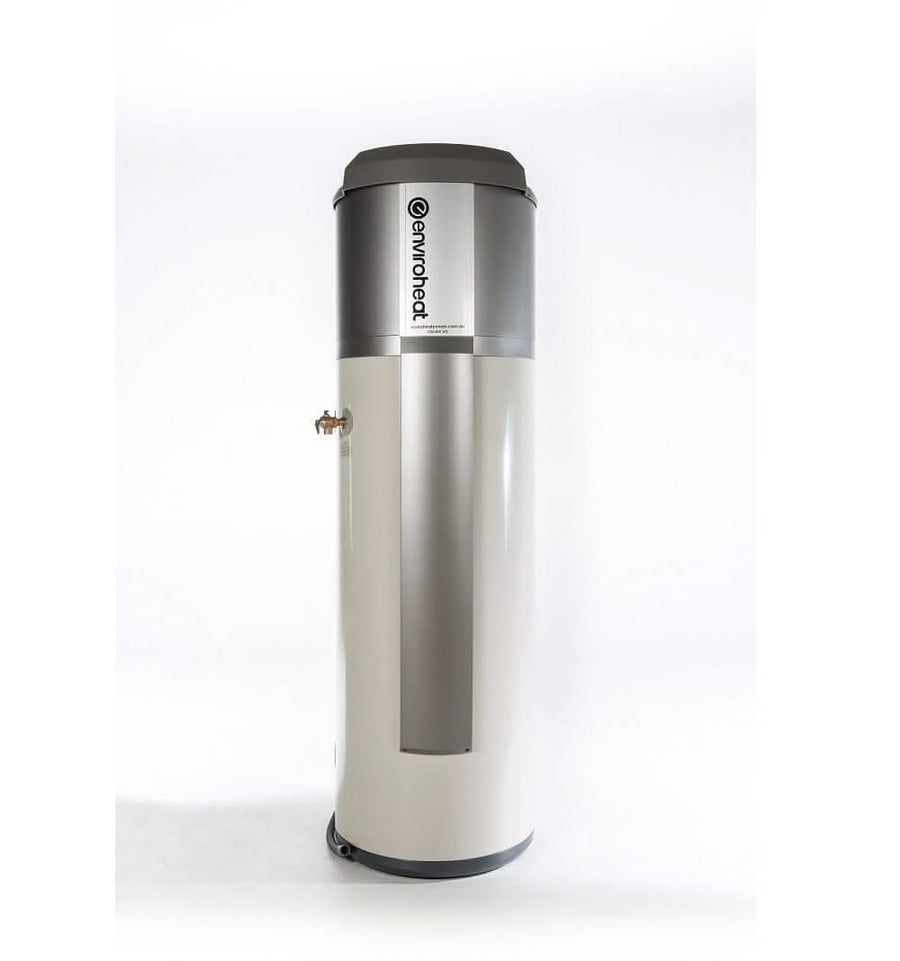
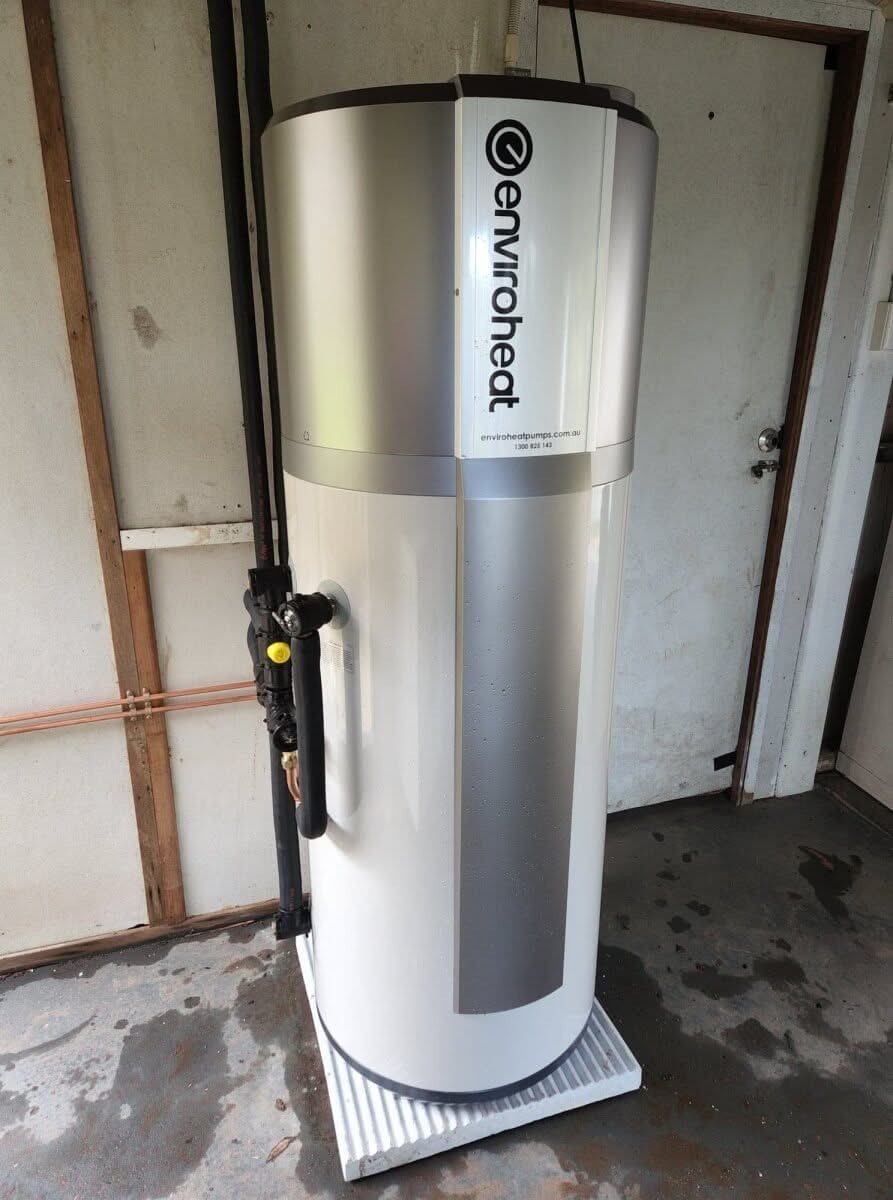
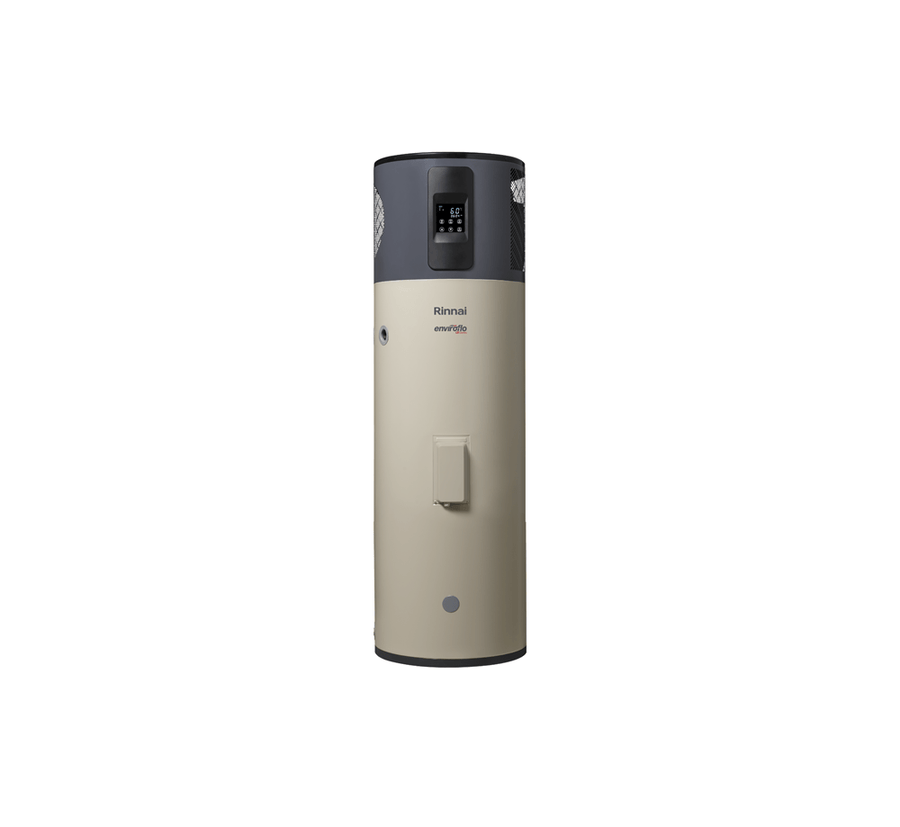
Popular medium-size comparison points include iStore, Enviroheat, Rheem, Rinnai, Aquatech, Hydrotherm and Dux-style heat pump systems.
The Medium Heat Pump Hot Water Systems 200L–280L category is the best place to compare this size range.
Large Heat Pump Hot Water Systems
Large heat pump hot water systems are usually 280L and above. They suit homes with higher hot water demand or customers replacing larger electric storage tanks.
A large heat pump may suit:
larger families
homes with multiple bathrooms
higher daily hot water demand
longer shower routines
households using rooftop solar during the day
customers replacing 315L electric storage
homes that need more stored hot water
A large system should still be sized carefully. Bigger is not always better. A larger tank costs more upfront and may be unnecessary for lower-use homes.
The Large Heat Pump Hot Water Systems category is the best starting point for larger households.
Heat Pump Noise: What to Know Before Buying
Heat pump hot water systems are not silent.
They use a fan and compressor, so they make noise while operating. The noise level varies by brand, model, installation location and surrounding surfaces.
Avoid placing a heat pump too close to:
bedroom windows
neighbouring bedrooms
home offices
outdoor entertaining areas
narrow side access
hard walls that reflect sound
boundary fences with poor sound separation
A heat pump that is fine beside a garage may be annoying beside a bedroom. Noise should be considered before ordering, not after installation.
If noise is a major concern, compare product noise ratings and placement options carefully.
Heat Pump Installation Requirements
Heat pump hot water systems are more site-sensitive than standard electric storage tanks.
Before ordering, the site should be checked for:
outdoor space
airflow clearance
condensate drainage
relief valve discharge
electrical supply
access for delivery
safe positioning
noise impact
service access
base or support requirements
clearances from walls and boundaries
manufacturer installation requirements
A heat pump squeezed into a poor location can underperform, create noise complaints or have drainage issues.
This is why supply-only customers should confirm suitability with their licensed installer before ordering.
Brisbane and Gold Coast Heat Pump Buying Context
For Brisbane and Gold Coast homes, heat pump hot water can be a strong option because the warmer South East Queensland climate generally suits air-source heat pump operation.
But the property still needs to be suitable.
Local homes should check:
whether the unit can be installed outdoors
whether airflow is clear
whether condensate can drain safely
whether noise may affect bedrooms or neighbours
whether access allows safe delivery and positioning
whether electrical work is required
whether rooftop solar can be used during the day
whether the tank size suits household demand
whether supply only or supplied and installed is preferred
A heat pump can work well in Brisbane and Gold Coast conditions, but a poor installation location can still cause problems.
Heat Pump Hot Water Running Costs
Heat pump running costs depend on more than the product.
They are affected by:
household hot water use
tank size
electricity tariff
rooftop solar availability
timer settings
backup element use
ambient air temperature
installation location
maintenance condition
shower habits
number of people in the home
Heat pumps usually have lower running cost potential than standard electric storage because they use electricity to move heat rather than generate all heat directly.
However, actual savings vary. A poorly placed system, poor timer setup or heavy backup element use can reduce the benefit.
Heat Pump Upfront Cost vs Long-Term Value
Heat pumps usually cost more upfront than standard electric storage systems.
That higher upfront cost may make sense when:
the home has regular hot water demand
the site suits a heat pump
running cost reduction matters
the home has rooftop solar
the household plans to stay long term
the old electric system was expensive to run
the customer wants a more efficient electric option
A standard electric system may make more sense when:
lowest upfront cost matters most
the property is a rental
the household has low hot water use
the installation location does not suit a heat pump
noise would be a problem
a simple like-for-like replacement is preferred
The best value choice depends on the home, not just the product price.
Heat Pump Rebates, STCs and Incentives
Some heat pump hot water systems may be eligible for incentives such as Small-scale Technology Certificates, commonly called STCs.
Eligibility and value can vary based on:
product model
installation location
scheme rules
certificate market value
installation date
supplier process
state-based rebate availability
Rebates and incentives can change, so they should be checked at the time of ordering.
A rebate should not be the only reason to choose a heat pump. The system still needs to suit the home, household demand and installation location.
Heat Pump Hot Water Brands to Compare
Installed Today customers commonly compare heat pump brands such as:
Rheem
Rinnai
iStore
Enviroheat
Envirosun
Aquatech
Hydrotherm
Dux
Stiebel Eltron
Emerald Energy
Each brand has different strengths around tank size, noise, warranty, smart controls, refrigerant type, price and availability.
Useful brand/category pages include:
Rheem Hot Water Systems
Rinnai Hot Water Systems
iStore Heat Pump Hot Water Systems
Enviroheat and Envirosun Hot Water Systems
Aquatech and Hydrotherm Heat Pump Hot Water Systems
Stiebel Eltron Hot Water Systems
Brand matters, but the correct size, location and installation setup matter more.
Common Heat Pump Hot Water Problems
Common heat pump hot water issues can include:
not enough hot water
slow recovery after high demand
unit running at inconvenient times
noise complaints
restricted airflow
condensate drainage issues
fault codes
backup element using more power than expected
poor timer settings
electrical faults
valve discharge
installation location problems
Many issues are not caused by the heat pump itself. They can come from incorrect sizing, poor placement, bad settings, restricted airflow or drainage problems.
Heat Pump Maintenance
Heat pump hot water systems are not maintenance-free.
Maintenance may include:
keeping airflow clear
checking for unusual noise
checking condensate drainage
monitoring relief valve discharge
checking for fault codes
keeping the unit accessible
following manufacturer service requirements
having valves checked by a licensed plumber
having electrical faults checked by a licensed electrician
Because a heat pump includes a compressor, fan, controller, tank, valves and electrical components, correct installation and servicing are important.
Supply Only vs Supplied and Installed
Installed Today offers supply-only ordering for customers who already have their own licensed installer arranged. Supply-only pricing is for the product only and does not include installation, valves, electrical work, pipework changes, drainage work, old unit removal, disposal, base work or compliance upgrades unless those options are clearly selected or shown on the product page.
Supplied-and-installed options may be available on selected products in eligible Brisbane and Gold Coast service areas. Availability depends on the product, address, access, existing setup, electrical suitability, drainage, clearances, required extras and site requirements.
Before ordering a heat pump supply only, make sure your licensed installer confirms that the product suits your home, household demand, electrical supply, installation location, airflow, drainage, access and noise requirements.
Before Ordering Checklist
Before ordering a heat pump hot water system, check:
current hot water system type
current tank size
household size
bathroom count
shower habits
whether the old system supplied enough hot water
whether the home has rooftop solar
available outdoor location
airflow clearance
noise impact
drainage options
electrical requirements
access for delivery
base or support requirements
service access
whether a medium or large heat pump is needed
whether supply only or supplied and installed is preferred
licensed installer confirmation
This helps avoid choosing a heat pump that is too small, too noisy, hard to install or unsuitable for the home.
Which Heat Pump Hot Water System Should You Choose?
Choose a medium heat pump if your household has moderate daily hot water use and you want a balanced size for everyday family needs.
Choose a large heat pump if the household has higher demand, multiple bathrooms or is replacing a larger electric storage tank.
Choose a Wi-Fi enabled heat pump if smart control, timer adjustment or remote monitoring matters.
Choose a premium heat pump if noise, warranty, brand reputation and long-term support matter more than upfront price.
Choose a standard electric storage system instead if the home does not suit a heat pump or lowest upfront cost is the priority.
For most customers, the best first step is to compare Installed Today’s Heat Pump Hot Water Systems, then narrow down by size, brand, installation location and household demand.
Long-Tail FAQs
Are heat pump hot water systems worth it?
Heat pump hot water systems can be worth it when the home has suitable outdoor space, airflow, drainage and enough hot water demand. They are especially worth comparing when replacing an older electric storage system or when the home has rooftop solar.
Is a heat pump cheaper to run than electric hot water?
A heat pump usually has lower running cost potential than standard electric storage because it uses electricity to move heat from the air rather than heating water mainly with an element. Actual savings depend on usage, tariff, solar, settings and installation quality.
Do heat pump hot water systems work in Brisbane and Gold Coast?
Yes, Brisbane and Gold Coast conditions can suit heat pump hot water well because the climate is generally favourable for air-source heat pumps. The installation location still needs suitable airflow, drainage and noise placement.
Are heat pump hot water systems noisy?
Heat pumps are not silent. They use a fan and compressor, so they make noise while operating. Good placement away from bedrooms, neighbours and echo-prone side passages is important.
Can a heat pump work with rooftop solar?
Yes, a heat pump can work well with rooftop solar when timed to run during the day. This can help use more self-generated solar electricity for water heating, depending on the system, tariff and household demand.
What size heat pump hot water system do I need?
The right size depends on household size, bathrooms, shower length, bath use, laundry habits, peak demand and whether the old system supplied enough hot water. Many homes compare 200L–280L medium heat pumps, while higher-demand homes may need 280L-plus large heat pumps.
Is heat pump hot water better than gas?
Heat pump hot water may be better if you want to reduce gas use, use rooftop solar or lower running cost potential. Gas may be better if the home already has gas, suitable pipework and the existing gas system worked well.
Is heat pump hot water better than solar hot water?
Heat pumps can be easier to install where roof space, shade or access makes solar hot water difficult. Solar hot water may suit homes with strong roof exposure and suitable installation conditions. Many homes should compare both before deciding.
Can I buy a heat pump hot water system supply only?
Yes. Supply only is suitable if you already have your own licensed installer arranged. The product price is for the unit only and does not include installation, valves, disposal, electrical work, pipework changes, drainage work or compliance upgrades unless selected separately.
Can I order a heat pump hot water system supplied and installed?
Supplied-and-installed options may be available on selected heat pump products in eligible Brisbane and Gold Coast service areas. Availability depends on the product, address, access, existing setup, electrical suitability, drainage, clearances and required extras.
Final Word
Heat pump hot water systems are a strong option for households wanting an efficient electric hot water upgrade. They are especially useful when replacing older electric storage systems, when rooftop solar is available, or when the home wants to move away from gas.
The main strengths are lower running cost potential, solar-friendly operation and broad household-size options. The main limitations are higher upfront cost, operating noise, drainage needs and more site-specific installation requirements.
The smartest approach is to compare the system against your actual home, not just the product price. Check size, airflow, noise placement, drainage, access, electrical setup and household demand before ordering.
Start with Installed Today’s Heat Pump Hot Water Systems, compare Medium Heat Pump Hot Water Systems 200L–280L, review Large Heat Pump Hot Water Systems, or browse the full Hot Water Systems range before choosing.