
Heat Pump vs Electric Hot Water: Which Should You Choose?
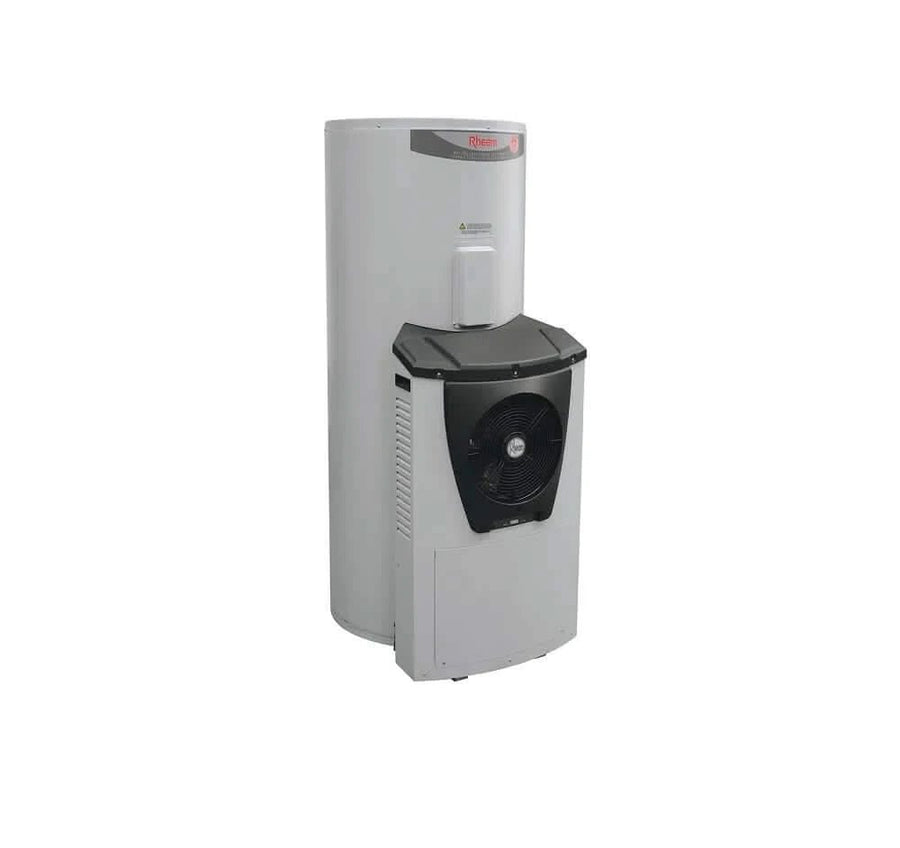
Heat pump hot water and standard electric hot water both use electricity, but they do not work the same way. A standard electric storage system heats water with an electric element. A heat pump uses refrigeration technology to move heat from the air into the water, which can make it much more efficient where the property suits it.
The right choice depends on your household size, hot water use, installation location, electrical setup, solar power, budget, airflow, drainage and how quickly the system needs to recover after use.
This guide compares heat pump vs electric hot water systems, explains the pros and cons of each, and covers what to check before ordering.
Quick answer: heat pump vs electric hot water
| System type | Best suited to | Main risk |
|---|---|---|
| Heat pump hot water | Homes wanting efficient electric hot water where airflow, drainage and location suit | Poor placement, noise issues, condensate drainage or undersizing |
| Standard electric hot water | Simple electric storage replacement, lower upfront complexity, controlled-load setups | Higher running costs compared with a suitable heat pump |
A heat pump hot water system is usually the better long-term option where the site suits it and the household wants efficient electric hot water.
A standard electric hot water system can still be the better choice where the installation location is tight, airflow is poor, noise placement is difficult, the budget is lower, or the existing electric storage setup is simple and reliable.
You can compare options in Heat Pump Hot Water Systems, Electric Hot Water Systems, or browse all Hot Water Systems.
What is a standard electric hot water system?
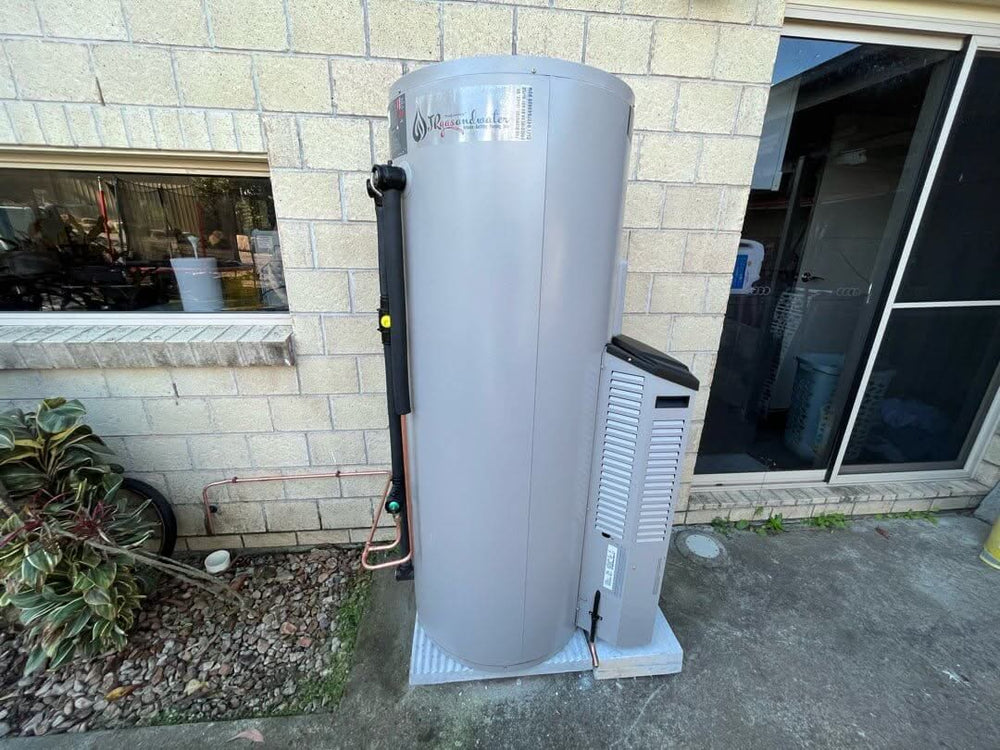
A standard electric hot water system stores hot water in a tank and heats it using an electric resistance element.
Common electric storage sizes include:
| Electric storage size | Typical use |
|---|---|
| 125L | Small homes, one to two people |
| 160L | Couples or small households |
| 250L | Small-to-medium family homes |
| 315L | Larger families or higher use |
| 400L | Larger households or heavy hot water demand |
Electric storage systems are common because they are straightforward, familiar and widely available. They can work well where the tank is correctly sized and the electrical supply suits the system.
What is a heat pump hot water system?
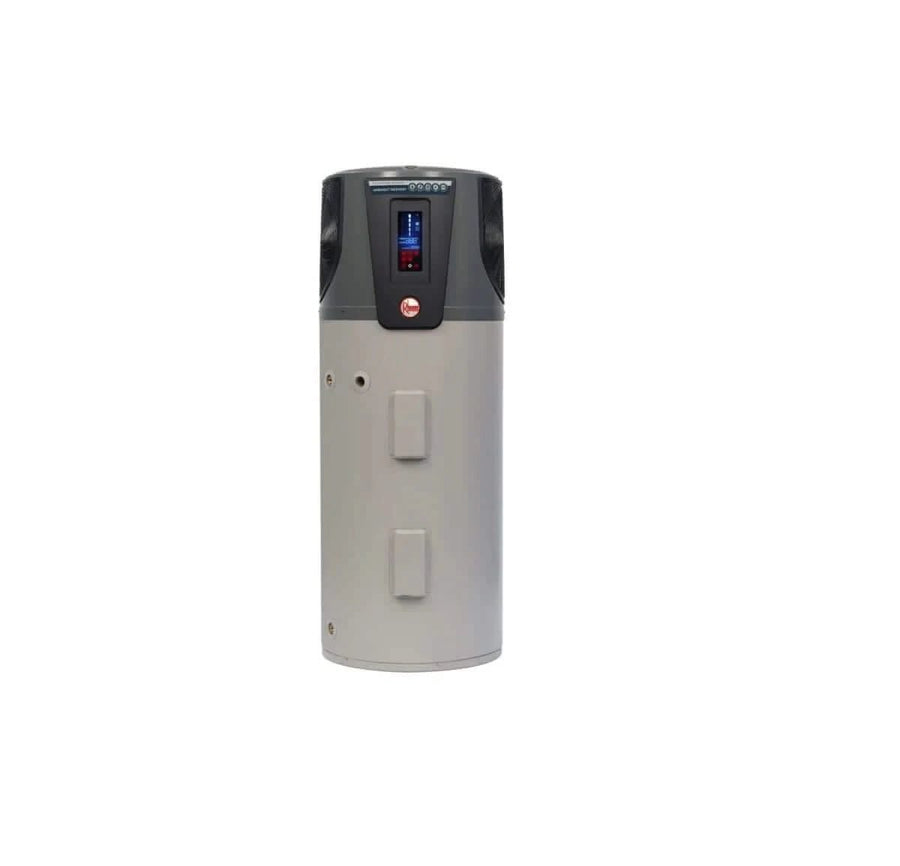
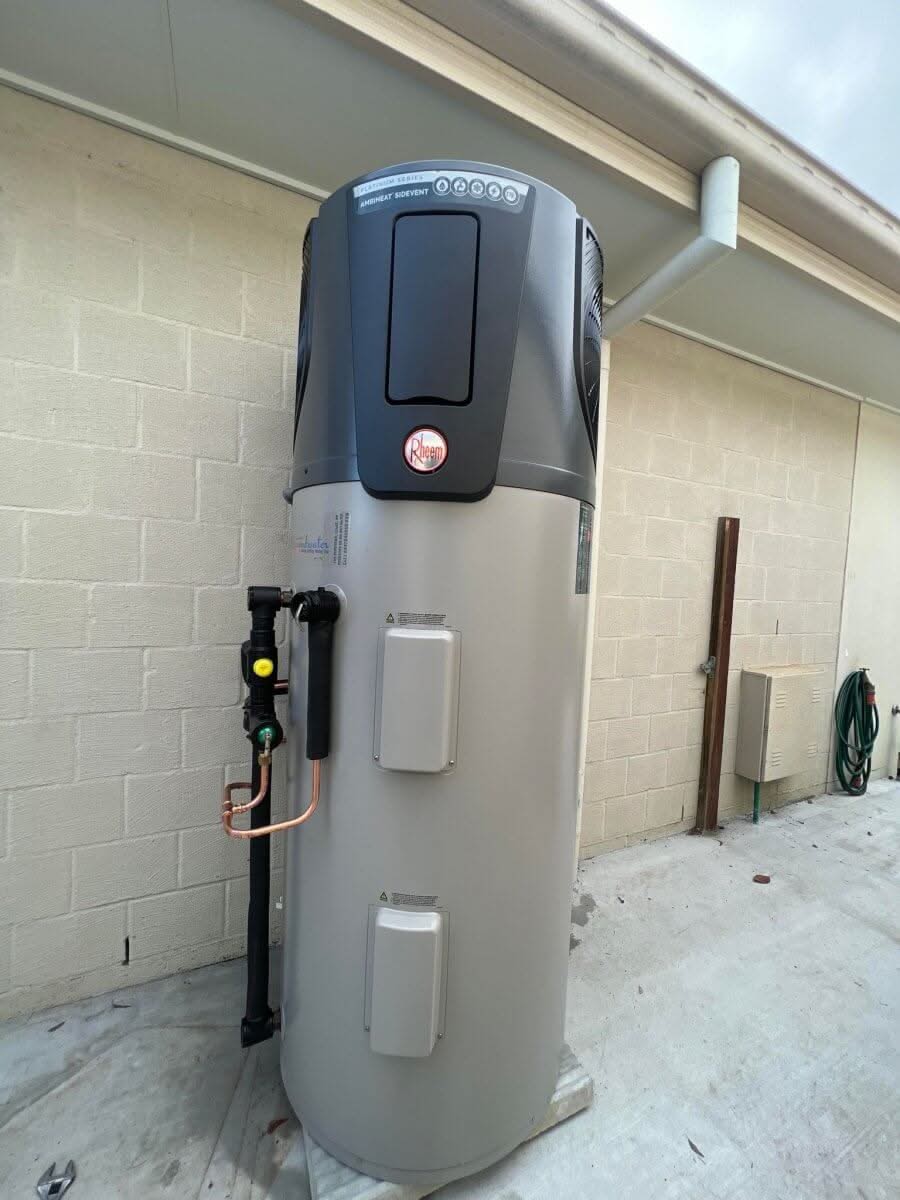
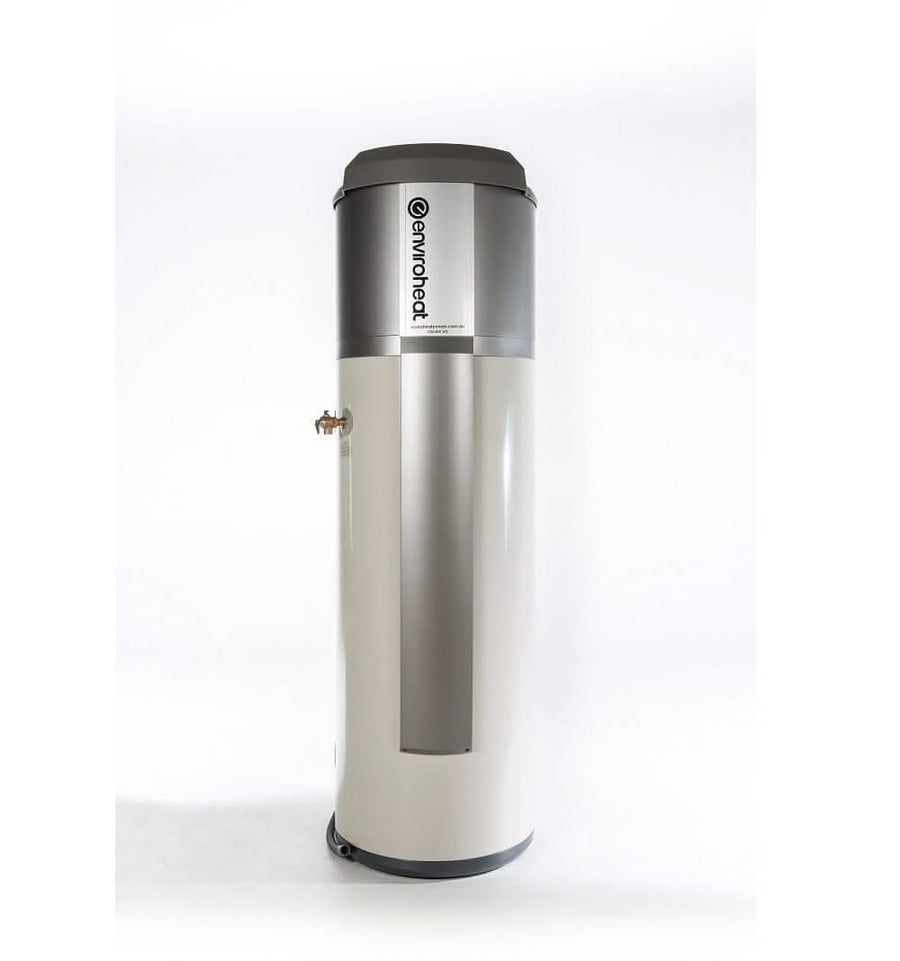
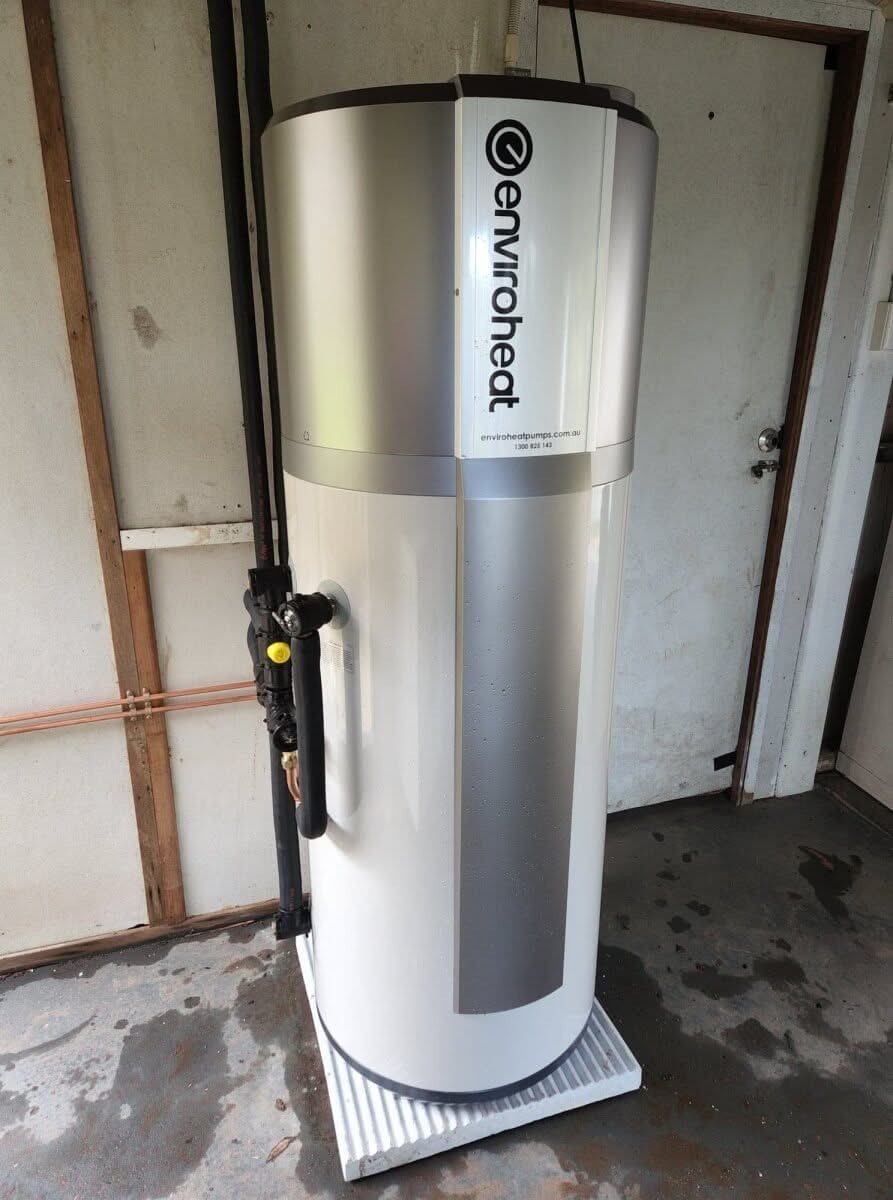
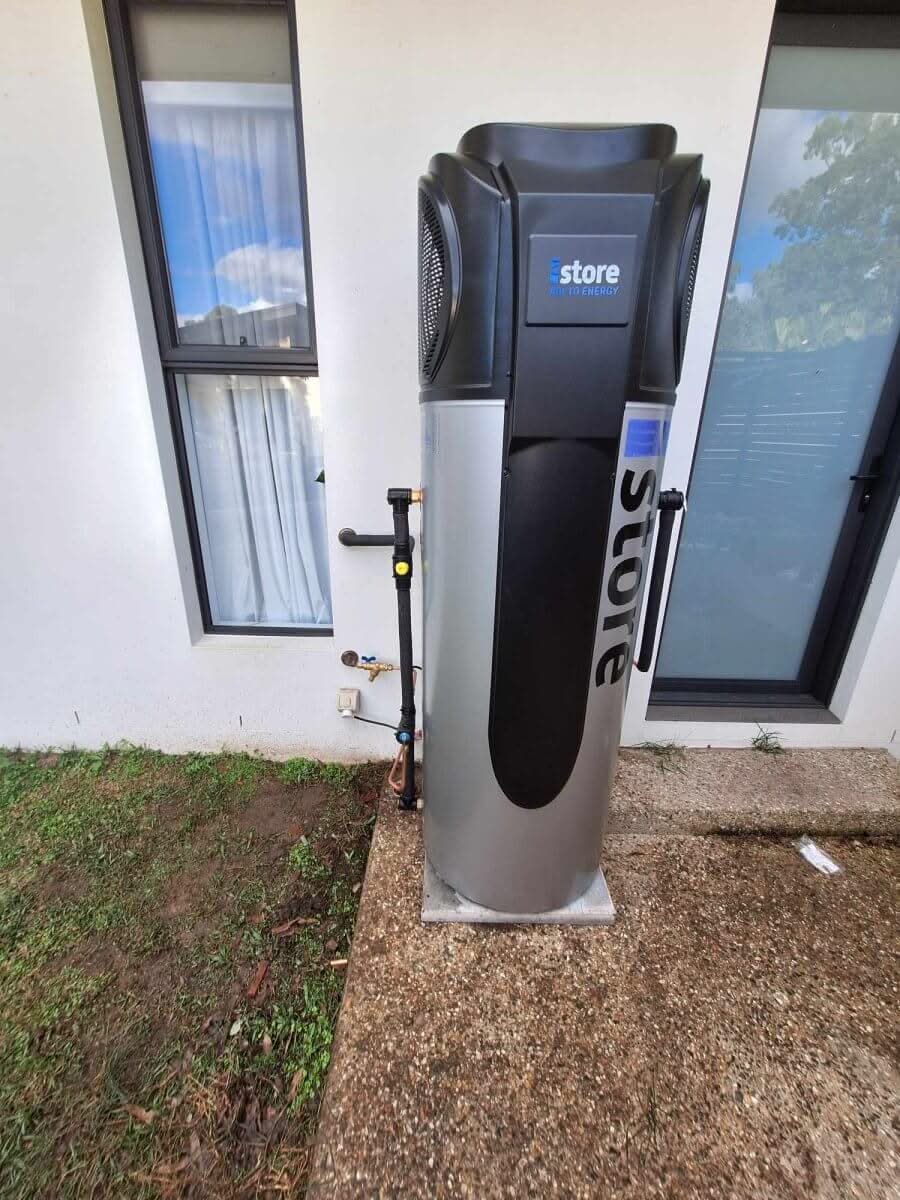
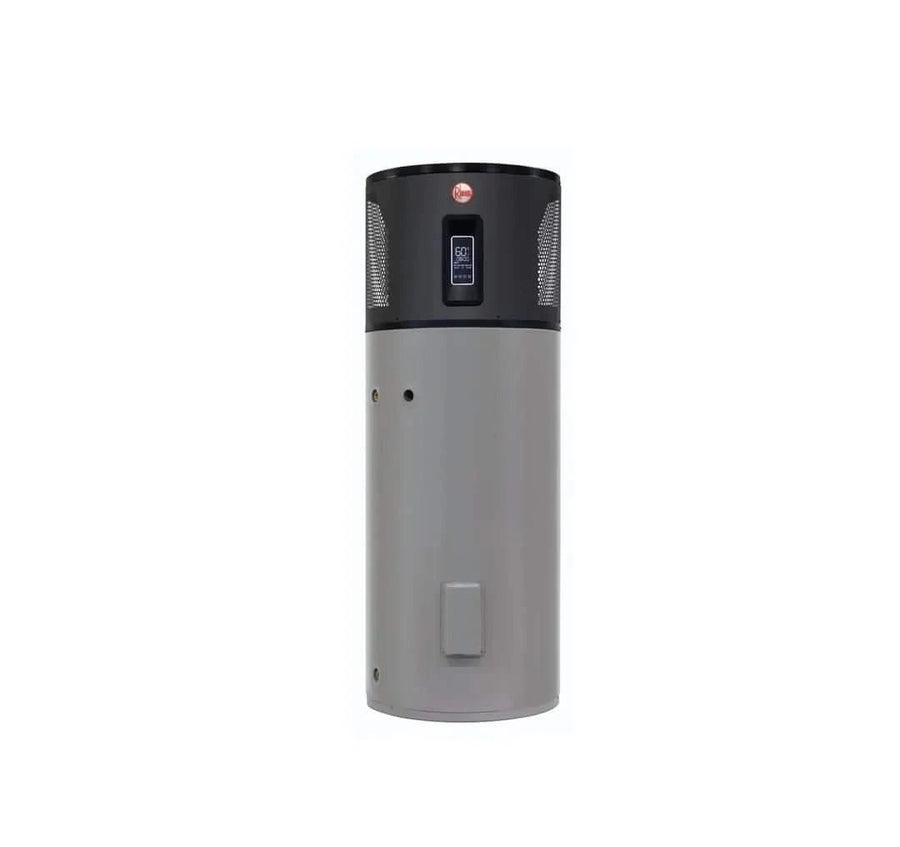
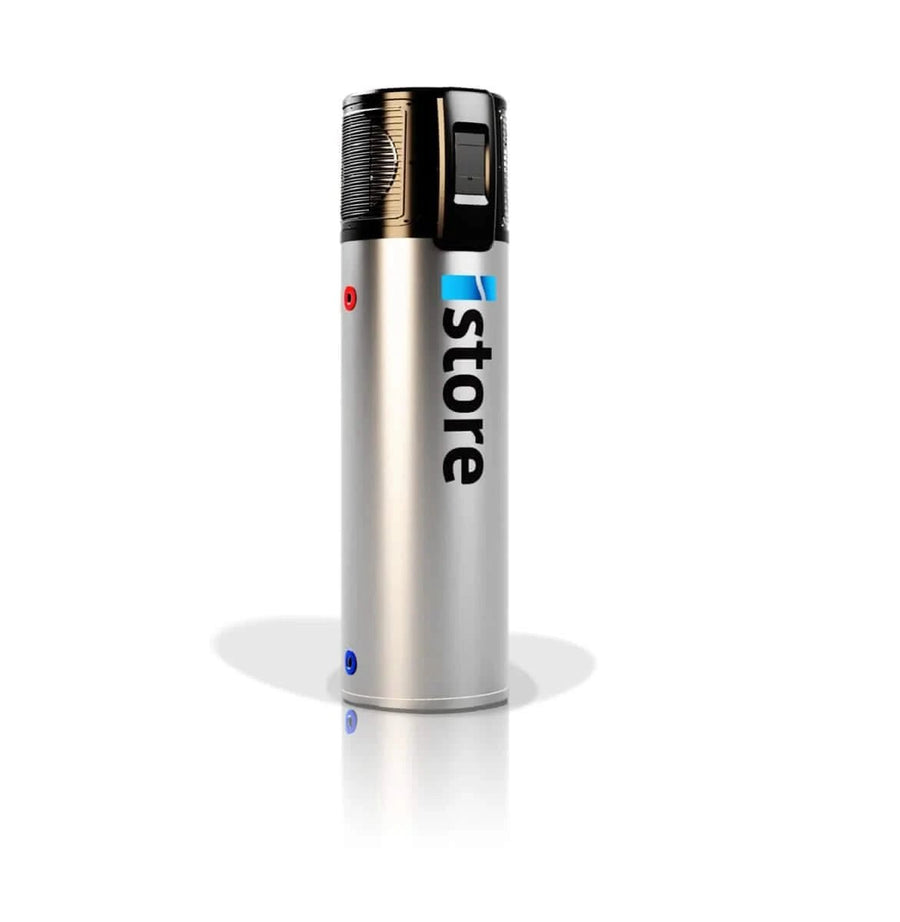
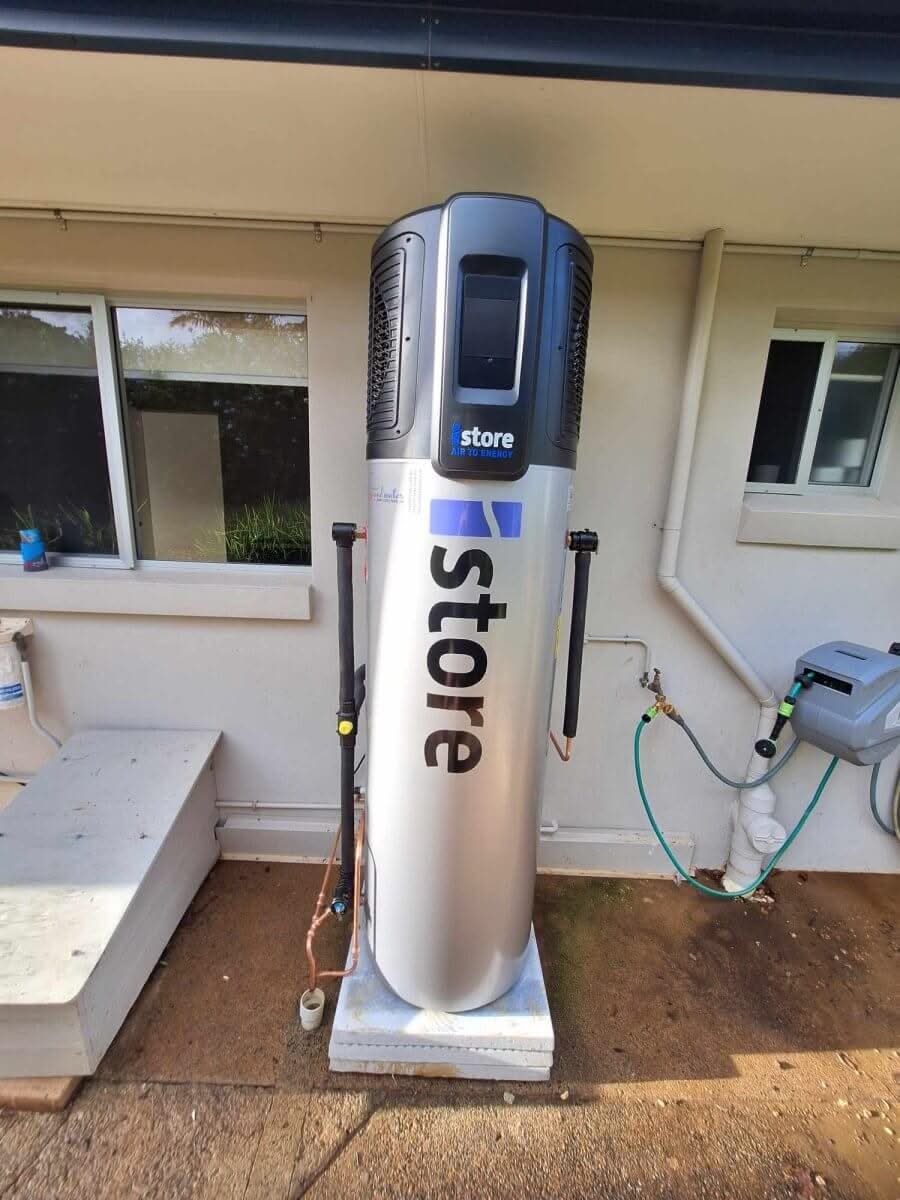
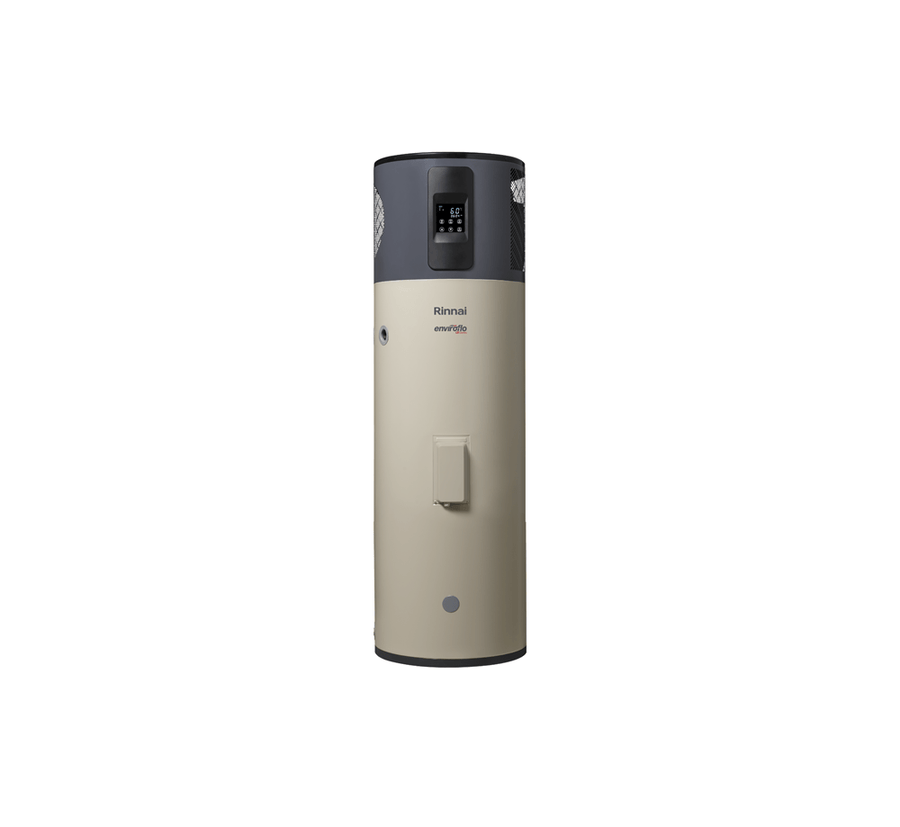
A heat pump hot water system also stores hot water in a tank, but instead of relying mainly on an electric element, it uses heat pump technology to extract heat from the surrounding air and transfer it into the water.
Common heat pump sizes include:
| Heat pump size | Typical use |
|---|---|
| 180L–220L | Smaller households |
| 250L–270L | Standard family use |
| 300L–315L | Larger families or higher demand |
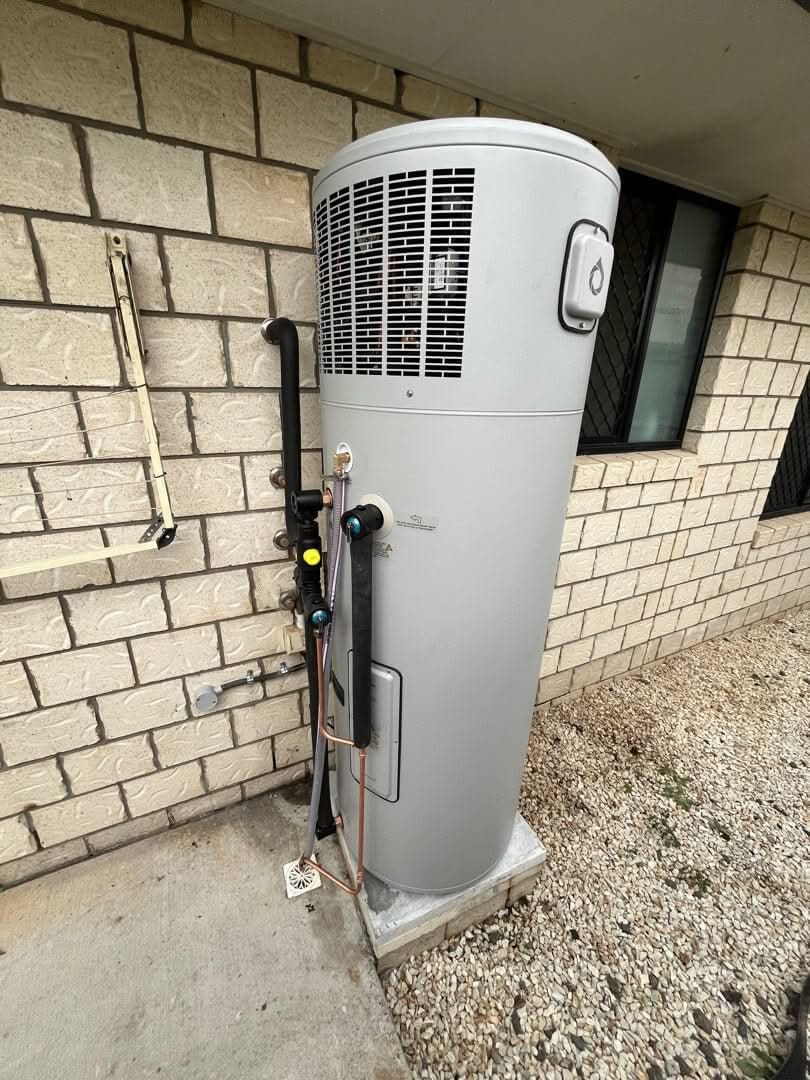
Heat pumps can be highly efficient, but they need the right installation conditions. Airflow, condensate drainage, noise placement, access, timer setup and recovery rate all matter.
Heat pump vs electric hot water comparison
| Feature | Heat pump hot water | Standard electric hot water |
|---|---|---|
| Main heat source | Heat from surrounding air, moved using refrigeration technology | Electric resistance element |
| Energy use | Usually lower where correctly installed | Usually higher |
| Upfront cost | Usually higher | Usually lower |
| Installation complexity | Higher | Lower |
| Airflow required | Yes | No special airflow needed |
| Condensate drainage | Yes | No heat pump condensate |
| Noise | Fan/compressor noise | Usually very quiet |
| Solar compatibility | Good with daytime timer setup | Good with timer or diverter setup |
| Controlled-load suitability | Depends on model and setup | Commonly used |
| Recovery | Depends on model, air temperature and settings | Depends on element size and power supply |
| Best for | Efficient electric hot water where site suits | Simple replacement where heat pump conditions do not suit |
Running costs: heat pump vs electric
A heat pump usually uses less electricity than a standard electric storage system because it moves heat rather than creating all the heat directly through an element.
However, actual running costs depend on:
-
Household hot water use
-
Tank size
-
System efficiency
-
Timer settings
-
Solar power availability
-
Electricity tariff
-
Boost element use
-
Incoming water temperature
-
Installation location
-
Maintenance and system setup
A poorly configured heat pump that relies heavily on its boost element may not deliver the savings expected. A correctly sized and well-placed heat pump usually gives the strongest long-term running-cost advantage.
Upfront cost: heat pump vs electric
Standard electric hot water systems usually have a lower upfront cost than heat pumps.
Heat pumps usually cost more upfront because the appliance is more complex and installation may involve extra checks or work, such as:
-
Condensate drainage
-
Airflow clearance
-
Noise placement
-
Timer setup
-
Electrical suitability
-
Access and base requirements
-
Model-specific installation requirements
The trade-off is that a heat pump may reduce ongoing electricity use where the home suits it.
When a heat pump is usually the better choice
A heat pump may be the better choice if:
-
You want efficient electric hot water
-
The system can be installed outdoors with suitable airflow
-
Condensate can drain properly
-
Noise placement will not be an issue
-
The home has solar power
-
You want to heat water during the day
-
The household has moderate-to-high hot water use
-
The installation location has good access
-
You are replacing an old electric storage system and want a more efficient option
Heat pumps often make the most sense where the household uses enough hot water for efficiency savings to matter and the installation location suits the system.
When standard electric may be the better choice
A standard electric hot water system may be the better choice if:
-
You need a simpler replacement
-
The existing electric storage setup works well
-
The installation space has poor airflow
-
Noise placement is difficult
-
Condensate drainage is not practical
-
Access is tight
-
Budget is the main concern
-
The household has low hot water use
-
A heat pump cannot be installed in a suitable location
-
The system is internal or in an area not suited to a heat pump
Standard electric systems can still be practical, especially where the home is not well suited to heat pump installation.
Heat pump and solar power
Heat pumps can work well with solar power because they can often be timed to run during the day when solar generation is strongest.
This can help reduce grid electricity use, but the system must still be sized correctly.
Important solar-timer questions include:
-
Can the tank store enough hot water for evening and morning use?
-
Is the timer window long enough for recovery?
-
Will the boost element be used often?
-
Does the household use most hot water at night or morning?
-
Does the system need 24-hour recovery instead?
-
Does the electrical setup support the preferred timer arrangement?
A heat pump on a short solar timer may need more tank capacity than one allowed to recover over a longer period.
Electric storage and controlled load
Standard electric storage systems are often connected to controlled-load or off-peak tariffs.
This can reduce electricity costs compared with standard-rate power, but it can also affect sizing. If the tank only reheats during set periods, it needs enough stored hot water to last until the next heating window.
Controlled-load electric storage may suit:
-
Homes with predictable daily use
-
Larger storage tanks
-
Households that do not need rapid daytime recovery
-
Existing electric storage installations
It may not suit households that regularly run out during the day and need fast recovery outside the controlled-load period.
Recovery time: heat pump vs electric
Recovery time is an important difference between systems.
A standard electric storage system reheats using an electric element. Recovery depends on the element size, tank size and electrical supply.
A heat pump recovers using the heat pump compressor and may also have an electric boost element. Recovery depends on:
-
Air temperature
-
Heat pump capacity
-
Tank size
-
Timer settings
-
Boost element settings
-
Installation airflow
-
Household demand
A heat pump can be efficient, but it must be set up correctly. If the household uses a lot of hot water quickly, the system needs enough storage and recovery time to keep up.
Tank sizing comparison
| Household | Standard electric size to consider | Heat pump size to consider |
|---|---|---|
| 1–2 people | 125L–160L | 180L–220L |
| 2–4 people | 160L–250L | 220L–270L |
| 3–5 people | 250L–315L | 250L–315L |
| 5+ people | 315L–400L | 270L–315L or larger |
| Heavy-use household | Larger storage or assessed option | Larger heat pump or assessed option |
Sizing is only a guide. Shower habits, bath use, guests, timer settings and recovery requirements all affect the final choice.
Installation location matters more with heat pumps
Heat pumps need a suitable location. Standard electric systems are generally more flexible because they do not need airflow or heat pump condensate drainage.
Before choosing a heat pump, check:
-
Outdoor space
-
Airflow clearances
-
Service access
-
Condensate drainage
-
Noise impact
-
Base or slab suitability
-
Electrical supply
-
Distance to hot water outlets
-
Manufacturer installation requirements
A heat pump is not automatically suitable just because it is efficient. The site needs to support it.
Airflow requirements
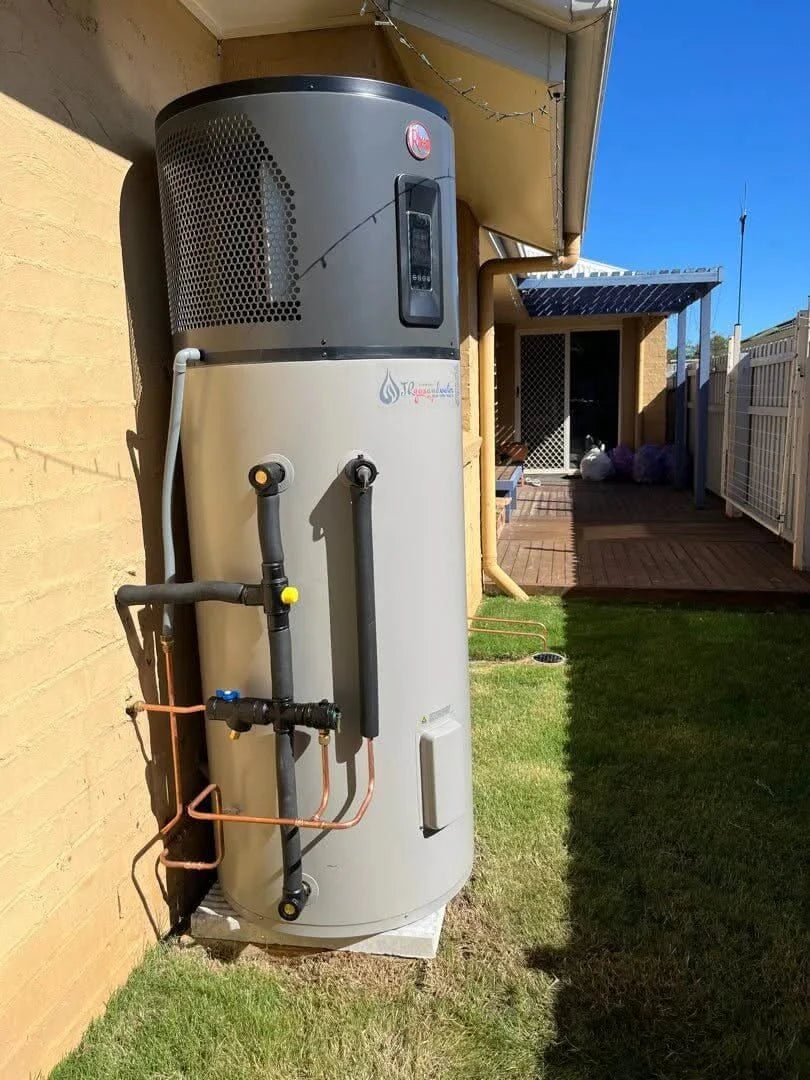
Heat pumps extract heat from the surrounding air, so airflow is critical.
Poor airflow can reduce performance and may cause issues if the unit is installed:
-
In a tight enclosure
-
Hard against fences or walls
-
In a narrow side path with poor ventilation
-
Where exhaust air recirculates back into the unit
-
In a garage or internal area not suited to the model
-
In a location that does not meet manufacturer clearances
A standard electric storage system does not have the same airflow requirement.
Condensate drainage
Heat pumps produce condensate during operation. That water needs a suitable drainage point.
Before ordering a heat pump, check:
-
Where the condensate will drain
-
Whether a nearby drain is available
-
Whether extra pipework is required
-
Whether water could create a slip hazard
-
Whether the discharge point is compliant
-
Whether drainage will affect neighbours or pathways
Standard electric storage systems do not produce heat pump condensate, although pressure relief discharge still needs to be managed correctly.
Noise placement
Heat pumps include a fan and compressor, so they produce operating noise.
Noise placement matters near:
-
Bedroom windows
-
Neighbouring homes
-
Narrow paths
-
Outdoor entertaining areas
-
Boundaries
-
Courtyards
-
Echo-prone areas
Standard electric storage systems are generally quieter because they do not have a fan or compressor.
Heat pump vs electric for small households
For one or two-person homes, the best choice depends on usage and budget.
A standard electric system may make sense if:
-
Hot water use is low
-
Upfront cost is the priority
-
The existing setup is simple
-
There is no suitable heat pump location
A heat pump may make sense if:
-
The household wants lower electricity use
-
There is solar power
-
The location suits airflow and drainage
-
The home wants a more efficient long-term option
Small households should avoid oversizing. A larger system is not always better if hot water use is low.
Heat pump vs electric for family homes
For families, heat pumps often become more attractive because hot water use is higher.
A heat pump may suit family homes where:
-
There is enough outdoor space
-
Airflow is suitable
-
Condensate drainage is available
-
Noise placement is acceptable
-
Solar timing can be used
-
The tank is sized properly for peak demand
Standard electric storage may still suit families where:
-
The existing controlled-load setup works well
-
A heat pump location is not practical
-
The household wants a simpler replacement
-
Upfront cost is more important than long-term energy savings
Heat pump vs electric for rental properties
For rental properties, the choice should balance upfront cost, reliability, tenant use and installation suitability.
Standard electric may suit rentals where:
-
The old electric system is being replaced like-for-like
-
Installation needs to be simple
-
The property has low-to-moderate occupancy
-
There is no good heat pump location
Heat pump may suit rentals where:
-
The property has suitable outdoor space
-
Running-cost efficiency is a selling point
-
The household size justifies the investment
-
The installation can be done properly
-
Noise and drainage will not create issues
Avoid undersizing rental hot water systems. Undersized systems can lead to repeat complaints.
Heat pump vs electric for units and townhouses
Units and townhouses need extra care.
Before choosing a heat pump, check:
-
Body corporate requirements
-
Noise impact on neighbours
-
Outdoor space
-
Drainage options
-
Access for installation
-
Service access
-
Balcony or courtyard restrictions
-
Electrical supply
A standard electric system may be easier in some units, especially where the existing system is internal or located in a cupboard, garage or tight service area.
Rebates and incentives
Heat pump rebates and incentives can change by state, scheme and time. Do not choose a system based only on an assumed rebate.
Before ordering, check:
-
Whether the selected model is eligible
-
Whether installation conditions meet scheme requirements
-
Whether the rebate is included upfront or claimed separately
-
Whether documentation is required
-
Whether eligibility depends on replacing an existing system type
-
Whether the property or customer qualifies
Do not rely on old rebate figures unless they are confirmed at the time of purchase.
Brand options for heat pump and electric hot water
Common heat pump and electric hot water brands may include:
-
Emerald Energy Hot Water Systems
When comparing brands, check the model type, tank size, warranty, recovery performance, electrical requirements, installation clearances and whether the unit suits your household.
Installation and compliance reminders
Hot water installation is not DIY work.
Use a licensed plumber for plumbing work and a licensed electrician for electrical work where required.
Important installation checks may include:
-
Tank size and dimensions
-
Installation location
-
Access for removal and installation
-
Water pressure
-
Tempering valve requirements
-
Isolation valves
-
Pressure relief valve discharge
-
Safe tray or drainage where required
-
Base or slab requirements
-
Electrical circuit suitability
-
Controlled-load or continuous supply
-
Timer setup
-
Solar timing setup
-
Condensate drainage for heat pumps
-
Airflow clearances for heat pumps
-
Noise placement for heat pumps
-
Compliance with current plumbing and electrical requirements
Extra parts or site work may be required depending on the property. Relevant options may be available under Installation Add-Ons.
Supply-only vs supplied-and-installed
Installed Today offers hot water systems online with supply-only options across major metro areas.
For supply-only orders, you need to arrange your own suitable licensed installer. Heat pump and electric hot water systems involve plumbing and electrical requirements, so the correct licensed trades must be used.
Supplied-and-installed options are only available where shown in eligible Brisbane and Gold Coast service areas. Availability depends on the product, location and installation conditions shown at the time of ordering.
Before ordering, confirm the system type, size, electrical suitability, installation location and any required add-ons.
Common mistakes when choosing heat pump vs electric
Choosing heat pump only because it is efficient
Heat pumps can be efficient, but they still need suitable airflow, drainage, noise placement and setup.
Choosing electric only because it is cheaper upfront
A standard electric system may cost less upfront, but running costs may be higher than a suitable heat pump.
Ignoring controlled-load settings
Electric storage sizing depends heavily on when the system can reheat.
Setting a heat pump timer too short
A short solar timer may not give the system enough time to recover after heavy use.
Installing a heat pump in poor airflow
Restricted airflow can reduce performance and cause issues.
Forgetting condensate drainage
Heat pumps produce condensate that needs a suitable discharge point.
Placing a heat pump too close to bedrooms
Noise placement should be checked before ordering.
Replacing like-for-like when the old system was too small
If the old system regularly ran out, the replacement should be sized around current household demand.
Final verdict
A heat pump hot water system is often the better long-term choice where the home has suitable airflow, drainage, noise placement, electrical supply and installation access.
A standard electric hot water system may be the better choice where the existing setup is simple, the site does not suit a heat pump, upfront cost is the priority, or the system needs to fit into a tight or internal location.
The best choice depends on household demand, installation location, electrical setup, solar timing, controlled-load supply, recovery requirements, airflow, condensate drainage and budget.
FAQs
Is a heat pump better than electric hot water?
A heat pump is usually more efficient than standard electric storage where the site suits it. Standard electric may still be better where heat pump airflow, drainage, noise or placement requirements cannot be met.
Does a heat pump use electricity?
Yes. A heat pump uses electricity to run the compressor, fan and controls. It usually uses less electricity than a standard electric resistance storage system when correctly installed and configured.
Is standard electric hot water cheaper than a heat pump?
Standard electric systems usually cost less upfront. Heat pumps usually cost more upfront but may reduce electricity use over time where installed correctly.
Can I replace electric hot water with a heat pump?
Often yes, but the site must suit a heat pump. Airflow, condensate drainage, electrical supply, noise placement, access and tank size must be checked.
Does a heat pump need solar panels?
No. A heat pump can operate without solar panels. Solar can help if the system is timed to run during solar production hours.
Can a heat pump run on controlled load?
Some heat pumps may be connected or configured in different ways depending on the model and site. Electrical suitability, timer setup and recovery needs should be checked before ordering.
Is heat pump hot water noisy?
Heat pumps make some operating noise because they have a fan and compressor. Noise varies by model, but placement near bedrooms and neighbours should be considered.
Does a heat pump need a drain?
Yes. Heat pumps produce condensate, which needs suitable drainage.
Is electric storage still worth buying?
Yes. Standard electric storage can still be a practical option where the home needs a simple replacement, the site does not suit a heat pump, or upfront cost is the main priority.
Where can I compare heat pump and electric hot water systems?
You can compare Heat Pump Hot Water Systems, Electric Hot Water Systems, or browse all Hot Water Systems.