
History of Heat Pumps: From Early Refrigeration Science to Modern Heat Pump Hot Water
Heat pumps may feel like a modern technology, but the basic idea behind them has been developing for hundreds of years. Long before today’s heat pump hot water systems appeared in Australian homes, scientists and engineers were experimenting with refrigeration, heat transfer, compressors, refrigerants and ways to move heat from one place to another.
Today, heat pump technology is used in air conditioning, home heating, industrial process heating, refrigeration, hydronic heating and hot water systems. For households, one of the most practical applications is heat pump hot water, where electricity is used to transfer heat from surrounding air into stored water.
This guide traces the history of heat pumps, explains how the technology evolved, and shows why modern Heat Pump Hot Water Systems have become a popular alternative to standard electric storage, gas hot water and other hot water options.
You can compare Heat Pump Hot Water Systems, Electric Hot Water Systems, Gas Hot Water Systems and all Hot Water Systems online with Installed Today.
Quick answer: where did heat pumps come from?
Heat pumps evolved from early refrigeration science. The same basic principle that allows a refrigerator to remove heat from inside a cabinet can also be used in reverse to move heat into a home, building, industrial process or hot water tank.
A simplified timeline looks like this:
| Period | Heat pump development |
|---|---|
| 1700s | Early artificial refrigeration experiments helped prove heat could be moved using evaporation and pressure changes |
| 1800s | Thermodynamic theory and early industrial heat pump applications emerged |
| Early 1900s | Refrigeration and air conditioning technology advanced rapidly |
| Mid-1900s | Ground source and air source heat pump systems became more practical |
| 1970s | Energy cost pressures increased interest in efficient heating technologies |
| Late 1900s | Better compressors, refrigerants and controls improved performance |
| 2000s onward | Heat pumps became more common in homes, buildings, industry and hot water systems |
| Today | Heat pump hot water is widely compared as an efficient electric upgrade for suitable homes |
The technology is old in principle, but modern heat pumps are far more advanced than the early systems that inspired them.
What is a heat pump?
A heat pump is a system that moves heat from one place to another.
Instead of creating all heat directly, a heat pump transfers available heat from a source such as air, ground or water.
Common heat pump types include:
-
Air source heat pumps
-
Ground source heat pumps
-
Water source heat pumps
-
Heat pump hot water systems
-
Hydronic heat pumps
-
Industrial high-temperature heat pumps
-
Reverse-cycle air conditioners
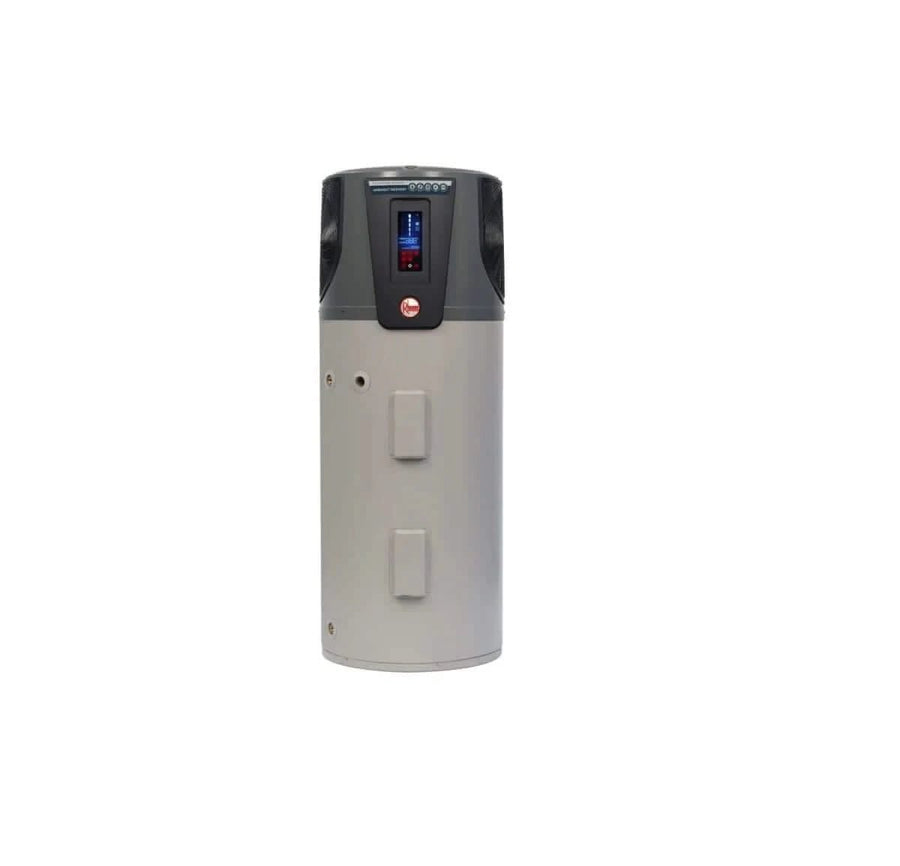
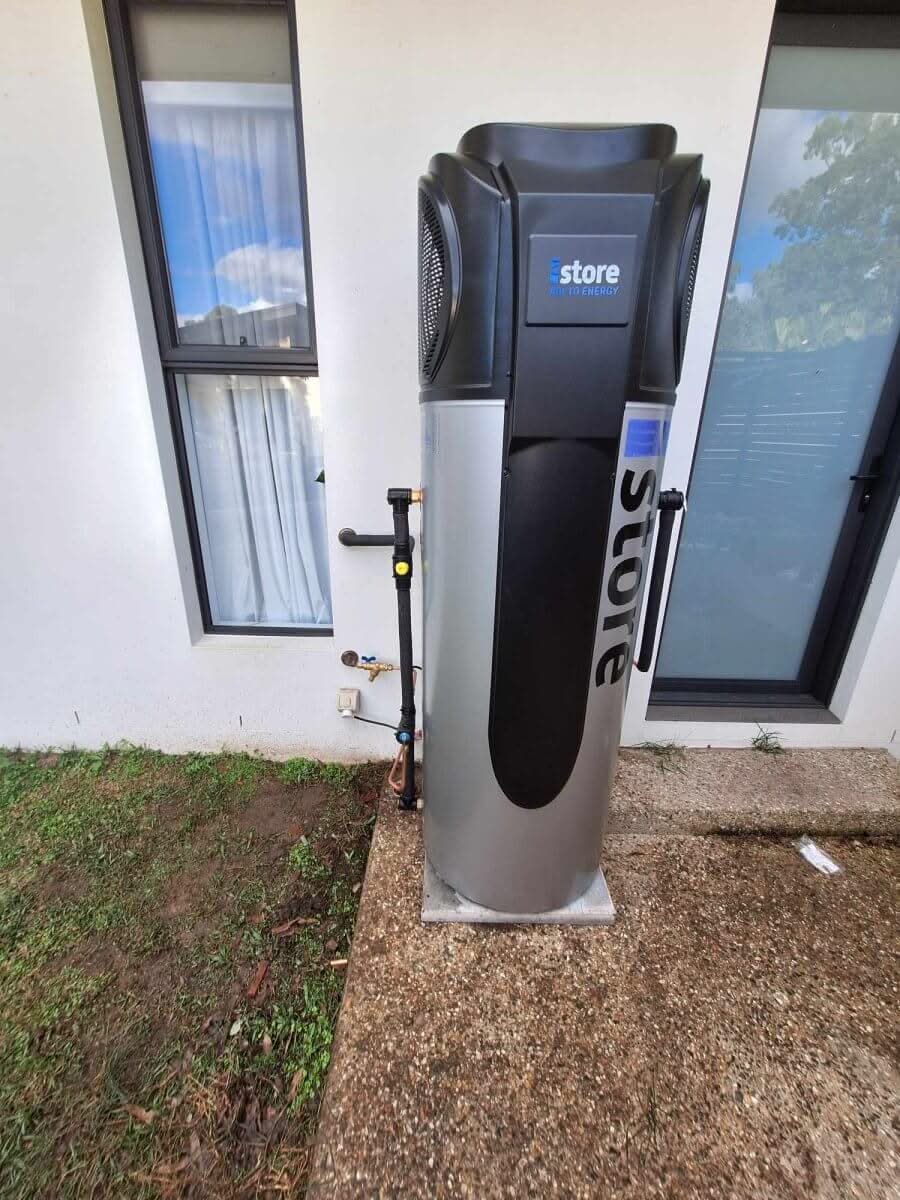
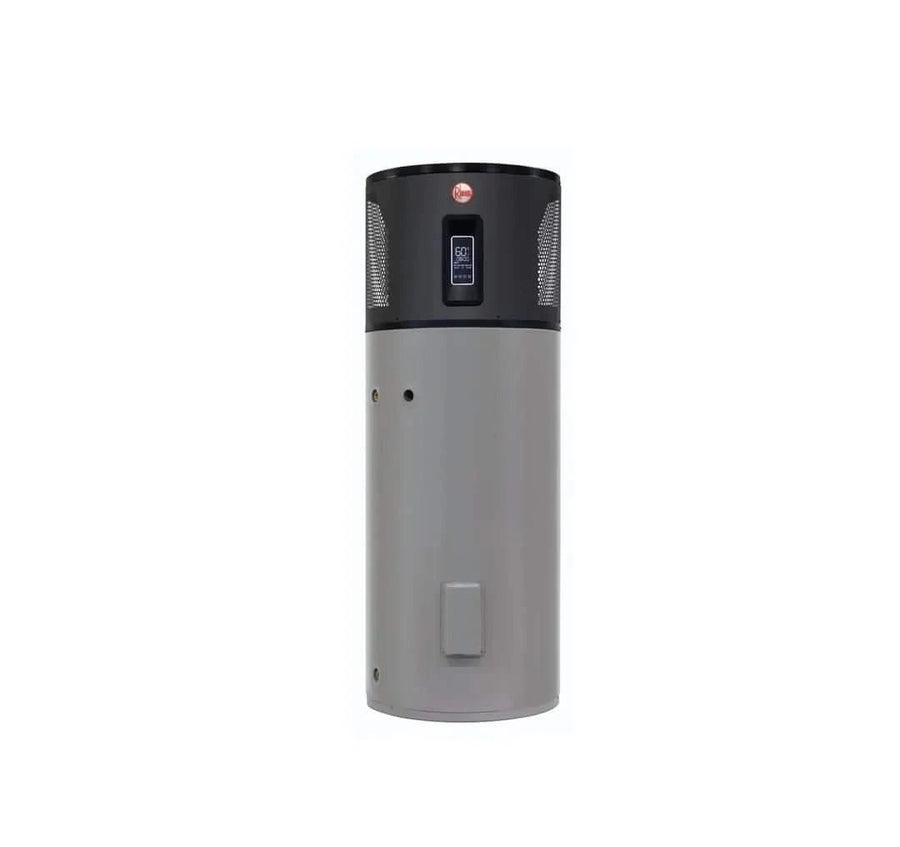
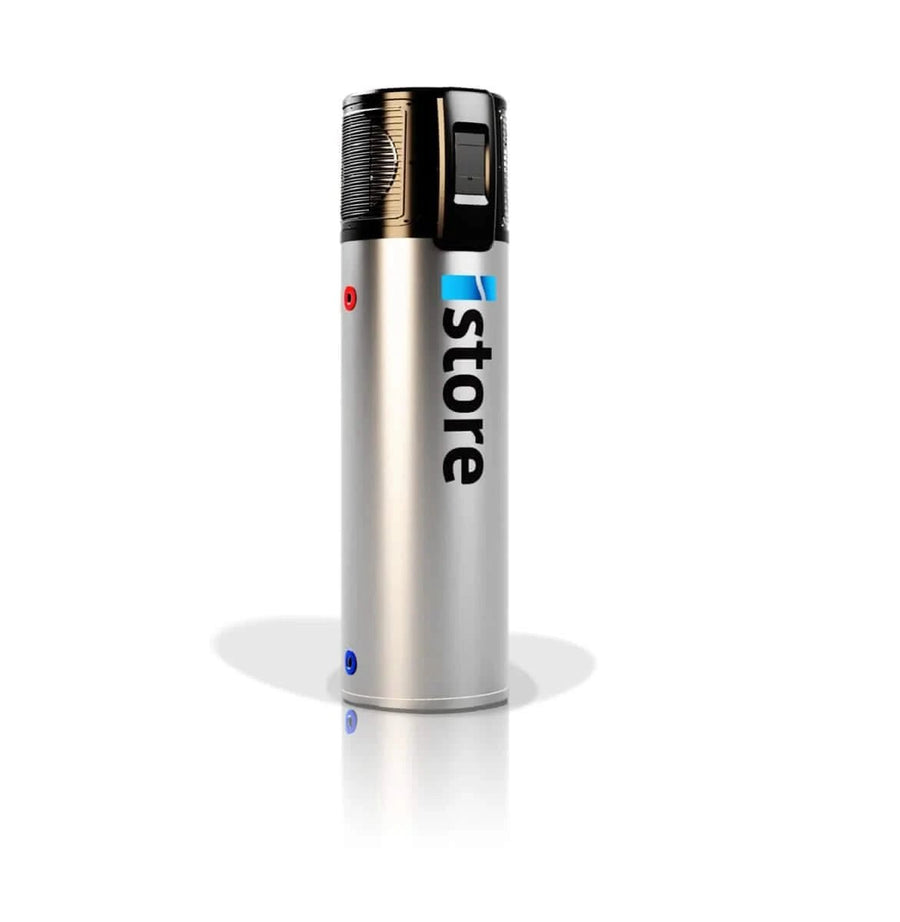
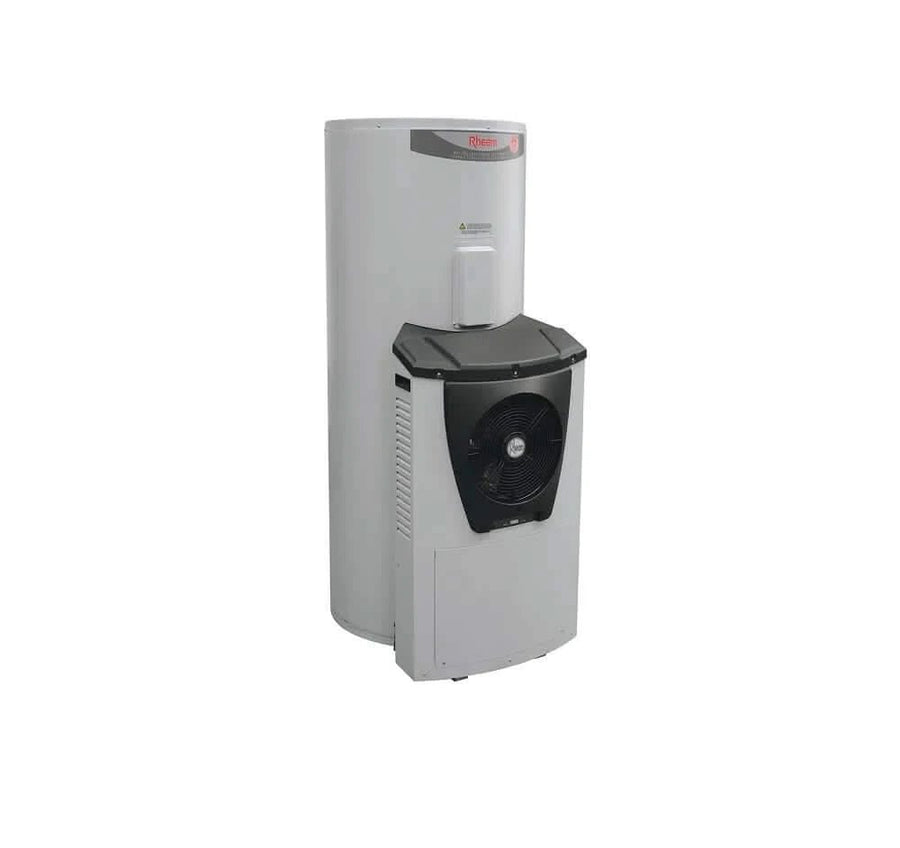
For hot water, the most relevant type is usually an air source heat pump water heater. It uses surrounding air to help heat water stored in a tank.
How does a heat pump hot water system work?
A heat pump hot water system uses electricity to move heat from the surrounding air into stored water.
A simplified process looks like this:
-
A fan draws in surrounding air
-
Refrigerant absorbs heat from the air
-
A compressor increases the temperature of the refrigerant
-
Heat is transferred into the water tank
-
The tank stores hot water for household use
-
The system reheats based on timer settings, temperature and demand
-
Backup or boost heating may operate where the model allows
This is why heat pump hot water can use less electricity than standard electric storage in suitable conditions. It transfers heat rather than relying only on direct electric element heating.
Early refrigeration science: the foundation of heat pumps
The heat pump story begins with refrigeration science.
Early scientists were trying to understand how evaporation, pressure and temperature worked together. These experiments helped prove that heat could be absorbed from one place and released somewhere else.
That principle eventually became central to:
-
Refrigerators
-
Air conditioners
-
Heat pumps
-
Heat pump water heaters
-
Industrial cooling
-
Commercial refrigeration
-
Climate control systems
At this early stage, the idea was not yet a household hot water system. It was scientific groundwork.
William Cullen and early artificial refrigeration
In the 1700s, William Cullen demonstrated an early form of artificial refrigeration. His experiment showed that evaporation under reduced pressure could absorb heat and create cooling.
This did not create a practical heat pump for homes, but it helped prove an important idea: heat could be moved through controlled physical processes.
That concept later became essential to refrigeration and heat pump technology.
Lord Kelvin and the heat pump concept
In the 1800s, heat pump theory developed further through thermodynamics.
Lord Kelvin is often associated with the idea that a refrigeration cycle could be used for heating as well as cooling. This was a major conceptual step because it showed that the same process used to remove heat could also be useful for delivering heat.
That idea is still visible today in reverse-cycle air conditioners and heat pump hot water systems.
Peter von Rittinger and early industrial heat pumps
Peter von Rittinger is often credited with developing one of the first practical industrial heat pump systems in the 1850s.
His work showed that heat pump principles could be applied beyond theory. Instead of only proving a scientific concept, heat could be recovered and reused in an industrial process.
This was an important milestone because it demonstrated the economic value of moving heat efficiently.
Modern heat pump technology still follows the same broad logic: capture available heat, upgrade it and use it where it is needed.
Heat pumps and the growth of refrigeration technology
As refrigeration technology improved through the late 1800s and early 1900s, heat pump development became more practical.
Important improvements included:
-
Better compressors
-
Improved refrigerants
-
More reliable heat exchangers
-
Better pressure control
-
Stronger metal manufacturing
-
More practical refrigeration cycles
-
Electrical motor improvements
These advances made refrigeration more reliable and helped create the foundation for air conditioning, industrial cooling and later heat pump systems.
Willis Carrier and modern air conditioning influence
Willis Carrier’s early 20th-century air conditioning work helped push refrigeration technology forward.
Although air conditioning and heat pump hot water are different applications, they share related principles:
-
Compressing refrigerant
-
Transferring heat
-
Controlling temperature
-
Managing airflow
-
Using heat exchangers
-
Moving heat from one place to another
As air conditioning became more advanced, the same technical improvements helped heat pump systems become more efficient and more practical.
Ground source heat pumps
Ground source heat pumps use the relatively stable temperature of the ground to help with heating and cooling.
These systems became more developed during the 20th century and are still used in some homes, buildings and specialised applications.
A ground source heat pump may use:
-
Underground pipe loops
-
Boreholes
-
Buried heat exchange loops
-
Ground temperature stability
-
Water or refrigerant circuits depending on design
Ground source systems can be efficient, but they usually involve more complex installation than air source heat pumps because they require ground loops, drilling or excavation.
For most residential hot water buyers, air source heat pump hot water systems are more common and practical to compare.
Air source heat pumps
Air source heat pumps extract heat from the surrounding air.
This is the type of heat pump most relevant to modern heat pump hot water systems.
Air source heat pumps became more practical as compressor design, refrigerants, fan technology and controls improved.
Modern air source heat pump systems may be used for:
-
Space heating
-
Cooling
-
Domestic hot water
-
Pool heating
-
Commercial systems
-
Industrial applications
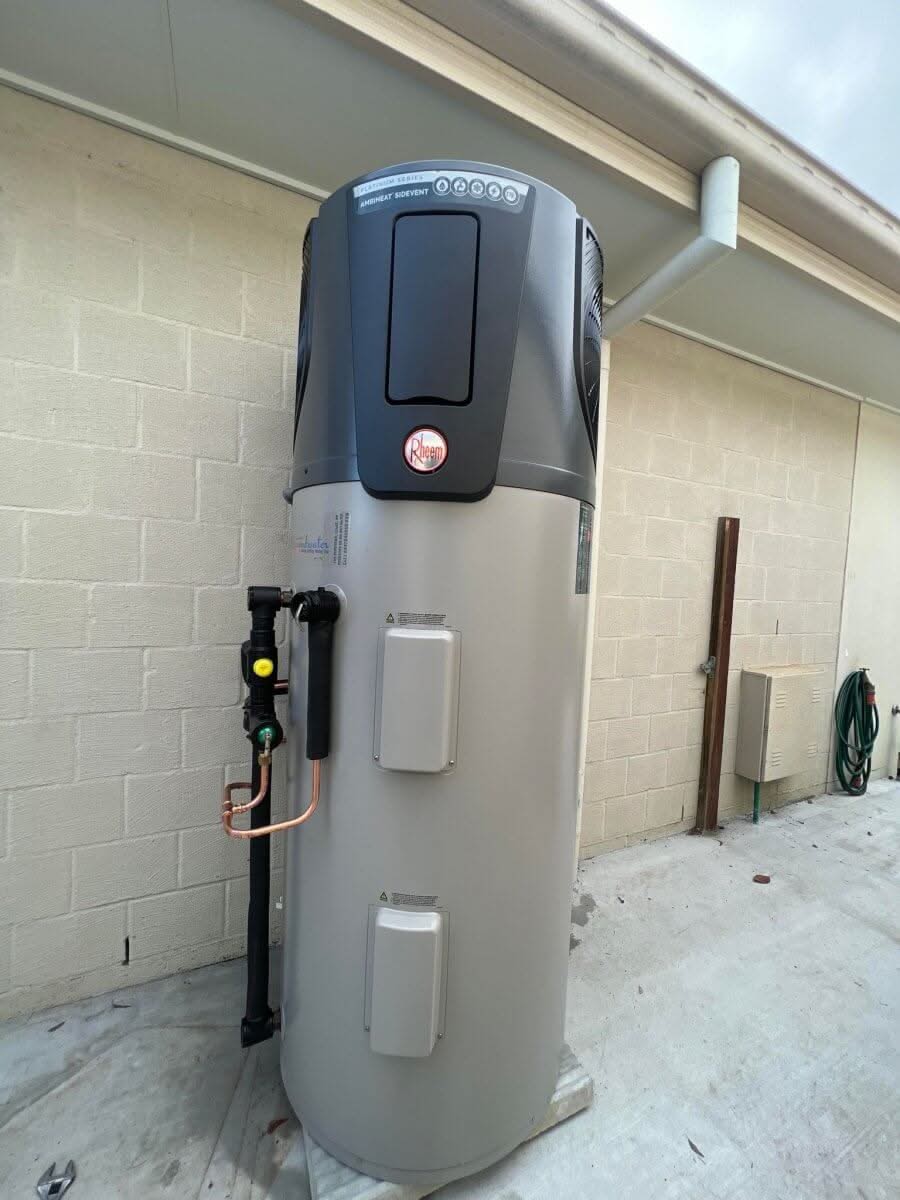
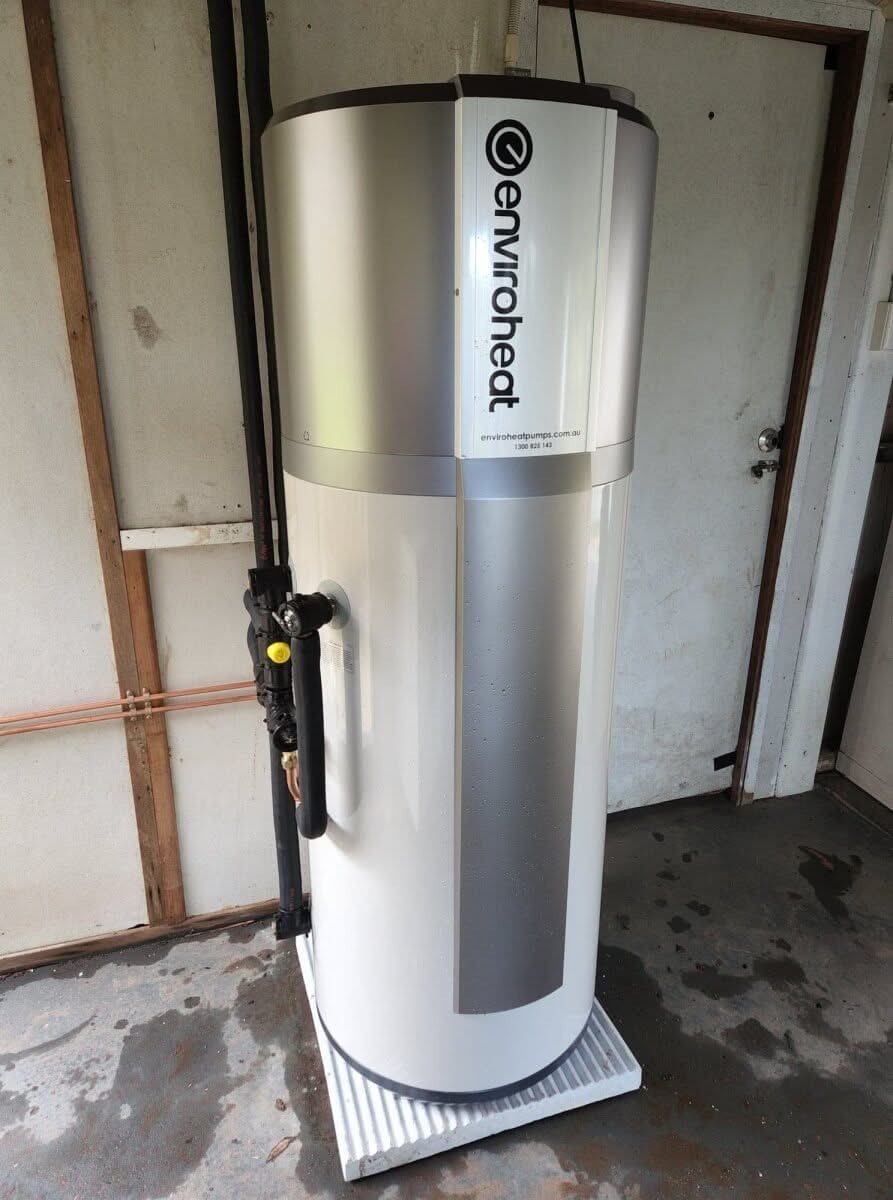
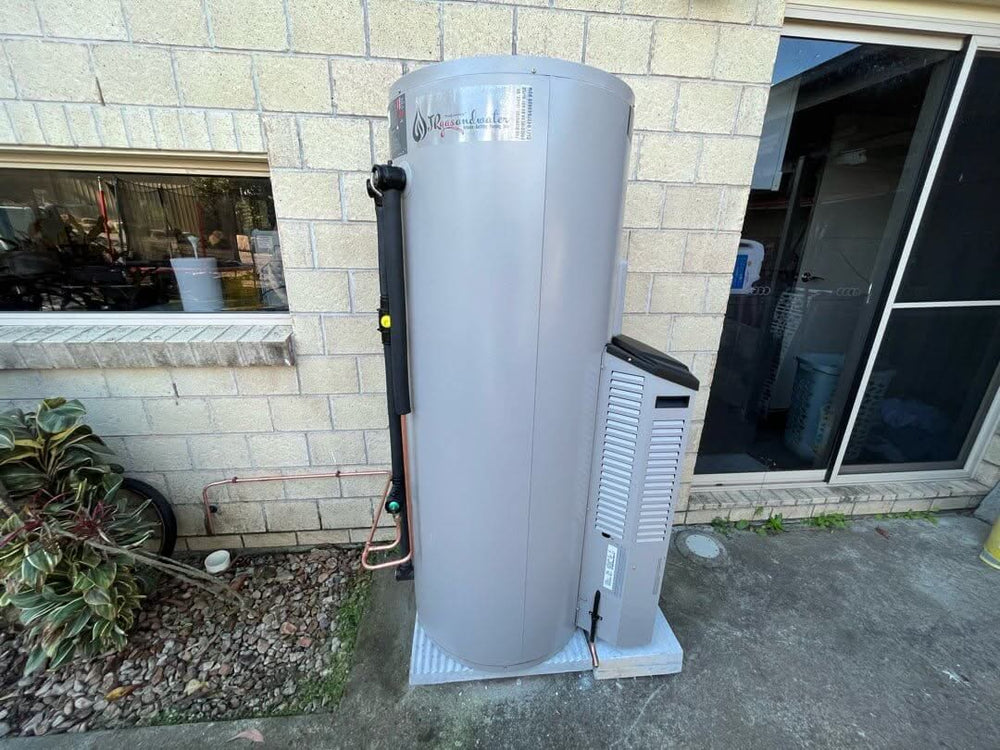
For household hot water, an air source heat pump can be a practical option where the property has suitable outdoor space, airflow, drainage, electrical setup and noise placement.
Water source heat pumps
Water source heat pumps use water as the heat source or heat sink.
They can be used in buildings near suitable water sources or within commercial systems where water loops are available.
Water source systems may suit:
-
Larger buildings
-
Commercial properties
-
District energy systems
-
Sites with stable water temperature access
-
Specialised heating and cooling systems
They are less common as a simple residential hot water replacement because most homes do not have the water source or infrastructure required.
The oil crisis and rising interest in efficient heating
Energy cost shocks in the 20th century increased interest in more efficient heating technologies.
When energy became more expensive or less secure, technologies that could deliver more heat output for less energy input became more attractive.
This helped push more attention toward:
-
Heat pumps
-
Better insulation
-
Efficient building design
-
Improved heating controls
-
Solar hot water
-
Efficient electric appliances
-
Reduced reliance on fossil fuels
Heat pumps were not new, but changing energy priorities made them more appealing.
Variable-speed compressors and inverter technology
One of the biggest modern improvements in heat pump performance has been better compressor control.
Older systems often ran in a simple on-off pattern. Modern variable-speed or inverter-driven systems can adjust output more smoothly based on demand.
Potential benefits include:
-
Improved efficiency
-
Better temperature control
-
Less stop-start operation
-
Lower wear in some applications
-
Quieter operation in some systems
-
Improved comfort for space heating and cooling
-
Better matching of output to demand
For heat pump hot water, controls, compressor performance and operating strategy can affect recovery, electricity use and overall household fit.
Smarter controls and timer settings
Modern heat pump hot water systems often include smarter controls than older electric storage tanks.
Depending on the model, features may include:
-
Timer settings
-
Boost mode
-
Vacation mode
-
Temperature control
-
Error code display
-
Smart operation modes
-
Solar-friendly daytime operation
-
App or controller integration on some systems
These controls can help customers align hot water heating with household demand, electricity tariffs or rooftop solar generation where the setup suits.
Heat pumps and rooftop solar
Modern households often compare heat pump hot water with rooftop solar PV.
A heat pump hot water system can work well with solar power where the system is timed to heat during the day while solar generation is available.
This depends on:
-
Solar system size
-
Electricity tariff
-
Timer settings
-
Household hot water demand
-
Tank size
-
Recovery time
-
Electrical setup
-
Installer advice
Do not assume every heat pump automatically uses solar perfectly. The timer and electrical setup matter.
Heat pump hot water vs standard electric storage
Heat pump hot water and standard electric storage both use electricity, but they heat water differently.
| Feature | Heat pump hot water | Standard electric storage |
|---|---|---|
| Main heating method | Transfers heat from air | Electric element |
| Storage tank | Yes | Yes |
| Electricity use | Often lower in suitable conditions | Usually higher |
| Upfront cost | Usually higher | Often lower |
| Installation complexity | More site-specific | Often simpler like-for-like |
| Outdoor airflow | Very important | Usually less critical |
| Noise | Fan and compressor noise | Generally quieter |
| Drainage | Condensate drainage required | Standard discharge drainage |
| Best suited to | Efficient electric upgrades | Simple electric replacement |
A heat pump may be a strong option if the home has suitable outdoor space, airflow, condensate drainage and electrical setup.
A standard electric system may still be more practical where the site does not suit heat pump installation.
Compare Electric Hot Water Systems if you need a simpler like-for-like replacement.
Heat pump hot water vs gas hot water
Heat pump hot water and gas hot water suit different homes.
A heat pump may suit:
-
Homes replacing electric storage
-
Customers wanting an efficient electric option
-
Homes with rooftop solar
-
Properties with suitable outdoor airflow
-
Homes with suitable condensate drainage
-
Customers moving away from gas
Gas hot water may suit:
-
Homes already connected to natural gas or LPG
-
Customers replacing existing gas hot water
-
Properties with suitable gas pipe sizing
-
Homes wanting instant gas or gas storage
-
Customers where heat pump location is not suitable
Natural gas and LPG are not interchangeable. Gas work should be completed by a licensed gas fitter.
Compare Gas Hot Water Systems and Instant Gas Hot Water Systems if gas remains the better fit for the home.
Heat pump hot water vs solar hot water
Solar hot water and heat pump hot water are often confused, but they are different systems.
Solar hot water uses roof collectors to absorb heat from the sun.
Heat pump hot water uses electricity to transfer heat from surrounding air into stored water.
Solar hot water may suit:
-
Homes with suitable roof space
-
Strong sun exposure
-
Minimal shading
-
Suitable roof structure
-
Customers wanting solar thermal collectors
Heat pump hot water may suit:
-
Homes without suitable roof collector space
-
Homes with rooftop solar PV
-
Properties with good outdoor airflow
-
Homes where condensate drainage is practical
-
Customers wanting an efficient electric hot water system without roof collectors
The better choice depends on roof conditions, outdoor space, household demand and installation cost.
Modern heat pump hot water brands
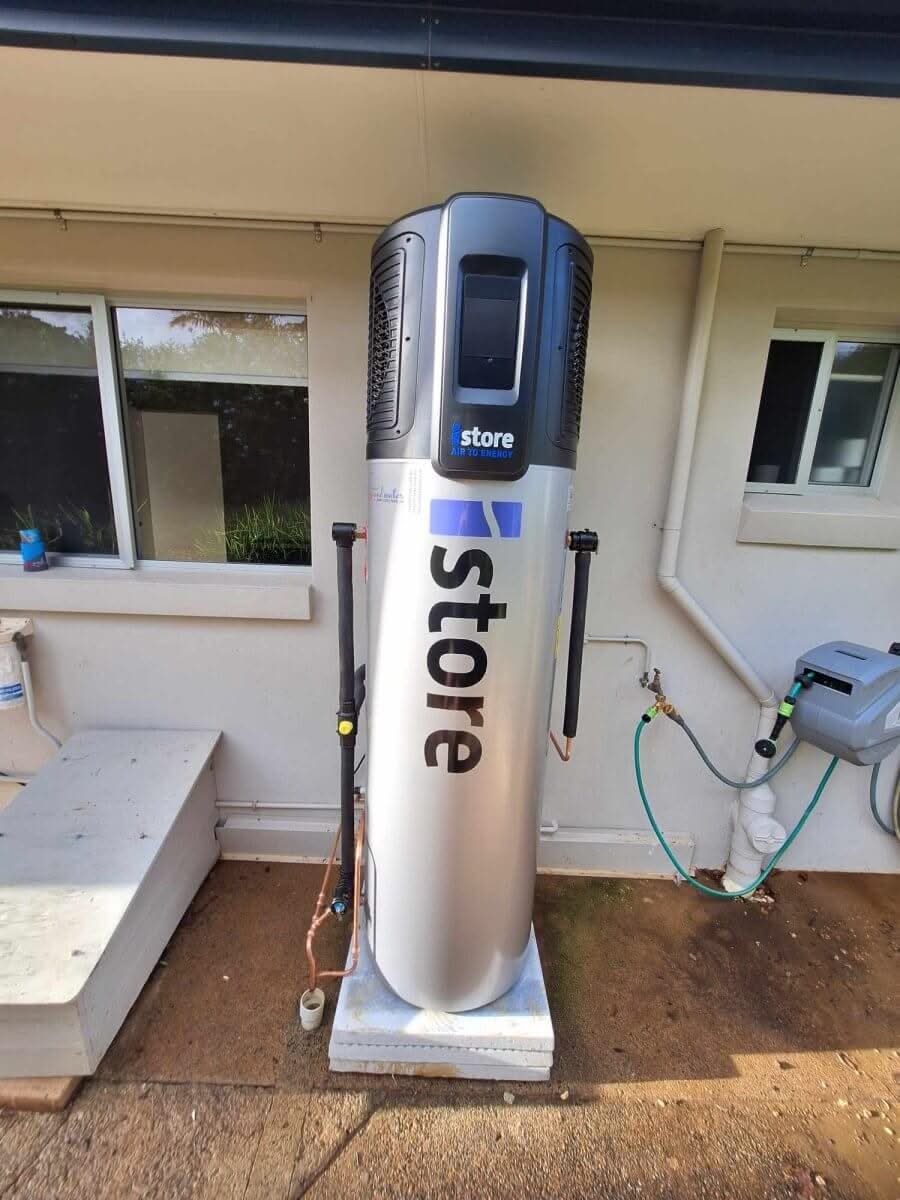
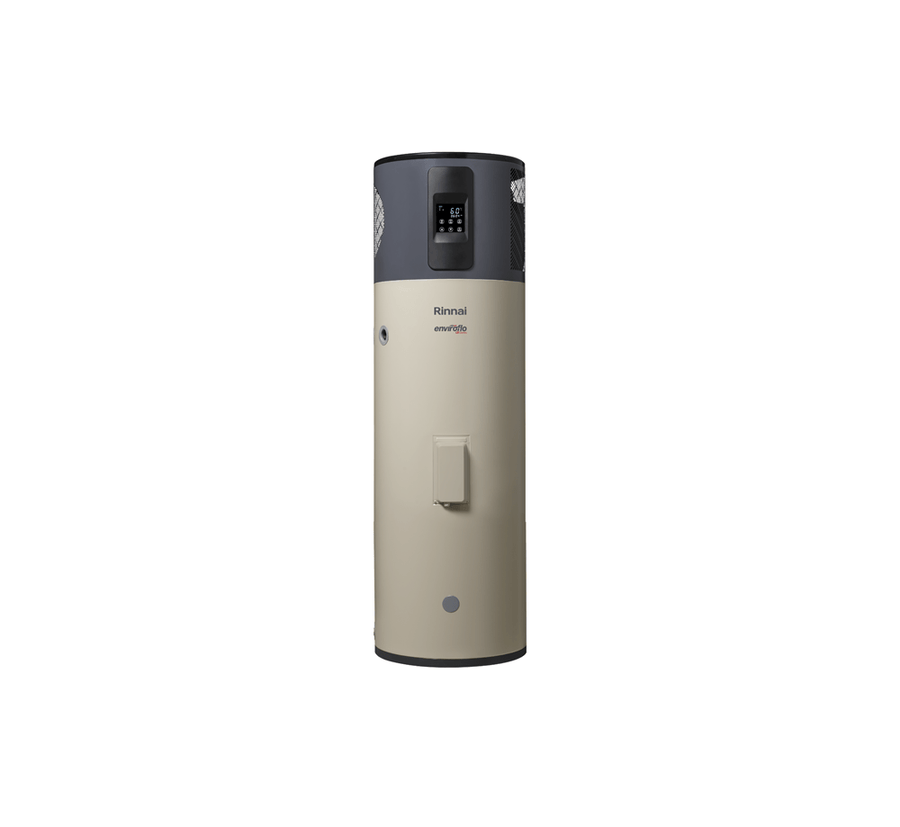
Today, homeowners can compare several heat pump hot water brands through Installed Today.
Homepage-linked heat pump and hot water brand collections include:
The best heat pump brand depends on tank size, recovery, outdoor location, warranty terms, noise placement, airflow, drainage and household demand.
Why heat pump hot water became more popular in Australia
Heat pump hot water has become more popular because many homes are looking for efficient electric alternatives to older hot water systems.
Common reasons include:
-
Replacing old electric storage tanks
-
Rising electricity cost awareness
-
More rooftop solar homes
-
Interest in moving away from gas
-
Government rebate interest
-
Better product availability
-
Improved heat pump designs
-
Larger household-sized models
-
Better timer and control options
-
More awareness of efficient electric appliances
However, a heat pump is not automatically the best choice for every property. Site suitability matters as much as product choice.
Key benefits of modern heat pump hot water
Modern heat pump hot water systems may offer several benefits where the site suits.
Potential benefits include:
-
Lower electricity use than standard electric storage in suitable conditions
-
No natural gas or LPG required
-
Stored hot water for household use
-
May pair well with rooftop solar timing
-
Useful replacement option for old electric storage
-
Can suit family homes when correctly sized
-
Modern controls and boost settings on many models
-
Stronger product range than older heat pump generations
The main appeal is efficient electric hot water, not magic savings in every home.
Limitations of heat pump hot water
Heat pump hot water is not perfect for every property.
Potential limitations include:
-
Higher upfront cost than many standard electric systems
-
Needs suitable outdoor airflow
-
Needs condensate drainage
-
Fan and compressor noise must be considered
-
Electrical setup must suit the unit
-
Recovery time depends on system size, settings and conditions
-
Some homes may need boost heating during high demand
-
Installation can be more site-specific than electric storage
-
Rebate rules and eligibility can change
A heat pump can be efficient and still be the wrong fit if installed in a poor location.
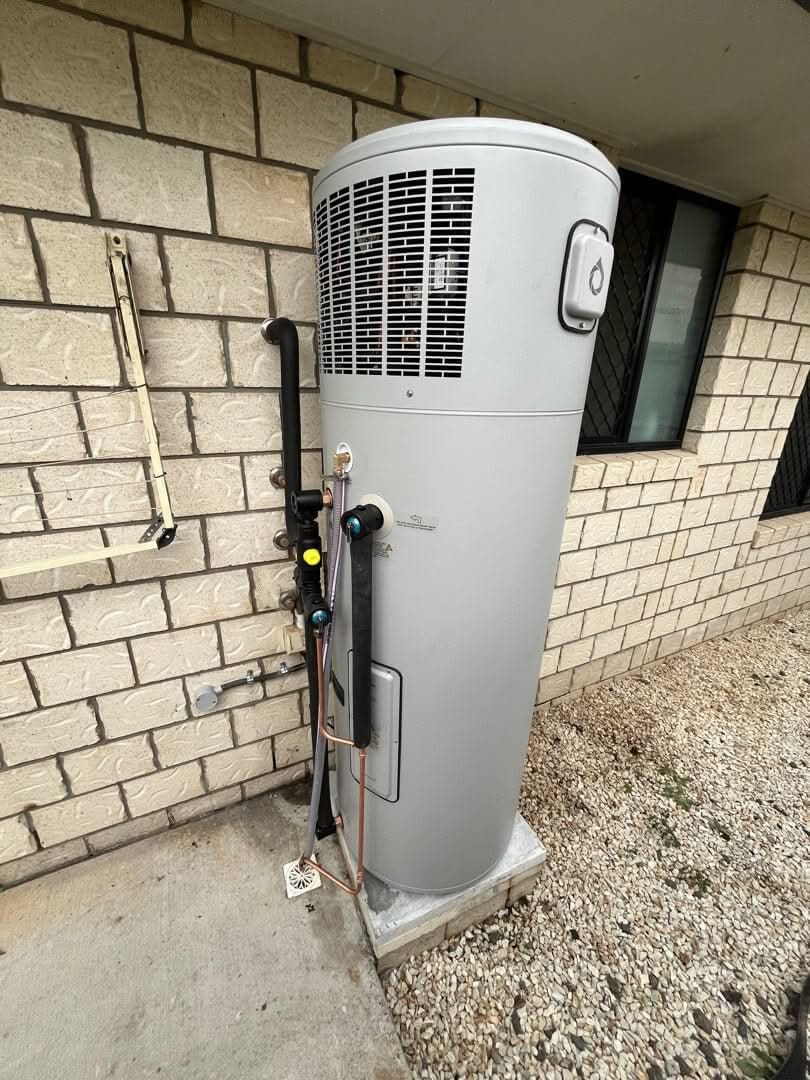
Outdoor location requirements
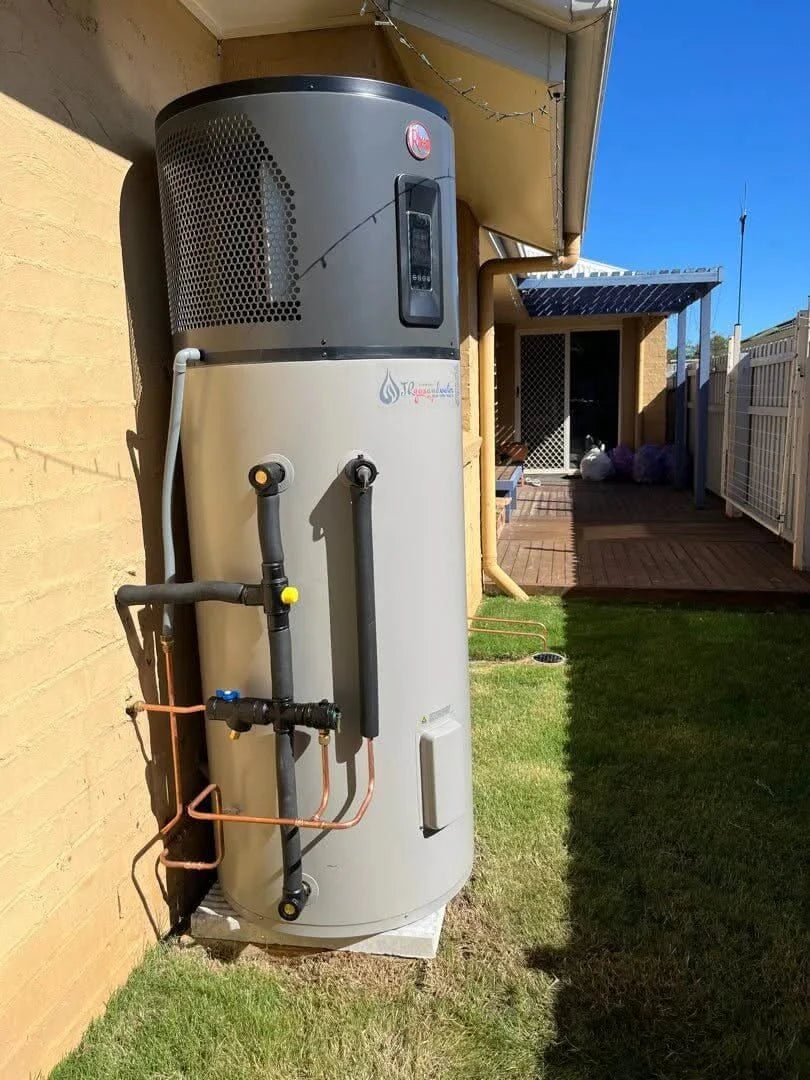
Heat pump hot water systems need suitable outdoor positioning.
Before ordering, check:
-
Airflow around the unit
-
Clearance from walls and fences
-
Drainage path
-
Service access
-
Noise position
-
Base or slab condition
-
Weather exposure
-
Pipework route
-
Electrical connection
-
Access for delivery and future replacement
A location that was fine for an old electric storage tank may not automatically suit a heat pump.
Airflow matters
Airflow is one of the most important heat pump requirements.
Poor airflow can affect:
-
Efficiency
-
Recovery time
-
Noise
-
System operation
-
Long-term reliability
Avoid placing heat pumps in:
-
Tight service cavities
-
Enclosed cupboards
-
Poorly ventilated garages
-
Under low decks
-
Small courtyards with poor airflow
-
Narrow side paths with blocked clearance
Your installer should confirm that the location suits the selected model.
Condensate drainage matters
Heat pumps create condensate during normal operation. This water needs to drain safely.
Before choosing a heat pump, check:
-
Where condensate will drain
-
Whether a drain is nearby
-
Whether extra plumbing work is needed
-
Whether water could run across paths
-
Whether the drainage location is compliant
-
Whether neighbours or outdoor areas could be affected
Condensate drainage is not optional. It should be planned before installation.
Noise placement matters
Heat pumps have fans and compressors.
Before choosing the installation location, consider:
-
Bedroom windows
-
Neighbouring homes
-
Boundary fences
-
Courtyards
-
Outdoor living areas
-
Unit complexes
-
Side access paths
-
Noise-sensitive rooms
A heat pump may be acceptable in one location and annoying in another. Placement matters.
Heat pump sizing
Heat pump hot water systems need to be sized for household demand.
Before choosing a size, consider:
-
Number of people
-
Number of bathrooms
-
Shower length
-
Bath use
-
Laundry use
-
Dishwasher use
-
Morning and evening peaks
-
Timer settings
-
Solar timing
-
Recovery time
-
Boost mode
-
Future household changes
A heat pump that is too small may struggle with peak demand. A heat pump that is too large may cost more upfront and take up more space than needed.
Rebates and incentives
Heat pump hot water systems may be eligible for rebates, certificates or incentives depending on product, location, installer, scheme rules and installation pathway.
However, rebate rules can change.
Before relying on incentives, check:
-
Current eligibility
-
Product eligibility
-
Installer requirements
-
State or territory rules
-
Documentation requirements
-
Whether the quoted price includes any incentive
-
Whether the incentive is applied upfront or claimed later
-
Whether the old system type affects eligibility
Do not choose a heat pump only because of a rebate. It still needs to suit the home.
Supply-only heat pump hot water
Supply-only ordering can suit customers who already have their own licensed installer arranged.
Supply only may suit:
-
Builders
-
Renovators
-
Landlords
-
Property managers
-
Trade customers
-
Homeowners managing their own installation
-
Customers outside supplied-and-installed service areas
Supply-only product pricing generally does not include installation, valves, old unit removal, disposal, electrical work, plumbing changes, condensate drainage, base work, access upgrades or compliance upgrades unless clearly selected or included.
Before ordering supply only, your licensed installer should confirm that the heat pump suits the property.
Supplied-and-installed heat pump hot water
Supplied-and-installed options may be available on selected products in eligible Brisbane and Gold Coast service areas where shown.
This may suit customers who want the product and installation pathway arranged together.
Before ordering supplied and installed, check:
-
Service area eligibility
-
Existing system type
-
Installation inclusions
-
Valve requirements
-
Condensate drainage
-
Electrical work
-
Old unit removal
-
Disposal
-
Pipework changes
-
Access
-
Base or slab condition
-
Compliance upgrades
-
Product suitability
Do not assume every possible site requirement is included. Check the selected product and installation options carefully.
Common mistake: thinking heat pumps are new technology
Heat pumps are not new. The principles behind them go back centuries.
What is newer is the way modern systems use better compressors, refrigerants, controls and manufacturing to make heat pump hot water more practical for everyday homes.
Common mistake: confusing heat pump hot water with air conditioning
Reverse-cycle air conditioners and heat pump hot water systems both use heat pump principles, but they do different jobs.
A reverse-cycle air conditioner heats and cools air.
A heat pump hot water system heats stored water for showers and taps.
Common mistake: assuming every heat pump suits every home
Heat pump hot water depends heavily on the installation location.
A home needs suitable outdoor space, airflow, drainage, electrical setup and noise placement.
Common mistake: expecting instant hot water
Heat pump hot water systems store hot water. They do not work like instant gas.
If the tank is depleted after heavy use, recovery time matters.
Common mistake: ignoring the electrical setup
Heat pumps are electric appliances.
Before ordering, check:
-
Existing circuit
-
Power supply
-
Switchboard capacity
-
Timer setup
-
Solar timing
-
Whether electrical work is required
-
Whether a licensed electrician is needed
Common mistake: choosing by advertised savings only
Heat pump savings depend on the home.
Running costs may be affected by:
-
Household size
-
Shower habits
-
Timer settings
-
Solar usage
-
Electricity tariff
-
Climate
-
Airflow
-
Backup element use
-
Recovery demand
-
Maintenance
Avoid assuming one savings claim applies to every household.
Common mistake: DIY heat pump installation
Heat pump hot water installation can involve plumbing, electrical safety, pressure control, drainage and compliance.
DIY installation can create:
-
Water leaks
-
Electrical risks
-
Scalding risks
-
Poor airflow
-
Drainage problems
-
Warranty issues
-
Insurance problems
-
Non-compliant work
-
Poor performance
-
Property damage
Use the right licensed professionals.
The future of heat pump technology
Heat pump technology is likely to keep improving as efficiency standards, refrigerants, controls and energy systems evolve.
Future improvements may include:
-
More efficient compressors
-
Lower-impact refrigerants
-
Better smart controls
-
Improved solar PV integration
-
Better noise management
-
More compact designs
-
Higher-temperature applications
-
Stronger industrial heat pump use
-
Better grid and energy management integration
For household hot water, the most important trend is practical electrification: using efficient electric systems where they suit the home.
Final verdict: why the history of heat pumps matters
The history of heat pumps shows that this technology is not a short-term trend. It evolved from refrigeration science, industrial heat recovery, ground source heating, air source heating, improved compressors, better controls and modern energy efficiency goals.
For homeowners, the most relevant development is heat pump hot water. It gives many households a way to replace older electric storage systems with a more efficient electric option, provided the property has suitable outdoor space, airflow, condensate drainage, electrical setup and household demand.
If you are comparing hot water options, start with Heat Pump Hot Water Systems if you want an efficient electric upgrade.
Compare Electric Hot Water Systems if you need a simpler like-for-like electric replacement.
Compare Gas Hot Water Systems and Instant Gas Hot Water Systems if your home already has suitable natural gas or LPG.
The best hot water system is not the newest technology or the oldest proven method. It is the system that matches your home, energy source, installation location, household demand and long-term cost expectations.
Long-tail FAQs
Who invented the heat pump?
Heat pump technology was not invented by one person in one step. Early refrigeration science, thermodynamic theory and industrial heat recovery all contributed. William Cullen, Lord Kelvin and Peter von Rittinger are commonly mentioned in the history of heat pump development.
When was the first practical heat pump developed?
One of the first practical industrial heat pump applications is commonly linked to Peter von Rittinger in the 1850s, where heat recovery principles were applied to industrial processing.
Are heat pumps new technology?
No. The principles behind heat pumps are old, but modern systems are far more advanced due to better compressors, refrigerants, heat exchangers, controls and manufacturing.
What is the difference between a heat pump and heat pump hot water?
A heat pump is a broad technology that moves heat. Heat pump hot water is one application of that technology, using heat from surrounding air to heat stored water for household use.
Is heat pump hot water the same as reverse-cycle air conditioning?
No. Both use heat pump principles, but reverse-cycle air conditioning heats and cools air, while heat pump hot water heats water stored in a tank.
Is heat pump hot water better than electric storage?
Heat pump hot water can use less electricity than standard electric storage in suitable conditions, but it usually costs more upfront and needs proper airflow, drainage, electrical setup and noise placement.
Is heat pump hot water better than gas hot water?
It depends on the home. Heat pump hot water may suit electric homes, rooftop solar households and customers moving away from gas. Gas hot water may suit homes already set up for natural gas or LPG.
Can heat pump hot water work with solar power?
Yes, heat pump hot water can work well with rooftop solar where timer settings and household usage suit daytime heating. The electrical setup and installer advice matter.
What brands of heat pump hot water should I compare?
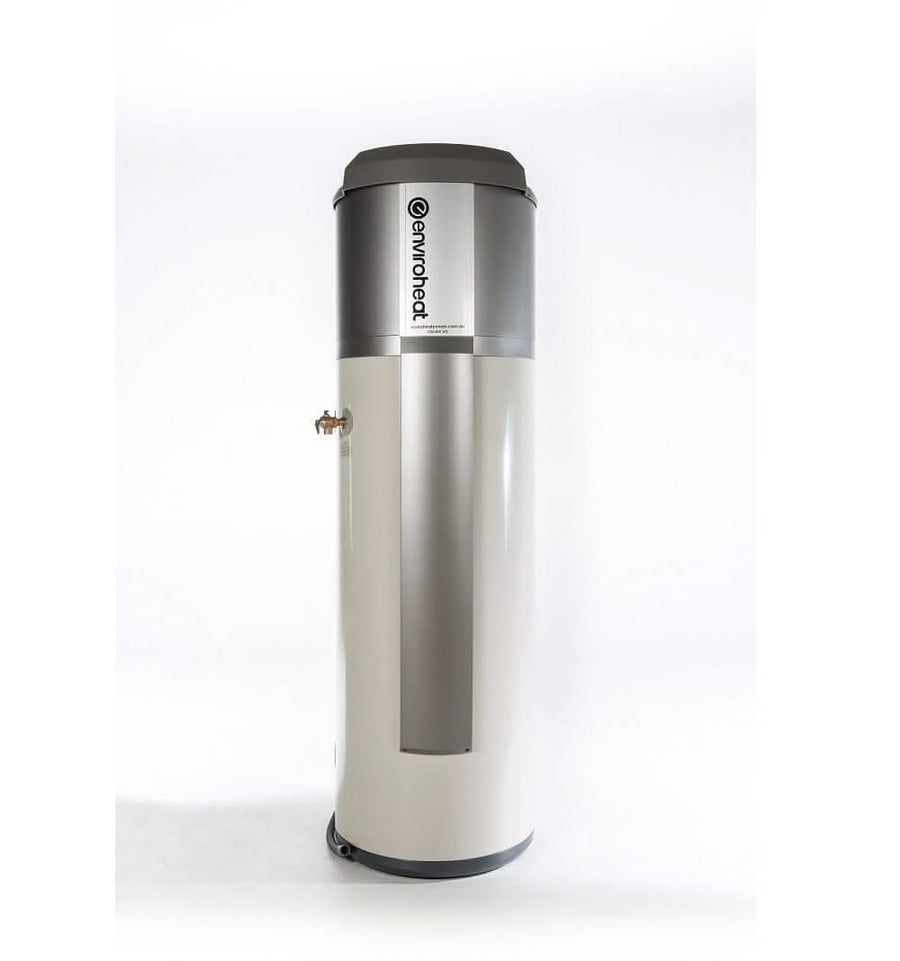
Common brands to compare include iStore, Rheem, Rinnai, Stiebel Eltron, Enviroheat and Aquatech / Hydrotherm. Choose based on tank size, installation requirements, airflow, drainage, warranty and household demand.
Can I install a heat pump hot water system myself?
No. Heat pump hot water installation should be completed by the right licensed professionals. Plumbing, electrical work, pressure control and drainage can create safety, warranty and compliance issues if done incorrectly.