
Hot Water System Installation Cost: Australian Buyer’s Guide
Hot water system installation cost can vary widely depending on the system type, existing setup, energy source, location, access, valves, electrical work, gas work, drainage, pipework changes, removal, disposal and compliance requirements.
A simple like-for-like replacement is usually much easier than changing from electric to gas, upgrading to heat pump hot water, moving the system, changing tank size, installing instant gas, adding new valves or correcting old non-compliant work.
This guide explains what affects hot water installation cost, how different system types compare, what may be included, what may cost extra, and how to reduce surprises before ordering.
You can compare Hot Water Systems, Electric Hot Water Systems, Instant Electric Systems, Gas Hot Water Systems, Instant Gas Hot Water Systems, Heat Pump Hot Water Systems and Installation Add-Ons online with Installed Today.
Quick answer: what affects hot water system installation cost?
Hot water system installation cost depends on the product and the site.
The biggest cost factors include:
-
Existing hot water system type
-
New hot water system type
-
Like-for-like replacement or system change
-
Tank size or flow rate
-
Natural gas, LPG or electricity
-
Indoor or outdoor location
-
Access to the system
-
Pipework condition
-
Valve requirements
-
Electrical work
-
Gas work
-
Drainage
-
Old unit removal
-
Disposal
-
Base or slab condition
-
Compliance upgrades
-
Service area eligibility
-
Supply-only vs supplied-and-installed option
The product price is only one part of the total cost. The existing installation often has the biggest impact on the final price.
Hot water system installation vs replacement
Installation and replacement are related, but they are not always the same thing.
A replacement usually means removing an old hot water system and installing a new one.
An installation may include:
-
New build installation
-
Renovation installation
-
First-time hot water system installation
-
Relocation
-
Change of system type
-
Changing energy source
-
Installing a larger or smaller unit
-
Adding valves, pipework or drainage
-
Upgrading electrical or gas supply
A like-for-like replacement can be relatively straightforward. A new installation or conversion can involve more work.
Like-for-like hot water replacement cost factors
A like-for-like replacement usually means replacing the existing system with a similar system in the same location.
For example:
-
Electric storage to electric storage
-
Gas storage to gas storage
-
Instant gas to instant gas
-
Heat pump to heat pump
This may reduce installation complexity where:
-
The location is still suitable
-
Existing pipework is suitable
-
Energy source is unchanged
-
Tank size or flow rate is similar
-
Valves are compliant
-
Drainage is suitable
-
Access is easy
-
Old unit removal is straightforward
-
No major upgrades are needed
Like-for-like is often simpler, but it is not always the best choice if the old system was undersized, inefficient, poorly located or no longer suitable.
Changing hot water system type
Changing system type can increase installation cost.
Examples include:
-
Electric storage to heat pump
-
Electric storage to gas
-
Gas storage to instant gas
-
Instant gas to heat pump
-
Electric storage to instant electric
-
Gas to electric
-
Old indoor system to outdoor system
-
Standard electric tank to solar or heat pump pathway
Changing system type may require:
-
New pipework
-
Electrical work
-
Gas work
-
Drainage changes
-
New base or mounting
-
Removal of old system
-
Disposal
-
Compliance upgrades
-
Installer assessment
-
Different service clearances
This can be worthwhile, but it should be planned before ordering.
Electric hot water installation cost factors
Electric Hot Water Systems are common for homes, units, townhouses and rental properties.
Installation cost may depend on:
-
Tank size
-
Indoor or outdoor location
-
Existing electrical supply
-
Circuit suitability
-
Switchboard capacity
-
Element size
-
Existing pipework
-
Valve requirements
-
Drainage
-
Access
-
Base or support condition
-
Old unit removal
-
Disposal
-
Compliance upgrades
Electric storage can be a practical like-for-like replacement where the existing setup suits and household demand has not changed.
Instant electric installation cost factors
Instant Electric Systems are usually better suited to selected applications rather than every whole-home replacement.
Installation cost may depend on:
-
Point-of-use or whole-home application
-
Flow rate required
-
Temperature rise required
-
Electrical capacity
-
Switchboard capacity
-
Circuit requirements
-
Cable size
-
Water pressure
-
Pipework
-
Access
-
Old unit removal
-
Compliance requirements
Instant electric can look simple because the unit is compact, but the electrical requirements can be significant.
Gas hot water installation cost factors
Gas Hot Water Systems may suit homes already using natural gas or LPG.
Installation cost may depend on:
-
Natural gas or LPG
-
Gas storage or instant gas
-
Existing gas supply
-
Gas pipe sizing
-
Tank size
-
Water pressure
-
Valve requirements
-
Pipework
-
Outdoor location
-
Indoor flue requirements where relevant
-
Access
-
Old unit removal
-
Disposal
-
Compliance upgrades
Natural gas and LPG are not interchangeable. The selected system must match the property gas type.
Instant gas installation cost factors
Instant Gas Hot Water Systems heat water on demand and are often chosen by homes wanting compact continuous flow hot water.
Installation cost may depend on:
-
Flow rate in L/min
-
Natural gas or LPG
-
Gas pipe sizing
-
Water pressure
-
Electrical power point availability
-
Controller wiring where selected
-
Wall mounting
-
Outdoor clearances
-
Pipework changes
-
Access
-
Old unit removal
-
Disposal
-
Compliance requirements
A 26L instant gas unit may suit some larger homes, but only where gas supply and water pressure support it.
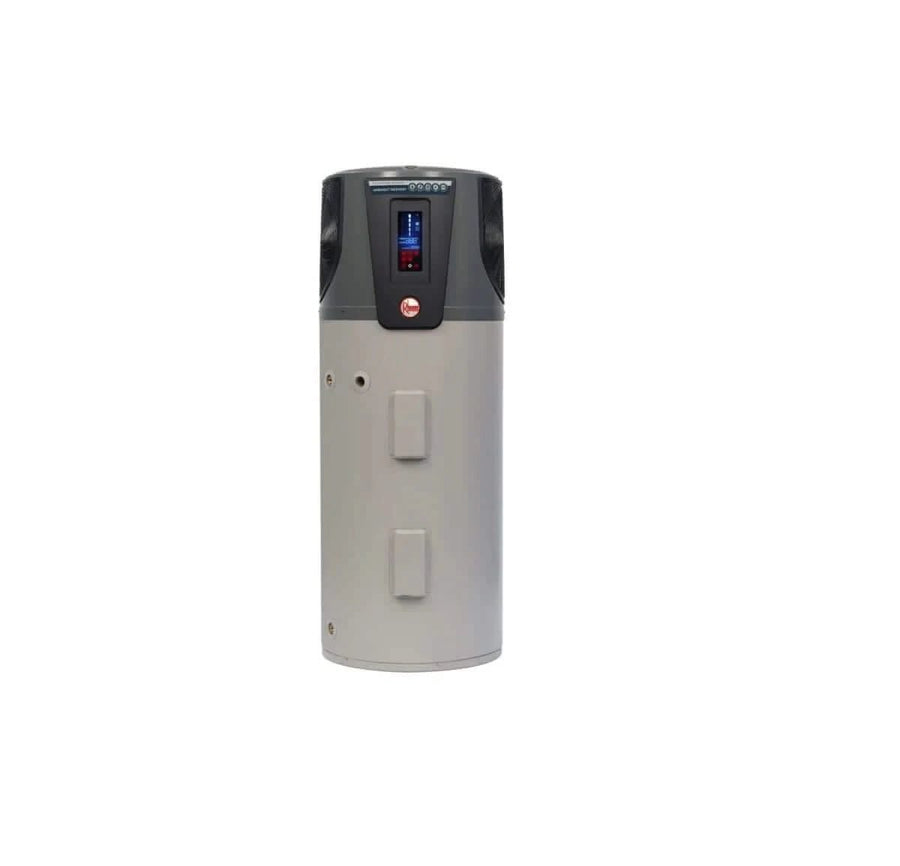
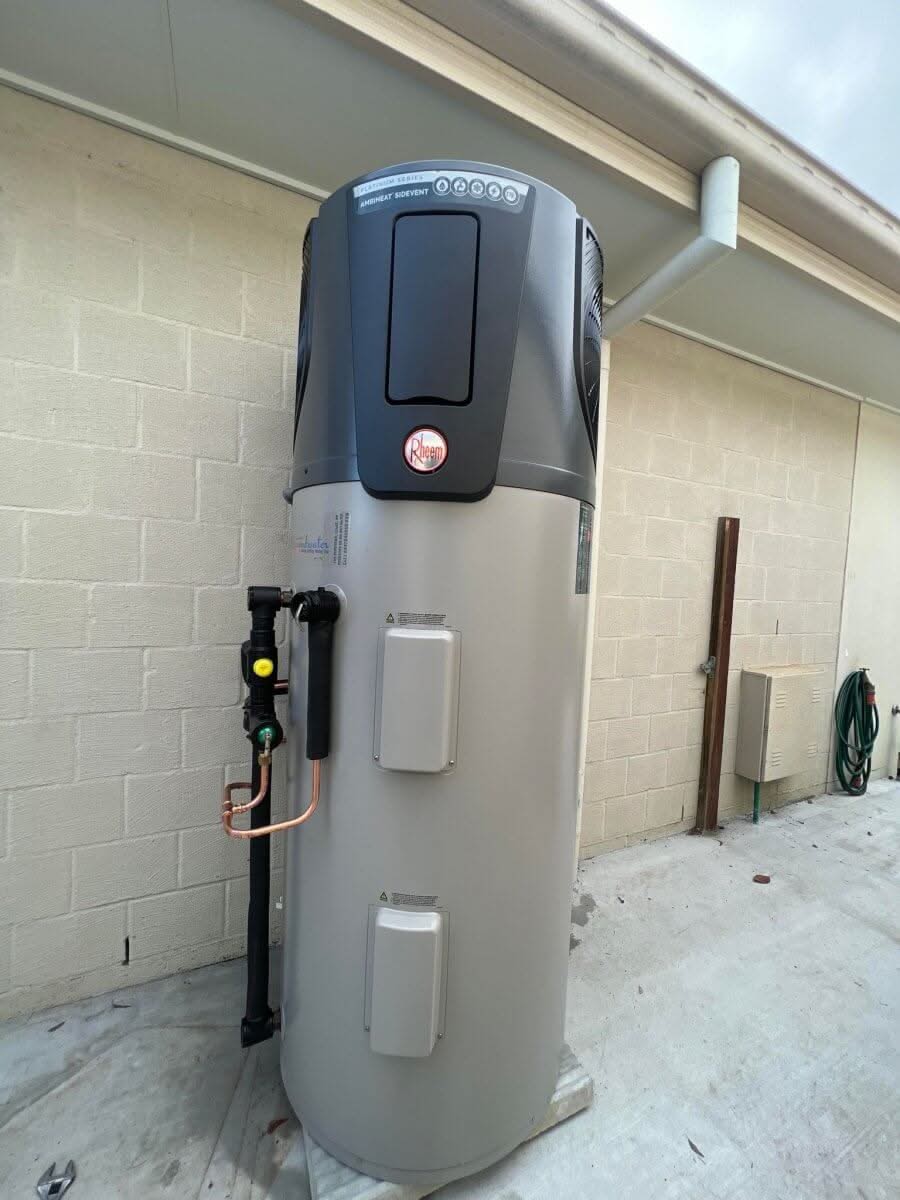
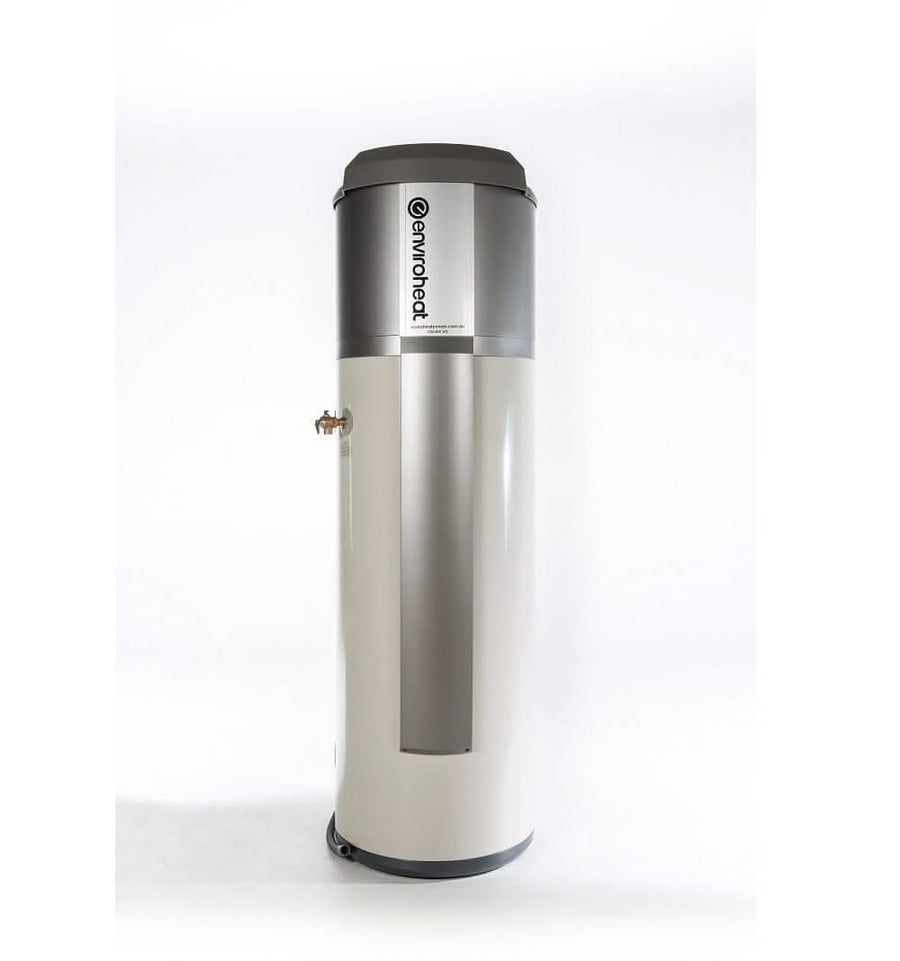
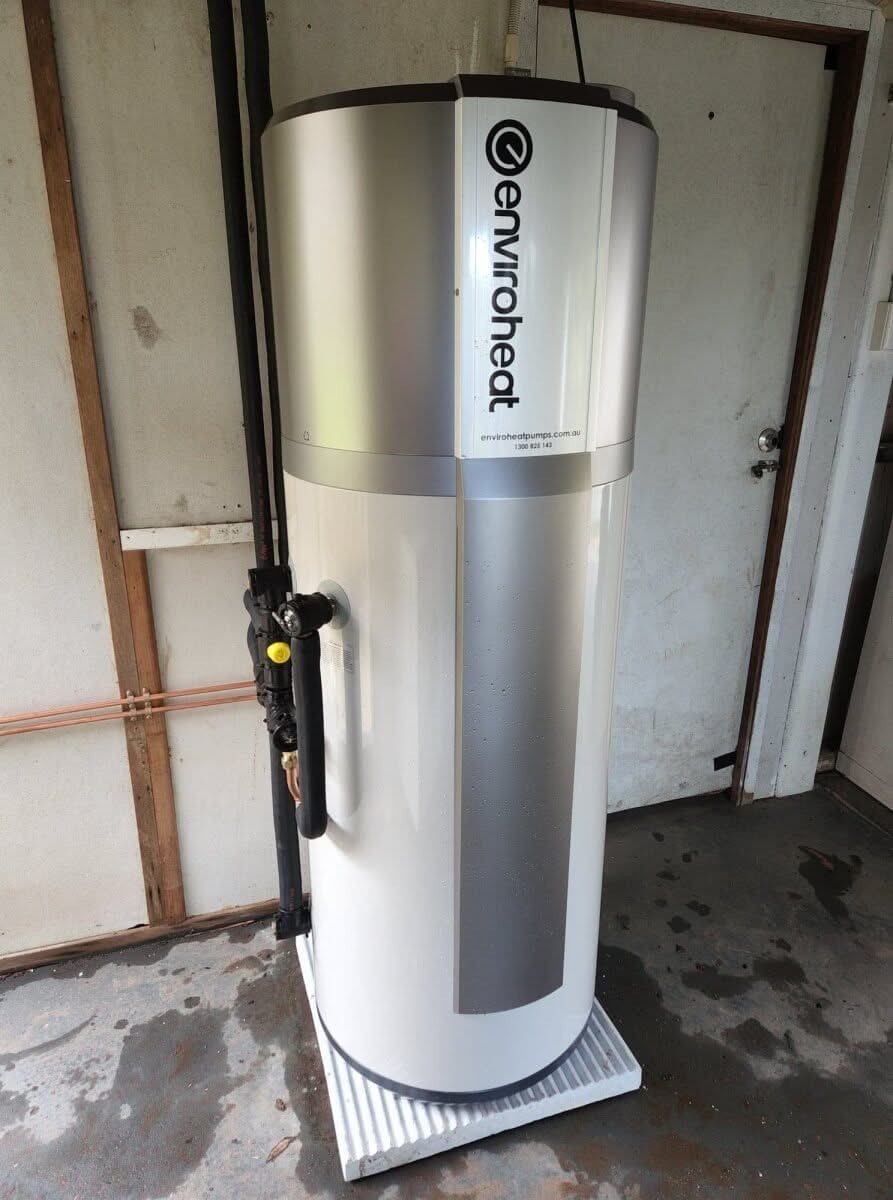
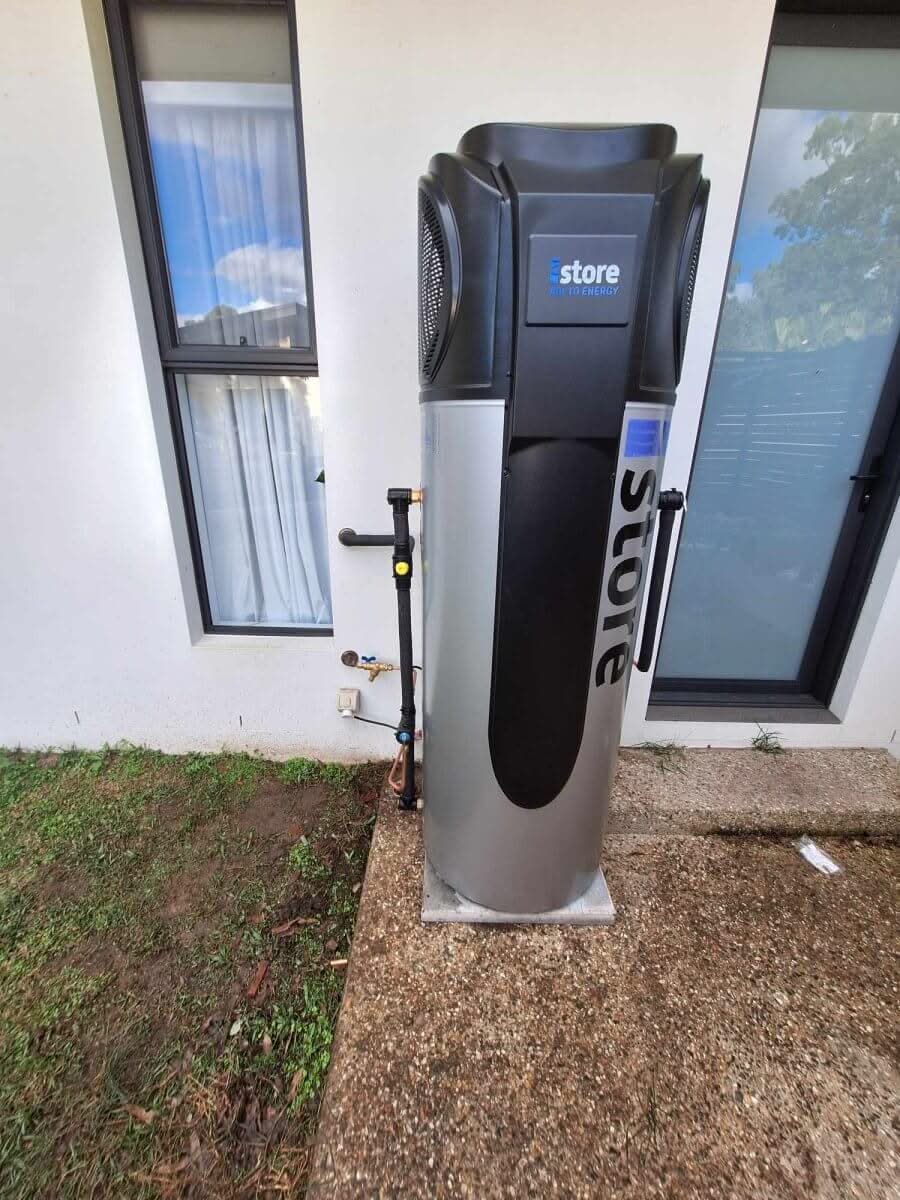
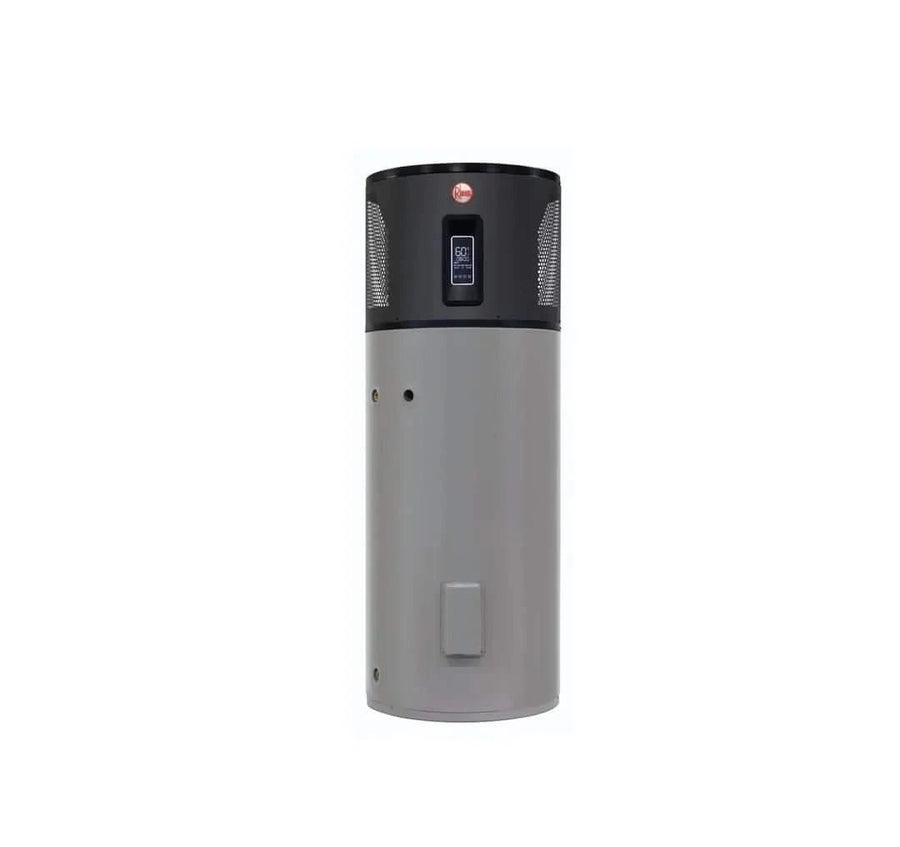
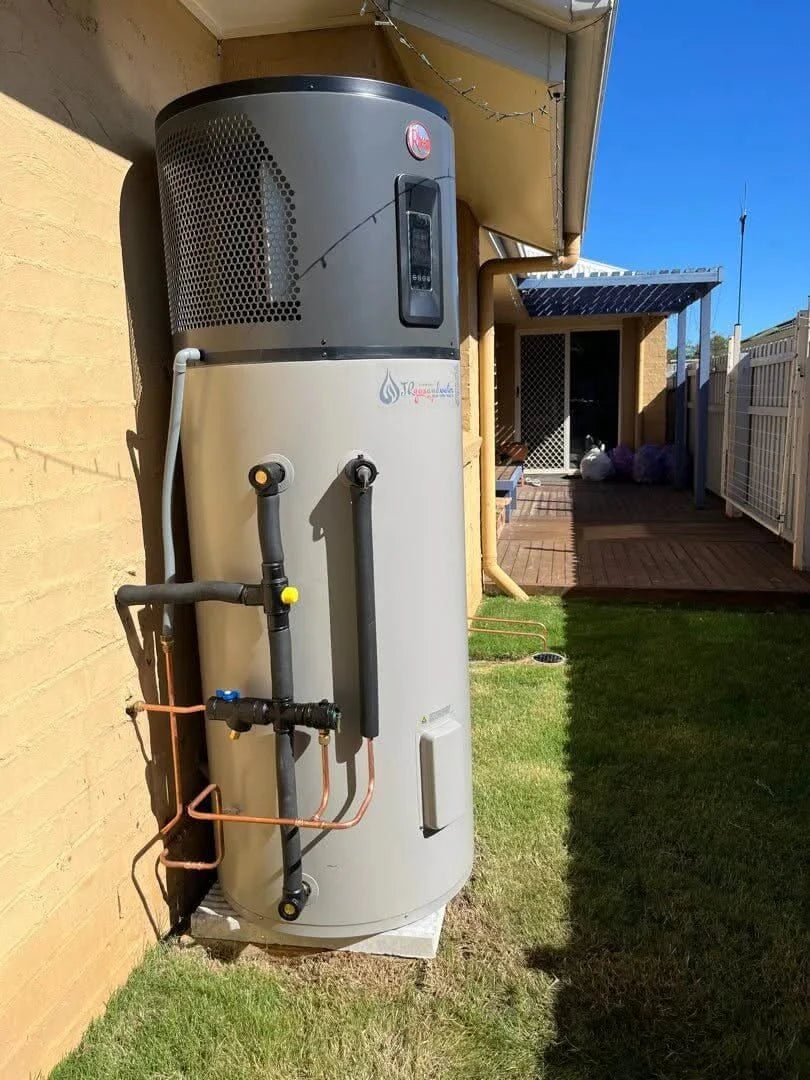
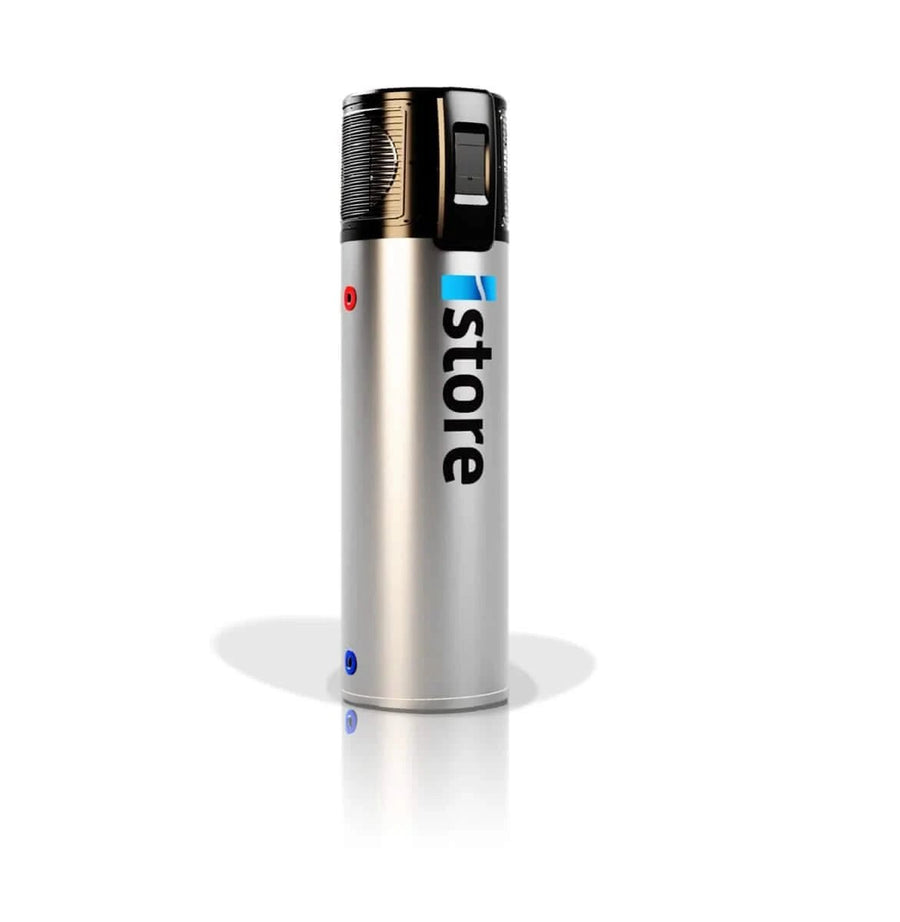
Heat pump hot water installation cost factors
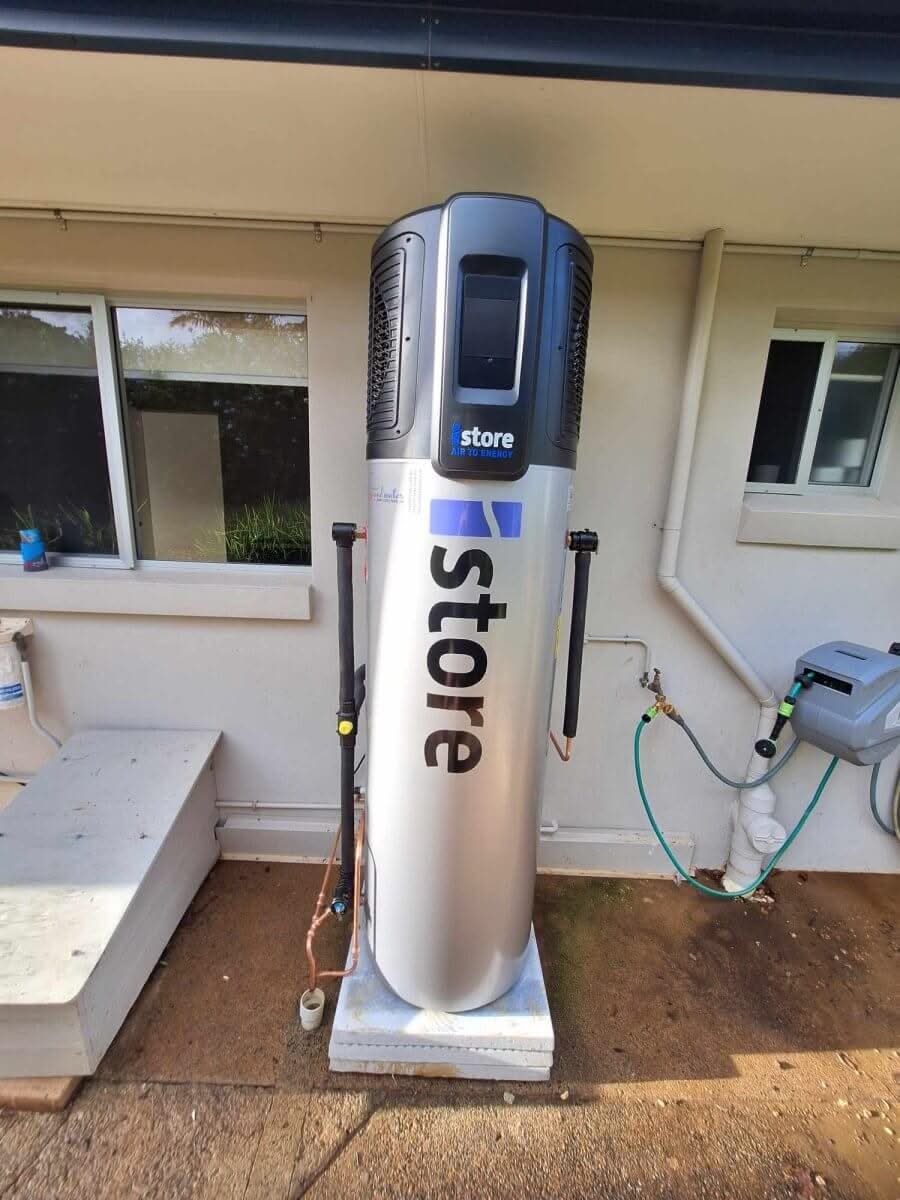
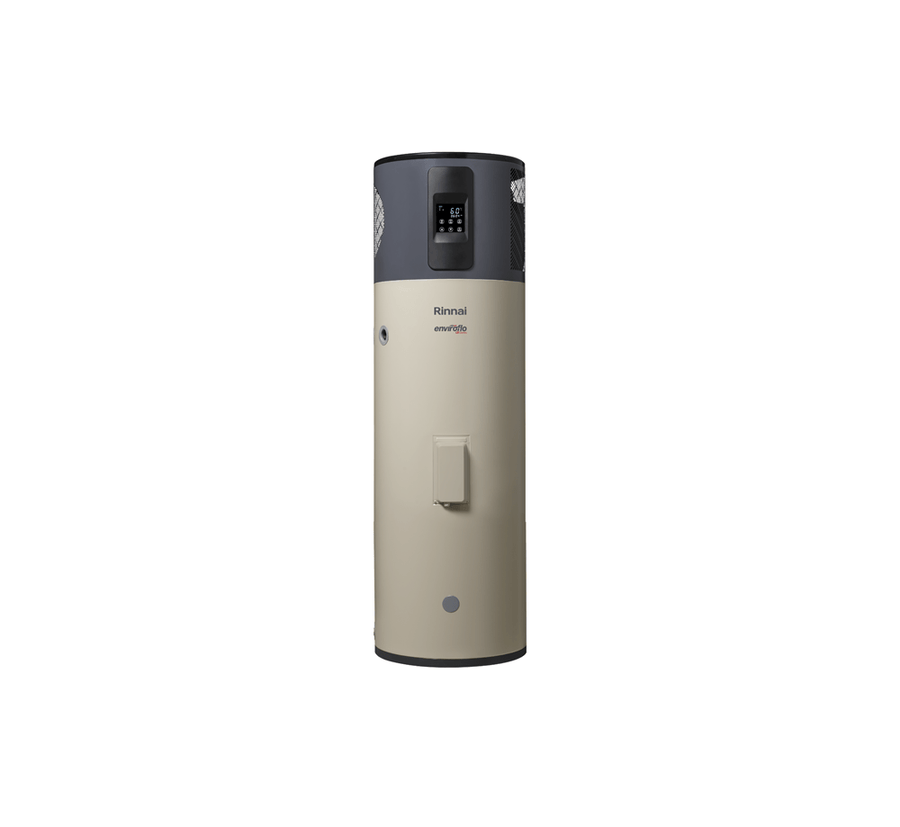
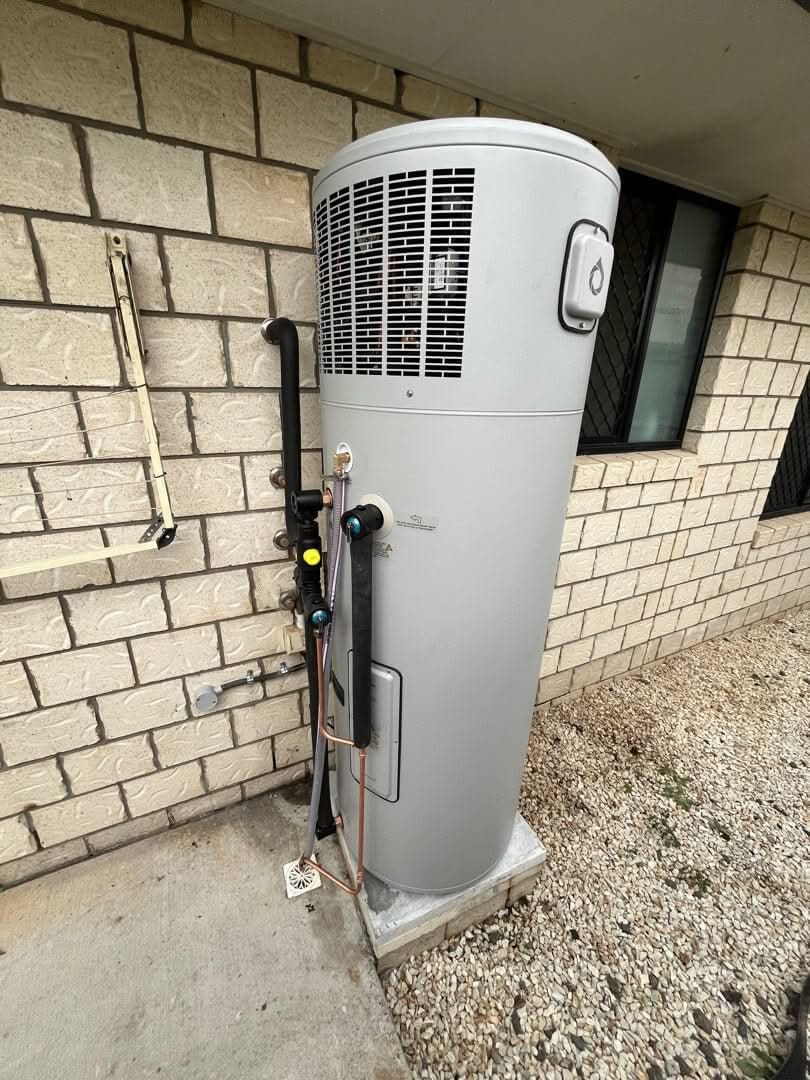
Heat Pump Hot Water Systems are commonly compared by customers replacing older electric storage systems.
Installation cost may depend on:
-
Tank size
-
Outdoor airflow
-
Condensate drainage
-
Electrical setup
-
Timer requirements
-
Noise placement
-
Base or slab condition
-
Pipework changes
-
Valve requirements
-
Old unit removal
-
Disposal
-
Access
-
Compliance upgrades
-
Rebate or certificate eligibility where applicable
Heat pump hot water can be efficient in suitable conditions, but it is more site-specific than standard electric storage.
Installation cost by system type
Different hot water systems have different installation cost risks.
| System type | Main installation cost factors |
|---|---|
| Electric storage | Tank size, electrical supply, valves, drainage, access |
| Instant electric | Electrical capacity, switchboard, circuit requirements, flow rate |
| Gas storage | Gas type, pipework, valves, tank location, access |
| Instant gas | Gas pipe sizing, flow rate, power point, water pressure, controllers |
| Heat pump | Airflow, condensate drainage, electrical setup, noise placement |
| Solar hot water | Roof suitability, collectors, booster, plumbing, access |
The cheapest product may not be the cheapest installed outcome.
Product price vs installation cost
When comparing hot water systems, separate the product cost from installation cost.
The product price may only cover the unit.
Installation-related costs may include:
-
Labour
-
Valves
-
Pipework changes
-
Electrical work
-
Gas work
-
Drainage
-
Old unit removal
-
Disposal
-
Base or slab work
-
Additional materials
-
Compliance upgrades
-
Access allowances
-
Booking and site review where applicable
Always compare the full replacement pathway, not just the product price.
What may be included in a hot water installation?
Inclusions vary by product, selected option, service area and installation pathway.
Possible inclusions may include:
-
New hot water system
-
Standard labour where an installed option is selected
-
Standard connection to existing pipework
-
Basic commissioning
-
Standard valves where included
-
Old unit removal where included
-
Disposal where included
Do not assume everything is included unless it is clearly shown in the selected product or installation option.
What may not be included?
Extra costs may include:
-
Tempering valve
-
Pressure limiting valve
-
Expansion control valve
-
Gas pipework
-
Electrical circuit work
-
Switchboard upgrades
-
New power point
-
Controller wiring
-
Pipework changes
-
Drainage work
-
Condensate drainage
-
Base or slab work
-
Wall mounting changes
-
Relocation
-
Difficult access
-
Old unit removal
-
Disposal
-
Compliance upgrades
-
Additional materials
This is why two homes installing the same hot water system can have different total costs.
Installation Add-Ons
Installation Add-Ons may be relevant where a hot water job requires extra selected work or components.
Add-ons can help account for site-specific requirements such as:
-
Valves
-
Disposal
-
Extra materials
-
Electrical work
-
Gas work
-
Pipework changes
-
Drainage requirements
-
Access issues
-
Other installation-related needs where available
Always check the specific product and selected options. Add-ons should match the actual site requirements, not be guessed.
Valve costs
Hot water installations often require valves for safety, pressure control and compliance.
Common valves may include:
-
Tempering valve
-
Temperature pressure relief valve
-
Pressure limiting valve
-
Expansion control valve where required
-
Isolation valves
-
Non-return valves where applicable
Valve requirements depend on system type, local requirements, water pressure, installation layout and existing valve condition.
Old valves may need replacement even if the unit itself is a simple swap.
Tempering valve cost factors
A tempering valve mixes hot and cold water to help deliver safer controlled-temperature water to fixtures where required.
Tempering valve cost may depend on:
-
Whether one is already installed
-
Age and condition of the existing valve
-
Accessibility
-
Pipework layout
-
Compliance requirements
-
Whether hot water temperature settings are changing
Do not assume an old tempering valve can always be reused.
Pressure control cost factors
Water pressure affects hot water performance and system safety.
Pressure-related costs may include:
-
Pressure limiting valve
-
Expansion control valve
-
Water pressure testing
-
Pipework changes
-
Diagnosing poor flow
-
Correcting pressure issues before installing the new system
High pressure can damage components. Low pressure can reduce performance, especially with instant systems.
Electrical work cost factors
Electrical work can affect hot water installation cost.
Extra electrical work may be needed for:
-
Electric storage systems
-
Instant electric systems
-
Heat pump systems
-
Instant gas systems that need power
-
Timers
-
Isolators
-
New circuits
-
Switchboard upgrades
-
Controlled-load changes
-
Solar timing setup
Electrical work should be completed by a licensed electrician where required.
Gas work cost factors
Gas work can affect installation cost for gas storage and instant gas hot water.
Extra gas work may be needed for:
-
New gas pipework
-
Gas pipe sizing upgrades
-
Natural gas or LPG setup
-
Moving the system
-
Changing from storage to instant gas
-
Installing a higher-flow instant gas unit
-
Correcting old non-compliant work
-
Disconnecting an old gas system
-
Testing and commissioning
Gas work must be completed by a licensed gas fitter.
Drainage cost factors
Drainage matters for all hot water systems.
Cost may increase if:
-
Relief valve discharge is not compliant
-
Drainage needs to be extended
-
The system is moved
-
A drip tray is required
-
The old setup drained poorly
-
Water would run across a path
-
A heat pump needs condensate drainage
-
Extra pipework is needed
Poor drainage can create nuisance water, slippery areas and compliance issues.
Condensate drainage for heat pumps
Heat pump systems create condensate during normal operation.
Condensate drainage cost may depend on:
-
Distance to a suitable drain
-
Pipework route
-
Whether water could run across walkways
-
Whether drainage is compliant
-
Whether the unit is being relocated
-
Whether the existing electric tank location suits heat pump use
Condensate should be planned before ordering a heat pump.
Old unit removal and disposal
Old unit removal and disposal may or may not be included depending on the selected option.
Cost may vary depending on:
-
System size
-
Tank weight
-
Location
-
Access
-
Stairs
-
Tight side paths
-
Whether the tank is full or difficult to drain
-
Whether the system is indoors
-
Whether disposal is included
-
Whether additional labour is needed
Always check removal and disposal before ordering.
Access cost factors
Access can have a major impact on installation cost.
Cost may increase if:
-
The unit is in a tight cupboard
-
The system is upstairs
-
The property has narrow side access
-
There are stairs
-
The tank is large or heavy
-
The old unit is difficult to remove
-
The new unit is larger than the old one
-
The installation is in a unit or townhouse
-
Parking or loading access is difficult
Photos can help identify access issues early.
Base or slab cost factors
Some hot water systems need a stable base or platform.
Cost may increase if:
-
The existing base is damaged
-
The ground is uneven
-
The tank size changes
-
A heat pump footprint is larger
-
The unit is relocated
-
Drainage affects the base
-
The system needs support or protection
A hot water tank should sit on a suitable stable base.
Indoor installation cost factors
Indoor hot water systems can involve extra checks.
Cost may depend on:
-
Cupboard access
-
Drainage
-
Drip tray requirements
-
Relief valve discharge
-
Leak protection
-
Electrical access
-
Ventilation where relevant
-
Flue requirements for gas where relevant
-
Space for servicing
-
Compliance with location requirements
An old indoor location may not automatically be suitable for a new system.
Outdoor installation cost factors
Outdoor installations may seem simpler, but they still need proper planning.
Cost may depend on:
-
Weather suitability
-
Base condition
-
Pipework protection
-
Drainage
-
Electrical isolation
-
Gas clearances where relevant
-
Access
-
Impact protection
-
Service clearance
-
Noise placement for heat pumps
Outdoor systems must still be installed safely and compliantly.
Relocation cost factors
Moving a hot water system can increase installation cost.
Relocation may require:
-
New pipework
-
New electrical supply
-
New gas pipework
-
New drainage
-
New base
-
Wall mounting changes
-
Access planning
-
Old unit removal
-
Compliance upgrades
-
Longer labour time
Relocation may be worth it during a renovation, but it should be quoted properly.
Hot water installation during renovations
A renovation is a good time to plan the hot water system properly.
Before renovating, confirm:
-
Final bathroom count
-
Number of showers
-
Bath use
-
Kitchen and laundry locations
-
Energy source
-
Tank location
-
Gas pipework
-
Electrical capacity
-
Drainage
-
Roof space if considering solar
-
Outdoor airflow if considering heat pump
-
Service access after renovation
Do not leave hot water selection until the final stage of the renovation.
Hot water installation for new builds
New builds allow more planning flexibility.
Before choosing a system, consider:
-
Household size
-
Number of bathrooms
-
Energy source
-
Roof solar plans
-
Hot water pipe routes
-
System location
-
Drainage
-
Gas availability
-
Electrical capacity
-
Future maintenance access
-
Noise placement
-
Budget
-
Long-term running costs
Choosing early can avoid costly changes later.
Hot water installation for rental properties
Rental properties need practical, reliable hot water that suits likely occupancy.
Before choosing a rental property system, check:
-
Number of bedrooms
-
Number of bathrooms
-
Likely tenant count
-
Existing system type
-
Whether tenants previously ran out of hot water
-
Maintenance access
-
Warranty terms
-
Installation location
-
Total replacement cost
-
Simplicity for tenants
A rental hot water system should be sized for likely use, not just the current tenant.
Hot water installation for Airbnb and short-stay homes
Short-stay homes can have higher peak demand than normal residential use.
Before installing a hot water system for a short-stay property, consider:
-
Maximum guest count
-
Number of bathrooms
-
Back-to-back showers
-
Bath use
-
Laundry between bookings
-
Recovery time
-
Simplicity for guests
-
Noise placement
-
Maintenance access
-
Emergency replacement planning
Undersizing can lead to poor guest experiences.
Hot water installation for units and townhouses
Units and townhouses can have extra constraints.
Before ordering, check:
-
Body corporate or strata rules
-
Existing system location
-
Indoor cupboard requirements
-
Drainage
-
Access
-
Electrical supply
-
Gas availability
-
Noise restrictions
-
Space
-
Common property rules
-
Removal access
-
Compliance requirements
Do not assume a house-style installation applies to a unit or townhouse.
Hot water installation and household size
Household size affects system choice and cost.
As a general guide:
| Household | Common hot water consideration |
|---|---|
| 1 to 2 people | Smaller electric storage, compact option or suitable low-demand setup |
| 3 to 4 people | Medium storage, heat pump or suitable gas option often compared |
| 5+ people | Larger storage, heat pump or carefully sized instant gas |
| Two bathrooms | Flow rate, recovery and tank size matter |
| High shower use | Capacity and recovery are critical |
| Short-stay homes | Size for peak guest demand |
Choose based on real hot water usage, not just bedroom count.
Hot water installation and energy source
Energy source affects cost and suitability.
Main options include:
-
Electricity
-
Natural gas
-
LPG
-
Heat pump electric
-
Solar-assisted hot water
Before choosing, check:
-
Existing energy source
-
Running cost goals
-
Product availability
-
Installation complexity
-
Long-term plans
-
Rooftop solar setup
-
Gas pipe sizing
-
Electrical capacity
-
Location suitability
Changing energy source can increase installation complexity.
Hot water installation and running costs
Installation cost is only one part of the decision.
Running costs may depend on:
-
System type
-
Energy tariff
-
Gas price
-
Electricity price
-
Rooftop solar use
-
Household demand
-
Shower habits
-
Tank size
-
Recovery rate
-
Timer settings
-
Maintenance
-
Climate for heat pumps
-
Insulation and pipework
The lowest installed cost is not always the lowest long-term cost.
Hot water installation and rebates
Some energy-efficient hot water systems may be eligible for rebates, certificates or incentives depending on product, location, installer, scheme rules and installation pathway.
However, rebate rules can change.
Before relying on a rebate, check:
-
Current eligibility
-
Product eligibility
-
Installer requirements
-
State or territory rules
-
Documentation requirements
-
Whether the price includes the incentive
-
Whether the incentive is applied upfront or claimed later
-
Whether the old system type affects eligibility
Do not choose a hot water system only because of a rebate. It still needs to suit the home.
Supply-only hot water systems
Supply-only ordering can suit customers who already have their own licensed installer arranged.
Supply only may suit:
-
Builders
-
Renovators
-
Landlords
-
Property managers
-
Trade customers
-
Homeowners managing their own installation
-
Customers outside supplied-and-installed service areas
Supply-only product pricing generally does not include installation, valves, old unit removal, disposal, electrical work, gas work, pipework changes, drainage, access upgrades or compliance upgrades unless clearly selected or included.
Before ordering supply only, your licensed installer should confirm the hot water system suits the property.
Supplied-and-installed hot water systems
Supplied-and-installed options may be available on selected products in eligible Brisbane and Gold Coast service areas where shown.
This can suit customers who want the product and installation pathway arranged together.
Before ordering supplied and installed, check:
-
Service area eligibility
-
Existing system type
-
Product suitability
-
Installation inclusions
-
Valve requirements
-
Gas work
-
Electrical work
-
Pipework changes
-
Drainage
-
Old unit removal
-
Disposal
-
Access
-
Base or slab condition
-
Compliance upgrades
Do not assume every possible site requirement is included. Check the selected product and installation options carefully.
How to reduce installation cost surprises
Before ordering, collect:
-
Photos of the existing hot water system
-
Existing model number
-
Existing tank size or flow rate
-
Energy source
-
Installation location photos
-
Pipework photos
-
Valve photos
-
Electrical supply photos where relevant
-
Gas connection photos where relevant
-
Drainage photos
-
Access photos
-
Number of people in the home
-
Number of bathrooms
-
Whether the old system ran out
-
Whether you want supply only or installed where available
Good information helps avoid ordering the wrong product or missing important installation requirements.
Common mistake: comparing only the product price
The product price is not the full installation cost.
Valves, pipework, electrical work, gas work, drainage, old unit removal, disposal and compliance upgrades can all affect the final cost.
Common mistake: replacing the same size after running out
If the old system regularly ran out of hot water, replacing it with the same size may repeat the problem.
Reassess household demand before ordering.
Common mistake: changing system type without checking the site
Changing from electric to gas, gas to heat pump, storage to instant, or electric storage to instant electric can involve major site requirements.
Check the full pathway before ordering.
Common mistake: ignoring natural gas vs LPG
Natural gas and LPG are different.
Gas hot water systems must match the property’s gas type and be installed by a licensed gas fitter.
Common mistake: ignoring electrical capacity
Electric storage, heat pump and instant electric systems all need suitable electrical supply.
Instant electric and heat pump upgrades should be checked carefully.
Common mistake: ignoring gas pipe sizing
Instant gas and some gas upgrades require suitable gas pipe sizing.
A larger gas unit may not perform properly if the property cannot supply enough gas.
Common mistake: ignoring water pressure
Water pressure affects hot water performance, especially with instant gas and instant electric systems.
Pressure issues should be diagnosed before choosing the replacement.
Common mistake: ignoring drainage
Hot water systems need safe discharge and drainage.
Heat pumps also need condensate drainage.
Poor drainage can create nuisance water, slippery surfaces and compliance issues.
Common mistake: assuming installation is included
Installation is not included with supply-only products unless selected separately or clearly shown as part of the chosen option.
Check the product and checkout options carefully.
Common mistake: DIY hot water installation
Hot water installation can involve plumbing, electrical work, gas fitting, pressure control, drainage, scalding safety and compliance.
DIY installation can create:
-
Water leaks
-
Electrical risks
-
Gas leaks
-
Carbon monoxide risk
-
Fire risk
-
Scalding risks
-
Poor performance
-
Warranty issues
-
Insurance problems
-
Non-compliant work
-
Property damage
Use the right licensed professionals.
Final verdict: how much should you budget for hot water system installation?
Hot water system installation cost depends on the system type, energy source, size, location, access, valves, pipework, electrical work, gas work, drainage, old unit removal, disposal and compliance requirements.
A like-for-like replacement is usually simpler where the old setup is still suitable.
Changing system type, moving the unit, increasing capacity, upgrading to heat pump, installing instant gas or choosing instant electric can add extra requirements.
Start by comparing Hot Water Systems, Electric Hot Water Systems, Instant Electric Systems, Gas Hot Water Systems, Instant Gas Hot Water Systems, Heat Pump Hot Water Systems and Installation Add-Ons.
The best hot water system is not always the cheapest product or the biggest unit. It is the option that matches your household demand, energy source, installation location, budget, access and long-term running cost goals.
Long-tail FAQs
How much does hot water system installation cost?
Hot water system installation cost depends on system type, size, location, access, valves, pipework, electrical work, gas work, drainage, removal, disposal and compliance requirements.
Is hot water installation included in the product price?
Not always. Supply-only product pricing generally does not include installation, valves, disposal, electrical work, gas work, pipework changes, drainage work or compliance upgrades unless clearly selected or included.
What is the cheapest hot water system to install?
The cheapest installation is usually a straightforward like-for-like replacement where the existing location, pipework, valves, drainage and energy source are suitable.
What makes hot water installation more expensive?
Common cost adders include changing system type, moving the unit, replacing valves, upgrading electrical or gas supply, fixing drainage, difficult access, old unit removal, disposal and compliance upgrades.
Is electric hot water cheaper to install than gas?
It depends on the existing setup. Electric storage can be straightforward where electrical supply already suits. Gas can be practical where suitable natural gas or LPG supply is already available.
Is heat pump hot water more expensive to install?
Heat pump hot water can involve more site-specific checks than standard electric storage, including airflow, condensate drainage, electrical setup and noise placement.
Can I replace electric hot water with gas?
Yes, where the property has suitable natural gas or LPG supply. Gas pipework, licensed gas fitting, power requirements and compliance must be checked.
Can I replace electric storage with a heat pump?
Yes, where the home has suitable outdoor airflow, condensate drainage, electrical setup, access and noise placement.
Are hot water rebates available?
Some energy-efficient hot water systems may be eligible for rebates, certificates or incentives depending on product, location, installer and scheme rules. Check current eligibility before relying on any rebate.
Can I install a hot water system myself?
No. Hot water installation should be completed by licensed professionals. Plumbing, electrical work, gas fitting, pressure control and compliance requirements can create safety and warranty issues if handled incorrectly.