
Hot Water System Running Costs: Electric vs Gas vs Heat Pump vs Instant
Hot water can be one of the bigger ongoing energy uses in a home, so running cost matters when choosing a replacement system. The cheapest hot water system to buy is not always the cheapest to run, and the most efficient system on paper is not always the best fit for every property.
The running cost of a hot water system depends on the system type, energy source, household size, shower habits, electricity tariff, gas price, rooftop solar setup, tank size, recovery rate, timer settings, installation location and maintenance.
This guide compares electric storage, instant electric, gas storage, instant gas and heat pump hot water running costs so you can choose a system that suits the home, not just the product price.
You can compare Hot Water Systems, Electric Hot Water Systems, Instant Electric Systems, Gas Hot Water Systems, Instant Gas Hot Water Systems, Heat Pump Hot Water Systems and Installation Add-Ons online with Installed Today.
Quick answer: which hot water system is cheapest to run?
The cheapest hot water system to run depends on your home, energy prices and usage pattern.
As a general guide:
| System type | Running cost potential | Best suited to |
|---|---|---|
| Heat pump hot water | Often low in suitable conditions | Homes replacing electric storage with good airflow and drainage |
| Instant gas hot water | Can be efficient where gas supply suits | Homes already using natural gas or LPG |
| Gas storage hot water | Can suit existing gas storage homes | Households wanting stored gas hot water |
| Electric storage hot water | Often higher running cost, but simple | Homes needing straightforward electric replacement |
| Instant electric hot water | Depends heavily on application | Point-of-use or low-demand applications |
| Solar hot water | Can be low in suitable homes | Properties with suitable roof space and setup |
For many homes replacing standard electric storage, heat pump hot water is often worth comparing.
For homes already set up for natural gas or LPG, instant gas may be worth comparing.
For customers wanting the simplest replacement, electric storage may still be practical even if running costs are not the lowest.
What affects hot water running costs?
Hot water running costs are affected by more than the system type.
Important factors include:
-
Number of people in the home
-
Number of bathrooms
-
Shower length
-
Shower head flow rate
-
Bath use
-
Laundry use
-
Dishwasher use
-
Electricity tariff
-
Gas tariff
-
Controlled-load or off-peak setup
-
Rooftop solar timing
-
Tank size
-
System age
-
Recovery rate
-
Boost heating use
-
Water temperature setting
-
Pipe length
-
Heat loss
-
Maintenance
-
Climate for heat pumps
-
Installation location
Two homes with the same hot water system can have different running costs because usage and tariffs are different.
Product price vs running cost
The cheapest system upfront may not be the cheapest over time.
A hot water decision usually includes:
-
Product price
-
Installation cost
-
Valves
-
Electrical work
-
Gas work
-
Pipework changes
-
Drainage
-
Old unit removal
-
Disposal
-
Maintenance
-
Energy use
-
Future repairs
-
Warranty terms
A lower product price may suit some households, especially for a simple replacement. But if the system costs more to run every year, a more efficient option may be worth comparing.
Electric storage hot water running costs
Electric Hot Water Systems are common in Australian homes, units, townhouses and rental properties.
Electric storage systems heat water in a tank using an electric element.
Running cost may be affected by:
-
Tank size
-
Element size
-
Number of people
-
Shower habits
-
Off-peak or controlled-load tariff
-
Timer setup
-
Heat loss from stored water
-
Pipe length
-
Thermostat setting
-
System age
-
Maintenance
-
Whether the system is oversized or undersized
Electric storage can be simple and reliable, but it is often compared against heat pump hot water when households want a more efficient electric upgrade.
When electric storage can still make sense
Electric storage may still be a good option where:
-
The home already has electric storage
-
Budget is focused on lower upfront product cost
-
The replacement needs to be straightforward
-
The property has limited outdoor space
-
Heat pump airflow is unsuitable
-
Condensate drainage is difficult
-
Noise placement is a concern
-
The home is a unit or townhouse
-
The customer wants a familiar storage system
-
A licensed installer confirms the setup suits
Electric storage is not always the lowest running cost option, but it can be the most practical replacement in some homes.
Heat pump hot water running costs
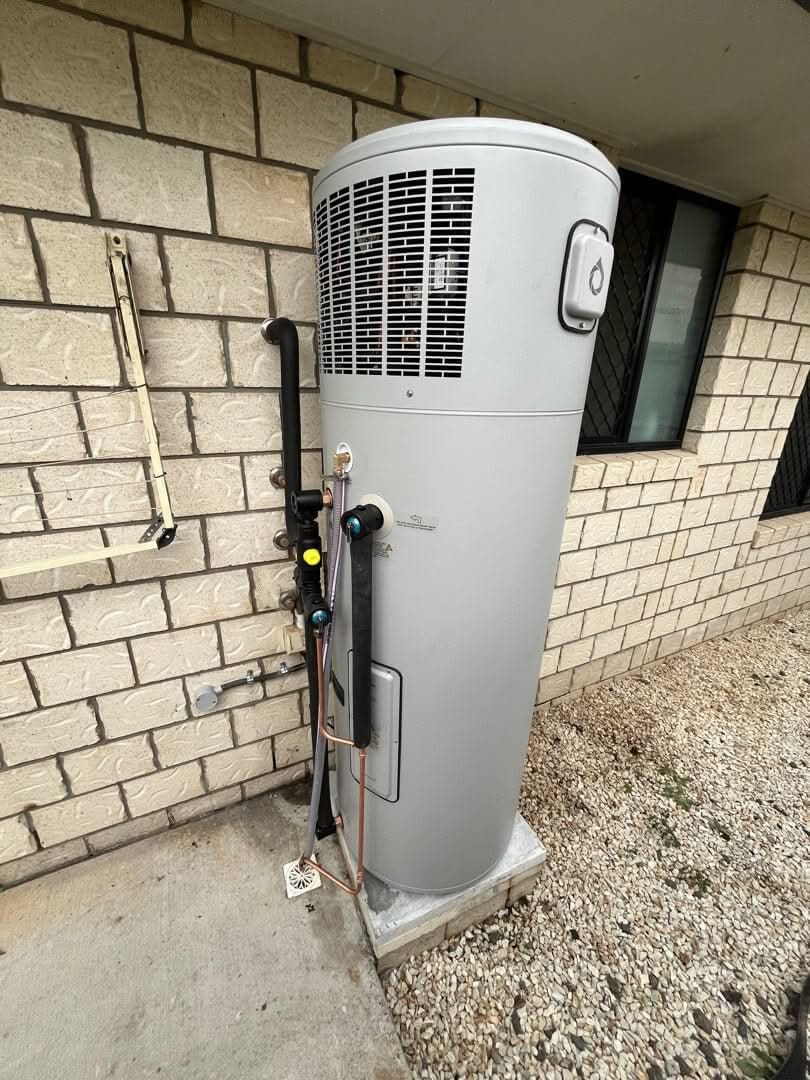
Heat Pump Hot Water Systems use electricity to transfer heat from surrounding air into stored water.
Because they move heat rather than relying only on an electric element, heat pumps can use less electricity than standard electric storage in suitable conditions.
Running cost may be affected by:
-
Outdoor air temperature
-
Airflow around the unit
-
Condensate drainage
-
Tank size
-
Timer settings
-
Rooftop solar setup
-
Boost heating use
-
Household demand
-
Recovery rate
-
Maintenance
-
Installation quality
-
Noise placement
-
System age
A heat pump can be efficient, but it still needs to suit the site.
When heat pump hot water can make sense
Heat pump hot water may suit:
-
Homes replacing old electric storage
-
Homes with suitable outdoor airflow
-
Properties with safe condensate drainage
-
Rooftop solar households
-
Customers wanting efficient electric hot water
-
Families needing stored hot water
-
Homes without gas
-
Customers moving away from gas
-
Supply-only customers with their own licensed installer arranged
Heat pump hot water is often worth comparing when long-term running cost matters, but it should not be chosen if the location is tight, enclosed, poorly drained or noise-sensitive.
Instant gas hot water running costs
Instant Gas Hot Water Systems heat water only when a hot tap or shower is used.
They do not keep a storage tank heated all day.
Running cost may be affected by:
-
Natural gas or LPG price
-
Flow rate
-
Number of showers
-
Shower length
-
Gas pipe sizing
-
Water pressure
-
Temperature setting
-
Controller use
-
Pipe length
-
Household demand
-
Maintenance
-
System age
Instant gas can be a strong option where the home already has suitable gas supply and the unit is correctly sized.
When instant gas can make sense
Instant gas may suit:
-
Homes already using natural gas or LPG
-
Customers replacing an existing instant gas unit
-
Homes wanting compact wall-mounted hot water
-
Properties with suitable gas pipe sizing
-
Homes with suitable water pressure
-
Customers wanting continuous flow gas hot water
-
Larger homes where flow rate is matched correctly
Natural gas and LPG are not interchangeable. The selected instant gas system must match the property’s gas type.
Gas storage hot water running costs
Gas Hot Water Systems include gas storage systems that heat and store water in a tank.
Running cost may be affected by:
-
Tank size
-
Natural gas or LPG price
-
Burner efficiency
-
Standing heat loss
-
Household demand
-
Recovery rate
-
Pipe length
-
Temperature setting
-
System age
-
Maintenance
-
Whether the tank is oversized or undersized
Gas storage can suit homes already using gas storage, especially where the existing system worked well and the household still wants stored gas hot water.
When gas storage can make sense
Gas storage may suit:
-
Homes already using gas storage
-
Customers wanting stored hot water
-
Properties with suitable natural gas or LPG supply
-
Families with regular hot water use
-
Homes where instant gas is not practical
-
Like-for-like gas storage replacements
-
Customers who prefer familiar tank-style hot water
Before replacing gas storage, confirm gas type, tank size, pipework, valves and household demand.
Instant electric hot water running costs
Instant Electric Systems heat water as it flows through the unit.
Running cost depends heavily on the application.
Instant electric may be practical for:
-
Hand basins
-
Small sinks
-
Point-of-use hot water
-
Low-demand areas
-
Compact spaces
-
Remote fixtures
-
Small kitchenettes
-
Selected applications with suitable electrical supply
It may not be the best whole-home option unless electrical supply, flow rate and temperature rise are carefully assessed.
When instant electric can make sense
Instant electric may suit:
-
Point-of-use applications
-
Smaller fixtures
-
Low hot water demand
-
Homes or areas without gas
-
Compact spaces
-
Renovations where a remote fixture needs hot water
-
Granny flats or sheds where demand is low and electrical supply suits
Instant electric can be compact, but electrical requirements can be significant. Always confirm electrical capacity before ordering.
Electric vs heat pump running costs
Electric storage and heat pump hot water are both electric options, but they work differently.
| Feature | Electric storage | Heat pump hot water |
|---|---|---|
| Heating method | Direct electric element | Transfers heat from air |
| Running cost potential | Usually higher | Often lower in suitable conditions |
| Upfront product cost | Often lower | Usually higher |
| Installation complexity | Often simpler | More site-specific |
| Outdoor airflow | Usually less critical | Very important |
| Condensate drainage | Standard discharge drainage | Required |
| Noise | Generally quiet | Fan and compressor noise |
| Best suited to | Simple replacement | Efficient electric upgrade |
If you are replacing electric storage and want lower electricity use, heat pump hot water is worth comparing.
If the site does not suit a heat pump, electric storage may still be the more practical option.
Gas vs heat pump running costs
Gas and heat pump hot water suit different homes.
Gas may suit:
-
Homes already connected to natural gas or LPG
-
Customers replacing existing gas hot water
-
Properties with suitable gas pipe sizing
-
Homes wanting instant gas continuous flow
-
Sites where heat pump airflow or drainage is difficult
Heat pump may suit:
-
Homes replacing electric storage
-
Homes with rooftop solar
-
Homes without gas
-
Customers wanting efficient electric hot water
-
Properties with suitable outdoor airflow and drainage
-
Customers moving away from gas
The better choice depends on existing energy source, installation cost, running cost goals and site suitability.
Instant gas vs gas storage running costs
Instant gas and gas storage both use gas, but running costs can differ because they heat water differently.
| Feature | Instant gas | Gas storage |
|---|---|---|
| Heating style | On demand | Stored in a tank |
| Standing heat loss | No storage tank heat loss | Tank heat loss can occur |
| Space | Compact wall-mounted unit | Tank space required |
| Gas pipe sizing | Often critical | Important |
| Water pressure | Very important | Important |
| Best suited to | Continuous flow gas hot water | Stored gas hot water replacement |
Instant gas may have better running cost potential in some homes, but gas pipe sizing, water pressure and installation requirements must suit.
Instant electric vs instant gas running costs
Instant electric and instant gas both heat water on demand, but they use different energy sources.
Instant electric may suit:
-
Small point-of-use applications
-
Homes without gas
-
Low-demand fixtures
-
Compact spaces with suitable electrical supply
Instant gas may suit:
-
Homes already using natural gas or LPG
-
Whole-home continuous flow hot water
-
Higher hot water demand where gas supply supports it
-
Properties with suitable water pressure
For whole-home use, instant gas is often more commonly compared than instant electric, but only where gas supply is suitable.
Heat pump vs solar hot water running costs
Heat pump and solar hot water are both compared by customers wanting lower-energy hot water options.
Heat pump hot water may suit:
-
Homes with rooftop solar PV
-
Homes without suitable roof space for solar thermal collectors
-
Properties with outdoor airflow
-
Customers wanting an efficient electric upgrade
-
Homes replacing electric storage
Solar hot water may suit:
-
Homes with suitable roof space
-
Strong sun exposure
-
Minimal shading
-
Customers wanting solar thermal water heating
-
Properties where roof collectors and booster setup are practical
Solar hot water can involve different installation and maintenance requirements. Heat pump hot water needs airflow, drainage and noise placement.
Running costs and rooftop solar
Rooftop solar can affect hot water running costs where the system is set up to heat during solar generation hours.
This may apply to:
-
Heat pump hot water
-
Electric storage hot water
-
Some timer-controlled setups
Solar timing depends on:
-
Solar system size
-
Electricity tariff
-
Controlled-load arrangement
-
Timer setup
-
Household usage pattern
-
Tank size
-
Recovery rate
-
Electrical configuration
-
Installer advice
Do not assume a hot water system automatically uses solar power efficiently. Setup matters.
Running costs and off-peak electricity
Some electric storage systems use off-peak or controlled-load electricity.
This can affect running cost and reheating times.
Before choosing an electric system, check:
-
Whether the home has controlled load
-
When the system reheats
-
Whether the tank is large enough
-
Whether boost heating is available
-
Whether hot water runs out before the next heating period
-
Whether a timer is used
-
Whether a heat pump would suit better
Off-peak setups can work well, but sizing matters.
Running costs and household size
Household size affects hot water use.
As a general guide:
| Household | Running cost consideration |
|---|---|
| 1 to 2 people | Smaller systems may be enough, but usage habits still matter |
| 3 to 4 people | Medium storage, heat pump or suitable gas option often compared |
| 5+ people | Larger tanks, recovery rate and flow rate become more important |
| Two bathrooms | Simultaneous shower use affects system choice |
| Homes with baths | Stored capacity and recovery matter |
| Short-stay homes | Size for peak guest use, not average use |
A larger household usually uses more hot water, but shower habits can matter more than headcount alone.
Running costs and shower habits
Showers are one of the biggest hot water uses in many homes.
Running costs can increase with:
-
Long showers
-
High-flow shower heads
-
Back-to-back showers
-
Multiple showers running at once
-
Teenagers or large families
-
Guest use
-
Short-stay accommodation
-
Baths
-
Hot laundry use
Before choosing a system, think about real usage, not ideal usage.
Running costs and tank size
Tank size affects both comfort and running cost.
An undersized tank may:
-
Run out of hot water
-
Use boost heating more often
-
Struggle with back-to-back showers
-
Create poor user experience
An oversized tank may:
-
Cost more upfront
-
Take up more space
-
Store more hot water than needed
-
Increase standing heat losses in some systems
Choose a tank size based on real household demand.
Running costs and system age
Older hot water systems may cost more to run if they are inefficient, poorly insulated, scaled, poorly maintained or no longer operating as designed.
Signs an older system may be costing more include:
-
Running out more often
-
Longer reheating time
-
Unusual noises
-
Rust or corrosion
-
Frequent repairs
-
Higher energy bills without another explanation
-
Inconsistent hot water
-
Error codes
-
Poor recovery
If the system is old and unreliable, replacement may be worth comparing.
Running costs and maintenance
Maintenance can affect efficiency and reliability.
Maintenance may include:
-
Relief valve checks
-
Tempering valve checks
-
Anode inspection or replacement where applicable
-
Burner inspection for gas systems
-
Heat exchanger checks for instant gas
-
Airflow checks for heat pumps
-
Condensate drain checks for heat pumps
-
Electrical checks where required
-
Leak inspections
-
General system inspection
A neglected system may cost more to run and fail earlier.
Running costs and water temperature
Water temperature settings can affect running cost and safety.
Too high can waste energy and increase scalding risk.
Too low can create safety and performance issues depending on the system and storage requirements.
Temperature settings should follow manufacturer instructions and relevant plumbing requirements. Do not make unsafe adjustments yourself.
Running costs and pipe length
Pipe length affects how long hot water takes to reach the tap.
Long pipe runs can waste water and heat, especially where the hot water system is far from bathrooms or kitchens.
This can affect:
-
Wait time
-
Water waste
-
Heat loss
-
User experience
-
Perceived system performance
During renovations, plan hot water location carefully.
Running costs and insulation
Heat loss from pipework and storage tanks can affect performance.
Efficiency may be improved by:
-
Choosing the right system size
-
Locating the system sensibly
-
Avoiding unnecessarily long pipe runs
-
Maintaining valves and controls
-
Using appropriate pipe insulation where suitable and compliant
-
Replacing very old systems where practical
Licensed professionals should handle plumbing or electrical changes.
Running costs for rental properties
Rental properties need reliable hot water sized for likely occupancy.
For rentals, running cost considerations include:
-
Number of bedrooms
-
Number of bathrooms
-
Likely tenant count
-
Tenant shower habits
-
System simplicity
-
Maintenance access
-
Warranty terms
-
Replacement cost
-
Energy source
-
Whether tenants previously ran out of hot water
A system that is cheap to buy but undersized can create tenant issues.
Running costs for Airbnb and short-stay homes
Short-stay homes can have higher peak demand than normal owner-occupied homes.
Running cost and sizing considerations include:
-
Maximum guest count
-
Number of showers
-
Back-to-back use
-
Bath use
-
Laundry between bookings
-
Guest expectations
-
Recovery rate
-
System simplicity
-
Maintenance access
-
Noise placement
Size for peak guest use, not average owner use.
Running costs for units and townhouses
Units and townhouses can have extra constraints.
Running cost and system choice may be affected by:
-
Indoor cupboard location
-
Limited outdoor space
-
Body corporate or strata rules
-
Electrical supply
-
Gas availability
-
Drainage
-
Noise restrictions
-
Access
-
Existing system type
Electric storage may be common, but heat pump, gas or instant options depend on site suitability.
Running costs and brand choice
Brand can affect product features, warranty terms, capacity options and availability, but running cost depends on more than brand name.
Installed Today’s homepage-linked hot water brands include:
Compare by system type, capacity, flow rate, energy source, installation requirements and household use.
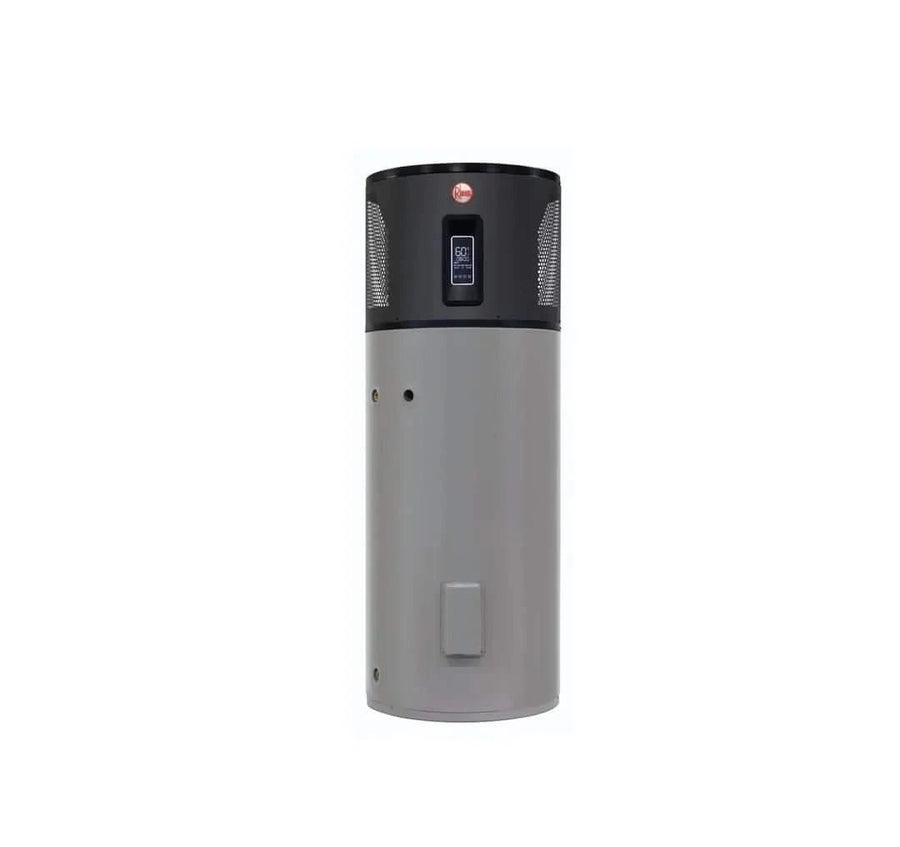
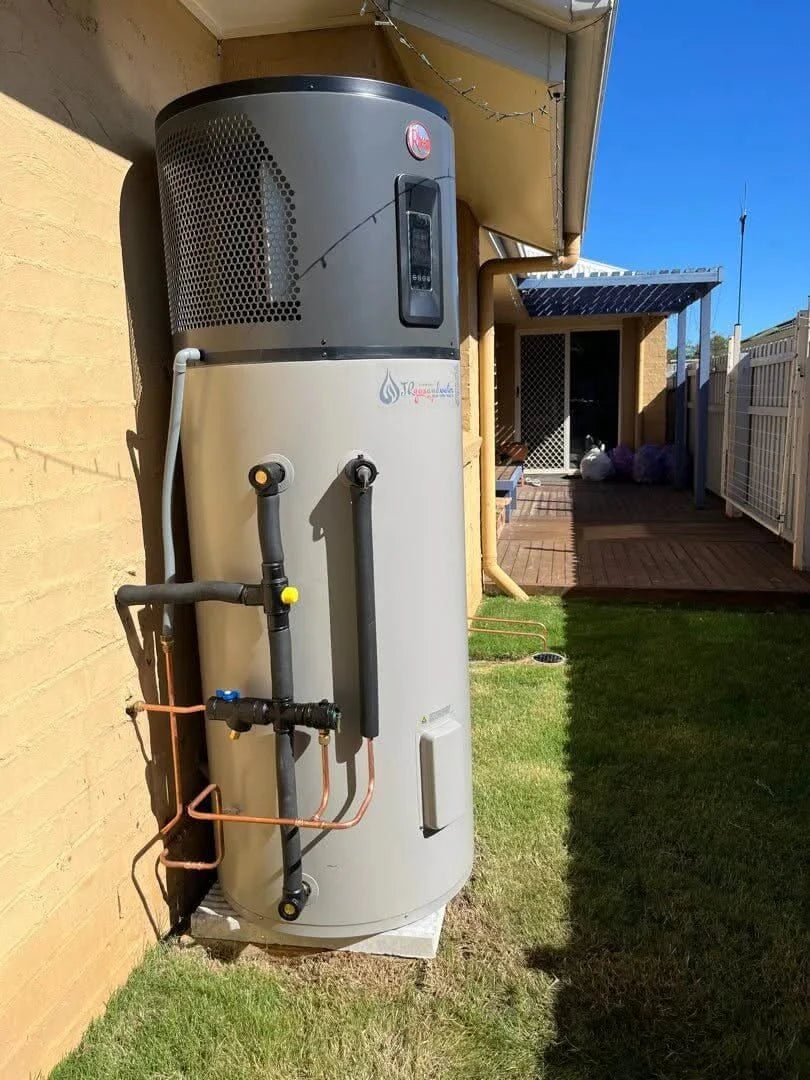
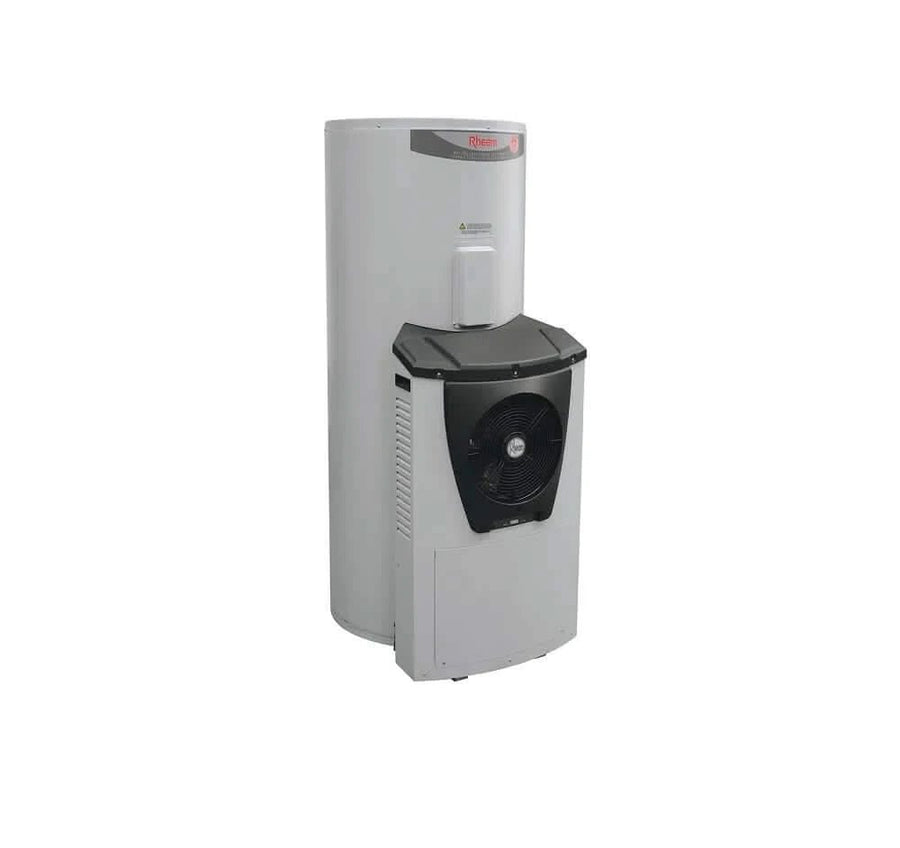
Rheem running cost considerations
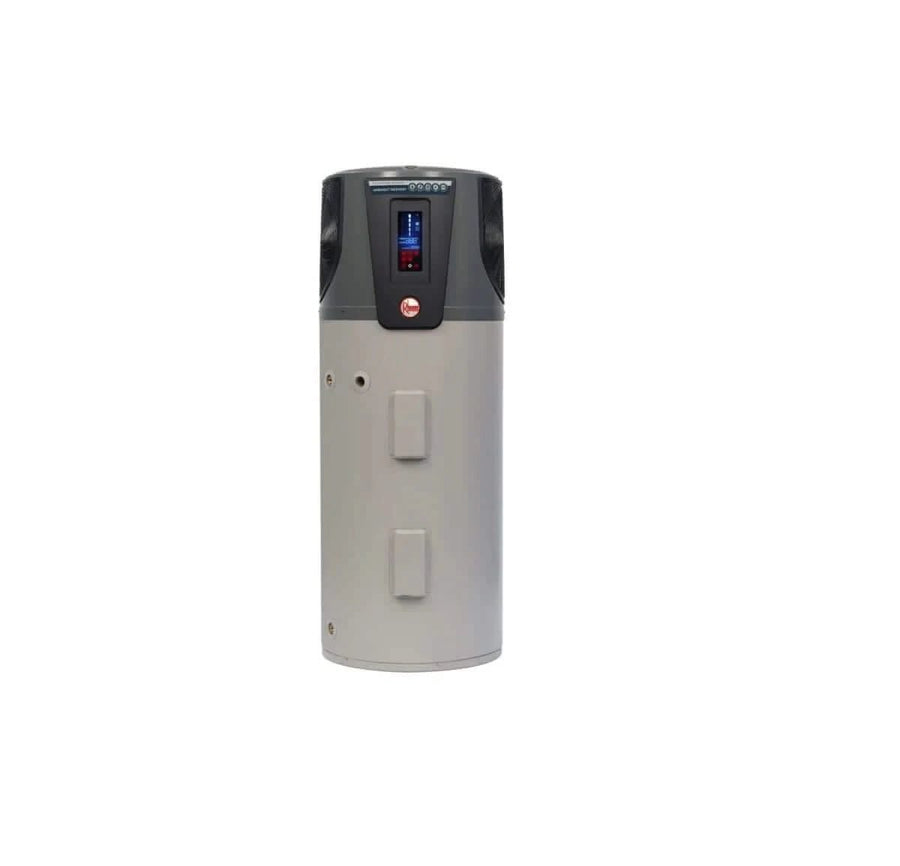
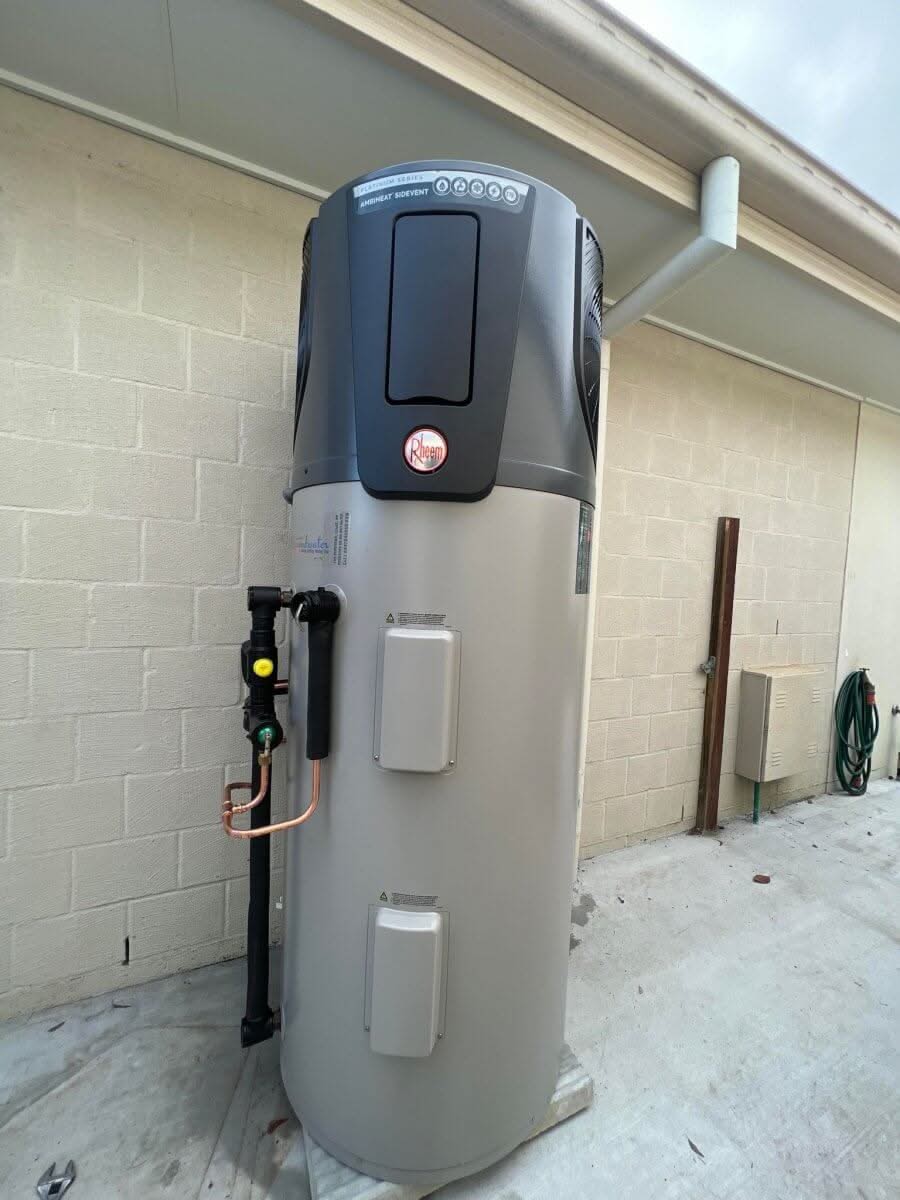
Rheem Hot Water Systems are commonly compared across electric, gas and heat pump hot water.
Running cost depends on:
-
System type
-
Tank size or flow rate
-
Electric, gas or heat pump model
-
Household demand
-
Tariff or gas price
-
Installation location
-
Maintenance
-
Usage habits
Choose the Rheem system type that suits the home, not just the brand name.
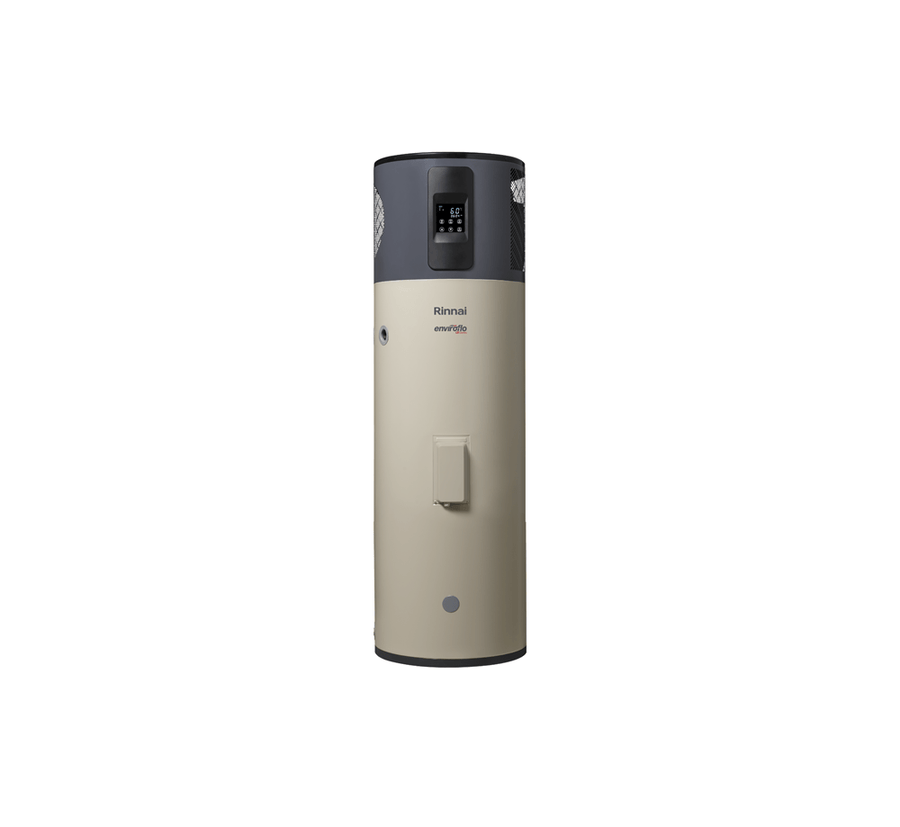
Rinnai running cost considerations
Rinnai Hot Water Systems are commonly compared across instant gas, electric and heat pump options.
Running cost depends on:
-
Whether the system is gas, electric or heat pump
-
Flow rate or tank size
-
Gas pipe sizing
-
Water pressure
-
Household use
-
Controllers
-
Tariff or gas price
-
Maintenance
Rinnai instant gas may suit homes already set up for natural gas or LPG where continuous flow hot water is preferred.
Dux running cost considerations
Dux Hot Water Systems are commonly compared for electric storage, gas and broader hot water replacement.
Running cost depends on:
-
Tank size
-
System type
-
Household demand
-
Tariff or gas price
-
Installation location
-
Maintenance
-
Whether the system is correctly sized
Dux may suit customers wanting a mainstream hot water brand across multiple categories.
Vulcan running cost considerations
Vulcan Hot Water Systems may suit customers comparing value-focused hot water replacement options.
Running cost depends on:
-
Product type
-
Storage capacity
-
Energy source
-
Usage pattern
-
Maintenance
-
Tariff or gas cost
-
Correct sizing
A lower upfront product cost should still be weighed against long-term running cost.
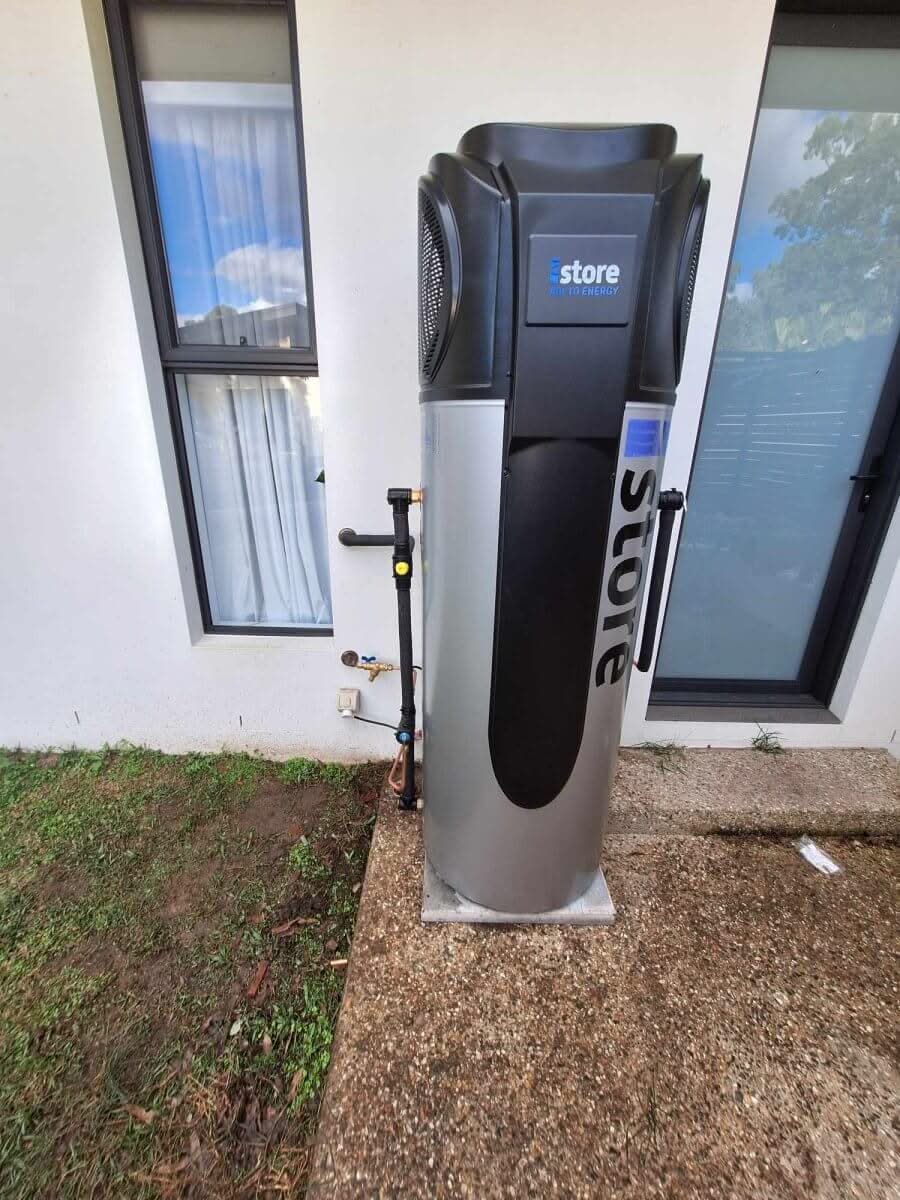
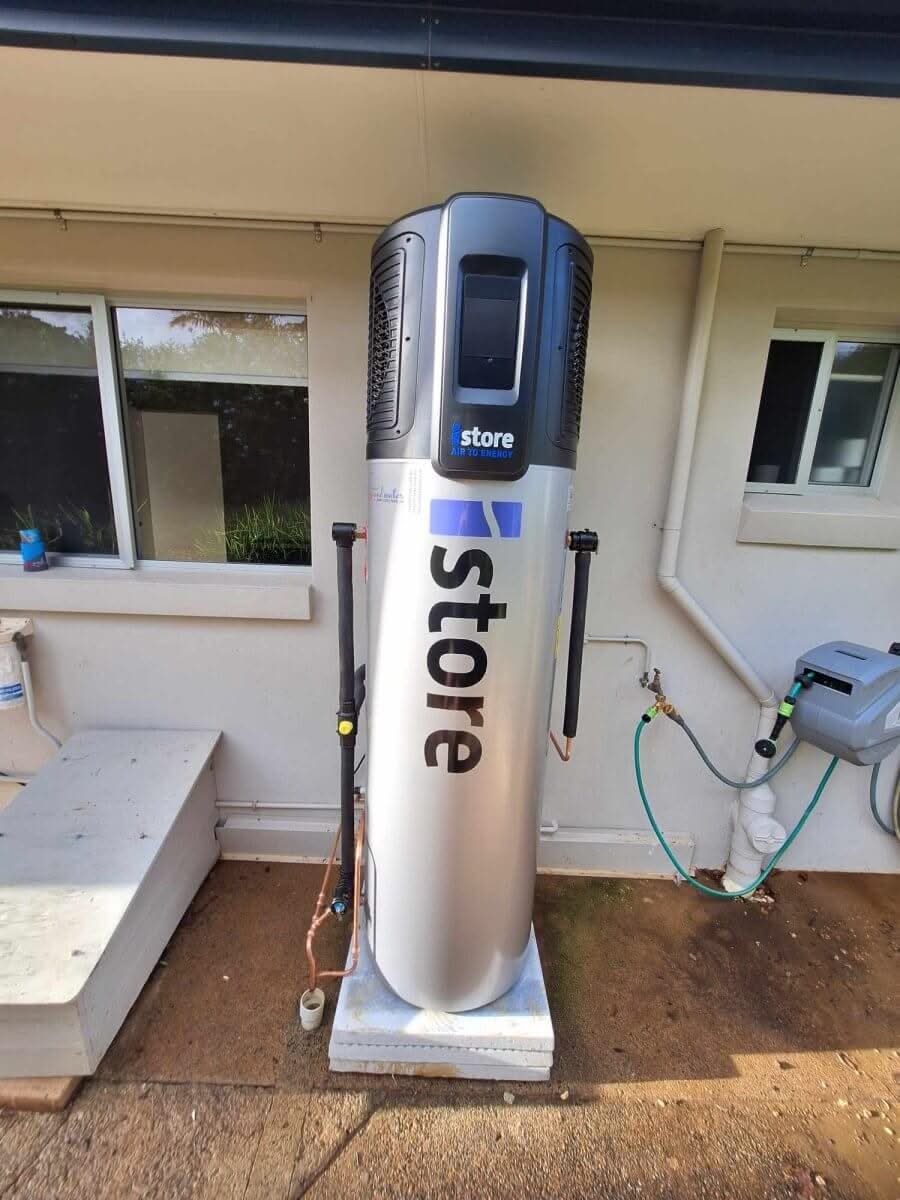
iStore running cost considerations
iStore Hot Water Systems are commonly compared by customers wanting heat pump hot water.
Running cost depends on:
-
Tank size
-
Airflow
-
Timer setup
-
Rooftop solar timing
-
Household demand
-
Boost heating use
-
Installation location
-
Maintenance
iStore may suit homes replacing electric storage where heat pump site requirements are met.
Enviroheat running cost considerations
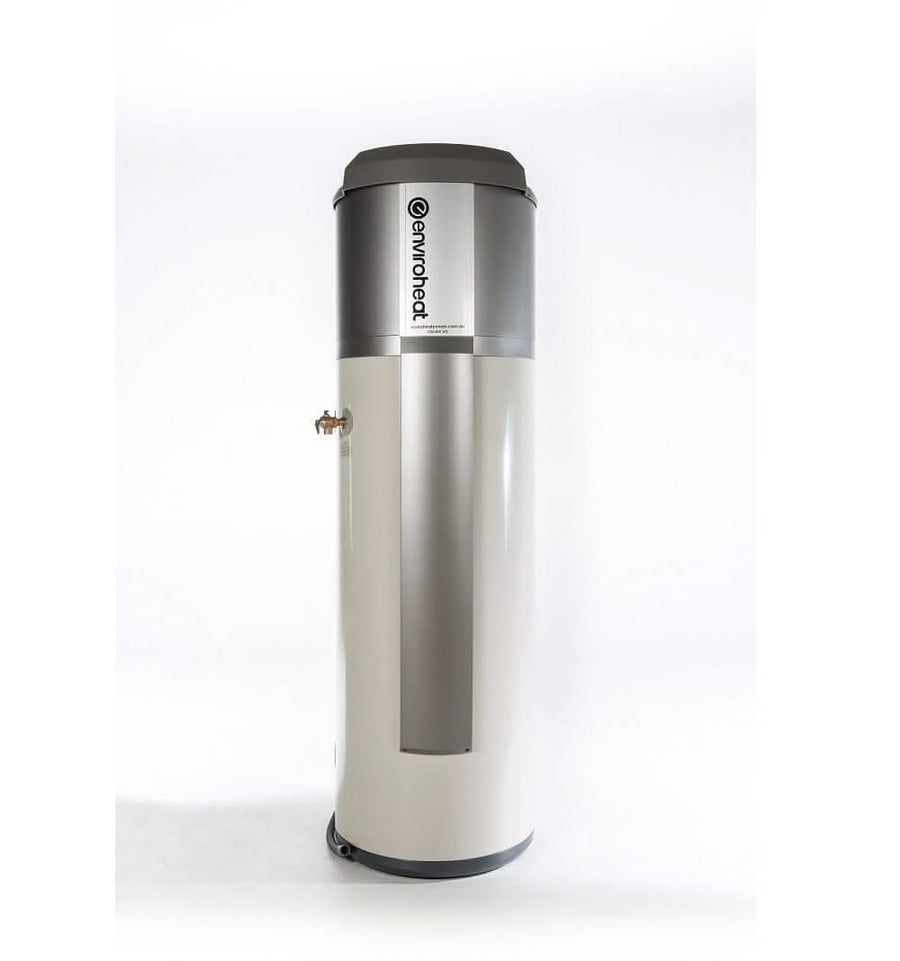
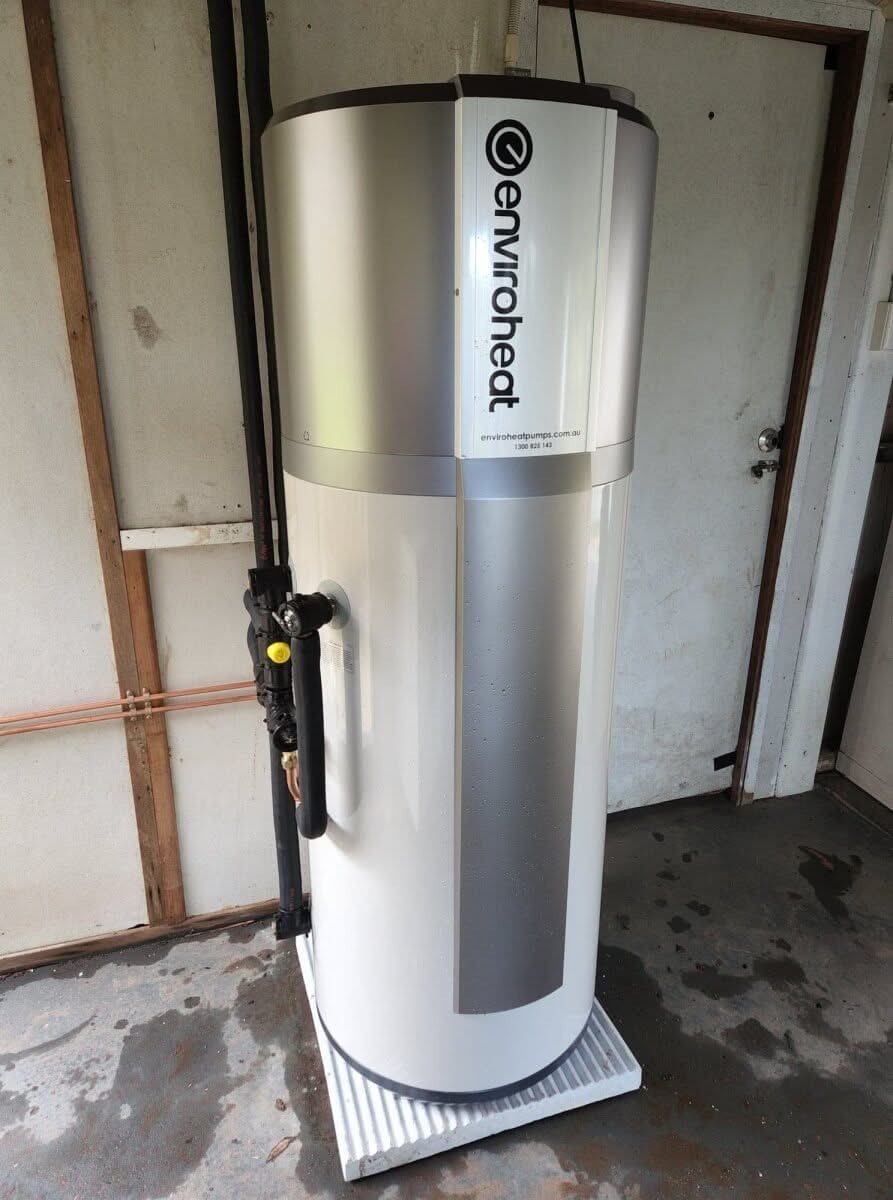
Enviroheat Hot Water Systems may suit customers comparing heat pump options.
Running cost depends on:
-
Tank size
-
Outdoor airflow
-
Drainage
-
Household demand
-
Timer settings
-
Climate
-
Maintenance
-
Boost heating
Enviroheat may be worth comparing for customers looking at heat pump hot water where the property suits.
Aquatech / Hydrotherm running cost considerations
Aquatech / Hydrotherm Hot Water Systems are worth comparing as alternative heat pump options.
Running cost depends on:
-
Model
-
Tank size
-
Household use
-
Airflow
-
Condensate drainage
-
Timer setup
-
Electrical setup
-
Maintenance
Check product suitability before ordering supply only.
Bosch running cost considerations
Bosch Hot Water Systems are commonly compared for gas hot water and continuous flow options.
Running cost depends on:
-
Gas type
-
Flow rate
-
Water pressure
-
Gas pipe sizing
-
Household demand
-
Controller settings
-
Maintenance
-
Installation suitability
Bosch gas options should be matched carefully to natural gas or LPG supply.
Rebates and running costs
Some energy-efficient hot water systems may be eligible for rebates, certificates or incentives depending on product, location, installer, scheme rules and installation pathway.
Rebates may reduce upfront cost, but they do not automatically make a system the best choice.
Before relying on any incentive, check:
-
Current eligibility
-
Product eligibility
-
Installer requirements
-
State or territory rules
-
Documentation requirements
-
Whether the price includes the incentive
-
Whether the incentive is applied upfront or claimed later
-
Whether the old system type affects eligibility
Choose the system that suits the home first.
Supply-only hot water systems and running costs
Supply-only ordering can suit customers who already have their own licensed installer arranged.
Supply only may suit:
-
Builders
-
Renovators
-
Landlords
-
Property managers
-
Trade customers
-
Homeowners managing their own installation
-
Customers outside supplied-and-installed service areas
Supply-only product pricing generally does not include installation, valves, old unit removal, disposal, electrical work, gas work, pipework changes, drainage, access upgrades or compliance upgrades unless clearly selected or included.
Before ordering supply only, your licensed installer should confirm the system suits your property and running cost goals.
Supplied-and-installed hot water options
Supplied-and-installed options may be available on selected products in eligible Brisbane and Gold Coast service areas where shown.
This can suit customers who want the product and installation pathway arranged together.
Before ordering supplied and installed, check:
-
Service area eligibility
-
Existing system type
-
Product suitability
-
Installation inclusions
-
Valve requirements
-
Gas work
-
Electrical work
-
Pipework changes
-
Drainage
-
Old unit removal
-
Disposal
-
Access
-
Base or slab condition
-
Compliance upgrades
Do not assume every possible site requirement is included. Check the selected product and installation options carefully.
How to reduce hot water running costs
Ways to reduce hot water running costs may include:
-
Choosing the right system type
-
Avoiding undersizing
-
Avoiding unnecessary oversizing
-
Comparing heat pump hot water where suitable
-
Comparing instant gas where gas supply suits
-
Using suitable timer settings
-
Matching hot water heating to rooftop solar where practical
-
Reducing excessive shower time
-
Fixing leaks
-
Maintaining valves
-
Replacing very old inefficient systems
-
Improving pipework layout during renovations
-
Using licensed installers for compliant setup
Do not make unsafe plumbing, gas or electrical changes yourself.
Common mistake: choosing by upfront price only
The cheapest system upfront may not be the cheapest long term.
Compare product price, installation cost, energy use, maintenance and suitability together.
Common mistake: ignoring tariffs
Electricity and gas tariffs can change the running cost picture.
The same system can cost different amounts to run in different homes.
Common mistake: assuming heat pumps suit every property
Heat pump hot water can be efficient, but it needs suitable airflow, drainage, electrical setup, access and noise placement.
A poor location can reduce performance.
Common mistake: assuming gas is always cheaper
Gas running costs depend on gas price, system type, household demand, gas supply and maintenance.
Gas can suit many homes, but it is not automatically best for every property.
Common mistake: assuming instant means instant at the tap
Instant gas and instant electric heat water on demand at the unit.
Pipe length still affects how long hot water takes to reach the tap.
Common mistake: oversizing the system
A bigger system is not always better.
Oversizing can increase product cost, space requirements and heat loss in some storage systems.
Common mistake: undersizing the system
An undersized system can run out, rely on boost heating, or struggle with peak demand.
Size based on real household use.
Common mistake: ignoring maintenance
A poorly maintained system may cost more to run and fail earlier.
Follow manufacturer guidance and use licensed professionals where required.
Common mistake: DIY hot water changes
Hot water systems can involve plumbing, electrical work, gas fitting, pressure control, drainage, scalding safety and compliance.
DIY work can create:
-
Water leaks
-
Electrical risks
-
Gas leaks
-
Carbon monoxide risk
-
Fire risk
-
Scalding risks
-
Poor performance
-
Warranty issues
-
Insurance problems
-
Non-compliant work
-
Property damage
Use the right licensed professionals.
Final verdict: which hot water system has the best running cost?
The best hot water system for running costs depends on the home.
Heat pump hot water is often worth comparing when replacing electric storage, especially where the property has suitable outdoor airflow, condensate drainage, electrical setup and noise placement.
Instant gas can be worth comparing for homes already using natural gas or LPG where gas pipe sizing and water pressure support the selected unit.
Electric storage can still be practical for simple replacements, units, townhouses and homes where heat pump or gas options do not suit.
Instant electric is usually best for selected point-of-use or low-demand applications where electrical capacity supports it.
Start by comparing Hot Water Systems, Electric Hot Water Systems, Instant Electric Systems, Gas Hot Water Systems, Instant Gas Hot Water Systems, Heat Pump Hot Water Systems and Installation Add-Ons.
The lowest running cost system is the one that suits your household demand, energy source, tariff, installation location, access, maintenance expectations and long-term budget.
Long-tail FAQs
What is the cheapest hot water system to run?
The cheapest hot water system to run depends on the home. Heat pump hot water can be efficient where the site suits, while instant gas can suit homes already set up for natural gas or LPG.
Is heat pump hot water cheaper to run than electric storage?
Heat pump hot water can use less electricity than standard electric storage in suitable conditions, but running cost depends on airflow, climate, timer settings, household demand and installation quality.
Is gas hot water cheaper to run than electric?
It depends on gas prices, electricity tariffs, system type, household usage and installation suitability. Gas may suit homes already connected to natural gas or LPG.
Is instant gas cheaper to run than gas storage?
Instant gas can reduce storage heat loss because it heats water on demand, but running cost depends on gas price, flow rate, household demand and installation suitability.
Is instant electric cheap to run?
Instant electric running cost depends on the application. It may suit small point-of-use fixtures, but whole-home use requires careful electrical and flow-rate assessment.
Does rooftop solar reduce hot water running costs?
Rooftop solar may help where electric storage or heat pump hot water is timed to run during solar generation hours. Timer setup, tariff and household use matter.
Does tank size affect running costs?
Yes. An oversized tank can store more hot water than needed, while an undersized tank may run out or rely on boost heating more often.
Do long showers increase hot water running costs?
Yes. Shower length and shower head flow rate can have a major impact on hot water use and running costs.
Does maintenance affect hot water running costs?
Yes. Poor maintenance can reduce performance and reliability. Valves, burners, heat exchangers, airflow and drainage should be checked as required for the system type.
Should I choose by running cost or upfront cost?
Consider both. The best system should balance product price, installation cost, running cost, household demand and site suitability.