
How to Choose the Right Hot Water System for Your Home
Choosing the right hot water system is one of those decisions most homeowners only think about when the old unit fails. Suddenly, you need hot water restored quickly, but you also need to avoid buying the wrong size, wrong energy type or wrong system for the home.
The best hot water system is not always the cheapest unit, the biggest tank or the newest technology. It is the system that matches your household’s hot water demand, energy source, installation location, running cost goals and budget.
For customers comparing options online, Installed Today’s Hot Water Systems range is the best starting point. You can compare Electric Hot Water Systems, Gas Hot Water Systems, Instant Gas Hot Water Systems, Instant Electric Hot Water Systems and Heat Pump Hot Water Systems before ordering.
Quick Answer
Best for simple replacement: electric storage, gas storage or instant gas if your current system already suits the home
Best for lower running cost potential: heat pump hot water where the site has suitable outdoor space, drainage and airflow
Best for homes already using gas: instant gas or gas storage, depending on household demand and existing pipework
Best for compact or point-of-use applications: instant electric hot water where the electrical setup is suitable
Best for homes with rooftop solar: heat pump hot water is often worth comparing because it can be timed to run during the day
Main thing to avoid: replacing the old unit with the same size if the old system was already running out of hot water
What Are the Main Types of Hot Water Systems?
Most Australian homes compare five main options:
electric storage hot water
instant electric hot water
gas storage hot water
instant gas hot water
heat pump hot water
Solar hot water may also suit some homes, but it depends heavily on roof space, shade, orientation, booster setup and installation cost.
Each type has a different balance of upfront cost, running cost, installation requirements and household suitability. That is why it helps to compare the system type before comparing brands.
Electric Storage Hot Water Systems
Electric storage hot water systems use an electric element to heat water inside a tank. The hot water is stored until it is needed for showers, taps, kitchens, bathrooms and laundries.
They are popular because they are simple, quiet and familiar. They are also a common like-for-like replacement where the home already has an electric storage tank.
Installed Today’s Electric Hot Water Systems range includes common sizes such as 50L, 125L, 160L, 250L, 315L and 400L.
Electric storage may suit homes that:
are replacing an older electric tank
do not have gas available
want a simple storage-style system
need quiet operation
want a lower upfront option than many heat pumps
already have electrical infrastructure for storage hot water
The main limitation is running cost. Standard electric storage can cost more to run than a well-matched heat pump, especially where the home has rooftop solar and suitable outdoor space for a heat pump system.
Useful size categories include 250L Electric Hot Water Systems, 315L Electric Hot Water Systems and 400L Electric Hot Water Systems.
Instant Electric Hot Water Systems
Instant electric hot water systems heat water as it flows through the unit. They do not store hot water in a tank.
They can be useful for smaller applications, compact spaces or point-of-use hot water where a storage tank is not practical.
Instant electric may suit:
small units
kitchenettes
hand basins
laundries
granny flats
office amenities
low to moderate demand applications
locations where tank space is limited
Installed Today’s Instant Electric Hot Water Systems category is the best place to compare these options.
Instant electric is not automatically suitable for every whole-home application. The electrical supply, circuit capacity, switchboard, flow rate and temperature rise all need to be checked by a licensed professional before ordering.
Gas Storage Hot Water Systems
Gas storage hot water systems heat and store water inside a tank using natural gas or LPG. They are often chosen as a like-for-like replacement where the home already has gas storage hot water.
Gas storage may suit homes that:
already use natural gas or LPG
are replacing an older gas storage tank
prefer a familiar tank-style system
have moderate daily hot water demand
want fast recovery compared with some electric storage setups
have a suitable outdoor gas storage location
Installed Today’s Gas Hot Water Systems range includes both gas storage and instant gas options.
The biggest thing to check is gas type. Natural gas and LPG are not interchangeable. Ordering the wrong model can delay installation or create extra costs.
Common storage categories include 130/135L Gas Hot Water Systems and 160/170L Gas Hot Water Systems.
Instant Gas Hot Water Systems
Instant gas hot water systems, also called continuous flow gas systems, heat water only when a hot tap or shower is turned on. They do not store hot water in a tank.
They are compact, wall-mounted and popular for homes that already have suitable gas supply.
Instant gas may suit homes that:
already use natural gas or LPG
want compact continuous flow hot water
are replacing an existing instant gas unit
do not want a storage tank
have suitable gas pipe sizing
have suitable water pressure
want 16L, 20L or 26L flow-rate options
For larger homes, 26L Instant Gas Hot Water Systems are often compared because they can suit higher-demand households where the gas supply and pipework are suitable.
A larger unit is not always the answer. A 26L instant gas system still needs the correct gas type, pipe sizing, water pressure, installation location and clearances to perform properly.
Heat Pump Hot Water Systems
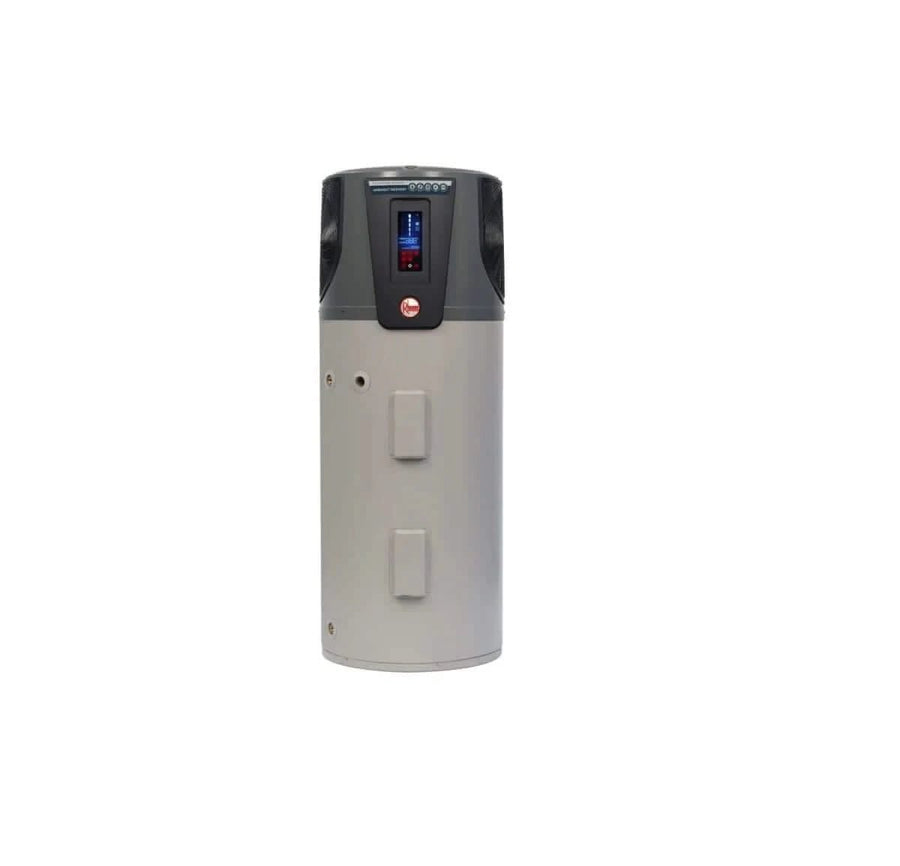
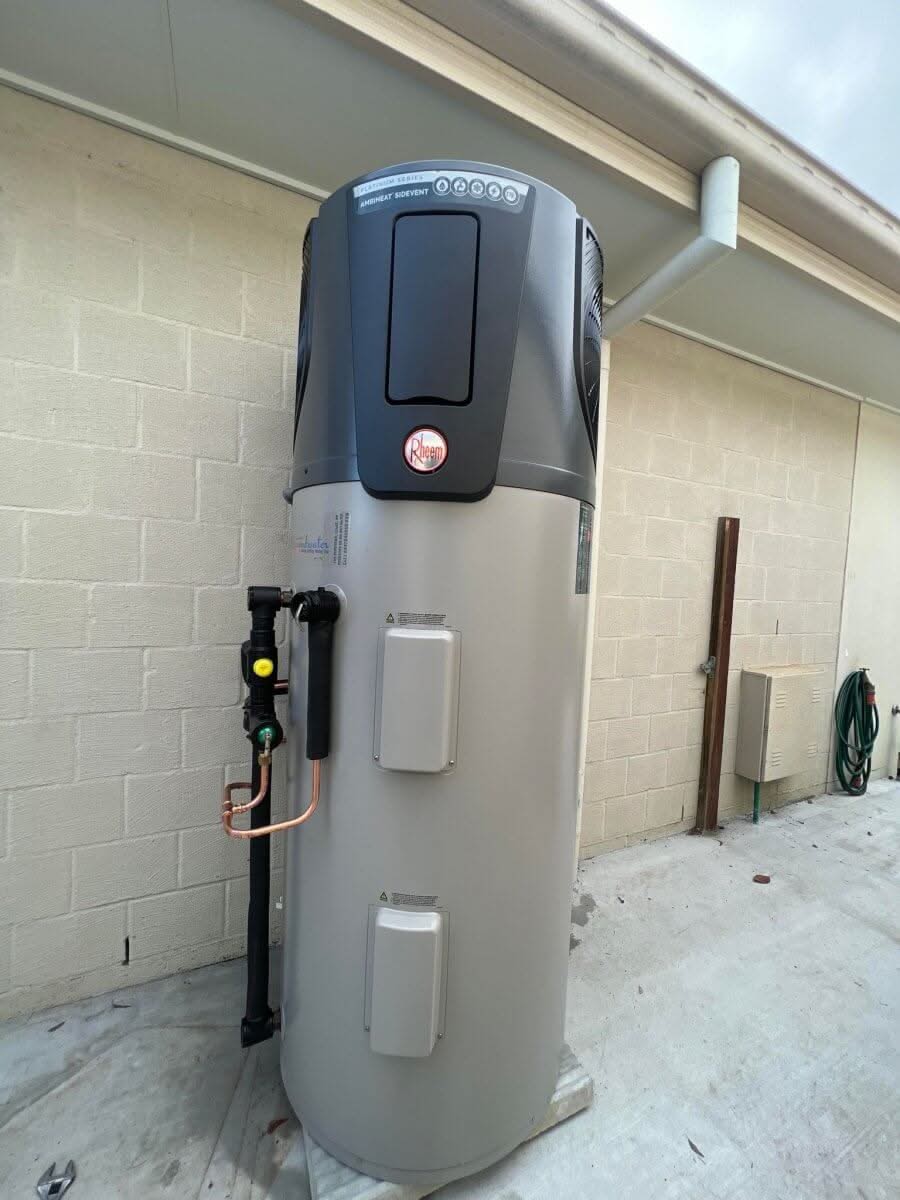
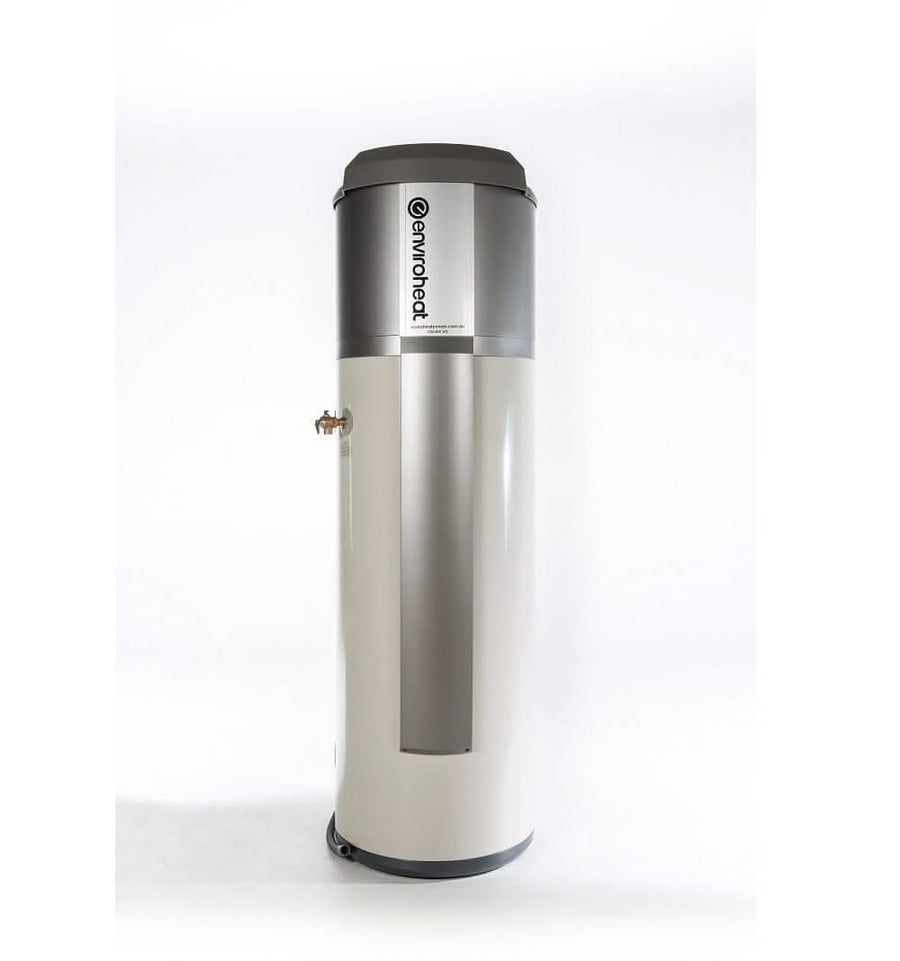
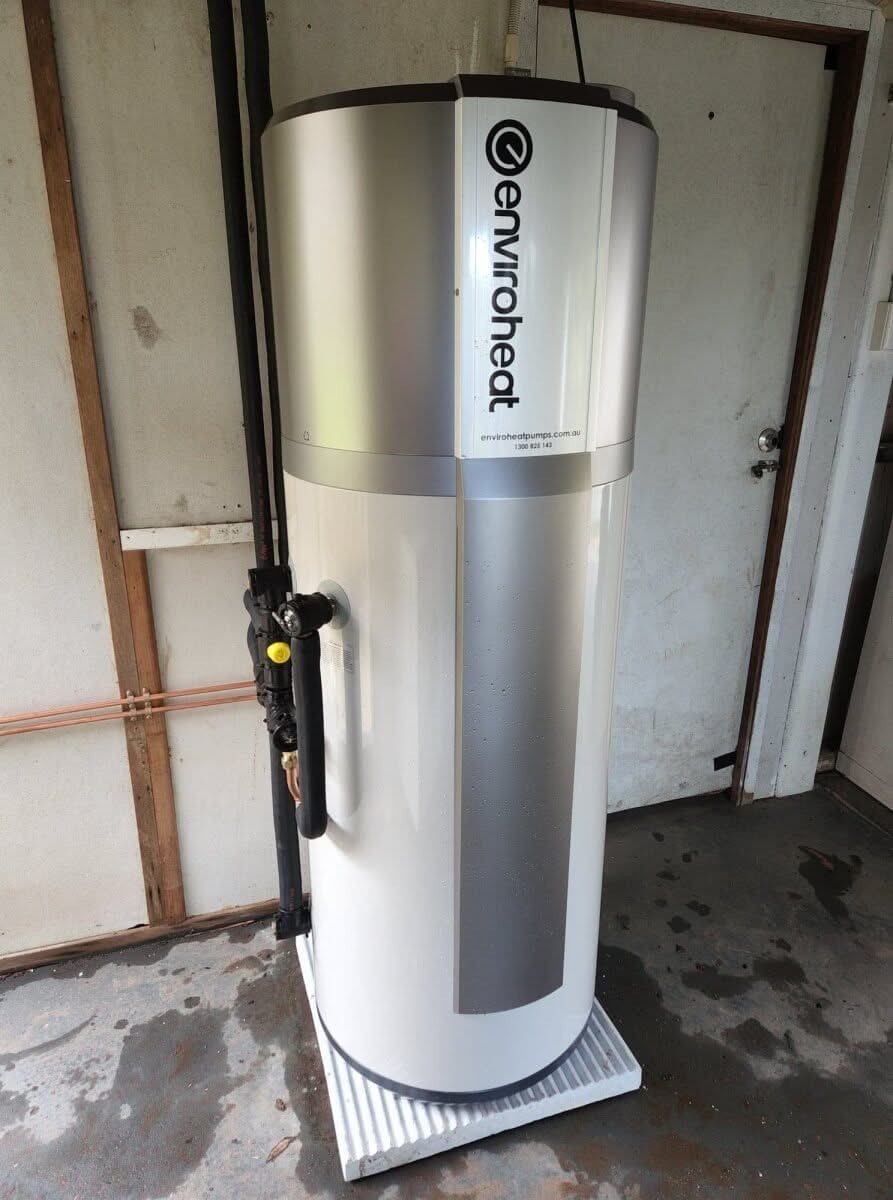
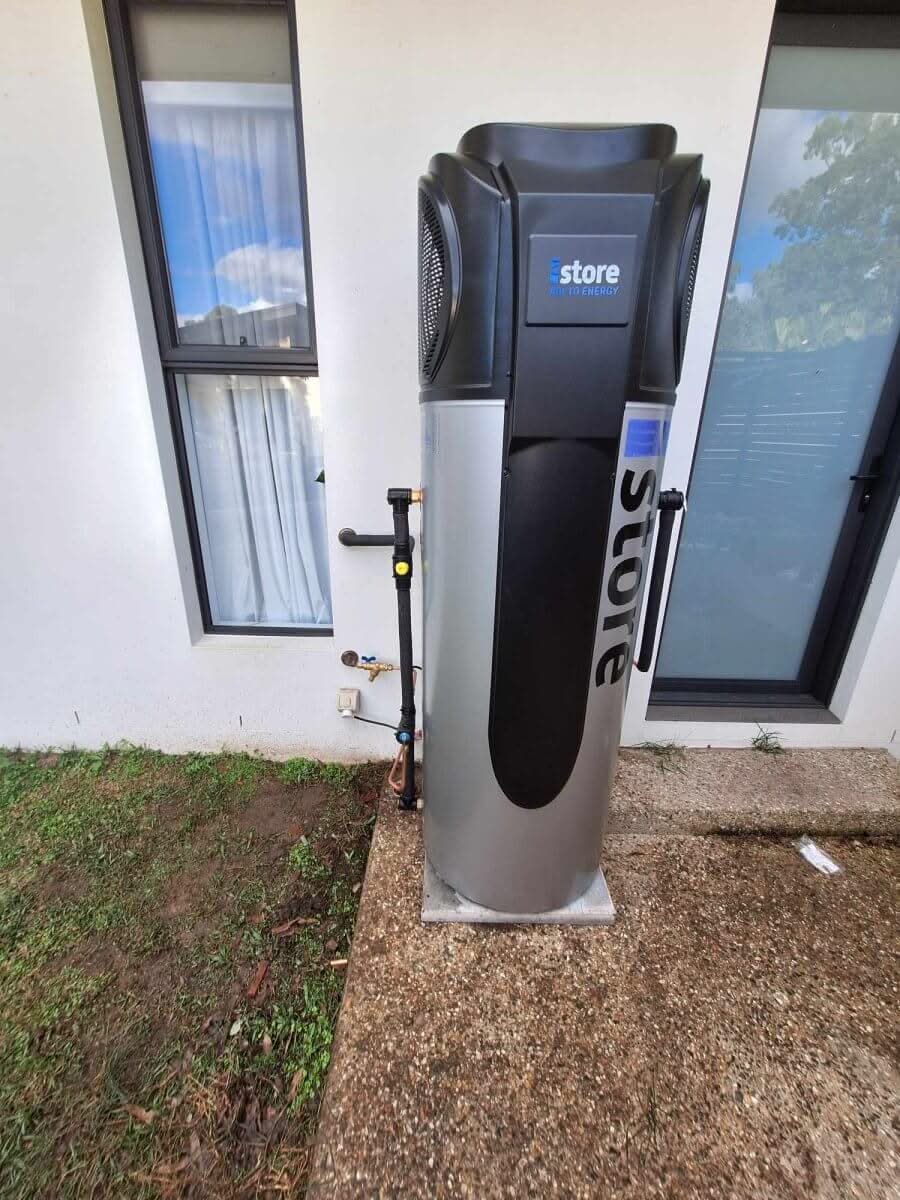
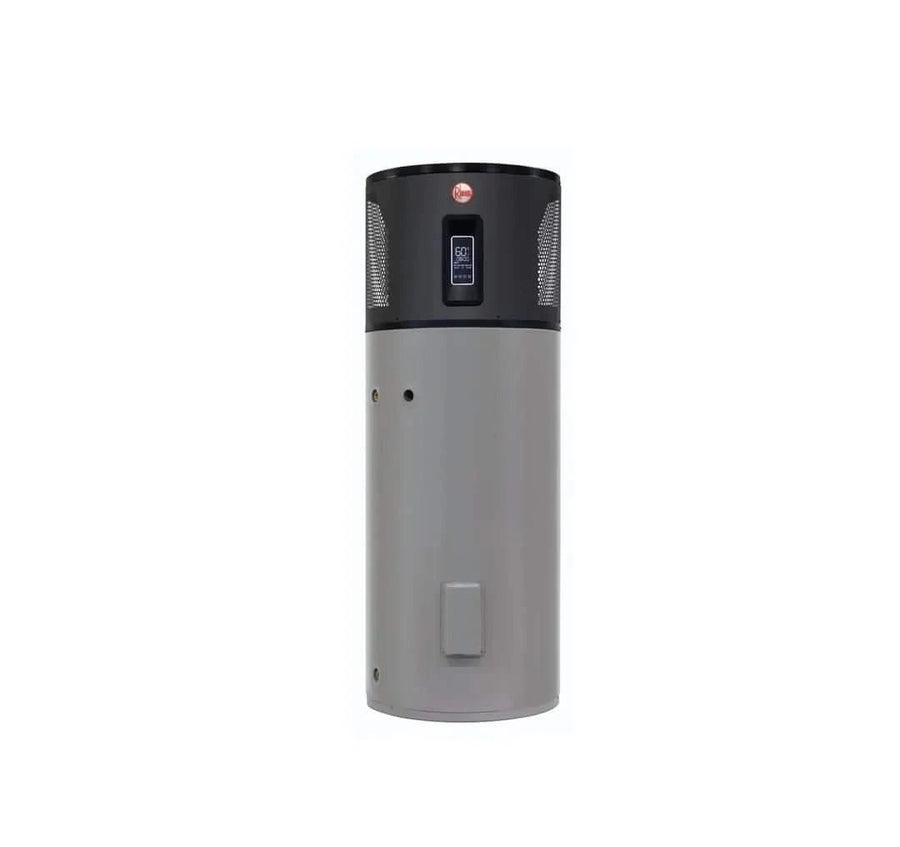
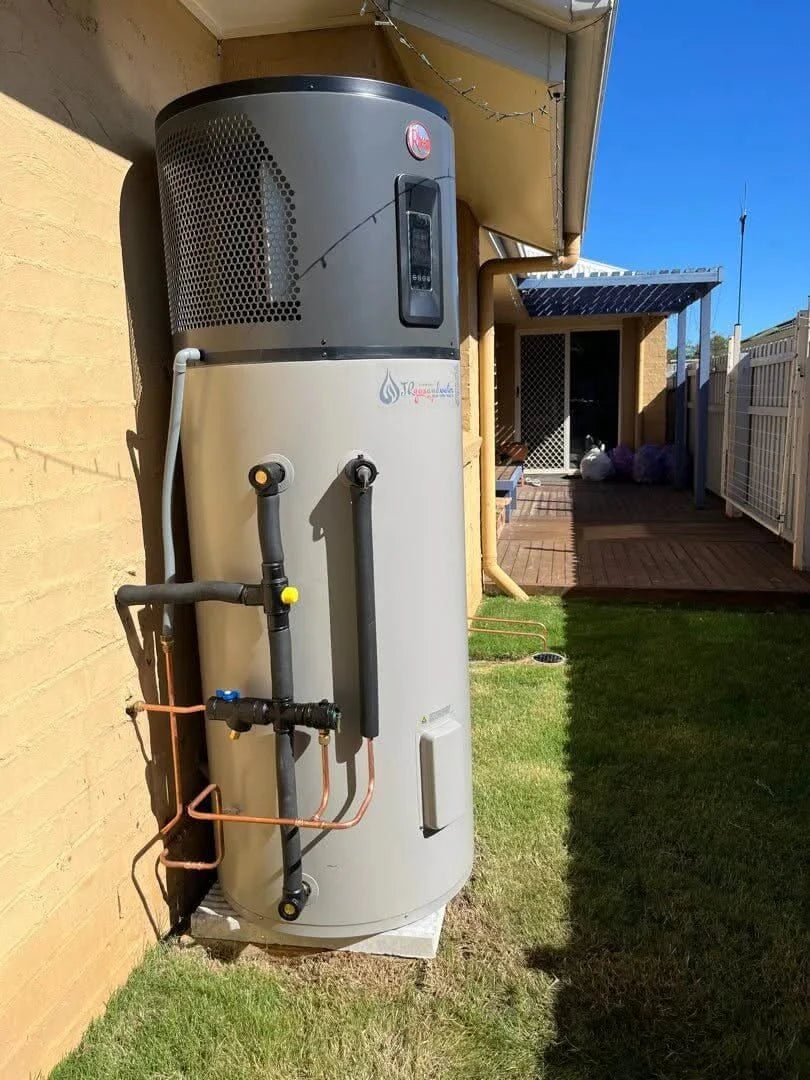
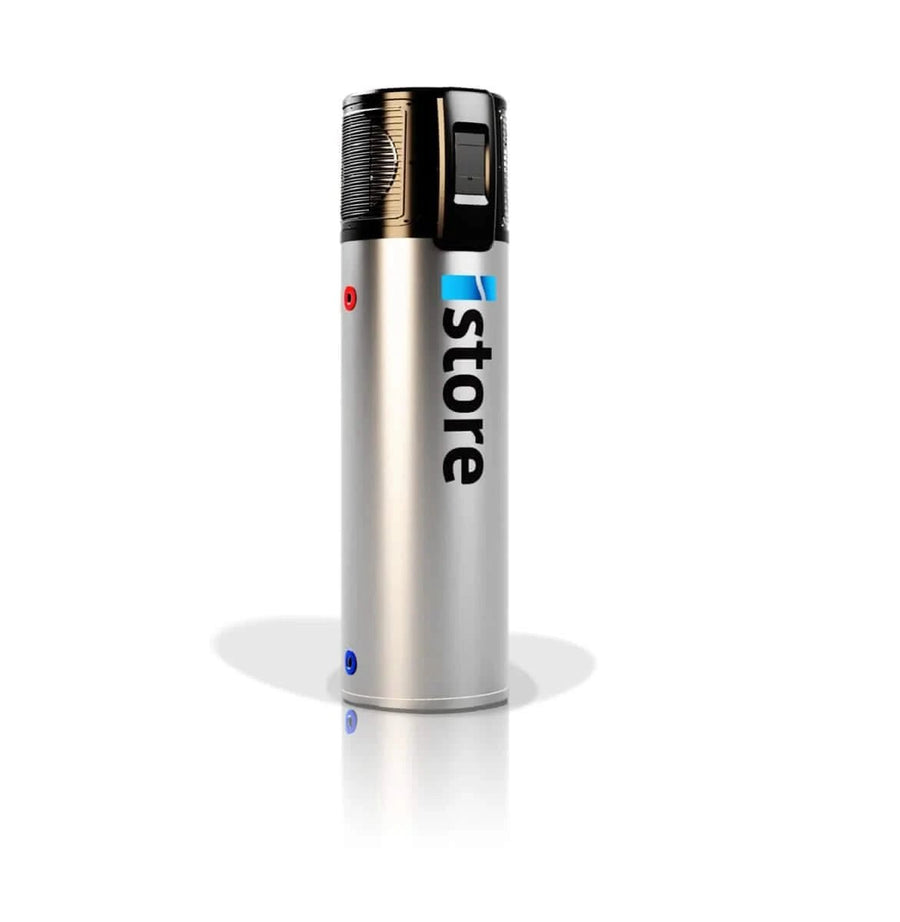
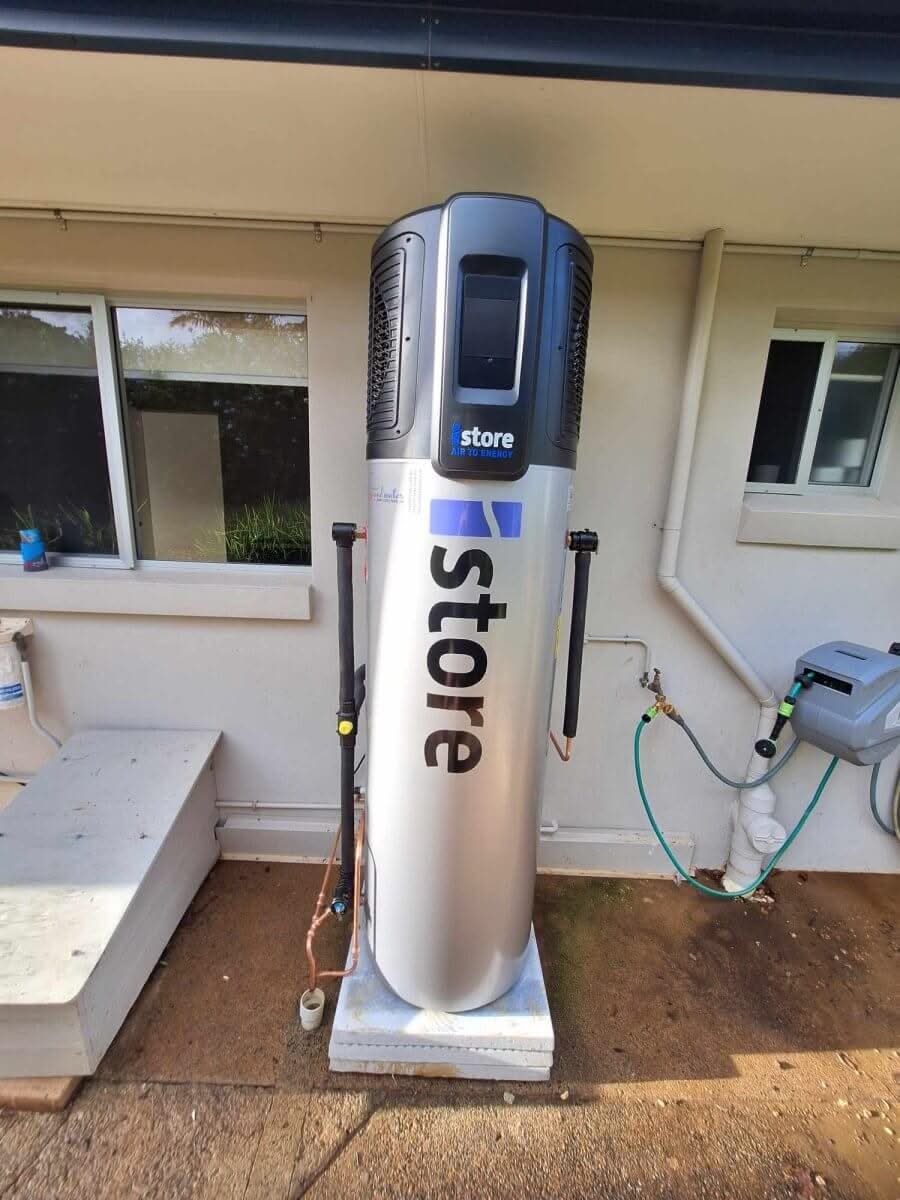
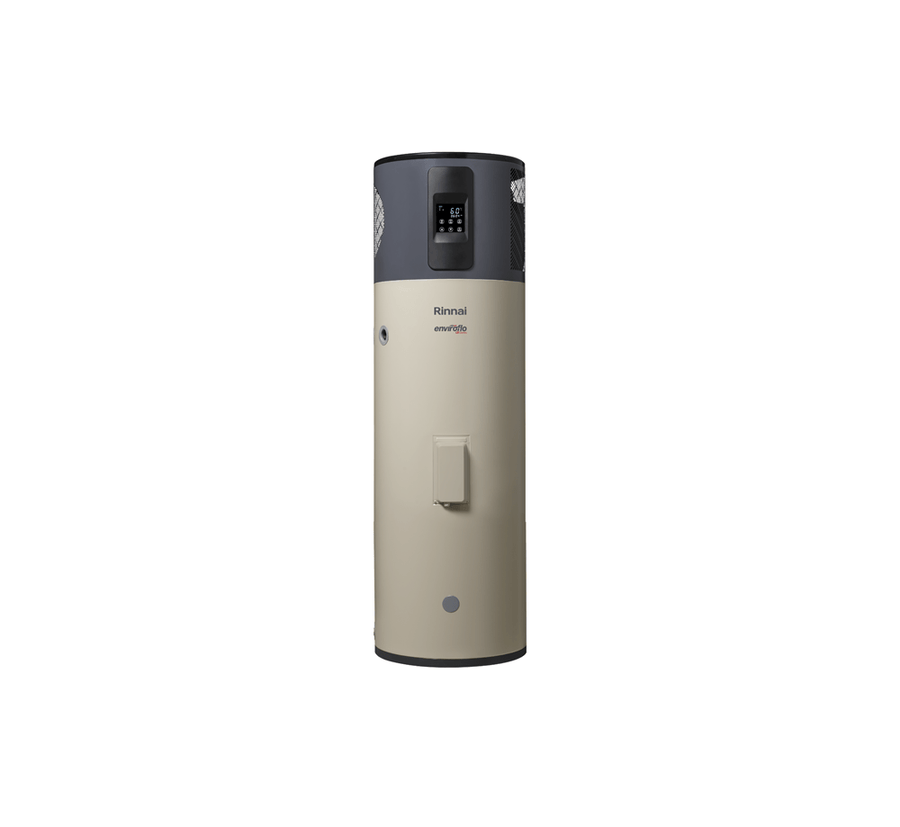
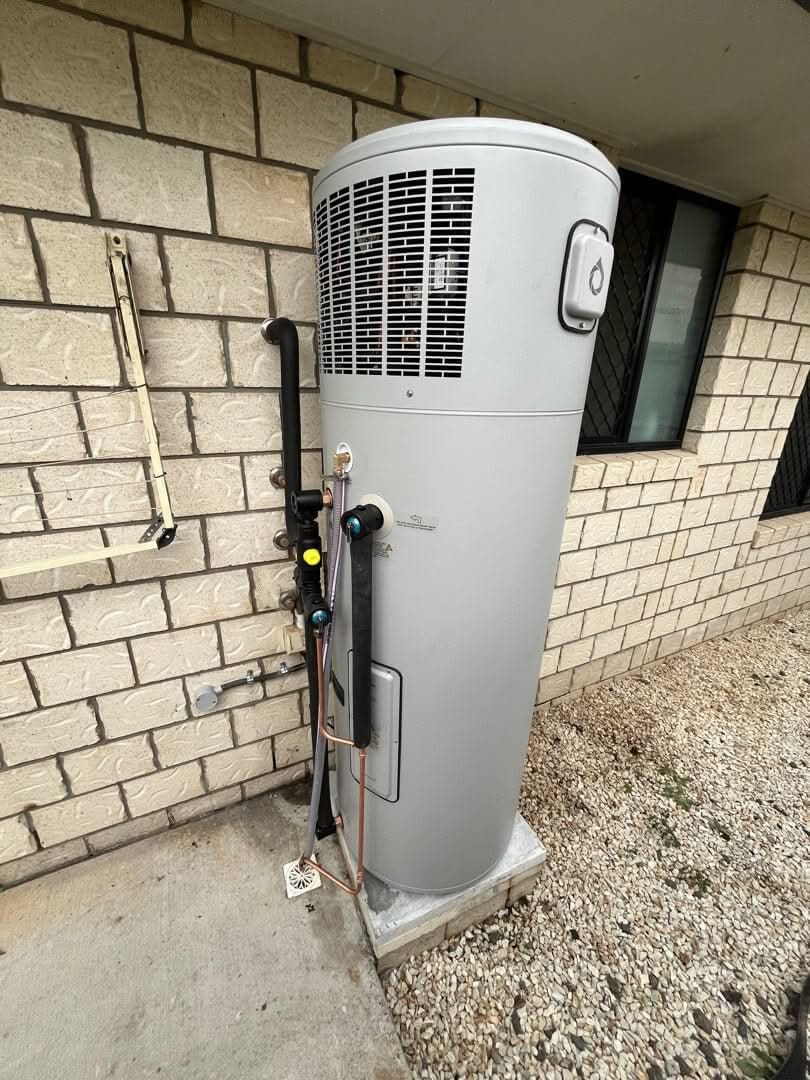
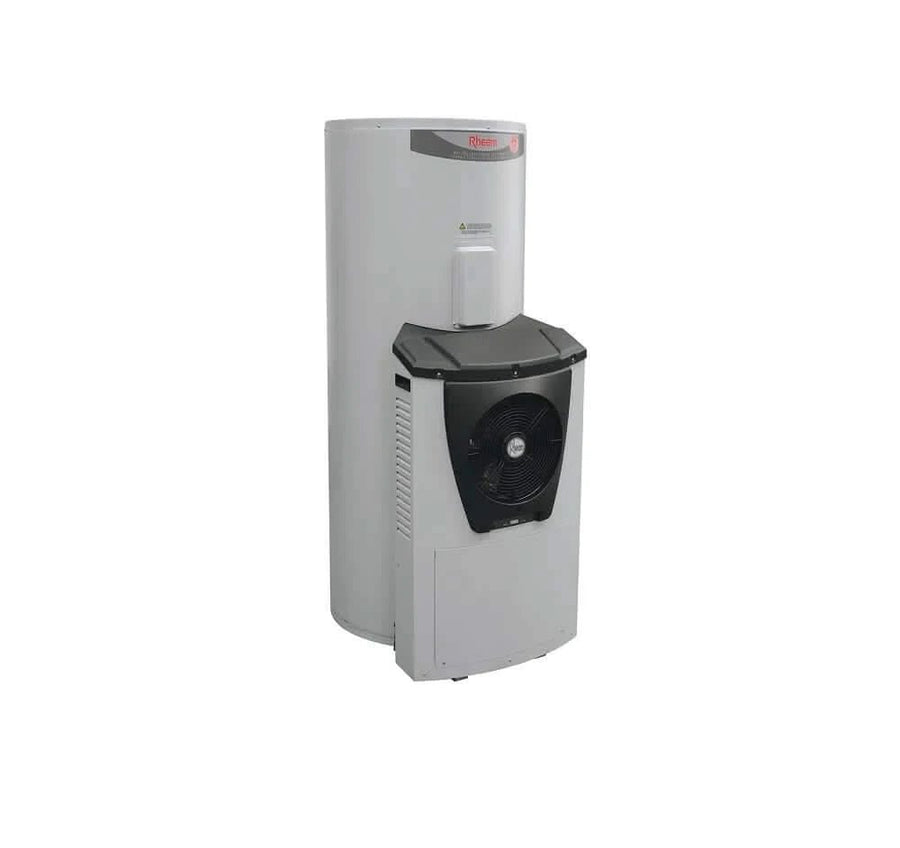
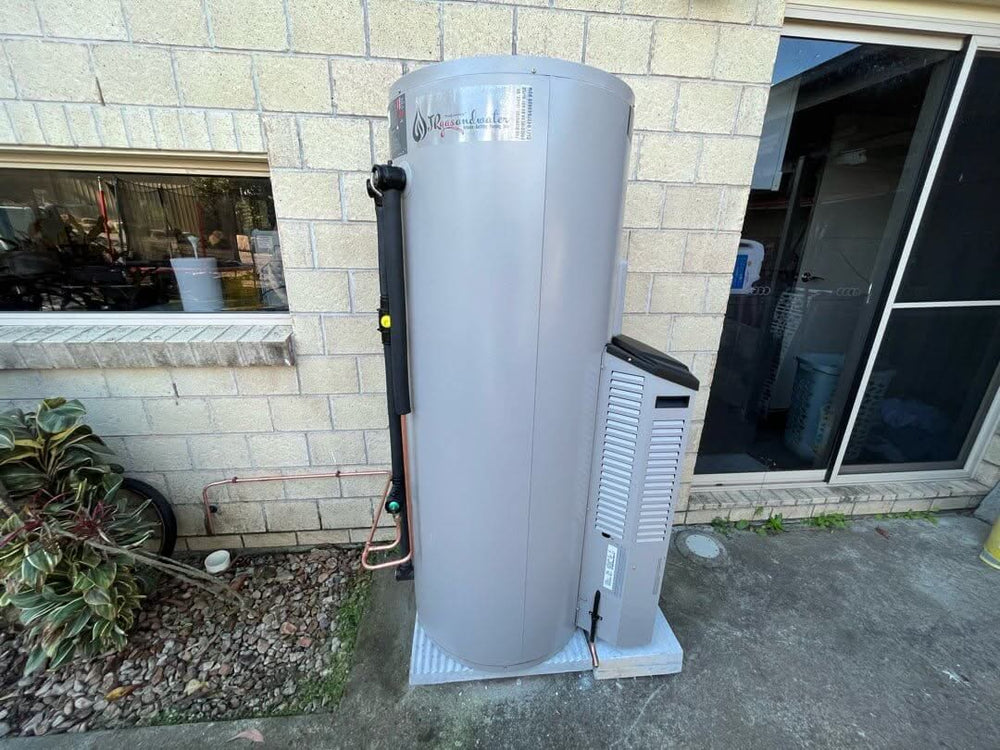
Heat pump hot water systems use electricity to draw heat from the surrounding air and transfer it into stored water. They are often chosen by homeowners wanting lower running cost potential than standard electric storage.
Installed Today’s Heat Pump Hot Water Systems category includes options from brands such as Rheem, Rinnai, iStore, Enviroheat, Aquatech, Hydrotherm, Dux and Stiebel Eltron.
Heat pumps may suit homes that:
are replacing an older electric storage system
want lower running cost potential
have suitable outdoor space
have clear airflow around the unit
can manage condensate drainage
have rooftop solar or may add it later
want to reduce reliance on gas
are comfortable with fan and compressor noise
Heat pumps are more site-sensitive than standard electric tanks. They need airflow, drainage, access and sensible noise placement. A heat pump installed beside a bedroom window, in a tight side passage or without proper drainage can create problems even if the product itself is good.
For common household sizes, compare Medium Heat Pump Hot Water Systems 200L–280L. For higher-demand homes, compare Large Heat Pump Hot Water Systems.
Solar Hot Water Systems
Solar hot water systems use roof-mounted collectors to help heat water. They usually need an electric, natural gas or LPG booster for cloudy days, night-time use and higher demand periods.
Solar hot water may suit homes with:
good roof orientation
minimal shade
suitable roof structure
safe roof access
enough roof space for collectors
moderate to high daily hot water use
a suitable booster setup
Solar hot water is not always the best fit. If the roof is shaded, access is difficult, the upfront cost is high or the home already has rooftop solar PV, a heat pump may be easier to justify.
For many homes, it is worth comparing solar-style energy savings against Heat Pump Hot Water Systems before deciding.
Storage Tank vs Continuous Flow
Hot water systems can also be compared by how they deliver hot water.
A storage tank system heats and stores water. This includes electric storage, gas storage, solar storage and heat pump hot water.
A continuous flow system heats water as it is used. This includes instant gas and instant electric systems.
| System Style | Best For | Main Advantage | Main Limitation |
|---|---|---|---|
| Storage tank | Homes needing stored hot water ready to use | Good for predictable household demand | Can run out if undersized |
| Continuous flow | Homes wanting compact on-demand hot water | No stored tank | Depends on flow rate, gas or electrical capacity |
Storage tanks are common for whole-home electric and heat pump systems. Continuous flow is common for instant gas systems and some point-of-use electric applications.
How to Work Out the Right Hot Water Size
Sizing is one of the biggest decisions. A system that is too small may run out of hot water. A system that is too large may cost more upfront and store more hot water than the household needs.
Before choosing a size, consider:
how many people live in the home
how many bathrooms are used daily
whether showers are short or long
whether baths are used often
whether laundry uses hot water
whether the kitchen uses a lot of hot water
whether multiple showers run at once
whether demand is mostly morning, evening or spread across the day
whether the old system supplied enough hot water
whether the home uses off-peak electricity
whether rooftop solar is available
A 250L electric system may suit many small to medium households. A 315L or 400L electric system may suit larger homes or off-peak setups. A 200L to 280L heat pump may suit many medium households. A 26L instant gas system may suit larger homes where gas supply and pipework are suitable.
The old system is a useful clue. If it worked well, a similar size may suit. If it regularly ran out, replacing it with the same size may repeat the problem.
Hot Water System Comparison Table
| System Type | Best Suited To | Main Advantage | Main Limitation |
|---|---|---|---|
| Electric storage | Simple like-for-like replacement | Lower upfront cost and quiet operation | Higher running cost potential |
| Instant electric | Point-of-use or compact applications | No storage tank | Electrical requirements can be high |
| Gas storage | Existing gas storage homes | Familiar tank-style replacement | Natural gas/LPG must be correct |
| Instant gas | Gas-connected homes wanting continuous flow | Compact and wall-mounted | Gas pipe sizing and water pressure matter |
| Heat pump | Efficient electric upgrades | Lower running cost potential | Needs airflow, drainage and noise planning |
| Solar hot water | Roof-suitable homes | Uses solar heat | Roof suitability and booster setup matter |
Running Costs: What Actually Affects Them?
Running costs are not based only on the system type. They also depend on how the system is installed, used and maintained.
Running costs are affected by:
electricity tariff
natural gas or LPG price
household hot water use
shower length
tank size
system efficiency
timer settings
rooftop solar availability
backup element use
pipe length
pipe insulation
valve condition
maintenance
Standard electric storage is often cheaper upfront but can cost more to run. Heat pump hot water usually costs more upfront but can reduce electricity use over time. Gas can be practical where the home already has natural gas or LPG, but the true cost depends on gas pricing, usage and system type.
Upfront Cost vs Long-Term Value
The cheapest system on the page is not always the best value.
A cheaper electric storage unit may be suitable for a rental or simple replacement. A heat pump may suit an owner-occupied home where running cost reduction matters. A premium stainless steel electric system may suit customers who want reduced anode maintenance. A 26L instant gas system may suit gas-connected homes with suitable pipe sizing.
When comparing value, look at:
product price
installation cost
valves
electrical work
gas work
drainage
old unit removal
disposal
access
running cost potential
warranty terms
maintenance requirements
household suitability
how long you plan to stay in the home
A good decision is about total fit, not just upfront price.
Supply Only vs Supplied and Installed
Installed Today offers supply-only ordering for customers who already have their own licensed installer arranged. Supply-only pricing is for the product only and does not include installation, valves, electrical work, gas work, pipework changes, drainage work, old unit removal, disposal or compliance upgrades unless those options are clearly selected or shown on the product page.
Supplied-and-installed options may be available on selected products in eligible Brisbane and Gold Coast service areas. Availability depends on the product, address, access, existing setup, energy source, gas type, electrical suitability, drainage, required extras and site requirements.
Before ordering supply only, ask your licensed installer to confirm:
the size is suitable
the energy type is correct
natural gas or LPG is correct if relevant
the electrical supply is suitable
the gas pipe sizing is suitable if relevant
the system fits the available space
drainage is suitable
access is practical
the installation meets current requirements
Brisbane and Gold Coast Buying Context
For Brisbane and Gold Coast homes, system choice often comes down to the current setup, household size and available installation location.
Electric storage is common for straightforward replacements. Gas systems are practical where the home already has natural gas or LPG. Heat pumps can be a strong option in South East Queensland because many homes have suitable outdoor conditions, but the location still needs airflow, drainage and sensible noise placement.
Local homes should check:
whether the current system is electric, gas, heat pump or solar
whether the old system supplied enough hot water
whether the property uses natural gas or LPG
whether a heat pump location is available
whether the system could affect bedrooms or neighbours
whether drainage is suitable
whether electrical work may be required
whether gas pipe sizing is suitable
whether access allows safe delivery and positioning
whether supply only or supplied and installed is preferred
Common Mistakes When Choosing a Hot Water System
Choosing the same size when the old system was too small
If your old system ran out of hot water, replacing it with the same size may not fix the issue.
Ordering the wrong gas type
Natural gas and LPG models are different. This must be confirmed before ordering.
Ignoring heat pump placement
Heat pumps need airflow, drainage and sensible noise placement.
Comparing product price only
Installation, valves, drainage, electrical work, gas work and disposal can all affect the final cost.
Assuming bigger is always better
Oversizing can increase upfront cost and may not improve the result if the household does not need the extra capacity.
Forgetting running costs
A cheaper standard electric system may cost more over time than a heat pump if the home suits one.
Not checking installation requirements
Access, valves, pipework, electrical supply, gas pipe sizing and compliance requirements can all affect suitability.
Before Ordering Checklist
Before ordering any hot water system, check:
current system type
current tank size or flow rate
household size
number of bathrooms
shower habits
bath use
laundry use
whether the old system supplied enough hot water
electricity, natural gas or LPG availability
electrical requirements
gas pipe sizing if relevant
water pressure
installation location
access for delivery and removal
valve requirements
drainage and discharge points
noise placement for heat pumps
roof suitability if considering solar
supply-only or supplied-and-installed preference
licensed installer confirmation
Which Hot Water System Should You Choose?
Choose electric storage if you want a simple, quiet and familiar replacement.
Choose instant electric if you need compact point-of-use hot water and the electrical setup is suitable.
Choose gas storage if your home already has gas storage and you want a familiar tank-style replacement.
Choose instant gas if your home has natural gas or LPG, suitable pipe sizing and you want compact continuous flow hot water.
Choose heat pump hot water if you want lower running cost potential and the home has suitable outdoor space, airflow and drainage.
Choose solar hot water only if the roof, shade, booster setup and upfront cost make sense.
For most homes, the best starting point is Installed Today’s Hot Water Systems collection, then narrowing down by system type, size, energy source and installation requirements.
Long-Tail FAQs
What is the best hot water system for most homes?
There is no single best system for every home. Electric storage may be best for simple replacement, heat pump may be best for lower running cost potential, instant gas may suit gas-connected homes, and gas storage may suit like-for-like tank replacements.
Is a heat pump hot water system worth it?
A heat pump can be worth it if the home has suitable outdoor space, airflow, drainage and enough hot water demand. It can be especially useful where the home has rooftop solar and the system can run during the day.
Is gas hot water better than electric?
Gas hot water can be better where the home already has natural gas or LPG and the system suits household demand. Electric can be better where gas is not available or where a simple storage replacement is preferred. Heat pump hot water should also be compared if running costs matter.
What size hot water system do I need?
The right size depends on household size, bathroom count, shower length, bath use, laundry use, peak demand and whether the old system supplied enough hot water. A 250L electric system may suit some small to medium households, while larger homes may need 315L, 400L, a larger heat pump or a suitable instant gas system.
Is instant gas hot water unlimited?
Instant gas can continue heating water while gas, water and power supply are suitable. However, performance depends on the model size, gas pipe sizing, water pressure, incoming water temperature and how many outlets are used at once.
Is solar hot water better than a heat pump?
Solar hot water may suit homes with strong roof exposure, minimal shade and suitable roof access. A heat pump may be better where the roof is shaded, rooftop solar PV is already installed, or ground-level outdoor installation is easier.
Should I replace my hot water system with the same type?
Only if the old system suited the household. If it ran out of hot water, cost too much to run or no longer suits the home, compare other options before replacing like-for-like.
Can I buy a hot water system supply only?
Yes. Supply only is suitable if you already have your own licensed installer arranged. The product price is for the unit only and does not include installation, valves, removal, disposal, electrical work, gas work, pipework changes or compliance upgrades unless selected separately.
Can I order a hot water system supplied and installed?
Supplied-and-installed options may be available on selected products in eligible Brisbane and Gold Coast service areas. Availability depends on the product, address, access, existing setup, energy source and required extras.
Final Word
Choosing the right hot water system comes down to matching the unit to the home. Electric storage is simple and familiar. Instant electric suits smaller point-of-use applications. Gas storage is practical for like-for-like gas tank replacement. Instant gas suits homes already set up for continuous flow. Heat pump hot water can be a strong upgrade where lower running cost potential matters and the site is suitable.
The right system is not always the cheapest, biggest or most heavily advertised. It is the one that suits your household demand, energy source, installation location and budget.
Start with Installed Today’s Hot Water Systems, compare Electric Hot Water Systems, Gas Hot Water Systems, Instant Gas Hot Water Systems, Instant Electric Hot Water Systems and Heat Pump Hot Water Systems, then confirm suitability with your licensed installer before ordering.