
How to Save Water at Home: Practical Water-Saving Tips for Australian Households
Saving water at home is one of the simplest ways to reduce waste, lower household running costs and make your plumbing, hot water and garden systems work more efficiently. For Australian homes, water use adds up quickly through showers, toilets, taps, washing machines, gardens, pools, leaks and hot water habits.
The good news is that water-saving does not need to be complicated. Small changes, better habits, efficient appliances, leak checks, rainwater use and the right household systems can all make a real difference.
For customers comparing practical home water upgrades online, Installed Today’s Hot Water Systems, Water Filters, Shower Water Filters, Household Water Pumps, Rain Water Pumps and Mains Water Pressure Boosting Pumps categories are useful starting points.
Quick Answer
The easiest ways to save water at home are to shorten showers, fix leaks, use water-efficient appliances, run full washing machine and dishwasher loads, water gardens smarter, use rainwater where suitable and choose household systems that match your actual needs.
Best indoor water-saving habits: shorter showers, fixing dripping taps, checking toilets for leaks and using efficient appliances
Best outdoor water-saving habits: water early, mulch gardens, choose drought-tolerant plants and use rainwater where possible
Best hot water link: reducing shower time saves both water and hot water energy
Best product categories to compare: Hot Water Systems, Heat Pump Hot Water Systems, Water Filters, Household Water Pumps and Rain Water Pumps
Main mistake to avoid: only thinking about water bills and ignoring the energy cost of heating wasted hot water
Why Saving Water Matters
Saving water matters because every litre used in the home needs to be collected, treated, delivered, heated, drained or managed in some way.
When you waste cold water, you waste the water itself. When you waste hot water, you waste both water and energy. That makes hot water habits one of the biggest opportunities for everyday savings.
Water conservation can help:
reduce household water bills
reduce hot water energy use
lower pressure on local water supplies
reduce wastewater volume
support gardens through dry periods
reduce avoidable wear on pumps, valves and fixtures
make rainwater tanks go further
improve household efficiency
For many homes, the biggest savings come from simple daily changes rather than expensive upgrades.
The Biggest Water Users in Most Homes
Most household water use comes from a handful of areas.
The biggest water users are usually:
showers
toilets
washing machines
taps
dishwashers and kitchen use
garden watering
pools
leaks
hot water system draw-off and wastage
The best approach is to start where the most water is used. For many households, that means showers, toilets, laundry and outdoor watering.
Save Water in the Shower
Showers are one of the easiest places to save water because they use both water and energy.
A shorter shower reduces:
water use
hot water use
electricity or gas use
load on the hot water system
wastewater volume
Practical ways to save water in the shower include:
cutting shower time by a few minutes
turning the shower off while shaving or washing hair where practical
checking for leaking showerheads
replacing inefficient fittings with water-efficient options
fixing poor pressure or flow issues properly
avoiding running the shower for too long before getting in
If your shower takes a long time to heat up, the issue may be distance from the hot water system, pipe layout, system type or old plumbing. Choosing the right replacement from Installed Today’s Hot Water Systems range can help avoid poor system matching, but pipe layout and site conditions still matter.
Hot Water Habits That Save Water and Energy
Hot water waste is more expensive than cold water waste because the household has already paid to heat it.
Good hot water habits include:
shorter showers
using cold water where hot water is not needed
fixing leaking hot taps quickly
not leaving mixer taps in the hot position unnecessarily
running dishwashers and washing machines with full loads
checking whether the hot water system is the right size
using timer settings properly where suitable
comparing heat pump hot water if replacing old electric storage
If the current hot water system is too small, too slow or poorly matched to the home, the household may waste extra water waiting for hot water or running out and reheating. Installed Today’s Electric Hot Water Systems, Gas Hot Water Systems, Instant Gas Hot Water Systems, Instant Electric Hot Water Systems and Heat Pump Hot Water Systems categories make it easier to compare the right system type before ordering.
Choose the Right Hot Water System Size
A correctly sized hot water system can support better household efficiency.
A system that is too small may run out of hot water, forcing poor usage habits or repeated reheating. A system that is too large may cost more upfront and store more hot water than the home needs.
When choosing a hot water system, consider:
how many people live in the home
how many bathrooms are used
shower length
bath use
laundry habits
whether hot water use is mainly morning or evening
whether the old system supplied enough hot water
whether the home uses electricity, natural gas or LPG
whether rooftop solar is available
whether supply only or supplied and installed is needed
For standard electric storage, common size categories include 250L Electric Hot Water Systems, 315L Electric Hot Water Systems and 400L Electric Hot Water Systems.
For efficient electric upgrades, compare Medium Heat Pump Hot Water Systems 200L–280L and Large Heat Pump Hot Water Systems.
Heat Pump Hot Water and Water-Smart Homes
A heat pump hot water system does not directly reduce how many litres your household uses, but it can reduce the energy used to heat the water your home does use.
This makes heat pumps worth comparing when replacing an old electric storage hot water system, especially if the home has rooftop solar and a suitable outdoor location.
Heat pump hot water may suit homes that:
want lower running cost potential
are replacing older electric storage
have suitable outdoor space
have clear airflow
can manage condensate drainage
can place the unit away from bedrooms and neighbours
have moderate to high daily hot water use
want to make better use of daytime solar power
Installed Today’s Heat Pump Hot Water Systems category is the best place to compare these options.
Fix Leaking Taps Quickly
A dripping tap can waste a surprising amount of water over time. If the leaking tap is a hot tap, it can also waste energy.
Common signs of tap problems include:
constant dripping
water pooling around the base
stiff handles
leaking mixer cartridges
water stains under sinks
poor shut-off
noisy pipework when taps are used
Small leaks are easy to ignore, but they can become larger problems. If a tap, valve or fitting is leaking, a licensed plumber should inspect and repair it.
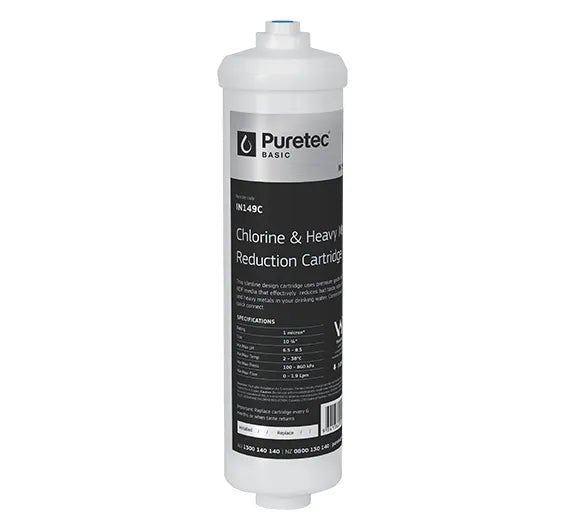
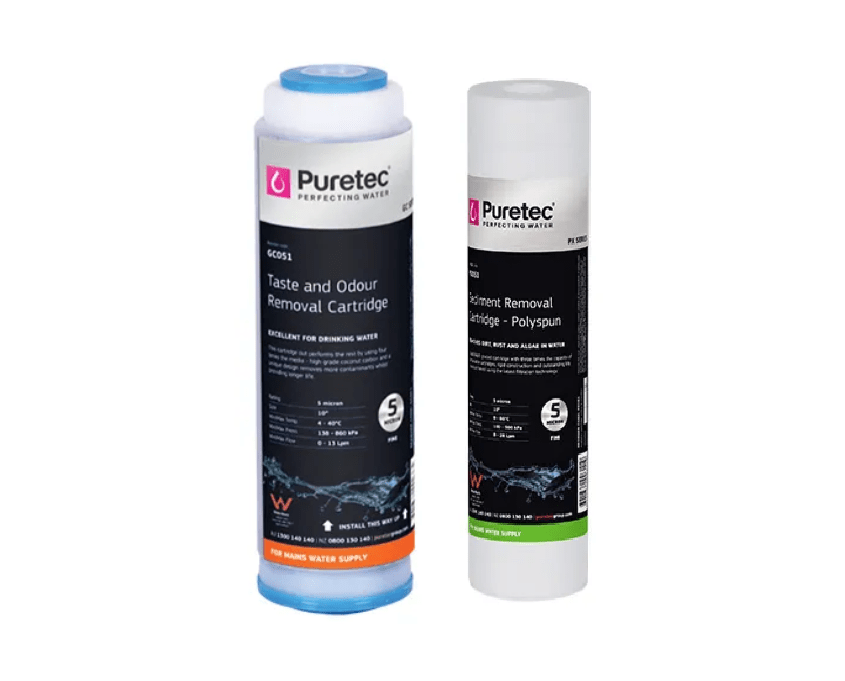
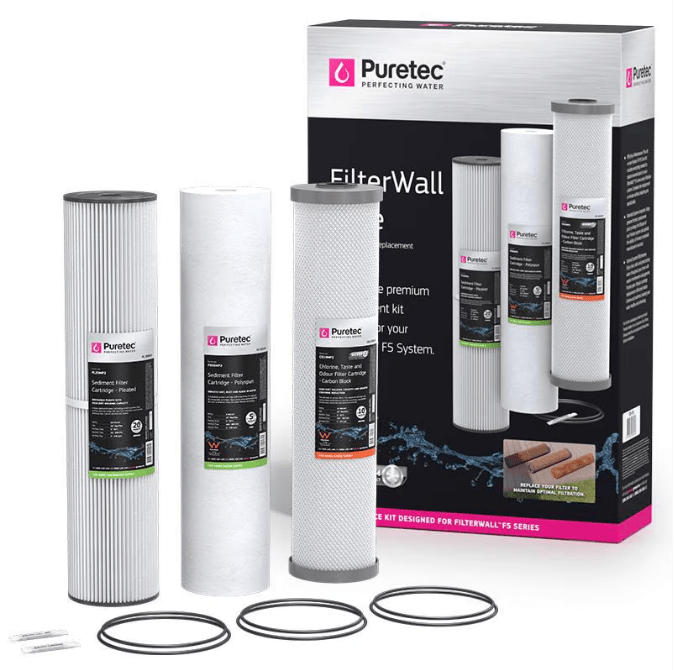
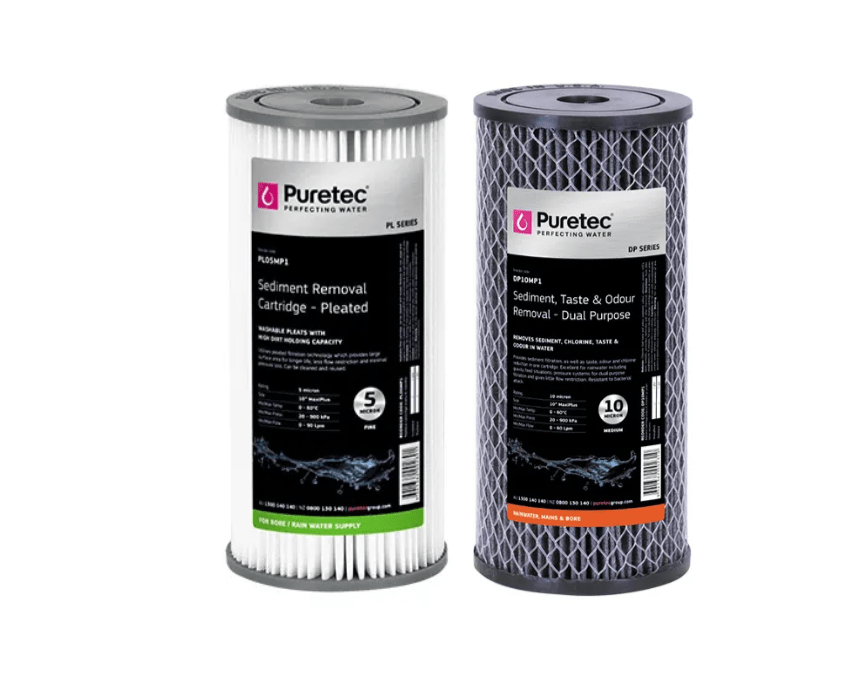
For water quality upgrades at the same time, customers can also compare Installed Today’s Water Filters, including kitchen drinking water filters, replacement cartridges, reverse osmosis systems and whole home filtration products.
Check Toilets for Hidden Leaks
Toilet leaks can waste a lot of water without being obvious. A toilet may look normal but still leak slowly into the bowl.
Signs of a leaking toilet include:
water movement in the bowl when not flushed
the cistern refilling randomly
hissing sounds
higher water bills
water stains around the toilet
a flush button that sticks
weak or inconsistent flush operation
Dual flush toilets and well-maintained valves can reduce water use, but only if the toilet is working correctly.
If the toilet is leaking or constantly refilling, it should be repaired quickly.
Use Water-Efficient Appliances
Water-efficient appliances can reduce household water use without changing your routine too much.
Appliances to compare carefully include:
washing machines
dishwashers
toilets
showerheads
tapware
irrigation controllers
When buying appliances, check the WELS rating. A higher water efficiency rating generally means the product uses less water for the same type of task.
Good appliance habits include:
running full dishwasher loads
running full washing machine loads
using eco cycles where suitable
not over-rinsing dishes before loading the dishwasher
using the correct washing machine setting for load size
repairing leaking hoses and valves
checking appliance connection points for drips
Appliance efficiency only works properly when the product is used correctly.
Save Water in the Kitchen
The kitchen can waste water through rinsing, running taps, dishwashing and food preparation.
Practical kitchen water-saving tips include:
use a plug or bowl when washing by hand
scrape plates instead of pre-rinsing heavily
run the dishwasher only when full
use efficient dishwasher settings
keep cold water in the fridge instead of running the tap until cold
fix leaking mixer taps quickly
check under-sink filter and appliance connections for leaks
wash vegetables in a bowl instead of under a running tap
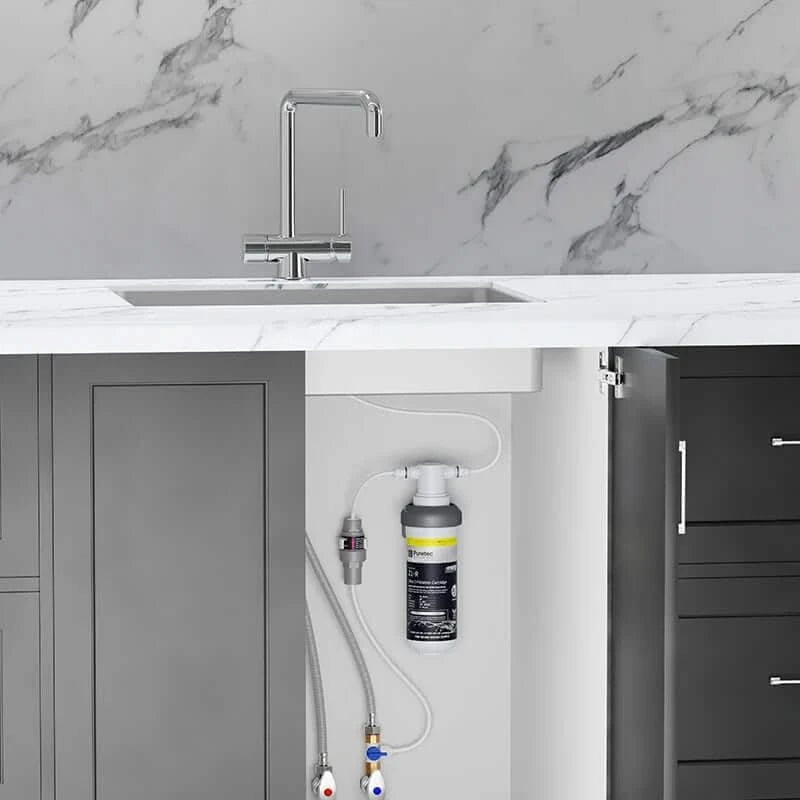
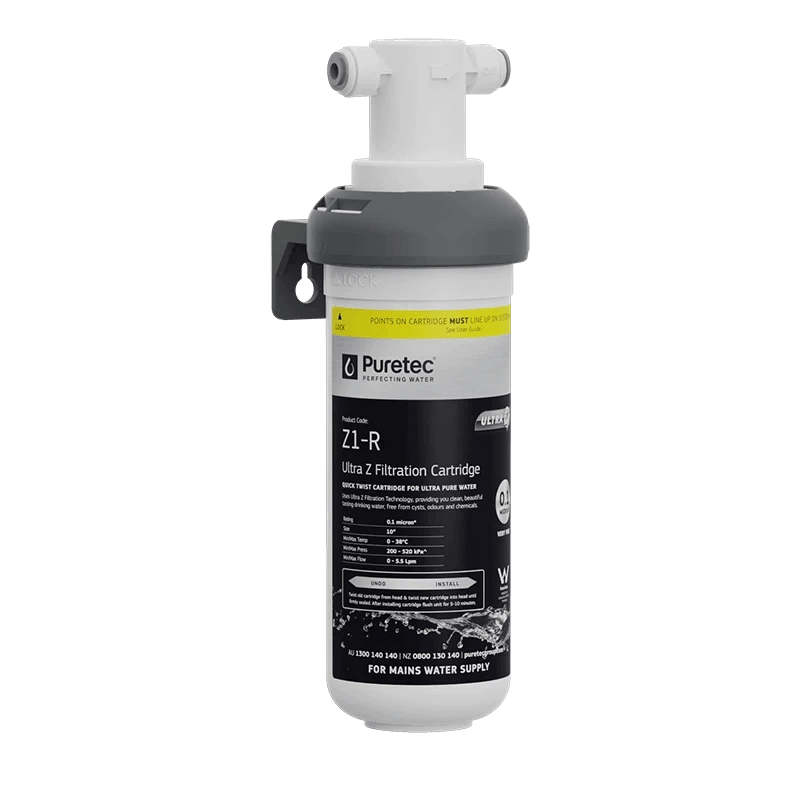
If you use a drinking water filter, keep up with cartridge changes and service requirements. Installed Today’s Water Filters category includes drinking water filters, replacement cartridges, reverse osmosis systems, UV systems and whole home water filter options.
Save Water in the Laundry
Laundry water use can be high, especially in larger households.
Ways to save water in the laundry include:
washing full loads where possible
using the correct water level setting
choosing eco cycles when suitable
repairing leaking washing machine hoses
checking tap connections behind the washing machine
reusing greywater only where allowed and suitable
avoiding unnecessary extra rinse cycles
choosing water-efficient machines when replacing old appliances
If your washing machine is connected to hot water, hot water habits and system efficiency also matter. A poorly matched hot water system can add unnecessary energy cost to laundry use.
Save Water in the Garden
Outdoor water use can rise quickly during dry periods. A water-smart garden can reduce watering needs while still looking healthy.
Garden water-saving tips include:
water early in the morning or late afternoon
avoid watering during the hottest part of the day
use mulch to reduce evaporation
choose drought-tolerant plants
group plants with similar watering needs
improve soil with compost
use drip irrigation where suitable
check irrigation systems for leaks
avoid overwatering lawns
adjust watering based on rainfall
Australian native and drought-tolerant plants are often better suited to dry conditions than thirsty lawn-heavy garden designs.
Use Rainwater Where Suitable
Rainwater tanks can reduce reliance on mains water for garden watering, cleaning, irrigation and some household applications where the setup is suitable.
A rainwater system may need a pump to move water from the tank to taps, gardens or selected fixtures. Installed Today’s Rain Water Pumps and Household Water Pumps categories are useful for comparing options for tank water, garden watering, household pressure and rain harvesting setups.
Rainwater pump considerations include:
tank size
intended use
flow rate requirements
pressure requirements
garden or household use
pump noise
power supply
filtration needs
dry-run protection
whether mains backup is needed
installer confirmation
Rainwater use should be set up correctly so the system is safe, reliable and suitable for the property.
Rain Harvesting Pump Sets
Rain harvesting pump systems can help households make better use of stored rainwater. These systems are commonly used to supply garden taps, toilets, laundries or household fixtures depending on the setup and local requirements.
They may suit homes that:
already have a rainwater tank
want to use more tank water
want garden watering support
have suitable pipework
need a pump for usable pressure
want mains backup depending on the system
are trying to reduce mains water use
Installed Today’s Household Water Pumps category includes rain harvesting, rainwater pressure, mains pressure boosting and household pump options.
Low Water Pressure vs Water Saving
Low water pressure and water saving are not the same thing.
Low pressure can make showers and taps frustrating, but increasing pressure without checking fixtures can increase water use if the system is not managed properly.
A pressure boosting pump may suit homes with:
weak shower pressure
slow-filling taps
pressure drop when multiple outlets run
poor pressure across larger homes
mains pressure issues
rainwater tank supply needs
Installed Today’s Mains Water Pressure Boosting Pumps category is useful for comparing pressure boosting options.
Before boosting pressure, the cause should be checked. The issue may be old pipework, blocked filters, faulty valves, poor pump setup, pressure limiting valves or supply limitations.
Swimming Pool Water-Saving Tips
Pools can lose water through evaporation, leaks, backwashing and splash-out.
Ways to reduce pool water waste include:
use a pool cover
check for leaks
keep water chemistry balanced
avoid overfilling
reduce unnecessary backwashing
clean filters properly
check pump and pipework leaks
manage splash-out
maintain correct water level
protect the pool from excessive wind exposure where possible
A pool cover is one of the most practical water-saving tools because evaporation can be a major source of water loss.
Water Filters and Water-Smart Homes
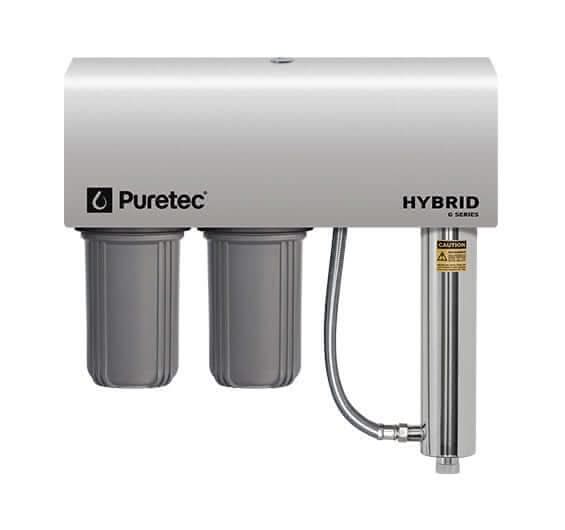
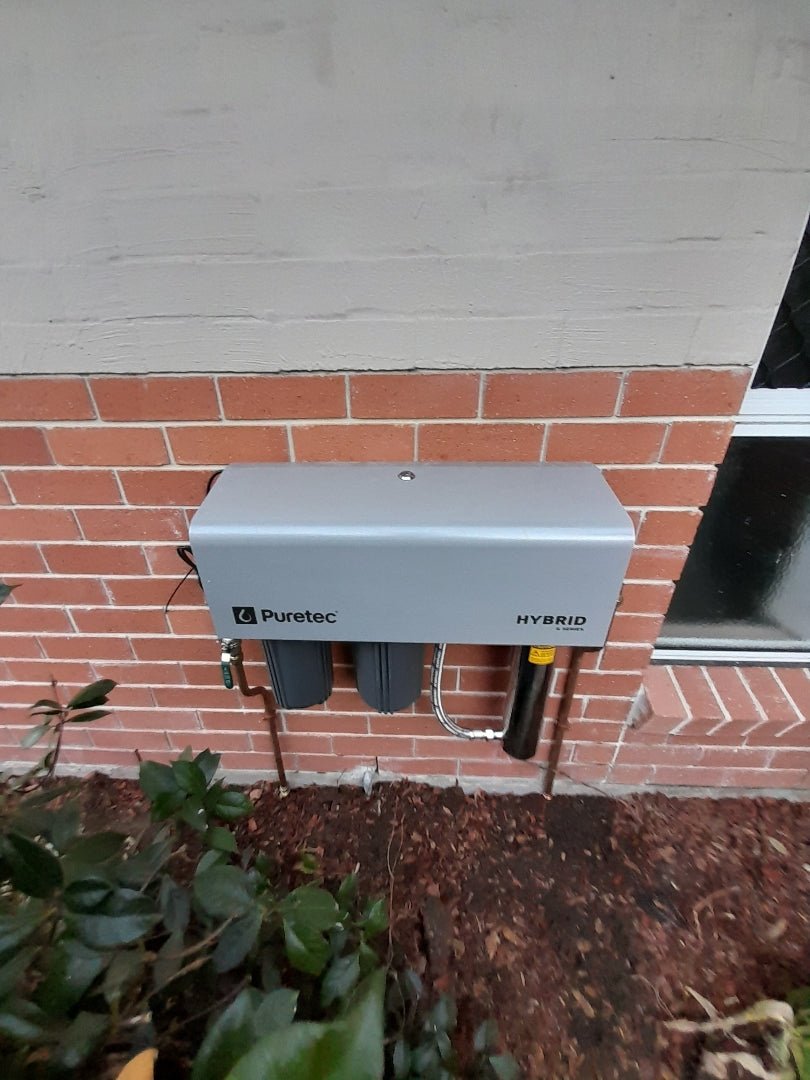
Water filters do not usually reduce total household water use directly, but they can support better water quality and reduce reliance on bottled water.
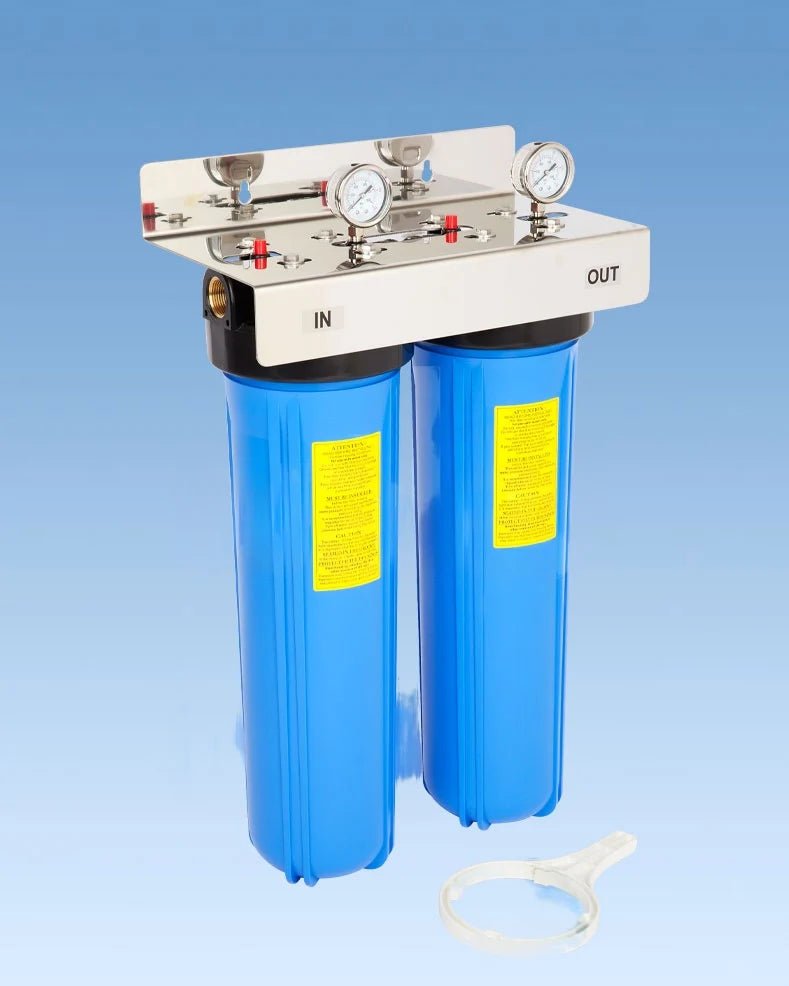
Installed Today’s Water Filters category includes:
whole home water filters
drinking water filters
kitchen water filters
reverse osmosis systems
UV water treatment
shower filters
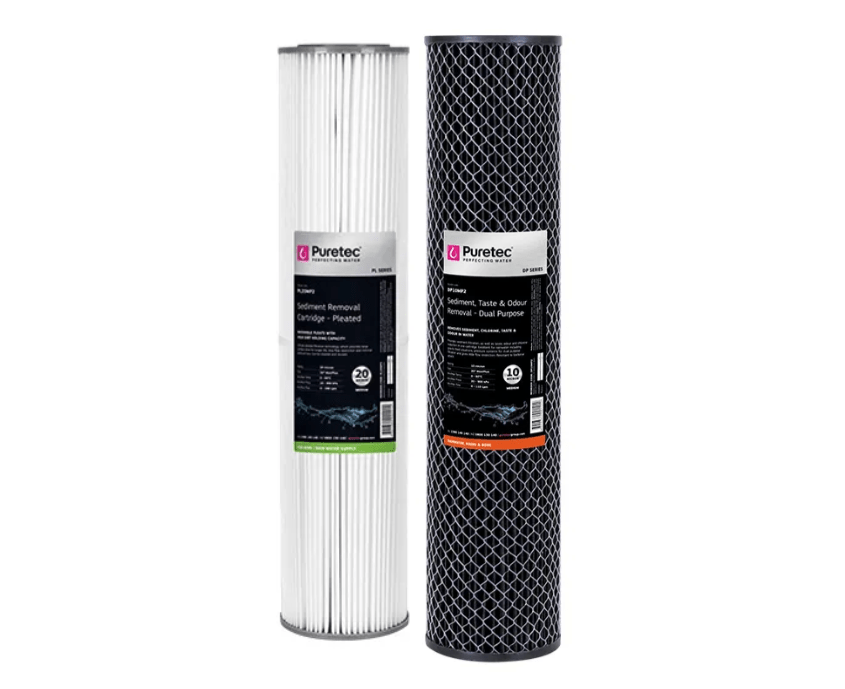
replacement cartridges
service kits
Shower Water Filters may also be worth comparing for customers focused on shower water quality.
A filter should be chosen based on the water issue you are trying to solve, such as taste, sediment, chlorine, hardness concerns, rainwater treatment or whole home filtration needs.
Water Saving and Hot Water Replacement
When replacing a hot water system, it is a good time to think about water use as well as energy use.
Before ordering, ask:
did the old system supply enough hot water
was hot water taking too long to arrive
are showers using too much hot water
are there leaking hot taps or valves
is the tank too small or too large
would heat pump hot water reduce energy use
does instant gas suit the home better
does the home use natural gas, LPG or electricity
does the site suit the selected system
A hot water system should be matched to the household, not chosen only by price.
For broader comparison, start with Hot Water Systems.
Supply Only vs Supplied and Installed
Installed Today offers supply-only ordering for customers who already have their own licensed installer arranged. Supply-only pricing is for the product only and does not include installation, valves, electrical work, gas work, pipework changes, drainage work, old unit removal, disposal, filtration installation, pump installation or compliance upgrades unless those options are clearly selected or shown on the product page.
Supplied-and-installed options may be available on selected products in eligible Brisbane and Gold Coast service areas. Availability depends on the product, address, access, existing setup, electrical suitability, gas type, drainage, clearances, pump requirements, filtration requirements and required extras.
Before ordering supply only, make sure your licensed installer confirms the product suits your home, household demand, installation location, water pressure, energy source, access, drainage and compliance requirements.
Brisbane and Gold Coast Water-Saving Context
For Brisbane and Gold Coast homes, water-saving decisions often come down to hot water use, outdoor watering, rainwater use, shower habits, leaks and household system selection.
Local homes should check:
whether showers are using too much water
whether taps or toilets are leaking
whether garden watering can be reduced
whether rainwater could be used more effectively
whether a pump is needed for tank water pressure
whether the hot water system is correctly sized
whether heat pump hot water suits the home
whether filters need cartridge servicing
whether pressure issues are caused by plumbing, valves or pumps
South East Queensland homes often have a mix of mains water, rainwater tanks, hot water systems, gardens and outdoor use, so water-saving works best when the whole property is considered.
Common Water-Wasting Problems
Common household water-wasting problems include:
long showers
leaking taps
running toilets
old washing machines
overwatering gardens
leaking irrigation
pool evaporation
uncovered pools
poor rainwater pump setup
broken pressure valves
hot water taking too long to arrive
oversized or poorly matched hot water systems
damaged hoses
leaking appliance connections
Most households can save water by fixing one or two obvious problems first.
Before You Upgrade: Water-Saving Checklist
Before upgrading a hot water system, pump, filter or appliance, check:
where the most water is being used
whether there are leaks
whether toilets are running
whether shower time can be reduced
whether the garden is overwatered
whether rainwater tanks are being used properly
whether a pump is needed
whether pressure is too low or too high
whether the hot water system is the right size
whether a heat pump would reduce energy use
whether filters need servicing
whether your licensed installer has confirmed suitability
This helps avoid buying a product that does not solve the real problem.
Practical Water-Saving Plan for the Home
A simple water-saving plan could look like this:
fix obvious leaks first
reduce shower times
check toilets for slow leaks
run full dishwasher and washing machine loads
use efficient appliance settings
water gardens early or late
add mulch to garden beds
choose drought-tolerant plants
use rainwater where suitable
cover the pool
compare efficient hot water options before replacement
service filters, pumps and valves when needed
Start with the easiest changes, then look at system upgrades when something needs replacing.
Long-Tail FAQs
What is the easiest way to save water at home?
The easiest ways to save water are to shorten showers, fix leaking taps, check toilets for leaks, run full washing machine and dishwasher loads, and avoid overwatering the garden.
Does saving hot water also save energy?
Yes. When you use less hot water, your hot water system has less water to heat. This can reduce electricity or gas use depending on the system type.
Can a heat pump hot water system save water?
A heat pump does not directly reduce litres used, but it can reduce the energy needed to heat water compared with standard electric storage. Water-saving still depends on habits, fixtures and leaks.
How can I save water in the shower?
Take shorter showers, fix leaking showerheads, avoid running the shower too long before getting in, and consider efficient fittings where suitable. Shower time is one of the biggest household water-saving opportunities.
How can I save water in the garden?
Use mulch, water early or late, choose drought-tolerant plants, check irrigation for leaks, avoid overwatering and use rainwater where the property setup allows.
Are rainwater pumps worth it?
A rainwater pump can be worth it if you have a rainwater tank and want usable pressure for garden watering, household tank supply or rain harvesting. The right pump depends on flow, pressure, tank setup and intended use.
Do water filters save water?
Water filters do not usually reduce total household water use directly, but they can improve water quality and reduce reliance on bottled water. Filters still need correct cartridge maintenance.
Why is my water bill suddenly higher?
A sudden increase can be caused by leaking taps, running toilets, irrigation leaks, hidden pipe leaks, pool leaks, appliance issues, changed household usage or garden watering.
Can low water pressure waste water?
Low pressure itself does not always waste water, but it can cause longer shower times or poor fixture performance. The cause should be checked before adding a pressure boosting pump.
What should I check before replacing my hot water system?
Check household size, shower habits, current system size, whether the old system supplied enough hot water, energy source, access, drainage, electrical or gas requirements, and whether heat pump hot water should be compared.
Final Word
Saving water at home is not about one big change. It is about fixing leaks, shortening showers, choosing efficient appliances, watering gardens smarter, using rainwater where suitable and making better decisions when replacing hot water, pump or filtration products.
For many households, the best water-saving result comes from combining everyday habits with the right home systems.
Start with Installed Today’s Hot Water Systems, compare Heat Pump Hot Water Systems, review Water Filters, browse Household Water Pumps, or compare Rain Water Pumps to find the right fit for your home.