
Leaking Hot Water System: What to Do, Common Causes and When to Replace It
A leaking hot water system should never be ignored. Sometimes the issue is a small valve leak. Other times it can be a warning sign that the storage cylinder, fittings, pipework or internal components are failing.
The most important thing is to work out whether the water is coming from a safe, repairable part of the system or whether the hot water unit itself is at the end of its life. A small drip can quickly turn into property damage, electrical risk, gas safety concerns or a complete loss of hot water.
For customers comparing replacement options online, Installed Today’s Hot Water Systems range is the best place to start. You can compare Electric Hot Water Systems, Gas Hot Water Systems, Instant Gas Hot Water Systems, Instant Electric Hot Water Systems and Heat Pump Hot Water Systems before deciding whether replacement makes more sense than repair.
Quick Answer
If your hot water system is leaking, turn off the water supply if safe to do so, isolate power or gas if required, keep clear of electrical components, and contact a licensed plumber, electrician or gas fitter depending on the system type.
A leaking valve, fitting or pipe connection may be repairable.
A leaking tank or storage cylinder usually means replacement is required.
Best replacement starting point: Hot Water Systems
Best electric replacement category: Electric Hot Water Systems
Best gas replacement category: Gas Hot Water Systems
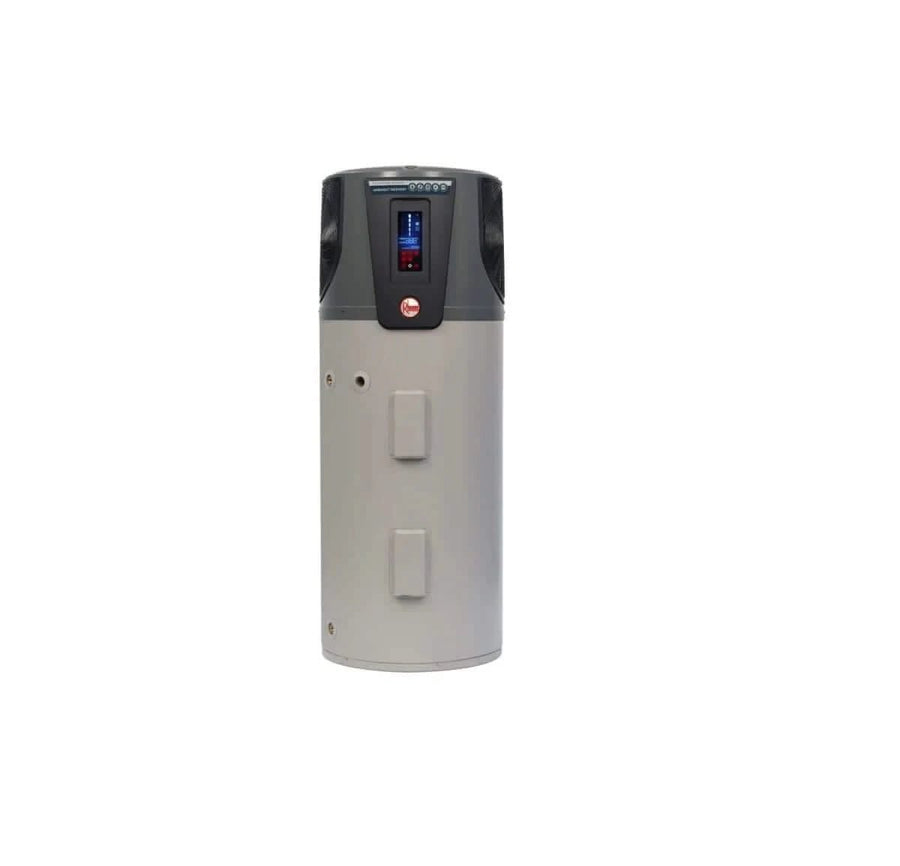
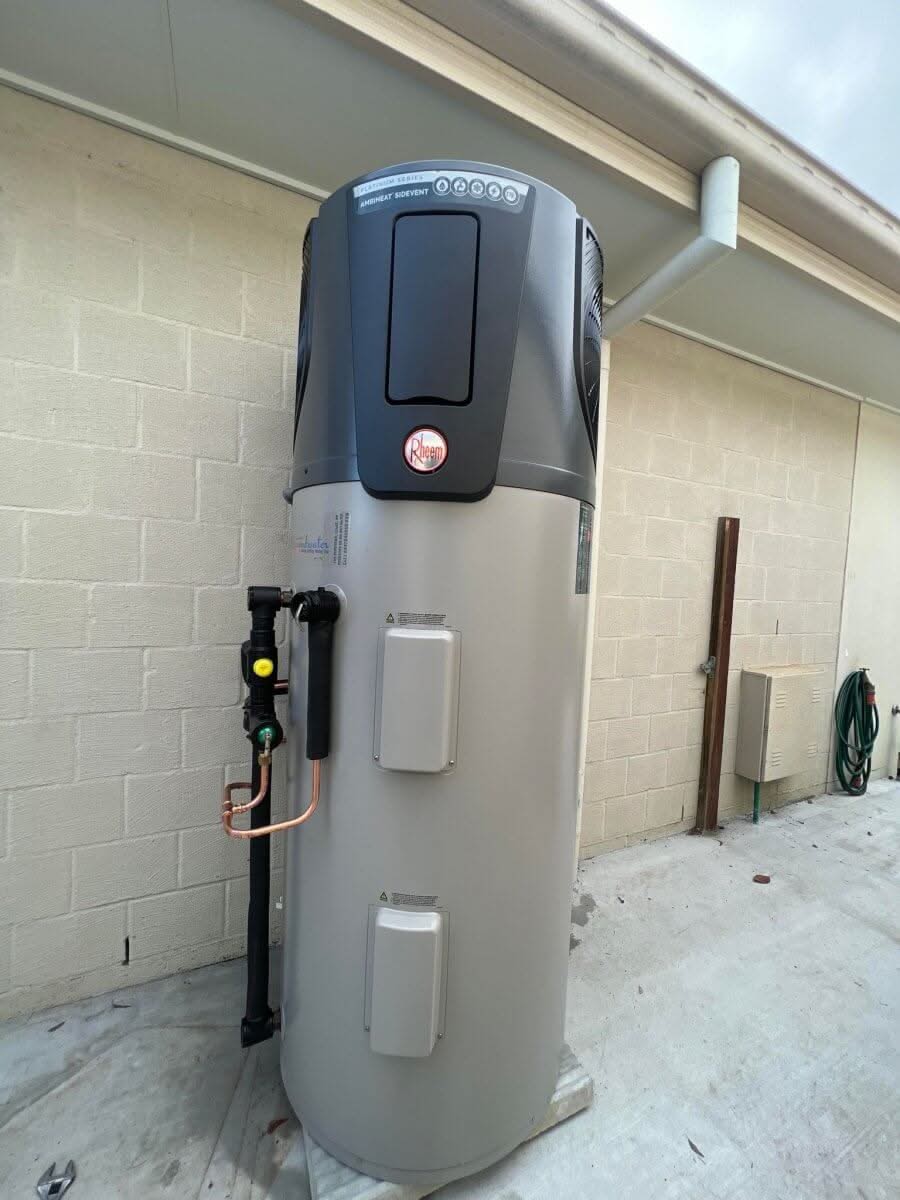
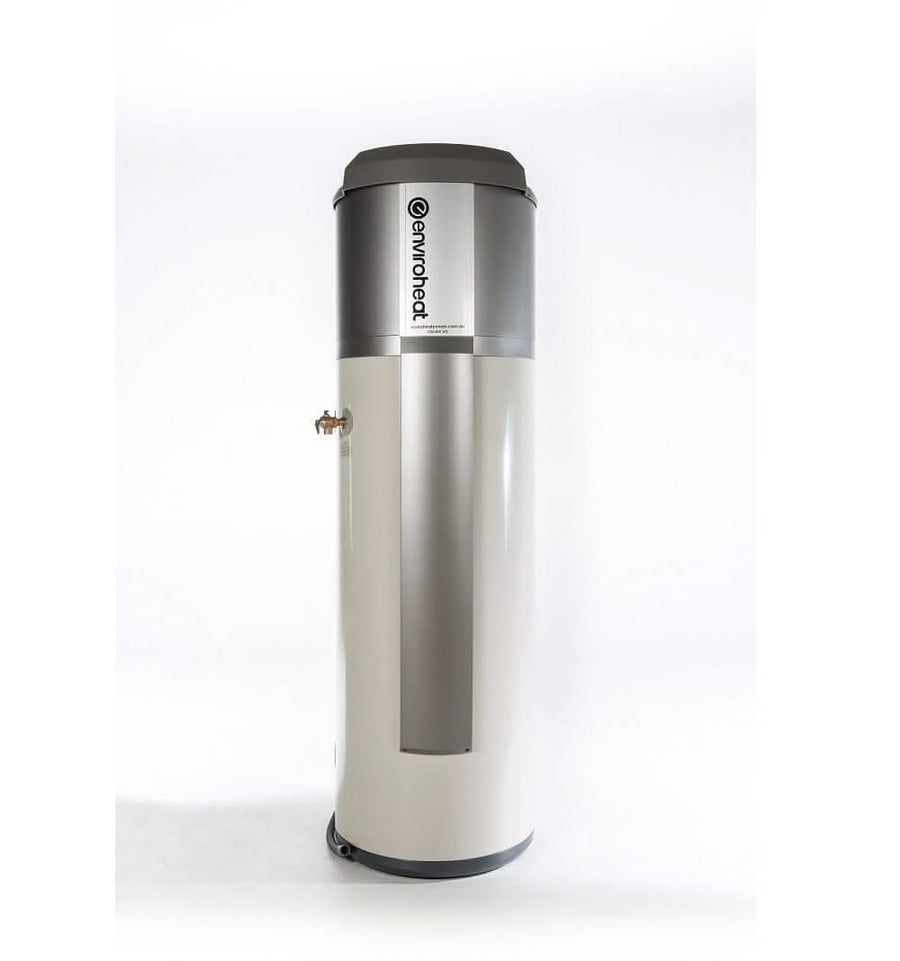
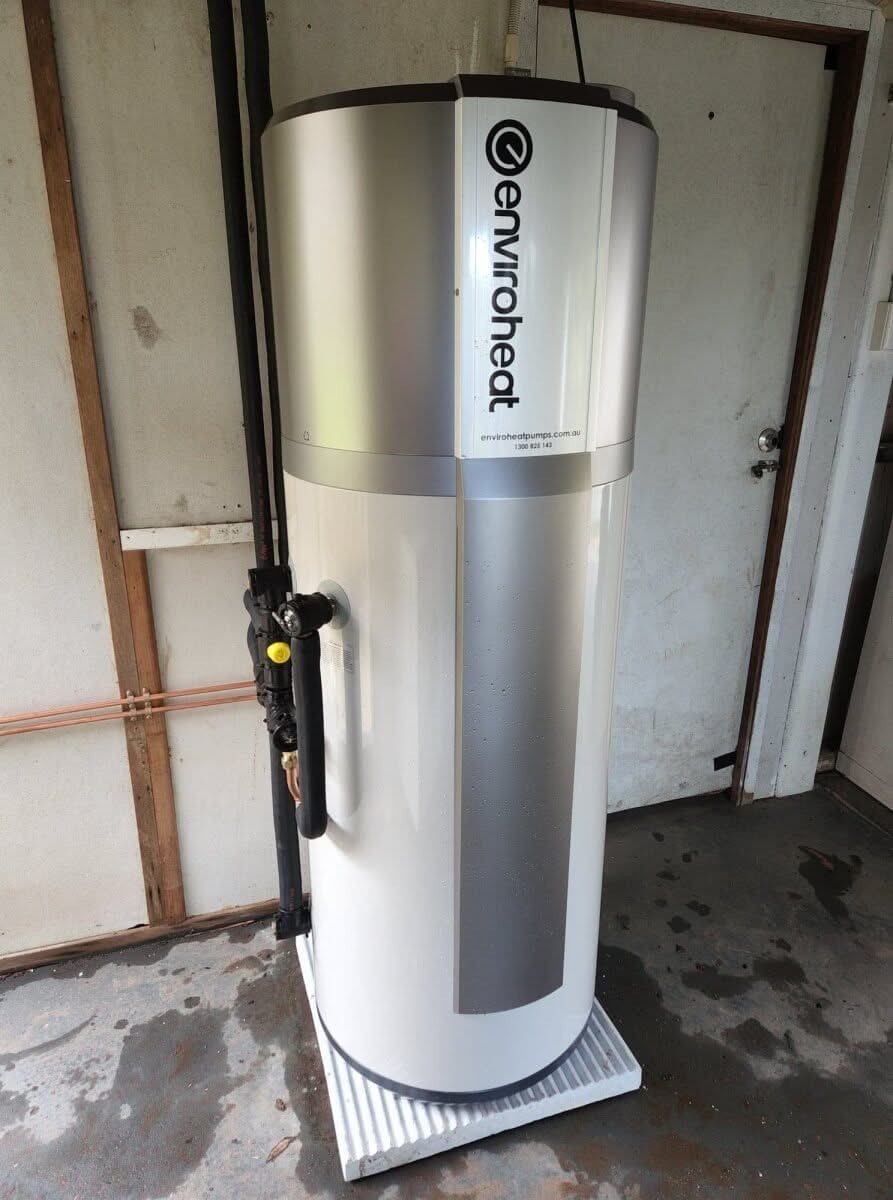
Best efficient electric upgrade: Heat Pump Hot Water Systems
Main thing to avoid: assuming a leaking tank can be repaired
Is a Leaking Hot Water System Dangerous?
A leaking hot water system can be dangerous depending on where the leak is coming from and what type of system you have.
The main risks include:
water damage to walls, floors, cupboards or slab areas
electrical risk around electric hot water systems
gas safety risk around gas hot water systems
pressure build-up if valves are faulty
scalding risk from hot discharge water
mould or moisture damage
system failure if the leak gets worse
higher water and energy bills
A slow leak from a pipe fitting may not look urgent, but it can still cause damage over time. A leak from the base of a storage tank is usually more serious because it can point to internal cylinder failure.
First Steps When You Find a Hot Water Leak
If you find water around your hot water system, act carefully.
Do not remove electrical covers, open gas components or try to dismantle the system yourself.
A safe first response is:
keep children and pets away from the area
avoid touching wet electrical parts
look for obvious water pooling or spraying
turn off the water supply to the unit if safe and accessible
turn off electrical power at the switchboard if water is near electrical parts
turn off gas supply if there is a gas smell or gas safety concern
contact a licensed professional
take photos of the leak for your plumber or installer
compare replacement options if the unit is old or badly corroded
If there is a gas smell, electrical hazard, flooding or major leak, treat it as urgent and contact the appropriate licensed trade or emergency service.
Common Signs Your Hot Water System Is Leaking
A hot water leak is not always obvious at first.
Common warning signs include:
water pooling around the base
wet concrete near the unit
rust stains on the tank
green or white corrosion around fittings
constant dripping from valves
water running from the overflow pipe
damp cupboards near indoor units
lower hot water pressure
hot water running out faster
unusual hissing, popping or crackling sounds
higher water bills
higher electricity or gas bills
visible cracks, rust or swollen tank areas
A small amount of water from a relief valve can sometimes be normal during heating, but constant discharge should be checked.
Water Around the Base of the Hot Water System
Water around the base of a hot water system is one of the most important warning signs.
Possible causes include:
leaking storage cylinder
faulty drain valve
failed pressure relief valve
leaking pipe connection
internal corrosion
rusted tank base
condensation on some systems
overflow from nearby drainage
rainwater pooling around an outdoor unit
If the water keeps returning after the area is dried, the system should be inspected.
A storage tank leaking from the base often means the internal cylinder has failed. If that is the case, the system is usually not repairable and replacement is normally the practical path.
Leaking From the Top of the Hot Water System
A leak from the top of a storage hot water system may be caused by fittings or pipe connections.
Common causes include:
loose hot water outlet connection
loose cold water inlet connection
corroded fittings
failed valve
damaged pipework
old copper or flexi connections
poor previous installation
expansion or movement around pipe joints
Top leaks may be repairable if the tank itself is still sound. However, if the fittings are badly corroded or the unit is very old, replacement may still be more sensible than repairing one issue and waiting for the next failure.
Leaking From the Pressure Relief Valve
The pressure relief valve is designed to release water when pressure or temperature conditions require it.
A small amount of discharge can happen during normal heating cycles, but constant leaking is not something to ignore.
Possible causes include:
faulty relief valve
excessive pressure
thermal expansion
sediment buildup
incorrect valve setup
high incoming water pressure
age-related wear
temperature issue
A licensed plumber should check the valve, pressure and system condition.
Do not cap, block or disable a relief valve. It is a safety device.
Leaking From the Drain Valve
The drain valve is usually located near the bottom of a storage hot water tank.
Leaks from the drain valve may be caused by:
valve not fully closed
worn washer or seal
sediment lodged inside the valve
corrosion around the valve
damaged valve thread
age-related failure
A drain valve issue may be repairable, but the plumber should also check the condition of the tank. A valve leak on an old, rusty system may be a sign that replacement is close anyway.
Rust and Corrosion Around the System
Rust around a hot water system should be taken seriously.
Rust may appear on:
tank seams
base of the cylinder
pipe fittings
valves
anode area
relief valve area
casing panels
connections near the top of the system
Rust can mean the system has been exposed to weather, leaking slowly, installed in a poor location or reaching the end of its service life.
If corrosion is only on a fitting, repair may be possible. If rust is coming from the tank itself, replacement is usually the safer long-term option.
Strange Noises From the Hot Water System
Unusual noises can be linked to sediment buildup, boiling sounds, valve issues or system age.
Common sounds include:
popping
crackling
rumbling
hissing
banging
whistling
gurgling
In electric storage systems, sediment buildup can reduce efficiency and increase stress on the tank. In gas systems, unusual burner or heating noises should be checked by a licensed gas fitter.
Noise by itself does not always mean a leak, but noise plus water around the system is a stronger warning sign.
Electric Hot Water System Leaks
Electric storage hot water systems are common in Australian homes. They can leak from valves, pipework, fittings, the tank base or internal cylinder.
If an electric hot water system is leaking:
do not touch wet electrical components
do not remove covers
turn off power at the switchboard if safe
turn off the water supply if safe
call a licensed plumber or electrician as required
compare replacement options if the system is old or the tank has failed
If replacement is needed, Installed Today’s Electric Hot Water Systems category is the best starting point.
Common electric replacement sizes include 250L Electric Hot Water Systems, 315L Electric Hot Water Systems and 400L Electric Hot Water Systems.
Gas Hot Water System Leaks
Gas hot water systems can be storage systems or instant gas systems.
A gas storage system may leak from valves, pipework, tank fittings or the cylinder.
An instant gas system may leak from pipe connections, internal water components, valves or fittings.
If a gas hot water system is leaking:
do not open the gas appliance
do not attempt DIY gas repairs
turn off water if safe
turn off gas if there is a gas smell or safety concern
contact a licensed gas fitter
confirm whether the system is natural gas or LPG before replacement
For replacement comparisons, start with Gas Hot Water Systems, Instant Gas Hot Water Systems or 26L Instant Gas Hot Water Systems.
Instant Gas Hot Water System Leaks
Instant gas systems are compact wall-mounted units. They do not have a storage tank, but they can still leak.
Possible leak points include:
water inlet connection
hot water outlet connection
internal pipework
heat exchanger
relief valve
drain points
controller-related penetrations
old valves or fittings
A leaking instant gas system should be checked by a licensed professional. Some issues may be repairable, but an older unit with internal corrosion or repeated faults may be better replaced.
Popular replacement categories include Instant Gas Hot Water Systems, Rinnai Hot Water Systems, Rheem Hot Water Systems and Bosch Hot Water Systems.
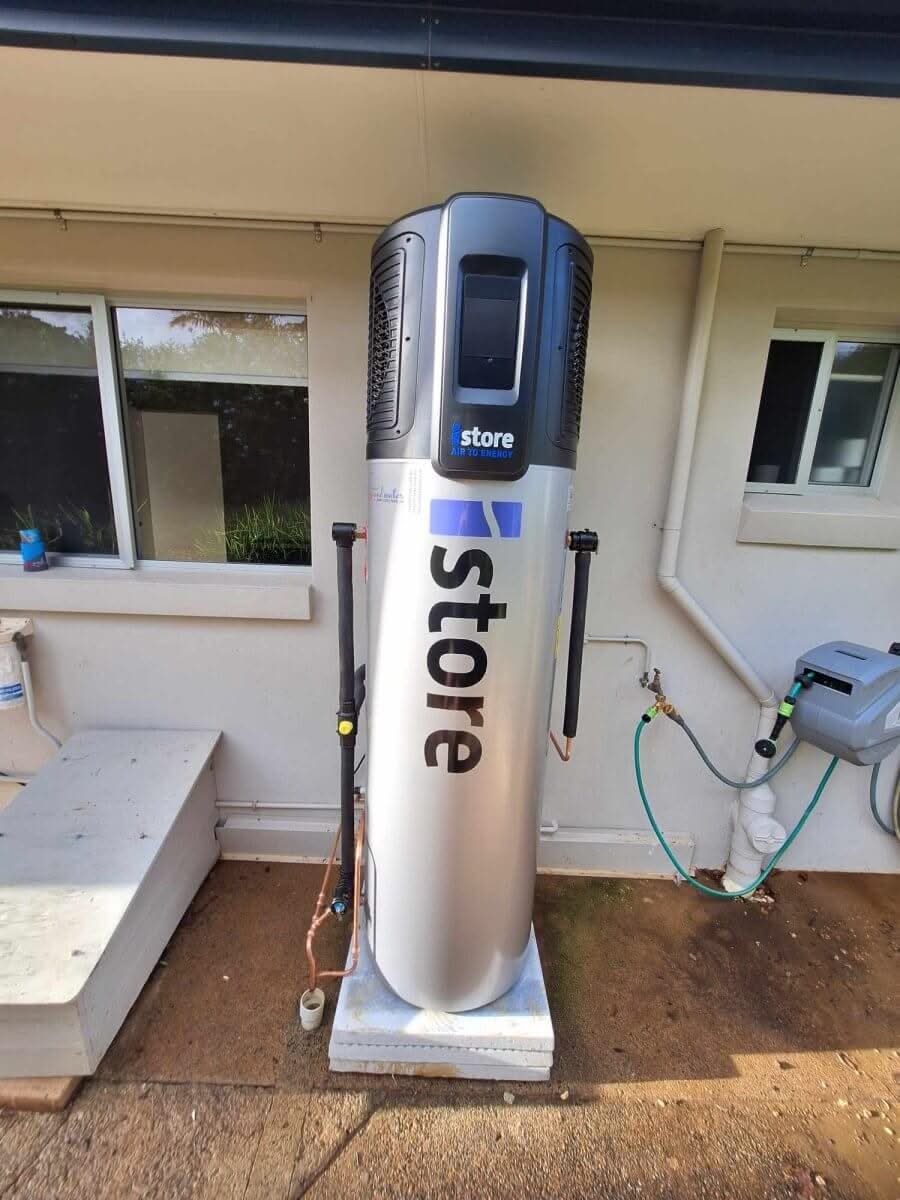
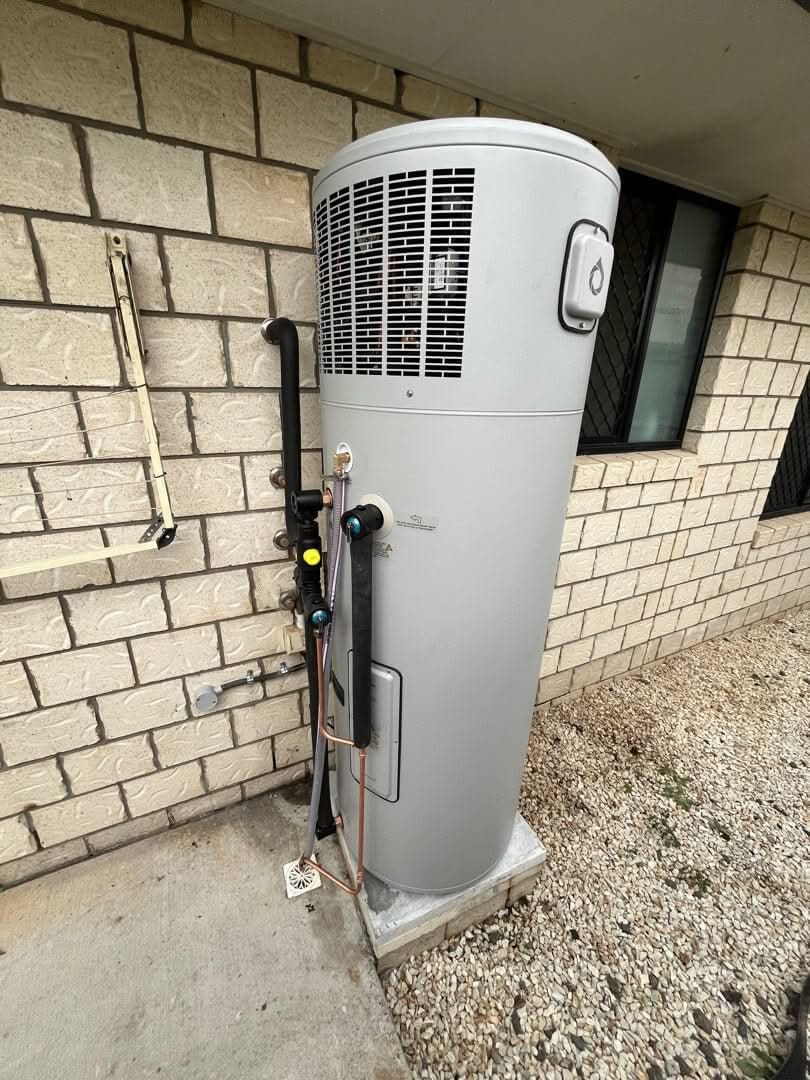
Heat Pump Hot Water Leaks
Heat pump hot water systems can produce condensate during normal operation, so not every water mark near a heat pump is a failed tank.
However, leaks should still be checked carefully.
Possible causes include:
normal condensate discharge
blocked condensate drain
leaking relief valve
pipework leak
tank leak
valve leak
poor drainage
base or slab drainage issues
A heat pump needs proper drainage, airflow and access. If the system is old, noisy, leaking from the tank or repeatedly faulting, replacement may be worth comparing.
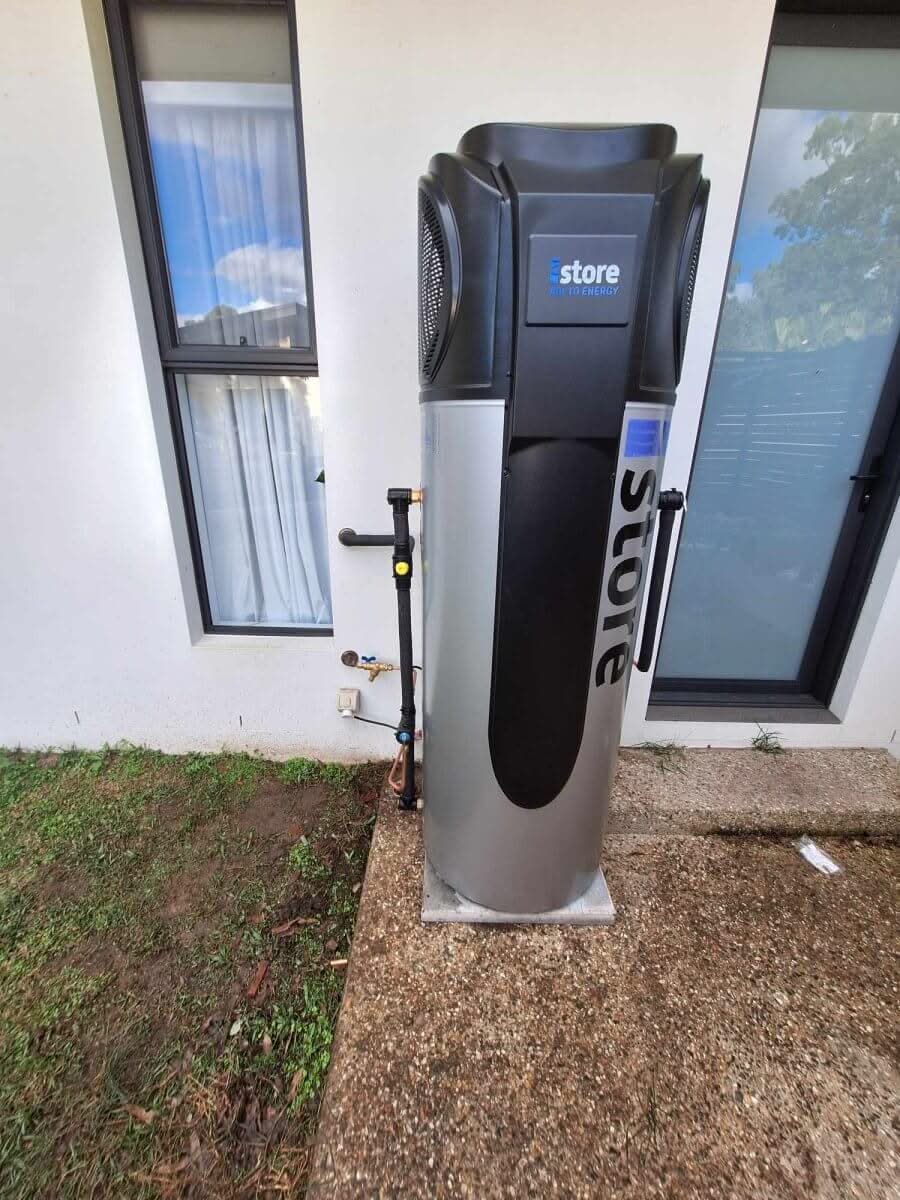
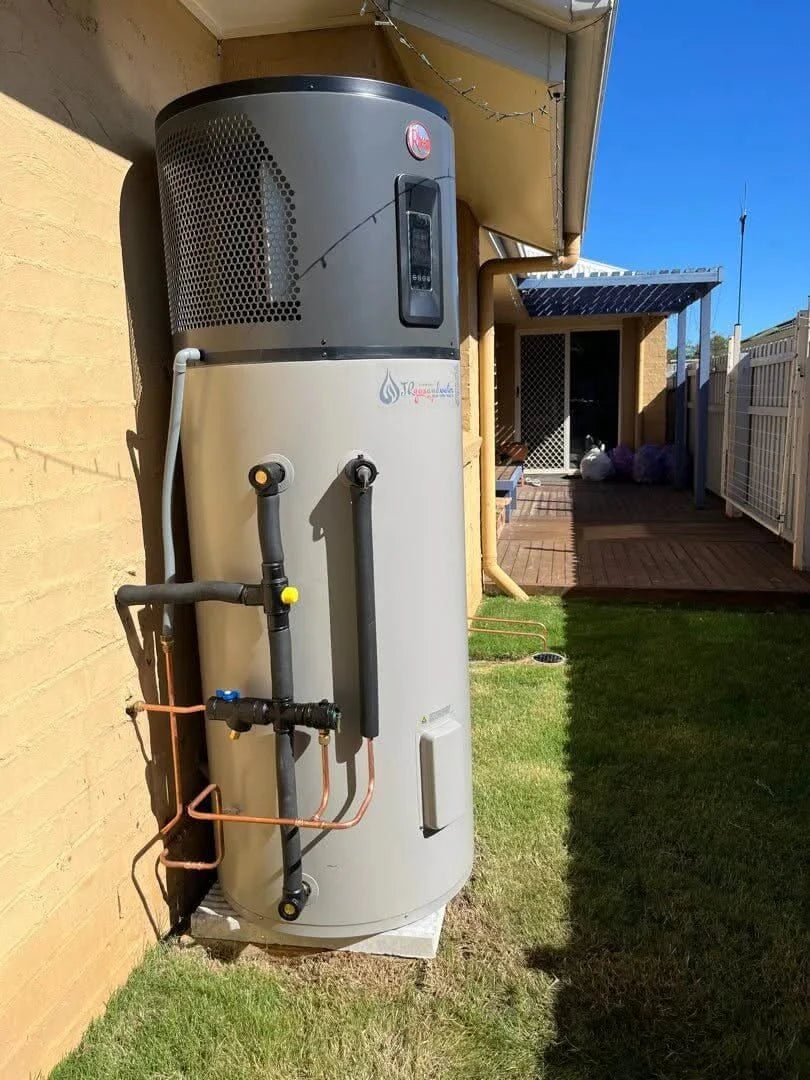
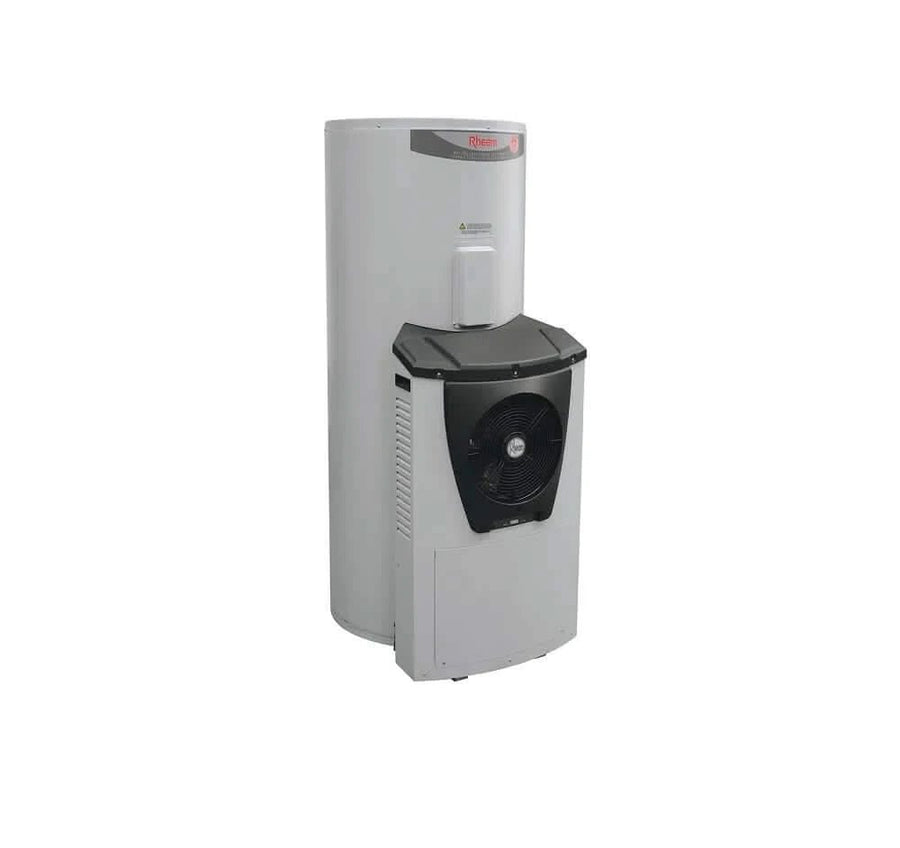
Start with Heat Pump Hot Water Systems, Medium Heat Pump Hot Water Systems 200L–280L or Large Heat Pump Hot Water Systems.
Solar Hot Water System Leaks
Solar hot water systems can leak from the tank, roof collectors, pipework, valves, pump components or booster connections.
Possible leak signs include:
water around the tank
water dripping from roof collectors
wet ceiling areas
poor hot water recovery
booster running more often
visible corrosion
valve discharge
pressure problems
Solar hot water leaks can be more complex because roof-mounted components may be involved. A licensed professional should inspect the system before any repair or replacement decision is made.
If the system is old or roof access is difficult, it may be worth comparing replacement with Heat Pump Hot Water Systems or other Hot Water Systems.
Repair or Replace a Leaking Hot Water System?
The right decision depends on where the leak is coming from and how old the system is.
Repair may make sense if:
the leak is from a valve
the leak is from a fitting
the tank is still in good condition
the unit is not very old
parts are available
the repair cost is sensible
the system still suits the household
Replacement may make more sense if:
the tank or cylinder is leaking
the base is rusted
the system is old
there are repeated faults
hot water recovery is poor
the unit is undersized
repair cost is too close to replacement cost
parts are hard to source
the household wants a more efficient system
the installation no longer meets current requirements
A leaking storage cylinder is usually the clearest sign that replacement is needed.
When a Leaking Tank Usually Means Replacement
A leaking tank is different from a leaking valve.
If the storage cylinder itself has corroded or split, it is generally not a practical repair. The cylinder is the main body of the hot water system. Once it fails, the system has usually reached the end of its life.
Signs the tank may have failed include:
water leaking from the base
rusty water around the bottom
bulging or swollen tank casing
visible corrosion at seams
persistent pooling after drying the area
leaks that are not coming from valves or fittings
hot water running brown or rusty
repeated pressure or leak issues
If these signs are present, compare replacement systems instead of spending money on short-term repairs.
When a Valve Leak May Be Repairable
A valve leak can often be fixed if the tank is still in good condition.
Repairable leak points may include:
pressure relief valve
expansion control valve
cold water valve
tempering valve
drain valve
pipe fittings
flexi hoses
connection points
A licensed plumber should confirm whether the valve is the only issue. If the system is old and heavily corroded, replacing one valve may not solve the bigger problem.
What Size Replacement Hot Water System Do You Need?
A leak is often a good time to check whether the existing system was actually the right size.
Before replacing like-for-like, consider:
how many people live in the home
how many bathrooms are used
whether showers are short or long
whether baths are used often
whether the old system supplied enough hot water
whether the household has grown
whether energy bills are too high
whether the system is electric, gas or heat pump
whether natural gas or LPG is available
whether rooftop solar is available
whether supply only or supplied and installed is needed
A leaking 250L electric tank may be replaced with another 250L tank if it worked well. But if it always ran out, it may be better to compare 315L, 400L or heat pump options.
A leaking gas storage tank may be replaced with another gas storage system, but it may also be worth comparing instant gas if the property has suitable gas supply and pipe sizing.
Best Replacement Options for a Leaking Electric Hot Water System
If an old electric storage system is leaking, the main replacement options are:
standard electric storage
premium stainless steel electric storage
heat pump hot water
instant electric for selected compact applications
Standard electric storage may be best if you want simple replacement and lower upfront cost.
Heat pump hot water may be better if you want lower running cost potential and the home has suitable outdoor space, airflow and drainage.
Useful Installed Today categories include:
Electric Hot Water Systems
250L Electric Hot Water Systems
315L Electric Hot Water Systems
400L Electric Hot Water Systems
Heat Pump Hot Water Systems
Best Replacement Options for a Leaking Gas Hot Water System
If a gas hot water system is leaking, the first thing to confirm is gas type.
Natural gas and LPG are not interchangeable.
Gas replacement options may include:
gas storage hot water
instant gas hot water
26L instant gas for higher-demand homes
heat pump hot water if moving away from gas
electric storage if the home is switching energy source
Useful Installed Today categories include:
Gas Hot Water Systems
Instant Gas Hot Water Systems
26L Instant Gas Hot Water Systems
130/135L Gas Hot Water Systems
160/170L Gas Hot Water Systems
Preventing Future Hot Water Leaks
Not every leak can be prevented, especially when a tank reaches the end of its life. But maintenance can reduce avoidable failures.
Helpful habits include:
checking around the unit regularly
looking for rust or corrosion
watching for valve discharge
keeping outdoor systems clear of soil, leaves and mulch
checking for wet patches around the base
booking licensed servicing when required
replacing failing valves early
not ignoring unusual noises
checking anode requirements on steel tanks where applicable
keeping heat pump airflow clear
not delaying replacement when the tank is clearly failing
Preventive checks are especially important for older storage systems.
Hot Water Leaks After Heavy Rain
Outdoor hot water systems can look like they are leaking after heavy rain, especially if water pools around the slab or side access.
Possible causes include:
rainwater pooling near the unit
blocked drainage
overflow from gutters
stormwater issues
wet ground around the slab
actual valve leak
actual tank leak
corrosion exposed by wet weather
Dry the area if safe and check whether water returns when it has not rained. If water continues to appear, the system or pipework should be inspected.
Supply Only vs Supplied and Installed
Installed Today offers supply-only ordering for customers who already have their own licensed installer arranged.
Supply-only pricing is for the product only. It does not include installation, valves, electrical work, gas work, pipework changes, drainage work, old unit removal, disposal, wall mounting changes, base work, repair work or compliance upgrades unless those options are clearly selected or shown on the product page.
Supplied-and-installed options may be available on selected products in eligible Brisbane and Gold Coast service areas.
Availability depends on:
product
address
access
existing setup
energy source
gas type
electrical suitability
water pressure
drainage
pipework
required extras
Before ordering supply only, make sure your licensed installer confirms the selected system suits the property.
Brisbane and Gold Coast Buying Context
For Brisbane and Gold Coast homes, leaking hot water systems are often discovered around outdoor units, garages, side passages, laundries and storage cupboards.
Local homes should check:
whether the system is electric, gas, instant gas, heat pump or solar
whether the leak is from a valve, fitting or tank
whether water is near electrical components
whether the property uses natural gas or LPG
whether the old system supplied enough hot water
whether access allows safe removal and replacement
whether drainage is suitable
whether valves need replacing
whether heat pump placement is practical
whether supplied-and-installed is available for the address
South East Queensland conditions can be tough on outdoor systems, especially where units are exposed to weather, poor drainage, salt air, wet side access or long-term corrosion.
Common Mistakes When Dealing With a Hot Water Leak
Ignoring a small leak
Small leaks can turn into major leaks and cause property damage.
Assuming the tank can be repaired
A leaking cylinder usually means replacement, not repair.
Touching wet electrical components
Electric hot water systems can be dangerous when water is present.
Trying DIY gas repairs
Gas hot water work should only be handled by licensed gas fitters.
Replacing with the same size without checking usage
If the old system ran out of hot water, the same size may repeat the issue.
Ordering the wrong gas type
Natural gas and LPG models are different.
Forgetting installation extras
Valves, drainage, pipework, electrical work, gas work and disposal can affect the final result.
Buying supply only without installer confirmation
Your licensed installer should confirm suitability before the product is ordered.
Before Ordering a Replacement Checklist
Before replacing a leaking hot water system, check:
current system type
current tank size or flow rate
age of the current system
where the leak is coming from
whether the tank is leaking
whether the old system supplied enough hot water
household size
number of bathrooms
shower habits
natural gas, LPG or electricity availability
electrical requirements
gas pipe sizing if relevant
water pressure
installation location
access for delivery and removal
valve requirements
drainage requirements
whether heat pump hot water should be compared
whether supply only or supplied and installed is required
licensed installer confirmation
This helps avoid replacing a failed system with another system that does not suit the home.
Which Replacement System Should You Choose?
Choose electric storage if you want a simple, familiar replacement and the old electric tank suited the home.
Choose heat pump hot water if the leaking system is an older electric tank and you want lower running cost potential, with suitable outdoor space and drainage.
Choose gas storage if your leaking system is a gas storage unit and you want a like-for-like tank replacement.
Choose instant gas if your home has natural gas or LPG, suitable gas pipe sizing and you want compact continuous flow hot water.
Choose instant electric only for suitable compact or point-of-use applications where the electrical setup supports it.
For most customers, the best starting point is Installed Today’s Hot Water Systems category, then narrowing down by system type, size, energy source and installation requirements.
Long-Tail FAQs
What should I do if my hot water system is leaking?
Turn off the water supply if safe, isolate power or gas if required, keep clear of electrical or gas components, and contact a licensed professional. If the system is old or leaking from the tank, start comparing replacement options.
Can I still use a leaking hot water system?
It depends on the leak and safety risk. A minor valve drip is different from a leaking tank or water near electrical parts. Do not keep using the system without professional advice if there is flooding, electrical risk, gas smell or a major leak.
Why is my hot water system leaking from the bottom?
A bottom leak may come from a drain valve, relief valve discharge, pipework, condensation or the tank itself. If the storage cylinder is leaking from the base, replacement is usually required.
Is a leaking hot water tank repairable?
A leaking valve or fitting may be repairable. A leaking storage cylinder is usually not practical to repair and normally means the hot water system needs replacement.
Why is water coming out of the overflow pipe?
Water from the overflow or relief valve may happen during heating, but constant discharge can indicate valve failure, excessive pressure or another system issue. A licensed plumber should check it.
Is rust around a hot water system bad?
Yes. Rust can indicate long-term moisture, corrosion or internal tank failure. Rust around fittings may be repairable, but rust on the tank body or base can point to replacement.
Should I repair or replace my leaking hot water system?
Repair may suit a newer system with a simple valve or fitting leak. Replacement is usually better if the tank is leaking, the system is old, faults are repeated or the unit no longer suits the household.
Can I replace an electric hot water system with a heat pump?
Yes, in some homes. A heat pump may be a good upgrade if there is suitable outdoor space, airflow, drainage, electrical suitability and sensible noise placement.
Can I replace gas storage with instant gas?
Sometimes, but it is not always a simple swap. Gas pipe sizing, water pressure, wall space, clearances, electrical requirements and drainage may all need to be checked.
Can I buy a replacement hot water system supply only?
Yes. Supply only is suitable if you already have your own licensed installer arranged. The product price is for the unit only and does not include installation or extras unless selected separately.
Final Word
A leaking hot water system should be checked quickly. A valve, fitting or pipe leak may be repairable, but a leaking storage tank usually means the system has reached the end of its life.
The safest approach is to isolate the system where appropriate, avoid electrical or gas components, and have a licensed professional confirm the leak source.
If replacement is needed, do not automatically choose the same system. Check whether the old unit was the right size, whether it suited the household and whether a better replacement option is available.
Start with Installed Today’s Hot Water Systems, compare Electric Hot Water Systems, review Gas Hot Water Systems, browse Instant Gas Hot Water Systems, or compare Heat Pump Hot Water Systems before ordering.