
No Hot Water? What to Check Before Replacing Your Hot Water System
hot water is one of the most frustrating household problems, especially when it happens before work, after sport, during a family morning routine or when guests are staying. The cause can be simple, such as a tripped circuit breaker, gas supply issue or an empty storage tank after heavy use. It can also point to a failing hot water system that needs professional inspection or replacement.
The safest first step is to identify what type of hot water system you have and look for obvious signs of trouble without opening, repairing or modifying the unit yourself. Electric, gas, instant gas, heat pump and storage systems can all fail in different ways.
If your system is leaking, tripping power, showing error codes, smelling of gas, running cold repeatedly or struggling to keep up with normal household use, it may be time to compare replacement options.
You can compare Hot Water Systems, Electric Hot Water Systems, Gas Hot Water Systems, Instant Gas Hot Water Systems, Instant Electric Systems and Heat Pump Hot Water Systems online with Installed Today.
Quick answer: what should you do if you have no hot water?
If you have no hot water, start with safe checks only:
-
Check whether the system is electric, gas, instant gas, heat pump or solar boosted
-
Check whether the power is on
-
Check whether the circuit breaker has tripped
-
Check whether gas supply is available if it is a gas system
-
Check whether the system is leaking
-
Check whether an error code is showing
-
Check whether the household simply used all stored hot water
-
Check whether the issue happens at every tap or only one outlet
-
Stop using the system if there is a gas smell, electrical fault, major leak or burning smell
-
Call the right licensed professional if the issue is not obvious or safe to resolve
Do not remove covers, touch wiring, repair gas parts, relight a system where a gas leak is suspected, replace elements, adjust internal controls or open the unit yourself.
First: work out what type of hot water system you have
The cause of no hot water depends heavily on the system type.
Common hot water system types include:
-
Electric storage
-
Gas storage
-
Instant gas
-
Instant electric
-
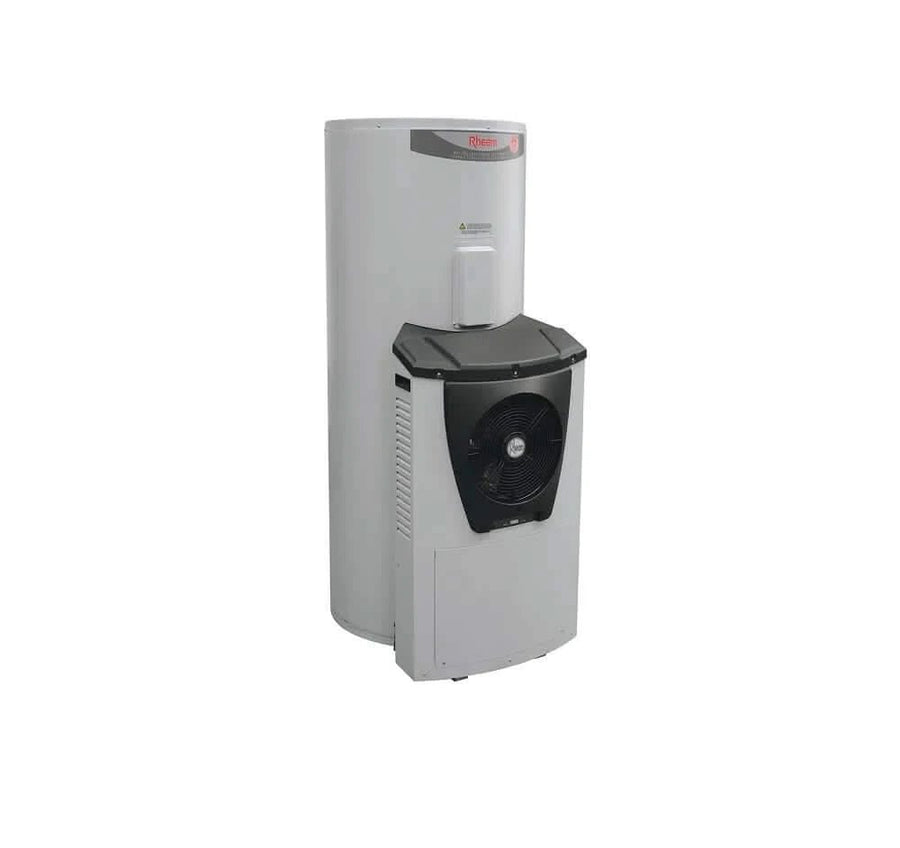
Heat pump
-
Solar hot water with electric or gas boost
Each system has different failure points, safety risks and replacement options.
Electric storage hot water: common no hot water causes
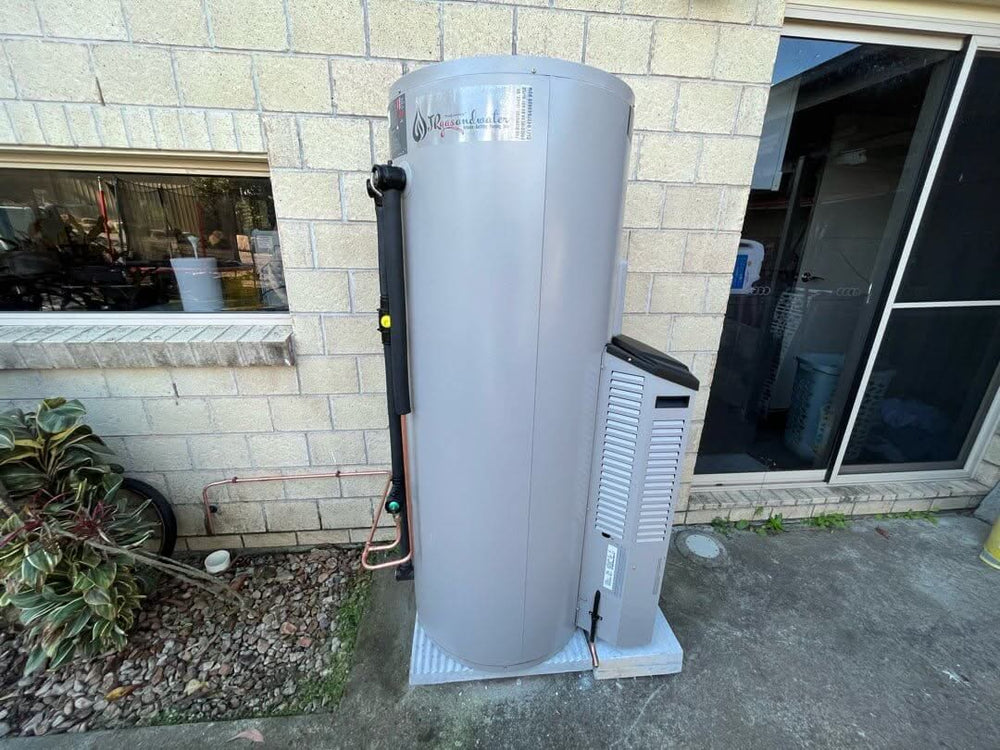
An electric storage hot water system heats water in a tank using one or more electric elements.
Common reasons for no hot water may include:
-
Tripped circuit breaker
-
Failed heating element
-
Faulty thermostat
-
Failed boost or controlled-load supply
-
Undersized tank
-
Heavy household use
-
Faulty tempering valve
-
Leaking cylinder
-
Electrical fault
-
Old system nearing end of life
Safe checks include:
-
Check whether the circuit breaker has tripped
-
Check whether other electrical appliances are working
-
Check whether the issue started after heavy hot water use
-
Look for visible leaking around the tank
-
Listen for unusual noises
-
Check whether hot water returns after a full heating cycle
Do not remove electrical covers or attempt element or thermostat repairs. Electric hot water faults should be handled by the right licensed professional.
If the system is old, leaking or regularly running out, compare Electric Hot Water Systems.
Gas storage hot water: common no hot water causes
A gas storage hot water system stores hot water in a tank and reheats it using gas.
Common reasons for no hot water may include:
-
Gas supply issue
-
Pilot light problem
-
Burner fault
-
Thermocouple issue
-
Gas valve issue
-
Faulty thermostat
-
Leaking tank
-
Failed relief valve
-
Heavy demand emptying the tank
-
Incorrect gas type after replacement
-
Old system failure
Safe checks include:
-
Check whether other gas appliances are working
-
Check whether the system is visibly leaking
-
Check whether the issue follows heavy hot water use
-
Check whether the system has gone out repeatedly
-
Check for error labels or visible status indicators if fitted
If you smell gas, hear hissing or suspect a gas leak, do not try to relight the system. Turn off the gas supply if safe, move away from the area and contact the appropriate gas emergency service or a licensed gas fitter.
Compare Gas Hot Water Systems if your gas storage unit is old, leaking or unreliable.
Instant gas hot water: common no hot water causes
Instant gas hot water systems heat water as it flows through the unit. They do not store hot water in a tank.
Common reasons for no hot water may include:
-
No gas supply
-
No electrical power to the unit
-
Low water flow
-
Low water pressure
-
Error code
-
Blocked filter
-
Ignition issue
-
Gas valve fault
-
Incorrect gas type
-
Undersized gas pipework
-
Faulty controller
-
Internal component failure
Safe checks include:
-
Check whether power is available to the unit
-
Check whether other gas appliances are working
-
Check whether the issue happens at all hot taps
-
Check for an error code
-
Check whether water flow is very low
-
Check whether the unit starts and then shuts down
-
Check whether hot water works at one tap but not another
Do not open the unit, repair gas parts, adjust internal gas settings or bypass safety controls.
If your instant gas system is old, undersized or frequently showing error codes, compare Instant Gas Hot Water Systems.
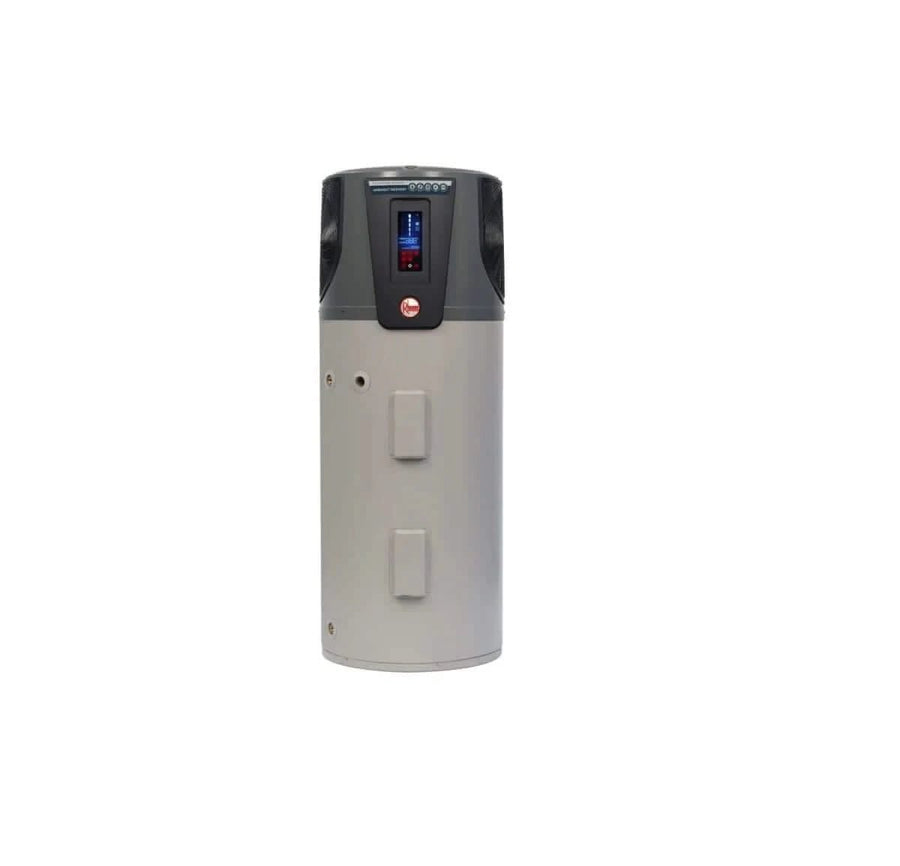
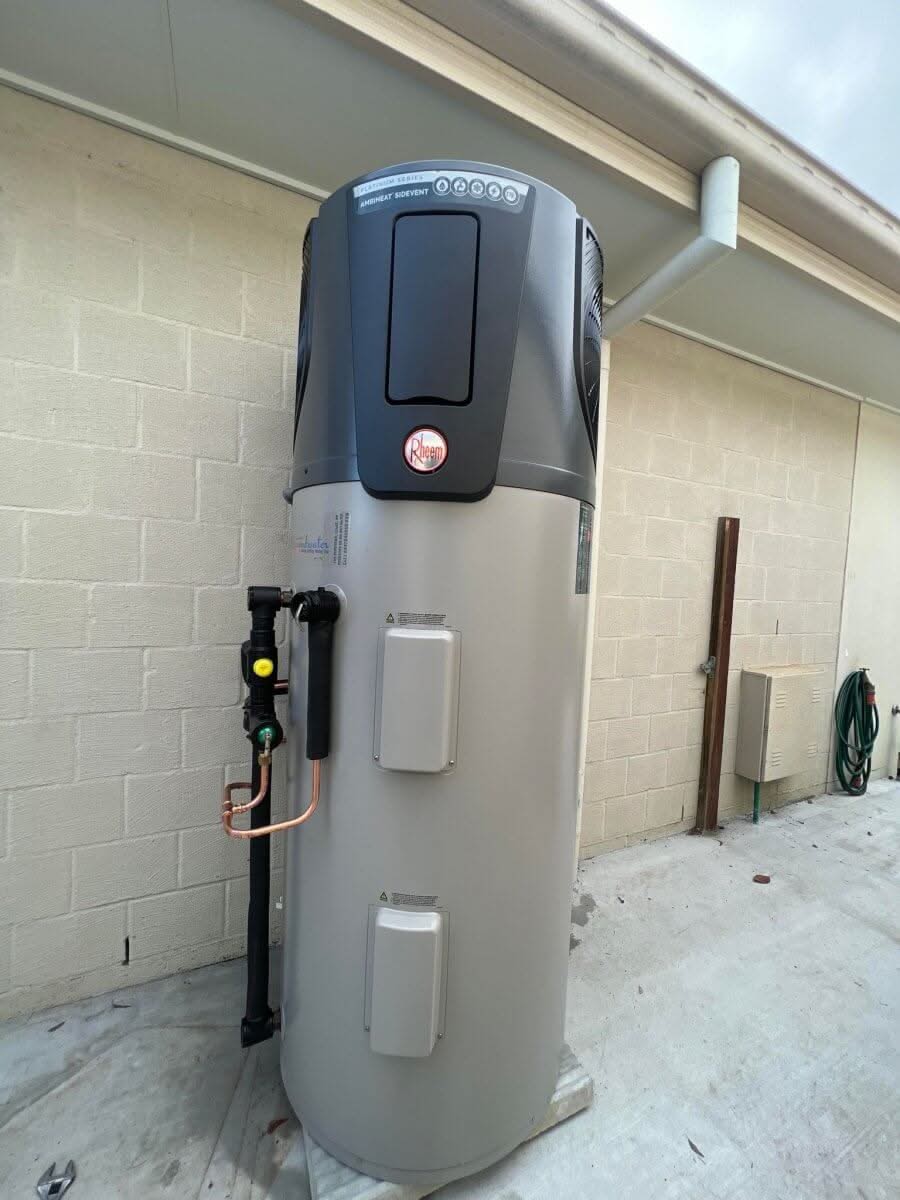
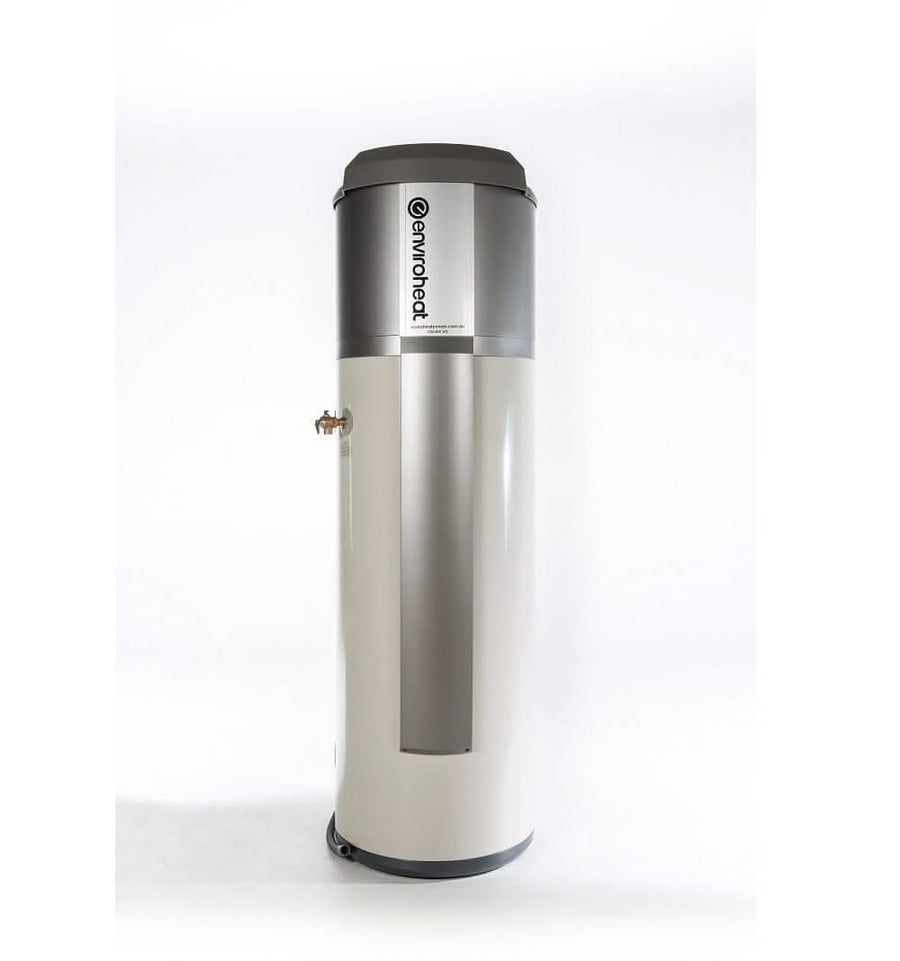
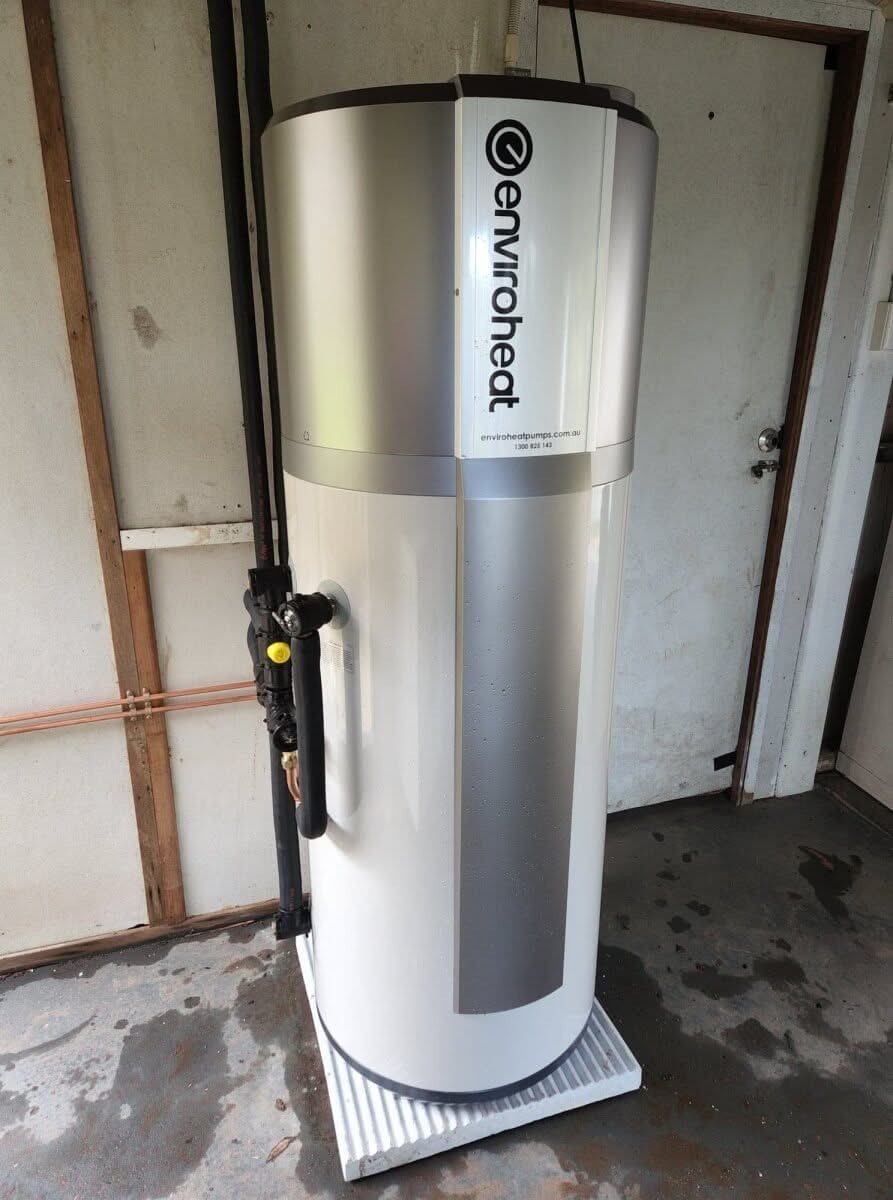
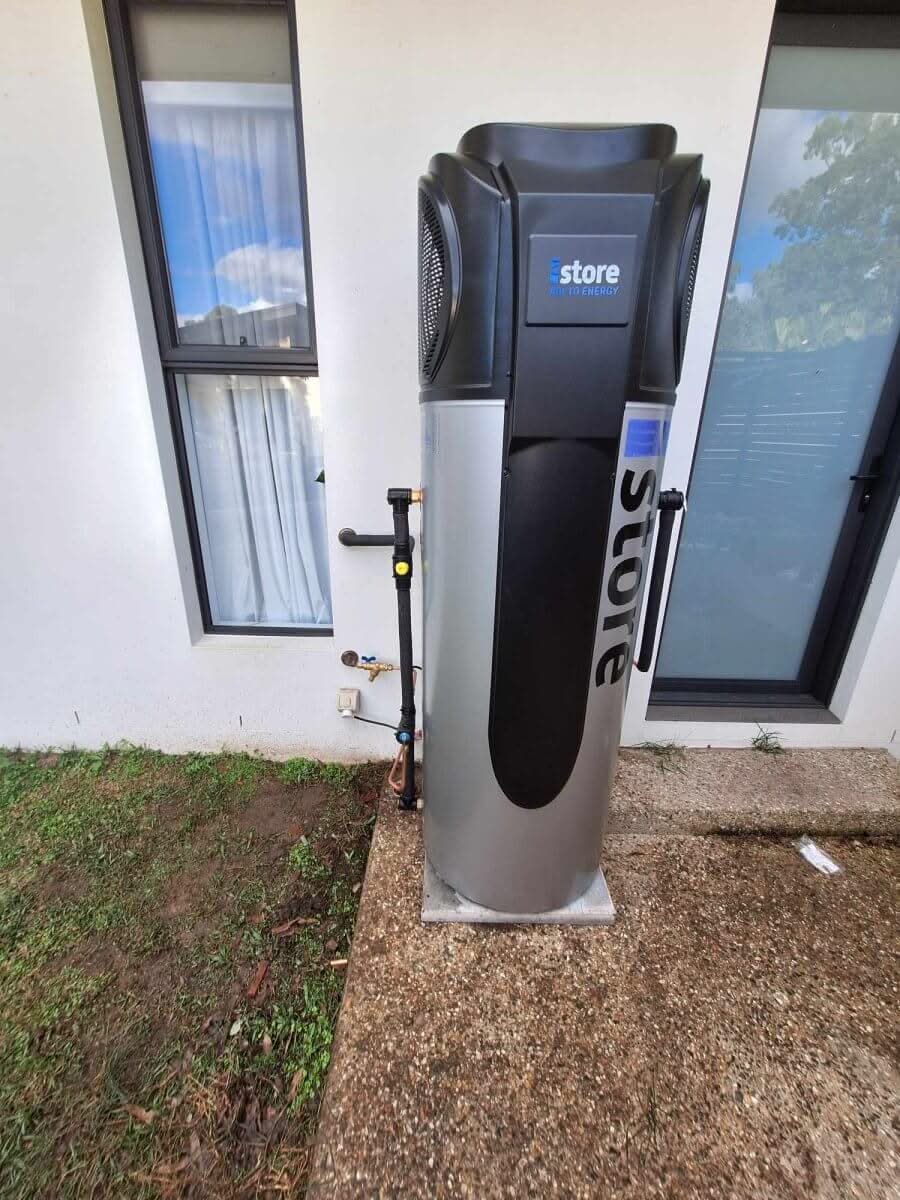
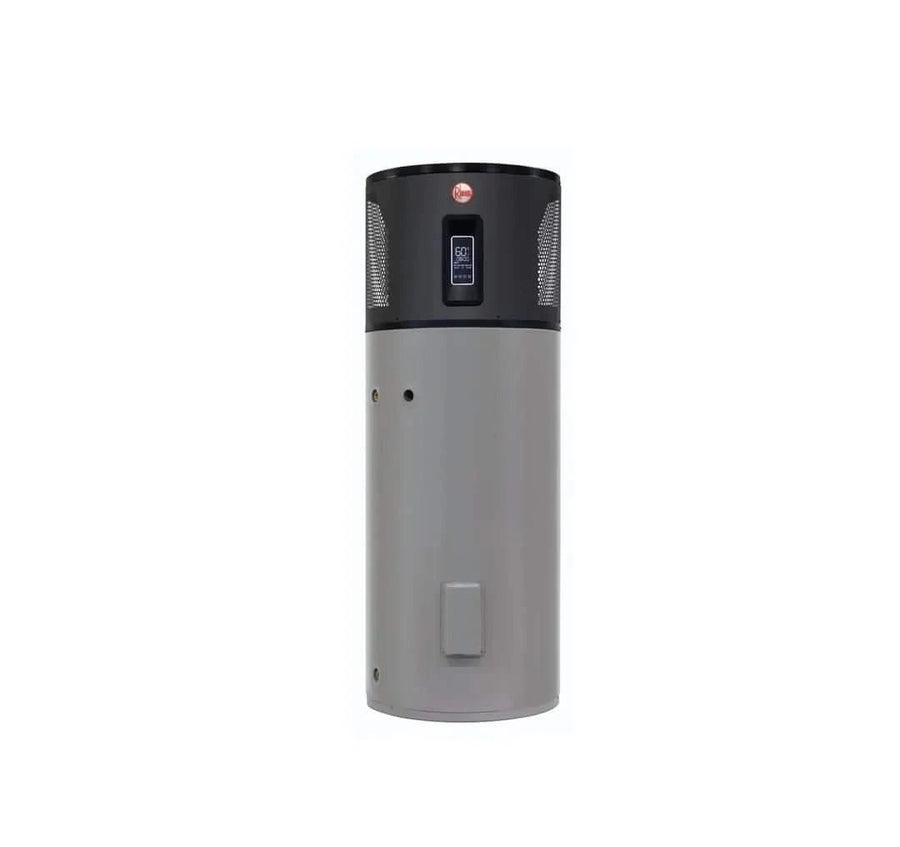
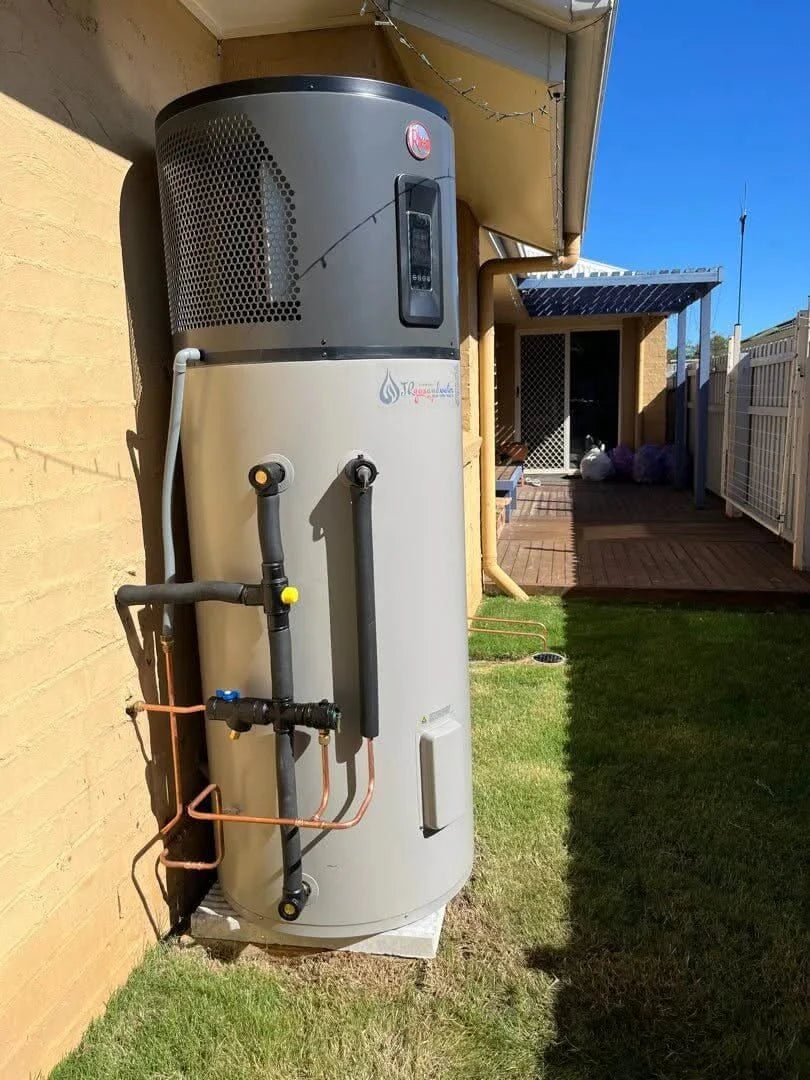
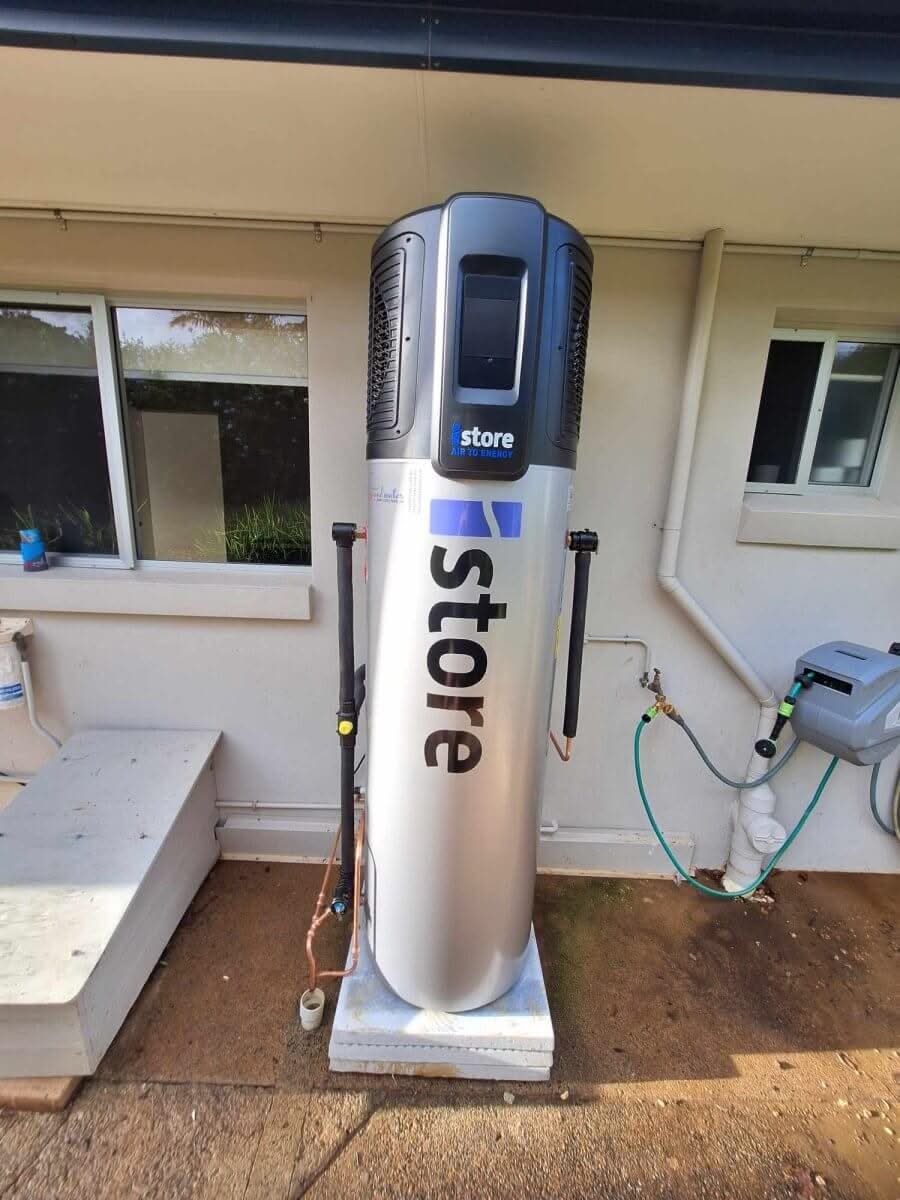
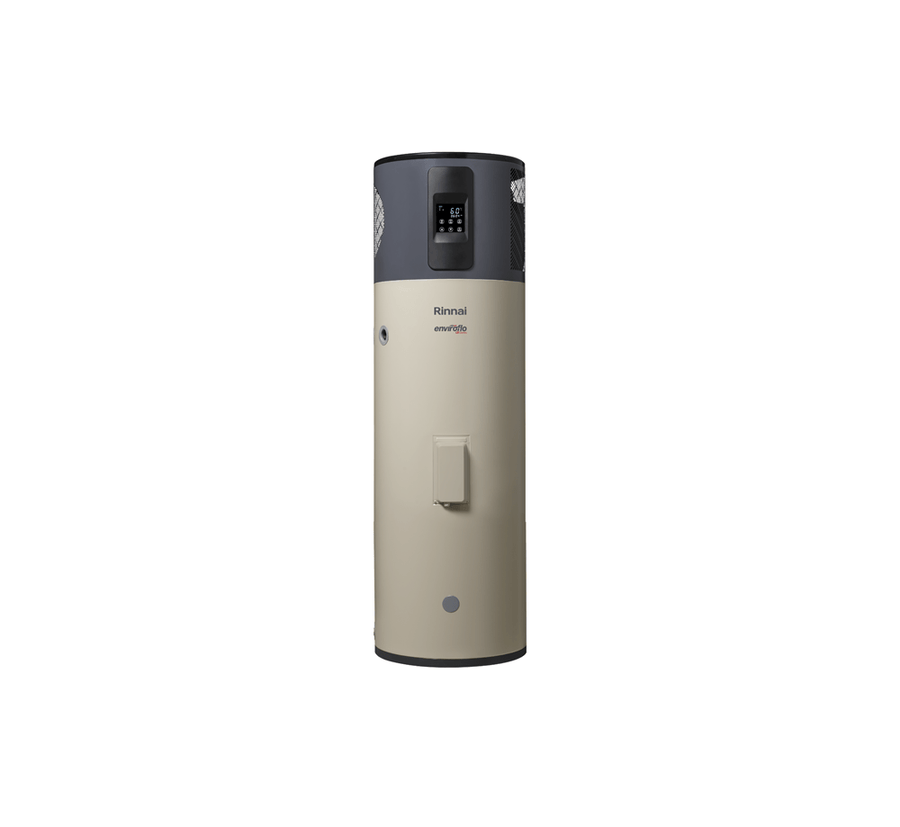
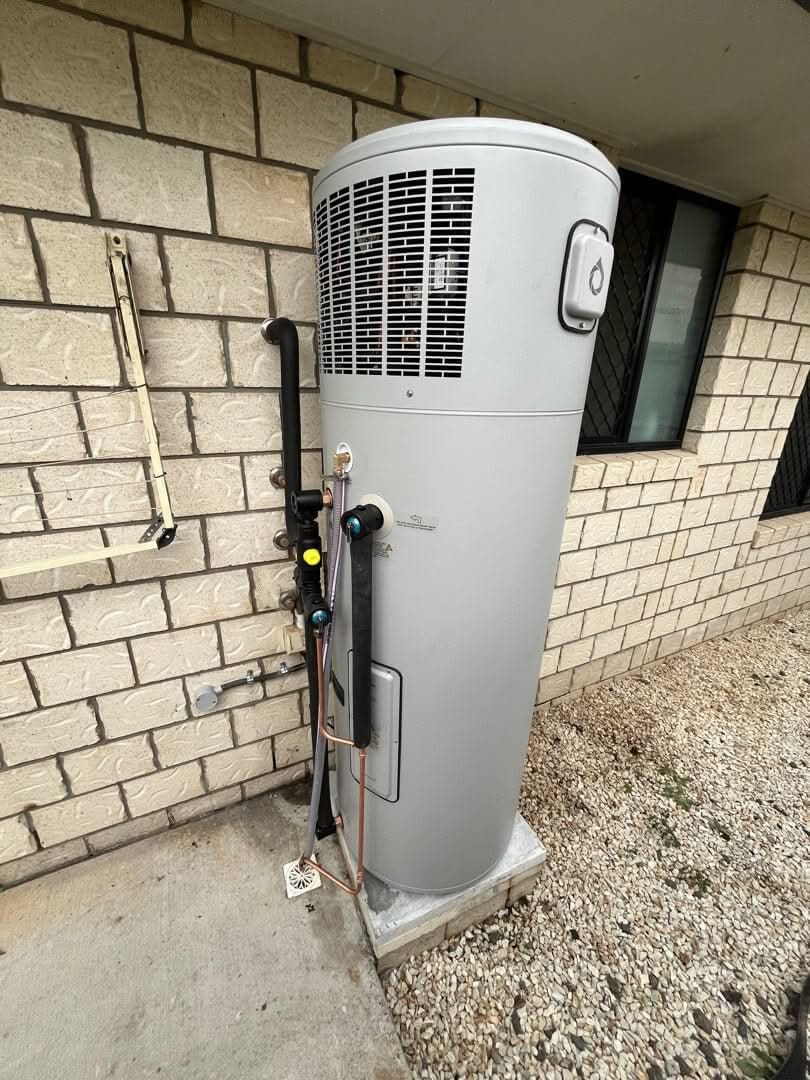
Heat pump hot water: common no hot water causes
A heat pump hot water system uses electricity to draw heat from the surrounding air and transfer it into stored water.
Common reasons for no hot water may include:
-
Power supply issue
-
Timer setting issue
-
Boost mode not operating as expected
-
Fault code
-
Poor airflow
-
Blocked air intake
-
Condensate drainage issue
-
Compressor or fan fault
-
Backup element issue
-
Undersized system
-
Heavy household use
-
Cold weather recovery delay
-
Old system failure
Safe checks include:
-
Check whether power is on
-
Check whether the unit shows an error code
-
Check whether the timer settings have changed
-
Check whether the outdoor area around the unit is blocked
-
Check whether the system has enough airflow
-
Check whether the household used more hot water than normal
-
Check whether the issue happens after peak demand periods
Do not open electrical panels or attempt refrigeration repairs.
If your old electric storage system has failed and you are considering a more efficient electric upgrade, compare Heat Pump Hot Water Systems.
Instant electric hot water: common no hot water causes
Instant electric hot water systems heat water on demand using electricity.
Common reasons for no hot water may include:
-
Electrical supply issue
-
Tripped breaker
-
Flow rate too low
-
Unit undersized for the outlet
-
Electrical fault
-
Temperature setting issue
-
Internal component failure
-
Water pressure issue
Instant electric systems can have significant electrical requirements. Do not open the unit or attempt internal repairs.
Compare Instant Electric Systems if you need a compact electric option for a suitable application.
Is it no hot water everywhere or just one tap?
This is one of the most useful checks.
If there is no hot water anywhere, the issue is more likely to involve the hot water system, power supply, gas supply, storage tank, heat source or major valve.
If only one tap or shower has no hot water, the issue may be local to that fixture.
Possible one-outlet issues include:
-
Faulty mixer tap
-
Shower cartridge issue
-
Blocked outlet
-
Tempering valve issue
-
Plumbing crossover
-
Localised pipework issue
-
Low flow at that fixture
If other taps have hot water, the system itself may not be the problem.
Is the water cold or only lukewarm?
Cold water and lukewarm water can point to different issues.
Cold water may suggest:
-
No power
-
No gas
-
Failed element
-
Ignition failure
-
System fault
-
Empty storage tank after heavy use
-
Major component failure
Lukewarm water may suggest:
-
Thermostat issue
-
Tempering valve problem
-
Undersized system
-
Heavy use
-
Failed lower element in some electric tanks
-
Gas burner issue
-
Heat pump recovery issue
-
Mixer tap problem
-
Plumbing crossover
Lukewarm water can also happen when the system is partly working but not heating properly.
Has the hot water run out after heavy use?
Sometimes the system is not broken. It may simply be undersized or temporarily depleted.
This can happen after:
-
Multiple long showers
-
Back-to-back family showers
-
Bath filling
-
Guests staying
-
Laundry use
-
Dishwasher use
-
Airbnb turnover
-
Morning and evening peak demand
-
Off-peak electric tank heating delay
If hot water returns later, the issue may be sizing, usage or recovery time.
If this happens regularly, the system may be too small for the household.
Compare larger Electric Hot Water Systems, Gas Hot Water Systems, Instant Gas Hot Water Systems or Heat Pump Hot Water Systems depending on your energy source and site.
Check the power supply safely
For electric storage, heat pump and many instant gas systems, power matters.
Safe checks include:
-
Check whether the circuit breaker has tripped
-
Check whether nearby power points are working
-
Check whether the hot water isolator is on
-
Check whether there has been a power outage
-
Check whether the system display is blank
-
Check whether a timer or controlled-load supply is involved
If a breaker trips repeatedly, do not keep resetting it. Repeated tripping may indicate an electrical fault that needs a licensed electrician or suitable professional.
Check gas supply safely
For gas storage and instant gas systems, gas supply is critical.
Safe checks include:
-
Check whether other gas appliances are working
-
Check whether LPG bottles are empty if the property uses LPG
-
Check whether the gas meter is on if safe and accessible
-
Check for error codes
-
Check whether the system starts and then stops
Stop immediately if you smell gas, hear hissing, feel unwell near the unit or suspect a leak.
Natural gas and LPG are not interchangeable. If you have recently replaced or moved into a property, confirm the system matches the property’s gas type.
Check for visible leaks
A leaking hot water system can quickly become a replacement issue.
Look for:
-
Water pooling around the base
-
Rust-coloured stains
-
Water dripping from the tank
-
Water from pipe connections
-
Relief valve discharge
-
Wet insulation
-
Corrosion around fittings
-
Water marks on walls or floor
-
Steam or unusual discharge
A small amount of discharge from a relief valve can occur at times, but constant leaking should be checked.
If the cylinder itself is leaking, replacement is often required.
Check for error codes
Modern hot water systems may show error codes on the unit or controller.
Error codes can appear on:
-
Instant gas units
-
Heat pumps
-
Some electric systems
-
Solar-boosted systems
-
Temperature controllers
Do not ignore repeated error codes. They can point to ignition, flow, temperature, fan, sensor, gas, electrical or internal faults.
Record the code and provide it to the licensed professional or supplier.
Check whether the system is old
Age matters.
A hot water system may become less reliable as parts wear, tanks corrode, valves age and efficiency drops.
Replacement may be worth considering if the system is:
-
Old and unreliable
-
Leaking from the tank
-
Requiring repeated repairs
-
Running out of hot water often
-
Showing frequent error codes
-
Rusty or corroded
-
Too small for the household
-
Expensive to run
-
No longer suited to the home
At some point, repeated repairs can cost more than planning a proper replacement.
No hot water from an electric storage system
If an electric storage system has no hot water, possible causes include:
-
Tripped breaker
-
Failed element
-
Faulty thermostat
-
Controlled-load timing issue
-
Wiring fault
-
Failed safety control
-
Undersized tank
-
Heavy household use
-
Leaking tank
If the system is still structurally sound, a licensed professional may diagnose whether repair is possible.
If the tank is leaking, very old or regularly running out, replacement is usually worth comparing.
No hot water from a gas storage system
If a gas storage system has no hot water, possible causes include:
-
Pilot light problem
-
Gas supply issue
-
Burner fault
-
Thermocouple fault
-
Gas control issue
-
Faulty thermostat
-
Tank leak
-
Heavy demand
-
Incorrect gas type
-
Age-related failure
Gas work should only be handled by a licensed gas fitter.
If the system is leaking or has repeated gas-related faults, compare replacement options.
No hot water from an instant gas system
If an instant gas system is not producing hot water, possible causes include:
-
No power
-
No gas
-
Low water flow
-
Blocked inlet filter
-
Gas pressure problem
-
Ignition failure
-
Error code
-
Water pressure issue
-
Controller issue
-
Heat exchanger issue
-
Undersized gas pipework
Instant gas systems need correct gas, water and power conditions to operate properly.
If the system is old, undersized or repeatedly faulty, compare modern Instant Gas Hot Water Systems.
No hot water from a heat pump
If a heat pump has no hot water, possible causes include:
-
No power
-
Timer or schedule issue
-
Fault code
-
Poor airflow
-
Fan problem
-
Compressor issue
-
Backup element issue
-
Heavy use
-
Cold weather recovery delay
-
Condensate drainage issue
-
Electrical fault
Heat pumps need suitable outdoor airflow, drainage and electrical setup.
If an old electric storage system has failed, a heat pump may be worth comparing as an efficient electric upgrade.
Running out of hot water every day
If hot water runs out every day, the system may be undersized or not recovering properly.
Common causes include:
-
Tank too small
-
More people in the home than before
-
Longer showers
-
New bathroom
-
Higher-flow shower heads
-
Bath use
-
Off-peak tank not large enough
-
Failed lower element in some electric tanks
-
Heat pump timer not suited to usage
-
Instant gas flow rate too low
-
Gas or water supply issue
Do not assume the same replacement size is correct. If the old system could not keep up, choose the next system based on current household demand.
Hot water is too hot
Water that is too hot can be dangerous.
Possible causes include:
-
Thermostat issue
-
Tempering valve issue
-
Incorrect setting
-
Faulty control
-
Installation problem
-
System overheating
Do not adjust internal controls yourself. Scalding risk is serious, especially for children, elderly people and vulnerable users.
A licensed professional should check the system and tempering valve.
Hot water is not hot enough
Water that is not hot enough may be caused by:
-
Thermostat issue
-
Tempering valve problem
-
Heavy use
-
Undersized system
-
Failed element
-
Heat pump recovery issue
-
Gas burner issue
-
Mixer tap crossover
-
Incorrect controller setting
-
Old system performance decline
If the issue is new, diagnosis may be needed. If the issue has always happened, the system may be undersized or poorly suited to the household.
Hot water temperature fluctuates
Temperature fluctuations can happen with storage and instant systems.
Possible causes include:
-
Low water pressure
-
Flow rate changes
-
Multiple outlets running
-
Mixer tap issue
-
Tempering valve fault
-
Gas pressure issue
-
Instant gas unit undersized
-
Blocked filters
-
Scale build-up
-
Plumbing crossover
-
Controller issue
Temperature fluctuation should be diagnosed before replacing parts or choosing a new system.
Hot water smells unusual
Unusual hot water smells may indicate water quality, tank, anode, bacteria, drain or plumbing issues.
Possible signs include:
-
Rotten egg smell
-
Metallic smell
-
Musty smell
-
Chemical smell
-
Rusty or discoloured water
Do not ignore unusual smells, especially if they appear suddenly.
If the issue may be water-quality related, filtration or testing may be worth considering separately from hot water replacement.
Hot water looks rusty or brown
Rusty or brown hot water may come from:
-
Corroding tank
-
Pipework corrosion
-
Sediment
-
Water supply issue
-
Anode issues
-
Old system deterioration
If cold water is clear but hot water is discoloured, the hot water system or hot water pipework may be involved.
A leaking or corroded tank may need replacement.
The hot water system is making noise
Noises can indicate different issues depending on the system.
Possible noises include:
-
Rumbling
-
Popping
-
Hissing
-
Clicking
-
Whistling
-
Fan noise
-
Burner noise
-
Pump noise
-
Water hammer
Storage tanks may become noisy from sediment or heating issues. Heat pumps may have fan and compressor noise. Gas systems may have burner or ignition sounds.
New or unusual noise should be checked.
Should you repair or replace a hot water system?
Repair may make sense if:
-
The system is relatively new
-
The tank is not leaking
-
The fault is minor
-
Parts are available
-
Warranty may apply
-
The system is still correctly sized
-
Running costs are acceptable
Replacement may make sense if:
-
The tank is leaking
-
The system is old
-
Repairs are frequent
-
Parts are expensive or hard to get
-
The system is undersized
-
Running costs are high
-
You want to change energy source
-
The installation needs compliance upgrades
-
The system no longer suits the household
A leaking tank, serious corrosion or repeated breakdowns often make replacement the better long-term decision.
Choosing a replacement hot water system
If replacement is needed, compare system types carefully.
Main options include:
-
Electric storage
-
Gas storage
-
Instant gas
-
Instant electric
-
Heat pump hot water
The best replacement depends on:
-
Existing system type
-
Energy source
-
Household size
-
Number of bathrooms
-
Shower habits
-
Bath use
-
Installation location
-
Access
-
Gas supply
-
Electrical supply
-
Water pressure
-
Drainage
-
Budget
-
Long-term running cost goals
Start with Hot Water Systems if you are comparing all replacement options.
Electric storage replacement
Electric storage may suit:
-
Homes already using electric storage
-
Units and townhouses
-
Homes without gas
-
Simple like-for-like replacement
-
Lower upfront budget
-
Off-peak or controlled-load setups where suitable
Before replacing electric storage, check:
-
Tank size
-
Whether the old tank ran out
-
Electrical supply
-
Installation location
-
Valves
-
Access
-
Drainage
-
Old unit removal
-
Disposal
-
Whether heat pump hot water may suit better
Compare Electric Hot Water Systems.
Gas hot water replacement
Gas hot water may suit:
-
Homes already connected to natural gas or LPG
-
Customers replacing gas storage
-
Homes replacing instant gas
-
Properties with suitable gas supply
-
Households wanting fast recovery or continuous flow
Before replacing gas hot water, check:
-
Natural gas or LPG
-
Gas pipe sizing
-
Water pressure
-
Installation location
-
Outdoor clearances
-
Power requirements for instant gas
-
Valves
-
Compliance
-
Old unit removal
-
Disposal
Compare Gas Hot Water Systems and Instant Gas Hot Water Systems.
Heat pump replacement
Heat pump hot water may suit:
-
Homes replacing electric storage
-
Customers wanting an efficient electric upgrade
-
Homes with rooftop solar where timer settings suit
-
Properties with suitable outdoor airflow
-
Properties with condensate drainage
-
Homes moving away from gas
Before choosing heat pump hot water, check:
-
Outdoor location
-
Airflow
-
Condensate drainage
-
Noise placement
-
Electrical supply
-
Tank size
-
Recovery time
-
Timer settings
-
Access
-
Old unit removal
-
Disposal
-
Compliance upgrades
Compare Heat Pump Hot Water Systems.
Hot water system sizing
Sizing is one of the biggest replacement decisions.
As a general guide:
| Household | Systems commonly compared |
|---|---|
| 1 person | Smaller electric storage, instant electric for suitable use, smaller gas where available |
| 2 people | 125L to 160L electric, smaller instant gas, compact heat pump where suitable |
| 3 to 4 people | 250L electric, 20L to 26L instant gas, suitable heat pump |
| 5+ people | 315L to 400L electric, larger gas storage, 26L instant gas or larger design, larger heat pump |
| High-demand home | Larger storage, confirmed instant gas sizing or heat pump design |
This is only a guide. Shower habits, bath use, guest use and peak demand matter.
Supply-only hot water replacement
Supply-only ordering can suit customers who already have their own licensed installer arranged.
Supply only may suit:
-
Builders
-
Renovators
-
Landlords
-
Property managers
-
Trade customers
-
Homeowners managing their own installation
-
Customers outside supplied-and-installed service areas
Supply-only product pricing generally does not include installation, valves, old unit removal, disposal, electrical work, gas work, pipework changes, drainage, access upgrades or compliance upgrades unless clearly selected or included.
Before ordering supply only, your licensed installer should confirm the system suits the property.
Supplied-and-installed hot water replacement
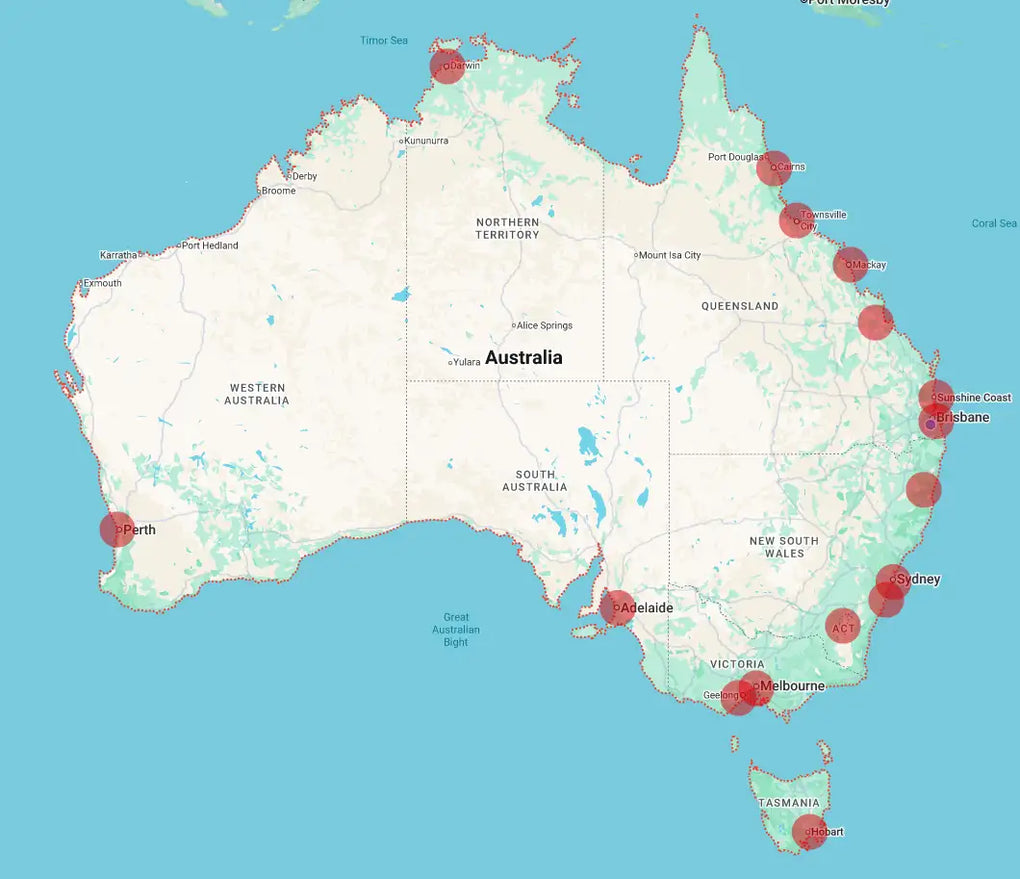
Supplied-and-installed options may be available on selected products in eligible Brisbane and Gold Coast service areas where shown.
This can suit customers who want the product and installation pathway arranged together.
Before ordering supplied and installed, check:
-
Service area eligibility
-
Existing system type
-
Installation inclusions
-
Valve requirements
-
Electrical work
-
Gas work
-
Old unit removal
-
Disposal
-
Pipework changes
-
Drainage
-
Access
-
Base or slab condition
-
Compliance upgrades
-
Product suitability
Do not assume every possible site requirement is included. Check the selected product and installation options carefully.
Brands to compare if replacing your hot water system
Installed Today includes several homepage-linked hot water brands worth comparing:
Choose by system type, size and installation suitability, not brand alone.
Common mistake: resetting a breaker repeatedly
If the hot water circuit keeps tripping, stop resetting it.
Repeated tripping may indicate a fault that needs professional electrical diagnosis.
Common mistake: trying to repair gas parts yourself
Gas hot water repairs should only be handled by a licensed gas fitter.
Do not adjust burners, gas valves, pilot assemblies, thermocouples or internal gas components yourself.
Common mistake: ignoring leaks
A leaking hot water system can cause property damage and may indicate a failing tank or valve.
Do not ignore pooling water, rust stains or continuous discharge.
Common mistake: replacing with the same size after running out
If the old system regularly ran out of hot water, replacing it with the same size may repeat the issue.
Reassess the household’s actual demand before ordering.
Common mistake: choosing a heat pump without checking location
Heat pumps need outdoor airflow, condensate drainage and suitable noise placement.
A heat pump can be efficient but still unsuitable for a tight, enclosed or noise-sensitive location.
Common mistake: choosing instant gas without checking gas pipe sizing
Instant gas systems need suitable gas supply and water pressure.
A larger flow rate does not help if the gas pipework or water pressure cannot support it.
Common mistake: expecting instant hot water at every tap
Instant gas means the unit heats water on demand. It does not mean hot water arrives instantly at the tap.
Pipe length and plumbing layout can still create a wait.
Common mistake: DIY hot water installation
Hot water installation can involve plumbing, gas, electrical work, pressure control, scalding safety and compliance.
DIY installation can create:
-
Water leaks
-
Gas leaks
-
Electrical risks
-
Scalding risks
-
Warranty problems
-
Insurance issues
-
Non-compliant work
-
Poor performance
-
Property damage
Use the right licensed professionals.
Final verdict: what should you do if you have no hot water?
If you have no hot water, start with safe checks only. Confirm the system type, check power or gas supply where safe, look for leaks, note any error codes and work out whether the issue affects the whole home or only one outlet.
Call a licensed professional if there is a gas smell, leak, electrical fault, repeated breaker tripping, error code, fluctuating temperature or anything unsafe.
If the system is old, leaking, undersized or unreliable, replacement may be the better long-term option.
Compare Hot Water Systems, Electric Hot Water Systems, Gas Hot Water Systems, Instant Gas Hot Water Systems, Instant Electric Systems and Heat Pump Hot Water Systems to choose a system that better suits your household.
The best replacement is not always the same type or size you had before. It is the system that matches your energy source, water use, installation location and long-term cost expectations.
Long-tail FAQs
Why do I suddenly have no hot water?
Sudden no hot water may be caused by a tripped breaker, gas supply issue, failed heating element, pilot or ignition fault, thermostat issue, error code, heavy use, leak or system failure.
What should I check first if I have no hot water?
Check the system type, power supply, gas supply where relevant, visible leaks, error codes and whether the issue affects every hot tap or only one outlet.
Is no hot water an emergency?
It can be urgent if there is leaking, a gas smell, electrical fault, burning smell, repeated breaker tripping or safety concern. Stop using the system and contact the right licensed professional.
Why does my hot water run out quickly?
The system may be undersized, the household may be using more hot water than the tank can store, or there may be a fault with an element, burner, thermostat, timer or recovery cycle.
Why is my hot water only lukewarm?
Lukewarm water may be caused by a thermostat fault, tempering valve issue, failed element, gas burner problem, heat pump recovery issue, mixer tap fault or undersized system.
Why is my instant gas hot water not working?
Possible causes include no power, no gas, low water flow, low water pressure, blocked filter, ignition fault, error code, gas supply problem or internal component failure.
Why is my electric hot water not working?
Possible causes include a tripped breaker, failed element, thermostat issue, controlled-load supply problem, wiring fault, leaking tank or old system failure.
Should I repair or replace my hot water system?
Repair may suit newer systems with minor faults. Replacement may be better if the tank is leaking, the system is old, repairs are frequent, parts are costly, or the system no longer suits the household.
What hot water system should I choose after mine fails?
Choose based on energy source, household size, bathrooms, shower habits, installation location, gas supply, electrical supply, water pressure and budget. Compare electric, gas, instant gas and heat pump options.
Can I fix a hot water system myself?
Only do safe visual checks. Do not open covers, repair wiring, repair gas parts, replace elements, bypass safety controls or modify the system. Use licensed professionals for plumbing, gas and electrical work.