
Solar Hot Water Systems: Are They Still Worth It in Australia?
Solar hot water systems can be a smart option for Australian homes that want to reduce hot water running costs and use more renewable energy. They work by using roof-mounted collectors to capture heat from the sun, then transferring that heat into a storage tank for showers, taps, kitchens and laundries.
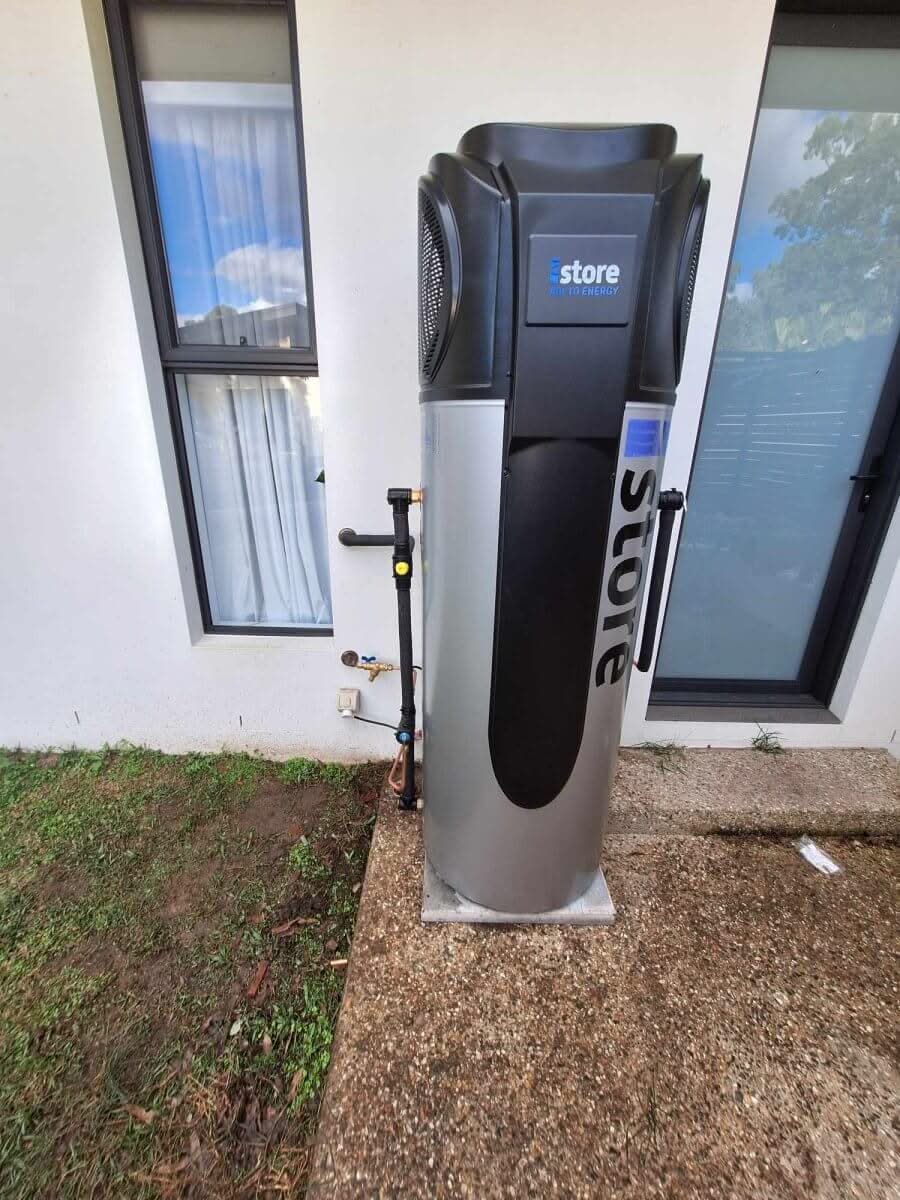
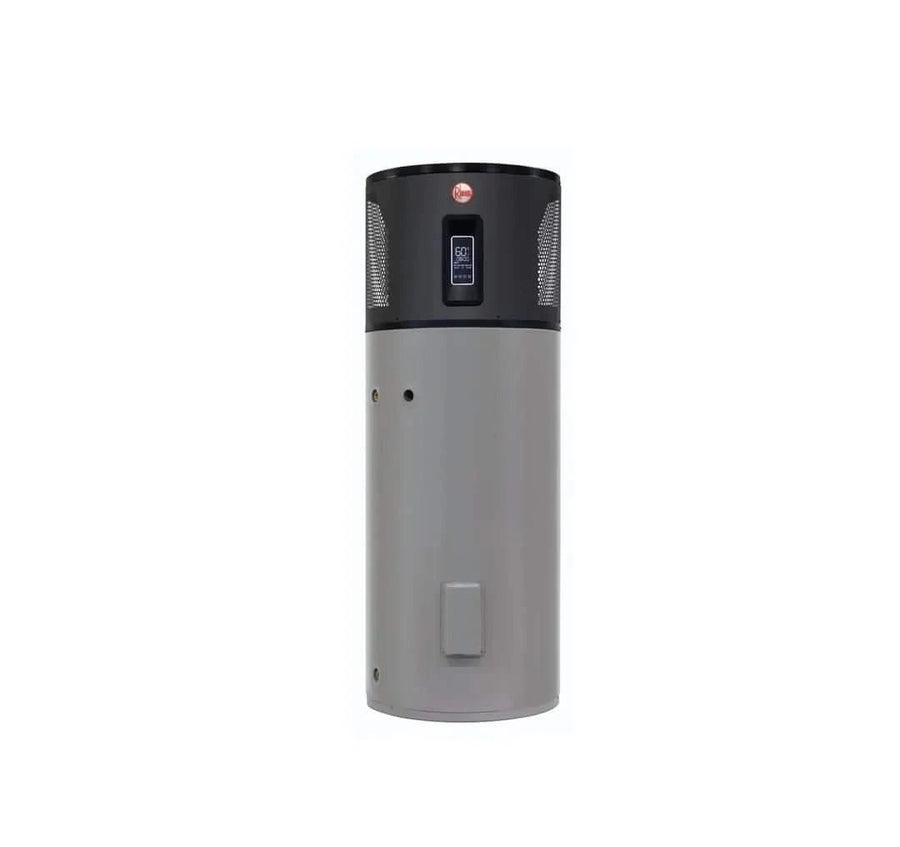
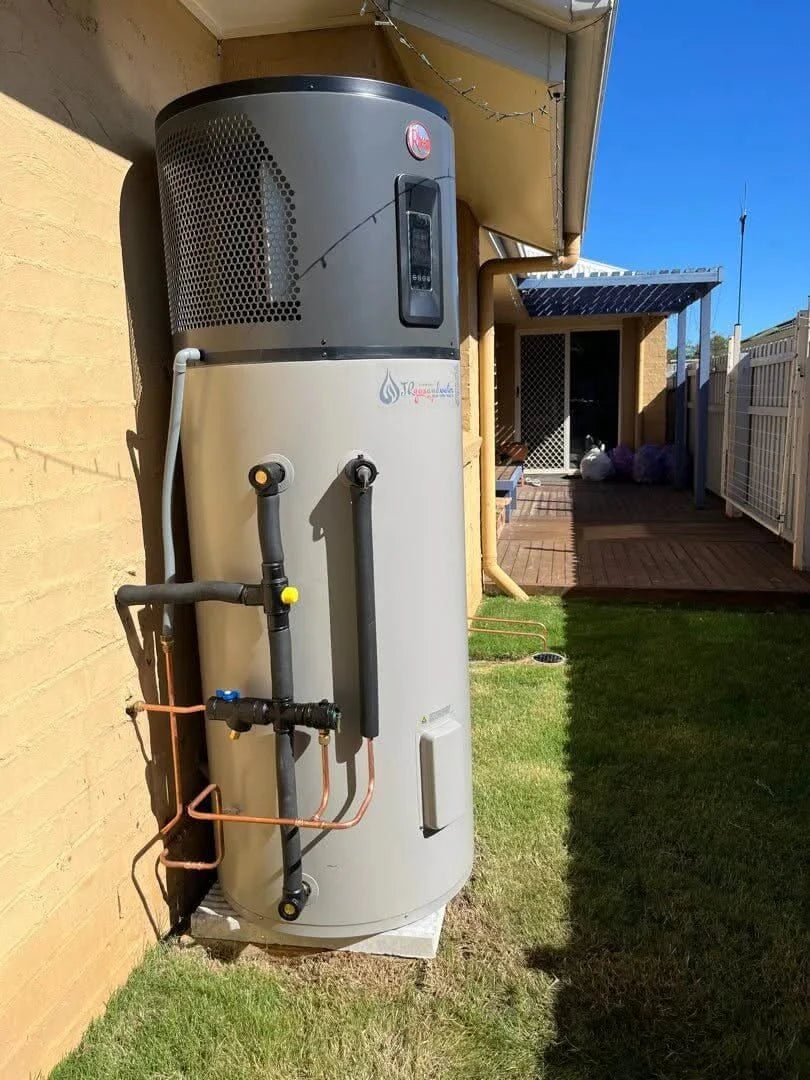
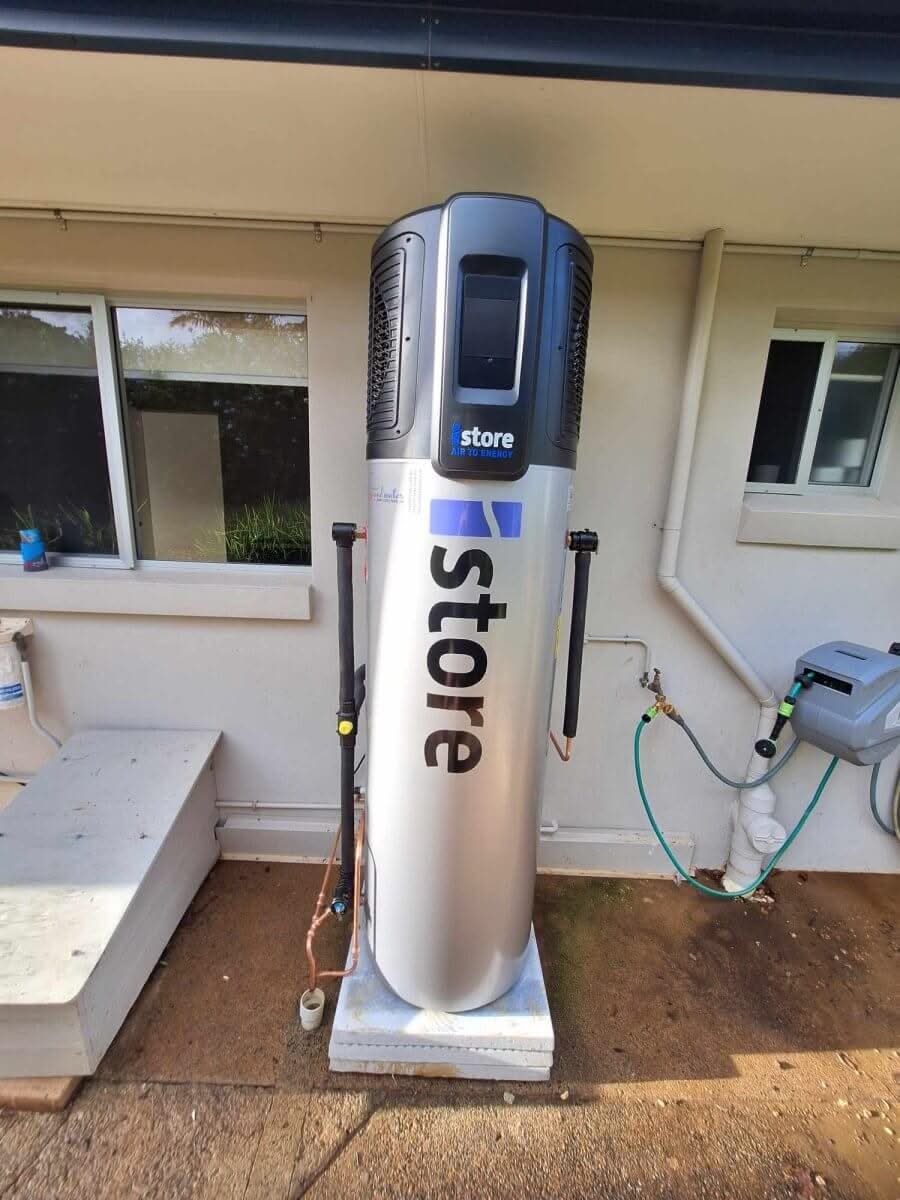
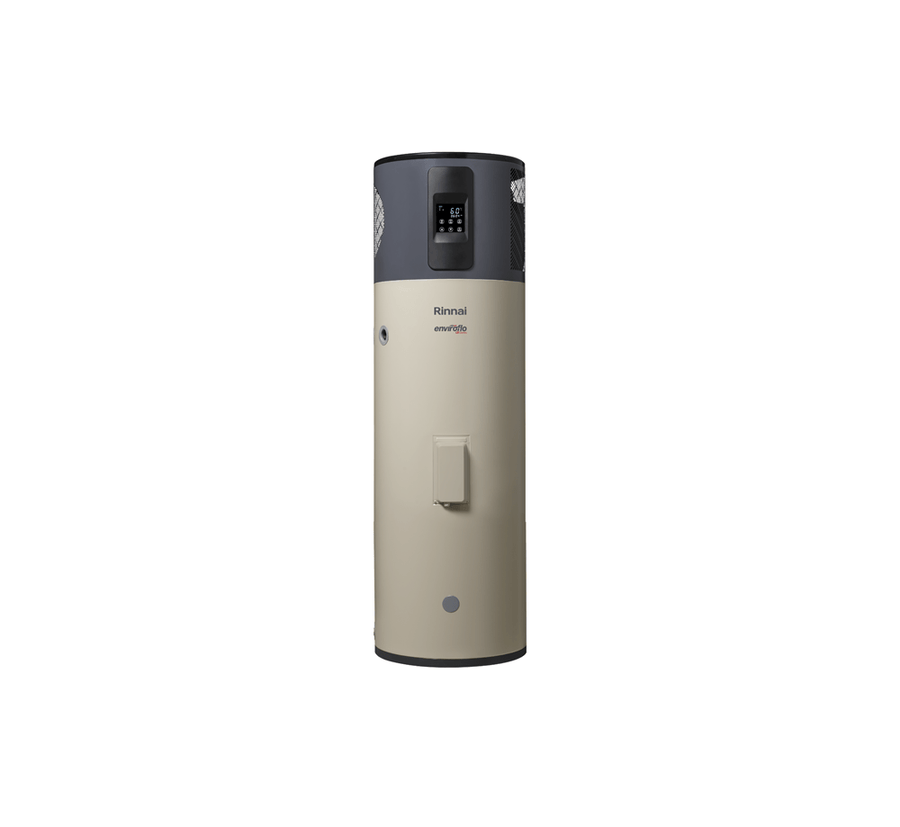
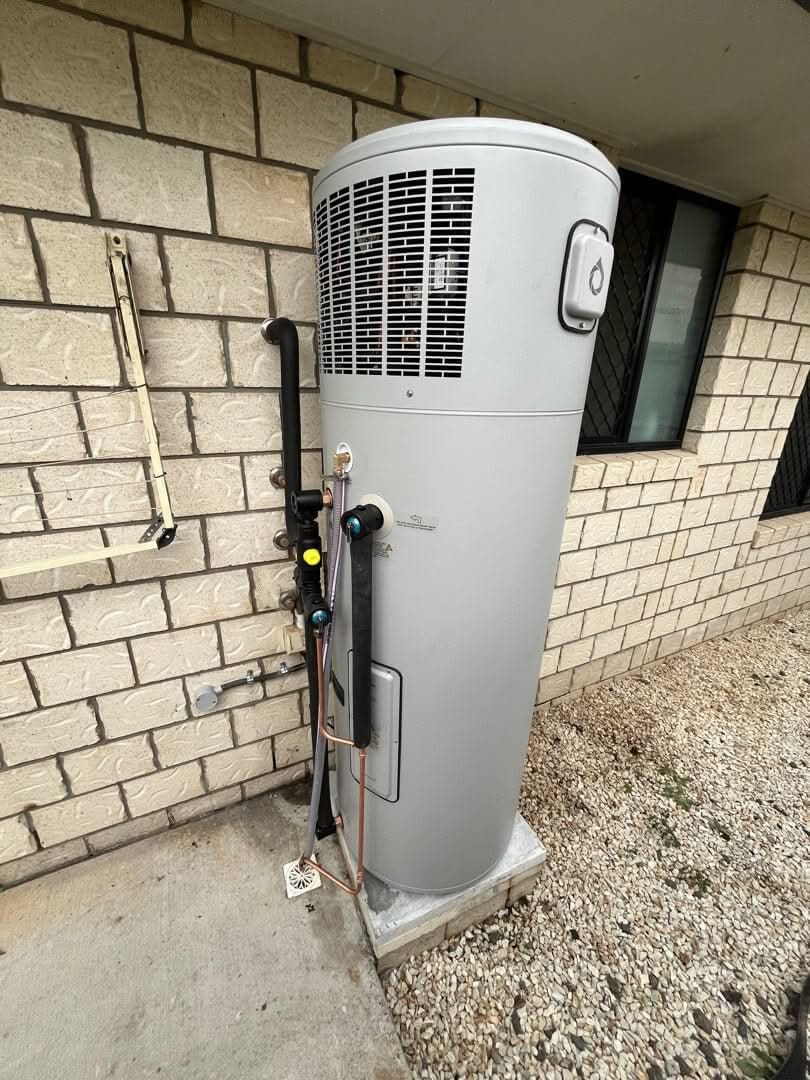
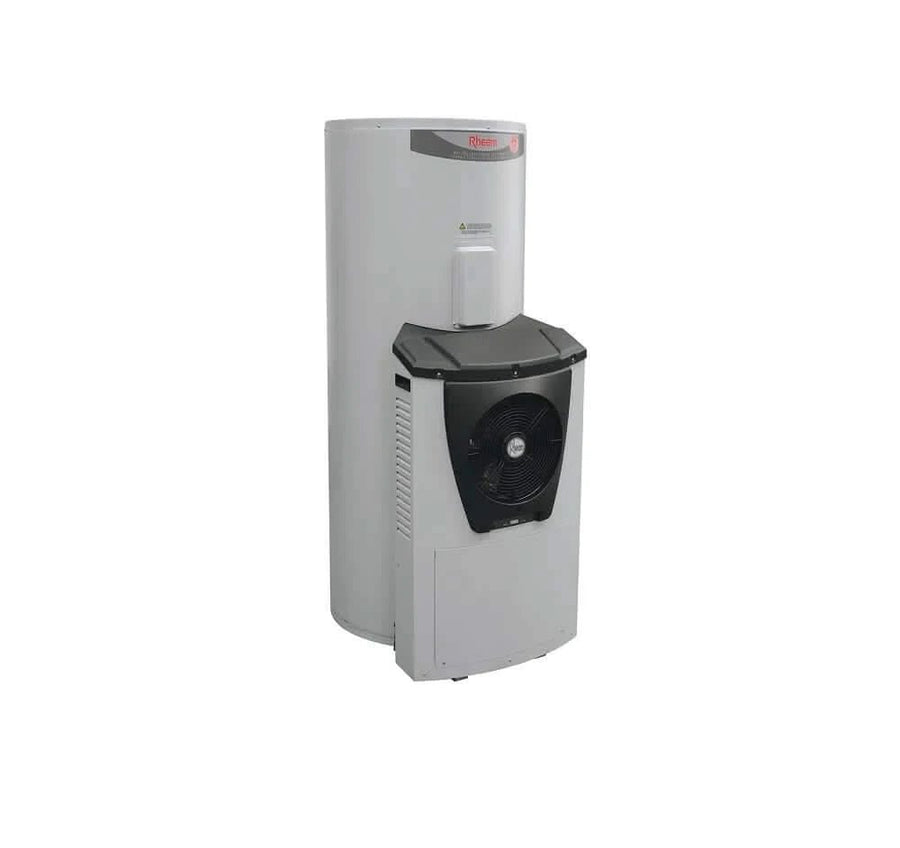
However, solar hot water is not the right fit for every home. Roof space, shade, installation cost, booster type, household size and hot water usage all matter. In many homes, a heat pump hot water system may also be worth comparing because it can offer energy-efficient water heating without roof-mounted solar collectors.
For customers comparing options online, Installed Today’s Hot Water Systems range is the best starting point. You can compare solar-style hot water options against Heat Pump Hot Water Systems, Electric Hot Water Systems, Gas Hot Water Systems and Instant Gas Hot Water Systems before deciding.
Quick Answer
Best for: homes with good roof space, strong sun exposure and moderate to high daily hot water use
Main advantage: uses solar energy to reduce reliance on grid electricity or gas for water heating
Main limitation: higher upfront cost and roof suitability requirements
Backup heating: usually needs an electric or gas booster for cloudy weather, night-time use and peak demand
Best alternative to compare: heat pump hot water systems
Best category to start with: Hot Water Systems
Good comparison pages: Heat Pump Hot Water Systems, Medium Heat Pump Hot Water Systems 200L–280L and Large Heat Pump Hot Water Systems
What Is a Solar Hot Water System?
A solar hot water system uses solar energy to help heat water for the home. Instead of relying only on electricity or gas, the system uses roof-mounted collectors to capture heat from the sun.
That heat is transferred into a storage tank, where hot water is kept ready for household use.
Most solar hot water systems still need a booster. This is because the sun is not always available when the household needs hot water. Cloudy weather, heavy night-time use, morning showers and high-demand periods can all require backup heating.
Common booster types include:
electric booster
natural gas booster
LPG booster
The booster matters because it affects running costs, installation requirements and whether the system suits the home.
How Do Solar Hot Water Systems Work?
A solar hot water system generally has four main parts:
solar collectors
storage tank
circulation method
booster system
The solar collectors absorb heat from the sun. That heat is transferred into the water, either directly or through a heat transfer fluid depending on the system type.
The heated water is then stored in a tank. When the household turns on a hot tap, the system supplies hot water from the tank. If the water is not hot enough, the booster helps bring it up to the required temperature.
The exact setup depends on the type of solar hot water system, roof layout, tank location and booster design.
Main Types of Solar Hot Water Systems
There are several solar hot water system types, and each suits different homes.
The most common types are:
close-coupled solar hot water
split or pumped solar hot water
evacuated tube solar hot water
flat plate solar hot water
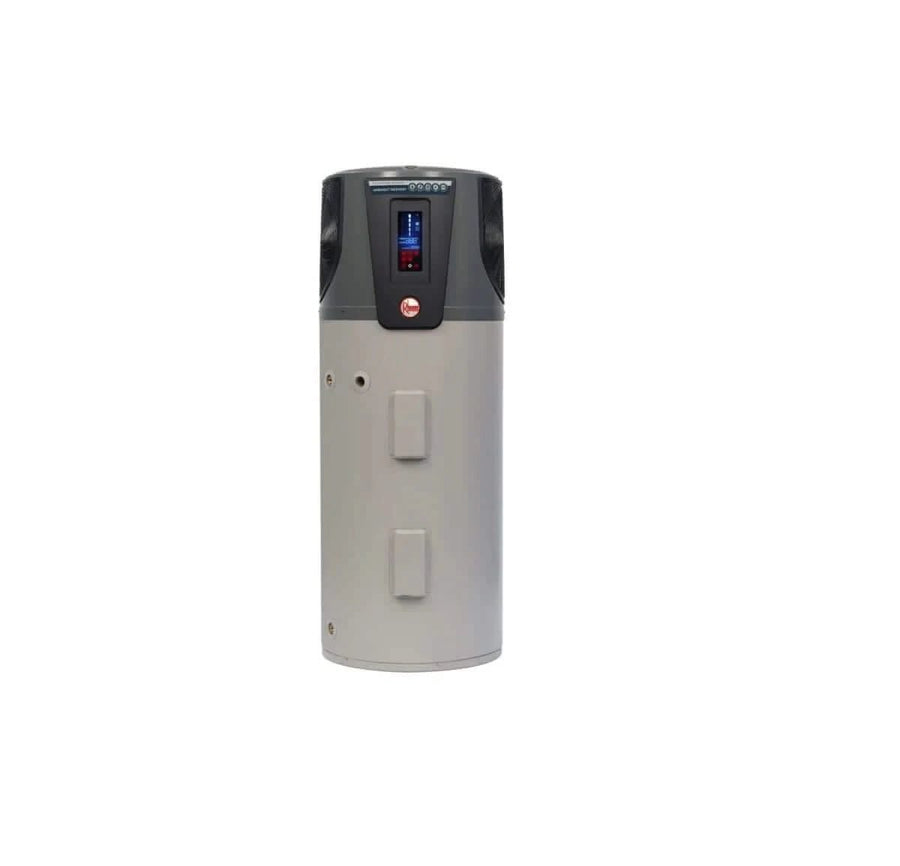
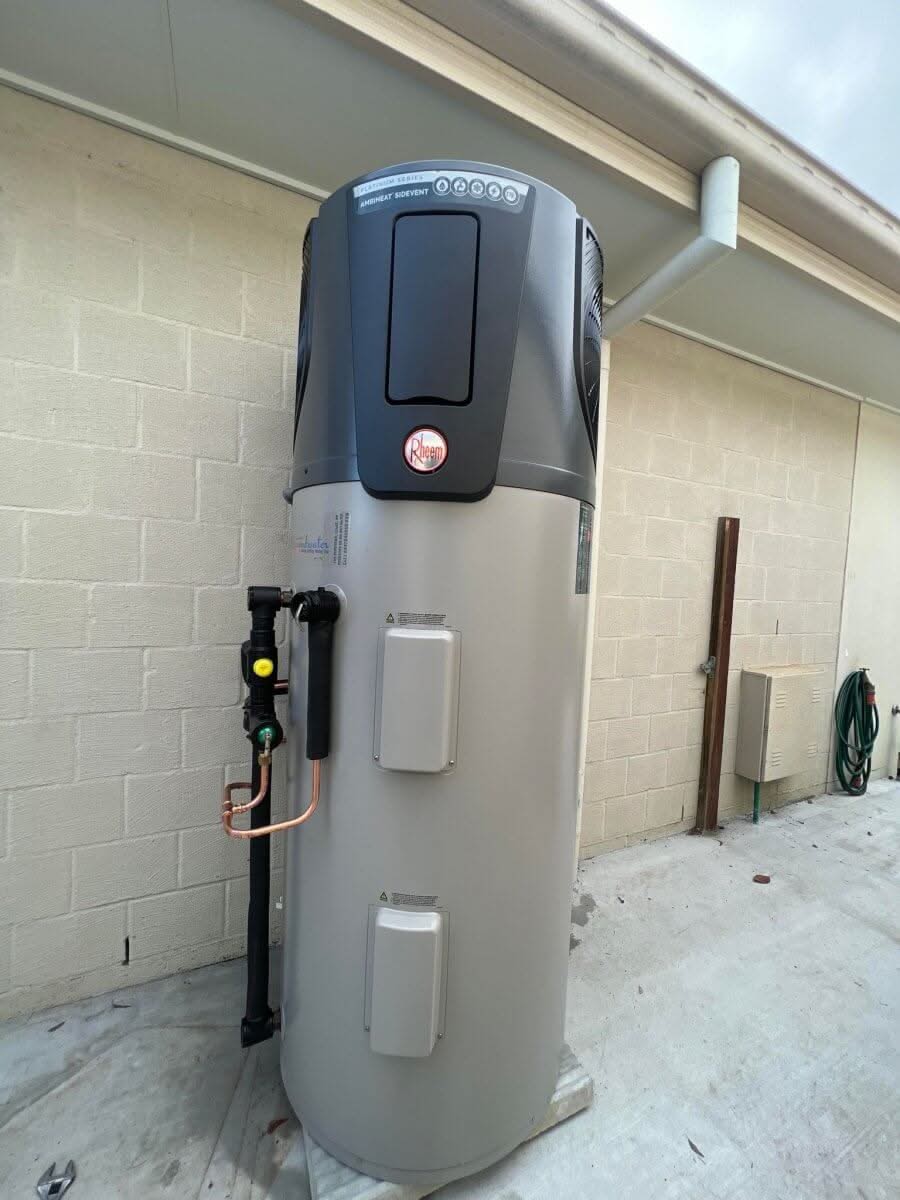
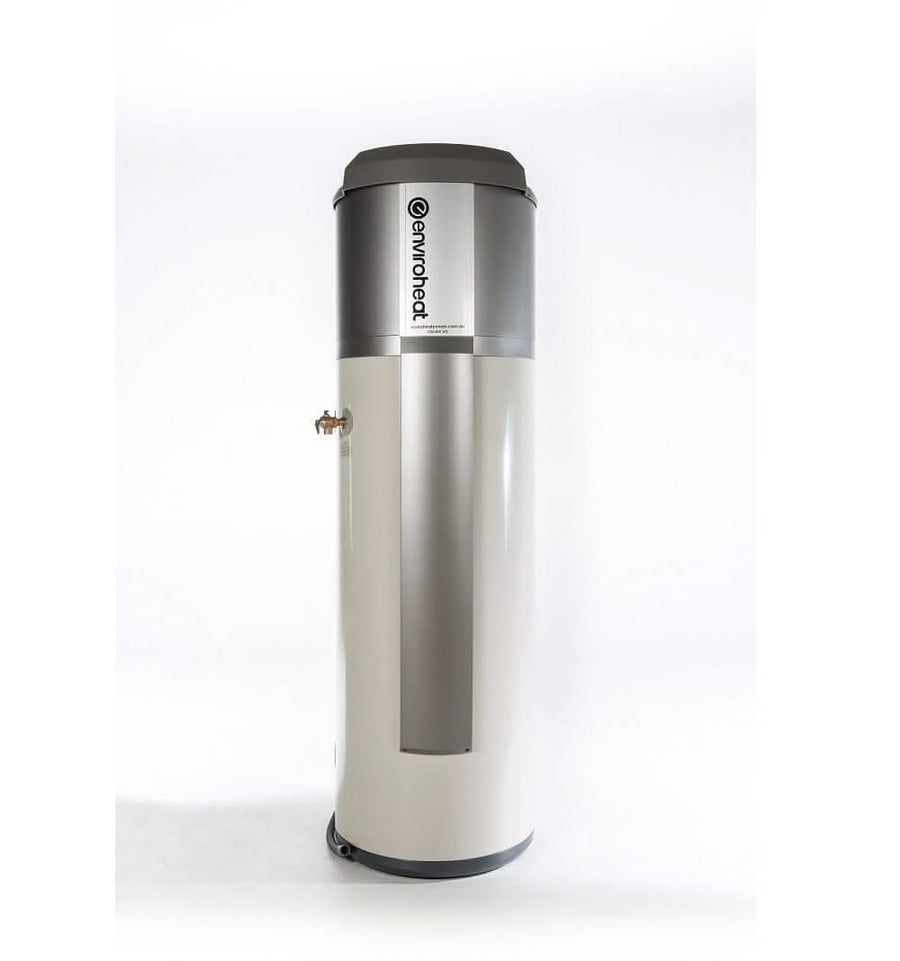
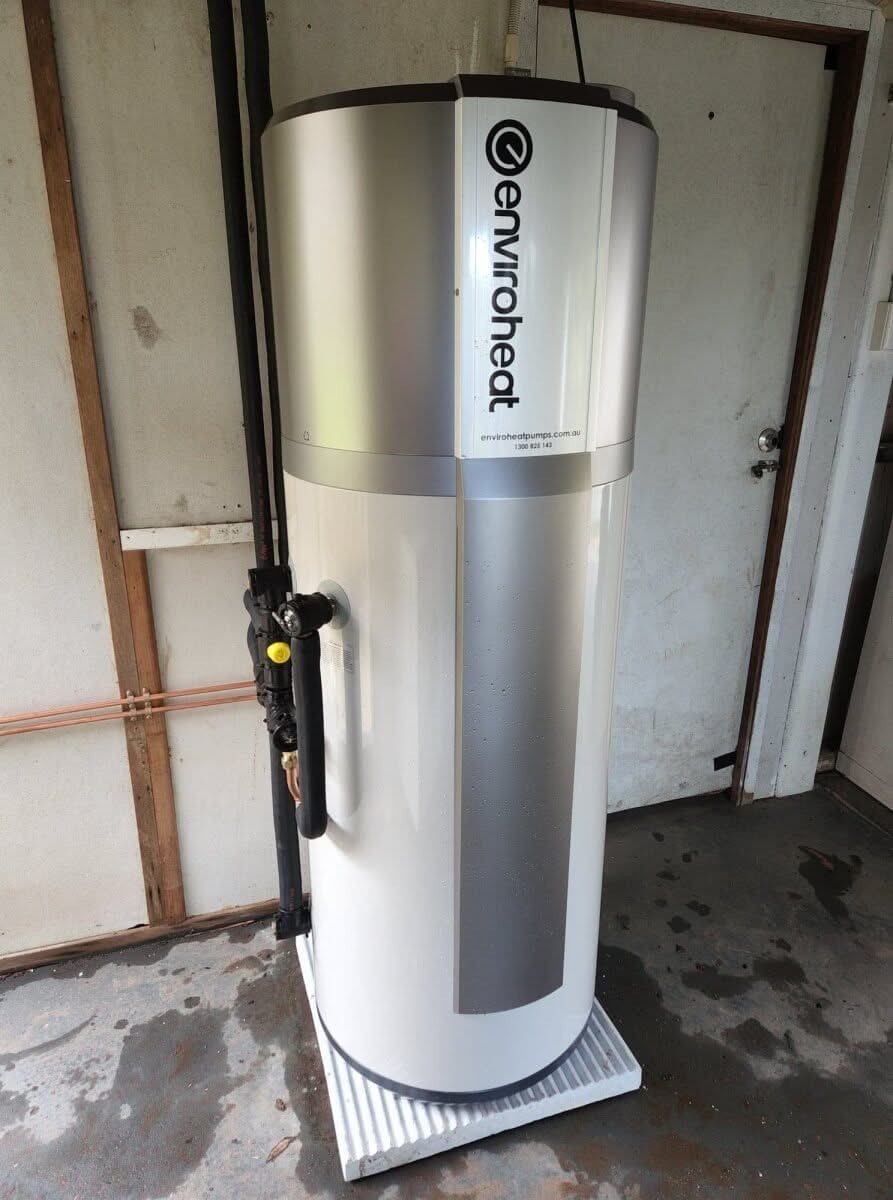
heat pump hot water as a solar-style alternative
Heat pumps are not the same as traditional solar collector systems, but many homeowners compare them because they are energy-efficient and can work well with rooftop solar power.
Close-Coupled Solar Hot Water Systems
A close-coupled solar hot water system has the collectors and storage tank mounted together on the roof.
This style is simple and common, but it places more weight on the roof and may not suit every home. Roof strength, roof pitch, access, street appearance and installation requirements all matter.
Close-coupled systems may suit:
homes with strong roof structure
good roof orientation
clear sun exposure
suitable access
customers wanting a traditional solar hot water setup
They may not suit:
older roofs with structural concerns
homes with poor roof access
heavily shaded roofs
properties where appearance is a major concern
homes where a roof-mounted tank is not practical
Split or Pumped Solar Hot Water Systems
A split solar hot water system places the collectors on the roof and the storage tank at ground level.
A pump circulates water or heat transfer fluid between the collectors and the tank. This can reduce roof weight compared with a close-coupled system because the tank is not sitting on the roof.
Split systems may suit:
homes where roof tank weight is a concern
properties with suitable ground-level tank space
customers wanting roof collectors without a roof-mounted tank
homes where access and pipe runs can be managed properly
They can cost more to install than simple replacements because they need collectors, pipework, pump controls and correct setup.
Flat Plate vs Evacuated Tube Solar Collectors
Flat plate collectors are the traditional panel-style solar hot water collector. They are durable, familiar and common in many Australian homes.
Evacuated tube collectors use rows of glass tubes designed to capture heat efficiently. They can perform well in some cooler or less ideal conditions, depending on the system and location.
Flat plate collectors may suit:
standard solar hot water installations
good sun exposure
homes wanting a simple collector design
warm Australian climates
Evacuated tube collectors may suit:
homes wanting strong collector performance
cooler conditions
some less ideal orientations
customers comparing premium solar collector options
The right collector depends on location, roof layout, budget, climate and installer recommendation.
Solar Hot Water vs Heat Pump Hot Water
This is one of the most important comparisons for homeowners.
Traditional solar hot water uses roof collectors to capture heat from the sun. A heat pump uses electricity to extract heat from the surrounding air and transfer that heat into stored water.
Both can reduce running costs compared with standard electric storage in suitable homes, but they suit different sites.
Solar hot water may be better when:
the home has excellent roof sun exposure
roof space is available
shade is minimal
the customer wants roof collector solar hot water
the household uses enough hot water to justify the upfront cost
the roof and access suit installation
Heat pump hot water may be better when:
roof space is limited
the roof is shaded
roof access is difficult
the home has rooftop solar PV
the customer wants energy-efficient hot water without roof collectors
there is suitable outdoor space, airflow and drainage
For many homes, Installed Today’s Heat Pump Hot Water Systems range may be a more practical comparison than a traditional solar collector system.
Solar Hot Water vs Electric Storage
Standard electric storage hot water is usually cheaper upfront and simpler to replace, but it generally has higher running cost potential than solar hot water or heat pump hot water.
Electric storage may suit:
simple like-for-like replacements
homes without suitable solar roof space
customers wanting lower upfront cost
quiet operation
properties where heat pump placement is not suitable
Solar hot water may suit:
homes with good roof sun exposure
households wanting lower running cost potential
customers willing to pay more upfront
homes with enough daily hot water use to justify the system
properties where roof installation is practical
If the existing electric system has failed, do not automatically replace it with another electric tank. Compare Electric Hot Water Systems, Heat Pump Hot Water Systems and broader Hot Water Systems first.
Solar Hot Water vs Gas Hot Water
Gas hot water can be a good option where the property already has natural gas or LPG. The main gas choices are gas storage and instant gas continuous flow.
Solar hot water may suit customers who want to reduce reliance on gas, but the system may still use a gas booster depending on the design.
Gas storage may suit:
homes already using gas storage
like-for-like replacements
customers wanting a familiar tank-style system
properties where roof collector installation is not practical
Instant gas may suit:
homes already using natural gas or LPG
customers wanting compact continuous flow hot water
properties with suitable gas supply and pipe sizing
homes that do not want a storage tank
Solar hot water may suit:
homes with suitable roof space
strong sun exposure
customers wanting solar energy for water heating
households with enough hot water demand
If your home is already set up for gas, compare Gas Hot Water Systems and Instant Gas Hot Water Systems before deciding whether solar hot water is the better path.
Solar Hot Water and Rooftop Solar Power
Solar hot water and rooftop solar power are often confused, but they are not the same thing.
Solar hot water uses collectors to capture heat from the sun for water heating.
Solar PV uses panels to generate electricity.
If your home already has rooftop solar PV, a heat pump hot water system may be worth comparing. A heat pump can often be timed to run during the day when solar power is being produced. This allows the household to use more self-generated electricity for hot water.
That does not mean a heat pump produces free hot water. Weather, tariffs, solar output, household demand, timer settings and installation conditions all affect the result.
But for many homes with rooftop solar PV, a heat pump can be a very practical alternative to traditional roof collector solar hot water.
Is Solar Hot Water Worth It?
Solar hot water can be worth it when the home has the right roof, the household uses enough hot water and the system is sized and installed correctly.
It may be worth considering if:
your roof has strong sun exposure
there is minimal shade
your household uses moderate to high amounts of hot water
you want to reduce reliance on electricity or gas
you are comfortable with a higher upfront cost
the booster setup suits your home
you plan to stay in the property long enough to benefit
It may not be worth it if:
your roof is heavily shaded
roof space is limited
roof access is difficult
your household has low hot water use
the upfront cost is too high
a heat pump would be easier to install
your existing system needs a simpler replacement
The best decision comes from comparing solar hot water, heat pump hot water, electric storage and gas hot water based on your actual home.
Solar Hot Water Costs
Solar hot water systems usually cost more upfront than standard electric or gas storage systems. The final cost depends on the system type, tank size, collector type, booster, roof access, pipe runs and installation requirements.
Cost factors include:
collector type
tank size
close-coupled or split system design
electric, natural gas or LPG booster
roof pitch and access
roof structure
pipework requirements
electrical work
gas work if required
old system removal
valves and compliance items
travel and delivery requirements
Because the cost varies so much by site, customers should not rely only on broad price ranges. A proper quote should consider the home, existing system, energy source and installation location.
Rebates, STCs and Incentives
Some solar hot water and heat pump hot water systems may be eligible for incentives such as Small-scale Technology Certificates, commonly called STCs.
The value can vary depending on the product, location, installation date, certificate market value and eligibility rules. It may also be applied as an upfront discount by the supplier or installer rather than paid directly to the homeowner.
Rebates and incentives can change, so customers should check what applies at the time of ordering.
Before making a decision, check:
whether the specific model is eligible
whether the quote includes any STC value
whether state-based incentives apply
whether the installer is approved for the relevant scheme
whether the final price is supply only or supplied and installed
Do not choose a system based only on rebate value. Choose a system that suits the home first.
Choosing the Right Size Solar Hot Water System
Sizing matters because solar hot water systems store heated water.
A system that is too small may run out of hot water or rely too heavily on the booster. A system that is too large may cost more upfront than needed.
Sizing depends on:
number of people in the home
number of bathrooms
shower length
bath use
laundry habits
kitchen use
morning and evening demand
booster type
local climate
roof sun exposure
tank size
collector size
As a general rule, larger households need larger tanks and more collector capacity. However, usage habits matter more than household size alone.
A small household with long showers may use more hot water than a larger household with efficient fixtures and shorter shower times.
Roof Suitability
Roof suitability is one of the biggest deciding factors for solar hot water.
A suitable roof usually has:
good sun exposure
minimal shade
safe access
enough space for collectors
suitable roof pitch
suitable roof condition
correct orientation where possible
structural suitability for the chosen system
Solar hot water may be difficult if the roof has:
heavy shade from trees
neighbouring building shade
poor orientation
limited space
old or fragile roofing
difficult access
complex roof lines
limited space for safe installation
If roof suitability is poor, a heat pump may be a better option because it does not need roof-mounted collectors.
Booster Options: Electric vs Gas
Most solar hot water systems need boosting. This is important because the sun will not always provide enough heat when the household needs hot water.
Electric boosters are common and may suit homes already using electric hot water.
Gas boosters may suit properties already connected to natural gas or LPG.
Electric booster considerations:
electrical supply
tariff setup
running cost
timer settings
backup heating use
Gas booster considerations:
natural gas or LPG availability
gas pipe sizing
gas compliance
ventilation and clearances
ongoing gas costs
The booster can affect the overall value of the system, so it should be chosen carefully.
Maintenance Requirements
Solar hot water systems are not maintenance-free.
Maintenance may include:
checking collectors
checking roof pipework
checking valves
checking pump operation on split systems
checking the booster
checking for leaks
inspecting the storage tank
checking the sacrificial anode on steel tanks
monitoring system performance
keeping trees trimmed if shade becomes an issue
Maintenance requirements depend on the system type, water quality, location and manufacturer instructions.
A system that is not maintained properly may lose performance, rely more on the booster or fail earlier than expected.
Common Solar Hot Water Problems
Common solar hot water issues can include:
not enough hot water
booster running too often
roof collector leaks
pump faults on split systems
controller faults
valve leaks
tank corrosion
anode wear
shade reducing performance
poor system sizing
installation issues
gas or electric booster faults
Not all problems are caused by the solar system itself. Many issues come from poor sizing, poor roof placement, booster problems, valve faults or ageing components.
A licensed professional should inspect solar hot water faults, especially where roof access, gas, electrical work or pressure components are involved.
Solar Hot Water for Brisbane and Gold Coast Homes
Brisbane, Gold Coast and South East Queensland homes can be suitable for solar hot water because the region generally receives strong sunlight.
However, local site conditions still matter.
Homes should check:
roof orientation
shade from trees
shade from neighbouring buildings
roof pitch
roof condition
collector space
tank location
booster type
coastal exposure
storm and weather exposure
access for installation
household hot water demand
A sunny region does not automatically mean every roof is suitable. A shaded or awkward roof in Brisbane may perform worse than a clear, well-oriented roof elsewhere.
For many South East Queensland homes, heat pump hot water is also worth comparing because the warmer climate can suit air-source heat pump operation.
Solar Hot Water vs Heat Pump in Brisbane and Gold Coast
For Brisbane and Gold Coast homes, both solar hot water and heat pump hot water can make sense.
Solar hot water may be better if:
roof access is good
the roof has strong sun exposure
the household wants traditional solar collector hot water
the budget suits the higher upfront cost
the booster setup is practical
Heat pump hot water may be better if:
the roof is shaded
roof collector installation is difficult
the home has rooftop solar PV
there is suitable outdoor space
airflow and drainage are available
the household wants an easier energy-efficient upgrade
Installed Today’s Medium Heat Pump Hot Water Systems 200L–280L and Large Heat Pump Hot Water Systems categories are useful starting points if heat pump hot water may suit the home better than roof collector solar.
Supply Only vs Supplied and Installed
Installed Today offers supply-only ordering for customers who already have their own licensed installer arranged. Supply-only pricing is for the product only and does not include installation, valves, electrical work, gas work, pipework changes, drainage work, old unit removal, disposal or compliance upgrades unless those options are clearly selected or shown on the product page.
Supplied-and-installed options may be available on selected products in eligible Brisbane and Gold Coast service areas. Availability depends on the product, location, access, existing setup, electrical suitability, gas type, drainage, clearances, required extras and site requirements.
Before ordering any solar, heat pump, electric or gas hot water system supply only, make sure your licensed installer confirms that the product suits the home, household demand, energy source, access, drainage and compliance requirements.
Before Ordering Checklist
Before choosing solar hot water, check:
how many people live in the home
daily hot water use
number of bathrooms
shower length
bath use
roof orientation
roof shade
roof access
roof condition
available collector space
tank location
electric, natural gas or LPG booster preference
whether the existing system supplied enough hot water
whether heat pump hot water would be easier
whether rebates or STCs apply
whether supply only or supplied and installed is required
whether your licensed installer has confirmed suitability
This helps avoid choosing a system that is too expensive, too small, hard to install or poorly matched to the home.
When Solar Hot Water Makes the Most Sense
Solar hot water makes the most sense when the home has the right site conditions and enough hot water demand.
It can be a good option when:
the roof has strong sun exposure
the roof is not heavily shaded
the household uses hot water every day
the customer wants renewable energy water heating
the booster setup is practical
the customer is comfortable with the upfront cost
the home has suitable installation access
the system is correctly sized
It is less attractive when:
the roof is shaded
the household has low hot water use
installation access is difficult
a heat pump would be simpler
the home already has rooftop solar PV and wants daytime energy use
the system cost is too high for the expected benefit
Long-Tail FAQs
Is solar hot water still worth it in Australia?
Solar hot water can still be worth it for homes with good roof exposure, suitable installation access and moderate to high daily hot water use. It is less suitable where the roof is shaded, access is difficult or the household would be better served by a heat pump.
Is solar hot water better than a heat pump?
Solar hot water may be better for homes with excellent roof sun exposure and suitable roof access. A heat pump may be better for homes with rooftop solar PV, shaded roofs, limited collector space or easier ground-level outdoor installation options.
Does solar hot water work on cloudy days?
Solar hot water can still collect some heat in cloudy conditions, but performance drops when sunlight is reduced. This is why most systems need an electric or gas booster.
Does solar hot water need electricity?
Many solar hot water systems still use electricity for boosting, pumps or controls depending on the system type. Gas-boosted systems may still need electrical controls. The exact requirement depends on the model and installation setup.
Can solar hot water work with gas?
Yes, some solar hot water systems use gas boosting. This can suit properties already connected to natural gas or LPG. The gas type must be selected correctly and installed by licensed professionals.
Is rooftop solar PV the same as solar hot water?
No. Rooftop solar PV generates electricity. Solar hot water uses collectors to heat water. If you already have rooftop solar PV, a heat pump hot water system may also be worth comparing because it can often be timed to run during the day.
What size solar hot water system do I need?
The right size depends on the number of people in the home, shower habits, bathroom count, tank size, collector area, climate and booster setup. A licensed installer should confirm the correct size before purchase.
What is the main downside of solar hot water?
The main downside is site dependence. Solar hot water needs suitable roof space, strong sun exposure, safe access and correct installation. It can also cost more upfront than standard electric or gas systems.
Can I buy a hot water system supply only?
Yes. Supply only is suitable if you already have your own licensed installer arranged. The product price is for the unit only and does not include installation, valves, disposal, electrical work, gas work, pipework changes or compliance upgrades unless selected separately.
Should I replace electric storage with solar hot water?
Solar hot water may be worth considering if the roof is suitable and the household uses enough hot water. Heat pump hot water should also be compared because it can offer lower running cost potential without roof-mounted collectors.
Final Word
Solar hot water systems can be a strong option for Australian homes with good roof exposure, suitable installation access and steady daily hot water demand. They can reduce reliance on electricity or gas and make better use of renewable energy for water heating.
However, they are not the automatic best choice for every home. Roof shade, upfront cost, booster type, maintenance, household size and installation complexity all matter.
For many households, the smartest approach is to compare solar hot water against heat pump, electric storage, gas storage and instant gas options before ordering.
Start with Installed Today’s Hot Water Systems, compare Heat Pump Hot Water Systems, review Electric Hot Water Systems, or browse Gas Hot Water Systems to find the best fit for your home.