
Hot Water System Leaking? What It Means and When to Replace It
A leaking hot water system should never be ignored. Some leaks are minor and may come from a valve or fitting, while others can mean the tank has failed and the system needs replacing.
If you have found water around your hot water unit, the first step is to stay safe, identify whether the leak is minor or serious, and avoid attempting DIY repairs on plumbing, gas or electrical components. A leaking storage tank, constant valve discharge, rust, corrosion or repeated faults can all be signs that replacement may be more practical than repair.
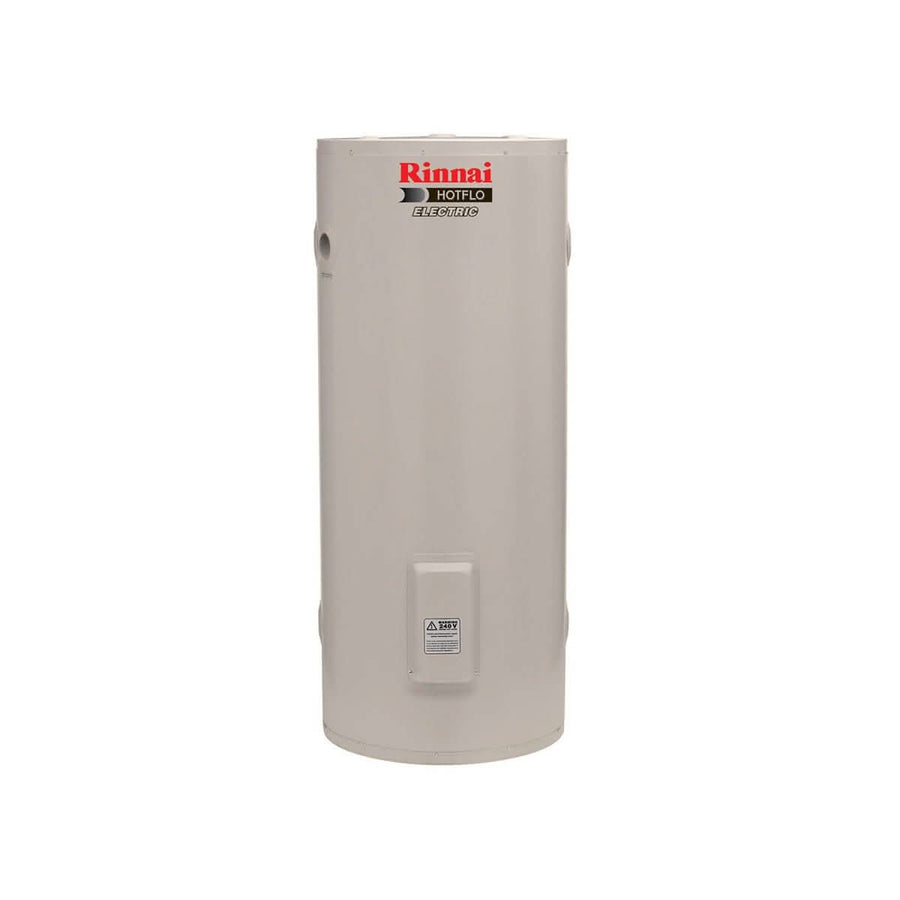
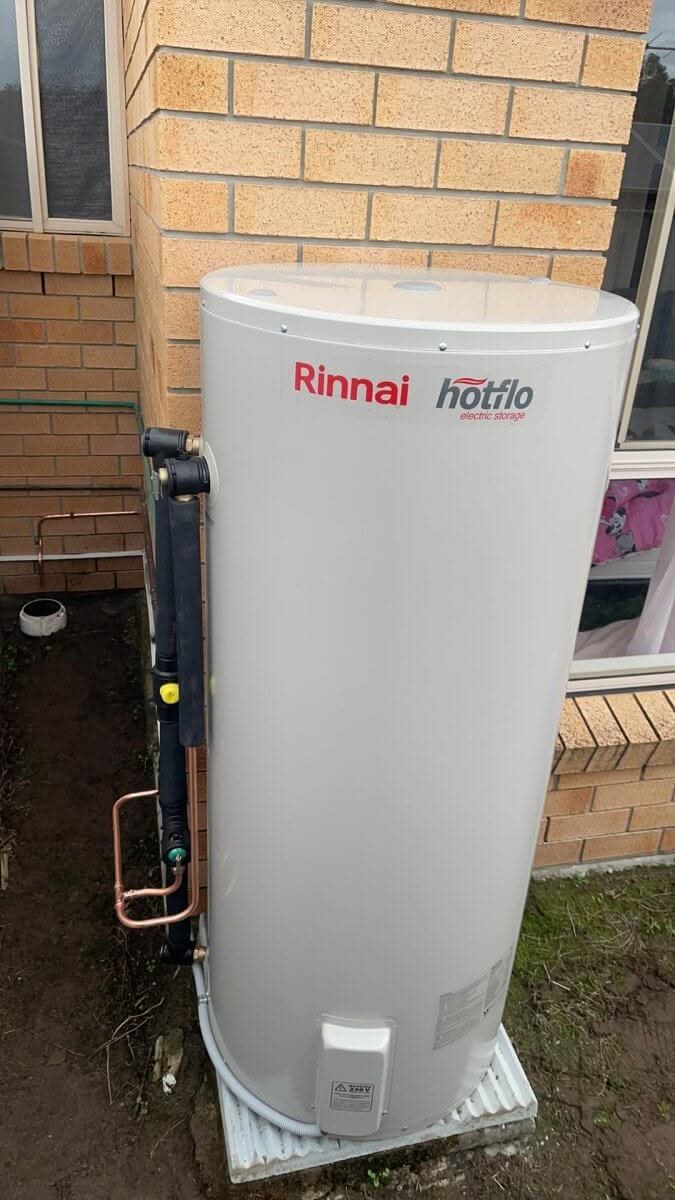
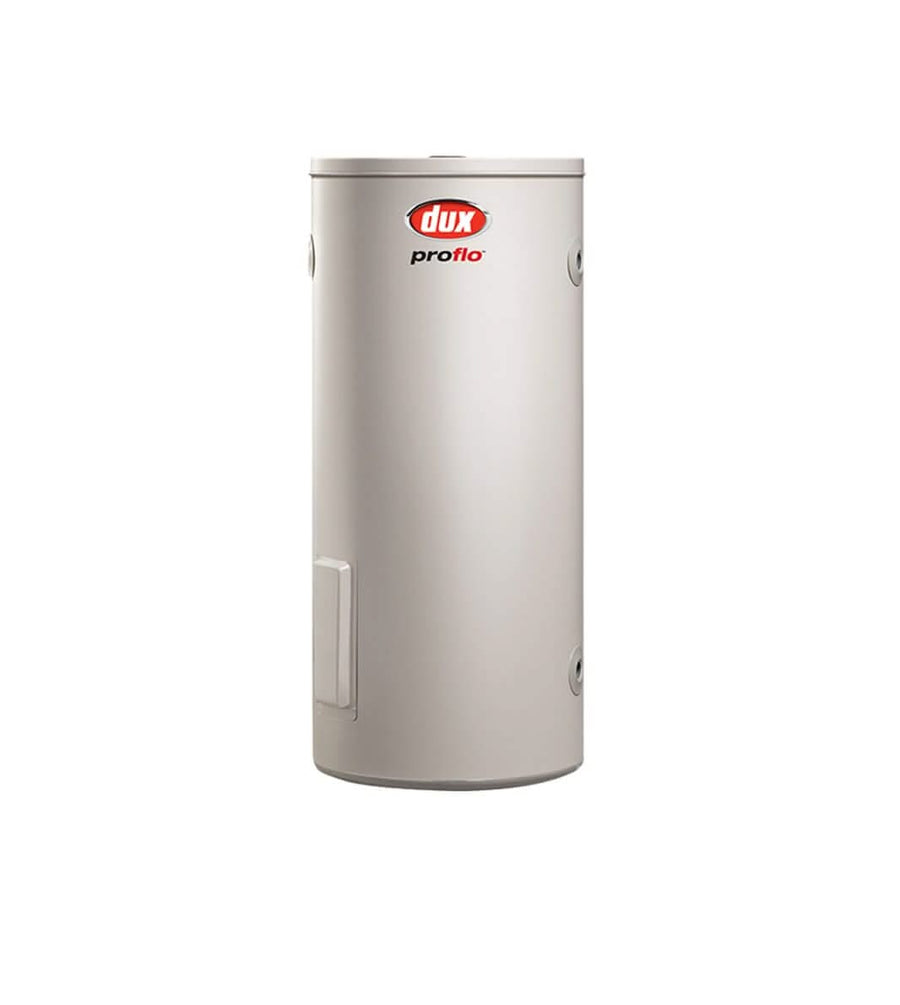
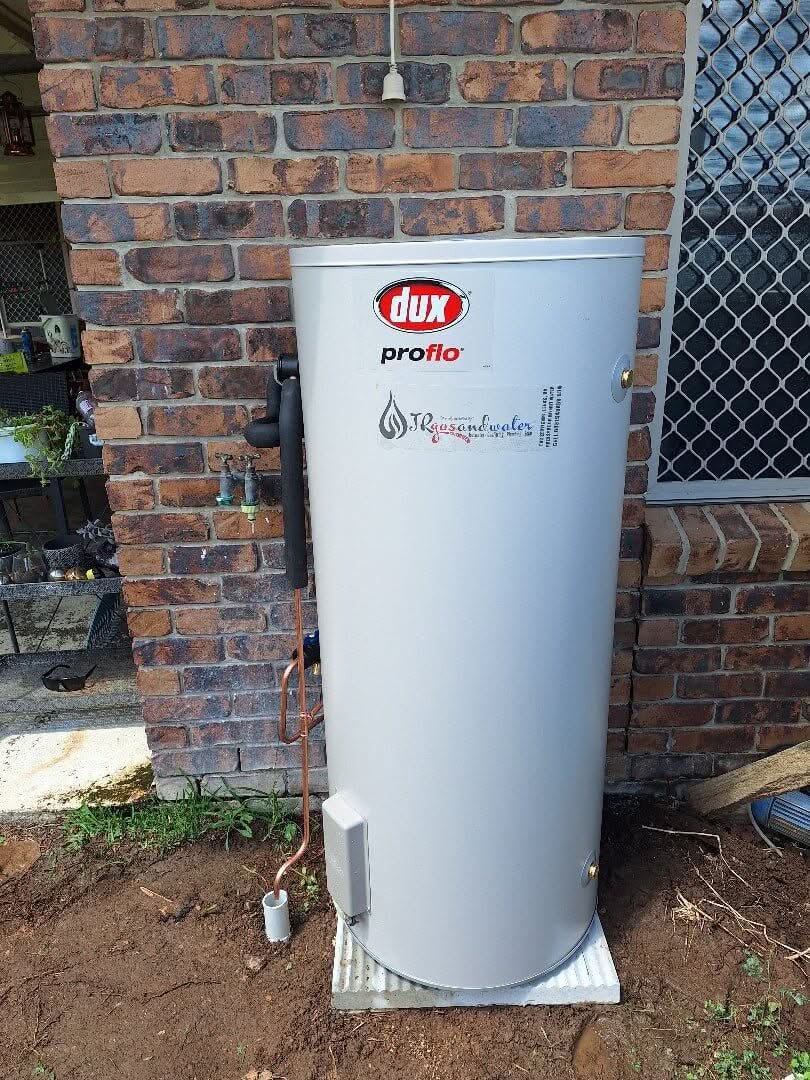
Installed Today supplies a wide range of replacement hot water systems, including electric hot water systems, instant gas hot water systems and heat pump hot water systems. Supply-only ordering is available across major Australian metro areas for customers who already have their own licensed installer arranged, with supplied-and-installed options available on selected products in eligible Brisbane and Gold Coast service areas where shown.
Quick answer: what should you do if your hot water system is leaking?
If your hot water system is leaking:
-
Check where the water appears to be coming from, without opening the unit
-
Turn off the water supply to the system if it is safe to do so
-
Turn off the power to an electric system if it is safe and clear which circuit applies
-
Turn off the gas supply if you have a gas system and it is safe to do so
-
Keep water away from electrical components
-
Use towels or a bucket to contain minor water while waiting for help
-
Call a licensed plumber, gas fitter or electrician depending on the system and issue
-
Compare replacement options if the tank is leaking, corroded, old or repeatedly failing
A small drip from a relief valve may be different from water leaking from the tank body. If the cylinder itself is leaking, replacement is often the likely outcome.
Is a leaking hot water system dangerous?
A leaking hot water system can become dangerous depending on where the leak is, what type of system it is and whether water is near electrical or gas components.
Potential risks include:
-
Electrical hazards
-
Water damage to floors, walls or cupboards
-
Gas safety issues if a gas system is affected
-
Scalding water
-
Pressure issues
-
Tank failure
-
Damage to nearby appliances or property
-
Mould and moisture problems
-
System collapse if corrosion is severe
Do not remove electrical covers, adjust gas components, plug relief valve outlets, bypass valves or attempt internal repairs yourself.
If there is a gas smell, leave the area and contact your gas supplier or emergency service provider. If water is near electrical parts, stay clear and use a licensed professional.
First: where is the hot water system leaking from?
The source of the leak helps determine whether the problem may be repairable or whether replacement is more likely.
Common leak points include:
-
Bottom of the tank
-
Top of the tank
-
Side of the tank
-
Relief valve
-
Drain valve
-
Pipe joints
-
Fittings
-
Tempering valve
-
Pressure limiting valve
-
Cold water inlet
-
Hot water outlet
-
Continuous flow unit casing
-
Heat pump condensate drain
-
Solar hot water pipework
You do not need to dismantle anything. A basic visual check from a safe distance is enough to help describe the issue to a licensed plumber or installer.
Water leaking from the bottom of the hot water tank
Water leaking from the bottom of a storage hot water tank is one of the most concerning signs.
Possible causes include:
-
Internal tank corrosion
-
Rusted cylinder
-
Failed tank lining
-
Sediment damage
-
Leaking drain valve
-
Leaking pipework running down the cylinder
-
Condensation in some heat pump situations
-
Relief valve discharge appearing to come from the base
If the tank itself is leaking from the base, repair is usually not practical. A leaking cylinder often means the system has reached the end of its service life and should be replaced.
Compare suitable replacement options in the hot water systems collection.
Water leaking from the top of the hot water tank
A leak from the top of the tank may be caused by fittings, valves, pipe joints or corrosion around connection points.
Possible causes include:
-
Loose hot water outlet fitting
-
Leaking cold water inlet fitting
-
Corrosion around the anode area
-
Failed valve or connection
-
Pipework leak above the unit
-
Poorly sealed connection
-
Age-related deterioration
Some top leaks may be repairable if they come from a fitting or valve. If corrosion has affected the tank body, replacement may be required.
A licensed plumber should assess the source before you decide whether to repair or replace.
Water leaking from the pressure relief valve
The pressure relief valve, often called a PTR valve on storage hot water systems, is designed to release water when pressure or temperature needs to be relieved.
A small amount of discharge can be normal in some circumstances. However, constant leaking, heavy discharge or repeated valve issues may indicate a problem.
Possible causes include:
-
Faulty relief valve
-
Excessive water pressure
-
High system temperature
-
Thermal expansion
-
Sediment or grit in the valve
-
Incorrect valve rating
-
Age-related valve failure
-
A broader pressure issue in the system
Do not plug, cap or block a relief valve outlet. It is a safety device. If it is constantly leaking, have it checked by a licensed plumber.
Water leaking from pipe joints or fittings
Leaks around pipe joints and fittings may be less serious than a leaking tank, but they still need attention.
Common signs include:
-
Drips from compression fittings
-
Moisture around valves
-
Green or white staining around copper
-
Rust marks
-
Water tracking down the side of the tank
-
Damp insulation
-
Puddles near pipework
Possible causes include:
-
Loose fittings
-
Worn seals
-
Corrosion
-
Poor installation
-
Movement or vibration
-
Old valves
-
High water pressure
-
Pipework stress
A plumber may be able to repair a fitting leak, but if the system is old and other components are deteriorating, replacement may still be worth comparing.
Water leaking from the drain valve
Storage hot water systems often have a drain valve near the lower part of the tank.
A leaking drain valve may be caused by:
-
Valve not fully closed
-
Worn seal
-
Sediment preventing closure
-
Corrosion
-
Physical damage
-
Age-related failure
A drain valve leak may be repairable, but it should still be assessed professionally. If the tank is also rusty or old, the leak may be one sign of a broader system issue.
Water leaking from a continuous flow gas hot water system
Instant gas hot water systems, also called continuous flow systems, do not have a large storage tank. If one is leaking, the issue may come from pipe connections, internal components, valves, casing, condensate discharge or water connections.
Possible causes include:
-
Leaking water connection
-
Failed internal component
-
Loose fitting
-
Freeze or weather damage in some locations
-
Corrosion
-
Faulty valve
-
Condensate drain issue on condensing models
-
Incorrect installation or pipe stress
Gas continuous flow systems must be assessed by licensed professionals. Do not open the casing or attempt repairs yourself.
You can compare replacement options in the instant gas hot water systems collection.
Water leaking from a heat pump hot water system
Heat pump hot water systems can produce condensate as part of normal operation, so not every water discharge is a tank leak.
However, leaking still needs to be checked carefully.
Possible causes include:
-
Normal condensate discharge
-
Blocked or poorly directed condensate drain
-
Leaking tank
-
Pipe fitting leak
-
Valve discharge
-
Drainage issue
-
Corrosion
-
Faulty component
If water is coming from the condensate drain, that may be normal. If water is pooling around the tank, leaking from fittings, or appearing from the cylinder body, a licensed professional should inspect it.
Compare replacement options in the heat pump hot water systems collection.
Water leaking from a solar hot water system
Solar hot water leaks can be more complex because the system may include a storage tank, roof collectors, pipework, valves and a booster.
Possible leak points include:
-
Storage tank
-
Roof collector
-
Solar pipework
-
Pump station
-
Booster connections
-
Valves
-
Roof penetrations
-
Frost or weather-damaged pipework
-
Corroded fittings
If the leak is on the roof or solar collector pipework, do not climb onto the roof to inspect it yourself. Contact a licensed professional.
If an older solar system is expensive to repair, compare whether replacing with solar, heat pump, electric storage or gas hot water is the better pathway for the property.
Common causes of hot water system leaks
Hot water systems can leak for several reasons.
Age and corrosion
Storage tanks can corrode over time. Once the tank body begins leaking, replacement is usually more practical than repair.
Signs of corrosion include:
-
Rust marks
-
Brown staining
-
Pitting on the tank
-
Rusty water from hot taps
-
Flaking metal
-
Moisture around seams
-
Repeated valve or fitting issues
High water pressure
Excessive pressure can stress valves, fittings and the system itself. It may cause relief valves to discharge more often or expose weak points in older pipework.
A licensed plumber can check pressure and valve requirements.
Faulty valves
Relief valves, tempering valves, isolation valves and pressure limiting valves can wear out over time. Some valve leaks are repairable, but they may also indicate the system needs broader attention.
Poor installation
Incorrect installation, unsupported pipework, poor valve setup or non-compliant drainage can create problems over time.
If the existing system was poorly installed, replacement may also require upgrades to meet current requirements.
Sediment build-up
Sediment can collect inside some storage tanks, especially in areas with harder water or older systems. This can reduce performance and contribute to tank stress.
Weather exposure
Outdoor hot water systems can be affected by sun, rain, coastal air, flooding, storms, corrosion and poor drainage around the base.
Physical damage
Systems can be damaged by impact, garden equipment, renovations, falling branches, pets, vehicles, or movement in pipework.
What to do immediately if your hot water system is leaking
If you discover a leak, act quickly but safely.
1. Keep clear of electrical hazards
If water is near electrical parts, power points, switches or wiring, stay away and contact a licensed professional.
2. Turn off the water supply if safe
Many systems have an isolation valve on the cold water inlet. Turning this off can reduce or stop water entering the system.
If you cannot find the valve or it will not turn, you may need to turn off the water at the mains.
3. Turn off power or gas if safe
For electric systems, turn off the hot water circuit at the switchboard if you know which one it is and it is safe to do so.
For gas systems, turn off the gas isolation valve if safe and easy to access. If you smell gas, leave the area and contact your gas supplier or emergency service provider.
4. Contain water where possible
Use towels, buckets or a wet vacuum where safe. Keep water away from electrical equipment.
5. Call a licensed professional
A plumber, gas fitter or electrician may be required depending on the system type and leak location.
6. Start comparing replacement options if the tank is leaking
If the tank body has failed, replacement is usually the likely next step.
Should you repair or replace a leaking hot water system?
The answer depends on where the leak is, how old the system is, and whether the tank itself has failed.
Repair may make sense when:
-
The system is relatively new
-
The leak is from a replaceable valve
-
The leak is from a fitting or pipe joint
-
The tank body is not leaking
-
Parts are available
-
The system is correctly sized
-
A licensed professional confirms repair is worthwhile
Replacement may make sense when:
-
The tank body is leaking
-
The system is badly corroded
-
The unit is old
-
Leaks keep returning
-
The system is undersized
-
Repairs are becoming frequent
-
Parts are hard to source
-
The unit has other major faults
-
You want to upgrade to heat pump or continuous flow gas
-
The property has changed use
A leaking tank is often the turning point. If the cylinder itself has failed, replacing the system is usually more sensible than trying to repair surrounding parts.
How old is your leaking hot water system?
Age matters when deciding whether to repair or replace.
An older hot water system with a leaking valve may still be repaired, but it could also be a warning sign that more failures are coming.
Replacement is worth comparing if the system is:
-
Rusty
-
Corroded
-
Leaking from the tank
-
Frequently repaired
-
No longer heating reliably
-
Too small for the home
-
Expensive to run
-
Difficult to service
-
No longer supported with parts
If the old system has worked well and is the right size, a like-for-like replacement may be the simplest option. If it has always run out or struggled, compare a better size or system type.
Choosing a replacement electric hot water system
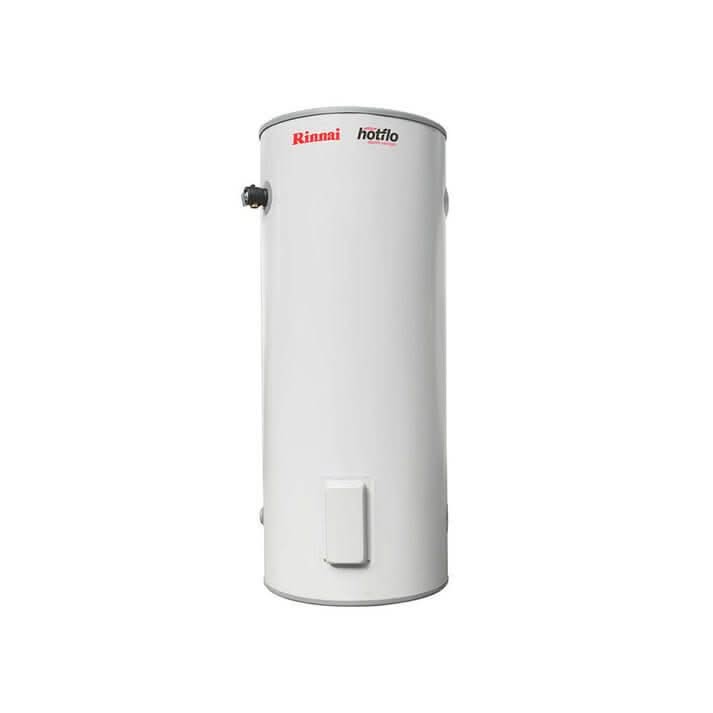
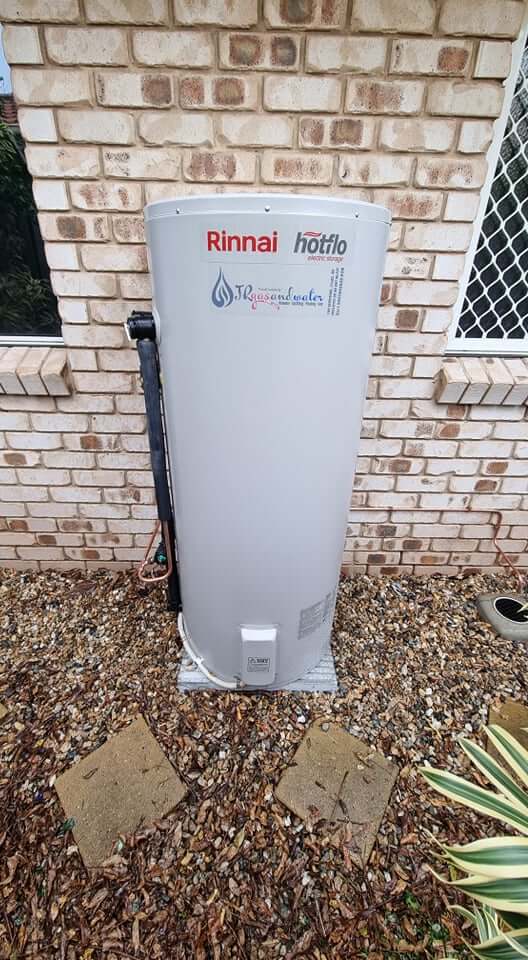
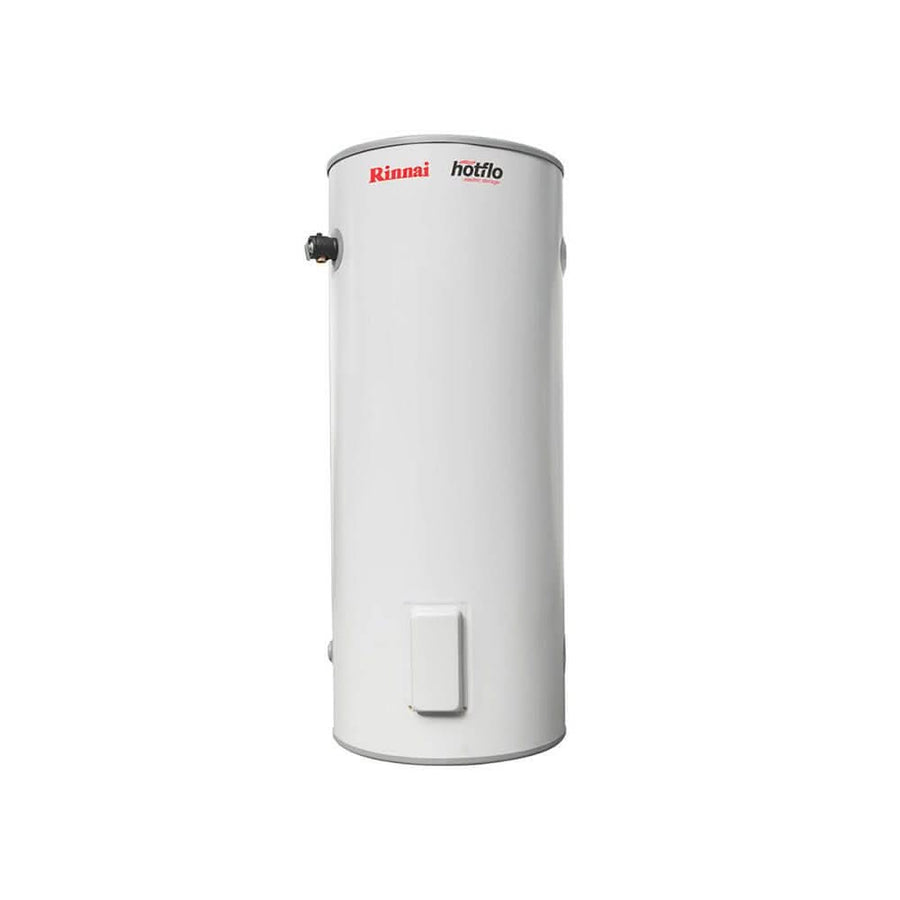
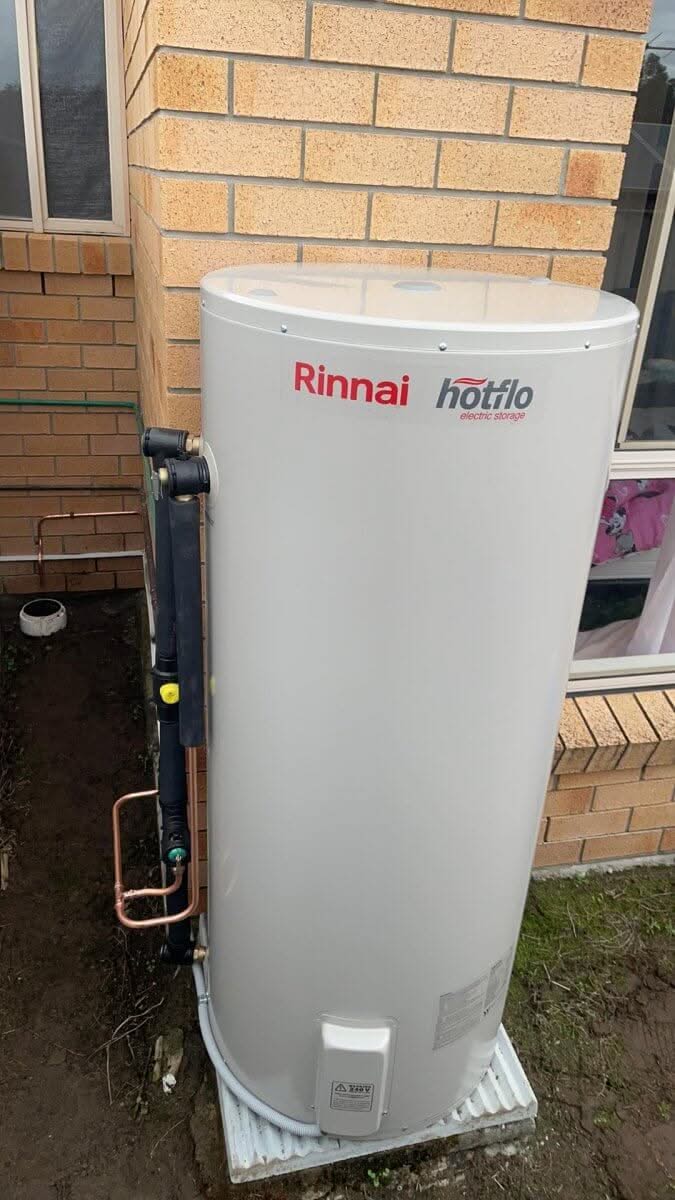
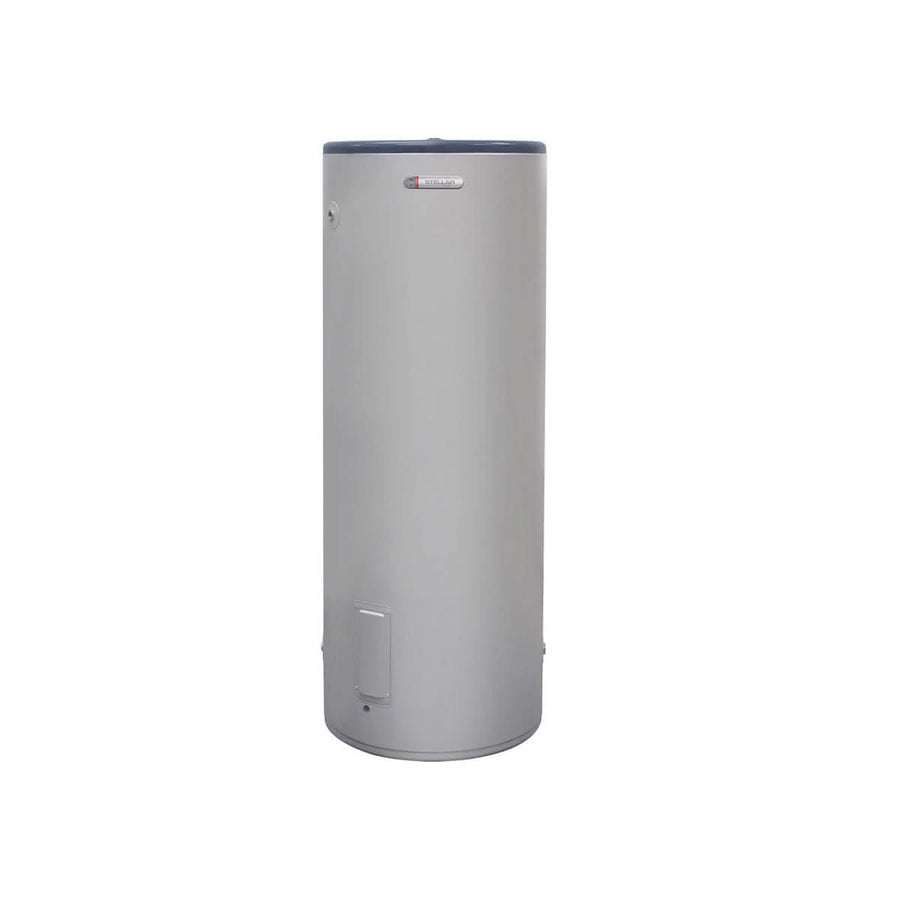
If your leaking system is electric storage, replacing it with another electric storage unit can be the simplest pathway.
Common sizes include:
-
80L for small units or low-use spaces
-
125L for small homes and 1–2 people
-
160L for moderate use
-
250L for family homes
-
315L for larger families
-
400L for high-demand households
You can compare current options in the electric hot water systems collection.
Do not automatically choose the same size if the old system regularly ran out of hot water.
Choosing a replacement gas hot water system
If your leaking system is gas, confirm whether it is natural gas or LPG before ordering any replacement.
Gas options may include:
-
Gas storage hot water
-
16 L/min continuous flow gas
-
20 L/min continuous flow gas
-
26 L/min continuous flow gas
A continuous flow gas system can be a strong option where the property already has suitable gas supply and an external location.
Natural gas and LPG models are different, so confirm the fuel type before ordering.
Compare options in the instant gas hot water systems collection.
Choosing a replacement heat pump hot water system
If your leaking electric storage system needs replacement and you want a more efficient electric option, heat pump hot water may be worth comparing.
A heat pump may suit homes with:
-
Suitable outdoor space
-
Good airflow
-
Condensate drainage
-
Electrical suitability
-
Enough access for delivery
-
Acceptable noise placement
-
Long-term efficiency goals
-
Solar power that may support daytime operation where set up correctly
Heat pumps are not ideal for every property. Tight courtyards, poor airflow, difficult drainage or noise-sensitive locations can make them unsuitable.
Browse current options in the heat pump hot water systems collection.
What if your leaking system is too small?
A leaking hot water system can be a good time to fix a sizing problem.
If the old unit regularly ran out, replacing it with the same capacity may repeat the issue.
Consider upsizing or changing type if:
-
More people now live in the home
-
Children have become teenagers
-
A second bathroom was added
-
The home is now a rental
-
The property is used for Airbnb
-
A granny flat has been connected
-
Showers are longer than before
-
The old unit never kept up
Replacement should match the current household, not just the old label on the tank.
What if your leaking system is in a rental property?
A leaking hot water system in a rental property should be handled promptly because tenants rely on hot water for daily living.
For landlords and property managers, check:
-
Whether the tank body is leaking
-
Whether the system is electric, gas or heat pump
-
Whether tenants have had past hot water issues
-
Whether the unit is undersized
-
Whether the property size has changed
-
Whether the current system suits likely future tenants
-
Whether repair or replacement is more cost-effective
A rental property should usually be sized for likely occupancy, not only the current tenant.
What if your leaking system is in an Airbnb or short-stay property?
For Airbnb and short-stay properties, a leaking hot water system can affect bookings, reviews and guest comfort.
When replacing, consider:
-
Maximum guest capacity
-
Number of bathrooms
-
Whether guests use a bath
-
Laundry demand between stays
-
Back-to-back showers
-
Simple operation
-
Fast recovery
-
Access between bookings
-
Whether old unit removal is required
Short-stay properties should be sized for peak guest demand, not average use.
Supply only vs supplied and installed
Installed Today offers supply-only hot water systems across major Australian metro areas for customers who already have their own licensed installer arranged. Supplied-and-installed options are available on selected products in eligible Brisbane and Gold Coast service areas where shown.
Supply-only product pricing generally does not include installation, valves, gas work, electrical work, pipework changes, drainage changes, old unit removal, disposal or compliance upgrades unless those items are clearly selected or included.
If your system is leaking and you are ordering supply-only, confirm the correct replacement with your licensed installer before purchase.
Hot water system replacement in Brisbane and Gold Coast
For eligible Brisbane and Gold Coast service areas, Installed Today offers supplied-and-installed options on selected products where available.
Common replacement options include:
-
Electric storage hot water systems
-
Instant gas hot water systems
-
Heat pump hot water systems
-
Natural gas and LPG models where available
-
Selected Rheem, Rinnai, Dux and other brand options
Before ordering, check the product page, installation availability, inclusions and any add-ons required for the property.
What to check before ordering a replacement
Before ordering a replacement for a leaking hot water system, check:
-
Current system type
-
Current brand and model
-
Current tank capacity or L/min rating
-
Electric, gas, heat pump or solar
-
Natural gas or LPG if gas
-
Indoor or outdoor location
-
Whether the tank body is leaking
-
Number of people in the home
-
Number of bathrooms
-
Whether the old system ran out often
-
Access for delivery
-
Space and dimensions
-
Valve requirements
-
Drainage
-
Electrical requirements
-
Gas requirements
-
Old unit removal requirements
-
Whether you need supply only or supplied and installed
This helps avoid ordering the wrong type, size or gas model.
Can you keep using a leaking hot water system?
You should not keep using a leaking hot water system without professional advice.
A small valve discharge may not be the same as a failed tank, but any ongoing leak should be checked.
Stop using the system and seek help urgently if:
-
Water is near electrical components
-
The tank is leaking from the body
-
Water is pooling heavily
-
The system is rusted or unstable
-
You smell gas
-
The circuit breaker is tripping
-
Hot water is dangerously hot
-
The leak is worsening
-
The system is inside a cupboard or ceiling space and causing water damage
Preventing future hot water leaks
Not every leak can be prevented, especially when a tank reaches the end of its life. However, good maintenance can reduce risk.
Helpful steps include:
-
Regular visual checks
-
Keeping the area around the system clear
-
Checking for rust or corrosion
-
Watching for small leaks before they worsen
-
Having valves inspected when needed
-
Servicing gas systems as recommended
-
Checking heat pump drainage
-
Managing water pressure
-
Replacing ageing systems before major failure
-
Using suitable water filtration where water quality is causing issues
If your home has sediment, poor water quality, rust staining or tank water, a separate water filter system may be worth comparing.
Common mistake: assuming every leak means the tank has failed
Some leaks come from valves, fittings or pipework and may be repairable.
However, if the tank body is leaking, replacement is usually the likely outcome. A licensed plumber should confirm the source.
Common mistake: ignoring a small leak
Small leaks can become bigger leaks. They can also cause rust, mould, cabinet damage, flooring damage or electrical hazards.
Even a slow drip should be checked if it continues.
Common mistake: blocking the relief valve
Never block, cap or plug the relief valve or drain outlet. Relief valves are safety devices.
If a valve is constantly discharging, the cause should be diagnosed and repaired by a licensed plumber.
Common mistake: ordering the same system without checking size
If the old leaking system was too small, replacing it with the same size may continue the same problem.
Use replacement time to confirm whether the home needs a larger electric storage unit, a different gas flow rate or a suitable heat pump.
Common mistake: choosing gas without confirming LPG or natural gas
Natural gas and LPG hot water systems are not interchangeable.
Before ordering a gas replacement, check the existing unit label, gas meter or LPG bottle setup and confirm the correct model with your licensed gas fitter.
Common mistake: choosing heat pump without checking drainage
Heat pumps need suitable outdoor space, airflow and condensate drainage. They are not always a simple swap for every leaking electric storage unit.
Confirm the location before ordering.
Final recommendation
If your hot water system is leaking, start by identifying the visible source without opening the unit. If water is leaking from a valve or fitting, repair may be possible. If the tank body is leaking, badly corroded or the system is old and unreliable, replacement is usually the better pathway.
For like-for-like electric replacements, compare electric hot water systems. For gas-connected homes, compare instant gas hot water systems, making sure natural gas or LPG is selected correctly. For efficiency-focused electric upgrades, compare heat pump hot water systems if the location suits.
The best replacement is not always the same size or type as the leaking unit. Choose a system that fits the property, household demand, energy source, access and installation requirements.
To compare all options, browse the Installed Today hot water systems range.
Long-tail FAQs
Why is my hot water system leaking?
A hot water system may leak because of a faulty valve, loose fitting, corroded tank, high water pressure, failed drain valve, damaged pipework, sediment build-up or age-related tank failure.
Is a leaking hot water system an emergency?
It can be. If water is near electrical components, the tank is leaking heavily, you smell gas, or water is damaging the property, treat it as urgent and contact a licensed professional.
Can a leaking hot water tank be repaired?
If the leak is from a valve or fitting, repair may be possible. If the tank body itself is leaking, replacement is usually the likely solution.
Why is water leaking from the bottom of my hot water system?
Water at the bottom may come from a leaking tank, drain valve, relief valve discharge, pipework above the unit or condensation in some cases. If the tank body is leaking, replacement is usually required.
Why is my pressure relief valve leaking?
A pressure relief valve may leak because of high pressure, high temperature, a faulty valve, debris in the valve or normal discharge. Constant leaking should be checked by a licensed plumber.
Should I turn off a leaking hot water system?
If it is safe, turn off the water supply to the system and isolate power or gas as appropriate. Do not touch electrical parts or gas components if there is any safety risk.
Can I keep using hot water if the system is leaking?
You should not keep using a leaking system without professional advice. A small valve drip is different from a leaking tank, but any ongoing leak should be checked.
Should I repair or replace my leaking hot water system?
Repair may suit a newer system with a leaking valve or fitting. Replacement may be better if the tank is leaking, the system is old, corrosion is visible, or repairs are becoming frequent.
What replacement should I choose if my hot water system is leaking?
Start with the existing system type, then check whether the size still suits the household. Compare electric storage, instant gas or heat pump hot water depending on your energy source, location and demand.
Does supply-only include removal of the leaking old unit?
No. Supply-only generally means the new product is supplied only. Old unit removal, disposal, installation, valves, plumbing, gas work, electrical work and compliance upgrades are separate unless clearly shown as included.