
Under-Sink Water Filter System: Buyer’s Guide for Cleaner Kitchen Drinking Water
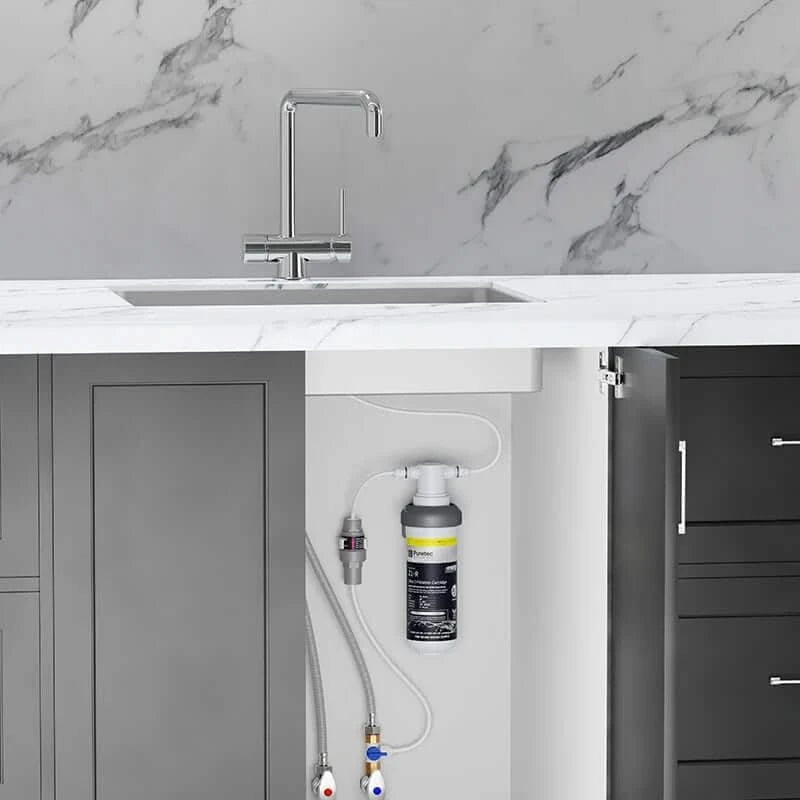
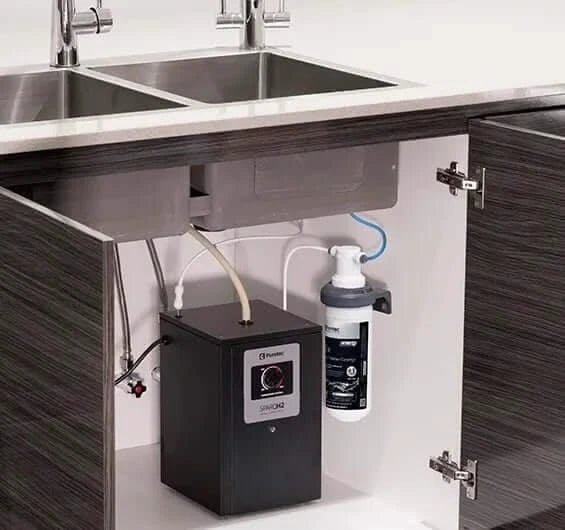
An under-sink water filter system is one of the most practical ways to improve drinking water at home without taking up bench space. It sits neatly inside the kitchen cupboard and filters water before it reaches a dedicated filtered water tap or, in some setups, a compatible mixer tap.
For many Australian homes, an under-sink filter is the right choice when the main goal is better-tasting drinking water for the kitchen. It can help reduce chlorine taste, odour, sediment and selected contaminants depending on the cartridge type. More advanced systems, such as reverse osmosis or UV-assisted setups, can target different water quality concerns, but the right system depends on your water source and test results.
Installed Today supplies a range of water filter systems for customers comparing under-sink filters, drinking water filters, reverse osmosis systems, whole home filtration and cartridge replacement options online.
Quick answer: is an under-sink water filter worth it?
An under-sink water filter system is worth considering if you want filtered drinking water at the kitchen tap without relying on bottled water or countertop jugs.
It may suit homes that want:
-
Better-tasting drinking water
-
Reduced chlorine taste and smell
-
Less sediment at the kitchen tap
-
A tidy, hidden filter system
-
Filtered water for coffee and tea
-
Filtered water for cooking
-
Less reliance on bottled water
-
A more permanent kitchen filtration solution
-
A dedicated filtered water tap
An under-sink filter is best for kitchen drinking water. If you want filtered water throughout the entire home, compare a whole home water filter system instead.
What is an under-sink water filter system?
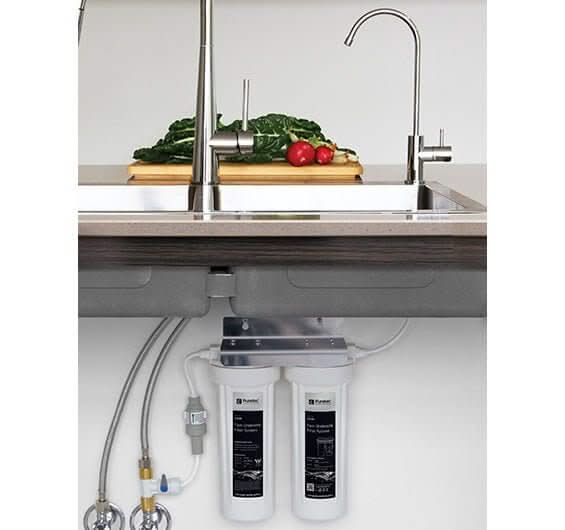
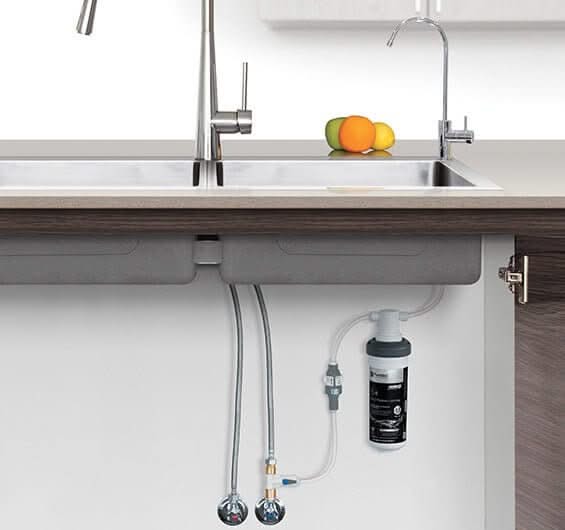
An under-sink water filter system is installed below the kitchen sink and connected to the cold water supply.
Depending on the system, filtered water may be delivered through:
-
A separate dedicated drinking water tap
-
A 3-way mixer tap
-
A filtered kitchen mixer
-
A compatible existing tap setup where suitable
The filter cartridges sit inside the cupboard, keeping the kitchen bench clear while providing filtered water on demand.
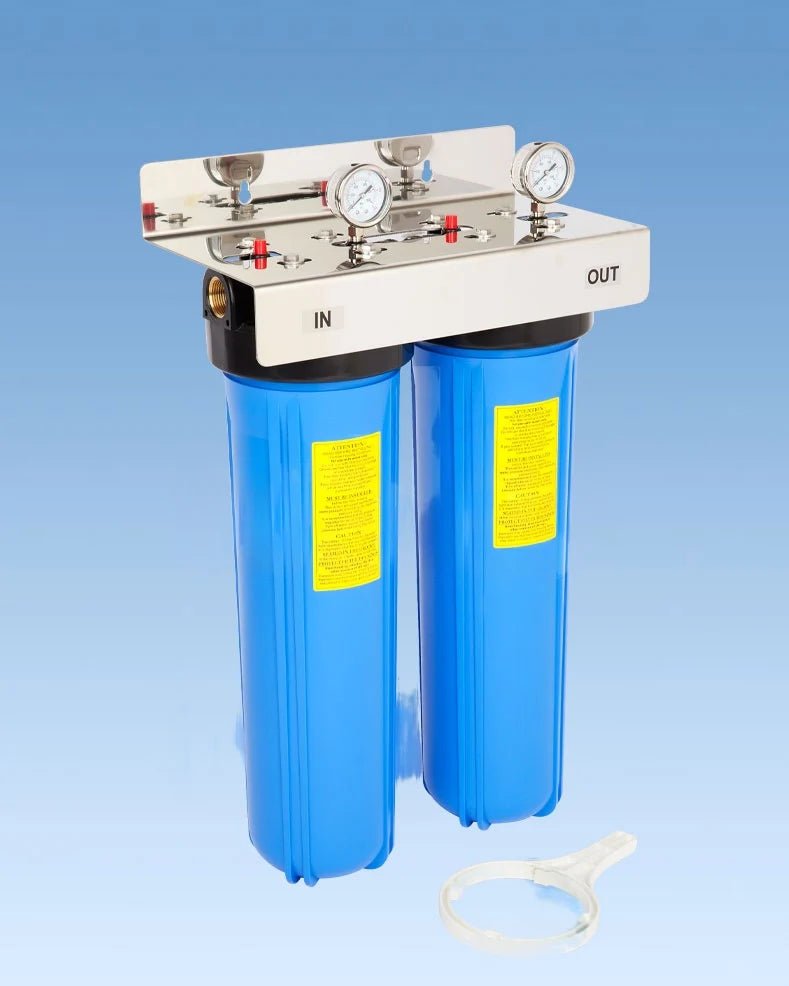
Under-sink systems can be simple single-stage filters, twin-stage systems, triple-stage systems, reverse osmosis systems or specialist setups depending on water quality.
How under-sink water filters work
Most under-sink filters work by passing water through one or more cartridges before it reaches the drinking water outlet.
A typical system may include:
-
Sediment filtration to reduce dirt, rust, grit and particles
-
Carbon filtration to reduce chlorine taste, odour and selected organics
-
Advanced filtration such as reverse osmosis, ultrafiltration or other media where needed
-
Dedicated filtered tap to supply drinking and cooking water
The exact filtration result depends on the cartridge, micron rating, flow rate, water pressure, maintenance and what contaminants are present in the water.
Under-sink filter vs whole home filter
An under-sink filter and a whole home filter solve different problems.
| Filter type | What it treats | Best suited to |
|---|---|---|
| Under-sink filter | Kitchen drinking water | Drinking, cooking, coffee, tea and ice |
| Whole home filter | Incoming water to the home | Showers, laundry, appliances and multiple taps |
| Reverse osmosis | Kitchen drinking water with finer filtration | Dissolved solids and selected contaminants |
| Shower filter | One shower only | Shower chlorine or sediment concerns |
| UV system | Microbiological treatment where suitable | Tank or bore water setups with correct pre-filtration |
Choose an under-sink filter if your main priority is drinking water. Choose whole home filtration if the issue affects every tap, shower and appliance.
Main benefits of under-sink water filters
An under-sink water filter can be a simple upgrade with several practical benefits.
Better-tasting drinking water
Many town water homes notice chlorine taste or smell. A quality carbon under-sink filter can help improve drinking water taste and odour.
This can make a difference for:
-
Drinking water
-
Coffee
-
Tea
-
Ice
-
Soups
-
Rice
-
Pasta
-
Cooking water
-
Pet water bowls
Hidden, space-saving design
Because the system sits under the sink, it does not take up bench space like a jug or countertop filter.
This can suit:
-
Smaller kitchens
-
Renovated kitchens
-
Apartments
-
Townhouses
-
Family homes
-
Rental properties where approved
-
Airbnb and short-stay properties
Filtered water on demand
An under-sink filter provides filtered water directly from a tap. There is no need to refill jugs or store bottled water in the fridge.
Less reliance on bottled water
A properly maintained under-sink filter can reduce the need for bottled drinking water at home.
This may help reduce:
-
Plastic bottle waste
-
Storage space
-
Carrying heavy bottles
-
Ongoing bottled water cost
-
Household rubbish
Better kitchen convenience
Filtered water at the sink is convenient for daily use. It is especially useful for families filling drink bottles, making coffee, cooking meals or preparing water for guests.
What under-sink filters can reduce
The contaminants an under-sink filter can reduce depend on the cartridge type and system design.
Depending on the system, it may reduce:
-
Chlorine taste and smell
-
Sediment
-
Rust particles
-
Dirt and grit
-
Some organic compounds
-
Some heavy metals
-
Bad taste
-
Odour
-
Dissolved solids where reverse osmosis is used
-
Selected contaminants where certified cartridges are fitted
Always check product specifications. Do not assume every under-sink filter removes every contaminant.
What under-sink filters may not remove
Not all under-sink filters remove:
-
Fluoride
-
PFAS
-
Lead
-
Bacteria
-
Viruses
-
Hardness minerals
-
Salts
-
Iron
-
Manganese
-
All chemicals
-
All dissolved solids
For example, a standard carbon filter may be excellent for chlorine taste but may not be suitable for fluoride reduction. A reverse osmosis system may target dissolved solids, but it has different maintenance and wastewater considerations. UV may help with microbiological treatment in suitable setups, but it does not remove chemicals or sediment by itself.
The right filter depends on the water issue.
Types of under-sink water filter systems
There are several common types of under-sink water filters.
Single-stage under-sink filters
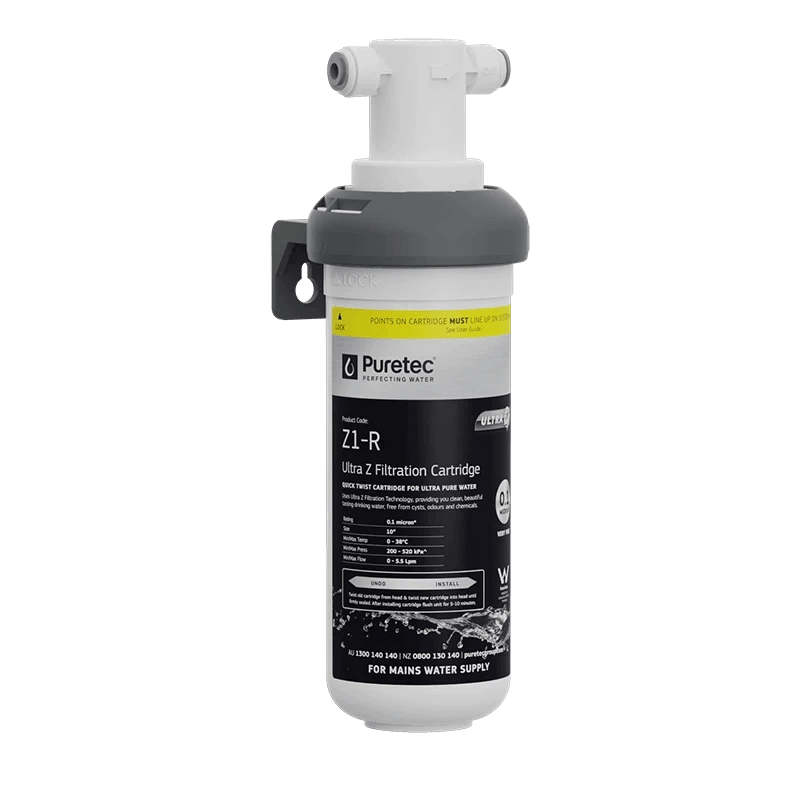
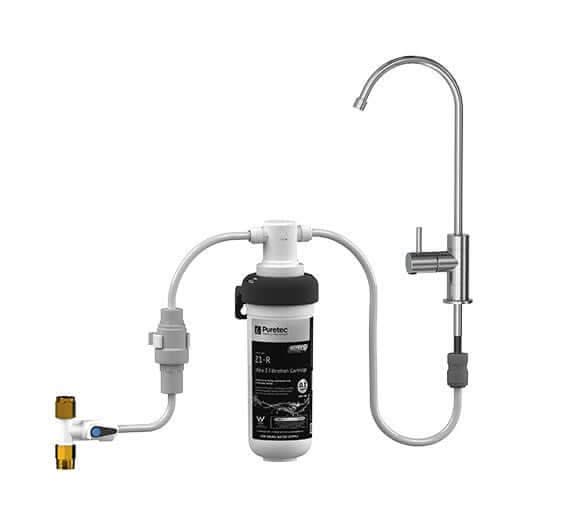
A single-stage filter usually has one cartridge.
It may suit:
-
Basic town water taste improvement
-
Chlorine taste and smell
-
Simple drinking water filtration
-
Smaller households
-
Lower-cost kitchen filtration
-
Homes wanting a compact setup
A single-stage carbon filter can be a good starting point where the main concern is taste and odour.
Twin-stage under-sink filters
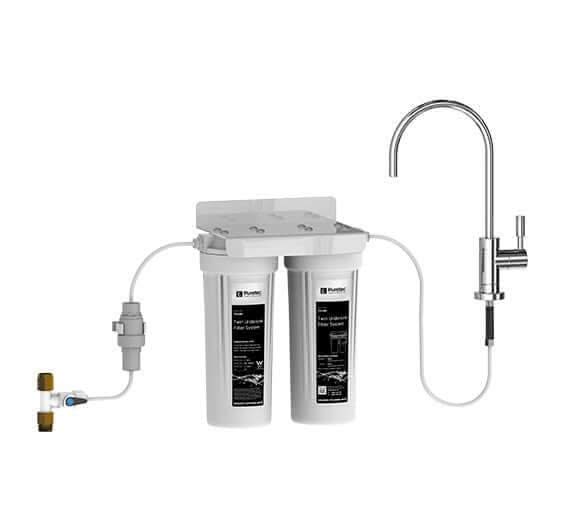
A twin-stage filter uses two cartridges.
A common setup may include:
-
Sediment pre-filter
-
Carbon filter
This can suit homes that want both particle reduction and taste improvement.
Twin-stage systems may be useful where the water has visible particles, pipe sediment, rusty specks or chlorine taste.
Triple-stage under-sink filters
A triple-stage filter adds another cartridge or media stage.
Depending on the system, this may allow:
-
Finer sediment reduction
-
More carbon capacity
-
Specialist contaminant reduction
-
Better cartridge life
-
More targeted filtration
Triple-stage systems suit customers who want more complete kitchen filtration than a basic single cartridge.
Reverse osmosis under-sink systems
Reverse osmosis systems use a semipermeable membrane to reduce dissolved solids and selected contaminants.
RO may suit homes that want:
-
Fine drinking water filtration
-
Reduced dissolved solids
-
Fluoride reduction where the system is rated for it
-
Better water for coffee, tea and drinking
-
A dedicated filtered drinking water tap
-
A more advanced kitchen water filter
RO systems need regular maintenance and produce a waste stream, so they are not the simplest option for every household.
UV under-sink systems
UV systems use ultraviolet light to help treat microbiological risk in suitable water.
UV may be considered for:
-
Rainwater tank drinking water
-
Bore water setups
-
Untreated water supplies
-
Water test results showing microbiological risk
UV works best when water is clear and properly pre-filtered. It does not remove sediment, chlorine, chemicals, hardness or heavy metals by itself.
Activated carbon under-sink filters
Activated carbon is one of the most common under-sink filter media types.
It is commonly used to reduce:
-
Chlorine taste
-
Chlorine smell
-
Organic taste issues
-
Some odours
-
Some selected chemicals depending on cartridge type
A carbon filter is often the best starting point for treated town water where the main complaint is taste or smell.
Under-sink water filter for chlorine taste
If your tap water tastes or smells like chlorine, an activated carbon under-sink filter is often the first option to compare.
Carbon filtration can make water taste cleaner and more pleasant for:
-
Drinking
-
Coffee
-
Tea
-
Ice
-
Cooking
-
Water bottles
If chlorine is the only concern, you may not need reverse osmosis. A quality carbon cartridge may be enough.
Under-sink water filter for sediment
If you see particles, grit or rusty specks in your water, look for a system with sediment filtration.
Sediment filters may help reduce:
-
Dirt
-
Rust
-
Sand
-
Grit
-
Fine particles
-
Tank debris
-
Pipework sediment
Sediment filtration is often used before carbon filtration, reverse osmosis or UV to protect later stages.
Under-sink water filter for fluoride
If fluoride reduction is your main goal, check the product specifications carefully.
Many standard carbon filters do not remove fluoride. Reverse osmosis is commonly compared for fluoride reduction, but performance depends on the membrane, water pressure, water quality and maintenance.
Choose a system that specifically states fluoride reduction if that is important to you.
Under-sink water filter for lead and metals
Some under-sink filters can reduce selected heavy metals, but not all cartridges are designed for that purpose.
If lead, copper or other metals are a concern, start with a water test and choose a cartridge or reverse osmosis system rated for the relevant contaminant.
This is especially important in homes with older plumbing, unknown pipe materials or specific water quality concerns.
Under-sink water filter for bacteria
A standard under-sink carbon filter should not be relied on as a bacteria treatment system.
If bacteria or microbiological contamination is a concern, especially with tank water or bore water, water testing and proper treatment design are important.
A suitable setup may involve:
-
Sediment pre-filtration
-
UV treatment
-
Correct flow rate
-
Proper maintenance
-
Lamp replacement
-
Professional installation
-
Regular water testing
Do not choose a basic filter and assume it makes untreated water safe.
Under-sink water filter for hard water
An under-sink filter may improve drinking water taste, but it usually does not solve hard water throughout the home.
Hard water is caused mainly by calcium and magnesium. It can create scale on taps, shower screens, kettles and appliances.
If hard water is the issue, compare:
-
Water softeners
-
Scale-control systems
-
Whole home hardness treatment
-
Reverse osmosis for drinking water only
-
Water conditioners
A kitchen RO system may reduce minerals at the drinking tap, but it will not protect the shower, laundry or whole home plumbing.
Under-sink filters for tank water
Tank water should be tested before choosing a drinking water filter.
Tank water may contain:
-
Sediment
-
Organic matter
-
Colour
-
Odour
-
Roof debris
-
Microbiological risk
-
Low pH
-
Metals from roof or pipework
A tank water drinking system may need sediment filtration, carbon filtration and UV treatment depending on water quality. In some cases, reverse osmosis may also be considered, but pre-treatment is important.
Under-sink filters for bore water
Bore water can be complex and should be tested before selecting any filter.
Bore water may contain:
-
Hardness minerals
-
Iron
-
Manganese
-
Salts
-
Sediment
-
Odour
-
Metals
-
pH issues
-
Microbiological risk
A basic under-sink filter may not be suitable for bore water. Testing helps determine whether pre-treatment, softening, iron removal, UV or reverse osmosis is needed.
Under-sink filter vs benchtop filter
Under-sink and benchtop filters both provide filtered drinking water, but they suit different households.
| Filter type | Advantages | Considerations |
|---|---|---|
| Under-sink filter | Hidden, tidy, permanent, good flow options | Needs cupboard space and installation |
| Benchtop filter | Simple, portable, renter-friendly | Takes up bench space and may look less tidy |
| Filter jug | Low upfront cost | Lower capacity and frequent refilling |
| Fridge filter | Convenient chilled water | Only filters fridge water and needs cartridge changes |
An under-sink filter is usually better for homeowners wanting a permanent kitchen solution.
Under-sink filter vs reverse osmosis
Reverse osmosis is a type of under-sink filter, but not all under-sink filters are RO systems.
| Option | Best suited to |
|---|---|
| Standard carbon under-sink filter | Chlorine taste, odour and basic drinking water improvement |
| Twin-stage under-sink filter | Sediment plus chlorine taste reduction |
| Reverse osmosis under-sink system | Dissolved solids and finer drinking water filtration |
| UV under-sink system | Microbiological treatment where suitable |
Choose RO when you need finer filtration. Choose carbon when the main issue is taste and smell.
Under-sink filter vs bottled water
An under-sink water filter can reduce reliance on bottled water.
Benefits may include:
-
Filtered water from the kitchen tap
-
Less plastic waste
-
Less storage space
-
Lower ongoing bottled water purchases
-
Better convenience
-
Easier drink bottle filling
-
Better water for cooking and coffee
The actual saving depends on the system cost, cartridge replacement cost and how much bottled water your household currently buys.
Under-sink filters for coffee and tea
Filtered water can make coffee and tea taste better by reducing chlorine taste, odour and some unwanted flavours.
An under-sink filter may help with:
-
Espresso machines
-
Coffee plungers
-
Kettles
-
Tea
-
Ice
-
Cold drinks
-
Sparkling water machines
-
Cooking water
If you are buying a filter mainly for coffee, consider whether you prefer carbon-filtered water or reverse osmosis with remineralisation.
Under-sink filters for families
Family homes often need a filter that is reliable, simple and easy to maintain.
A family under-sink filter should be chosen around:
-
Number of people
-
Daily drinking water use
-
Drink bottles
-
Cooking volume
-
Cartridge life
-
Flow rate
-
Replacement cartridge cost
-
Tap style
-
Cupboard space
-
Water quality
A small, low-capacity filter may be frustrating in a busy family kitchen.
Under-sink filters for rental properties
An under-sink filter can suit rental properties, but maintenance responsibility needs to be clear.
Landlords and property managers should consider:
-
Who replaces cartridges
-
Cartridge replacement schedule
-
Tenant instructions
-
Leak protection
-
Easy access
-
Simple tap setup
-
Replacement cartridge availability
-
Durability
A filter that is not maintained can lose performance, so choose a system that suits the rental arrangement.
Under-sink filters for Airbnb and short-stay properties
For Airbnb and short-stay homes, filtered kitchen water can improve guest experience.
It may help provide:
-
Better-tasting drinking water
-
Less need for bottled water
-
A premium kitchen feature
-
Better coffee and tea
-
Clear guest convenience
-
Reduced plastic waste
For short-stay properties, choose a simple, reliable system and keep cartridge maintenance up to date.
Installation considerations
Under-sink water filter installation depends on the system type and kitchen setup.
Before ordering, check:
-
Space under the sink
-
Pipework access
-
Cold water supply connection
-
Tap hole availability
-
Dedicated filter tap location
-
Drain connection if RO is used
-
Power point if the system requires one
-
Water pressure
-
Cartridge access
-
Leak protection
-
Installer requirements
Some simple systems may be easier to install than others, but plumbing work should be completed by a licensed professional where required.
Can you install an under-sink filter yourself?
Some under-sink filters are marketed as DIY-friendly, but suitability depends on the system and local requirements.
Installation may involve:
-
Tapping into the cold water line
-
Installing a dedicated filter tap
-
Connecting cartridges
-
Connecting a drain line for RO
-
Checking pressure
-
Checking for leaks
-
Ensuring safe, compliant plumbing
If you are unsure, use a licensed plumber. Incorrect installation can cause leaks, water damage, poor filtration or pressure problems.
Under-sink water filter maintenance
Under-sink filters need regular maintenance to keep working properly.
Maintenance may include:
-
Replacing cartridges
-
Checking for leaks
-
Cleaning tap outlets
-
Checking water pressure
-
Replacing RO membranes
-
Replacing UV lamps if fitted
-
Sanitising RO tanks where required
-
Checking O-rings
-
Following manufacturer instructions
A filter that is not maintained can become less effective and may restrict water flow.
How often should under-sink filters be replaced?
Replacement timing depends on water quality, usage and cartridge type.
Common replacement factors include:
-
Household size
-
Daily water use
-
Sediment level
-
Chlorine level
-
Cartridge capacity
-
Number of filter stages
-
RO membrane condition
-
UV lamp life
-
Manufacturer instructions
Many cartridges are replaced every few months to 12 months, but the correct timing depends on the system.
Signs your under-sink filter needs replacement
Your filter may need maintenance if you notice:
-
Slower water flow
-
Return of chlorine taste
-
Bad odour
-
Cloudy water
-
Filter reminder alert
-
Visible sediment
-
Leaks under the sink
-
Long time since last cartridge change
-
RO tank filling slowly
-
Unusual taste
Do not wait for major taste or flow changes. Follow the replacement schedule.
What to check before buying an under-sink filter
Before choosing a system, check:
-
Water source
-
Main water concern
-
Whether water has been tested
-
Under-sink cupboard space
-
Tap type
-
Whether a dedicated tap is needed
-
Water pressure
-
Flow rate
-
Cartridge replacement cost
-
Maintenance schedule
-
Filter certifications
-
Whether RO wastewater is acceptable
-
Whether UV needs power
-
Whether installation is supply-only or supplied-and-installed where available
This helps you choose a system that suits your home rather than just buying the cheapest option.
Common mistake: assuming every under-sink filter removes everything
Different filters do different jobs.
A carbon filter may improve taste but may not remove fluoride. A sediment filter removes particles but not dissolved chemicals. UV can treat microorganisms but does not remove chlorine or sediment. RO can reduce dissolved solids but needs maintenance and produces wastewater.
Choose based on the water issue.
Common mistake: buying RO when carbon filtration is enough
Reverse osmosis is useful for fine drinking water filtration, but not every home needs it.
If your main complaint is chlorine taste, a carbon under-sink filter may be simpler, cheaper to maintain and more practical.
Common mistake: ignoring cartridge costs
The system price is only part of the cost. Replacement cartridges matter.
Before buying, check:
-
Cartridge price
-
Replacement frequency
-
Cartridge availability
-
Whether generic cartridges are compatible
-
Number of stages
-
Warranty requirements
A low-cost system can become expensive if cartridges are hard to find or need frequent replacement.
Common mistake: forgetting cupboard space
Under-sink filters need room for cartridges, brackets, tubing and sometimes a storage tank.
Before ordering, check if the cupboard has enough room around:
-
Waste trap
-
Pull-out bins
-
Cleaning products
-
Insinkerator
-
Dishwasher connections
-
Existing plumbing
-
Drawer mechanisms
-
Tap fittings
A larger RO system may not suit every kitchen cupboard.
Common mistake: treating tank or bore water without testing
Tank water and bore water should be tested before choosing a filter.
A basic under-sink filter may not treat bacteria, iron, manganese, salts, hardness or pH issues correctly.
Test first, then choose the filtration system.
Supply only vs supplied and installed
Installed Today offers supply-only water filter and hot water system ordering across major Australian metro areas for customers who already have their own licensed installer arranged. Supplied-and-installed options are available on selected products in eligible Brisbane and Gold Coast service areas where shown.
Supply-only product pricing generally does not include installation, plumbing work, electrical work, drain connection, cartridge setup, old filter removal, disposal or compliance upgrades unless those items are clearly selected or included.
For under-sink water filters, confirm tap location, pressure, space, cartridge requirements and installation requirements with your licensed installer before ordering.
Final recommendation
An under-sink water filter system is a smart choice if you want better kitchen drinking water without taking up bench space. It can improve taste, reduce chlorine smell, support cooking and coffee, and reduce reliance on bottled water.
For simple town water taste improvement, compare activated carbon under-sink filters. For sediment and taste, compare multi-stage systems. For finer drinking water filtration, compare reverse osmosis. For tank or bore water, test first and consider whether UV, pre-filtration or specialist treatment is needed.
The best under-sink filter is not the one with the biggest claims. It is the one that matches your water source, water test results, kitchen space, pressure, maintenance expectations and household usage.
To compare options, browse the Installed Today water filter systems range.
Long-tail FAQs
What is an under-sink water filter system?
An under-sink water filter system is installed inside the kitchen cupboard and filters drinking water before it reaches a dedicated filtered tap or compatible mixer.
Are under-sink water filters worth it?
Yes, they can be worth it if you want better-tasting kitchen drinking water, less reliance on bottled water and a tidy filter system hidden below the sink.
What does an under-sink water filter remove?
It depends on the cartridge. Some reduce chlorine taste and odour, some reduce sediment, some reduce selected metals, and reverse osmosis systems can reduce dissolved solids and selected contaminants.
Does an under-sink filter remove chlorine?
Activated carbon under-sink filters are commonly used to reduce chlorine taste and smell in town water.
Does an under-sink filter remove fluoride?
Many standard carbon filters do not remove fluoride. Reverse osmosis is commonly compared for fluoride reduction, but you should check the system specifications.
Does an under-sink filter remove bacteria?
A standard carbon under-sink filter should not be relied on for bacteria. If microbiological risk is present, testing and suitable treatment such as UV may be required.
Is reverse osmosis better than a normal under-sink filter?
Reverse osmosis offers finer filtration and can reduce dissolved solids, but it requires more maintenance and produces wastewater. A normal carbon filter may be enough for chlorine taste and odour.
How often do under-sink filters need replacing?
Replacement timing depends on usage, water quality and cartridge type. Many cartridges are replaced every few months to 12 months, but always follow the manufacturer’s schedule.
Can I install an under-sink water filter myself?
Some systems are marketed as DIY-friendly, but plumbing work should be completed by a licensed professional where required. Incorrect installation can cause leaks or performance issues.
Is an under-sink filter better than bottled water?
For many homes, a properly maintained under-sink filter is more convenient than bottled water and can reduce plastic waste. The value depends on system cost, cartridge cost and household usage.