
Free Electricity for 3 Hours a Day in QLD: Can You Get Free Hot Water?
From 1 July 2026, eligible households in South East Queensland are expected to have access to a new free daytime electricity offer, giving smart-meter homes a daily window where electricity can be used for free during the middle of the day.
For Brisbane, Gold Coast and South East Queensland homes, this could create one of the best hot water savings opportunities in years.
The reason is simple: hot water is one of the biggest energy users in many homes. If your electric hot water system or heat pump hot water system can heat during the free daytime electricity window, you may be able to reduce the amount of paid electricity used to make hot water.
The best setup depends on your home, your electricity plan, your hot water system, your tank size, your solar setup and whether your system can be safely controlled.
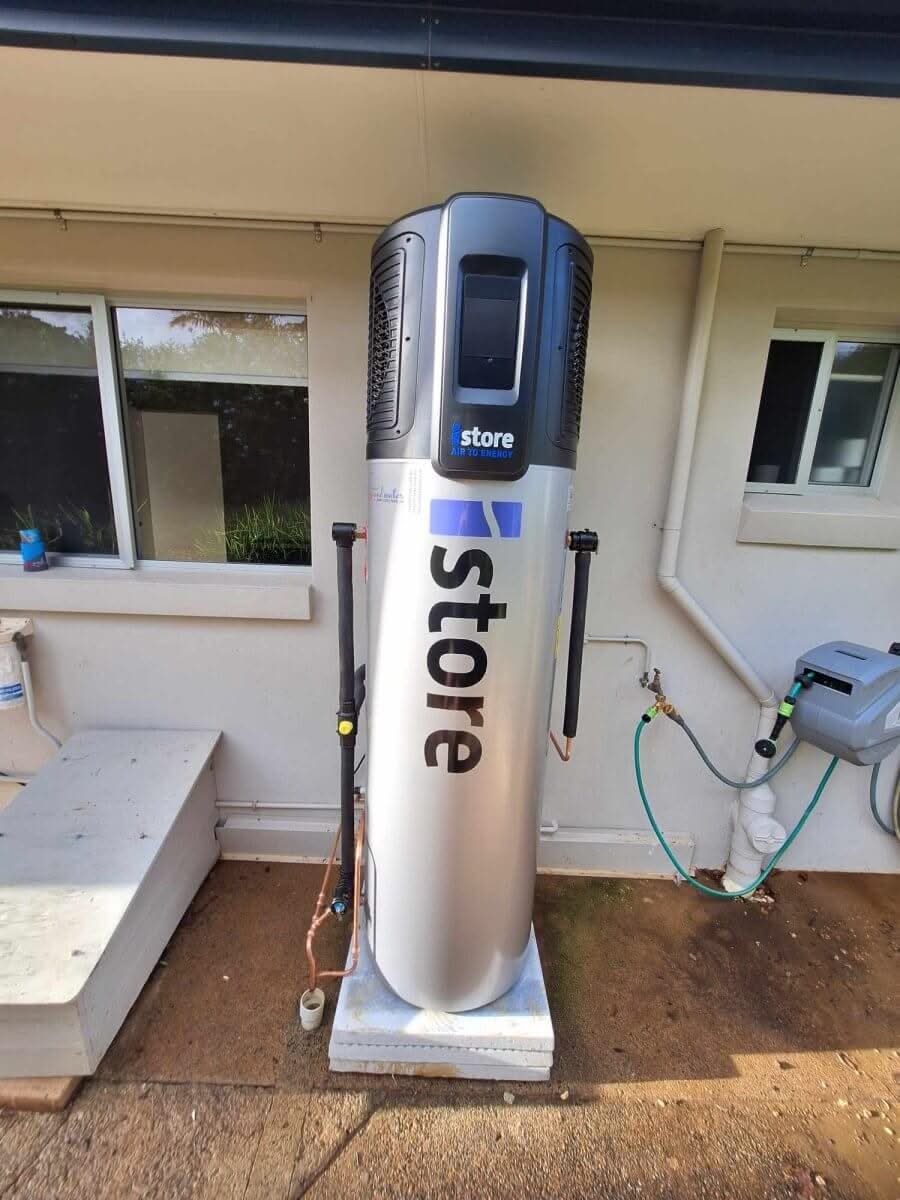
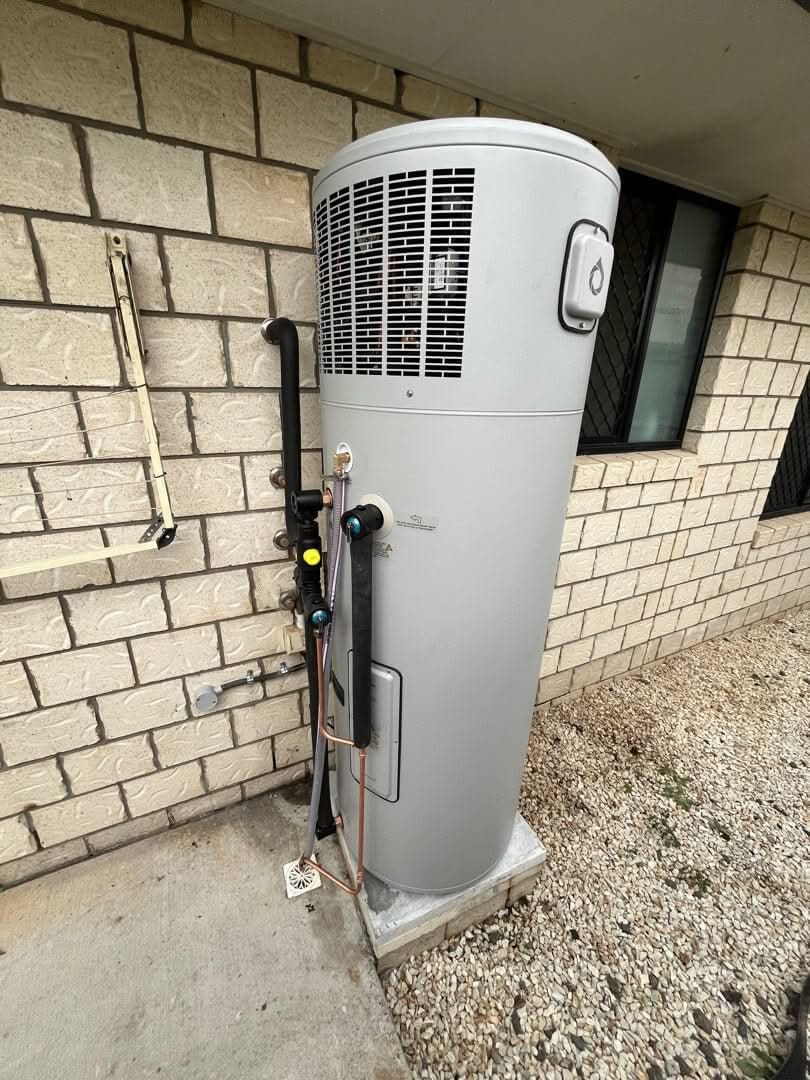
For many households, the strongest long-term savings option will still be a properly selected heat pump hot water system, because heat pumps use far less electricity than standard electric storage systems when matched to the home correctly.
For other homes, a timer, dedicated circuit, smart controller or larger electric storage system may also help make better use of free daytime power.
Quick answer
The new free daytime electricity window may help eligible Queensland households reduce power bills by shifting hot water heating into the free power period.
For homes with a smart meter, the biggest opportunity is usually to run high-energy appliances like electric hot water systems, heat pump hot water systems, pool pumps, dishwashers, washing machines and EV charging during the free electricity window.
For hot water, the best options are usually:
-
Upgrading to a heat pump hot water system for the best long-term electricity savings
-
Adding a suitable 20amp circuit and timer where the existing setup needs controlled power supply
-
Replacing an old tank with a correctly sized electric hot water system
-
Choosing a larger electric storage option like the Rheem 400L Electric Hot Water System with a 4.8kW element upgrade where suitable
The right choice depends on the household’s hot water demand, electricity plan, current system condition, switchboard setup, tariff arrangement, solar setup and installation requirements.
Why hot water is one of the biggest savings opportunities
Hot water matters because it uses a large amount of energy, but it does not always need to heat at the exact time you use the water.
A storage hot water system heats water and stores it in the tank. That means the system may be able to heat during a cheaper or free electricity period, then hold that hot water for showers, washing and general household use later in the day.
This is where free daytime electricity becomes important.
If your hot water system currently heats during paid peak or shoulder periods, shifting some or most of that heating into the free electricity window may reduce your energy costs. The more hot water heating you can shift into the free period, the stronger the potential savings.
That does not mean every home should rush into the same setup. Some homes will be better suited to a heat pump. Some may be better suited to keeping electric storage and adding a timer. Others may need a larger tank, a stronger element upgrade or a completely different hot water strategy.
Heat pumps will still offer the best long-term savings for many homes
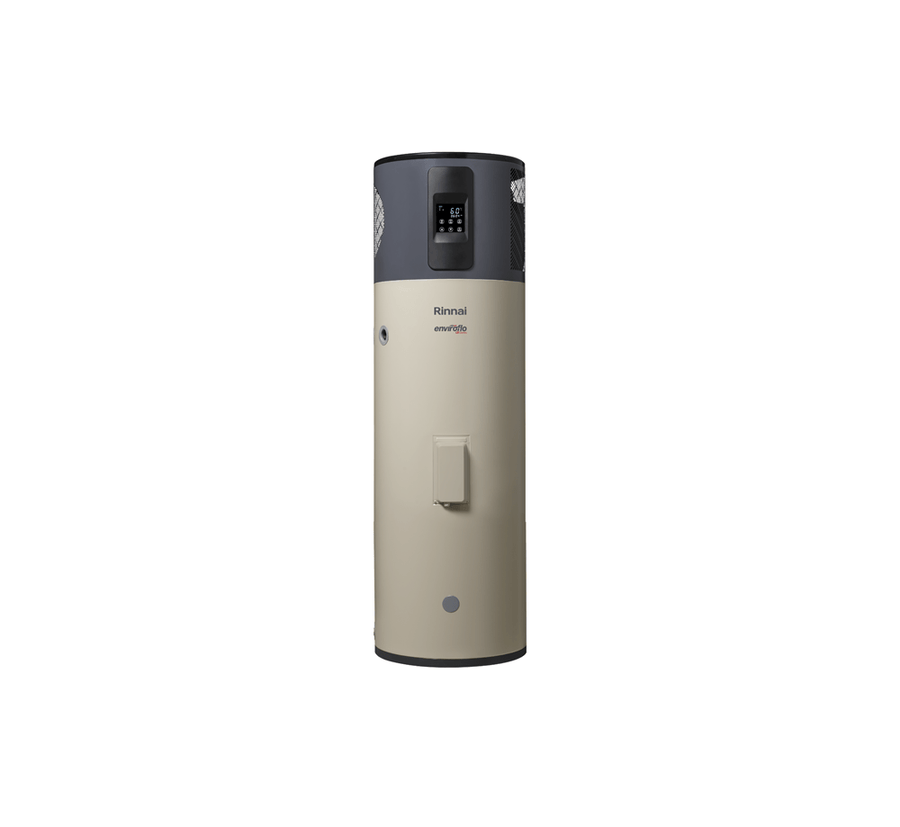
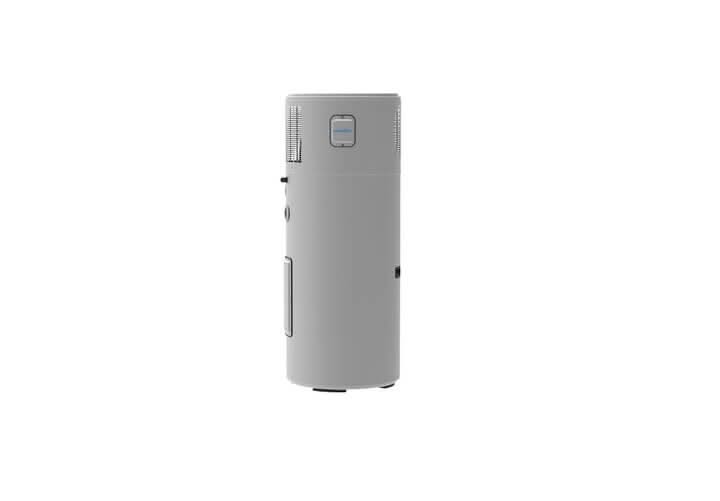
Even with 3 hours of free electricity each day, heat pumps will still be one of the best hot water savings options for many Brisbane and Gold Coast households.
A heat pump hot water system works differently to a standard electric storage system. Instead of using only an electric element to heat water, a heat pump draws heat from the surrounding air and transfers it into the water tank.
This is why heat pumps can reduce electricity use compared with standard electric storage systems when selected correctly.
A heat pump may be the best option if you want:
-
Lower hot water running costs over time
-
A more energy-efficient replacement for an old electric storage system
-
A system that can make better use of daytime electricity
-
A strong option for homes with solar PV
-
A practical hot water upgrade for Brisbane, Gold Coast and South East Queensland conditions
-
A long-term saving strategy, not just a short-term tariff trick
The free power window may make heat pumps even more attractive. If a compatible heat pump can be scheduled to run during the free daytime electricity period, the home may benefit from both lower electricity use and better timing.
That is the key point: timers can help control when power is used, but heat pumps reduce how much power is needed in the first place.
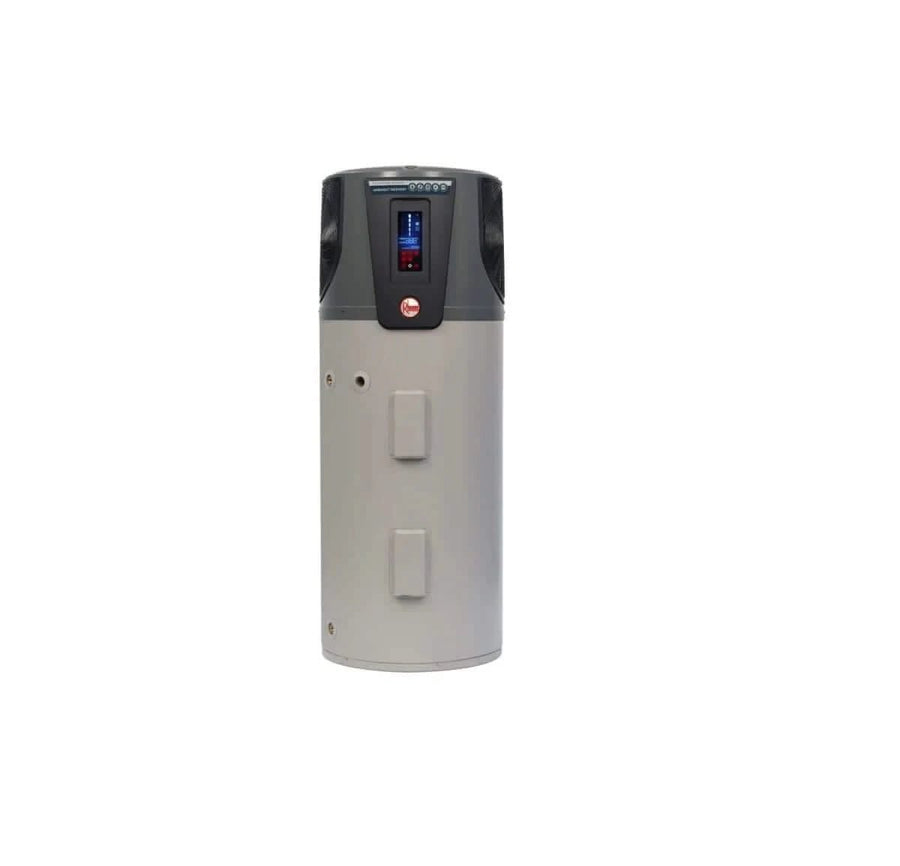
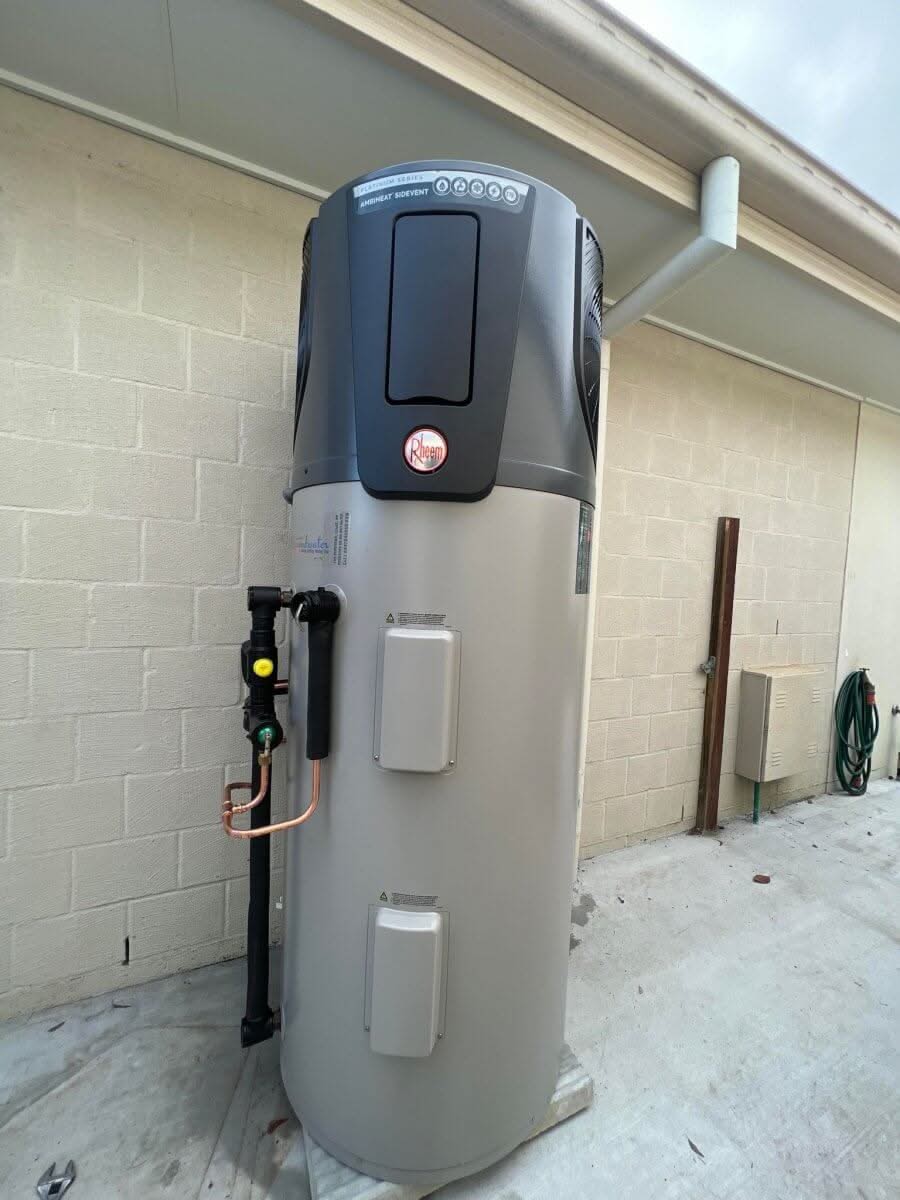
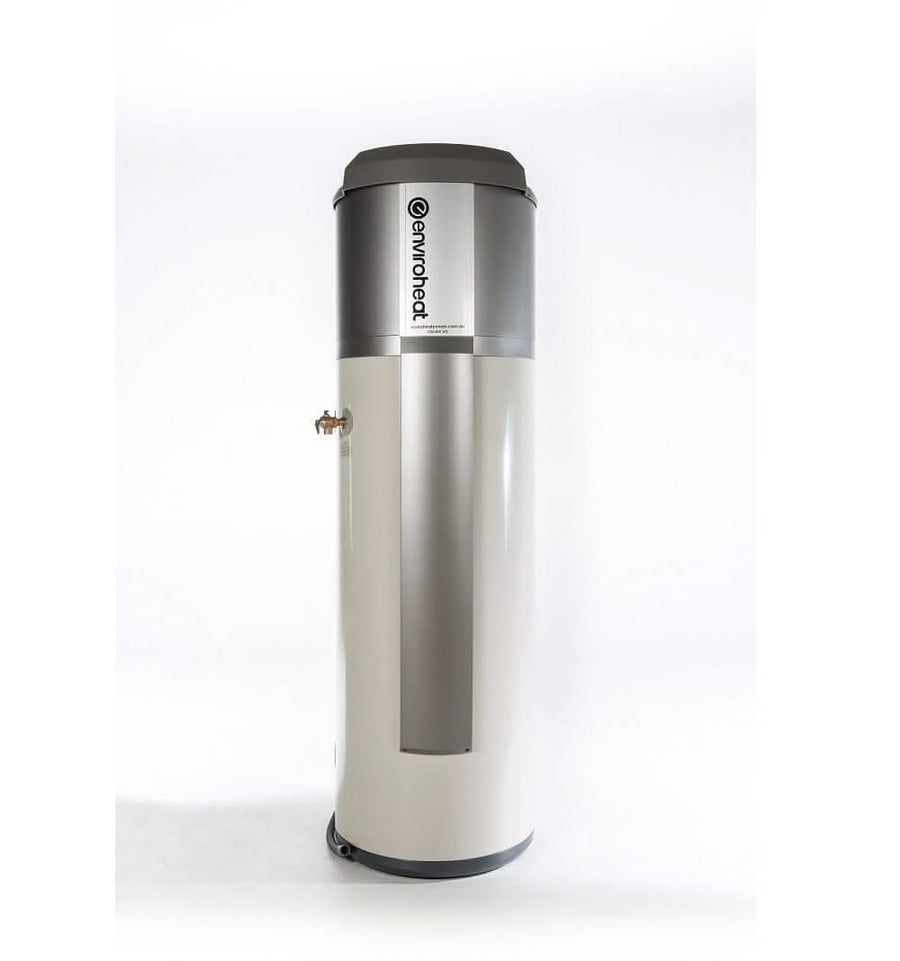
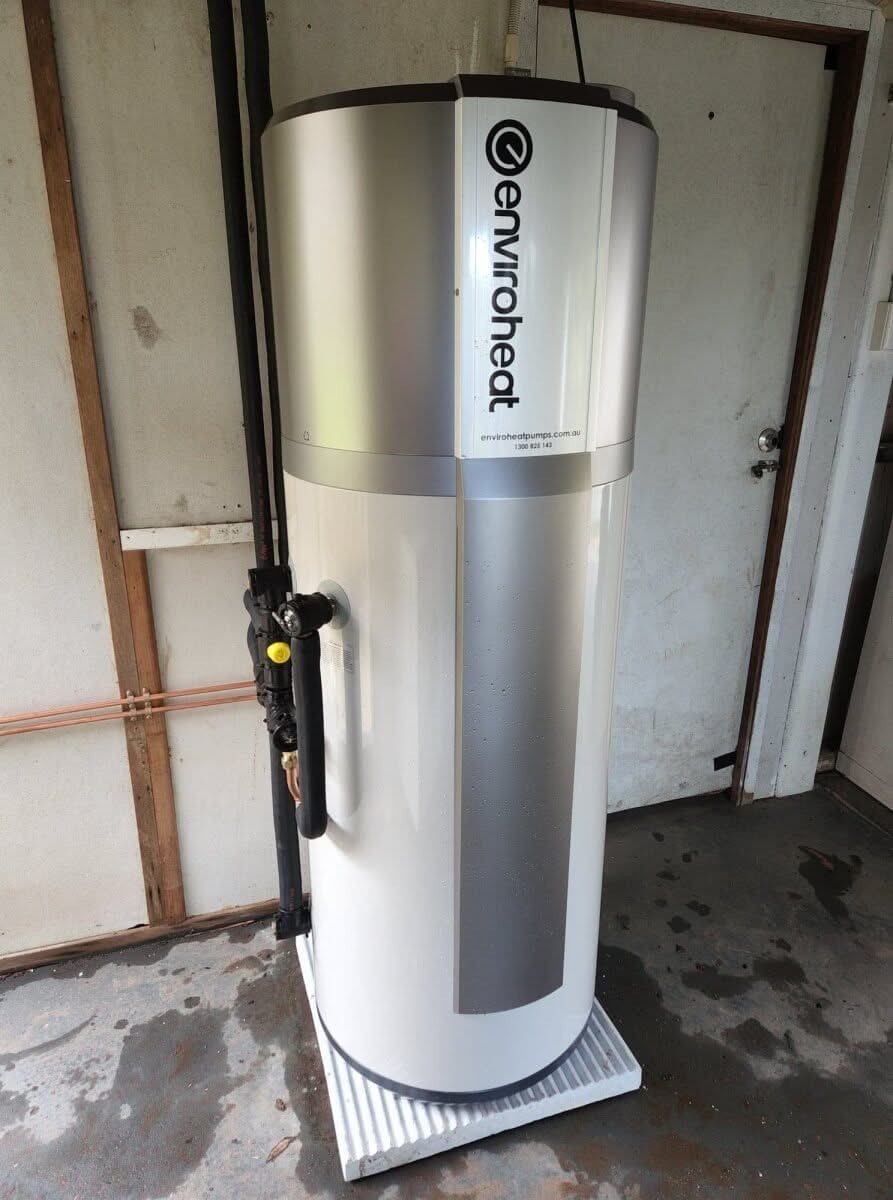
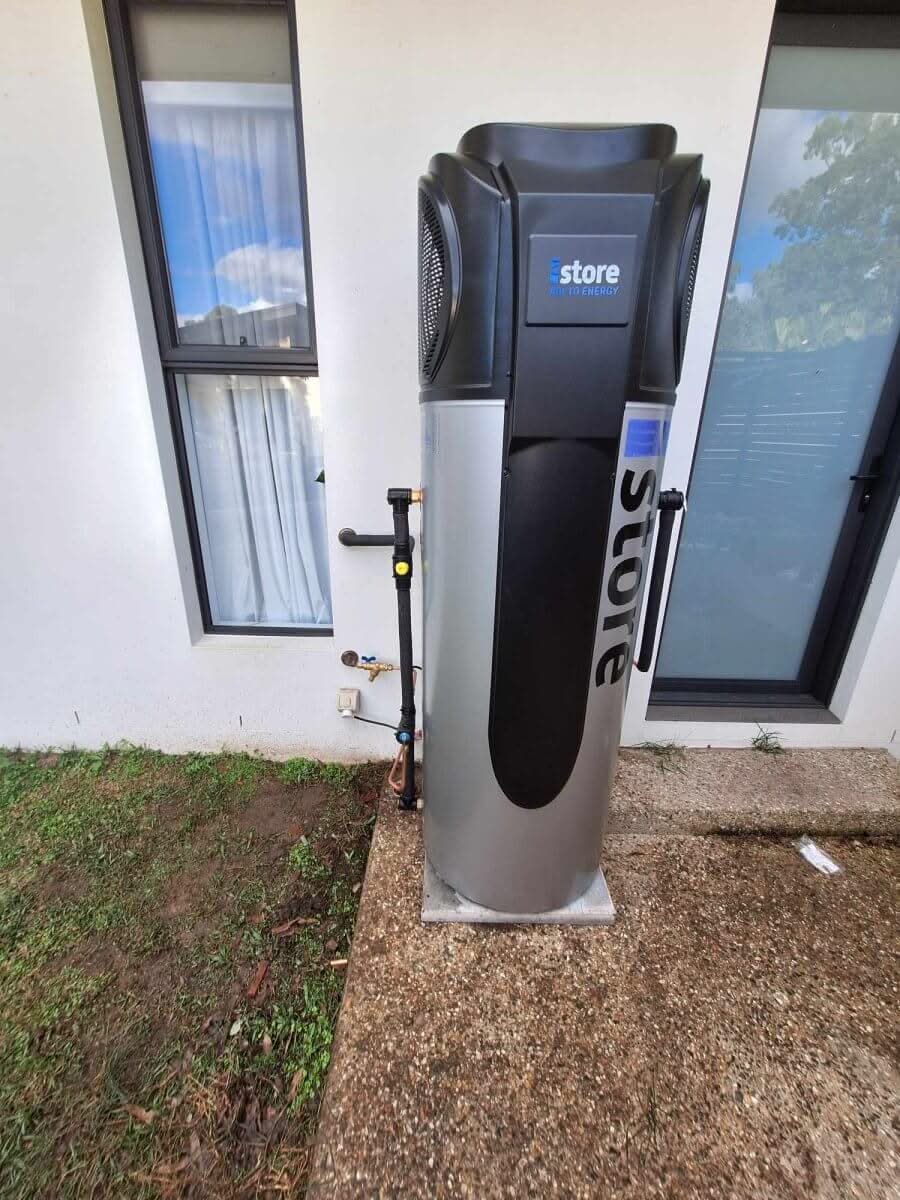
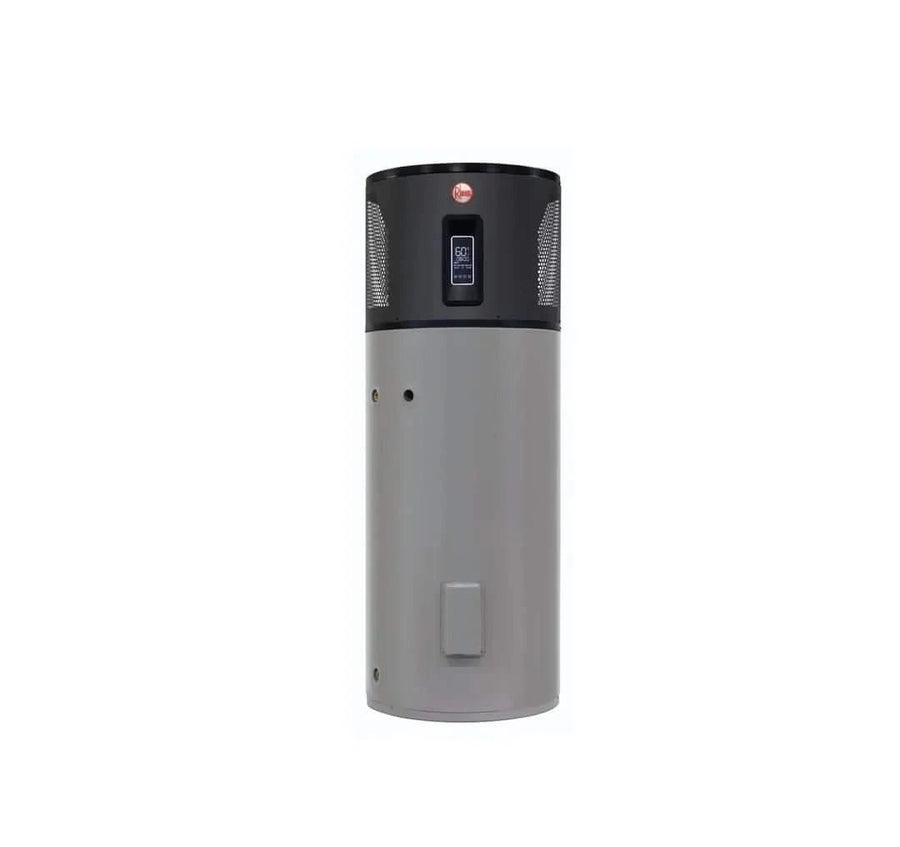
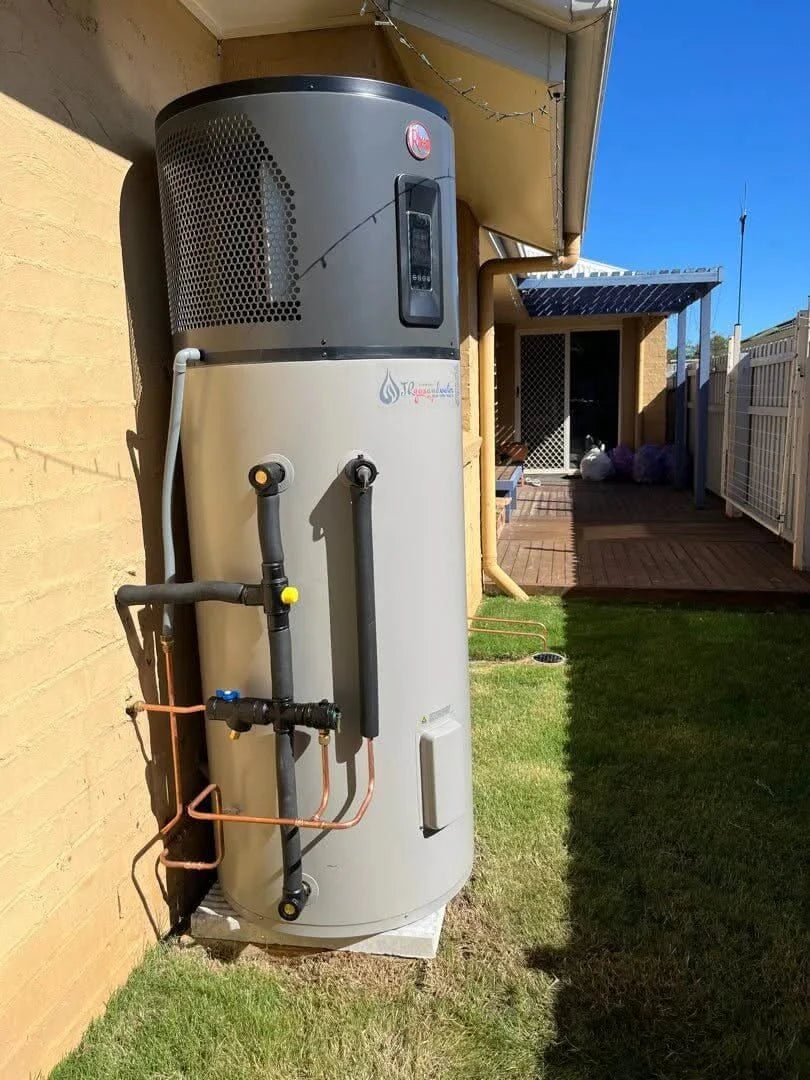
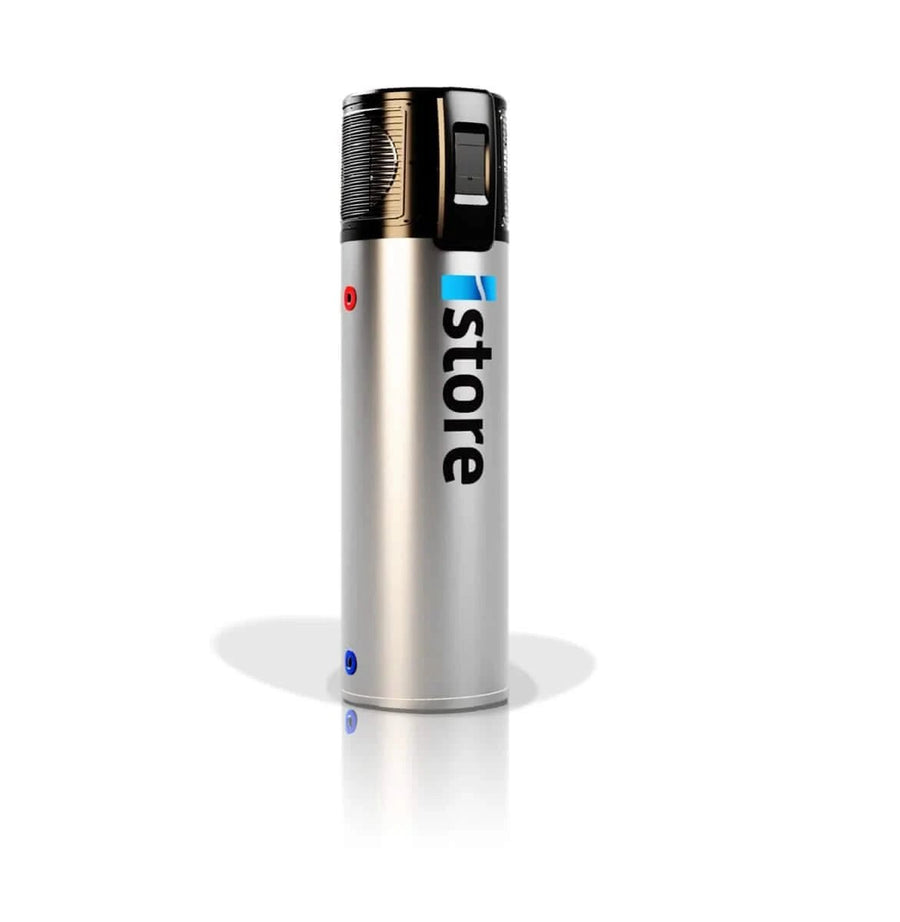
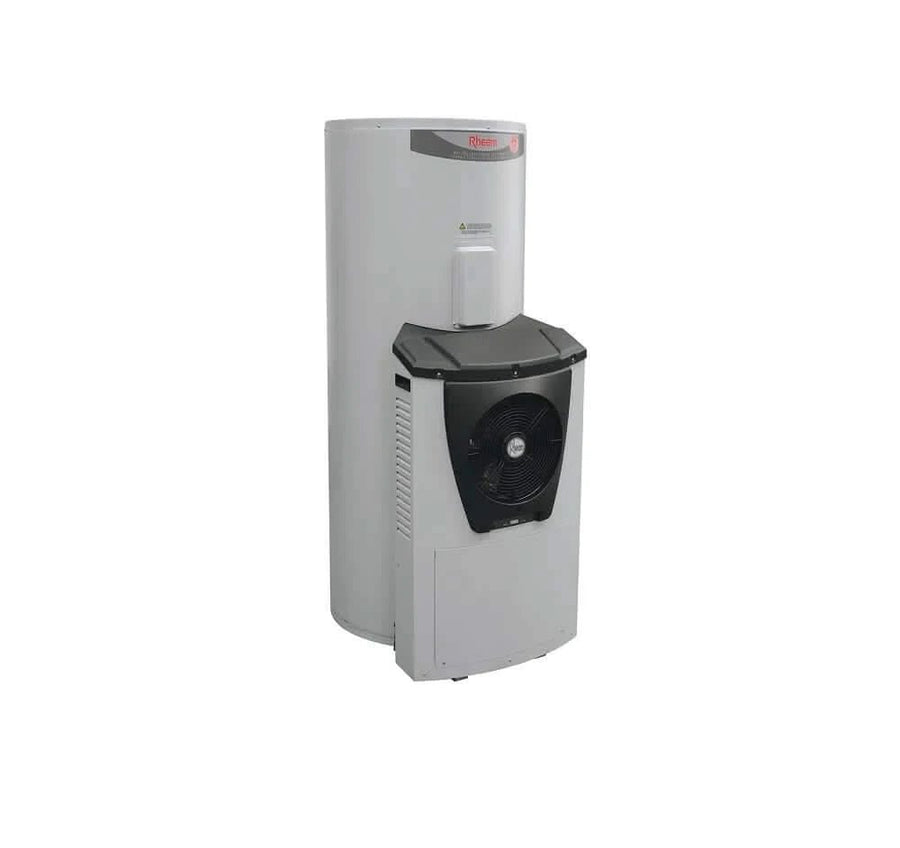
Browse Installed Today’s heat pump hot water systems to compare energy-efficient hot water options.
Can you get free hot water with solar and the free power window?
For some homes, yes — an appropriate hot water setup with solar can mean most, or potentially all, of the electricity used to heat water comes from free or low-cost daytime energy.
This is where the biggest opportunity may be for Brisbane, Gold Coast and South East Queensland homeowners.
If a home has rooftop solar, a smart meter and a suitable electric or heat pump hot water system, the goal is to make the system heat during the day instead of heating during expensive evening or overnight periods. The new free electricity window may add another layer to this by giving eligible households a daily period where grid electricity is free, even if they do not have solar panels.
For homes with solar, the ideal setup may be:
-
Solar panels producing power during the day
-
A smart meter or electricity plan that supports daytime savings
-
A heat pump hot water system scheduled to run during solar production or the free power window
-
A timer or smart control setup where suitable
-
A correctly sized tank that stores enough hot water for evening and morning use
-
A system that avoids unnecessary reheating during paid peak periods
This is how a household may be able to move closer to free hot water.
The system heats during the day when solar power is available, when the free electricity window is active, or when electricity is cheaper. The hot water is then stored in the tank and used later for showers, washing and general household use.
The strongest setup for many homes will be a heat pump hot water system because it uses much less electricity than a standard electric storage system. When a heat pump is paired with daytime solar or the free electricity window, the household may be using a smaller amount of electricity at the cheapest possible time.
That is why heat pumps should still be considered the best long-term savings option for many homes. A timer can help control when power is used, but a heat pump reduces how much power is needed to make the hot water in the first place.
For example, a standard electric hot water system may use a larger amount of electricity during the free period. A heat pump may use less electricity overall, meaning the home gets better value from solar, the free power window or both.
A suitable solar and hot water setup may help:
-
Reduce paid electricity used for hot water
-
Shift heating away from peak electricity periods
-
Use more of the home’s own solar power
-
Reduce solar export waste during the day
-
Store daytime energy as hot water for later use
-
Improve the return from an existing solar PV system
-
Lower long-term hot water running costs when the system is matched correctly
But free hot water is not guaranteed for every home.
The result depends on the electricity plan, solar system size, hot water usage, tank size, system efficiency, smart meter setup, tariff structure and whether the system can be safely scheduled. Some homes may still need backup heating outside the free period, especially during heavy hot water use, cloudy weather, high-demand mornings or when the tank is undersized.
For homes with an existing electric tank in good condition, a 20amp circuit and timer may help control when the system heats, where the electrical setup and installation requirements suit.
For homes with an older, expensive-to-run or failing system, upgrading to a heat pump hot water system may provide a better long-term saving than simply adding controls to an inefficient tank.
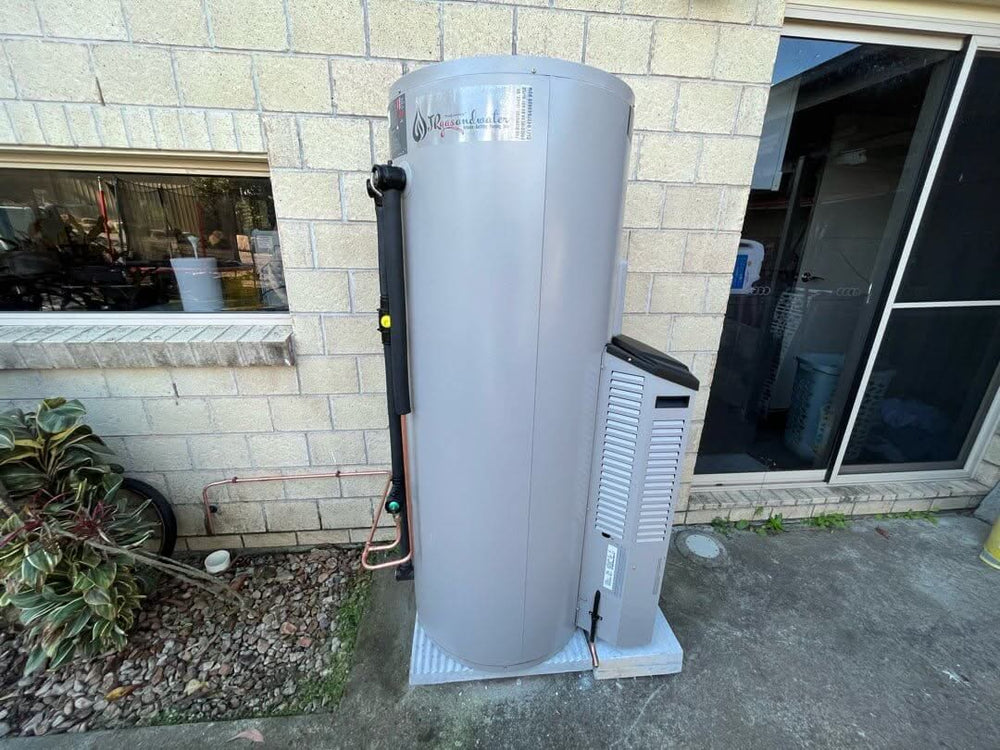
For larger households that want strong electric storage capacity, the Rheem 400L Electric Hot Water System with a 4.8kW element upgrade may be worth comparing, especially where hot water demand is high and the home needs more stored hot water.
The best approach is to match the system to the home. Solar, free daytime power, timers, dedicated circuits, heat pumps and larger electric storage systems can all help, but the biggest savings usually come from combining the right hot water system with the right control strategy.
What about standard electric hot water systems?
Standard electric hot water systems are still a practical choice for many homes.
They are simple, proven, widely available and often cheaper upfront than heat pumps. Installed Today’s electric hot water systems include options for small homes, family homes, rental properties and larger households.
Electric hot water may be a good fit when:
-
You want a lower upfront cost
-
Your current home already has electric storage
-
You need a straightforward replacement
-
You want a simple, familiar system
-
You need a wide range of tank sizes
-
You want off-peak or scheduled heating compatibility
-
A heat pump is not suitable for your site, budget or household needs
The free daytime power offer may make electric storage more appealing for some homes if the system can be controlled to heat during the free power period.
The main limitation is that a standard electric element still uses more electricity than a heat pump. So while free daytime power may reduce running costs, a heat pump can still offer better efficiency over the life of the system.
Compare Installed Today’s electric hot water systems if you are replacing an old electric tank and want a practical option.
How a 20amp circuit and timer can help you use the free power window
A hot water timer can help control when an electric hot water system heats.
Instead of allowing the system to heat whenever power is available, a timer can be used as part of a controlled setup to run the hot water system during selected periods. For the free daytime electricity offer, that may mean aiming to heat during the free power window.
Installed Today’s Electrical - New 20amp Circuit + Timer option is designed for installations or upgrades where a dedicated power supply is required for electric hot water systems or heat pumps.
This type of setup may help if:
-
Your existing electric hot water system is still in good condition
-
The tank is large enough for the household
-
You want to avoid replacing the whole system yet
-
You want to shift hot water heating into the free power period
-
You have solar PV and want to improve daytime energy use
-
Your home needs a dedicated circuit for the selected system
-
Your hot water demand is predictable
The important part is that this is not DIY work. Electrical work should always be completed by a licensed electrician. Do not open covers, alter wiring, modify the switchboard or attempt to install hot water controls yourself.
Timer vs dedicated circuit vs heat pump: what is the difference?
A timer controls when the hot water system is allowed to heat.
A dedicated circuit provides a suitable power supply for a selected electric hot water system or heat pump where required.
A heat pump reduces the amount of electricity needed to heat the water.
For homeowners, the simple version is:
| Option | What it does | Best suited to |
|---|---|---|
| Hot water timer | Schedules when the system heats | Homes wanting basic time control |
| Dedicated 20amp circuit | Provides a dedicated compliant power supply where required | New installs, upgrades and selected electric or heat pump systems |
| Smart controller | May provide more flexible scheduling or solar integration | Homes wanting more control |
| Heat pump with scheduling | Uses less electricity and can often run during lower-cost periods | Best long-term savings focus |
| Larger electric tank with 4.8kW element | Provides strong storage with faster electric recovery than lower element options | Larger homes needing more stored hot water |
A timer can improve when your system uses electricity. A heat pump improves how efficiently your system makes hot water.
That is why heat pumps will usually remain the stronger savings pathway for households planning a full replacement.
Why the Rheem 400L with a 4.8kW element upgrade is worth comparing
Not every home is the right fit for a heat pump.
Some larger households need a simple, large-capacity electric storage system with strong stored hot water availability. In those cases, the Rheem 400L Electric Hot Water System can be a practical option.
The Rheem 400L gives the home a larger volume of stored hot water, making it suitable for bigger households, larger rentals, busy family homes and properties with higher daily demand.
For the free power window, the 4.8kW element upgrade is the key angle.
A larger 400L tank helps store more hot water. A 4.8kW element option may help improve heating performance where the selected model, electrical setup and site requirements allow. This can be useful for homes trying to recover more hot water during a shorter daytime heating window.
The Rheem 400L with a 4.8kW element upgrade may suit:
-
Larger families
-
Homes with multiple bathrooms
-
Households with heavy morning and evening hot water use
-
Properties that regularly run out of hot water
-
Rentals or high-use properties needing more storage
-
Customers wanting electric storage rather than heat pump technology
-
Homes where a 315L system may not provide enough stored hot water
For free daytime power, the main question is whether the system can heat enough water during the free period and still provide reliable hot water later. The tank size, element size, electrical setup, household usage and control method all matter.
Best hot water options for using free daytime electricity
| Option | Best for | Savings potential | Main limitation |
|---|---|---|---|
| Heat pump hot water system | Long-term running cost reduction | Highest for many homes because it uses less electricity | Higher upfront cost and site suitability matters |
| Existing electric with timer | Keeping a good existing tank and improving timing | Good if heating can shift into the free period | Existing tank may be old, inefficient or undersized |
| Standard electric replacement | Lower upfront replacement cost | Moderate if scheduled well | Uses more electricity than a heat pump |
| Rheem 400L with 4.8kW element upgrade | Larger homes needing more stored hot water | Good for capacity and recovery where suitable | Still standard electric element heating |
| Solar PV plus hot water control | Homes with rooftop solar and smart control | Strong when excess daytime energy is used well | Needs correct electrical and control setup |
Potential savings: what homeowners should know
The biggest savings opportunity comes from shifting paid electricity use into the free power period.
For hot water, savings may come from:
-
Heating water during the free electricity window
-
Reducing heating during paid peak or shoulder periods
-
Using stored hot water later in the day
-
Combining a correctly sized tank with better timing
-
Upgrading from old electric storage to heat pump hot water
-
Using timers or smart controls to reduce unnecessary heating
-
Improving use of solar PV during the day
-
Reducing reliance on overnight or evening hot water heating
-
Using free or low-cost energy when the system is best suited to do so
But savings are not automatic.
Your actual result depends on:
-
Your electricity retailer’s free power plan
-
Your rates outside the free period
-
Your daily supply charge
-
Whether you are currently on controlled load or off-peak hot water
-
Your smart meter eligibility
-
Your hot water system type
-
Your tank size
-
Your household usage
-
Whether your system can heat enough water during the free period
-
Whether electrical upgrades or control equipment are required
-
Whether the cost of any upgrade makes sense compared with the likely savings
The safest way to think about it is this:
A timer may help you use electricity at a better time.
A 4.8kW element upgrade may help a suitable electric storage system recover more hot water during a shorter heating window.
A heat pump may help you use less electricity overall.
The strongest result may come from combining an efficient heat pump with smart scheduling where the home and electricity plan suit it.
Should you install a timer, upgrade to a heat pump or choose a larger electric system?
If your existing electric hot water system is near new, correctly sized and working well, a timer may be worth considering.
If your system is old, leaking, undersized, expensive to run or due for replacement, a heat pump may be the better long-term move.
If your home needs simple large-capacity storage and a heat pump is not the right fit, the Rheem 400L with a 4.8kW element upgrade may be worth comparing.
Use this as a guide:
| Situation | Better pathway |
|---|---|
| Existing tank is in good condition | Timer or smart control may be worth checking |
| Current tank is old or leaking | Replace the system |
| Household wants lowest running costs | Heat pump hot water |
| Household wants lowest upfront cost | Standard electric hot water |
| Family runs out of hot water often | Larger tank, Rheem 400L option or correctly sized heat pump |
| Home has solar PV | Heat pump or smart hot water control may be useful |
| Home needs stronger electric storage recovery | Rheem 400L with 4.8kW element upgrade where suitable |
| Home has limited outdoor space or noise concerns | Standard electric or carefully selected quiet heat pump |
| Household wants simple like-for-like replacement | Electric hot water system |
Why heat pumps make even more sense with free daytime power
The free electricity window does not remove the value of efficiency. It makes efficiency more important.
A standard electric hot water system may use the free power window well if it is timed correctly, but once it heats outside the free period, it still uses standard element heating.
A heat pump uses less electricity to heat water. If it can also be scheduled to run during free or lower-cost daytime electricity periods, the home may get a stronger long-term result.
That is why many Brisbane and Gold Coast homeowners replacing old electric storage systems should seriously compare heat pumps before choosing another standard electric tank.
Heat pumps may be especially strong for:
-
Family homes with regular hot water use
-
Homes replacing old electric storage systems
-
Solar PV households
-
Properties wanting lower hot water running costs
-
Owners planning to stay in the home long term
-
Households wanting to reduce reliance on standard electric element heating
-
South East Queensland homes where the climate supports heat pump performance
Installed Today can help customers compare heat pump hot water systems, electric hot water systems, timer options and larger electric storage systems based on the home, not just the headline electricity offer.
Brisbane, Gold Coast and South East Queensland considerations
Homes across Brisbane, the Gold Coast, Logan, Ipswich, Redlands, Moreton Bay, Scenic Rim and nearby South East Queensland areas can vary a lot.
The right hot water setup may depend on:
-
Whether the home already has a smart meter
-
Whether the current hot water system is on controlled load
-
The location of the existing hot water unit
-
Side access and replacement access
-
Tank size and household demand
-
Existing valves, base and drainage
-
Switchboard condition
-
Solar PV setup
-
Outdoor heat pump location
-
Noise near bedrooms, fences or neighbours
-
Coastal corrosion exposure on the Gold Coast
-
Whether the home has high water pressure
-
Whether the owner wants the lowest upfront cost or best long-term savings
This is why the right answer is not always “install a timer” or “install a heat pump”. The right answer is the setup that suits the home, the hot water demand and the electricity plan.
What Installed Today can help with
Installed Today helps customers compare hot water systems and select suitable supply-only or supplied-and-installed options where available.
This may include:
-
Comparing electric hot water and heat pump hot water options
-
Helping decide whether your existing system is worth keeping
-
Recommending suitable tank sizes for your household
-
Comparing standard electric storage and heat pump systems
-
Helping identify when a timer or dedicated circuit may be useful
-
Recommending heat pumps for lower long-term running costs
-
Helping customers choose larger electric storage systems where required
-
Offering selected installation add-ons where suitable for the order and location
Related Installed Today options
FAQs
Can I use free daytime electricity to heat my hot water?
Possibly. If your hot water system can be safely controlled to run during the free electricity window, it may be able to heat water during that period and store it for later use. The best setup depends on your system type, tank size, household demand, electrical setup and electricity plan.
Can I get free hot water with solar?
Some homes may be able to get most, or potentially all, of their hot water electricity from solar power, the free daytime electricity window or a combination of both. This usually requires the right hot water system, correct tank size, suitable controls and a usage pattern that allows the system to heat during the day.
Is a heat pump still worth it if I can get free power for 3 hours?
Yes, for many homes a heat pump can still be the best long-term savings option. Free power helps with timing, but a heat pump reduces the amount of electricity needed to make hot water. If a suitable heat pump can also run during the free power window, the result may be even better.
Should I install a hot water timer before replacing my system?
If your current electric hot water system is in good condition, correctly sized and not close to failure, a timer may be worth considering. If the system is old, leaking, undersized or expensive to run, upgrading to a heat pump or new electric system may be the better long-term choice.
Will a timer make my hot water free?
No. A timer only controls when the system heats. It may help shift heating into a free or lower-cost electricity period, but your actual savings depend on your retailer plan, system size, household usage and whether the system needs to reheat outside the free window.
Is the Rheem 400L a good option for free daytime power?
The Rheem 400L may be a good option for larger households that need more stored hot water. When matched with a suitable timer and a 4.8kW element upgrade where electrically suitable, it may help recover more hot water during a shorter daytime heating window. A heat pump may still offer better long-term running cost savings for many homes.
Is a heat pump better than a Rheem 400L electric system?
For long-term running cost savings, a heat pump will often be the stronger option because it uses less electricity to make hot water. The Rheem 400L may be better for homes that want a simple large-capacity electric storage system, need a like-for-like electric replacement, or are not suitable for a heat pump.
Can Installed Today organise the electrical timer or dedicated circuit?
Installed Today offers selected electrical add-ons, including a new 20amp circuit and timer option. Suitability depends on the selected product, property, electrical setup, access and installation requirements.
What is the best hot water system for free power in Queensland?
For many homes, the best long-term option will be a heat pump hot water system because it uses less electricity than standard electric storage. For lower upfront cost, a standard electric system with suitable timing control may still be practical. For larger families, a larger heat pump or a Rheem 400L electric system with a suitable element upgrade may be worth comparing.
Should I wait until July 2026 before changing my hot water system?
If your current system is working well, it may be worth comparing options before making changes. If your system is leaking, unreliable, undersized or close to failure, waiting may not be practical. A correctly selected heat pump or electric hot water system can still make sense before the free power offer begins.
Need help choosing the right hot water setup for free daytime power?
If your current hot water system is leaking, unreliable, undersized or due for replacement, Installed Today can help you compare suitable hot water options.
For the strongest long-term savings, start by comparing heat pump hot water systems. If you want a lower upfront replacement option, browse electric hot water systems. If your setup needs controlled power supply, compare the Electrical - New 20amp Circuit + Timer.
For larger households needing strong electric storage capacity, the Rheem 400L Electric Hot Water System with a 4.8kW element upgrade may also be worth comparing.