
Hot Water System Prices Australia: What You Actually Pay and What Changes the Cost
Hot water system prices in Australia can vary a lot. A small electric storage unit may cost far less than a large heat pump, gas continuous flow system or premium stainless steel storage tank. The real price also depends on more than the product itself. Installation, valves, electrical work, gas work, access, drainage, removal, disposal and compliance upgrades can all affect the final cost.
For customers comparing systems online, Installed Today’s Hot Water Systems range is the best starting point. You can compare Electric Hot Water Systems, Gas Hot Water Systems, Instant Gas Hot Water Systems, Instant Electric Hot Water Systems and Heat Pump Hot Water Systems before deciding.
The cheapest hot water system is not always the cheapest long term. The right choice depends on your home, household demand, energy source, site conditions and whether you need supply only or supplied and installed.
Quick Answer
Electric storage hot water systems are usually the cheapest upfront.
Gas hot water systems can be cost-effective where the home already has natural gas or LPG.
Instant gas systems can suit homes wanting compact continuous flow hot water.
Heat pump hot water systems usually cost more upfront but can offer lower running cost potential.
Solar hot water can be expensive upfront and depends heavily on roof suitability.
Supply-only prices do not include installation, valves, electrical work, gas work, pipework changes, removal, disposal or compliance upgrades unless clearly selected or shown.
Best place to compare all options: Hot Water Systems
Best for simple electric replacement: Electric Hot Water Systems
Best for efficient electric upgrades: Heat Pump Hot Water Systems
Best for gas replacement: Gas Hot Water Systems
Hot Water System Price Guide by Type
Hot water system prices vary by technology, brand, size and installation requirements.
As a general guide:
Electric storage systems are usually the lowest upfront cost.
Instant electric systems can be affordable for small point-of-use applications but may need electrical checks.
Gas storage systems can be affordable where a like-for-like replacement is suitable.
Instant gas systems usually cost more than basic electric storage but can suit homes already set up for gas.
Heat pump systems cost more upfront but can reduce running cost potential.
Solar hot water systems can have higher installation costs because of roof collectors, tanks, boosters and roof access requirements.
The final installed price depends on the home. A product that looks cheap online may become more expensive if the site needs valves, pipework changes, electrical upgrades, gas work or drainage changes.
Electric Hot Water System Prices
Electric storage hot water systems are usually the most affordable upfront option. They are common in homes, units, rentals and townhouses because they are simple, familiar and suitable for properties without gas.
Installed Today’s Electric Hot Water Systems category includes small, medium and large electric storage systems.
Price depends on:
tank size
brand
cylinder material
element rating
standard steel vs stainless steel
delivery requirements
supply-only vs supplied-and-installed option
whether valves or electrical work are needed
Common electric storage sizes include:
50L for small applications
125L for units, granny flats or low-use homes
160L for small households
250L for small to medium families
315L for larger households
400L for high-demand homes or off-peak setups
Useful Installed Today categories include:
250L Electric Hot Water Systems
315L Electric Hot Water Systems
400L Electric Hot Water Systems
Electric storage may be cheaper to buy, but it can cost more to run than a well-matched heat pump. If running cost matters, compare heat pump hot water before ordering another standard electric tank.
250L Electric Hot Water Prices
A 250L electric hot water system is one of the most common family-sized options. It can suit many small to medium households where daily hot water use is moderate.
Popular examples include:
Rheem 250L Electric Hot Water System
Rheem Stellar 250L Electric Hot Water System
Vulcan 250L Electric Hot Water System
Vulcan DuoMax 250L Electric Hot Water System
A 250L system may cost less than a 315L or 400L unit, but it should only be chosen if it suits the household. If the old 250L tank regularly ran out of hot water, replacing it with another 250L tank may repeat the same problem.
315L and 400L Electric Hot Water Prices
Larger electric storage systems cost more upfront because they use larger tanks, more material and more storage capacity.
A 315L Electric Hot Water System may suit larger households, homes with higher daily demand or properties where a 250L system is not enough.
A 400L Electric Hot Water System may suit larger homes, multiple bathrooms, heavy bath use or off-peak hot water setups where more stored hot water is needed between heating cycles.
Larger is not always better. An oversized tank may cost more upfront and store more water than the household needs. The best size depends on actual usage.
Instant Electric Hot Water Prices
Instant electric hot water systems heat water as it flows through the unit. They do not store hot water in a tank.
Installed Today’s Instant Electric Hot Water Systems category is best suited to compact spaces, small bathrooms, sinks, kitchenettes, units or point-of-use applications.
Instant electric prices depend on:
unit capacity
electrical requirements
flow rate
temperature rise needed
installation location
switchboard capacity
circuit requirements
plumbing changes
Instant electric may look simple, but it is not automatically suitable for every whole-home application. A licensed electrician or installer should confirm that the property’s electrical setup can support the selected unit.
Gas Hot Water System Prices
Gas hot water systems can be a practical option for homes already connected to natural gas or using LPG.
Installed Today’s Gas Hot Water Systems category includes both gas storage and instant gas options.
Gas system prices depend on:
natural gas or LPG model
storage vs instant gas
flow rate or tank size
brand
installation location
gas pipe sizing
water pressure
controller requirements
valves
clearances
whether gas work or pipework changes are needed
Gas can be a good option where the home is already set up for it, but ordering the wrong gas type can be an expensive mistake. Natural gas and LPG are not interchangeable.
Gas Storage Prices
Gas storage systems heat and store water inside a tank. They are often chosen for like-for-like replacements where the home already has a gas storage unit.
Common categories include:
130/135L Gas Hot Water Systems
160/170L Gas Hot Water Systems
5-Star Gas Hot Water Systems
A compact 135L gas storage system may cost less than a higher-performance 5-star gas storage system, but it may not suit larger households. The system should be chosen based on demand, not price alone.
Instant Gas Hot Water Prices
Instant gas systems, also called continuous flow gas systems, heat water only when a hot tap or shower is turned on.
Installed Today’s Instant Gas Hot Water Systems category includes common sizes such as 16L, 20L and 26L systems.
For higher-demand homes, 26L Instant Gas Hot Water Systems are often compared.
Instant gas prices depend on:
flow capacity
natural gas or LPG model
brand
controller options
gas pipe sizing
water pressure
installation location
clearance requirements
wall mounting requirements
pipework changes
compliance requirements
A 26L instant gas system may suit larger households, but only if the gas supply, pipe sizing and water pressure support it. A bigger unit does not automatically solve hot water issues if the site cannot supply it properly.
Heat Pump Hot Water System Prices
Heat pump hot water systems usually cost more upfront than standard electric storage, but they can reduce running cost potential when correctly matched to the home.
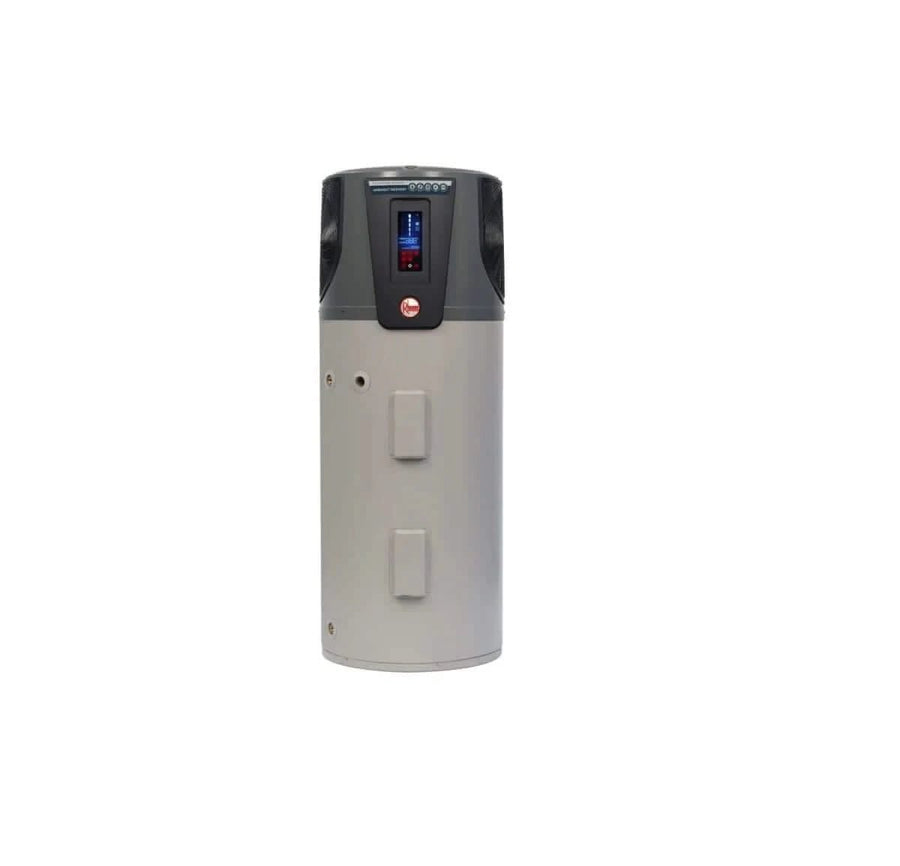
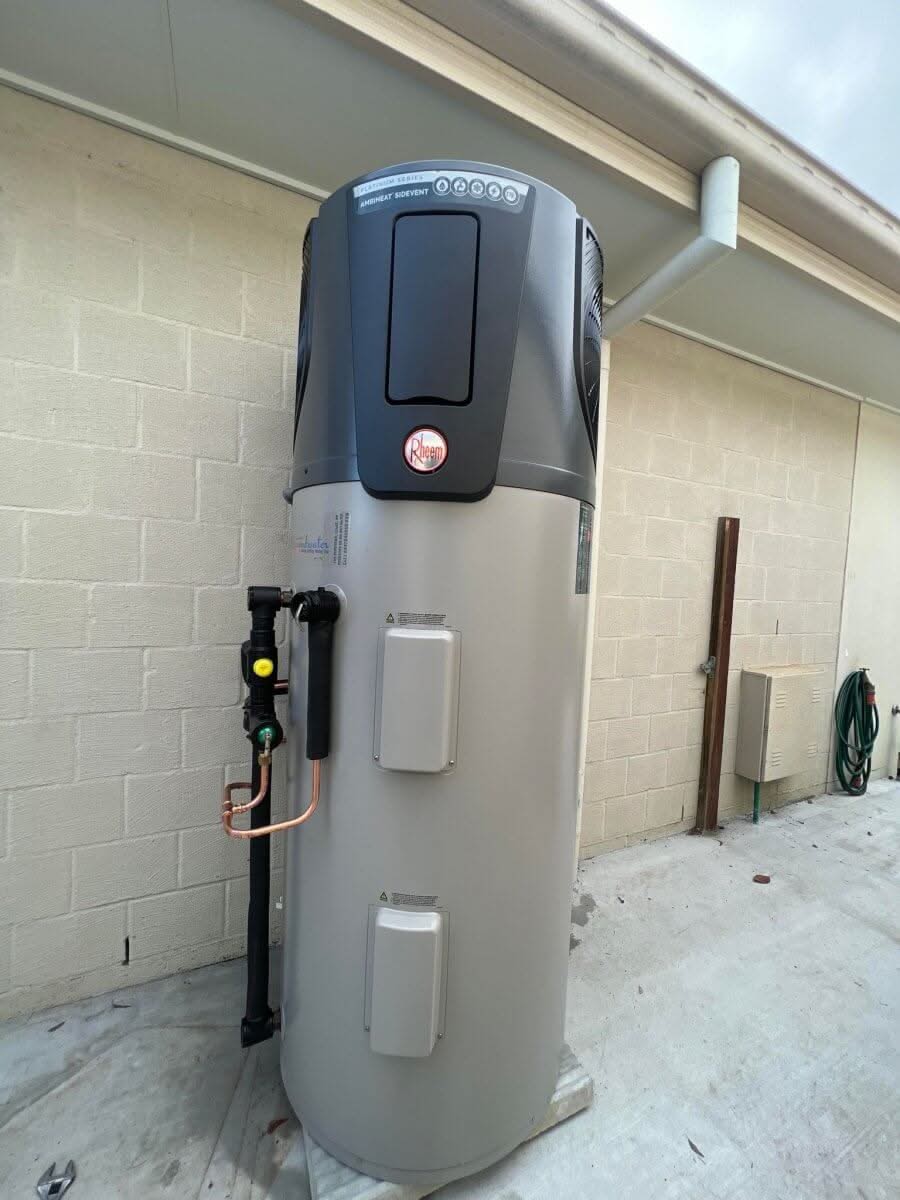
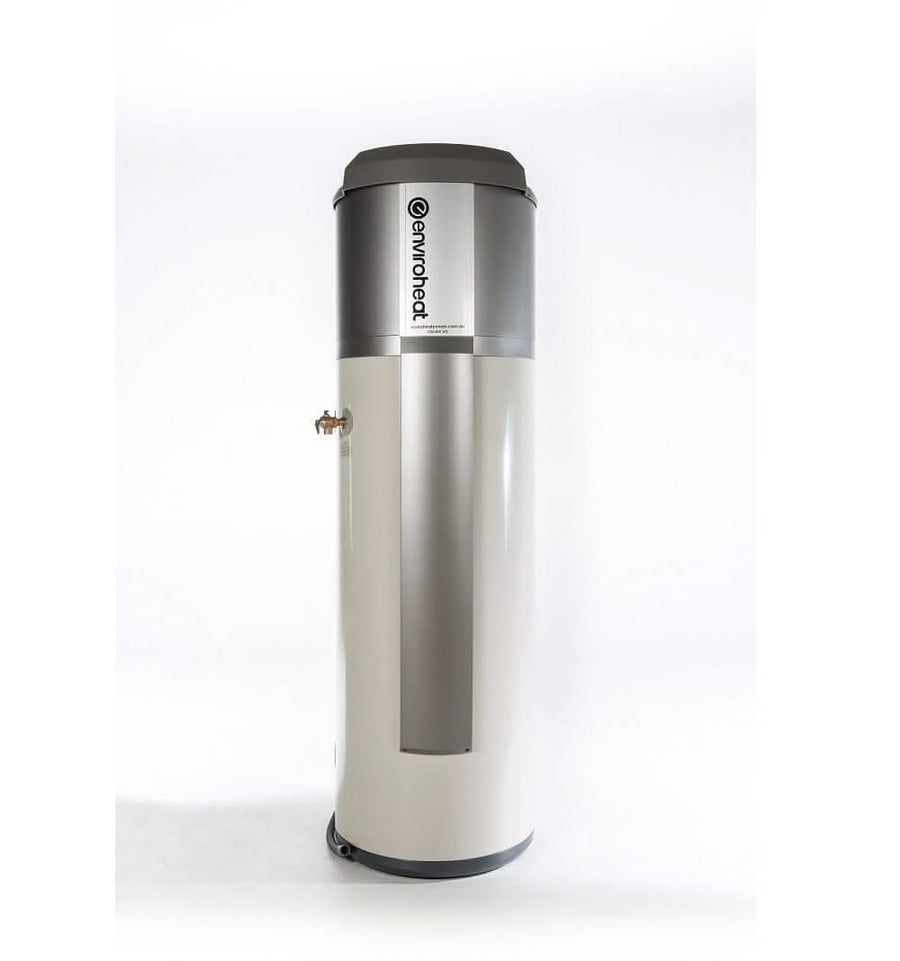
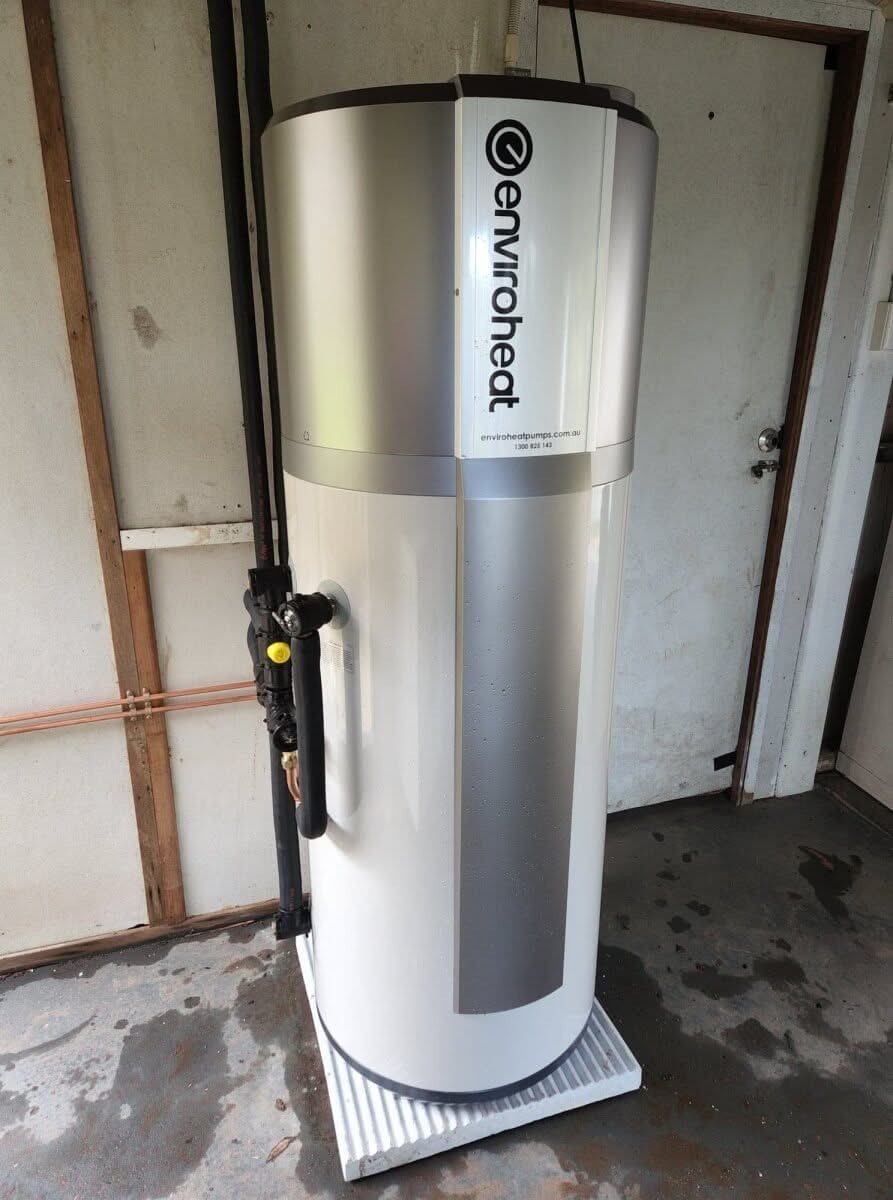
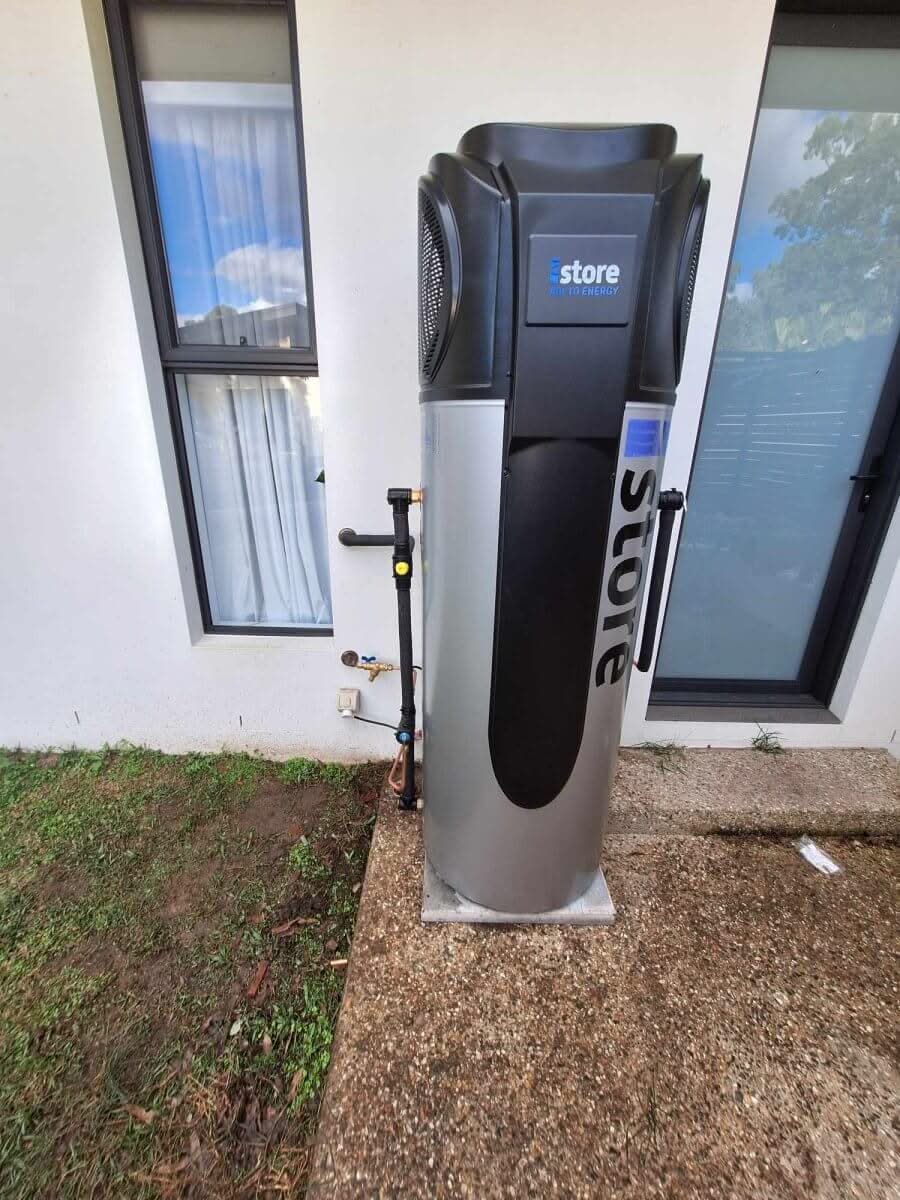
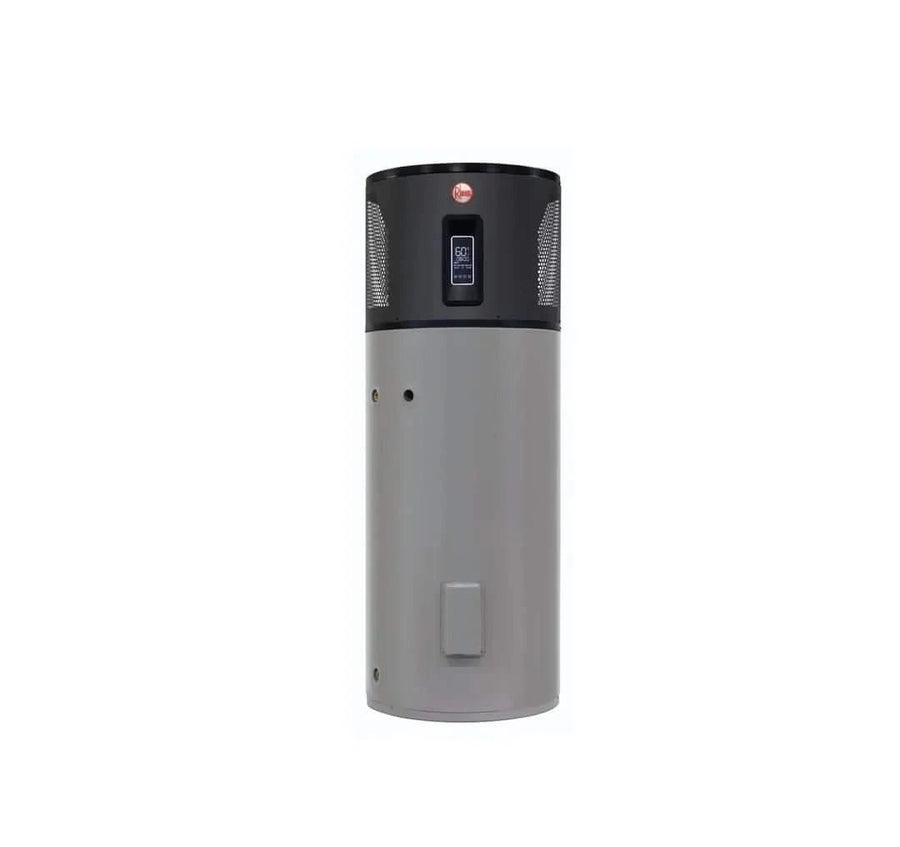
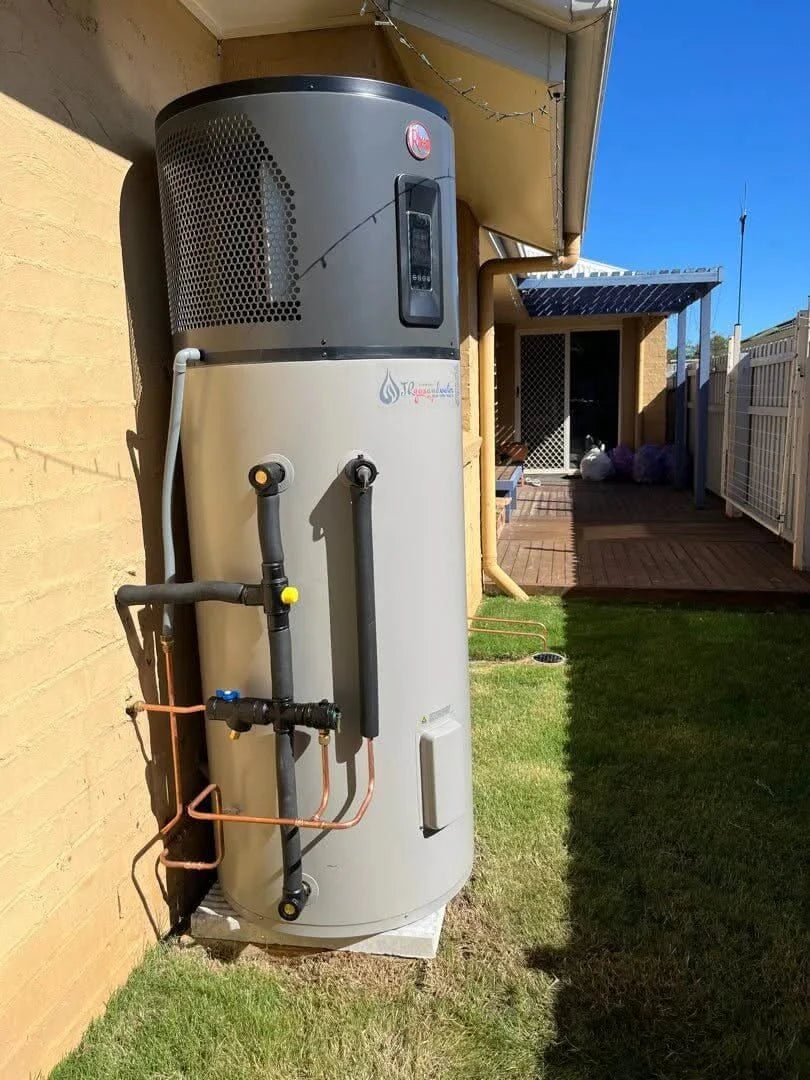
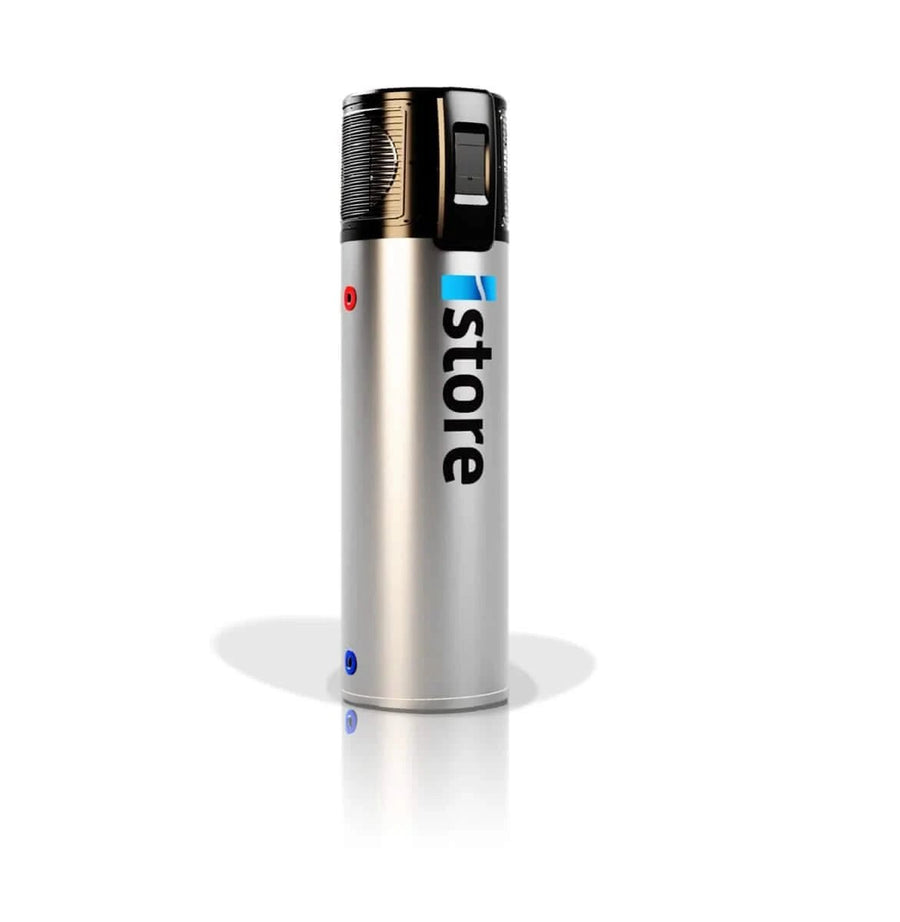
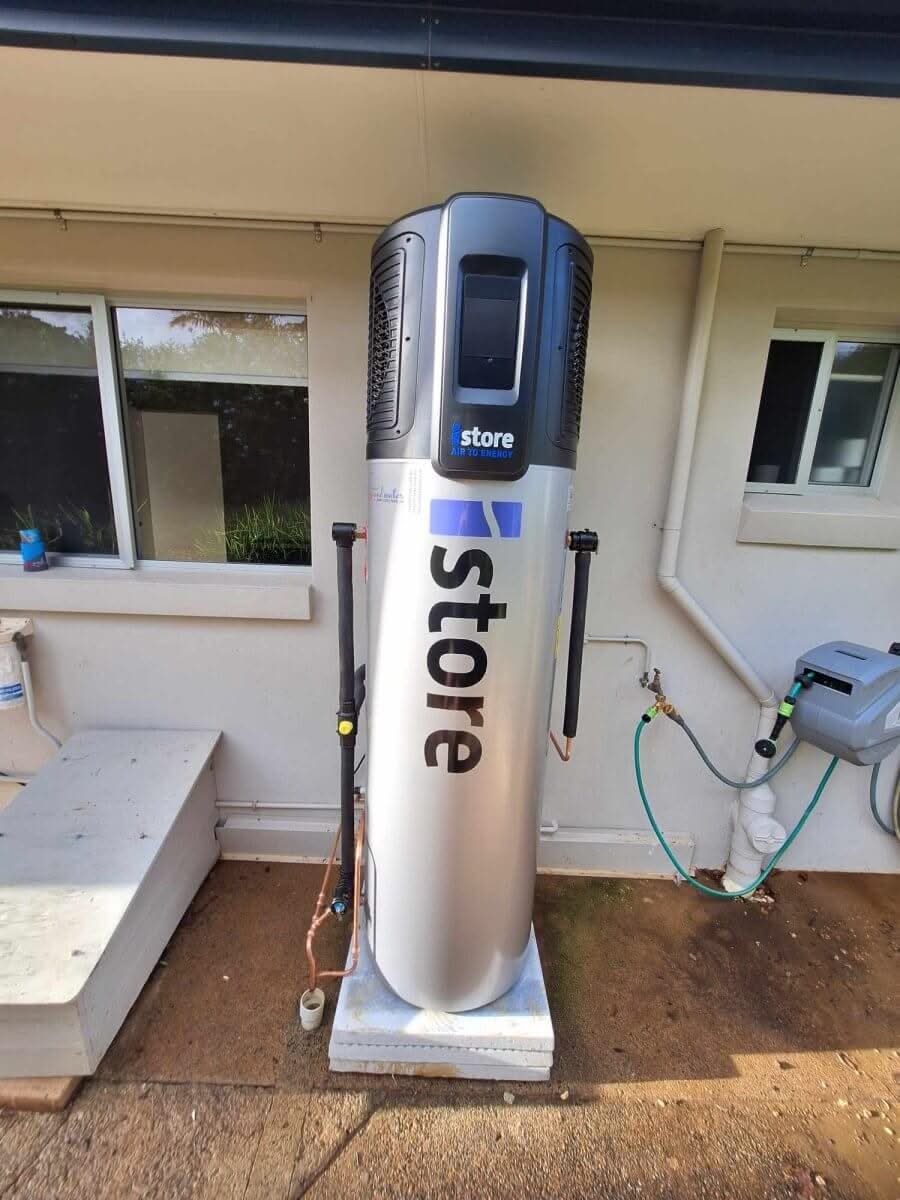
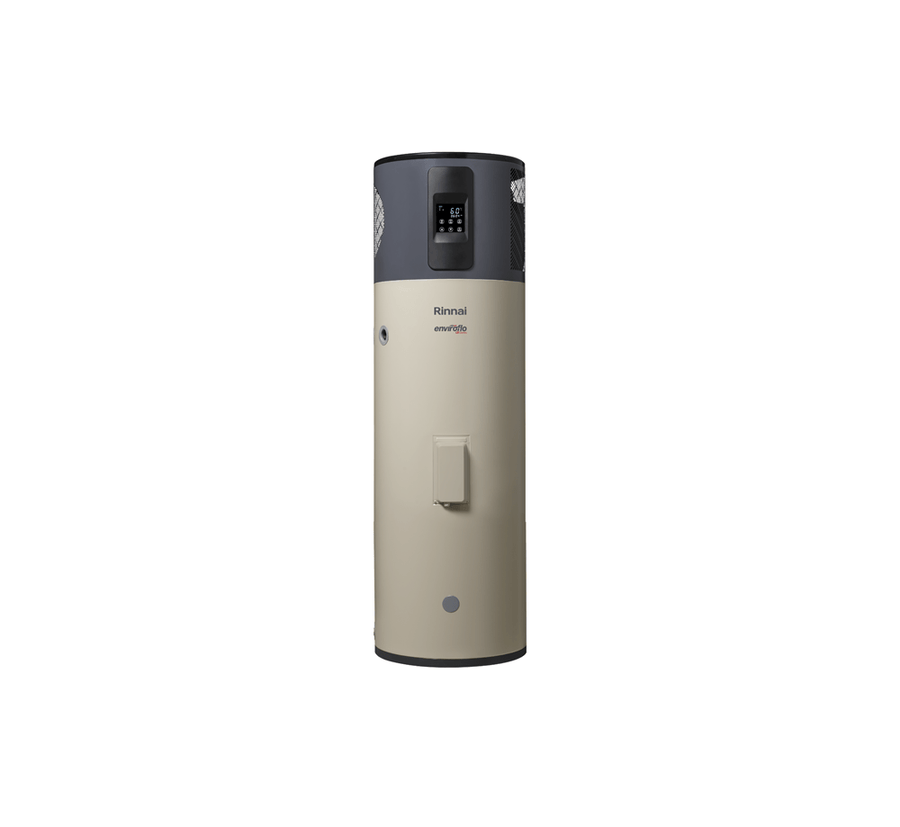
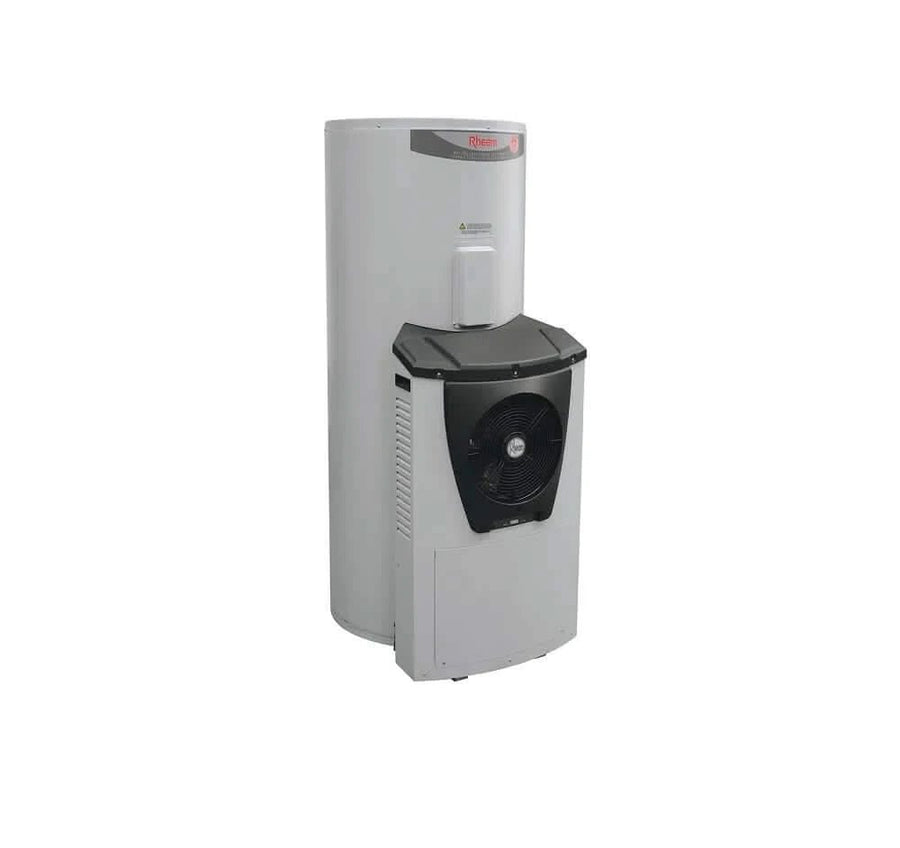
Installed Today’s Heat Pump Hot Water Systems category includes systems from brands such as Rheem, Rinnai, iStore, Enviroheat, Aquatech, Hydrotherm, Dux and Stiebel Eltron.
Heat pump prices depend on:
tank size
brand
refrigerant type
noise rating
electrical requirements
installation location
airflow clearance
drainage
access
whether the old system needs removal
whether electrical upgrades are required
whether rebates or STCs are applied
For common household sizes, compare:
Medium Heat Pump Hot Water Systems 200L–280L
Large Heat Pump Hot Water Systems
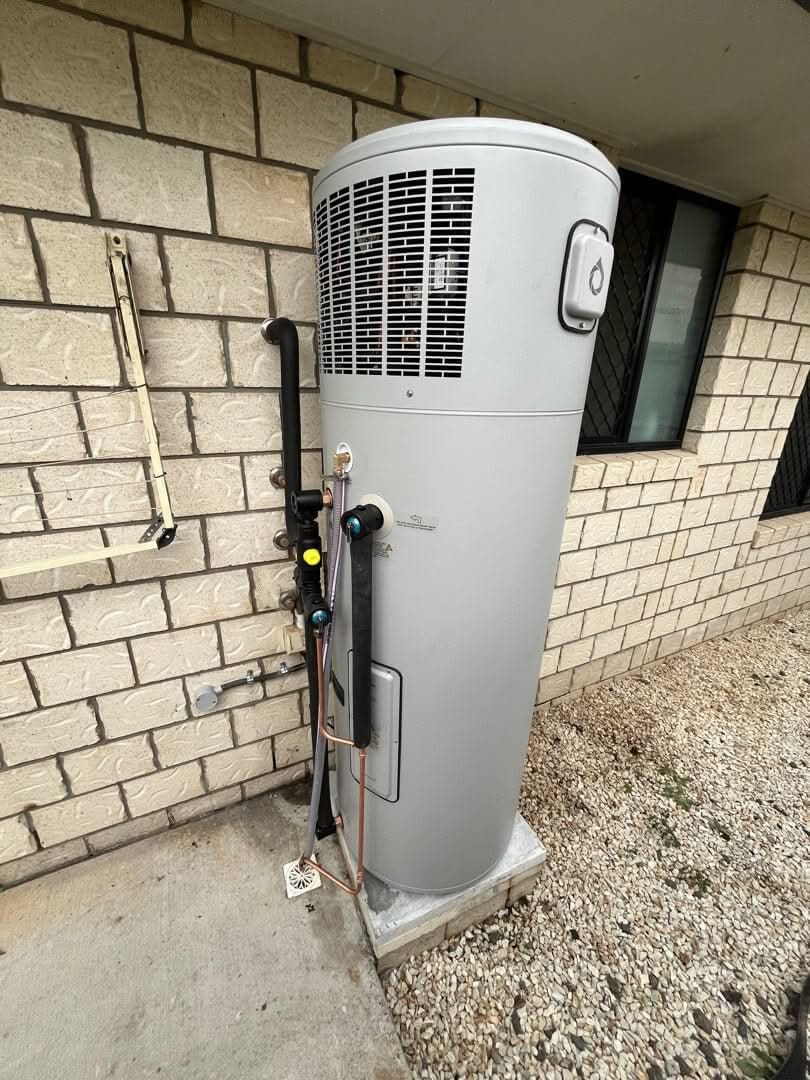
Heat pumps are more site-sensitive than standard electric tanks. They need outdoor space, airflow, drainage and sensible noise placement. A poor location can reduce performance or create noise complaints.
Solar Hot Water System Prices
Solar hot water systems can have higher upfront costs because they may require roof-mounted collectors, a storage tank, pipework, boosters and roof access.
Costs depend on:
collector type
tank size
close-coupled or split system
electric, natural gas or LPG booster
roof pitch
roof access
roof condition
shade
pipe runs
old system removal
compliance requirements
Solar hot water may be worthwhile where roof exposure is strong and the household uses enough hot water to justify the investment. However, it is not automatically the best choice for every home.
If roof space is limited or shaded, a heat pump may be a more practical alternative.
Product Price vs Installed Price
The product price and the installed price are not the same thing.
A product price may only include the hot water system itself.
An installed price may need to include:
licensed labour
valves
tempering valve
pressure limiting valve
pipework changes
electrical work
gas work
drainage work
old unit removal
disposal
base or platform work
access issues
compliance upgrades
delivery
additional materials
This is why a cheap-looking hot water system can become more expensive once the full job is assessed.
Installed Today offers supply-only ordering for customers who already have their own licensed installer arranged. Supply-only pricing is for the unit only and does not include installation or extras unless clearly selected or shown.
Why Hot Water System Prices Vary So Much
Hot water system prices vary because no two jobs are exactly the same.
The final price can change based on:
system type
brand
tank size
energy source
natural gas or LPG
electrical requirements
gas pipe sizing
installation location
indoor or outdoor setup
access
valves
drainage
old unit removal
disposal
site compliance
whether the new unit is a like-for-like replacement
whether the system is being upgraded to a different technology
A simple electric storage swap may be straightforward. Changing from electric to gas, electric to heat pump, gas storage to instant gas, or standard electric to solar can involve more work.
Supply Only vs Supplied and Installed
Installed Today offers two main buying pathways.
Supply only is best if you already have your own licensed plumber, gas fitter or electrician arranged. The product price is for the hot water system only.
Supplied and installed options may be available on selected products in eligible Brisbane and Gold Coast service areas. Availability depends on the product, address, access, existing setup, gas type, electrical suitability, drainage and required extras.
Before choosing supply only, make sure your licensed installer confirms:
the system suits the property
the size is correct
the energy source is correct
natural gas or LPG is correct
the electrical setup is suitable
the gas pipe sizing is suitable
the unit fits the location
drainage is suitable
valves are allowed for
access is suitable
compliance requirements are understood
Running Costs by System Type
The cheapest product upfront is not always the cheapest system to own.
Running costs depend on:
energy source
tariff
gas price
LPG bottle costs
household usage
shower length
tank size
heat loss
timer settings
rooftop solar
backup element use
system maintenance
hot water pipe length
In general:
Standard electric storage is usually cheap upfront but can have higher running cost potential.
Gas systems can suit homes already using natural gas or LPG, but running costs depend on gas pricing and usage.
Instant gas avoids storing a tank of hot water but depends on gas supply and flow demand.
Heat pumps usually cost more upfront but can lower running cost potential where the site suits.
Solar hot water can reduce energy use but depends heavily on roof suitability, booster use and installation cost.
Upfront Cost vs Long-Term Value
A low upfront price can be attractive, especially when the old hot water system has failed suddenly. But it is not the only cost that matters.
Long-term value depends on:
purchase price
installation cost
running cost
maintenance needs
warranty terms
expected household use
whether the system is correctly sized
whether the system suits the site
future energy prices
rebates or STCs
whether the household plans to stay in the property
A cheaper standard electric system may make sense for a rental or simple replacement. A heat pump may make more sense for an owner-occupier trying to reduce running costs. A premium stainless steel electric system may suit someone who wants reduced anode maintenance. A 26L instant gas system may suit a gas-connected family home with suitable pipework.
The best value system is the one that suits the home, not always the cheapest model.
Rebates, STCs and Incentives
Some heat pump and solar hot water systems may qualify for incentives such as Small-scale Technology Certificates, commonly called STCs.
The value can vary based on:
product model
installation location
certificate market value
eligibility rules
installation date
supplier process
state-based rebate availability
Rebates and incentives can change, so they should be checked at the time of ordering.
Do not choose a hot water system only because of a rebate. A rebate is useful only if the system also suits the home.
Hot Water System Prices in Brisbane and Gold Coast
For Brisbane and Gold Coast homes, hot water pricing often depends on whether the job is a simple replacement or a more involved upgrade.
A like-for-like electric storage replacement may be simpler than changing system type.
A gas hot water replacement depends on gas type, pipe sizing, clearances and water pressure.
A heat pump depends on outdoor location, airflow, drainage and noise placement.
A large electric system may need access checks because 315L and 400L tanks can be difficult to position in tight spaces.
Local homes should check:
current system type
current tank size
whether the old system supplied enough hot water
natural gas, LPG or electricity availability
access for removal and delivery
valve condition
drainage
electrical requirements
gas pipe sizing
whether heat pump placement is suitable
whether supply only or supplied and installed is needed
Same Size Replacement May Not Be the Cheapest Long Term
Many homeowners replace the old system with the same size because it feels safe.
That can be fine if the old system worked well.
But it can be a mistake if:
the old system ran out of hot water
household size has increased
bathroom use has changed
showers are longer now
the home has added a bath
electricity bills are too high
the household now has rooftop solar
the old system was oversized
a heat pump would be better long term
Before replacing like-for-like, check whether the old system actually suited the home.
When a Cheaper System Makes Sense
A cheaper hot water system can make sense when:
the property is a rental
the old system worked well
the household has modest hot water use
running cost is less important than upfront cost
the installation is straightforward
the buyer already has a licensed installer arranged
the system is correctly sized
the brand and warranty are acceptable
Value-focused electric options such as Vulcan, Rinnai or Dux may suit many simple replacements.
When Paying More Makes Sense
Paying more can make sense when:
the household uses a lot of hot water
running cost reduction matters
the home has rooftop solar
a heat pump suits the site
the customer wants a premium brand
the customer wants reduced maintenance
the system has stronger warranty terms
the property is owner-occupied long term
the old system was too small or inefficient
Premium systems cost more upfront, but they may suit the property better over time.
Common Price Mistakes
Comparing product price only
The product price does not include all job costs unless the listing clearly says so.
Ignoring installation extras
Valves, drainage, pipework, electrical and gas work can all affect the final price.
Choosing the wrong size
A cheaper small tank may cost less but fail to meet household demand.
Ordering the wrong gas type
Natural gas and LPG models are different.
Forgetting running costs
A cheap standard electric system may cost more over time than a heat pump.
Assuming rebates make a system automatically better
Rebates help, but the system still needs to suit the home.
Not checking access
Large tanks, roof collectors and heat pumps can be harder to deliver and position.
Before Ordering Checklist
Before ordering a hot water system, check:
current system type
current tank size or flow rate
household size
number of bathrooms
daily hot water habits
whether the old system supplied enough hot water
energy source
natural gas or LPG
electrical supply
gas pipe sizing
water pressure
installation location
access
valves
drainage
removal and disposal
whether rebates apply
whether supply only or supplied and installed is needed
licensed installer confirmation
This helps avoid ordering the wrong system or underestimating the final cost.
Which Hot Water System Is Cheapest?
The cheapest upfront option is usually a small or standard electric storage hot water system.
But cheapest upfront does not always mean cheapest long term.
For example:
A standard electric tank may be cheaper to buy but cost more to run.
A heat pump may cost more upfront but reduce running cost potential.
A gas system may suit an existing gas property but may cost more if gas pipework needs upgrading.
A solar hot water system may reduce energy use but may have higher installation costs.
The best system depends on the balance between upfront cost, running cost, installation complexity and household demand.
Which Hot Water System Is Best Value?
Best value depends on the home.
For simple replacement, electric storage may be best value.
For gas-connected homes, instant gas or gas storage may be best value.
For homes with rooftop solar and suitable outdoor space, heat pump hot water may be best value.
For premium electric storage, Rheem Stellar may be worth comparing.
For budget-conscious replacements, Vulcan, Rinnai and Dux electric storage systems may be practical choices.
Start by comparing the full Hot Water Systems category, then narrow down by system type and size.
Long-Tail FAQs
How much does a hot water system cost in Australia?
Hot water system costs vary by system type, brand, size and installation requirements. Electric storage is usually cheaper upfront, while heat pump and solar options usually cost more but may reduce running cost potential. The final price depends on the product and the site.
What is the cheapest hot water system to buy?
Standard electric storage systems are usually among the cheapest to buy. Smaller tanks cost less than larger tanks, but the system still needs to suit the household’s hot water demand.
What is the cheapest hot water system to run?
Heat pump hot water can be one of the cheaper options to run where the site suits, especially if the home has rooftop solar and the system can operate during the day. Solar hot water can also reduce running costs where roof conditions are suitable.
Why does installation cost so much?
Installation can include labour, valves, pipework, electrical work, gas work, drainage, old unit removal, disposal and compliance upgrades. A simple swap costs less than a complex upgrade or relocation.
Is supply only cheaper?
Supply only can be cheaper upfront if you already have your own licensed installer arranged. However, the product price does not include installation or extras unless clearly selected or shown.
Is a heat pump worth the higher price?
A heat pump can be worth it if the home has suitable outdoor space, airflow, drainage and enough hot water demand. It may be especially useful where the home has rooftop solar. It may not suit every property.
Should I replace my hot water system with the same type?
Only if the old system worked well and suited the household. If it ran out of hot water, cost too much to run or no longer suits the home, compare other options first.
Do rebates reduce hot water system prices?
Rebates and STCs can reduce the upfront cost of eligible heat pump or solar systems, but availability and value can change. Always check current eligibility before ordering.
What size hot water system do I need?
The right size depends on household size, number of bathrooms, shower habits, bath use, laundry use, peak demand and whether the old system supplied enough hot water.
Are hot water systems cheaper online?
Online product pricing can be competitive, but customers must check what is included. A low product price may not include installation, valves, delivery, removal, disposal or compliance work.
Final Word
Hot water system prices depend on much more than the unit. The system type, size, brand, energy source, installation location, valves, pipework, electrical work, gas work, drainage, access and compliance requirements all affect the final cost.
For lowest upfront cost, standard electric storage is often the cheapest. For long-term running cost potential, heat pump hot water is worth comparing. For homes already using gas, gas storage or instant gas may be practical. For roof-suitable homes, solar hot water may also be worth considering.
The best decision is not the cheapest product on the page. It is the system that suits the home, supplies enough hot water, fits the site and makes sense over time.
Start with Installed Today’s Hot Water Systems, compare Electric Hot Water Systems, Gas Hot Water Systems, Instant Gas Hot Water Systems, Instant Electric Hot Water Systems and Heat Pump Hot Water Systems before choosing.