
New Hot Water System Cost in Australia: What Affects the Price?
The cost of a new hot water system in Australia depends on the system type, tank size, brand, energy source, installation location and whether you are replacing like-for-like or changing to a different style of system.
A simple replacement of an existing electric storage unit is usually different to upgrading to gas, instant gas, heat pump or solar hot water. The product price is only one part of the total cost. Installation labour, valves, pipework, electrical work, gas work, drainage, old unit removal and compliance upgrades may be separate depending on the product, property and installation requirements.
Installed Today helps customers compare hot water systems online, including electric hot water systems, gas hot water systems, instant gas hot water systems, instant electric hot water systems and heat pump hot water systems.
Supply-only ordering is available across major Australian metro areas, with selected supplied-and-installed options available on eligible products in Brisbane and Gold Coast service areas where shown.
Quick Answer
A new hot water system can cost more or less depending on whether you choose electric storage, gas storage, instant gas, instant electric, heat pump or solar hot water.
As a general guide:
-
Electric storage is often one of the lower upfront product options
-
Gas storage can suit homes with existing natural gas or LPG
-
Instant gas can suit homes wanting continuous flow hot water, provided gas pipe sizing and water pressure are suitable
-
Instant electric is usually best for point-of-use applications, not whole-home demand
-
Heat pump systems can cost more upfront but may suit homes wanting an efficient electric option
-
Solar hot water can be more complex because roof conditions, collectors, tank placement and boosting all matter
The cheapest new hot water system is not always the best long-term choice. The right system should suit household size, number of bathrooms, shower habits, energy source, installation access, water pressure, gas type, electrical supply and the condition of the existing setup.
Signs You May Need a New Hot Water System
A hot water system does not always fail suddenly. Many systems show warning signs before they stop working.
Common signs include:
-
Hot water running out faster than usual
-
Water temperature changing unexpectedly
-
Rust-coloured water from hot taps
-
Visible corrosion around the tank or fittings
-
Leaks from the cylinder or valves
-
Rumbling, banging or unusual noises
-
Higher energy bills without a clear reason
-
Frequent repairs
-
An older system nearing the end of its practical life
-
A system that no longer suits the household size
If the system is leaking from the tank itself, replacement is often more practical than repair. If the issue is a valve, element, thermostat or connection, a licensed plumber or electrician may need to assess whether repair or replacement makes more sense.
What Affects New Hot Water System Cost?
1. System Type
The type of system has the biggest impact on cost.
The main options include:
-
Electric storage
-
Gas storage
-
Instant gas
-
Instant electric
-
Heat pump
-
Solar hot water
Each system has different product costs, installation requirements and running cost considerations.
2. System Size
Larger systems generally cost more than smaller systems. However, choosing only by size can create problems.
A system that is too small may run out of hot water. A system that is too large may cost more upfront and may not suit the household’s actual usage.
For electric storage, common sizes include 250L electric hot water systems, 315L electric hot water systems and 400L electric hot water systems.
For instant gas, common sizes include 16L, 20L and 26L systems. Larger homes often compare 26L instant gas hot water systems, but bigger is not automatically better. Gas pipe sizing and water pressure must be suitable.
For heat pumps, many households compare medium heat pump hot water systems from 200L to 280L or large heat pump hot water systems over 280L.
3. Like-for-Like Replacement vs System Change
A like-for-like replacement is usually simpler than changing system type.
For example, replacing an existing external electric storage unit with a similar electric storage unit may be more straightforward than switching from electric storage to instant gas, heat pump or solar hot water.
Costs can increase when the job involves:
-
Changing from electric to gas
-
Changing from gas storage to instant gas
-
Changing from storage to heat pump
-
Relocating the system
-
Upgrading valves
-
Changing pipework
-
Adding drainage
-
Upgrading electrical supply
-
Upgrading gas pipe sizing
-
Installing roof-mounted solar collectors
-
Removing or disposing of the old unit
-
Correcting non-compliant work
4. Installation Location and Access
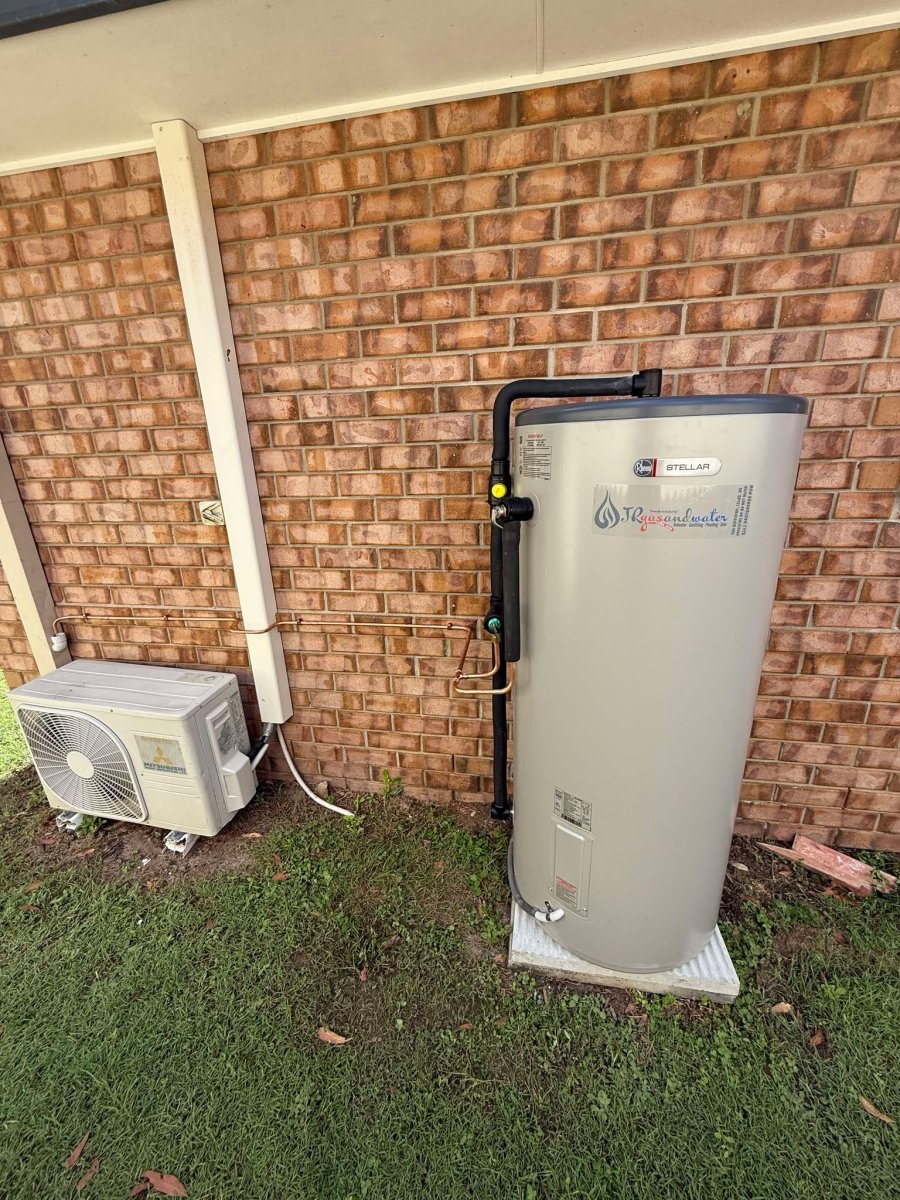
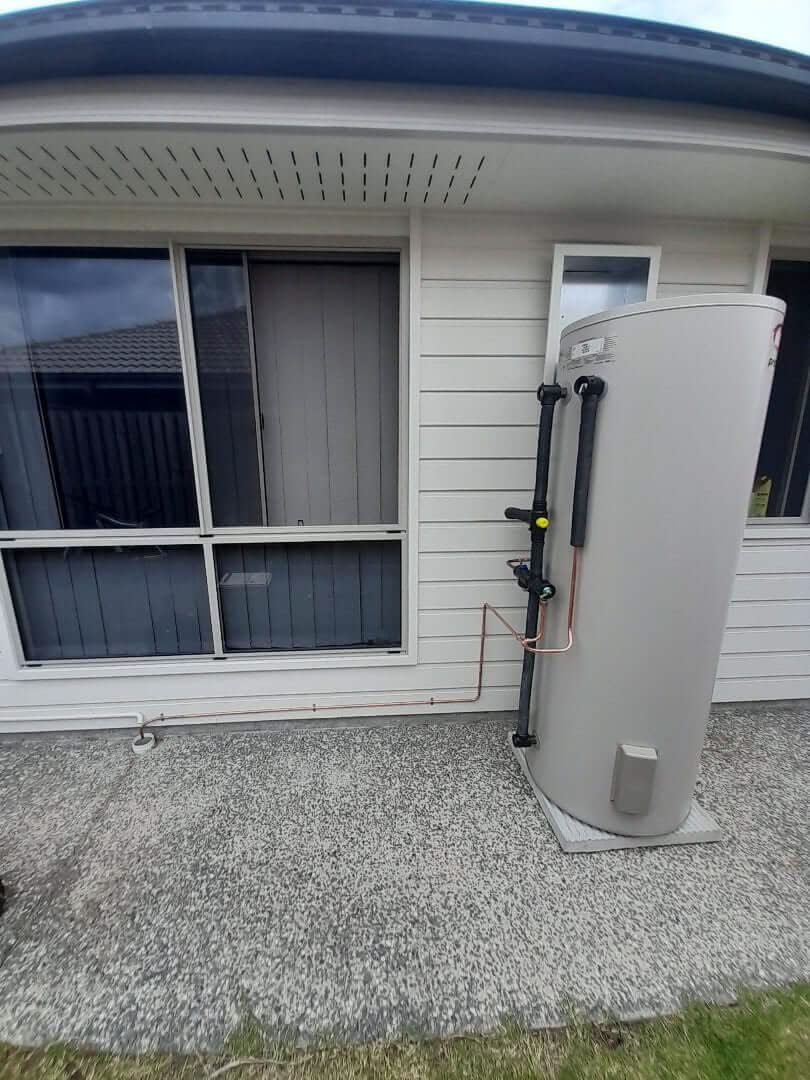
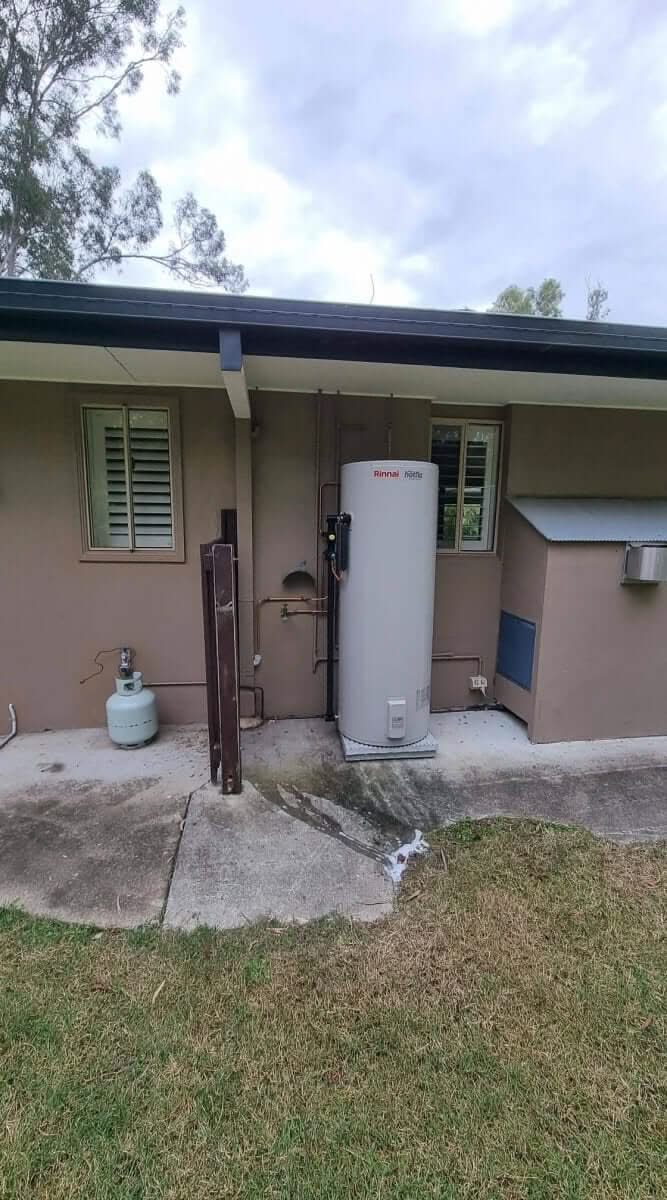
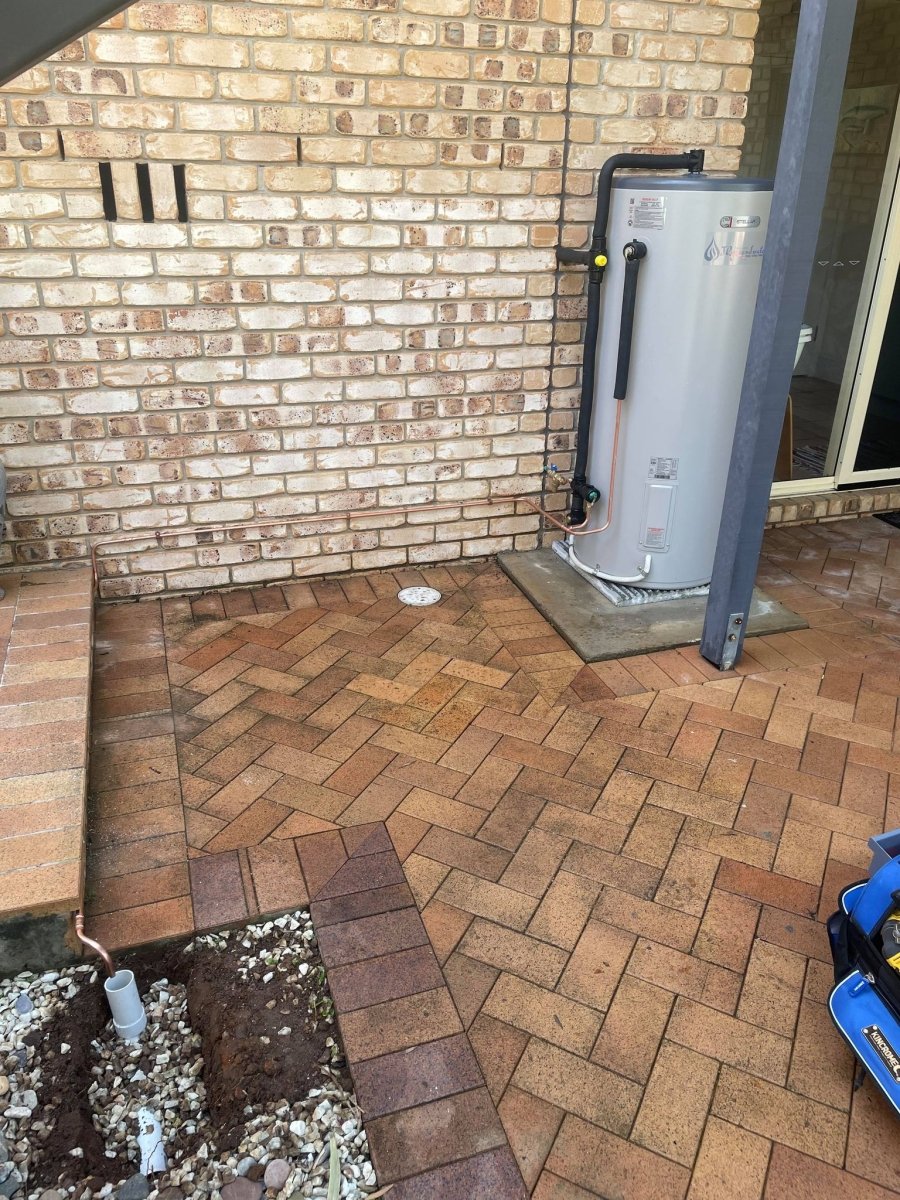
A system installed in an easy external location is usually simpler than a system in a roof cavity, cupboard, tight side path, steep block, unit complex or difficult access area.
Access can affect:
-
Delivery
-
Lifting
-
Mounting
-
Drainage
-
Pipework
-
Electrical work
-
Gas work
-
Removal of the old system
-
Future servicing
This is one reason the same product can have different total replacement costs at different properties.
5. Plumbing, Gas and Electrical Requirements
Hot water replacement often involves more than the unit itself.
Depending on the system, licensed trades may need to assess:
-
Tempering valve requirements
-
Pressure limiting valves
-
Expansion control valves
-
Isolation valves
-
Pipework condition
-
Drainage
-
Gas type
-
Gas pipe sizing
-
Electrical circuit suitability
-
Switchboard capacity
-
Outdoor clearances
-
Compliance upgrades
Gas work must be completed by a licensed gas fitter. Electrical work must be completed by a licensed electrician where required. Plumbing work should be completed by a licensed plumber where required.
Cost by Hot Water System Type
Electric Storage Hot Water Systems
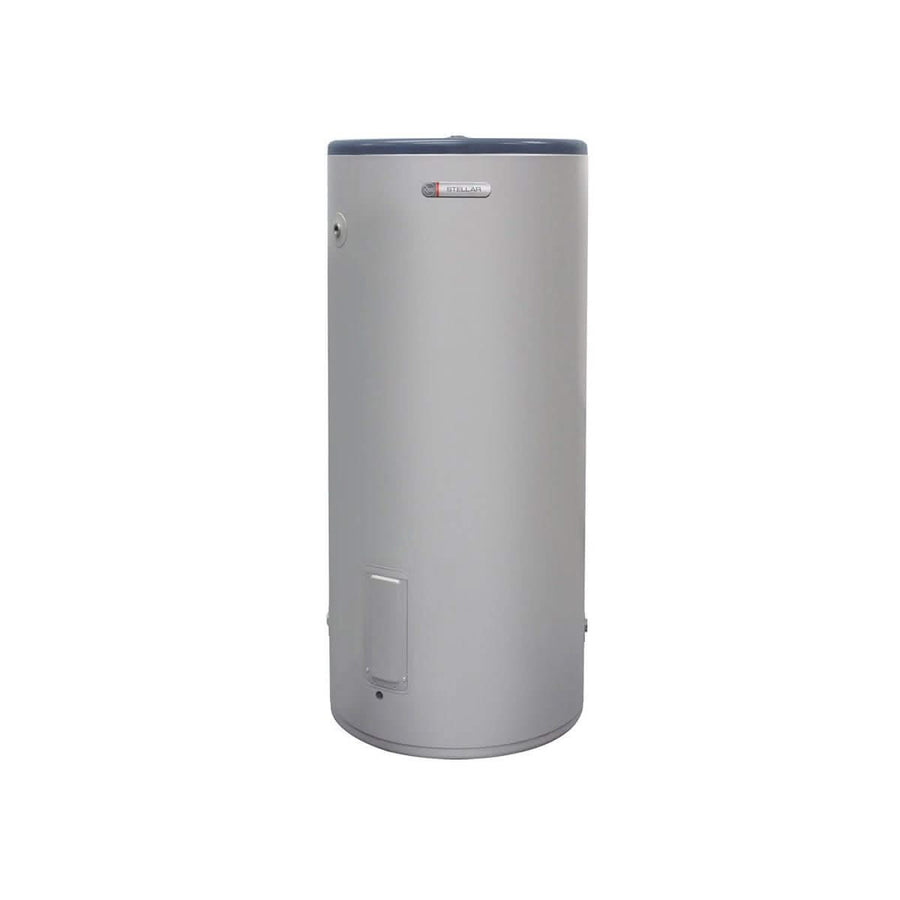
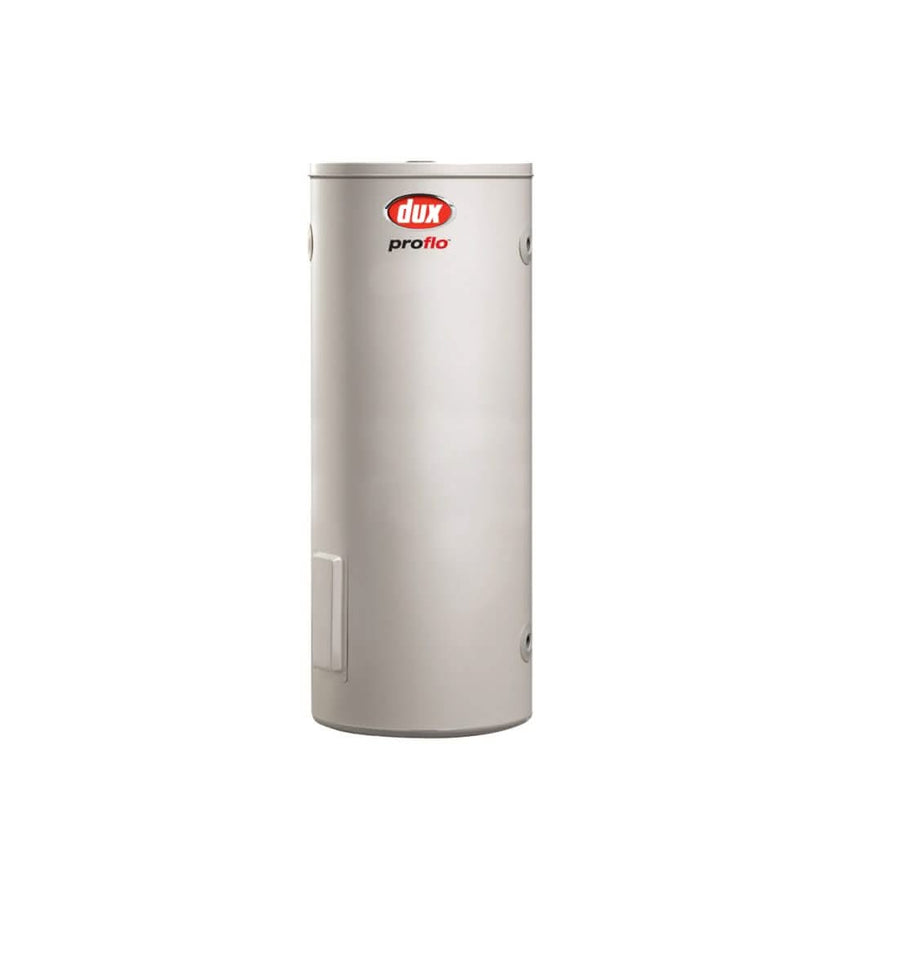
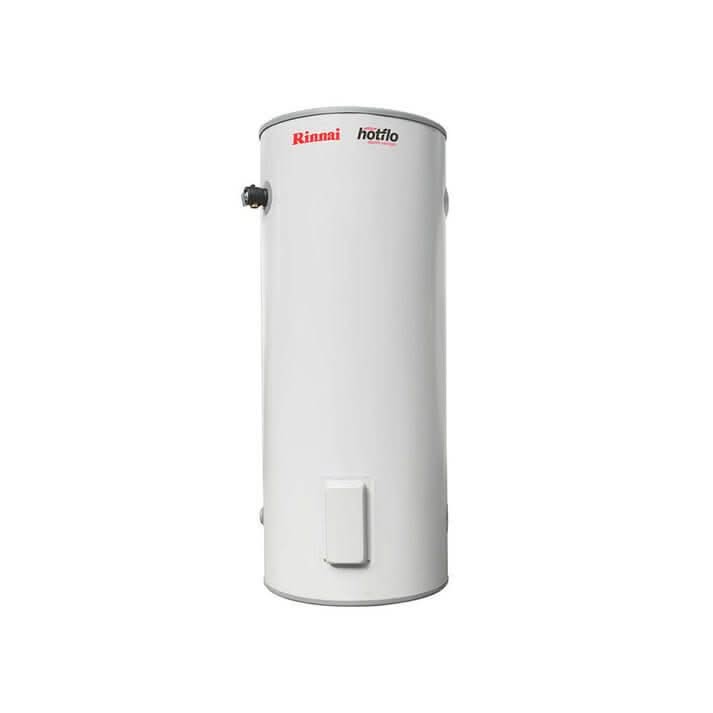
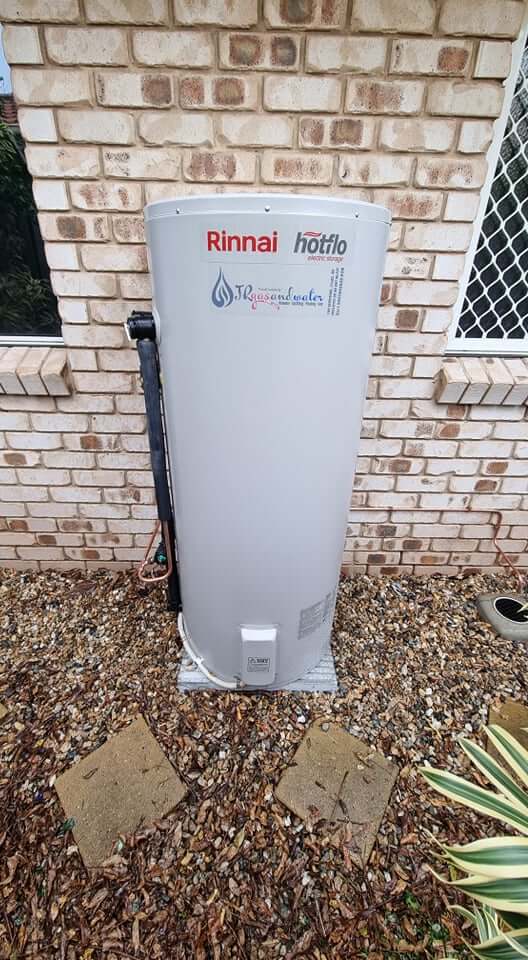
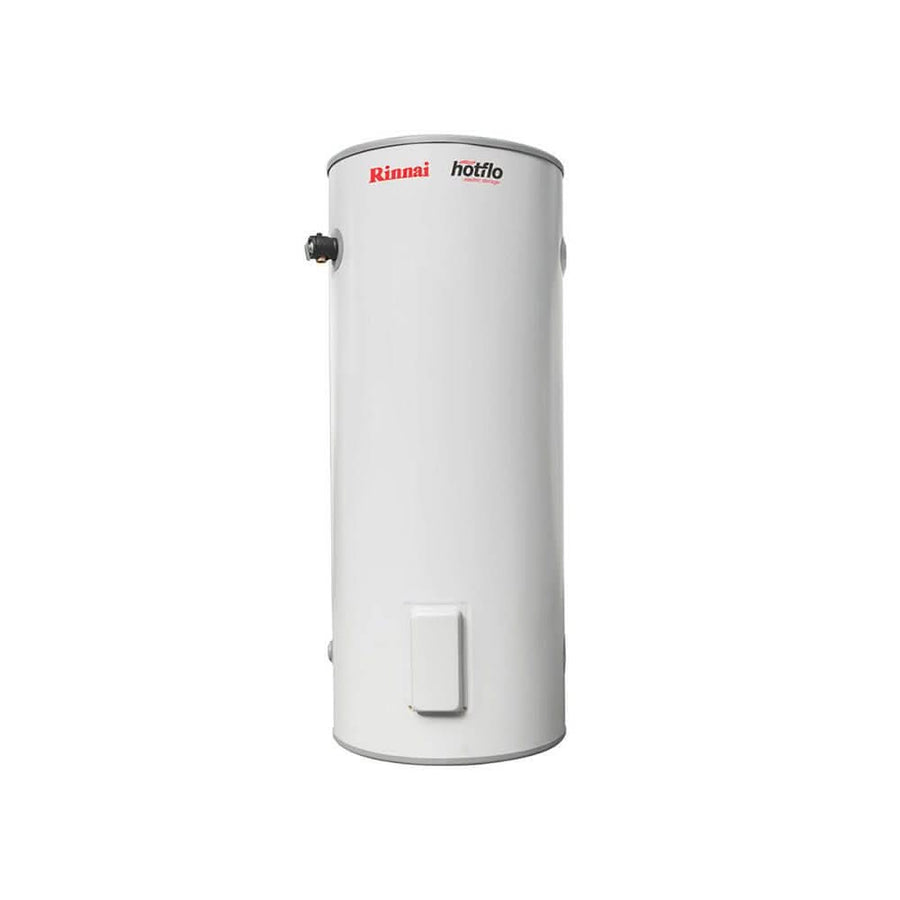
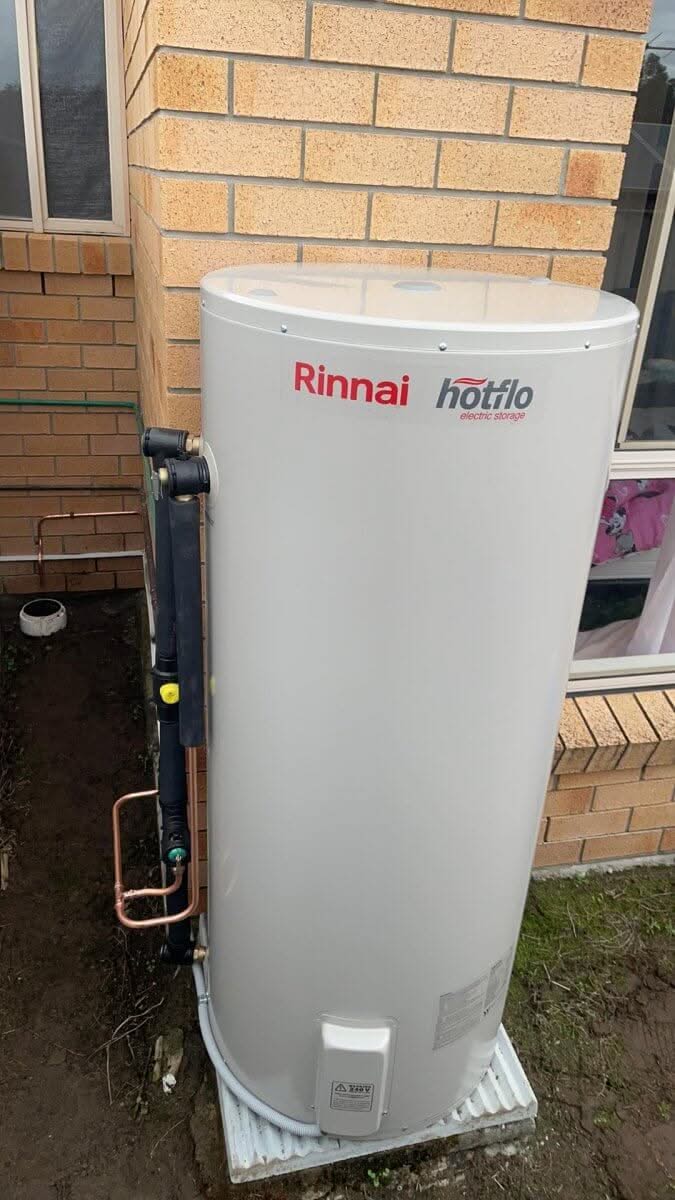
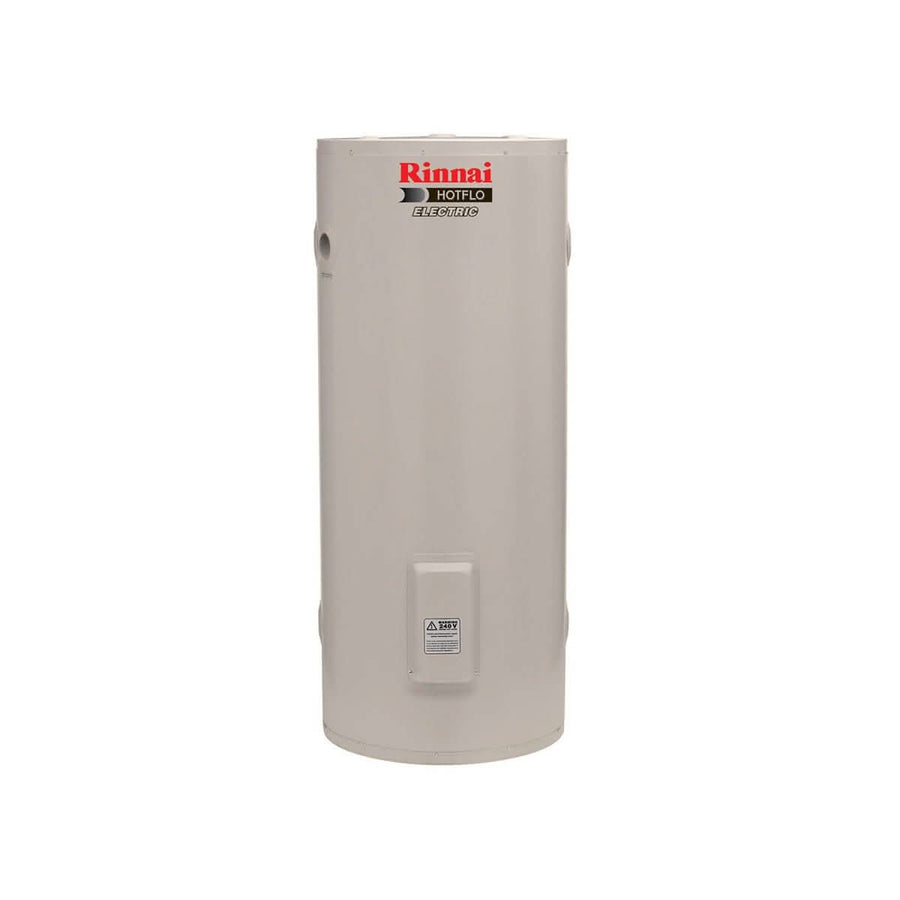
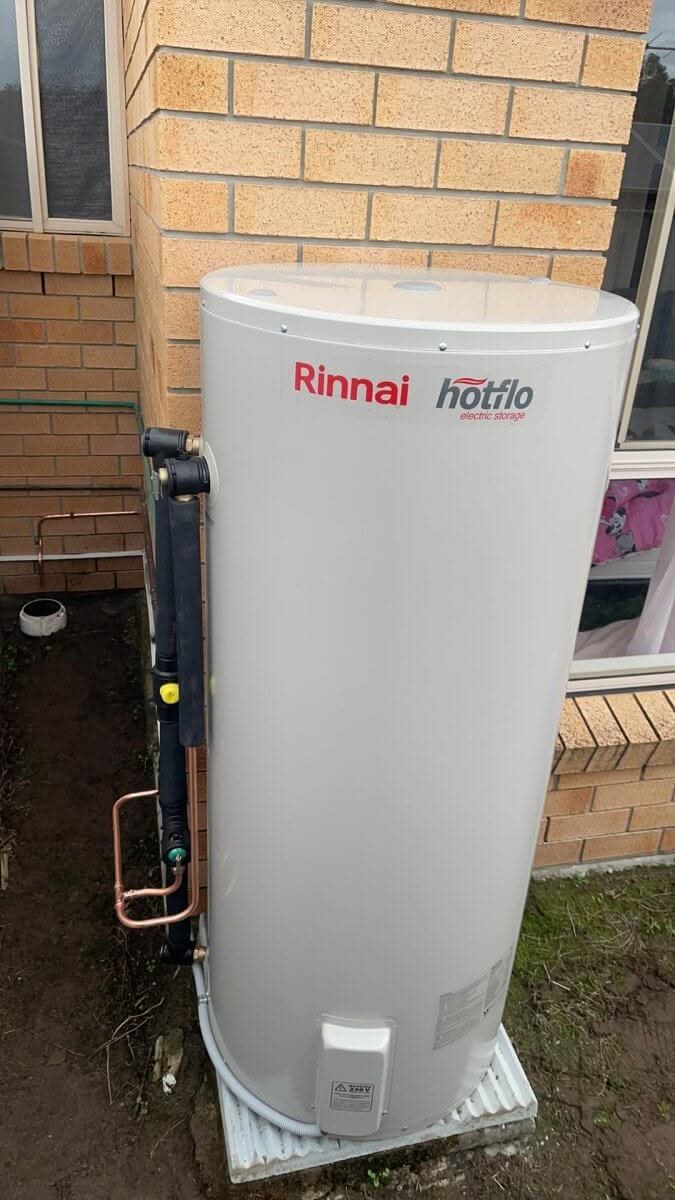
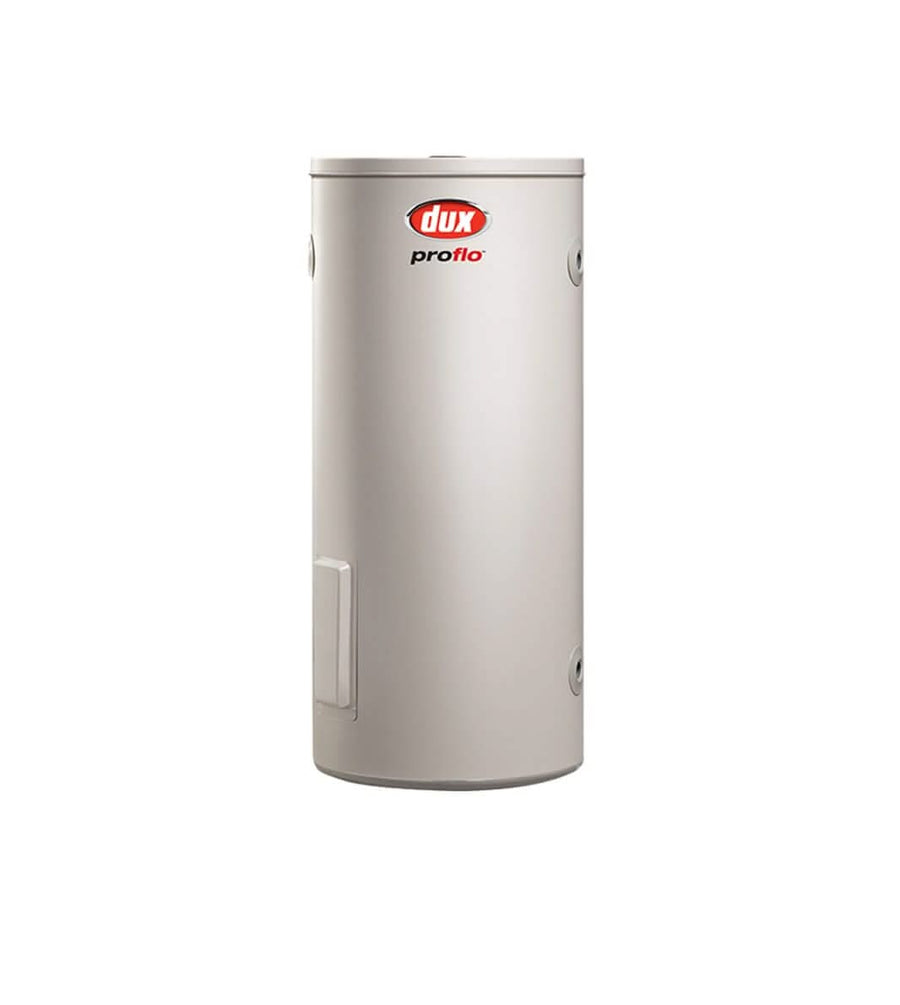
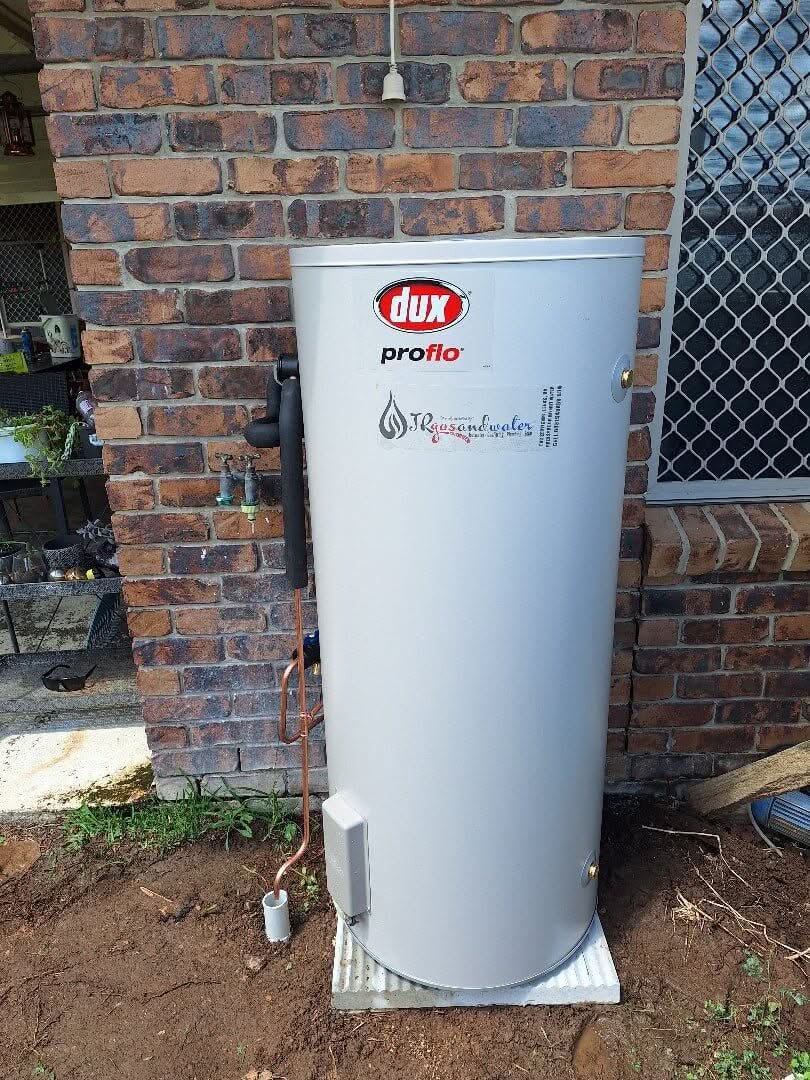
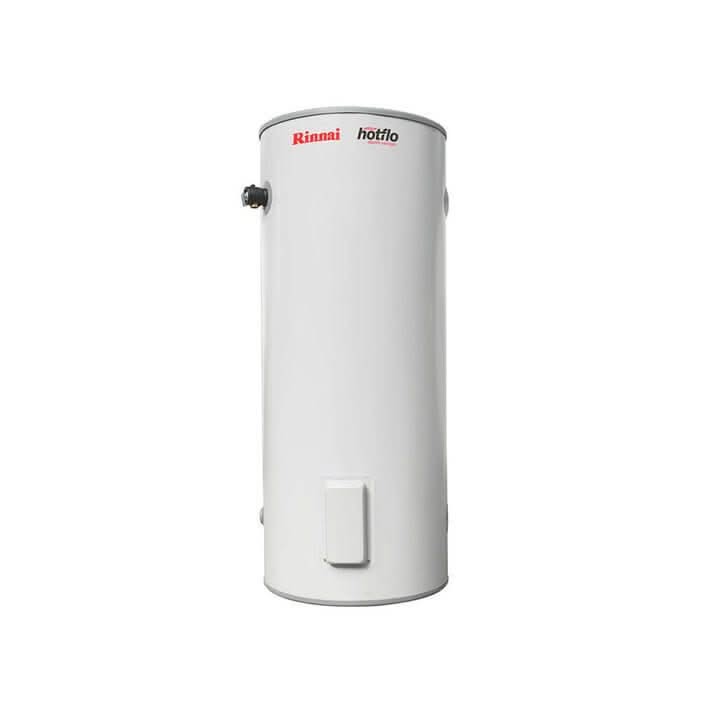
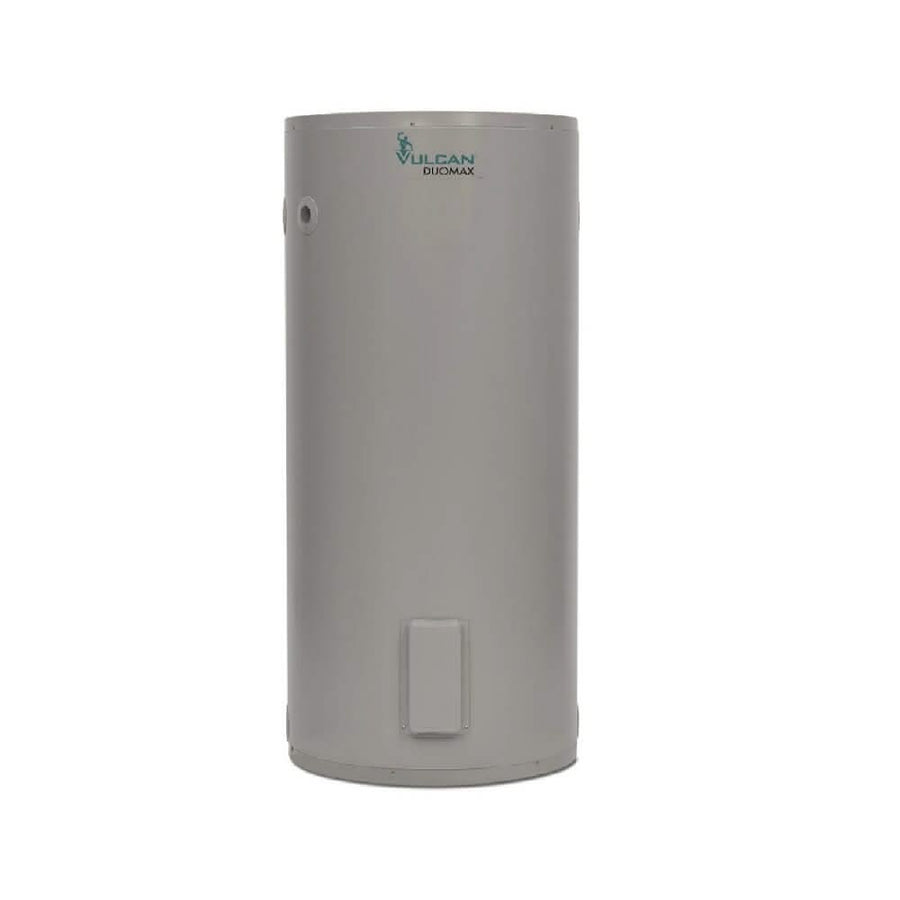
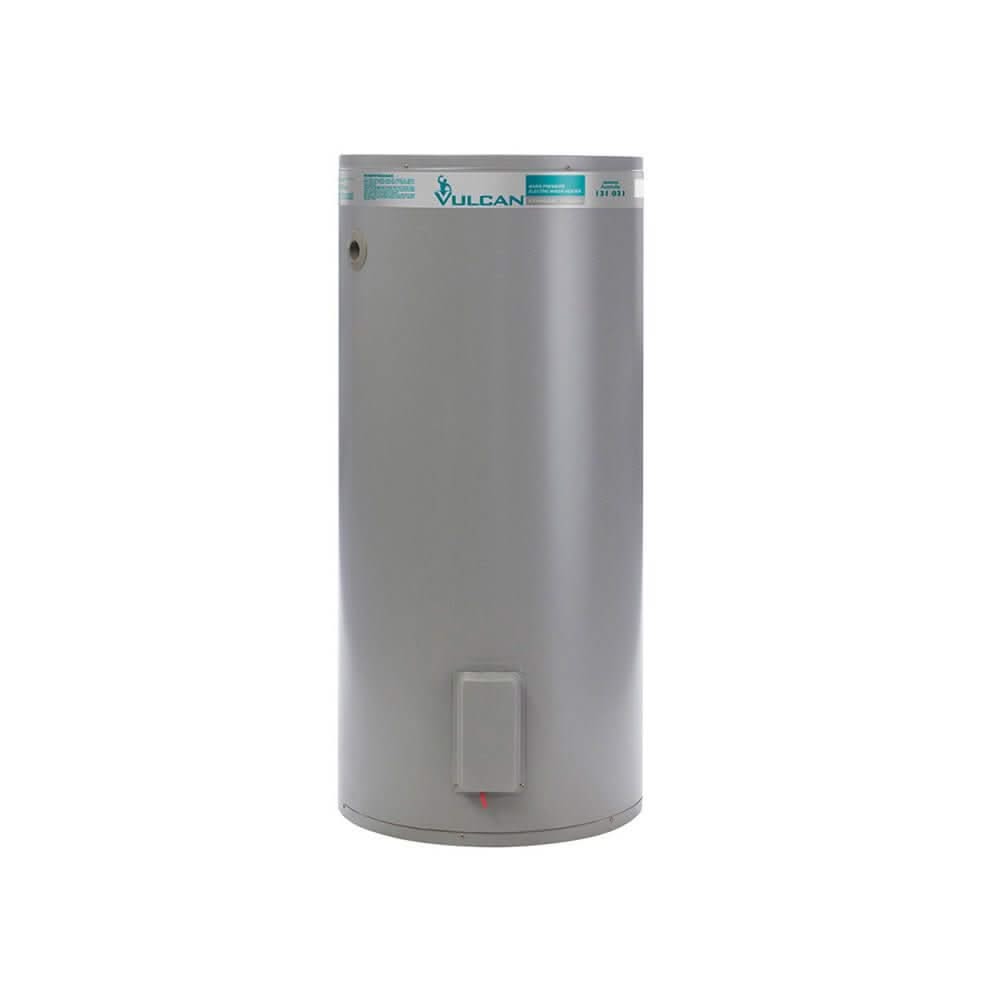
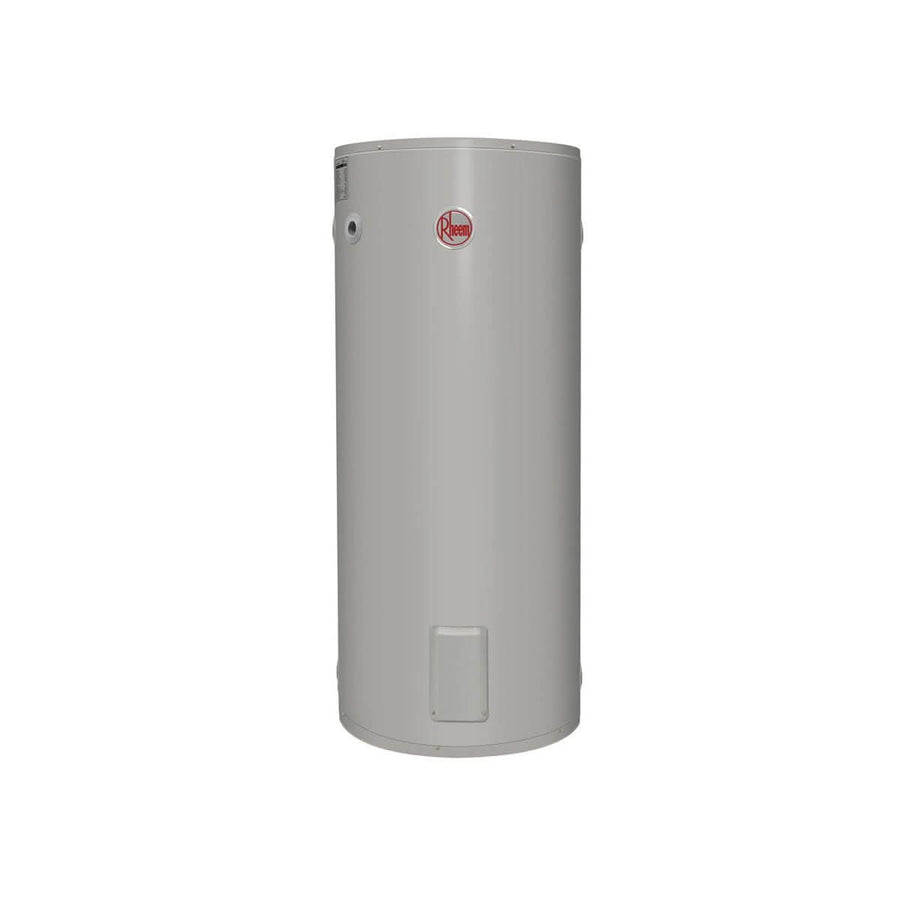
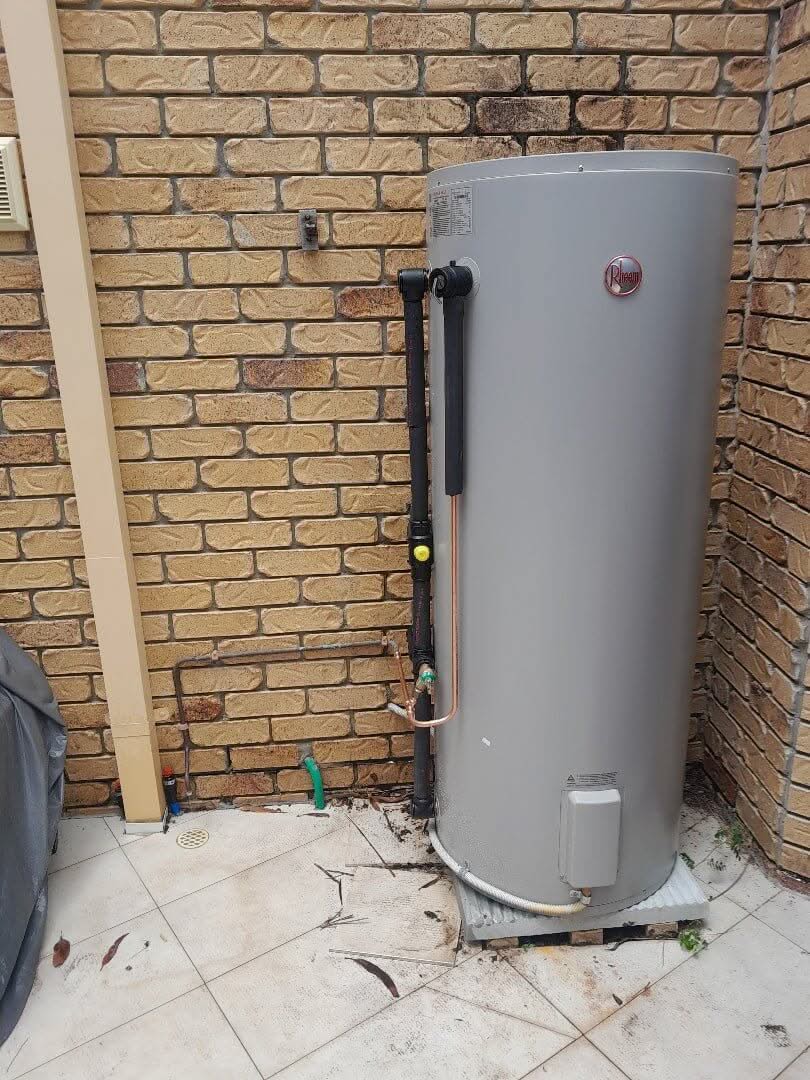
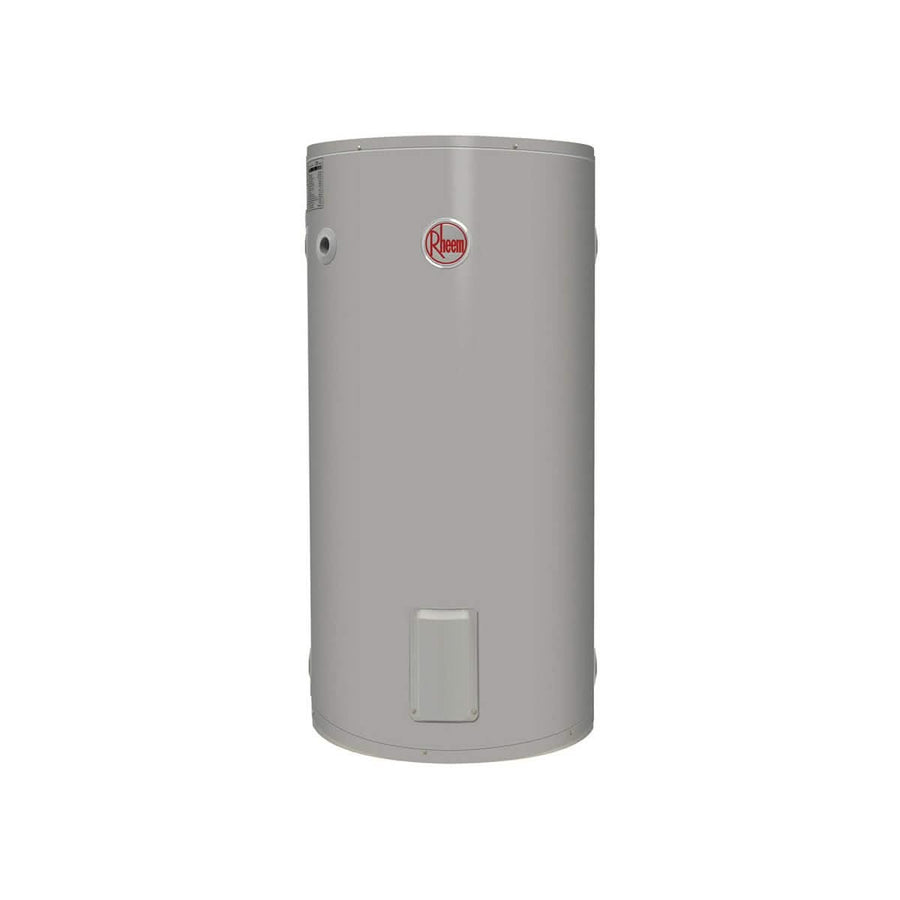
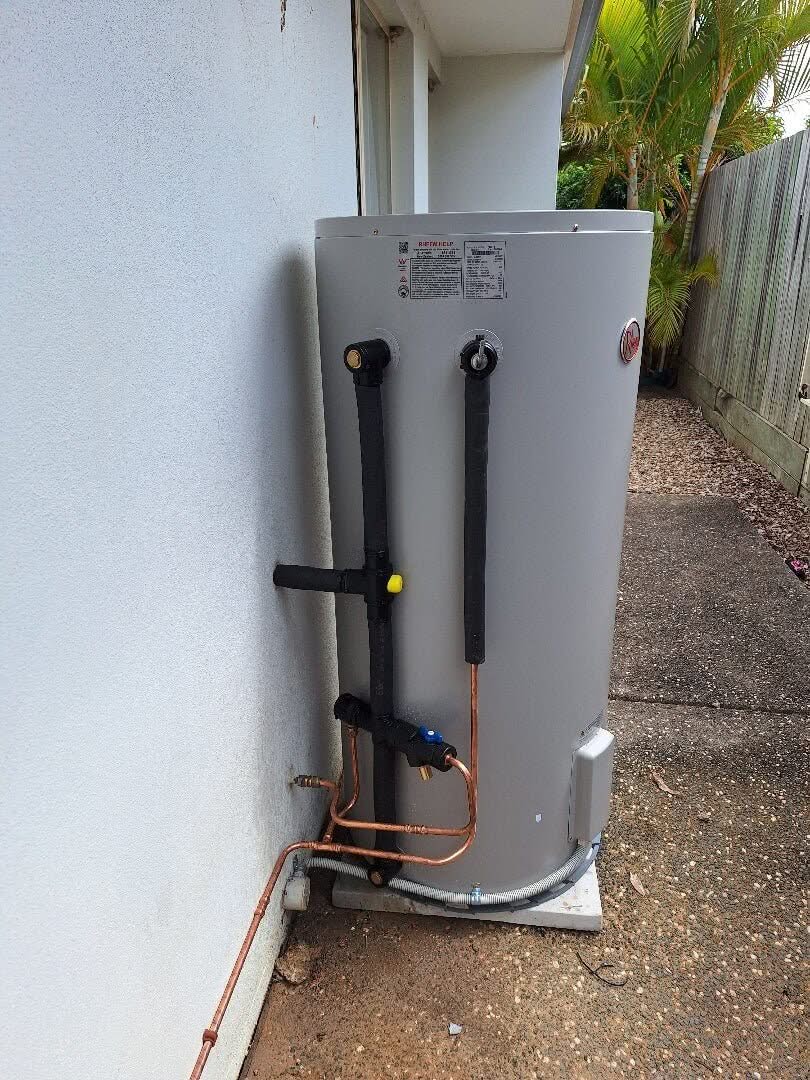
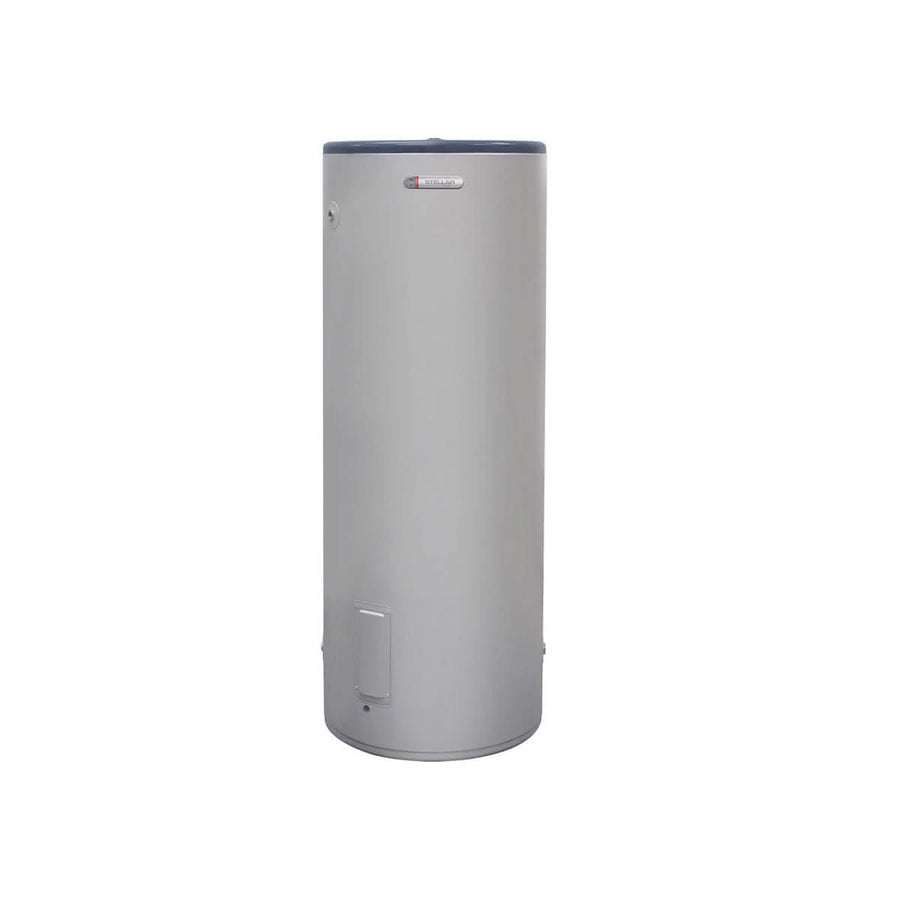
Electric storage hot water systems are common in Australian homes and can suit properties without gas. They store hot water in a tank and heat it using an electric element.
Electric storage may suit:
-
Like-for-like replacements
-
Homes without natural gas or LPG
-
Customers wanting a straightforward storage system
-
Outdoor or indoor locations where the model is suitable
-
Households with predictable hot water use
Common options include 250L electric hot water systems, 315L electric hot water systems and 400L electric hot water systems.
Electric storage can have a lower upfront product cost than some heat pump or solar options, but running costs depend on tariff, usage, tank size and household habits. Do not automatically choose the same tank size if the old system regularly ran out of hot water.
Gas Storage Hot Water Systems
Gas storage systems use natural gas or LPG to heat water stored in a tank. They can suit homes with an existing gas connection and a suitable location.
Gas storage may suit:
-
Homes already using gas storage
-
Like-for-like gas replacements
-
Customers wanting stored hot water
-
Properties with suitable natural gas or LPG
-
Homes where the existing gas setup is compliant
Customers may compare 130/135L gas hot water systems or 160/170L gas hot water systems, depending on household demand.
Natural gas and LPG are not interchangeable. A natural gas model must be connected to natural gas, while an LPG model must be connected to LPG.
Instant Gas Hot Water Systems
Instant gas hot water systems heat water on demand. They do not store hot water in a tank, which makes them compact and useful for homes with limited ground space.
Instant gas may suit:
-
Homes with existing natural gas or LPG
-
Customers wanting continuous flow hot water
-
Properties with suitable gas pipe sizing
-
Homes with suitable water pressure
-
Outdoor wall-mounted installation
-
Like-for-like instant gas replacement
Customers can compare instant gas hot water systems, including 26L instant gas hot water systems for higher-demand homes.
For 26L systems, gas pipe sizing must be checked and water pressure must be suitable. A larger unit does not guarantee better performance if the property cannot support it. Multiple outlets can still exceed the unit’s capacity.
External gas units are designed for outdoor installation unless the model is specifically approved for internal flued installation.
Instant Electric Hot Water Systems
Instant electric hot water systems heat water as it flows through the unit, but they are usually best suited to point-of-use applications rather than whole-home hot water.
Instant electric may suit:
-
Small sinks
-
Kitchenettes
-
Offices
-
Workshops
-
Low-demand fixtures
-
Compact point-of-use installations
Instant electric is not automatically suitable for an entire home. Some units require high electrical capacity, dedicated circuits or three-phase power depending on the model and application.
Customers can compare instant electric hot water systems, but electrical suitability should be checked before ordering.
Heat Pump Hot Water Systems
Heat pump hot water systems use electricity to move heat from the surrounding air into water stored in a tank. They can be a practical upgrade from older electric storage systems where the property has suitable outdoor space and airflow.
Heat pumps may suit:
-
Homes wanting an efficient electric hot water option
-
Properties without gas
-
Customers moving away from gas
-
Homes with suitable outdoor space
-
Locations with clear airflow
-
Properties where condensate drainage can be managed
-
Homes with solar PV where timer operation and usage suit
Heat pumps are not automatically best for every home. Outdoor location, airflow, electrical suitability, access, condensate drainage, tank size and noise placement all need to be considered.
Customers can compare heat pump hot water systems, including products such as the iStore 270L Heat Pump Hot Water System, Rinnai Enviroflo V2 250L Heat Pump Hot Water System and Enviroheat 250L Heat Pump Hot Water System.
Solar Hot Water Systems
Solar hot water systems use roof-mounted collectors to capture heat from the sun and transfer it into a storage tank. Most systems use an electric or gas booster for cloudy weather or high-demand periods.
Solar hot water may suit homes with:
-
Strong roof sun exposure
-
Minimal shading
-
Suitable roof orientation
-
Suitable roof pitch
-
Suitable roof structure
-
Safe roof access
-
Maintenance access
-
A suitable tank location
-
A suitable booster type
Solar hot water can be more complex than standard replacement systems because roof conditions matter. Where the roof is shaded, difficult or unsuitable, a heat pump may be a more practical efficient hot water alternative.
STCs, rebates and incentives can change, so eligibility should be confirmed before choosing a system based on rebates.
Running Costs: Which Hot Water System Is Cheapest to Run?
Running costs depend on energy prices, system size, household habits, tariffs, climate, system efficiency and installation setup.
As a general guide:
-
Electric storage can be simple but may have higher running costs depending on tariff and usage
-
Gas storage may suit homes already connected to gas
-
Instant gas only heats water when taps are used, but running costs depend on gas prices and usage
-
Heat pumps can use less electricity than standard electric storage in suitable conditions
-
Solar hot water can reduce reliance on electricity or gas where roof conditions are suitable
-
Instant electric can be efficient for small point-of-use demand but may not suit whole-home use
The lowest running cost option is not always the lowest total cost option. Upfront price, installation complexity, rebates, maintenance, access and suitability all matter.
Rebates, STCs and Incentives
Some heat pump and solar hot water systems may be eligible for STCs, rebates or incentives depending on the product, location, installation details and current program rules.
These programs can change. Eligibility should be checked before purchase and should not be treated as guaranteed.
Do not choose a hot water system based only on a possible rebate. The product must still suit the home, household demand, installation location, electrical supply, roof conditions, drainage and access.
Brisbane and Gold Coast Considerations
In Brisbane and Gold Coast homes, hot water replacement costs can vary depending on property age, access, system location, energy source and compliance requirements.
Older homes may need valve upgrades, pipework changes or electrical checks. Townhouses and narrow-lot homes may have limited side access. Coastal areas may require careful product placement due to exposure. Homes with solar PV may consider heat pump hot water where timer settings and usage suit.
Selected supplied-and-installed options are available on eligible Installed Today products in Brisbane and Gold Coast service areas where shown. Availability depends on the product, address and installation requirements.
Supply-Only vs Supplied-and-Installed
Installed Today offers supply-only ordering across major Australian metro areas. This can suit customers who already have a licensed installer organised and want to order the product online.
Selected supplied-and-installed options are available on eligible products in Brisbane and Gold Coast service areas. Availability depends on the product, address and installation requirements.
For supply-only products, the listed product price generally covers the product only.
It does not usually include:
-
Installation labour
-
Plumbing alterations
-
Electrical work
-
Gas work
-
New valves
-
Pipework changes
-
Gas pipe upgrades
-
Drainage changes
-
Tempering valve upgrades
-
Pressure limiting valve upgrades
-
Expansion control valves
-
Old unit removal
-
Disposal
-
Compliance upgrades
-
Concrete bases or slab work
-
Flue kits unless listed
-
Temperature controllers unless listed
-
Relocation of the system
-
Rebate administration
-
Site assessment
For supply-only orders, confirm the model, size, location and installation requirements with a licensed installer before purchasing.
How to Choose the Right Hot Water System
Choose Electric Storage If:
-
You want a straightforward storage system
-
The home does not have gas
-
You are replacing an existing electric storage unit
-
The location, drainage and electrical supply are suitable
-
You want a familiar system type
Choose Gas Storage If:
-
The home already has natural gas or LPG
-
You are replacing an existing gas storage system
-
The tank location is suitable
-
The gas type matches the unit
-
A licensed gas fitter confirms suitability
Choose Instant Gas If:
-
You want continuous flow hot water
-
You have suitable natural gas or LPG
-
Gas pipe sizing is suitable
-
Water pressure is suitable
-
Outdoor wall space is available
-
You want a compact system without a storage tank
Choose Instant Electric If:
-
You need point-of-use hot water
-
The application is low demand
-
Electrical capacity is suitable
-
You are not expecting whole-home performance from a small unit
Choose Heat Pump If:
-
You want an efficient electric storage-style option
-
Outdoor space and airflow are suitable
-
Condensate drainage can be managed
-
Noise placement is suitable
-
Electrical supply is suitable
-
Tank size matches household demand
Choose Solar Hot Water If:
-
Your roof has strong sun exposure
-
Shading is minimal
-
Roof structure and access are suitable
-
You have room for collectors and tank requirements
-
Booster type is suitable
-
Maintenance access is practical
Before Ordering Checklist
Before buying a new hot water system, check:
-
How many people live in the home?
-
How many bathrooms are used daily?
-
Are showers often used at the same time?
-
Does the household use a bath?
-
Did the old system run out of hot water?
-
Is the home connected to natural gas, LPG or electricity only?
-
Is the gas type correct?
-
Is gas pipe sizing suitable?
-
Is water pressure suitable?
-
Is electrical supply suitable?
-
Is there outdoor space for a heat pump?
-
Is there clear airflow and drainage?
-
Is roof orientation suitable for solar?
-
Is the current location compliant?
-
Will valves or pipework need changing?
-
Is old unit removal included or separate?
-
Is the product supply-only or supplied-and-installed?
-
Has a licensed installer confirmed the system is suitable?
Frequently Asked Questions
How much does a new hot water system cost?
The cost depends on the system type, size, brand, installation location and whether the job is a like-for-like replacement or a system change. Product price and installed cost are not always the same. Installation labour, valves, pipework, electrical work, gas work, drainage and compliance upgrades may be separate.
What is the cheapest hot water system to buy?
Electric storage is often one of the lower upfront product options, but it may not be the cheapest to run depending on usage and tariff. The cheapest system to buy is not always the best long-term option.
What hot water system is cheapest to run?
Heat pump and solar hot water can be efficient options in suitable homes, while instant gas can suit homes with suitable gas supply and usage patterns. Running costs depend on energy prices, household demand, system size and installation setup.
Is heat pump hot water worth it?
Heat pump hot water can be worth considering where the home has outdoor space, clear airflow, suitable drainage, suitable electrical supply and household demand that suits a storage tank. It is not automatically best for every property.
Is instant gas better than electric storage?
Instant gas may suit homes with natural gas or LPG, suitable gas pipe sizing and suitable water pressure. Electric storage may suit homes without gas or simple like-for-like replacements. The better choice depends on the property.
Can I install a hot water system myself?
No. Hot water installation can involve plumbing, gas and electrical work. Licensed trades should complete the work where required.
Are hot water rebates available?
Some heat pump and solar hot water systems may be eligible for STCs, rebates or incentives depending on product, location and current rules. These can change, so eligibility should be confirmed before purchase.
Does supply-only pricing include installation?
No. Supply-only pricing generally covers the product only. It does not usually include installation labour, plumbing work, gas work, electrical work, valves, pipework changes, drainage, old unit removal, disposal or compliance upgrades unless clearly listed.
Final Word
The cost of a new hot water system depends on more than the product price. Electric, gas, instant gas, instant electric, heat pump and solar hot water systems all have different upfront costs, installation requirements and long-term running cost considerations.
The best system is the one that suits your home’s hot water demand, energy source, space, access, water pressure, gas type, electrical supply and budget.
Installed Today makes it easy to compare hot water systems online, including electric hot water systems, gas hot water systems, instant gas hot water systems, instant electric hot water systems and heat pump hot water systems.
For supply-only orders, confirm the system with a licensed installer before purchasing. For eligible Brisbane and Gold Coast products, check whether a supplied-and-installed option is available where shown.