
Davey Pumps: How to Choose the Right Water Pump for Your Home or Property
Davey pumps are commonly compared by Australian homeowners looking for reliable water pressure, rainwater transfer, household water supply or mains pressure boosting. The right Davey pump depends on what you need it to do, your water source, required flow rate, pressure requirements, pipework, tank setup, electrical supply and whether the pump is for rainwater, household use or pressure boosting.
A pump should not be chosen by brand alone. A quality pump can still perform poorly if it is undersized, oversized, installed in the wrong location or used for the wrong application.
Installed Today offers online supply-only ordering across major Australian metro areas for selected household water pumps, rain water pumps and mains water pressure boosting pumps. Before ordering supply only, confirm pump sizing, pressure, flow rate, water source, pipework, tank setup, electrical requirements and site suitability with your licensed installer.
Quick Answer: Are Davey Pumps Good?
Davey pumps can be a strong option for many Australian homes and properties, especially where the pump is matched correctly to the job. Davey is commonly compared for household water supply, rainwater pressure, garden watering, tank water transfer and pressure boosting applications.
As a general guide:
-
Davey rainwater pumps may suit homes using tank water for gardens, toilets, laundry or household supply where the setup supports it
-
Davey household water pumps may suit homes needing pumped water from tanks or other suitable water sources
-
Davey pressure pumps may suit properties needing stronger or more consistent water pressure
-
Davey mains boosting pumps may suit some low-pressure homes after the cause of poor pressure has been diagnosed
-
Pump selection should be based on flow rate, pressure, duty, pipework and water source
-
Electrical and plumbing requirements must be checked before ordering
-
Do not add a pump before understanding why pressure is poor
Before buying supply only, get your installer to confirm the correct pump type, size and setup.
What Are Davey Pumps Used For?
Davey pumps are used across many water movement and pressure applications. In residential and light property use, they are often compared for:
-
Rainwater tank supply
-
Garden watering
-
Household water pressure
-
Toilet and laundry rainwater supply
-
Tank-to-house water transfer
-
Mains water pressure boosting
-
Irrigation zones
-
Turf watering
-
Rural and acreage water movement
-
Pumping clean water from suitable tanks
The best pump depends on the job. A pump for a garden hose may not suit whole-house supply. A pump for rainwater transfer may not be the right choice for pressure boosting. A pump for a small home may not suit a large property with long pipe runs.
Main Davey Pump Categories to Compare
Rainwater Pumps
Rain water pumps are used to move water from a rainwater tank to taps, irrigation, toilets, laundry or household fixtures, depending on the property setup.
A rainwater pump may suit:
-
Garden watering from a tank
-
Outdoor taps
-
Toilet supply where connected correctly
-
Laundry supply where connected correctly
-
Tank-to-house supply
-
Small acreage applications
-
Homes wanting to use stored rainwater more effectively
Before choosing a rainwater pump, confirm:
-
Tank size
-
Water source
-
Required flow rate
-
Required pressure
-
Suction lift
-
Distance to fixtures
-
Pipe sizing
-
Number of outlets
-
Electrical supply
-
Whether automatic pressure control is needed
-
Whether dry-run protection is needed
Rainwater pump suitability should be checked carefully. A pump that is too small may struggle. A pump that is too large may cycle poorly or create unnecessary pressure issues.
Household Water Pumps
Household water pumps are used where a property needs pumped water for household supply. This may include homes using tanks, rainwater systems or other suitable clean water sources.
A household pump may suit:
-
Homes relying on tank water
-
Properties needing pressure from stored water
-
Small acreage homes
-
Sheds or secondary dwellings with suitable water supply
-
Properties needing consistent pressure to multiple fixtures
Household pump sizing depends on:
-
Number of bathrooms
-
Number of taps
-
Peak water demand
-
Pipework length
-
Height difference
-
Required pressure
-
Water source
-
Tank position
-
Pump location
-
Electrical supply
Do not choose a household pump based only on horsepower or brand. Flow and pressure curves matter.
Mains Water Pressure Boosting Pumps
Mains water pressure boosting pumps are used where a home has low mains water pressure and the setup allows pressure boosting.
A mains pressure boosting pump may be considered where:
-
Water pressure is consistently low
-
Multiple fixtures struggle at once
-
The home has long pipe runs
-
The issue has been diagnosed properly
-
Local rules and plumbing requirements allow boosting
-
Pipework and valves are suitable
Do not install a pressure boosting pump before diagnosing the cause of poor pressure. Low pressure can be caused by blocked filters, faulty valves, undersized pipework, supply limitations, pressure reducing valves, leaks or council supply conditions. A licensed plumber should check the issue first.
Davey Rainwater Pump Buying Guide
A Davey rainwater pump may be useful where you want to use stored rainwater around the property. The correct pump depends on whether it is feeding a garden hose, irrigation system, toilet, laundry or household fixtures.
When comparing rainwater pumps, check:
-
Maximum flow rate
-
Maximum head pressure
-
Automatic start/stop control
-
Dry-run protection
-
Noise level
-
Weather protection
-
Pump housing material
-
Inlet and outlet size
-
Water quality requirements
-
Tank outlet position
-
Filter or strainer requirements
-
Electrical connection requirements
A rainwater pump should also be installed in a location with suitable access, weather protection and ventilation.
Davey Household Pump Buying Guide
A household water pump needs to provide enough pressure and flow for the fixtures it supplies. It should be chosen around actual household demand, not just the number of people in the home.
Important checks include:
-
How many taps may run at once
-
Whether showers are supplied by the pump
-
Whether toilets or laundry are supplied
-
Whether the home has multiple bathrooms
-
Whether pipe runs are long
-
Whether the pump is above or below the tank outlet
-
Whether the system needs a pressure controller
-
Whether noise placement matters
-
Whether the pump location is protected
If the pump is too small, pressure may drop when multiple outlets are used. If the pump is too large, it may cycle more than needed or create pressure problems.
Davey Pressure Pump Buying Guide
A pressure pump is designed to maintain usable water pressure. This may be for tank water, household supply, irrigation or boosting applications, depending on the model and setup.
When choosing a pressure pump, consider:
-
Required pressure at the outlet
-
Required flow rate
-
Total head
-
Suction lift
-
Pipe friction losses
-
Number of outlets
-
Pump controller type
-
Duty cycle
-
Noise placement
-
Water source
-
Electrical requirements
-
Whether the pump will run frequently
A good pressure pump setup should be sized for the property’s water use. It should not be selected purely because it has a higher pressure rating.
Davey Pumps for Garden and Turf Watering
Davey pumps may be compared for garden watering, lawn irrigation and turf watering where the water source and system design suit.
For garden or turf watering, confirm:
-
Number of irrigation zones
-
Sprinkler flow requirements
-
Required pressure at sprinklers
-
Pipe size
-
Distance from tank to garden
-
Tank outlet size
-
Filter requirements
-
Whether the system uses timers
-
Whether the pump needs dry-run protection
-
Whether the pump can handle the duty cycle
A pump that works for one hose may not suit a full irrigation system. Irrigation demand should be calculated before ordering.
Davey Pumps for Acreage and Rural Properties
Acreage and rural properties often have more complex pump needs because of longer pipe runs, tanks, sheds, gardens, animals and varying elevation.
A pump for acreage may need to account for:
-
Long pipe distances
-
Height differences
-
Multiple tanks
-
Garden and turf watering
-
Household supply
-
Shed or outbuilding taps
-
Pump protection
-
Filtration needs
-
Electrical access
-
Noise location
-
Weather exposure
For rural water sources, water quality can vary. Bore water, dam water, creek water, carted water and rainwater may need different pump and filtration considerations. Water testing and installer advice may be needed.
Davey Pump Flow Rate and Pressure Explained
Flow rate and pressure are two of the most important parts of choosing a pump.
Flow Rate
Flow rate is how much water the pump can move, usually measured in litres per minute.
Higher flow may be needed for:
-
Multiple taps
-
Irrigation
-
Turf watering
-
Larger homes
-
Fast tank transfer
-
Multiple fixtures running at once
Pressure
Pressure is the force pushing water through the pipework. It affects how strong water feels at the tap, shower, hose or sprinkler.
Pressure requirements depend on:
-
Fixture type
-
Pipe length
-
Height difference
-
Number of outlets
-
Irrigation design
-
Pump location
-
Water source
A pump needs the right balance of flow and pressure. A high-flow pump with poor pressure may not suit some applications. A high-pressure pump with insufficient flow may also perform poorly.
What Size Davey Pump Do You Need?
The right size depends on the application.
Before ordering, confirm:
-
Water source
-
Required flow rate
-
Required pressure
-
Number of outlets
-
Number of fixtures used at once
-
Pipe size
-
Pipe length
-
Height difference
-
Suction lift
-
Pump location
-
Tank location
-
Electrical supply
-
Duty cycle
-
Noise requirements
-
Whether dry-run protection is needed
Sizing should be checked against pump performance curves, not just product titles or horsepower.
Davey Pump for Low Water Pressure
A pump can improve pressure in some situations, but it should not be the first step before diagnosis.
Poor water pressure can be caused by:
-
Blocked strainers or filters
-
Faulty pressure limiting valve
-
Faulty tempering valve
-
Old galvanised pipework
-
Undersized pipework
-
Leaks
-
Council supply limitations
-
Partly closed valves
-
Clogged fixtures
-
Poor tank outlet setup
-
Incorrect pump sizing
-
Failing existing pump
A licensed plumber should diagnose the cause before a pressure boosting pump is selected. Adding a pump to the wrong problem can waste money or create compliance issues.
Davey Pump for Rainwater Tanks
For rainwater tanks, the pump should be matched to how the tank water is used.
Garden-Only Tank Water
A simpler rainwater pump may suit if the tank only supplies a garden tap or hose.
Toilet and Laundry Tank Water
A more reliable automatic pressure pump may be needed where the tank supplies internal fixtures.
Whole-House Tank Water
A household pressure pump may be needed, with careful sizing based on bathrooms, taps, pipework and peak demand.
Irrigation Tank Water
The pump needs to match sprinkler zones, pressure and flow requirements.
Tank water setups may also need filtration, strainers, first flush systems or other components depending on water quality and use.
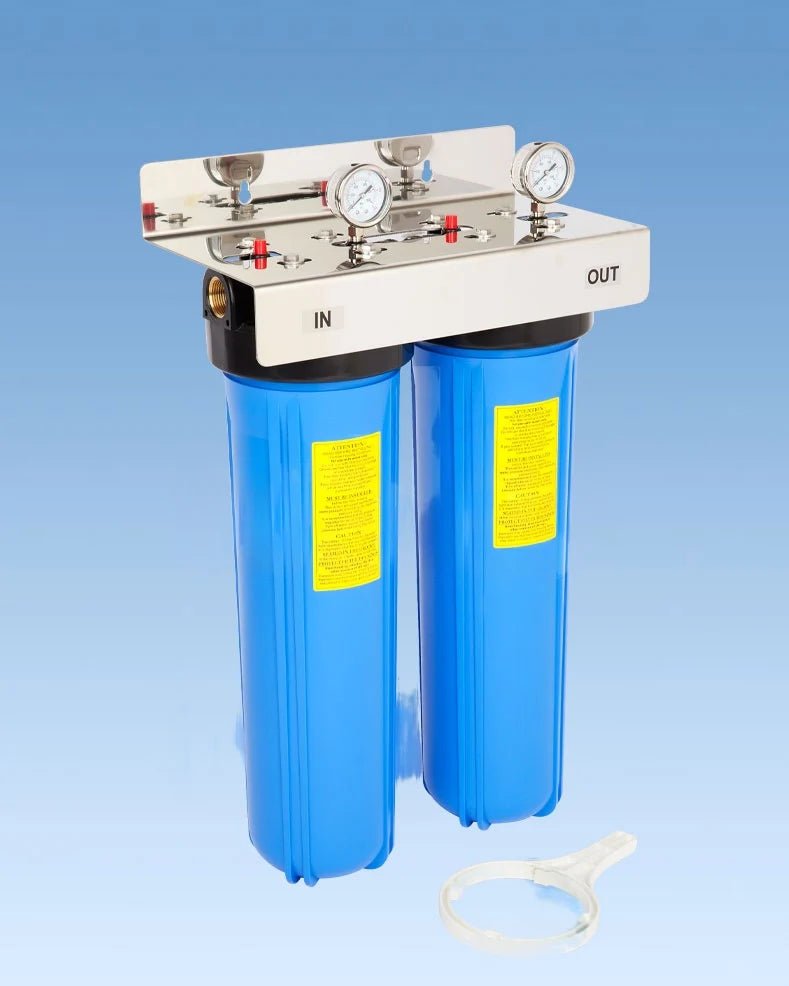
Davey Pumps and Water Filters
Some water pump systems may need filters or strainers to protect the pump and improve water quality.
Filtration depends on the water source:
-
Town water may need less filtration
-
Tank water may need sediment filtration
-
Rainwater may need filtration depending on use
-
Bore or rural water may need water testing
-
Whole-house supply may need broader filtration planning
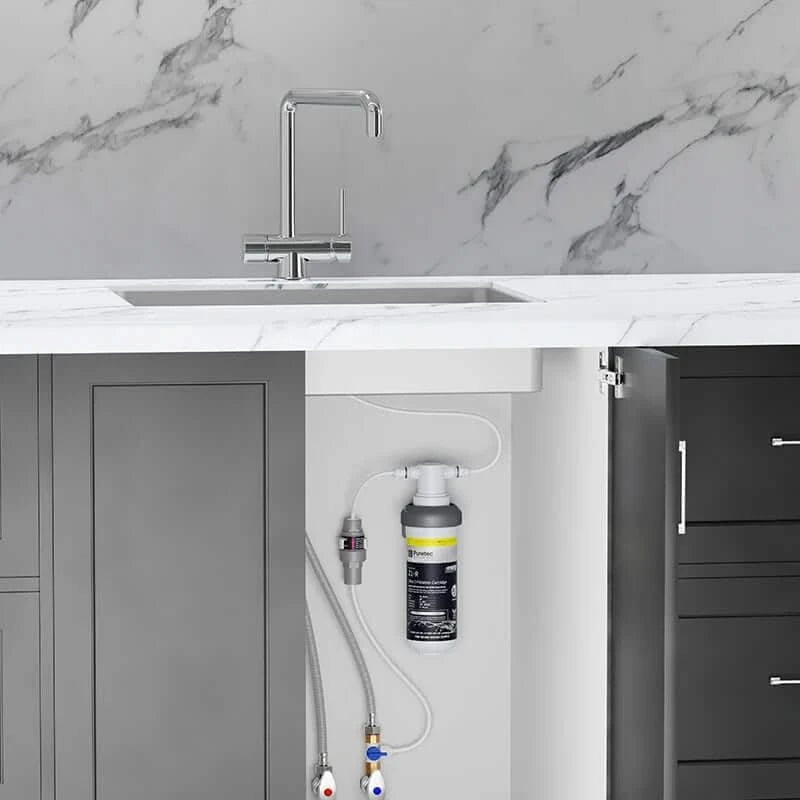
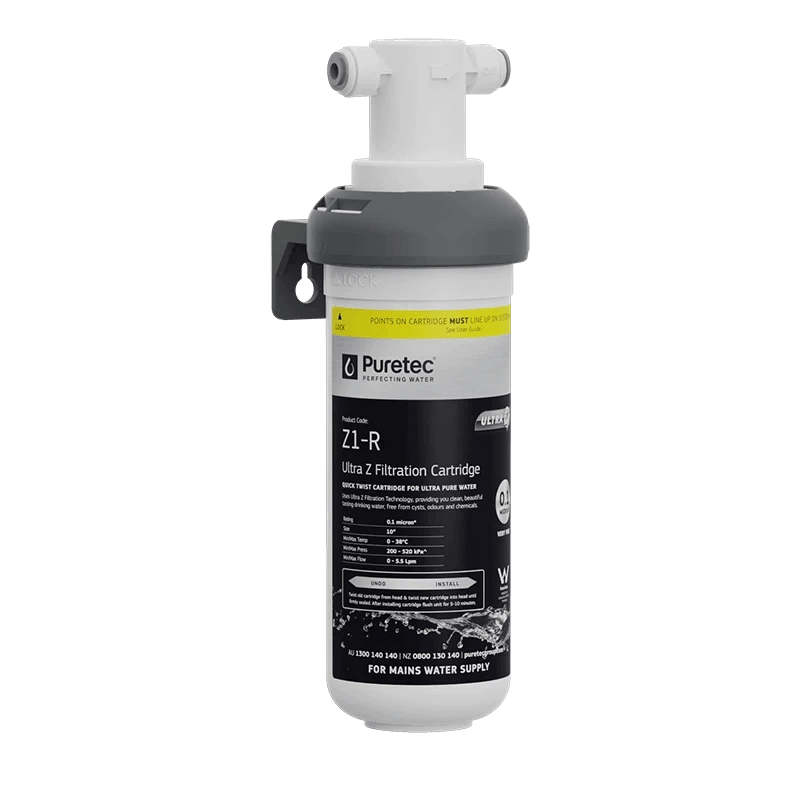
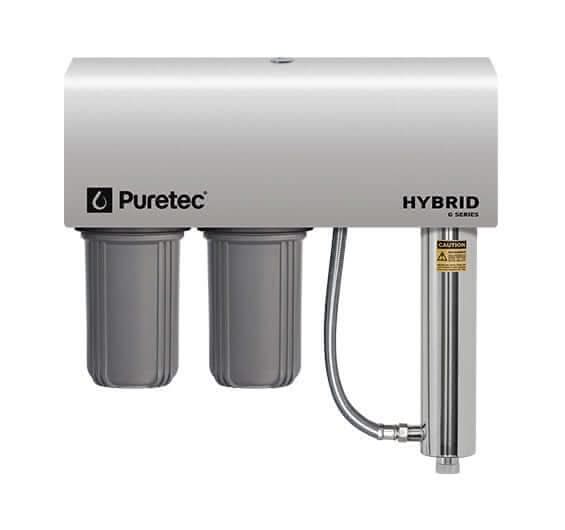
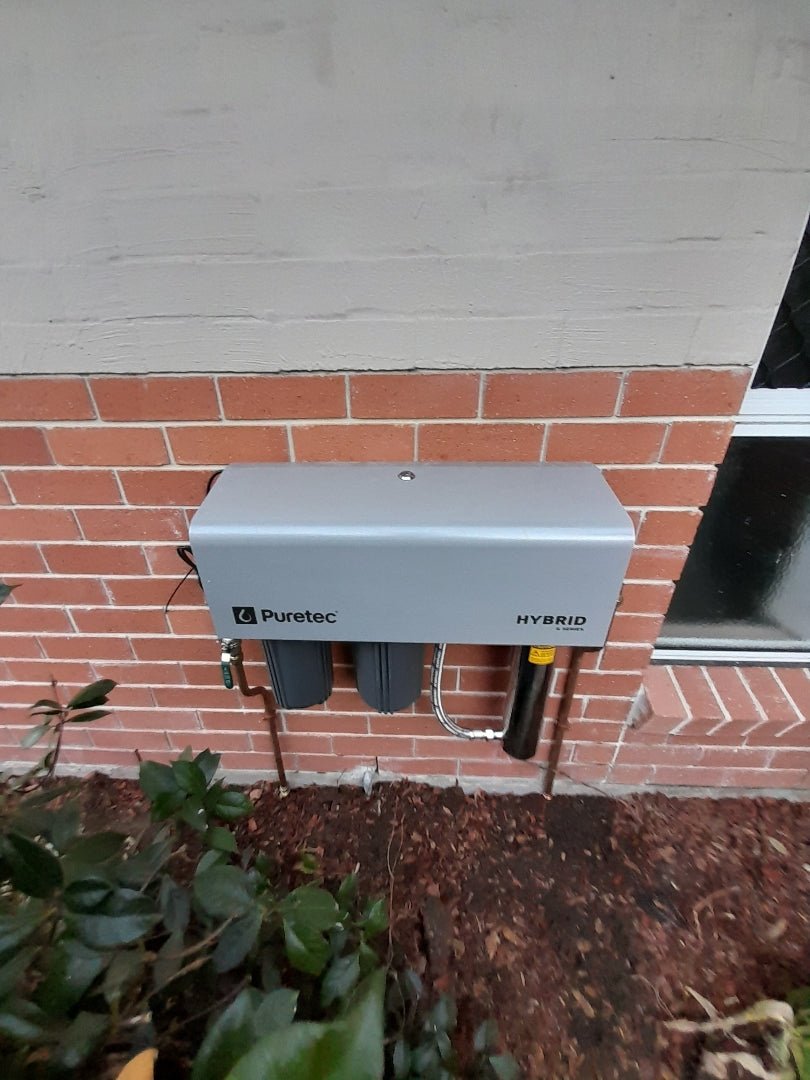
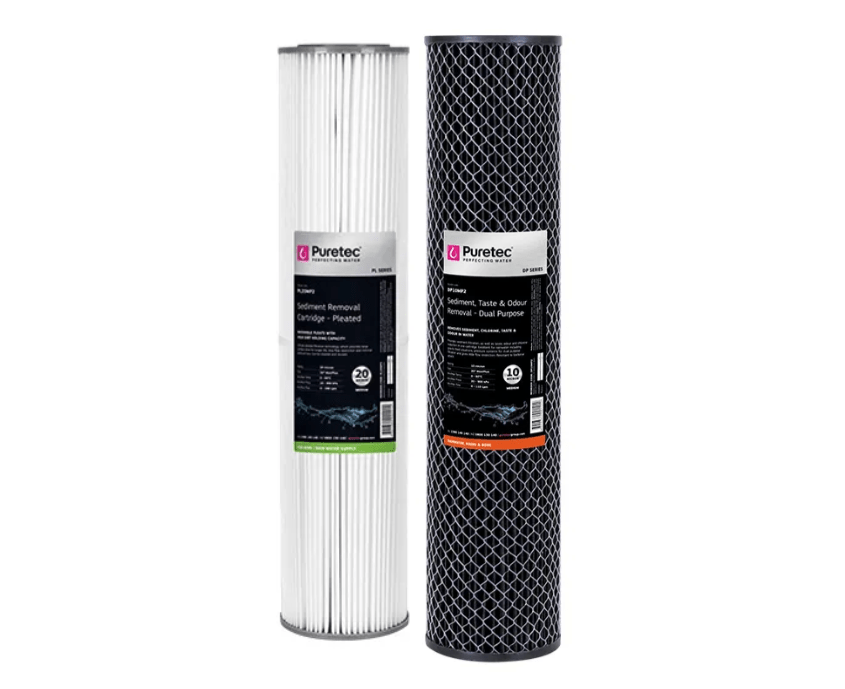
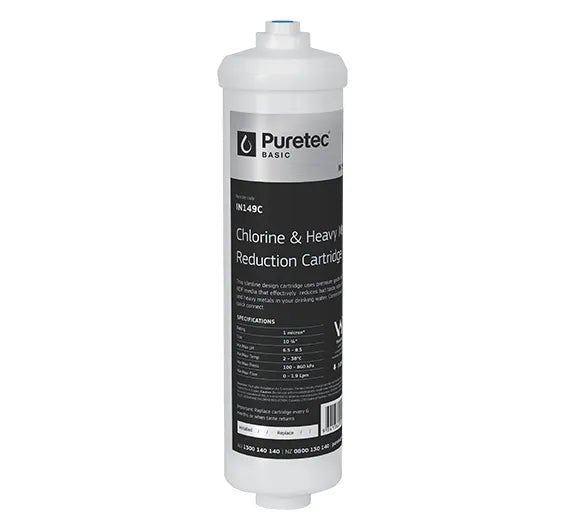
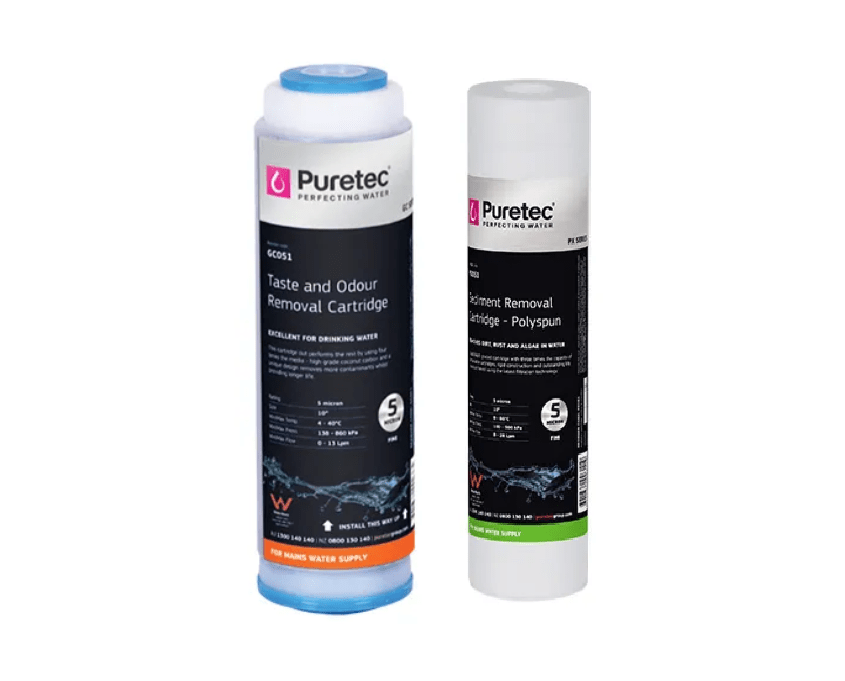
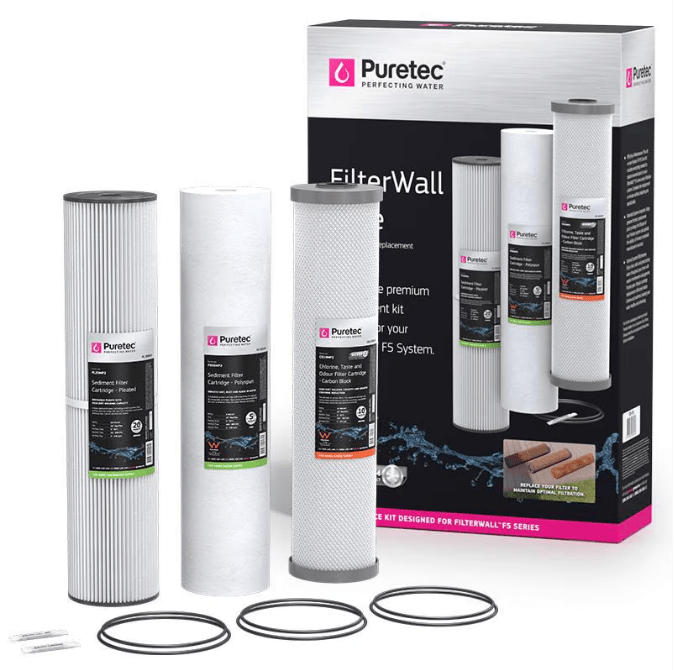
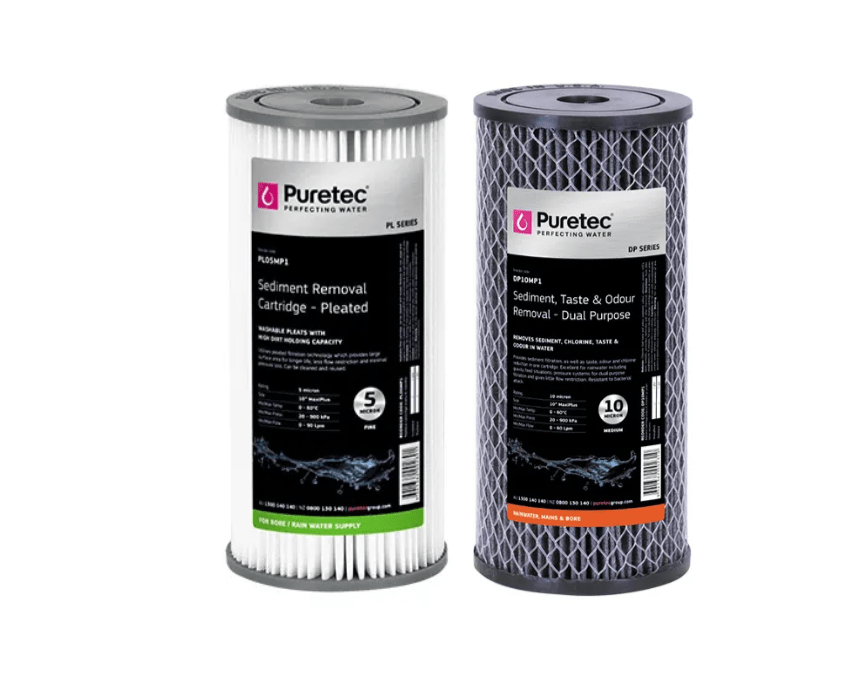
Installed Today also offers selected water filters, whole home water filtration systems and Puretec water filtration systems where filtration is part of the broader water setup.
Do not assume one pump or one filter solves every water issue. Pump and filtration selection should be matched to the water source and intended use.
Davey Pump Installation Requirements
Pump installation requirements depend on the pump type, water source and property setup.
Before ordering supply only, check:
-
Pump location
-
Weather protection
-
Ventilation
-
Noise placement
-
Electrical supply
-
Pipe sizing
-
Isolation valves
-
Non-return valves where required
-
Strainers or filters
-
Tank outlet setup
-
Pump base or mounting
-
Drainage around the pump
-
Access for servicing
-
Local plumbing requirements
-
Whether a licensed plumber or electrician is needed
Pumps involve water pressure, plumbing and electrical safety. Use licensed trades where required.
What Is Not Included in Supply-Only Pump Pricing?
For supply-only pumps, the listed product price generally covers the pump product only.
It does not usually include:
-
Installation labour
-
Plumbing alterations
-
Electrical work
-
New power points
-
Pipework
-
Valves
-
Strainers
-
Filters
-
Non-return valves
-
Pressure tanks
-
Pump covers
-
Concrete bases
-
Weather protection
-
Old pump removal
-
Disposal
-
Fault diagnosis
-
Pressure testing
-
Water testing
-
Compliance upgrades
Always check the product page and confirm site requirements with your licensed installer before ordering.
Davey Pump Maintenance
Pump maintenance helps protect performance and lifespan.
General maintenance may include:
-
Keeping the pump area clean
-
Checking for leaks
-
Keeping ventilation clear
-
Protecting the pump from weather
-
Cleaning strainers where fitted
-
Checking filters where fitted
-
Listening for unusual noise
-
Watching for pressure changes
-
Checking for short cycling
-
Ensuring the pump does not run dry
-
Following manufacturer servicing guidance
If the pump loses pressure, runs constantly, cycles rapidly or makes unusual noise, have it checked before it fails.
Common Davey Pump Problems to Watch For
Pump issues are often caused by setup, water source or maintenance problems rather than the pump brand alone.
Common issues include:
-
Pump not starting
-
Pump running continuously
-
Pump short cycling
-
Low pressure
-
Air in the line
-
Blocked strainer
-
Blocked filter
-
Leaking pipework
-
Dry running
-
Faulty controller
-
Incorrect pump sizing
-
Noisy operation
-
Electrical supply issues
A licensed installer or pump technician should diagnose the cause before replacing parts or ordering a new pump.
Davey vs Other Pump Brands
Davey is one of several pump brands homeowners may compare. The better choice depends on the application, not just the brand name.
When comparing pump brands, check:
-
Flow rate
-
Pressure range
-
Pump curve
-
Duty rating
-
Controller type
-
Dry-run protection
-
Noise level
-
Warranty details
-
Parts availability
-
Water source suitability
-
Installation requirements
-
Electrical requirements
A good pump is the one that suits the task, water source and property setup.
Choosing a Davey Pump for Small Homes
Small homes may need a pump for:
-
Garden watering
-
Rainwater tank use
-
One or two fixtures
-
Low-demand household supply
-
Small pressure boosting applications
Avoid oversizing. A larger pump may not improve performance if the pipework, water source or fixtures do not support the flow.
Choosing a Davey Pump for Family Homes
Family homes may need higher flow and more stable pressure, especially where the pump supplies showers, toilets, laundry or outdoor taps.
Consider:
-
Number of bathrooms
-
Peak fixture use
-
Tank size
-
Pipework
-
Noise location
-
Water pressure requirements
-
Dry-run protection
-
Filtration needs
A family home pump should be selected around real demand, not just a generic household rating.
Choosing a Davey Pump for Large Properties
Large properties may need careful pump planning because of distance, elevation and multiple outlets.
Check:
-
Long pipe runs
-
Elevation changes
-
Irrigation zones
-
Multiple tanks
-
Shed or outbuilding taps
-
Household pressure requirements
-
Power availability
-
Pump location
-
Water source reliability
-
Filtration requirements
A larger property may require more than one pump or a more detailed water system design.
Before Ordering Checklist
Before ordering a Davey pump, confirm:
-
Water source
-
Intended use
-
Required flow rate
-
Required pressure
-
Number of outlets
-
Peak water demand
-
Pipe size
-
Pipe length
-
Height difference
-
Suction lift
-
Tank location
-
Pump location
-
Electrical supply
-
Weather protection
-
Noise placement
-
Whether filters or strainers are needed
-
Whether dry-run protection is required
-
Whether pressure boosting is allowed and suitable
-
Whether a licensed plumber or electrician is needed
-
Installer confirmation before buying supply only
Frequently Asked Questions
Are Davey pumps good?
Davey pumps are a recognised pump brand and can be a good option when matched correctly to the application. The right pump depends on water source, flow rate, pressure requirements, pipework and intended use.
What are Davey pumps used for?
Davey pumps are commonly used for rainwater tanks, household water supply, garden watering, turf watering, pressure boosting and clean water transfer, depending on the model and setup.
What Davey pump do I need for a rainwater tank?
The right rainwater pump depends on whether the tank supplies a garden tap, irrigation, toilet, laundry or whole-house water. Flow rate, pressure, pipework, tank location and electrical supply all matter.
Can a Davey pump improve low water pressure?
A pressure pump may help in some situations, but the cause of poor pressure should be diagnosed first. Low pressure can be caused by valves, blocked filters, leaks, pipework or supply issues.
What size Davey pump do I need?
Pump size depends on required flow rate, pressure, number of outlets, pipe length, height difference, water source and intended use. Your installer should confirm the correct size before ordering.
Can I install a Davey pump myself?
Pumps involve plumbing, water pressure and electrical safety. Use licensed trades where required, especially for household supply, mains boosting or electrical work.
Do Davey pumps need maintenance?
Yes. Keep the pump area clean, protect the pump from weather, check filters and strainers, watch for leaks or pressure changes, and follow the manufacturer’s maintenance guidance.
Can I use a Davey pump for irrigation?
A Davey pump may suit irrigation where it is sized correctly for the sprinkler zones, flow rate, pressure and pipework. Irrigation demand should be checked before ordering.
What is not included in supply-only Davey pump pricing?
Supply-only pricing generally excludes installation, plumbing alterations, electrical work, valves, strainers, filters, pump covers, pressure tanks, old pump removal, diagnosis and compliance upgrades unless selected or clearly shown.
Final Word
Davey pumps can be a strong choice for rainwater tanks, household water supply, garden watering and pressure applications when the pump is matched correctly to the property. The most important step is understanding what the pump needs to do before choosing a model.
Do not choose a pump by brand, horsepower or price alone. Check the water source, flow rate, pressure, pipework, height difference, electrical supply, filtration needs and site conditions first.
If ordering supply only through Installed Today, confirm the pump choice with your licensed installer before buying. The right Davey pump should suit the water source, intended use and property setup before it arrives.