
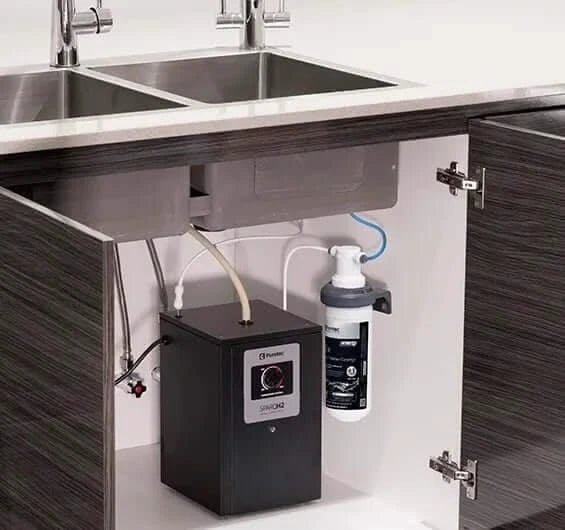
Filtered Water Filter System: How to Choose the Right Water Filter for Your Home
A filtered water filter system can improve the taste, smell and quality of the water your household uses every day. Whether you want better drinking water from the kitchen tap, filtered water for cooking, a shower filter, reverse osmosis, UV treatment or whole home filtration, the right system depends on your water source and the issue you are trying to fix.
Not every water filter removes the same things. Activated carbon, sediment filtration, reverse osmosis, UV treatment, shower filters and whole home water filtration all do different jobs. The best filtered water system is the one matched to your water quality, pressure, flow rate, household usage and maintenance expectations.
Installed Today lets customers compare water filters, drinking water filtration systems, kitchen water filter systems, reverse osmosis, UV water filter systems, shower water filters, whole home water filtration, water filter cartridges and service kits, water quality test kits and 3-way kitchen mixer taps online.
Quick answer: what filtered water filter system do you need?
The right filtered water filter system depends on the water problem.
| Water issue | Filter system to compare |
|---|---|
| Chlorine taste or smell | Carbon drinking water filter or whole home carbon filtration |
| Sediment, dirt or rusty particles | Sediment filter or whole home filtration |
| Kitchen drinking water only | Under-sink or kitchen water filter system |
| Fine drinking water filtration | Reverse osmosis system |
| Water for taps, showers and appliances | Whole home water filtration |
| Tank or bore water microbiological concern | UV system with suitable pre-filtration |
| Hard water scale | Softener, conditioner or scale-control system where suitable |
| Shower chlorine smell | Shower water filter or whole home water filter |
| Filtered kitchen tap setup | 3-way kitchen mixer with compatible filtration |
A filtered water system should be chosen based on what is actually in the water, not just the strongest marketing claim.
What is a filtered water filter system?
A filtered water filter system is any water filtration setup designed to reduce selected impurities before water reaches a tap, shower, appliance or whole home supply.
Depending on the system, it may help reduce:
-
Chlorine taste
-
Chlorine smell
-
Sediment
-
Rust particles
-
Dirt and grit
-
Some odours
-
Some selected chemicals
-
Some dissolved solids where reverse osmosis is used
-
Microbiological risk where UV is correctly used
-
Scale where hardness-specific treatment is installed
The exact result depends on the filter type, cartridge rating, flow rate, water pressure, water source and maintenance.
Why filtered water matters
Water can look clear but still have taste, smell or quality issues.
Common reasons homeowners compare filtered water systems include:
-
Tap water tastes like chlorine
-
Water smells unpleasant
-
Tea or coffee tastes off
-
Glassware has marks
-
Kettles scale up quickly
-
Shower water smells heavily treated
-
Sediment appears in tap water
-
Tank water needs treatment
-
Bore water has staining or odour
-
The household wants to reduce bottled water use
-
Appliances need better incoming water quality
For many town water homes, filtration is mainly about taste, smell and sediment reduction. For tank water or bore water, testing is more important because the water may need more targeted treatment.
How filtered water systems work
Water filters work by passing water through one or more stages. Each stage targets a different issue.
Common stages include:
-
Sediment filtration
-
Activated carbon filtration
-
Reverse osmosis membrane filtration
-
UV treatment
-
Specialist contaminant cartridges
-
Scale-control media
-
Water softening media
-
Post-carbon polishing filters
A simple drinking water system may use one cartridge. A more advanced system may use multiple cartridges, a membrane, a UV lamp or a whole home filter housing.
Activated carbon filtered water systems
Activated carbon filters are commonly used to improve taste and reduce chlorine taste and odour.
They may help with:
-
Chlorine taste
-
Chlorine smell
-
Organic taste issues
-
Some odours
-
Better drinking water flavour
-
Better coffee and tea taste
-
General town water improvement
Activated carbon is commonly used in under-sink filters, whole home filters, fridge filters, benchtop filters and cartridge systems.
For treated town water where taste and smell are the main concerns, carbon filtration is often a practical starting point.
Sediment filtered water systems
Sediment filters reduce particles in water.
They may help with:
-
Dirt
-
Sand
-
Grit
-
Rust particles
-
Fine sediment
-
Tank debris
-
Pipework particles
-
Particles after mains work
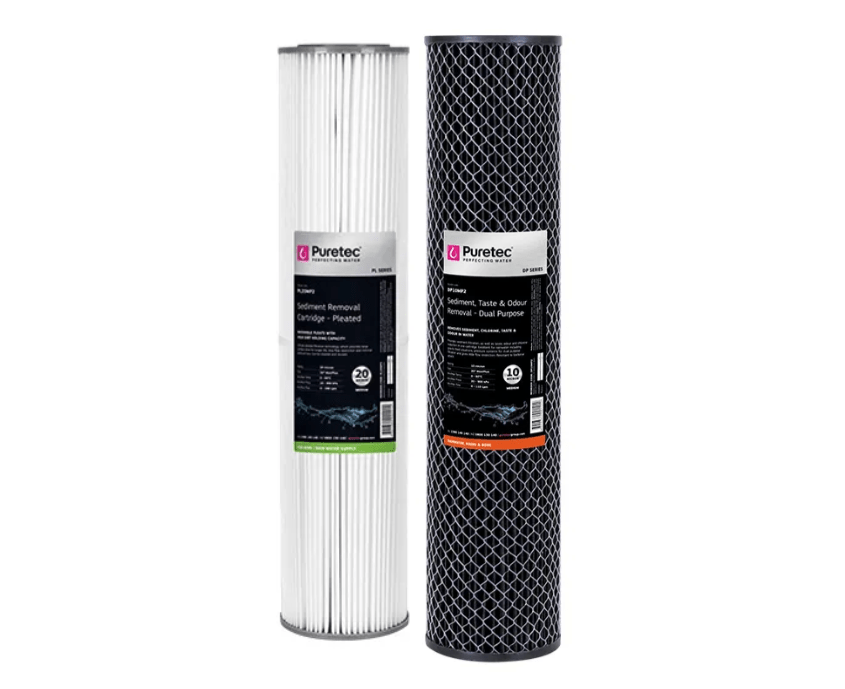
Sediment filters are often used before carbon filters, reverse osmosis systems or UV systems because they help protect the later stages from clogging too quickly.
A sediment filter does not usually remove chlorine, dissolved chemicals, hardness minerals or bacteria by itself.
Reverse osmosis filtered water systems
Reverse osmosis, often called RO, is a finer drinking water filtration method.
RO systems use a semipermeable membrane to reduce dissolved solids and selected contaminants. They are commonly installed under the kitchen sink with a dedicated filtered drinking water tap.
Reverse osmosis may suit homes that want:
-
Fine drinking water filtration
-
Reduced dissolved solids
-
Filtered water for drinking and cooking
-
Better water for coffee and tea
-
A dedicated filtered water tap
-
Less reliance on bottled water
-
Filtration for selected tested contaminants
RO systems need regular cartridge and membrane replacement. They also produce wastewater as part of the filtration process.
Compare options in the reverse osmosis collection.
UV filtered water systems
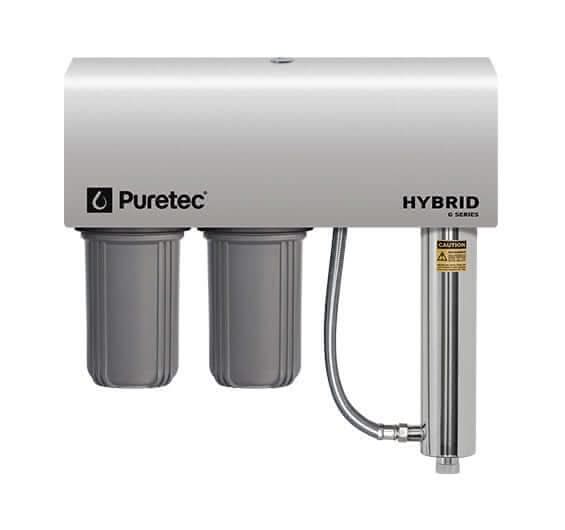
UV treatment uses ultraviolet light to help treat microbiological risk in suitable water setups.
UV may be relevant for:
-
Rainwater tank homes
-
Bore water homes
-
Untreated water supplies
-
Properties with microbiological test concerns
-
Homes needing an additional treatment step after sediment filtration
UV does not remove sediment, chlorine, heavy metals, dissolved solids, hardness or chemicals. It works best when water is already clear and properly pre-filtered.
Compare options in the UV water filter systems collection.
Whole home filtered water systems
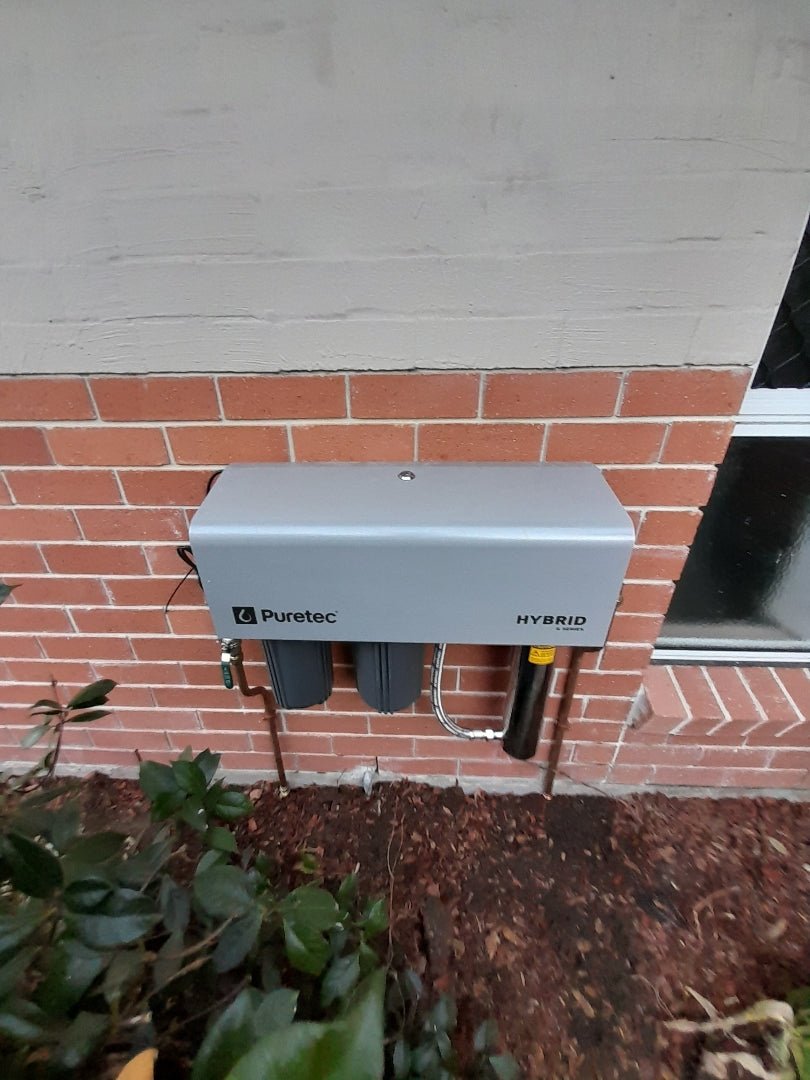
A whole home water filter treats water as it enters the property, before it reaches taps, showers, laundry and appliances.
Whole home filtration may suit homes that want:
-
Filtered water at multiple taps
-
Reduced chlorine smell in showers
-
Less sediment entering appliances
-
Better general water quality
-
A whole-house solution
-
Filtration before appliances
-
Cleaner water for bathrooms and laundry
A whole home filter can be a strong option when the issue affects more than just drinking water.
Compare options in the whole home water filtration collection.
What whole home filters may not do
A standard whole home water filter does not automatically remove everything.
Depending on the cartridges and media, it may not fully remove:
-
Fluoride
-
PFAS
-
Bacteria
-
Viruses
-
Hardness minerals
-
Salts
-
Iron
-
Manganese
-
Heavy metals
-
All chemicals
-
All dissolved solids
If you have a specific contaminant concern, use water testing and choose a filter designed for that issue.
Kitchen filtered water systems
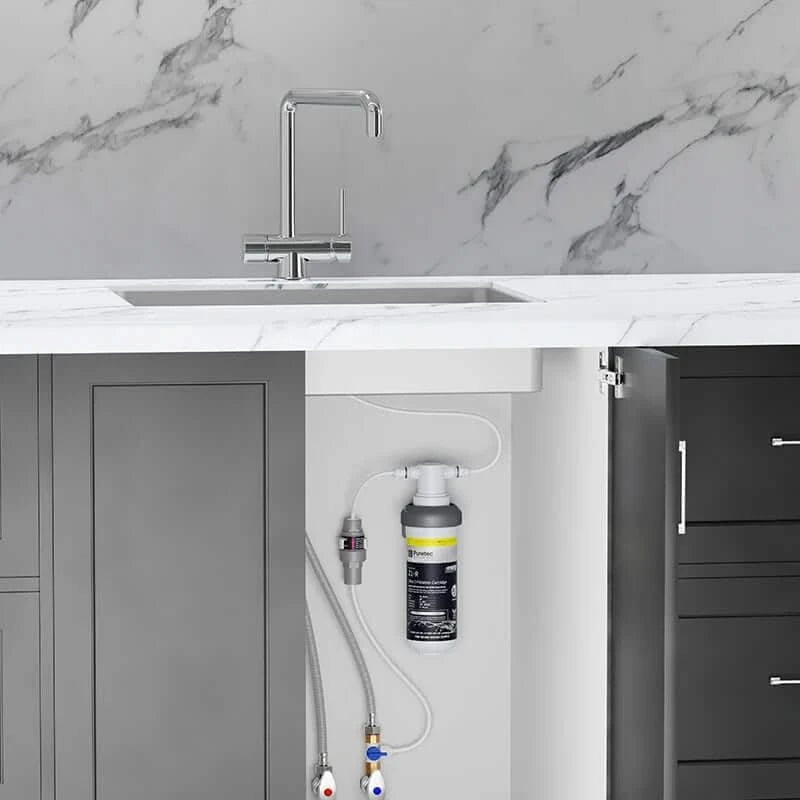
A kitchen filtered water system treats water at the kitchen sink. It is usually installed inside the cupboard and connected to a dedicated filtered water tap or compatible mixer.
Kitchen filters may suit homes that want:
-
Better drinking water
-
Filtered cooking water
-
Cleaner coffee and tea taste
-
A hidden system
-
No countertop clutter
-
A more permanent kitchen filter
-
Less reliance on bottled water
Compare options in the kitchen water filter systems collection.
Drinking water filtration systems
Drinking water filtration systems are designed for everyday drinking and cooking water.
They may suit:
-
Families filling drink bottles
-
Homes wanting better-tasting tap water
-
Coffee and tea drinkers
-
Customers reducing bottled water use
-
Kitchen renovation projects
-
Rental properties
-
Airbnb and short-stay properties
-
Homes wanting a dedicated filtered water outlet
Compare options in the drinking water filtration systems collection.
3-way kitchen mixer taps for filtered water
A 3-way kitchen mixer tap can provide hot, cold and filtered water from one tap body when connected to a compatible filter system.
This can suit kitchens where you want:
-
A cleaner sink layout
-
No separate small filter tap
-
Filtered drinking water from the main mixer area
-
Hot, cold and filtered water from one tap
-
A more streamlined renovation finish
-
A compatible under-sink filter setup
The tap itself does not filter the water. It needs to be connected to a compatible under-sink drinking water filter, reverse osmosis system or kitchen filtration setup.
Compare options in the 3-way kitchen mixer taps collection.
Shower filtered water systems
A shower filter treats water at one shower outlet.
It may suit homes where the main concern is:
-
Chlorine smell in the shower
-
Shower water feel
-
Sediment at the shower
-
Strong treated-water smell
-
Water quality affecting bathroom fixtures
A shower filter is not the same as a whole home filter. It will not treat kitchen drinking water, laundry water, appliances or every tap in the home.
Compare options in the shower water filters collection.
Filtered water for drinking
If your main goal is better drinking water, an under-sink or kitchen filtration system is usually the first option to compare.
Depending on your water issue, you may choose:
-
Carbon under-sink filter for chlorine taste and smell
-
Sediment plus carbon filter for particles and taste
-
Reverse osmosis for finer drinking water filtration
-
UV with pre-filtration for tank or bore water microbiological concerns
-
Remineralisation cartridge for taste after RO
-
3-way kitchen mixer for a cleaner tap setup
The right system depends on the water source and test results.
Filtered water for cooking
Filtered water can improve everyday cooking and drinks.
It may be useful for:
-
Coffee
-
Tea
-
Ice
-
Soups
-
Rice
-
Pasta
-
Vegetables
-
Baking
-
Sauces
-
Drinking water bottles
-
Pet water bowls
If chlorine taste is the main issue, carbon filtration is often enough. If dissolved solids or specific contaminants are the concern, reverse osmosis may be worth comparing.
Filtered water for appliances
Water quality can affect appliances over time.
Appliances that may benefit from suitable filtration include:
-
Coffee machines
-
Kettles
-
Dishwashers
-
Washing machines
-
Ice machines
-
Boiling water taps
-
Steam ovens
-
Fridges with water dispensers
The right filter depends on the issue. Sediment filtration helps with particles. Carbon helps with taste and odour. Hardness treatment may be needed for scale. Reverse osmosis may suit specific drinking water or appliance applications.
Filtered water for town water
Town water is treated before it reaches the property, but many homes still filter it for taste, smell and sediment.
Town water concerns may include:
-
Chlorine taste
-
Chlorine smell
-
Pipe sediment
-
Rust particles
-
Metallic taste
-
Hard water scale
-
Shower odour
-
Drinking water taste
For many town water homes, activated carbon filtration is a practical first option.
Filtered water for rainwater tanks
Rainwater tank water should be tested before choosing a drinking water system.
Tank water may contain:
-
Sediment
-
Leaf debris
-
Organic matter
-
Roof debris
-
Colour
-
Odour
-
Microbiological risk
-
Low pH
-
Metals from roofing or pipework
A tank water system may require sediment filtration, carbon filtration and UV treatment depending on the water test result.
Filtered water for bore water
Bore water can be more complex than town water and should be tested before selecting a filter.
Bore water may contain:
-
Hardness minerals
-
Iron
-
Manganese
-
Salts
-
Sediment
-
Odour
-
Metals
-
pH issues
-
Microbiological risk
A standard filtered water system may not be suitable for bore water unless it is matched to the actual test results.
Water quality testing before choosing a filter
Testing helps you choose the right filter instead of guessing.
A water test may help identify:
-
Hardness
-
Chlorine
-
Sediment
-
Metals
-
pH
-
Salts
-
Iron
-
Manganese
-
Microbiological risk
-
Other water quality concerns
If you are not sure what is in your water, start with a water quality test kit or arrange suitable water testing before choosing a system.
Filtered water and hard water
Hard water is usually caused by calcium and magnesium minerals.
Signs of hard water include:
-
White scale on taps
-
Cloudy shower screens
-
Scale inside kettles
-
Poor soap lather
-
Marks on black tapware
-
Appliance scale
-
Scale concerns around water-using appliances
A standard carbon filter may improve taste but will not usually soften hard water.
For hard water, compare:
-
Water softeners
-
Scale-control systems
-
Water conditioners
-
Whole home hardness treatment
-
Reverse osmosis for drinking water only
A kitchen RO system may reduce hardness minerals at one tap, but it will not protect the entire home from scale.
Filtered water system costs
Filtered water system costs depend on the type of system, number of cartridges, installation needs and maintenance requirements.
Cost factors include:
-
Under-sink vs whole home
-
Single-stage vs multi-stage
-
Carbon vs RO vs UV
-
Cartridge size
-
Flow rate
-
Water pressure
-
Plumbing requirements
-
Drain connection for RO
-
Power point for UV or some RO systems
-
Replacement cartridge cost
-
Installation requirements
-
Supply-only or supplied-and-installed where available
The cheapest filter may not be the best value if it has poor flow, short cartridge life or does not target the right issue.
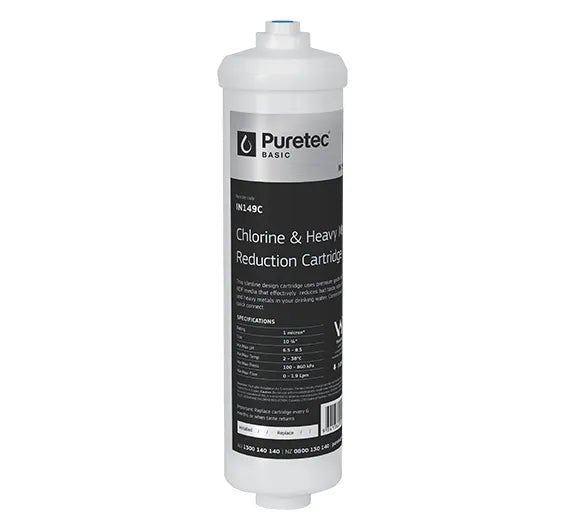
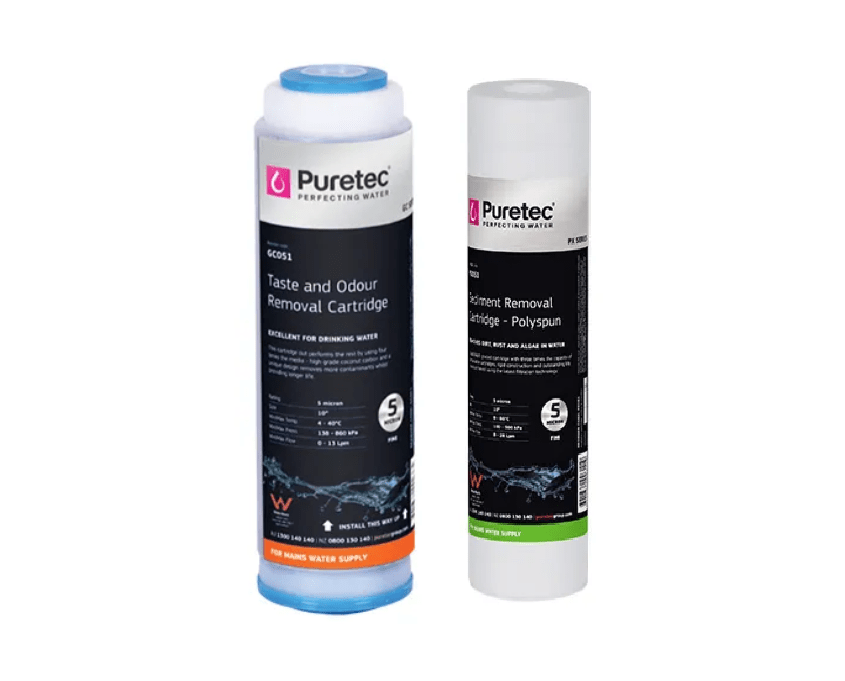
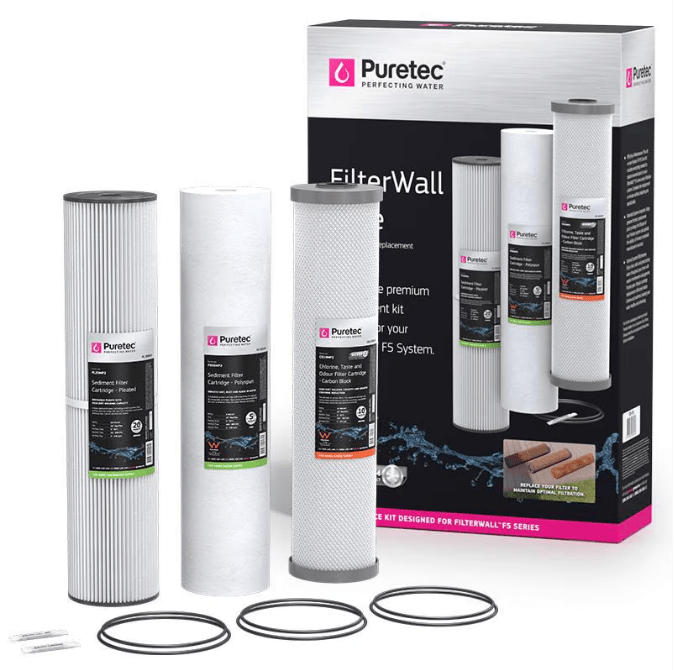
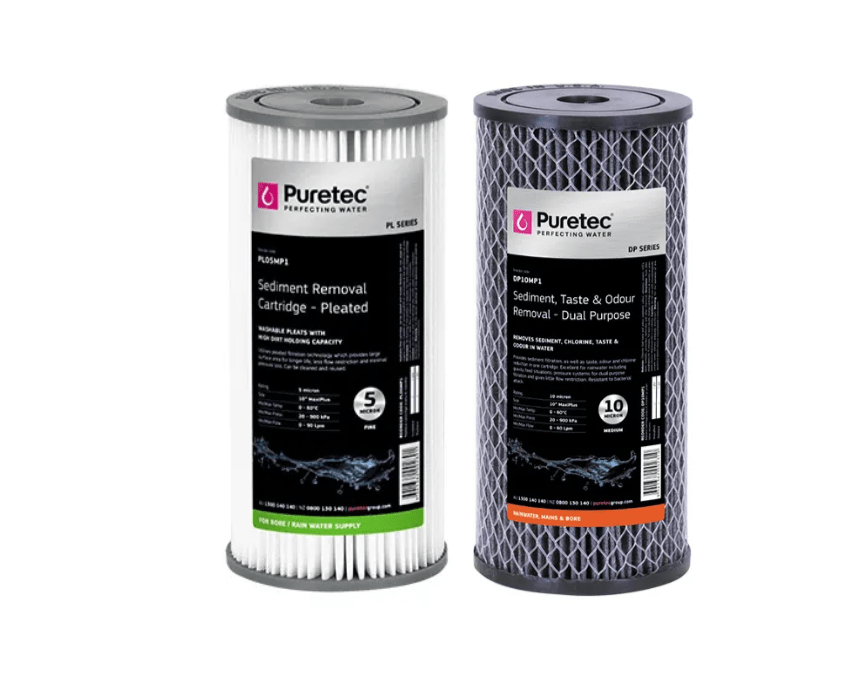
Water filter cartridges and service kits
Every filter system needs maintenance.
Depending on your system, maintenance may include:
-
Sediment cartridge replacement
-
Carbon cartridge replacement
-
RO membrane replacement
-
UV lamp replacement
-
Service kit replacement
-
O-ring checks
-
Leak checks
-
Pressure checks
-
System sanitising where required
Compare replacement parts in the water filter cartridges and service kits collection.
How often do water filters need replacing?
Replacement timing depends on:
-
Water source
-
Household usage
-
Sediment level
-
Chlorine level
-
Cartridge capacity
-
Number of filter stages
-
Flow rate
-
Water pressure
-
Manufacturer instructions
Some cartridges may need replacement every few months. Others may last longer. Always follow the product’s maintenance schedule.
Can a filtered water system reduce bottled water use?
Yes, a properly selected filtered water system can reduce reliance on bottled water for many households.
Benefits may include:
-
Less plastic waste
-
Lower bottled water purchases
-
Filtered water on demand
-
Easier drink bottle filling
-
Less storage space
-
Better water for cooking and drinks
-
More convenience at home
The actual saving depends on the system cost, cartridge cost and how much bottled water the household currently buys.
Filtered water systems for families
Family homes often need a reliable system with good flow and cartridge capacity.
Families may benefit from:
-
Kitchen drinking water filters
-
Whole home chlorine and sediment reduction
-
Larger cartridges
-
Easy replacement schedules
-
Filtered water for school bottles
-
Filtered cooking water
-
Better shower water
-
Appliance protection where suitable
A small filter with low capacity may not suit a busy family kitchen.
Filtered water systems for rental properties
Rental properties need simple and reliable filter systems.
For rentals, consider:
-
Who replaces cartridges
-
Cartridge cost
-
Tenant instructions
-
Easy access
-
Leak protection
-
Filter tap labelling
-
Replacement cartridge availability
-
Property manager responsibilities
A filter that is not maintained can lose performance, so the maintenance plan should be clear.
Filtered water systems for Airbnb and short-stay homes
Filtered water can improve the guest experience in short-stay accommodation.
Short-stay homes may benefit from:
-
Better-tasting kitchen water
-
Less bottled water for guests
-
Filtered coffee and tea water
-
A premium kitchen feature
-
Clear filtered tap labelling
-
Simple guest use
-
Easy maintenance access
For short-stay properties, reliability and simplicity are more important than a complex system guests do not understand.
Installation considerations
Filtered water system installation depends on the product and home setup.
Before ordering, check:
-
Water source
-
Water pressure
-
Flow rate
-
Under-sink space
-
Whole home filter location
-
Tap hole availability
-
Drain connection if RO is used
-
Power point if UV or pump systems are used
-
Cartridge access
-
Weather protection
-
Pipe size
-
Installer requirements
Plumbing work should be completed by a licensed professional where required.
Can you install a filtered water system yourself?
Some benchtop and basic systems are marketed as DIY-friendly, but under-sink, whole home, RO and UV systems may involve plumbing, drainage, electrical or pressure requirements.
Incorrect installation can cause:
-
Leaks
-
Water damage
-
Poor filtration
-
Low flow
-
Pressure issues
-
Cartridge bypass
-
Non-compliant plumbing
-
Warranty problems
If unsure, use a licensed installer.
Supply only vs supplied and installed
Installed Today offers supply-only water filter ordering across major Australian metro areas for customers who already have their own licensed installer arranged. Supplied-and-installed options are available on selected products in eligible Brisbane and Gold Coast service areas where shown.
Supply-only product pricing generally does not include installation, plumbing work, electrical work, drain connection, cartridge setup, old filter removal, disposal or compliance upgrades unless those items are clearly selected or included.
For filtered water systems, confirm the system type, cartridge requirements, flow rate, pressure suitability and installation location with your licensed installer before ordering.
Common mistake: assuming all filters remove bacteria
Not every water filter treats bacteria or viruses.
For tank water, bore water or untreated water, test first and use a suitable treatment setup. UV may be part of the solution where water is properly pre-filtered and the system is correctly installed.
Common mistake: assuming all filters remove heavy metals
Some filters can reduce selected metals, but not all cartridges are designed for this. If lead, arsenic, mercury or other metals are a concern, test the water and choose a system specifically rated for the contaminant.
Common mistake: assuming whole home filtration softens water
Whole home filtration and water softening are not always the same.
If your issue is hard water scale, you may need a softener, conditioner or scale-control system rather than a standard sediment and carbon whole home filter.
Common mistake: buying RO when carbon is enough
Reverse osmosis is useful for finer drinking water filtration, but it is not always needed.
If your main issue is chlorine taste and odour, activated carbon filtration may be simpler and easier to maintain.
Common mistake: forgetting cartridge replacement
A filtered water system only works properly when cartridges are replaced on time.
Before buying, check ongoing costs and maintenance requirements, not just the upfront system price.
Common mistake: using a kitchen filter for a whole house problem
An under-sink or kitchen filter only treats one kitchen tap. It will not filter showers, bathrooms, laundry, outdoor taps or appliances.
If the issue affects the whole home, compare whole home filtration.
Final recommendation
A filtered water filter system can improve drinking water taste, reduce chlorine smell, help with sediment, support better cooking water and reduce reliance on bottled water. The right system depends on whether you need kitchen drinking water, whole home filtration, reverse osmosis, UV treatment, shower filtration or hardness-specific treatment.
For town water taste and smell, activated carbon is often the best starting point. For visible particles, sediment filtration matters. For fine drinking water filtration, compare reverse osmosis. For tank or bore water, test first and consider suitable pre-filtration and UV where needed. For hard water scale, compare softening or scale-control options.
To compare suitable options, browse the water filters collection.
Long-tail FAQs
What is a filtered water filter system?
A filtered water filter system is a filtration setup designed to reduce selected impurities, taste, odour or particles from water before it reaches a tap, shower, appliance or whole home supply.
What is the best filtered water system for home use?
The best system depends on your water source and issue. Carbon filters suit chlorine taste, sediment filters suit particles, reverse osmosis suits finer drinking water filtration, and whole home filters suit multiple taps and showers.
Does a filtered water system remove chlorine?
Activated carbon filters are commonly used to reduce chlorine taste and smell from treated town water.
Does a filtered water system remove bacteria?
Not all filters remove or treat bacteria. UV treatment may be used for microbiological risk where water is properly pre-filtered and the setup is suitable.
Does a filtered water system remove heavy metals?
Some filters can reduce selected heavy metals, but not all. If heavy metals are a concern, test your water and choose a system specifically rated for the contaminant.
Is filtered water better than bottled water?
For many homes, a properly maintained filtered water system is more convenient and can reduce reliance on bottled water. It may also reduce plastic waste.
Is reverse osmosis better than a standard water filter?
Reverse osmosis offers finer drinking water filtration, but it requires more maintenance and produces wastewater. A standard carbon filter may be enough for chlorine taste and odour.
Do I need whole home filtration or kitchen filtration?
Choose kitchen filtration if you mainly want filtered drinking water. Choose whole home filtration if you want filtered water at multiple taps, showers and appliances.
How often should filtered water cartridges be replaced?
Replacement timing depends on water quality, usage, cartridge type and manufacturer instructions. Some cartridges need replacement every few months, while others last longer.
Should I test my water before buying a filter?
Yes, especially for tank water, bore water, hard water, staining, odour, bacteria concerns or specific contaminant concerns. Testing helps you choose the right system.