
Home Water Filter System: Why It Matters and How to Choose the Right One
A home water filter system can improve the taste, smell and quality of the water your household uses every day. Whether you want better drinking water at the kitchen tap, cleaner water for cooking, or filtered water throughout the whole home, the right system depends on your water source and the issue you are trying to solve.
Not every filter removes the same contaminants. Some filters are designed mainly for chlorine taste and odour. Others target sediment, dissolved solids, heavy metals, microbiological risk, scale, or whole home water quality. That is why the best home water filter system is not always the most expensive one. It is the one matched to your water.
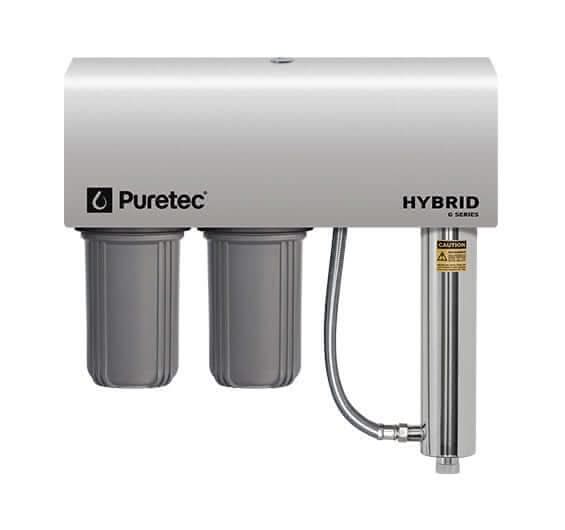
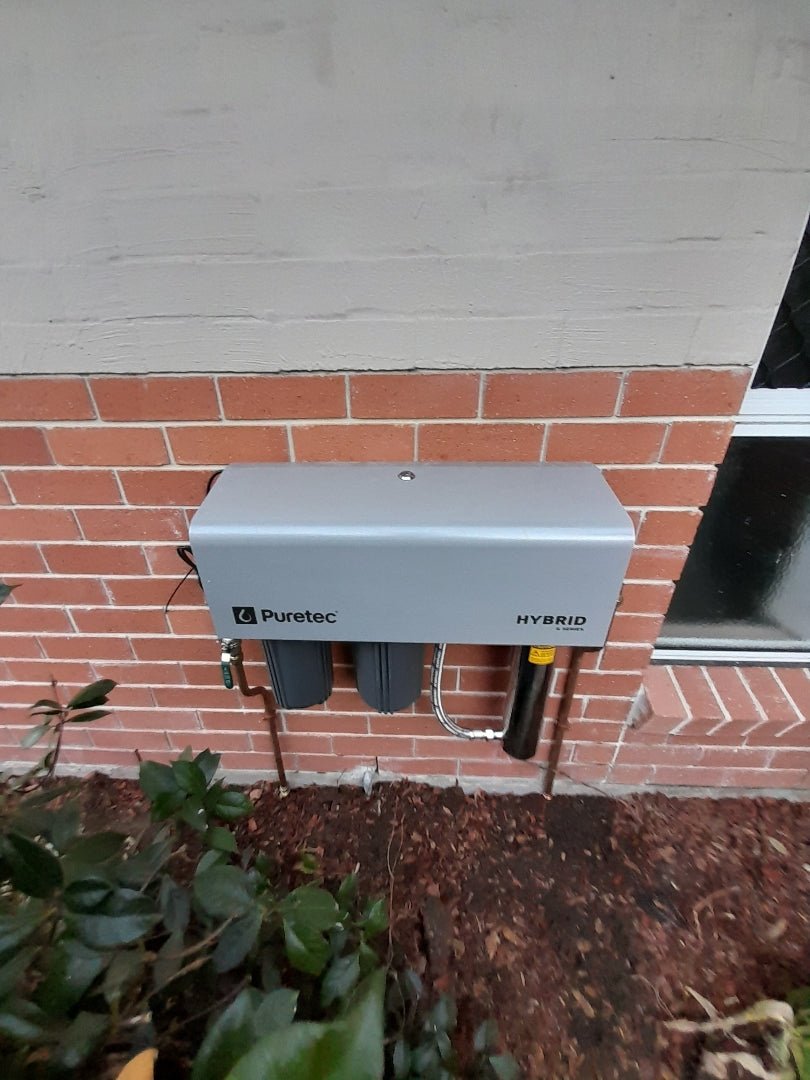
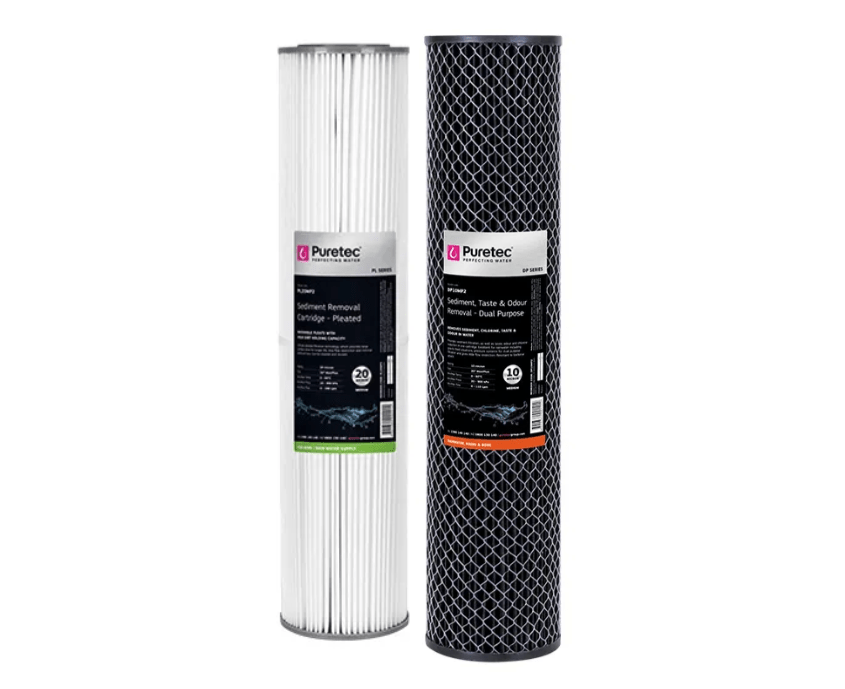
Installed Today supplies a range of water filter systems for customers comparing under-sink filters, whole home filtration, reverse osmosis systems, drinking water filters and cartridge replacement options online.
Quick answer: do you need a home water filter system?
A home water filter system is worth considering if your water has a chlorine taste, unpleasant smell, visible sediment, staining, hard water scale, tank water concerns, bore water issues or poor drinking water taste.
The right system depends on the problem:
| Water concern | Filter system to compare |
|---|---|
| Chlorine taste or smell | Activated carbon filter |
| Sediment or rusty particles | Sediment filter |
| Kitchen drinking water only | Under-sink water filter |
| Fine drinking water filtration | Reverse osmosis system |
| Water for every tap and shower | Whole home water filter |
| Tank or bore water microbiological risk | UV system with suitable pre-filtration |
| Hard water scale | Water softener, conditioner or scale-control system |
| Shower chlorine smell | Shower filter or whole home carbon filter |
| Appliance protection | Whole home filtration or hardness-specific treatment depending on issue |
A filter should be chosen around your water source, water test results, pressure, flow rate and maintenance expectations.
Why home water filtration matters
Water can look clear but still have taste, smell or quality issues.
Common household water concerns include:
-
Chlorine taste
-
Chlorine smell
-
Sediment
-
Rust particles
-
Cloudiness
-
Metallic taste
-
Hard water scale
-
Staining
-
Tank water debris
-
Bore water minerals
-
Odour
-
Appliance build-up
-
Shower water irritation
-
Drinking water quality concerns
For many town water homes, filtration is mainly about taste, odour and sediment reduction. For tank water or bore water, filtration can be more complex and should usually start with water testing.
How home water filters work
Water filters work by passing water through one or more filter stages. Each stage targets a different type of issue.
Common filtration stages include:
-
Sediment filtration
-
Activated carbon filtration
-
Reverse osmosis membrane filtration
-
UV treatment
-
Specialist media for selected contaminants
-
Scale-control or softening media
-
Post-carbon polishing filters
The performance depends on the cartridge type, filter size, water quality, flow rate, pressure and maintenance.
Activated carbon water filters
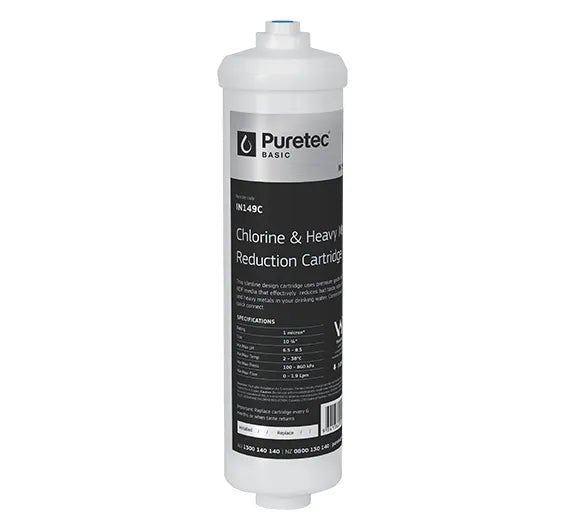
Activated carbon filters are commonly used to improve drinking water taste and reduce chlorine taste and odour.
They may help with:
-
Chlorine taste
-
Chlorine smell
-
Organic taste issues
-
Some odours
-
General drinking water improvement
-
Better coffee and tea flavour
Activated carbon filters are common in under-sink filters, whole home filters, fridge filters and benchtop filters.
They are a strong starting point for treated town water where the main concern is taste and smell.
Sediment water filters
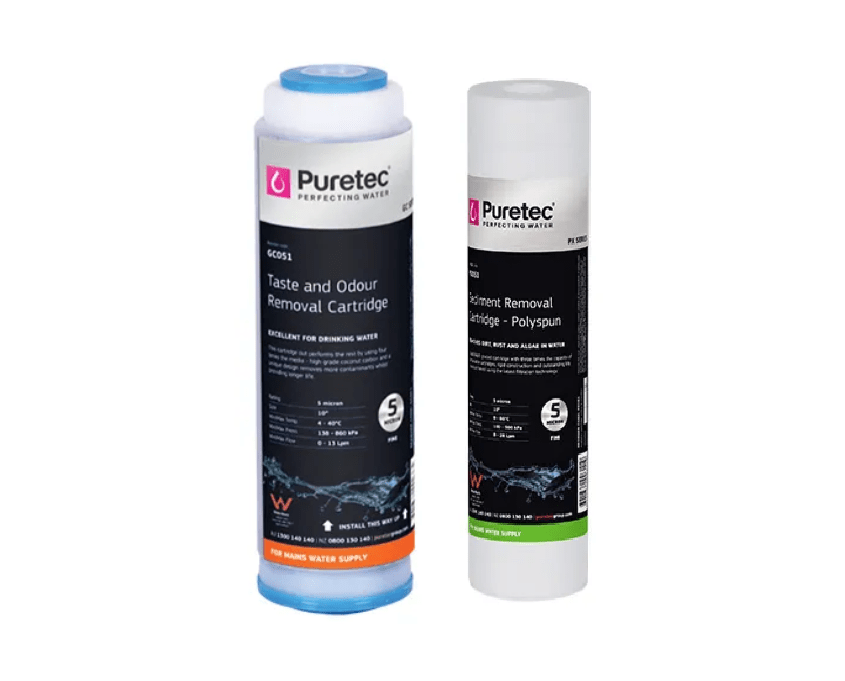
Sediment filters reduce particles in water.
They may help with:
-
Dirt
-
Sand
-
Grit
-
Rust particles
-
Pipe sediment
-
Tank debris
-
Fine suspended particles
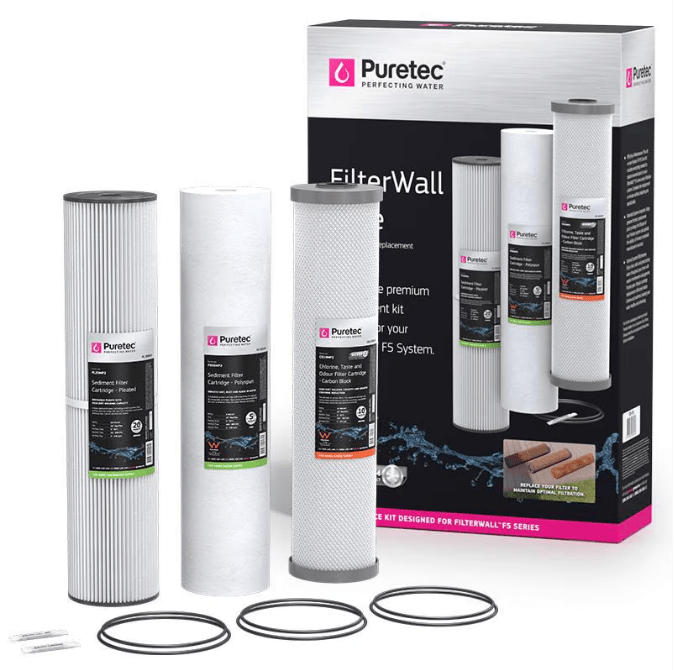
Sediment filtration is often used as the first stage in a filtration system because it protects later cartridges from clogging too quickly.
Sediment filters do not usually remove chlorine taste, dissolved solids, hardness minerals or bacteria by themselves.
Reverse osmosis water filters
Reverse osmosis, often called RO, is a more advanced drinking water filtration option.
RO systems use a semipermeable membrane to reduce dissolved solids and selected contaminants. They are usually installed under the kitchen sink with a dedicated drinking water tap.
Reverse osmosis may suit homes that want:
-
Fine drinking water filtration
-
Reduced dissolved solids
-
Improved drinking water taste
-
A dedicated filtered kitchen tap
-
Filtration for selected tested contaminants
-
Less reliance on bottled water
RO systems need regular cartridge and membrane maintenance. They also produce wastewater as part of the filtration process.
UV water purification
UV water treatment uses ultraviolet light to help treat microbiological risk in suitable water setups.
UV may be relevant for:
-
Rainwater tank homes
-
Bore water systems
-
Untreated water supplies
-
Properties with microbiological test concerns
-
Filtration systems that already have good sediment pre-filtration
UV does not remove sediment, chlorine, dissolved solids, hardness minerals, heavy metals or chemicals. It works best when water is already clear and correctly pre-filtered.
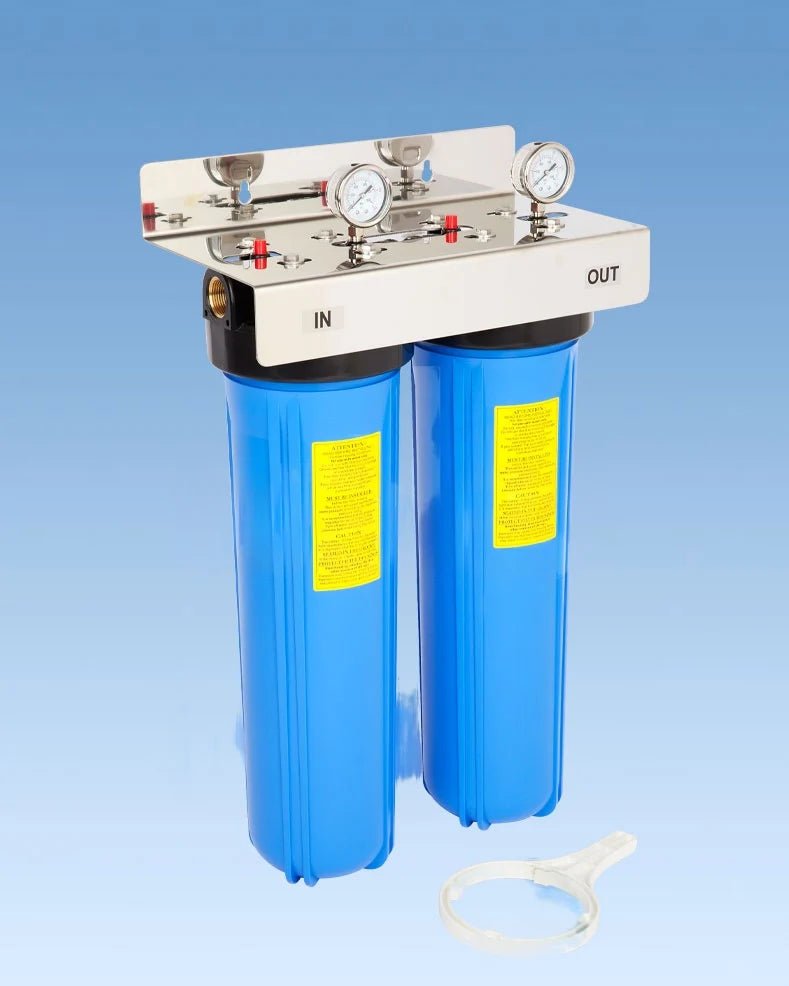
Whole home water filter systems
A whole home water filter treats water as it enters the property, before it reaches taps, showers, appliances and hot water systems.
Whole home filtration may suit homes that want:
-
Filtered water at multiple taps
-
Reduced chlorine smell in showers
-
Less sediment entering appliances
-
Better general water quality
-
Protection for fixtures and fittings
-
Cleaner water for bathrooms and laundry
-
A whole-house solution instead of kitchen-only filtration
A whole home filter can be a good option when the water issue affects more than just drinking water.
What whole home filters may not remove
A standard whole home sediment and carbon filter does not automatically remove everything.
Depending on the system, it may not fully remove:
-
Hardness minerals
-
Fluoride
-
PFAS
-
Bacteria
-
Viruses
-
Salts
-
Iron
-
Manganese
-
Heavy metals
-
All chemicals
-
All dissolved solids
If you have a specific contaminant concern, start with testing and choose a system rated for that issue.
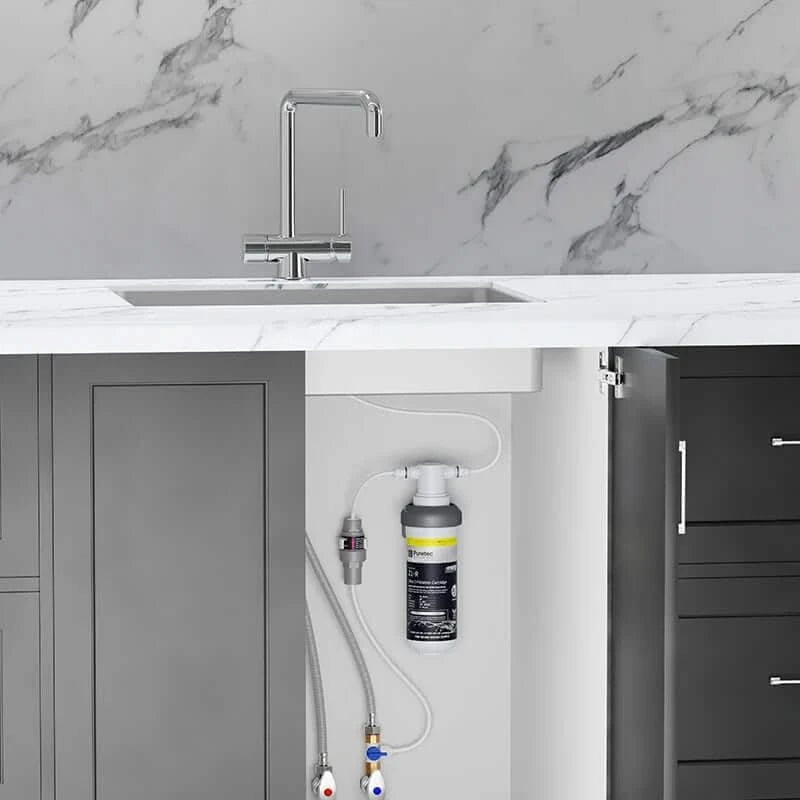
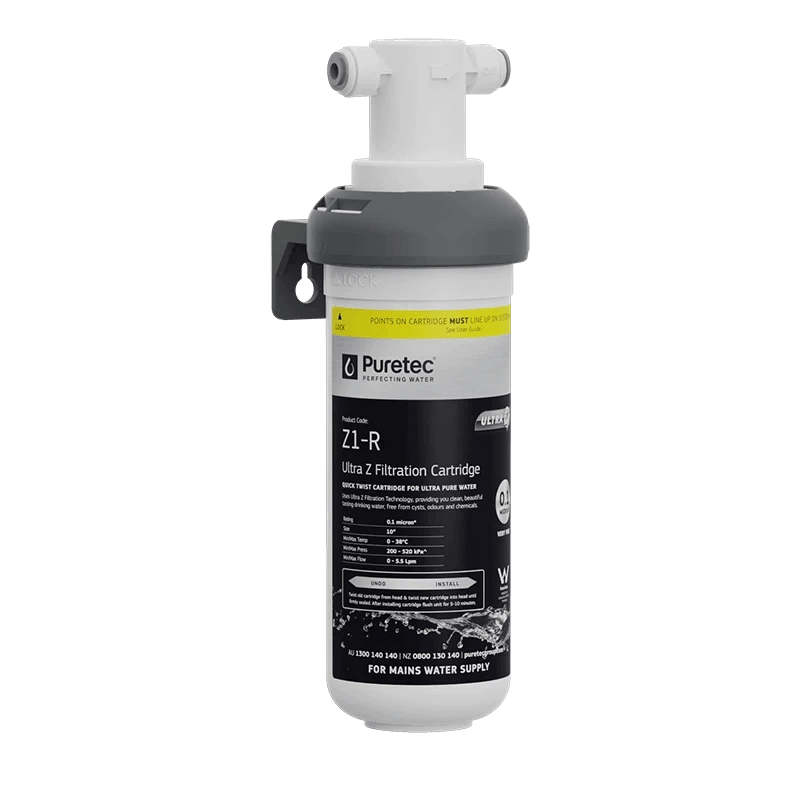
Under-sink water filters
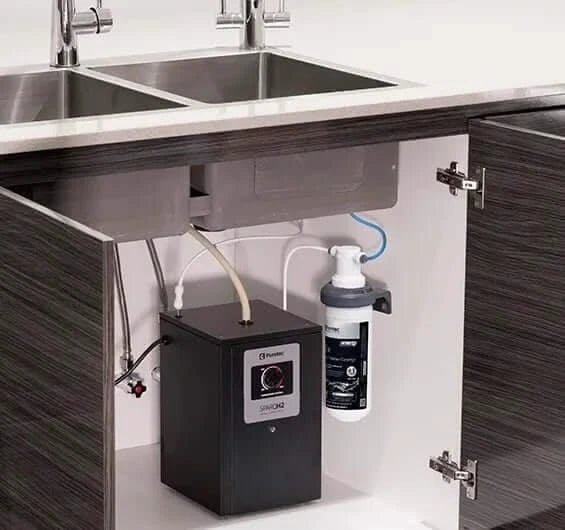
An under-sink water filter treats water at the kitchen sink. It is usually installed inside the cupboard and connected to a dedicated filtered water tap or compatible mixer.
Under-sink filters may suit homes that want:
-
Better-tasting drinking water
-
Filtered water for cooking
-
Filtered water for coffee and tea
-
A hidden filter system
-
A tidy kitchen bench
-
A lower-cost alternative to whole home filtration
-
Less reliance on bottled water
An under-sink filter is ideal when the main concern is kitchen drinking water, not the whole home.
Shower water filters
A shower filter treats water at one shower outlet.
It may suit homes where the main concern is:
-
Chlorine smell in the shower
-
Shower water feel
-
Sediment at the shower
-
Dry-feeling skin or hair concerns linked to water quality
A shower filter is not the same as a whole home filter. It will not treat kitchen drinking water, laundry water, hot water systems or every tap in the home.
Water filters for hard water
Hard water is usually caused by calcium and magnesium minerals.
Signs of hard water include:
-
White scale on taps
-
Cloudy shower screens
-
Kettle scale
-
Reduced soap lather
-
Scale around fixtures
-
Appliance build-up
-
Hot water system scale concerns
A standard carbon filter may improve taste but will not usually soften hard water.
For hard water, compare:
-
Water softeners
-
Scale-control systems
-
Water conditioners
-
Whole home hardness treatment
-
Reverse osmosis for drinking water only
A kitchen RO system may reduce minerals at one drinking tap, but it will not solve scale throughout the house.
Water filters for town water
Town water is treated before it reaches your property, but many households still filter it for taste and odour.
Town water filters may help with:
-
Chlorine taste
-
Chlorine smell
-
Sediment
-
Rust particles
-
Pipework particles
-
Drinking water taste
-
Shower smell
-
Appliance protection
For many town water homes, carbon filtration is a practical starting point.
Water filters for rainwater tank homes
Rainwater tank homes need a different approach.
Tank water may contain:
-
Sediment
-
Leaf debris
-
Organic matter
-
Colour
-
Odour
-
Roof contaminants
-
Microbiological risk
-
Low pH
-
Metals from roof or pipework
If tank water is used for drinking, testing is important. A suitable system may need sediment filtration, carbon filtration and UV treatment depending on water quality.
Water filters for bore water
Bore water should be tested before choosing a filter.
Bore water may contain:
-
Hardness minerals
-
Iron
-
Manganese
-
Salts
-
Sediment
-
Odour
-
Metals
-
pH issues
-
Microbiological risk
A standard home water filter may not be enough for bore water. The filter should be chosen based on actual test results.
Home water filters and hot water systems
Water quality can affect hot water systems over time.
Sediment, scale, hardness and poor water quality may contribute to:
-
Scale build-up
-
Valve wear
-
Reduced flow
-
Sediment inside storage tanks
-
Heat exchanger issues
-
Appliance stress
-
Reduced efficiency
-
More frequent maintenance
If your old hot water system is already leaking, scaled, undersized or unreliable, filtration may not fix existing damage. You may need to compare replacement hot water systems, including electric hot water systems, instant gas hot water systems or heat pump hot water systems.
Water filters and electric hot water systems
Electric storage hot water systems can be affected by sediment and hard water scale.
A suitable filter or scale-control setup may help reduce certain issues before water enters the tank.
If you are replacing an electric hot water system and your home has hard water or sediment concerns, ask your licensed installer whether water quality treatment should be considered.
Water filters and instant gas hot water systems
Instant gas hot water systems heat water through a heat exchanger. Sediment and hard water scale may affect performance over time.
If your home has hard water, tank water, bore water or sediment concerns, a suitable pre-filter or hardness treatment may be worth discussing before installing a new gas continuous flow system.
Water filters and heat pump hot water systems
Heat pump hot water systems still store heated water in a tank, so water quality matters.
Hardness, sediment and poor water quality may affect valves, tank condition and long-term maintenance.
If you are upgrading to a heat pump, check whether your water source needs filtration or scale management, especially if you use tank water, bore water or hard town water.
Choosing the best home water filter system
To choose the right system, answer these questions first.
1. What is your water source?
Town water, tank water and bore water all need different treatment approaches.
2. What is the main problem?
Taste, chlorine, sediment, bacteria risk, hardness, iron, odour and dissolved solids need different filter types.
3. Do you need drinking water only or whole home filtration?
Choose under-sink filtration for kitchen drinking water. Choose whole home filtration if showers, laundry, appliances and multiple taps are affected.
4. Have you tested your water?
Testing helps confirm what is actually in the water before you buy a system.
5. What flow rate do you need?
Whole home systems must handle household demand without restricting water pressure too much.
6. What maintenance is required?
All filters need maintenance. Check cartridge cost, replacement frequency and access before buying.
7. Is installation included?
Supply-only and supplied-and-installed pricing are different. Always check what is included before ordering.
Water filter maintenance
A home water filter system only performs properly when maintained.
Maintenance may include:
-
Sediment cartridge replacement
-
Carbon cartridge replacement
-
RO membrane replacement
-
UV lamp replacement
-
Filter housing checks
-
O-ring replacement
-
Leak checks
-
Pressure checks
-
Softener salt or media maintenance
-
Scheduled servicing
Filter replacement timing depends on water quality, household use, cartridge size and manufacturer instructions.
How often should water filters be replaced?
Filter replacement timing varies.
Common replacement factors include:
-
Number of people in the home
-
Daily water usage
-
Water source
-
Sediment level
-
Chlorine level
-
Cartridge capacity
-
Number of filter stages
-
Flow rate
-
Manufacturer instructions
Some cartridges may need replacement every few months. Others may last longer. Always follow the product schedule.
Can a home water filter reduce bottled water use?
Yes, a properly selected and maintained home water filter can reduce reliance on bottled water.
Potential benefits include:
-
Less plastic waste
-
Lower bottled water purchases
-
Filtered water on demand
-
Less storage space needed
-
Easier drink bottle filling
-
Better water for cooking and drinks
-
More convenient everyday use
The actual saving depends on the system price, cartridge cost and how much bottled water your household currently buys.
Environmental benefits of home water filtration
Home water filtration can help reduce single-use plastic bottle waste.
It may also reduce:
-
Bottled water transport
-
Household plastic rubbish
-
Storage needs
-
Repeated supermarket purchases
-
Reliance on disposable packaging
The most sustainable filter is one that suits your water and is maintained correctly.
Water filters for families
Family homes often need a system that is practical, reliable and easy to maintain.
Families may benefit from:
-
Under-sink drinking water filters
-
Whole home chlorine and sediment reduction
-
Larger filter capacity
-
Reliable replacement cartridges
-
Good flow rate
-
Filtered water for drink bottles
-
Filtered water for cooking
-
Shower water improvement
-
Appliance protection where suitable
A small low-capacity filter may not suit a busy family kitchen.
Water filters for rental properties
Rental properties need simple and reliable filter systems.
For rentals, consider:
-
Who replaces cartridges
-
Maintenance cost
-
Tenant instructions
-
Easy access
-
Leak protection
-
Cartridge availability
-
Property manager responsibilities
-
Whether filtration is whole home or kitchen-only
A filter that is not maintained can lose performance, so keep the setup simple.
Water filters for Airbnb and short-stay homes
Short-stay properties can benefit from filtered drinking water because it improves guest convenience.
For Airbnb homes, consider:
-
Better-tasting drinking water
-
Less bottled water for guests
-
Filtered water for coffee and tea
-
Easy guest use
-
Simple maintenance
-
Clear tap labelling
-
Reliable cartridge replacement schedule
A simple under-sink drinking water filter is often more practical than a complex system guests do not understand.
Common mistake: assuming every filter removes every contaminant
Different filters do different jobs.
A carbon filter may reduce chlorine taste but may not remove fluoride. A sediment filter removes particles but not dissolved chemicals. UV helps with microbiological treatment but does not remove sediment or chlorine. Reverse osmosis can reduce dissolved solids but needs maintenance and produces wastewater.
Choose based on your water issue.
Common mistake: buying before testing
If you are on tank water, bore water or have a specific contaminant concern, test before buying.
Symptoms can be misleading. Bad taste, staining, cloudiness, odour and scale can have different causes.
Testing helps prevent buying the wrong system.
Common mistake: using a kitchen filter for a whole home problem
An under-sink filter only treats one tap. It does not filter showers, laundry, bathroom taps, outdoor taps or hot water systems.
If the issue affects the whole house, compare whole home filtration.
Common mistake: ignoring cartridge costs
The purchase price is only one part of the cost.
Before buying, check:
-
Cartridge replacement cost
-
Replacement frequency
-
Number of filter stages
-
Cartridge availability
-
Whether specialist cartridges are required
-
Maintenance access
-
Warranty requirements
A filter is only effective when it is maintained.
Common mistake: assuming filtration softens hard water
Standard water filtration and water softening are not the same.
If your main issue is white scale, hard water marks and appliance scaling, you may need a softener, conditioner or scale-control system rather than a standard carbon filter.
Common mistake: overclaiming bacteria removal
Not every filter treats bacteria or viruses.
For microbiological risk, especially tank or bore water, use water testing and a suitable treatment system. UV may be part of the solution where water is properly pre-filtered.
Supply only vs supplied and installed
Installed Today offers supply-only water filter and hot water system ordering across major Australian metro areas for customers who already have their own licensed installer arranged. Supplied-and-installed options are available on selected products in eligible Brisbane and Gold Coast service areas where shown.
Supply-only product pricing generally does not include installation, plumbing work, electrical work, drain connection, cartridge setup, old filter removal, disposal or compliance upgrades unless those items are clearly selected or included.
For water filters, confirm the system type, cartridge requirements, flow rate, pressure suitability and installation location with your licensed installer before ordering.
Final recommendation
A home water filter system can improve the taste, smell and quality of your household water when it is matched to the right problem. For town water taste and smell, activated carbon filtration is often a practical starting point. For kitchen drinking water, compare under-sink filters. For fine drinking water filtration, compare reverse osmosis. For whole home water quality, compare whole home filtration. For tank or bore water, test first and consider sediment filtration, UV or specialist treatment where needed.
The best home water filter is not the one with the biggest claim. It is the one that suits your water source, water test results, household usage, flow rate and maintenance expectations.
To compare options, browse the Installed Today water filter systems range.
Long-tail FAQs
What is a home water filter system?
A home water filter system treats water to reduce selected contaminants, taste, odour or particles. It may be installed under the sink, at the main water line, at a shower, or as part of a reverse osmosis or UV setup.
What is the best home water filter system?
The best system depends on your water source and water issue. Activated carbon suits chlorine taste, sediment filters suit particles, reverse osmosis suits fine drinking water filtration, and whole home filters suit multiple taps and showers.
Does a water filter remove chlorine?
Activated carbon filters are commonly used to reduce chlorine taste and smell in town water.
Does a water filter remove bacteria?
Not all filters remove or treat bacteria. UV treatment may be used for microbiological risk where the water is properly pre-filtered and the setup is suitable. Tank and bore water should be tested first.
Does a water filter remove lead?
Some filters are designed to reduce lead, but not all. If lead is a concern, use a water test and choose a system specifically rated for lead reduction.
Is a whole home water filter better than an under-sink filter?
A whole home filter treats water throughout the house. An under-sink filter treats drinking water at one kitchen tap. The better option depends on whether your issue is whole home or drinking water only.
Is reverse osmosis better than a normal water filter?
Reverse osmosis offers finer drinking water filtration than many standard filters, but it requires more maintenance and produces wastewater. A carbon filter may be enough if your main concern is chlorine taste.
How often should I replace my water filter?
Replacement timing depends on the system, cartridge type, water quality and usage. Follow the manufacturer’s schedule and replace cartridges before performance drops.
Can a home water filter replace bottled water?
For many households, a properly maintained water filter can reduce reliance on bottled water. This may save money and reduce plastic waste.
Should I test my water before buying a filter?
Yes, especially for tank water, bore water, hard water, staining, odour, bacteria concerns or specific contaminant concerns. Testing helps you choose the right filter.