
Understanding Reverse Osmosis: Process, Benefits, and Drawbacks
Reverse osmosis, often called RO, is a drinking water filtration process that pushes water through a very fine membrane to reduce dissolved solids and selected contaminants.
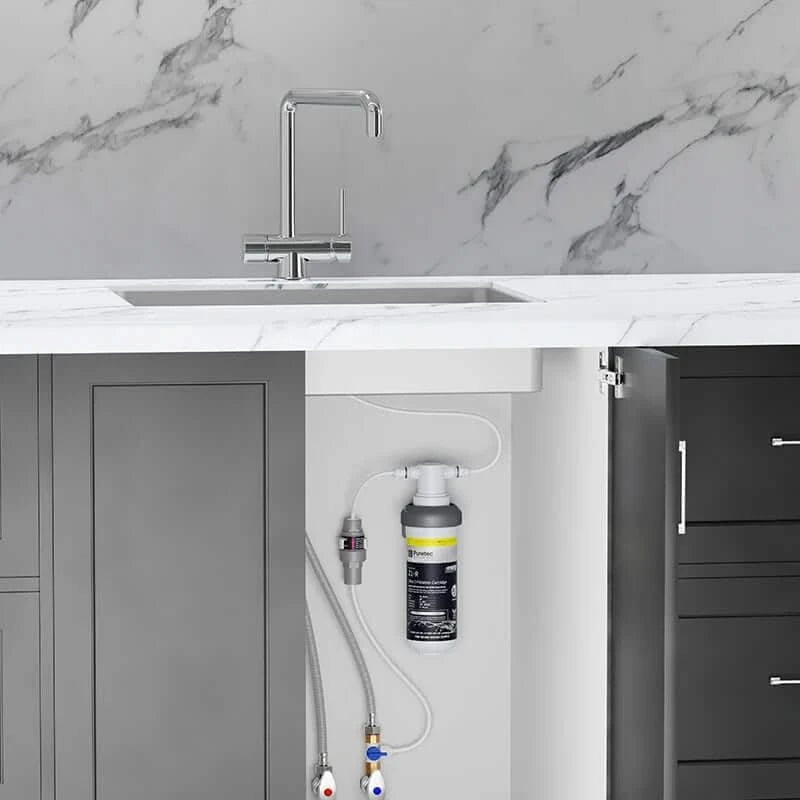
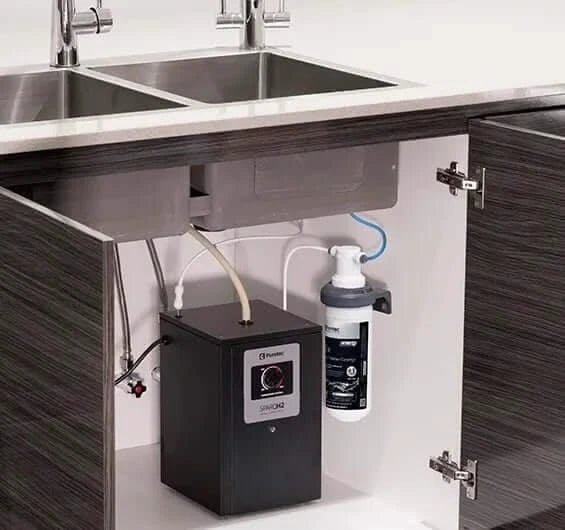
For many Australian homes, a reverse osmosis water filter is used at the kitchen tap to improve drinking water, cooking water, coffee, tea and ice. It is usually installed as an under-sink system with its own dedicated drinking water tap, although benchtop, tankless and other designs are also available.
RO can be a strong choice when you want finer drinking water filtration than a standard carbon filter. However, it is not the right answer for every home. It needs the correct pre-filters, enough water pressure, regular maintenance and a system matched to your water quality.
Installed Today supplies a range of water filter systems for customers comparing drinking water, kitchen filtration, whole home water filters and cartridge replacement options online.
Quick answer: how does reverse osmosis work?
Reverse osmosis works by pushing water through a semipermeable membrane. This membrane allows water molecules through while reducing many dissolved solids and selected contaminants.
A typical RO system works in stages:
-
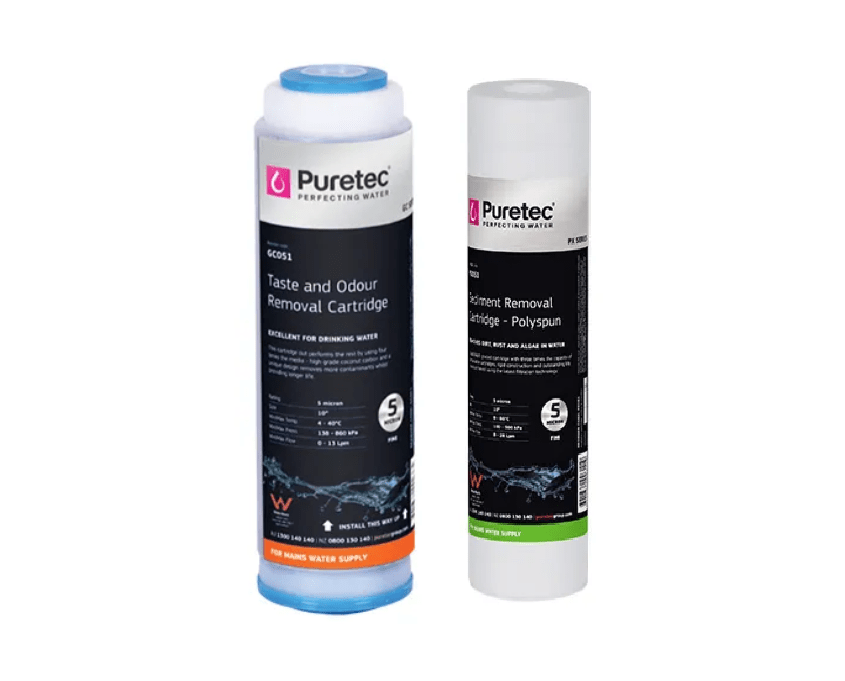
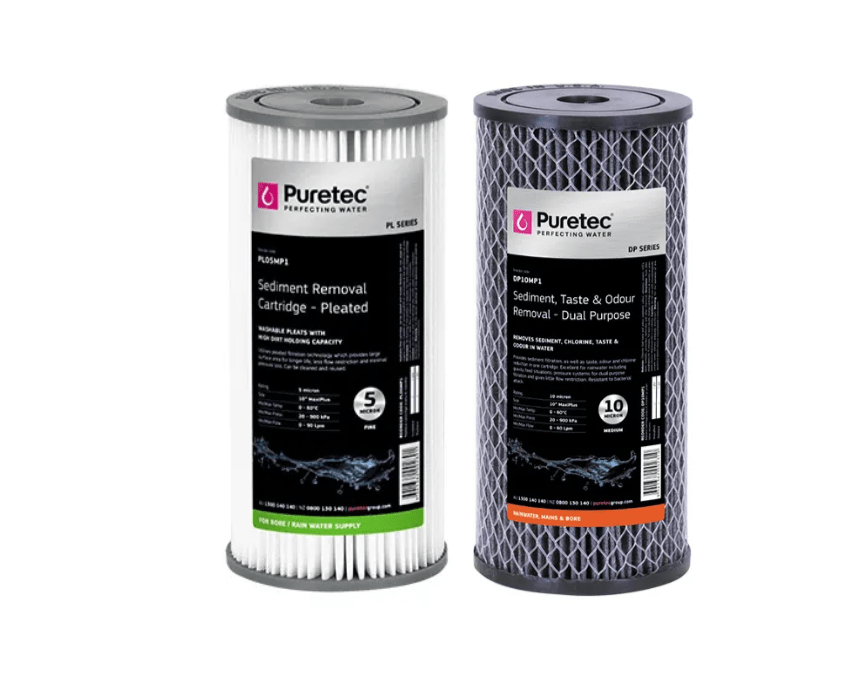
Sediment pre-filter removes larger particles such as dirt, rust and grit
-
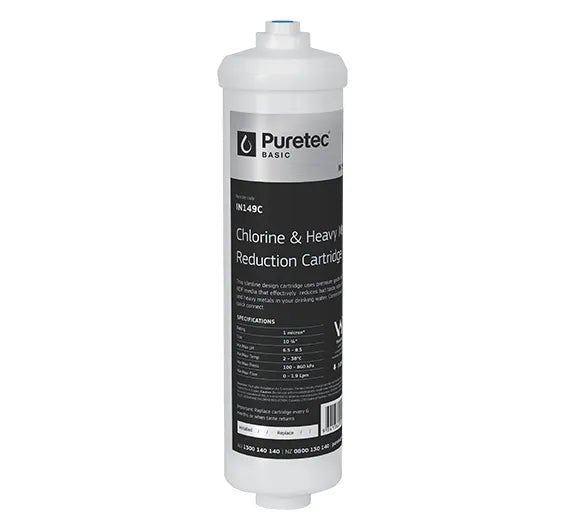
Carbon pre-filter helps reduce chlorine, taste and odour before water reaches the RO membrane
-
RO membrane reduces dissolved solids and selected contaminants
-
Post-carbon filter polishes the taste before the water reaches the tap
-
Storage tank or tankless delivery supplies filtered water when needed
The exact performance depends on the system, filter cartridges, membrane quality, water pressure, water temperature, maintenance and the contaminants present in your water.
What is reverse osmosis?
Reverse osmosis is a point-of-use drinking water filtration method. It is commonly used under the kitchen sink to provide filtered water from a dedicated tap.
The process uses pressure to move water through a fine membrane. The membrane separates cleaner drinking water from a waste stream that carries away rejected contaminants.
RO systems are commonly used to reduce:
-
Dissolved solids
-
Salts
-
Some metals
-
Some chemical contaminants
-
Chlorine taste and odour when paired with carbon filtration
-
Sediment when paired with pre-filtration
-
Selected contaminants depending on system certification
RO does not make every water source automatically safe. Tank water, bore water or untreated water may need testing and additional treatment, such as UV or specialist pre-filtration, depending on the risk.
Reverse osmosis vs standard water filtration
A standard water filter and a reverse osmosis system are not the same thing.
| Filter type | Main use | Best suited to |
|---|---|---|
| Sediment filter | Reduces particles such as dirt, sand and rust | Tank water, mains sediment, pre-filtration |
| Carbon filter | Reduces chlorine taste, odour and selected organics | Better-tasting town water |
| Reverse osmosis | Reduces dissolved solids and selected fine contaminants | Drinking water at a kitchen tap |
| UV system | Treats microbiological risk where water is properly pre-filtered | Tank water or bore water setups |
| Whole home filter | Treats incoming water for the house | Showers, appliances, taps and general water quality |
If your main concern is chlorine taste, a carbon filter may be enough. If your concern is dissolved solids or finer drinking water filtration, reverse osmosis may be worth comparing.
How reverse osmosis works step by step
Most home reverse osmosis systems use multiple filtration stages.
Stage 1: Sediment filtration
The first stage usually removes larger particles from the incoming water.
This may include:
-
Dirt
-
Rust
-
Sand
-
Grit
-
Fine particles
-
Pipework sediment
This stage helps protect the carbon filter and RO membrane from clogging too quickly.
Stage 2: Carbon pre-filtration
The next stage commonly uses activated carbon.
Carbon pre-filtration may help reduce:
-
Chlorine taste
-
Chlorine smell
-
Organic taste issues
-
Some chemicals depending on the cartridge
-
Odour
This step is important because chlorine can affect some RO membranes. A carbon pre-filter helps protect the membrane and improve taste.
Stage 3: RO membrane filtration
The RO membrane is the main filtration stage.
Water is pushed through the semipermeable membrane. The filtered water passes through, while rejected contaminants are carried away through a waste line.
This stage can reduce many dissolved solids and selected contaminants, depending on the membrane and water quality.
Stage 4: Storage or tankless delivery
Many under-sink RO systems use a small storage tank because RO filtration can be slower than standard tap flow.
Tank-style systems store filtered water ready for use. Tankless systems filter on demand and may use pumps or higher-performance membranes depending on the design.
Stage 5: Post-carbon polishing
A final carbon filter may be used after the storage tank or membrane to polish taste before the water reaches the drinking tap.
This helps improve the final taste of the water.
What does reverse osmosis remove?
Reverse osmosis can reduce a wide range of contaminants, but performance depends on the system design and certification.
Depending on the system, RO may reduce:
-
Dissolved solids
-
Salts
-
Lead
-
Arsenic
-
Fluoride
-
Nitrates
-
Chlorine taste and odour when carbon filtration is included
-
Some heavy metals
-
Some chemicals
-
Microplastics
-
Sediment when pre-filtration is included
Do not assume every RO system removes every contaminant. Always check the product specifications, certifications and cartridge details.
Does reverse osmosis remove chlorine?
The RO membrane itself is not usually the main chlorine treatment stage. Chlorine is commonly reduced by the carbon pre-filter.
This is why a good RO system usually includes carbon filtration before the membrane.
If chlorine taste and smell are your only concern, a carbon under-sink filter may be a simpler option than RO. If you also want fine dissolved-solids reduction, RO may be more suitable.
Does reverse osmosis remove fluoride?
Many reverse osmosis systems can reduce fluoride, but the level of reduction depends on the membrane, water pressure, water quality and maintenance.
If fluoride reduction is your main goal, choose a system that specifically states fluoride reduction performance and maintain it correctly.
Does reverse osmosis remove bacteria and viruses?
Reverse osmosis membranes may reduce some microorganisms, but RO should not be treated as the only microbiological safety barrier for untreated water unless the system is specifically designed and certified for that purpose.
For tank water, bore water or any water source with possible microbiological risk, proper testing and treatment design are important. UV treatment is often used with suitable pre-filtration where microbiological treatment is required.
For town water, microbiological treatment is usually handled by the water supplier before the water reaches your home, but households may still use RO for taste, dissolved solids and additional point-of-use filtration.
Does reverse osmosis remove minerals?
Yes, reverse osmosis can reduce many dissolved minerals, including calcium and magnesium.
Some people prefer the clean taste of RO water. Others find it too flat and choose a remineralisation filter after the RO membrane.
Remineralisation may be worth considering if you want:
-
A more balanced taste
-
Added minerals after filtration
-
Less flat-tasting drinking water
-
Better flavour for some coffee and tea preferences
Whether remineralisation is needed depends on taste preference, water quality and system design.
Does reverse osmosis soften water?
Reverse osmosis can reduce dissolved minerals in drinking water at the RO tap, but it is not usually used as a whole home water softener.
If your home has hard water scale on showers, taps, appliances and hot water systems, a kitchen RO system will not treat the whole house.
For hard water, compare:
-
Water softeners
-
Scale-control systems
-
Water conditioners
-
Whole home hardness treatment
-
Suitable pre-filtration based on testing
RO is usually best viewed as a drinking water system, not a whole home hard water solution.
Benefits of reverse osmosis water filters
A reverse osmosis system can offer several benefits when it suits your water source and household needs.
Better drinking water taste
RO can improve the taste of drinking water, especially when the issue is dissolved solids, chlorine taste, odour or mineral flavour.
Fine drinking water filtration
RO is generally finer than standard sediment or carbon filtration. It can reduce selected dissolved contaminants that many basic filters do not target.
Less reliance on bottled water
A properly selected RO system can reduce household reliance on bottled water. This may save money over time and reduce plastic bottle waste.
Convenient filtered water at the kitchen tap
An under-sink RO system provides filtered drinking water directly from a dedicated tap, without needing to refill jugs or store bottled water.
Useful for coffee, tea and cooking
Filtered water can improve the taste of:
-
Coffee
-
Tea
-
Ice
-
Soups
-
Rice
-
Pasta
-
Vegetables
-
Drinking water
-
Soda machines
The final taste depends on whether the system includes remineralisation.
Drawbacks of reverse osmosis systems
Reverse osmosis is effective, but it has trade-offs.
RO systems produce wastewater
Reverse osmosis creates a waste stream that carries rejected contaminants away. Wastewater ratios vary by system design, pressure and age of cartridges.
Higher-efficiency RO systems may waste less water than older or lower-quality models, but waste is still a normal part of the process.
RO can remove minerals
RO reduces dissolved minerals, including calcium and magnesium. Some users prefer to add a remineralisation stage for taste.
RO systems need regular maintenance
Filters and membranes must be replaced on schedule. Poor maintenance can reduce performance, flow rate and water quality.
RO may require enough water pressure
Some RO systems need minimum water pressure to work properly. Low-pressure homes may need a system designed for lower pressure or one with a booster pump.
RO is usually drinking-water only
An under-sink RO system treats one tap. It will not filter showers, laundry, toilets, outdoor taps or hot water systems.
Types of reverse osmosis systems
There are several RO system styles to compare.
Under-sink reverse osmosis systems
Under-sink RO systems are the most common household option. They sit below the kitchen sink and supply filtered water through a dedicated tap.
They may suit:
-
Families
-
Homeowners
-
Kitchens with enough cupboard space
-
Customers wanting filtered drinking water
-
Homes wanting a neat, fixed system
Tank reverse osmosis systems
Many under-sink systems include a storage tank. The tank stores filtered water so it is ready when you open the tap.
Tank systems may suit homes that want reliable drinking water flow without needing a high-output tankless unit.
Tankless reverse osmosis systems
Tankless systems filter water on demand and can save cupboard space.
They may suit:
-
Smaller kitchens
-
Homes wanting less storage tank space
-
Customers who prefer modern compact systems
-
Properties with suitable water pressure and electrical requirements where applicable
Tankless systems may cost more and may have different servicing requirements.
Countertop reverse osmosis systems
Countertop systems can suit renters or customers who do not want permanent installation.
They may suit:
-
Renters
-
Small households
-
Temporary accommodation
-
People wanting portability
-
Customers who cannot modify plumbing
They may not suit larger households needing higher flow or a permanent kitchen setup.
Whole home reverse osmosis systems
Whole home RO is much less common for standard town water homes because it can be expensive, complex and high-maintenance.
It may be considered only in specific situations where testing shows severe water quality issues that require that level of treatment.
For most homes, whole home sediment and carbon filtration plus kitchen RO is more practical than whole home RO.
Reverse osmosis vs under-sink carbon filter
Many customers compare RO with a standard under-sink carbon filter.
| Feature | Under-sink carbon filter | Reverse osmosis system |
|---|---|---|
| Chlorine taste reduction | Usually strong | Usually strong when carbon stage included |
| Sediment reduction | Depends on cartridge | Usually included as pre-filter |
| Dissolved solids reduction | Limited | Stronger |
| Mineral reduction | Limited | Stronger |
| Wastewater | No wastewater in most systems | Produces wastewater |
| Maintenance | Usually simpler | More stages and membrane maintenance |
| Taste | Keeps more minerals | Cleaner, sometimes flatter taste |
| Cost | Often lower | Often higher |
Choose carbon filtration if taste and chlorine are the main concerns. Choose RO if you want finer drinking water filtration and dissolved solids reduction.
Reverse osmosis vs bottled water
A reverse osmosis system can reduce reliance on bottled water.
RO advantages
-
Filtered water from your tap
-
Less plastic waste
-
Less bottled water storage
-
Convenient for cooking and drinks
-
Lower long-term household waste
-
No need to carry heavy water bottles
Bottled water considerations
-
Ongoing cost
-
Plastic waste
-
Storage space
-
Transport emissions
-
Quality varies by brand
-
Less convenient for cooking and daily use
For many homes, an RO system is more convenient than buying bottled water. The real value depends on system cost, cartridge replacement cost and how much bottled water the household currently buys.
Reverse osmosis vs whole home water filter
RO and whole home filtration do different jobs.
A whole home filter treats incoming water before it reaches multiple taps, showers and appliances. RO usually treats drinking water at one kitchen tap.
| System | Best suited to |
|---|---|
| Whole home filter | Chlorine, sediment, general water quality, showers and appliances |
| Reverse osmosis | Drinking water, cooking water, dissolved solids reduction |
| Shower filter | Shower-specific chlorine or sediment concerns |
| UV system | Microbiological treatment where suitable |
| Softener | Hard water scale and mineral issues |
Some homes use both a whole home filter and an RO drinking water system.
Is reverse osmosis right for town water?
RO can be a good option for town water homes where the main goal is high-quality drinking water at the kitchen tap.
It may suit town water homes with concerns about:
-
Taste
-
Odour
-
Dissolved solids
-
Fluoride reduction
-
Chlorine taste
-
Drinking water quality
-
Bottled water replacement
-
Coffee and tea flavour
If the main issue is only chlorine taste, a carbon filter may be enough. If you want finer filtration, RO may be worth comparing.
Is reverse osmosis right for rainwater tank water?
RO may be used in some tank water setups, but it should not be chosen without testing and pre-treatment design.
Tank water may contain:
-
Sediment
-
Organic matter
-
Colour
-
Odour
-
Microbiological risk
-
Roof debris
-
Low pH
-
Metals from roof or pipework
Tank water usually needs good sediment pre-filtration before RO. If microbiological risk is present, UV treatment may also be needed.
Always test tank water before choosing a drinking water system.
Is reverse osmosis right for bore water?
Bore water should be tested before choosing RO.
Bore water may contain:
-
Hardness minerals
-
Iron
-
Manganese
-
Salts
-
Sediment
-
Odour
-
Metals
-
pH issues
-
Microbiological risk
Some bore water can foul RO membranes quickly without proper pre-treatment. Iron, manganese, hardness, sediment and other water chemistry issues may need to be treated before the RO system.
Do not buy an RO system for bore water based on guesswork. Test first.
Reverse osmosis and water pressure
RO systems need adequate water pressure to push water through the membrane.
Low pressure can cause:
-
Slow filtration
-
Poor tank refill
-
More wastewater
-
Reduced membrane performance
-
Frustrating tap flow
Some systems include or support booster pumps. If your home has low pressure, check the system requirements before ordering.
Reverse osmosis and cartridge replacement
RO systems require ongoing maintenance.
A typical maintenance schedule may include:
-
Sediment pre-filter replacement
-
Carbon pre-filter replacement
-
Post-carbon filter replacement
-
RO membrane replacement
-
Storage tank sanitising
-
Tap and line checks
-
Leak checks
-
O-ring checks
-
Flow rate checks
Replacement timing depends on water quality, usage, system design and manufacturer instructions.
Do not wait until taste changes or flow slows heavily. Follow the maintenance schedule for best performance.
How often should RO filters be replaced?
Replacement timing depends on the system and water quality.
As a general guide:
-
Sediment filters may need replacement every few months to 12 months
-
Carbon filters are commonly replaced every 6 to 12 months
-
RO membranes may last longer but still need scheduled replacement
-
Post-filters are replaced based on manufacturer instructions
-
Remineralisation cartridges need replacement where fitted
Always follow the product instructions. Homes with poor water quality may need more frequent cartridge changes.
How to know when an RO system needs maintenance
Signs your RO system may need service include:
-
Reduced water flow
-
Slow tank refill
-
Water tastes different
-
Unusual odour
-
Cloudy water
-
Noisy operation
-
Continuous drain flow
-
Leaks under the sink
-
Filter change reminder activated
-
TDS levels rising if you monitor them
If the system has not been serviced for a long time, replace the cartridges and check the membrane according to the manufacturer’s instructions.
Do RO systems need remineralisation?
Remineralisation is optional but useful for some households.
RO water can taste very clean but sometimes flat because many dissolved minerals are reduced. A remineralisation cartridge can add selected minerals back into the water for taste.
Remineralisation may suit:
-
Coffee drinkers
-
Tea drinkers
-
Customers who dislike flat-tasting water
-
Households wanting a more balanced flavour
-
Systems producing very low mineral water
Whether you need it depends on preference and water quality.
Is RO water good for coffee and tea?
RO water can improve coffee and tea by reducing chlorine taste, odour and some dissolved solids.
However, very low-mineral water can taste flat and may not suit every brewing preference. Some people prefer RO with remineralisation for better flavour balance.
If you are buying a filter mainly for coffee, consider the final water taste, not only contaminant reduction.
Reverse osmosis for families
RO can suit families that want filtered drinking water for:
-
Drink bottles
-
Cooking
-
Ice
-
Coffee
-
Tea
-
School lunches
-
Baby formula preparation where appropriate advice is followed
-
Pets
-
General drinking water
For family homes, check tank capacity, flow rate and cartridge replacement cost before choosing a system.
A small RO system may be frustrating if the household uses a lot of drinking water each day.
Reverse osmosis for rental properties
RO can be suitable for rental properties, but maintenance responsibility should be clear.
Landlords and property managers should consider:
-
Cartridge replacement schedule
-
Who is responsible for maintenance
-
Tenant instructions
-
Filter reminder labels
-
Access under the sink
-
Leak protection
-
Replacement cartridge availability
-
Whether tenants will use the system correctly
A poorly maintained RO system can become inconvenient, so simple and reliable setups are usually best for rentals.
Reverse osmosis for Airbnb and short-stay properties
RO can improve guest experience in short-stay accommodation by providing filtered drinking water at the kitchen tap.
Benefits may include:
-
Less bottled water for guests
-
Better coffee and tea
-
Premium kitchen feel
-
Clear drinking water tap
-
Reduced plastic waste
-
Better guest convenience
For Airbnb properties, keep the system simple and maintain it regularly. Guests should not need to understand filter operation.
Installation considerations
Reverse osmosis systems are often installed under the kitchen sink.
Before ordering, check:
-
Cupboard space
-
Water pressure
-
Drain connection
-
Dedicated filter tap location
-
Power point if the system needs one
-
Existing plumbing
-
Cartridge access
-
Tank space if included
-
Leak protection
-
Installer requirements
Supply-only customers should confirm suitability with their licensed installer before ordering.
Supply only vs supplied and installed
Installed Today offers supply-only water filter and hot water system ordering across major Australian metro areas for customers who already have their own licensed installer arranged. Supplied-and-installed options are available on selected products in eligible Brisbane and Gold Coast service areas where shown.
Supply-only product pricing generally does not include installation, plumbing work, electrical work, drainage connection, cartridge setup, old filter removal, disposal or compliance upgrades unless those items are clearly selected or included.
For reverse osmosis systems, confirm water pressure, space, drain access, tap location and cartridge requirements with your installer before ordering.
Common mistake: assuming RO is always the best filter
Reverse osmosis is excellent for many drinking water goals, but it is not automatically the best choice for every home.
If your main issue is chlorine taste, a carbon filter may be simpler. If your issue is shower water, a kitchen RO system will not help. If your issue is hard water scale across the home, RO at one tap will not solve the whole-house problem.
Choose the filter based on the water issue.
Common mistake: ignoring wastewater
RO systems produce wastewater as part of the filtration process. This is normal, but the amount varies by system.
If wastewater is a concern, compare more efficient RO models and check manufacturer specifications before buying.
Common mistake: forgetting filter replacement costs
RO systems have more stages than basic filters, so cartridge and membrane replacement costs matter.
Before buying, check:
-
Number of cartridges
-
Cartridge replacement frequency
-
Membrane replacement frequency
-
Cartridge availability
-
Replacement cost
-
Whether the system has reminders
-
Whether servicing is easy
A filter is only effective when maintained.
Common mistake: using RO for untreated tank or bore water without testing
RO may not be enough by itself for untreated water sources.
Tank water and bore water can need sediment filtration, UV, iron removal, hardness treatment or other pre-treatment before RO.
Test first, then choose a system.
Common mistake: expecting RO to filter the whole home
An under-sink RO system filters one drinking water tap. It does not filter showers, laundry, bathroom taps, garden taps or hot water systems.
If you want filtered water throughout the home, compare whole home filtration.
Common mistake: not checking under-sink space
Some RO systems need room for cartridges, a storage tank and a dedicated tap connection.
Measure the cupboard and check installation requirements before ordering.
Final recommendation
Reverse osmosis is a strong drinking water filtration option for homes that want finer filtration at the kitchen tap. It can reduce dissolved solids, improve taste, reduce reliance on bottled water and provide filtered water for drinking, cooking, coffee and tea.
It is best suited to customers who understand the maintenance requirements and have confirmed that RO matches their water source and goals.
If your main concern is chlorine taste, compare carbon filtration. If your concern is drinking water quality and dissolved solids, compare reverse osmosis. If your concern affects the whole house, compare whole home filtration. If your water source is tank or bore water, test it before choosing a system.
To compare water filtration options, browse the Installed Today water filter systems range.
Long-tail FAQs
How does reverse osmosis work?
Reverse osmosis works by pushing water through a semipermeable membrane. The membrane allows filtered water through while rejected contaminants are carried away through a waste line.
What does a reverse osmosis system remove?
Depending on the system, RO can reduce dissolved solids, salts, selected metals, fluoride, chlorine taste when carbon filtration is included, and other selected contaminants. Always check product specifications and certifications.
Is reverse osmosis better than a normal water filter?
RO offers finer drinking water filtration than many standard carbon filters, but it is not always necessary. If your main issue is chlorine taste, a carbon filter may be enough.
Does reverse osmosis remove chlorine?
Most RO systems reduce chlorine through a carbon pre-filter, not the RO membrane alone. Carbon filtration also helps protect the membrane.
Does reverse osmosis remove fluoride?
Many RO systems can reduce fluoride, but performance depends on the membrane, water pressure, water quality and maintenance. Choose a system that specifically states fluoride reduction if that is your goal.
Does reverse osmosis remove bacteria?
RO may reduce some microorganisms, but it should not be used as the only safety barrier for untreated tank or bore water unless the system is specifically designed and certified for that purpose. Testing and UV may be required.
Does reverse osmosis waste water?
Yes, RO systems produce a waste stream. The amount depends on the system design, pressure, membrane condition and water quality.
Does reverse osmosis remove minerals?
Yes, RO can reduce minerals such as calcium and magnesium. Some households add a remineralisation cartridge for taste.
How often do RO filters need replacing?
Replacement timing depends on the system and water quality. Pre-filters and post-filters are commonly replaced more often than the RO membrane. Follow the manufacturer’s maintenance schedule.
Is reverse osmosis good for drinking water?
Reverse osmosis can be a good drinking water option when matched to the water source, installed correctly and maintained properly. It is especially useful for customers wanting fine filtration at the kitchen tap.