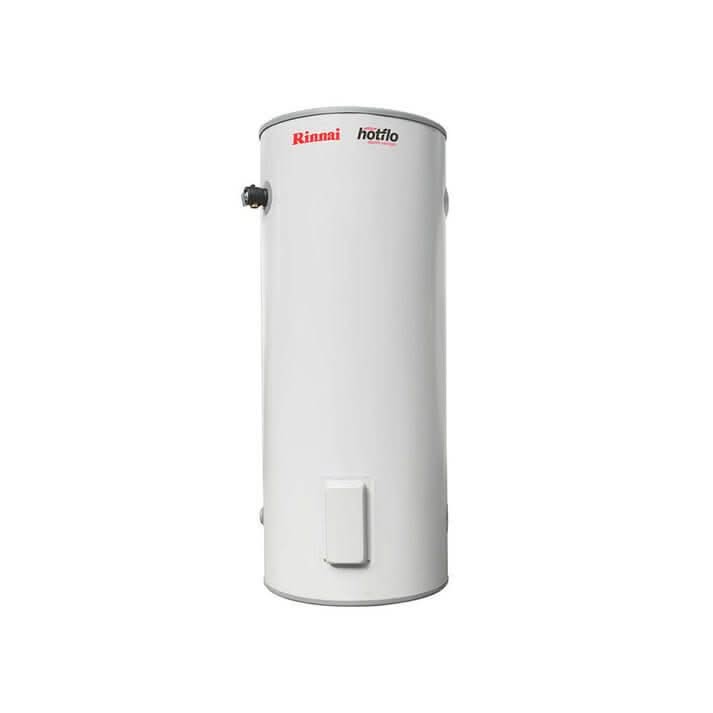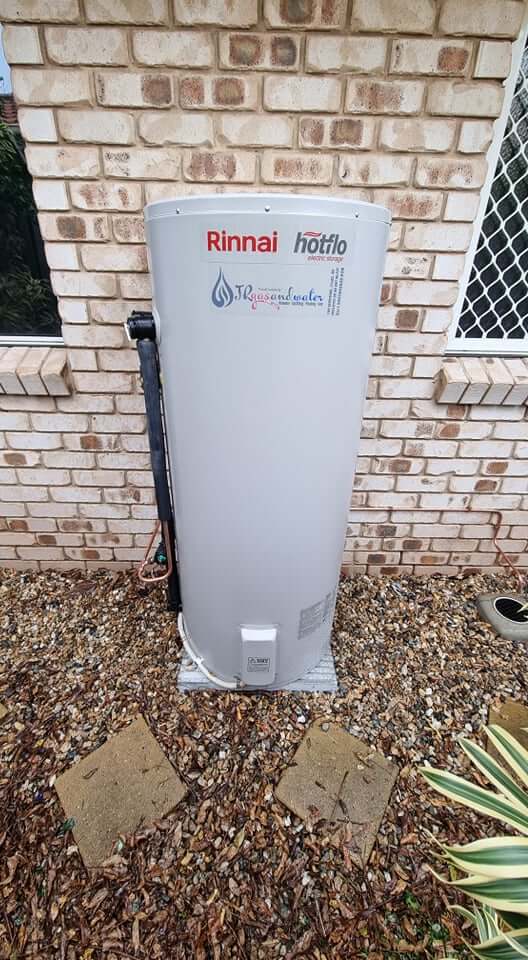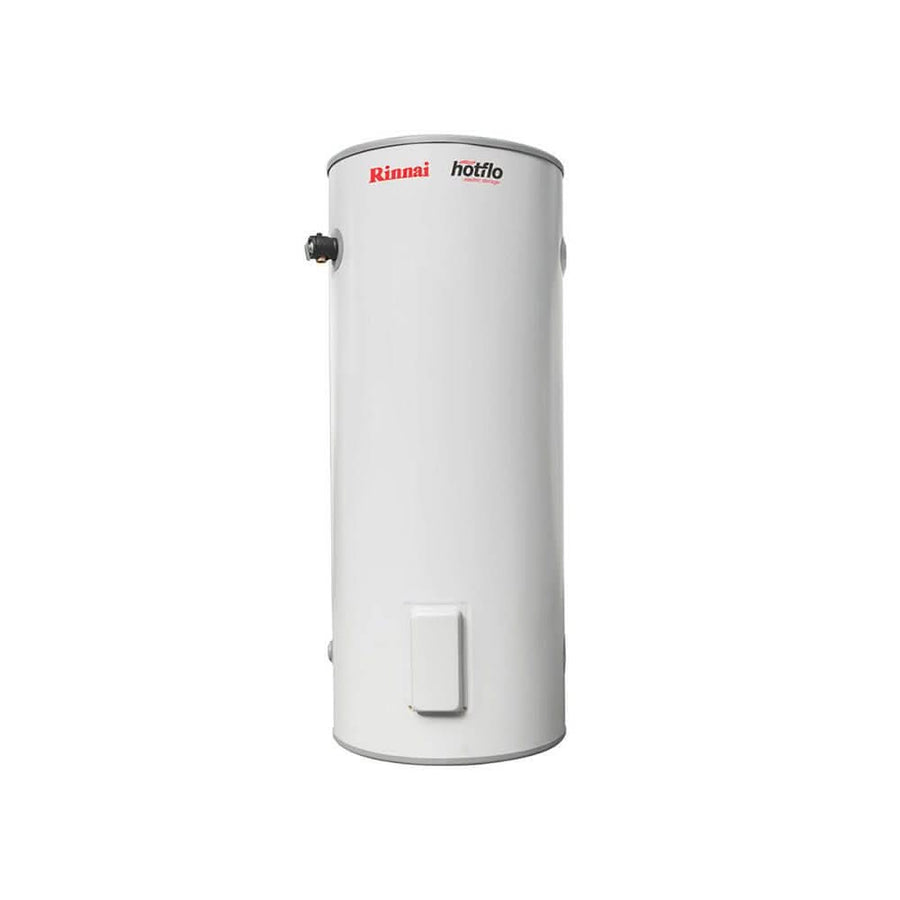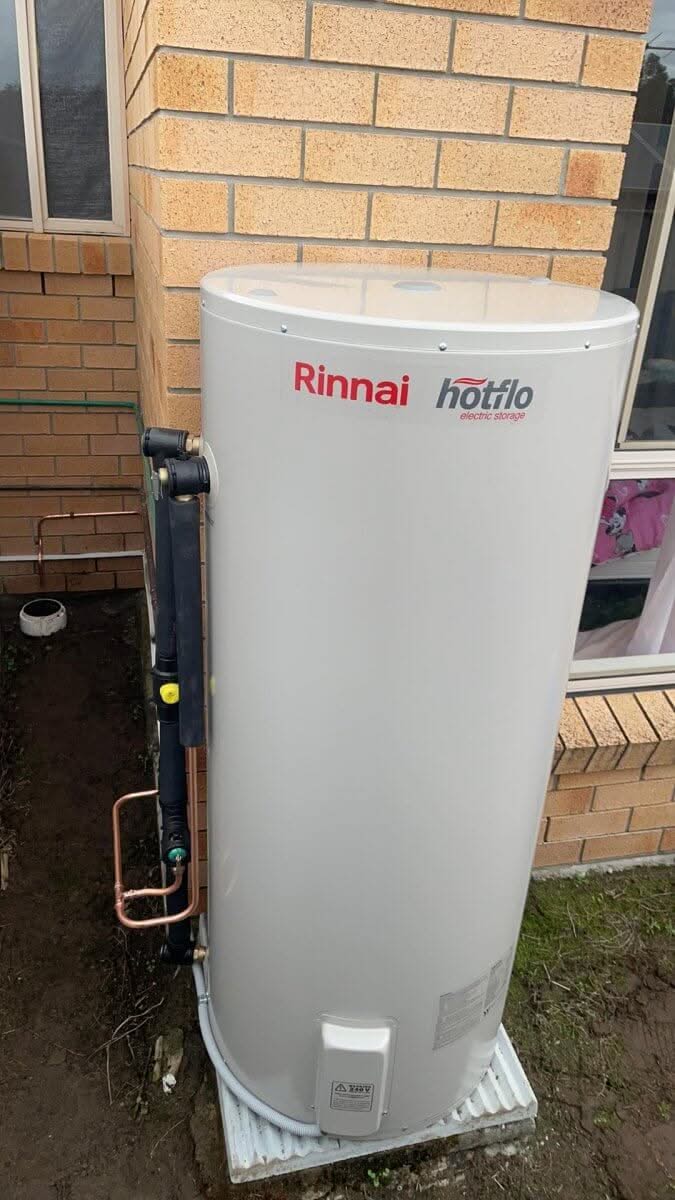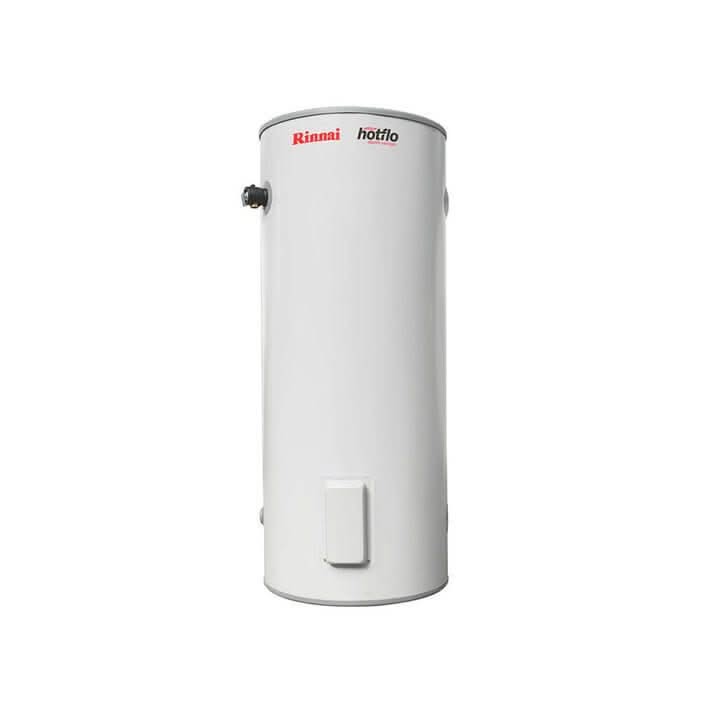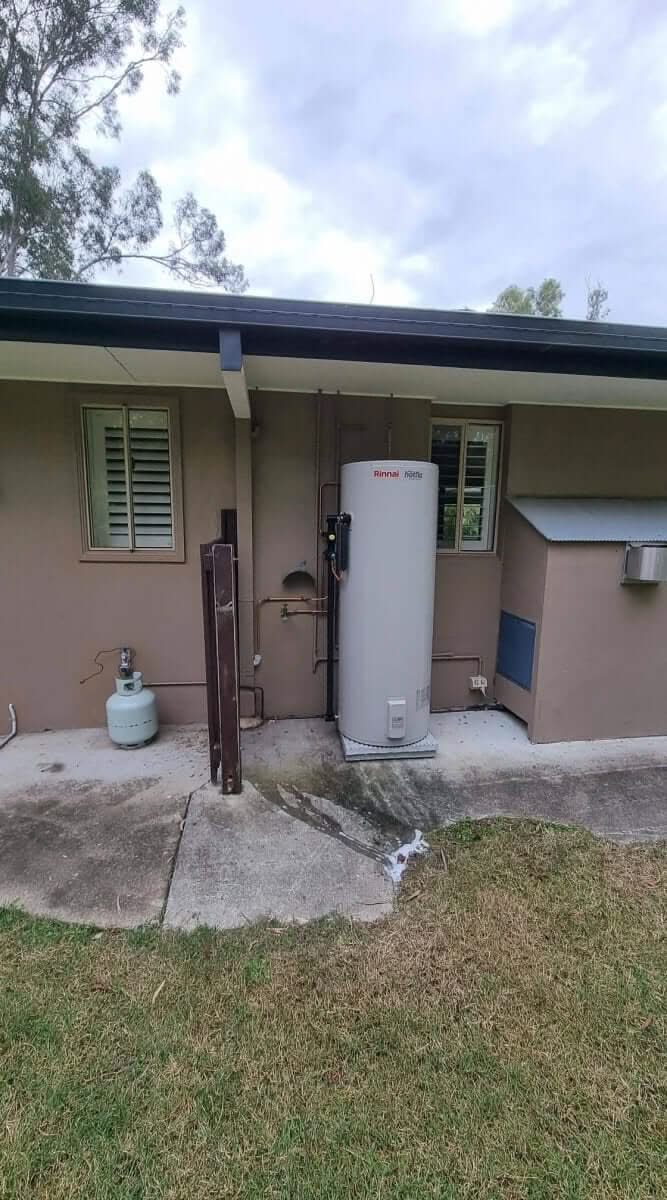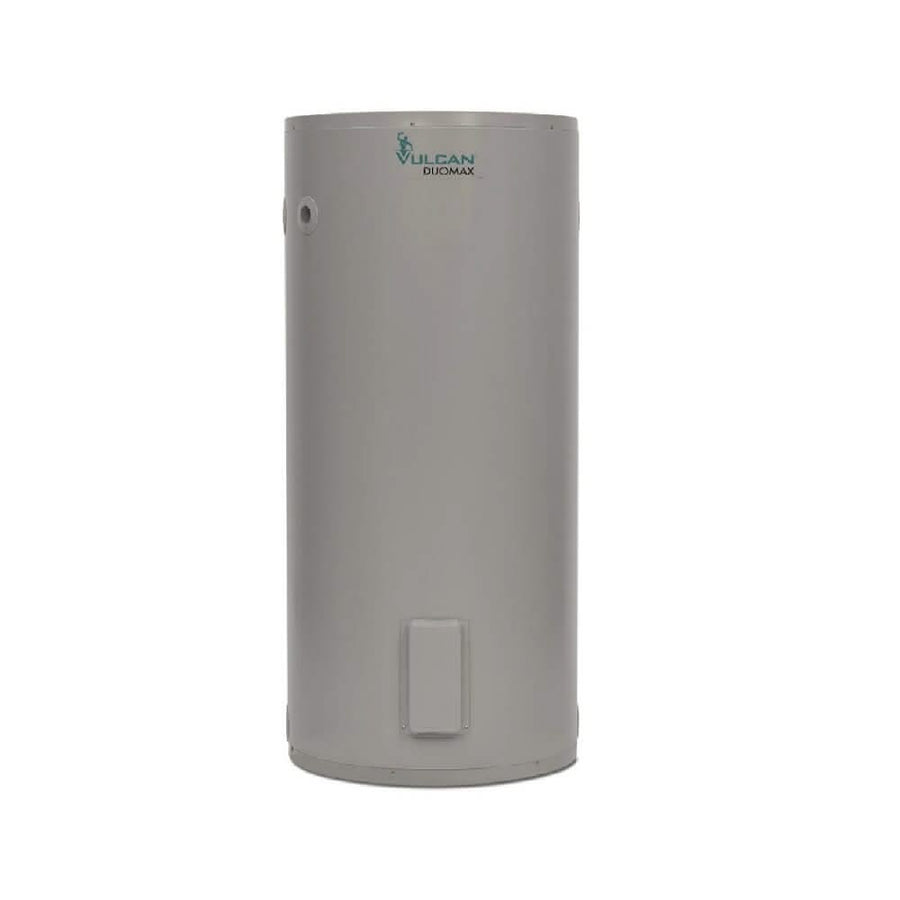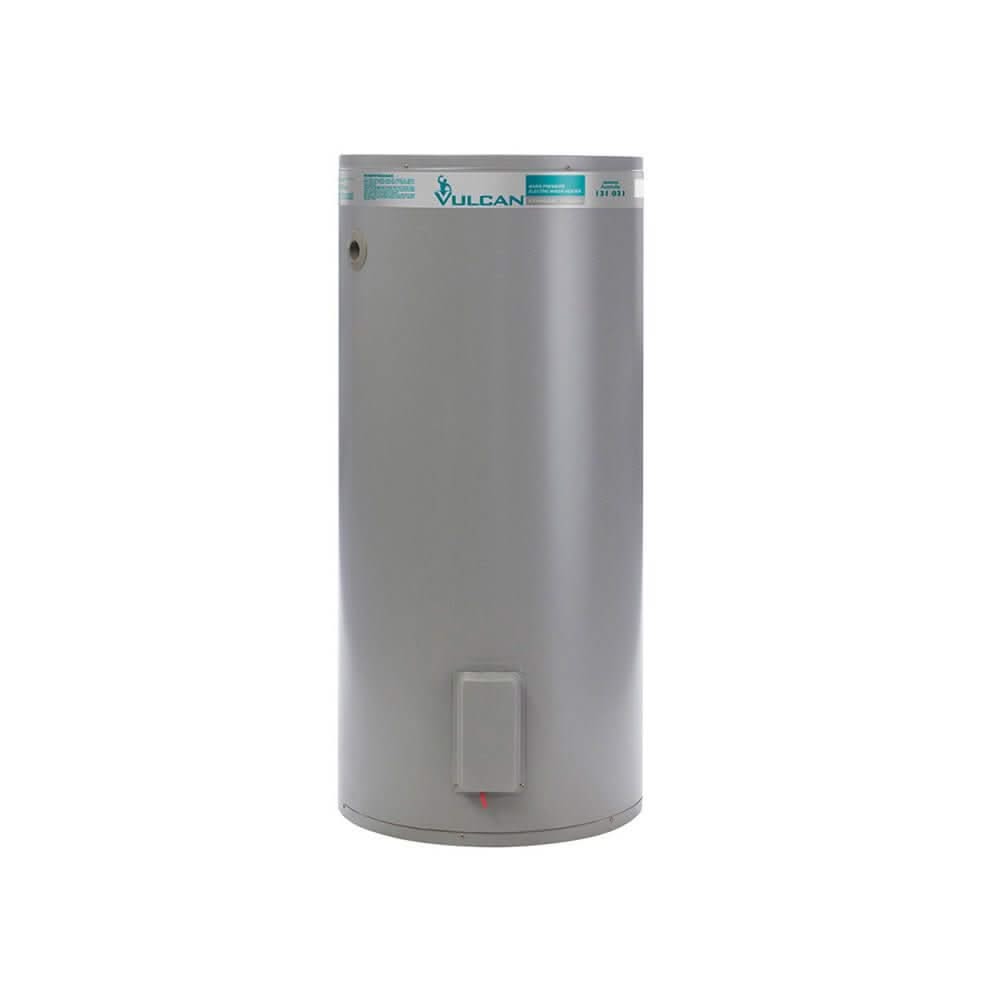

Catch Power Relay for Hot Water: Using Excess Solar to Heat Your Water
A Catch Power Relay is designed to help homes use more of their own solar electricity by controlling selected electrical loads, such as hot water, based on solar production and household demand.
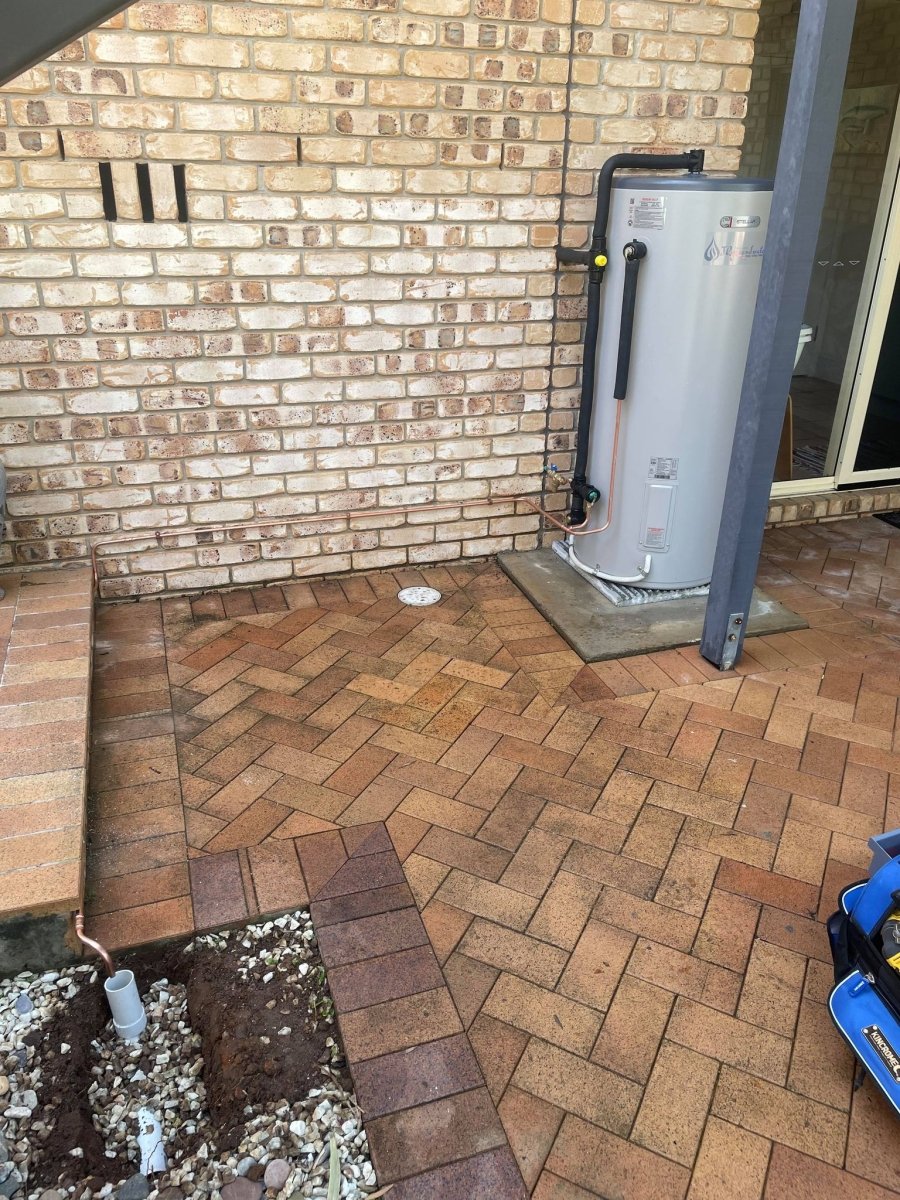
For homes with rooftop solar, one of the biggest opportunities is hot water. Electric storage hot water systems and some heat pump hot water systems can use a large amount of electricity, so shifting more of that heating into the middle of the day can help reduce grid reliance and improve solar self-consumption.
The key point is that a Catch Power Relay is not a hot water system by itself. It is an energy control device that may help manage when certain electrical loads run. Whether it suits your home depends on your solar inverter, switchboard, hot water system, tariff setup, electrical wiring and installer advice.
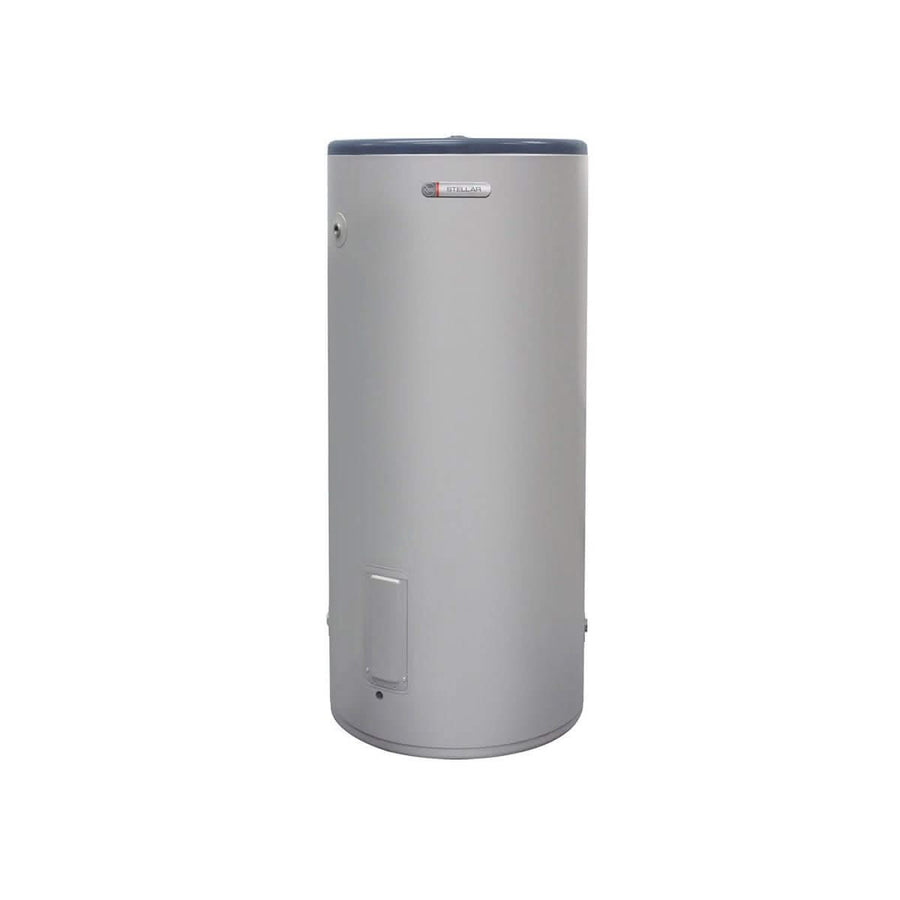
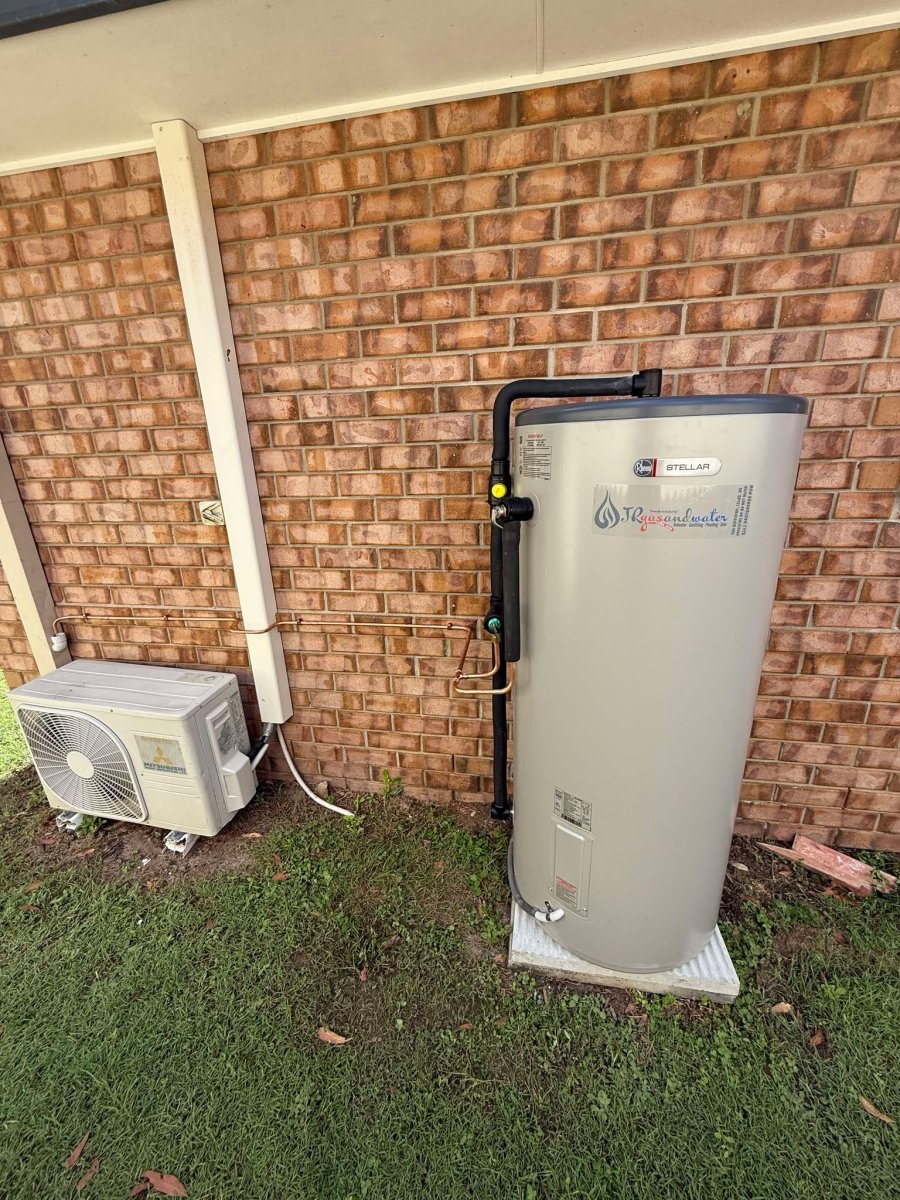
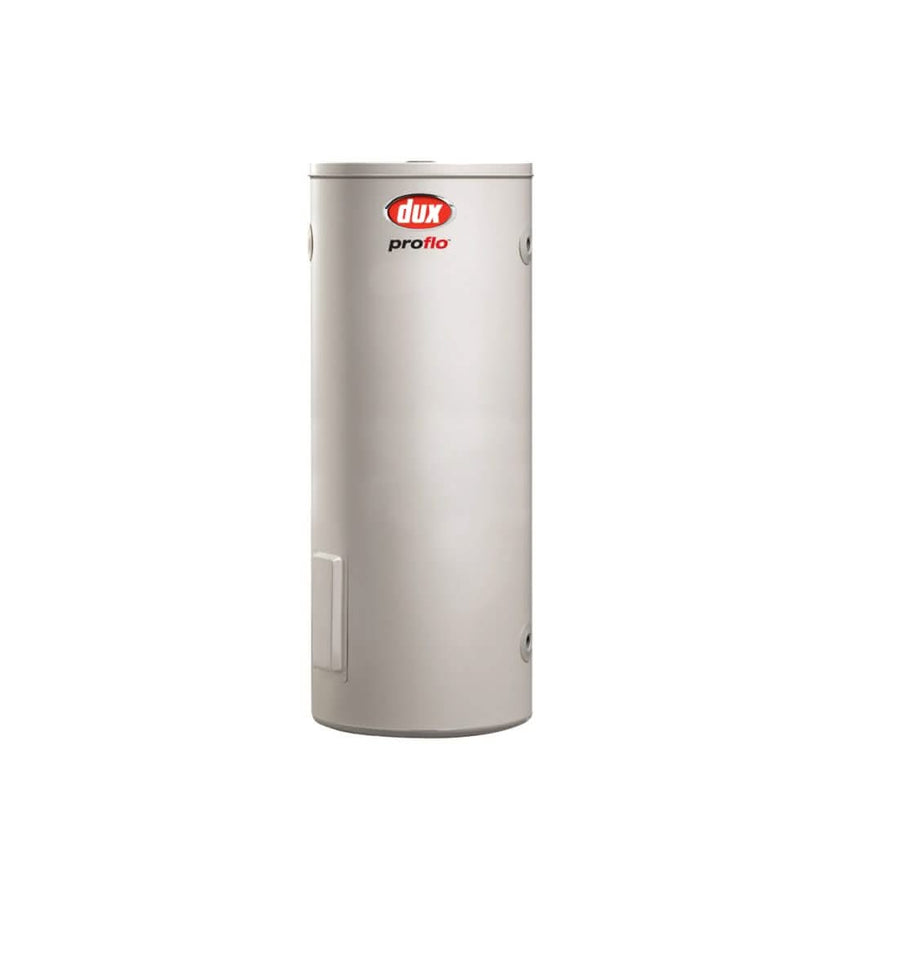
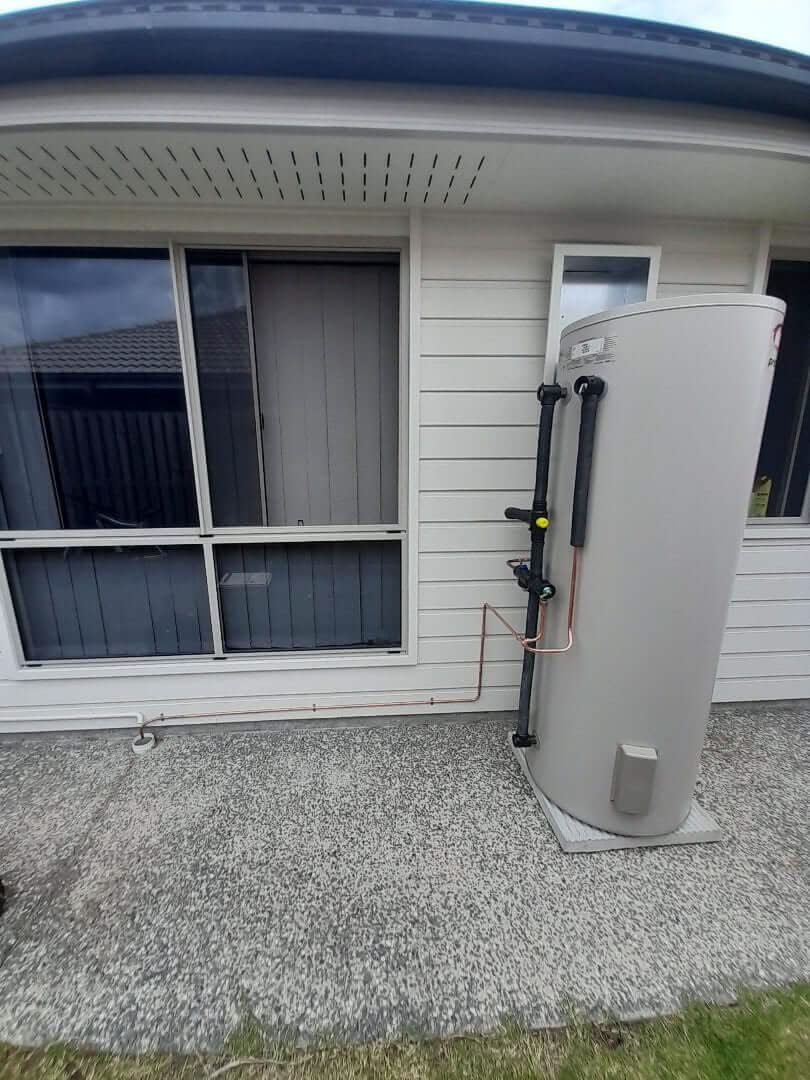
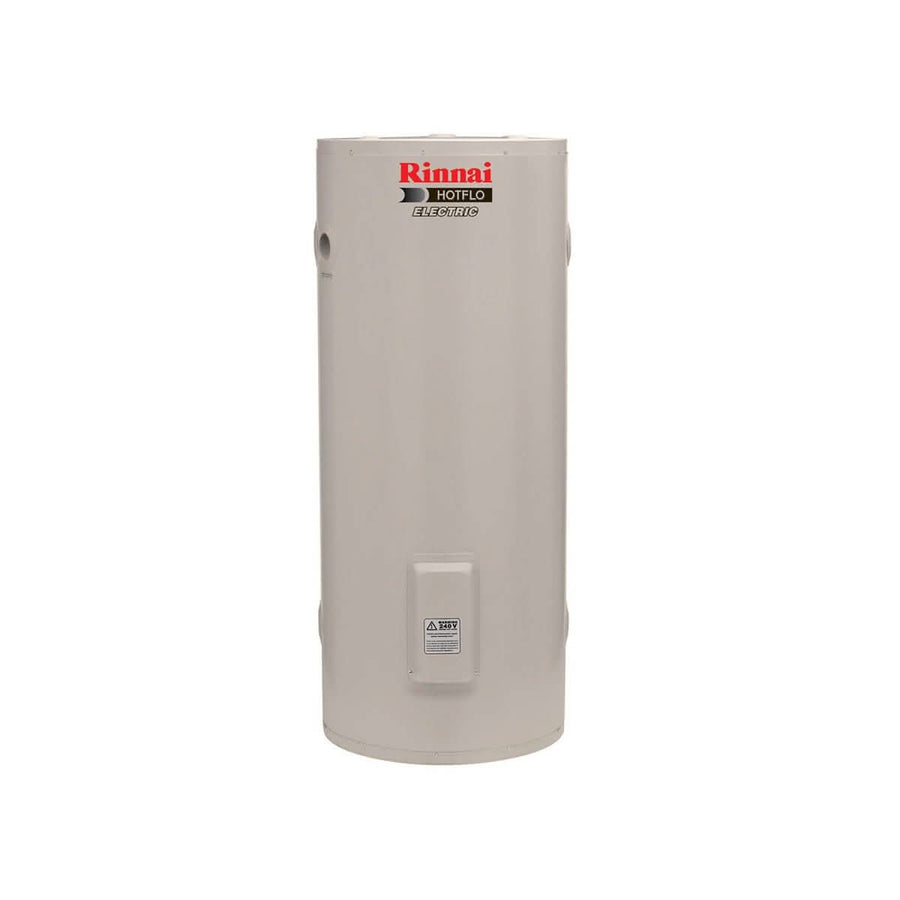
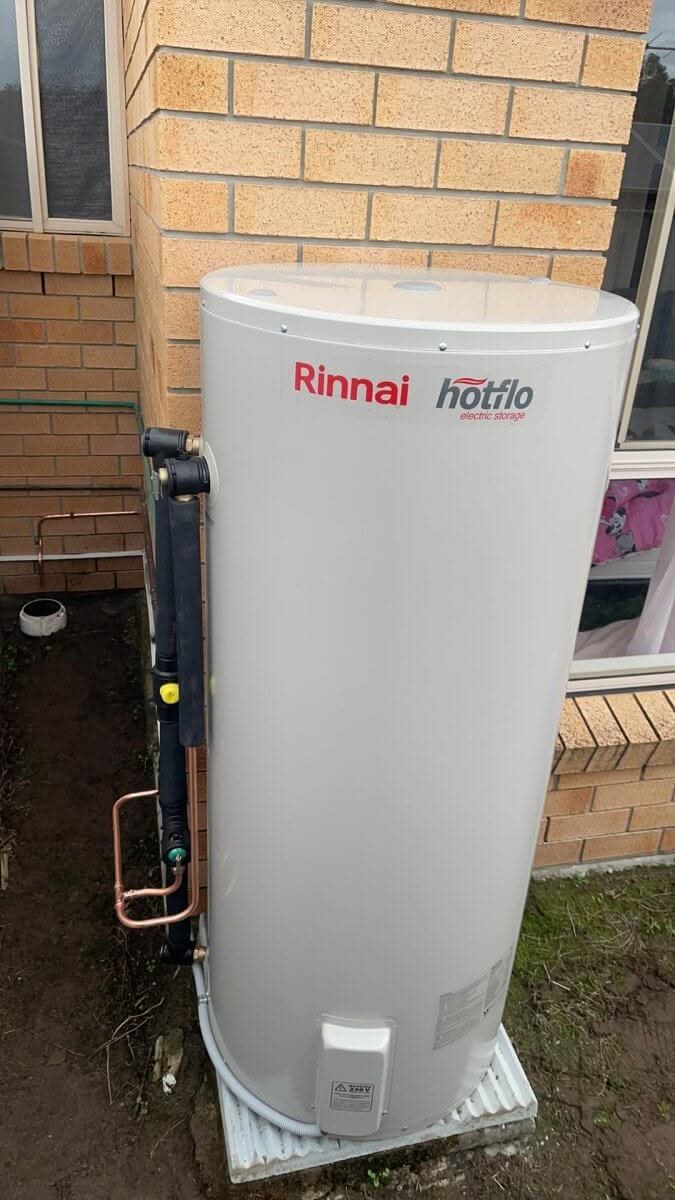
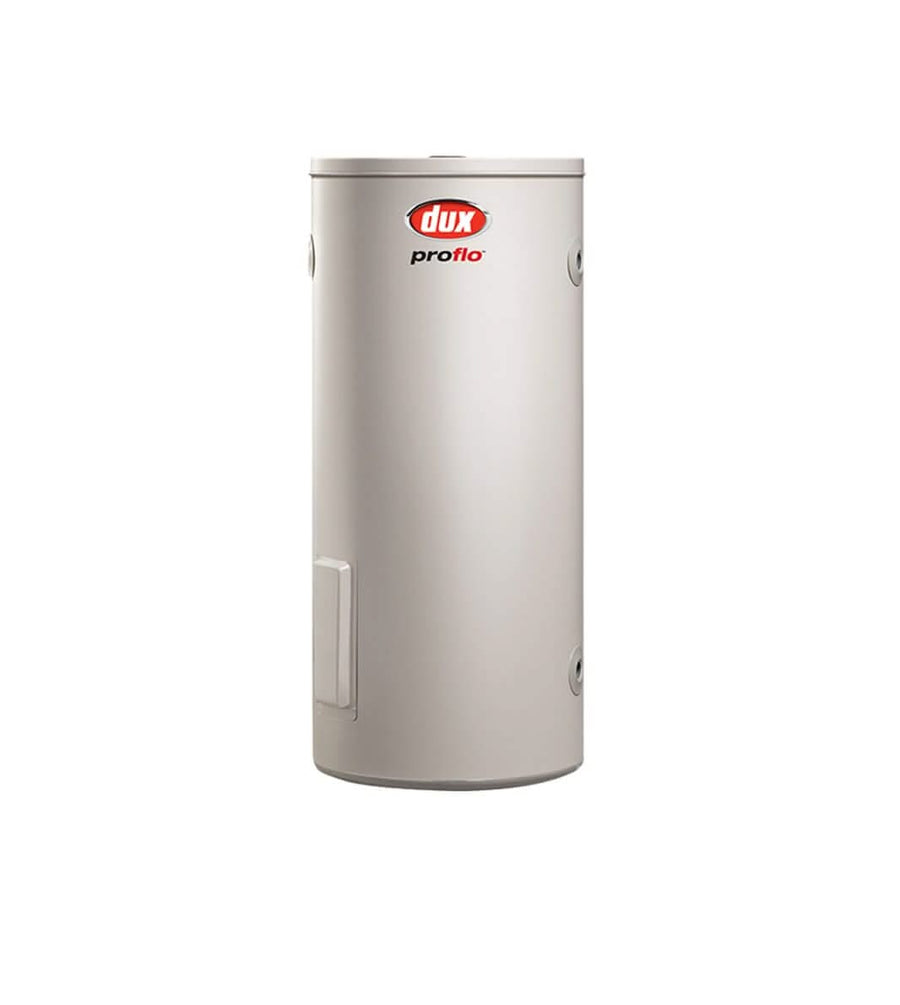
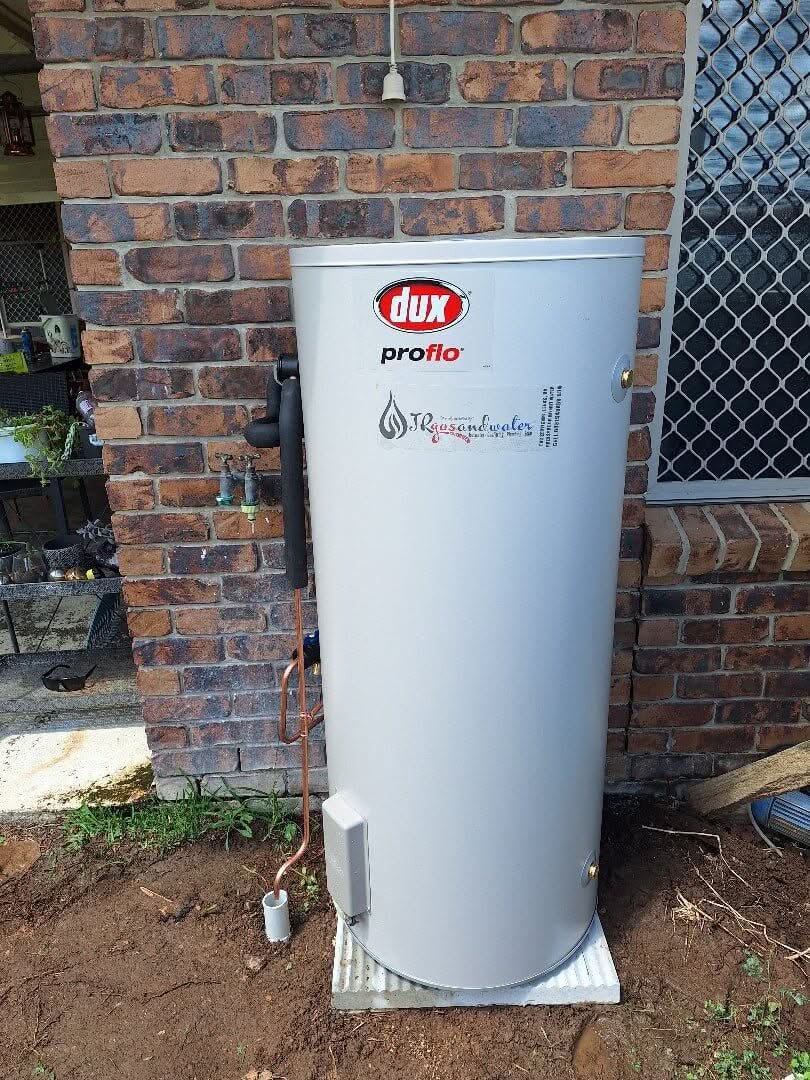
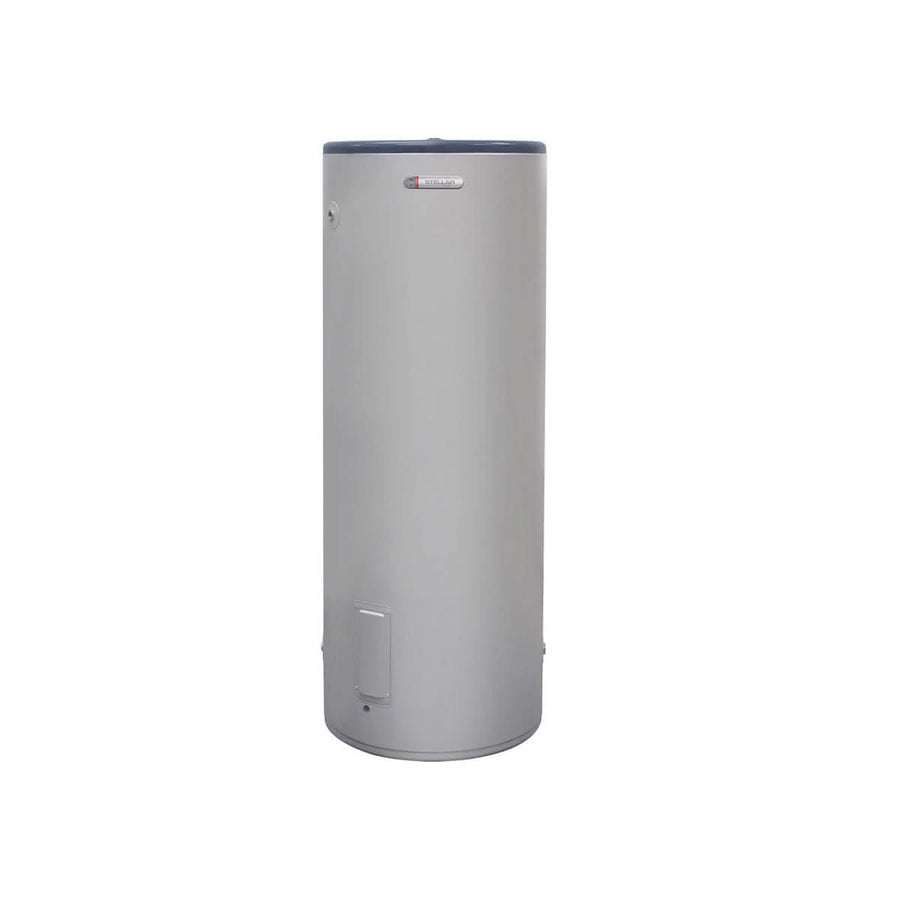
Installed Today supplies a range of hot water systems, including electric hot water systems, heat pump hot water systems and instant gas hot water systems for customers comparing replacement options.
Quick answer: what does a Catch Power Relay do?
A Catch Power Relay can help direct excess solar electricity toward selected household loads instead of exporting all surplus solar back to the grid.
In a hot water context, it may be used to help run an electric hot water load during solar production periods, depending on the system design.
It can be relevant for:
-
Electric storage hot water systems
-
Some heat pump hot water systems
-
Homes with rooftop solar
-
Customers wanting better solar self-consumption
-
Homes where export limits or low feed-in tariffs make self-use more attractive
-
Properties where a licensed electrician or solar installer confirms compatibility
It is not a direct replacement for a hot water system, solar battery or inverter. It is part of a broader energy management setup.
Why hot water matters for solar homes
Hot water can be one of the largest controllable electricity loads in a home.
A household may generate plenty of solar power during the day, but if the hot water system heats overnight or during non-solar periods, the home may still import electricity from the grid to heat water.
A load control device may help by shifting hot water heating into solar production windows where the system, wiring and tariff arrangement allow.
This can be useful for homes that want to:
-
Use more solar power on site
-
Reduce reliance on grid electricity
-
Make better use of daytime solar generation
-
Avoid sending too much low-value solar export back to the grid
-
Support an electric or heat pump hot water upgrade
-
Improve the value of rooftop solar without necessarily adding a battery
The result depends on the property, energy plan, solar size, household usage, hot water system and control setup.
What is solar self-consumption?
Solar self-consumption means using the solar electricity your home generates instead of exporting it to the grid.
For example:
-
Your solar panels generate electricity during the day
-
Your home uses some of that electricity immediately
-
Any unused solar may be exported to the grid
-
A load control device may help shift selected appliances to run during solar generation
-
Hot water can be one of those controlled loads where the setup suits
The more solar power your home uses directly, the less electricity it may need to buy from the grid.
However, the value depends on your electricity tariff, feed-in tariff, solar system size, appliance timing and total household demand.
How Catch Power Relay can work with hot water
A Catch Power Relay may help control when a hot water system is allowed to heat, based on solar production and household conditions.
In a simplified hot water example:
-
The rooftop solar system generates electricity during the day
-
The home uses electricity for normal household loads
-
Excess solar becomes available
-
The relay allows a selected hot water load to run
-
The hot water system heats during a solar production window
-
Less energy may need to be imported later for water heating
This can be useful for electric storage hot water or selected heat pump setups, but the wiring and controls need to be designed correctly by a qualified professional.
Catch Power Relay and electric storage hot water
Electric storage hot water systems are often one of the easiest hot water categories to understand for solar load shifting.
An electric storage unit heats water in a tank. If the heating cycle can be shifted into solar production hours, the household may be able to use more of its own solar energy.
This may suit homes with:
-
Rooftop solar
-
An electric storage hot water system
-
Daytime solar generation
-
A suitable electrical circuit
-
A tank large enough to store hot water for evening use
-
Licensed electrician confirmation
-
A tariff setup that supports the strategy
You can compare replacement options in the electric hot water systems collection.
Catch Power Relay and heat pump hot water
Heat pump hot water can also work well in solar homes when the system is set up to run during the day.
A heat pump uses electricity to draw heat from the surrounding air and transfer it into the water. If it can run during solar generation periods, the home may use more solar energy on site.
A solar-controlled heat pump setup may suit homes with:
-
Suitable outdoor space
-
Good airflow
-
Condensate drainage
-
Rooftop solar
-
Daytime heating preference
-
A tank sized for evening use
-
Compatible electrical setup
-
Installer-approved control method
Heat pump hot water systems can have their own control requirements, timer settings and manufacturer recommendations. Any relay or load-control setup should be confirmed by the installer and should not interfere with safe operation or warranty requirements.
Browse options in the heat pump hot water systems collection.
Catch Power Relay and instant gas hot water
Catch Power Relay is usually more relevant to electrical loads than gas hot water.
An instant gas hot water system uses gas to heat water as it flows through the unit. Many continuous flow gas units still require electricity for ignition and controls, but the main water heating energy comes from gas, not solar electricity.
For this reason, a solar relay is generally more relevant to electric storage or heat pump hot water than to gas continuous flow hot water.
If your home has rooftop solar and you are deciding between electric, heat pump and gas hot water, compare the full picture:
-
Existing energy source
-
Solar generation
-
Gas availability
-
Household demand
-
Upfront cost
-
Running cost
-
Installation location
-
Long-term plans
Catch Power Relay vs solar battery
A Catch Power Relay is not the same as a solar battery.
A battery stores solar electricity for later use. A relay helps control when certain loads run so they can use solar power while it is being generated.
| Option | What it does | Best suited to |
|---|---|---|
| Catch Power Relay or load control | Runs selected loads during solar production | Homes wanting better daytime solar use |
| Solar battery | Stores excess solar for later use | Homes wanting night-time solar use and backup-style benefits where supported |
| Timer only | Runs a load at a set time | Simple daytime scheduling where solar production is predictable |
| Smart hot water control | Manages hot water heating more intelligently | Homes with compatible systems and installer setup |
A relay can be a lower-complexity option than a battery for some homes, but it does not store energy for night-time use.
Catch Power Relay vs basic timer
A basic timer can turn hot water on during a set period, such as the middle of the day. That can be useful for solar homes, but it does not always respond to real solar production.
A relay or smarter load-control setup may offer more responsive control depending on the model and installation.
| Control option | Main advantage | Main limitation |
|---|---|---|
| Basic timer | Simple and often low cost | Runs even if solar production is poor |
| Solar relay/load control | Can respond to solar conditions | Needs compatible setup and professional installation |
| Heat pump built-in timer | Often included with the system | Depends on model and electrical setup |
| Battery | Stores energy for later | Higher upfront cost |
The right option depends on how much control you need and what your electrical setup supports.
Why export limiting matters
Some solar homes face export limits, low feed-in tariffs or changing grid rules. That can make it more attractive to use solar power on site instead of sending excess power back to the grid.
A load-control device can help by increasing self-consumption. Instead of exporting surplus solar during the day, the home may direct more energy into a useful load such as hot water.
This does not mean export limiting is always a problem or that every home needs a relay. It simply means homeowners with rooftop solar should consider how much of their solar is being used on site and whether hot water timing can be improved.
What homes are most likely to benefit?
A Catch Power Relay or similar solar load-control setup may be worth exploring if:
-
You have rooftop solar
-
You export a lot of solar during the day
-
Your feed-in tariff is low
-
Your hot water heats outside solar production hours
-
You have electric storage hot water
-
You are upgrading to heat pump hot water
-
Your hot water tank can store enough for evening use
-
Your switchboard and wiring are suitable
-
A solar/electrical professional confirms compatibility
It may be less useful if:
-
You have little excess solar
-
Your hot water already runs during the day
-
You have gas hot water
-
Your hot water demand is very low
-
Your system is not electrically compatible
-
Your tariff setup makes load shifting less valuable
-
Your hot water system cannot be controlled safely
-
Your home needs a different energy solution first
Solar hot water load control for electric storage systems
Electric storage hot water can be a practical load for solar shifting because the tank stores heated water.
A good setup may allow the system to heat during the day and provide hot water later in the evening.
Important checks include:
-
Tank capacity
-
Household demand
-
Element size
-
Heating time
-
Electrical circuit
-
Controlled load or tariff setup
-
Timer or relay compatibility
-
Switchboard space
-
Solar generation pattern
-
Whether boost heating is needed
-
Licensed electrician approval
If the tank is too small, the home may still run out of hot water even if solar control is working well.
Solar hot water load control for heat pump systems
Heat pumps need a slightly different approach because they have compressors, fans and control logic.
Before using external control with a heat pump, confirm:
-
Manufacturer control recommendations
-
Whether external switching is allowed
-
Minimum run times
-
Timer settings
-
Recovery rate
-
Tank size
-
Electrical requirements
-
Noise timing
-
Condensate drainage
-
Solar generation timing
-
Installer approval
Some heat pumps may already have built-in timers or smart control options. External relays should not be used in a way that causes short cycling, poor recovery or warranty issues.
Will a Catch Power Relay save money?
A Catch Power Relay may help reduce electricity imports if it allows more solar energy to be used on site.
However, savings depend on:
-
Solar system size
-
Feed-in tariff
-
Electricity import tariff
-
Hot water energy use
-
When hot water currently heats
-
Household daytime energy use
-
Tank size
-
Weather
-
Load control settings
-
Installation cost
-
Whether the system is compatible
Avoid assuming a fixed dollar saving. The value should be assessed against the household’s real energy use and solar generation.
Is Catch Power Relay better than changing hot water systems?
It depends on the current hot water system.
If your existing electric storage unit is fairly new and correctly sized, a relay or timer setup may help improve solar use.
If your system is old, leaking, undersized or inefficient, replacing the hot water system may be a better first step.
Common replacement pathways include:
-
Old electric storage to new electric storage with solar-aware timing
-
Old electric storage to heat pump hot water
-
Gas storage to continuous flow gas where gas suits
-
Undersized storage to correctly sized storage
-
Failed hot water unit to like-for-like replacement
Compare current options in the hot water systems collection.
Catch Power Relay and off-peak hot water
Some homes have electric hot water connected to controlled load or off-peak tariffs. These setups may heat water overnight at a different electricity rate.
If you have off-peak hot water and rooftop solar, it may be worth asking a licensed electrician whether shifting to daytime solar heating makes sense.
The answer depends on:
-
Off-peak tariff price
-
Solar export value
-
Import tariff price
-
Tank capacity
-
Heating window
-
Household usage
-
Switchboard setup
-
Metering arrangement
-
Retailer plan
-
Local network rules
Do not disconnect or alter controlled load wiring yourself. Have a licensed electrician assess the options.
Catch Power Relay and feed-in tariffs
Feed-in tariffs are the rates paid for exported solar. If the feed-in tariff is low, using more solar power inside the home may be more attractive.
Hot water is one of the loads that may be shifted into the solar window.
For example, instead of exporting surplus solar at midday and buying electricity later to heat water, the home may heat water during solar production.
The actual value depends on the difference between your feed-in tariff and import tariff, plus the cost of any control equipment and installation.
Catch Power Relay and solar export limits
Some properties may have solar export limits set by the network or inverter configuration. Export limits can restrict how much solar power is sent back to the grid.
If export is limited, self-consuming more solar can improve the value of the solar system.
Load control may help by using excess solar for household loads, such as hot water, when generation is available.
A solar installer or electrician can confirm whether export limiting applies to your site and whether a relay setup would be useful.
Is Catch Power Relay suitable for apartments?
Catch Power Relay may be less straightforward in apartments and units because of shared electrical infrastructure, body corporate rules, metering arrangements and limited access to solar generation.
It may suit some apartments only where:
-
The apartment has its own solar system or suitable connection
-
The hot water circuit is individually controlled
-
Body corporate approval is not a barrier
-
The switchboard allows the required setup
-
A licensed electrician confirms compatibility
For many apartments, hot water replacement decisions may focus more on compact electric storage, like-for-like replacement or building-approved systems.
Is Catch Power Relay suitable for rental properties?
A relay setup may suit some rental properties with rooftop solar and electric hot water, but the owner should consider simplicity and reliability.
For rentals, think about:
-
Tenant hot water comfort
-
Simple operation
-
Maintenance access
-
Whether tenants understand system behaviour
-
Whether boost heating is available
-
Whether the system is correctly sized
-
Whether the setup affects tariffs
-
Whether a property manager needs instructions
If the hot water system is old or undersized, replacement may be more important than adding control equipment.
Is Catch Power Relay suitable for Airbnb or short-stay properties?
Short-stay properties need reliable hot water for guest comfort.
A solar relay may suit some Airbnb properties, but the system must still provide enough hot water for maximum guest occupancy.
Before relying on solar-controlled hot water in short-stay accommodation, consider:
-
Maximum guest count
-
Number of bathrooms
-
Back-to-back showers
-
Laundry between bookings
-
Weather variation
-
Boost heating
-
Tank size
-
Guest comfort
-
Simple operation
-
Maintenance access
For short-stay properties, hot water reliability usually matters more than small energy savings.
What to check before installing a Catch Power Relay
Before installing a Catch Power Relay or similar solar load-control device, check:
-
Solar inverter compatibility
-
Single-phase or three-phase supply
-
Switchboard space
-
Existing hot water circuit
-
Electric storage or heat pump compatibility
-
Controlled load or tariff arrangement
-
Solar export settings
-
Household usage patterns
-
Hot water tank size
-
Electrical safety requirements
-
Installer qualifications
-
Manufacturer instructions
-
Warranty implications
-
Whether any network approval is needed
This should be assessed by a licensed electrician or solar installer.
What to check before replacing your hot water system for solar use
If you are replacing your hot water system and want it to work well with rooftop solar, check:
-
Whether electric storage or heat pump suits the property
-
Tank size
-
Household hot water demand
-
Daytime solar generation
-
Timer options
-
Relay/load control compatibility
-
Electrical circuit requirements
-
Switchboard capacity
-
Outdoor space for heat pump
-
Condensate drainage for heat pump
-
Noise placement
-
Supply-only vs supplied-and-installed options
A good hot water choice can make solar load shifting easier.
Electric storage vs heat pump for solar homes
Both electric storage and heat pump hot water can work with solar in the right setup.
| Option | Best suited to | Main consideration |
|---|---|---|
| Electric storage | Simple replacement and solar-timed heating | Can use more electricity than heat pump |
| Heat pump | Efficiency-focused electric homes | Needs outdoor space, airflow and drainage |
| Instant gas | Gas-connected homes | Not primarily powered by solar electricity |
| Solar hot water | Suitable roof and booster setup | More complex and site-specific |
For many solar homes replacing electric storage, heat pump hot water is worth comparing. For homes wanting the simplest replacement, electric storage with appropriate timing may still suit.
Supply only vs supplied and installed
Installed Today offers supply-only hot water systems across major Australian metro areas for customers who already have their own licensed installer arranged. Supplied-and-installed options are available on selected products in eligible Brisbane and Gold Coast service areas where shown.
Supply-only product pricing generally does not include installation, electrical work, timer setup, relay installation, solar integration, valves, pipework changes, drainage, old unit removal, disposal or compliance upgrades unless those items are clearly selected or included.
If you are planning solar load control, confirm the hot water system and electrical design with your licensed electrician or solar installer before ordering.
Hot water systems for solar homes in Brisbane and Gold Coast
For eligible Brisbane and Gold Coast service areas, Installed Today offers supplied-and-installed options on selected hot water products where available.
Solar-focused hot water options may include:
-
Electric storage hot water with suitable timing setup
-
Heat pump hot water where outdoor space and airflow suit
-
Correctly sized systems for household demand
-
Selected brand options depending on availability
Solar relay installation, inverter settings and broader energy management should be confirmed with a licensed solar/electrical professional.
Common mistake: assuming solar relay works with every hot water system
Not every hot water system is suitable for external relay control.
Gas systems, some heat pumps, some controlled-load circuits and some smart systems may not suit the same approach.
Always confirm compatibility before installing control equipment.
Common mistake: choosing a heat pump without checking control settings
A heat pump may have manufacturer-specific controls, timers and operating requirements.
Do not assume any relay can switch it on and off freely. Incorrect control can affect comfort, performance or warranty.
Common mistake: making the tank too small
Solar control cannot fix an undersized tank.
If the household uses more hot water than the tank can store, the system may still run out, even if it heats during solar hours.
Common mistake: ignoring cloudy days
Solar output changes with weather.
A good hot water setup needs backup heating or enough stored hot water to handle cloudy days, high-use days and unusual demand.
Common mistake: chasing solar savings while ignoring installation cost
Load control can be useful, but the value depends on the cost of hardware, electrical work and expected savings.
For some homes, replacing an old hot water system with a correctly sized heat pump or electric storage unit may deliver better value than adding controls to an unsuitable system.
Final recommendation
A Catch Power Relay can be useful for homes with rooftop solar where the goal is to use more solar power on site instead of exporting it. In hot water applications, it is most relevant to electric storage and selected heat pump setups where a licensed electrician or solar installer confirms compatibility.
If your existing hot water system is old, leaking, undersized or not suitable for solar timing, start by comparing replacement options. For straightforward electric replacements, browse electric hot water systems. For efficiency-focused solar homes, compare heat pump hot water systems. For gas-connected homes, compare instant gas hot water systems, noting that gas hot water is not primarily powered by solar electricity.
The best solar hot water control setup is the one that matches your solar system, switchboard, tariff, hot water demand and replacement plan.
To compare suitable hot water systems, browse the Installed Today hot water systems range.
Long-tail FAQs
What is a Catch Power Relay?
A Catch Power Relay is an energy control device designed to help manage selected electrical loads based on solar production and household demand. In hot water applications, it may help run electric hot water during solar generation periods where the setup is compatible.
Can Catch Power Relay heat my hot water?
The relay does not heat water itself. It controls when an electrical load, such as a compatible electric hot water circuit, may run. The hot water system still does the heating.
Does Catch Power Relay work with electric hot water systems?
It may work with some electric storage hot water systems where the wiring, tariff setup and control arrangement are suitable. A licensed electrician or solar installer should confirm compatibility.
Does Catch Power Relay work with heat pump hot water?
It may suit selected heat pump setups, but heat pumps have manufacturer-specific controls and operating requirements. External control should only be used where approved by the installer and suitable for the model.
Does Catch Power Relay work with gas hot water?
Catch Power Relay is generally more relevant to electrical loads. Gas continuous flow hot water uses gas as the main heating source, so solar relay control is usually less relevant than it is for electric storage or heat pump systems.
Is a Catch Power Relay the same as a solar battery?
No. A battery stores solar electricity for later use. A relay helps control when selected loads operate so they can use solar power while it is being generated.
Can a Catch Power Relay reduce electricity bills?
It may help reduce grid imports by increasing solar self-consumption, but savings depend on solar generation, tariffs, feed-in rates, hot water usage, installation cost and system compatibility.
Is a timer enough for solar hot water?
A timer may be enough for some homes if solar generation is predictable and the hot water system suits daytime heating. A smarter relay may offer more responsive control, but it also needs compatible equipment and professional setup.
Should I get a heat pump instead of a Catch Power Relay?
If your existing hot water system is old, inefficient, leaking or undersized, replacing it with a correctly sized heat pump may be worth comparing first. If your current electric system is suitable, load control may help improve solar self-consumption.
Does Installed Today install Catch Power Relay?
Installed Today supplies hot water systems, with supplied-and-installed options available on selected hot water products in eligible Brisbane and Gold Coast service areas where shown. Solar relay installation and inverter integration should be handled by a licensed electrician or solar installer.