
Distilled Water vs Filtered Water: What’s Better for Drinking, Appliances and Home Use?
Distilled water is water that has been boiled into steam and condensed back into liquid. This process can remove many minerals, particles and contaminants, which is why distilled water is often used for appliances, medical equipment, steam irons, humidifiers and some cleaning tasks.
For everyday drinking water, though, distilled water is not always the most practical choice. Many homes are better suited to a dedicated water filter, drinking water filtration system, kitchen water filter or whole home water filtration system, depending on the water source and what you want to reduce.
The right choice depends on whether you want water for drinking, cooking, coffee, appliances, showers, tank water treatment or whole-house use.
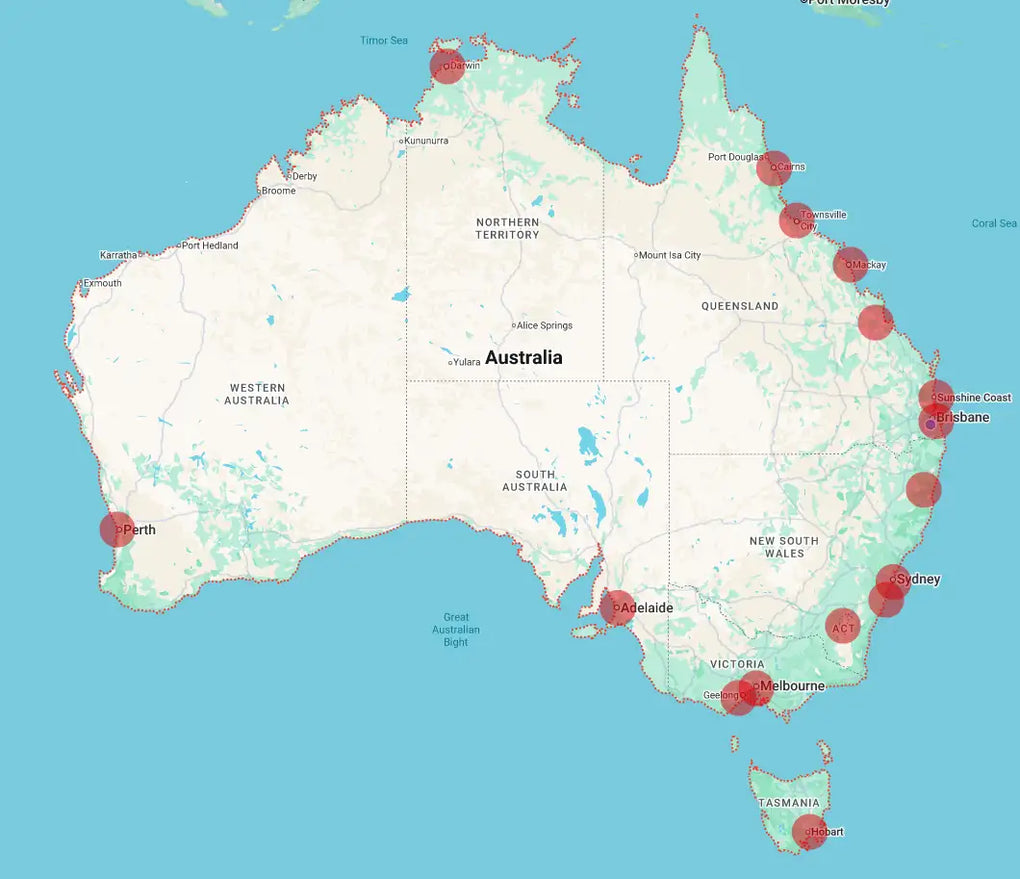
Installed Today offers online supply-only ordering across major Australian metro areas for selected water filters, hot water systems and pumps. Before ordering any filtration system, confirm suitability for your water source, pressure, flow rate, installation location and cartridge maintenance requirements.
Quick Answer: Is Distilled Water Better Than Filtered Water?
Distilled water is useful when you need low-mineral water for appliances, cleaning or specific equipment. It can reduce minerals and many impurities, but it also removes beneficial minerals and is slow to make at home.
Filtered water is usually more practical for daily drinking, cooking and household use because it is easier to access, can be matched to the water issue and does not require boiling and collecting steam.
As a general guide:
-
Use distilled water for appliances that need low-mineral water
-
Use a drinking water filter for better-tasting tap water
-
Use a kitchen water filter for everyday drinking, cooking, tea and coffee
-
Use a whole home filter where you want filtration across multiple taps
-
Use UV filtration where microbiological treatment is required for suitable water sources
-
Do not assume one filter or process solves every water issue
What Is Distilled Water?
Distilled water is made through distillation. Water is heated until it turns into steam. The steam is then cooled and collected as liquid water.
Because many minerals and heavier impurities do not evaporate with the steam, they are left behind. This is why distilled water is often described as purified or low-mineral water.
Distilled water is commonly used for:
-
Steam irons
-
Humidifiers
-
CPAP machines where recommended by the manufacturer
-
Laboratory use
-
Some medical equipment
-
Cleaning tasks where mineral spots are a problem
-
Car batteries where specified
-
Certain household appliances
However, distilled water is not always the most convenient option for regular drinking water. It takes time and energy to make, and it does not provide the minerals found in many tap or filtered water sources.
How Distillation Works
Distillation uses heat and condensation.
The basic process is:
-
Water is heated until it boils
-
Steam rises from the boiling water
-
The steam is cooled
-
Condensed water is collected
-
Minerals and many impurities are left behind
This process can reduce many dissolved minerals, sediment and some contaminants. However, home distillation is not always perfect. Some volatile chemicals may evaporate with steam depending on the setup and water quality.
That is why distilled water should not be treated as a guaranteed solution for every water problem.
Can You Make Distilled Water at Home?
Yes, distilled water can be made at home using a controlled boiling and condensation setup. However, it is slow, uses energy and needs care around heat, steam and glassware.
A basic home distillation setup usually involves:
-
A large pot
-
A heat source
-
A clean collection bowl
-
A lid that helps direct condensation
-
Ice to encourage steam to condense
-
A clean storage container
Even though the process is simple in theory, it is not always practical for daily household drinking water. Producing enough water for a family can take a long time, and the setup must be handled safely to avoid burns, spills or contamination.
For most homes, a properly selected drinking water filter or kitchen water filter is easier to use every day.
Is Distilled Water Safe to Drink?
Distilled water is generally considered safe to drink when it has been made and stored properly. The main issue is that distillation removes minerals from the water, which can make it taste flat or plain.
For occasional use, this is usually not a major issue. For everyday drinking, many people prefer filtered water because it can improve taste and smell while still being convenient for normal home use.
If you have specific health needs, medical equipment requirements or concerns about your water quality, follow professional advice and the equipment manufacturer’s instructions.
Distilled Water vs Filtered Water
Distilled water and filtered water are not the same.
| Water Type | How It Works | Best For | Key Considerations |
|---|---|---|---|
| Distilled water | Boiling and condensation | Appliances, medical equipment where specified, low-mineral uses | Slow to make, removes minerals, not always practical for daily drinking |
| Filtered water | Passes through cartridge or media | Drinking, cooking, kitchen use, whole home filtration | Must be matched to water source and cartridge type |
| Reverse osmosis water | Uses membrane filtration | Some drinking water applications where broader reduction is needed | Can reduce minerals, may produce wastewater, needs maintenance |
| UV-treated water | Uses ultraviolet light | Certain tank, rainwater or rural water applications | Usually needs pre-filtration and correct flow rate |
For most everyday drinking water needs, a drinking water filtration system is more convenient than making distilled water at home.
Distilled Water vs Kitchen Water Filters
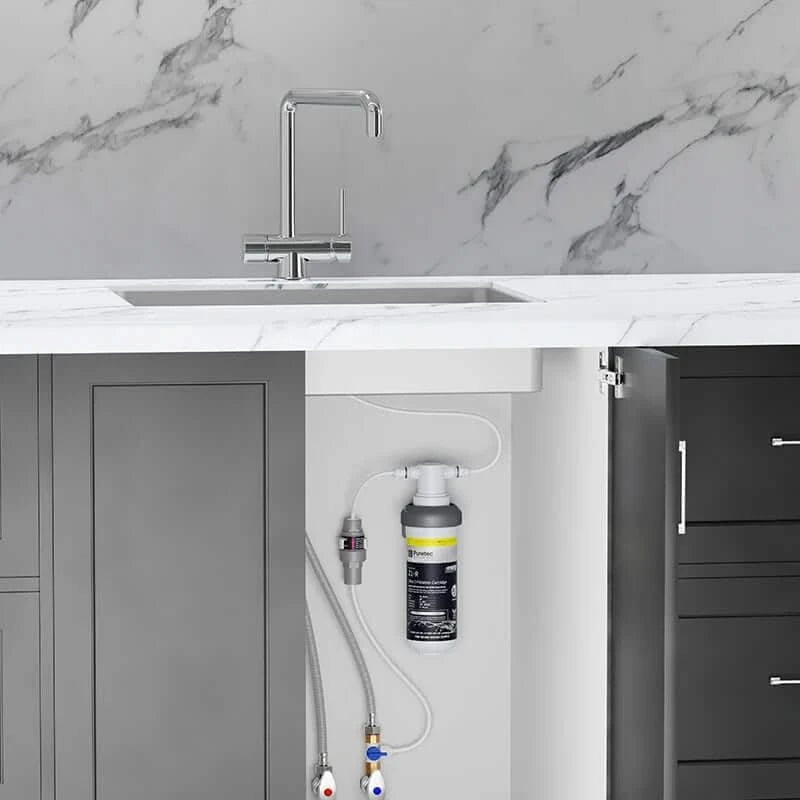
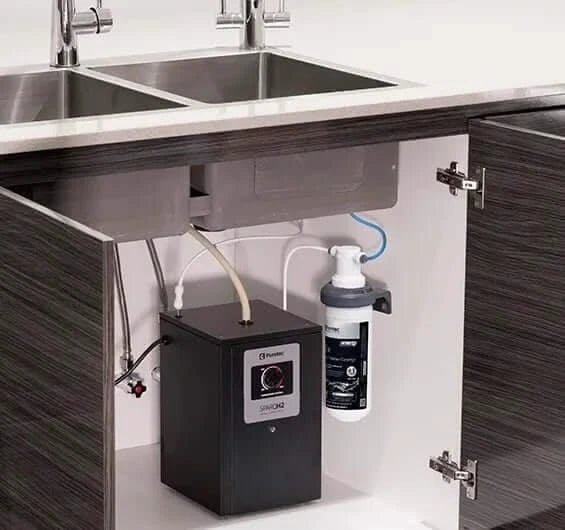
A kitchen water filter is usually installed at or near the kitchen sink. It is designed to make filtered water easy to access for daily use.
Kitchen filters can suit:
-
Drinking water
-
Cooking
-
Tea and coffee
-
Filling bottles
-
Pet bowls
-
Food preparation
-
Reducing chlorine taste and odour where suitable
-
Improving everyday tap water taste
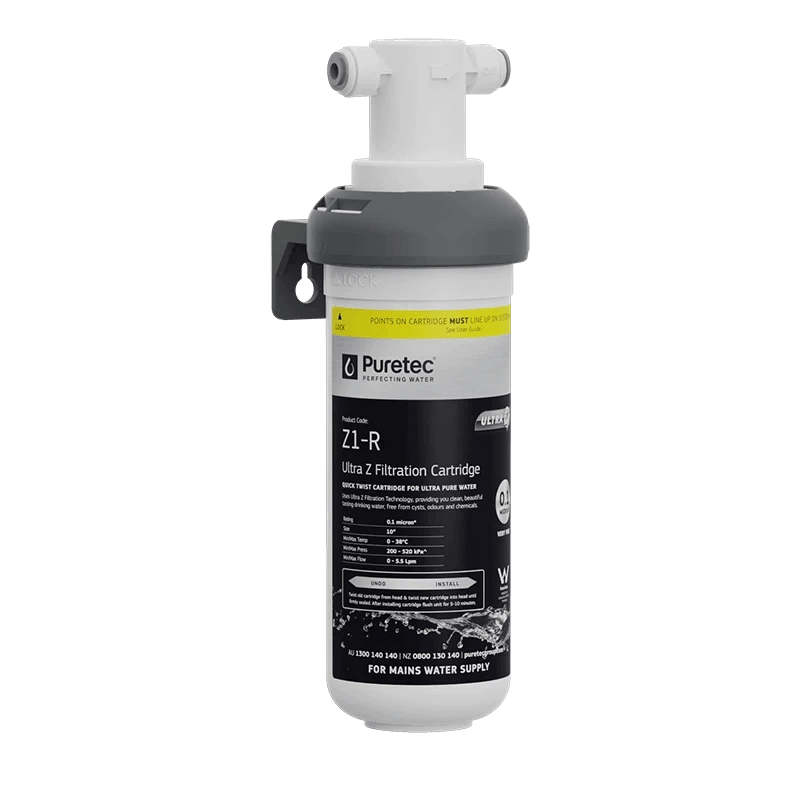
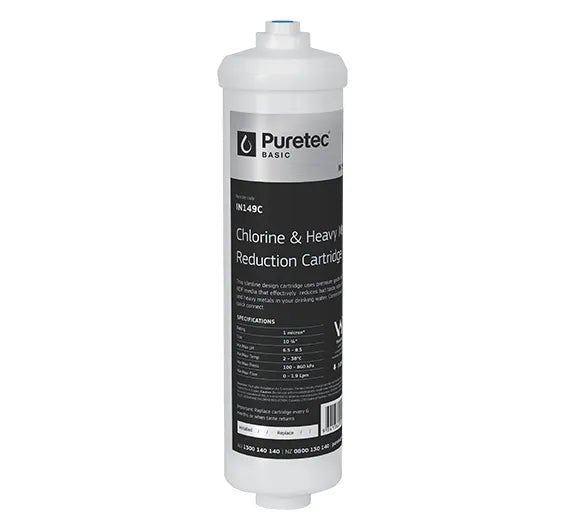
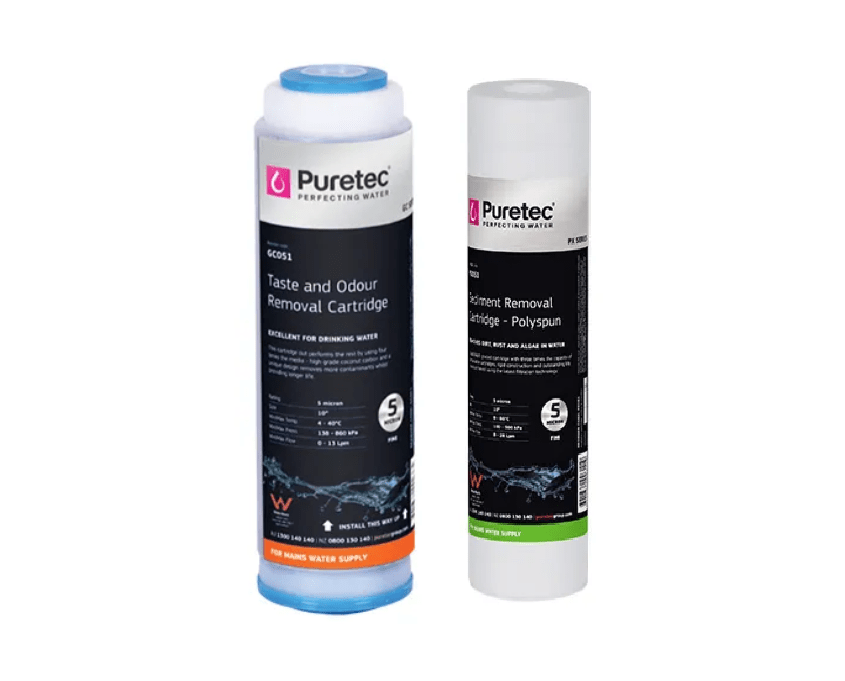
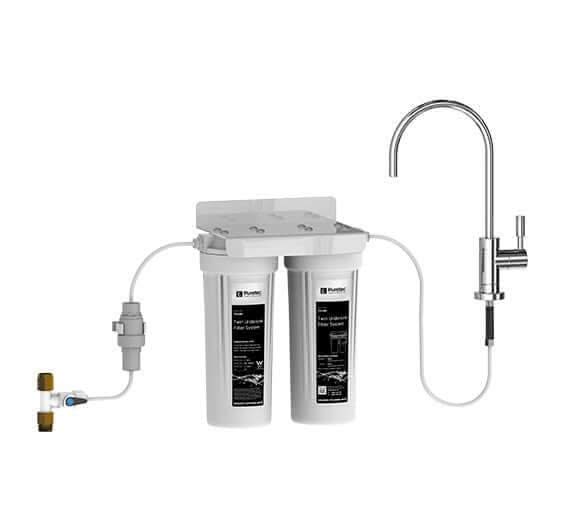
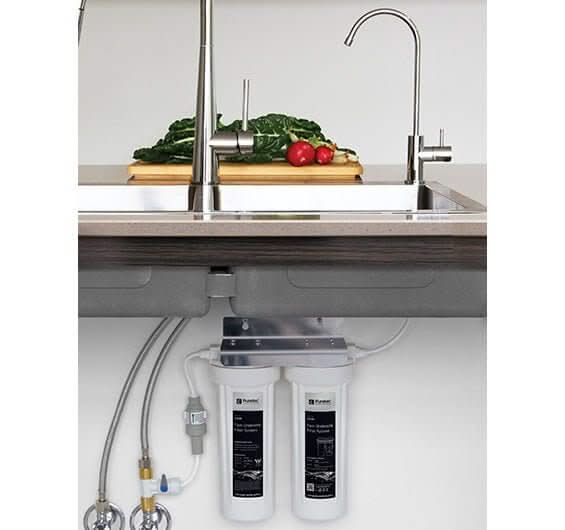
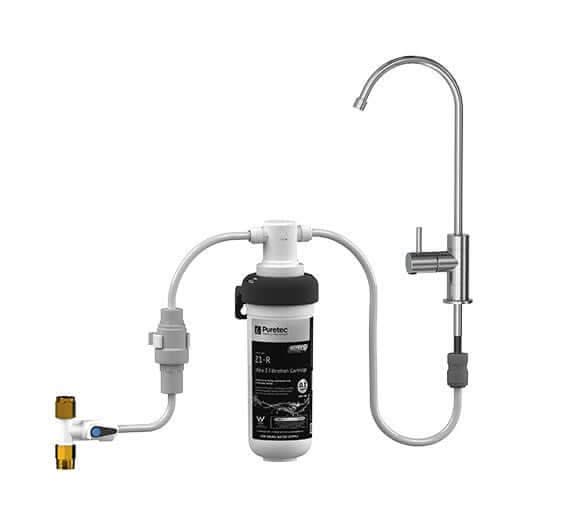
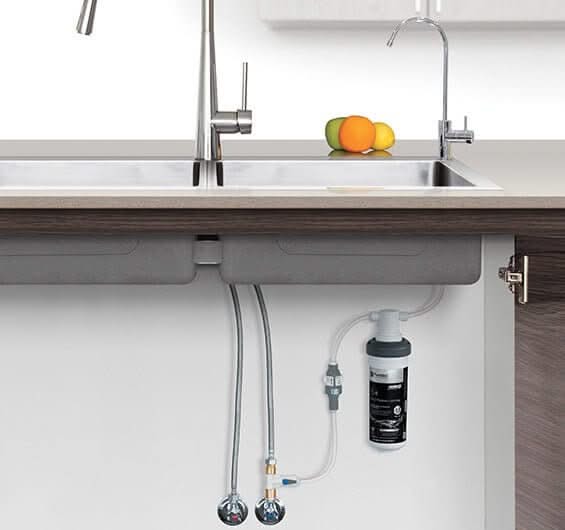
Depending on your home and water source, you may compare options such as the Puretec PureMix Z7 Inline Water Filter, Puretec PureMix Z2 Water Filter, Puretec PureMix Z6 Inline Water Filter or Puretec X4 Kitchen Dedicated Outlet Single Filter System.
These systems are not the same as distillation, but they are usually easier to use for normal household drinking water.
Distilled Water vs Whole Home Water Filtration
A whole home water filtration system filters water entering the home, rather than only filtering a jug, fridge dispenser or kitchen tap.
Whole home filtration may suit households wanting filtration for:
-
Kitchen taps
-
Bathroom taps
-
Showers
-
Laundry
-
Appliances
-
Sediment reduction
-
Chlorine taste and odour reduction
-
Tank water setups where suitable treatment is required
-
Rainwater or rural water systems where water testing supports the system choice
Distilled water is made in small batches. Whole home filtration is designed for regular household water flow. They solve different problems.
A whole home system must be selected carefully based on water source, pressure, flow rate, pipework, installation space and cartridge maintenance needs.
Distilled Water vs Reverse Osmosis
Reverse osmosis is a filtration method that uses a membrane to reduce a wide range of dissolved solids and contaminants. It is commonly used in some drinking water systems.
Reverse osmosis may suit certain drinking water applications, but it is not always the right choice for every home.
Considerations include:
-
Cartridge and membrane replacement
-
Wastewater production
-
Slower flow compared with some other filters
-
Reduced minerals
-
Installation space
-
Water pressure requirements
-
Suitability for the water source
Like distillation, reverse osmosis can reduce minerals. If you simply want better-tasting kitchen water, a carbon-based drinking water system may be a more practical starting point.
Distilled Water vs UV Water Filtration
UV filtration is different from distillation. UV systems use ultraviolet light to help treat microorganisms in suitable water.
UV may be relevant for:
-
Some tank water systems
-
Rainwater used for household supply
-
Rural water setups
-
Homes where microbiological treatment is required
-
Whole home water filtration systems where pre-filtration is included
UV systems need the right setup. The water usually needs to be filtered first so sediment does not block the UV light from working properly. Lamp replacement and maintenance are also important.
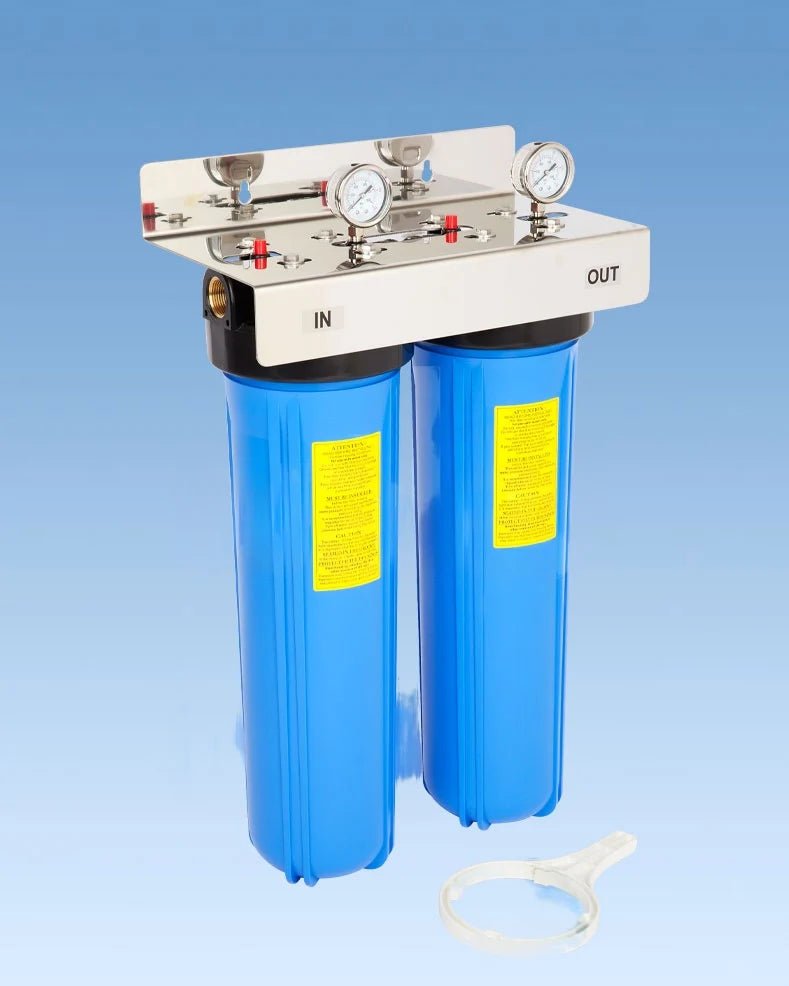
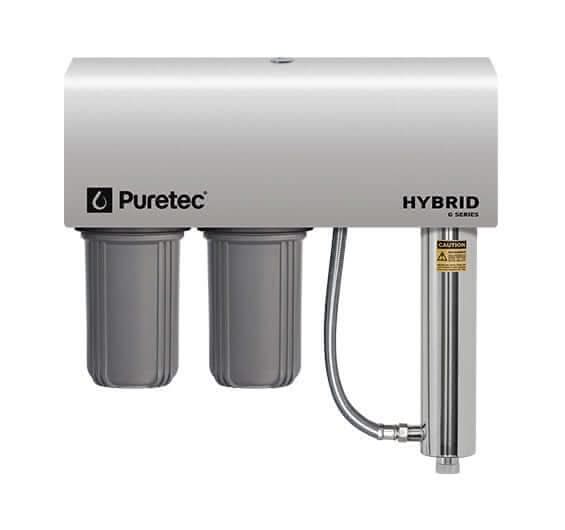
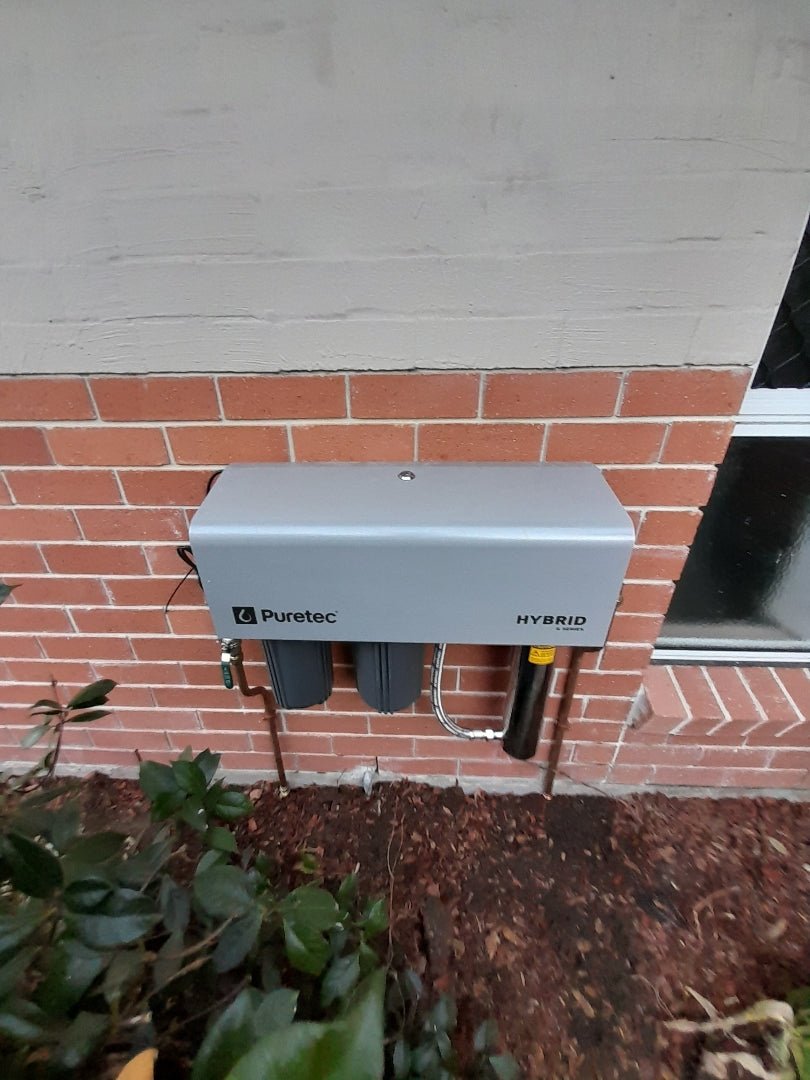
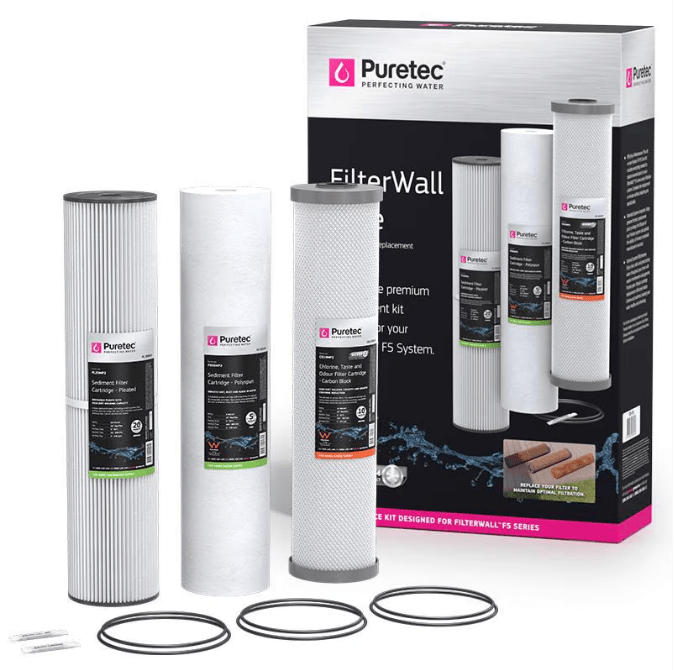
Products such as the Puretec G6 Whole House UV Twin Filter System, Puretec G12 Whole House UV Twin Filter System and Puretec G13 Whole House UV Twin Filter System may suit certain whole home UV filtration needs, depending on the water source, flow rate and installation requirements.
When Distilled Water Makes Sense
Distilled water can be useful when mineral content is the main issue.
It may be suitable for:
-
Steam irons
-
Humidifiers
-
Some cleaning tasks
-
Reducing mineral spotting
-
Certain medical equipment where the manufacturer specifies distilled water
-
Laboratory-style uses
-
Appliance care where low-mineral water is required
Always follow the manufacturer’s instructions for appliances and equipment. Some devices specifically recommend distilled water, while others may allow filtered water.
When Filtered Water Makes More Sense
Filtered water is usually more practical when the goal is better everyday water.
A filter may be a better option if you want:
-
Better-tasting drinking water
-
Less chlorine taste and odour
-
Filtered water at the kitchen sink
-
Filtered water for cooking
-
Filtered water for tea and coffee
-
A dedicated drinking water tap
-
Water filtration across the whole home
-
A solution that works without boiling water daily
-
Ongoing cartridge-based maintenance instead of manual distillation
Start by comparing water filters and narrowing the choice by water source, usage and installation type.
Choosing Based on Water Source
Town Water
Town water is already treated, but some households still dislike the taste, smell or chlorine level. For town water, a drinking water filter or kitchen filter may be enough for many homes.
A fridge filter, inline kitchen filter or dedicated outlet filter can often improve taste and smell depending on the cartridge.
Tank Water
Tank water can vary significantly. It can be affected by roof condition, gutters, leaves, animals, tank age, pump setup and maintenance.
A simple filter or home distillation setup may not be enough. Tank water may require sediment filtration, UV treatment or other system design depending on the intended use.
Water testing is recommended where drinking water safety is uncertain.
Rainwater
Rainwater filtration depends on how the water is used. Garden use, toilet use, laundry use, shower use and drinking water use all have different requirements.
For drinking water, do not assume one basic cartridge is enough. System design should be matched to the water source and risk.
Rural Supply
Rural water can include bore water, creek water, dam water, rainwater or carted water. These sources can have very different filtration needs.
Water testing is strongly recommended before choosing a filter system.
Does Distilled Water Remove Minerals?
Yes. One of the main effects of distillation is mineral reduction. This is why distilled water is useful for appliances that can be affected by mineral scale.
However, this also means distilled water can taste flat. For everyday drinking, many people prefer filtered water that improves taste and smell without necessarily removing all minerals.
Does Distilled Water Remove Chlorine?
Distillation can reduce many contaminants, but chlorine and some volatile compounds can behave differently depending on the setup. Some may evaporate or carry over unless the distillation system is designed to manage them properly.
If chlorine taste and smell are your main issue, a suitable carbon-based drinking water filter may be a more practical option.
Does Distilled Water Remove Bacteria?
Boiling and distillation can reduce bacteria and many microorganisms. However, distilled water can still become contaminated after collection if stored in an unclean container.
For tank, rainwater or rural water where microbiological safety is a concern, use proper water testing and a suitable treatment system rather than relying on a basic DIY setup.
Does Distilled Water Taste Different?
Yes. Distilled water often tastes flat because minerals have been removed.
Some people like the clean taste. Others prefer filtered water because it can taste fresher and more natural while still reducing unwanted chlorine taste, odour or sediment.
Is Distilled Water Better for Coffee and Tea?
It depends on taste preference and equipment needs.
Distilled water may reduce scale buildup in some appliances, but it can also make tea or coffee taste flat because minerals contribute to flavour extraction.
Filtered water is often a better everyday option for tea and coffee because it can reduce chlorine taste and odour while still keeping a more balanced flavour profile, depending on the filter.
Is Distilled Water Better for Appliances?
Distilled water can be useful for appliances that are affected by mineral buildup.
It may help with:
-
Steam irons
-
Small humidifiers
-
Some steam cleaners
-
Some medical equipment where specified
-
Reducing white mineral residue
Always check the appliance manual. Some appliances require distilled water, while others may allow filtered or demineralised water.
Common Mistakes With Distilled Water and Water Filters
Assuming Distilled Water Is Always Best
Distilled water is useful for specific applications, but it is not automatically the best option for daily drinking, cooking or whole-home use.
Using a Basic Filter for Unsafe Water
A simple drinking water cartridge should not be relied on to make unsafe water safe. Tank, rainwater and rural water may need testing and a more complete treatment setup.
Forgetting About Cartridge Replacement
All filter systems need maintenance. Cartridge replacement cost and timing should be checked before ordering.
Expecting One Filter to Remove Everything
Sediment, chlorine, bacteria, metals, hardness, chemicals and dissolved solids may need different filter technologies. No single basic filter solves every water issue.
Not Checking Flow Rate and Pressure
A filter must suit the home’s pressure and flow requirements, especially for whole home systems.
Ignoring Installation Requirements
Some filters can be simple, while others need a licensed plumber for correct installation. Whole home systems, UV systems and under-sink systems should be checked before ordering.
Before Ordering a Water Filter
Before buying a water filter, confirm:
-
Your water source
-
What you want to reduce
-
Whether the water is for drinking, showering or whole-home use
-
Whether water testing is needed
-
Flow rate requirements
-
Water pressure suitability
-
Installation location
-
Available space
-
Cartridge replacement frequency
-
Cartridge replacement cost
-
Whether UV treatment is needed
-
Whether sediment pre-filtration is required
-
Whether a licensed plumber is needed
-
Whether the selected system suits your intended use
Frequently Asked Questions
Is distilled water the same as filtered water?
No. Distilled water is made by boiling water into steam and condensing it back into liquid. Filtered water passes through filter media or cartridges designed to reduce certain impurities. They are different processes and suit different uses.
Can I drink distilled water every day?
Distilled water can be consumed if made and stored properly, but it lacks minerals and may taste flat. Many households prefer filtered water for everyday drinking because it is more convenient and usually tastes better.
Is distilled water better than tap water?
It depends on the use. Distilled water can be better for appliances that need low-mineral water. For everyday drinking, filtered tap water may be more practical and better tasting.
Is distilled water better than bottled water?
Distilled water and bottled water are different products. Bottled water can vary by source and treatment method. A home drinking water filter may reduce reliance on bottled water while making filtered water easier to access.
What is the best filter for drinking water?
The best drinking water filter depends on your water source and what you want to reduce. For many town water homes, a kitchen or drinking water filtration system may be suitable. Tank, rainwater or rural water may need testing and more specific treatment.
Do I need reverse osmosis for drinking water?
Not always. Reverse osmosis can be useful in some cases, but it is not necessary for every home. It depends on the water source, taste goals, contaminants of concern and maintenance expectations.
Do I need UV filtration?
UV filtration may be needed where microbiological treatment is required, such as some tank water, rainwater or rural water supplies. UV systems need correct pre-filtration, flow rate and lamp maintenance.
Can a kitchen filter replace distilled water?
Not for every use. A kitchen filter can be better for everyday drinking and cooking, but distilled water may still be preferred for certain appliances or medical equipment where the manufacturer specifies it.
Final Word
Distilled water has a place in the home, especially for appliances, steam equipment, cleaning tasks and certain equipment that needs low-mineral water. But for everyday drinking, cooking and household use, a properly selected water filter is often more practical.
If you mainly want better-tasting drinking water, start with a drinking water or kitchen filtration system. If you want filtration across the whole house, compare whole home filtration options. If you use tank, rainwater or rural water, consider water testing and a system designed for that source.
The best choice is not distilled water or filtered water in every case. It is the option that matches your water source, intended use, flow requirements, maintenance expectations and installation setup.