
Drinking Water Contaminants: Common Water Quality Issues and Filter Options for Australian Homes
Drinking water contaminants can include chlorine taste and odour, sediment, heavy metals, microorganisms, PFAS, pesticides, chemicals, minerals and other unwanted substances depending on the water source. Town water, rainwater tanks and bore water all have different risks, so the right water filter depends on what is actually in the water.
A water filter should be chosen around the contaminant concern, water source, flow rate, maintenance requirements and whether you need filtered water at one tap or throughout the whole home. A general taste-and-odour filter is not the same as a system designed for bacteria, heavy metals, PFAS, sediment or whole-home treatment.
Installed Today makes it easy to compare water filters, drinking water filtration systems, kitchen water filters, whole home water filtration systems, shower water filters and Puretec water filtration systems online. Products are available for supply-only ordering, with installation suitability and contaminant reduction requirements to be confirmed before purchase.
Quick Answer: What Are the Most Common Drinking Water Contaminants?
Common drinking water contaminants can include:
-
Chlorine taste and odour
-
Sediment and dirt
-
Rust particles
-
Heavy metals such as lead, depending on plumbing and water source
-
Microorganisms in untreated water sources
-
PFAS or other chemicals in specific contamination areas
-
Pesticides or agricultural runoff in some water sources
-
Hardness minerals
-
Iron and manganese in some bore water
-
Organic matter from tanks or catchments
The safest way to choose a filter is to first understand your water source. Town water, tank water and bore water need different filtration approaches.
Why Drinking Water Contaminants Matter
Water quality affects taste, smell, appliance performance, tapware, cooking water and daily drinking water. In some cases, contaminants can also create health concerns, especially where untreated water, private water sources, older plumbing or known contamination areas are involved.
Water can look clean and still contain dissolved contaminants or microorganisms. It can also taste unpleasant without being unsafe. This is why water testing, local water authority advice and product specifications matter.
A filter should not be chosen by guesswork if the concern is health-related. It should be matched to the actual water issue.
Town Water Contaminants
Town water is treated and managed by a water authority. Many households still choose filtration to improve taste, odour and overall drinking water experience.
Common town water concerns can include:
-
Chlorine taste and smell
-
Sediment from mains work
-
Rust particles from older pipes
-
Scale or hardness in some areas
-
Discoloured water after pipe disturbances
-
Concern about older internal plumbing
-
Concern about specific local contaminants
For most town water households, a drinking water filtration system or kitchen water filter is often the first product category to compare.
Rainwater Tank Contaminants
Rainwater tank quality depends on the roof, gutters, tank condition, screens, first flush setup, nearby trees, animals, dust and maintenance.
Rainwater may contain:
-
Sediment
-
Leaves and organic matter
-
Bird or animal droppings
-
Bacteria
-
Parasites
-
Mosquito larvae
-
Dust
-
Ash
-
Roof coating residues
-
Metals from roofing or plumbing
-
Contamination from nearby industrial or environmental sources
If rainwater is used for drinking, testing and appropriate treatment are important. A simple sediment filter may not be enough where bacteria, viruses or parasites are a concern.
Bore Water Contaminants
Bore water can vary significantly from one property to another. It should not be treated as automatically safe for drinking without testing.
Bore water may contain:
-
Sediment
-
Iron
-
Manganese
-
Hardness minerals
-
Salinity
-
Nitrates
-
Metals
-
Bacteria
-
Agricultural contaminants
-
PFAS in some locations
-
Other local groundwater contaminants
Bore water filtration should be designed around a water test. Guessing the filter type can lead to poor results or an unsuitable system.
Chlorine in Drinking Water
Chlorine is commonly used to disinfect town water. Many households choose filtration because they dislike chlorine taste or smell.
A filter may help reduce:
-
Chlorine taste
-
Chlorine odour
-
Chemical-like taste
-
Poor taste in tea, coffee and cooking water
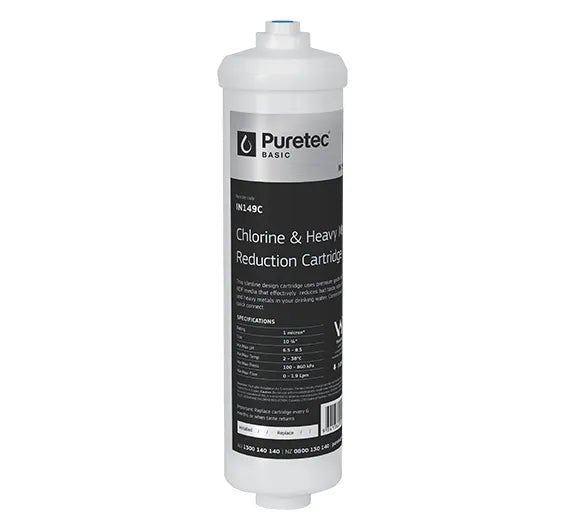
Activated carbon is commonly used for chlorine taste and odour reduction. Products such as Puretec PureMix Z7, Puretec PureMix Z2 and Puretec PureMix Z6 are relevant options to compare for kitchen drinking water filtration, depending on the contaminant concern and product specifications.
Sediment, Dirt and Rust Particles
Sediment can enter water from pipework, tanks, mains work, bore water, pumps, roof catchments or aging plumbing.
Sediment may appear as:
-
Grit in water
-
Discoloured water
-
Cloudiness
-
Dirt in filters or tap aerators
-
Rust-coloured particles
-
Blocked fixtures
-
Reduced flow
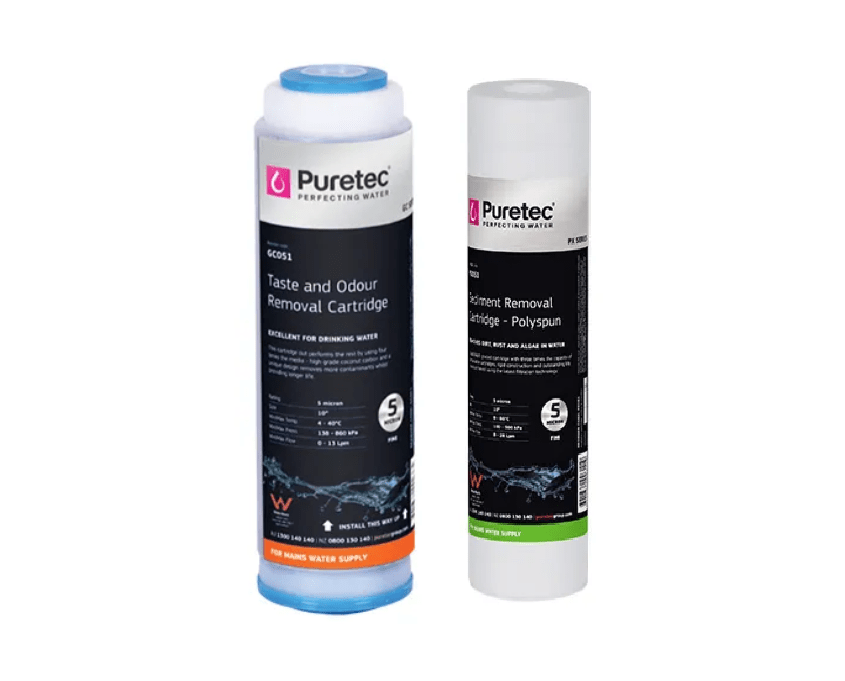
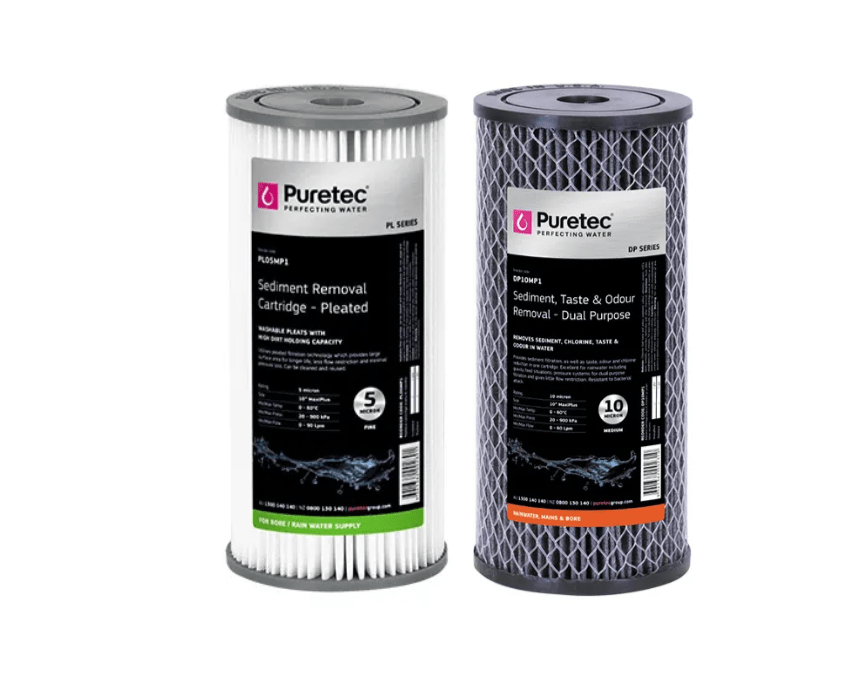
Sediment filtration is often used as a first stage in whole-home, tank water, bore water and drinking water systems. The right micron rating depends on the water quality and the equipment being protected.
Heavy Metals in Drinking Water
Heavy metals may be a concern in some water sources or plumbing systems. Lead, for example, can be associated with certain older plumbing materials, fittings or local conditions.
Potential heavy metal concerns can include:
-
Lead
-
Copper
-
Arsenic
-
Mercury
-
Cadmium
-
Other metals depending on source water
Not every water filter removes heavy metals. If metals are a concern, choose a system with product specifications that clearly match the target contaminant.
A drinking water filtration system may be appropriate for tap water concerns, but testing should guide the selection where health-related contaminants are suspected.
Microorganisms in Water
Microorganisms are most relevant for untreated water sources such as rainwater tanks, bore water, surface water or poorly maintained systems.
Microbial contaminants can include:
-
Bacteria
-
Viruses
-
Giardia
-
Cryptosporidium
-
E. coli
-
Other pathogens depending on the water source
Microorganism risk should be taken seriously. Standard taste filters are not designed to make unsafe water safe.
Where microorganisms are a concern, treatment may require:
-
Pre-filtration
-
Fine filtration
-
UV disinfection
-
Correct flow rate
-
Ongoing maintenance
-
Regular lamp replacement where UV is used
-
Water testing
A filter should be selected based on the water source and test results.
PFAS and Forever Chemicals
PFAS, often called forever chemicals, can be a concern in certain locations. PFAS contamination may be linked with industrial activity, firefighting foam use, landfills, groundwater movement and known contamination zones.
PFAS cannot usually be seen, tasted or smelled in water. Testing is needed to confirm whether PFAS is present.
Filtration technologies commonly discussed for PFAS reduction include:
-
Reverse osmosis
-
Activated carbon
-
Ion exchange resin
-
Specialist systems tested for PFAS reduction
Not every carbon filter removes PFAS. A filter should be selected based on testing, product specifications and maintenance requirements.
Pesticides, Herbicides and Agricultural Runoff
In rural, acreage or agricultural areas, water quality may be affected by surrounding land use.
Possible concerns include:
-
Pesticides
-
Herbicides
-
Fertilisers
-
Nitrates
-
Organic matter
-
Sediment
-
Bacteria
-
Bore water contamination
-
Runoff into tanks or surface water
If these contaminants are a concern, water testing is the starting point. Filtration should be chosen around the specific contaminants found.
Hard Water, Scale and Minerals
Hard water contains minerals that can affect fixtures, appliances and water feel. It is not the same issue as bacteria or chemical contamination.
Hard water may cause:
-
Scale build-up
-
Marks on glass and tapware
-
Soap not lathering well
-
Appliance scaling
-
Poor water feel
-
White residue around fixtures
Whole-home filtration and treatment may help depending on the system design, but standard cartridge filters are not always designed to soften water. Check product specifications before ordering.
Iron and Manganese in Bore Water
Iron and manganese are common bore water concerns in some areas.
Signs may include:
-
Rust-coloured staining
-
Brown or orange water
-
Metallic taste
-
Black or brown marks
-
Staining on fixtures
-
Sediment build-up
-
Smell issues in some cases
Iron and manganese usually need water testing and a suitable treatment design. A simple under-sink drinking filter may not solve a whole-home bore water issue.
Point-of-Use vs Whole-Home Filtration
Water filters are often grouped into point-of-use and whole-home systems.
Point-of-Use Filters
Point-of-use filters treat water at one location, such as the kitchen sink.
They may suit:
-
Drinking water
-
Cooking water
-
Coffee and tea
-
Under-sink filtration
-
Dedicated filtered taps
-
Smaller households
-
Targeted water quality improvement
Relevant categories include drinking water filtration systems and kitchen water filters.
Whole-Home Filters
Whole-home systems filter water entering the home, depending on the system design.
They may suit:
-
Sediment reduction
-
Chlorine taste and odour reduction
-
General water quality improvement
-
Appliance protection from sediment
-
Bathroom and laundry water quality
-
Tank or bore water pre-filtration, depending on design
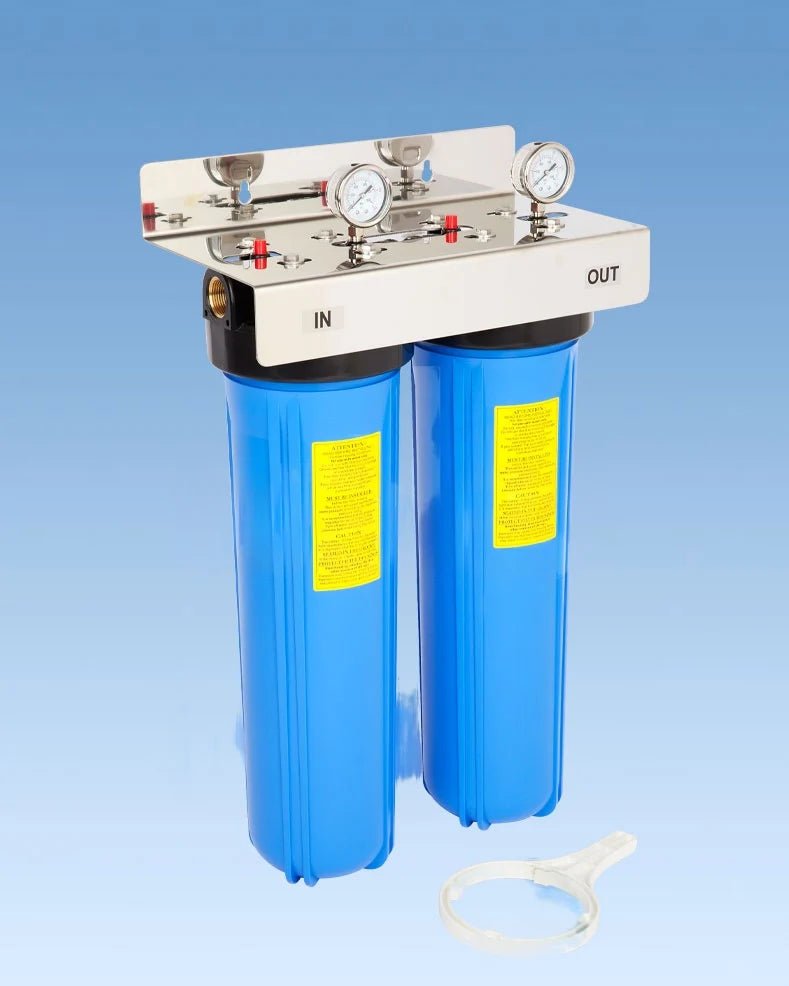
Relevant options to compare include whole home water filtration systems, including products such as Puretec G6 Whole House Water Filter, Puretec G12 Whole House Water Filter and Puretec G13 Whole House Water Filter.
Under-Sink Drinking Water Filters
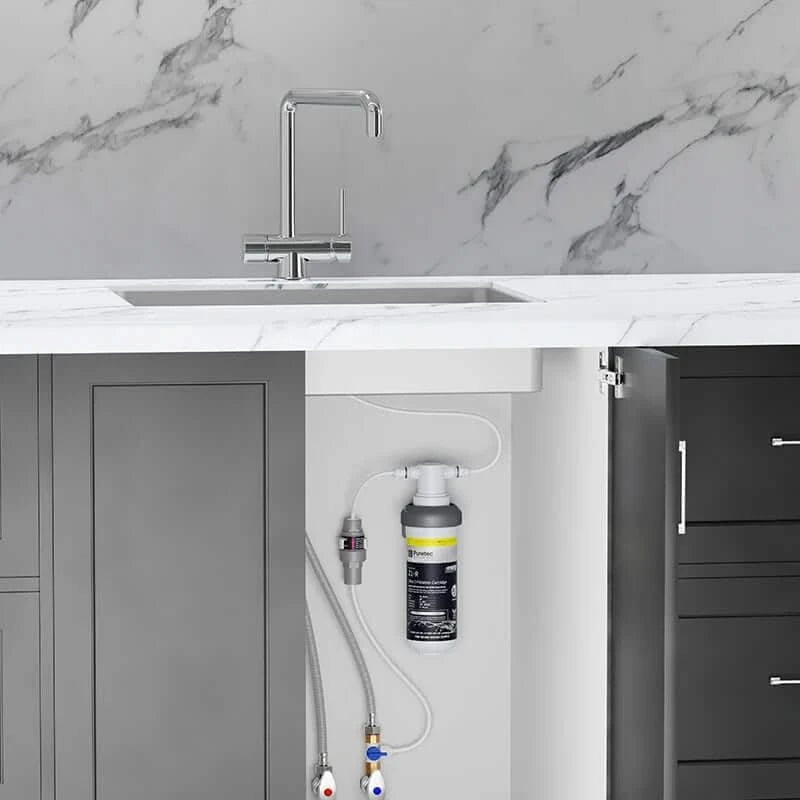
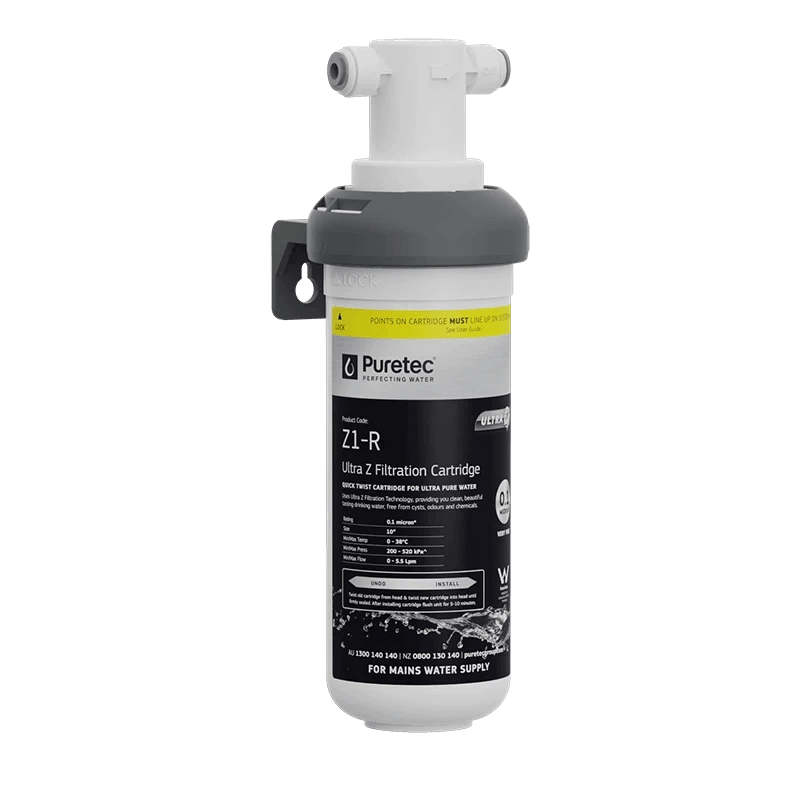
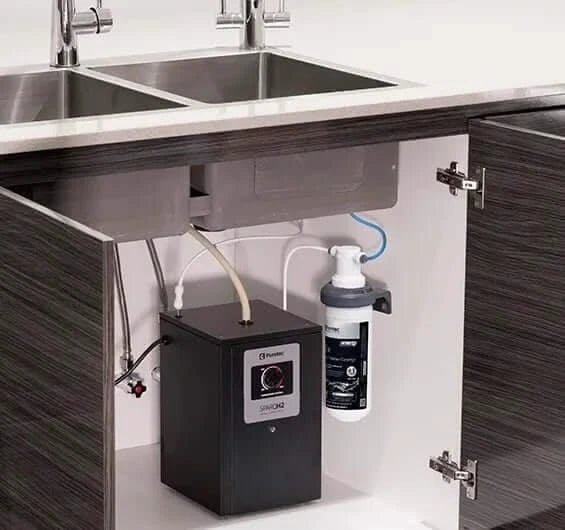
Under-sink water filters are installed beneath the kitchen sink and usually connect to a dedicated filtered tap or existing mixer setup depending on the system.
They may suit households wanting filtered water for:
-
Drinking
-
Cooking
-
Kettle water
-
Coffee
-
Tea
-
Food preparation
-
Filling bottles
Products to compare include:
Check the product specifications before ordering to confirm which contaminants each system is designed to reduce.
Reverse Osmosis Systems
Reverse osmosis is a drinking water filtration method that uses a fine membrane to reduce many dissolved contaminants. It is commonly used for under-sink drinking water filtration.
Reverse osmosis may help reduce:
-
Dissolved salts
-
Some heavy metals
-
Some PFAS compounds
-
Fluoride, depending on system design
-
Fine dissolved contaminants
-
Taste issues when paired with carbon filtration
Reverse osmosis systems usually require:
-
Suitable water pressure
-
Pre-filtration
-
Membrane maintenance
-
Cartridge replacement
-
Drain connection
-
Space under the sink
-
Ongoing servicing
Reverse osmosis is usually a drinking water solution, not a whole-home filtration solution.
UV Water Filtration
UV filtration uses ultraviolet light to help neutralise microorganisms in water. It is often used where bacteria or microbial risk is a concern, especially in rainwater and some untreated water sources.
UV treatment usually requires:
-
Clear water before the UV chamber
-
Sediment pre-filtration
-
Correct flow rate
-
Electrical supply
-
Lamp replacement
-
Sleeve cleaning
-
Ongoing maintenance
UV is not a sediment, chlorine, PFAS or heavy metal filter. It is used for microbial treatment and is often part of a broader system.
Shower Water Filters
Shower water filters are designed for shower water quality, not drinking water.
They may help with:
-
Chlorine smell
-
Sediment
-
Shower comfort
-
Hair and skin feel, depending on water quality
-
General shower filtration
A shower filter should not be used as a drinking water solution or relied on for PFAS, heavy metals or microbial contamination unless the product specifications clearly support that purpose.
Whole-Home Filtration for Cooking, Bathing and Laundry
A whole-home filtration system can treat water before it reaches multiple fixtures in the home. This can be useful where the concern is not only drinking water but also water used for showers, laundry, toilets, appliances and outdoor taps.
Whole-home filtration may suit households wanting:
-
Filtered shower water
-
Sediment reduction at multiple fixtures
-
Chlorine taste and odour reduction
-
Appliance protection from sediment
-
Better water feel throughout the home
-
Tank water pre-filtration
-
Bore water treatment, subject to testing and design
One whole-home filter does not solve every water issue. Product selection should be based on the water source and contaminants.
How to Choose the Right Water Filter
The right water filter depends on what you want to remove or reduce.
Before choosing a filter, ask:
-
Is the water town water, bore water or rainwater?
-
Is the issue taste, odour, sediment, staining or health concern?
-
Has the water been tested?
-
Is the concern at one tap or the whole house?
-
Is PFAS a confirmed concern or only suspected?
-
Is microbial treatment needed?
-
Is the filter for drinking water, shower water or all household water?
-
What flow rate is required?
-
What maintenance is required?
-
Are replacement cartridges easy to source?
-
Does the filter have product specifications for the target contaminant?
-
Is installation included or supply only?
The filter should match the water issue, not just the tap location.
Water Testing Before Filtration
Water testing is strongly recommended where the issue is health-related, source-water related or unclear.
Testing may be useful for:
-
Bore water
-
Rainwater used for drinking
-
Rural properties
-
Properties near industrial areas
-
PFAS concern areas
-
Properties with staining
-
Unusual taste or odour
-
Suspected heavy metals
-
Suspected bacteria
-
Unknown water source quality
Testing helps avoid choosing the wrong system and gives your installer or water treatment specialist better information.
Installation Considerations
Some water filters can be simple to fit, while others require plumbing, drainage, electrical supply or more complex installation.
Before ordering, check:
-
Installation location
-
Under-sink space
-
Wall space for whole-home systems
-
Water pressure
-
Flow rate
-
Pipe size
-
Access for cartridge changes
-
Drainage needs for reverse osmosis
-
Electrical supply for UV systems
-
Outdoor or indoor suitability
-
Protection from weather
-
Whether a licensed plumber is required
-
Whether additional fittings are needed
Supply-only products generally do not include installation unless clearly stated.
What Is Not Included in Supply-Only Water Filter Pricing?
For supply-only products, the listed product price generally covers the product only.
It does not usually include:
-
Installation labour
-
Plumbing alterations
-
Electrical work
-
Extra fittings
-
Tap hole drilling
-
Replacement cartridges
-
Water testing
-
Water analysis
-
Bore water treatment design
-
UV sterilisation unless included
-
Whole-home plumbing modifications
-
Pressure limiting valves
-
Drainage changes
-
Old filter removal
-
Ongoing servicing
-
Site assessment
Before ordering, confirm the product, water source and installation requirements with your installer.
Water Filter Maintenance
Water filters need maintenance to keep performing properly. A filter that is not maintained may lose flow, reduce performance or fail to treat water as intended.
Maintenance may include:
-
Cartridge replacement
-
Membrane replacement for reverse osmosis systems
-
UV lamp replacement
-
UV sleeve cleaning
-
Pre-filter replacement
-
Leak checks
-
Flow rate checks
-
Housing cleaning
-
System sanitising
-
Water pressure checks
-
Re-testing water where required
Always follow the manufacturer’s maintenance schedule.
Common Mistakes When Choosing Water Filters
Assuming Every Filter Removes Every Contaminant
Water filters target different problems. A sediment filter is not the same as a PFAS filter, UV system or reverse osmosis system.
Skipping Water Testing
If the issue is health-related or source-water related, testing should guide the system choice.
Choosing a Taste Filter for a Safety Concern
A filter that improves taste may not remove microorganisms, heavy metals or PFAS.
Forgetting Replacement Cartridges
Filter maintenance is not optional. Cartridges need replacing on schedule.
Treating Shower Filters as Drinking Filters
Shower filters are for shower water, not drinking water.
Assuming Whole-Home Filters Remove Everything
Whole-home systems vary by media, capacity and design. Check product specifications.
Not Checking Installation Space
Under-sink filters, reverse osmosis systems and whole-home units need suitable space and access.
Before Ordering Checklist
Before ordering a water filter, confirm:
-
Your water source
-
Main concern or contaminant
-
Whether water testing is needed
-
Whether the system is for drinking water or the whole home
-
Whether sediment filtration is needed
-
Whether chlorine taste and odour reduction is needed
-
Whether PFAS is a concern
-
Whether heavy metals are a concern
-
Whether microbial treatment is needed
-
Product specifications
-
Flow rate
-
Water pressure
-
Installation space
-
Cartridge life
-
Replacement cartridge cost
-
Maintenance schedule
-
Whether a plumber is required
-
Whether supply-only suits your situation
Frequently Asked Questions
What are common drinking water contaminants?
Common contaminants can include chlorine, sediment, rust particles, heavy metals, microorganisms, PFAS, pesticides, minerals and organic matter, depending on the water source.
Is Australian tap water safe to drink?
Town water is managed by water authorities, but many households still use filters for taste, odour, sediment or added peace of mind. For location-specific concerns, check local water authority advice.
Do water filters remove chlorine?
Many activated carbon filters can help reduce chlorine taste and odour. Check the product specifications before ordering.
Do water filters remove heavy metals?
Some filters are designed to reduce certain heavy metals, but not all filters do. Water testing and product specifications should guide your choice.
Can a water filter remove bacteria?
Some systems are designed for microbial treatment, such as UV systems paired with suitable pre-filtration. Standard taste filters should not be relied on for bacteria.
Is reverse osmosis good for drinking water?
Reverse osmosis can be a strong drinking water filtration option where dissolved contaminants are a concern, but it needs suitable pressure, maintenance and installation.
Do whole-home filters make water safe to drink?
Not automatically. A whole-home filter may improve water quality, but drinking safety depends on the water source, contaminants and system design.
Is tank water safe after filtration?
Tank water may require sediment filtration, disinfection and testing before drinking. The right system depends on the tank, catchment and water test result.
How often do water filters need replacing?
Replacement timing depends on the product, water quality, flow rate and household usage. Follow the manufacturer’s cartridge replacement schedule.
Should I test my water before buying a filter?
Yes, especially for bore water, rainwater used for drinking, PFAS concerns, heavy metals, bacteria, unusual taste, odour or staining.
Final Word
Drinking water contaminants vary by water source. Town water, bore water and rainwater all need different filtration approaches, and one filter does not solve every issue.
For drinking water, an under-sink or kitchen water filter may be suitable. For broader household water quality, a whole-home system may be worth comparing. For microorganisms, PFAS, heavy metals or bore water concerns, water testing and product specifications are essential.
Before ordering through Installed Today, confirm your water source, contaminant concern, filter performance, maintenance requirements and installation suitability.