
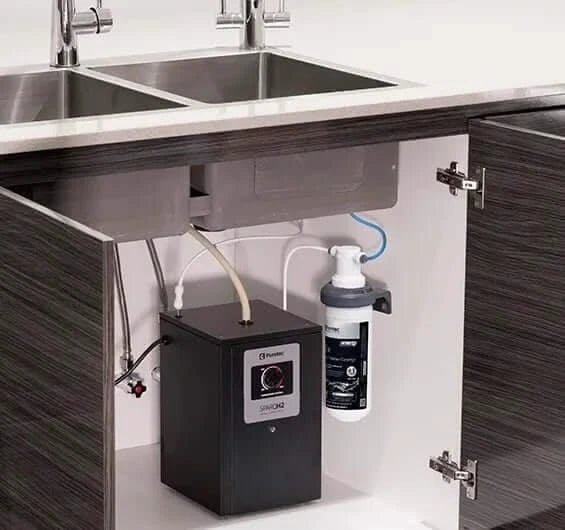
Forever Chemicals in Water: PFAS, Health Concerns and Water Filter Options
Forever chemicals in water usually refers to PFAS, a large group of synthetic chemicals that can resist breaking down in the environment. PFAS stands for per- and polyfluoroalkyl substances, and they have been used in products such as non-stick coatings, stain-resistant materials, water-repellent fabrics, food packaging, firefighting foams and some industrial processes.
PFAS are a concern because they can persist in soil, water and living organisms for long periods. In some situations, they can move into groundwater, surface water or drinking water sources. If PFAS contamination is suspected, the safest first step is water testing and professional advice, followed by choosing a filtration system that is specifically suited to the contaminant risk.
Installed Today makes it easy to compare water filters, drinking water filtration systems, kitchen water filters, whole home water filtration systems, shower water filters and Puretec water filtration systems online. Products are available for supply-only ordering, with installation suitability and contaminant reduction requirements to be confirmed before purchase.
Quick Answer: Can Water Filters Remove Forever Chemicals?
Some water filtration technologies can help reduce PFAS in drinking water, but not every water filter is designed for PFAS reduction.
The main filtration technologies commonly discussed for PFAS reduction include:
-
Reverse osmosis
-
Activated carbon
-
Ion exchange resin
-
Specialised drinking water filtration systems tested for PFAS reduction
For homes concerned about forever chemicals in water, the best approach is to test the water first, identify the specific risk, then choose a filter system that has been tested or certified for the relevant contaminant reduction. A general chlorine taste-and-odour filter should not be assumed to remove PFAS.
What Are Forever Chemicals?
Forever chemicals are commonly used to describe PFAS, a group of man-made chemicals known for their resistance to heat, water, oil and breakdown.
They are called “forever chemicals” because many PFAS compounds are highly persistent. Once released, they can remain in the environment for a long time and may be difficult to remove from soil, groundwater and water supplies.
PFAS have been used in many industries and consumer products because they can help resist water, stains, grease and heat.
Common uses have included:
-
Non-stick cookware coatings
-
Stain-resistant carpets and fabrics
-
Water-repellent clothing
-
Grease-resistant food packaging
-
Firefighting foams
-
Industrial coatings
-
Some manufacturing processes
-
Certain sealants and surface treatments
Not every product contains PFAS, and regulations are changing in many places. However, legacy contamination can remain an issue in certain areas.
Why Are PFAS a Water Concern?
PFAS are a water concern because they can move through the environment and, in some situations, enter water sources.
Possible water pathways include:
-
Industrial discharge
-
Firefighting foam use
-
Landfill leachate
-
Contaminated soil runoff
-
Wastewater discharge
-
Stormwater movement
-
Groundwater contamination
-
Historical contamination near airports, defence sites, training grounds or industrial areas
PFAS contamination is not something you can see, taste or smell in water. Testing is needed to confirm whether PFAS is present and at what level.
Potential Health Concerns Linked to PFAS
PFAS exposure has been studied because some PFAS compounds have been linked with health concerns. The level of risk can depend on the type of PFAS, exposure level, exposure duration, individual health factors and the route of exposure.
Potential concerns discussed in public health research include:
-
Immune system effects
-
Hormone and thyroid-related concerns
-
Developmental effects
-
Reproductive concerns
-
Cholesterol changes
-
Certain cancer risks
-
Lower birth weight associations
-
Reduced antibody response in some studies
This does not mean every person exposed to PFAS will experience health problems. It does mean PFAS in drinking water should be taken seriously, especially where contamination has been confirmed.
For health-specific advice, speak with a qualified medical professional or relevant public health authority.
How Do PFAS Get Into Drinking Water?
PFAS can enter drinking water through several pathways.
Industrial Pollution
Industrial sites that used PFAS in manufacturing, coatings, chemical processes or waste handling may contribute to contamination where PFAS enters soil, drains, groundwater or waterways.
Firefighting Foam
Some firefighting foams historically used for fuel fires contained PFAS. Training grounds, airports, defence sites and emergency response locations can be areas of concern where these foams were used repeatedly.
Landfills
Products containing PFAS can end up in landfill. Over time, water moving through waste can create leachate that may carry contaminants if not properly managed.
Wastewater
PFAS can pass through some wastewater systems because standard treatment may not fully remove them. Treated wastewater discharge can then become part of broader environmental pathways.
Groundwater Movement
Once PFAS reaches soil or groundwater, it can move away from the original contamination source. This is why some contamination concerns are linked to nearby bores, waterways and catchments.
Can You Tell If Water Has PFAS?
No. PFAS contamination cannot usually be detected by taste, smell or appearance.
Water can look clear and taste normal while still containing PFAS or other contaminants. Laboratory testing is required to identify PFAS and measure concentration.
Testing may be relevant if:
-
You use bore water
-
You live near a known PFAS investigation area
-
You are near an airport, defence site or old firefighting training ground
-
You are near certain industrial areas
-
Your local authority has issued PFAS water advice
-
You rely on private water sources
-
You want extra assurance before choosing a filtration system
For mains water, check with your local water authority or relevant government health/environment department for area-specific information.
Testing Water for PFAS
Before buying a PFAS-focused water filter, it is worth understanding what is actually in the water.
A proper water test can help identify:
-
Whether PFAS is present
-
Which PFAS compounds are present
-
Approximate concentration
-
Whether other contaminants are also present
-
Whether the water source is suitable for the intended use
-
Which filtration method is most appropriate
Water testing is especially important for bore water, rainwater tanks in higher-risk environments and properties near known contamination areas.
Water Filter Technologies That May Reduce PFAS
PFAS is not removed by every water filter. The filtration method matters.
The three most common technologies discussed for PFAS reduction are reverse osmosis, activated carbon and ion exchange resin.
Reverse Osmosis for PFAS
Reverse osmosis is one of the most commonly discussed drinking water filtration methods for PFAS reduction.
A reverse osmosis system forces water through a fine membrane that can reduce many dissolved contaminants. It is typically installed for drinking water at a specific point, such as under the kitchen sink.
Reverse osmosis may help reduce:
-
Some PFAS compounds
-
Dissolved salts
-
Certain metals
-
Fine dissolved contaminants
-
Taste and odour issues when paired with carbon stages
Reverse osmosis systems need maintenance, cartridge replacement and membrane replacement according to the manufacturer’s instructions. They also need suitable water pressure and installation conditions.
Reverse osmosis is usually a drinking water solution, not a whole-home filtration solution.
Activated Carbon for PFAS
Activated carbon filters work by adsorbing contaminants onto a carbon surface. Some activated carbon filters can help reduce certain PFAS compounds, especially when the filter has enough carbon capacity, contact time and the correct design.
Activated carbon performance can depend on:
-
Type of carbon
-
Cartridge size
-
Flow rate
-
Contact time
-
Water quality
-
PFAS type
-
Filter age
-
Maintenance schedule
-
Whether the filter is certified or tested for PFAS reduction
A small taste-and-odour carbon filter should not automatically be treated as a PFAS filter. The product specifications matter.
Ion Exchange for PFAS
Ion exchange resin can be used in some specialised filtration systems to target certain dissolved contaminants. For PFAS, ion exchange may be used in more advanced or purpose-designed systems.
Ion exchange performance depends on:
-
Resin type
-
Flow rate
-
Water chemistry
-
PFAS type
-
System design
-
Maintenance and replacement schedule
For residential homes, ion exchange may be part of a more specialised treatment setup and should be selected based on confirmed water test results.
What Is the Best Water Filter for Forever Chemicals?
The best water filter for forever chemicals depends on the water test result, the water source and whether you are filtering drinking water only or the whole home.
As a general guide:
-
For drinking water, reverse osmosis or PFAS-tested under-sink filtration may be the strongest starting point
-
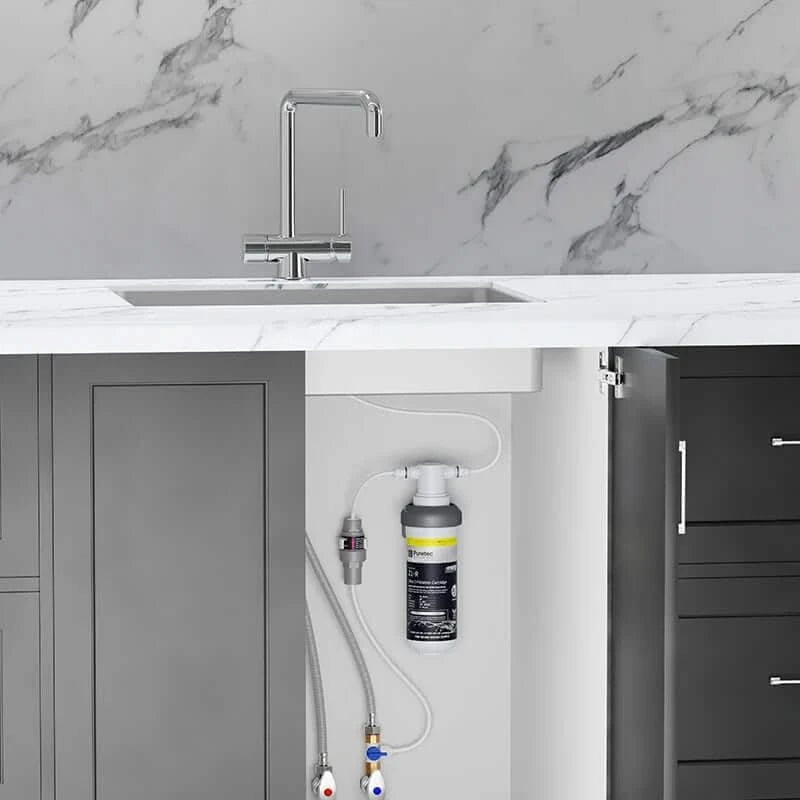
For kitchen use, an under-sink system can target the water used for drinking and cooking
-
For whole-home use, a larger system may improve general water quality, but not every whole-home filter is designed for PFAS
-
For bore water, testing is essential before choosing filtration
-
For rainwater, filtration should be based on tank condition, roof catchment, sediment, bacteria risk and any local contamination concern
The most important step is choosing a system with specifications that match the contaminant concern.
Drinking Water Filters for PFAS Concerns
A drinking water filtration system is usually installed where drinking water is used most often, such as the kitchen sink.
Drinking water filtration may suit homes that want to improve:
-
Drinking water quality
-
Cooking water quality
-
Water taste
-
Odour
-
Sediment
-
Chlorine taste and smell
-
Selected contaminants, depending on the filter type
For PFAS concerns, choose a filter based on performance data, testing or certification for PFAS reduction where available.
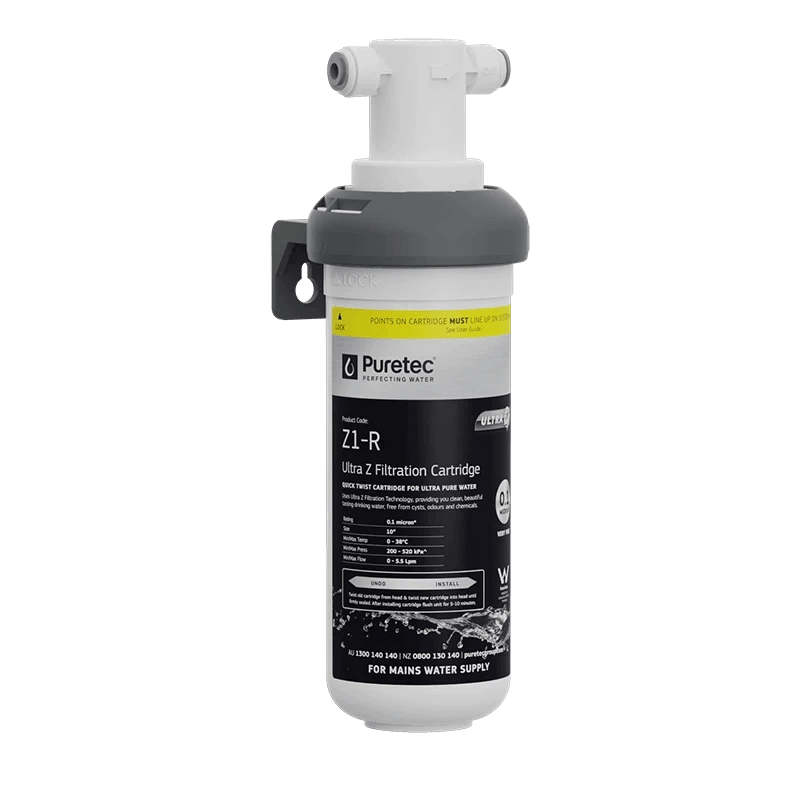
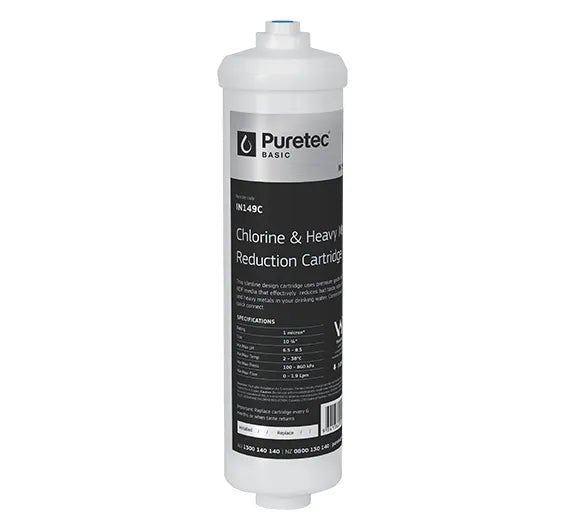
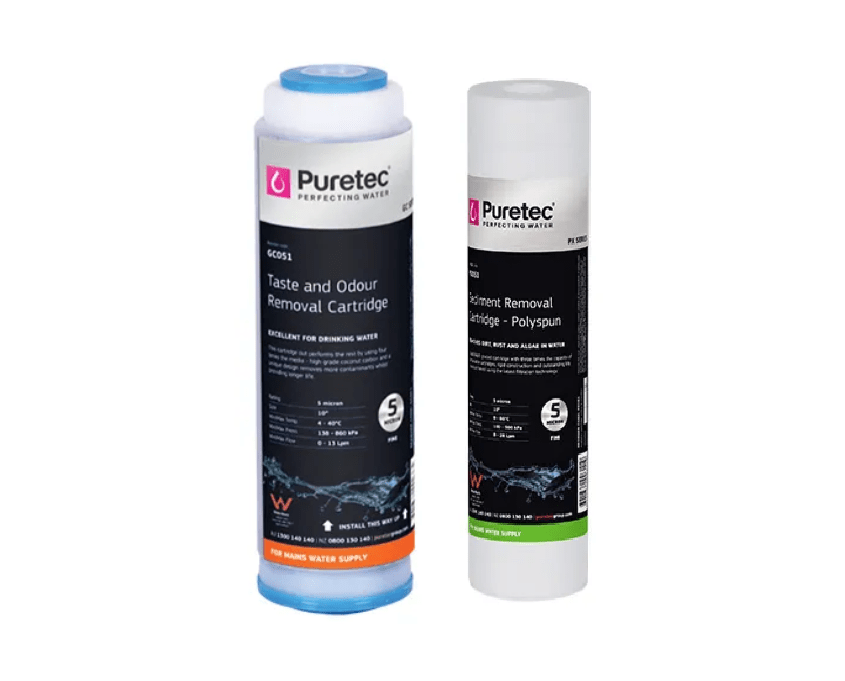
Relevant product options to compare include:
Before ordering, check the product specifications to confirm what each filter is designed to reduce.
Kitchen Water Filters
A kitchen water filter can be a practical choice for households that mainly want filtered water for drinking, cooking, coffee, tea and food preparation.
Kitchen water filters may suit:
-
Town water taste and odour improvement
-
Drinking water filtration
-
Cooking water filtration
-
Under-sink filtration
-
Dedicated filtered taps
-
Homes wanting a targeted drinking water solution
For forever chemicals, do not rely on general “better taste” claims alone. Look for product information that specifically mentions PFAS reduction or third-party testing where PFAS is the concern.
Whole Home Water Filtration and PFAS
A whole home water filtration system filters water entering the home, depending on the system design and installation setup.
Whole home filtration may help with:
-
Sediment
-
Chlorine taste and odour
-
General water quality
-
Appliance protection from sediment
-
Bathroom and laundry water quality
-
Some water source issues, depending on the system
However, whole home filtration should not automatically be assumed to remove PFAS. Some whole-home systems are designed for general sediment and chlorine reduction, while PFAS requires specific filtration media, capacity and testing.
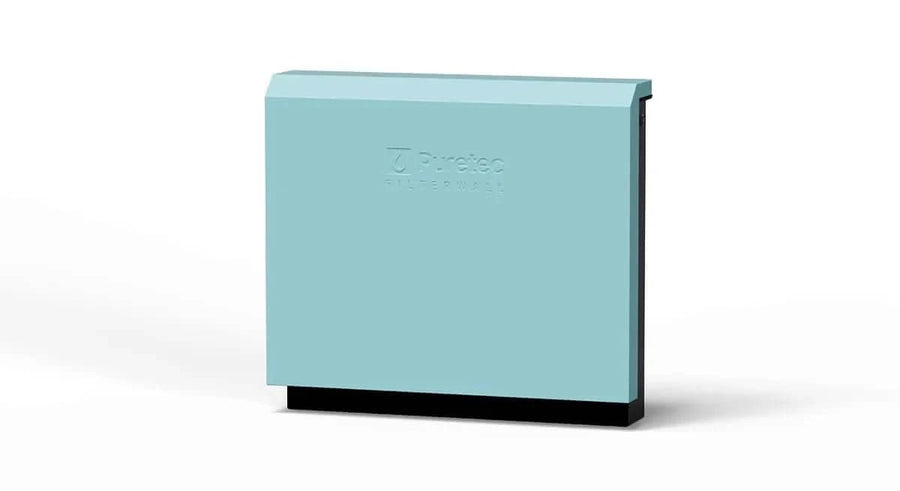
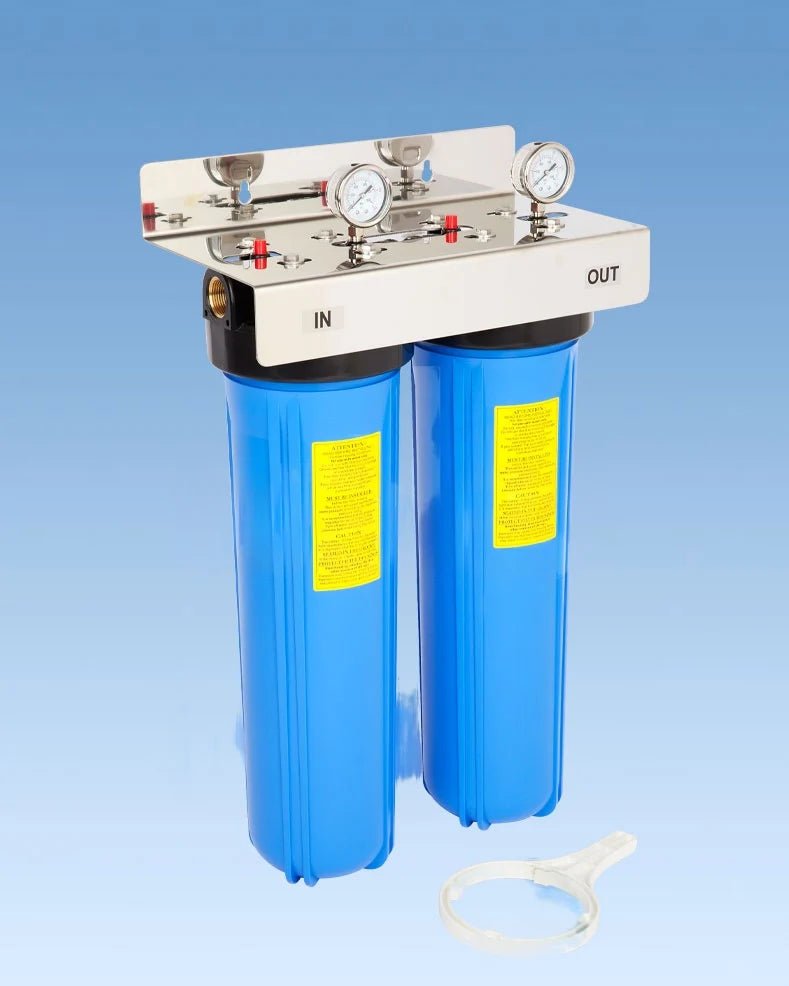
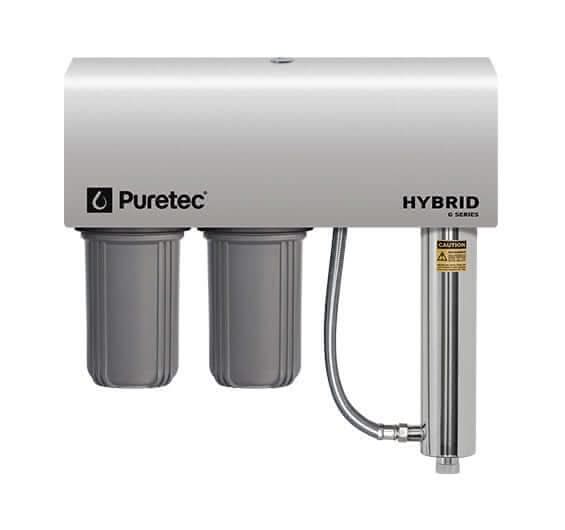
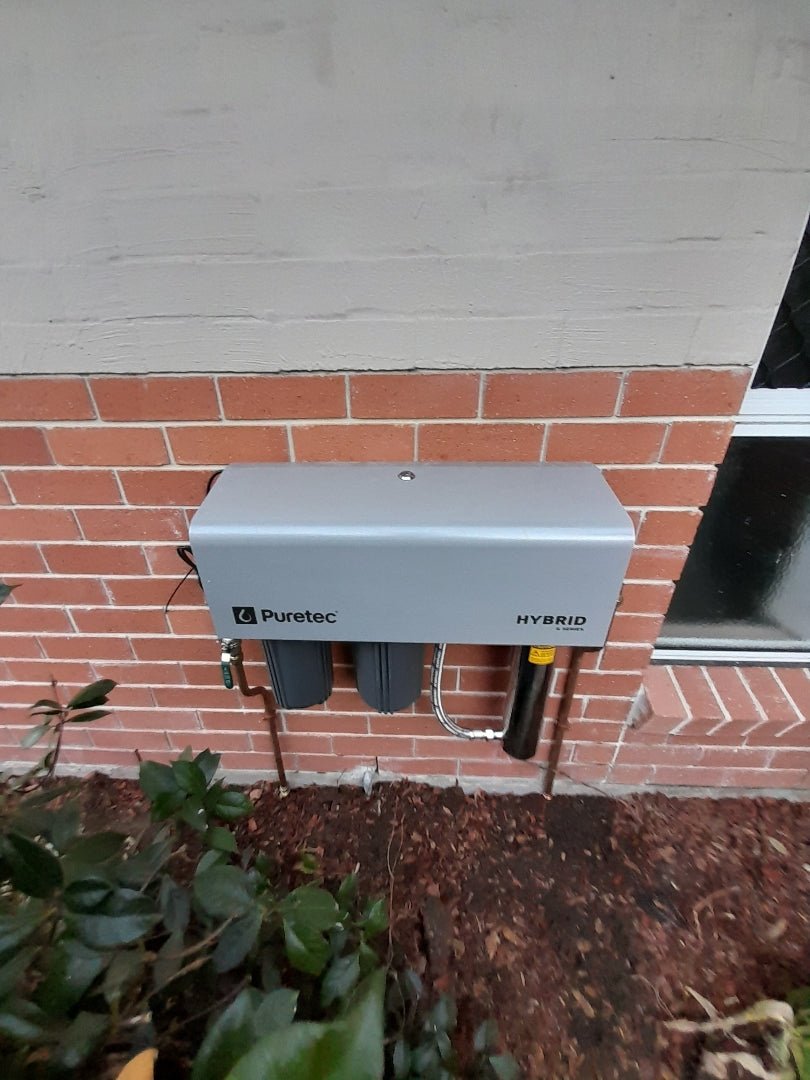
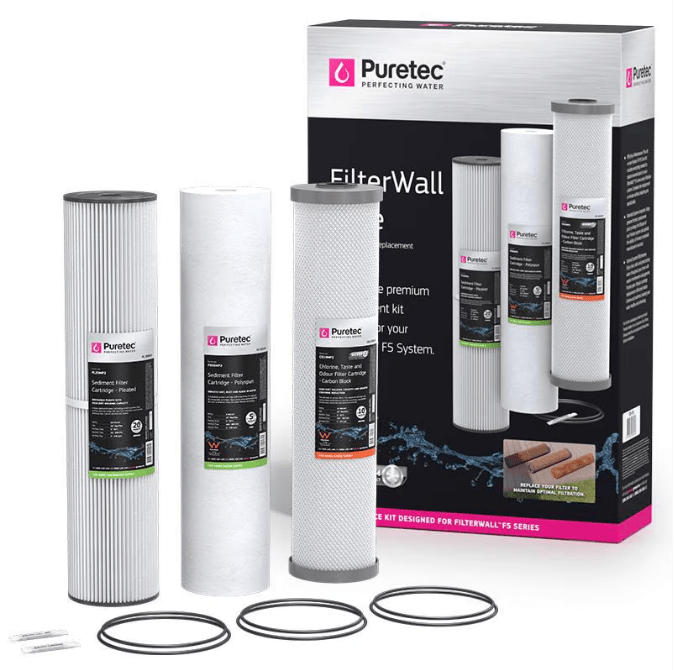
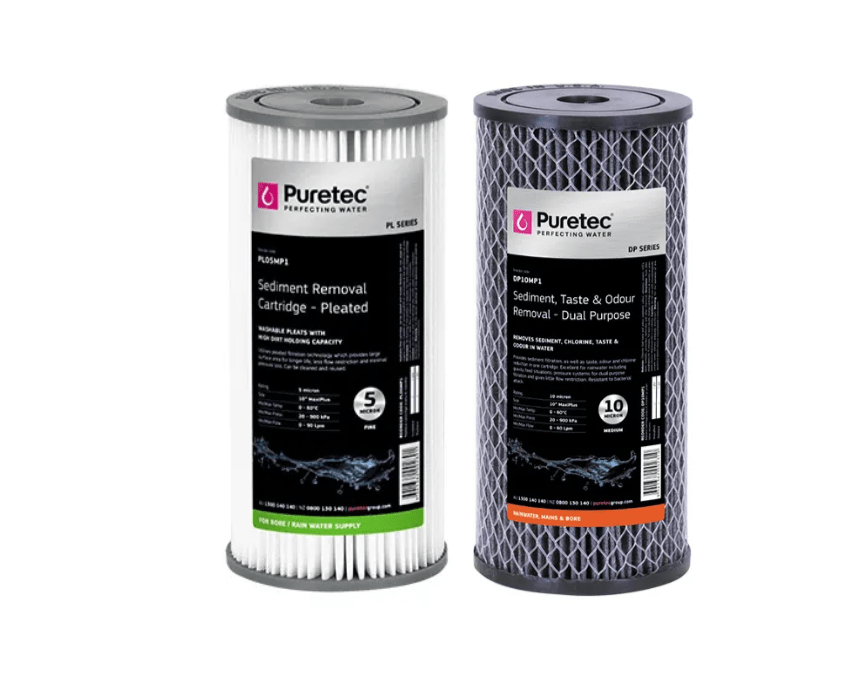
Relevant whole-home Puretec systems to compare include:
Check the product specifications and confirm suitability before ordering for PFAS concerns.
Shower Water Filters and PFAS
Shower water filters are usually designed for shower water quality, not drinking water.
They may help with:
-
Chlorine smell
-
Sediment
-
Shower comfort
-
Hair and skin feel, depending on water quality
-
General shower filtration
A shower filter should not be treated as a drinking water PFAS solution. For PFAS in drinking water, focus on drinking water filtration, under-sink filtration, reverse osmosis or a system specifically tested for PFAS reduction.
Town Water vs Bore Water vs Rainwater
The right filtration system depends heavily on the water source.
Town Water
Town water is generally managed by a water authority, but households may still choose filtration for taste, odour, sediment or added peace of mind.
For PFAS concerns, check local water authority advice and choose filters based on verified contaminant reduction.
Bore Water
Bore water can vary widely depending on groundwater conditions. Testing is essential before drinking, filtering or using bore water in the home.
Bore water may involve:
-
Minerals
-
Sediment
-
Hardness
-
Iron
-
Manganese
-
Salinity
-
Bacteria
-
PFAS risk in some locations
-
Other local contaminants
A proper water test should guide filtration.
Rainwater
Rainwater tank quality depends on roof catchment, tank condition, screens, first flush systems, nearby pollution sources and maintenance.
Rainwater may require:
-
Sediment filtration
-
Disinfection
-
UV treatment
-
Cartridge filtration
-
Testing where contamination is suspected
PFAS risk depends on the local environment and potential contamination pathways.
How to Reduce PFAS Exposure at Home
Water filtration can be part of reducing PFAS exposure, but it is not the only step.
You may also consider:
-
Checking local water authority updates
-
Testing private water sources where risk exists
-
Using PFAS-free cookware where possible
-
Avoiding unnecessary stain-resistant treatments
-
Reducing use of grease-resistant food packaging
-
Checking product labels where available
-
Washing hands after contact with contaminated soil or dust
-
Following local public health advice in known contamination areas
-
Maintaining filtration systems on schedule
PFAS exposure can come from more than water, so a broader approach is often needed.
What to Check Before Buying a PFAS Water Filter
Before ordering a water filter for PFAS concerns, check:
-
Whether your water has been tested
-
Which PFAS compounds are present
-
Whether you need drinking water or whole-home filtration
-
Whether the filter is tested for PFAS reduction
-
Cartridge replacement schedule
-
Flow rate
-
Water pressure requirements
-
Installation location
-
Undersink space
-
Filter capacity
-
Product certifications where available
-
Maintenance cost
-
Whether replacement cartridges are easy to source
-
Whether installation is included or separate
A filter that is suitable for chlorine, taste and odour is not automatically suitable for PFAS.
Water Filter Maintenance Matters
Even a high-quality filter can stop performing properly if it is not maintained.
Maintenance may include:
-
Cartridge replacement
-
Membrane replacement for reverse osmosis systems
-
Pre-filter replacement
-
Flow rate checks
-
Leak checks
-
Cleaning filter housings where required
-
Sanitising systems according to instructions
-
Replacing UV lamps where UV is used
-
Monitoring water taste, odour and pressure changes
Always follow the manufacturer’s maintenance schedule. Do not wait until water quality visibly changes.
What Is Not Included in Supply-Only Water Filter Pricing?
For supply-only products, the listed product price generally covers the product only.
It does not usually include:
-
Installation labour
-
Plumbing alterations
-
Electrical work
-
Extra fittings
-
Tap hole drilling
-
Replacement cartridges
-
Water testing
-
Water analysis
-
Bore water treatment design
-
UV sterilisation unless included
-
Whole-home plumbing modifications
-
Pressure limiting valves
-
Drainage changes
-
Old filter removal
-
Ongoing servicing
-
Site assessment
Before ordering, confirm the product, water source and installation requirements with your installer.
Supply-Only Water Filters from Installed Today
Installed Today offers supply-only ordering for water filtration products. This can suit customers who already know the filter they need or have an installer organised.
Supply-only may suit you if:
-
You have confirmed the water source
-
You know which contaminants you want to reduce
-
The product specifications match your needs
-
Installation space has been checked
-
Water pressure has been considered
-
Cartridge replacement requirements are understood
-
You have a licensed plumber or installer where required
-
You understand what is not included in the product price
If PFAS is the concern, confirm filtration suitability before ordering.
Common Mistakes When Choosing a PFAS Water Filter
Assuming Any Filter Removes PFAS
Not every filter removes PFAS. Check the product specifications.
Skipping Water Testing
Testing helps identify whether PFAS or other contaminants are actually present.
Choosing a Taste Filter for a Contaminant Problem
A filter that improves taste may not target PFAS.
Forgetting Cartridge Replacement
Filters need maintenance. Old cartridges can reduce performance.
Treating Shower Filters as Drinking Water Filters
Shower filters are not a substitute for drinking water filtration.
Assuming Whole-Home Filters Remove Everything
Whole-home systems vary by media and design. One filter does not solve every water issue.
Buying Before Checking Installation Space
Under-sink and whole-home filters need suitable space, pressure and plumbing access.
Before Ordering Checklist
Before ordering a water filter for forever chemicals or PFAS concerns, confirm:
-
Your water source
-
Whether water testing has been completed
-
Which contaminants need reducing
-
Whether PFAS is confirmed or only suspected
-
Whether you need drinking water or whole-home filtration
-
Whether reverse osmosis is suitable
-
Whether activated carbon is suitable
-
Whether ion exchange is required
-
Product testing or certification for PFAS reduction where available
-
Flow rate
-
Water pressure
-
Installation space
-
Cartridge life
-
Replacement cartridge cost
-
Maintenance schedule
-
Whether a plumber is required
-
Whether supply-only suits your situation
Frequently Asked Questions
What are forever chemicals in water?
Forever chemicals usually refers to PFAS, a group of synthetic chemicals that can persist in the environment and may contaminate some water sources.
What does PFAS stand for?
PFAS stands for per- and polyfluoroalkyl substances. These chemicals have been used in many products because they resist water, oil, heat and breakdown.
Can PFAS be seen or tasted in water?
No. PFAS cannot usually be seen, tasted or smelled. Laboratory testing is required to confirm whether PFAS is present.
Are PFAS dangerous?
Some PFAS compounds have been linked with health concerns in scientific research. Risk depends on the compound, exposure level and exposure duration. Follow local health advice where contamination is known or suspected.
How do PFAS get into water?
PFAS can enter water through industrial discharge, firefighting foam use, landfill leachate, wastewater, contaminated soil runoff and groundwater movement.
What type of water filter removes PFAS?
Reverse osmosis, activated carbon and ion exchange are commonly discussed for PFAS reduction. The system should be selected based on water testing and product specifications.
Do all carbon filters remove PFAS?
No. Carbon filter performance depends on the media, capacity, contact time, flow rate and product testing. Check whether the filter is designed or tested for PFAS reduction.
Is reverse osmosis good for PFAS?
Reverse osmosis is commonly used for drinking water contaminant reduction and may help reduce PFAS where the system is suitable and maintained correctly.
Is a whole-home water filter enough for PFAS?
Not always. Some whole-home filters target sediment or chlorine taste and odour, not PFAS. Check the system specifications before relying on it for PFAS reduction.
Should I test my water before buying a filter?
Yes, especially if PFAS is a concern. Testing helps identify the contaminants present and the filtration method needed.
Final Word
Forever chemicals in water are a serious concern where PFAS contamination is confirmed or suspected. Because PFAS cannot be detected by taste, smell or appearance, water testing is the best starting point.
For drinking water, reverse osmosis, activated carbon and ion exchange are the main filtration technologies commonly discussed for PFAS reduction. For whole-home water quality, a larger filtration system may help with general water issues, but it should not be assumed to remove PFAS unless the product is designed and tested for that purpose.
Before ordering a water filter through Installed Today, confirm the water source, contaminant concern, product specifications, maintenance requirements and installation suitability.