
Hard Water Treatment: How to Reduce Scale, Protect Appliances and Improve Water Quality at Home
Hard water can be frustrating in everyday life. It can leave white marks on glass, create scale around taps and shower screens, make soap harder to lather and contribute to build-up inside appliances and hot water systems.
Hard water is usually caused by dissolved minerals, mainly calcium and magnesium. These minerals are not usually a drinking water safety issue by themselves, but they can create practical problems around the home. The right hard water treatment depends on how hard the water is, where it comes from and whether you want to treat drinking water, shower water, appliances or the whole home.
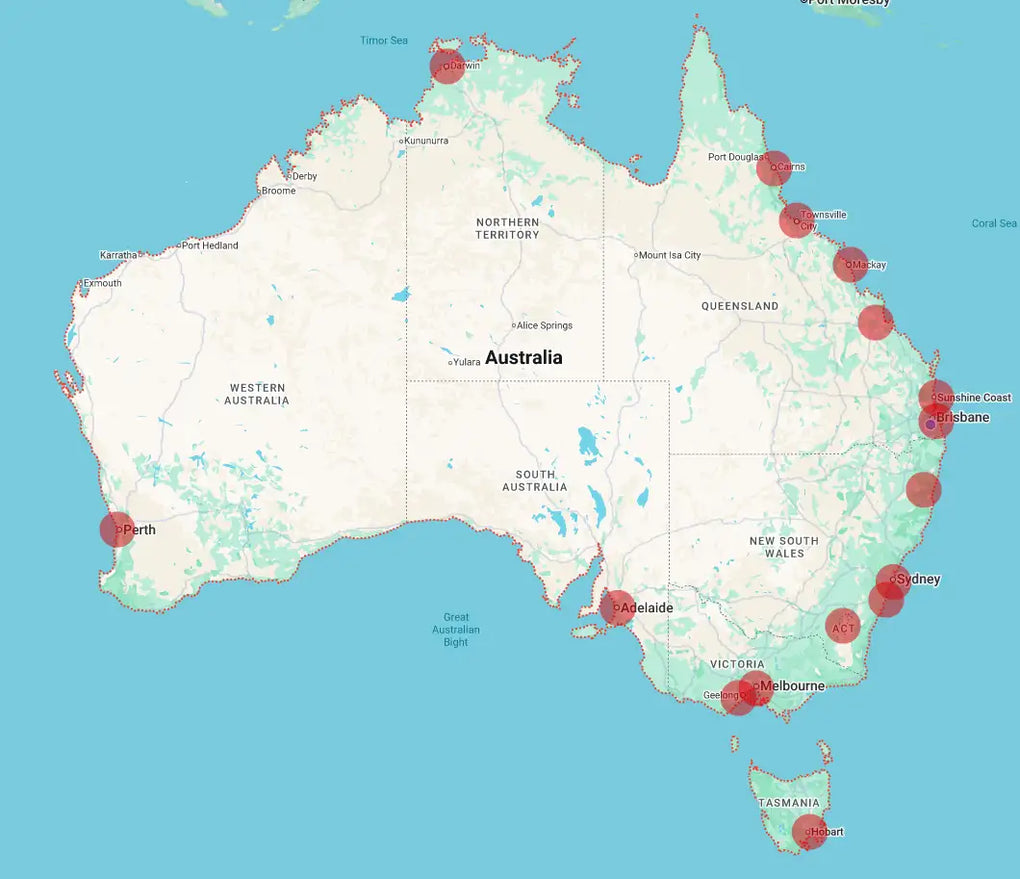
Installed Today offers supply-only ordering across major Australian metro areas for water filters, including whole-home water filtration systems, drinking water filtration systems, kitchen water filters, shower water filters and Puretec water filtration systems.
Quick Answer
The best hard water treatment depends on the water problem.
For most homes:
-
A water softener is the traditional whole-home solution for reducing hardness minerals
-
A scale prevention or conditioning system may help reduce scale behaviour, depending on the water and system type
-
A drinking water filter can improve taste and reduce selected contaminants, but it is not the same as a water softener
-
A whole-home water filter may help with sediment, taste and odour, depending on the cartridge, but it does not automatically soften water
-
Reverse osmosis may be considered for specific drinking water concerns, but it is usually a point-of-use drinking water option rather than a whole-home hard water treatment
-
Water testing is the best starting point if you are dealing with bore water, rainwater, staining, scale, metals, odour or health-related concerns
A standard water filter does not automatically remove calcium and magnesium hardness. If hard water is the main issue, make sure the selected system is designed for hardness, scale reduction or water softening.
What Is Hard Water?
Hard water is water with a higher level of dissolved minerals, most commonly calcium and magnesium.
These minerals can come from rocks, soil, groundwater, bore water and the natural water source before it reaches the home. Hardness levels vary by region, water source and property.
Hard water may be more noticeable when water is heated, because minerals can form scale inside hot water systems, kettles, taps, showerheads and appliances.
Common Signs of Hard Water
Hard water can show up in several ways around the home.
Common signs include:
-
White spots on glasses and dishes
-
Chalky marks on taps and fixtures
-
Scale around showerheads
-
Cloudy marks on shower screens
-
Soap that does not lather well
-
Laundry feeling stiff or rough
-
Dry-feeling skin or hair after showering
-
Build-up inside kettles
-
Mineral deposits around appliances
-
Reduced flow through showerheads or tapware
-
Hot water system scale concerns
-
More cleaning needed around wet areas
These signs do not always prove hard water is the only issue. Sediment, chlorine, pipework, water pressure, cleaning products and appliance condition can also affect water quality and household performance.
How to Test for Hard Water
Before choosing a treatment system, it helps to test the water.
DIY Soap Test
A simple soap test can give a rough indication.
Fill a clear bottle with water, add a few drops of liquid soap and shake.
If the water produces very little foam and turns cloudy, hardness may be present. This is not a precise test, but it can suggest whether further testing is useful.
Water Hardness Test Strips
Water hardness test strips are a simple way to get a basic reading. They usually provide a colour-based result that can show whether water is soft, moderately hard, hard or very hard.
This can be helpful before deciding whether a softener, conditioner, filter or broader water treatment system is worth considering.
Professional Water Testing
Professional water testing is the best option if you need more detail.
Testing is especially important for:
-
Bore water
-
Rainwater
-
Tank water
-
Rural properties
-
Heavy scale problems
-
Iron or manganese staining
-
Salty or metallic taste
-
Strong odour
-
PFAS concerns
-
Lead or heavy metal concerns
-
Bacteria concerns
-
Health-related water concerns
A proper test can show whether the issue is hardness only, or whether other treatment is needed.
Why Hard Water Causes Problems
Scale Build-Up
When hard water is heated or evaporates, calcium and magnesium can form scale.
Scale can build up on:
-
Tapware
-
Showerheads
-
Shower screens
-
Kettles
-
Coffee machines
-
Dishwashers
-
Washing machines
-
Hot water systems
-
Pipework and valves over time
Scale is more than a cleaning nuisance. It can affect appliance performance and may contribute to maintenance issues.
Hot Water System Efficiency
Hard water can create scale inside storage tanks, heat exchangers and valves, depending on the system type and water conditions.
Scale can affect:
-
Heat transfer
-
Recovery performance
-
Water flow
-
Valves and fittings
-
Appliance lifespan
-
Maintenance requirements
If your hot water system is ageing, noisy, slow to recover or affected by water quality, it may be worth reviewing both the hot water system and the water supply. Installed Today offers a range of hot water systems, including electric hot water systems, gas hot water systems, instant gas hot water systems and heat pump hot water systems.
Soap and Cleaning Problems
Hard water can make soap and detergents less effective. This may lead to more soap use, more residue and more cleaning effort.
You may notice:
-
Soap scum in showers
-
Marks on glass
-
Cloudy dishes
-
Stiff laundry
-
Residue on sinks and taps
-
More frequent cleaning around wet areas
Skin and Hair Feel
Some people notice their skin or hair feels dry after showering in hard water. This can be due to mineral residue, soap performance or other water quality factors.
A shower water filter may help with some shower water concerns depending on the cartridge and water source, but it is not the same as a whole-home water softener.
Main Hard Water Treatment Options
1. Water Softeners
A water softener is the traditional treatment for hard water.
Most softeners use ion exchange, where calcium and magnesium hardness minerals are exchanged for sodium or potassium ions. This reduces hardness and helps prevent many common hard water problems.
A water softener may help with:
-
Scale build-up
-
Soap lathering
-
Laundry feel
-
White marks on dishes
-
Shower screen residue
-
Appliance scale concerns
-
Hardness minerals in water
Water softeners may suit homes with confirmed hard or very hard water where the main issue is calcium and magnesium hardness.
Things to consider include:
-
Salt or potassium replacement
-
Drainage requirements
-
Installation space
-
Maintenance
-
Water pressure
-
Whole-home connection point
-
Whether softened water is desired at every outlet
-
Drinking water preference
-
Local plumbing requirements
A water softener is different from a standard water filter. If you want true softening, choose a system designed specifically for water hardness.
2. Salt-Free Water Conditioners
Salt-free conditioners are often marketed as scale reduction or scale prevention systems. They usually do not remove calcium and magnesium from the water. Instead, they aim to change how minerals behave so scale is less likely to stick to surfaces.
A salt-free conditioner may suit:
-
Homes wanting scale reduction without salt
-
Mild to moderate scale concerns
-
Customers wanting lower maintenance
-
Properties where wastewater discharge is a concern
-
Homes where the goal is scale control rather than true soft water
Salt-free systems do not usually provide the same feel as softened water because the minerals remain in the water. Suitability depends on water chemistry and system design.
3. Whole-Home Water Filtration
A whole-home water filtration system filters water entering the property before it reaches taps, showers, laundries and appliances.
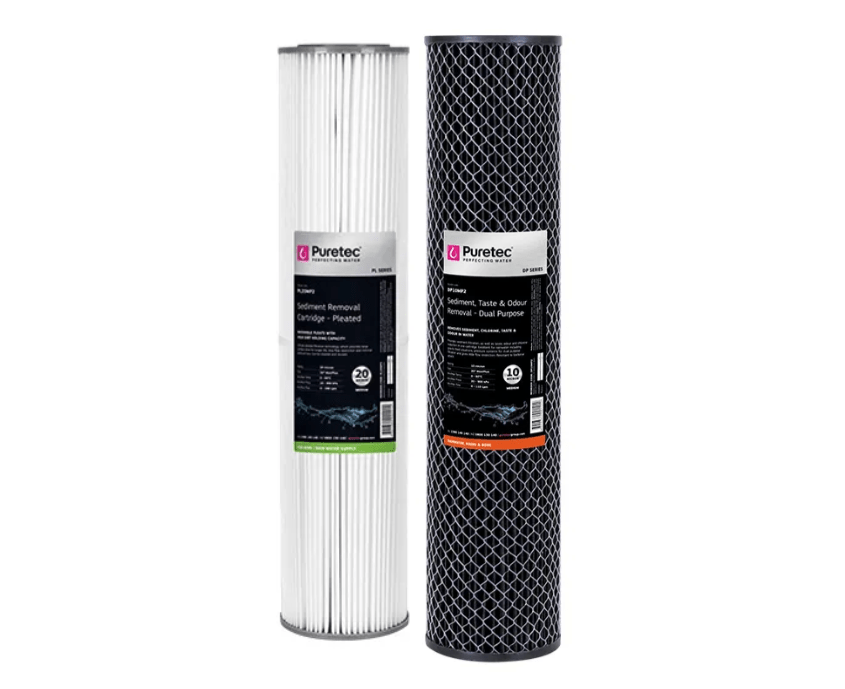
Whole-home filtration can help with selected water quality concerns depending on the cartridge, such as:
-
Sediment
-
Dirt
-
Rust particles
-
Chlorine taste and odour in some applications
-
General water quality improvement
-
Protecting downstream fixtures from particles
However, a standard whole-home filter does not automatically soften water. It may not remove dissolved calcium and magnesium unless the system is specifically designed for hardness or scale treatment.
Whole-home filtration may still be useful where hard water is combined with sediment, taste, odour or broader household water quality concerns.
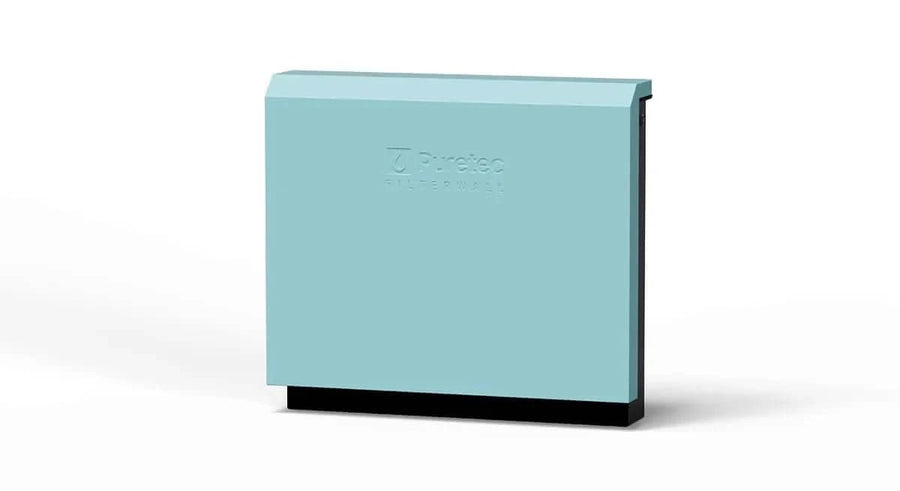
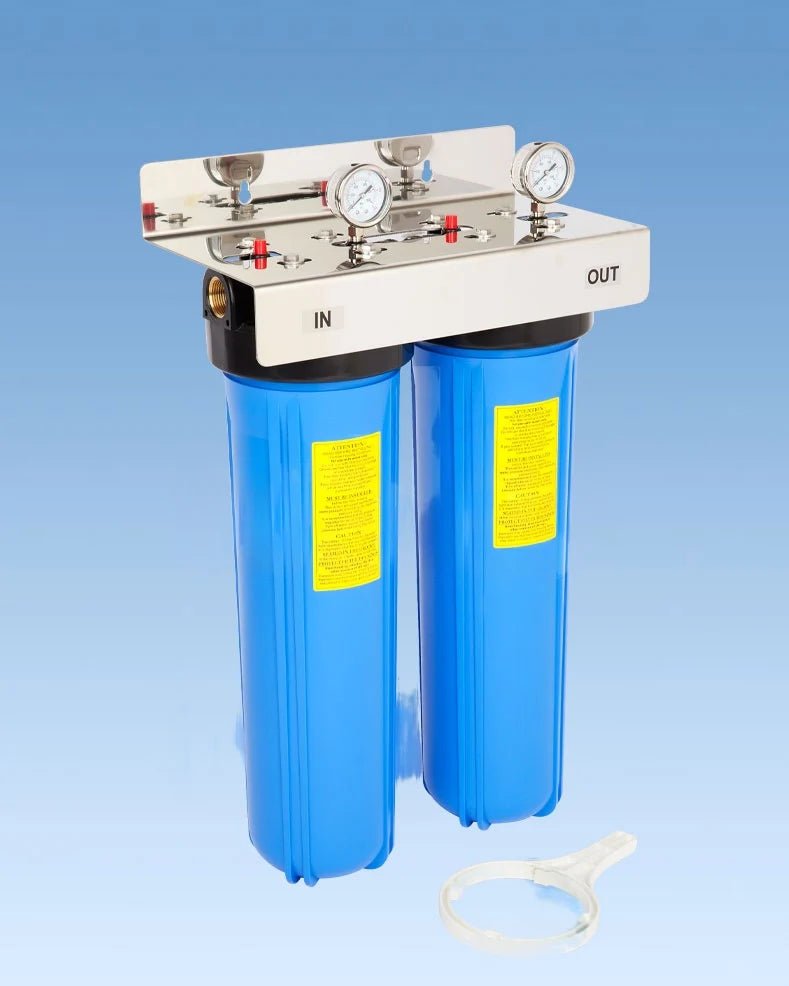
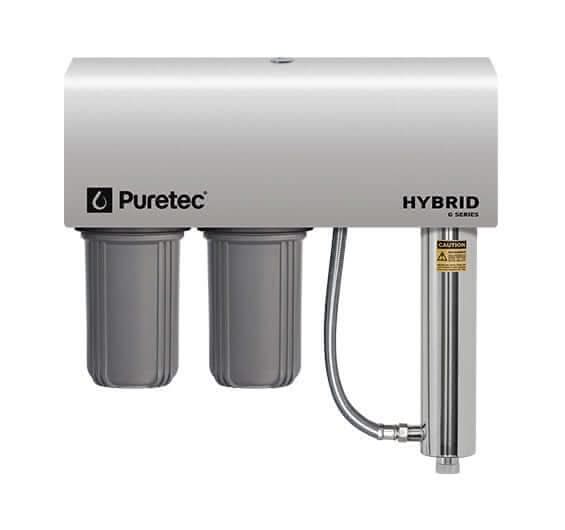
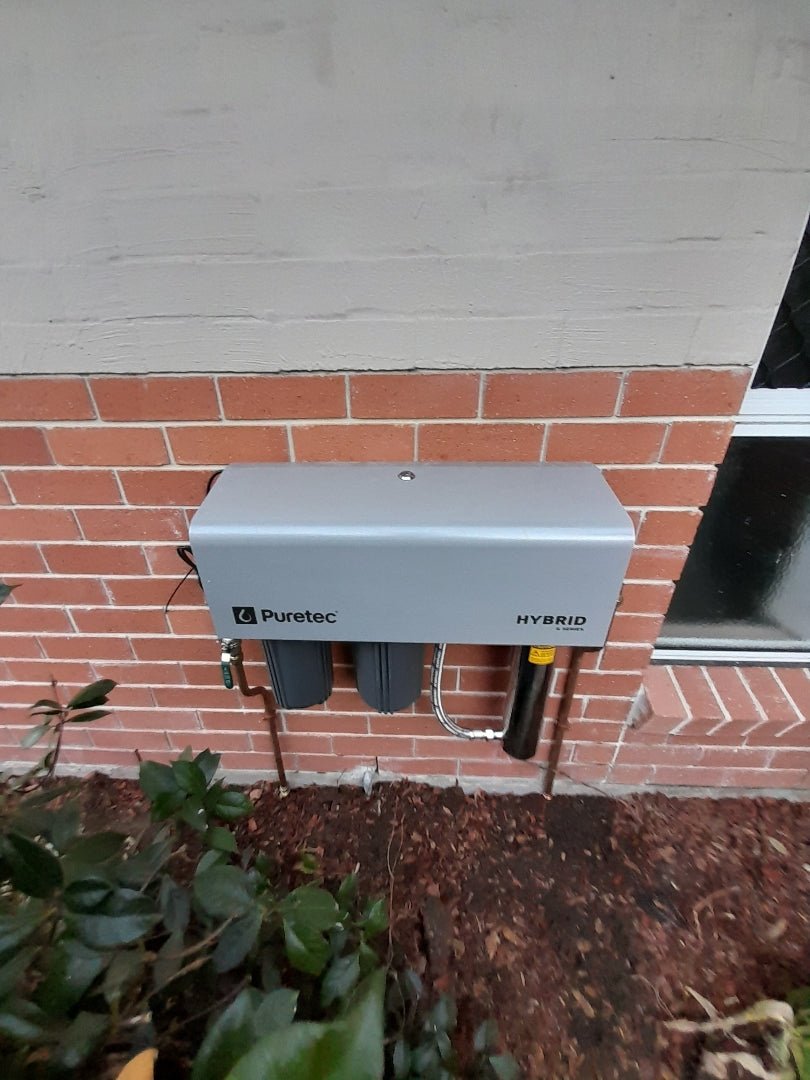
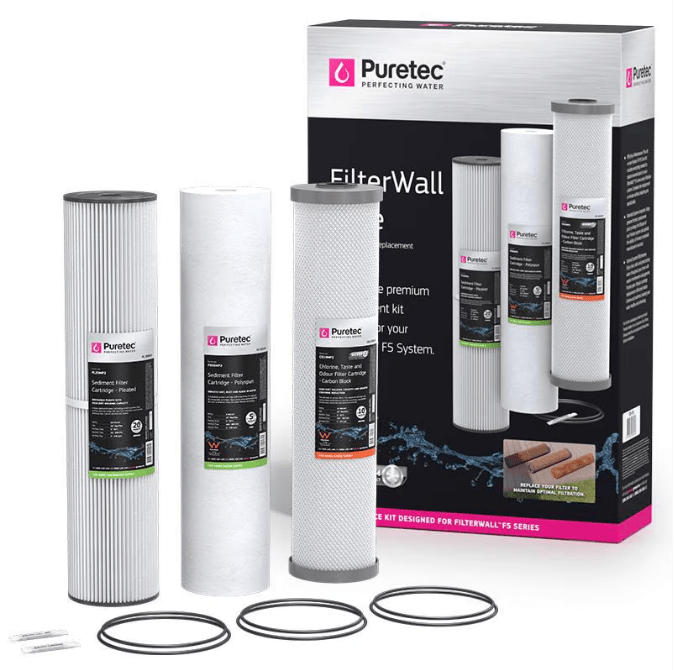
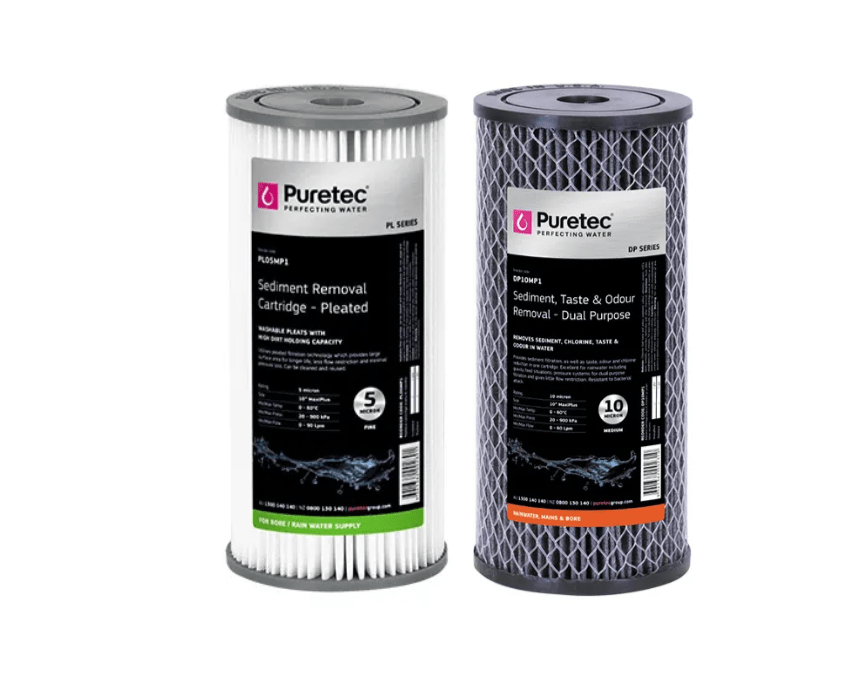
Puretec whole-home options available through Installed Today include the Puretec G6 Whole House Water Filter, Puretec G12 Whole House Water Filter and Puretec G13 Whole House Water Filter.
4. Drinking Water Filters
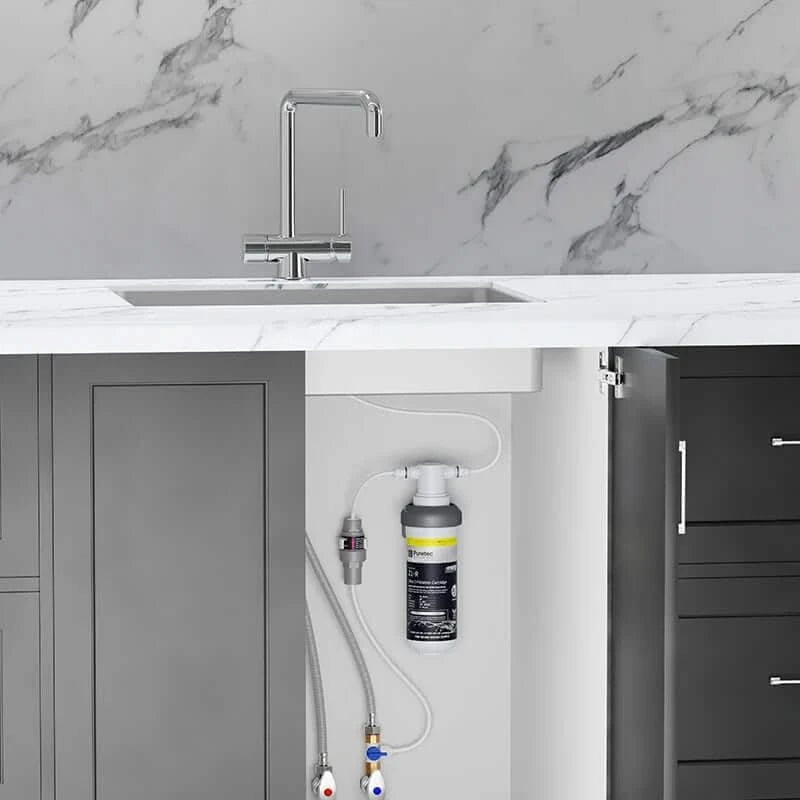
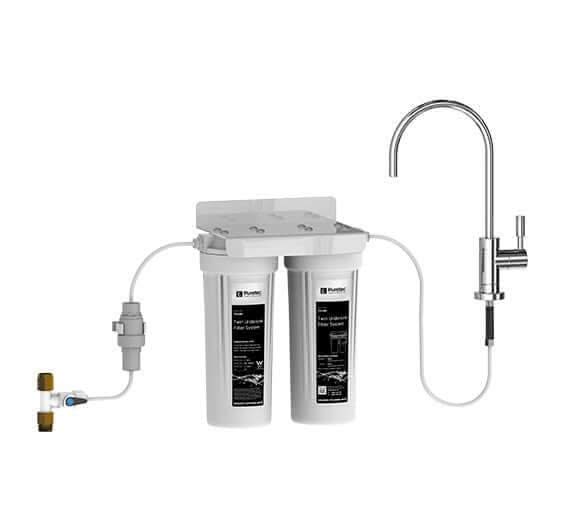
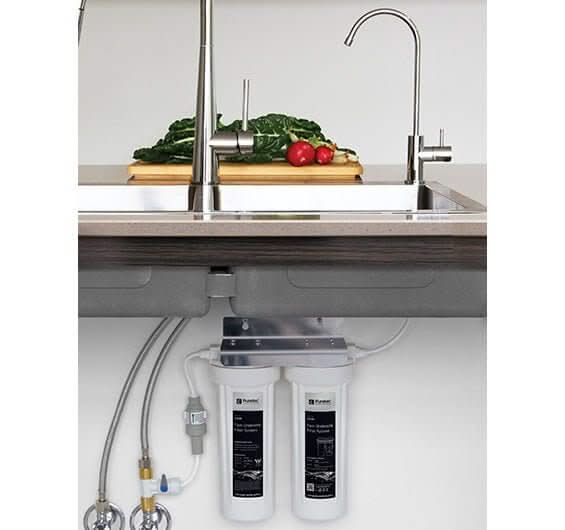
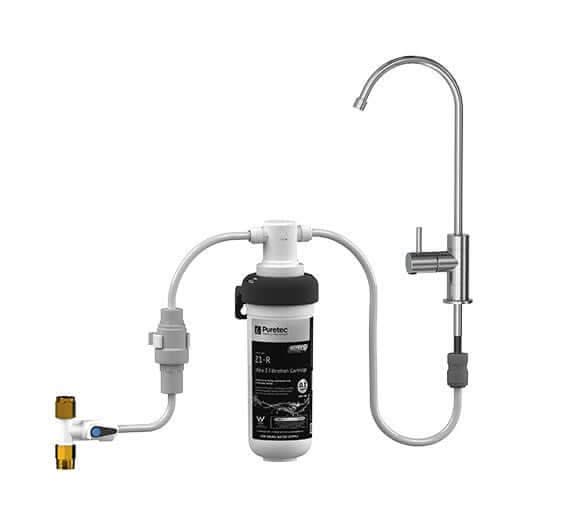
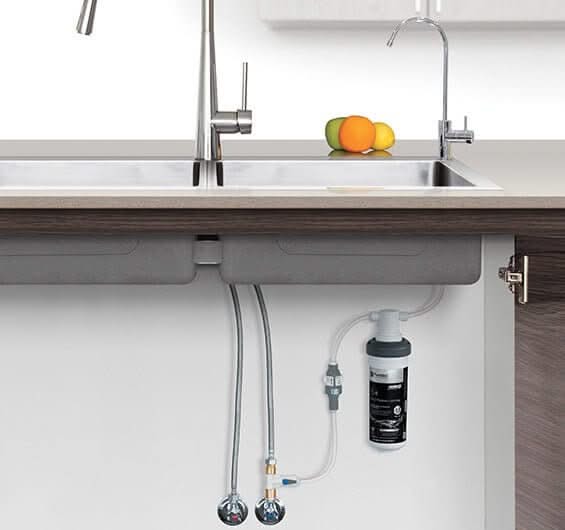
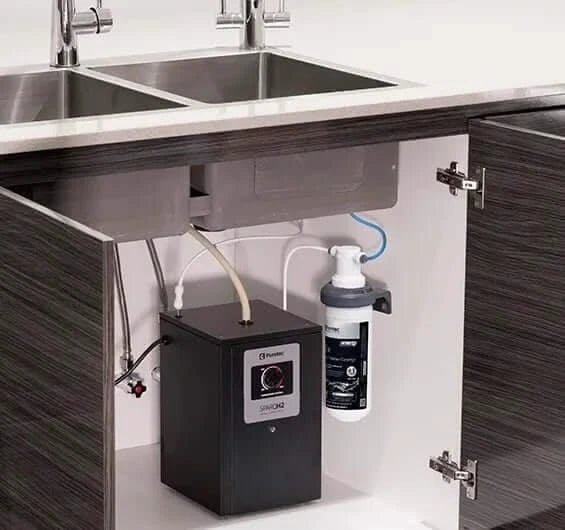
A drinking water filtration system is designed for water used for drinking, cooking, tea and coffee.
Drinking water filters can help improve taste and reduce selected contaminants depending on the cartridge. They are usually installed at one tap, often in the kitchen.
Drinking water filters may help with:
-
Chlorine taste
-
Chlorine odour
-
Sediment
-
General drinking water taste
-
Selected contaminants, depending on cartridge
They are not the same as whole-home hard water treatment.
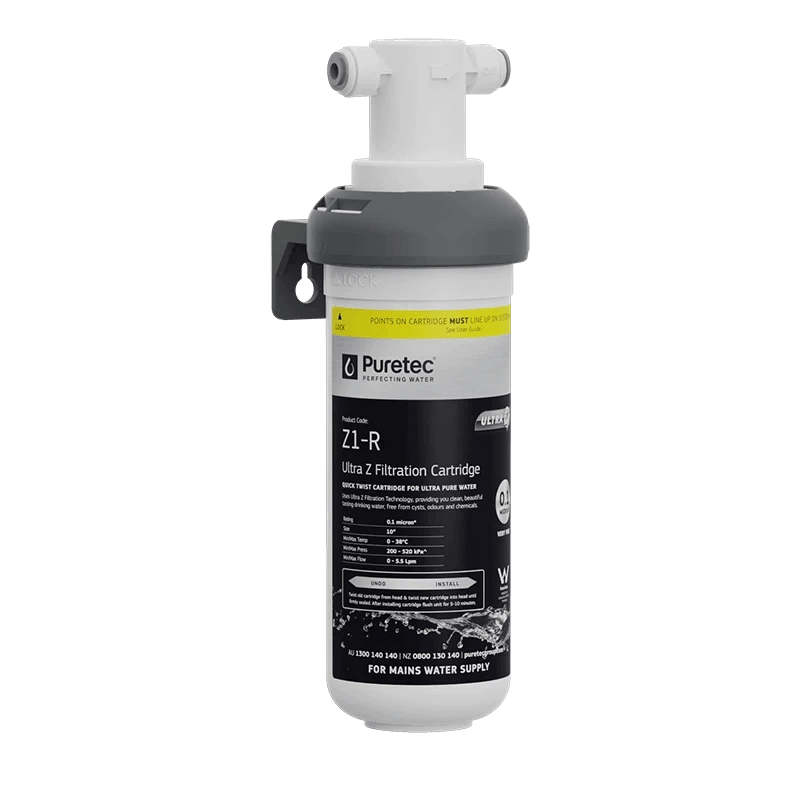
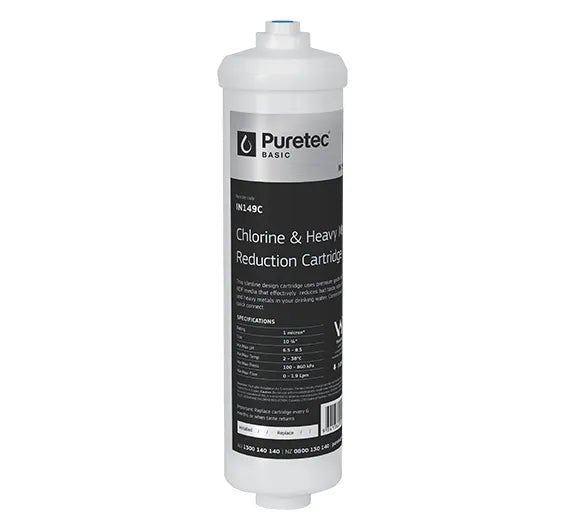
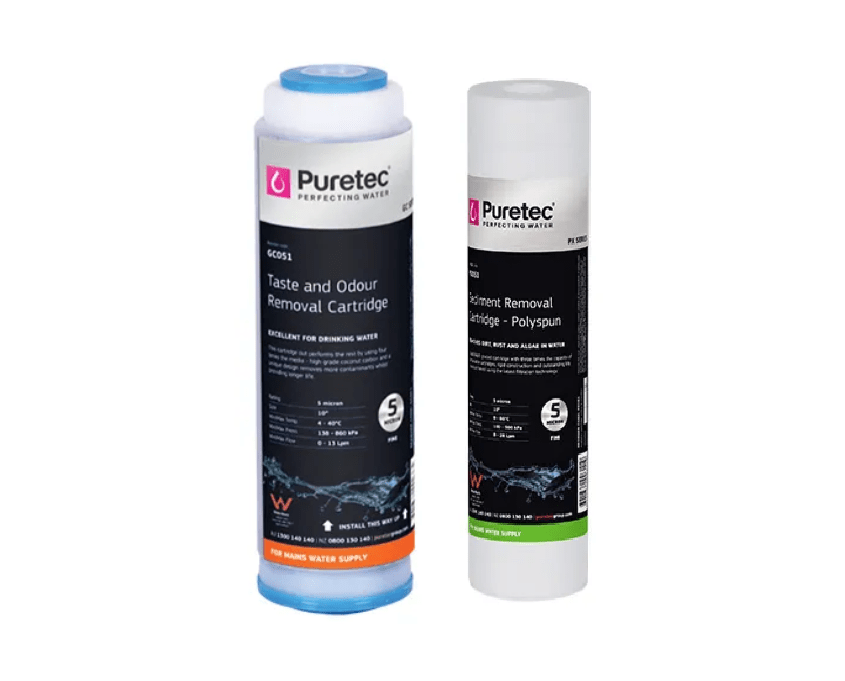
Puretec drinking and kitchen options include the Puretec PureMix Z7 Water Filter, Puretec PureMix Z2 Water Filter, Puretec PureMix Z6 Water Filter and Puretec X4 Water Filter.
5. Reverse Osmosis for Drinking Water
Reverse osmosis, often called RO, is usually used for drinking water at one point of use.
RO may reduce a wide range of dissolved substances depending on the system, but it is not usually used as a whole-home hard water treatment.
Reverse osmosis may suit:
-
Specific drinking water concerns
-
Kitchen drinking water
-
Homes where water testing shows a need
-
Customers wanting more advanced point-of-use filtration
RO systems can require:
-
Cartridge replacement
-
Membrane replacement
-
Drainage
-
Slower flow
-
More installation space
-
Ongoing maintenance
For hard water, RO may improve drinking water at one tap, but it will not treat shower water, laundry water, hot water systems or whole-home scale issues unless paired with broader treatment.
6. Shower Filters
A shower water filter is designed for shower water, not drinking water.
Shower filters may help improve the feel or smell of shower water depending on cartridge type and water source. They can be a smaller, targeted option for customers mainly concerned about shower experience.
However, shower filters do not treat the whole home and are not the same as water softeners.
Bore Water and Hard Water
Bore water can often have higher mineral content, but every bore is different.
Bore water may contain:
-
Calcium
-
Magnesium
-
Iron
-
Manganese
-
Salinity
-
Sediment
-
Odour
-
Colour
-
Metals
-
Bacteria
-
Hardness minerals
Do not choose a hard water treatment system for bore water without testing first. Bore water may need a combination of treatment methods, and hardness may only be one part of the issue.
Water testing should guide the system choice.
Rainwater, Tank Water and Hardness
Rainwater is often naturally softer than groundwater, but tank water quality depends on the roof, gutters, tank, pump and surrounding environment.
Potential tank water concerns include:
-
Sediment
-
Organic matter
-
Bacteria
-
Colour
-
Odour
-
Roof contamination
-
Tank condition
-
Pump and pipework condition
If rainwater is used for drinking, testing is important. A standard hard water system may not address bacteria or other rainwater concerns.
Hard Water and Hot Water Systems
Hard water can be more noticeable in hot water systems because heating encourages scale formation.
Potential impacts include:
-
Scale in tanks
-
Scale in heat exchangers
-
Reduced heating performance
-
Valve issues
-
Flow restrictions
-
More maintenance
-
Noisy operation in some systems
-
Shorter appliance life in severe conditions
The impact depends on water hardness, usage, temperature, system type and maintenance.
If a hot water system is already old or struggling, water treatment may help future equipment, but it will not always fix an existing failing system. Customers comparing replacement options can browse hot water systems, including electric hot water systems and heat pump hot water systems.
Choosing the Right Hard Water Treatment System
Step 1: Test the Water
Start with a hardness test. If the water source is bore, tank or rainwater, arrange broader water testing.
Testing helps identify whether the issue is:
-
Hardness
-
Sediment
-
Iron
-
Manganese
-
Salinity
-
Chlorine
-
Bacteria
-
Heavy metals
-
PFAS
-
Pipework-related
-
Appliance-related
Step 2: Decide What You Want to Treat
Ask whether the issue affects:
-
Drinking water only
-
Shower water only
-
Laundry
-
Appliances
-
Hot water systems
-
Whole-home water
-
Bore or tank water
-
Scale across the property
The treatment choice changes depending on the goal.
Step 3: Match the System to the Problem
Choose:
-
Water softener for true hardness reduction
-
Scale conditioner for scale behaviour management
-
Whole-home filter for sediment, taste or broader filtration depending on cartridge
-
Drinking water filter for one-tap drinking and cooking water
-
Shower filter for shower water only
-
RO for specific drinking water contaminants where suitable
-
UV where bacteria risk is identified in rainwater, tank water or bore water
Step 4: Check Flow Rate and Pressure
Whole-home systems need to suit household water demand.
Consider:
-
Number of bathrooms
-
Number of people
-
Shower use
-
Laundry use
-
Outdoor taps
-
Pipe size
-
Incoming pressure
-
Simultaneous water use
A system that is too restrictive can affect water flow.
Step 5: Consider Maintenance
Every water treatment system has ongoing maintenance.
This may include:
-
Salt top-ups
-
Cartridge replacement
-
Filter housing checks
-
UV lamp replacement
-
Media replacement
-
Resin regeneration
-
Drainage checks
-
Pressure monitoring
-
Water retesting
Choose a system you are willing to maintain.
Common Mistakes with Hard Water Treatment
Buying a Water Filter Instead of a Water Softener
A standard filter may reduce sediment or improve taste, but it may not reduce calcium and magnesium hardness.
Skipping Water Testing
Testing is important if the issue involves bore water, staining, odour, health concerns or severe scale.
Treating Drinking Water Only When the Whole Home Has Scale
A kitchen filter may improve drinking water, but it will not protect showers, laundry, hot water systems or appliances across the home.
Assuming Salt-Free Means Soft Water
Salt-free conditioners may help with scale behaviour, but they usually do not remove hardness minerals.
Choosing a System Too Small for the Home
Whole-home treatment must match household flow rate and demand.
Forgetting Maintenance Costs
Cartridges, salt, lamps, media and replacement parts can affect long-term cost.
Expecting Water Treatment to Fix Old Appliances
Water treatment may help reduce future scale, but it will not always reverse damage inside old appliances or hot water systems.
Supply-Only Ordering with Installed Today
Installed Today offers supply-only ordering across major Australian metro areas. This can suit customers who already have a licensed installer organised and want to order the product online.
For water filters, the listed product price generally covers the product only.
It does not usually include:
-
Installation labour
-
Plumbing alterations
-
New pipework
-
Tap hole drilling
-
Electrical work
-
UV system electrical setup
-
Drainage changes
-
Whole-home pipework modifications
-
Water testing
-
Cartridge replacement labour
-
Site assessment
-
Disposal of old equipment
-
Compliance upgrades
Before ordering a supply-only water treatment or filtration product, confirm the water source, connection requirements, flow rate, pressure and installation suitability with a licensed plumber where required.
Before Ordering Checklist
Before choosing hard water treatment, check:
-
Is the water source town water, bore water, rainwater or tank water?
-
Has the water been tested for hardness?
-
Are there other concerns such as iron, manganese, salinity, bacteria or odour?
-
Is the problem scale, taste, smell, sediment or staining?
-
Do you want to treat drinking water only or the whole home?
-
Do you need true softening or scale reduction?
-
Is a water softener, conditioner, filter or RO system more suitable?
-
How many bathrooms does the home have?
-
How many people use water daily?
-
Is flow rate suitable?
-
Is incoming water pressure suitable?
-
Is there room for installation?
-
Is drainage required?
-
What maintenance is needed?
-
Are replacement cartridges, salt or parts easy to source?
-
Is plumbing work required?
-
Is the product supply-only?
-
Has a licensed plumber confirmed suitability where required?
Frequently Asked Questions
What is hard water?
Hard water is water with higher levels of dissolved minerals, mainly calcium and magnesium. These minerals can cause scale, soap scum, white spots and appliance build-up.
Is hard water unsafe to drink?
Hard water is not usually unsafe to drink because of calcium and magnesium alone. However, if you have bore water, rainwater, tank water, heavy metals, PFAS, bacteria, odour or staining concerns, water testing is important.
What is the best treatment for hard water?
A water softener is the traditional treatment for reducing hardness minerals. Salt-free conditioners may help with scale behaviour, while filters may help with sediment, taste and odour depending on the cartridge.
Does a water filter soften hard water?
Not usually. A standard water filter does not automatically remove calcium and magnesium hardness. Check whether the product is specifically designed for softening or scale treatment.
Will a whole-home water filter stop limescale?
A whole-home filter may reduce sediment and improve general water quality depending on the cartridge, but it will not automatically stop limescale unless designed for hardness or scale control.
Is reverse osmosis good for hard water?
Reverse osmosis can be useful for drinking water, but it is generally a point-of-use system. It does not treat the whole home unless part of a broader system.
Can hard water damage a hot water system?
Hard water can contribute to scale build-up in hot water systems, valves and appliances. The impact depends on water hardness, temperature, usage and system type.
Do shower filters help with hard water?
A shower filter may improve shower water feel or smell depending on the cartridge, but it is not the same as a whole-home water softener.
Should I test my water before buying a system?
Yes. Testing is the best way to choose the right treatment, especially for bore water, rainwater, tank water, severe scale, staining, odour or health-related concerns.
Final Word
Hard water can create scale, white marks, soap scum, stiff laundry and appliance build-up. The best treatment depends on whether you need true softening, scale reduction, drinking water filtration, shower filtration or broader whole-home water treatment.
A water softener is the traditional option for reducing hardness minerals. A whole-home water filter may help with sediment, taste and odour depending on the cartridge, but it does not automatically soften water. A drinking water filter can improve water at the kitchen tap, while a shower filter is designed for shower water only.
For water quality issues beyond hardness, such as bore water, rainwater, PFAS, heavy metals, bacteria, odour or staining, water testing should come first.
Installed Today makes it easy to compare water filters, whole-home water filtration systems, drinking water filtration systems, kitchen water filters, shower water filters and Puretec water filtration systems online.