
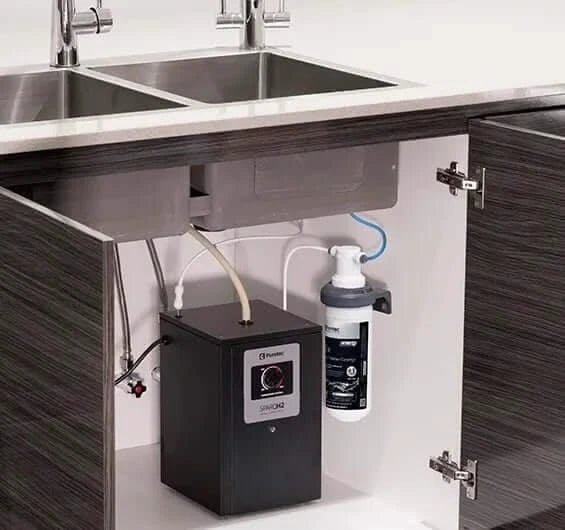
Healthiest Drinking Water Filters: How to Choose the Right Water Filter for Your Home
The healthiest drinking water filter is not always the most expensive system or the one with the longest list of claims. The right filter is the one that matches your water source, the contaminants you want to reduce, your household usage and the maintenance you are prepared to keep up with.
For many Australian homes, a good drinking water filter can improve the taste, smell and clarity of tap water by reducing chlorine taste, sediment and selected contaminants, depending on the cartridge and system chosen. For more serious concerns such as PFAS, lead, heavy metals, bacteria, viruses, bore water or rainwater safety, water testing is important before choosing a filter.
Installed Today offers supply-only ordering across major Australian metro areas for water filters, including drinking water filtration systems, kitchen water filters, whole-home water filtration systems, shower water filters and Puretec water filtration systems.
Quick Answer
The healthiest drinking water filter for your home depends on what is in your water.
For most households:
-
A drinking water filter can improve water used for drinking, cooking, tea and coffee
-
A kitchen water filter can suit everyday tap water improvement
-
A whole-home water filter can treat water entering the property
-
A shower filter is for shower water, not drinking water
-
Reverse osmosis may be considered for specific drinking water contaminants
-
UV filtration may be relevant for rainwater, tank water or bacteria concerns
-
Water testing is important for PFAS, heavy metals, bore water, rainwater and health-related concerns
-
Cartridge replacement matters because filters lose performance if they are not maintained
A taste-and-odour filter is not automatically a PFAS filter, bacteria filter, virus filter or heavy metal filter. Always check the product specifications and choose based on your water source.
What Makes a Drinking Water Filter “Healthy”?
A healthy drinking water filter should match the water issue you are trying to solve.
That may include:
-
Improving taste
-
Reducing chlorine taste and odour
-
Reducing sediment
-
Reducing rust or dirt particles
-
Reducing selected chemicals, depending on cartridge
-
Supporting safer drinking water where the correct system is chosen
-
Making tap water more enjoyable so the household drinks more water
-
Reducing reliance on bottled water
However, “healthy” does not mean one filter can remove everything. Different contaminants need different filtration methods.
Before choosing a filter, ask:
-
Is the water town water, rainwater, tank water or bore water?
-
Is the concern taste, odour, sediment or health-related contaminants?
-
Is water testing needed first?
-
Is the filter for drinking water only or the whole home?
-
What contaminants does the cartridge claim to reduce?
-
How often does the cartridge need replacing?
-
Is the system suitable for the household’s flow rate and pressure?
Common Types of Drinking Water Filters
Carbon Drinking Water Filters
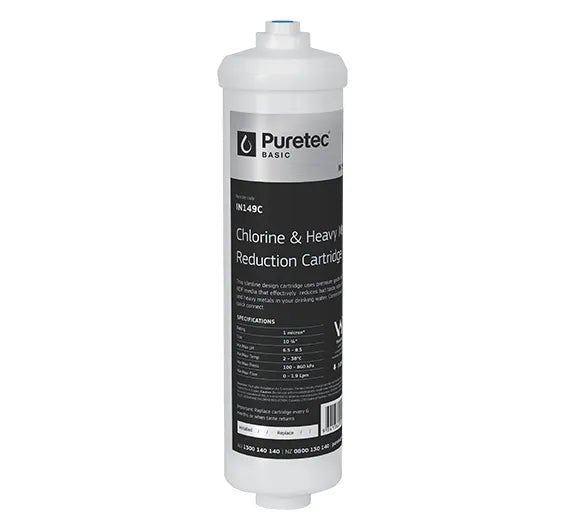
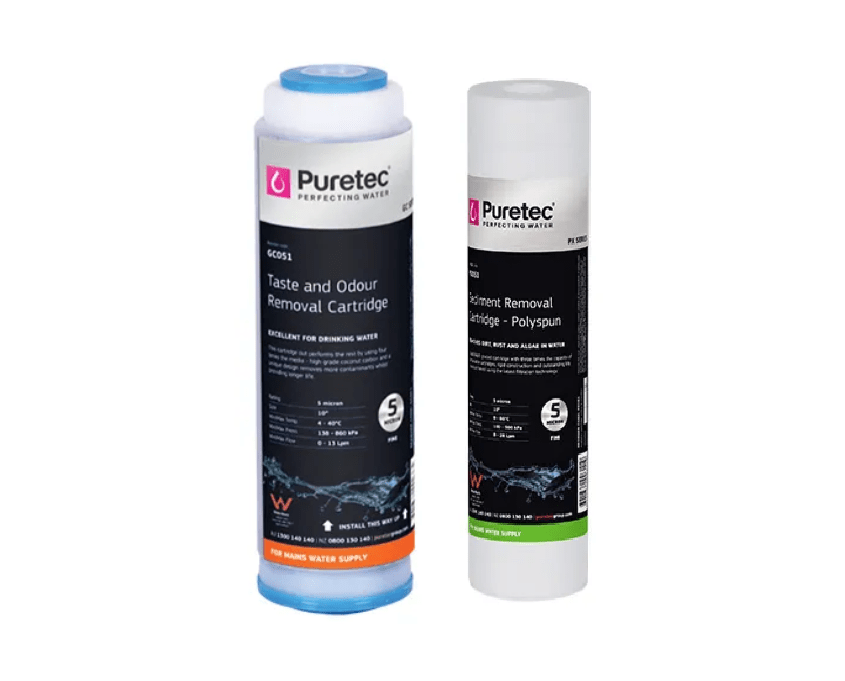
Carbon filtration is commonly used to improve the taste and smell of drinking water. It may help reduce chlorine taste, odour and some chemicals, depending on the cartridge.
Carbon filters may suit:
-
Town water taste concerns
-
Chlorine smell
-
Everyday drinking water
-
Tea and coffee water
-
Cooking water
-
Kitchen sink filtration
Carbon filters are not automatically suitable for PFAS, bacteria, viruses or heavy metals unless the product specifications clearly support those reduction claims.
Sediment Filters
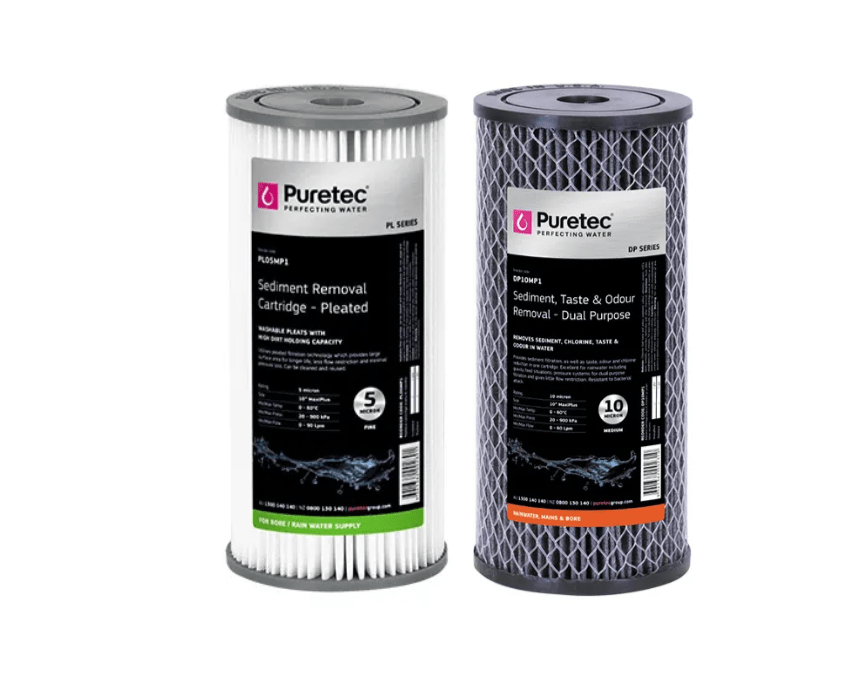
Sediment filters are designed to reduce particles such as dirt, sand, rust and suspended solids.
They may suit:
-
Visible particles in water
-
Rainwater pre-filtration
-
Whole-home pre-filtration
-
Protecting downstream cartridges
-
Homes with older pipework
Sediment filters do not usually solve taste, chemical or bacteria concerns by themselves. They are often used as part of a broader filtration setup.
Reverse Osmosis Filters
Reverse osmosis, often called RO, uses a membrane to reduce a wide range of dissolved contaminants from drinking water.
RO may be considered where there are specific drinking water concerns, but it should be chosen carefully based on water testing, flow requirements, maintenance and cartridge replacement.
Reverse osmosis may suit:
-
Specific contaminant concerns
-
Drinking water applications
-
Homes wanting a higher level of filtration at one tap
-
Situations where product specifications match the water test results
RO systems can have slower flow, cartridge maintenance requirements and wastewater considerations. They are usually used for drinking water rather than whole-home filtration.
UV Water Filtration
UV filtration uses ultraviolet light to target microorganisms in water. It is often considered for rainwater, tank water, bore water or rural water sources where bacteria may be a concern.
UV filtration may suit:
-
Rainwater systems
-
Tank water systems
-
Some bore water applications
-
Rural properties
-
Water supplies where bacteria risk has been identified
UV systems usually need clear water to work properly, so pre-filtration may be required. UV lamps also need scheduled replacement.
Whole-Home Water Filters
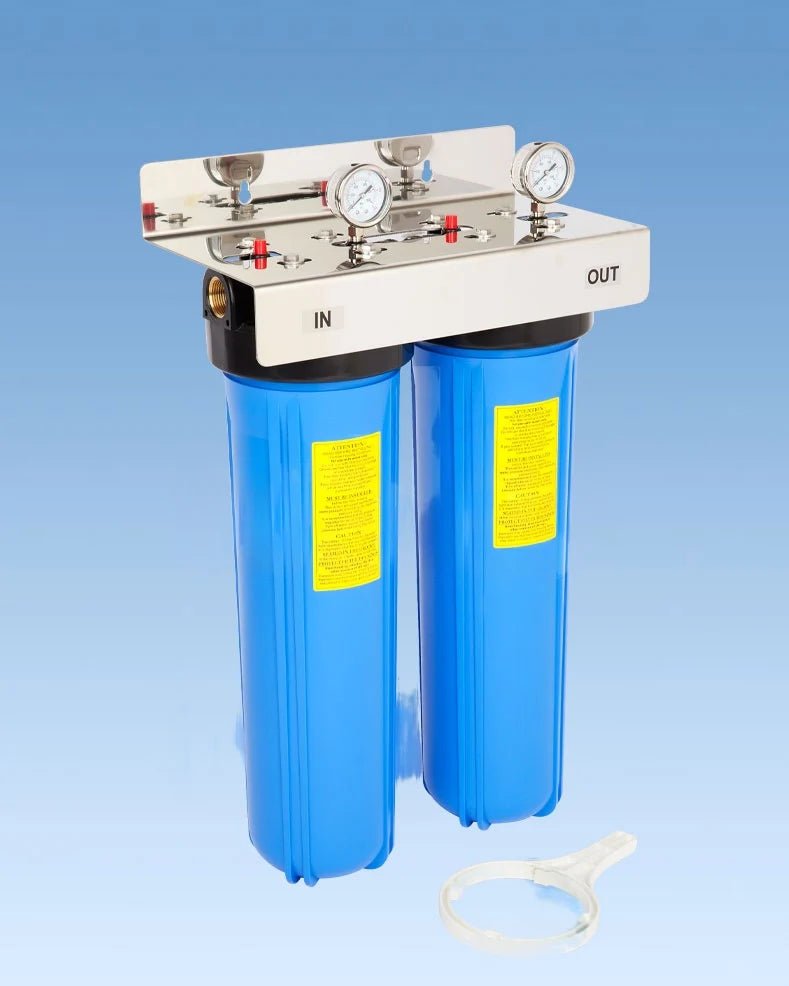
A whole-home water filtration system treats water entering the property before it reaches taps, showers, laundries and appliances.
Whole-home filtration may suit:
-
Households wanting filtered water across the property
-
Sediment reduction before fixtures
-
Taste and odour improvement across multiple taps, depending on cartridge
-
Larger homes with broader water quality goals
-
Customers wanting filtration beyond the kitchen sink
Whole-home filtration is not the same as a dedicated drinking water filter. Some homes may use both a whole-home filter and a kitchen drinking water filter.
Shower Filters
A shower water filter is designed for shower water, not drinking water.
Shower filters may suit customers wanting to improve the feel or smell of shower water, depending on water source and cartridge type. They should not be used as a drinking water solution.
Best Puretec Drinking Water Filters to Compare
Puretec is a popular brand for Australian households comparing kitchen, drinking water and whole-home filtration options. The best Puretec filter depends on your water source, cartridge requirements, flow rate and filtration goals.
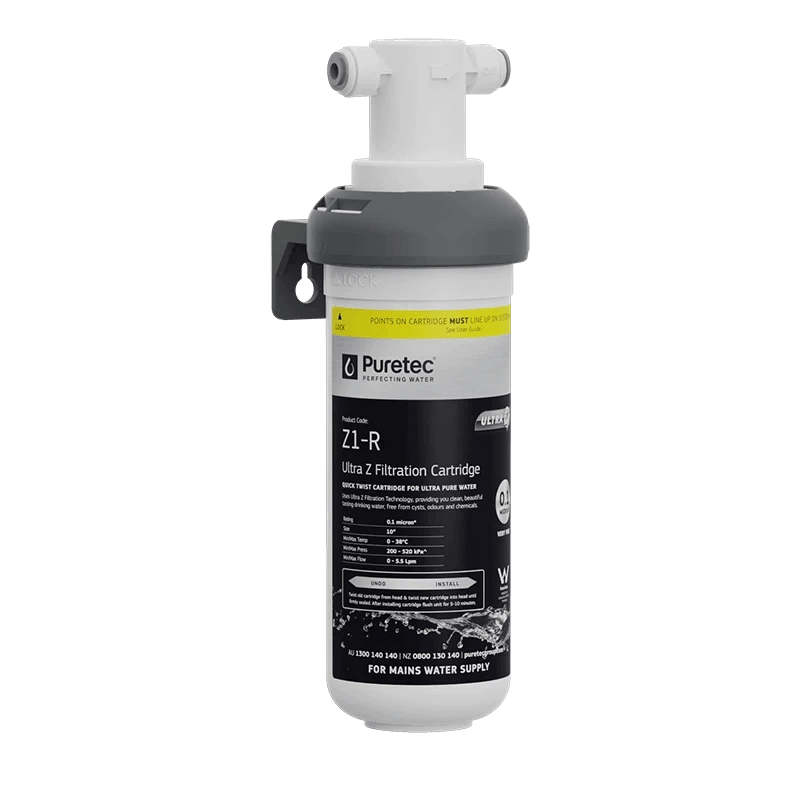
Puretec PureMix Z7 Water Filter
The Puretec PureMix Z7 Water Filter may suit households wanting a kitchen drinking water filter for everyday tap water improvement.
It may suit:
-
Drinking water
-
Cooking water
-
Tea and coffee
-
Kitchen tap filtration
-
Homes wanting better-tasting town water
-
Customers comparing dedicated drinking water options
Before ordering, check the product specifications, cartridge details, connection requirements and installation suitability.
Puretec PureMix Z2 Water Filter
The Puretec PureMix Z2 Water Filter may suit customers looking for a practical kitchen water filter for everyday use.
It may suit:
-
Smaller households
-
Town water taste and odour concerns
-
Kitchen drinking water
-
Compact filtration setups
-
Customers comparing Puretec PureMix options
The Z2 may be suitable where the goal is improved drinking water taste, but customers with health-related concerns should check specifications and consider water testing.
Puretec PureMix Z6 Water Filter
The Puretec PureMix Z6 Water Filter is another Puretec kitchen filtration option for customers comparing drinking water systems.
It may suit:
-
Everyday drinking and cooking
-
Kitchen sink filtration
-
Customers wanting a cartridge-based Puretec system
-
Homes on treated town water
-
Households comparing PureMix models
As with any water filter, suitability depends on what you want to reduce and what the cartridge is designed to handle.
Puretec X4 Water Filter
The Puretec X4 Water Filter may suit customers wanting a compact filtration option for drinking water.
It may suit:
-
Smaller kitchens
-
Limited under-sink space
-
Drinking water filtration
-
Everyday tap water improvement
-
Customers comparing compact Puretec products
Before ordering, confirm the connection requirements, cartridge replacement needs and whether the product suits your water source.
Best Puretec Whole-Home Filters to Compare
A whole-home filter is different from a drinking water filter because it treats water entering the property rather than one tap.
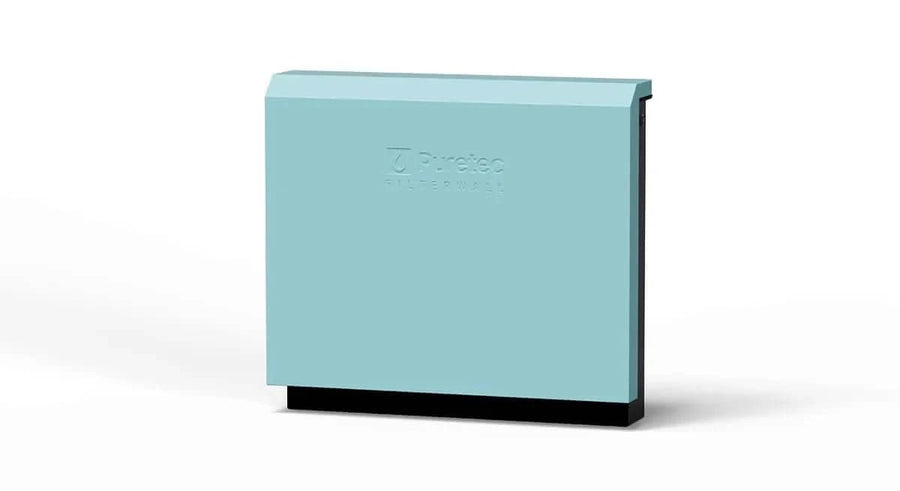
Puretec G6 Whole House Water Filter
The Puretec G6 Whole House Water Filter may suit customers wanting whole-home filtration for broader household water quality.
It may suit:
-
Homes wanting filtration across multiple outlets
-
Town water applications where suitable
-
Sediment, taste or odour concerns depending on cartridge
-
Customers comparing whole-home Puretec systems
-
Properties where flow and pressure requirements have been checked
Puretec G12 Whole House Water Filter
The Puretec G12 Whole House Water Filter may suit larger homes or households with higher water demand.
It may suit:
-
Medium to larger homes
-
Multiple bathrooms
-
Higher flow requirements
-
Whole-property filtration
-
Customers wanting a larger Puretec whole-home option
Flow rate matters with whole-home systems. A filter that is too restrictive can affect water pressure and household use.
Puretec G13 Whole House Water Filter
The Puretec G13 Whole House Water Filter may suit customers comparing more advanced whole-home Puretec filtration options.
It may suit:
-
Larger households
-
Whole-home filtration needs
-
Customers wanting filtration beyond the kitchen
-
Homes where pipework, pressure and flow demand have been checked
-
Properties with suitable installation space and maintenance access
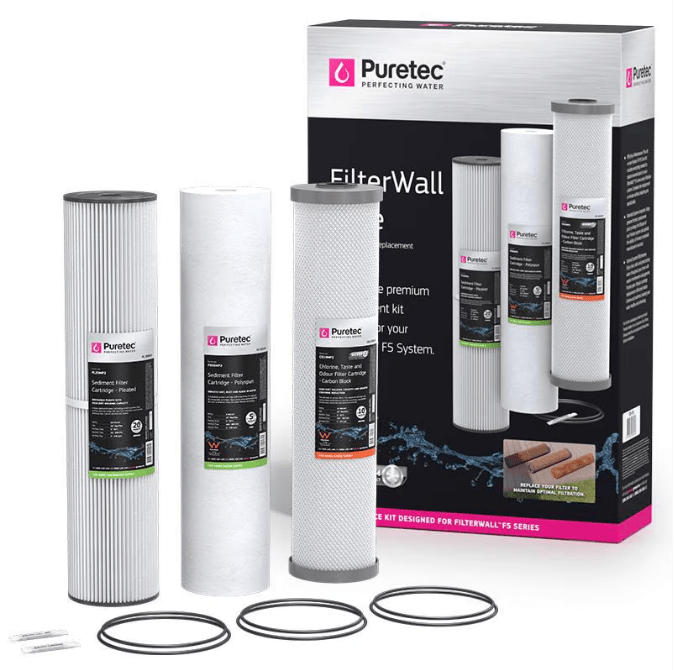
Whole-home filters should be selected based on water source, cartridge type, household demand and installation requirements.
Drinking Water Filter vs Whole-Home Filter
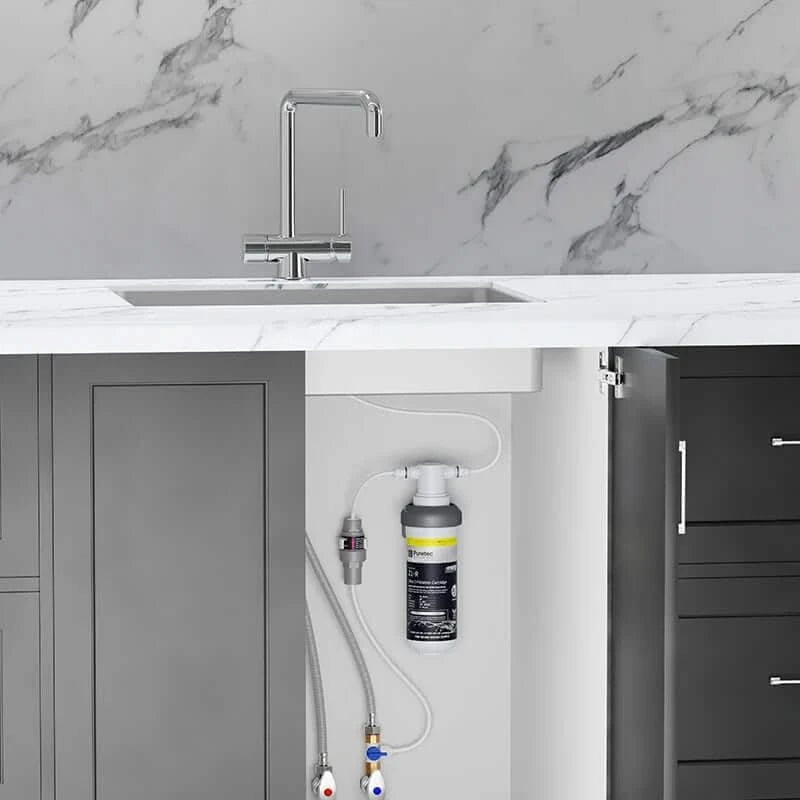
A drinking water filtration system usually filters water at one point, often the kitchen sink. It is focused on water used for drinking, cooking, tea and coffee.
A whole-home water filtration system treats water entering the property before it reaches taps and fixtures.
Choose a drinking water filter if:
-
You mainly care about water you drink
-
You want filtered kitchen water
-
You want a dedicated drinking water tap
-
You want a lower-scope filtration option
-
You are focused on taste and cooking water
Choose a whole-home filter if:
-
You want filtration across the property
-
You want to reduce sediment before fixtures
-
You want water filtered at showers, laundries and multiple taps
-
You have broader household filtration goals
-
Your water source and flow rate have been checked
Some homes may benefit from both.
Water Source Matters
The healthiest filter choice starts with the water source.
Town Water
Town water filtration is often focused on improving taste, odour and general drinking water quality.
Common town water concerns include:
-
Chlorine taste
-
Chlorine smell
-
Sediment
-
Rust particles from older pipework
-
General taste improvement
A kitchen filter may be enough if your main goal is better-tasting drinking water. A whole-home filter may suit customers who want broader filtration across the home.
Rainwater and Tank Water
Rainwater and tank water require more careful planning, especially if the water is used for drinking.
Potential concerns include:
-
Sediment
-
Organic matter
-
Bacteria
-
Roof catchment contamination
-
Tank condition
-
Insects or animal waste
-
Colour or odour
-
Pump and pipework condition
Water testing is important before choosing a filter for rainwater or tank water. Depending on results, filtration may involve sediment filtration, carbon filtration, UV treatment or other specialist systems.
Bore Water
Bore water can vary significantly from one property to another.
Potential concerns include:
-
Sediment
-
Iron
-
Manganese
-
Hardness
-
Salinity
-
Metals
-
Odour
-
Colour
-
Bacteria
-
Mineral staining
A standard drinking water filter may not be suitable for bore water without testing. The filter should be chosen based on water test results.
PFAS, Heavy Metals and Health Concerns
If your concern is PFAS, lead, heavy metals, bacteria, viruses or other health-related contaminants, do not choose a filter based only on taste.
Water testing should come first.
For health-related concerns, check:
-
Water test results
-
Cartridge reduction claims
-
Product specifications
-
Testing standards
-
Flow rate
-
Cartridge life
-
Whether pre-filtration is needed
-
Whether reverse osmosis is more suitable
-
Whether UV treatment is needed
-
Whether the system suits your water source
A filter that makes water taste better is not automatically the right filter for health-related contaminants.
What to Look for in a Healthy Drinking Water Filter
1. Correct Contaminant Reduction
Choose a filter based on what it is designed to reduce. Do not assume all cartridges remove the same contaminants.
2. Suitable Flow Rate
A drinking water filter should provide enough flow for daily use. A whole-home filter must match household flow demand across taps, showers and appliances.
3. Cartridge Replacement Schedule
Filters need regular cartridge replacement. A neglected filter can lose performance and may restrict water flow.
4. Water Pressure Compatibility
Check whether your home’s water pressure suits the filter. This is especially important for whole-home systems.
5. Installation Requirements
Some filters may require plumbing work, tap installation or pipework changes. Confirm requirements before ordering.
6. Water Source Suitability
A filter for town water may not be suitable for rainwater, tank water or bore water without additional treatment.
Cartridge Replacement and Maintenance
A water filter only works properly if it is maintained.
Maintenance may include:
-
Replacing cartridges on schedule
-
Checking flow rate
-
Watching for taste or odour changes
-
Checking for leaks
-
Keeping the filter accessible
-
Replacing UV lamps where applicable
-
Following manufacturer guidance
-
Arranging water testing if water quality changes
Signs a filter may need attention include:
-
Reduced water flow
-
Change in taste
-
Change in smell
-
Cloudy water
-
Visible sediment
-
Cartridge age beyond the recommended interval
Replacement timing depends on the filter model, water quality and household usage.
Common Mistakes When Choosing a Drinking Water Filter
Assuming One Filter Removes Everything
Different contaminants need different filtration methods.
Ignoring Water Testing
Testing is important for PFAS, heavy metals, bore water, rainwater and health-related concerns.
Choosing a Shower Filter for Drinking Water
Shower filters are not drinking water filters.
Forgetting Cartridge Costs
The purchase price is only part of the cost. Cartridges need ongoing replacement.
Choosing Only by Brand
Brand matters, but the cartridge and system must match the water source and filtration goal.
Not Checking Installation Space
Under-sink systems, dedicated taps and whole-home filters all need suitable space and access.
Using Whole-Home Filtration Instead of Drinking Water Filtration
Whole-home filtration can be useful, but it is not automatically the same as specialist drinking water filtration.
Supply-Only Ordering with Installed Today
Installed Today offers supply-only ordering across major Australian metro areas. This can suit customers who already have a licensed installer organised and want to order the product online.
For water filters, the listed product price generally covers the product only.
It does not usually include:
-
Installation labour
-
Plumbing alterations
-
New pipework
-
Tap hole drilling
-
Electrical work
-
UV system electrical setup
-
Drainage changes
-
Whole-home pipework modifications
-
Water testing
-
Cartridge replacement labour
-
Site assessment
-
Disposal of old equipment
-
Compliance upgrades
Before ordering a supply-only water filter, confirm the system, water source, connection requirements and installation suitability with a licensed plumber where required.
Before Ordering Checklist
Before choosing a drinking water filter, check:
-
Is your water source town water, rainwater, tank water or bore water?
-
What do you want to reduce?
-
Is water testing needed?
-
Is the filter for drinking water, kitchen use, whole-home use or shower water?
-
Does the cartridge match your concern?
-
Are PFAS, heavy metals, bacteria or health-related contaminants a concern?
-
Is reverse osmosis needed?
-
Is UV filtration needed?
-
Is water pressure suitable?
-
Is flow rate suitable?
-
Will the filter fit under the sink or at the installation point?
-
Is a dedicated tap required?
-
Can cartridges be changed easily?
-
How often do cartridges need replacing?
-
Is plumbing work required?
-
Is the product supply-only?
-
Has a licensed plumber confirmed suitability where required?
Frequently Asked Questions
What is the healthiest drinking water filter?
The healthiest drinking water filter is the one that matches your water source and the contaminants you want to reduce. For general town water taste, a kitchen drinking water filter may be enough. For PFAS, heavy metals, bacteria, bore water or rainwater, water testing and specialist filtration may be required.
Is Puretec a good water filter brand?
Puretec is a popular water filtration brand for Australian homes, with options for drinking water, kitchen filtration and whole-home filtration. The right Puretec product depends on your water source, cartridge type and filtration goals.
Does a water filter remove chlorine taste?
Many carbon-based drinking water filters can help reduce chlorine taste and odour, depending on the cartridge. Check the product specifications before ordering.
Does a water filter remove PFAS?
Not every water filter removes PFAS. If PFAS is a concern, arrange water testing and choose a filter specifically rated for the target contaminants.
Is reverse osmosis the healthiest water filter?
Reverse osmosis can be useful for specific drinking water concerns, but it is not automatically the best choice for every home. It depends on water testing, contaminants, maintenance requirements, flow rate and household needs.
Do I need a whole-home filter or a drinking water filter?
Choose a drinking water filter if you mainly want filtered water at the kitchen tap. Choose a whole-home filter if you want water filtered across multiple taps and fixtures. Some homes may use both.
Can a shower filter be used for drinking water?
No. Shower filters are not designed for drinking water. Use a drinking water filter or kitchen water filter for water you plan to drink.
How often should water filter cartridges be replaced?
Replacement timing depends on the filter model, cartridge type, water quality and household usage. Follow the product guidance and replace cartridges on schedule.
Do I need a plumber to install a water filter?
Some filters may require a licensed plumber, especially under-sink filters with dedicated taps and whole-home systems connected to the incoming water line.
Final Word
The healthiest drinking water filter is the one selected for your actual water source and filtration needs. For treated town water, a kitchen or drinking water filter may help improve taste and reduce chlorine odour. For whole-property water quality, a whole-home filtration system may be worth comparing. For rainwater, bore water, PFAS, heavy metals or bacteria concerns, water testing should come first.
Installed Today makes it easy to compare water filters, drinking water filtration systems, kitchen water filters, whole-home water filtration systems, shower water filters and Puretec water filtration systems online.
Before ordering, check the water source, cartridge specifications, installation requirements and replacement schedule. For health-related concerns, use water testing to guide the filter choice.