
Heat Pump Hot Water Rebate NSW: What to Know Before Upgrading Your Hot Water System
The NSW heat pump hot water rebate can help reduce the upfront cost of upgrading from an older electric or gas hot water system to a more energy-efficient heat pump. For NSW households and small businesses, this can make a heat pump hot water system more affordable, but the rebate rules, product eligibility and supplier requirements need to be checked carefully before ordering.
A heat pump can be a strong choice for homes wanting lower energy use from their hot water system, especially where the property has suitable outdoor space, airflow, drainage and electrical supply. However, it is not automatically the right system for every home. The best result comes from matching the system size, brand, location and rebate pathway to the property.
Installed Today offers online supply-only ordering across major Australian metro areas, with selected supplied-and-installed options available on eligible products in Brisbane and Gold Coast service areas. If you are in NSW and want to use a government incentive, confirm the current rebate process, approved supplier requirements and installer requirements before ordering any supply-only product.
Quick Answer: How Does the NSW Heat Pump Hot Water Rebate Work?
The NSW heat pump hot water rebate is generally designed to reduce the upfront cost of replacing an older electric or gas hot water system with an eligible energy-efficient heat pump hot water system.
In practical terms:
-
The discount usually needs to be arranged through an approved or accredited provider
-
The new system must meet eligibility requirements
-
The old system, property and installation may need to meet scheme rules
-
The final discount can vary by product, location, supplier and current program settings
-
It is not always a cash rebate paid directly after buying a system
-
You should confirm eligibility before ordering a supply-only heat pump
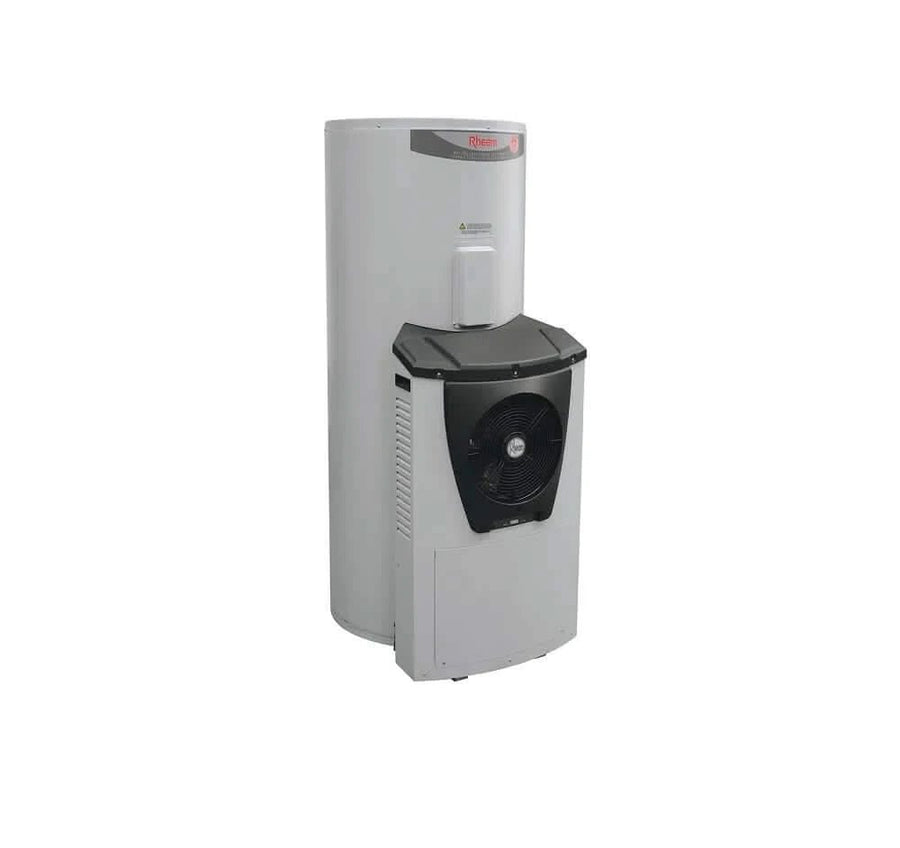
If you are comparing products first, start with heat pump hot water systems and check whether the size, brand and installation requirements suit your home before looking at rebate options.
What Is the NSW Heat Pump Hot Water Rebate?
The NSW heat pump hot water rebate is part of a broader push to help households and small businesses reduce energy use by upgrading inefficient appliances. For hot water, the focus is commonly on replacing older electric or gas hot water systems with more efficient heat pump or solar hot water systems.
The exact incentive amount can change. It may also depend on the product, the existing system being replaced, the provider, the installation site and whether additional limited-time offers apply in certain areas.
That is why homeowners should avoid relying on old rebate figures found online. A rebate amount from last year, or even from a different provider, may not apply to your property today.
Why Heat Pump Hot Water Systems Are Popular in NSW
Heat pump hot water systems have become popular because they use electricity differently from a standard electric storage tank. Instead of relying only on an electric element, a heat pump draws heat from the surrounding air and transfers that heat into the stored water.
This can make a heat pump more efficient than a traditional electric storage system when installed in the right location.
A heat pump may suit NSW homes that:
-
Have an older electric hot water system
-
Want to reduce hot water energy use
-
Have suitable outdoor space
-
Have good airflow around the system
-
Can manage condensate drainage
-
Have appropriate electrical supply
-
Want to pair hot water heating with rooftop solar where the timer and usage pattern suit
-
Are planning a longer-term energy efficiency upgrade
For many homes, products in the medium heat pump hot water systems 200L–280L range are commonly compared. Larger households may need to review large heat pump hot water systems.
Who May Be Eligible for a NSW Heat Pump Hot Water Rebate?
Eligibility can change, so always check the current NSW scheme rules and provider requirements before making a decision.
In general, eligibility may depend on:
-
The property being located in NSW
-
The existing hot water system type
-
Whether you are replacing an eligible electric or gas hot water system
-
Whether the new heat pump model is approved under the relevant program
-
Whether the work is arranged through an approved or accredited provider
-
Whether the installation is completed by licensed trades
-
Whether the property type qualifies
-
Whether the upgrade is voluntary and not required by another legal obligation
-
Whether the system is replacing an existing eligible unit rather than being installed in a new build
Do not assume every heat pump purchase qualifies. A quality heat pump may still be ineligible for a specific rebate if the supplier, installer, property or paperwork does not meet the current requirements.
Important: Check Rebate Eligibility Before Ordering Supply Only
This is the key point for Installed Today customers.
Supply-only ordering is useful when you already have a licensed installer organised and want to buy the product online. However, some rebates or discounts may need to be arranged through a specific approved supplier before installation.
Before ordering a supply-only heat pump, confirm:
-
Whether the rebate applies to supply-only purchases
-
Whether the product must be supplied by an approved provider
-
Whether your chosen installer can complete the required paperwork
-
Whether the selected model is eligible
-
Whether your existing system qualifies
-
Whether the rebate is applied upfront or handled another way
-
Whether your property location qualifies
-
Whether any co-payment or minimum customer contribution applies
If you order a product before checking these details, you may miss out on a rebate even if the heat pump itself is efficient.
Heat Pump vs Standard Electric Hot Water
A standard electric hot water system uses an electric element to heat and store water. It is simple, familiar and common across Australian homes.
A heat pump is also electric, but it uses heat from the air to help warm the water. This can reduce electricity use compared with standard electric storage in the right conditions.
| Option | Best For | Key Considerations |
|---|---|---|
| Standard electric storage | Simple replacement, lower upfront product cost, familiar setup | May use more electricity than a heat pump depending on tariff and usage |
| Heat pump hot water | Energy efficiency, long-term running cost reduction, solar-friendly homes | Needs airflow, drainage, outdoor location, access and suitable noise placement |
If your old electric system was running out of hot water, do not automatically replace it with the same size. Compare the household’s demand before choosing between a standard electric storage unit and a heat pump.
Common electric storage options include 250L electric hot water systems, 315L electric hot water systems and 400L electric hot water systems.
Heat Pump vs Gas Hot Water
Some NSW homes may be comparing heat pump hot water against gas hot water systems, especially if the property already has natural gas or LPG.
Gas systems include gas storage and instant gas hot water systems. Instant gas systems heat water as it passes through the unit, while gas storage systems keep hot water ready in a tank.
A heat pump may be worth comparing if:
-
You want to reduce gas use
-
Your old gas system is due for replacement
-
You have solar power and want to use more daytime electricity
-
You have suitable outdoor space and airflow
-
Your property is not ideal for gas upgrades
Gas may still suit some homes, especially where gas infrastructure is already suitable. Gas work must be completed by a licensed gas fitter. Natural gas and LPG units are not interchangeable, so the correct gas type must be selected.
For larger instant gas options, 26L instant gas hot water systems may suit some family homes, but gas pipe sizing and water pressure must support the unit.
Heat Pump vs Solar Hot Water
Solar hot water and heat pump hot water are both energy-efficient options, but they suit different properties.
Solar hot water generally uses roof-mounted collectors to capture heat from the sun. It can be efficient where roof space, orientation and sun exposure are suitable.
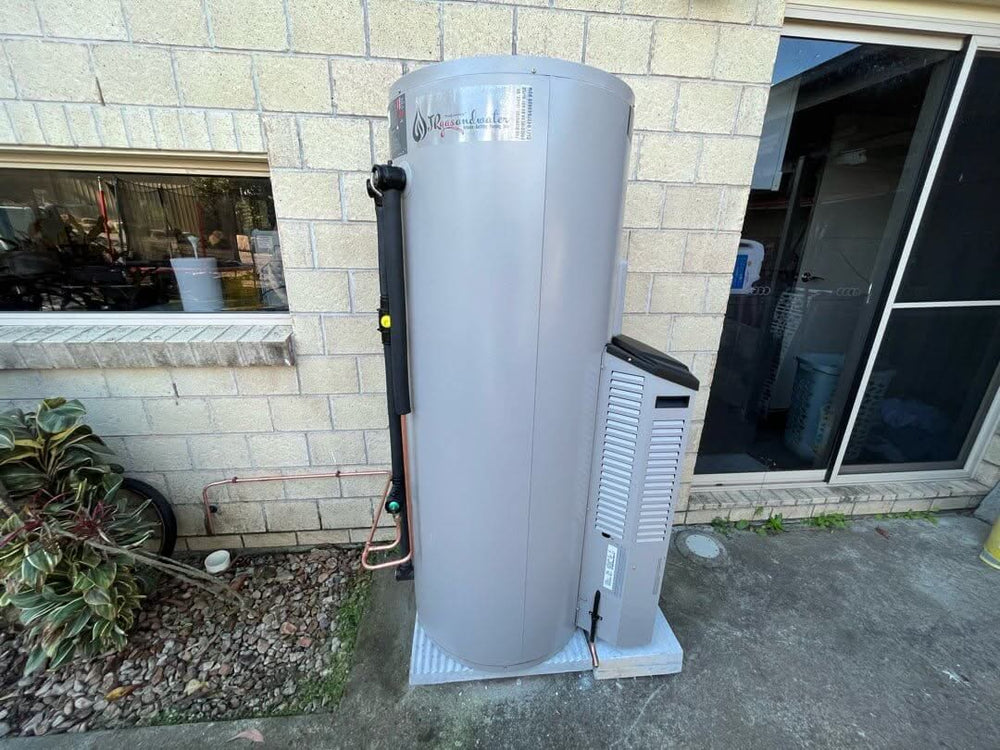
Heat pump hot water does not need roof collectors. It needs an outdoor location with airflow, drainage and access. This can make heat pumps easier to consider for some homes where roof-mounted solar hot water is not practical.
A heat pump may be a better fit where:
-
Roof space is limited
-
Shading affects solar hot water suitability
-
You want a ground-level system
-
You already have rooftop solar electricity
-
You want timer control to help use daytime solar generation
-
The installation area has good airflow and drainage
A solar hot water system may still be worth considering where roof conditions are excellent and the household wants a roof-based thermal hot water option.
Choosing the Right Heat Pump Size
Heat pump sizing should be based on household hot water demand, not just the rebate.
A system that is too small may run out of hot water during peak use. A system that is too large may cost more than needed and may not suit the available space.
When choosing a size, consider:
-
Number of people in the home
-
Number of bathrooms
-
Shower length and timing
-
Bath use
-
Kitchen and laundry use
-
Whether multiple showers run at once
-
Existing hot water system size
-
Whether the old system ran out of hot water
-
Recovery rate of the new system
-
Available installation space
-
Climate and location
-
Manufacturer guidance
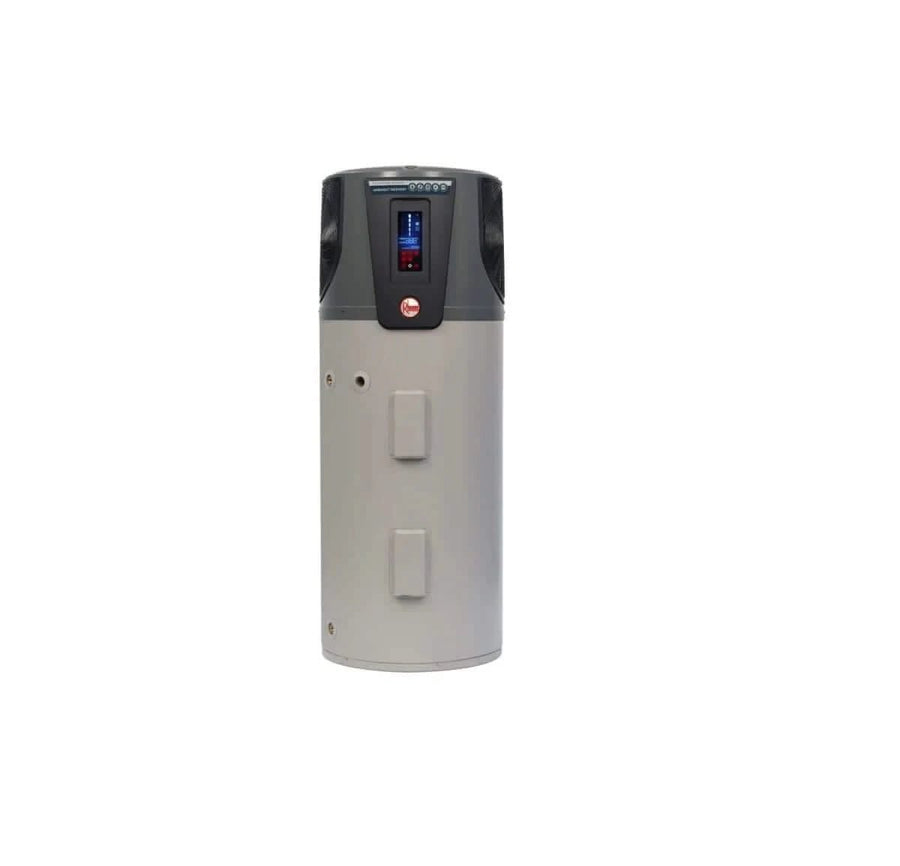
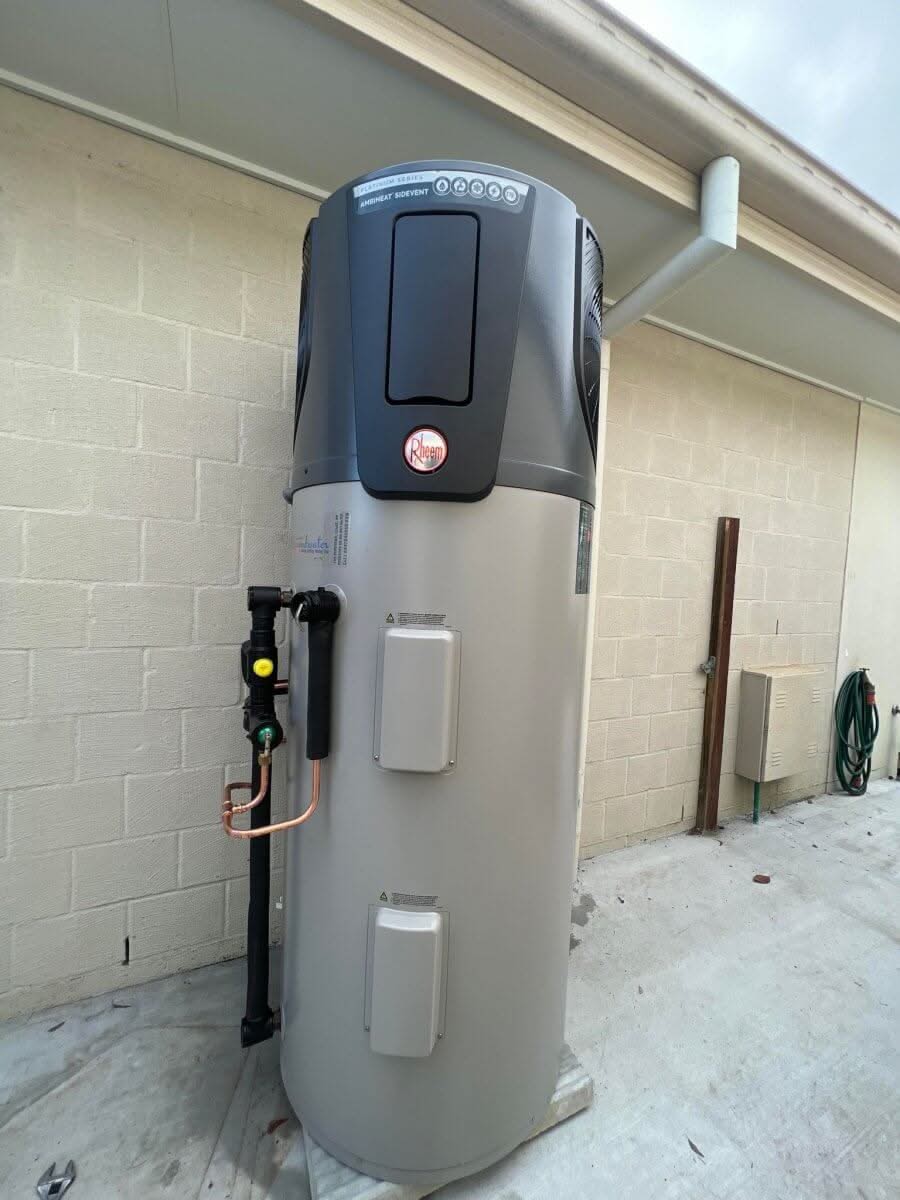
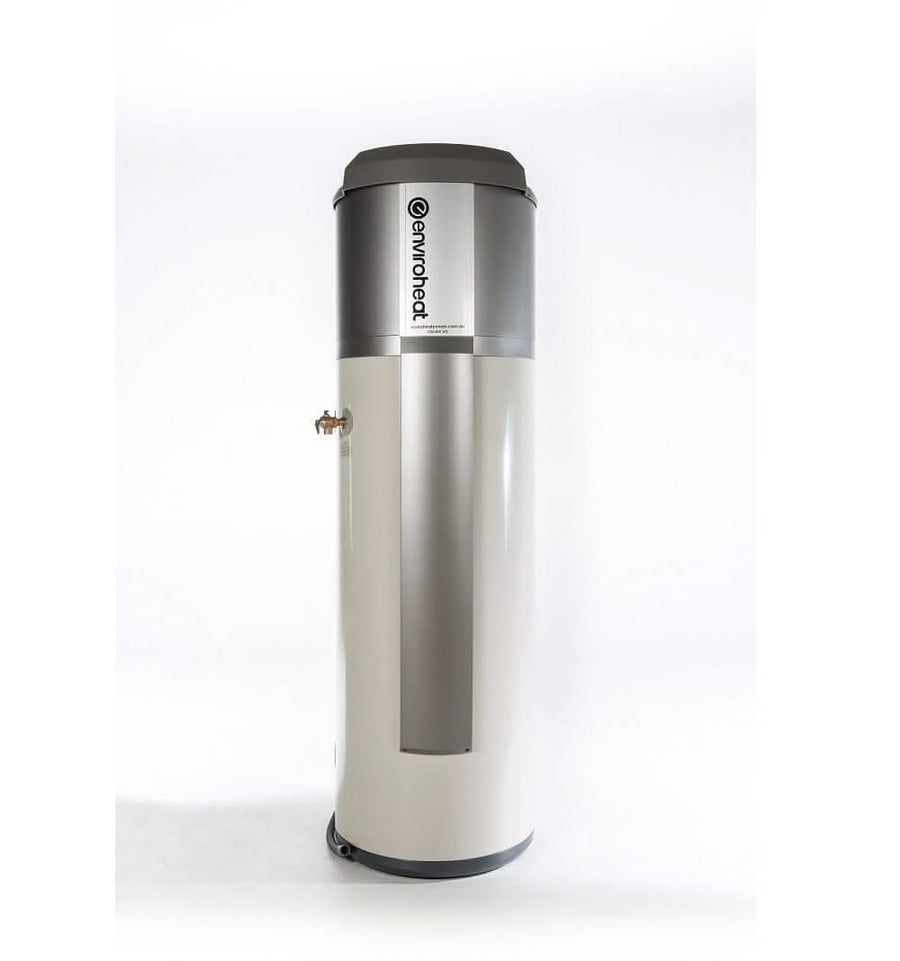
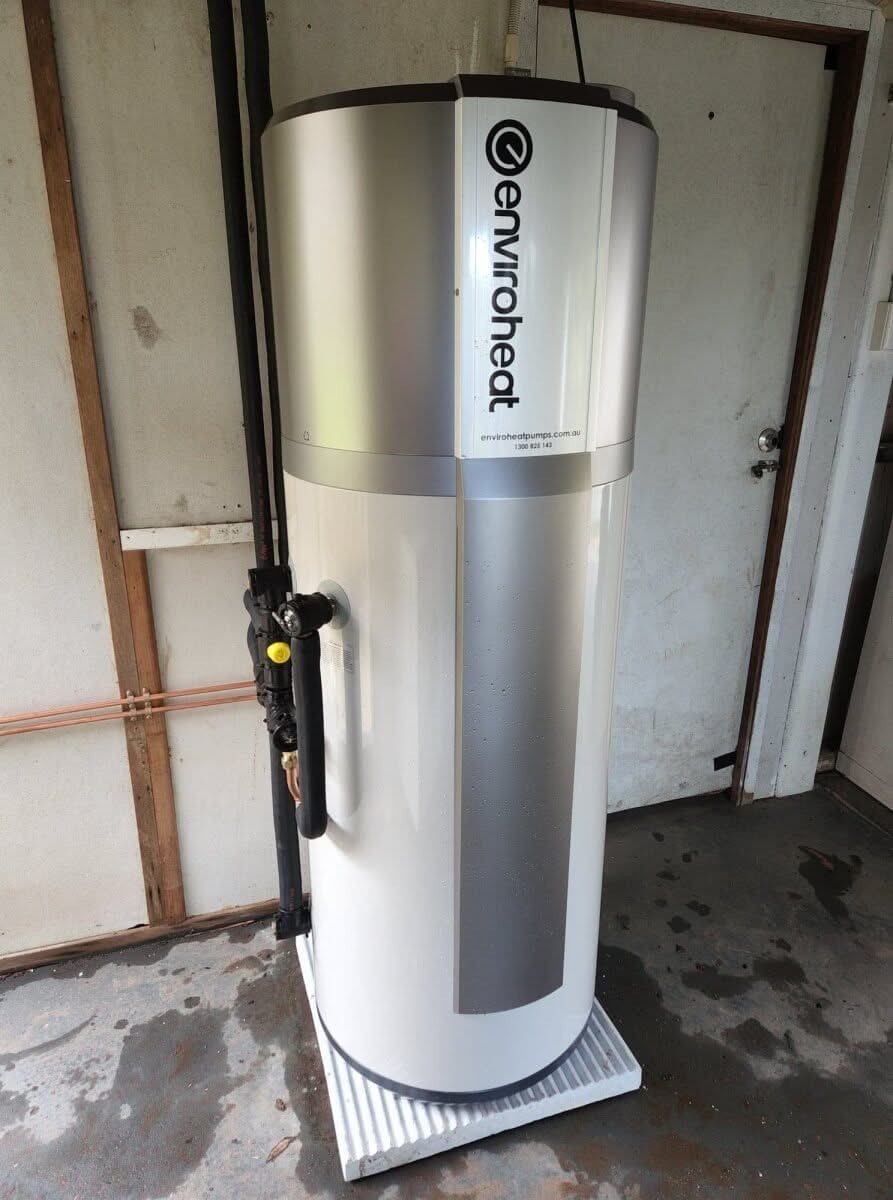
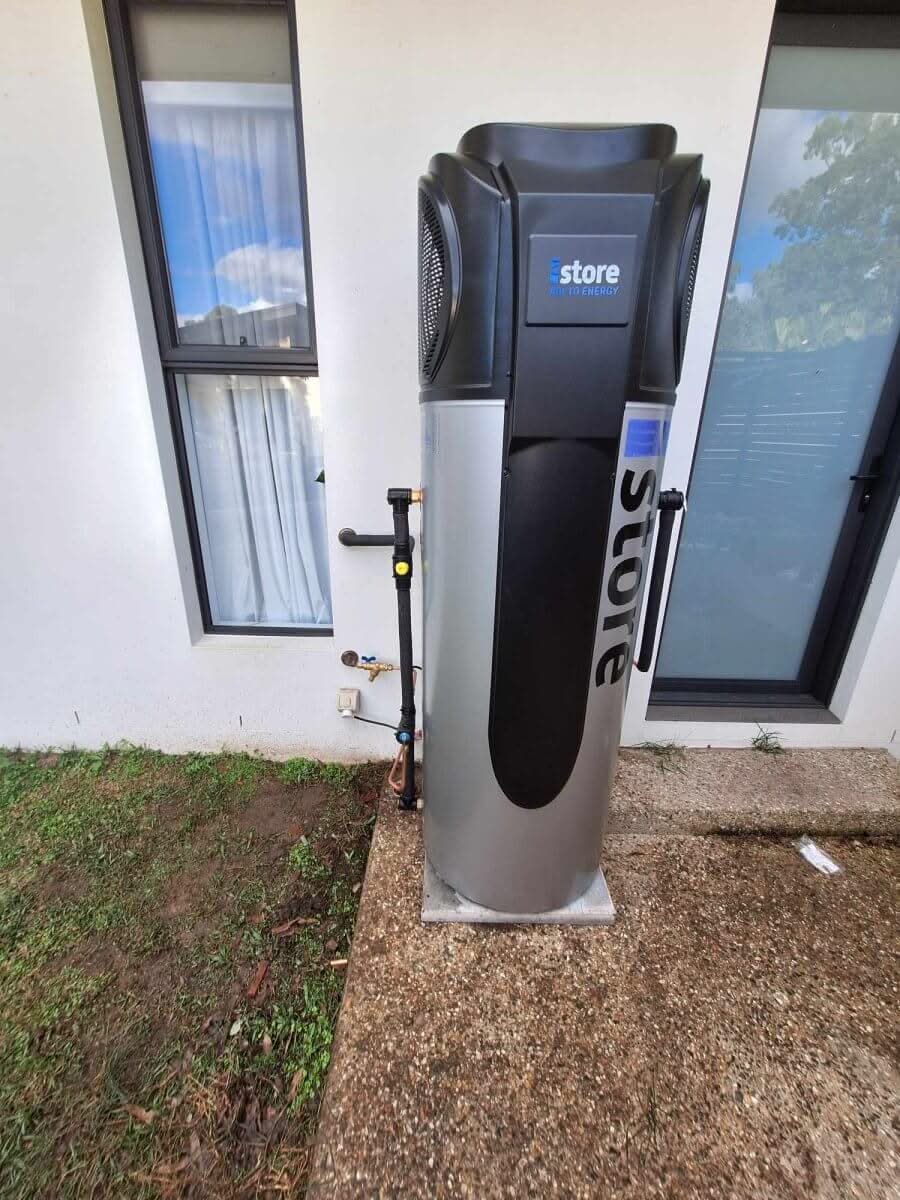
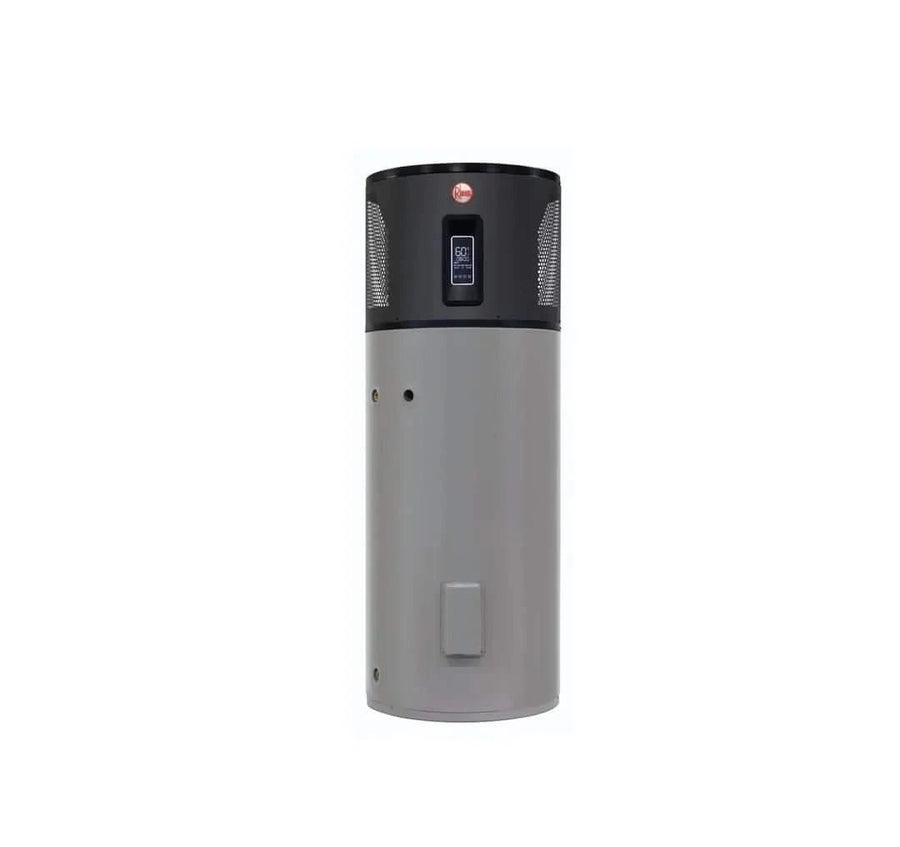
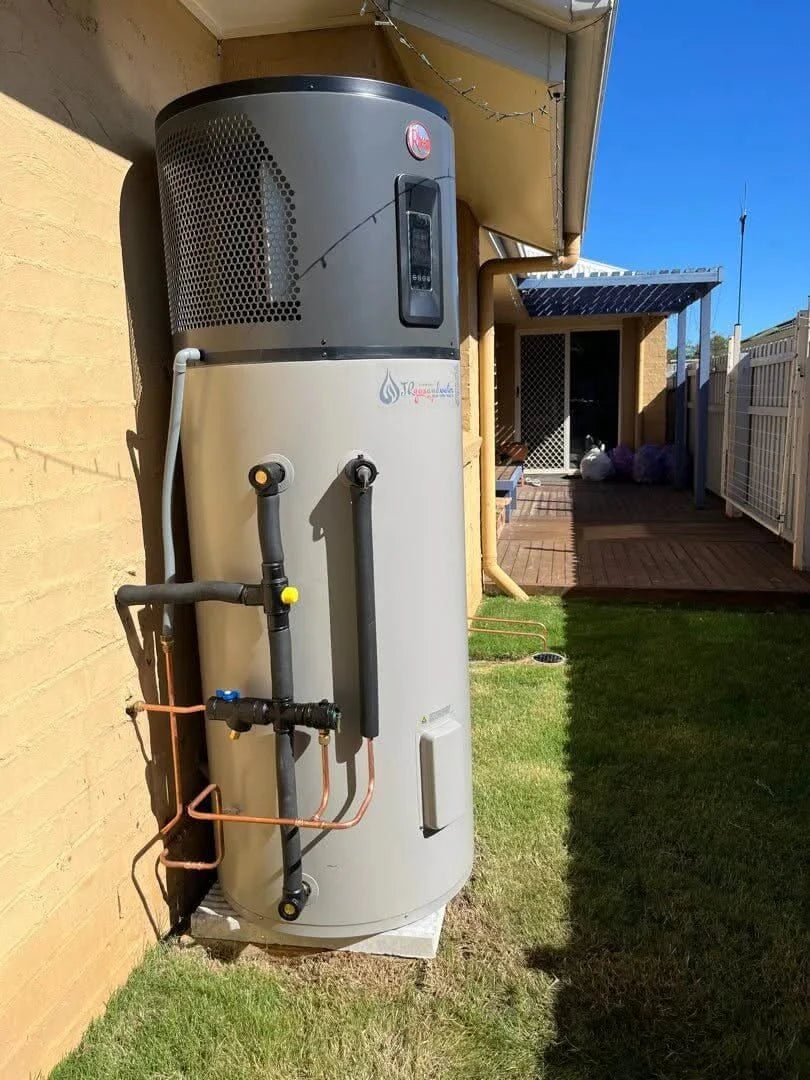
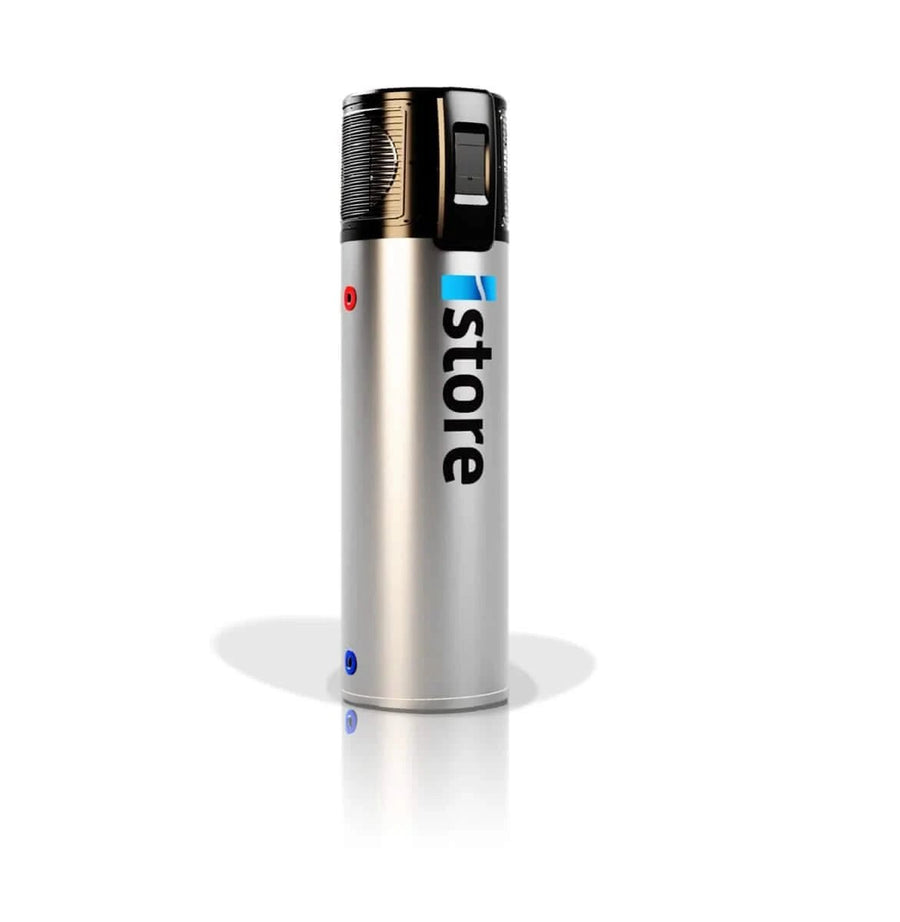
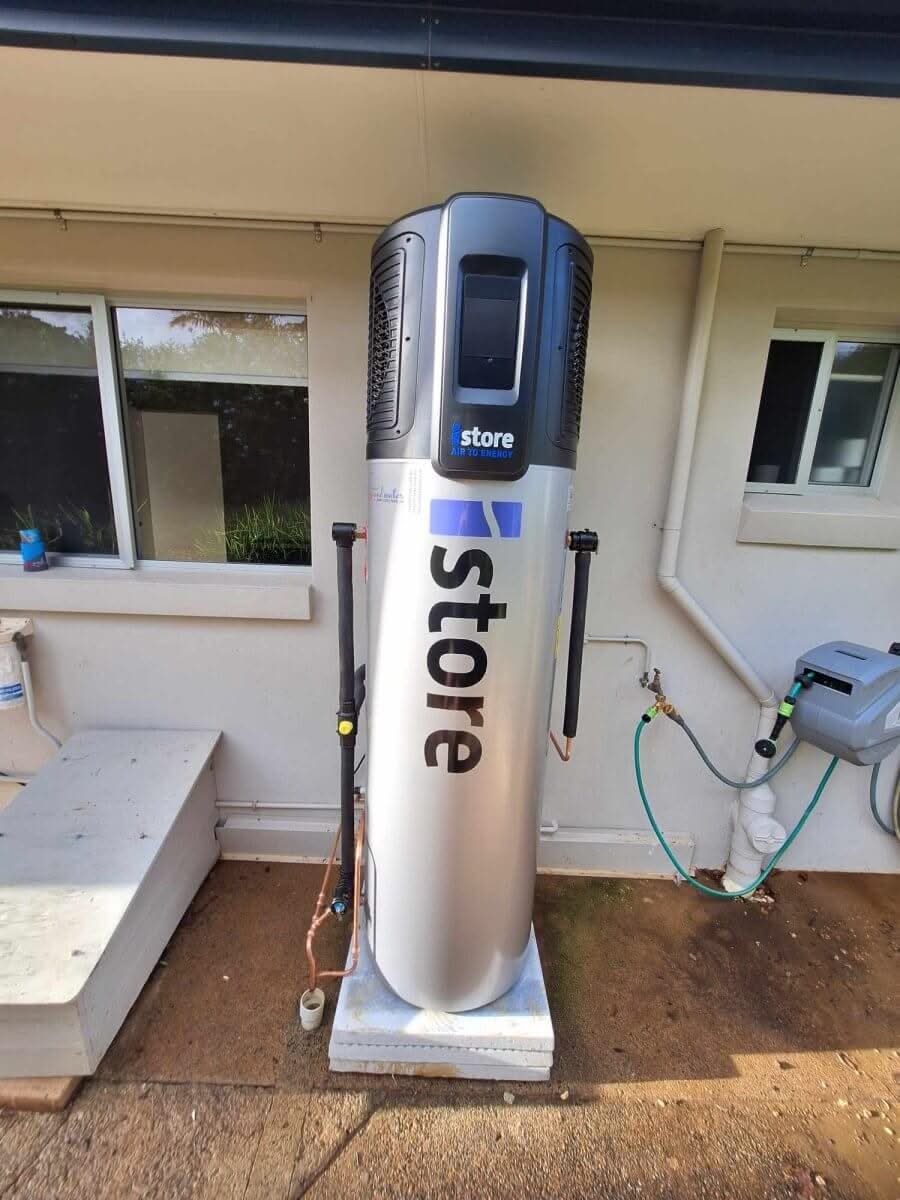
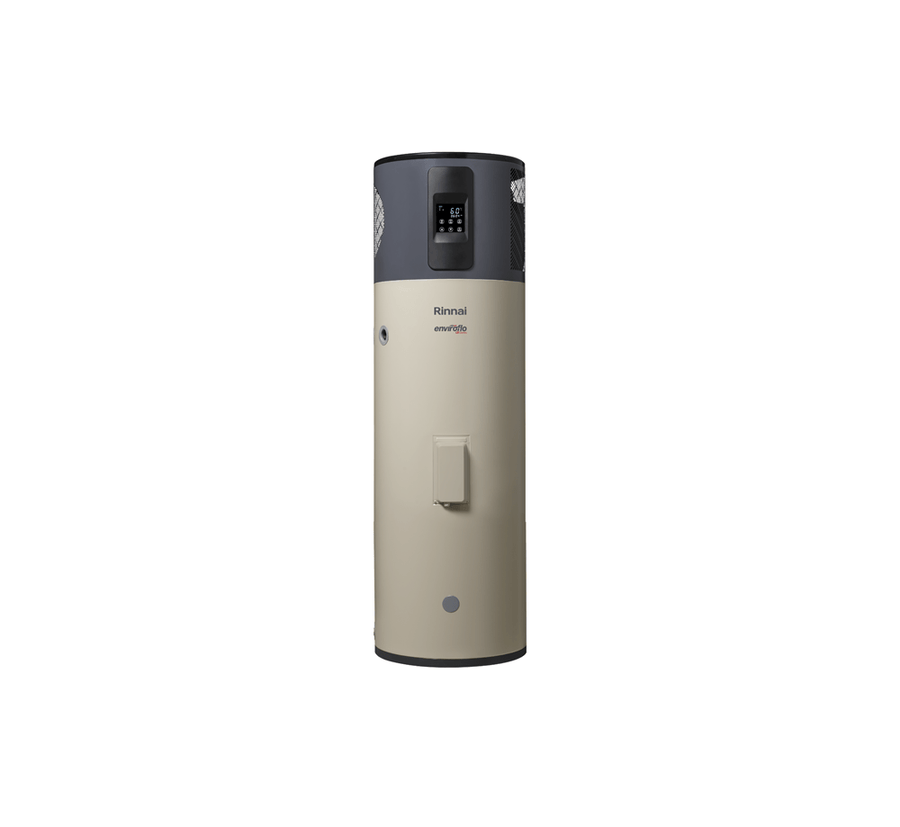
Many homes compare heat pumps around the 250L to 280L range, such as the iStore 270L Heat Pump Hot Water System, Rinnai Enviroflo V2 250L Heat Pump Hot Water System, Enviroheat 250L Heat Pump Hot Water System and Rheem AmbiHeat 270L Heat Pump Hot Water System.
Larger homes may compare products such as the Rinnai Enviroflo GR-Series 280L Heat Pump Hot Water System or Rinnai Enviroflo GR-Series 300L Heat Pump Hot Water System, depending on demand and site suitability.
What Makes a Heat Pump Suitable for a Home?
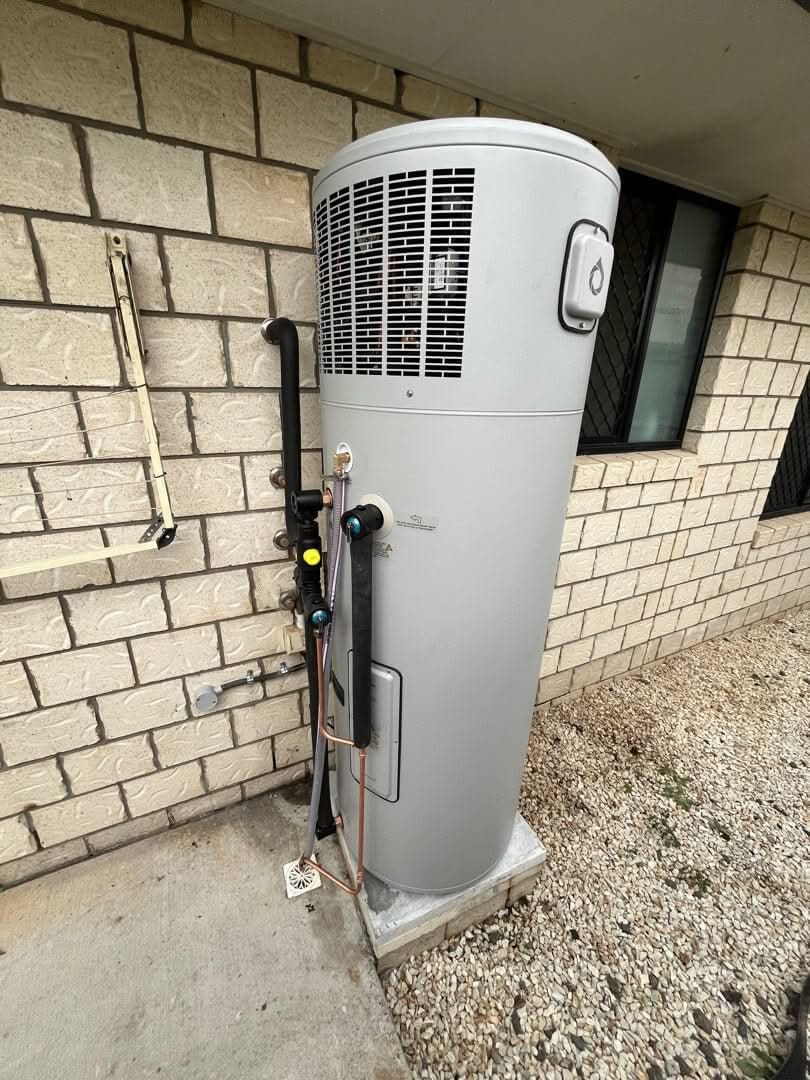
A heat pump needs the right environment to perform well.
Before choosing a unit, check:
-
Outdoor location
-
Clear airflow around the unit
-
Manufacturer clearance requirements
-
Condensate drainage
-
Base or slab condition
-
Access for delivery and future servicing
-
Distance from bedrooms and neighbouring properties
-
Noise placement
-
Electrical supply
-
Available space
-
Pipework location
-
Overflow and drain requirements
A heat pump should not be squeezed into a tight, enclosed area where it cannot breathe. Poor airflow can reduce performance and may create issues with noise, efficiency or recovery.
Brand Options to Compare
Installed Today stocks a range of heat pump and hot water brands, including:
Brand matters, but it should not be the only deciding factor. The right system is the one that matches household demand, installation location, support requirements and any rebate eligibility rules.
Avoiding Poor Heat Pump Rebate Decisions
A rebate can make a heat pump more attractive, but it should not be the only reason you choose a system.
Avoid these common mistakes.
Choosing the Cheapest Rebate Offer Without Checking the Product
A very low upfront price can be tempting, but the system still needs to suit the home. Check the brand, warranty, capacity, noise level, efficiency, installer quality and ongoing support.
Ignoring Installation Quality
A good product can perform poorly if installed in the wrong location or without proper drainage, clearances or electrical suitability. Use licensed trades and confirm the site requirements before committing.
Not Checking Approved Supplier Requirements
Some NSW rebate pathways may require an approved supplier or accredited provider. If this is required, buying the product separately may affect eligibility.
Replacing the Wrong System Type
Eligibility may depend on whether you are replacing an existing electric or gas hot water system. New builds, existing heat pump replacements or certain system types may not qualify under some rules.
Assuming Every NSW Home Qualifies
Location, property type, product type and provider requirements can all affect eligibility. Check before ordering.
Forgetting About Extra Installation Costs
Supply-only product pricing does not include installation, valves, electrical work, gas work, pipework changes, drainage, old unit removal, disposal or compliance upgrades unless those options are clearly selected or shown.
What Is Usually Not Included in Supply-Only Pricing?
For supply-only orders, the price generally covers the product only.
It does not usually include:
-
Installation labour
-
Electrical work
-
Plumbing alterations
-
Gas disconnection or gas work
-
New valves
-
Tempering valve upgrades
-
Pressure limiting valve upgrades
-
Expansion control valves
-
Drainage work
-
Condensate drainage
-
Slab or base work
-
Old unit removal
-
Disposal
-
Compliance upgrades
-
Rebate paperwork
-
Approved supplier administration
Always check the product page and confirm details with your installer before ordering.
NSW Homes: Practical Site Checks Before Upgrading
For NSW homes, a heat pump upgrade should be checked against the actual site conditions.
Before ordering, confirm:
-
Where the existing hot water system is located
-
Whether the new heat pump can fit
-
Whether there is enough airflow
-
Whether the system will be too close to bedrooms or neighbours
-
Whether drainage is available
-
Whether the old valves are compliant
-
Whether electrical supply is suitable
-
Whether access is wide enough
-
Whether the old system can be removed safely
-
Whether your chosen model is eligible for any rebate
-
Whether your supplier or installer can handle any required rebate process
If the existing system is located in a tight internal cupboard, under a stairwell or in an area with poor airflow, a heat pump may need a different location.
Can Heat Pumps Work With Rooftop Solar?
Yes, heat pump hot water systems can work well with rooftop solar where the setup suits. The idea is to run the heat pump during the day when the solar system is producing power.
This depends on:
-
The household’s hot water use pattern
-
Timer settings
-
Solar generation
-
Electrical setup
-
System recovery rate
-
Weather and seasonal conditions
-
Whether the unit supports suitable programming
A heat pump should not be described as “free hot water from solar”. There are still product, installation, maintenance and electricity considerations. However, a well-matched heat pump and solar setup can be a practical way to use more daytime solar energy.
Maintenance and Long-Term Performance
Heat pump hot water systems need maintenance like any other hot water system. Maintenance requirements vary by brand, model, water quality and installation location.
General maintenance considerations include:
-
Keeping airflow clear
-
Checking for leaves or debris around the unit
-
Making sure condensate drainage is clear
-
Watching for leaks
-
Checking for unusual noise
-
Following manufacturer servicing requirements
-
Replacing valves when required
-
Checking the anode where applicable
-
Keeping the installation area accessible
A licensed plumber should complete plumbing-related servicing. A licensed electrician may be required for electrical faults or wiring issues.
Before You Apply for a NSW Heat Pump Hot Water Rebate
Before starting the rebate process, gather the key details.
You may need to know:
-
Your postcode
-
Existing hot water system type
-
Existing system size
-
Whether the old system is electric or gas
-
Property type
-
Installation location
-
Preferred new system size
-
Whether the selected product is eligible
-
Whether the provider is approved
-
Whether licensed trades will complete the work
-
Whether any co-payment applies
-
Whether the discount is applied upfront or handled another way
Taking these steps before ordering can prevent confusion later.
Before Ordering Checklist
Before buying a heat pump hot water system, confirm:
-
The right tank size for your household
-
The system has enough recovery for your use
-
Outdoor space and airflow are suitable
-
Condensate drainage is available
-
Noise placement is acceptable
-
Electrical requirements are understood
-
Access is suitable for delivery and installation
-
Existing valves and pipework have been checked
-
Any rebate eligibility has been confirmed
-
You know whether supply-only affects rebate eligibility
-
You have spoken with a licensed installer before ordering
Frequently Asked Questions
Is there a NSW heat pump hot water rebate?
NSW has energy-saving incentives that may reduce the upfront cost of eligible heat pump hot water upgrades. The details can change, and the final discount depends on the product, provider, property and current scheme rules.
Do I get the rebate after buying a heat pump?
Not always. In many cases, the rebate works as an upfront discount through an approved provider rather than a direct refund after purchase. Check the current process before buying supply only.
Can I use the rebate with any heat pump?
No. The system, provider, installation and property usually need to meet eligibility requirements. Always confirm the selected product and supplier pathway before ordering.
Can I order a heat pump supply only and still claim the rebate?
It depends on the current rebate rules and provider requirements. Some incentives may need to be arranged through an approved supplier before installation. Check this before placing a supply-only order.
What size heat pump hot water system do I need?
The right size depends on the number of people in the home, bathrooms, shower habits, peak usage times and whether the old system ran out of hot water. Many homes compare 250L to 280L heat pumps, while larger households may need a bigger unit.
Is a heat pump better than electric hot water?
A heat pump can use less electricity than standard electric storage in the right location, but it must suit the property. Standard electric storage may still suit some homes wanting a simple replacement.
Is a heat pump better than gas hot water?
It depends on energy prices, existing gas infrastructure, hot water demand and installation location. Heat pumps may suit homes looking to reduce gas use, while gas systems may still suit homes already set up for natural gas or LPG.
Can I install a heat pump hot water system myself?
No. Heat pump hot water systems involve plumbing, water pressure, electrical connections, valves, drainage and compliance requirements. Use licensed trades for installation.
Are heat pump rebates guaranteed?
No. Rebates and incentives can change, funding can be limited, and eligibility depends on current rules. Confirm before ordering or budgeting around a discount.
Final Word
The NSW heat pump hot water rebate can make an energy-efficient upgrade more affordable, but the rebate should not be the only reason you choose a system. The heat pump still needs to suit your household, installation location, airflow, drainage, electrical setup and long-term hot water demand.
If you are buying supply only through Installed Today, confirm rebate eligibility with the relevant approved provider and your licensed installer before ordering. That way, you can compare the right product, avoid rebate confusion and choose a heat pump hot water system that suits the home properly.