
Heater Pump vs Heat Pump Hot Water System: What Homeowners Need to Know
If you are searching for a “heater pump”, you may be looking for a heat pump. In home comfort, the term heat pump can refer to different products, including reverse-cycle air conditioning for room heating and cooling, pool heat pumps, and heat pump hot water systems.
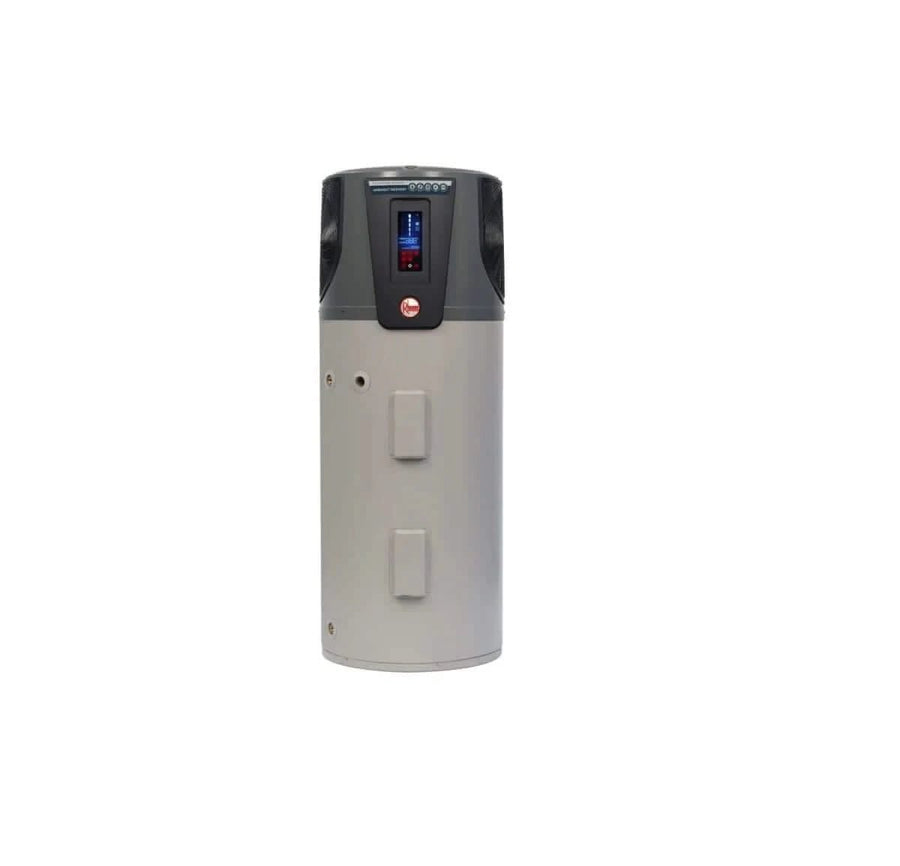
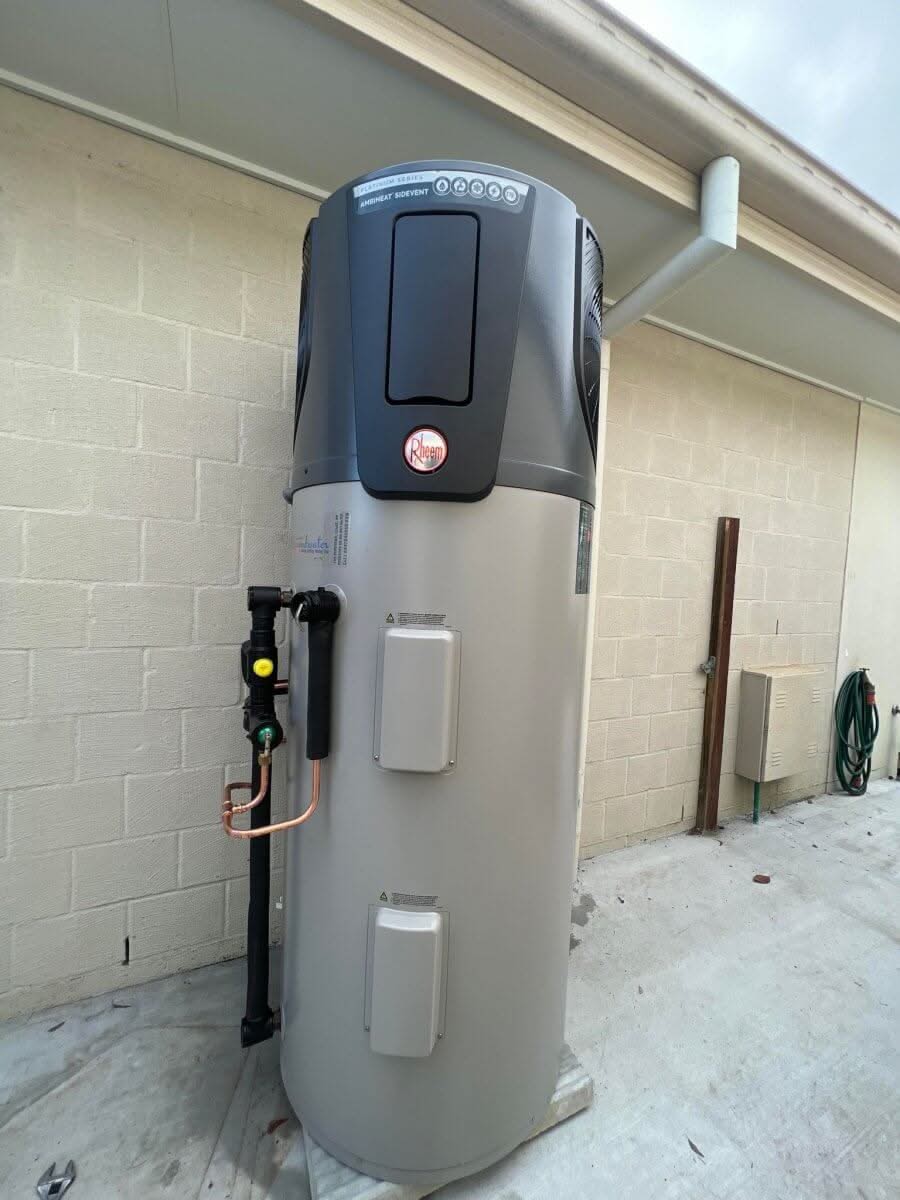
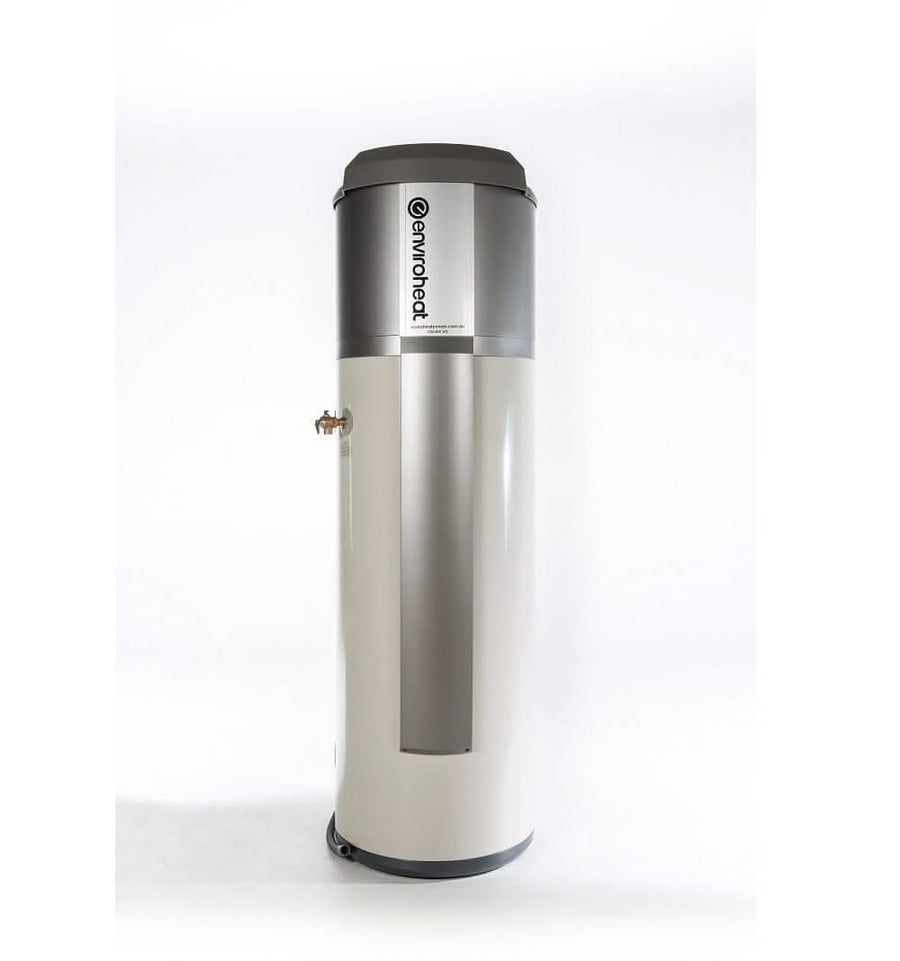
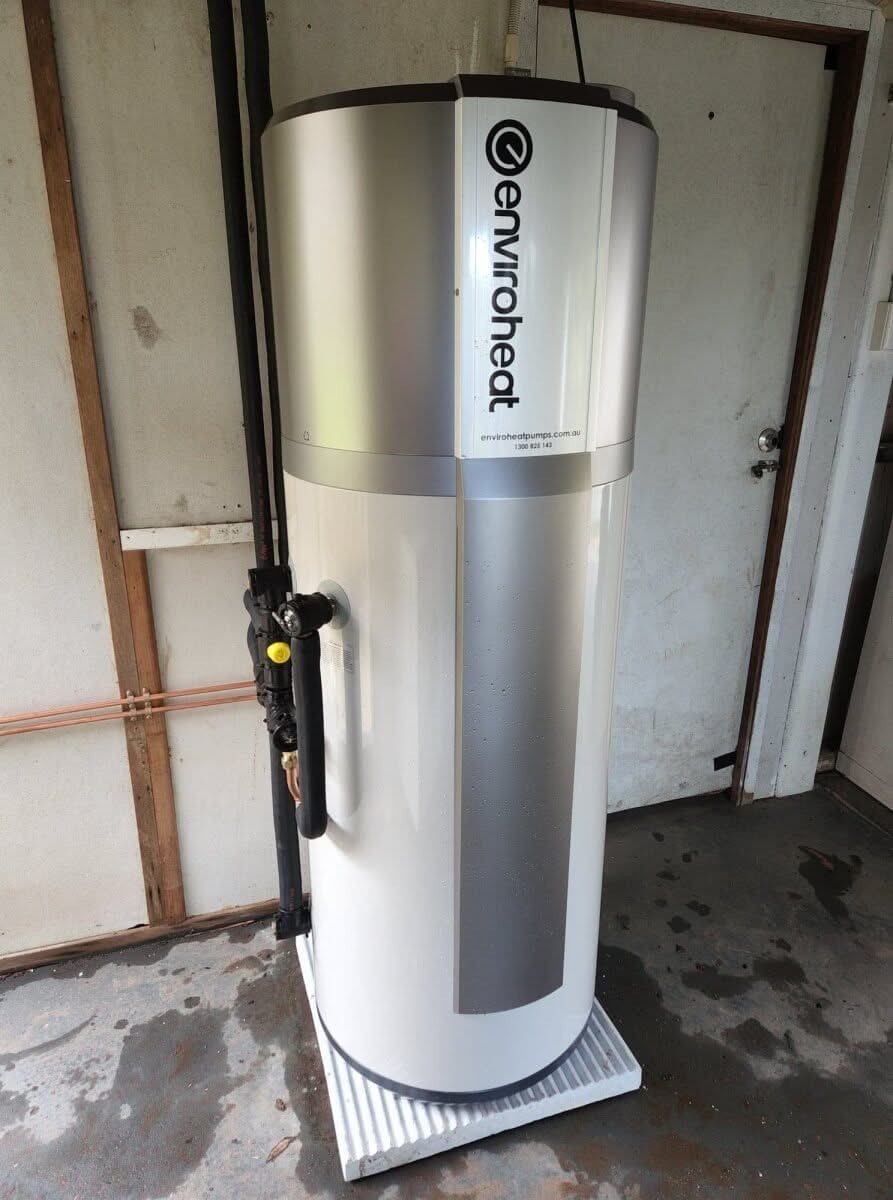
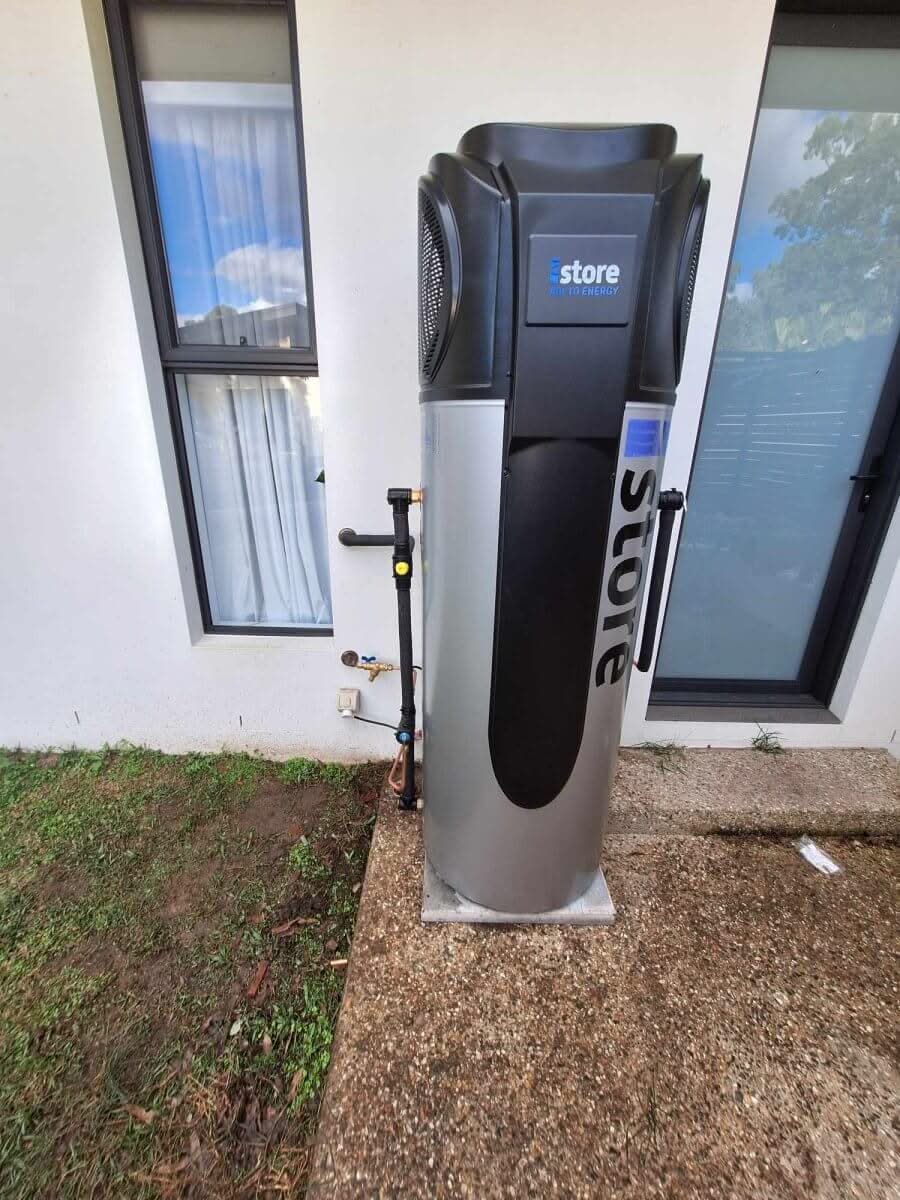
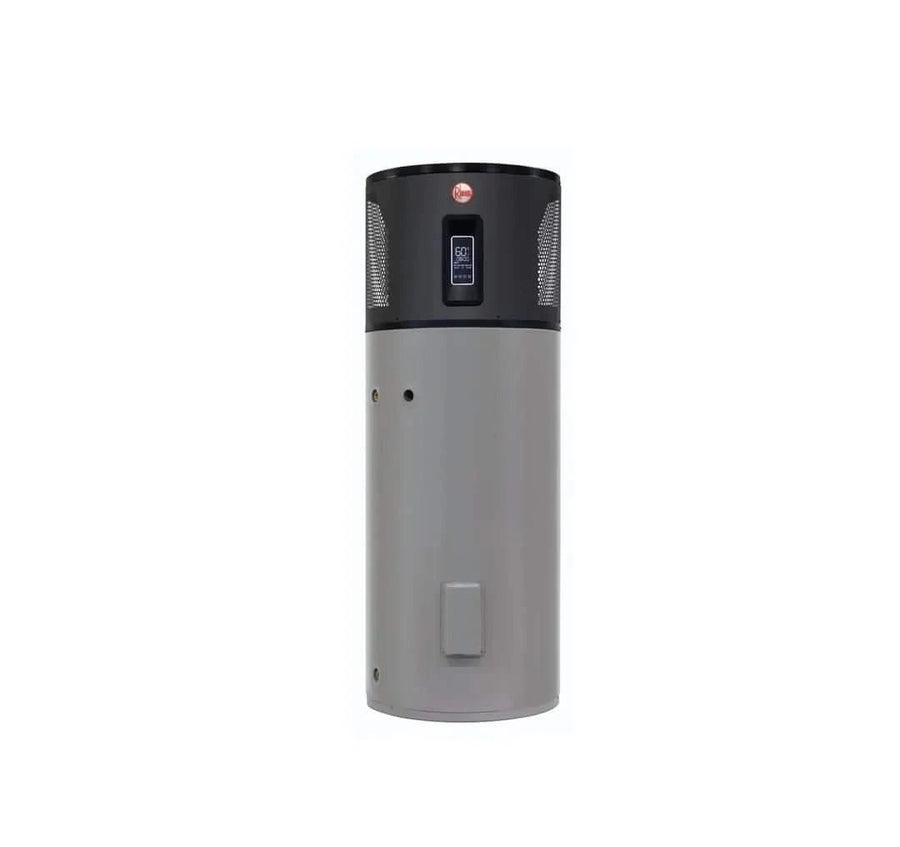
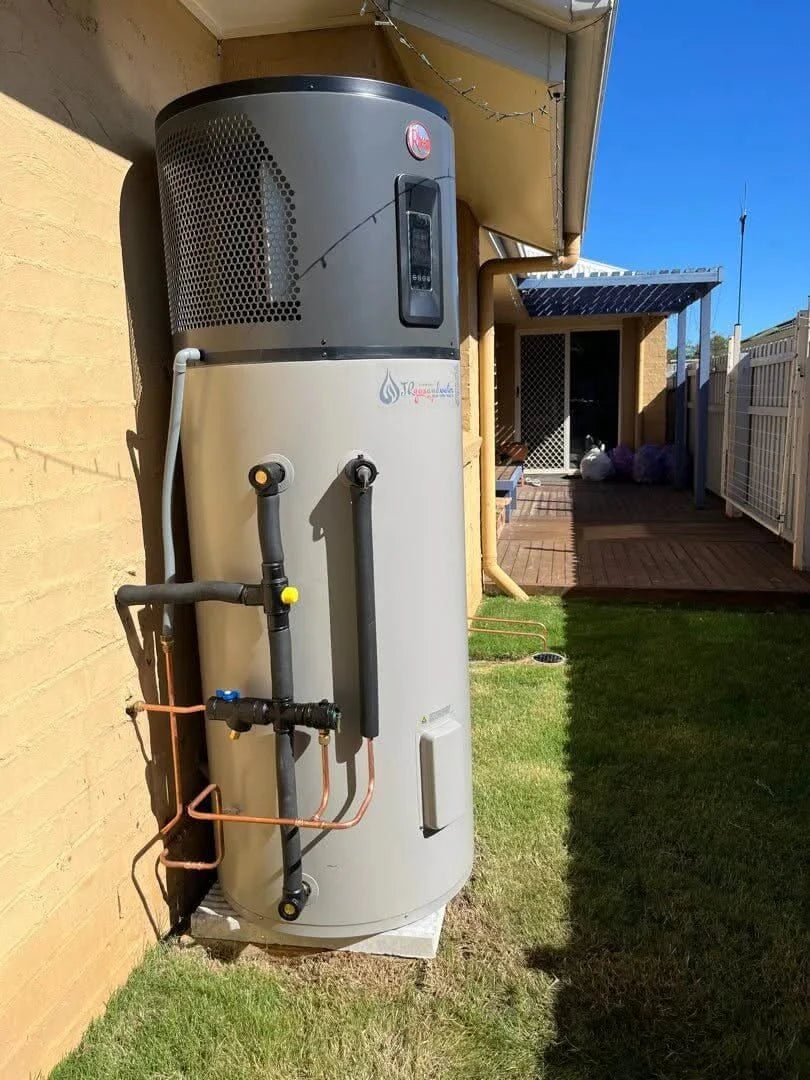
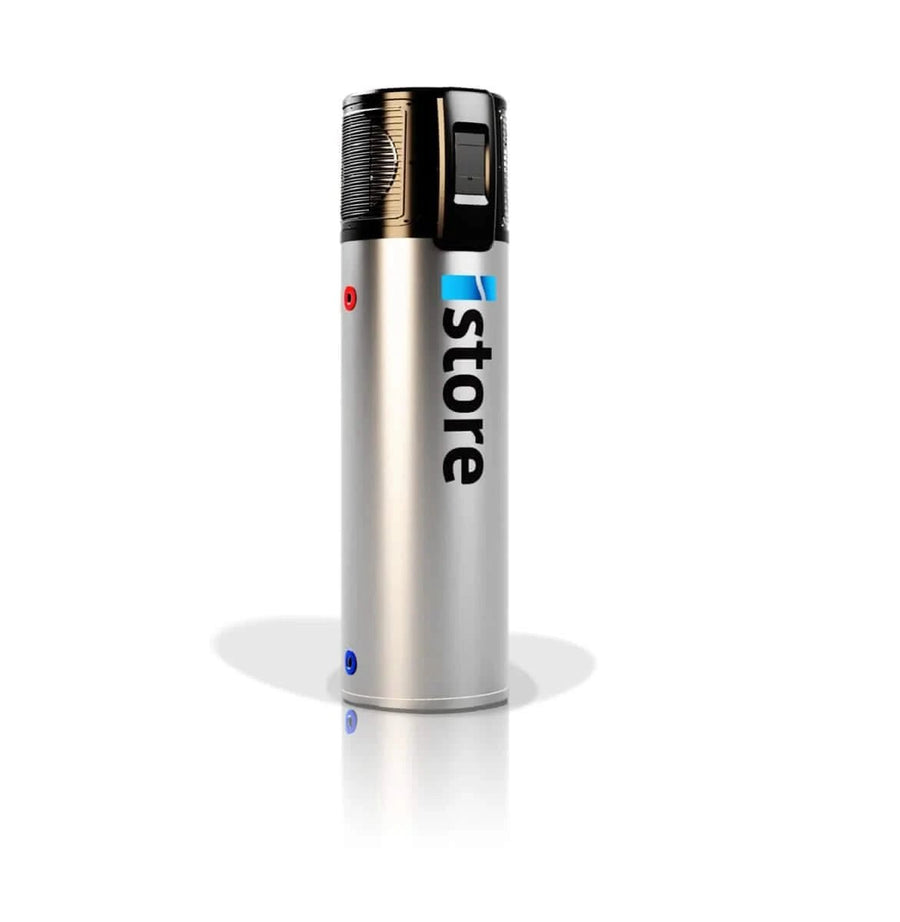
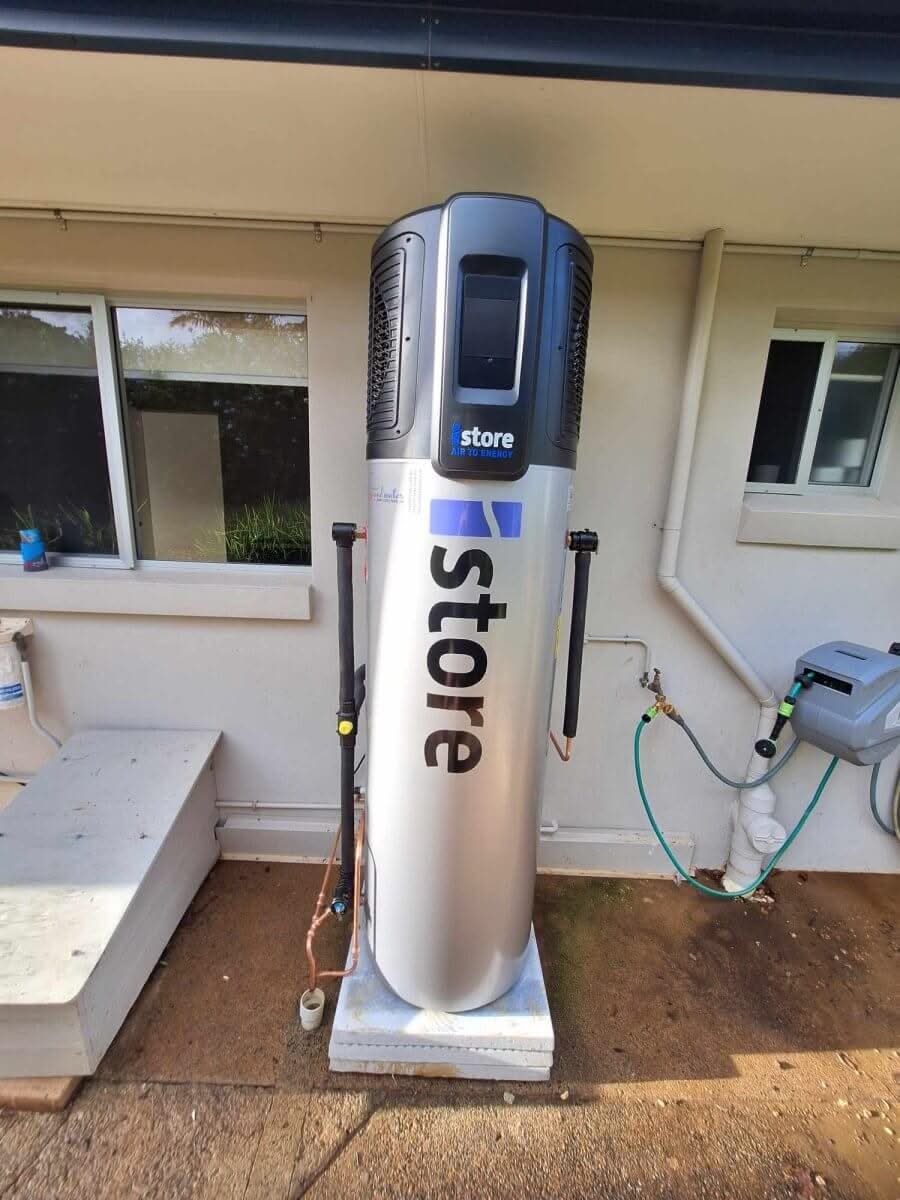
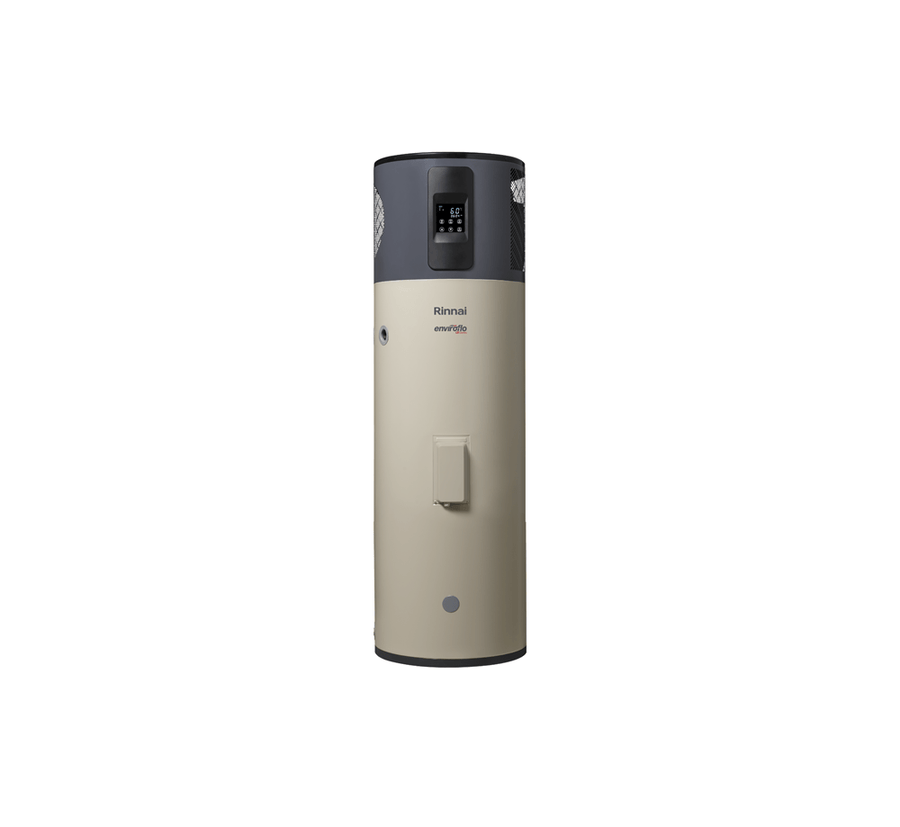
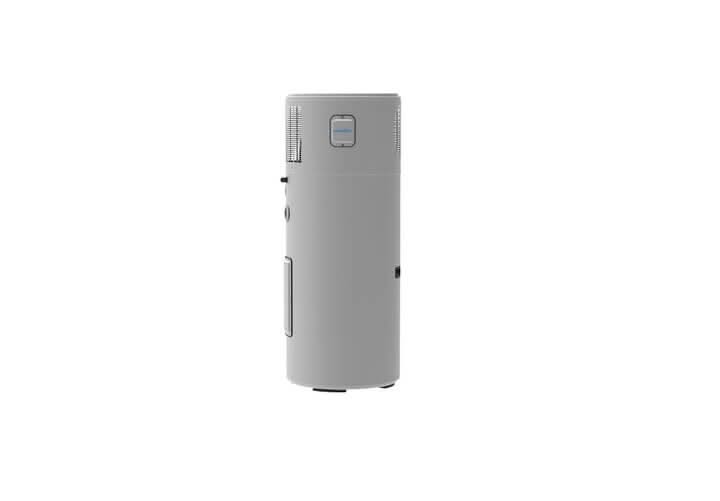
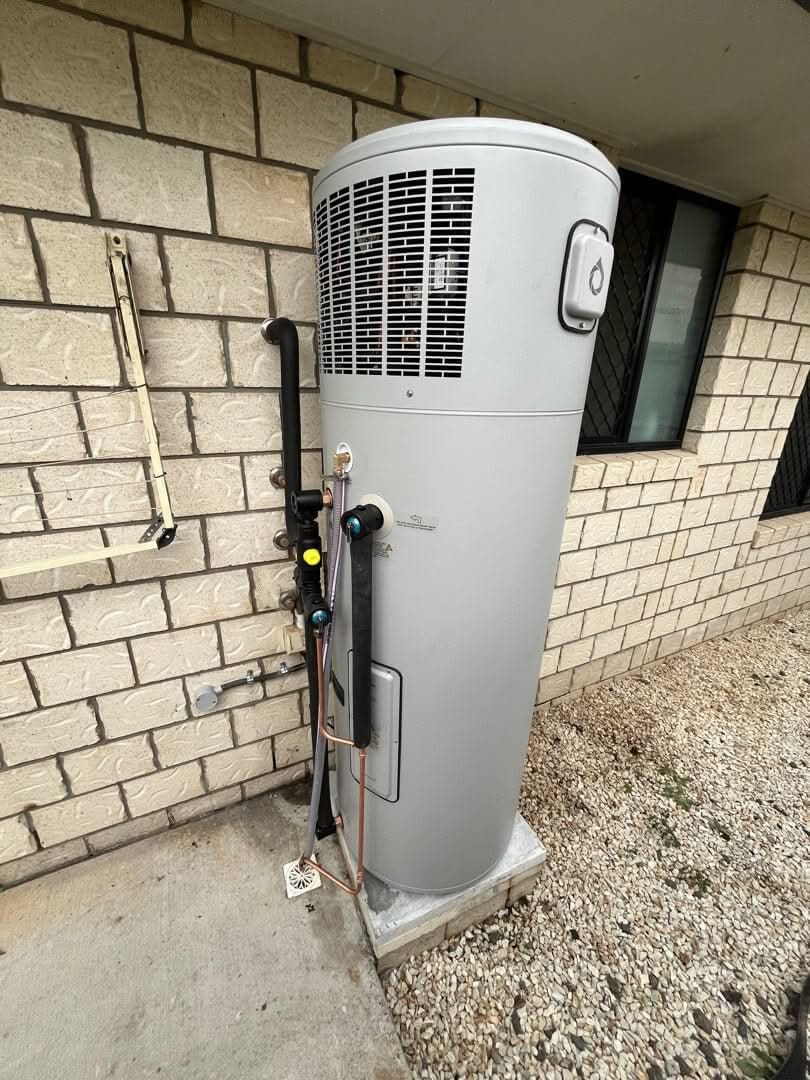
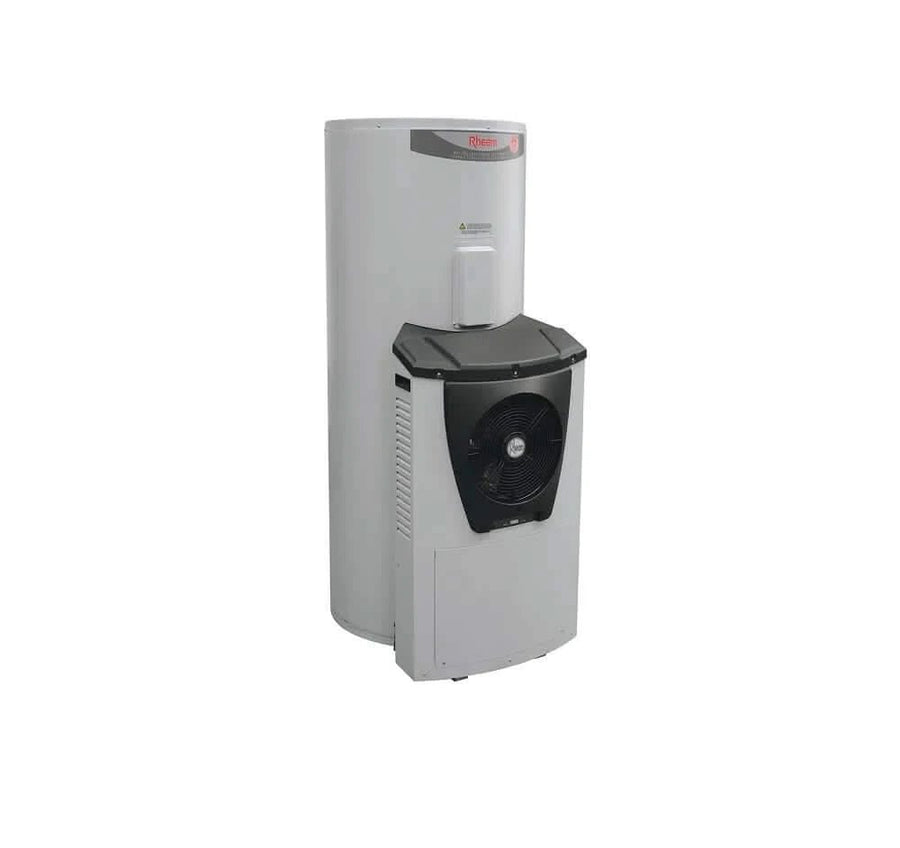
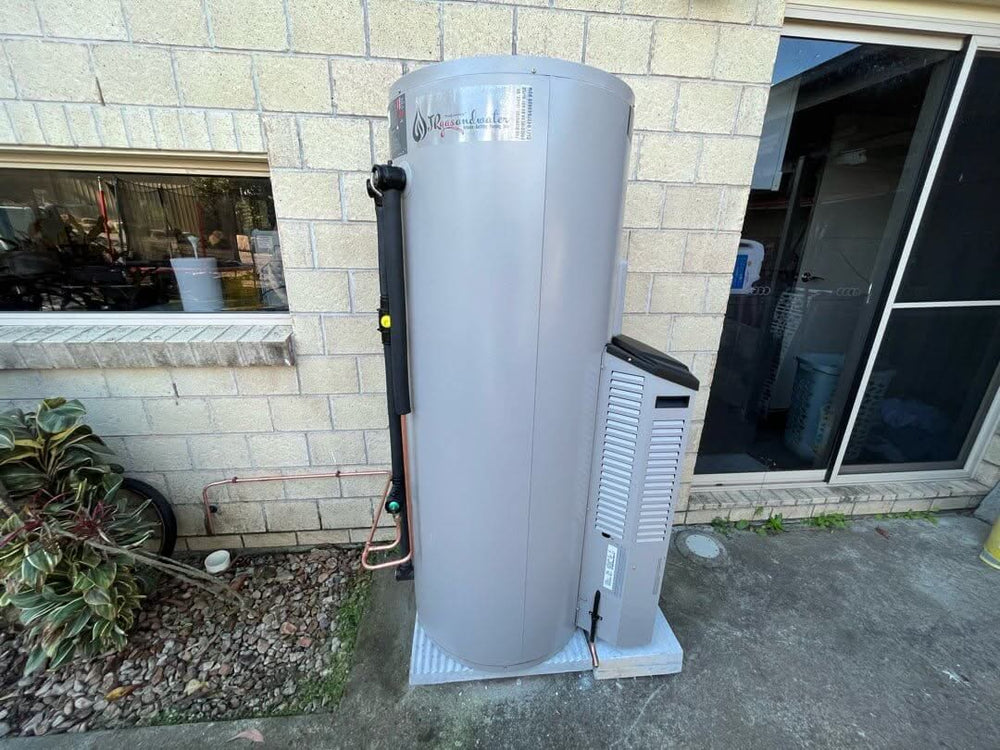
For hot water, a heat pump hot water system is an energy-efficient electric hot water system that uses heat from the surrounding air to help heat stored water. It does not heat your rooms like an air conditioner. It heats water for showers, baths, kitchen use and laundry.
Installed Today focuses on heat pump hot water systems, electric hot water systems, gas hot water systems, water filters and pumps. Supply-only ordering is available across major Australian metro areas, with selected supplied-and-installed options available on eligible products in Brisbane and Gold Coast service areas.
Quick Answer: What Is a Heat Pump Hot Water System?
A heat pump hot water system is an electric hot water system that uses heat from the surrounding air to help heat water stored in a tank.
As a general guide:
-
Heat pump hot water systems are for heating household water, not room heating
-
They can use less electricity than standard electric storage hot water in suitable conditions
-
They need outdoor space, airflow, condensate drainage and electrical suitability
-
They are not automatically the best system for every home
-
They can pair well with rooftop solar where timer settings and usage patterns suit
-
They must be installed by licensed trades
-
Supply-only pricing usually excludes installation and site extras unless clearly selected or shown
Before ordering supply only, confirm the heat pump size, location, electrical requirements, access, drainage, valves and installation suitability with your licensed installer.
What Does “Heater Pump” Usually Mean?
“Heater pump” is often used when people mean “heat pump”. The term can refer to several different products.
Common meanings include:
-
Reverse-cycle air conditioning used for room heating and cooling
-
Pool heat pumps used to warm pool water
-
Heat pump hot water systems used to heat household hot water
-
Ground-source or geothermal heat pumps, more common in some overseas markets
-
Water-source heat pumps in specialist commercial or industrial setups
Installed Today’s heat pump range relates to hot water systems, not ducted HVAC, split system air conditioning or pool heating.
That distinction matters. A heat pump hot water system will not heat your living room. It heats the water stored in the hot water tank.
How Heat Pump Hot Water Systems Work
A heat pump hot water system works differently from a standard electric storage tank.
A standard electric hot water system uses an electric element to heat water directly. A heat pump uses a refrigeration cycle to draw heat from the surrounding air and transfer that heat into the stored water.
The basic process is:
-
The fan draws surrounding air through the system
-
The refrigerant absorbs heat from the air
-
The compressor increases the refrigerant temperature
-
Heat is transferred into the stored water
-
The heated water is stored in the tank ready for use
-
The system repeats the cycle when water needs reheating
Because it transfers heat rather than relying only on a standard electric element, a heat pump can reduce electricity use in the right location.
Heat Pump Hot Water vs Home Heating Heat Pumps
The uploaded source article discusses heat pumps broadly, including home heating and cooling. For Installed Today, the more relevant product category is heat pump hot water.
| Heat Pump Type | Main Purpose | Installed Today Relevance |
|---|---|---|
| Reverse-cycle air conditioner | Heats and cools rooms | Not the focus of Installed Today hot water products |
| Heat pump hot water system | Heats household hot water | Relevant Installed Today product category |
| Pool heat pump | Heats swimming pool water | Not the focus of Installed Today hot water products |
| Geothermal heat pump | Uses ground temperature for heating/cooling | Not a standard Installed Today product category |
| Water-source heat pump | Uses water as heat source | Usually specialist/commercial, not typical residential hot water supply |
If your goal is lower-energy household hot water, compare heat pump hot water systems. If your goal is room heating, you may need an HVAC or air conditioning specialist.
Benefits of Heat Pump Hot Water
Lower Electricity Use Than Standard Electric Storage
A heat pump can use less electricity than a standard electric storage hot water system where the home and installation location suit the technology.
This can make heat pumps attractive for households replacing older electric storage systems.
Good Match for Rooftop Solar
Heat pump hot water can pair well with rooftop solar where the timer settings, electrical setup and household usage pattern suit.
Many homes run the heat pump during the day to use more solar generation. This does not mean hot water is “free”, but it can be a practical way to use more daytime solar energy.
Suitable for Many Electric Homes
For homes without natural gas or LPG, a heat pump may be a more efficient electric-style upgrade compared with standard electric storage.
Storage Tank Convenience
A heat pump hot water system stores heated water in a tank, so it can suit homes that want stored hot water ready for showers, kitchen use and laundry.
Rebate and STC Potential
Some heat pump hot water systems may be eligible for rebates, STCs or incentives depending on the product, state, location, supplier pathway and current program rules.
These incentives can change, so always check current eligibility before relying on a rebate in your budget.
When a Heat Pump Hot Water System May Suit
A heat pump may suit homes that:
-
Are replacing an older electric storage hot water system
-
Want to reduce hot water electricity use
-
Have suitable outdoor space
-
Have good airflow around the unit
-
Can manage condensate drainage
-
Have suitable electrical supply
-
Have a practical noise location
-
Want to use more daytime rooftop solar electricity where timing suits
-
Have enough access for delivery and future servicing
-
Want a storage-style hot water system rather than instant gas
Many households start by comparing medium heat pump hot water systems 200L–280L. Larger households may need to compare large heat pump hot water systems.
When a Heat Pump May Not Suit
A heat pump is not automatically right for every home.
It may not suit if:
-
There is no suitable outdoor location
-
The area has poor airflow
-
Condensate drainage is difficult
-
Noise placement is a concern
-
Access is too tight
-
Electrical supply is unsuitable
-
The household has very high peak hot water demand
-
The old system is indoors and there is no practical outdoor relocation option
-
A simpler like-for-like electric replacement is preferred
-
A gas system is already suitable and preferred by the household
Before ordering, get installer confirmation. A good heat pump installed in the wrong location can perform poorly.
Heat Pump Hot Water vs Electric Storage Hot Water
Electric hot water systems are simple, familiar and often cheaper upfront than heat pumps. Heat pumps usually cost more upfront but can reduce electricity use in suitable homes.
| Option | Best Suited To | Key Considerations |
|---|---|---|
| Electric storage | Simple replacements, lower upfront product cost, homes without gas | Running cost can be higher depending on tariff and usage |
| Heat pump hot water | Energy-focused homes with suitable outdoor location | Needs airflow, drainage, access, electrical suitability and noise planning |
Common electric storage sizes include 250L electric hot water systems, 315L electric hot water systems and 400L electric hot water systems.
If your old electric system was running out of hot water, do not automatically replace it with the same size. Review your household demand first.
Heat Pump Hot Water vs Gas Hot Water
Gas hot water systems may suit homes already set up for natural gas or LPG. Heat pumps may suit homes wanting an electric hot water upgrade or looking to reduce gas use.
Gas options include:
Gas work must be completed by a licensed gas fitter. Natural gas and LPG models are not interchangeable.
For 26L instant gas systems, gas pipe sizing and water pressure must support the unit.
Heat Pump Hot Water vs Solar Hot Water
Solar hot water and heat pump hot water can both be energy-efficient options, but they suit different homes.
Solar hot water usually uses roof-mounted collectors and a storage tank with a booster. It can suit homes with strong roof orientation, good sun exposure and minimal shading.
Heat pump hot water does not need roof collectors. It needs outdoor airflow, drainage, electrical suitability and access.
A heat pump may be easier to compare where:
-
Roof space is limited
-
Shading affects solar hot water
-
You already have rooftop solar electricity
-
You want a ground-level hot water unit
-
You want to avoid roof-mounted collectors
-
Access to the roof is difficult
Solar hot water may still suit some homes with excellent roof conditions and the right booster setup.
What Size Heat Pump Hot Water System Do You Need?
Heat pump sizing should be based on household hot water demand, not just the old tank size or rebate availability.
Consider:
-
Number of people in the home
-
Number of bathrooms
-
Shower length
-
Bath use
-
Kitchen and laundry use
-
Morning and evening peak demand
-
Whether multiple showers run at once
-
Existing system size
-
Whether the old system ran out of hot water
-
Recovery rate
-
Climate and installation location
-
Available space
-
Electrical requirements
Many homes compare heat pumps around 250L to 280L. Larger households may need 280L-plus options.
Popular options to compare include:
Medium Heat Pump Hot Water Systems
Medium heat pump hot water systems 200L–280L are commonly compared by small-to-medium households and many standard family homes.
They may suit:
-
Two-to-four person homes, depending on usage
-
Homes replacing a standard electric storage system
-
Households with moderate shower demand
-
Properties with suitable outdoor space
-
Homes wanting to compare energy-efficient electric options
Actual suitability depends on household use, recovery rate and installation location.
Large Heat Pump Hot Water Systems
Large heat pump hot water systems may suit homes with higher hot water demand.
They may be worth comparing for:
-
Larger households
-
Homes with multiple bathrooms
-
Longer shower habits
-
Higher morning and evening peak demand
-
Homes where the old system regularly ran out
-
Properties with enough outdoor space and access
Do not choose the largest system automatically. Oversizing can increase upfront cost and may not suit the available location.
Wi-Fi Enabled Heat Pump Hot Water Systems
Wi-Fi enabled heat pump hot water systems may suit homeowners wanting more control over timing and settings where the product supports it.
Smart or app-style features may help with:
-
Timer control
-
Solar-friendly operation windows
-
Usage monitoring, depending on model
-
Adjusting operation schedules
-
Managing hot water heating around household routines
Features vary by product. Always check the product page and manufacturer details for the specific model.
Installation Location Matters
Heat pump hot water systems need the right location to work properly.
Before ordering, check:
-
Outdoor space
-
Clear airflow
-
Manufacturer clearance requirements
-
Condensate drainage
-
Base or slab condition
-
Access for delivery
-
Access for future servicing
-
Distance from bedrooms
-
Distance from neighbouring windows
-
Noise placement
-
Electrical supply
-
Pipework route
-
Overflow and drain points
-
Existing valve condition
A heat pump should not be boxed into a tight or enclosed space. Poor airflow can reduce performance and may create noise or recovery issues.
Condensate Drainage
Heat pumps can produce condensate as part of normal operation. This water needs somewhere suitable to drain.
Before ordering, confirm:
-
Where condensate will discharge
-
Whether a drain is nearby
-
Whether pipework changes are needed
-
Whether the location prevents pooling
-
Whether the setup meets installer and local requirements
Condensate drainage is often forgotten, but it can affect installation cost and site suitability.
Noise Placement
Heat pumps use a fan and compressor, so placement matters.
Avoid locations where noise may affect:
-
Bedrooms
-
Living areas
-
Neighbouring windows
-
Narrow side passages
-
Echo-prone courtyards
-
Units or townhouses with tight boundaries
Noise varies by product and installation location. Your installer should confirm sensible placement before ordering.
Electrical Requirements
Heat pump hot water systems are electric systems, so electrical suitability must be checked.
Your installer or electrician may need to confirm:
-
Existing circuit suitability
-
Isolator requirements
-
Switchboard capacity
-
Wiring requirements
-
Timer setup where used
-
Solar-compatible timing options where relevant
-
Whether electrical upgrades are needed
Do not assume a heat pump can simply replace every electric hot water system without electrical checks.
Heat Pump Hot Water and Rooftop Solar
Heat pump hot water can work well with rooftop solar where the setup suits.
This usually means running the heat pump during the day when solar generation is stronger. The benefit depends on:
-
Solar system size
-
Household electricity use
-
Timer settings
-
Hot water usage pattern
-
Heat pump recovery rate
-
Electrical setup
-
Weather and season
Avoid saying heat pump hot water is “free” with solar. Product cost, installation, maintenance and electricity use still matter.
Heat Pump Rebates, STCs and Incentives
Some heat pump hot water systems may be eligible for rebates, STCs or incentives depending on the product, location, supplier pathway and current program rules.
Before relying on incentives, check:
-
Whether the selected product qualifies
-
Whether your property qualifies
-
Whether supply-only purchases are eligible
-
Whether an approved provider is required
-
Whether pre-approval is needed
-
Whether the incentive is applied upfront or later
-
Whether any customer contribution applies
-
Whether the rules have changed
A rebate can improve value, but it should not be the only reason you choose a system. The heat pump still needs to suit the home.
What Is Not Included in Supply-Only Heat Pump Pricing?
For supply-only products, the listed product price generally covers the product only.
It does not usually include:
-
Installation labour
-
Electrical work
-
Plumbing alterations
-
New valves
-
Pipework changes
-
Drainage changes
-
Condensate drainage
-
Tempering valve upgrades
-
Pressure limiting valve upgrades
-
Expansion control valves
-
Old unit removal
-
Disposal
-
Compliance upgrades
-
Concrete bases or slab work
-
Relocation of the system
-
Rebate administration
-
Site assessment
Always check the product page and confirm full site requirements with your licensed installer before ordering.
Supply-Only vs Supplied-and-Installed
Installed Today offers supply-only ordering across major Australian metro areas. This can suit customers who already have a licensed installer organised and want to order the product online.
Supply-only may suit you if:
-
Your installer has confirmed the correct product
-
The tank size suits the household
-
Outdoor airflow is suitable
-
Condensate drainage is understood
-
Electrical requirements have been checked
-
Access is suitable
-
You understand what is not included in the product price
Selected supplied-and-installed options are available on eligible products in Brisbane and Gold Coast service areas. Availability depends on the product, address and installation requirements.
Brisbane and Gold Coast Heat Pump Considerations
For Brisbane and Gold Coast homes, heat pump hot water can be a practical option where the installation location suits.
Common local considerations include:
-
Replacing older electric storage systems
-
Outdoor airflow and side access
-
Condensate drainage
-
Noise placement near bedrooms or neighbours
-
Solar-friendly daytime operation
-
Ageing valves and pipework
-
Existing slab or base condition
-
Whether the old system was indoors or outdoors
-
Delivery access for larger tanks
Installed Today offers selected supplied-and-installed options on eligible products in Brisbane and Gold Coast service areas, with supply-only ordering available across major Australian metro areas.
Heat Pump Brands to Compare
Installed Today stocks a range of heat pump and hot water brands, including:
Brand matters, but the right size, location, airflow, drainage and electrical suitability matter more than brand alone.
Maintenance and Long-Term Performance
Heat pump hot water systems need maintenance like any other hot water system. Requirements vary by brand, model, water quality and installation location.
General maintenance considerations include:
-
Keeping airflow clear
-
Keeping the area around the unit free from leaves and debris
-
Checking condensate drainage
-
Watching for leaks
-
Listening for unusual noise
-
Following manufacturer servicing guidance
-
Checking valves where required
-
Checking the anode where applicable
-
Keeping access clear for future servicing
A licensed plumber should handle plumbing-related servicing. A licensed electrician may be needed for electrical faults or wiring issues.
Common Heat Pump Hot Water Mistakes
Confusing Heat Pump Hot Water With Room Heating
A heat pump hot water system heats stored water. It does not heat rooms like a reverse-cycle air conditioner.
Choosing the Cheapest Heat Pump Only
A cheaper unit is not good value if it is too small, noisy, unsupported, unsuitable for the location or difficult to service.
Ignoring Airflow
Heat pumps need clear airflow. Poor airflow can reduce performance.
Forgetting Condensate Drainage
Condensate needs a suitable drainage path.
Poor Noise Placement
A heat pump placed near bedrooms or neighbouring windows may create avoidable noise concerns.
Ordering Before Checking Rebate Rules
Some incentives may require approved supplier pathways or pre-approval. Check before ordering supply only.
Replacing Like-for-Like Without Checking Demand
If the old system ran out of hot water, do not automatically choose the same size.
Assuming Supply-Only Includes Installation
Supply-only generally means product only unless installation is selected or clearly shown.
Before Ordering Checklist
Before ordering a heat pump hot water system, confirm:
-
Number of people in the home
-
Number of bathrooms
-
Shower habits
-
Peak hot water demand
-
Existing system type
-
Existing system size
-
Whether the old system ran out of hot water
-
Outdoor location
-
Airflow clearance
-
Condensate drainage
-
Noise placement
-
Electrical requirements
-
Access for delivery and installation
-
Base or slab condition
-
Drainage and overflow points
-
Whether new valves may be needed
-
Whether rebates or STCs may apply
-
Whether supply-only affects rebate eligibility
-
Whether supply-only or supplied-and-installed is the right option
-
Installer confirmation before buying supply only
Frequently Asked Questions
Is a heater pump the same as a heat pump?
Most people searching “heater pump” mean “heat pump”. For hot water, this usually means a heat pump hot water system, which heats stored household water using heat from the surrounding air.
Does a heat pump hot water system heat the house?
No. A heat pump hot water system heats water for showers, kitchen use and laundry. It does not heat rooms like a reverse-cycle air conditioner.
Is a heat pump hot water system worth it?
A heat pump can be worth considering if the home has suitable outdoor space, airflow, condensate drainage, electrical supply and noise placement. It may reduce electricity use compared with standard electric storage in the right location.
Is heat pump hot water better than electric storage?
A heat pump can be more efficient than standard electric storage, but it usually costs more upfront and needs the right installation location. Electric storage may still suit some homes wanting a simpler replacement.
Is heat pump hot water better than gas?
It depends on the home. Heat pumps may suit homes wanting an electric upgrade or solar-friendly timing. Gas may suit homes already set up for natural gas or LPG. Gas work requires a licensed gas fitter.
What size heat pump hot water system do I need?
The right size depends on people in the home, bathrooms, shower habits, peak demand and whether the old system ran out. Many homes compare 250L to 280L heat pumps, while larger households may need 280L-plus options.
Can a heat pump hot water system work with solar panels?
Yes, it can work well with rooftop solar where timing, usage and electrical setup suit. This can help use more daytime solar generation, but it does not make hot water automatically free.
Do heat pump hot water systems need maintenance?
Yes. Keep airflow clear, check for leaks, monitor condensate drainage and follow manufacturer servicing guidance. Licensed trades should handle plumbing and electrical work.
Can I install a heat pump hot water system myself?
No. Heat pump hot water systems involve plumbing, electrical work, valves, drainage and compliance requirements. Use licensed trades.
What is not included in supply-only heat pump pricing?
Supply-only pricing generally excludes installation, valves, electrical work, plumbing alterations, pipework changes, condensate drainage, old unit removal, disposal and compliance upgrades unless selected or clearly shown.
Final Word
A “heater pump” search usually points to heat pump technology, but for Installed Today customers the key product category is heat pump hot water. A heat pump hot water system can be a strong option for households wanting an efficient electric-style hot water upgrade, especially where the home has outdoor space, airflow, drainage and suitable electrical supply.
The right system depends on household demand, tank size, location, access, noise placement, rebates and installer confirmation. Do not choose by price, rebate or brand alone.
Before ordering supply only through Installed Today, confirm the selected heat pump with your licensed installer. The right heat pump should suit your hot water use, property layout and installation conditions before it arrives.