
Hot Water System Repair or Replacement: What to Do When Your Hot Water Stops Working
If your hot water system is leaking, noisy, running cold or not keeping up with demand, the first question is usually simple: can it be repaired, or is it time to replace it?
Some hot water problems can be caused by valves, thermostats, elements, gas supply issues, water pressure, electrical faults or normal wear. Other problems, such as a leaking storage tank or an old system with repeated failures, may point toward replacement.
Installed Today helps customers compare and order replacement hot water systems online, including electric, gas, instant gas, instant electric and heat pump options. Supply-only ordering is available across major Australian metro areas, with selected supplied-and-installed options available on eligible products in Brisbane and Gold Coast service areas where shown.
Installed Today is not positioned as an emergency repair plumber or 24/7 repair service. Hot water repairs, fault diagnosis, gas work, electrical work and plumbing work should be handled by licensed trades where required.
Quick Answer
If your hot water system has stopped working, do not assume it automatically needs replacing. A licensed plumber, gas fitter or electrician may be able to repair minor faults, especially if the system is newer and the issue is isolated.
Replacement may be more practical if:
-
The storage tank is leaking
-
The system is old and failing repeatedly
-
Repair costs are becoming frequent
-
The system no longer meets household demand
-
Parts are difficult to source
-
The existing system is inefficient or poorly suited to the home
-
You want to change from electric, gas or storage to a different system type
If replacement is the better option, you can compare electric hot water systems, gas hot water systems, instant gas hot water systems, instant electric hot water systems and heat pump hot water systems online.
Common Hot Water System Problems
Hot water systems can fail in different ways depending on the system type, age, location and energy source.
Common problems include:
-
No hot water
-
Hot water running out quickly
-
Water that is too hot or too cold
-
Leaks around the system
-
Rusty or discoloured water
-
Low hot water pressure
-
Strange noises from the tank or pipework
-
Pilot or ignition problems on gas systems
-
Faulty elements or thermostats on electric systems
-
Poor performance from heat pump systems
-
Booster problems on solar hot water systems
Some faults are repairable. Others may be warning signs that the system is at the end of its practical life.
No Hot Water
No hot water can be caused by different issues depending on the system.
For electric storage systems, possible causes include:
-
Tripped circuit or safety switch
-
Faulty thermostat
-
Failed heating element
-
Electrical supply issue
-
Wiring or connection fault
-
Timer or tariff issue
For gas systems, possible causes include:
-
Gas supply issue
-
Ignition problem
-
Burner fault
-
Gas valve issue
-
Water flow issue
-
Fault with the continuous flow unit
For heat pumps, possible causes include:
-
Electrical issue
-
Compressor or fan fault
-
Poor airflow
-
Controller fault
-
Backup element issue
-
System lockout or error code
Do not attempt electrical or gas repairs yourself. Electrical work must be completed by a licensed electrician where required, and gas work must be completed by a licensed gas fitter.
If the system is old or has failed multiple times, it may be worth comparing replacement options through hot water systems.
Hot Water Running Out Too Quickly
If your hot water runs out faster than it used to, the issue may be repairable, but it can also mean the system is no longer the right size for the home.
Possible causes include:
-
Faulty thermostat
-
Failed element
-
Sediment build-up
-
Undersized tank
-
Increased household demand
-
Multiple showers running at once
-
Long shower habits
-
Heat pump recovery time not matching usage
-
Incorrect system settings
-
Tempering valve issue
If the old system has always struggled, replacing it with the same size may repeat the problem.
For electric storage, customers often compare 250L electric hot water systems, 315L electric hot water systems and 400L electric hot water systems, depending on household size and usage.
For heat pumps, medium and large tank options can be compared through medium heat pump hot water systems from 200L to 280L and large heat pump hot water systems over 280L.
Leaking Hot Water System
A leaking hot water system needs prompt attention.
A small amount of water from a relief valve can be normal in some situations, but steady leaking, pooling water or water coming from the tank body may indicate a more serious issue.
Possible causes include:
-
Pressure relief valve discharge
-
Faulty valve
-
Loose connection
-
Corroded fitting
-
Split or leaking tank
-
Pipework leak
-
Excessive pressure
-
Drainage issue
If water is leaking from the storage tank itself, replacement is often more practical than repair. A corroded or split tank usually cannot be reliably repaired.
If the leak is from a valve or connection, a licensed plumber may be able to repair it. Turn off water or power only if it is safe to do so and contact a licensed professional for advice.
Rusty or Discoloured Hot Water
Rusty, brown or discoloured hot water can be a sign of corrosion inside the tank, pipework issues or an ageing system.
Possible causes include:
-
Internal tank corrosion
-
Worn sacrificial anode
-
Old pipework
-
Sediment build-up
-
Water quality issues
-
Disturbance in the water supply
If discoloured water is only present from hot taps, the hot water system may be involved. If both hot and cold water are affected, the issue may be broader than the hot water unit.
A licensed plumber can help diagnose whether repair, servicing or replacement is the safer option.
Strange Noises from the Hot Water System
Noises such as rumbling, banging, popping, hissing or ticking can be caused by several issues.
Possible causes include:
-
Sediment build-up in a storage tank
-
Expansion and contraction
-
Water pressure issues
-
Valve problems
-
Steam or overheating risk
-
Loose pipework
-
Heat pump fan or compressor noise
-
Continuous flow ignition or burner issues
Do not ignore loud or unusual noises, especially if they are combined with leaking, overheating, loss of hot water or pressure changes.
Low Hot Water Pressure
Low hot water pressure can come from the system, valves, pipework or fixtures.
Possible causes include:
-
Faulty tempering valve
-
Blocked filters or strainers
-
Restricted pipework
-
Old galvanised pipes
-
Pressure limiting valve issue
-
Sediment build-up
-
Fixture restrictions
-
Water supply issue
-
Continuous flow system not receiving enough flow
Do not assume a new pump or larger system will fix poor pressure. Poor pressure should be diagnosed first because the cause may be valves, pipe size, filters, fixture restrictions or supply issues.
Gas Hot Water Problems
Gas hot water systems can include gas storage and instant gas continuous flow systems.
Common gas hot water issues include:
-
No ignition
-
Burner fault
-
Gas supply issue
-
Pilot or flame failure on some systems
-
Error codes on continuous flow units
-
Water temperature fluctuation
-
Low flow
-
Incorrect gas type
-
Gas pipe sizing issues
-
Water pressure issues
Natural gas and LPG are not interchangeable. A natural gas hot water system must be connected to natural gas, while an LPG unit must be connected to LPG.
Gas work must be completed by a licensed gas fitter. Do not modify, disconnect, convert or repair gas components yourself.
If replacement is needed, compare gas hot water systems, instant gas hot water systems and 26L instant gas hot water systems.
For 26L instant gas systems, gas pipe sizing and water pressure must be suitable. Bigger is not automatically better, and multiple outlets can still exceed system capacity.
Electric Hot Water Problems
Electric storage hot water systems can be simple and reliable, but faults still occur.
Common electric hot water issues include:
-
Failed heating element
-
Faulty thermostat
-
Tripped circuit
-
Wiring fault
-
Timer issue
-
Leaking tank
-
Valve failure
-
Water running out too quickly
Electrical diagnosis and repair should be completed by a licensed electrician where required. Plumbing work should be completed by a licensed plumber where required.
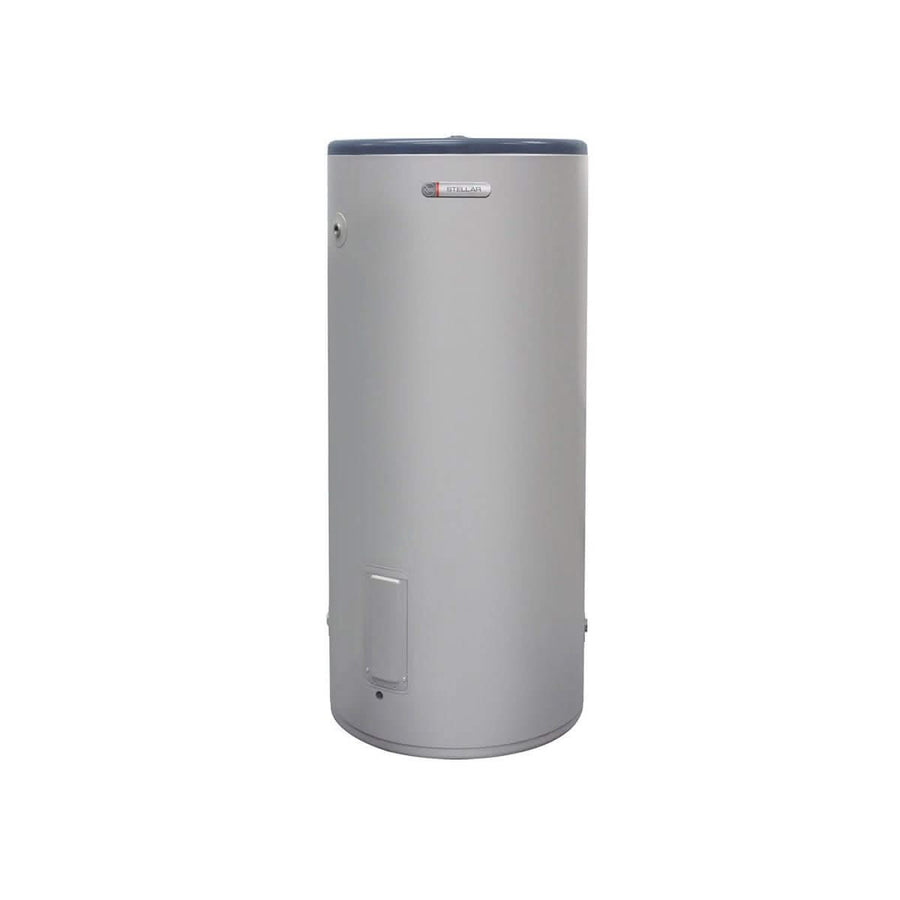
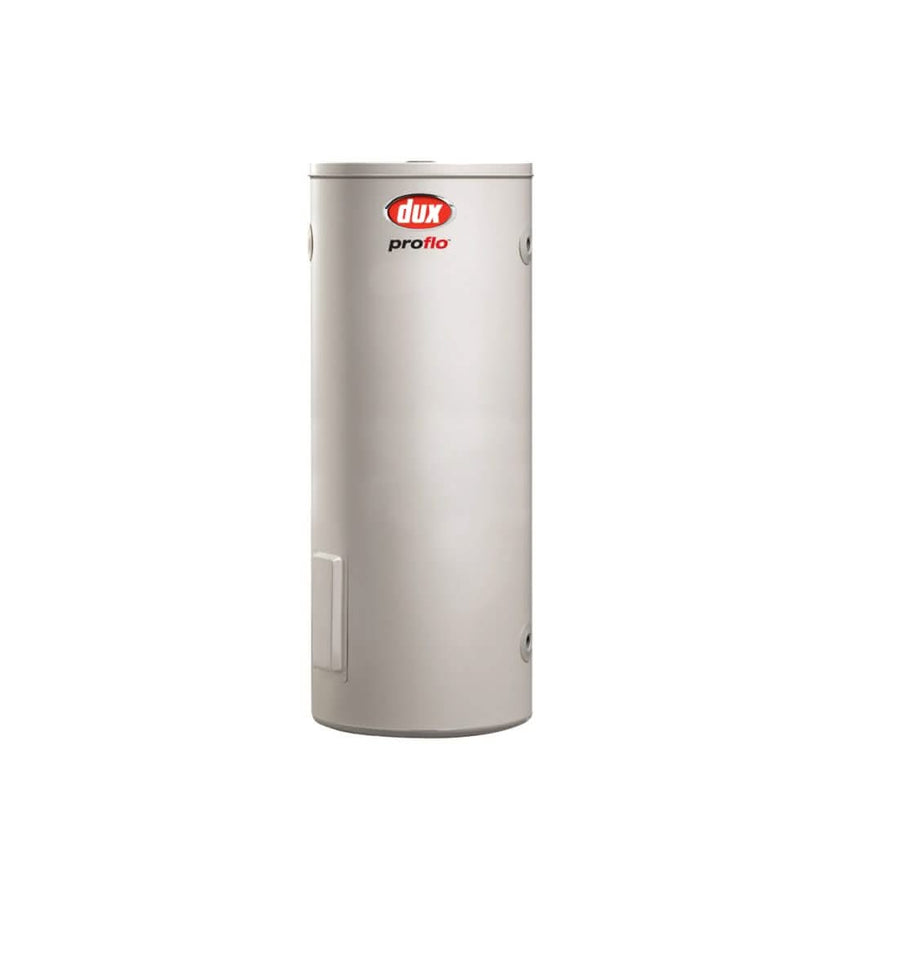
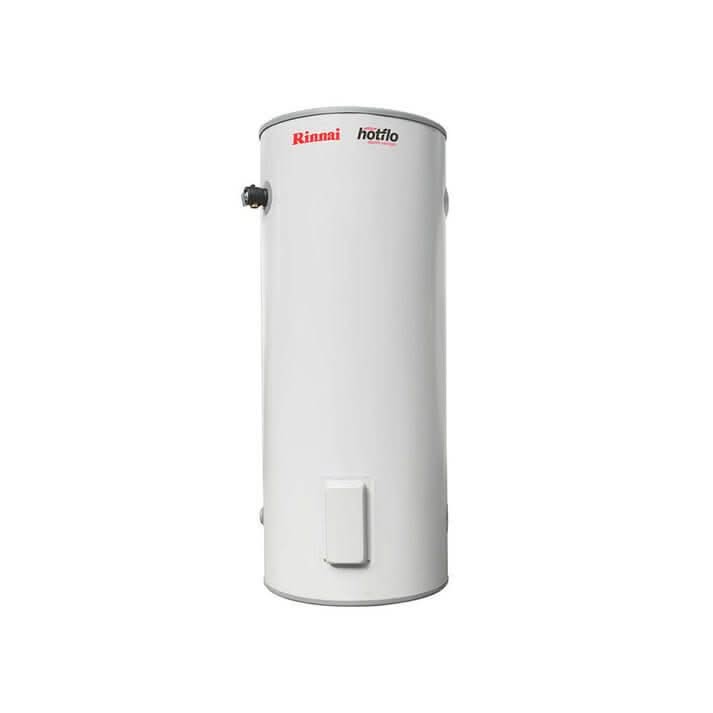
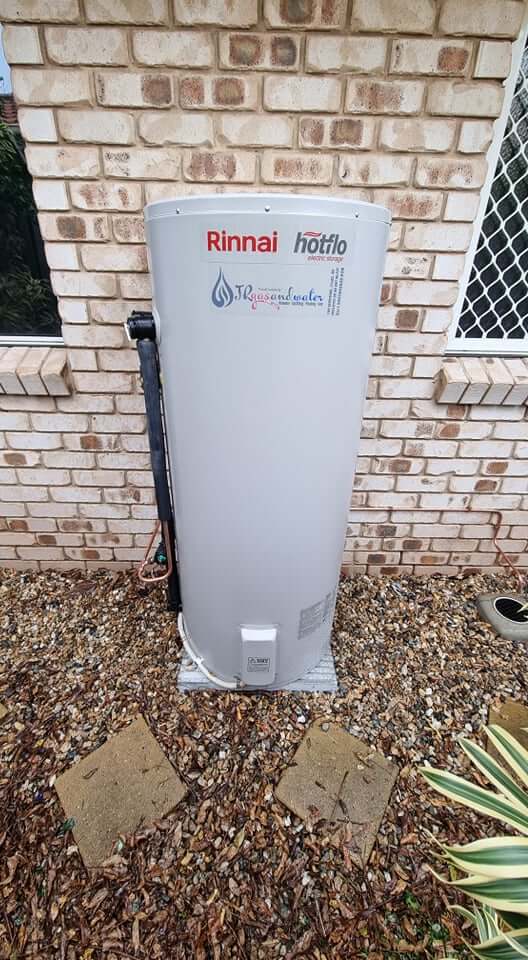
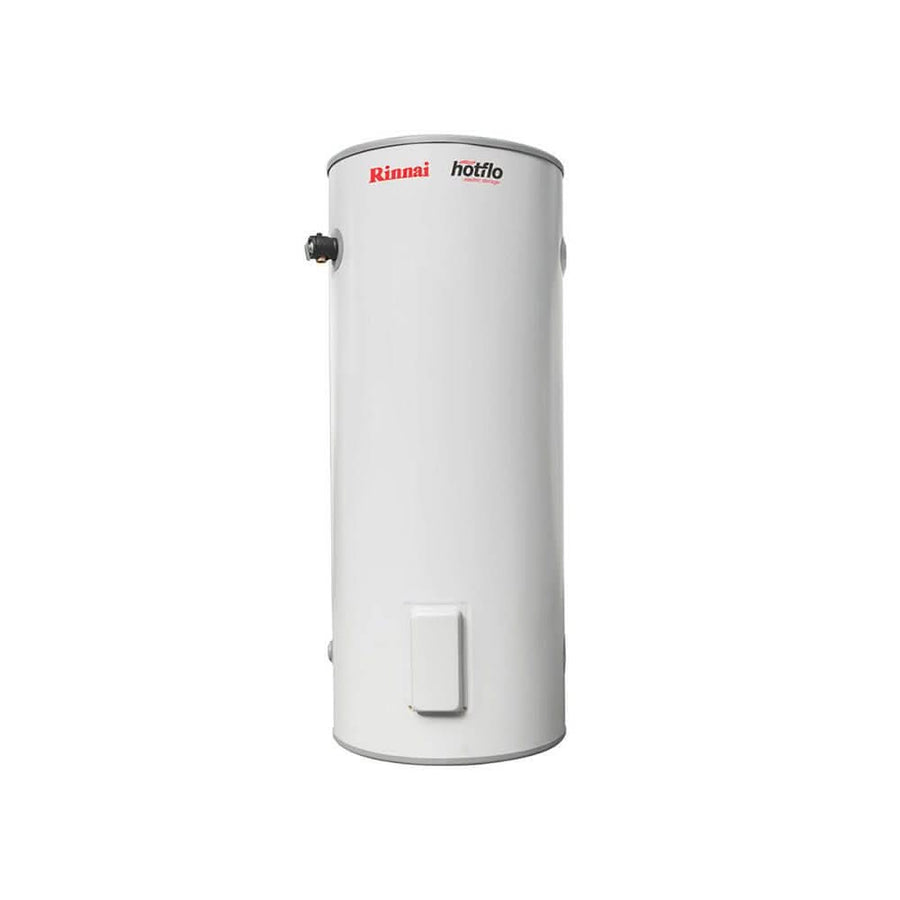
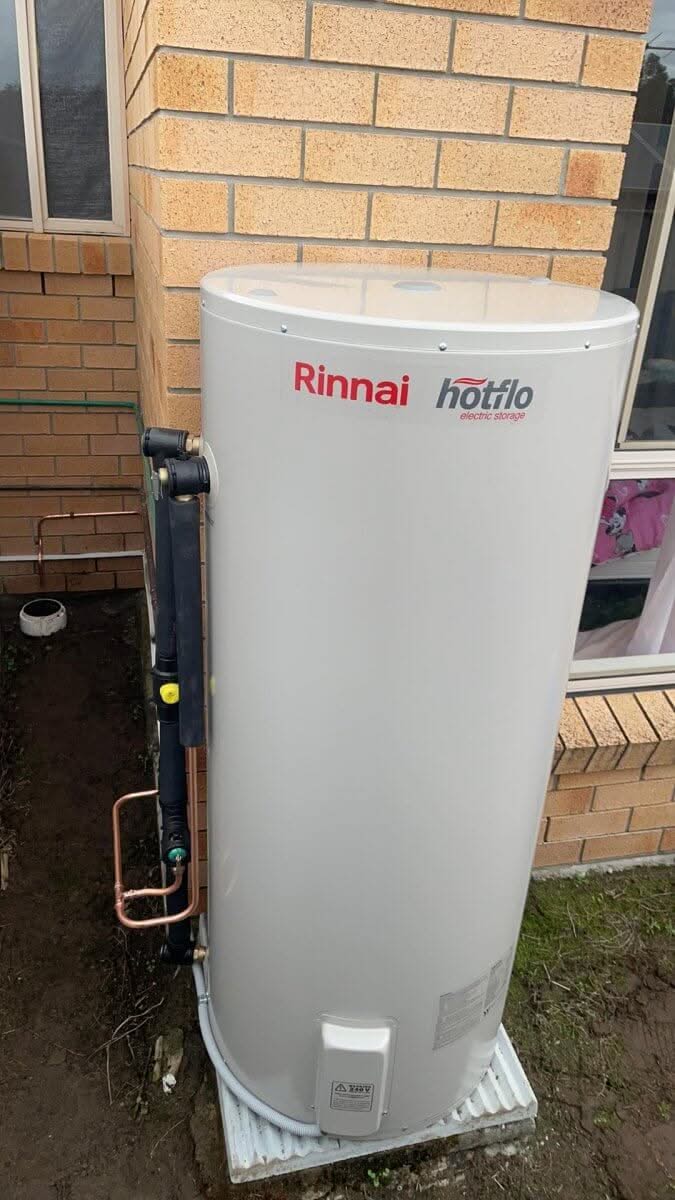
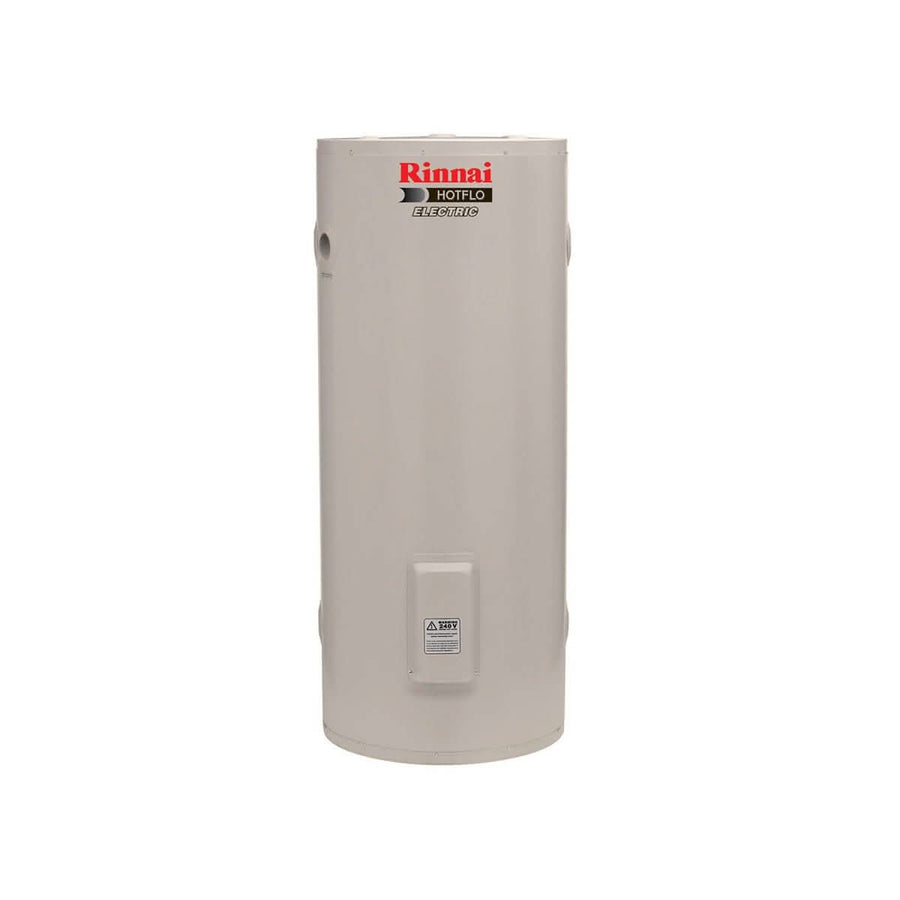
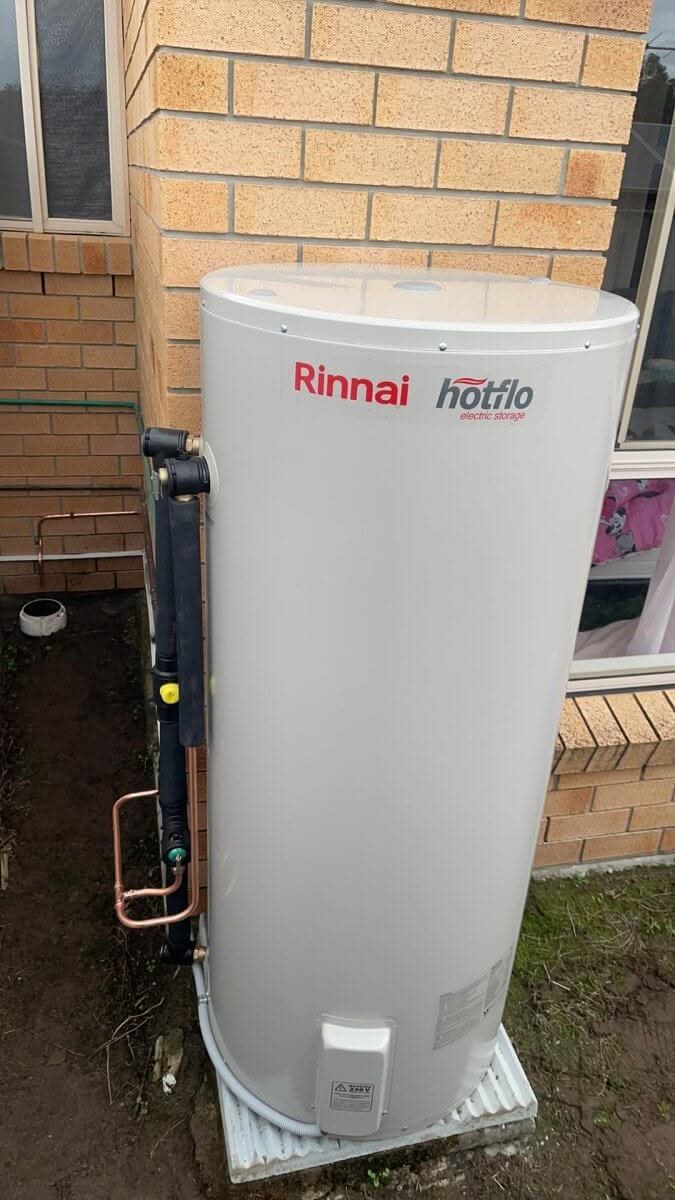
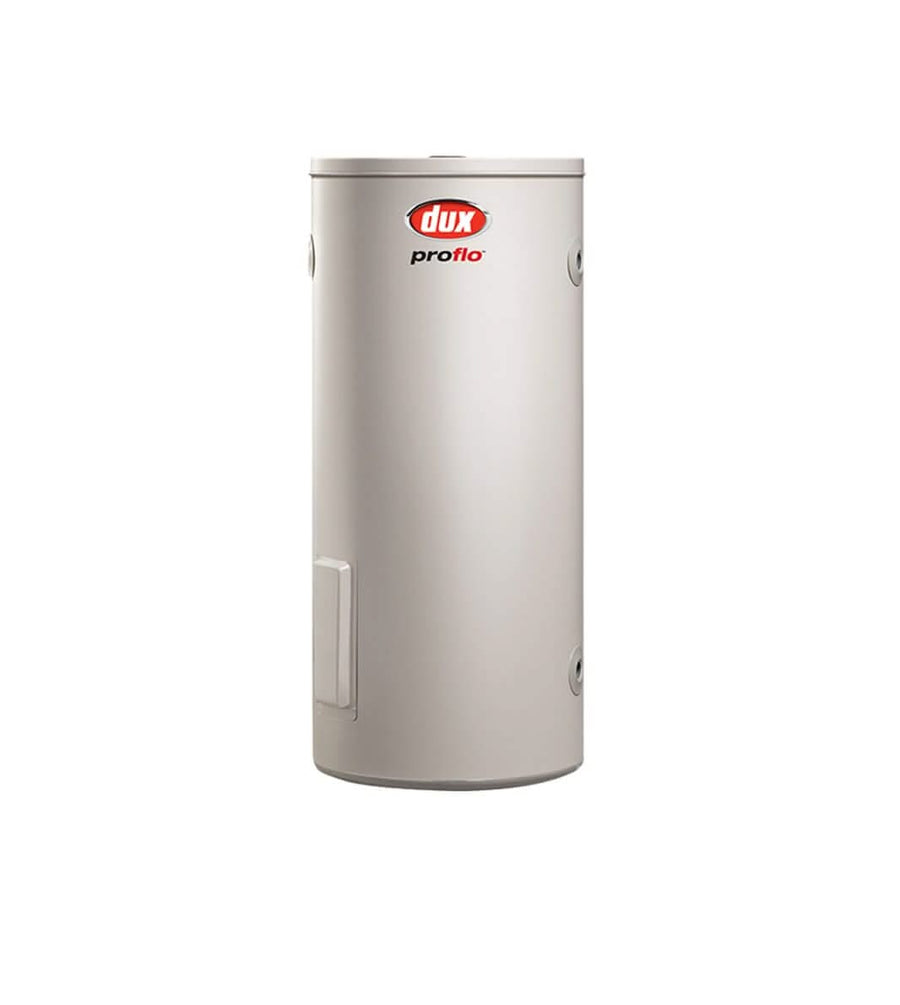
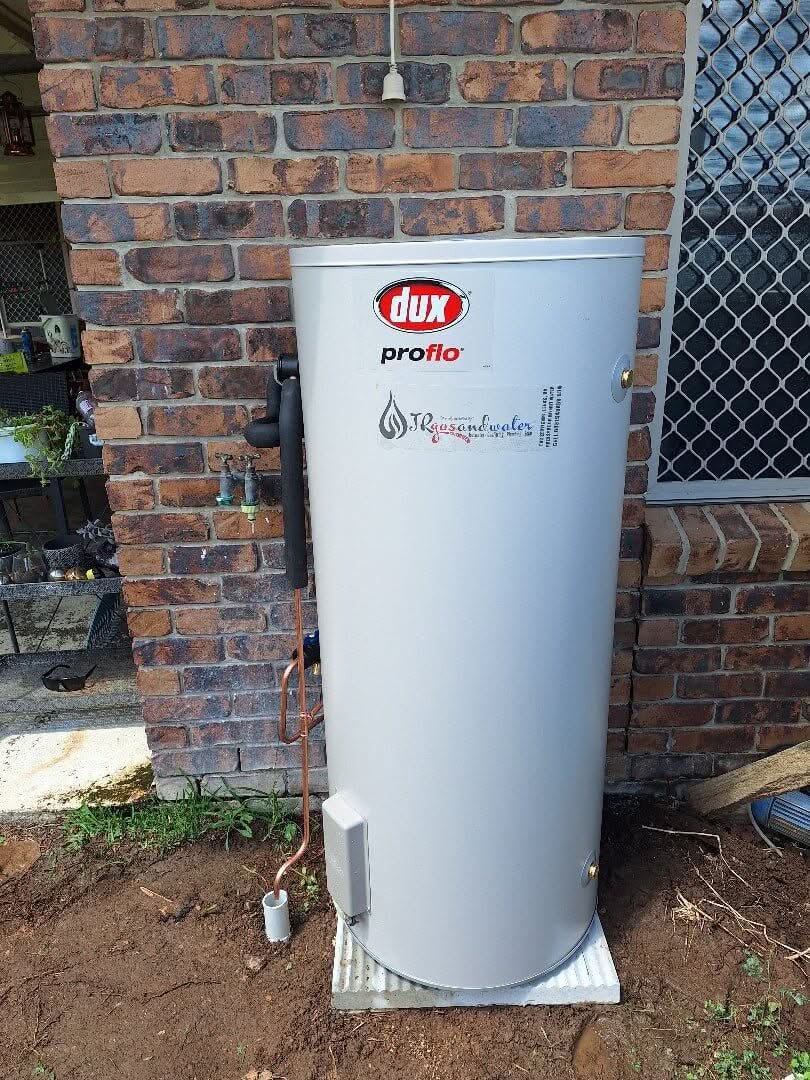
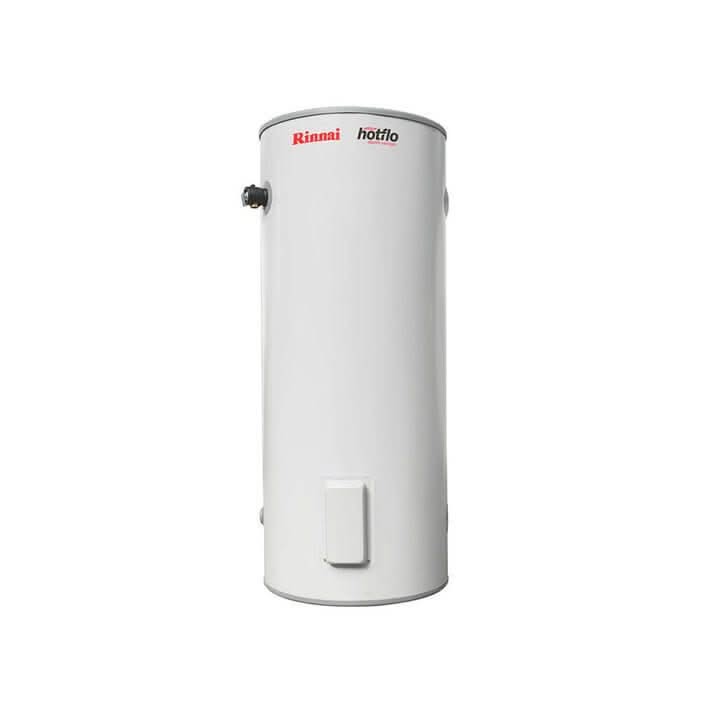
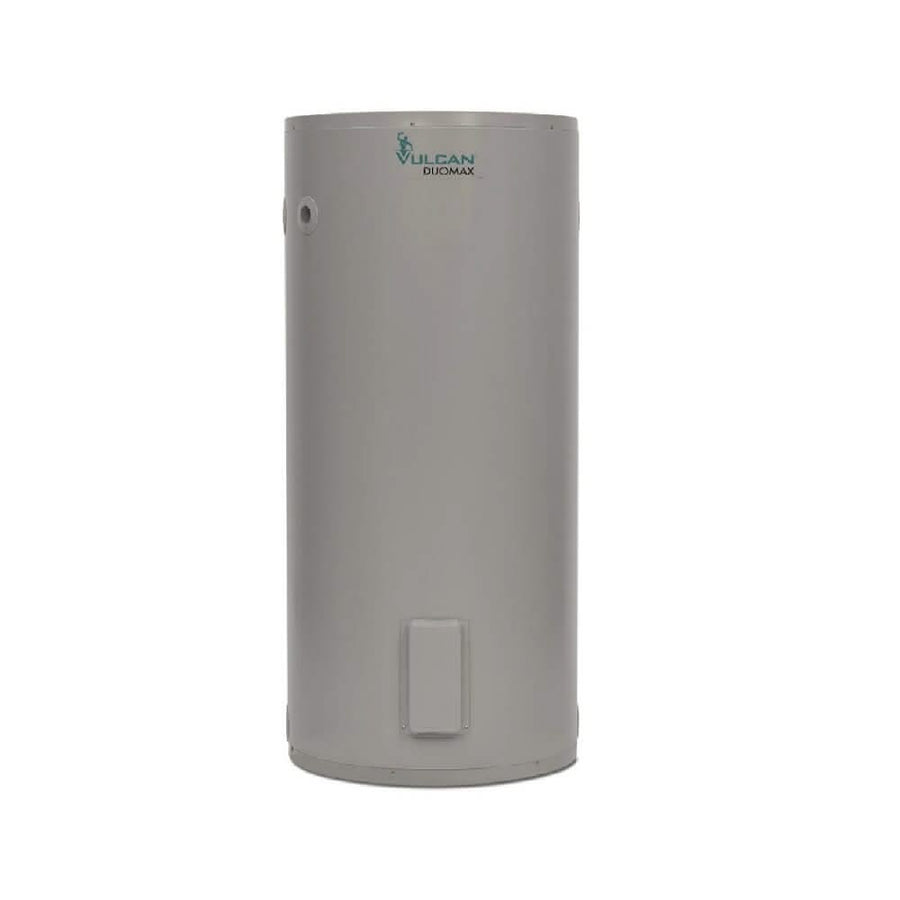
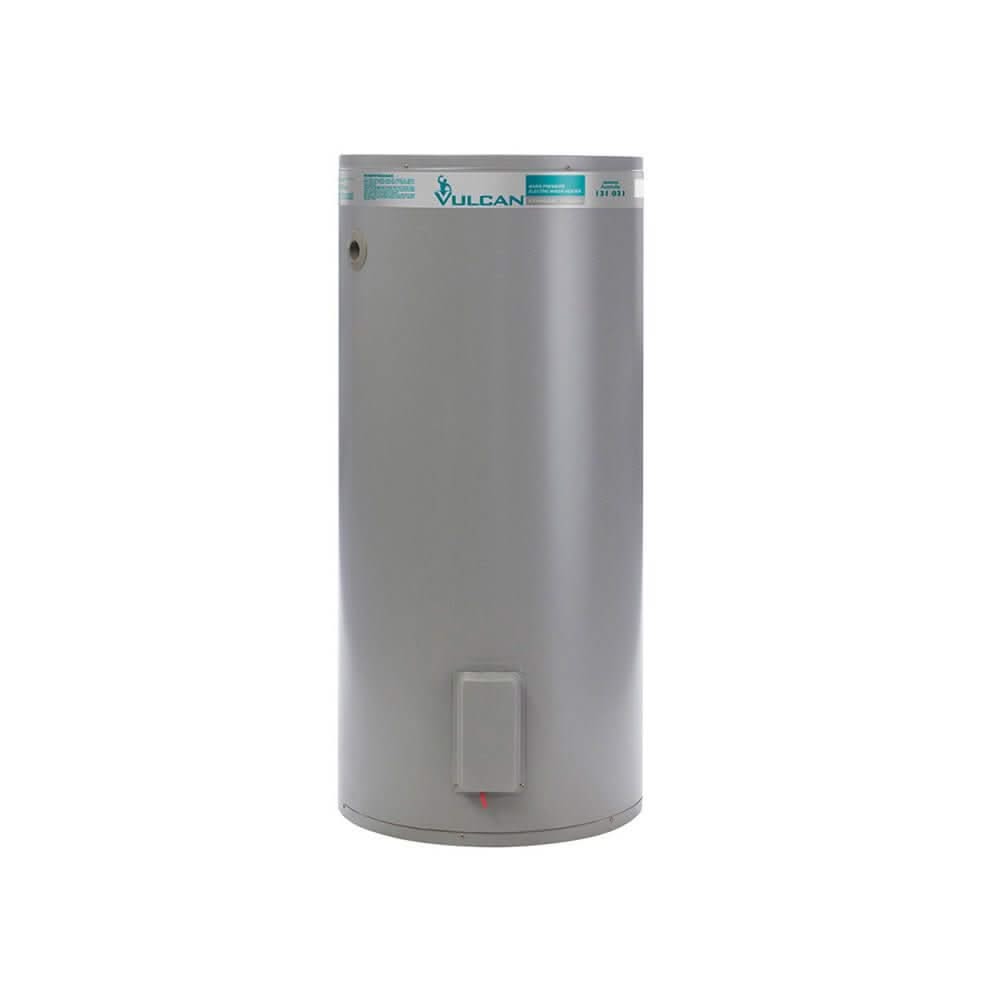
If the tank is leaking or the system is old, customers may compare replacement options such as the Rheem 250L Electric Hot Water System, Rinnai 250L Electric Hot Water System, Dux 250L Electric Hot Water System, Vulcan 315L Electric Hot Water System or Vulcan 400L Electric Hot Water System.
Heat Pump Hot Water Problems
Heat pump hot water systems need suitable outdoor conditions to work properly.
Common heat pump issues include:
-
Poor airflow
-
Blocked air intake
-
Condensate drainage problems
-
Fan noise
-
Compressor fault
-
Electrical issue
-
Controller fault
-
Backup element issue
-
Slow recovery
-
Tank size not matching demand
A heat pump may not perform well if it is installed in a tight, enclosed or poorly ventilated location. Noise placement also matters, especially near bedrooms, fences or neighbouring properties.
If replacement is being considered, compare heat pump hot water systems, including the iStore 270L Heat Pump Hot Water System, Rinnai Enviroflo V2 250L Heat Pump Hot Water System and Enviroheat 250L Heat Pump Hot Water System.
Solar Hot Water Problems
Solar hot water systems can involve roof collectors, tanks, pumps, boosters, valves and controls.
Common solar hot water issues include:
-
Booster failure
-
Circulation pump issue
-
Roof collector problem
-
Sensor or controller fault
-
Leaks around roof pipework
-
Poor solar gain due to shading
-
Tank issue
-
Tempering or valve problem
Solar hot water systems often require qualified assessment because roof access, plumbing, electrical work and sometimes gas boosting may be involved.
If the roof is shaded, difficult or unsuitable for collectors, a heat pump hot water system may be a practical replacement alternative.
Repair or Replace: How to Decide
Repair May Make Sense If:
-
The system is relatively new
-
The tank is not leaking
-
The issue is minor
-
Parts are available
-
The repair cost is reasonable
-
The system still suits the household
-
The installation is compliant
-
The fault is limited to a valve, thermostat, element or serviceable part
Replacement May Make Sense If:
-
The storage tank is leaking
-
The system is old
-
Repairs are frequent
-
Parts are hard to source
-
The system no longer keeps up with demand
-
The existing system is inefficient for the home
-
The household has changed
-
You want to move from gas to electric, or electric to heat pump
-
The current location or setup is no longer suitable
Replacement is also worth considering if the old system was undersized, poorly located or repeatedly running out of hot water.
Choosing a Replacement Hot Water System
If repair is not worthwhile, the replacement system should suit the home rather than simply matching the old unit.
Electric Storage
Electric hot water systems can suit homes without gas, simple like-for-like replacements and households wanting a familiar storage tank setup.
Do not automatically choose the same size if the old unit ran out of hot water.
Gas Storage
Gas hot water systems can suit homes with existing natural gas or LPG. The gas type must match the unit.
Instant Gas
Instant gas hot water systems can suit homes wanting continuous flow hot water and a compact wall-mounted system. Gas pipe sizing and water pressure must be suitable.
Instant Electric
Instant electric hot water systems are generally best for point-of-use applications such as small sinks, kitchenettes, offices, workshops and low-demand fixtures. They are not automatically suitable for whole-home hot water and may require high electrical capacity.
Heat Pump
Heat pump hot water systems can suit homes wanting an efficient electric storage-style option. They need outdoor space, clear airflow, condensate drainage, electrical suitability, access and suitable noise placement.
Maintenance That Can Help Prevent Hot Water Problems
Regular maintenance can help reduce the chance of unexpected breakdowns, although it cannot prevent every failure.
Maintenance may include:
-
Checking for visible leaks
-
Inspecting valves
-
Checking for corrosion
-
Testing relief valves where appropriate
-
Checking the sacrificial anode on storage tanks where applicable
-
Checking heat pump airflow and drainage
-
Checking for error codes on continuous flow units
-
Reviewing temperature consistency
-
Arranging licensed servicing where required
Do not attempt internal electrical, gas or plumbing repairs yourself. Licensed trades should complete servicing and repairs where required.
Brisbane and Gold Coast Considerations
In Brisbane and Gold Coast homes, hot water problems can be affected by property age, access, system location, coastal exposure, water pressure and household demand.
Older properties may have ageing valves, older pipework or electrical setups that need checking. Townhouses and narrow-lot homes may have access limitations. Coastal locations may need careful placement and corrosion awareness.
Selected supplied-and-installed options are available on eligible Installed Today products in Brisbane and Gold Coast service areas where shown. Availability depends on the product, address and installation requirements.
Supply-Only vs Supplied-and-Installed
Installed Today offers supply-only ordering across major Australian metro areas. This can suit customers who already have a licensed installer organised and want to order the product online.
Selected supplied-and-installed options are available on eligible products in Brisbane and Gold Coast service areas. Availability depends on the product, address and installation requirements.
For supply-only products, the listed product price generally covers the product only.
It does not usually include:
-
Installation labour
-
Plumbing alterations
-
Electrical work
-
Gas work
-
New valves
-
Pipework changes
-
Gas pipe upgrades
-
Drainage changes
-
Tempering valve upgrades
-
Pressure limiting valve upgrades
-
Expansion control valves
-
Old unit removal
-
Disposal
-
Compliance upgrades
-
Concrete bases or slab work
-
Flue kits unless listed
-
Temperature controllers unless listed
-
Relocation of the system
-
Rebate administration
-
Site assessment
For supply-only orders, confirm the model, size, location, gas type, electrical requirements and installation suitability with a licensed installer before purchasing.
Before Ordering a Replacement Checklist
Before replacing a failed hot water system, check:
-
What type of system is currently installed?
-
Is the tank leaking, or is the fault repairable?
-
How old is the existing unit?
-
Has it failed before?
-
Does the current size meet household demand?
-
How many people live in the home?
-
How many bathrooms are used daily?
-
Are multiple showers used at once?
-
Is the home connected to natural gas, LPG or electricity only?
-
Is gas pipe sizing suitable for instant gas?
-
Is water pressure suitable?
-
Is electrical supply suitable?
-
Is there outdoor space and airflow for a heat pump?
-
Can condensate drainage be managed?
-
Is old unit removal included or separate?
-
Is the product supply-only or supplied-and-installed?
-
Has a licensed installer confirmed suitability?
Frequently Asked Questions
Can a hot water system be repaired?
Yes, some hot water systems can be repaired if the fault is limited to serviceable parts such as valves, thermostats, elements, ignition components or controls. If the storage tank itself is leaking, replacement is often more practical.
When should I replace my hot water system instead of repairing it?
Replacement may be better if the tank is leaking, the system is old, repairs are frequent, parts are unavailable, or the system no longer keeps up with household demand.
Why do I have no hot water?
No hot water can be caused by electrical faults, gas supply issues, thermostat failure, element failure, ignition problems, control faults or system age. A licensed professional should diagnose the cause.
Is a leaking hot water system dangerous?
A leak should be taken seriously. Water near electrical components can be hazardous, and a leaking tank may fail further. If safe, isolate the system and contact a licensed professional.
Why is my hot water running out quickly?
The system may be undersized, a thermostat or element may have failed, sediment may be affecting storage capacity, or household demand may have increased. If the old system always struggled, replacement sizing should be reviewed.
Can I repair a gas hot water system myself?
No. Gas hot water faults should be handled by a licensed gas fitter. Natural gas and LPG are not interchangeable, and gas work must not be attempted by unlicensed people.
Can I repair an electric hot water system myself?
No. Electric hot water repairs can involve electrical hazards. Electrical work must be completed by a licensed electrician where required.
Does Installed Today offer hot water repairs?
Installed Today is positioned as an online supplier of hot water systems, water filters and pumps, with supply-only ordering across major Australian metro areas and selected supplied-and-installed options on eligible products in Brisbane and Gold Coast service areas where shown. Hot water repair diagnosis, emergency plumbing, servicing and maintenance should be handled by licensed trades where required.
What replacement hot water system should I choose?
The right replacement depends on household size, bathrooms, energy source, gas type, water pressure, electrical supply, outdoor space, access and whether the old system kept up with demand. Compare electric, gas, instant gas, instant electric and heat pump options before ordering.
Final Word
A faulty hot water system does not always need replacing, but some problems are clear warning signs. Minor valve, thermostat, element or ignition issues may be repairable. A leaking storage tank, repeated faults, poor performance or an ageing system may make replacement the better option.
If replacement is needed, choose a system that suits the home rather than simply copying the old unit. Household size, usage habits, energy source, water pressure, gas type, electrical supply, outdoor space and access all matter.
Installed Today makes it easy to compare hot water systems, electric hot water systems, gas hot water systems, instant gas hot water systems, instant electric hot water systems and heat pump hot water systems online.
For supply-only orders, confirm suitability with a licensed installer before purchasing. For eligible Brisbane and Gold Coast products, check whether a supplied-and-installed option is available where shown.