
Reverse Osmosis Water Filters: How RO Filtration Works and When It Is Worth Choosing
Reverse osmosis, often called RO, is a drinking water filtration method designed to reduce a broad range of dissolved substances from water. It is commonly used where customers want a higher level of point-of-use drinking water filtration than a standard taste-and-odour cartridge.
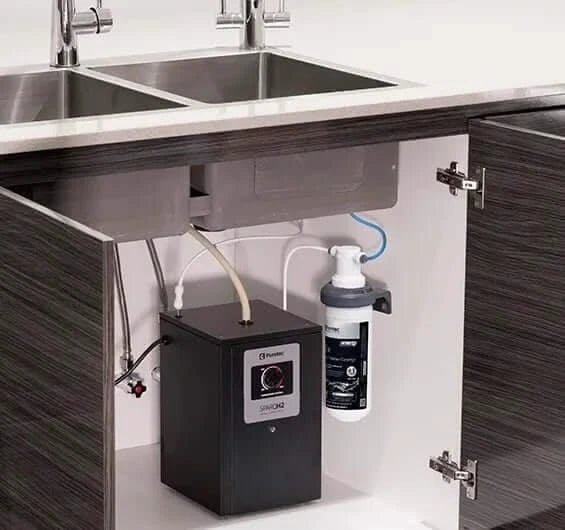
An RO system is usually installed under the kitchen sink and connected to a dedicated drinking water tap. It can be useful for specific drinking water concerns, but it is not automatically the best filter for every home. The right choice depends on your water source, water test results, household usage, pressure, flow rate, cartridge maintenance and whether you want filtered water at one tap or across the whole property.
Installed Today offers supply-only ordering across major Australian metro areas for water filters, including drinking water filtration systems, kitchen water filters, whole-home water filtration systems, shower water filters and Puretec water filtration systems.
Quick Answer
A reverse osmosis water filter may be worth considering if you want advanced drinking water filtration at one tap, especially where water testing shows specific contaminants of concern.
RO may suit:
-
Drinking water
-
Cooking water
-
Tea and coffee
-
Customers wanting more advanced point-of-use filtration
-
Some PFAS, heavy metal, dissolved solids or taste concerns where the system is rated for the target contaminants
-
Homes where water pressure, under-sink space and cartridge maintenance requirements are suitable
RO may not be the best choice if you want whole-home filtration, shower water filtration, simple chlorine taste reduction or a low-maintenance system.
For everyday town water taste and odour, a standard drinking water filtration system or kitchen water filter may be enough. For whole-property filtration, compare whole-home water filtration systems.
What Is Reverse Osmosis?
Reverse osmosis is a filtration process that uses water pressure to push water through a semi-permeable membrane.
The membrane allows water molecules to pass through while reducing many dissolved substances, depending on the membrane, system design and water quality.
An RO system may help reduce selected contaminants such as:
-
Dissolved solids
-
Some salts and minerals
-
Some heavy metals
-
Some chemicals
-
Some PFAS compounds where the system is rated accordingly
-
Fluoride, depending on system specifications
-
Chlorine by pre-filtration before the membrane
-
Sediment through pre-filtration
-
Taste and odour through carbon filtration
RO performance depends on the exact product, membrane, pre-filters, post-filters, water pressure, maintenance and contaminant type. Do not assume every RO system reduces every contaminant. Always check product specifications and, for health-related concerns, start with water testing.
How Does a Reverse Osmosis System Work?
A typical RO drinking water system uses several stages.
1. Sediment Pre-Filter
The sediment filter helps reduce larger particles such as dirt, rust, sand and suspended solids.
This protects the RO membrane from premature fouling and can improve system performance.
2. Carbon Pre-Filter
A carbon pre-filter helps reduce chlorine taste, odour and some chemicals depending on the cartridge.
This stage is important because chlorine can affect some RO membranes. It also helps improve the taste of the final water.
3. Reverse Osmosis Membrane
The RO membrane is the main filtration stage.
This membrane reduces many dissolved substances from the water. Water that passes through the membrane becomes filtered drinking water, while the rejected water carries concentrated impurities away to drain.
4. Storage Tank or Direct Flow Setup
Many under-sink RO systems use a small storage tank because RO filtration can be slower than standard tap flow.
Some newer designs may use different flow or tankless setups, depending on the product.
5. Post-Carbon Filter
A post-carbon filter may be used to polish the water before it reaches the tap.
This can help improve final taste and odour.
6. Optional Remineralisation
Some RO systems include a remineralisation stage. This can add selected minerals back into the water after filtration to improve taste.
Not every system includes this, so check the product details before ordering.
Reverse Osmosis vs Standard Water Filters
RO filtration is different from a standard carbon drinking water filter.
Standard Drinking Water Filters
Standard drinking water filters may be useful for:
-
Chlorine taste
-
Chlorine odour
-
Sediment
-
Everyday town water improvement
-
Cooking water
-
Tea and coffee
-
Simpler cartridge maintenance
-
Higher flow than some RO systems
Installed Today customers can compare drinking water filtration systems, kitchen water filters and Puretec water filtration systems, including options such as the Puretec PureMix Z7 Water Filter, Puretec PureMix Z2 Water Filter, Puretec PureMix Z6 Water Filter and Puretec X4 Water Filter.
Reverse Osmosis Filters
RO filters may suit customers who want a higher level of drinking water filtration and are prepared for more maintenance and installation considerations.
RO may be useful for:
-
Specific contaminant concerns
-
Higher dissolved solids
-
Some heavy metal concerns
-
Some PFAS concerns where the system is rated accordingly
-
Customers wanting point-of-use drinking water filtration
-
Homes where water testing supports RO selection
A standard water filter may be better if your main goal is simply improving taste and reducing chlorine smell.
What Can RO Water Filtration Help Reduce?
Depending on the system, RO filtration may help reduce a broad range of water concerns.
These can include:
-
Dissolved solids
-
Salts and minerals
-
Some metals
-
Some chemical contaminants
-
Some PFAS compounds where rated
-
Fluoride where rated
-
Sediment through pre-filtration
-
Chlorine taste and odour through carbon pre-filtration
-
General taste concerns
However, reduction claims vary by product. The safest approach is to match the system to water test results and product specifications.
What RO May Not Be Best For
Reverse osmosis is not automatically the best answer for every water problem.
RO may not be ideal for:
-
Whole-home filtration
-
Shower water filtration
-
High-flow water supply across the whole house
-
Simple taste-and-odour improvement where a carbon filter is enough
-
Very high sediment water without proper pre-filtration
-
Untested bore water
-
Untested rainwater or tank water
-
Customers wanting low-maintenance filtration
-
Homes with very low water pressure unless a booster setup is suitable
If the issue affects the whole house, a whole-home water filtration system may be more appropriate. If the issue is only drinking water taste, a kitchen filter may be simpler.
Reverse Osmosis and PFAS
RO is often discussed for PFAS reduction, but not every RO system is automatically suitable for PFAS.
If PFAS is a concern:
-
Arrange water testing first
-
Check the exact contaminants present
-
Choose a system rated for the target contaminants
-
Check product specifications
-
Follow cartridge and membrane replacement schedules
-
Consider pre-filtration requirements
-
Retest water where appropriate
Do not choose a system based only on broad “removes contaminants” claims. PFAS concerns need product-specific confirmation.
Reverse Osmosis and Heavy Metals
RO may help reduce some heavy metals depending on the system and product specifications.
If lead, arsenic, mercury, copper or other metals are a concern, water testing should come first. Testing helps identify what is actually present and whether RO, carbon filtration, specialist cartridges or another treatment method is suitable.
A filter that improves taste is not automatically a heavy metal filter.
Reverse Osmosis and Bacteria
RO membranes can reduce many microscopic contaminants, but RO should not automatically be treated as the only protection for bacteria, viruses or unsafe water sources.
For rainwater, tank water, bore water or rural water supplies, water testing is important. Depending on results, UV treatment, sediment filtration, carbon filtration or other treatment may be needed before or alongside RO.
If the water source is microbiologically unsafe, speak with a water treatment professional before choosing a system.
Reverse Osmosis and Hard Water
Hard water contains higher levels of dissolved calcium and magnesium.
RO can reduce dissolved minerals in drinking water at one tap, but it is not usually a whole-home hard water treatment system.
If your main concern is limescale across the home, hard water marks, stiff laundry, shower residue or appliance scale, a water softener or scale-treatment system may be more relevant than a standard under-sink RO unit.
A whole-home water filtration system may help with sediment and broader water quality depending on the cartridge, but a standard filter does not automatically soften water unless designed for hardness treatment.
Reverse Osmosis vs Whole-Home Filtration
A reverse osmosis drinking water system usually filters water at one point, commonly the kitchen sink.
A whole-home filter treats water entering the property before it reaches multiple taps and fixtures.
Choose RO If:
-
You mainly want advanced drinking water filtration
-
You want filtered water at one kitchen tap
-
Water testing shows RO is suitable
-
You are prepared for membrane and cartridge maintenance
-
You have space under the sink
-
Water pressure is suitable
Choose Whole-Home Filtration If:
-
You want water filtered across the property
-
You want filtration at showers, laundries and multiple taps
-
You want sediment reduction before fixtures
-
You have broader household water quality concerns
-
Flow rate and water pressure have been checked
Puretec whole-home options available through Installed Today include the Puretec G6 Whole House Water Filter, Puretec G12 Whole House Water Filter and Puretec G13 Whole House Water Filter.
Reverse Osmosis vs Kitchen Water Filters
A kitchen water filter may be the better fit if you mainly want better-tasting water from the kitchen sink.
Kitchen filters may suit:
-
Town water taste and odour
-
Chlorine smell
-
Everyday drinking water
-
Tea and coffee
-
Cooking water
-
Simpler maintenance
-
Faster flow than many RO systems
RO may suit customers who want a more advanced point-of-use filtration process and have a specific reason to choose membrane filtration.
If you are unsure, start by identifying your water source and what you want to reduce.
Reverse Osmosis vs Shower Filters
A shower water filter is designed for shower water, not drinking water.
Shower filters may suit customers wanting to improve the smell or feel of shower water, depending on the cartridge and water source.
RO is usually for drinking water. A shower filter is for shower use. They are not interchangeable.
Types of Reverse Osmosis Systems
Under-Sink RO Systems
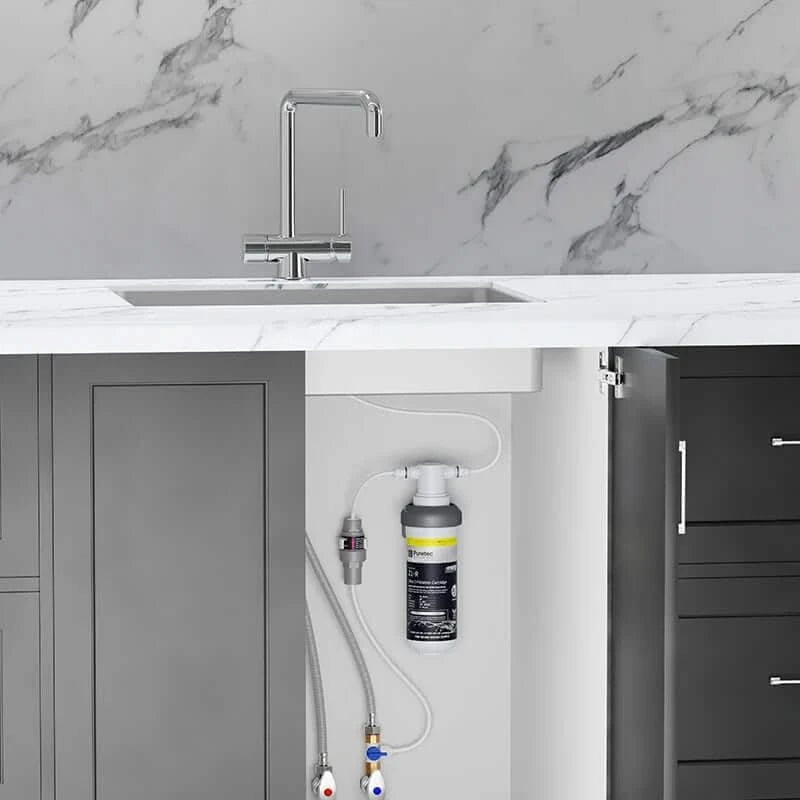
Under-sink RO systems are the most common residential option. They are usually installed below the kitchen bench and connected to a dedicated filtered water tap.
They may suit:
-
Drinking water
-
Cooking water
-
Tea and coffee
-
Customers wanting RO at one tap
-
Homes with enough under-sink space
-
Customers prepared for cartridge maintenance
Countertop RO Systems
Countertop RO systems may suit some rental or temporary setups, depending on the product and tap compatibility.
They may suit:
-
Customers who cannot alter plumbing
-
Temporary use
-
Smaller households
-
Homes with limited under-sink access
Check flow rate, space, maintenance and connection requirements before choosing a countertop system.
Whole-House RO Systems
Whole-house RO is much less common in standard residential applications because it is more complex, higher flow and usually requires more planning.
Whole-house RO may involve:
-
Pre-filtration
-
Storage tanks
-
Pumps
-
Pressure management
-
Drainage
-
Higher water demand
-
Larger system footprint
-
Ongoing maintenance
-
Professional design
For most homes, whole-home filtration plus a dedicated drinking water system is more practical than whole-house RO.
Commercial and Industrial RO
Commercial and industrial RO systems are designed for larger water volumes and specific applications. These systems are outside the scope of most residential supply-only filter choices and usually require specialist design, installation and maintenance.
Water Pressure Requirements
RO systems need suitable water pressure to operate effectively.
If water pressure is too low, the system may:
-
Produce water slowly
-
Waste more water
-
Fail to fill the tank properly
-
Deliver poor performance
-
Require a booster pump depending on product design
Before ordering, check:
-
Minimum pressure requirements
-
Maximum pressure requirements
-
Whether a pressure limiting valve affects performance
-
Whether a booster pump is suitable
-
Existing plumbing setup
-
Product specifications
RO Wastewater Considerations
Reverse osmosis systems reject a portion of water to drain as part of the filtration process. This is how the system carries concentrated impurities away from the membrane.
Wastewater ratio depends on the product, water pressure, water temperature, membrane condition and system design.
Before choosing RO, check:
-
Wastewater ratio
-
Drainage requirements
-
Water efficiency
-
Maintenance requirements
-
Whether the system suits your household habits
Customers who want low-waste filtration may prefer a standard drinking water filter, depending on their water quality goals.
Cartridge and Membrane Maintenance
An RO system has more maintenance points than many simple drinking water filters.
Maintenance may include:
-
Replacing sediment pre-filters
-
Replacing carbon pre-filters
-
Replacing post-carbon filters
-
Replacing the RO membrane
-
Sanitising the system where required
-
Checking tank pressure where applicable
-
Checking flow rate
-
Monitoring taste and odour
-
Checking for leaks
-
Following product-specific guidance
Replacement timing depends on water quality, usage, filter type and manufacturer instructions.
A poorly maintained RO system can lose performance and may not provide the filtration quality expected.
Remineralisation: Do You Need It?
RO can reduce dissolved minerals from water. Some customers prefer the clean taste, while others prefer water with minerals added back.
A remineralisation stage can improve taste by adding selected minerals after RO filtration.
Remineralisation may be worth considering if:
-
You dislike the flat taste of RO water
-
You want a more mineral-balanced taste
-
The system is designed to include it
-
The cartridge replacement schedule suits you
Not every RO system includes remineralisation, and not every customer needs it.
Water Testing Before Choosing RO
Water testing is strongly recommended if you are considering RO because of a specific health or contaminant concern.
Testing is especially important for:
-
PFAS concerns
-
Lead or heavy metals
-
Bore water
-
Rainwater
-
Tank water
-
Bacteria concerns
-
Chemical concerns
-
High salinity
-
Unusual taste or odour
-
Staining or discolouration
-
Rural water supplies
Testing helps confirm whether RO is appropriate or whether another system is needed.
Installation Considerations
RO systems are usually installed at the kitchen sink or another drinking water point.
Before ordering, check:
-
Under-sink space
-
Dedicated tap requirements
-
Tap hole availability
-
Drain connection requirements
-
Water pressure
-
Isolation valves
-
Cartridge access
-
Storage tank space where applicable
-
Electrical requirements if a pump is used
-
Whether a licensed plumber is required
Plumbing work should be completed by a licensed plumber where required.
Supply-Only Ordering with Installed Today
Installed Today offers supply-only ordering across major Australian metro areas. This can suit customers who already have a licensed installer organised and want to order the product online.
For water filters, the listed product price generally covers the product only.
It does not usually include:
-
Installation labour
-
Plumbing alterations
-
New pipework
-
Tap hole drilling
-
Electrical work
-
Drainage changes
-
Whole-home pipework modifications
-
Water testing
-
Cartridge replacement labour
-
RO membrane replacement labour
-
Site assessment
-
Disposal of old equipment
-
Compliance upgrades
Before ordering a supply-only water filter, confirm the water source, connection requirements, tap requirements, pressure requirements and installation suitability with a licensed plumber where required.
Common RO Buying Mistakes
Assuming RO Is Always Best
RO can be useful, but it is not automatically the best choice for every home. For simple taste and odour, a standard kitchen filter may be enough.
Buying Without Water Testing
If you are concerned about PFAS, heavy metals, bacteria, bore water or rainwater, testing should come first.
Forgetting Maintenance
RO systems require cartridge and membrane replacement. If maintenance is skipped, performance can decline.
Ignoring Water Pressure
Low pressure can affect RO performance. Check product pressure requirements before ordering.
Expecting Whole-Home Filtration from an Under-Sink RO
Most residential RO systems treat one drinking water point. They do not filter showers, laundries or whole-home water.
Not Allowing Space Under the Sink
RO systems can need space for cartridges, tubing, a storage tank and cartridge replacement access.
Not Checking Wastewater Requirements
RO creates reject water, so drainage and efficiency should be considered.
Before Ordering Checklist
Before choosing a reverse osmosis water filter, check:
-
Is your water source town water, rainwater, tank water or bore water?
-
What contaminants do you want to reduce?
-
Has water testing been completed?
-
Is the system for drinking water only?
-
Do you need whole-home filtration instead?
-
Is water pressure suitable?
-
Is under-sink space available?
-
Is a dedicated tap required?
-
Is tap hole drilling needed?
-
Is a storage tank required?
-
Is drainage available?
-
What is the wastewater ratio?
-
How often do filters need replacing?
-
How often does the membrane need replacing?
-
Is remineralisation wanted?
-
Is plumbing work required?
-
Is the product supply-only?
-
Has a licensed plumber confirmed suitability where required?
Frequently Asked Questions
What is reverse osmosis water filtration?
Reverse osmosis is a water filtration process that uses pressure to push water through a semi-permeable membrane. It is commonly used for point-of-use drinking water filtration.
Is reverse osmosis water safe to drink?
RO water from a properly selected and maintained system can be suitable for drinking. Suitability depends on the water source, system design, contaminant concerns and maintenance. For health-related concerns, water testing should guide the system choice.
Does RO remove chlorine?
RO systems usually use carbon pre-filtration to reduce chlorine before water reaches the membrane. Check the product specifications for exact reduction claims.
Does RO remove fluoride?
Many RO systems can reduce fluoride, but performance depends on the membrane and system design. Check product specifications if fluoride reduction is important to you.
Does RO remove PFAS?
Some RO systems may reduce PFAS, but not every system should be assumed to do so. If PFAS is a concern, arrange water testing and choose a system specifically rated for the target contaminants.
Does RO remove bacteria and viruses?
RO membranes may reduce many microscopic contaminants, but bacteria or virus concerns should be handled carefully. Rainwater, bore water or unsafe water sources may require testing, UV treatment or other specialist treatment.
Does RO remove minerals?
RO can reduce dissolved minerals. Some systems include remineralisation to improve taste after filtration.
Is RO better than a carbon filter?
RO and carbon filters do different jobs. Carbon filters are often suitable for taste, odour and chlorine reduction. RO may suit more advanced drinking water filtration needs where water testing supports it.
Does reverse osmosis waste water?
Yes, RO systems reject some water to drain as part of the membrane filtration process. The ratio depends on the system, pressure and operating conditions.
Do I need a plumber to install an RO system?
Some systems may require a licensed plumber, especially where under-sink plumbing, dedicated taps, drain connections or pressure requirements are involved.
Final Word
Reverse osmosis can be a useful option for advanced drinking water filtration, especially where water testing shows specific contaminants of concern. It is usually best suited to point-of-use drinking water rather than whole-home filtration.
For everyday taste and odour, a drinking water filtration system, kitchen water filter or Puretec water filtration system may be a simpler choice. For broader household water quality, compare whole-home water filtration systems.
If your concerns include PFAS, heavy metals, bore water, rainwater, bacteria or unusual water quality, arrange water testing before choosing a filter.