
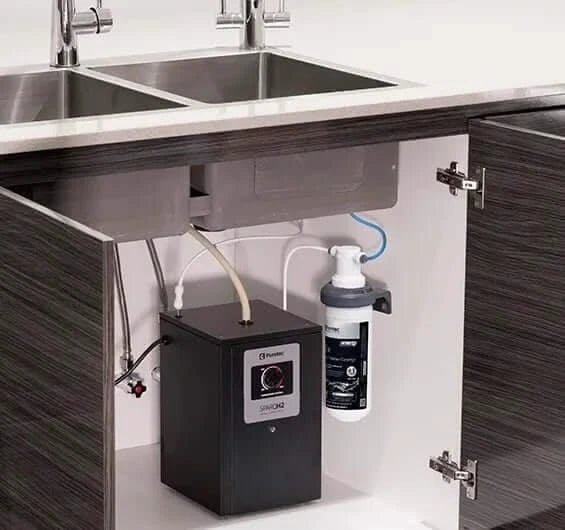
Under Sink Water Filter Systems: How to Choose the Right Kitchen Water Filter
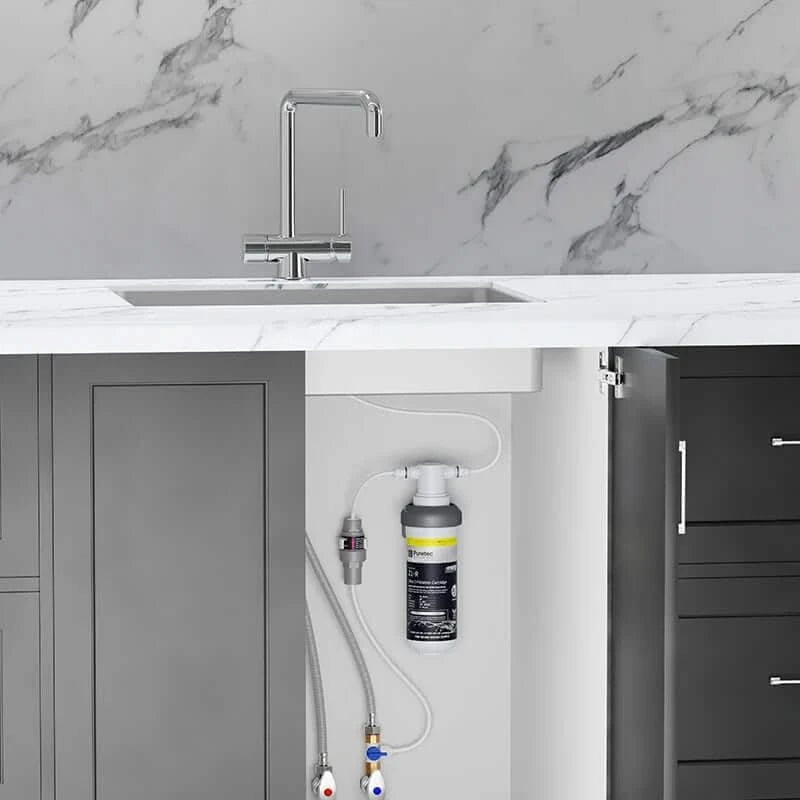
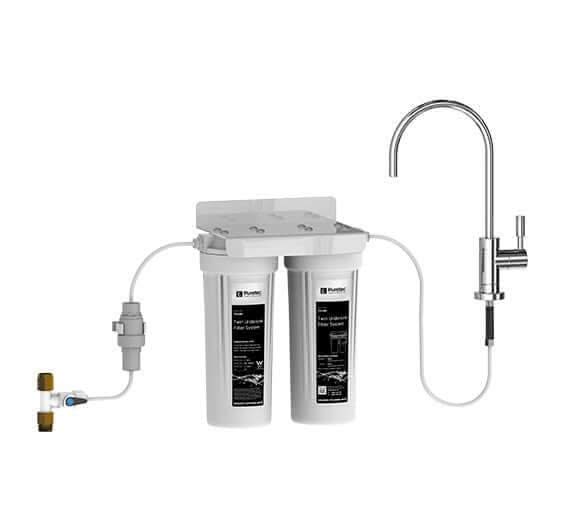
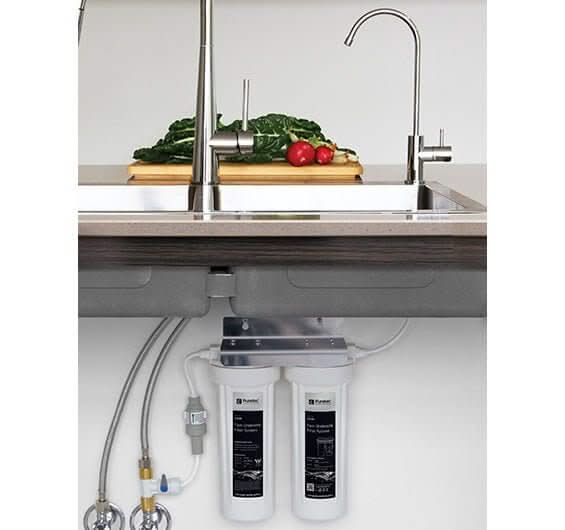
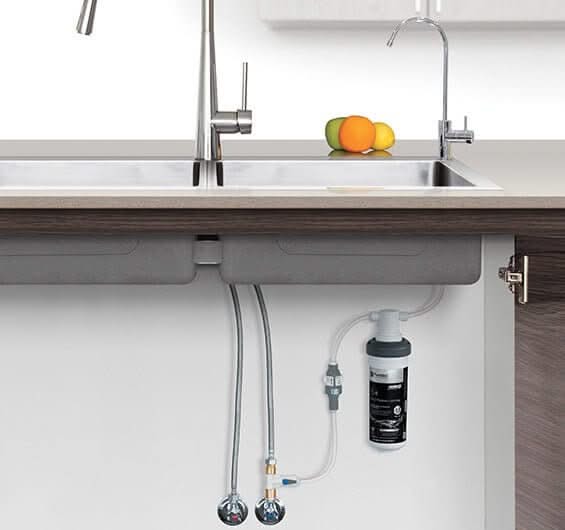
An under sink water filter system is one of the most practical ways to improve drinking water at the kitchen tap. Instead of using a jug, benchtop filter or fridge-only cartridge, an under sink filter is installed beneath the kitchen sink and connected to the cold water line or a dedicated filtered water tap, depending on the system type.
The right system depends on your water source, what you want to reduce, available space under the sink, flow rate, cartridge replacement costs, plumbing setup and whether you want filtered water from the main kitchen mixer or a separate drinking water outlet.
Installed Today offers online supply-only ordering across major Australian metro areas for selected water filters, drinking water filtration systems, kitchen water filters and Puretec water filtration systems. Before ordering, confirm the selected filter suits your water source, pressure, flow requirements, installation space and cartridge maintenance needs.
Quick Answer: What Is the Best Under Sink Water Filter?
The best under sink water filter is the one that matches your water source and drinking water goals.
As a general guide:
-
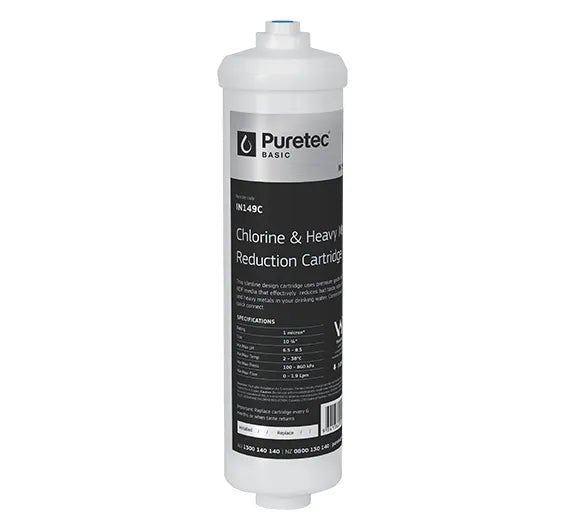
Inline kitchen filters can suit homes wanting a compact filter connected to the kitchen cold water line
-
Dedicated outlet drinking water filters can suit homes wanting a separate filtered water tap
-
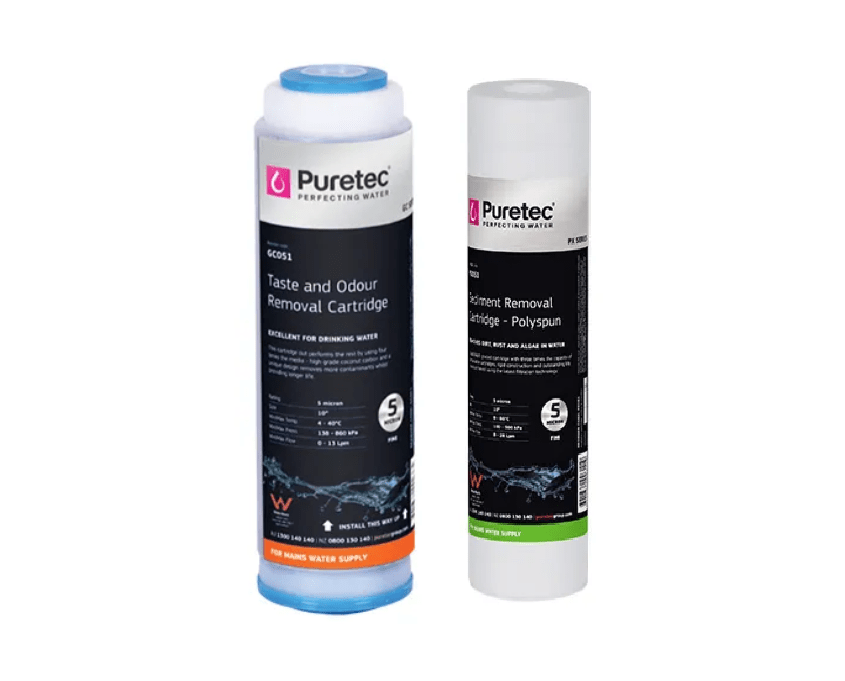
Carbon filters can help improve taste and reduce chlorine taste and odour where suitable
-
Sediment filters can help reduce particles such as dirt, sand or rust
-
Reverse osmosis systems may suit certain drinking water applications where broader reduction is required
-
UV systems may be relevant for some tank, rainwater or rural water setups where microbiological treatment is required
-
Whole home filters may be better if you want filtration beyond the kitchen sink
For many town water homes, a compact under sink or kitchen drinking water filter may be enough to improve everyday drinking water taste. For tank water, rainwater or rural supply, water testing and a more specific filtration setup may be needed.
What Is an Under Sink Water Filter?
An under sink water filter is a filtration system installed under the kitchen sink to filter water before it reaches a tap or dedicated outlet.
Depending on the system, it may connect to:
-
The main kitchen cold water line
-
A separate filtered water tap
-
An inline connection under the sink
-
A dedicated outlet faucet
-
A fridge water line in some setups
The goal is to provide filtered water for everyday drinking, cooking, coffee, tea, bottle filling and food preparation without needing a benchtop jug or bottled water.
Under sink systems are different from whole home water filtration systems, which filter water entering the property before it reaches multiple taps and showers.
How Under Sink Water Filters Work
Most under sink water filters work by passing water through one or more filter cartridges before it reaches the drinking water outlet.
The exact process depends on the system, but common filtration stages may include:
-
Sediment filtration
-
Activated carbon filtration
-
Carbon block filtration
-
Scale reduction media where suitable
-
Reverse osmosis membrane filtration
-
UV treatment in some systems
-
Post-filtration polishing cartridges
A simple kitchen filter may focus mainly on taste, odour and sediment reduction. A more advanced system may target a broader range of water quality concerns, depending on the cartridge and system design.
The key point is that filters are not all the same. One under sink filter may suit treated town water, while another may be designed for tank water, rainwater or a specific contaminant concern.
Main Types of Under Sink Water Filters
Inline Kitchen Water Filters
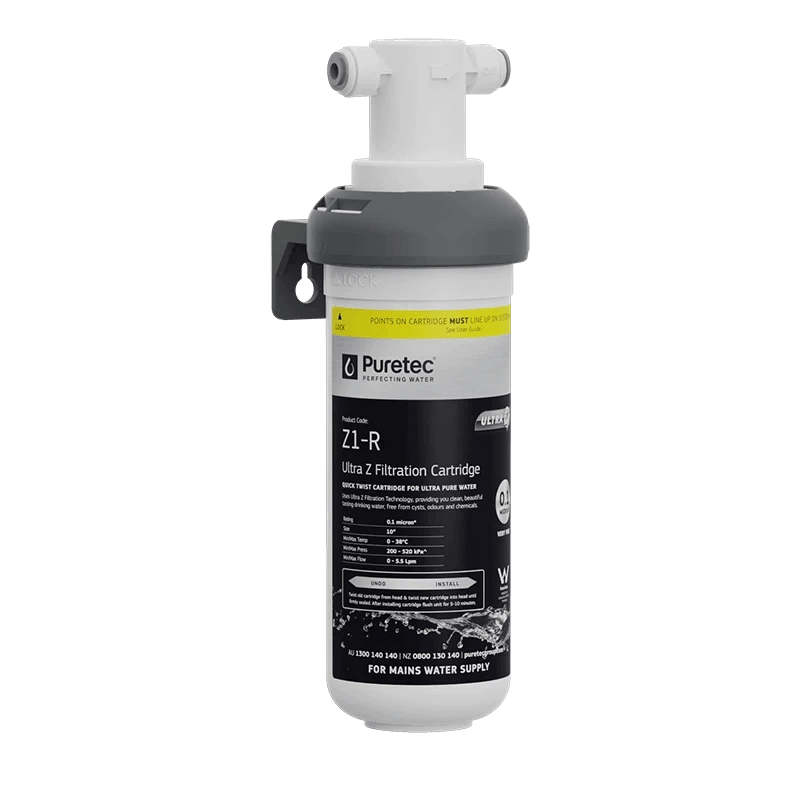
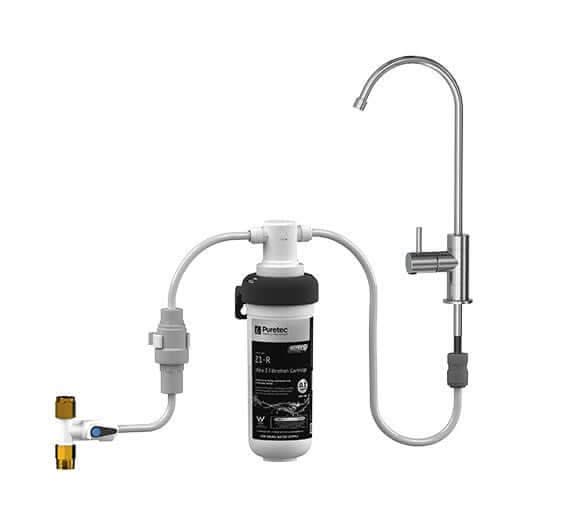
Inline water filters are compact systems installed into the water line. They are commonly used for kitchen drinking water, fridge water, ice machines and other point-of-use applications.
Inline filters can suit homes that want:
-
A compact under sink setup
-
Improved drinking water taste
-
Less chlorine taste and odour where suitable
-
Filtered water through an existing tap or line where compatible
-
Simple cartridge-based maintenance
Popular options to compare include the Puretec PureMix Z7 Inline Water Filter, Puretec PureMix Z6 Inline Water Filter and Puretec PureMix Z2 Water Filter.
Suitability depends on the water source, plumbing connection, pressure, flow rate and installation setup.
Dedicated Outlet Drinking Water Filters
A dedicated outlet drinking water system usually supplies filtered water through a separate small tap at the sink.
This setup can suit homes that want:
-
A separate filtered drinking water tap
-
Filtered water mainly for drinking and cooking
-
Reduced use of bottled water
-
A more deliberate drinking water setup
-
Filtered water without filtering every litre used through the kitchen mixer
A product such as the Puretec X4 Kitchen Dedicated Outlet Single Filter System may suit some homes wanting a separate drinking water outlet, depending on available sink space, plumbing and installation suitability.
Carbon Under Sink Filters
Carbon filters are commonly used to reduce chlorine taste, odour and some organic compounds where suitable. They are often chosen for treated town water where the main concern is taste and smell.
Carbon filtration may help with:
-
Chlorine taste
-
Chlorine smell
-
General drinking water taste
-
Some chemical tastes
-
Better water for tea and coffee
-
Better-tasting water for bottles and cooking
Performance depends on the cartridge type, flow rate, water quality and replacement schedule.
Sediment Under Sink Filters
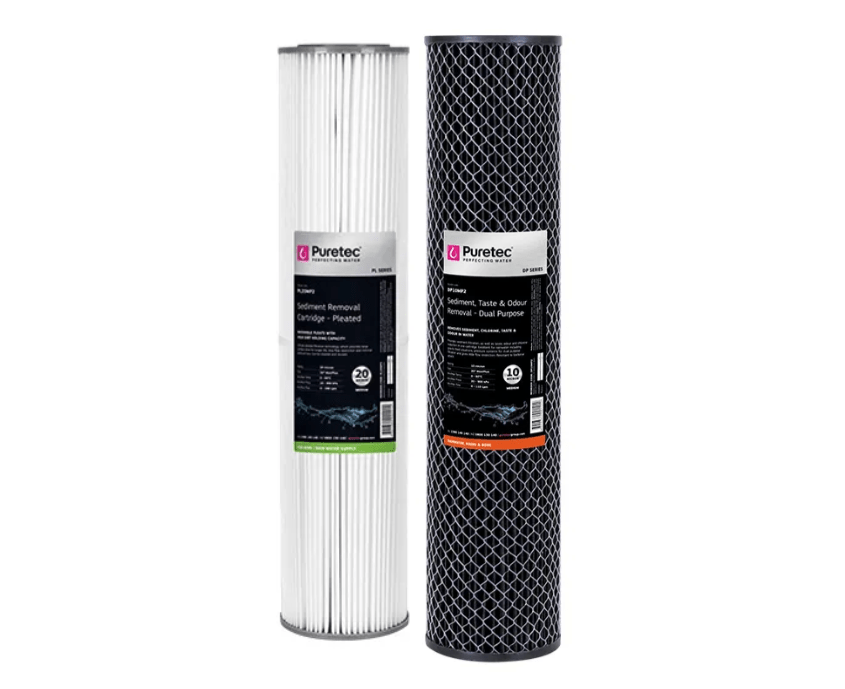
Sediment filters help reduce particles such as dirt, sand, rust and fine debris. They may be used as a first stage in a larger system or as part of a specific drinking water setup.
Sediment filtration may be relevant where water has:
-
Visible particles
-
Fine grit
-
Rust from older pipework
-
Tank water sediment
-
Rainwater debris
-
Pre-filtration requirements for other filter stages
Sediment filters do not solve every taste, chemical or microbiological issue. They are usually one part of a broader filtration approach.
Reverse Osmosis Under Sink Filters
Reverse osmosis, often called RO, uses a membrane to reduce a broader range of dissolved solids and contaminants than many basic carbon filters.
RO may suit some drinking water applications, but it is not always the right option for every home.
Considerations include:
-
Slower flow rate
-
Wastewater production
-
Cartridge and membrane replacement
-
Reduced minerals
-
Storage tank requirements in many systems
-
Installation space
-
Water pressure requirements
-
Maintenance costs
If your goal is mainly better-tasting town water, a carbon-based kitchen filter may be a more practical starting point. If you have a specific contaminant concern, water testing and product specification checks are important before choosing RO.
UV Under Sink or Whole Home Systems
UV filtration uses ultraviolet light as part of a water treatment process. It is often considered where microbiological treatment is required, such as some tank water, rainwater or rural water applications.
UV systems usually need:
-
Clear water
-
Sediment pre-filtration
-
Correct flow rate
-
Lamp replacement
-
Power supply
-
Maintenance checks
-
Proper sizing for the application
For many homes with tank or rainwater, a larger whole home water filtration system with UV may be more relevant than a small kitchen-only filter.
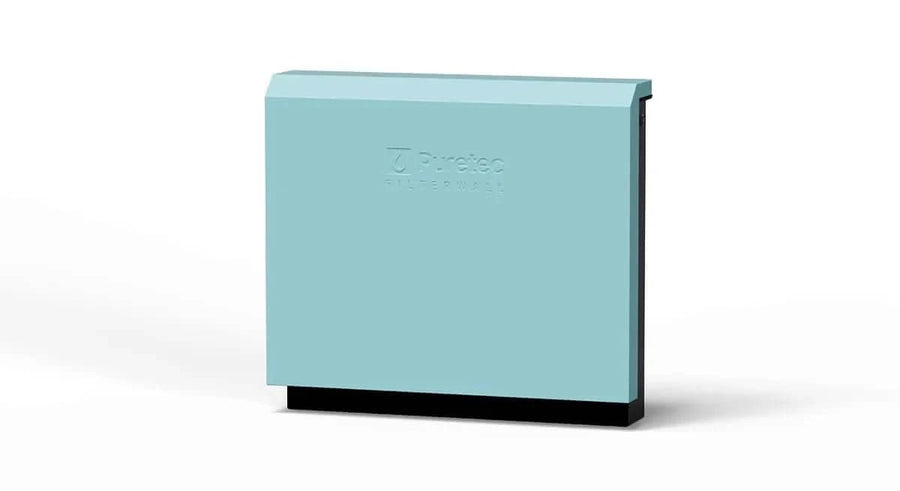
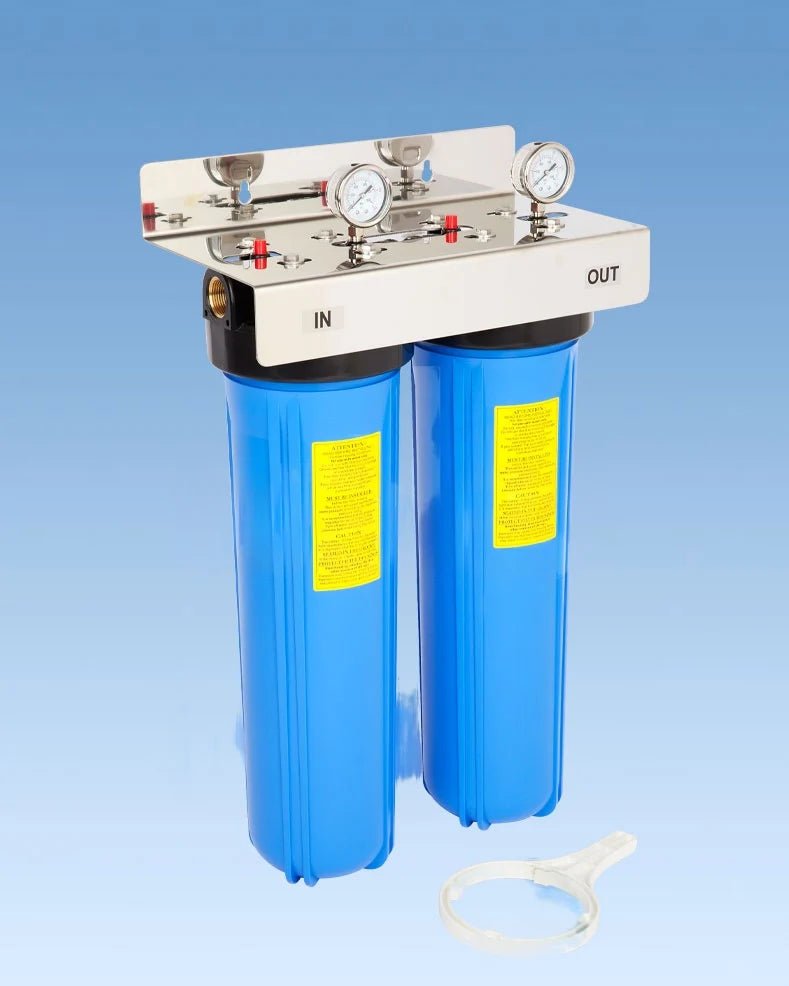
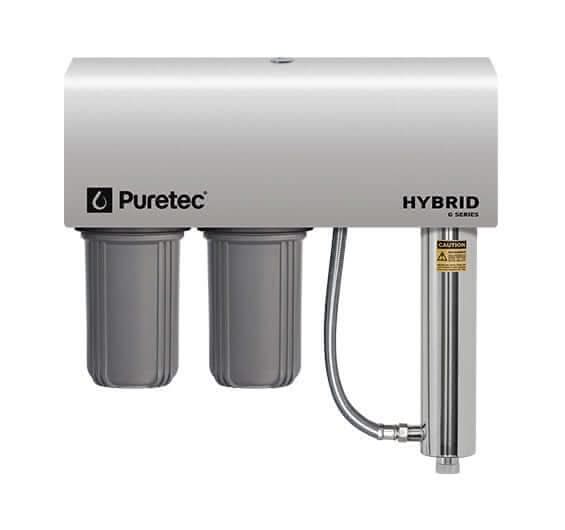
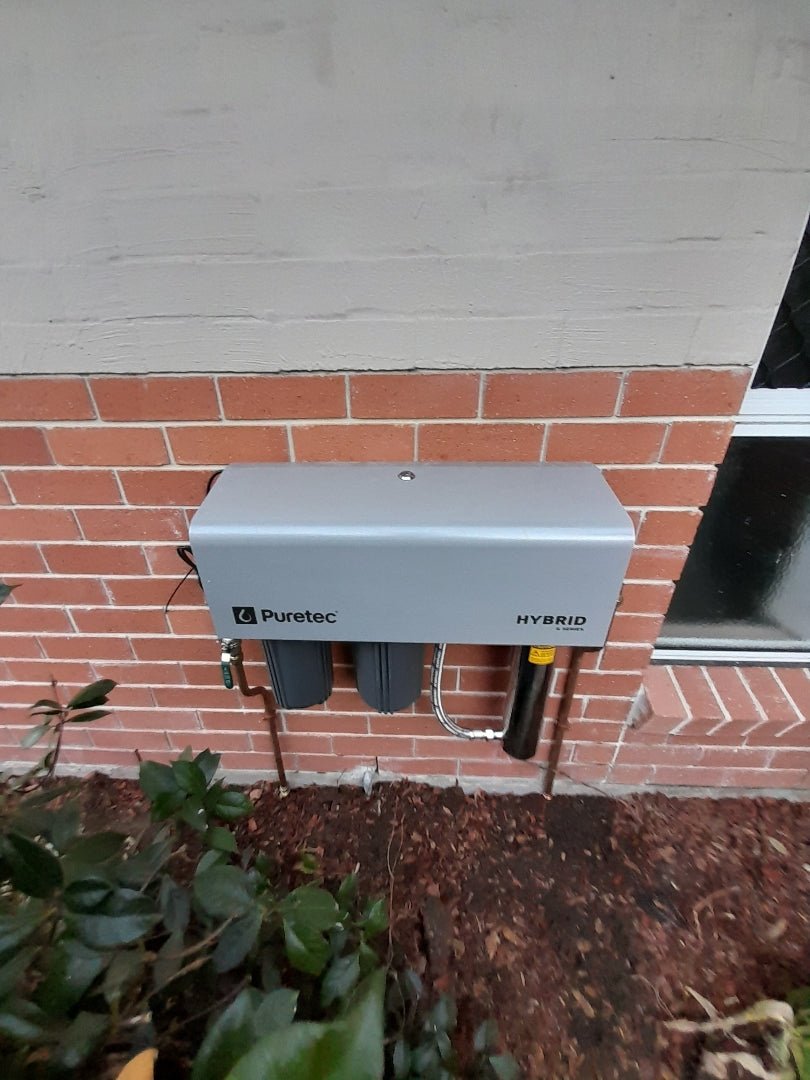
Products such as the Puretec G6 Whole House UV Twin Filter System, Puretec G12 Whole House UV Twin Filter System and Puretec G13 Whole House UV Twin Filter System may suit some whole-home UV filtration needs depending on water source, flow rate and installation requirements.
Under Sink Filter vs Kitchen Water Filter
The terms under sink filter and kitchen water filter often overlap.
A kitchen water filter usually refers to a filter installed at or near the kitchen sink for drinking water, cooking and food preparation. Many kitchen filters are installed under the sink.
A kitchen water filter can suit:
-
Drinking water
-
Filling bottles
-
Tea and coffee
-
Cooking
-
Pet bowls
-
Food preparation
-
Reducing bottled water use
-
Improving taste and smell where suitable
If the goal is filtered drinking water in the kitchen, an under sink kitchen filter is often a practical option.
Under Sink Filter vs Fridge Water Filter
A fridge water filter only filters water going to the fridge dispenser or ice maker. It does not filter your kitchen sink tap unless the fridge and tap are connected through the same filtration setup.
An under sink drinking water filter may be better if you want filtered water for:
-
Cooking
-
Tea
-
Coffee
-
Bottle filling
-
Food washing
-
Pet bowls
-
General kitchen use
A fridge filter may still be useful for chilled water and ice, but it does not replace a dedicated kitchen filter for everyday sink use.
Under Sink Filter vs Whole Home Water Filter
An under sink filter focuses on one location, usually the kitchen. A whole home water filtration system filters water entering the home before it reaches multiple taps, showers and appliances.
An under sink filter may be better if:
-
You only want filtered drinking water
-
Your main concern is kitchen water taste
-
You want a lower-cost point-of-use option
-
You do not need filtered shower or laundry water
A whole home filter may be better if:
-
You want filtration across multiple taps
-
You want to reduce sediment before it enters the home
-
You use tank water or rainwater
-
You want filtration for showers and bathrooms
-
You want a higher-capacity household filtration setup
For some homes, both can be used together: whole home filtration for general household water, plus a dedicated drinking water filter at the kitchen.
Under Sink Filter vs Shower Filter
A shower water filter is designed for shower use, not kitchen drinking water.
Choose a shower filter if the concern is:
-
Chlorine smell in the shower
-
Skin feel
-
Hair feel
-
Shower water quality
-
A bathroom-only issue
Choose an under sink drinking water filter if the concern is:
-
Drinking water taste
-
Kitchen tap water
-
Cooking water
-
Tea and coffee
-
Bottle filling
The right filter depends on where you want the filtered water.
What Contaminants Can Under Sink Filters Reduce?
Under sink filters can reduce different contaminants depending on the cartridge and system type.
Some systems may help reduce:
-
Chlorine taste and odour
-
Sediment
-
Rust particles
-
Dirt and grit
-
Some chemicals
-
Some heavy metals
-
Some pesticides or herbicides
-
Some volatile organic compounds
-
Some dissolved solids where RO is used
-
Some microorganisms where UV or suitable treatment is used
Do not assume every under sink filter removes every contaminant. Always check the product specifications, cartridge details and certifications where contaminant reduction claims matter.
Does an Under Sink Filter Remove Chlorine?
Many carbon-based under sink filters can reduce chlorine taste and odour where they are designed for treated town water.
This is one of the most common reasons homeowners choose a kitchen drinking water filter.
If chlorine taste or smell is the main issue, compare drinking water filtration systems and kitchen water filters that suit your water source and flow requirements.
Does an Under Sink Filter Remove Fluoride?
Not all under sink filters remove fluoride.
Basic carbon filters are generally not designed for full fluoride removal. Reverse osmosis and some specialised systems may reduce fluoride, but the exact performance depends on the product and cartridge specifications.
If fluoride reduction is a priority, check the product specifications carefully before ordering.
Does an Under Sink Filter Remove Bacteria?
Most basic under sink filters should not be relied on to make unsafe water safe from bacteria.
Some systems may include technologies designed for microbiological treatment, such as UV, but these systems need correct pre-filtration, flow rate, power supply and maintenance.
If bacteria, viruses or microbiological safety are a concern, especially with tank water, rainwater or rural supply, water testing and appropriate system design are important.
Does an Under Sink Filter Improve Taste?
Yes, the right under sink filter can improve drinking water taste, especially where the issue is chlorine taste, odour or sediment.
Many households notice better water for:
-
Drinking
-
Coffee
-
Tea
-
Ice
-
Cooking
-
Filling reusable bottles
-
Pet bowls
Taste improvement depends on the water source and the filter type.
Choosing an Under Sink Filter Based on Water Source
Town Water
Town water is already treated, but some households dislike the chlorine taste, smell or occasional sediment.
For town water, many homes compare:
-
Inline kitchen filters
-
Dedicated outlet drinking water filters
-
Carbon filters
-
Compact under sink systems
Products such as the Puretec PureMix Z7 Inline Water Filter, Puretec PureMix Z6 Inline Water Filter, Puretec PureMix Z2 Water Filter and Puretec X4 Kitchen Dedicated Outlet Single Filter System may be worth comparing depending on your setup.
Tank Water
Tank water can vary significantly depending on the roof, gutters, leaf load, tank condition, wildlife exposure, pump setup and maintenance.
A basic under sink filter may not be enough if the water is used for drinking and microbiological safety is uncertain.
Tank water may need:
-
Sediment pre-filtration
-
Carbon filtration
-
UV treatment
-
Pump and pressure checks
-
Water testing
-
Whole home filtration
-
Ongoing maintenance
For tank water, water testing and installer confirmation are strongly recommended before ordering a filter.
Rainwater
Rainwater filtration depends on how the water is used. Garden use, laundry use, shower use and drinking water use all have different requirements.
If rainwater is used for drinking, do not assume a simple under sink cartridge is enough. A broader filtration and treatment setup may be needed based on water testing and intended use.
Rural Water
Rural water sources can include bore water, creek water, dam water, rainwater or carted water. Each source can have different filtration needs.
Rural water may involve:
-
Sediment
-
Minerals
-
Odour
-
Colour
-
Microorganisms
-
Hardness
-
Metals
-
Variable water quality
Water testing is recommended before choosing an under sink filter for rural water.
Flow Rate and Water Pressure
Flow rate matters with under sink filters. A filter that is too restrictive may slow down the kitchen tap or dedicated outlet.
Before ordering, check:
-
Water pressure requirements
-
Flow rate
-
Pipe size
-
Whether the filter is for a mixer or dedicated tap
-
Whether the cartridge can support your usage
-
Whether pressure reduction is needed
-
Whether the system suits your plumbing setup
Whole home systems need even more careful flow and pressure matching because they affect multiple fixtures.
Installation Requirements for Under Sink Water Filters
Under sink water filters may look simple, but installation still needs to suit the plumbing setup.
Before ordering, confirm:
-
Available space under the sink
-
Cold water connection type
-
Whether a dedicated tap hole is needed
-
Whether the filter connects to the main mixer or separate tap
-
Water pressure
-
Flow rate
-
Cartridge access for future replacement
-
Drain connection if choosing reverse osmosis
-
Power point if choosing UV or powered systems
-
Whether a licensed plumber is needed
-
Whether the product suits your water source
Some simple systems may be easier to install than others, but plumbing work should be completed by a licensed plumber where required.
What Is Not Included in Supply-Only Filter Pricing?
For supply-only water filters, the listed product price generally covers the product only.
It does not usually include:
-
Installation labour
-
Plumbing alterations
-
New tap holes
-
Dedicated filter taps unless included in the product
-
Pressure limiting devices
-
Additional fittings
-
Extra hoses
-
Drain connections for RO systems
-
Power points for UV systems
-
Old filter removal
-
Cartridge replacement labour
-
Water testing
-
Whole home plumbing changes
Always check the product page and confirm the full installation requirements before ordering.
Cartridge Replacement and Maintenance
A water filter is not a one-time purchase. Cartridges need replacing to keep the system working properly.
Replacement timing depends on:
-
Water quality
-
Filter type
-
Cartridge capacity
-
Household usage
-
Flow rate
-
Sediment load
-
Manufacturer instructions
Signs a cartridge may need replacing include:
-
Slower water flow
-
Changed taste
-
Odour returning
-
Cloudy water
-
Visible sediment
-
Filter reminder alert
-
Cartridge age exceeding the recommended interval
Before ordering a system, check cartridge replacement frequency and replacement cartridge cost.
Long-Term Cost of Under Sink Water Filters
The long-term cost of an under sink water filter includes more than the initial product price.
Consider:
-
Product cost
-
Installation cost
-
Replacement cartridges
-
Cartridge replacement frequency
-
Water testing if needed
-
Extra fittings or taps
-
Maintenance requirements
-
Whether the system suits your water source
-
Whether the filter reduces bottled water use
A low-cost filter may not be the cheapest long term if cartridges are expensive, hard to find or need frequent replacement.
Under Sink Filters and Bottled Water
An under sink filter can help reduce reliance on bottled water by making filtered drinking water available at the kitchen sink.
This can help with:
-
Lower bottled water costs
-
Less plastic waste
-
Easier bottle filling
-
Better everyday hydration
-
Less storage space needed for bottled water
-
More convenient filtered water for cooking and drinks
The best filter is the one your household will actually use every day.
Common Mistakes When Choosing an Under Sink Water Filter
Choosing Without Checking Water Source
Town water, tank water, rainwater and rural water can need different filtration approaches.
Assuming One Filter Removes Everything
No single basic filter solves every water issue. Sediment, chlorine, fluoride, bacteria, metals, hardness and dissolved solids may require different technologies.
Ignoring Cartridge Costs
A cheap system can become expensive if replacement cartridges cost more or need changing often.
Not Checking Space Under the Sink
Some systems need more room than expected, especially multi-stage or RO systems.
Forgetting About Flow Rate
A restrictive filter can slow water flow if it is not matched to the tap or household usage.
Choosing RO Without Understanding Wastewater
Reverse osmosis can suit some drinking water needs, but it may produce wastewater and needs more maintenance than a simple carbon filter.
Relying on a Basic Filter for Unsafe Water
If water safety is uncertain, especially with tank or rural water, testing and proper treatment are needed.
Assuming Supply-Only Includes Installation
Supply-only generally means product only unless installation is selected or clearly shown.
Before Ordering Checklist
Before ordering an under sink water filter, confirm:
-
Your water source
-
What you want to reduce
-
Whether the water is for drinking only or broader household use
-
Whether water testing is needed
-
Available space under the sink
-
Water pressure
-
Flow rate
-
Plumbing connection type
-
Whether a dedicated tap is required
-
Whether a tap hole is available
-
Cartridge replacement frequency
-
Cartridge replacement cost
-
Whether RO wastewater drainage is needed
-
Whether UV power is needed
-
Whether a licensed plumber is required
-
Whether a whole home filter may be more suitable
Frequently Asked Questions
What is an under sink water filter?
An under sink water filter is installed beneath the kitchen sink to filter water before it reaches a tap or dedicated drinking water outlet.
Is an under sink water filter worth it?
An under sink filter can be worth it if you want better-tasting drinking water at the kitchen sink and want to reduce reliance on bottled water. Suitability depends on your water source and filter choice.
What is the best under sink water filter?
The best under sink water filter depends on your water source and what you want to reduce. Town water may suit a carbon-based kitchen filter, while tank or rural water may need water testing and a more specific treatment setup.
Do under sink filters remove chlorine?
Many carbon-based under sink filters can reduce chlorine taste and odour where designed for treated town water.
Do under sink filters remove fluoride?
Not all under sink filters remove fluoride. Reverse osmosis or specialised systems may reduce fluoride, but check the product specifications before ordering.
Do under sink filters remove bacteria?
Most basic under sink filters should not be relied on to make unsafe water safe. If bacteria or microbiological safety is a concern, water testing and suitable treatment such as UV may be needed.
Is reverse osmosis better than a standard under sink filter?
Reverse osmosis can reduce a broader range of dissolved substances, but it may produce wastewater, reduce minerals and need more maintenance. It is not automatically the best option for every home.
Do I need a plumber to install an under sink water filter?
Some installations are simple, but plumbing work should be completed by a licensed plumber where required. Dedicated taps, RO systems, UV systems or complex plumbing may need professional installation.
How often do filter cartridges need replacing?
Replacement timing depends on the filter type, water quality and usage. Check the manufacturer’s recommended cartridge life and replace cartridges on schedule.
What is not included in supply-only water filter pricing?
Supply-only pricing generally excludes installation, plumbing alterations, extra fittings, tap holes, cartridge replacement labour, water testing and any required electrical work unless selected or clearly shown.
Final Word
An under sink water filter system can be a practical way to improve everyday drinking water at the kitchen sink. For many town water homes, a compact inline or dedicated outlet filter may be enough to improve taste and reduce chlorine odour where suitable. For tank water, rainwater or rural supply, water testing and a more complete filtration setup may be required.
Before ordering, check the water source, filter type, flow rate, pressure, cartridge replacement cost and installation requirements. A good under sink filter should suit the water problem you are trying to solve, not just fit under the sink.