
Fridge Water Filters vs Home Water Filters: What’s Best for Cleaner Drinking Water?
A fridge water filter can improve the taste and smell of chilled drinking water, but it is not always the best or only option for cleaner water at home. If you want filtered water for drinking, cooking, coffee, tea, showers or the whole house, it is worth comparing fridge filters against dedicated water filters, drinking water filtration systems, kitchen water filters and whole home water filtration systems.
The right choice depends on what you want filtered, where you want filtered water available, your water source, cartridge replacement costs and whether you need a small drinking water filter or a larger household solution.
Installed Today offers online supply-only ordering across major Australian metro areas for selected water filters, hot water systems and pumps. Water filter suitability should always be checked against your water source, plumbing setup, pressure, flow requirements and cartridge maintenance needs before ordering.
Quick Answer: Are Fridge Water Filters Worth It?
Fridge water filters can be useful if you only want filtered chilled water and ice from your fridge. They can help reduce unwanted taste, smell, sediment and some common contaminants depending on the cartridge type and fridge model.
However, a fridge filter usually only filters water going through the fridge dispenser or ice maker. It does not filter your kitchen tap, bathroom water, laundry, showers or the rest of the home.
For many households, a dedicated kitchen water filter or drinking water filtration system is a better option if the main goal is better-tasting water for everyday drinking and cooking. A whole home water filtration system may be more suitable if you want filtration across multiple taps and showers.
What Does a Fridge Water Filter Do?
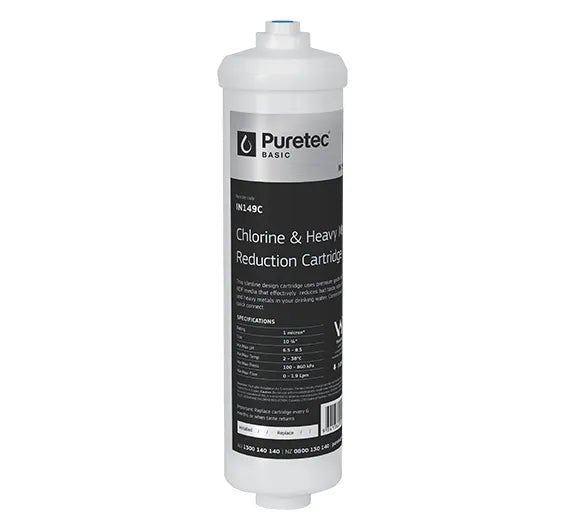
A fridge water filter is usually a small cartridge fitted inside the fridge or connected inline to the water supply feeding the fridge. Its job is to filter water before it reaches the chilled water dispenser or ice maker.
Depending on the cartridge, a fridge filter may help reduce:
-
Chlorine taste and odour
-
Fine sediment
-
Some chemicals
-
Some metals
-
Cloudiness
-
Unpleasant smells
-
Particles that affect taste and ice quality
Most fridge filters use activated carbon or similar filter media. This can improve taste and smell, especially on treated town water. However, performance depends on the cartridge design, certification, age, water quality and whether the filter is replaced on time.
What a Fridge Filter Does Not Do
A fridge filter is limited by where it is installed and what the cartridge is designed to remove.
A fridge water filter usually does not:
-
Filter every tap in the home
-
Filter shower water
-
Filter laundry water
-
Replace a whole home filtration system
-
Suit every fridge model
-
Last forever
-
Remove every possible contaminant
-
Fix all taste, smell or water quality issues
-
Replace proper water testing where water quality is uncertain
This is important because many homeowners assume “filtered fridge water” means the whole home has filtered water. In most cases, it only means the fridge dispenser and ice maker are filtered.
Fridge Filter vs Kitchen Water Filter
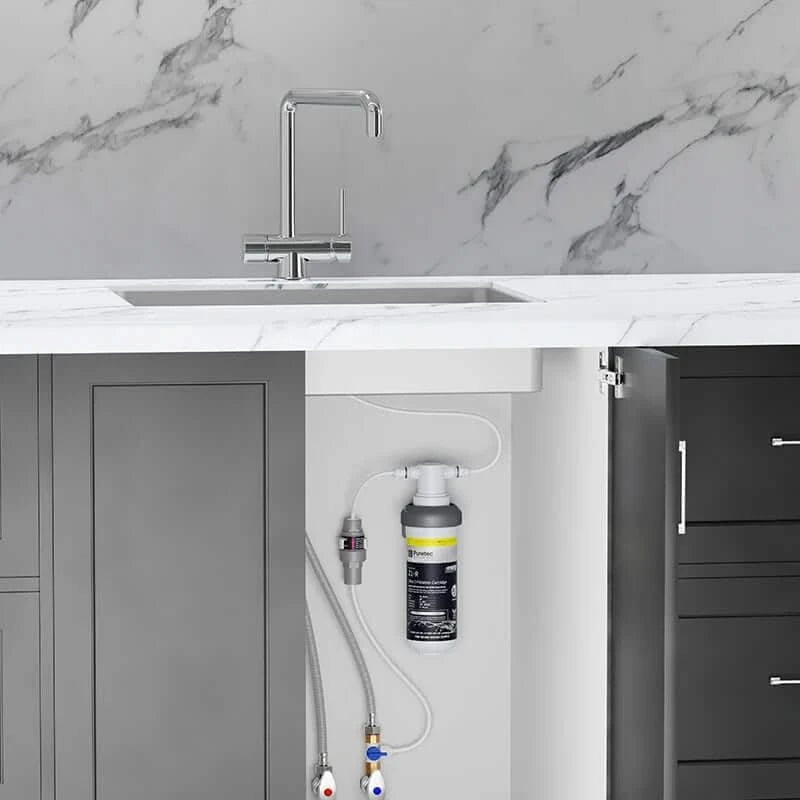
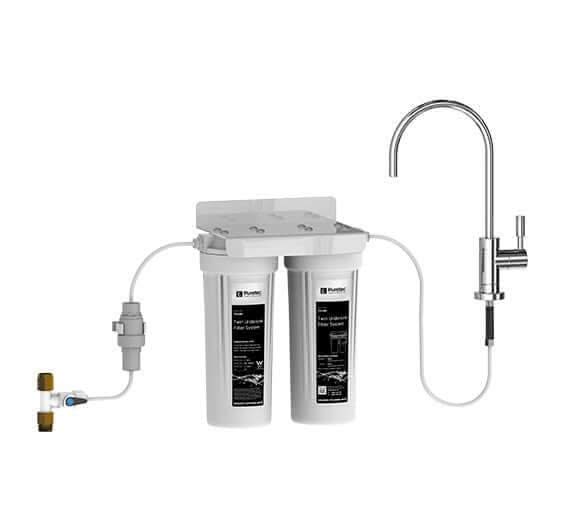
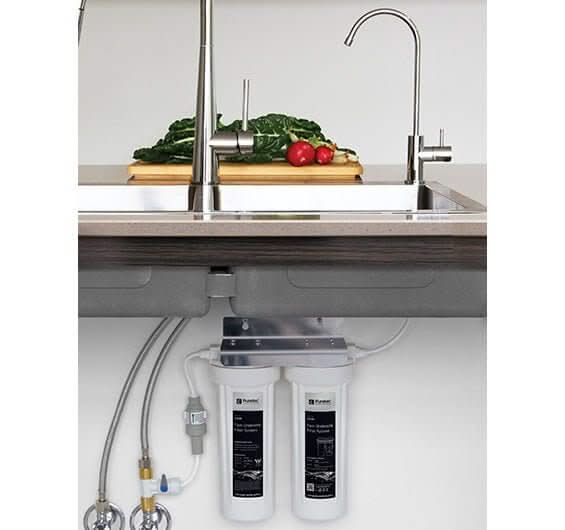
A fridge filter is mainly for chilled water and ice. A kitchen water filter is usually designed for everyday drinking water at the sink.
A kitchen water filter system may be a better fit if you want filtered water for:
-
Drinking water
-
Filling bottles
-
Cooking
-
Kettles
-
Coffee machines
-
Tea
-
Pet bowls
-
Food preparation
-
General kitchen use
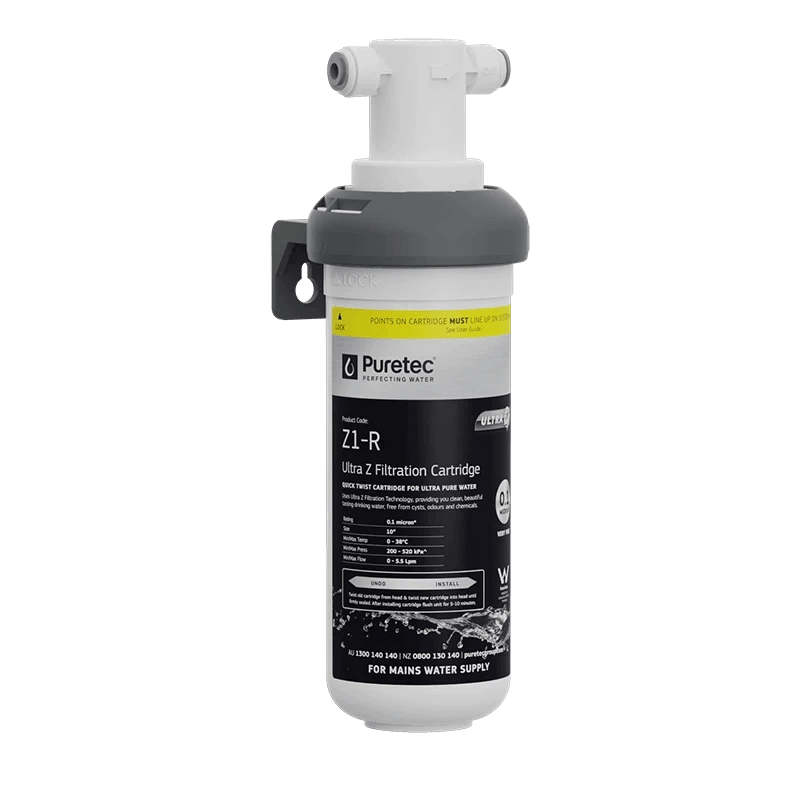
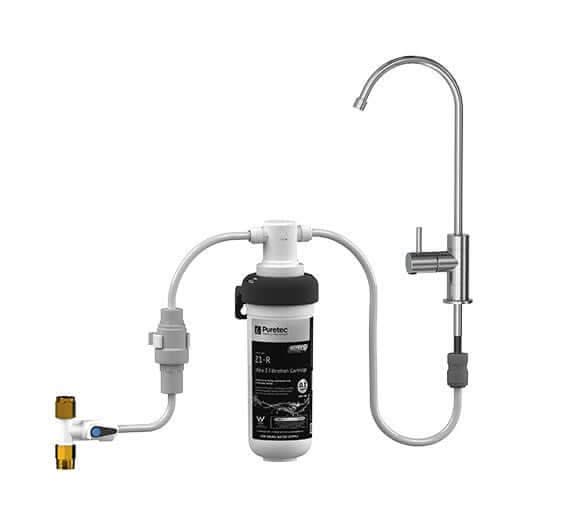
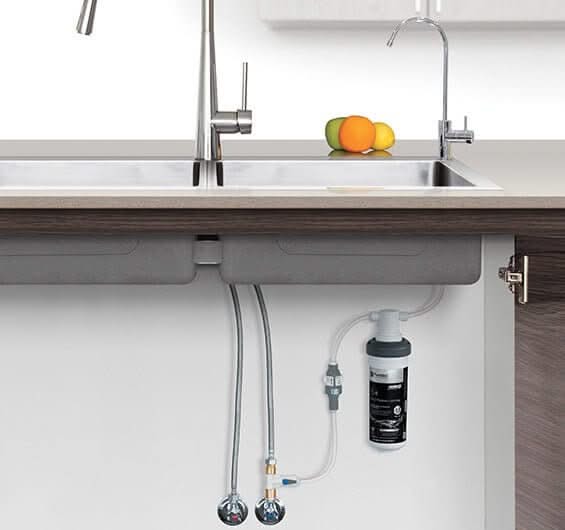
A product like the Puretec PureMix Z7 Inline Water Filter, Puretec PureMix Z2 Water Filter or Puretec PureMix Z6 Inline Water Filter may suit households wanting a compact inline option for kitchen drinking water, depending on plumbing suitability and water quality.
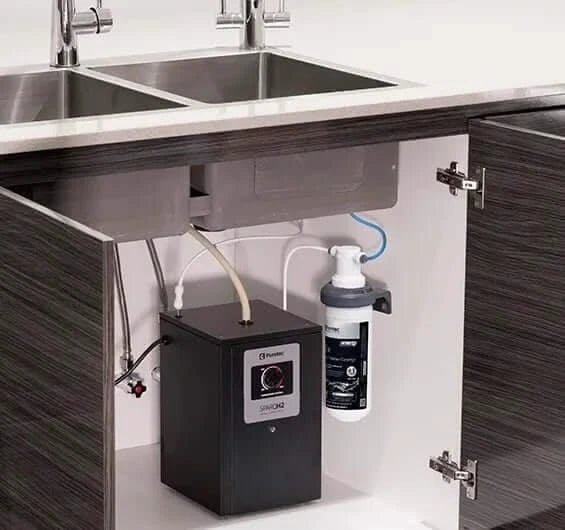
For homes wanting a separate filtered water outlet, a system such as the Puretec X4 Kitchen Dedicated Outlet Single Filter System may be worth comparing.
Fridge Filter vs Drinking Water Filtration System
A drinking water filtration system is designed specifically for water you drink and use in the kitchen.
Compared with many fridge filters, a dedicated drinking water filter can offer:
-
More flexible placement
-
Easier access at the sink
-
Larger cartridge options
-
Better suitability for everyday use
-
Potentially broader filtration depending on the system
-
More control over replacement cartridges
-
Better fit for households that do not use a fridge dispenser often
If you are mainly trying to improve taste and smell for daily drinking water, a dedicated drinking water system may be more useful than relying only on the fridge.
Fridge Filter vs Whole Home Water Filter
A whole home water filtration system is installed to filter water entering the home, rather than only filtering water at one fridge or one kitchen tap.
Whole home filtration may suit households wanting to filter water for:
-
Multiple bathrooms
-
Showers
-
Kitchen taps
-
Laundry
-
Appliances
-
General household use
-
Sediment reduction
-
Chlorine taste and odour reduction across the home
-
Tank water or rural water setups where suitable system selection is important
A whole home filter is a bigger decision than a fridge cartridge. It needs the right system type, flow rate, pressure suitability, cartridge selection, water source assessment and installer confirmation.
For town water, whole home filtration may focus on sediment, chlorine taste and odour. For tank water, rainwater or rural supply, system selection may be more complex and could require UV, sediment filtration or other treatment depending on water testing and intended use.
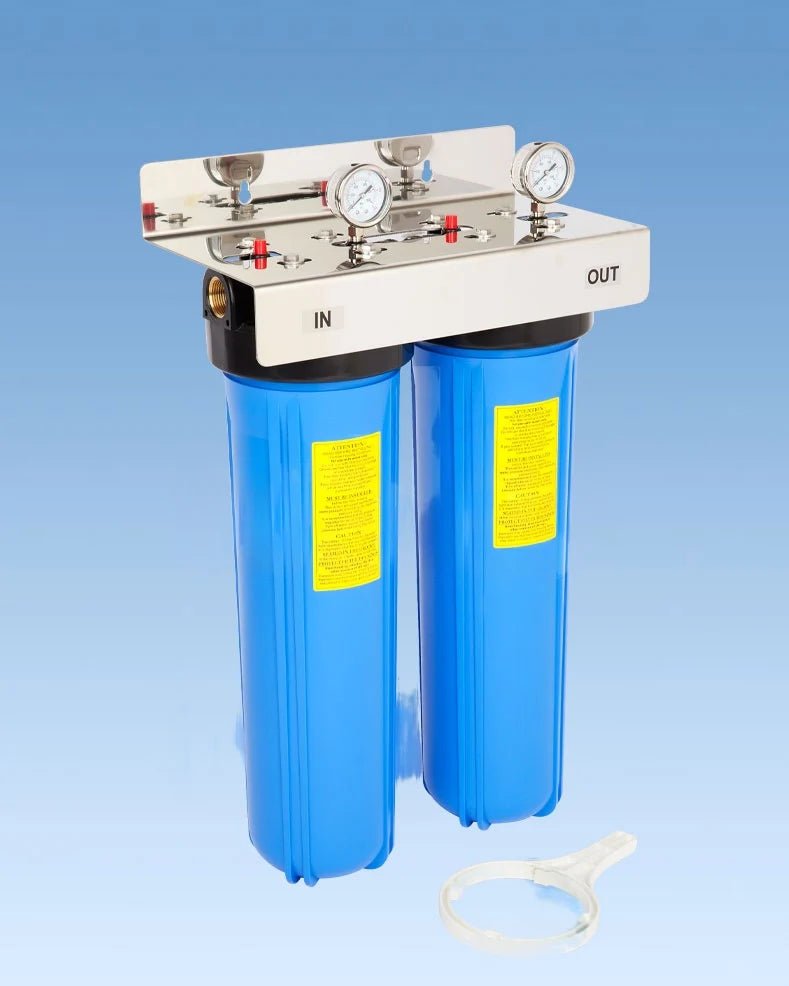
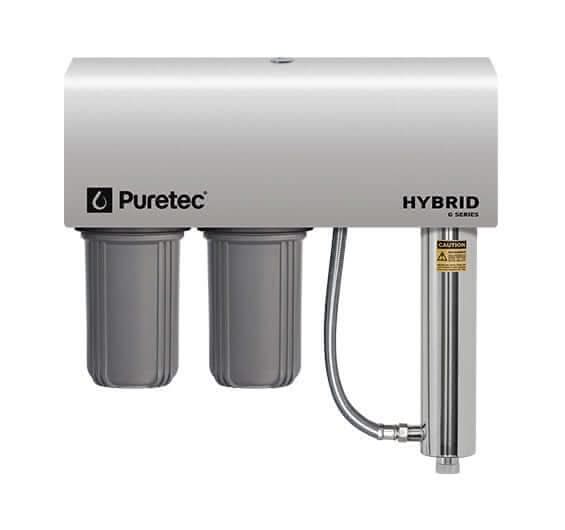
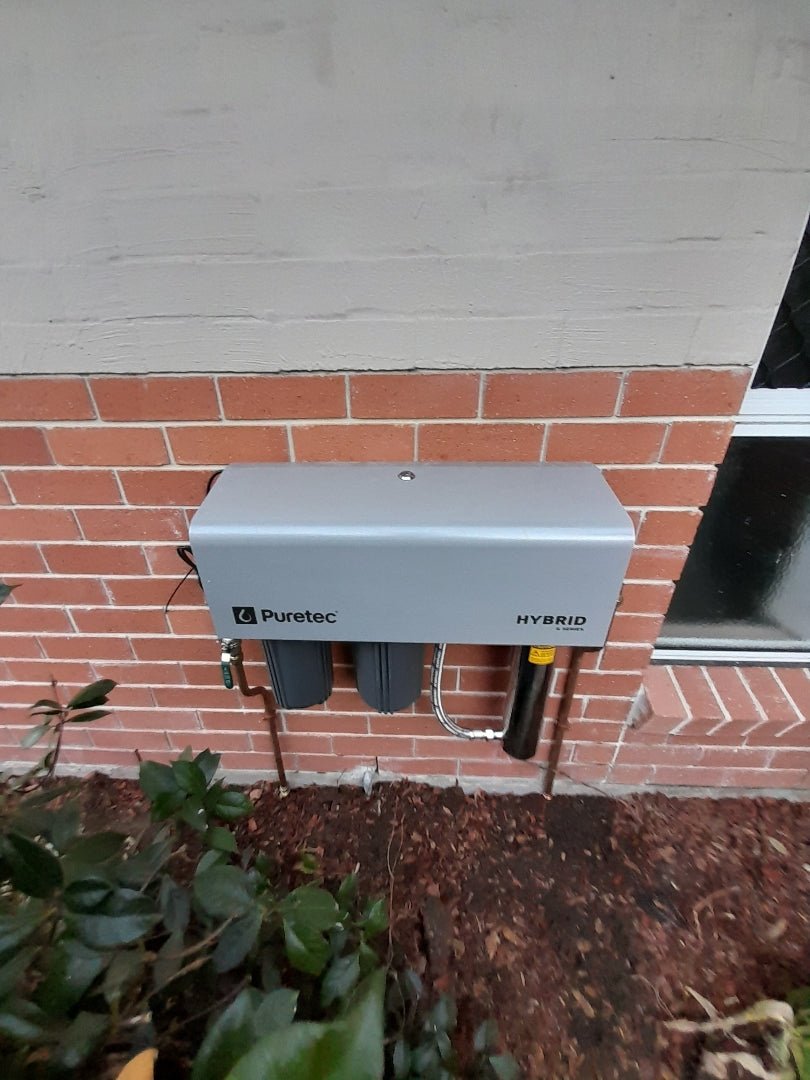
Products such as the Puretec G6 Whole House UV Twin Filter System, Puretec G12 Whole House UV Twin Filter System and Puretec G13 Whole House UV Twin Filter System may suit certain whole-home or UV filtration requirements, but suitability depends on the water source, flow demand and installation setup.
Fridge Filter vs Shower Filter
A fridge filter only filters water used by the fridge. It will not change shower water.
If the issue is chlorine smell, skin feel, hair feel or shower water quality, a shower water filter may be more relevant than replacing the fridge cartridge.
A shower filter is not the same as a drinking water filter. It is designed for shower use, not necessarily for drinking water. The right choice depends on the problem you are trying to solve.
Types of Water Filters to Compare
Activated Carbon Filters
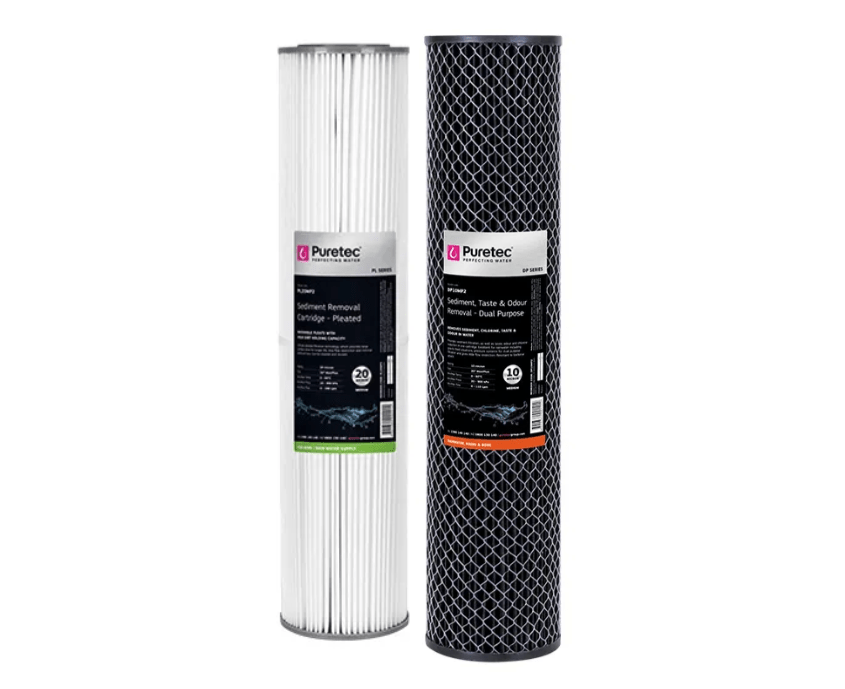
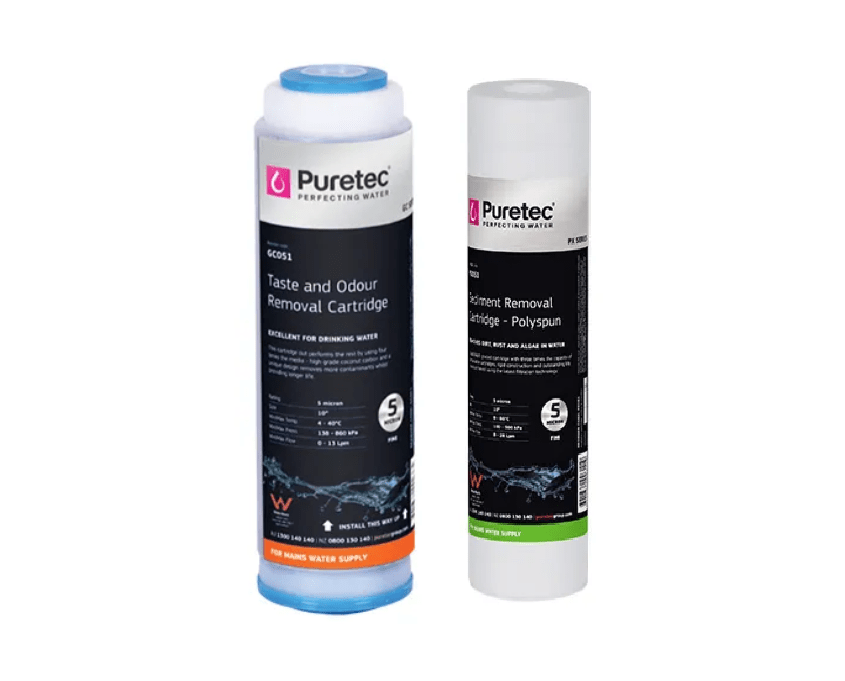
Activated carbon filters are commonly used to reduce chlorine taste, odour and some organic compounds. Many fridge filters, kitchen filters and drinking water systems use some form of carbon filtration.
They are commonly chosen for improving taste and smell on treated town water.
Sediment Filters
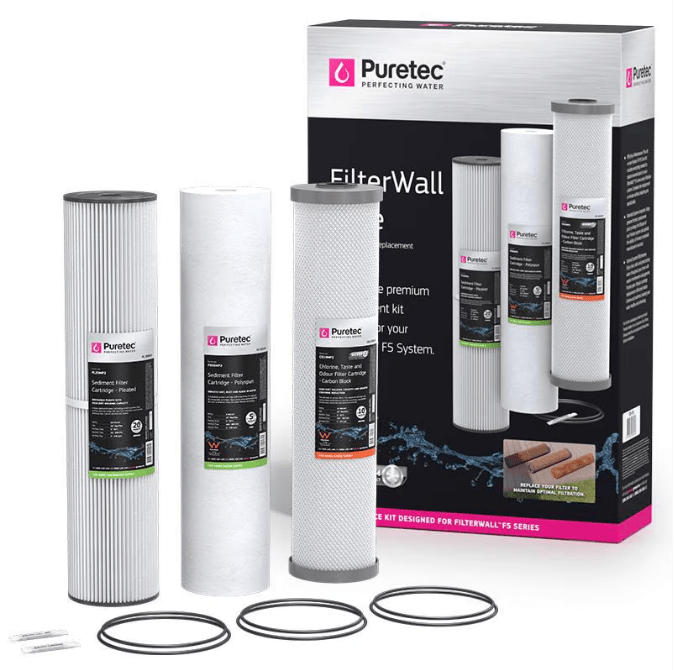
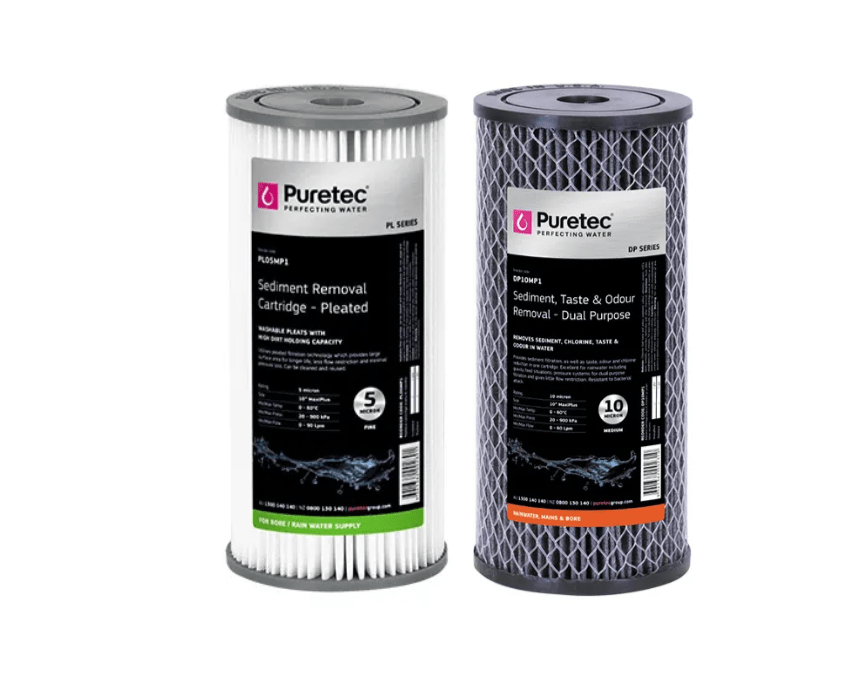
Sediment filters help reduce particles such as dirt, sand, rust and fine debris. They are often used as part of a broader filtration setup, especially where water has visible particles or where a pre-filter is needed.
Sediment filtration may be relevant for whole home systems, rainwater setups and properties with older pipework.
Inline Water Filters
Inline filters are compact filters installed into a water line. They are commonly used for kitchen drinking water, fridges, ice machines and other point-of-use applications.
The main advantage is a neat setup without needing a large filter housing in some applications.
Dedicated Outlet Filters
Dedicated outlet systems usually provide a separate small tap for filtered drinking water at the sink. This can be useful where you want filtered drinking water without filtering every litre used at the main kitchen mixer.
UV Filtration Systems
UV systems use ultraviolet light as part of a water treatment process. They are often considered where microbiological treatment is required, such as some rainwater or rural water applications.
UV systems must be selected carefully. They usually need suitable pre-filtration, clear water, correct flow rate and ongoing lamp maintenance to work properly.
Reverse Osmosis Systems
Reverse osmosis systems use a membrane to reduce a broad range of dissolved solids and contaminants. They can be useful in some drinking water applications but are not the right choice for every home.
RO systems can produce wastewater, may reduce minerals and need cartridge and membrane maintenance. Suitability depends on the water source and what the household is trying to remove.
How Often Should You Replace a Fridge Water Filter?
Most fridge water filters need replacing regularly, often around every 6 months, but the exact timing depends on the fridge brand, cartridge type, water quality and usage.
Signs a fridge filter may need replacing include:
-
Slower water flow
-
Odd taste
-
Unpleasant smell
-
Cloudy water
-
Small or poor-quality ice
-
Visible particles
-
Warning light on the fridge
-
Filter replacement reminder
-
Water that no longer tastes fresh
Do not keep using a filter well past its recommended life. An old cartridge may stop performing properly and can reduce flow through the fridge.
How Often Should Other Water Filter Cartridges Be Replaced?
Replacement timing depends on the filter type, cartridge capacity, water quality and household use.
A kitchen or drinking water cartridge may have a different replacement interval from a whole home cartridge. A UV system may also have lamp maintenance requirements.
Before ordering a water filter, check:
-
Cartridge replacement frequency
-
Replacement cartridge cost
-
Whether cartridges are easy to source
-
Whether the system has a flow limit
-
Whether water pressure is suitable
-
Whether pre-filtration is needed
-
Whether maintenance can be handled easily
A water filter is not a one-time purchase. Cartridge replacement is part of the long-term cost.
Choosing a Water Filter Based on Water Source
Town Water
Town water is already treated, but some households still dislike the chlorine taste, smell or occasional sediment. For many town water homes, a kitchen drinking water filter or whole home carbon and sediment system may be enough, depending on the issue.
Tank Water
Tank water can vary significantly depending on roof condition, gutters, leaf load, tank condition, wildlife exposure and maintenance. A simple fridge filter is not enough to treat all possible tank water risks.
Tank water may require sediment filtration, UV treatment or other system design depending on water testing and intended use.
Rainwater
Rainwater filtration depends on whether the water is used for gardens, toilets, laundry, showers or drinking. Drinking water use needs more careful treatment than non-drinking applications.
A licensed installer or water treatment specialist should confirm the correct filter setup.
Rural Supply
Rural water can vary widely. Bore water, creek water, dam water and carted water can all need different treatment. Do not assume one filter solves every rural water issue.
Water testing is strongly recommended where water quality is uncertain.
Does a Fridge Filter Remove Fluoride?
Most standard fridge filters are not designed to fully remove fluoride. Some may reduce certain substances that affect taste and smell, but fluoride reduction depends on the specific filter technology and certification.
If fluoride removal is a priority, check the filter specifications carefully and consider whether a dedicated drinking water system is more suitable.
Does a Fridge Filter Remove Bacteria?
Most standard fridge filters are not designed to make unsafe water safe from bacteria. Some filters may reduce certain microorganisms depending on certification, but a fridge filter should not be relied on as the only treatment for untreated tank water or unsafe water.
If bacteria, viruses or microbiological safety are a concern, water testing and appropriate treatment such as UV may be required.
Does a Fridge Filter Improve Ice Quality?
Yes, a fridge filter can improve ice taste and smell when the issue is chlorine, odour or particles in the fridge water line. Cleaner-tasting water usually makes better-tasting ice.
However, poor ice quality can also be caused by:
-
Old filter cartridge
-
Dirty fridge water line
-
Old ice in the freezer
-
Freezer odours
-
Low water pressure
-
Fridge maintenance issues
-
Incorrect filter installation
Replacing the filter may help, but it may not solve every fridge or ice maker issue.
Cost: Fridge Filters vs Bottled Water
A fridge filter can be more cost-effective than regularly buying bottled water, especially for households that use chilled drinking water every day.
However, the real comparison should include:
-
Filter cartridge cost
-
Replacement frequency
-
Fridge model compatibility
-
Whether you need filtered water outside the fridge
-
Whether a kitchen system would be more convenient
-
Plastic bottle waste
-
Delivery or storage of bottled water
-
Long-term household usage
A dedicated drinking water system can also reduce reliance on bottled water while making filtered water available straight from the kitchen.
Environmental Considerations
Using a fridge filter, kitchen filter or whole home filter can help reduce single-use plastic bottles. For households that regularly buy bottled water, switching to a refillable bottle and filtered tap water can reduce waste and save storage space.
The best option is the one the household will actually use. If filtered water is easy to access from the kitchen tap, fridge dispenser or dedicated outlet, people are more likely to drink it regularly.
Common Mistakes When Choosing a Water Filter
Assuming a Fridge Filter Covers the Whole Home
A fridge filter usually only filters water going to the fridge. It does not filter showers, bathrooms, laundry or the main kitchen tap unless those are connected to a separate filtration system.
Choosing a Filter Without Checking Water Source
Town water, tank water, rainwater and rural supply can require different filter setups. Match the filter to the water source.
Ignoring Cartridge Replacement Costs
A cheap filter system may not be cheap long term if cartridges are expensive or need replacing often.
Buying the Wrong Cartridge
Fridge filters and replacement cartridges are often model-specific. Check compatibility before ordering.
Expecting One Filter to Remove Everything
No single basic filter solves every water issue. Sediment, chlorine, taste, odour, bacteria, hardness, heavy metals and dissolved solids may require different treatment methods.
Forgetting Flow Rate and Pressure
A filter must suit the home’s flow and pressure requirements. This is especially important for whole home systems.
When a Fridge Filter Makes Sense
A fridge filter may be suitable if:
-
You mainly drink chilled fridge water
-
You want filtered ice
-
Your fridge has a built-in dispenser
-
You are happy replacing cartridges regularly
-
Your town water is already treated
-
You only want point-of-use filtration at the fridge
It may not be enough if you want filtered water from the kitchen tap, bathrooms, showers or the whole home.
When a Kitchen Water Filter Makes More Sense
A kitchen filter may be better if:
-
You drink most water from the kitchen
-
You fill bottles often
-
You use filtered water for cooking
-
You want filtered water for tea and coffee
-
You do not use your fridge dispenser much
-
You want easier access to replacement cartridges
-
You want a dedicated drinking water outlet
Start by comparing drinking water filtration systems and kitchen water filters.
When a Whole Home Filter Makes More Sense
A whole home filter may be better if:
-
You want filtration across multiple taps
-
You want to reduce sediment entering the home
-
You want better water for showers and bathrooms
-
You use tank or rainwater
-
You want a larger-capacity filtration setup
-
You want to filter water before it reaches appliances
Compare whole home water filtration systems and confirm sizing, pressure, flow and maintenance requirements before ordering.
Before Ordering Checklist
Before choosing a fridge filter, kitchen filter or whole home water filter, confirm:
-
Your water source
-
What you want to reduce
-
Whether the filter is for drinking water, shower water or the whole home
-
Flow rate requirements
-
Water pressure suitability
-
Filter cartridge replacement frequency
-
Replacement cartridge cost
-
Installation location
-
Available space
-
Fridge model compatibility, if buying a fridge filter
-
Whether a licensed plumber is needed
-
Whether water testing is recommended
-
Whether UV, sediment or pre-filtration is required
Frequently Asked Questions
Are fridge water filters worth it?
Fridge water filters can be worth it if you regularly use your fridge water dispenser or ice maker. They can improve taste, smell and ice quality. However, they only filter water going through the fridge and do not replace a kitchen or whole home water filter.
Is a fridge filter better than a kitchen water filter?
Not always. A fridge filter is convenient for chilled water and ice, while a kitchen water filter is usually better for everyday drinking, cooking, bottle filling, tea and coffee.
How often should I replace a fridge water filter?
Many fridge filters are replaced around every 6 months, but the correct timing depends on the fridge brand, cartridge type, usage and water quality. Follow the manufacturer’s replacement guide.
Can I use fridge water without a filter?
Some fridges can still dispense water without a filter, but water quality, taste and appliance performance may be affected depending on the fridge design. Check the fridge manufacturer’s instructions.
Do fridge filters remove chlorine?
Many fridge filters can reduce chlorine taste and odour, but performance depends on the cartridge type and certification.
Do fridge filters remove bacteria?
Most basic fridge filters should not be relied on to make unsafe water safe. If bacteria or microbiological contamination is a concern, water testing and appropriate treatment such as UV may be needed.
What is better than a fridge water filter?
If you want filtered water outside the fridge, a drinking water filter, kitchen water filter or whole home water filtration system may be better. The right choice depends on where you want filtered water and what you want to reduce.
What water filter should I choose for tank water?
Tank water may need sediment filtration, UV treatment or other filtration depending on water quality and intended use. A simple fridge filter is usually not enough for untreated tank water. Water testing is recommended.
Final Word
A fridge water filter can be a useful option for chilled drinking water and ice, but it is only one part of home water filtration. If you want better-tasting drinking water at the kitchen sink, compare dedicated drinking water filters. If you want filtered water across the home, compare whole home water filtration systems. If shower water is the issue, look at shower filters.
The best water filter depends on your water source, usage, maintenance expectations and where you want filtered water available. Before ordering, check cartridge replacement costs, flow rate, pressure, installation requirements and whether the system suits town water, tank water, rainwater or rural supply.