
Why Filtered Water Is Better for Your Home
Filtered water can make a noticeable difference to the way your household drinks, cooks, showers and uses water every day. The right water filter can help reduce unwanted taste, odour, sediment, chlorine, scale-forming minerals and selected contaminants, depending on the filter type, cartridge and water source.
For Australian homes, the best filtration setup is not always the biggest or most expensive system. A kitchen drinking water filter, under sink filter, whole home filter, shower filter, reverse osmosis system or UV filtration system may all suit different problems.
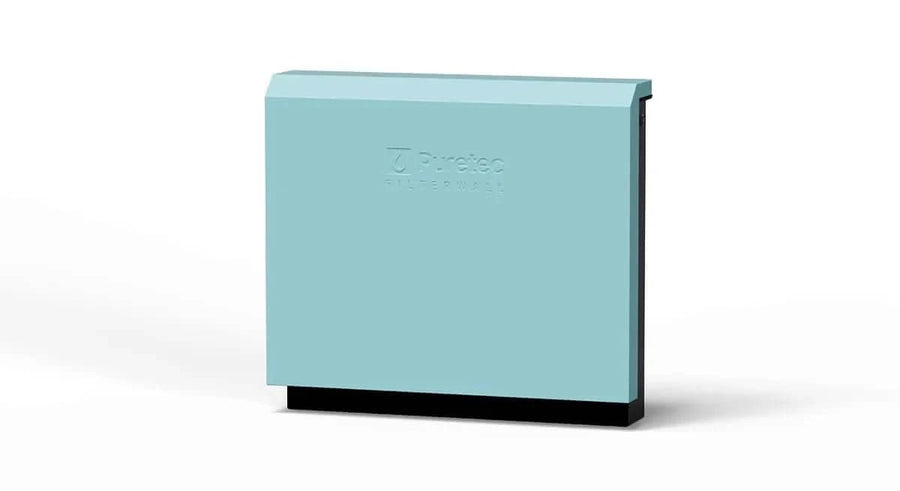
Installed Today offers a range of water filters, including drinking water filtration systems, kitchen water filters, whole home water filtration systems, shower water filters and Puretec water filtration systems for customers comparing filter options online.
Quick Answer
Filtered water is better for many homes because it can improve taste, reduce odour, lower sediment and reduce selected contaminants before the water is used for drinking, cooking, showering or household appliances.
The right system depends on what you want to filter:
-
Drinking water filters are usually for taste, odour and selected drinking water contaminants
-
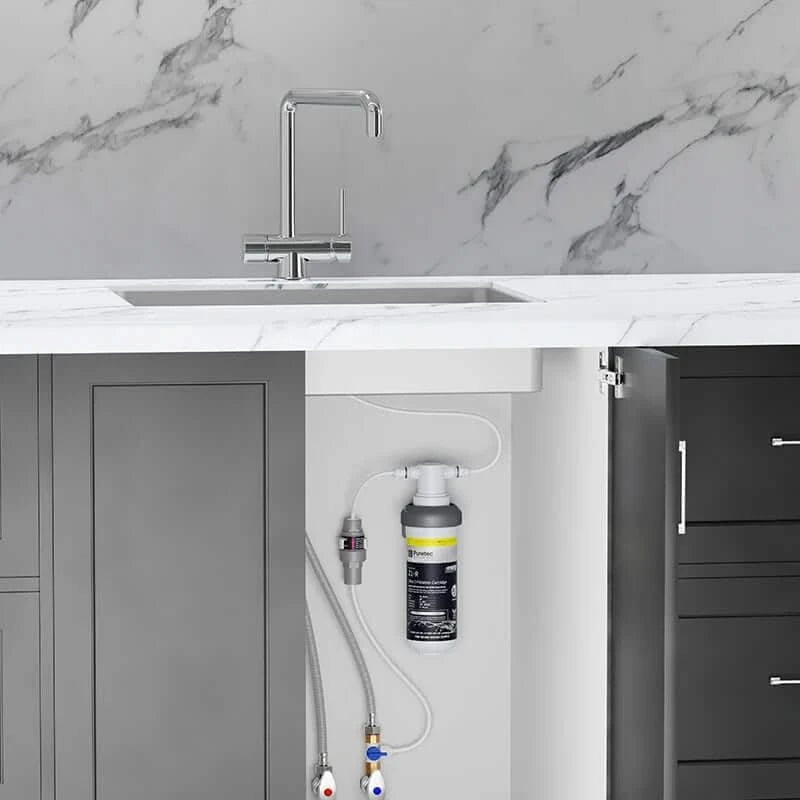
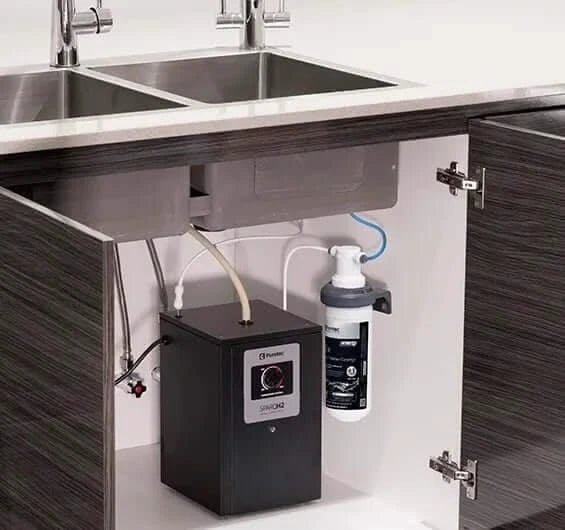
Kitchen water filters are often installed under the sink for daily drinking and cooking water
-
Whole home filters treat water before it reaches taps, showers and appliances
-
Shower filters are for shower water, not drinking water
-
Reverse osmosis systems are used where finer filtration is required
-
UV systems are used where bacteria risk is a concern, especially for some rainwater or untreated water supplies
One filter does not solve every issue. Water source, cartridge type, certification, maintenance and replacement schedule all matter.
Why Filtered Water Matters at Home
Most people notice filtered water first through taste. Chlorine taste, earthy odours, sediment or metallic notes can make tap water less appealing, which often leads households to buy bottled water instead.
A suitable water filter can help make everyday water more pleasant for:
-
Drinking
-
Coffee and tea
-
Cooking
-
Filling reusable bottles
-
Washing fruit and vegetables
-
Ice and chilled water
-
Brushing teeth
-
Showering, depending on the system
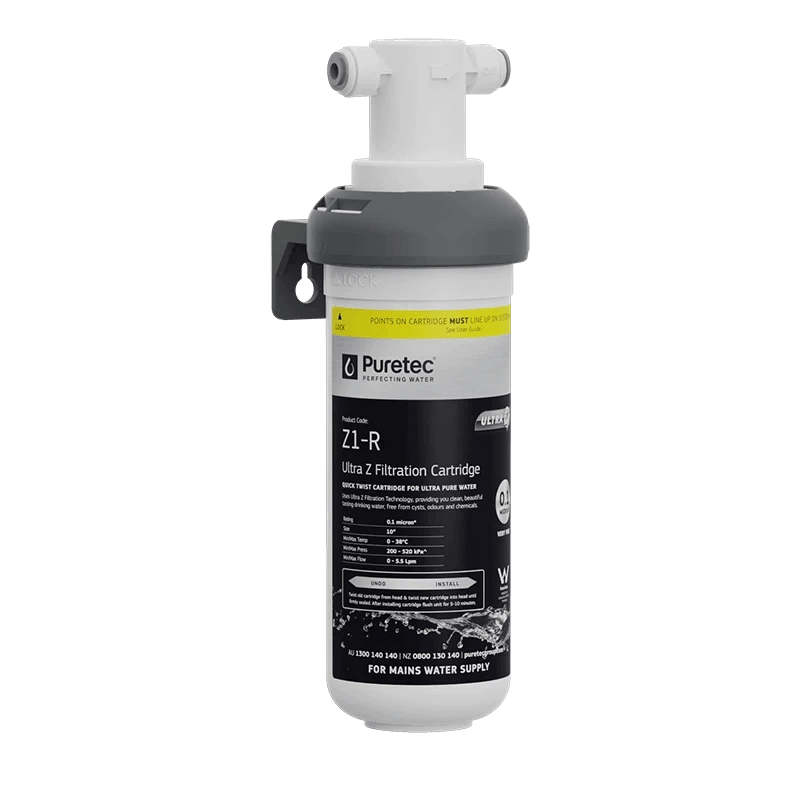
For homes that want filtered drinking water at the kitchen sink, products like the Puretec PureMix Z7 water filter, Puretec PureMix Z2 water filter and Puretec PureMix Z6 water filter are commonly compared as under sink drinking water options.
Common Problems Filtered Water Can Help With
Filtered water can help with several common household water complaints, depending on the filter system selected.
Chlorine Taste and Smell
Town water is commonly disinfected before it reaches homes. While disinfection is important, some households dislike the taste or smell of chlorine in drinking water.
Activated carbon filtration can often help reduce chlorine taste and odour, making water more enjoyable for drinking, tea, coffee and cooking.
Sediment and Cloudiness
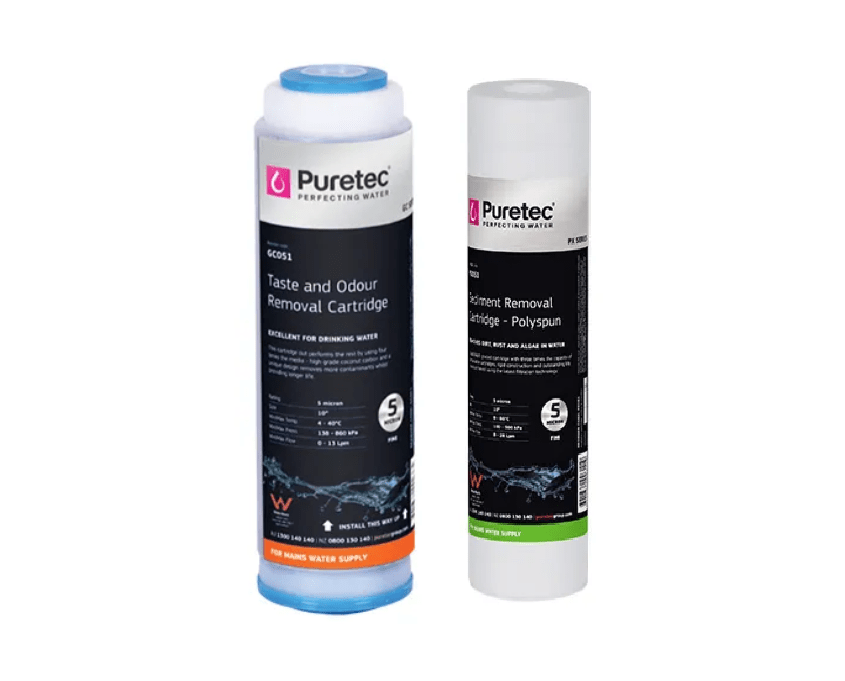
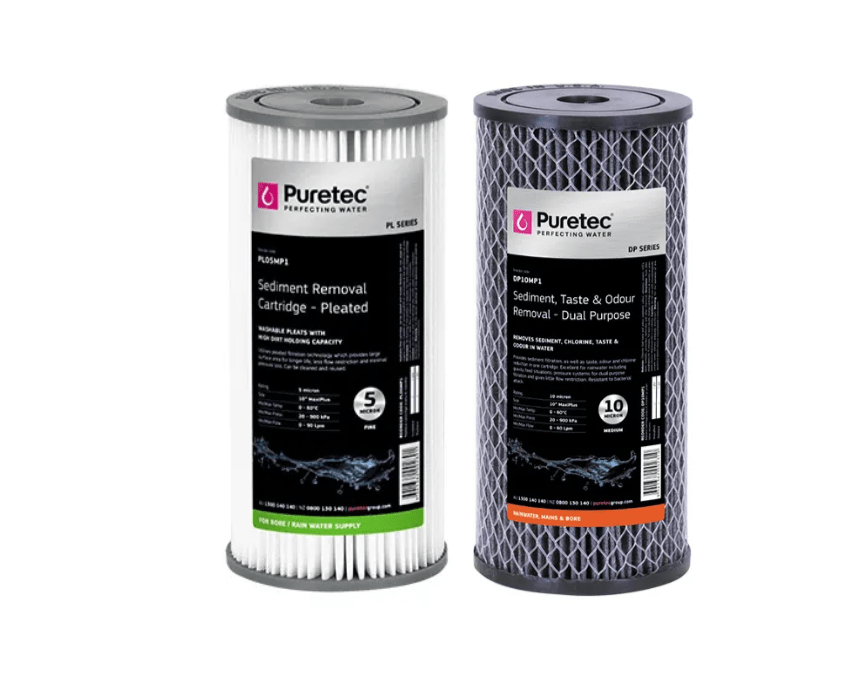
Sediment can come from pipework, mains repairs, tank water, rainwater systems or local water supply conditions. Sediment filters are designed to capture physical particles before they reach taps or appliances.
For homes with visible particles, a whole home system may be more suitable than a single kitchen filter, depending on the issue.
Metallic Taste
A metallic taste can come from plumbing, water chemistry or dissolved metals. The right filter depends on the cause. Some cartridges target taste and odour only, while others are designed for a broader range of contaminants.
Where heavy metals are a concern, water testing and product specification checks are important before choosing a filter.
Scale and Appliance Build-Up
Some homes experience scale, marks on fixtures or build-up in appliances. Filtration may help in some cases, but the right solution depends on the water chemistry and whether the problem is sediment, hardness, minerals or another issue.
Rainwater, Bore Water and Untreated Water Concerns
Rainwater and bore water can need a more specific approach than standard town water. Water source matters.
For rainwater, bore water, bacteria concerns, PFAS, heavy metals or health-related concerns, water testing is important before selecting a filter. A basic taste-and-odour filter is not automatically a bacteria, PFAS, heavy metal or whole-home treatment solution.
Types of Home Water Filtration Systems
Different filters solve different problems. Choosing the right one starts with understanding where the water is used and what needs to be reduced.
Drinking Water Filters
Drinking water filters are designed for water used for drinking, cooking and food preparation. These are often installed under the kitchen sink or connected to a dedicated filtered water tap.
A drinking water filtration system can suit households that mainly want better-tasting water at the kitchen sink without filtering every tap in the home.
Common reasons to choose a drinking water filter include:
-
Better tasting water
-
Reduced chlorine taste and odour
-
Less reliance on bottled water
-
Cleaner water for tea and coffee
-
Convenient filtered water at the kitchen sink
Kitchen Water Filters
Kitchen filters are a practical option for households that use most of their drinking and cooking water from one location. They can be a good choice for homes that do not need whole home filtration.
The kitchen water filters range is worth comparing if you want a neat under sink option for daily use.
Whole Home Water Filtration Systems
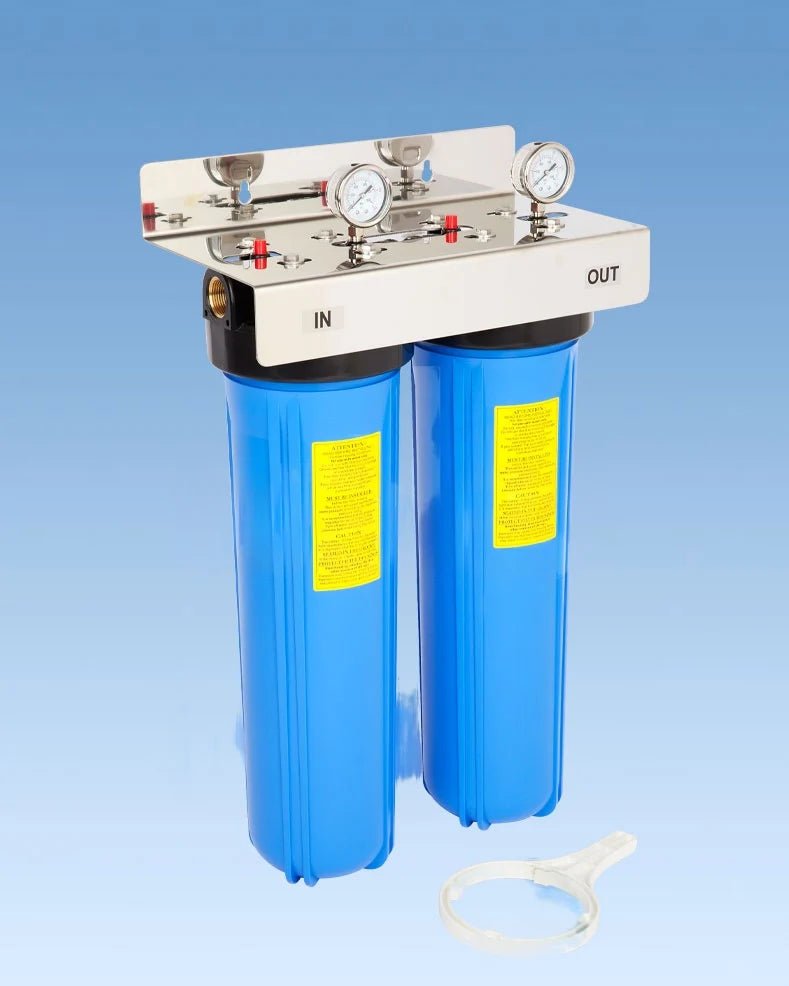
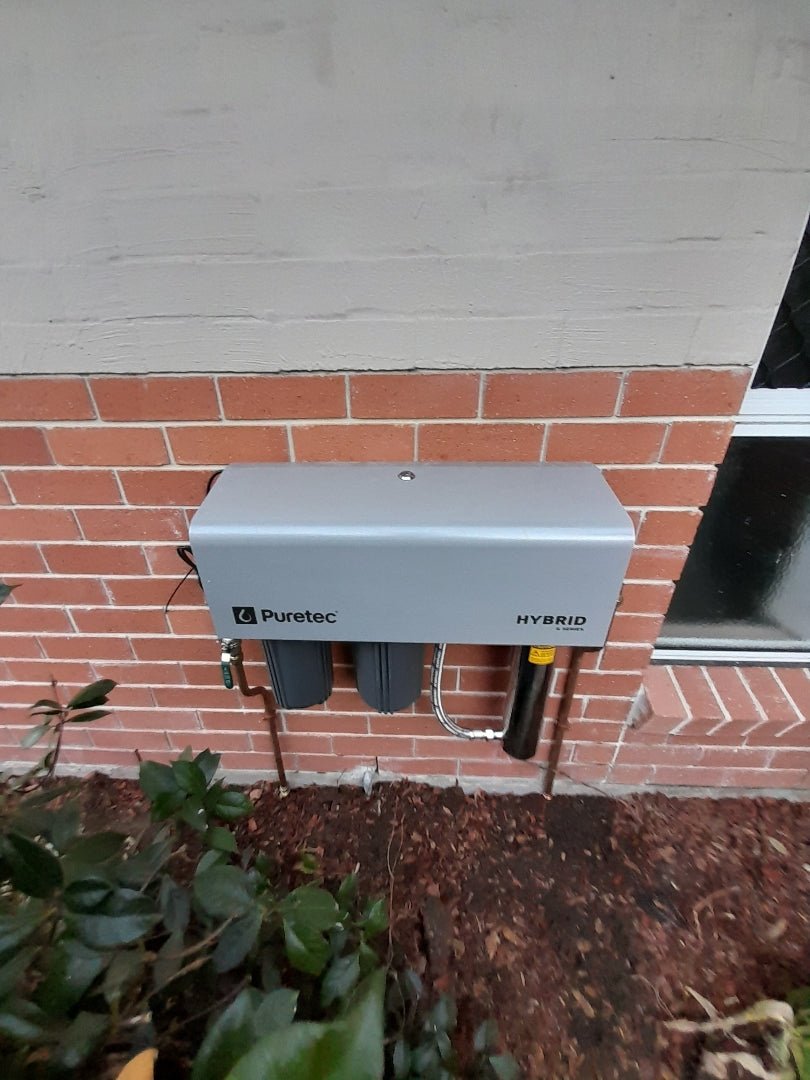
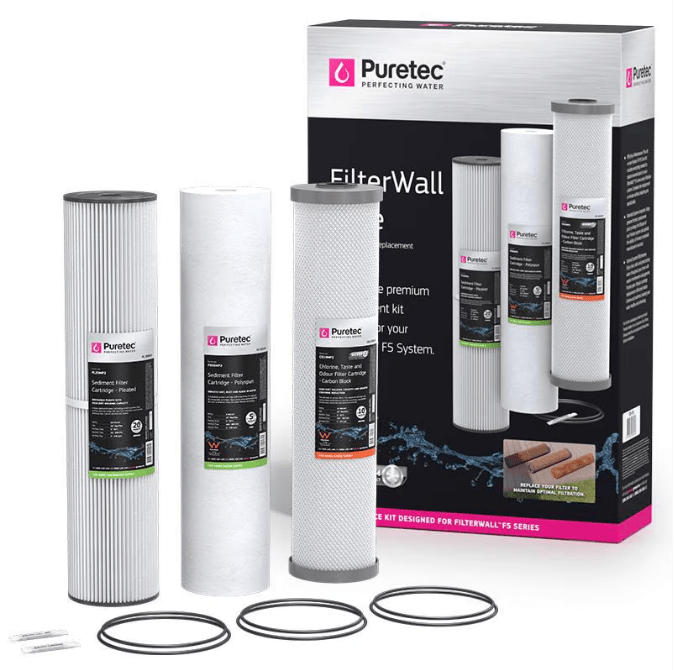
A whole home filtration system treats water before it reaches multiple taps, showers and appliances. This can suit homes that want filtered water throughout the property, not just at the kitchen sink.
A whole home water filtration system may help reduce sediment, chlorine taste and odour, depending on the filter selected.
Whole home filters can be useful where the goal is to improve water used for:
-
Showers
-
Basins
-
Laundry
-
Kitchen taps
-
Appliances
-
General household use
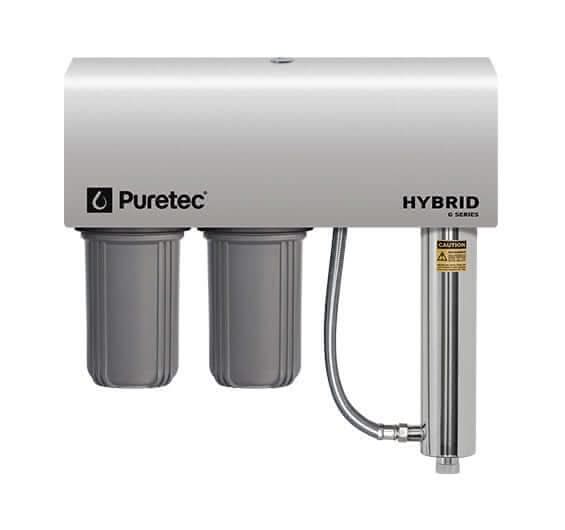
Products such as the Puretec G6 whole house water filter, Puretec G12 whole house water filter and Puretec G13 whole house water filter are examples of whole home options customers may compare.
Shower Water Filters
Shower filters are designed for shower water, not drinking water. They may suit households that want to reduce chlorine exposure or improve the feel and smell of shower water.
A shower water filter is not a substitute for a drinking water filter, reverse osmosis system or whole home filtration system. It is a targeted product for the shower.
Reverse Osmosis Filters
Reverse osmosis systems use a fine membrane to reduce a broader range of dissolved substances than many standard carbon filters. They are often considered where households want more advanced drinking water filtration.
Reverse osmosis may be suitable for specific water concerns, but it is not always necessary for every home. Flow rate, wastewater, cartridge replacement, membrane maintenance and remineralisation preferences should all be considered.
UV Water Filters
UV filtration is used to help manage bacteria and microbiological concerns in certain water supplies. It is often relevant for untreated water sources, rainwater tanks or properties where biological contamination risk needs to be addressed.
UV does not remove sediment, chemicals or taste on its own. It is usually part of a broader filtration setup that includes sediment filtration before the UV chamber. UV bulbs also need regular replacement, commonly around every 12 months depending on the system.
Activated Carbon Filters
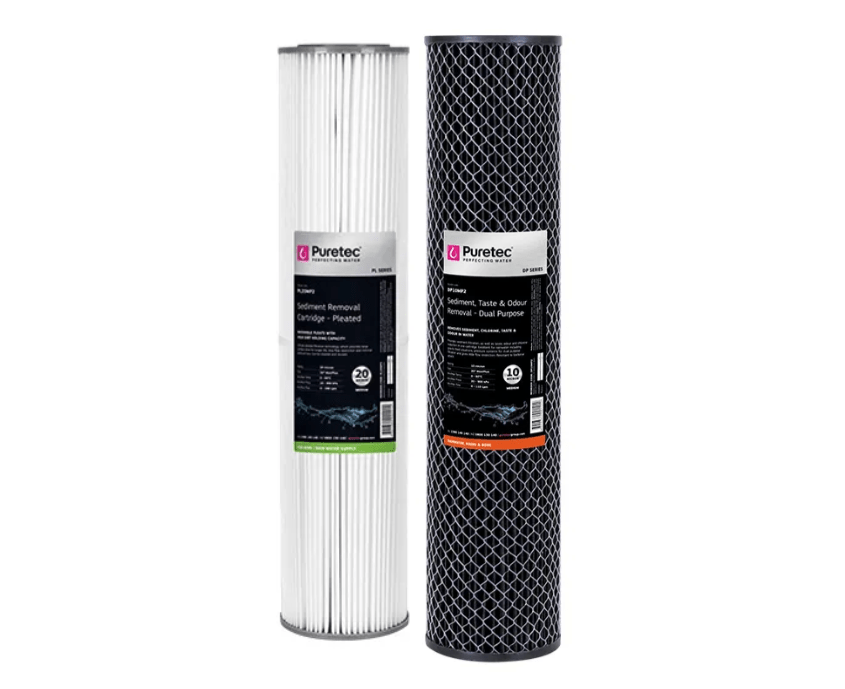
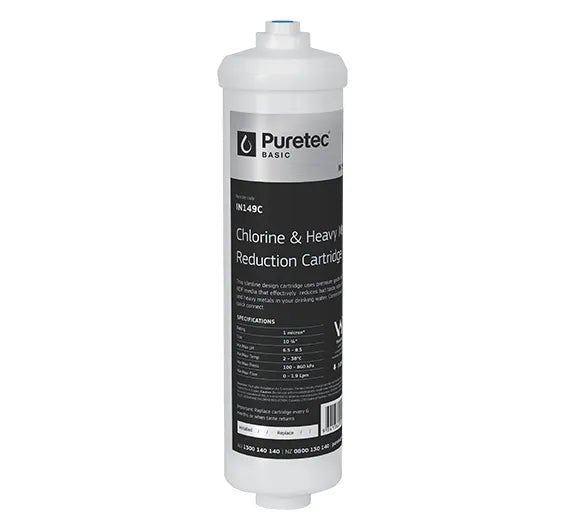
Activated carbon is commonly used to reduce chlorine taste, odour and selected organic compounds. It is one of the most common filter media types in household drinking water filters.
Carbon filters are useful for many town water taste and odour complaints, but they should not be assumed to remove every contaminant. Cartridge specification matters.
PFAS, Heavy Metals and Health-Related Water Concerns
If you are concerned about PFAS, lead, heavy metals, bacteria, pesticides, bore water, rainwater or health-related contaminants, do not choose a filter based on marketing claims alone.
The safer process is:
-
Identify your water source
-
Test the water where appropriate
-
Check the filter specification
-
Confirm what the cartridge is designed to reduce
-
Follow the replacement schedule
-
Use the correct system for the concern
A taste-and-odour filter is not automatically a PFAS filter, bacteria filter or heavy metal filter. For health-related concerns, proper water testing and product matching are important.
Filtered Water vs Bottled Water
One reason many households choose a home water filter is to reduce reliance on bottled water.
Bottled water can be convenient, but it also creates ongoing cost, storage and plastic waste. A home filtration system can provide filtered water at the tap, making it easier to refill reusable bottles and reduce single-use plastic.
For families, this can be especially useful because filtered water is available whenever needed for school bottles, work bottles, cooking and everyday drinking.
Filtered Water for Cooking and Hot Drinks
Filtered water is not just for drinking. Many households notice the difference when using filtered water for:
-
Tea
-
Coffee
-
Rice
-
Pasta
-
Soup
-
Baby bottle preparation, where applicable advice is followed
-
Ice cubes
-
Cordial or chilled drinks
Reducing chlorine taste and odour can make hot drinks and food taste cleaner, especially when water is a major ingredient.
How to Choose the Right Water Filter for Your Home
The best filter depends on your water source, household habits and the problem you want to solve.
Before ordering, consider:
-
Are you on town water, rainwater or bore water?
-
Is the issue taste, odour, sediment, chlorine, scale, bacteria or something else?
-
Do you want filtered drinking water only?
-
Do you want filtered water throughout the whole home?
-
Do you need a shower filter only?
-
Are you concerned about PFAS, heavy metals or health-related contaminants?
-
Has the water been tested where needed?
-
How many people use the filtered water daily?
-
What cartridge replacement schedule is required?
-
Is there enough space under the sink or at the main line?
-
Will installation require plumbing work?
For kitchen drinking water, a product such as the Puretec PureMix Z7 may suit some households. For whole-home use, systems such as the Puretec G13 whole house water filter may be considered depending on water quality goals and site requirements.
Why Maintenance Matters
A water filter only works properly when it is maintained. Cartridges do not last forever. Once a cartridge reaches the end of its service life, water quality, flow rate and filter performance can decline.
Common signs a filter may need attention include:
-
Reduced water flow
-
Change in taste
-
Change in smell
-
Visible sediment
-
Cartridge age
-
Reaching the stated litre capacity
-
Reaching the stated time interval
Always follow the manufacturer’s maintenance instructions. Replacement timing depends on water quality, usage and the specific cartridge.
Supply-Only vs Supplied-and-Installed
Installed Today offers supply-only ordering across major Australian metro areas. This can suit customers who already have a licensed installer organised and want to order the product online.
Selected supplied-and-installed options are available on eligible products in Brisbane and Gold Coast service areas. Availability depends on the product, address and installation requirements.
For supply-only products, the listed product price generally covers the product only.
It does not usually include:
-
Installation labour
-
Plumbing alterations
-
Electrical work
-
New valves
-
Pipework changes
-
Drainage changes
-
Old filter removal
-
Disposal
-
Compliance upgrades
-
Wall mounting changes
-
Cabinet modifications
-
Tap hole drilling unless listed
-
Site assessment
-
Water testing
-
Cartridge replacement labour
Plumbing work should be completed by a licensed plumber where required. If you are ordering a supply-only filter, confirm the product, connection type, available space and installation requirements with your installer before ordering.
Brisbane and Gold Coast Water Filter Considerations
Homes across Brisbane and the Gold Coast can have different filtration goals depending on water source, plumbing condition, property age and household preferences.
Town water households may mainly want better taste, reduced chlorine odour or filtered drinking water at the kitchen sink. Acreage, semi-rural or tank water homes may need a more specific approach, especially where rainwater, pumps, sediment or bacteria concerns are involved.
For health-related concerns, PFAS concerns, heavy metals, bore water or rainwater, water testing should be considered before selecting a filter. A standard kitchen carbon filter may improve taste but may not solve more complex water quality issues.
Before Ordering Checklist
Before choosing a water filter, check:
-
Your water source: town water, rainwater or bore water
-
The main issue: taste, odour, sediment, chlorine, PFAS, bacteria, heavy metals or scale
-
Whether water testing is needed
-
Whether you need drinking water only or whole home filtration
-
Available space under the sink or near the main water line
-
Pipe size and connection requirements
-
Cartridge replacement cost and schedule
-
Filter flow rate and household demand
-
Whether a licensed plumber is required
-
Whether you are ordering supply-only or an eligible supplied-and-installed option
Frequently Asked Questions
Is filtered water better than tap water?
Filtered water can be better for taste, odour and selected contaminants, depending on the filter used. Tap water quality varies by source and property. The right filter should be matched to the water issue you want to reduce.
Does one water filter remove everything?
No. One filter does not remove every possible contaminant. A taste-and-odour filter is not automatically a PFAS, bacteria, heavy metal or reverse osmosis filter. Always check the product specification.
What is the best water filter for drinking water?
The best drinking water filter depends on your water source and concerns. For many town water homes, an under sink drinking water filter may suit daily use. For more specific concerns, reverse osmosis or additional filtration may be needed.
Are shower filters the same as drinking water filters?
No. Shower filters are designed for shower water. They are not drinking water filters and should not be used as a substitute for a kitchen drinking water system.
Do whole home water filters filter every tap?
Whole home filters are usually installed before water branches to the home, so they can treat water going to multiple taps, showers and appliances. The result depends on system type, cartridge selection and installation setup.
Do I need water testing before buying a filter?
Water testing is recommended where there are concerns about PFAS, heavy metals, bacteria, bore water, rainwater, unusual taste, staining, health-related contaminants or unknown water quality.
How often do water filter cartridges need replacing?
Replacement timing depends on the cartridge, water usage and water quality. Some cartridges are replaced based on months, litres or flow performance. Always follow the manufacturer’s replacement schedule.
Can I install a water filter myself?
Some simple products may be designed for basic connection, but many under sink and whole home filters require plumbing work. Plumbing work should be completed by a licensed plumber where required.
Final Word
Filtered water can make everyday water more pleasant, practical and convenient for your home. The key is choosing the right filter for the right job.
A kitchen drinking water filter may be ideal if you mainly want better-tasting water for drinking and cooking. A whole home system may be better if you want filtered water across taps, showers and appliances. A shower filter can help with shower water, while reverse osmosis or UV may be needed for more specific concerns.
Browse Installed Today’s range of water filters, compare drinking water filtration systems, or view Puretec water filtration systems to find a suitable option for your home.