
Aquatech Heat Pump Review: Is It the Right Hot Water System for Your Home?
The Aquatech heat pump is a hot water option for households comparing energy-efficient electric hot water systems. It is commonly considered by customers replacing an older electric storage tank, looking to reduce reliance on standard electric element heating, or wanting a heat pump that can suit everyday residential hot water use.
Like any heat pump hot water system, Aquatech should not be chosen on efficiency claims alone. The right choice depends on your household size, hot water demand, outdoor location, airflow, drainage, electrical setup, noise placement, warranty expectations, access and whether the unit is being ordered supply only or with a supplied-and-installed option where available.
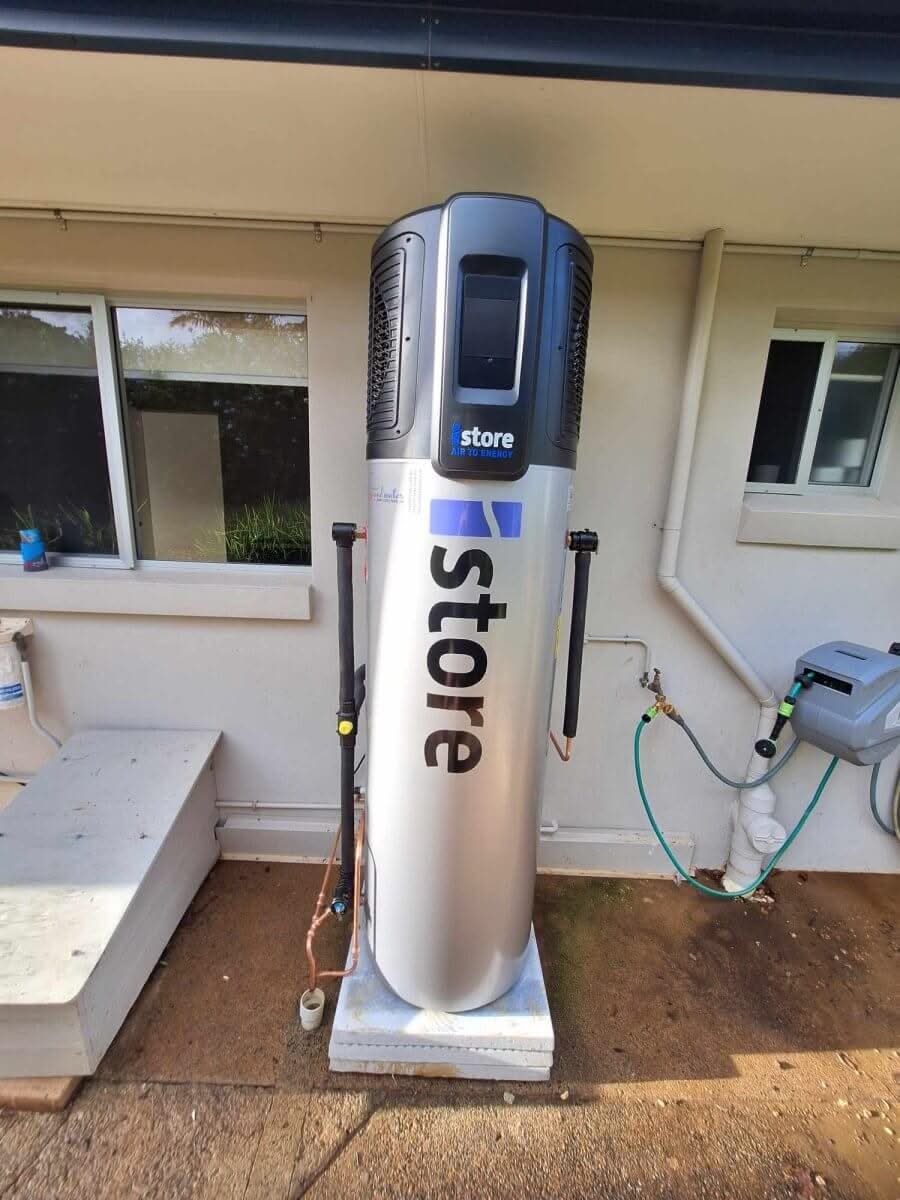
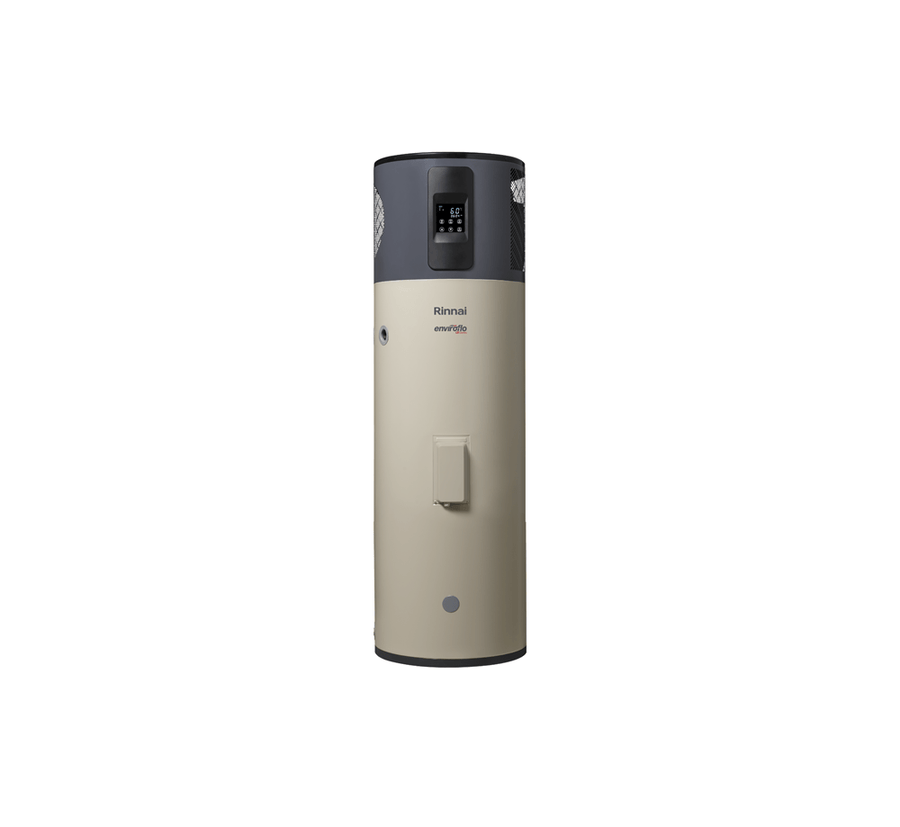
This Aquatech heat pump review looks at where it can make sense, where buyers need to be careful, and when it may be worth comparing other heat pump options from brands such as iStore, Enviroheat, Rheem and Rinnai.
You can compare Aquatech / Hydrotherm hot water systems and other heat pump hot water systems online with Installed Today.
Quick answer: is an Aquatech heat pump worth considering?
An Aquatech heat pump can be worth considering if you want an electric hot water upgrade and your property has the right outdoor location, airflow, drainage and electrical setup.
It may suit:
-
Homes replacing an old electric storage tank
-
Households wanting a heat pump hot water system
-
Properties with suitable outdoor space
-
Homes with good airflow around the unit
-
Customers comparing electric hot water running costs
-
Homes where noise placement is acceptable
-
Customers with their own licensed installer arranged
-
Eligible Brisbane and Gold Coast customers where supplied-and-installed options are available
It may not suit every home. Heat pumps need more site planning than a basic like-for-like electric storage replacement.
What is an Aquatech heat pump?
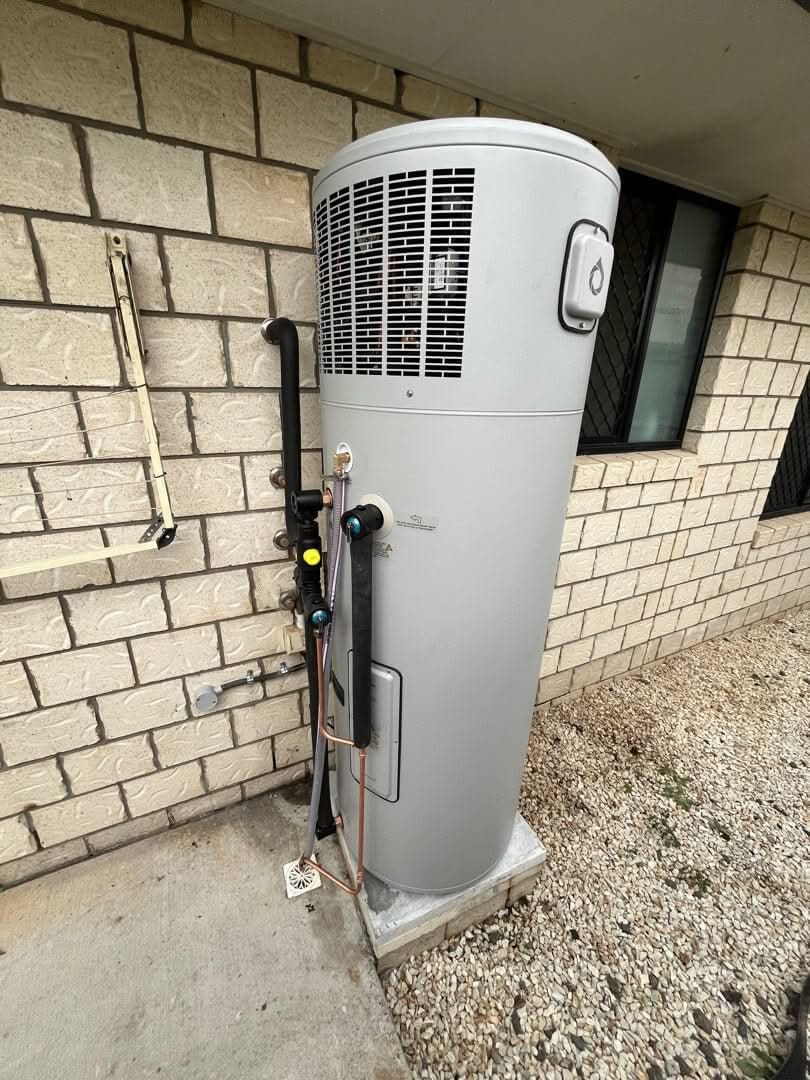
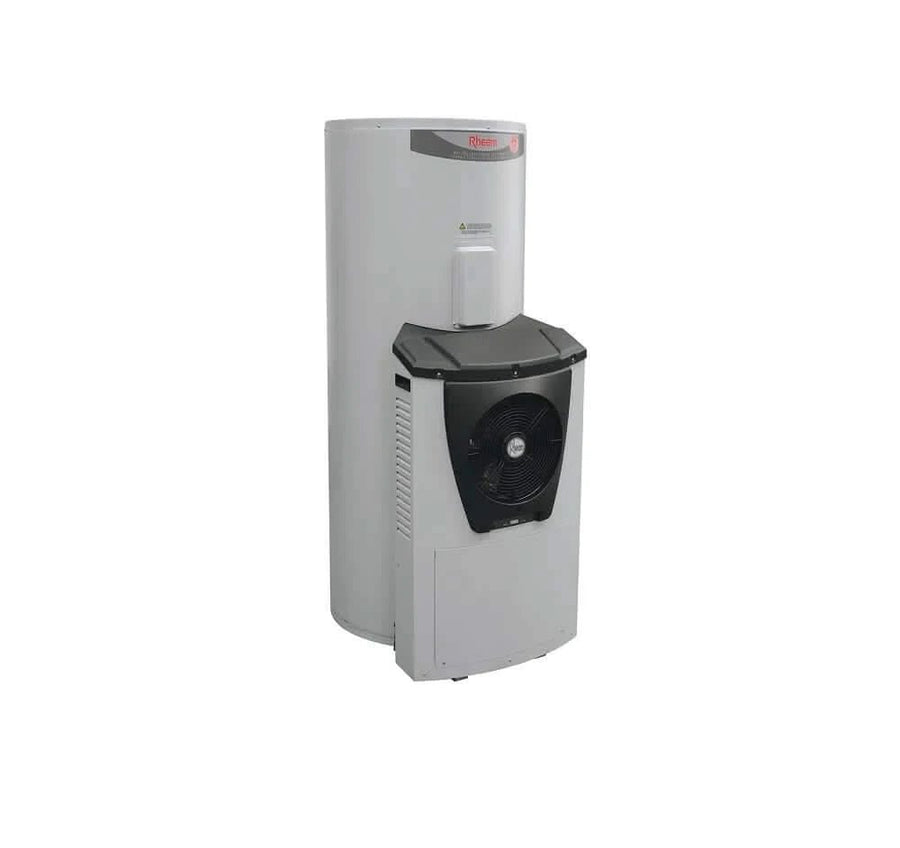
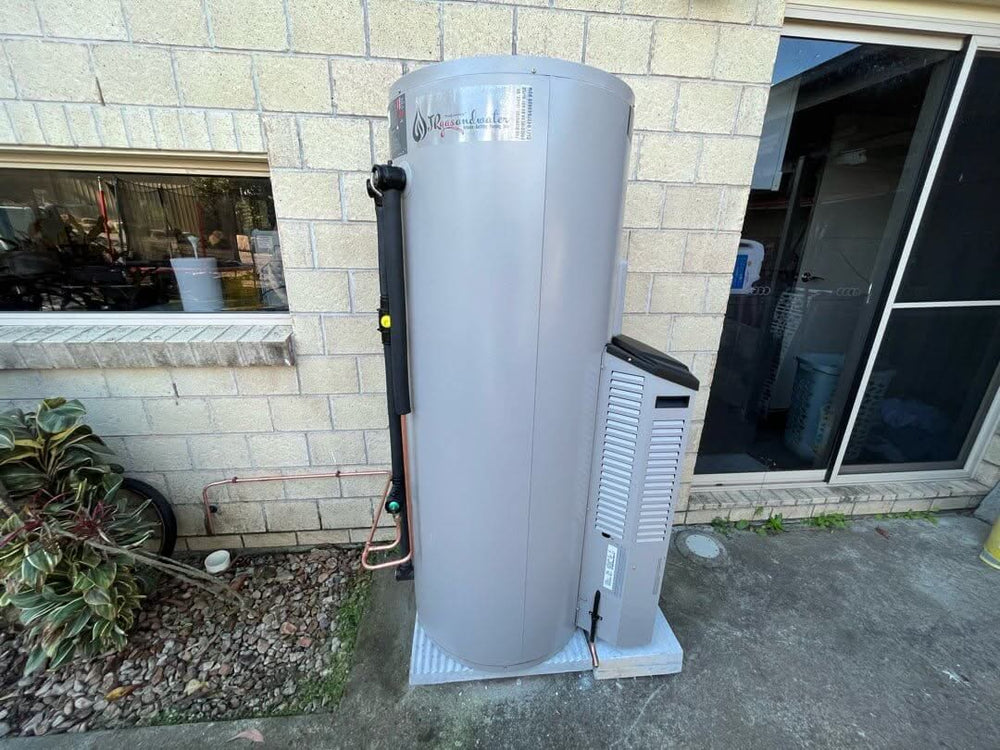
An Aquatech heat pump is an electric hot water system that uses heat pump technology to heat stored water. Instead of relying only on a standard electric element, a heat pump draws heat from the surrounding air and transfers it into the water.
This makes it different from a standard electric storage hot water system.
A heat pump system still stores hot water in a tank, but it can use less electricity than a traditional electric storage unit in suitable conditions.
Aquatech heat pumps are commonly compared by customers wanting:
-
A more efficient electric hot water option
-
An alternative to standard electric storage
-
A heat pump for family hot water use
-
A system that may suit solar-powered homes
-
A replacement for an old electric tank
-
Supply-only ordering or installed options where available
Aquatech heat pump pros
Aquatech heat pumps can offer several advantages when the home and installation site suit the product.
Potential benefits include:
-
Heat pump technology for efficient electric hot water
-
Suitable for homes wanting to move away from standard electric storage
-
Useful where natural gas is not available
-
Can suit households with suitable outdoor space
-
May pair well with solar electricity where the setup and timer strategy suit
-
Can be compared for homes, rentals and renovation projects
-
Supply-only ordering available for customers with their own licensed installer arranged
-
Supplied-and-installed options may be available on selected products in eligible Brisbane and Gold Coast areas
The strongest use case is usually an electric storage replacement where the site is suitable for a heat pump.
Aquatech heat pump cons
Aquatech may not suit every property.
Potential drawbacks to consider include:
-
Needs suitable outdoor airflow
-
Needs condensate drainage
-
Needs enough physical access for delivery and installation
-
Needs acceptable noise placement
-
May need electrical work
-
Recovery time may differ from gas continuous flow or large electric storage systems
-
Performance can vary with climate, usage and settings
-
Installation quality matters
-
Warranty support depends on correct selection, installation and maintenance
-
It may not be the best fit for tight courtyards, enclosed spaces or noise-sensitive locations
Heat pump hot water should be chosen around the site, not just the product price or energy claims.
How an Aquatech heat pump works
An Aquatech heat pump uses electricity to run a compressor and fan system that extracts heat from the surrounding air. That heat is transferred into the stored water inside the tank.
In simple terms:
-
The fan draws in air
-
The heat pump extracts heat from that air
-
The system transfers heat into the water
-
Heated water is stored in the tank
-
The home uses stored hot water as needed
-
The system reheats based on its controls, settings and demand
This is why location matters. A heat pump needs access to surrounding air to work properly.
Aquatech vs standard electric hot water
Aquatech heat pumps are commonly compared against standard electric storage systems.
| Feature | Aquatech heat pump | Standard electric storage |
|---|---|---|
| Main heating method | Heat pump technology | Electric element |
| Energy use | Lower in suitable conditions | Usually higher |
| Installation complexity | More site-specific | Often simpler like-for-like |
| Outdoor space | Usually important | Depends on model |
| Noise | Fan and compressor noise to consider | Usually quieter |
| Drainage | Condensate drainage needed | Standard discharge drainage |
| Upfront cost | Usually higher | Often lower |
| Best suited to | Efficiency-focused electric homes | Simple electric replacements |
A heat pump may be the better long-term option where the site suits. A standard electric system may still be more practical where budget, access or location makes heat pump installation difficult.
Aquatech vs gas hot water
Aquatech heat pumps and gas hot water systems suit different properties.
A heat pump uses electricity. A gas hot water system uses natural gas or LPG.
A heat pump may suit:
-
Homes without gas
-
Homes with solar electricity
-
Customers wanting an efficient electric option
-
Properties with suitable outdoor space
-
Homes replacing an old electric storage tank
Gas hot water may suit:
-
Homes already set up for natural gas or LPG
-
Customers wanting continuous flow gas hot water
-
Properties with suitable gas pipe sizing
-
Homes where gas installation already exists
-
Customers needing compact wall-mounted options
Natural gas and LPG are not interchangeable. Any gas system must match the property’s gas type and be installed by a licensed gas fitter.
Aquatech vs other heat pump brands
Aquatech is one of several heat pump brands customers may compare.
Before choosing Aquatech, compare it against other brands and product categories such as:
Compare:
-
Tank size
-
Household suitability
-
Noise rating
-
Warranty terms
-
Dimensions
-
Recovery rate
-
Installation requirements
-
Electrical requirements
-
Outdoor clearance needs
-
Price
-
Supply-only vs installed options
-
Installer familiarity
-
Service and parts availability
The best heat pump is the one that suits the home and installation location.
Aquatech Rapid X6 review
The Aquatech Rapid X6 is commonly compared as a compact heat pump option for smaller family homes and moderate household hot water demand.
It may suit:
-
Small to medium households
-
Homes replacing an electric storage tank
-
Properties with suitable outdoor space
-
Customers wanting a heat pump hot water upgrade
-
Homes where a larger tank is not required
-
Households with moderate daily hot water use
Before choosing the Rapid X6, check:
-
Number of people in the home
-
Shower habits
-
Number of bathrooms
-
Morning and evening demand
-
Tank recovery
-
Outdoor location
-
Airflow
-
Drainage
-
Noise position
-
Electrical requirements
-
Access for installation
If the home has high hot water demand, a larger system or different product may be worth comparing.
Aquatech and Hydrotherm heat pumps
Aquatech and Hydrotherm heat pump systems are often compared together by customers looking at energy-efficient electric hot water upgrades.
They may suit customers who want:
-
Heat pump hot water
-
Electric hot water replacement
-
Family-sized tank options
-
Supply-only ordering
-
Installed options where available
-
A product suited to outdoor installation
-
A system that may work with solar electricity timing where the setup suits
Compare options in the Aquatech / Hydrotherm hot water systems collection.
Energy efficiency: what to know before buying
Heat pumps can reduce electricity use compared with standard electric storage systems in suitable conditions. However, real-world results depend on the home.
Efficiency depends on:
-
Climate
-
Outdoor air temperature
-
Installation location
-
Airflow
-
Tank size
-
Household hot water use
-
Timer settings
-
Solar electricity setup
-
Electricity tariff
-
Maintenance
-
Recovery demand
-
Backup element use where applicable
Avoid choosing a heat pump based only on a headline savings claim. The result depends on the property and how the system is used.
Does Aquatech work well in cold weather?
Heat pump performance can be affected by colder outdoor temperatures. This does not mean a heat pump cannot work in cooler conditions, but it does mean performance and recovery should be checked against the product specifications and household demand.
In colder locations or high-demand homes, ask:
-
What is the operating temperature range?
-
How does recovery change in colder weather?
-
Is backup heating used?
-
What is the expected hot water recovery time?
-
Does the tank size suit winter usage?
-
Is the installation location exposed or sheltered?
-
Will the household use most hot water in one peak period?
For Brisbane, Gold Coast and many warmer Australian regions, heat pump conditions may be more favourable than colder southern or inland locations, but site suitability still matters.
Hot water recovery time
A heat pump usually does not behave the same way as instant gas or a large standard storage system.
Recovery time depends on:
-
Tank size
-
Heat pump capacity
-
Outdoor air temperature
-
Usage pattern
-
Timer settings
-
Backup element settings
-
Household demand
-
Installation location
-
Whether multiple showers run back-to-back
If your household has heavy peak hot water use, do not choose based on tank size alone. Check recovery and usage pattern as well.
Noise considerations
Heat pumps have a fan and compressor, so noise placement matters.
Before choosing an Aquatech heat pump, check where the unit will sit in relation to:
-
Bedroom windows
-
Neighbouring homes
-
Courtyards
-
Unit complexes
-
Boundary fences
-
Outdoor living areas
-
Side access paths
-
Apartment balconies
-
Noise-sensitive spaces
Even if a heat pump is within acceptable noise limits, a poor location can make it annoying.
Airflow requirements
Heat pumps need airflow. They should not be installed in tight enclosed spaces where air cannot move properly.
Poor airflow can affect:
-
Efficiency
-
Recovery
-
Noise
-
System performance
-
Long-term reliability
Avoid locations such as:
-
Sealed cupboards
-
Tight service cavities
-
Enclosed garages without suitable ventilation
-
Under low decks with poor clearance
-
Tight side paths with blocked airflow
-
Small courtyards with limited ventilation
A licensed installer should confirm the location before ordering.
Condensate drainage
Heat pumps create condensate as part of normal operation. This needs to drain safely.
Before choosing an Aquatech heat pump, check:
-
Where condensate will drain
-
Whether drainage work is needed
-
Whether the location can stay dry and safe
-
Whether discharge will affect paths, slabs or neighbours
-
Whether additional plumbing is required
Poor drainage can create nuisance water, slippery surfaces or installation issues.
Electrical requirements
A heat pump is still an electric appliance. The electrical setup must suit the selected unit.
Check:
-
Existing circuit
-
Switchboard capacity
-
Electrical compliance
-
Timer or solar timing options
-
Manufacturer requirements
-
Whether electrical work is needed
-
Whether a licensed electrician is required
-
Whether the existing electric storage circuit is suitable
Supply-only customers should confirm electrical suitability before ordering.
Solar power compatibility
Heat pump hot water can be a good match for homes with rooftop solar when the setup is planned properly.
A solar-friendly setup may use daytime heating so the heat pump runs while solar power is available.
However, this depends on:
-
Solar system size
-
Timer settings
-
Household usage
-
Electricity tariff
-
Tank size
-
Recovery needs
-
Electrical setup
-
Installer advice
Do not assume every heat pump automatically uses solar power well. It needs the right control strategy.
Aquatech heat pump for small homes
An Aquatech heat pump may suit smaller homes where the tank size matches demand and the outdoor location is suitable.
It may suit:
-
Couples
-
Small families
-
Units with suitable outdoor installation space
-
Townhouses
-
Granny flats with suitable demand
-
Homes replacing electric storage
It may not suit a small property if the available installation location is too enclosed, too close to bedrooms, poorly drained or difficult to access.
Aquatech heat pump for family homes
For family homes, sizing and recovery are critical.
Check:
-
Number of people
-
Number of bathrooms
-
Shower length
-
Back-to-back showers
-
Bath use
-
Laundry use
-
Dishwasher use
-
Morning demand
-
Evening demand
-
Tank recovery
-
Solar timing if used
A family home should not choose a heat pump purely on the lowest price. It needs enough stored hot water and recovery for the way the household actually uses water.
Aquatech heat pump for rental properties
A heat pump can suit rental properties where it is correctly sized and simple for tenants to use.
For rentals, consider:
-
Tenant demand
-
Number of bedrooms
-
Number of bathrooms
-
Simple operation
-
Maintenance access
-
Noise placement
-
Reliability
-
Warranty documentation
-
Installer access
-
Cartridge or filter maintenance where relevant
-
Whether tenants understand boost settings if applicable
For rental properties, reliability and simple operation matter more than chasing the biggest theoretical saving.
Aquatech heat pump for Airbnb and short-stay properties
Short-stay properties need reliable hot water for maximum guest occupancy.
A heat pump may suit some Airbnb properties, but check:
-
Guest count
-
Number of bathrooms
-
Back-to-back showers
-
Laundry between bookings
-
Bath use
-
Peak demand
-
Recovery time
-
Noise placement
-
Boost settings
-
Maintenance access
Guest hot water complaints can be expensive, so do not undersize the system.
Aquatech heat pump for renovations
A renovation is a good time to plan the hot water system properly.
Before choosing an Aquatech heat pump for a renovation, confirm:
-
Final bathroom count
-
Fixture locations
-
Outdoor unit location
-
Drainage
-
Electrical supply
-
Solar timing
-
Access after renovation
-
Noise placement
-
Space around the unit
-
Future household demand
Do not leave heat pump location until the end of the renovation. It should be planned with plumbing and electrical layout.
Installation: what needs to be checked?
Aquatech heat pump installation should be assessed by a licensed professional.
Important checks include:
-
Existing system type
-
Existing tank size
-
Access
-
Outdoor location
-
Airflow
-
Drainage
-
Electrical supply
-
Base or slab condition
-
Pipework
-
Valves
-
Tempering valve requirements
-
Old unit removal
-
Disposal
-
Compliance upgrades
-
Manufacturer clearances
-
Noise placement
A poor installation location can reduce performance and create long-term problems.
Supply-only Aquatech heat pumps
Supply-only ordering can suit customers who already have their own licensed installer arranged.
Supply only may suit:
-
Builders
-
Renovators
-
Landlords
-
Property managers
-
Trade customers
-
Customers outside installed service areas
-
Customers managing their own installation
Supply-only product pricing generally does not include installation, valves, old unit removal, disposal, electrical work, plumbing changes, drainage work, base work, access upgrades or compliance upgrades unless clearly selected or included.
Before ordering supply only, your installer should confirm the Aquatech heat pump suits the home.
Supplied-and-installed Aquatech heat pumps
Supplied-and-installed options may be available on selected products in eligible Brisbane and Gold Coast service areas where shown.
This can suit customers who want the heat pump and installation pathway arranged together.
Before ordering supplied and installed, check:
-
Service area eligibility
-
Existing system type
-
Installation inclusions
-
Valve requirements
-
Drainage requirements
-
Electrical work
-
Old unit removal
-
Disposal
-
Pipework changes
-
Access
-
Base or slab condition
-
Compliance upgrades
-
Product suitability
Do not assume every extra is included. Check the product page and selected options carefully.
Warranty and support considerations
Before choosing any heat pump, check warranty details carefully.
Review:
-
Tank warranty
-
Compressor warranty
-
Parts warranty
-
Labour coverage
-
Installation requirements
-
Exclusions
-
Maintenance requirements
-
Proof of purchase
-
Licensed installation requirements
-
Water quality exclusions
-
Response process for claims
Warranty support can depend on correct product selection, professional installation, maintenance and documentation.
Maintenance considerations
Heat pump hot water systems need ongoing care.
Maintenance may include:
-
Valve checks
-
Relief valve operation
-
Airflow clearance checks
-
Cleaning around the unit
-
Condensate drain checks
-
Electrical checks by a qualified professional where required
-
Anode checks where applicable
-
General system inspection
-
Manufacturer-recommended servicing
A heat pump that is never checked or maintained may not perform as expected over time.
Common mistake: choosing Aquatech based only on efficiency claims
Efficiency matters, but it is only one part of the decision.
Also check:
-
Household demand
-
Recovery time
-
Outdoor location
-
Noise placement
-
Drainage
-
Electrical requirements
-
Access
-
Maintenance
-
Warranty terms
-
Total replacement cost
A heat pump can be efficient and still be the wrong choice for the site.
Common mistake: ignoring airflow
A heat pump needs air movement. Installing it in a tight or enclosed space can reduce performance.
Before ordering, confirm airflow clearances with the installer.
Common mistake: ignoring drainage
Condensate drainage is not optional. Poor drainage can create nuisance water and installation issues.
Check the drain location before ordering.
Common mistake: assuming heat pumps are silent
Heat pumps are not silent. They make fan and compressor noise.
Choose a location that avoids bedrooms, neighbours and quiet outdoor spaces where possible.
Common mistake: undersizing the tank
An undersized heat pump may run out of hot water during peak demand.
If your household has long showers, multiple bathrooms or back-to-back use, check tank size and recovery carefully.
Common mistake: assuming it will suit every climate
Heat pump performance can vary with outdoor temperature.
In colder areas, check product specifications and installer advice before choosing.
Common mistake: comparing only product price
The product price is not the full replacement cost.
Extra costs may include:
-
Valves
-
Disposal
-
Old unit removal
-
Electrical work
-
Pipework changes
-
Drainage
-
Base work
-
Access issues
-
Compliance upgrades
Compare the total pathway, not only the product price.
Final verdict: should you buy an Aquatech heat pump?
An Aquatech heat pump can be a practical option for homes wanting an energy-efficient electric hot water upgrade, especially where the property has suitable outdoor space, airflow, drainage, access and electrical setup.
It is worth considering if you are replacing an older electric storage system and want to compare heat pump options. It may be less suitable if the site is enclosed, noise-sensitive, poorly drained, difficult to access, or if the household has very high peak hot water demand.
Before ordering, compare Aquatech against other heat pump and hot water brands, including iStore hot water systems, Enviroheat hot water systems, Rheem hot water systems and Rinnai hot water systems.
The best heat pump hot water system is not just the one with the lowest running cost claim. It is the one that suits your home, climate, installation location, hot water demand and long-term expectations.
To compare options, start with Aquatech / Hydrotherm hot water systems or browse all heat pump hot water systems.
Long-tail FAQs
Is the Aquatech heat pump good?
An Aquatech heat pump can be suitable where the home has the right outdoor location, airflow, drainage, electrical setup and hot water demand. It should be compared against other heat pump options before ordering.
What should I check before buying an Aquatech heat pump?
Check household size, number of bathrooms, tank size, recovery time, outdoor location, airflow, drainage, noise placement, electrical requirements, access and warranty terms.
Does an Aquatech heat pump work in cold weather?
Heat pump performance can vary with outdoor temperature. In colder areas, check the operating range, recovery performance and installer advice before choosing.
Is Aquatech better than iStore?
Aquatech and iStore should be compared by tank size, performance, warranty, installation requirements, noise, price and household suitability. The better option depends on the property.
Is Aquatech better than Rheem?
Aquatech and Rheem both offer hot water options, but the right choice depends on system type, heat pump suitability, household demand, warranty terms and installation requirements.
Can an Aquatech heat pump use solar power?
A heat pump can work well in homes with rooftop solar when timer settings and household usage suit daytime operation. Your electrical setup and installer advice matter.
Does an Aquatech heat pump need a plumber and electrician?
Heat pump hot water installation may require licensed plumbing and electrical work. Supply-only customers should confirm all installation requirements with their licensed installer before ordering.
Is an Aquatech heat pump suitable for rental properties?
It can be suitable for rentals if correctly sized, installed in a suitable location and easy for tenants to use. Landlords should consider maintenance access, noise and tenant demand.
Is an Aquatech heat pump suitable for Airbnb?
It may suit some short-stay properties, but the system must be sized for maximum guest use and back-to-back showers. Guest comfort should come before the lowest upfront price.
Should I compare Aquatech with other heat pump brands?
Yes. Compare Aquatech with other heat pump options by capacity, installation requirements, warranty, noise, recovery, total cost and site suitability before ordering.