
Best Water Tap Filter System for Home Tap Water
A water tap filter system can make everyday tap water taste cleaner, smell fresher and feel more practical for drinking, cooking, coffee, tea and filling reusable bottles. For many homes, the best option is a kitchen or under sink water filter that provides filtered water directly at the kitchen tap or through a dedicated filtered water outlet.
The right system depends on your water source, the contaminants you want to reduce, available under sink space, cartridge replacement schedule and whether you need drinking water only or broader whole home filtration.
Installed Today offers a range of water filters, including drinking water filtration systems, kitchen water filters, whole home water filtration systems, shower water filters and Puretec water filtration systems.
Quick Answer
The best water tap filter system for most homes is usually an under sink kitchen water filter if the main goal is better-tasting water for drinking and cooking.
A tap water filter can help reduce chlorine taste, odour, sediment and selected contaminants, depending on the cartridge. A whole home water filter may be better if you want filtered water going to multiple taps, showers and appliances. A shower filter is only for shower water, not drinking water.
One filter does not remove everything. A basic taste-and-odour filter is not automatically a PFAS, bacteria, heavy metal, reverse osmosis or UV filtration system. Water source and filter specification matter.
What Is a Water Tap Filter System?
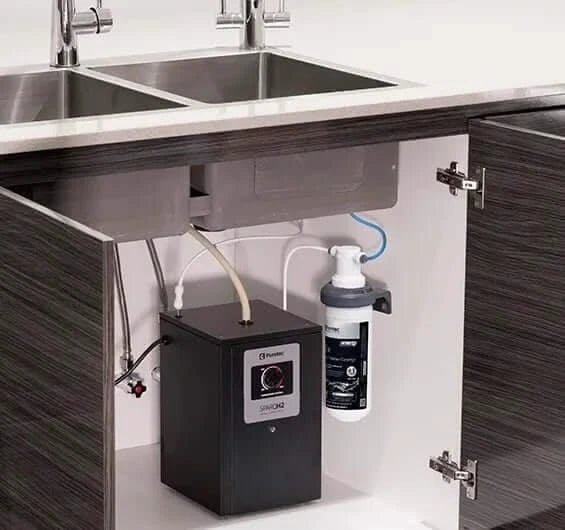
A water tap filter system is a filtration setup that treats water before it is used at the tap. In most homes, this means a kitchen drinking water filter installed under the sink or connected to a dedicated filtered water tap.
A water tap filter system may include:
-
A filter cartridge
-
Filter housing
-
Under sink connection
-
Dedicated filtered water tap or mixer tap connection, depending on system type
-
Isolation valve or connection fittings
-
Replacement cartridge schedule
These systems are designed to provide filtered water where it is used most often: the kitchen. That makes them popular for drinking, cooking, filling bottles, making coffee and preparing food.
For customers comparing tap water options online, Installed Today’s kitchen water filters and drinking water filtration systems are a practical place to start.
Why Install a Water Tap Filter?
A water tap filter can improve the water you use most often without needing to filter the entire home. This makes it a practical option for households that mainly want better drinking water at the kitchen sink.
Common reasons to install a tap water filter include:
-
Reducing chlorine taste and smell
-
Improving the taste of drinking water
-
Making coffee and tea taste cleaner
-
Reducing visible sediment, depending on the cartridge
-
Reducing selected contaminants, depending on filter specification
-
Cutting down on bottled water use
-
Making filtered water easier to access every day
-
Saving bench space compared with jug filters or benchtop systems
The benefit depends on choosing the right filter for the actual water issue. A system designed for chlorine taste may not be the right choice for rainwater bacteria concerns, bore water, PFAS, heavy metals or unknown water quality problems.
Water Tap Filter vs Jug Filter
A jug filter can be a simple starting point, but it needs refilling and usually has a small capacity. A water tap filter is more convenient because filtered water is available directly at the sink.
A tap or under sink filter may suit households that:
-
Use filtered water daily
-
Fill multiple bottles
-
Cook often
-
Want less fridge clutter
-
Want better water for coffee and tea
-
Do not want to keep refilling a jug
-
Prefer a fixed kitchen filtration setup
A jug filter may still suit low-use households, renters or people who do not want any plumbing connection. For a more permanent kitchen setup, an under sink filter is usually more practical.
Main Types of Water Tap Filter Systems
Different tap filter systems use different filtration methods. The best choice depends on what you want to reduce.
Activated Carbon Tap Filters
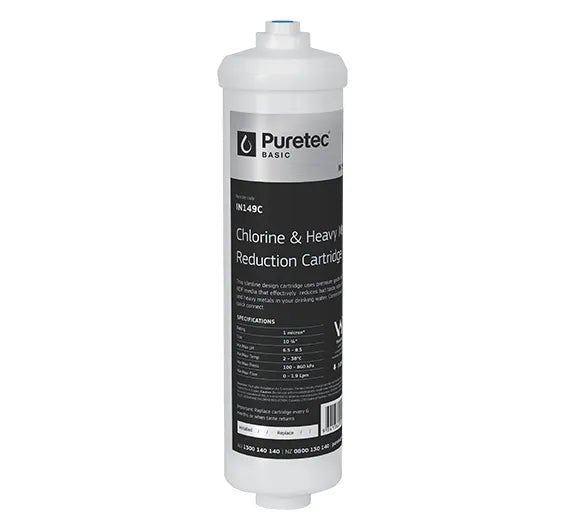
Activated carbon filters are commonly used for kitchen drinking water. They can help reduce chlorine taste, odour and selected organic compounds, depending on the cartridge.
Activated carbon filtration is often suitable for town water homes where the main concern is taste and smell.
This type of filter may suit:
-
Chlorine taste
-
Chlorine smell
-
Better-tasting drinking water
-
Coffee and tea water
-
General kitchen drinking water
-
Households wanting a simple under sink solution
However, carbon filters are not all the same. Always check the product specifications to understand what the cartridge is designed to reduce.
Sediment Filters
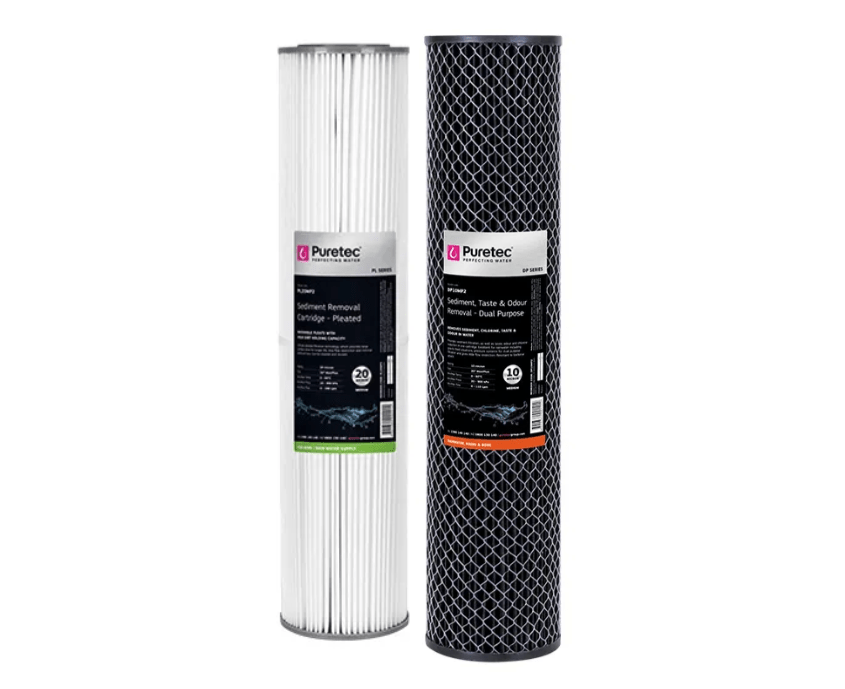
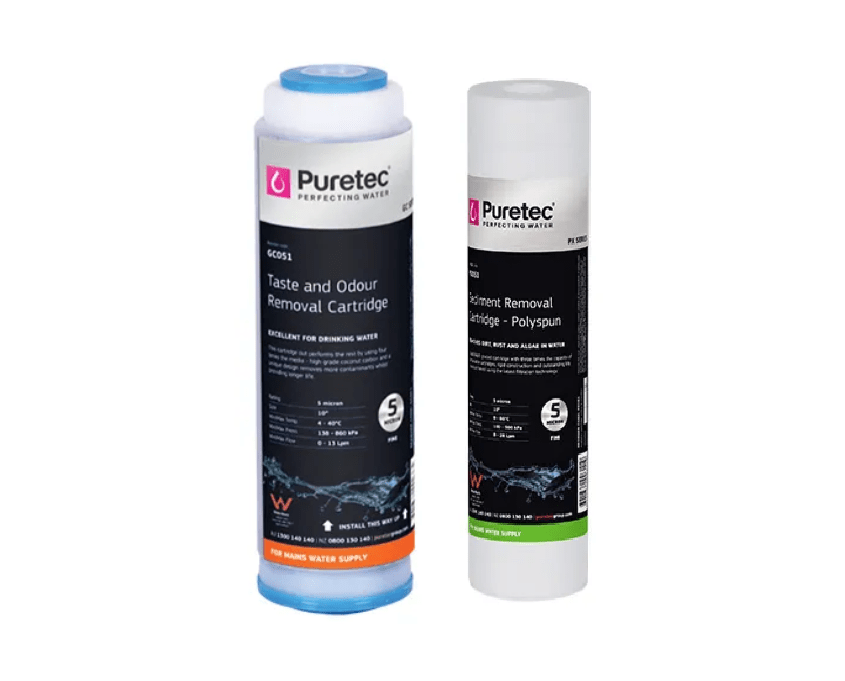
Sediment filters capture physical particles such as sand, grit, dirt, rust and suspended material. They may be used in drinking water systems, whole home filters or as a pre-filter before more sensitive filtration.
A sediment filter may be useful where you notice:
-
Particles in tap water
-
Blocked tap aerators
-
Cloudy water after mains work
-
Tank water sediment
-
Grit in fixtures
-
Discolouration caused by suspended material
Sediment filters do not automatically remove chlorine, PFAS, bacteria, heavy metals or dissolved contaminants. They are often one stage in a broader filtration setup.
Reverse Osmosis Tap Filters
Reverse osmosis systems use a fine membrane to reduce a broader range of dissolved substances than many standard filters. They are usually used for drinking water only, not whole home filtration.
Reverse osmosis may be considered where households want more advanced drinking water filtration, but it is not automatically needed for every home.
Before choosing reverse osmosis, consider:
-
Flow rate
-
Storage tank requirements
-
Wastewater
-
Filter and membrane replacement
-
Water pressure
-
Under sink space
-
Remineralisation preferences
-
Whether the system matches your water concern
For PFAS, heavy metals, bore water, rainwater or health-related concerns, water testing and product matching are important.
UV Water Filtration
UV filtration uses ultraviolet light to help manage bacteria and microbiological concerns in certain water supplies. It is commonly considered for untreated water, rainwater or properties where biological contamination risk needs to be addressed.
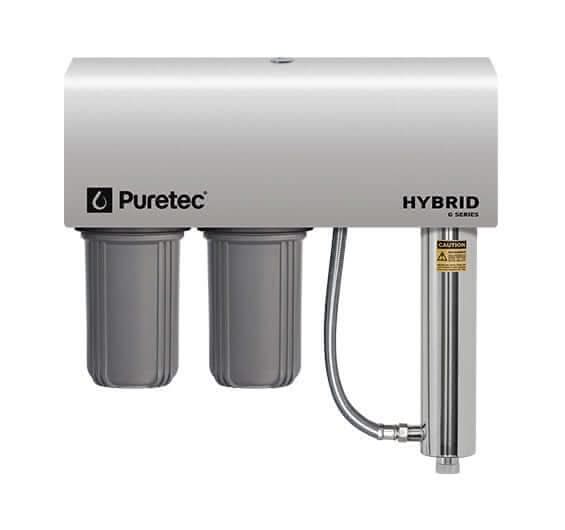
UV does not remove sediment, chlorine, taste, odour, PFAS or heavy metals by itself. It usually requires pre-filtration so the water is clear enough for the UV lamp to work effectively.
UV systems also need maintenance, including lamp replacement according to the manufacturer’s schedule.
Dedicated Filter Tap vs Existing Mixer Tap
Some kitchen water filter systems use a dedicated filtered water tap, while others may be designed to work with a compatible mixer tap setup.
Dedicated Filter Tap
A dedicated filter tap gives you a separate outlet for filtered water. This is a common setup for under sink drinking water systems.
It can suit households that want:
-
Clear separation between filtered and unfiltered water
-
A dedicated drinking water outlet
-
Simple filter use at the kitchen sink
-
Filtered water for bottles, coffee and cooking
Depending on the sink or benchtop, installation may require a suitable tap hole or drilling. This should be confirmed before ordering.
Existing Mixer Tap Filter Setups
Some systems may allow filtered water through a compatible mixer tap arrangement, depending on the tap and filter design. This can reduce the need for a separate drinking water tap, but not every mixer tap or kitchen setup is suitable.
Before ordering this style of system, confirm:
-
Tap compatibility
-
Plumbing connection requirements
-
Filter flow rate
-
Under sink space
-
Cartridge access
-
Whether extra parts are required
-
Whether a licensed plumber is needed
Do not assume every filter can connect to every existing tap.
Under Sink Water Tap Filters
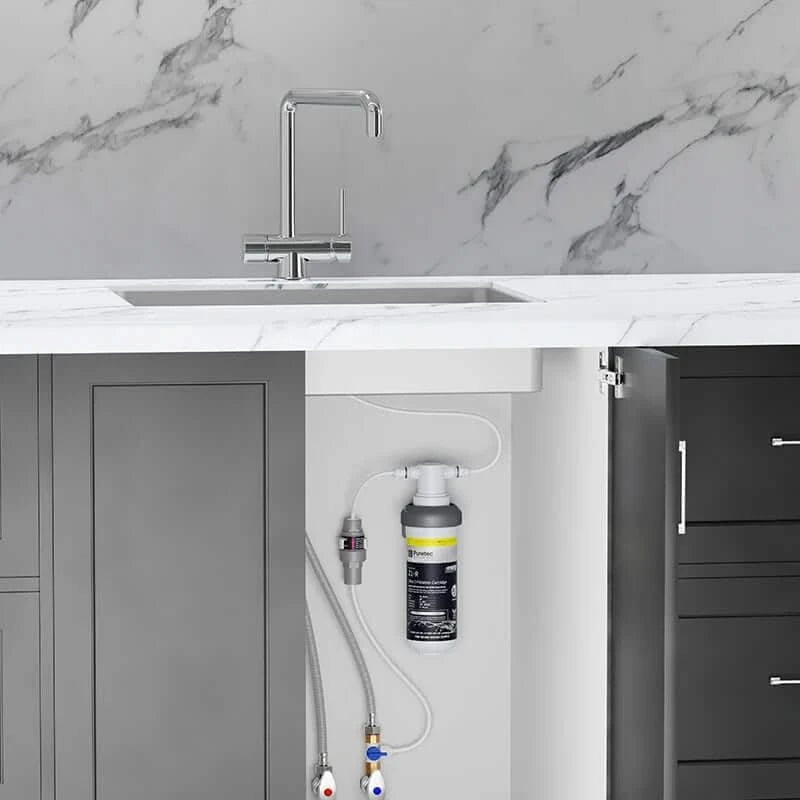
Under sink water filters are one of the most practical options for home tap water. The filter housing sits inside the cupboard, keeping the benchtop clear while filtered water is delivered at the sink.
An under sink water filter can suit:
-
Family kitchens
-
Homes wanting filtered drinking water
-
People who dislike jug filters
-
Households trying to reduce bottled water
-
Coffee and tea drinkers
-
Anyone wanting a neat, fixed filtration setup
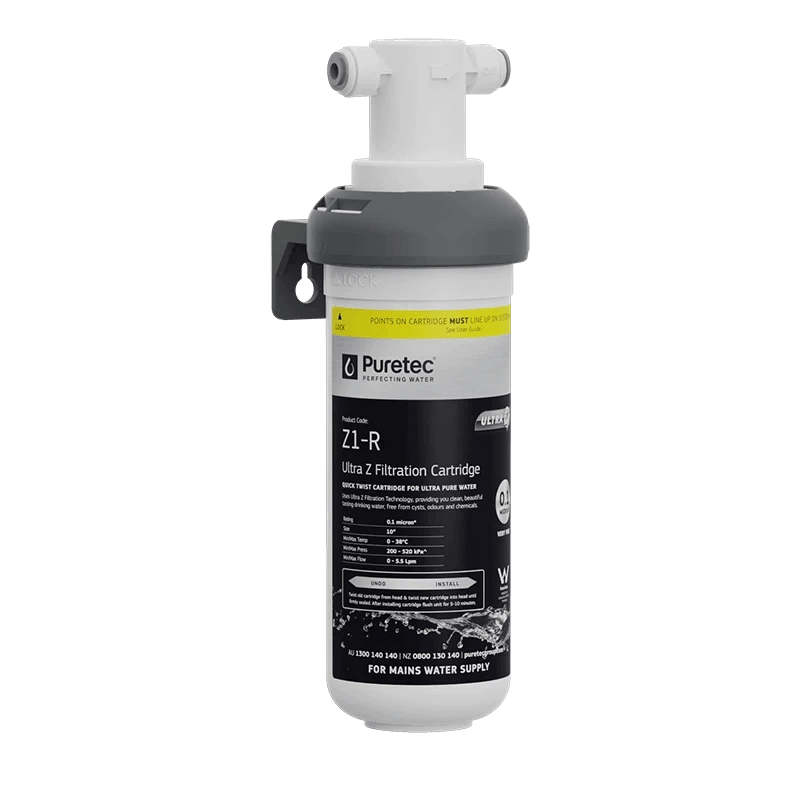
Products such as the Puretec PureMix Z7 water filter, Puretec PureMix Z2 water filter, Puretec PureMix Z6 water filter and Puretec X4 water filter are examples of kitchen drinking water filter options customers may compare.
Water Tap Filter vs Whole Home Water Filter
A water tap filter and a whole home water filter are not the same thing.
Choose a Water Tap Filter If You Want:
-
Filtered drinking water at the kitchen sink
-
Better water for coffee and tea
-
Better water for cooking
-
A compact under sink option
-
A lower-impact installation than whole home filtration
-
Filtration where drinking water is used most
Choose a Whole Home Filter If You Want:
-
Filtered water to multiple taps
-
Filtration before water reaches bathrooms and laundry
-
Sediment reduction for more of the home
-
Filtered shower water
-
A broader main-line filtration setup
-
Protection for fixtures and appliances from selected sediment, depending on system type
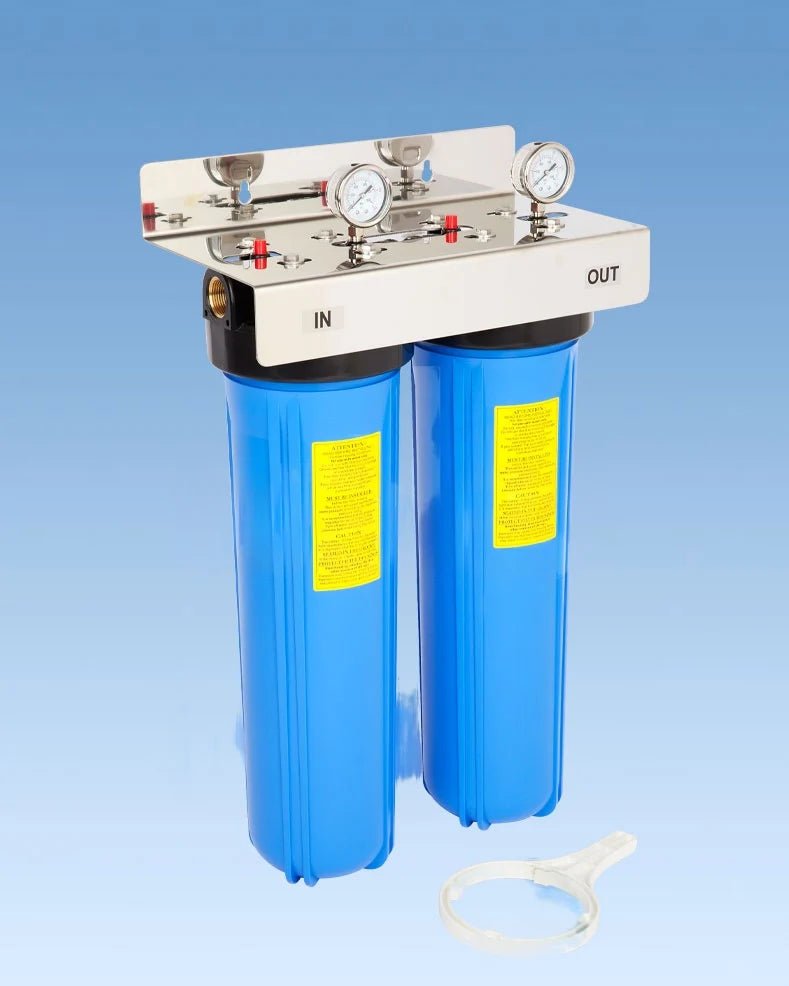
Installed Today offers whole home water filtration systems, including options such as the Puretec G6 whole house water filter, Puretec G12 whole house water filter and Puretec G13 whole house water filter.
Some households choose both: a whole home filter for general water quality and a dedicated kitchen drinking water filter for tap water used for drinking and cooking.
Are Shower Filters the Same as Tap Water Filters?
No. Shower water filters are for shower water, not drinking water.
A shower filter may help reduce chlorine smell or improve the shower experience, depending on the product. It is not a replacement for a kitchen drinking water filter, reverse osmosis system, UV system or whole home filter.
If your goal is better drinking water, choose a drinking water or kitchen water filtration system.
How to Choose the Best Water Tap Filter System
Before choosing a tap water filter, start with the water source and the problem you want to solve.
1. Check Your Water Source
Water filtration needs are different for:
-
Town water
-
Rainwater
-
Bore water
-
Tank water
-
Mixed water sources
Town water households often focus on chlorine taste, odour and general drinking water quality. Rainwater and bore water may need a more specific filtration approach, especially where bacteria, sediment, minerals, staining or unknown contaminants are involved.
2. Identify the Main Issue
Ask what you are trying to improve:
-
Taste
-
Odour
-
Chlorine
-
Sediment
-
Cloudiness
-
Scale
-
PFAS concerns
-
Heavy metals
-
Bacteria
-
Rainwater safety
-
Bore water quality
A basic kitchen filter may be ideal for taste and odour, but it may not be suitable for every health-related water concern.
3. Check the Filter Specification
Do not choose based on the word “filter” alone. Check what the cartridge is designed to reduce.
Look for details such as:
-
Filter type
-
Micron rating
-
Contaminant reduction claims
-
Cartridge life
-
Flow rate
-
Litres capacity
-
Replacement interval
-
Connection requirements
-
Water pressure range
4. Consider Under Sink Space
Under sink filters need enough room for the housing, cartridge replacement and plumbing connection. A tight kitchen cupboard can make maintenance difficult.
Before ordering, check:
-
Available cupboard space
-
Access for cartridge changes
-
Pipework location
-
Existing tap holes
-
Whether a separate filtered tap is required
-
Whether any cabinet modification is needed
5. Think About Ongoing Cartridge Costs
Water filter cartridges need replacing. The cheapest system upfront is not always the best value if cartridges are expensive, hard to find or need changing often.
Consider:
-
Replacement cartridge price
-
Replacement frequency
-
Household water usage
-
Whether reminders are needed
-
Whether the cartridge is easy to access
-
Whether a plumber is needed for replacement
6. Confirm Installation Requirements
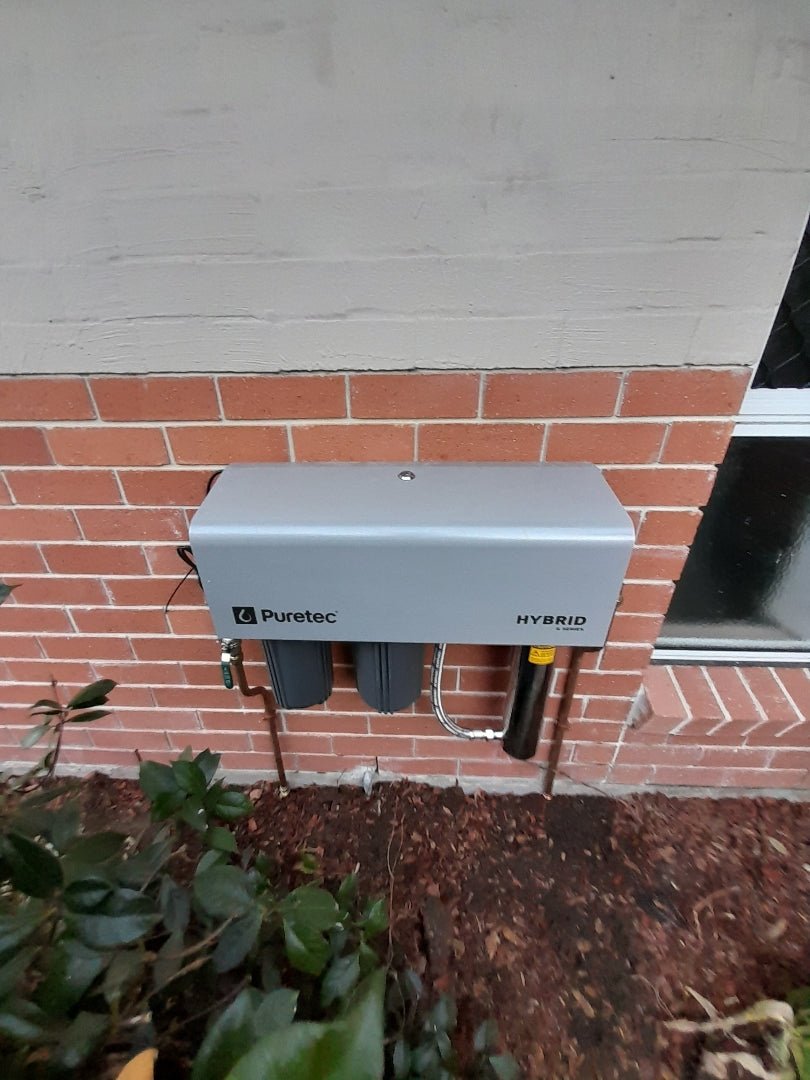
Some water tap filters are simple, while others require plumbing work. Under sink drinking water filters and whole home filters may require a licensed plumber where required.
Before ordering supply-only, confirm the product, connection type and installation requirements with your installer.
Water Testing and Health-Related Concerns
If you are concerned about PFAS, lead, heavy metals, bacteria, pesticides, bore water, rainwater or health-related contaminants, water testing is important.
A taste-and-odour filter is not automatically:
-
A PFAS filter
-
A bacteria filter
-
A heavy metal filter
-
A bore water treatment system
-
A rainwater treatment system
-
A reverse osmosis system
-
A UV system
For health-related concerns, match the filter to the actual water test results and product specification.
Maintenance and Filter Replacement
A water tap filter system only works properly when maintained. Cartridges have a limited service life and must be replaced according to the manufacturer’s schedule.
Common signs a cartridge may need replacing include:
-
Reduced water flow
-
Change in taste
-
Change in smell
-
Visible sediment
-
Cartridge age
-
Reaching the litre capacity
-
Reaching the recommended replacement interval
Maintenance helps protect water quality and flow. If the cartridge is left too long, the system may not perform as intended.
Environmental Benefits of Tap Water Filtration
A tap water filter can help reduce bottled water use. Instead of buying single-use plastic bottles, households can refill reusable bottles at the kitchen sink.
This can be useful for:
-
School bottles
-
Work bottles
-
Gym bottles
-
Sports bottles
-
Cooking
-
Coffee machines
-
Ice trays
-
Everyday drinking
The environmental benefit depends on how much bottled water your household currently uses and whether you switch to reusable bottles after installing the filter.
Supply-Only vs Supplied-and-Installed
Installed Today offers supply-only ordering across major Australian metro areas. This can suit customers who already have a licensed installer organised and want to order the product online.
Selected supplied-and-installed options are available on eligible products in Brisbane and Gold Coast service areas. Availability depends on the product, address and installation requirements.
For supply-only products, the listed product price generally covers the product only.
It does not usually include:
-
Installation labour
-
Plumbing alterations
-
Electrical work
-
New valves
-
Pipework changes
-
Drainage changes
-
Old filter removal
-
Disposal
-
Compliance upgrades
-
Cabinet modifications
-
Tap hole drilling unless listed
-
Wall mounting changes
-
Pipe resizing
-
Water testing
-
Cartridge replacement labour
-
Site assessment
Plumbing work should be completed by a licensed plumber where required. If you are ordering a supply-only water tap filter, confirm the connection type, available space, pressure range and installation requirements before ordering.
Brisbane and Gold Coast Water Tap Filter Considerations
Brisbane and Gold Coast homes can have different water filter needs depending on property age, pipework, water source and household preferences.
Town water homes often choose kitchen filtration to improve taste and reduce chlorine odour. Homes with rainwater tanks, acreage properties or pump-fed supplies may need a more tailored setup, especially where sediment, bacteria or water testing is involved.
For most suburban homes, a kitchen filter may be a practical starting point. For properties wanting filtration across taps, showers and appliances, a whole home filter may be worth comparing.
Before Ordering Checklist
Before ordering a water tap filter system, check:
-
Is your home on town water, rainwater or bore water?
-
Do you want drinking water only or whole home filtration?
-
Is the main issue taste, odour, chlorine, sediment, PFAS, heavy metals or bacteria?
-
Has the water been tested where needed?
-
Do you have space under the sink?
-
Do you need a dedicated filtered water tap?
-
Is your existing mixer tap compatible?
-
What flow rate do you need?
-
What cartridge replacement schedule applies?
-
What will replacement cartridges cost over time?
-
Does installation require a licensed plumber?
-
Are you ordering supply-only or an eligible supplied-and-installed option?
Frequently Asked Questions
Are water tap filter systems worth it?
A water tap filter system can be worth it if you regularly drink tap water and want better taste, reduced odour or a more convenient alternative to bottled water. The value depends on the filter type, cartridge cost and how much filtered water your household uses.
What is the best water tap filter for home use?
For many homes, an under sink drinking water filter is the most practical option because it provides filtered water at the kitchen sink without taking up bench space. The best model depends on your water source and what you want to reduce.
Do tap water filters remove chlorine?
Many activated carbon filters are designed to reduce chlorine taste and odour. Always check the cartridge specification to confirm what the filter is designed to reduce.
Do tap water filters remove PFAS?
Not all tap water filters remove PFAS. Some cartridges may be designed and tested for PFAS reduction, but this must be confirmed from the product specification. For PFAS concerns, water testing and correct product matching are important.
Can a tap filter remove bacteria?
Some filtration systems are designed to manage bacteria concerns, such as UV systems or specific cartridges, but not every tap filter removes or neutralises bacteria. Rainwater, bore water and health-related concerns should be tested and matched to the correct system.
Is a shower filter safe for drinking water?
No. A shower filter is designed for shower water. It should not be used as a drinking water filter.
How often should water tap filter cartridges be replaced?
Replacement timing depends on the product, cartridge, water quality and household usage. Some cartridges are replaced by time, some by litre capacity and some when flow or taste changes. Follow the manufacturer’s schedule.
Can I install a water tap filter myself?
Some simple filters may be designed for basic connection, but many under sink and whole home systems require plumbing work. Plumbing work should be completed by a licensed plumber where required.
Final Word
A water tap filter system can be a practical way to improve the water your household uses most. For many homes, an under sink kitchen filter is the best balance of convenience, taste improvement and everyday usability.
The right choice depends on your water source, filter goals, under sink space, cartridge maintenance and installation requirements. For more complex concerns such as PFAS, bacteria, bore water, rainwater or heavy metals, water testing and product matching are important.
Browse Installed Today’s water filters, compare kitchen water filters, or view drinking water filtration systems to find a suitable option for your home.